Bring Pattern and Character to Your Garden Boundary
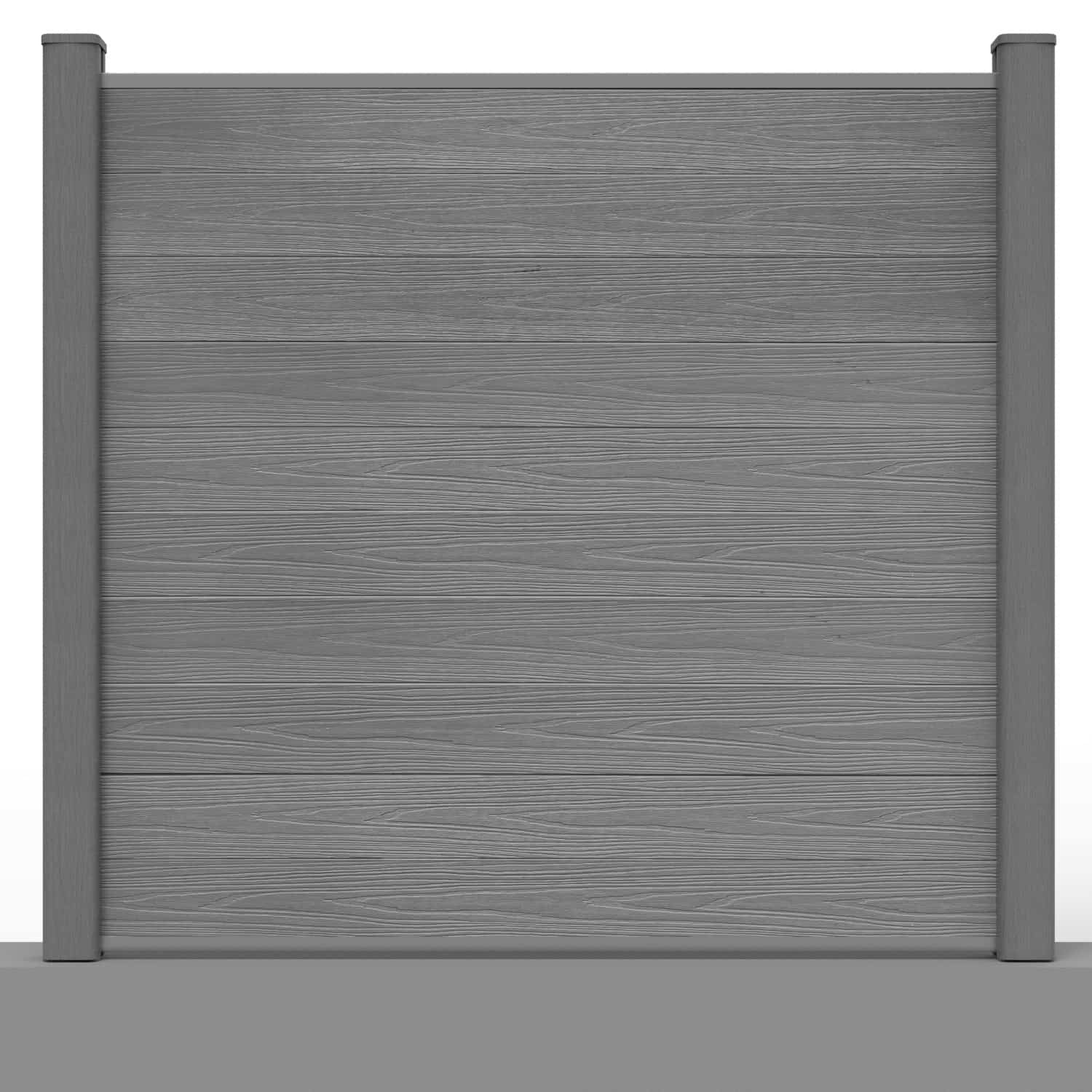
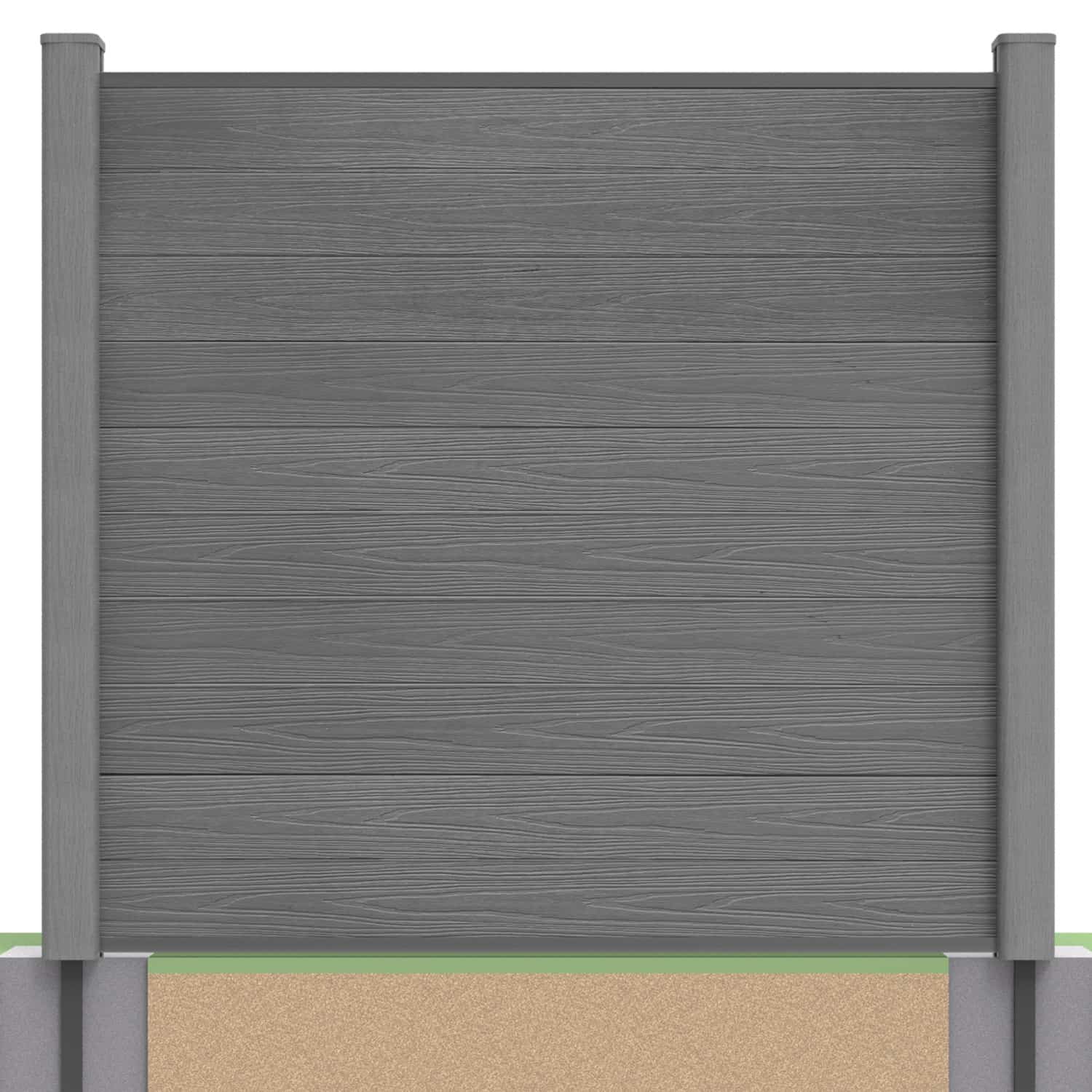
Decorative fence screens can turn the upper part of a garden boundary into a design feature. NeoTimber’s options use cut-out patterns to introduce detail above the boards, offering an alternative to repeating solid coverage along the whole fence.
The screens are powder-coated aluminium, designed to coordinate with the composite fencing system. Choose from Contemporary, Geometric, Leaf and Linear patterns, then check the effect on privacy and the required assembly before ordering.
Explore our fencing guide for an introduction, or browse NeoTimber® composite fencing to compare the complete range.
Explore: Contemporary · Geometric · Leaf · Linear · Colour · Privacy · Fitting · Care · FAQs
Compare Four Screen Designs
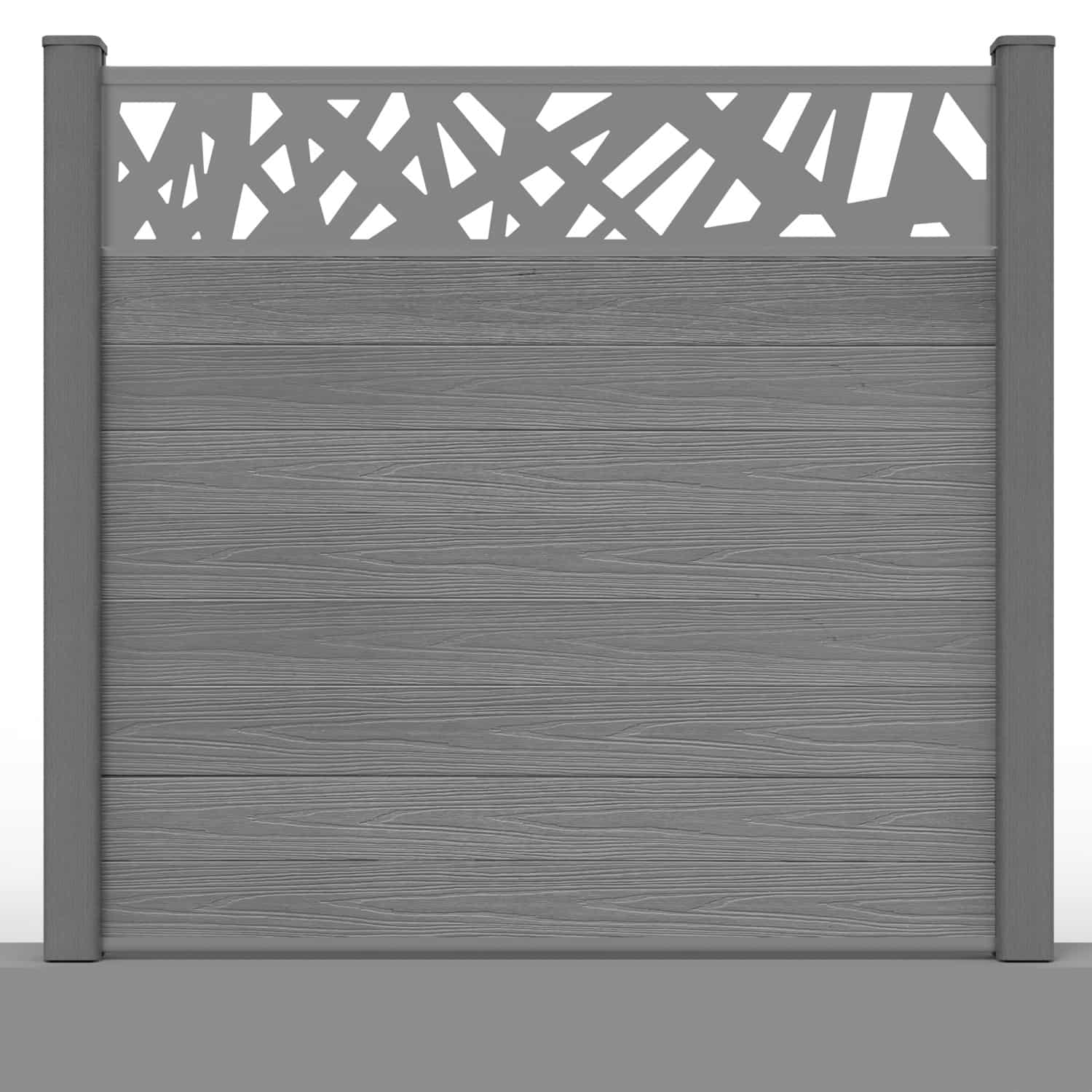
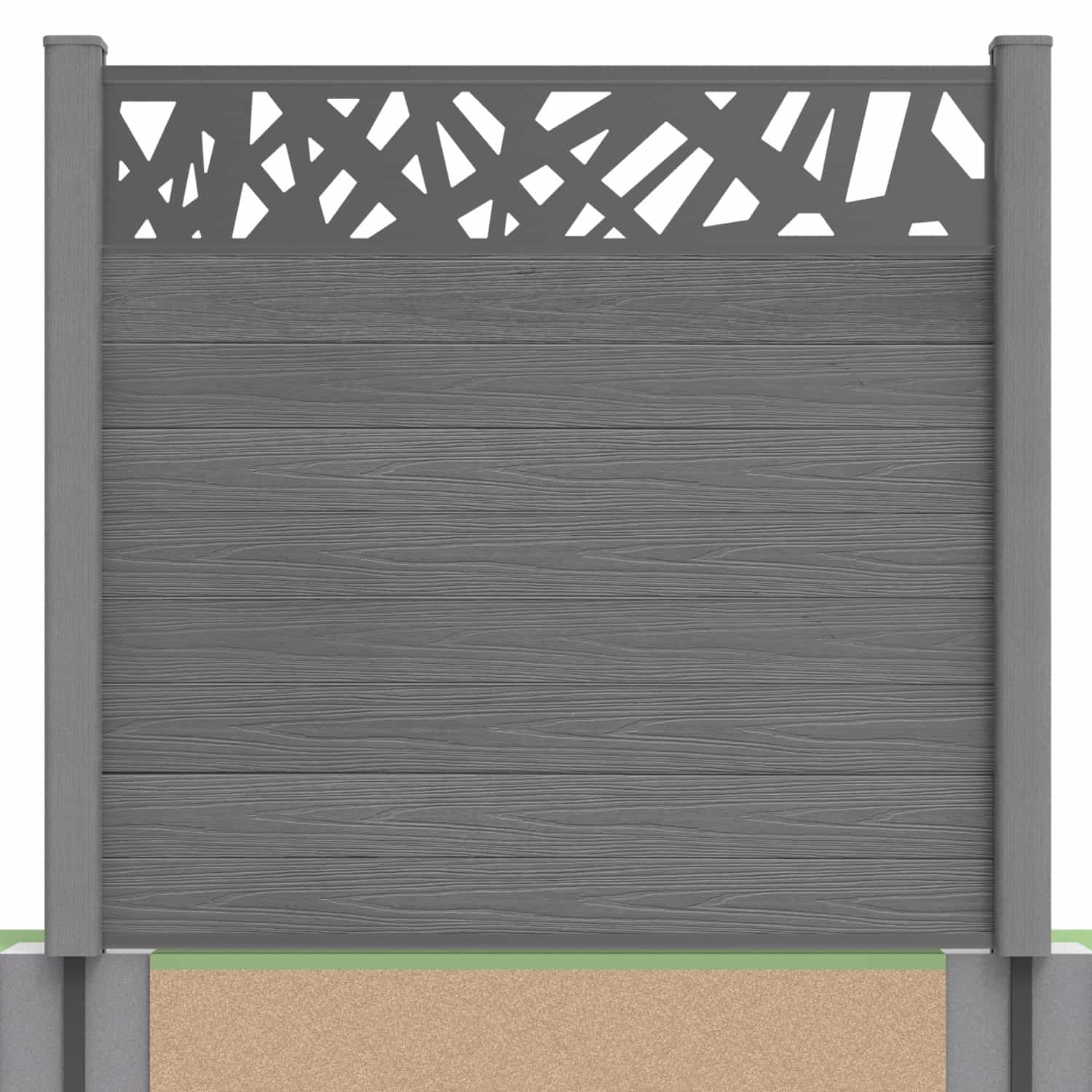
Contemporary: Abstract Angular Detail
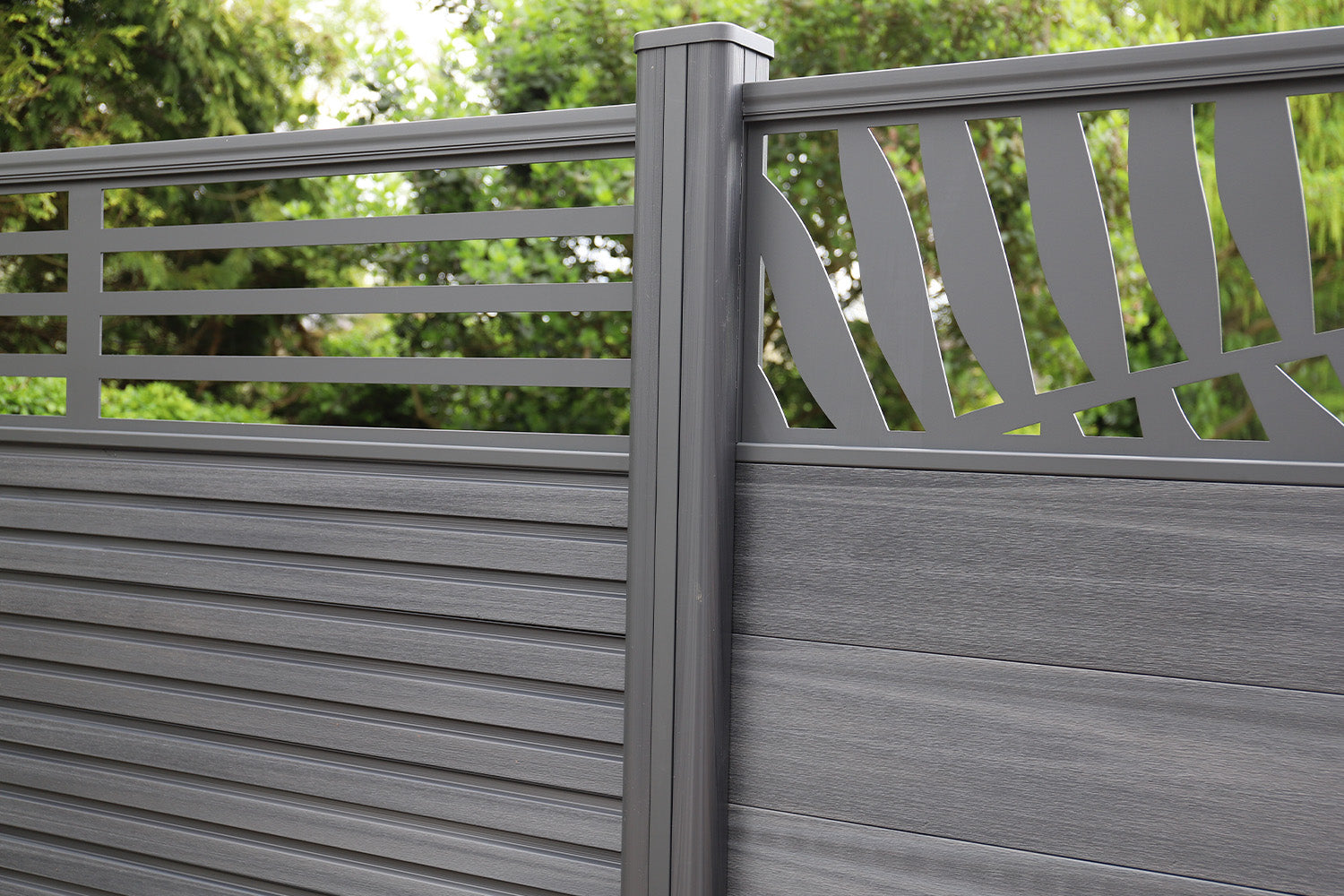
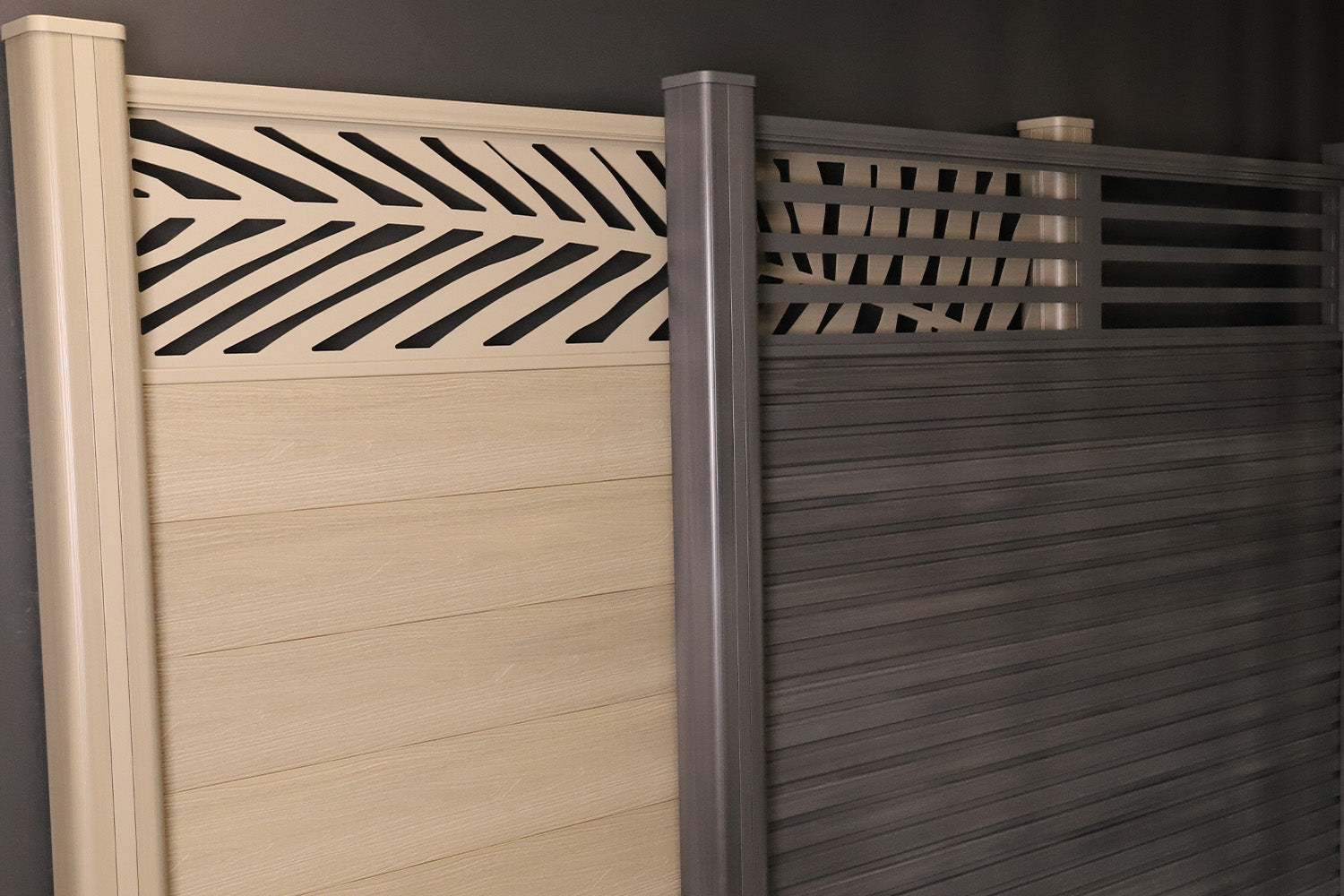
The Contemporary Fence Screen uses a scattered arrangement of angular cut-outs. It offers a less uniform pattern to compare alongside structured paving, garden furniture and planting.
Use it in a selected bay to create a focal point, or repeat it where the overall design suits that level of detail. Assess the appearance from your seating area as well as close up.

Geometric: A Repeated Feature Pattern
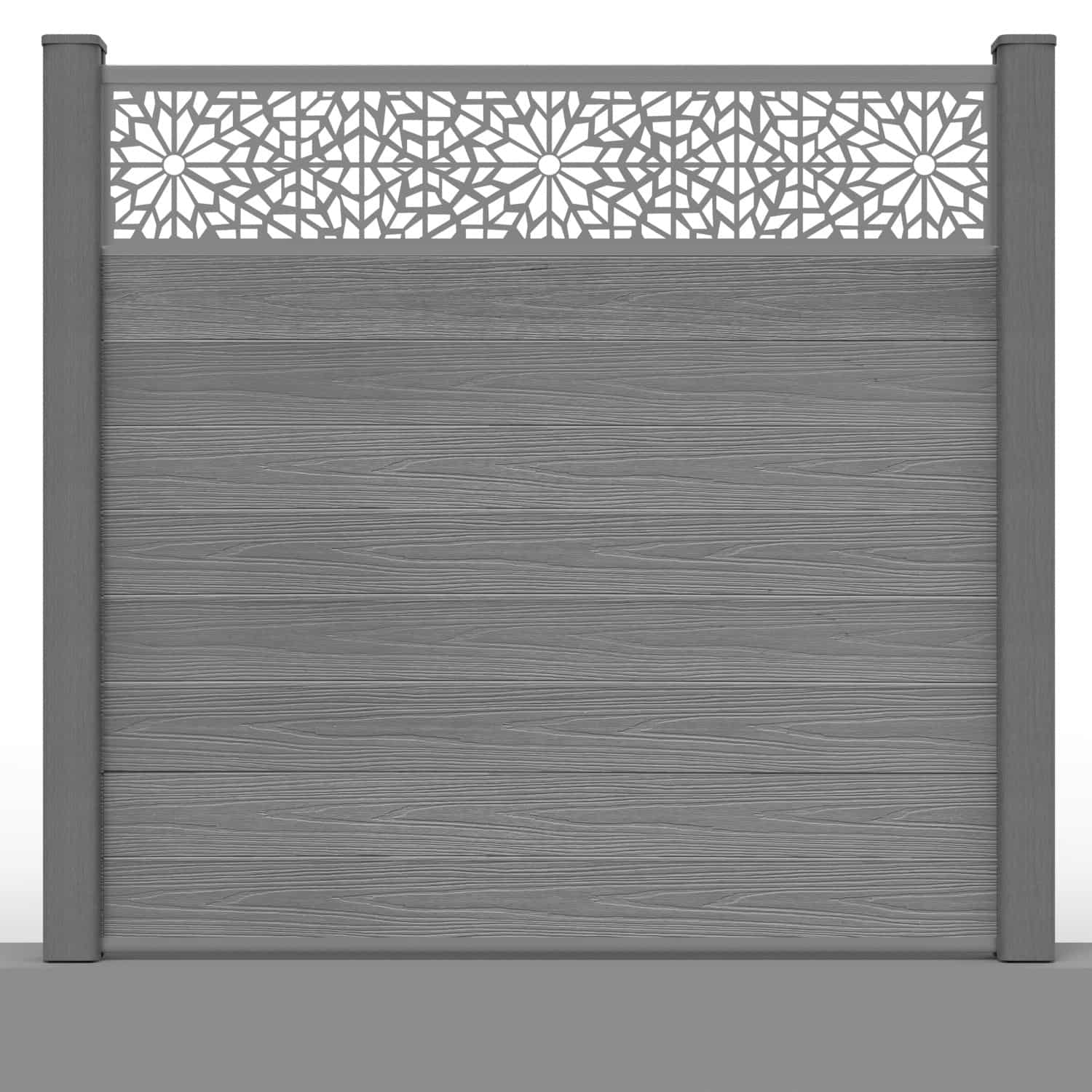
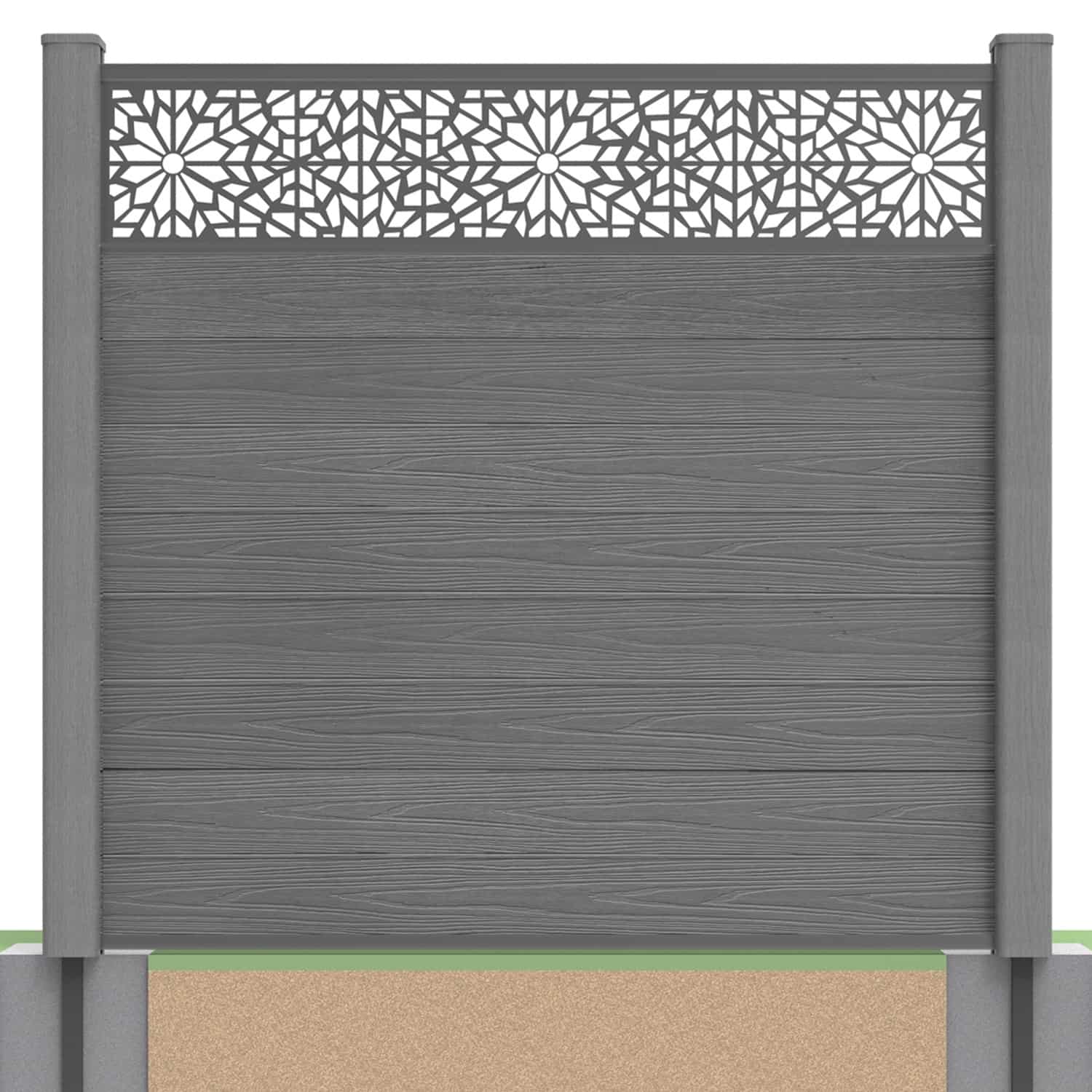
The Geometric Fence Screen creates a more intricate repeated motif. It can connect with shapes used elsewhere in the garden, such as patterned paving or accessories.
Consider the balance with surrounding plants and materials. A single feature section may give the effect you want without making every part of the boundary equally decorative.

Leaf: A Botanical-Inspired Motif
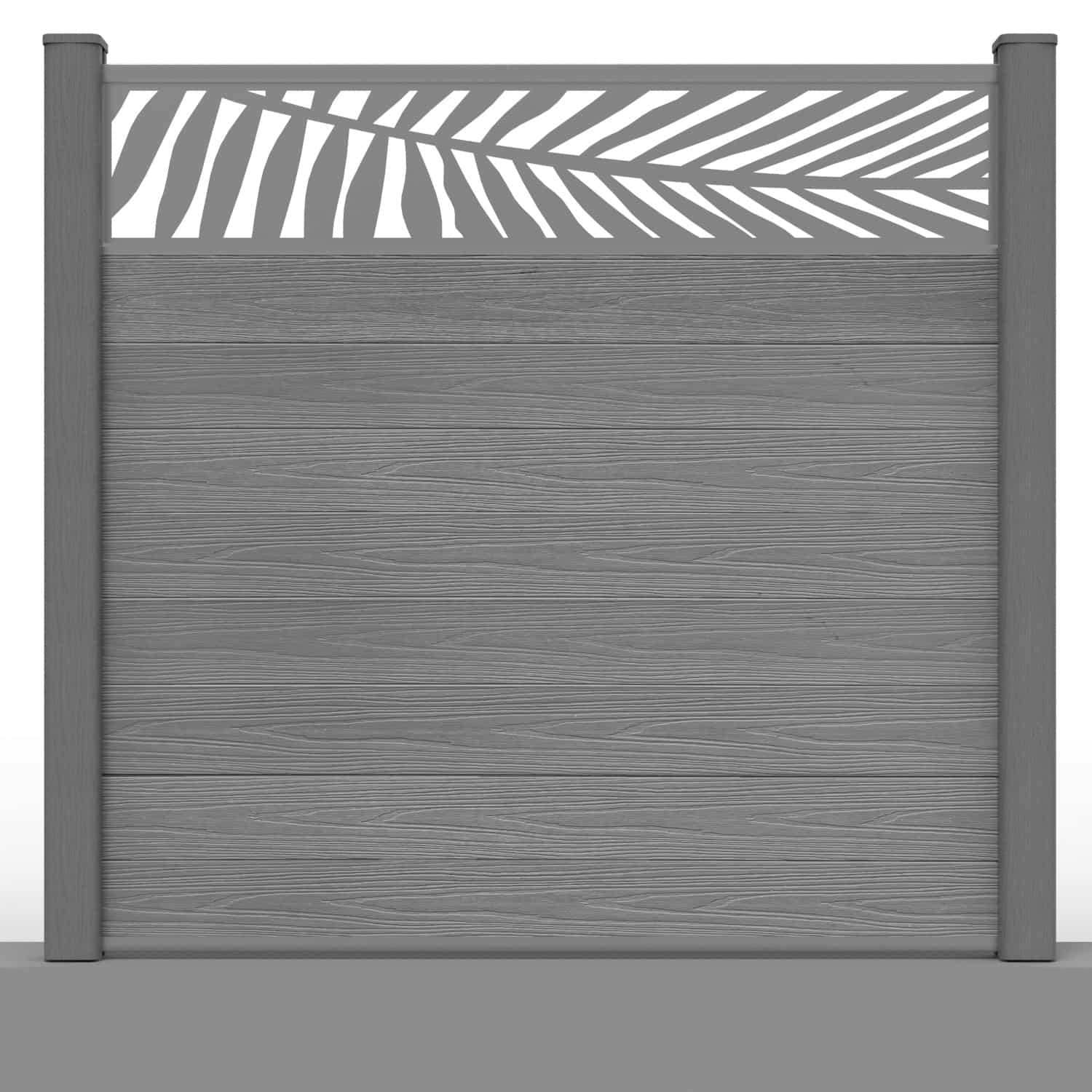
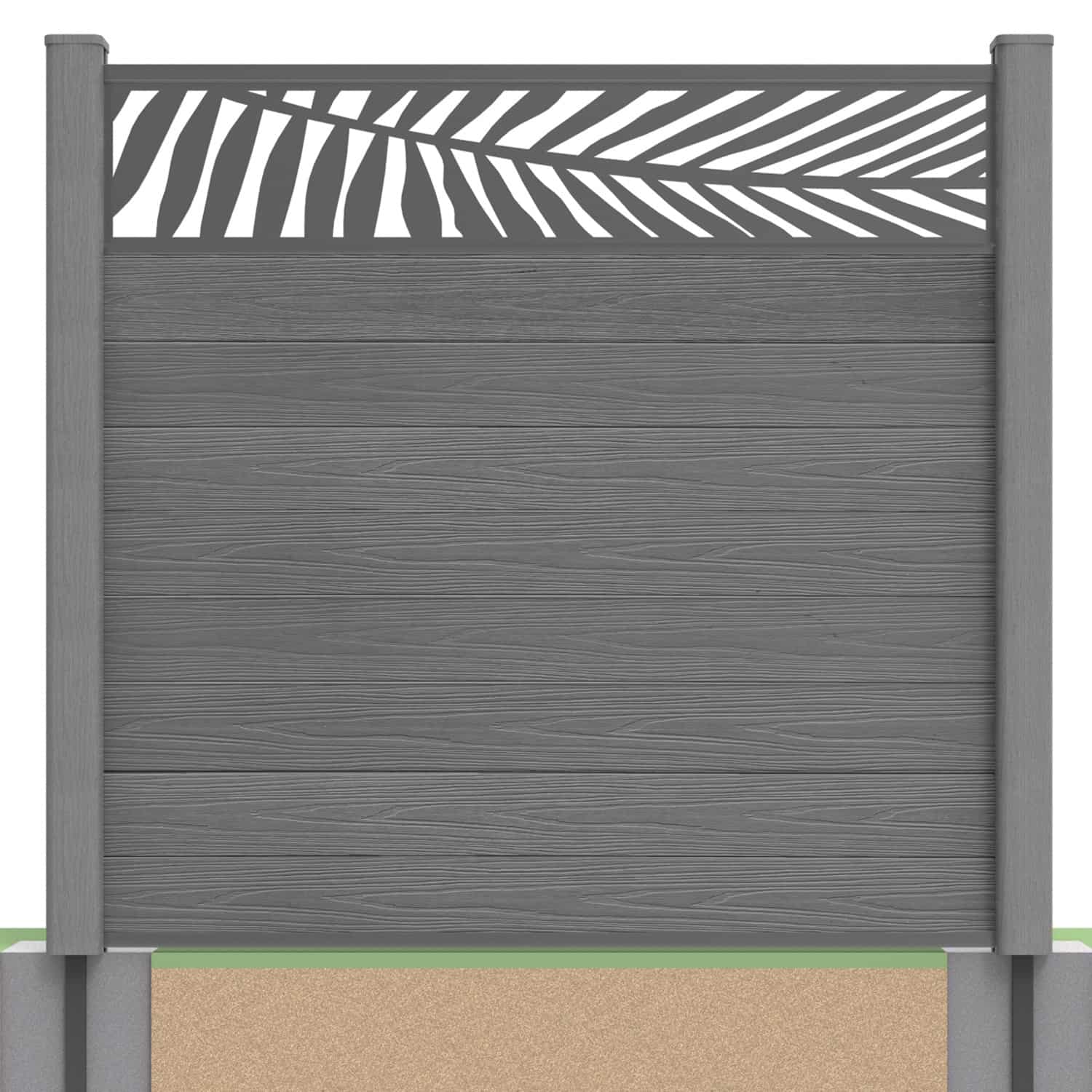
The Leaf Fence Screen brings a foliage-inspired pattern to the upper panel. It is an option to compare where you want a connection between the boundary and planted borders.
Try a coordinating finish for a quieter effect, or a contrast where the screen is intended to stand out. The choice depends on the whole composition rather than a rule that botanical designs belong only in traditional gardens.

Linear: A Structured Rhythm
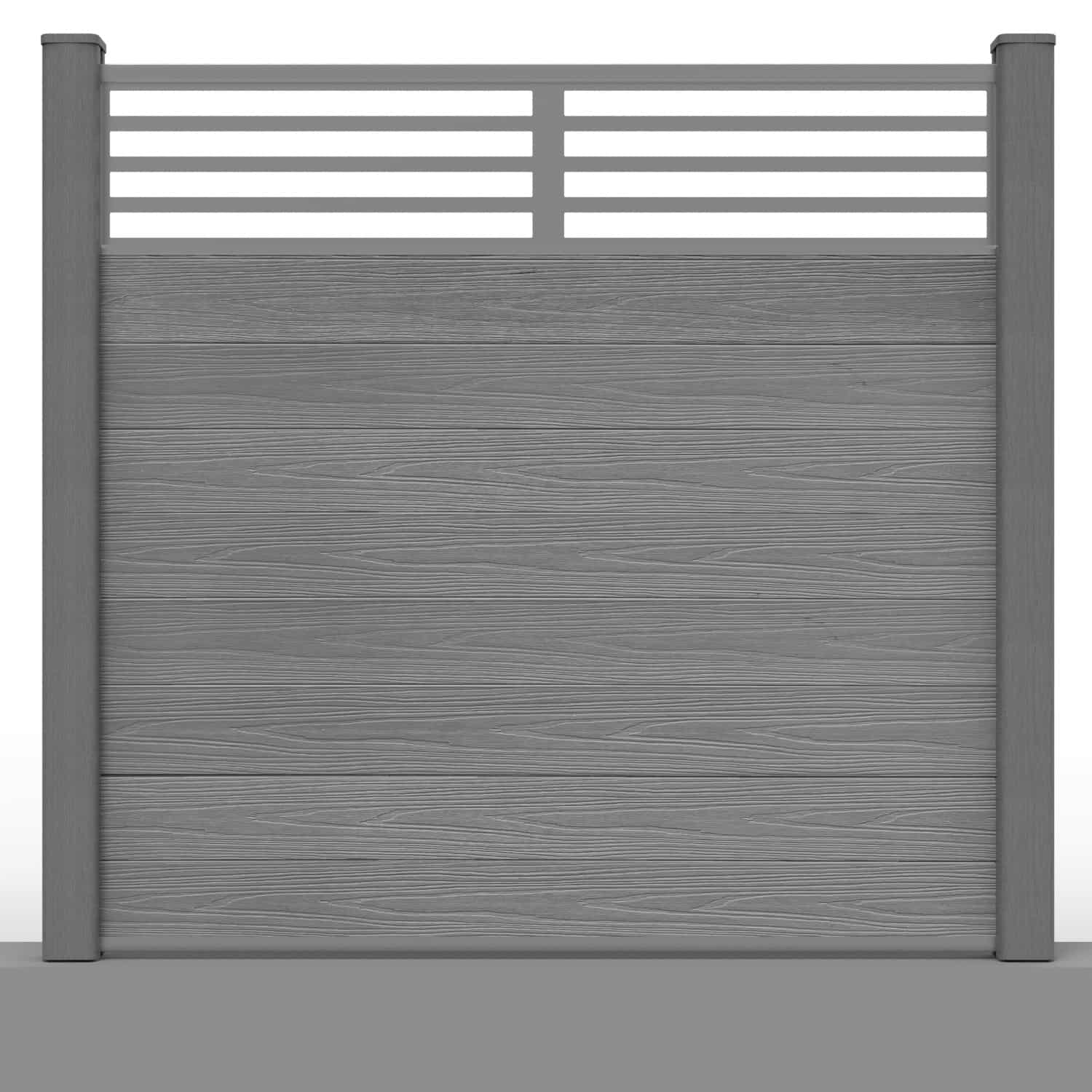
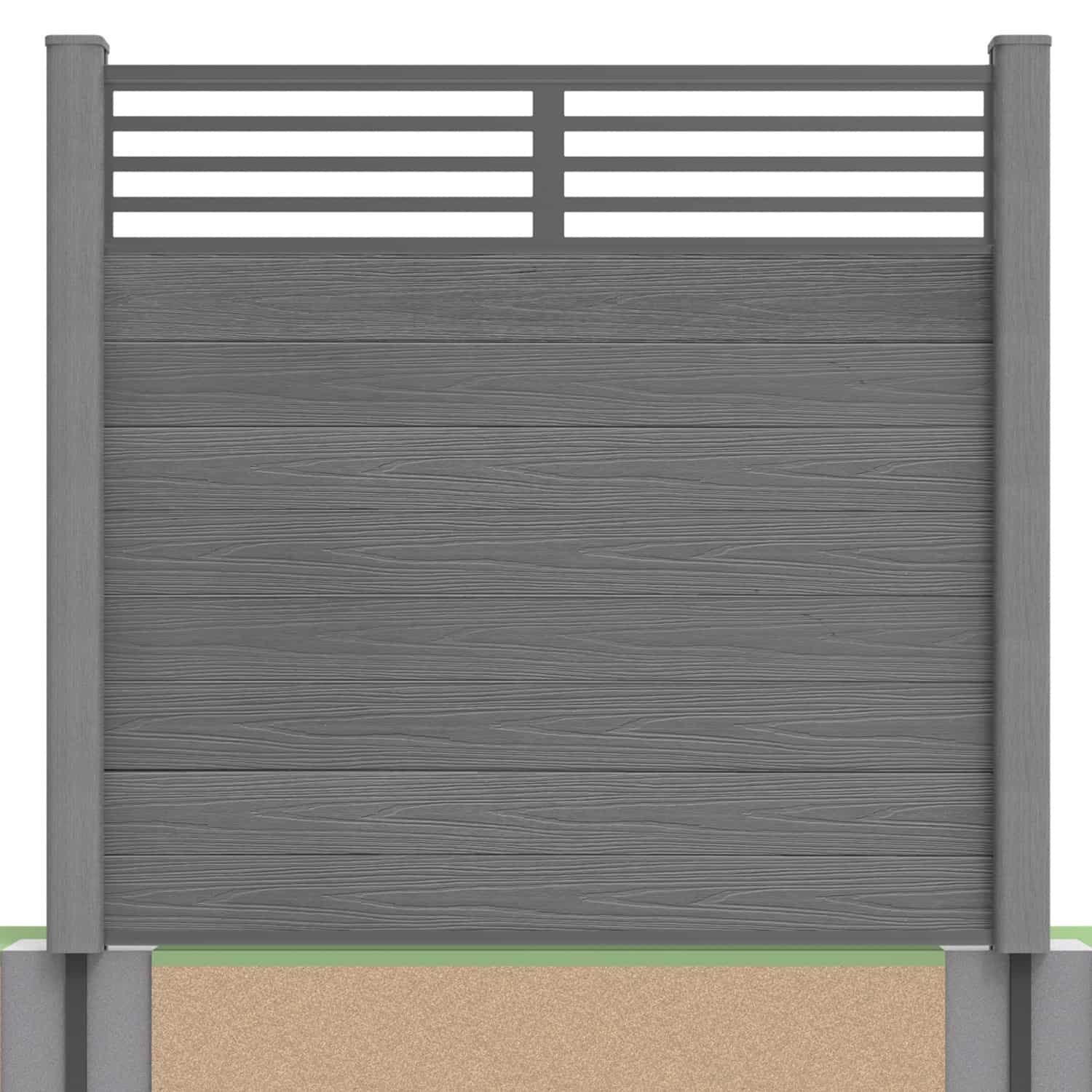
The Linear Fence Screen uses parallel openings for a defined, repeated appearance. It can continue the rhythm of Slatted fencing or introduce a different texture above woodgrain boards.
The effect changes with viewing distance and angle. Consider how the screen looks across the full run rather than judging only a small product detail.

| Design | Visual character | Combination to explore |
|---|---|---|
| Contemporary | Scattered angular cut-outs | Simple paving and structured furniture |
| Geometric | Intricate repeated pattern | Selected repeated shapes elsewhere in the garden |
| Leaf | Botanical-inspired detail | Planted borders and softer garden forms |
| Linear | Parallel, ordered openings | Slatted profiles or a contrasting woodgrain texture |
Choose Coordinating or Contrasting Colour
A coordinating screen can connect visually with the boards and posts, while a contrast makes the pattern more noticeable. Check the fencing colour guide and the selected product’s availability before planning the combination.

Metal and composite are different materials and can reflect light differently, even where their colour names match. Compare finish information and physical samples where available rather than expecting identical appearance in every condition.
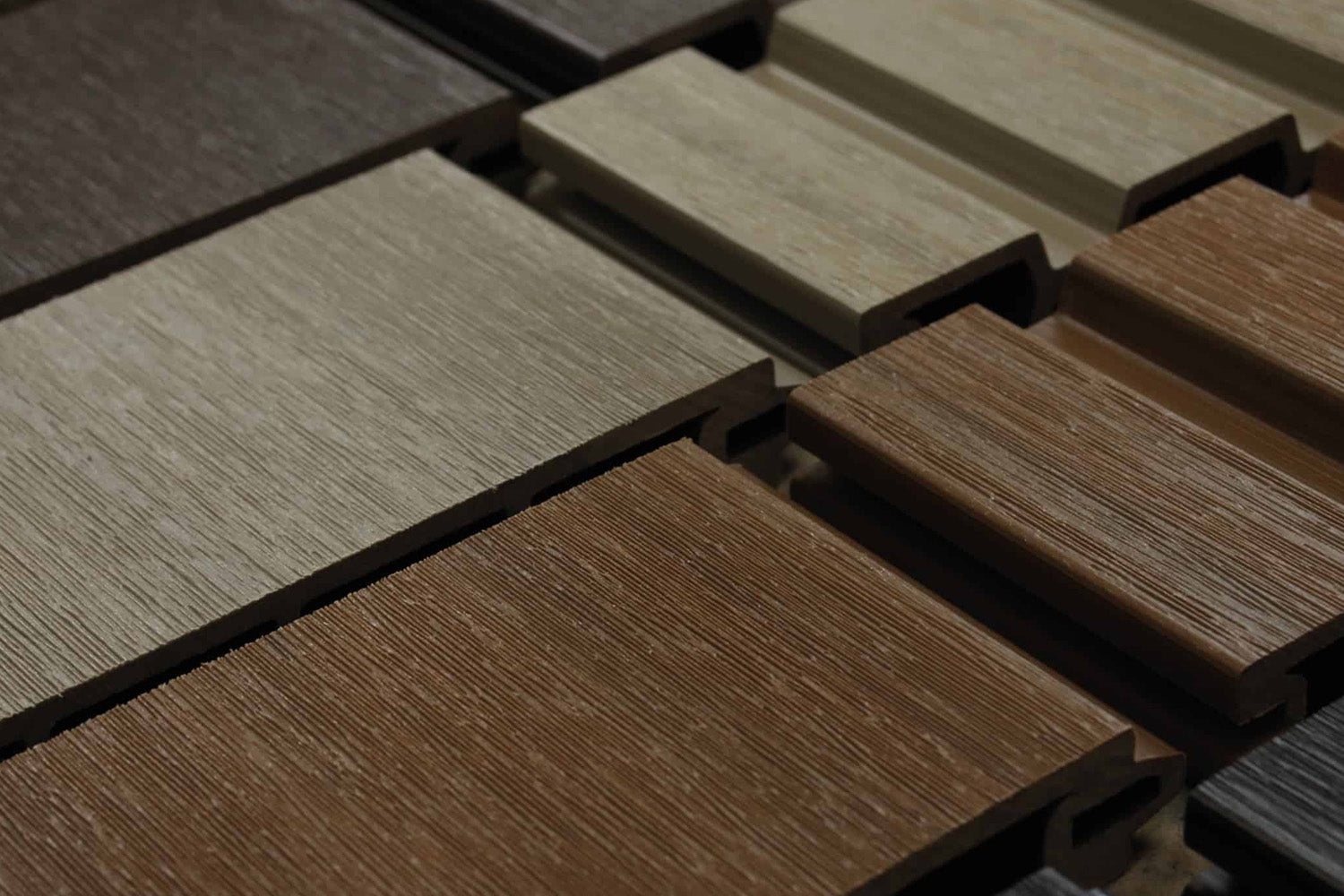
Use the project gallery for ideas on proportion, layout and surrounding planting. Fencing samples help assess the boards in your own light.
Balance the Pattern With Your Privacy Needs
Cut-out screens allow views and light through their openings. Replacing solid boards with an open pattern therefore changes screening; it does not automatically preserve the same privacy.
Check sightlines from neighbouring paths, seating areas and higher windows. Consider whether the open section sits above or within the views you want to interrupt. Daylight and airflow through openings also depend on the pattern and site, so avoid assuming a guaranteed improvement across the whole garden.

A decorative screen is separate from verified security, noise reduction or guarding against falls. If the project needs one of those functions, confirm an appropriate specification for the complete system.
Check the Panel Configuration Before Fitting
The screens are intended for compatible NeoTimber® panel arrangements. The standard configuration replaces part of the board section rather than acting as an unrestricted height extension above a completed fence.
Follow the screen installation guide alongside the current system instructions. Confirm the screen dimensions, required board quantity, fixing channels, rails and finished height for your selected products.
- Check compatibility with the existing or proposed panel.
- Confirm suitable posts and foundations for the layout and exposure.
- Account for access and any partial dismantling on a retrofit.
- Use the specified fixings and assembly sequence.
- Seek advice before cutting or modifying the screen or supports.

Do not treat the screen as a support for mature climbers, hanging baskets or heavy ornaments unless that use has been approved. Provide a suitable independent support where needed.
Look After the Powder-Coated Finish
Follow the care guidance for the aluminium screen as well as the surrounding composite boards. Suitable gentle cleaning can remove outdoor deposits; check additional products before use and avoid abrasive tools or unapproved solvents.

Inspect fixing channels, rails and connections periodically. If the coating is damaged or a component moves, ask for advice before attempting a repair. Low maintenance does not mean no cleaning or inspection, and the finish should not be described as immune to every mark or weathering change.
Decorative Fence Screen FAQs
What are NeoTimber’s decorative screens made from?
The designs described here are powder-coated aluminium, made to coordinate with composite fencing. They are not composite-board screens.
Can I add a screen to an existing fence?
Potentially, on a compatible installation. Check the dimensions, assembly, support requirements and access before changing the panel.
Do screens make the garden more private?
Not automatically. Cut-outs permit views through part of the boundary. Assess the pattern and relevant sightlines compared with the solid boards it replaces.
Can I add one above a full-height panel?
Do not assume this is permitted. Follow the approved configuration and confirm the finished height and support requirements.
Can climbing plants grow on a screen?
Do not assume the screen can carry those loads. Obtain approval or provide an independent structure for substantial climbers.
Which design should I choose?
Compare the pattern, surrounding materials and privacy needs. A feature bay can be as effective as repeating screens across the full boundary.
Choose a Detail That Works With the Whole Garden
Shortlist a pattern, confirm the finish and assess the completed panel arrangement. Explore NeoTimber® composite fencing and screen options or contact our team with your layout for help checking compatible components.