

How to Choose a Garden Fence That Needs Less Upkeep
Maintenance free fencing sounds ideal when you want to spend more time enjoying your garden and less time painting its boundaries. The practical aim, however, is a fence that needs fewer routine treatments and is straightforward to clean and inspect. Every outdoor fence still needs some care.
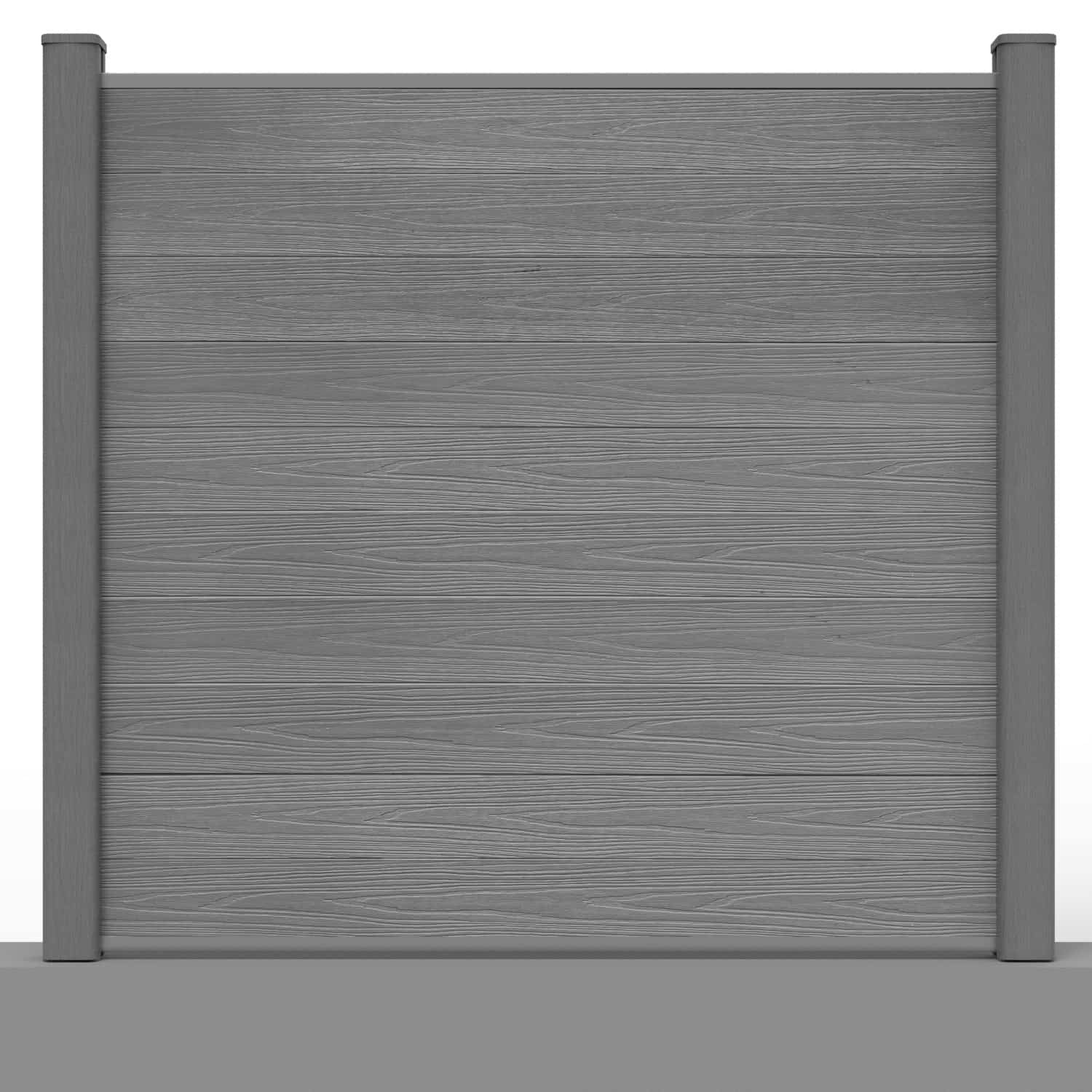
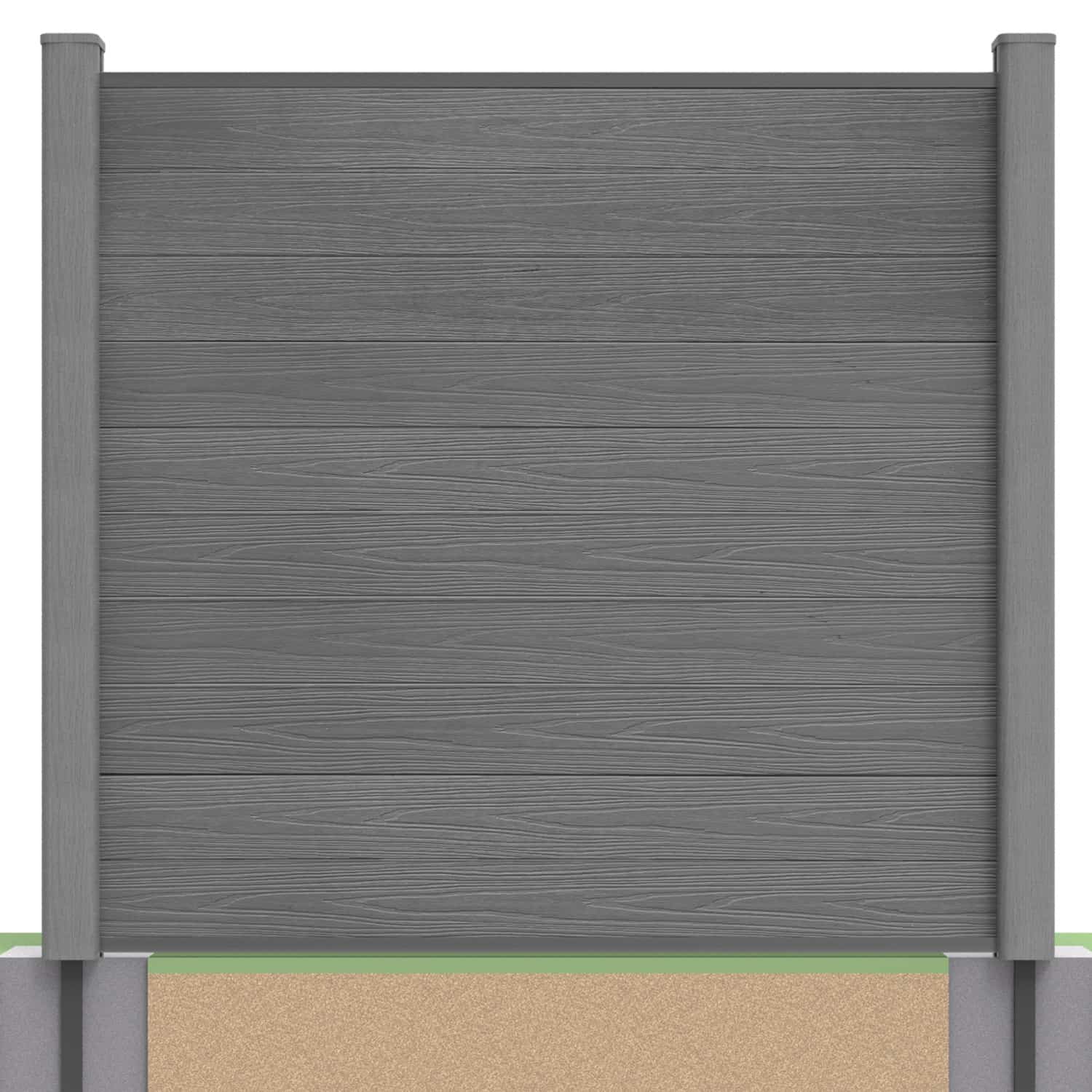
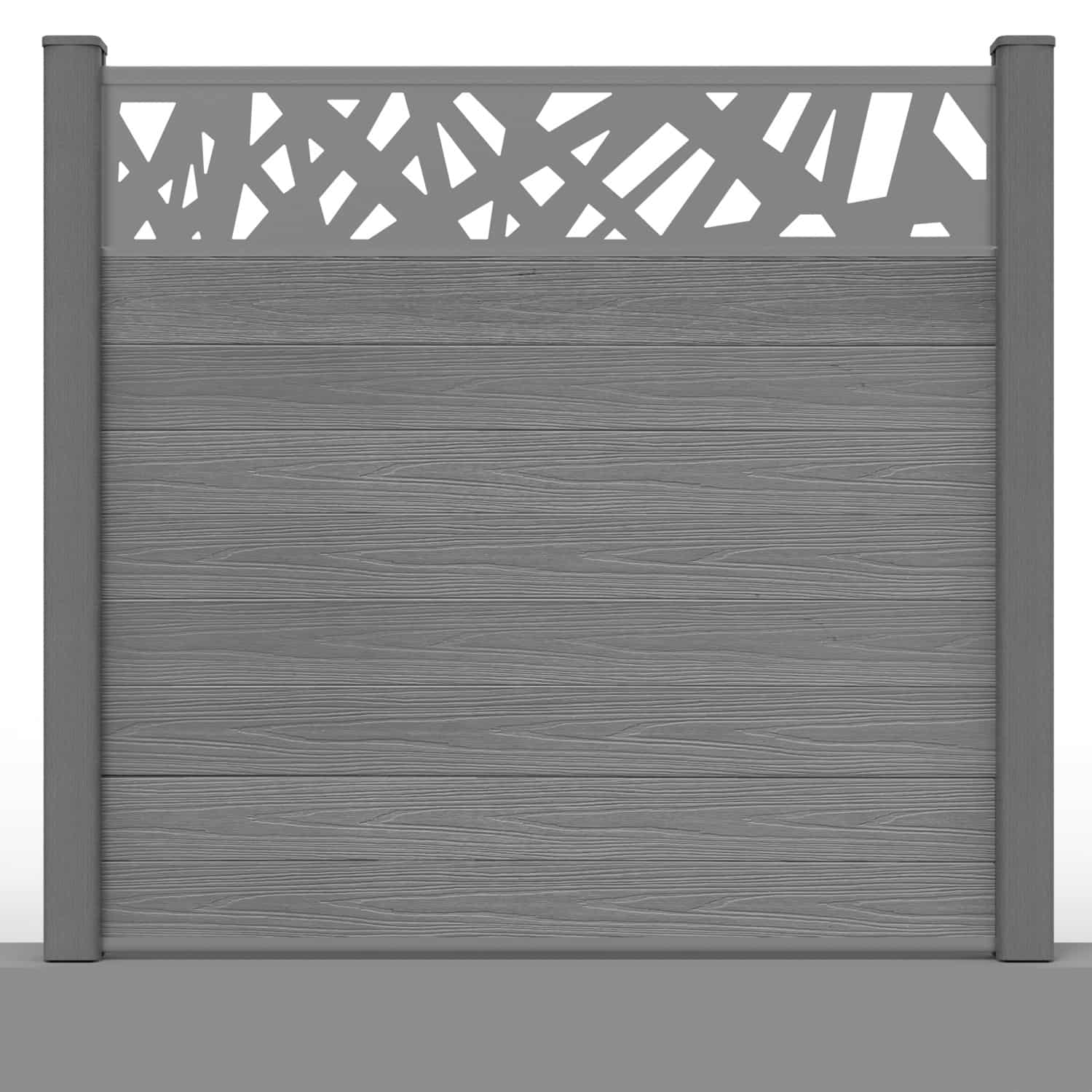
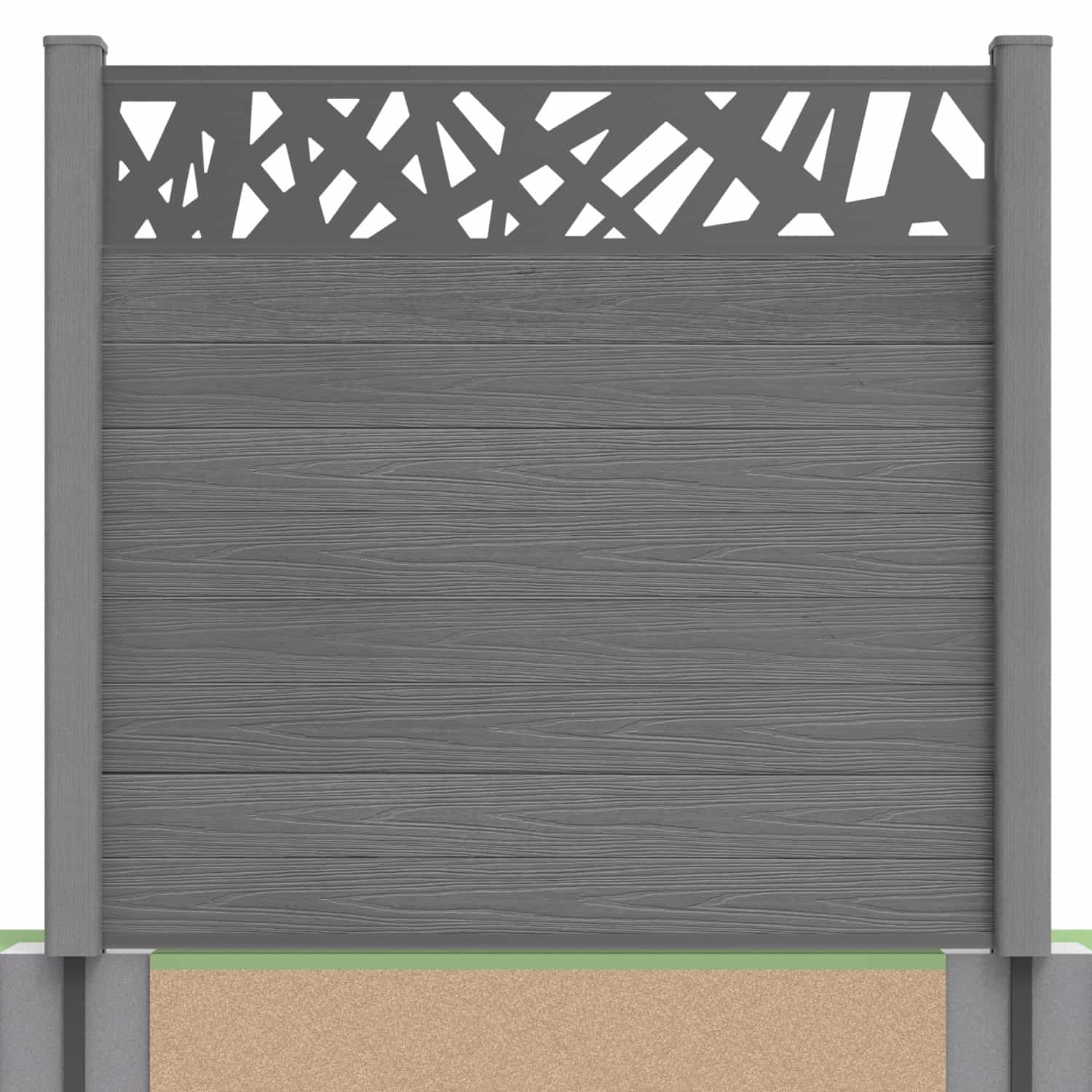
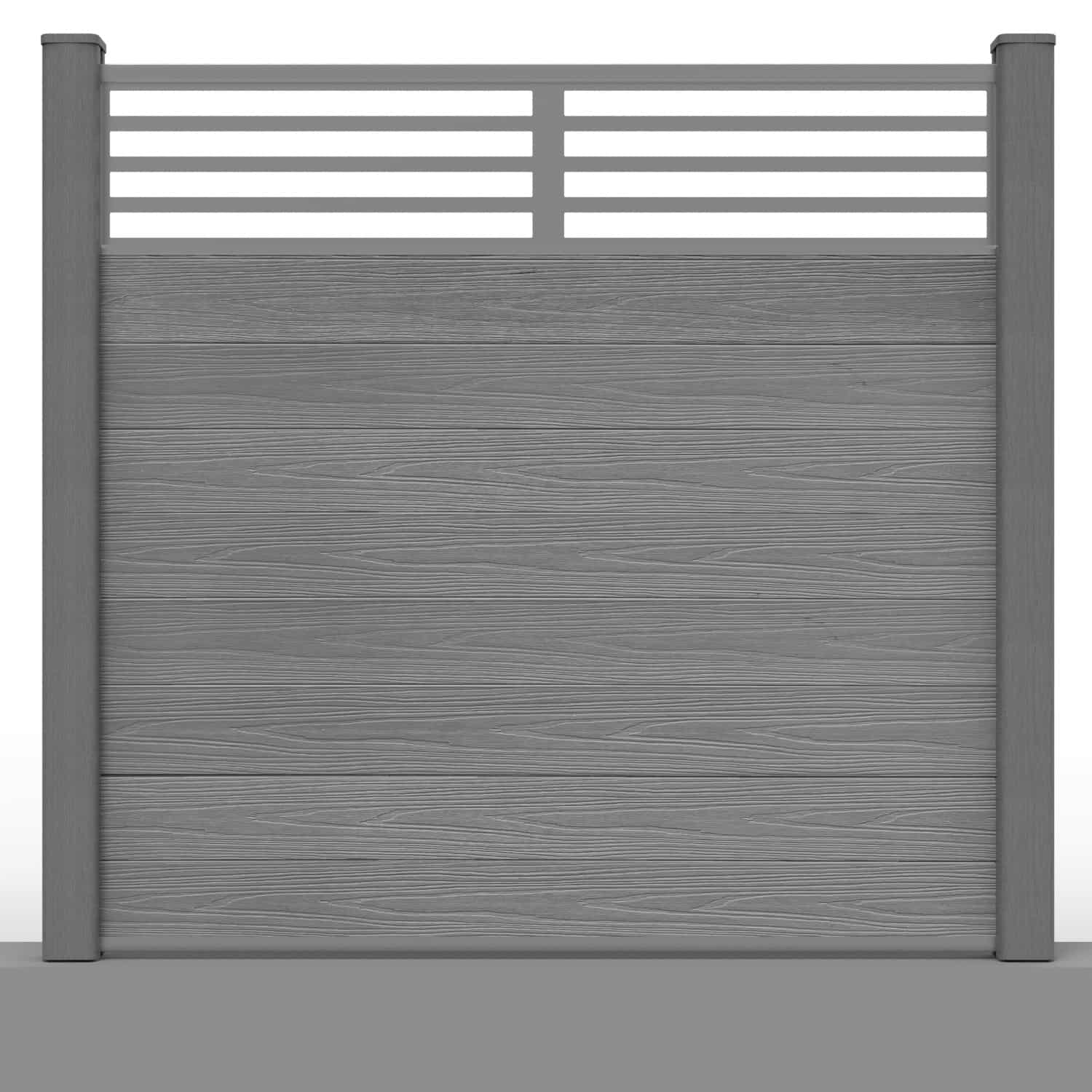
NeoTimber’s capped composite fencing offers an alternative to timber where reducing painting and staining is a priority. Its protective outer layer helps resist fading and staining, while occasional cleaning and checks remain part of looking after the complete installation. This guide explains what to expect, how different materials compare and what to ask before buying.
Explore our fencing resources for wider planning advice, or browse the composite fencing range to compare finishes.
In this guide: What maintenance free means · Compare materials · Capped composite boards · Cleaning and care · Buying checklist · FAQs
Does a No Maintenance Fence Really Exist?
A no maintenance fence is not a realistic description of the whole installation. Even a surface that needs no repainting can collect dirt, pollen, bird droppings or organic debris. Posts, foundations, connections and gate hardware also need attention if they become loose or damaged.
The useful distinction is between regular surface treatments and routine care. Some timber finishes need periodic renewal to retain their chosen appearance. A capped composite board is designed to provide its finish without that painting or staining cycle, but it still benefits from appropriate cleaning.
When a supplier advertises a maintenance free fence, ask which tasks the claim excludes. Does it refer only to painting, or does it imply that cleaning and structural checks are unnecessary? Clear care instructions are more useful than a promise of zero effort.
Which Materials Offer Low Maintenance Fencing?
Compare specific products and their care guidance rather than assuming that every fence made from the same material performs identically. Treatment, coatings, construction and site conditions all affect the work required.
Typical care considerations for garden fencing materials:
| Material | Surface care to consider | Other checks |
|---|---|---|
| Timber | Cleaning and any treatment or coating renewal recommended for the selected product and appearance. | Decay, damaged boards, fixings and post condition. |
| Capped composite | Appropriate washing; no routine painting or staining of the factory-finished boards. | Connections, movement clearances, damage and supporting posts. |
| PVC or vinyl | Cleaning and any product-specific surface-care requirements. | Cracks, connections, impact damage and discolouration. |
| Coated metal | Cleaning and coating repairs where specified. | Damaged coating, corrosion at vulnerable areas and loose connections. |
| Concrete | Cleaning where needed to manage dirt or surface growth. | Cracks, movement and the condition of any separate infill panels. |
A low maintenance fence should suit both your preferred appearance and the amount of care you are willing to provide. Consider access as well: a boundary hidden behind dense planting may be harder to inspect or wash than one with a clear working space.

Why Choose Capped Composite Fence Boards?
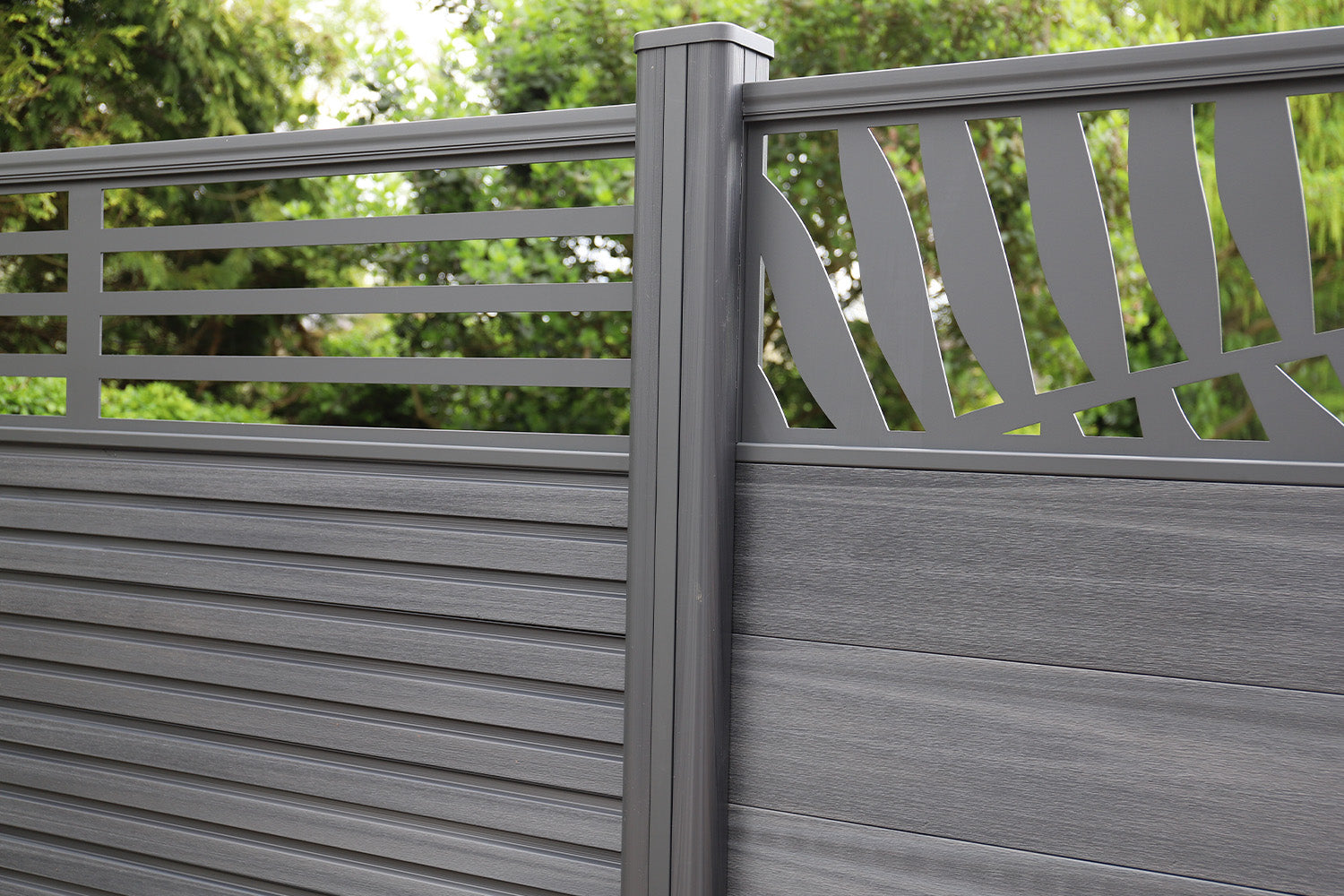
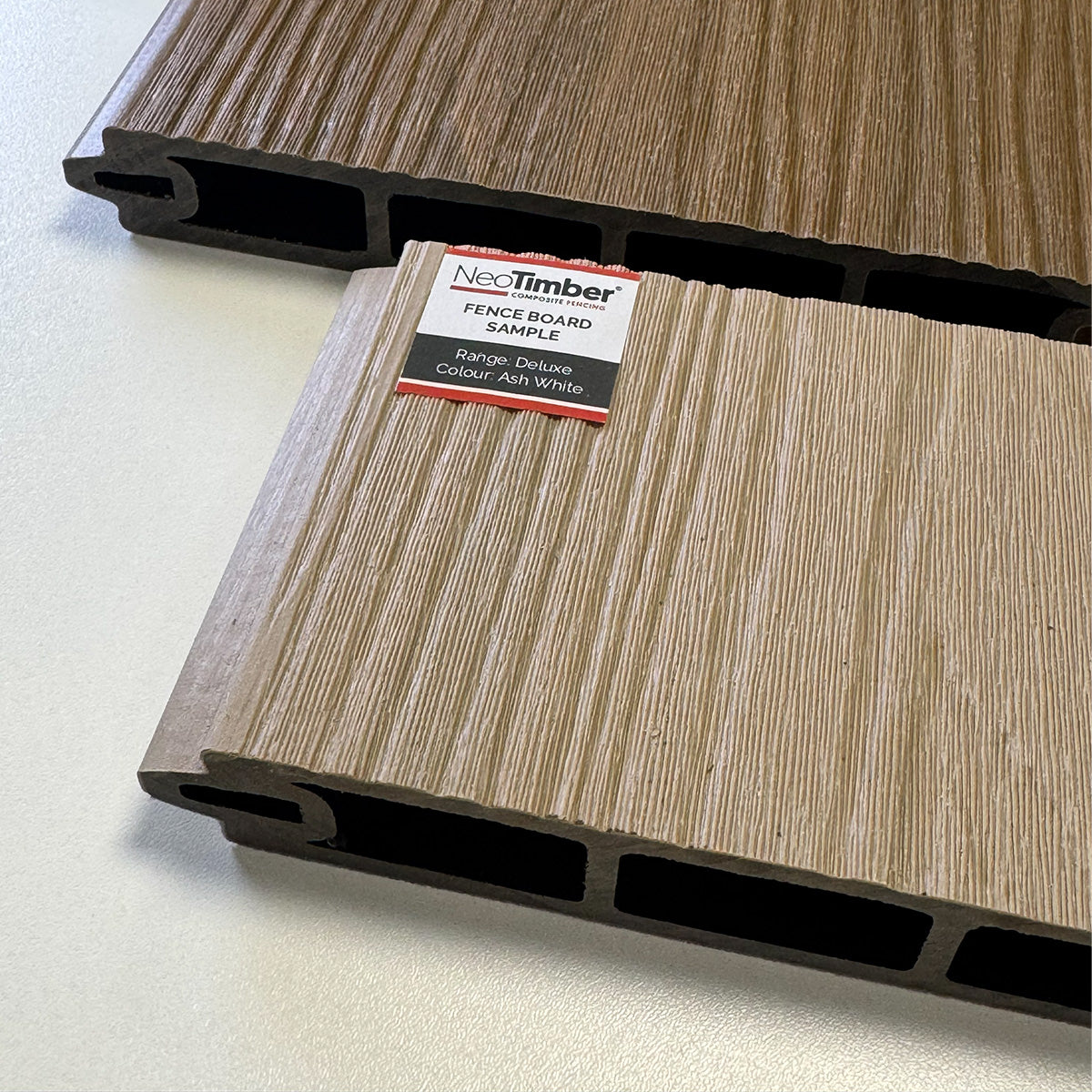
NeoTimber’s capped composite fencing uses a protective outer layer around the composite core. This helps resist staining and colour change while providing the finished surface, reducing the need for repeated decorative treatments.
That protection does not make the boards stain-proof, scratch-proof or immune to weathering. Spills, ingrained dirt and inappropriate cleaning methods can still affect their appearance. Read the care guidance before applying any cleaner or attempting to remove a mark.
A wood-inspired finish without routine repainting
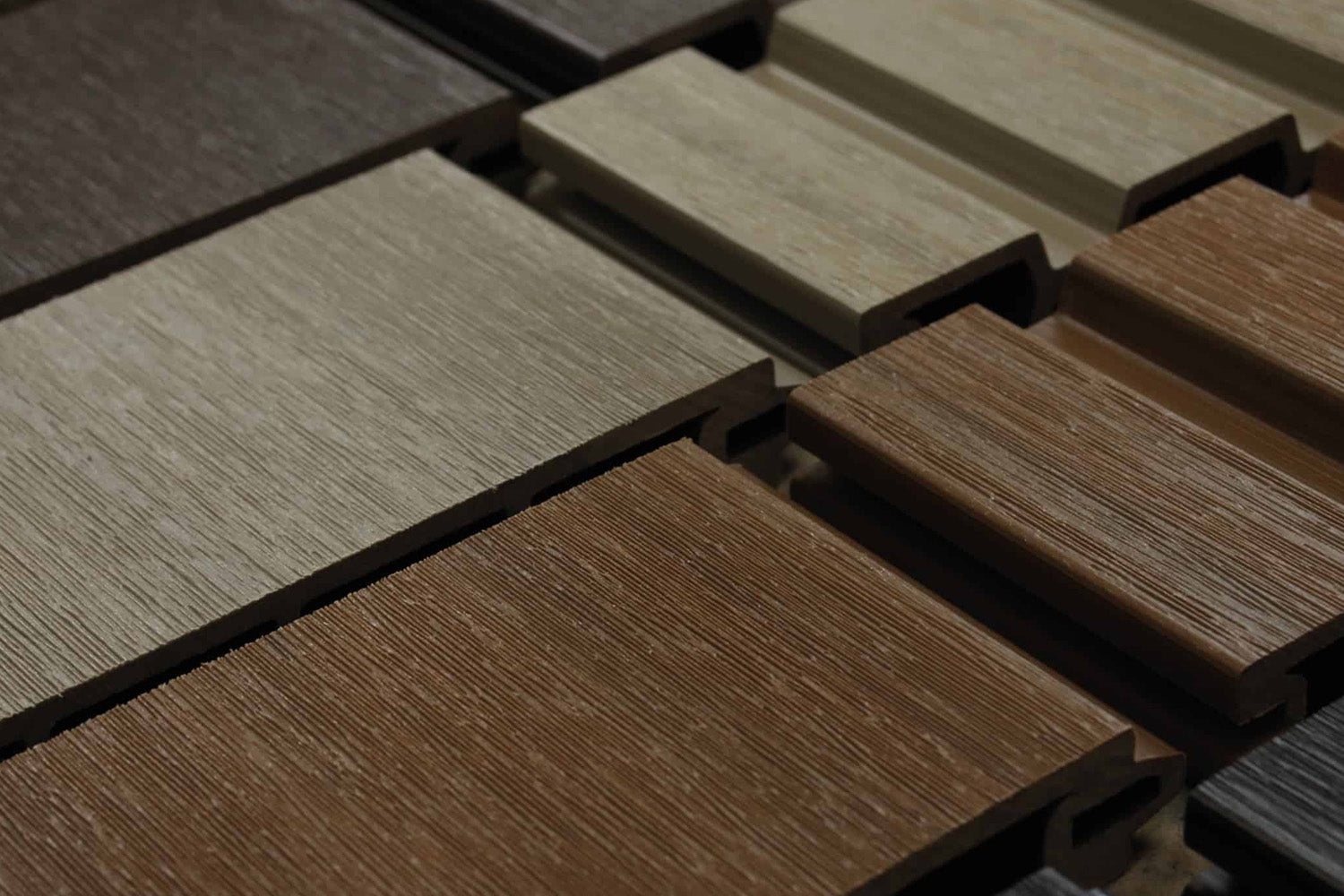
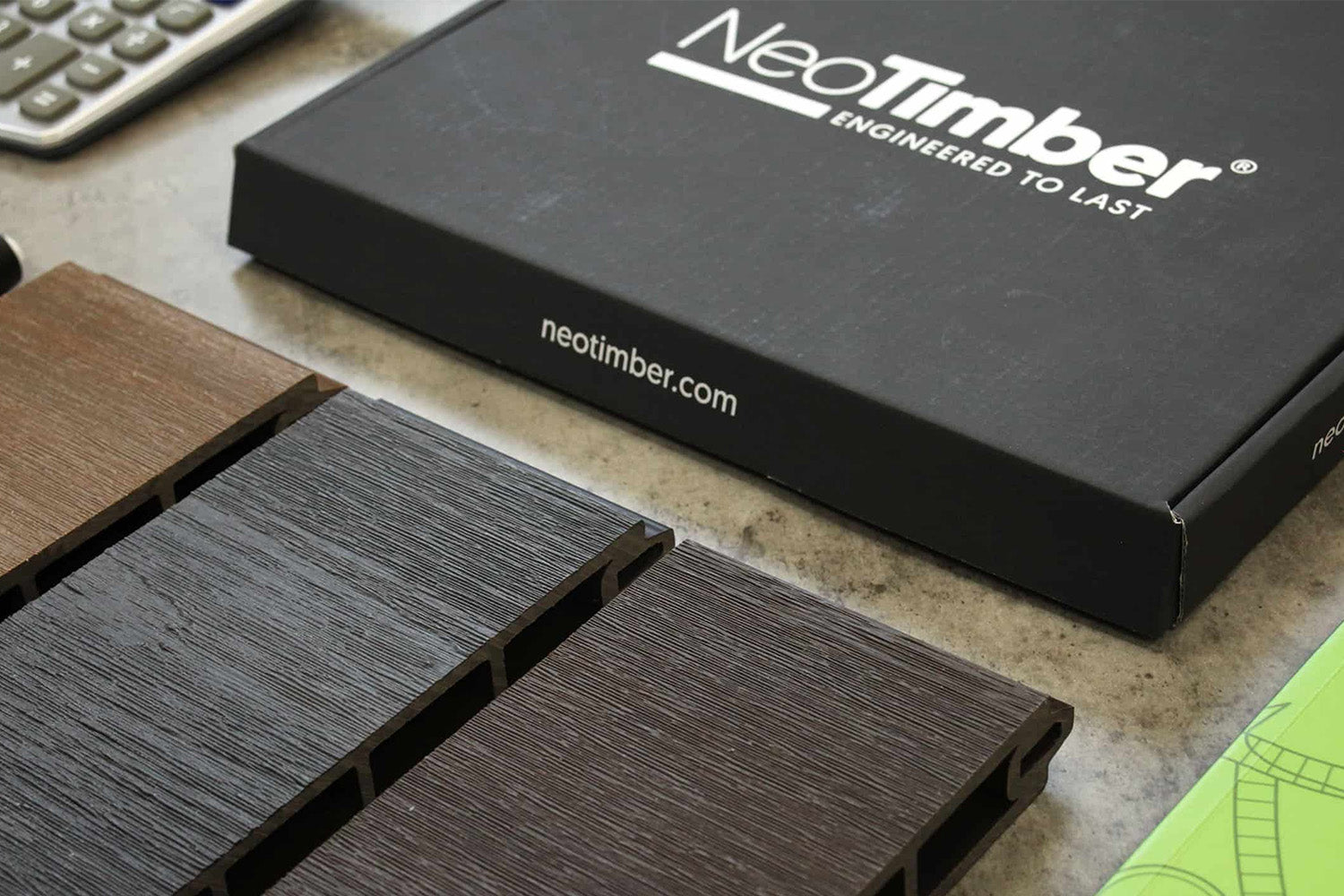
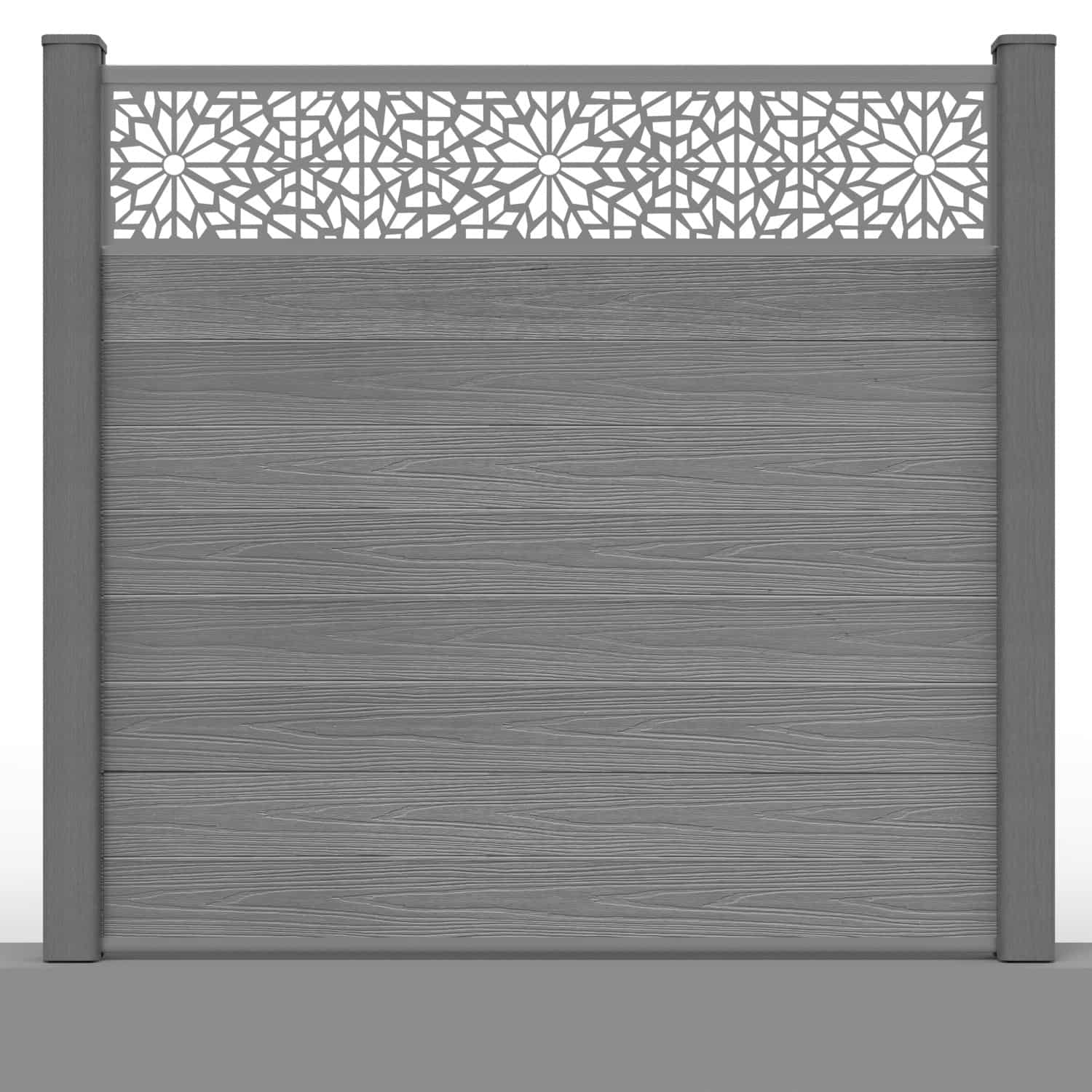
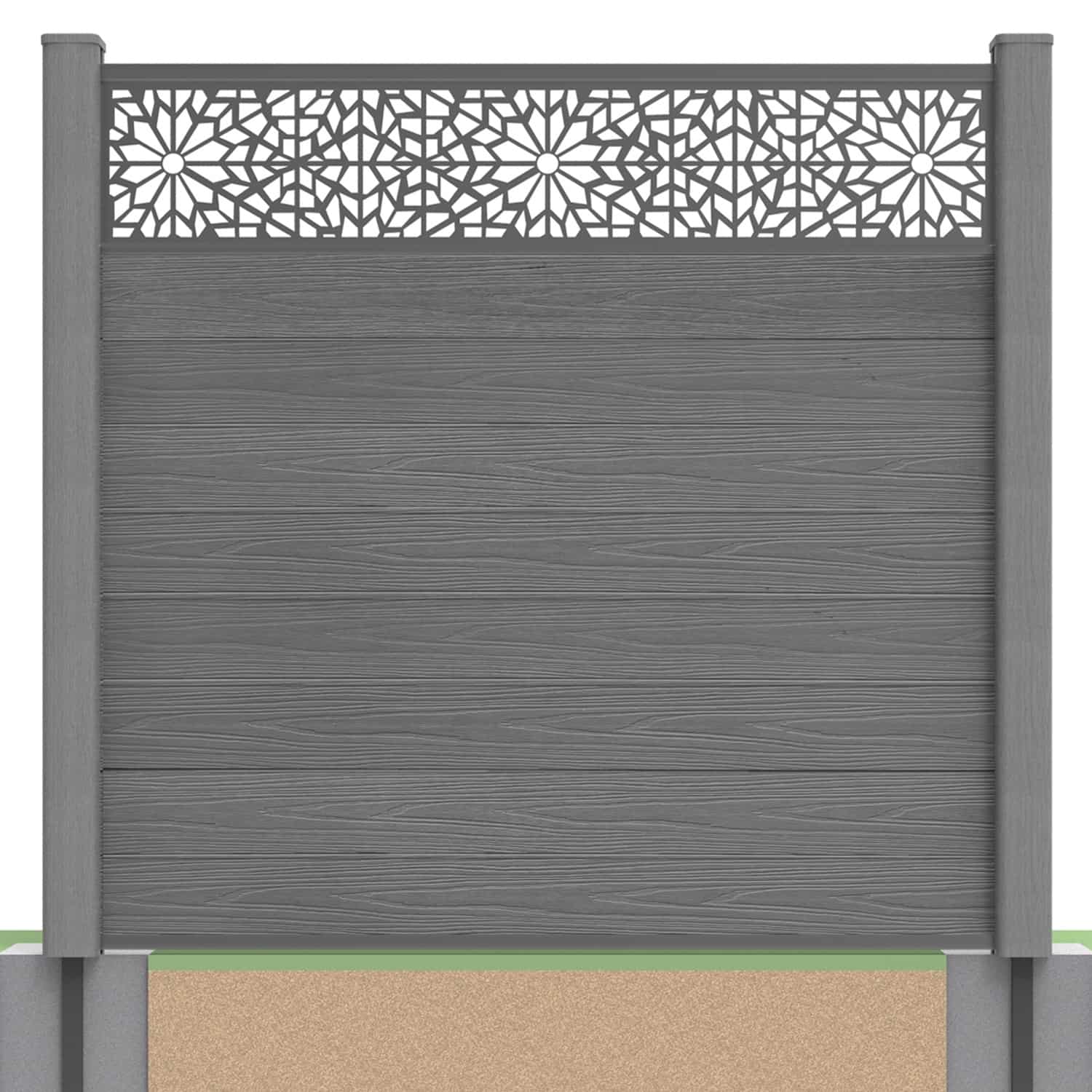
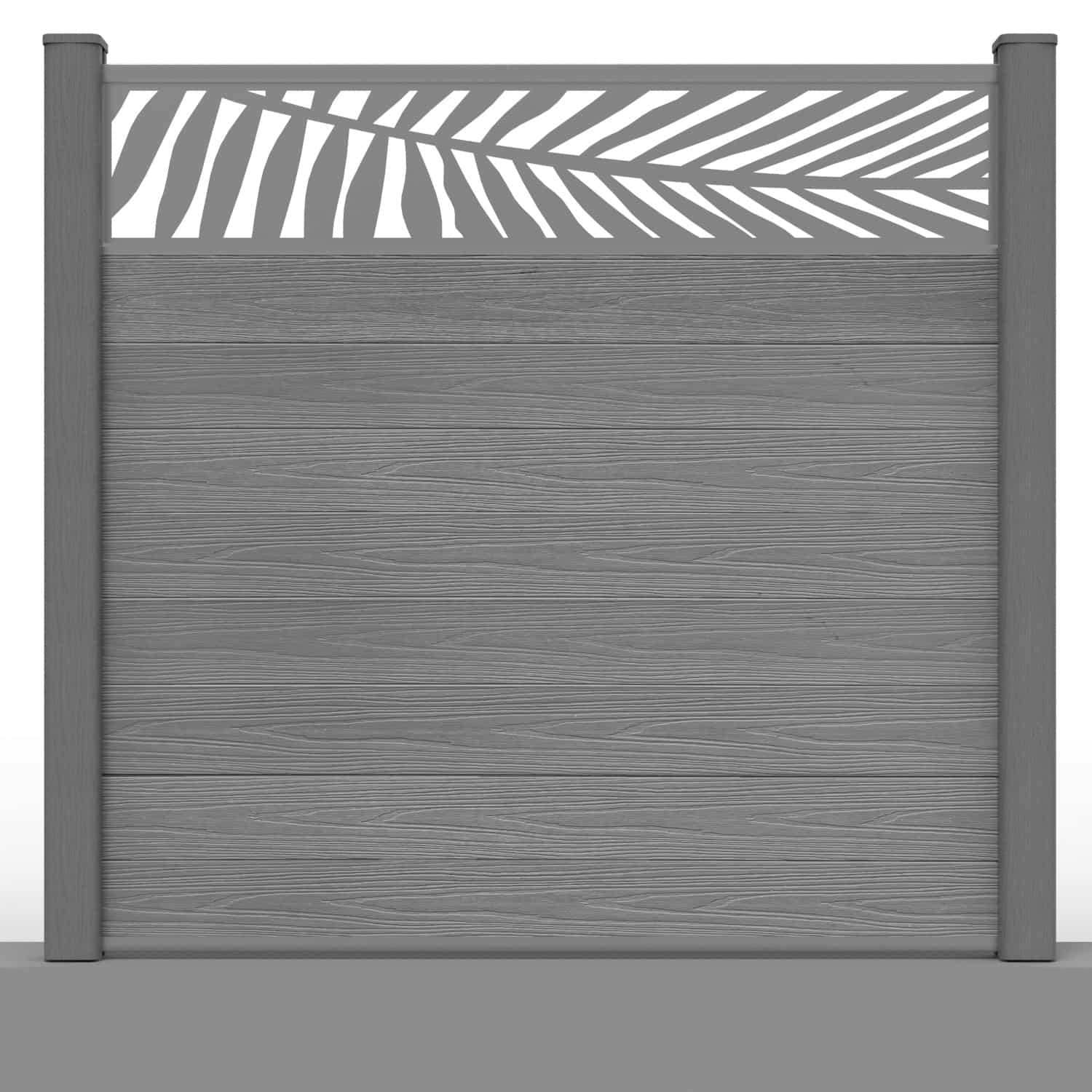
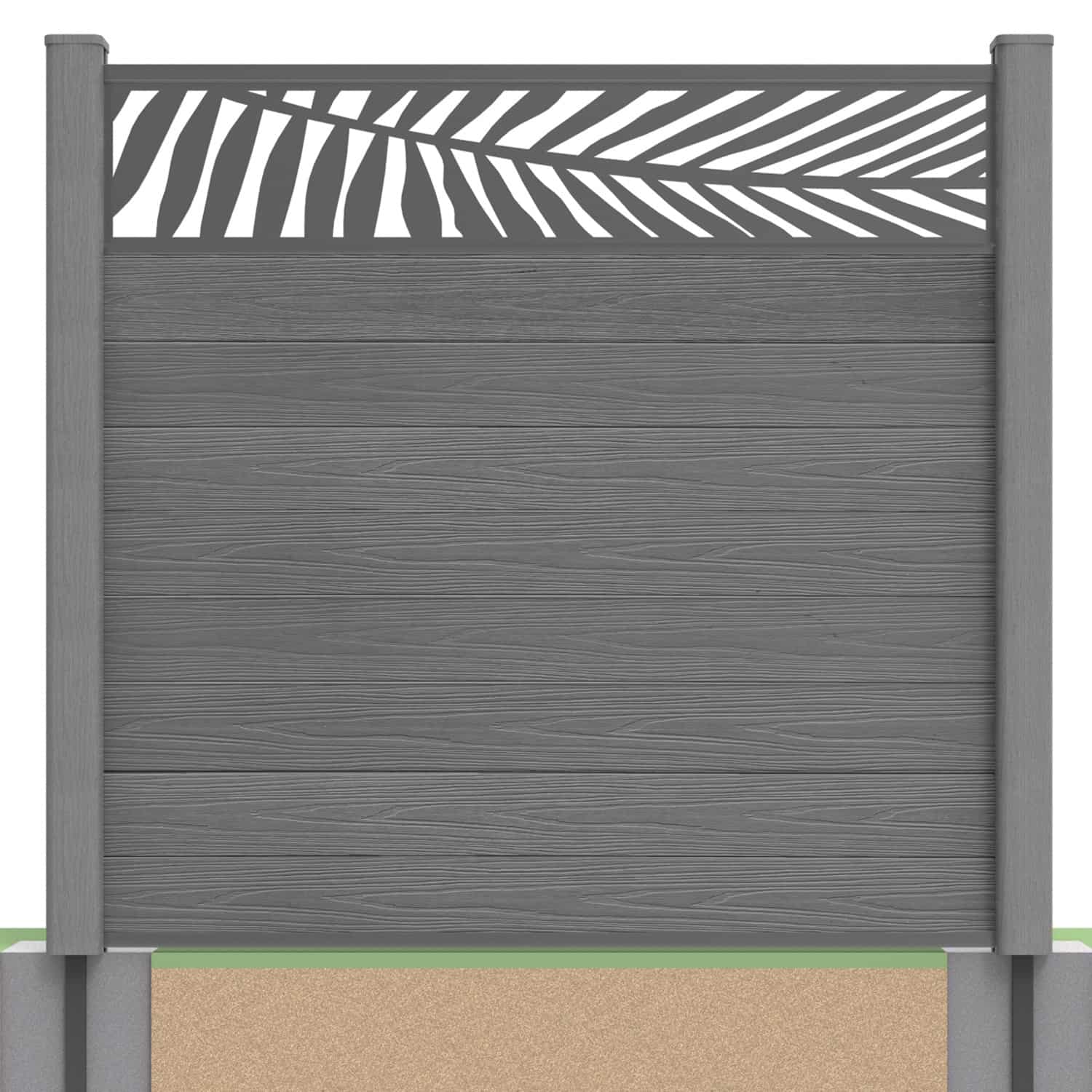
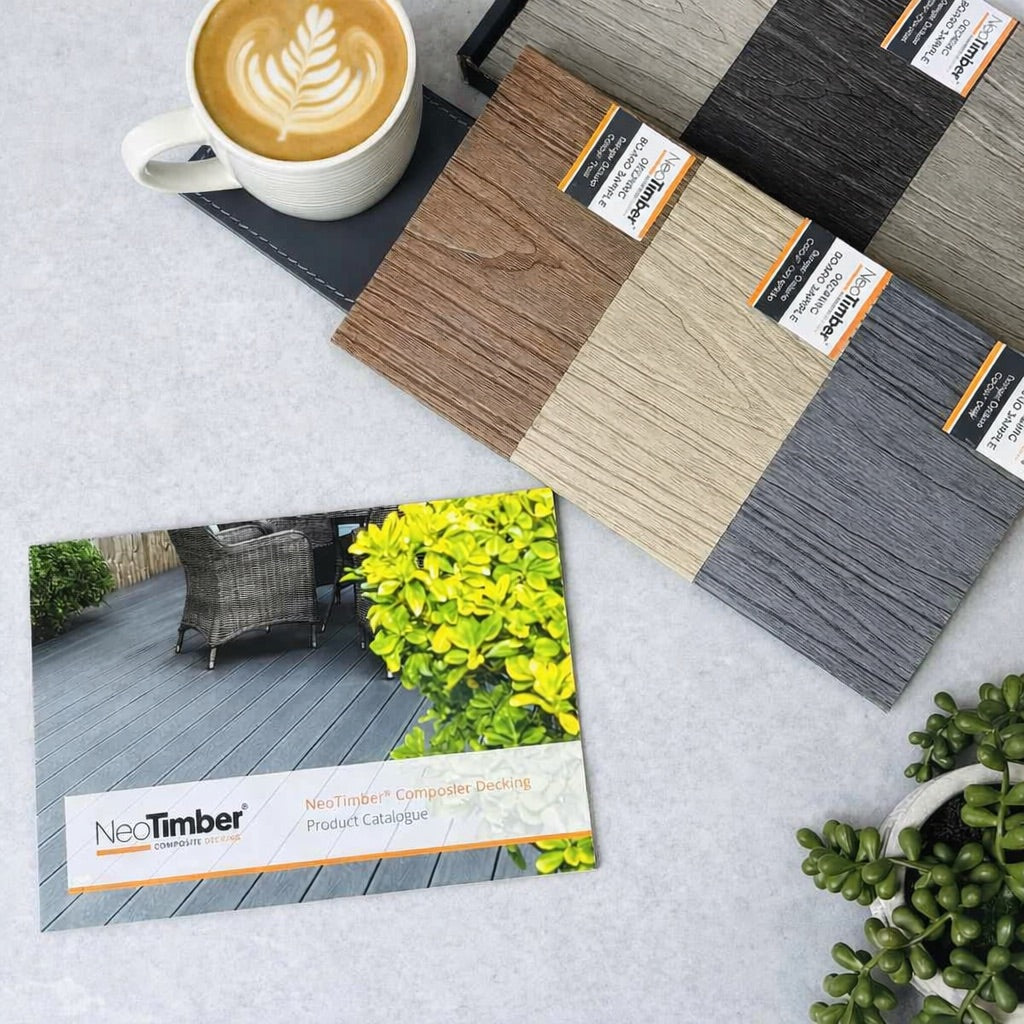
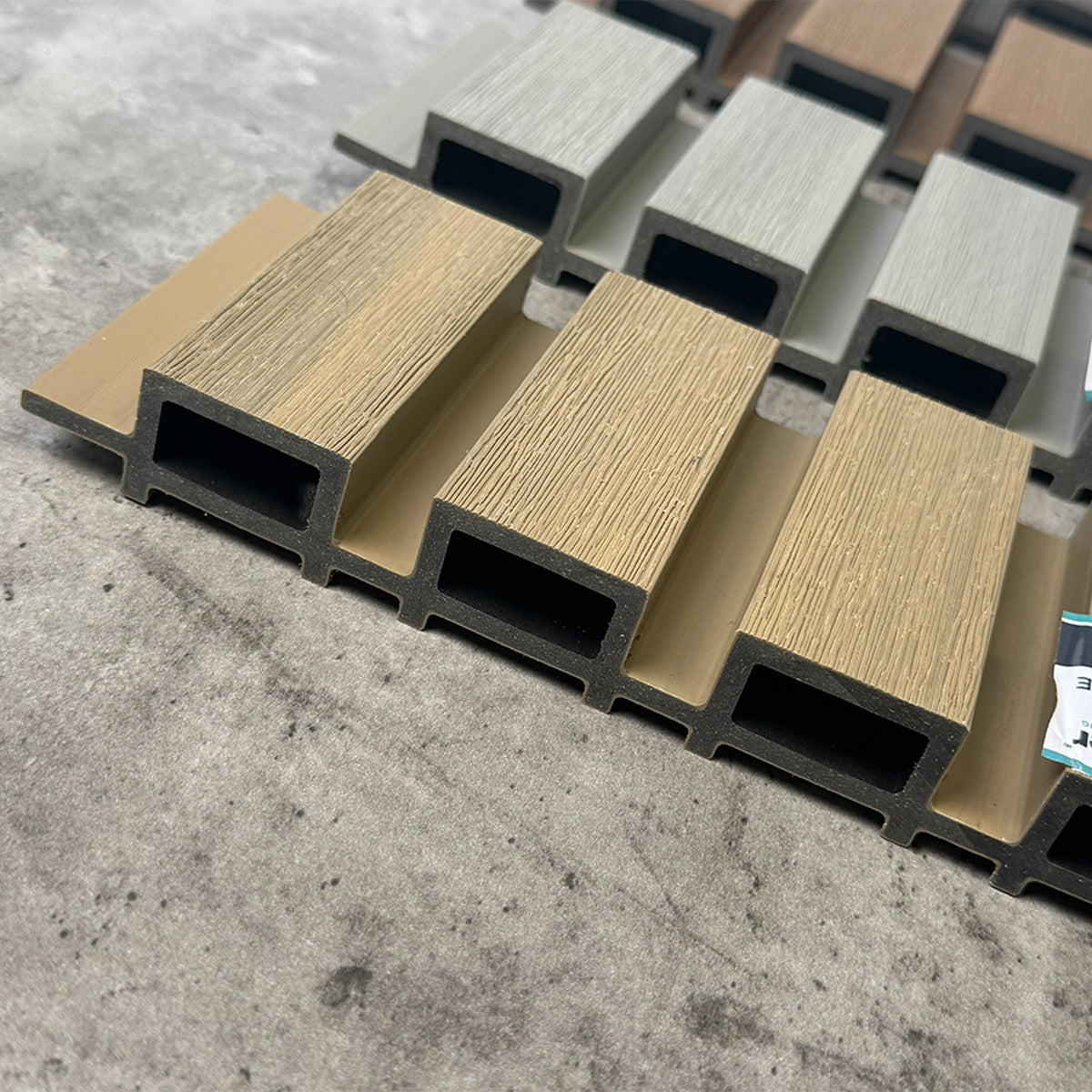
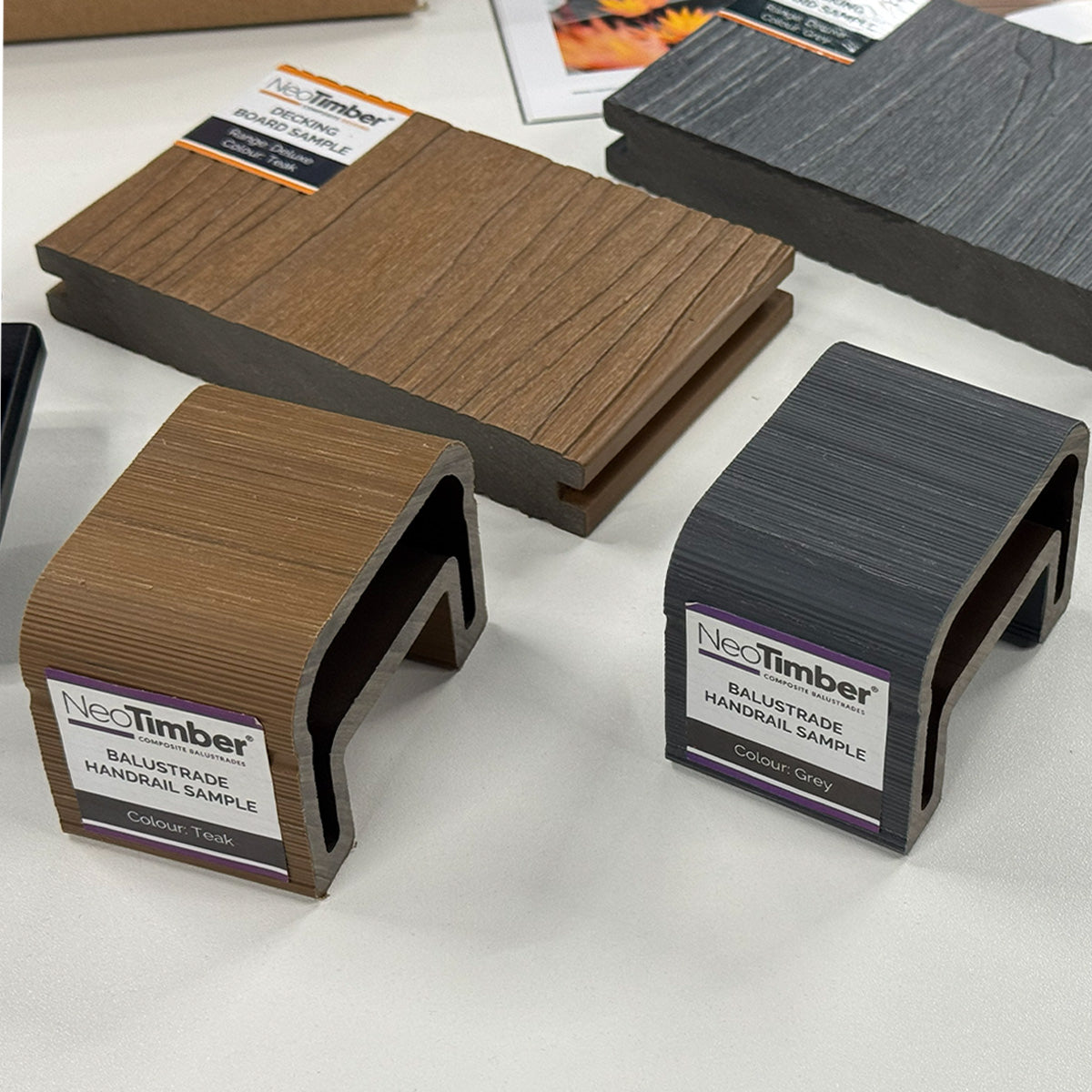
For homeowners who like timber-style textures, composite boards offer a way to retain a wood-inspired design without maintaining a painted timber finish. NeoTimber’s Deluxe range offers woodgrain and brushed faces, allowing you to choose the look that suits your garden.
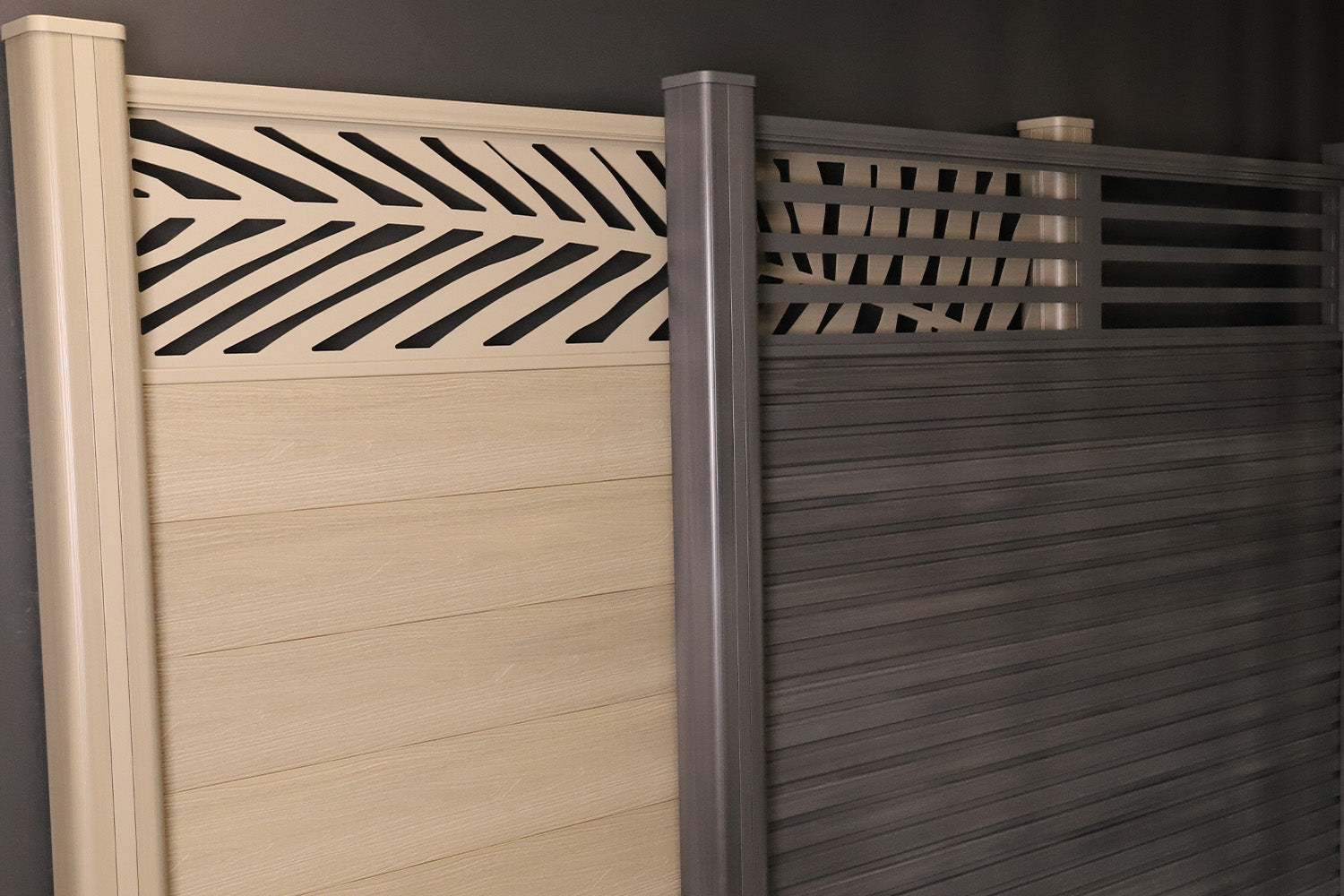
Compare actual samples when choosing a fencing colour. Light, planting and nearby paving affect how a finish appears, and some natural weathering remains possible outdoors. Fade resistance should not be interpreted as a guarantee that colour never changes.

How to Care for a Low-Upkeep Composite Fence
The simplest approach is to remove dirt before it becomes difficult to shift. Check the fence periodically and clean according to its condition. Sheltered, shaded or heavily planted areas may need attention more often than an open boundary, so a fixed six-month schedule will not suit every garden.
- Remove loose debris: clear leaves and surface dirt gently, keeping abrasive grit from being rubbed into the finish.
- Wash with a suitable mild cleaner: use warm soapy water and a soft sponge or brush, following the product care instructions.
- Work gently: avoid abrasive pads, wire brushes and aggressive scrubbing.
- Rinse thoroughly: remove loosened dirt and detergent with clean water.
- Check persistent marks: identify the cause and confirm an approved treatment before trying a stronger product.
For detailed advice, follow the composite fencing maintenance guide. Test an approved cleaner in an inconspicuous area first. Do not assume that a product suitable for timber, paving or decking is suitable for your fence.
Pressure washing should only be used where the current care instructions permit it, with the specified settings, nozzle and distance. Do not sand, heat or repaint capped boards as a routine repair method; seek advice on the particular mark or damage.

Care for the Whole Fence, Not Just the Boards
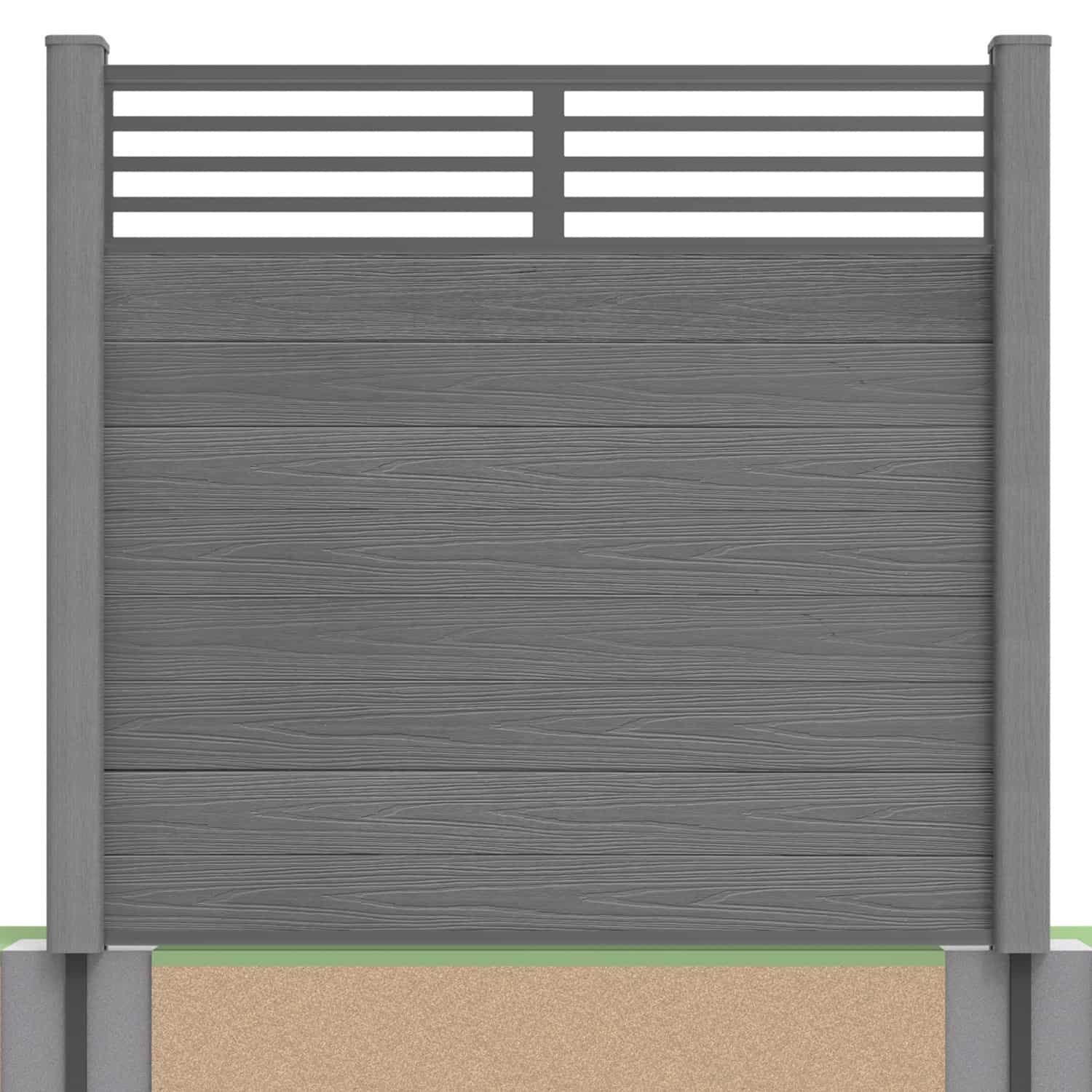
Less surface treatment does not remove the need for a correctly installed structure. Follow the composite fencing installation guidance for suitable posts, foundations, compatible components and movement allowances.
Inspect the complete run periodically and after severe weather when conditions are safe. Look for movement, loose components or damaged sections. Keep vegetation from concealing problems, and avoid attaching heavy planters or other loads unless the system has been approved for them.
If your boundary includes a gate, check its hinges, latch and clearances as well. A fence with easy-clean boards can still need repairs to hardware or foundations. No material choice makes an unsuitable installation windproof.
What to Check Before Buying Maintenance Free Fence Boards
Advertisements for maintenance free fencing boards often concentrate on the visible finish. Before ordering, assess the full system and the care commitments behind the claim:
- Written care instructions: identify the cleaning products and methods permitted.
- Board construction: understand whether the product is capped and what the protective layer is designed to do.
- Complete project cost: include posts, supports, rails, fixings, foundations, delivery and installation.
- Site suitability: check fence height, exposure, ground conditions and any existing posts being reused.
- Warranty terms: distinguish covered manufacturing defects from weathering, wear, damage and installation issues.
- Replacement access: ask how an individual component can be removed if it is damaged later.
Read the current fencing warranty terms rather than treating a headline period as a promise of maintenance-free service. Compare the likely work over time alongside the purchase price, without assuming that every project produces the same saving.
Frequently Asked Questions
Is composite fencing completely maintenance free?
No. Factory-finished capped boards reduce routine painting and staining, but still need suitable cleaning and checks. The posts, connections and any gate hardware also form part of the care requirements.
What does no maintenance fencing usually mean?
The phrase often refers to avoiding regular surface treatments. Ask the supplier for a precise explanation and written care instructions, because it should not be taken to mean that cleaning or inspections are unnecessary.
Do composite fence boards need painting or staining?
NeoTimber’s capped boards are supplied with their finished surface and do not require routine painting or staining. Check with the supplier before applying any coating, as it may affect the finish and warranty position.
How often should I clean my fence?
Inspect it periodically and clean when dirt or deposits build up. Frequency depends on shade, nearby planting, weather and local conditions. Address spills promptly using the recommended method.
Can mould or algae appear on composite fencing?
Surface growth can develop where moisture and organic deposits accumulate. Keep the fence clean and follow approved treatment advice; a protective cap does not guarantee an algae-free surface.
Is low maintenance fencing cheaper over time?
It can reduce spending and effort on repeated decorative treatments, but the overall comparison depends on product prices, installation, cleaning, repairs and how you value your time. Compare complete project costs rather than relying on a guaranteed saving.
Choose Less Upkeep With Realistic Expectations
A boundary that needs fewer treatments can make garden care easier without promising zero work. Choose a suitable system, follow the installation guidance and keep its finish clean. Explore the NeoTimber® composite fencing range or contact the team for help choosing components for your garden.