Plan a Fence That Suits Your Garden’s Wind Exposure
Windproof fencing is a common search when a damaged boundary needs replacing, but it should not be read as a promise that a fence cannot fail. Suitability depends on the complete installation: panel design, height, posts, connections, foundations and site exposure.
Composite can offer a supplied finish with reduced routine refinishing, but the material name alone does not establish wind resistance. Before choosing a system, confirm that its specification is appropriate for the proposed location.
This guide explains the questions to ask when planning a windy garden boundary. Explore our fencing guide for an introduction, or browse NeoTimber® composite fencing to compare products.

What Should a Wind-Resistance Claim Tell You?
A useful claim relates to a defined product and assembly, not simply a broad description such as strong, heavy or weatherproof. Ask the supplier what evidence or design information applies to your selected configuration.
If a wind-speed figure is quoted, establish the test or design conditions, panel dimensions, support arrangement and limitations. A figure from one setup should not automatically be applied to a taller fence or different foundations.
This article does not assign a wind-speed rating to NeoTimber’s range or claim that it is suitable for every exposed site. Obtain confirmation for your project before purchasing.
Start With the Site, Not the Board Colour
A sheltered-looking garden can still experience significant gusts. Open surroundings, elevated ground, coastal exposure and nearby buildings can influence the conditions around a boundary.
Record the proposed height, length, changes in level and openings. Photograph the fence line and surrounding area so the supplier or installer can understand the setting. If an existing fence failed, ask for an assessment of the cause rather than assuming a different board material will solve it.
- Is the boundary exposed to open land or a coastal setting?
- Are there changes in level, corners or long uninterrupted runs?
- What condition are the existing posts and foundations in?
- Are there gates, screens or other features in the proposed layout?
- Does the project fall within the system’s standard installation details?
Posts, Connections and Foundations Work Together
Wind acting on the panels creates demands on their connections and supports. A durable board cannot compensate for an unsuitable foundation or a loose post.
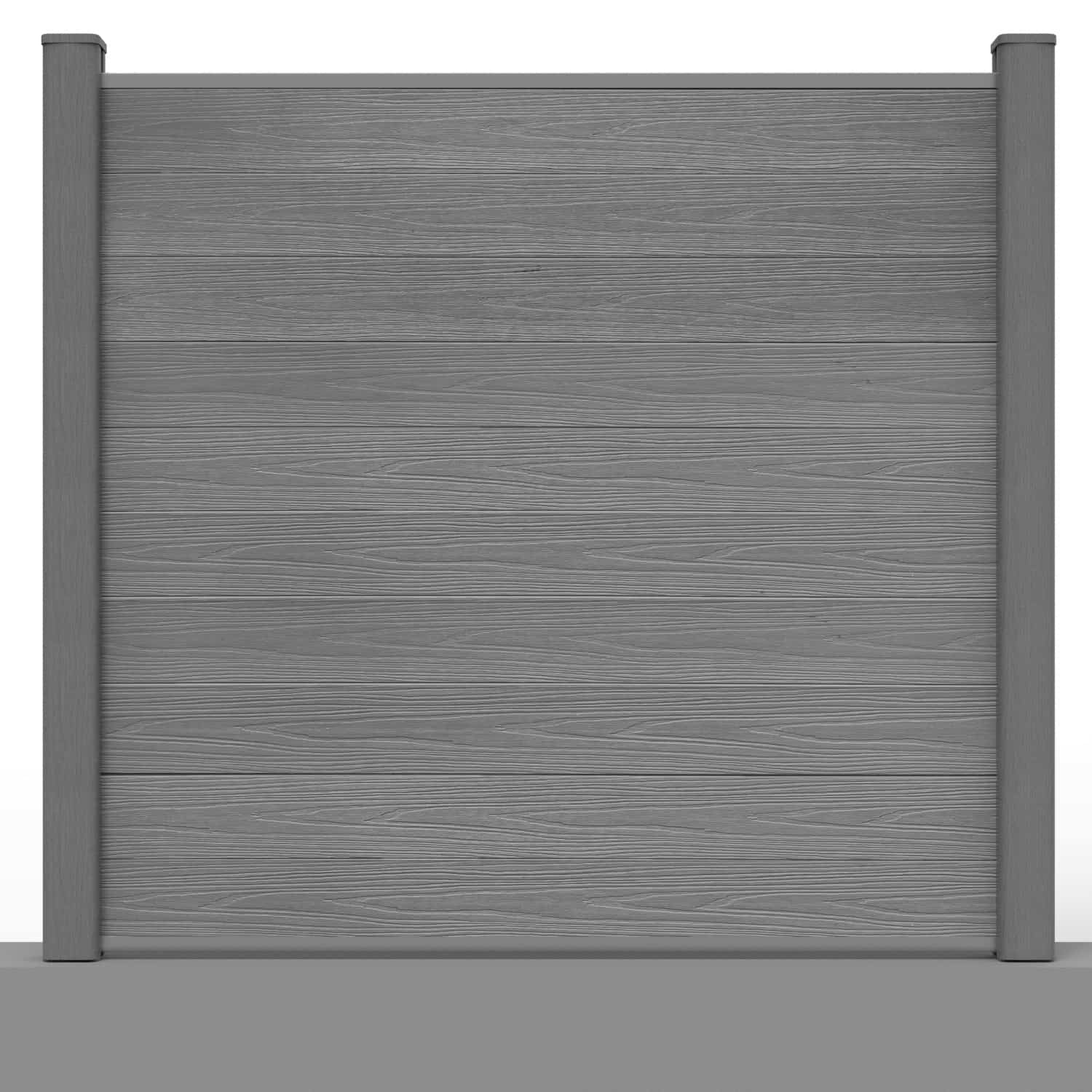
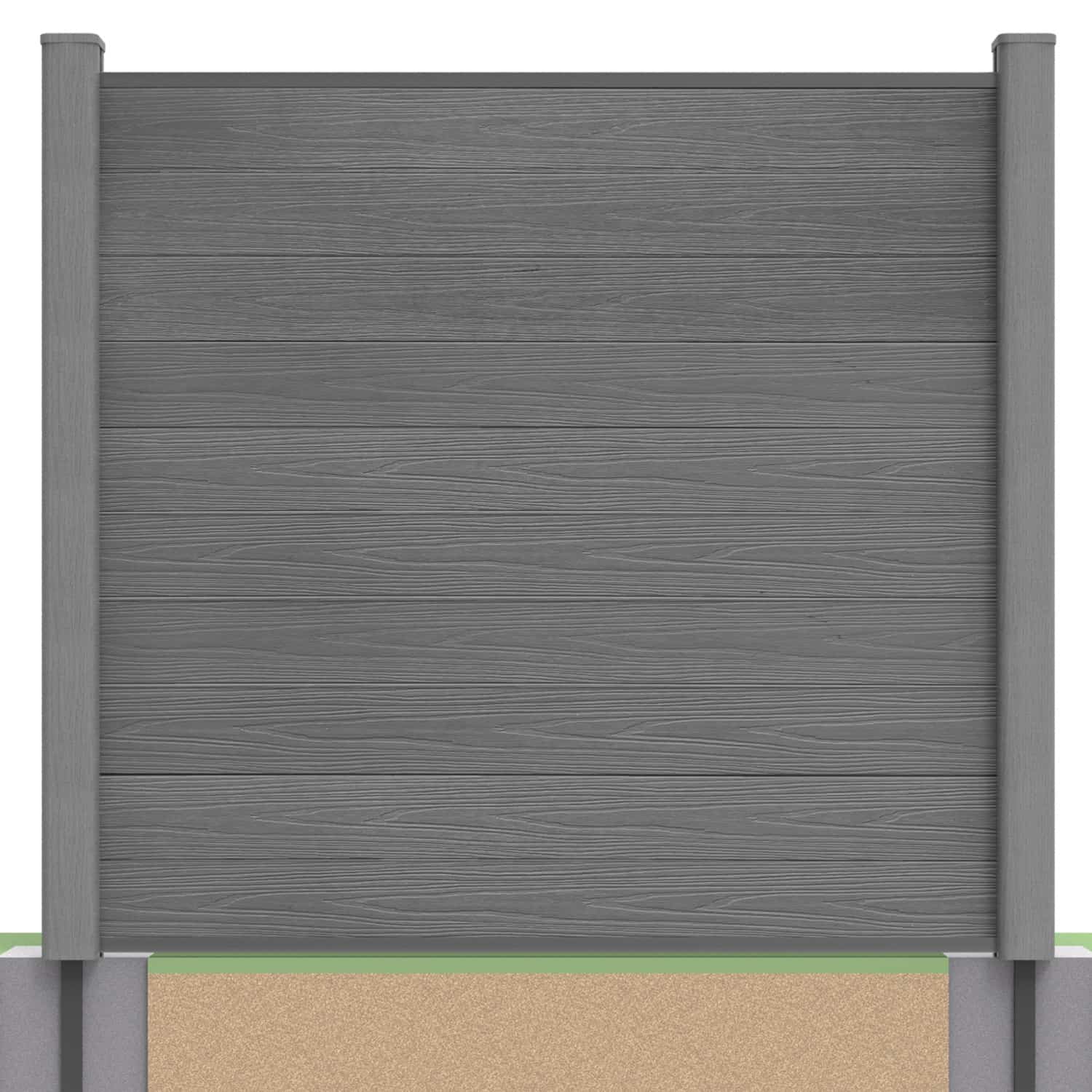
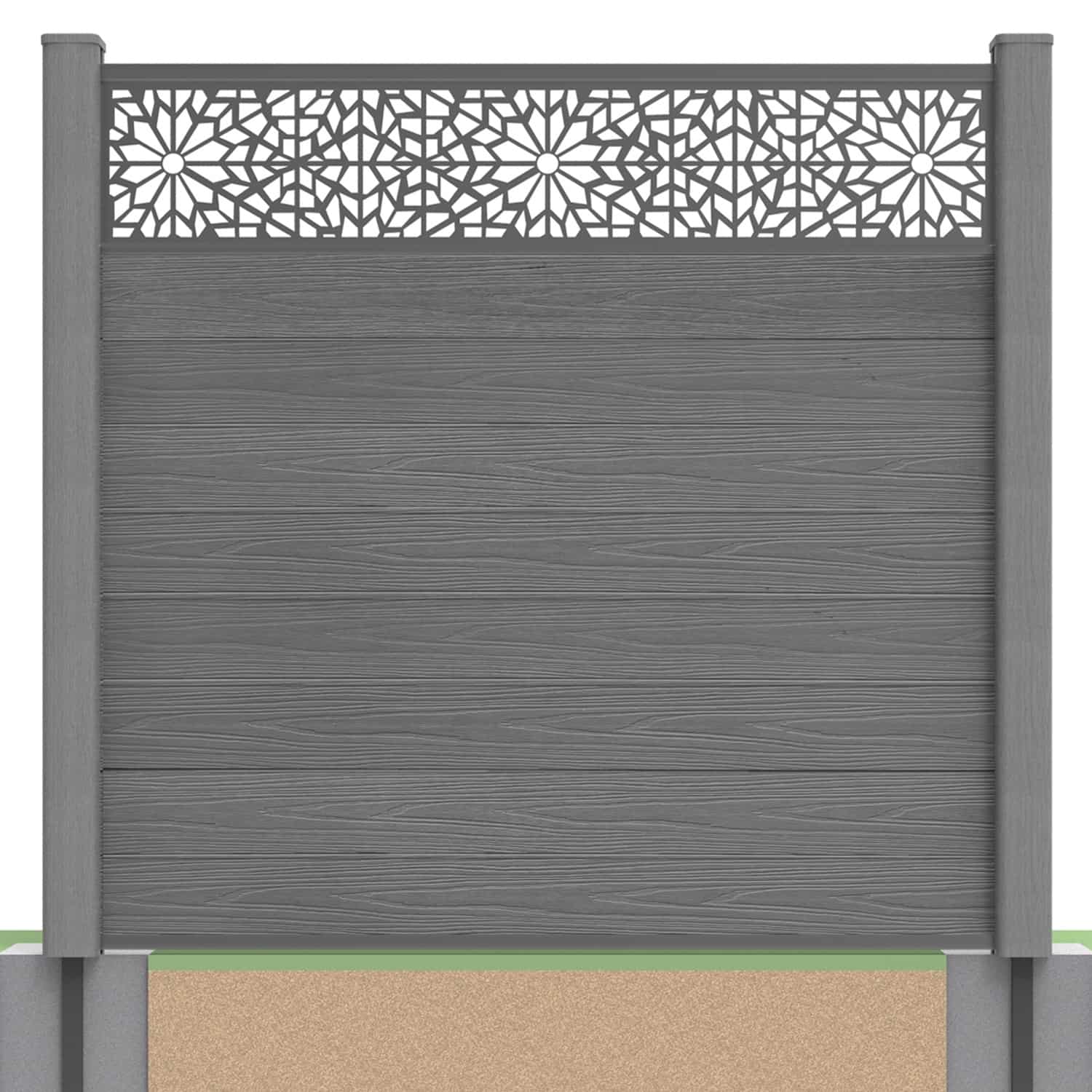
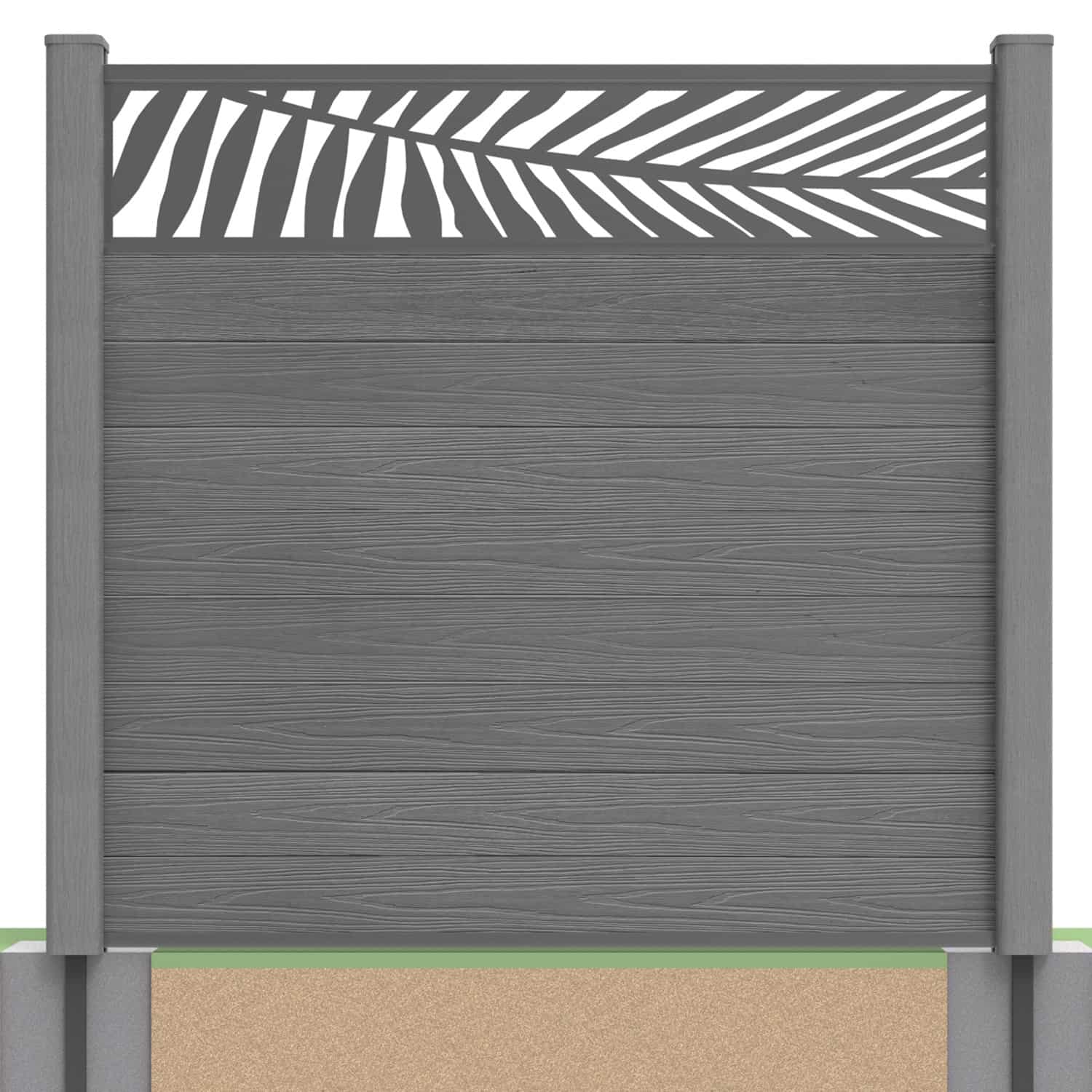
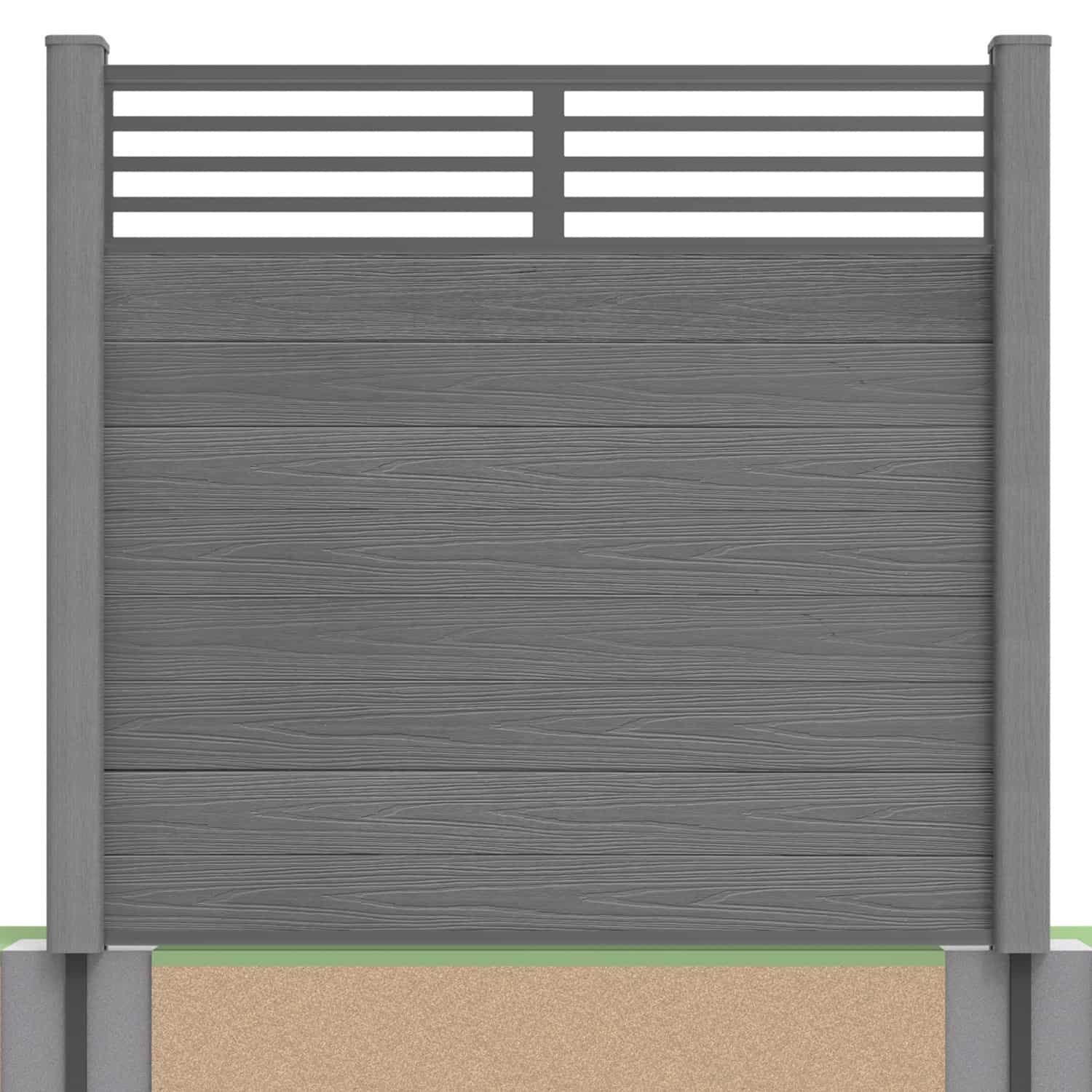
NeoTimber’s new-post system combines a composite profile with a specified steel support. Compare the hard-ground and soft-ground post arrangements against the actual site.

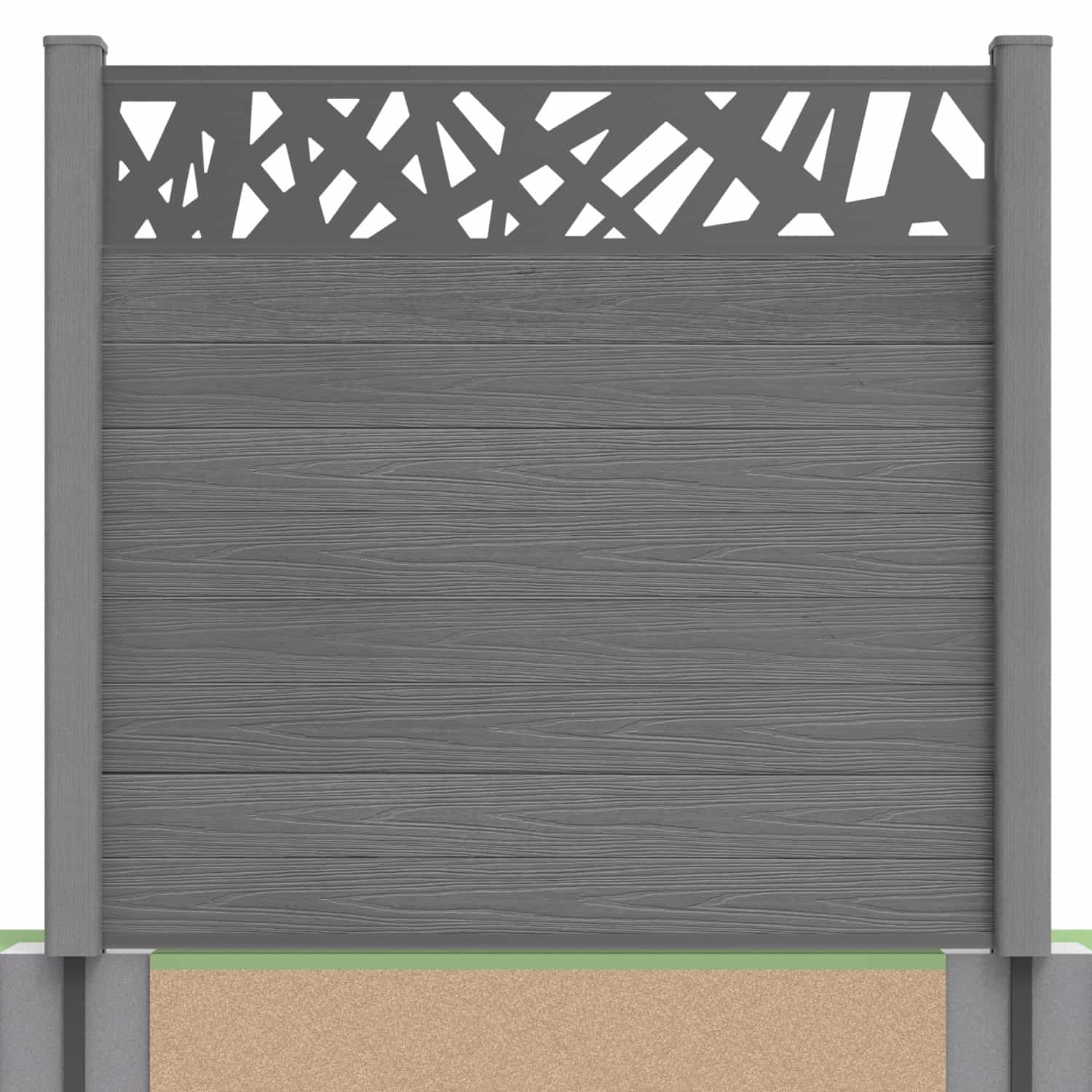
A hard-ground support requires a suitable structural base and anchoring detail; paving alone is not proof of suitability. A soft-ground support needs the specified foundation, with ground conditions considered before installation.
Follow the current installation guidance for post positions, rails, fixings and clearances. Do not improvise closer supports, extra anchors or changed foundations as a substitute for confirming the design.
Reusing Existing Supports
Compatible timber or concrete post inserts can provide channels for a retrofit, but do not strengthen inadequate foundations or repair damaged posts. Assess condition, spacing, alignment and suitability for the new assembly before choosing reuse.
Panel Height and Openings Matter
Panel geometry influences how wind acts on the fence. Solid coverage and open patterns behave differently, but an opening pattern does not automatically establish a particular wind rating.
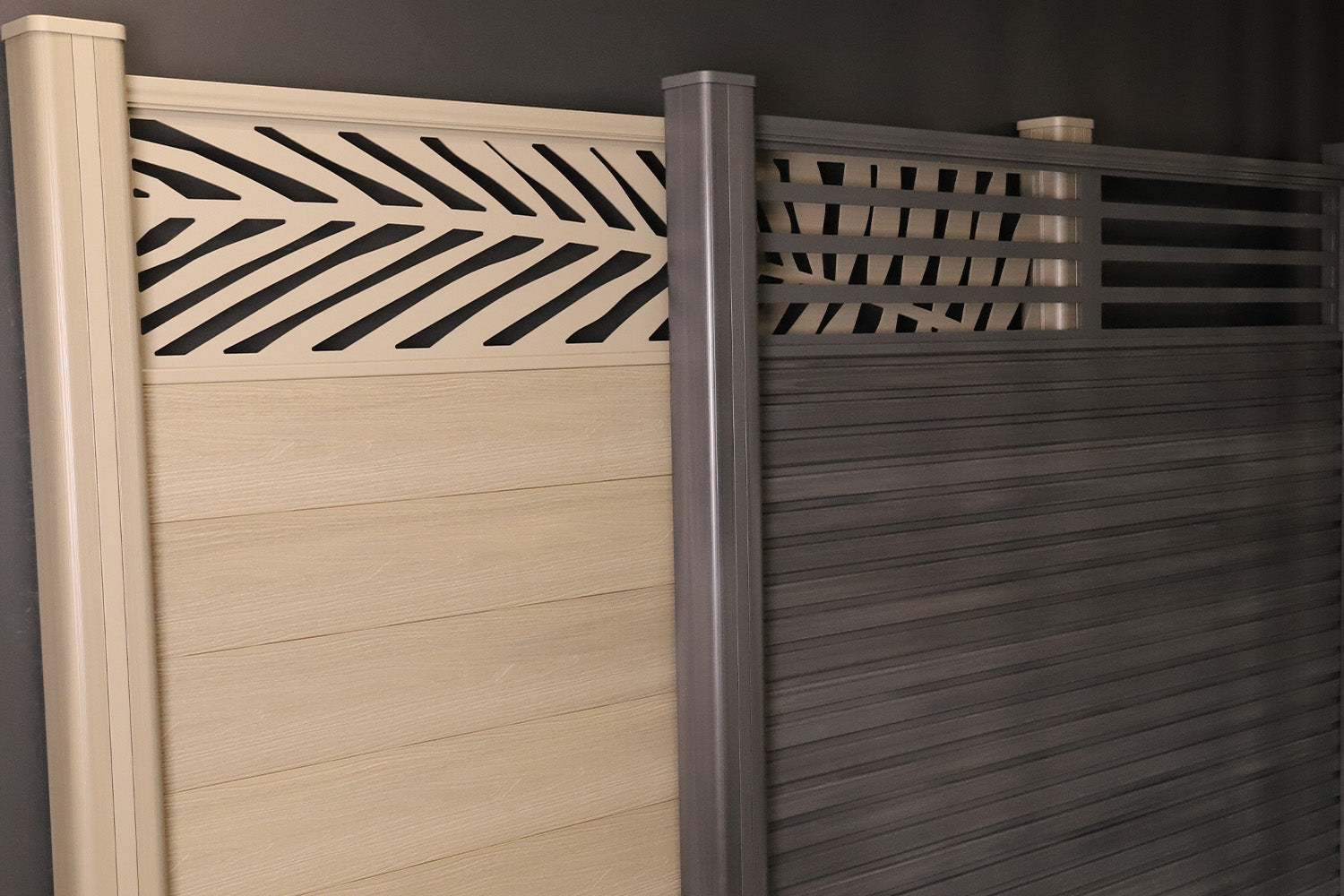
NeoTimber’s Slatted range has a pronounced linear profile; the name should not be interpreted as an open wind-permeable screen. Inspect the actual assembled construction rather than inferring airflow from appearance.

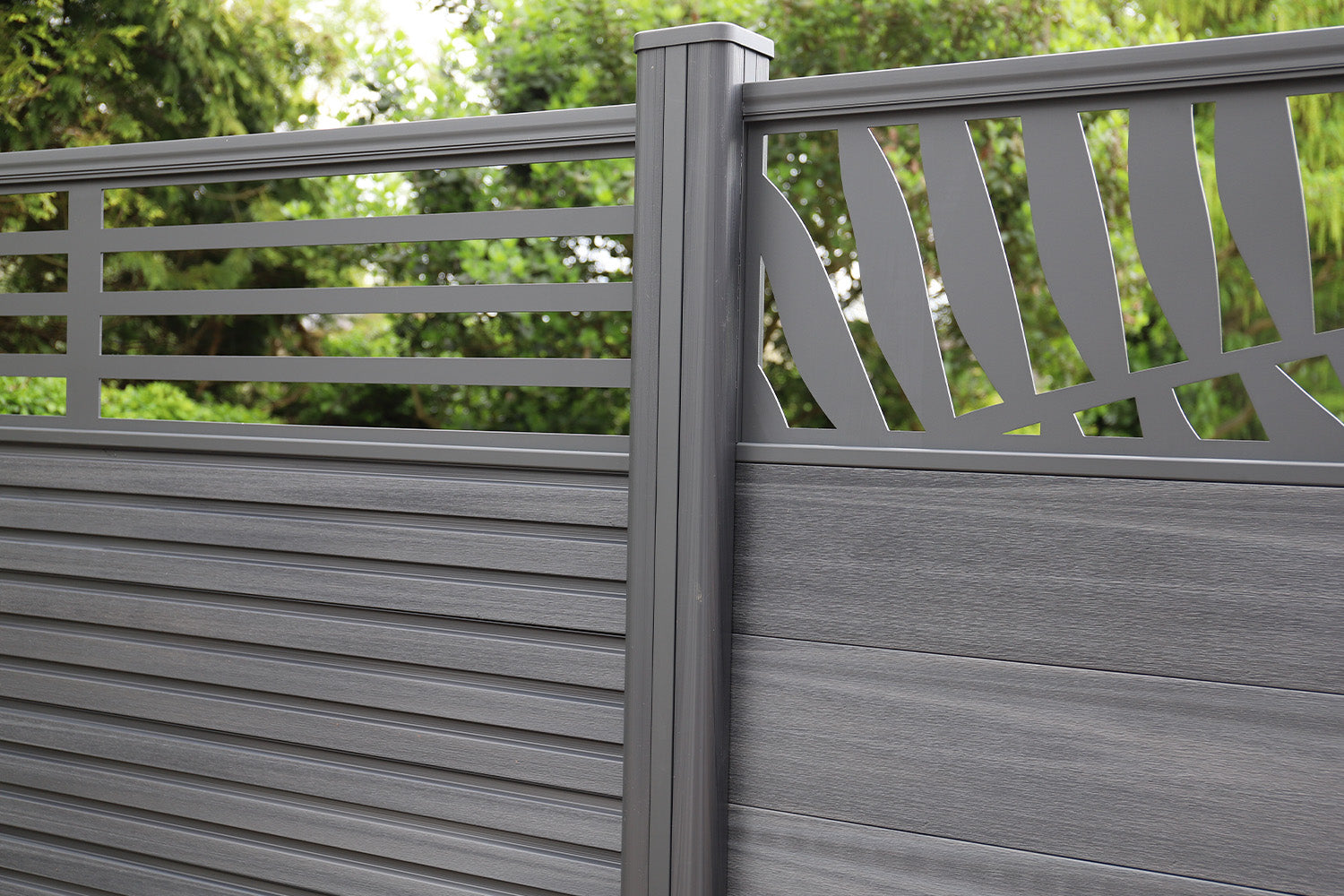
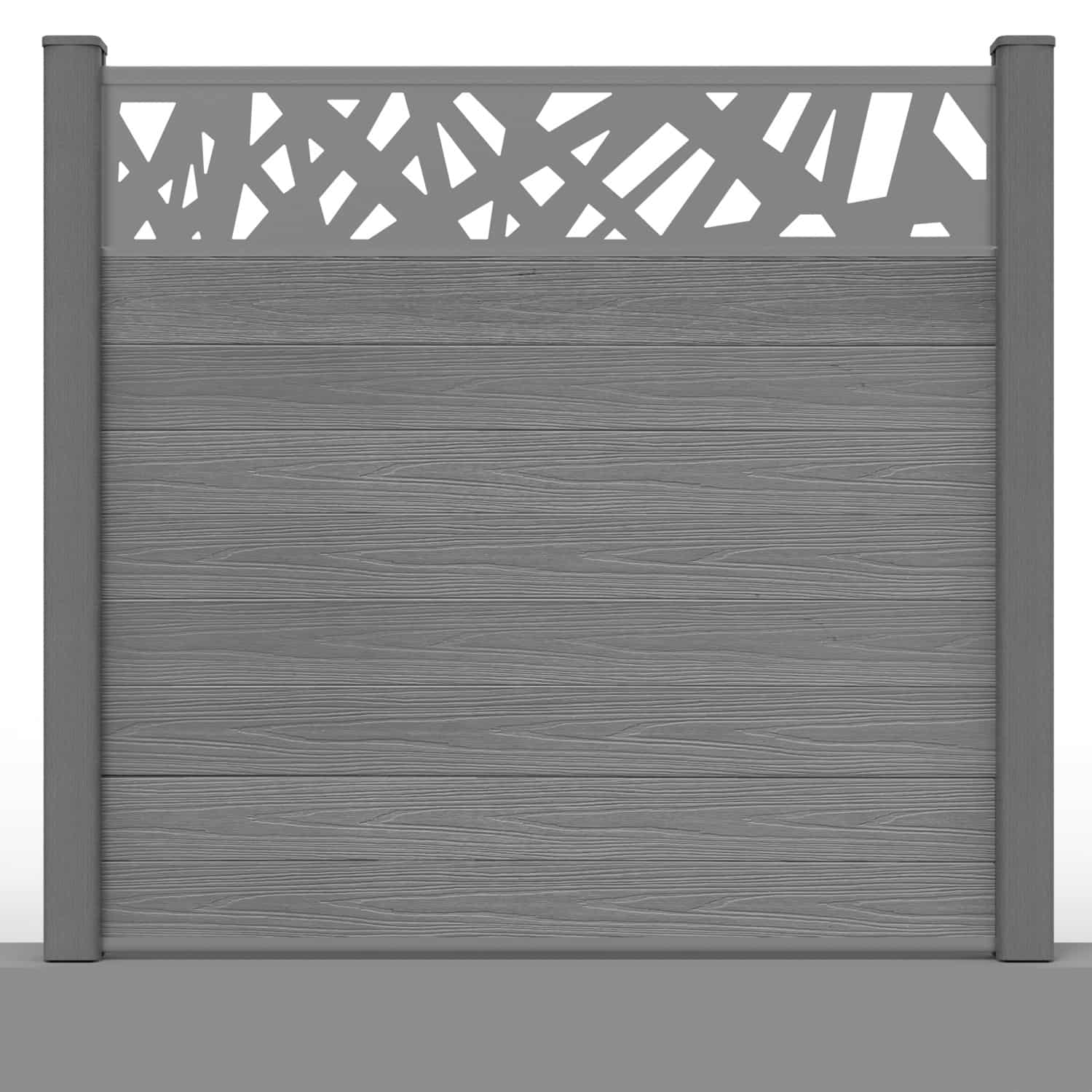
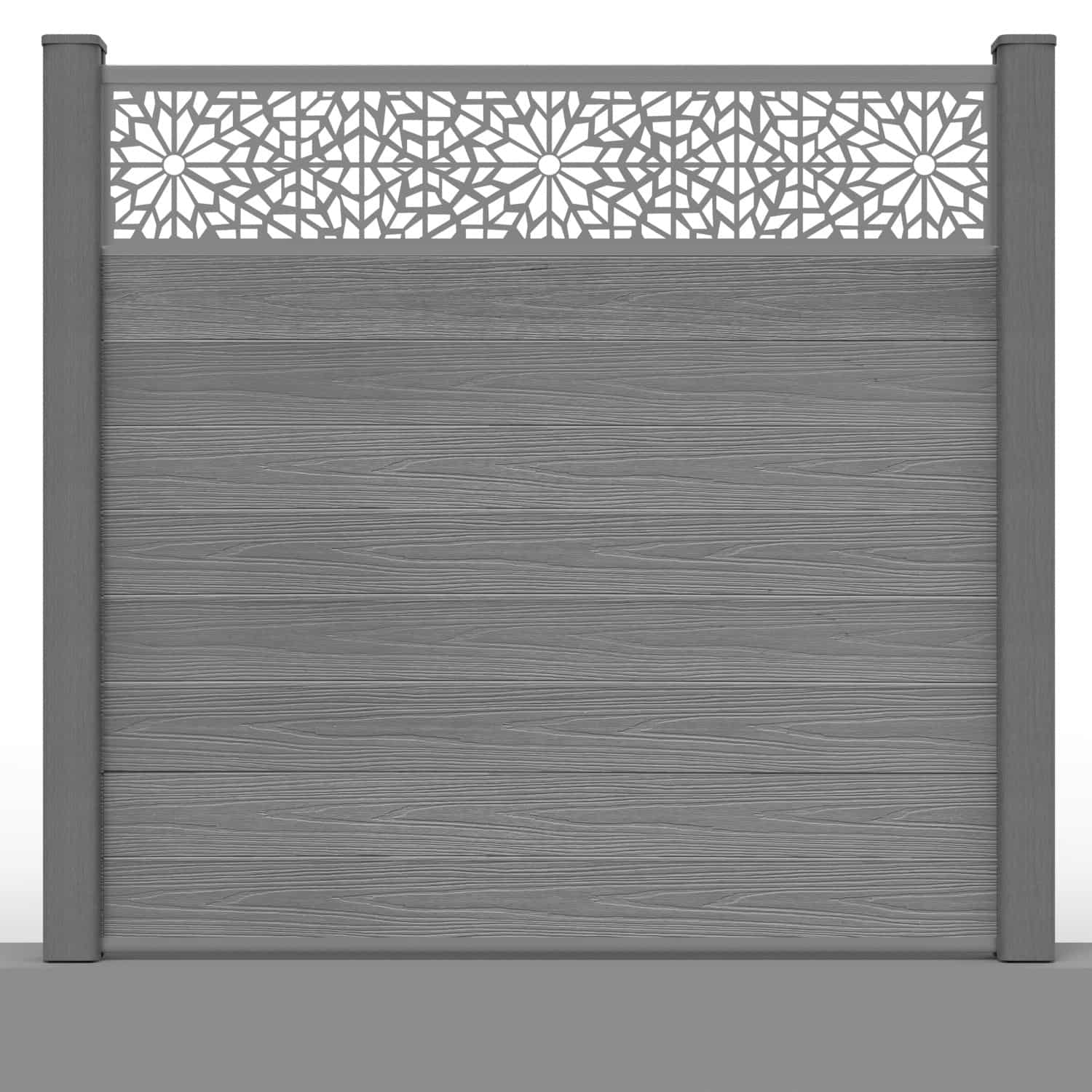
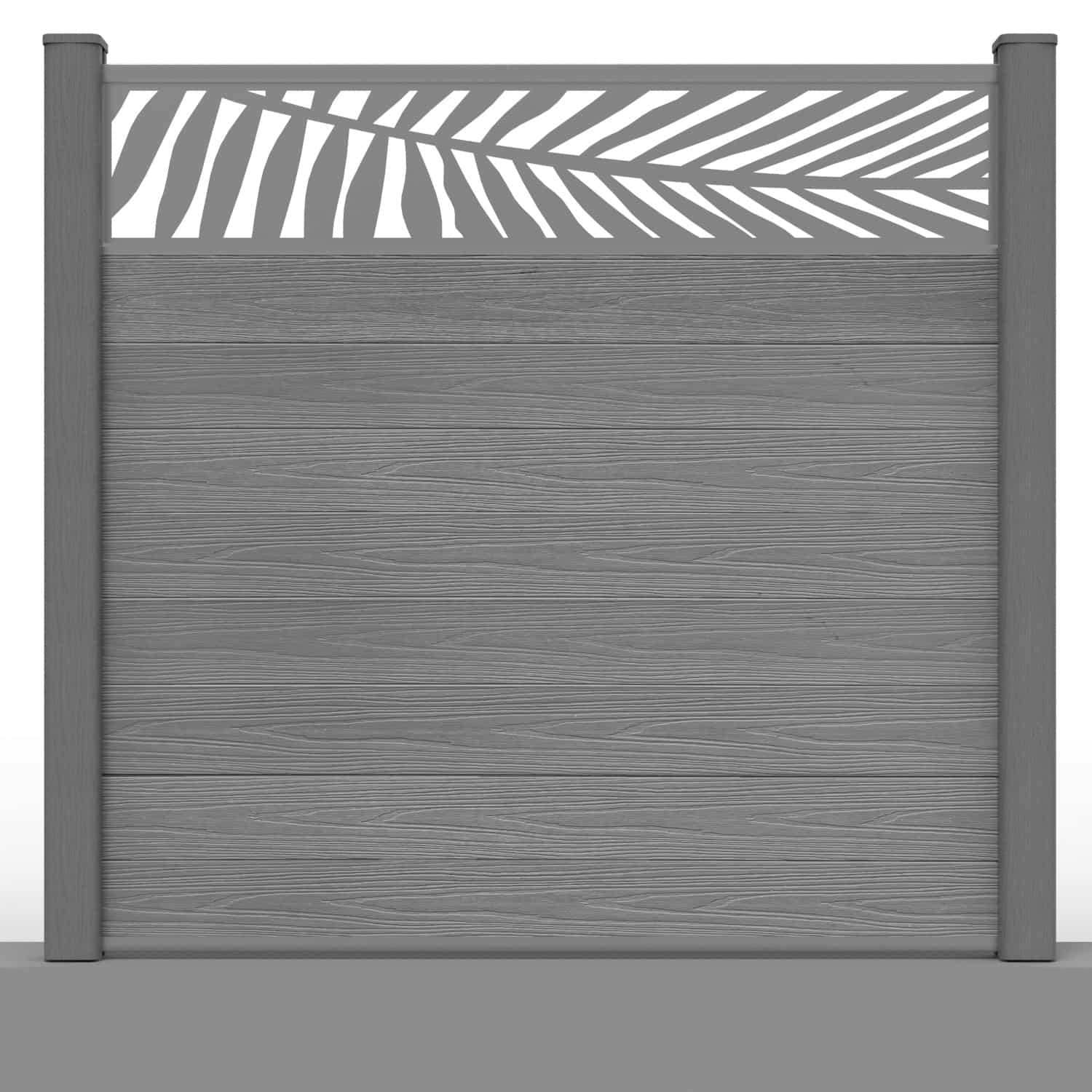
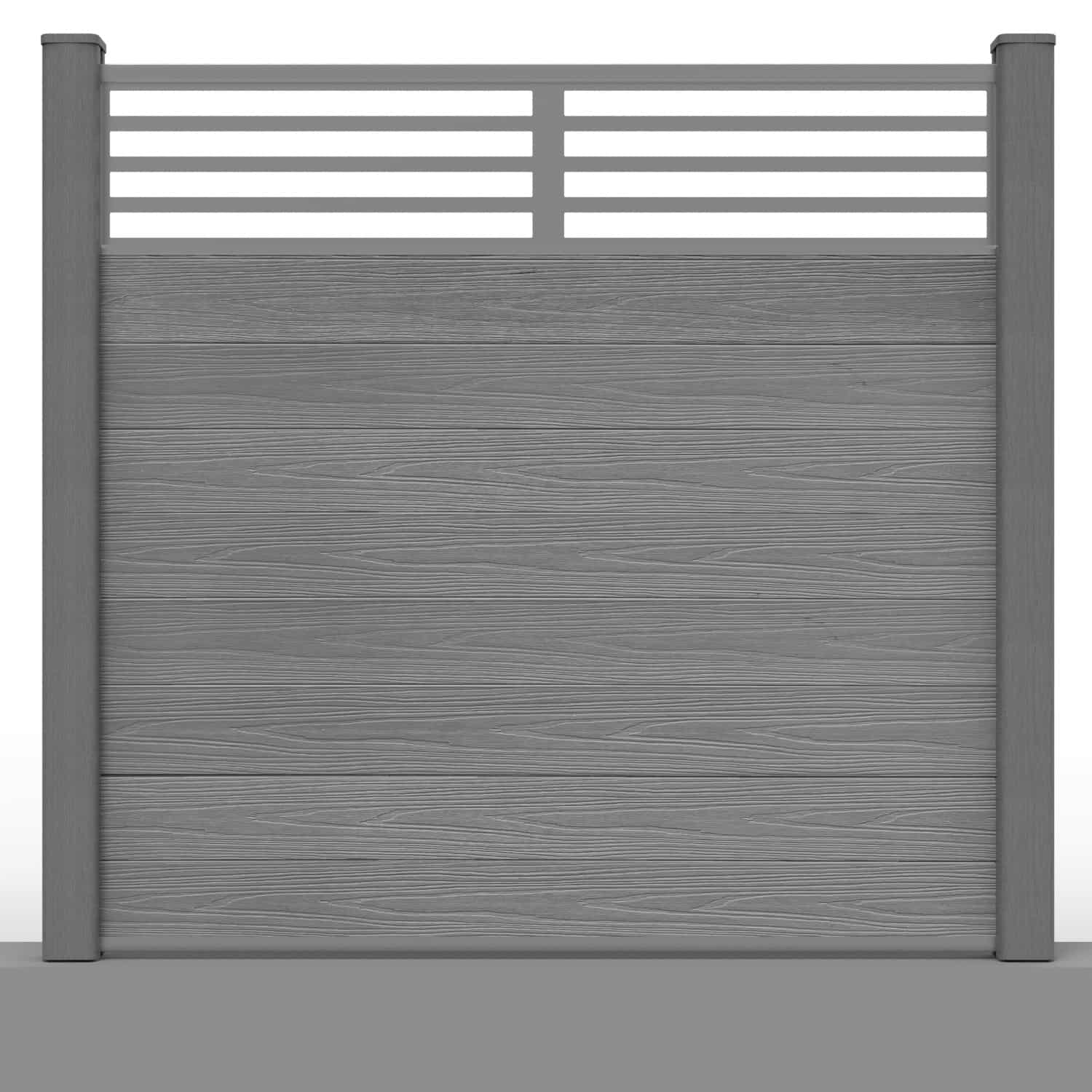
Decorative cut-out screens change part of the panel, but are not a universal windproofing upgrade. Confirm the approved configuration and its suitability for the exposure before adding one.
Do not increase the height or span beyond the system specification. Gates also need their own supports and hardware because movement and wind acting on the leaf place different demands on the assembly.
Weather Resistance Is Different From Wind Performance
A capped surface is designed to improve resistance to fading, staining and moisture. Those surface benefits do not establish how the fence will perform under a particular wind load.

Composite materials can expand and contract with temperature, so specified clearances remain important. Do not describe the material as ignoring seasonal changes or assume that a good-looking surface proves the supporting structure is sound.
Timber, metal, concrete and composite systems all need appropriate design, installation and care. Comparing complete systems is more useful than assuming one material cannot fail in a storm.
Maintain and Inspect the Whole Boundary
Include posts, rails, fixings and gates in routine checks. Look for leaning, looseness, damaged components or changes in gate operation, and arrange assessment before problems worsen.

Before forecast high winds, follow the Met Office’s strong-wind preparation advice, including checking loose outdoor items. Do not wait until conditions are dangerous to deal with concerns.
Inspect storm damage only when it is safe. Do not attempt repairs while a storm is in progress; Ready Scotland’s storm guidance advises against going outside to repair damage during the storm.
Follow the fencing care instructions and review the applicable warranty terms. A long warranty should not be interpreted as unlimited cover for extreme weather or unsuitable supports.
Questions to Ask Before Ordering
| Topic | Question |
|---|---|
| Evidence | What wind-performance information applies to this exact assembly? |
| Site | Does the proposed height and layout suit the exposure? |
| Foundations | What ground assessment and foundation details are required? |
| Existing posts | Have their condition and suitability been confirmed? |
| Accessories | How do gates or decorative screens affect the specification? |
| Aftercare | What inspection, repair and warranty guidance applies? |
Windproof Fencing FAQs
Is any garden fence completely windproof?
Do not treat the term as an absolute guarantee. A fence needs to be specified for its site and design conditions, with suitable supports, connections and foundations.
Is composite automatically better than timber in high winds?
No universal ranking follows from the material name. Compare the complete system and evidence relevant to the proposed installation.
Do heavier panels resist wind better?
Weight alone does not establish suitability. Panel geometry, connections, posts and foundations all influence performance.
Will a decorative screen solve wind problems?
Not automatically. It changes the panel arrangement and needs to be assessed within the approved system and site conditions.
Can I retain existing concrete posts?
Only where their condition, foundations, dimensions and suitability for the new assembly have been confirmed. Inserts do not repair structural weaknesses.
What should I send when asking for advice?
Provide photographs, location, proposed height, run lengths, levels, openings and details of the ground or existing supports.
Choose a Specification That Matches the Exposure
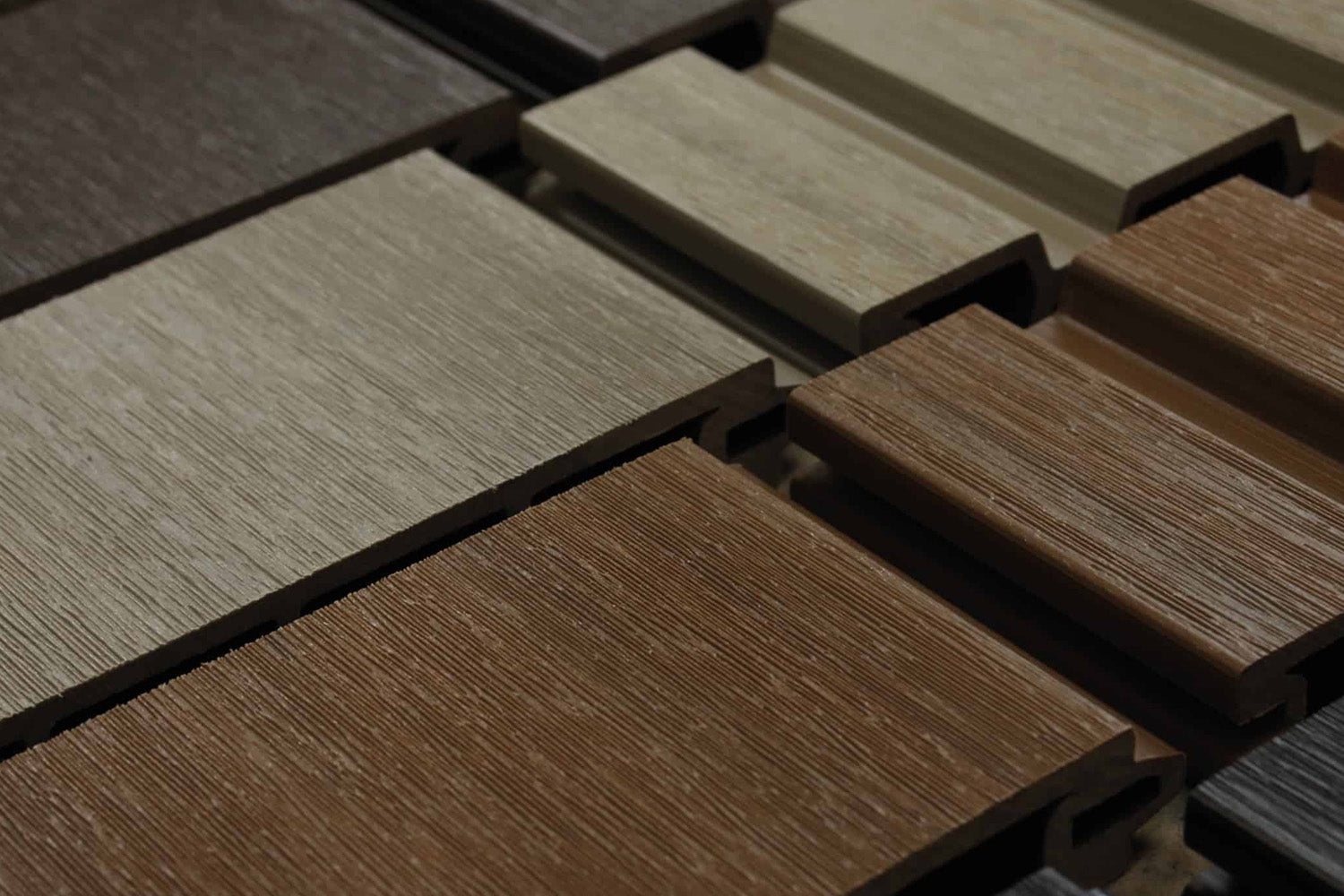
Start with the site assessment and support requirements, then compare finishes using fencing samples. Explore NeoTimber® composite fencing products or contact our team to discuss the details of your project.