How Recycled Plastic Street Furniture Gives Waste a New Purpose
Recycled plastic street furniture turns recovered material into useful features for shared outdoor spaces. From a bench beside a footpath to a picnic table in a community garden, it can provide places to rest, meet and eat while reducing the need for routine painting or staining.
Choosing the right furniture involves more than its recycled content. Design, access, installation and ongoing care all matter. Here, we explain how waste plastic can become furniture, explore NeoTimber's range and outline what to consider when planning a public or commercial outdoor space.
What Is Recycled Plastic Street Furniture?
Street furniture includes the seating, bins, planters and other features that support everyday use of outdoor spaces. It is not limited to town centres: parks, schools, visitor attractions, workplace grounds and communal gardens also need thoughtfully positioned furniture.
The term recycled street furniture can cover products made with different recovered materials. Recycled plastic street furniture specifically uses recovered plastic to form components such as boards and profiles. Check each product's material description to understand what is recycled and whether that claim applies to the main structure or the complete item, including its fixings.
How Waste Plastic Becomes Outdoor Furniture
Mechanical recycling prepares suitable plastic waste for use in new materials and products. The exact equipment and sequence vary with the plastic and intended application. The following is a general overview, rather than a factory specification for every NeoTimber® product.
- Sorting: suitable plastics are separated and unwanted materials removed to prepare a usable feedstock.
- Size reduction and cleaning: plastic is reduced to smaller pieces and cleaned to remove contaminants.
- Reprocessing: prepared material is heated and processed. Depending on the manufacturing route, it may become recycled granules or feed into the production of new profiles.
- Shaping and cooling: extrusion can form continuous profiles, while moulding can produce other shapes. The material is cooled to retain its form.
- Furniture production: suitable components are cut, finished and assembled into the intended furniture design.
For more background on the material recovery stages, see the British Plastics Federation's overview of mechanical recycling. For a particular furniture specification, ask the supplier about material composition, manufacturing information and supporting product documentation.
NeoTimber's recycled plastic furniture collection is made in Britain. Using recovered plastic gives that material another practical use; it does not establish how many times an individual piece of plastic has previously been recycled.

Choosing Recycled Street Furniture for Your Site
Begin with the activities you want to support. A short rest beside a path calls for a different layout from a communal lunch area. Choose individual products around those needs, then coordinate their position and appearance.
Benches for Rest Points and Meeting Places
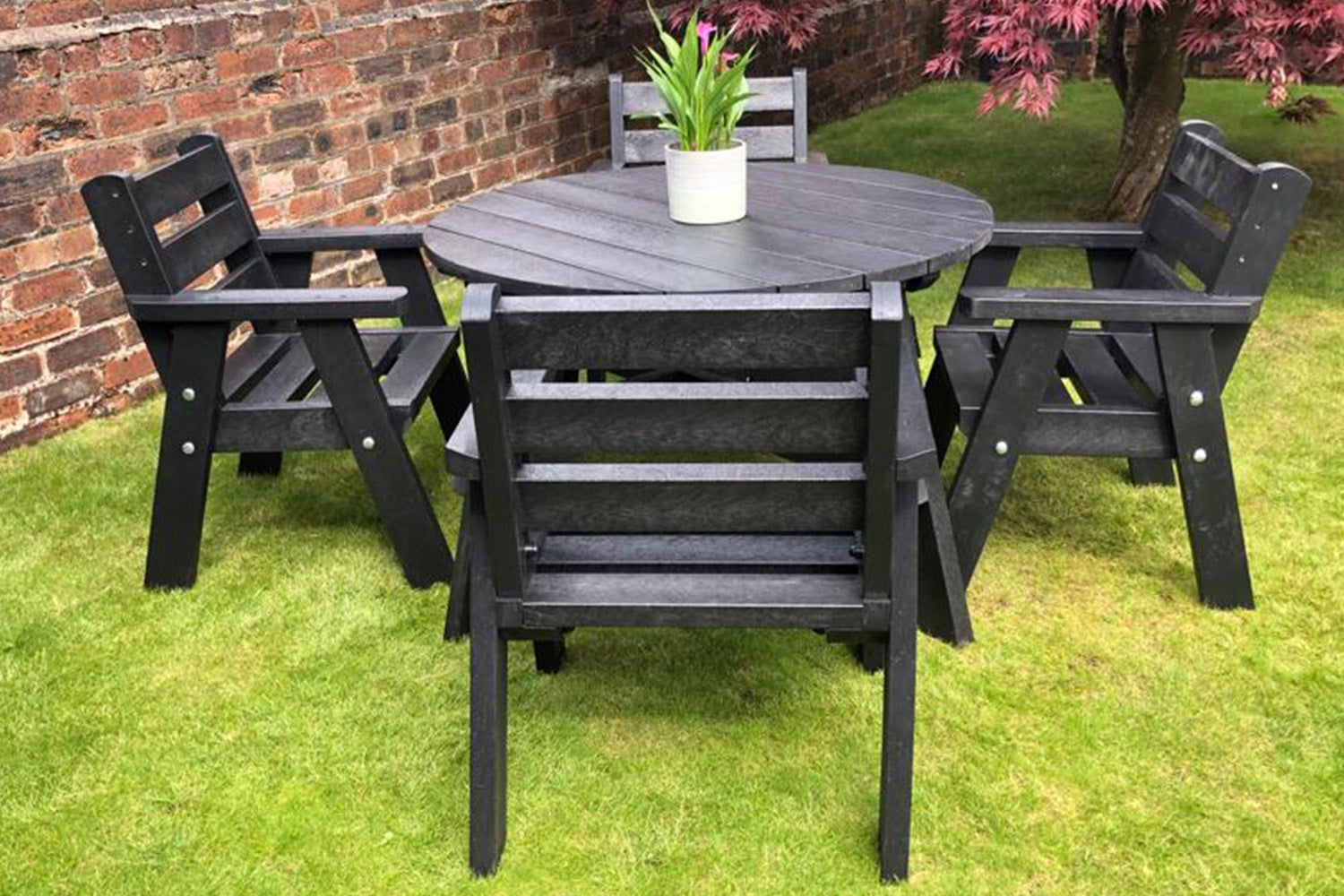
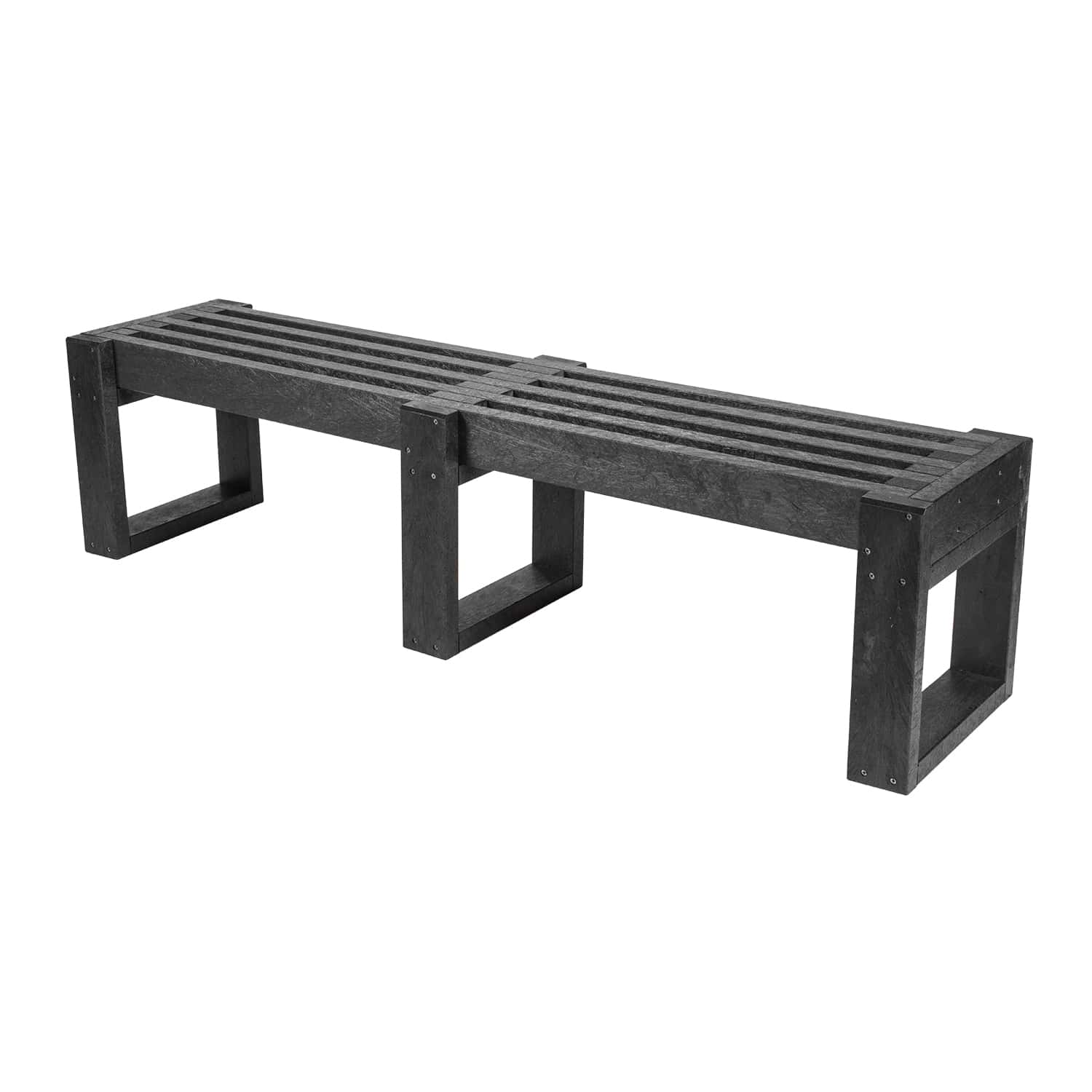
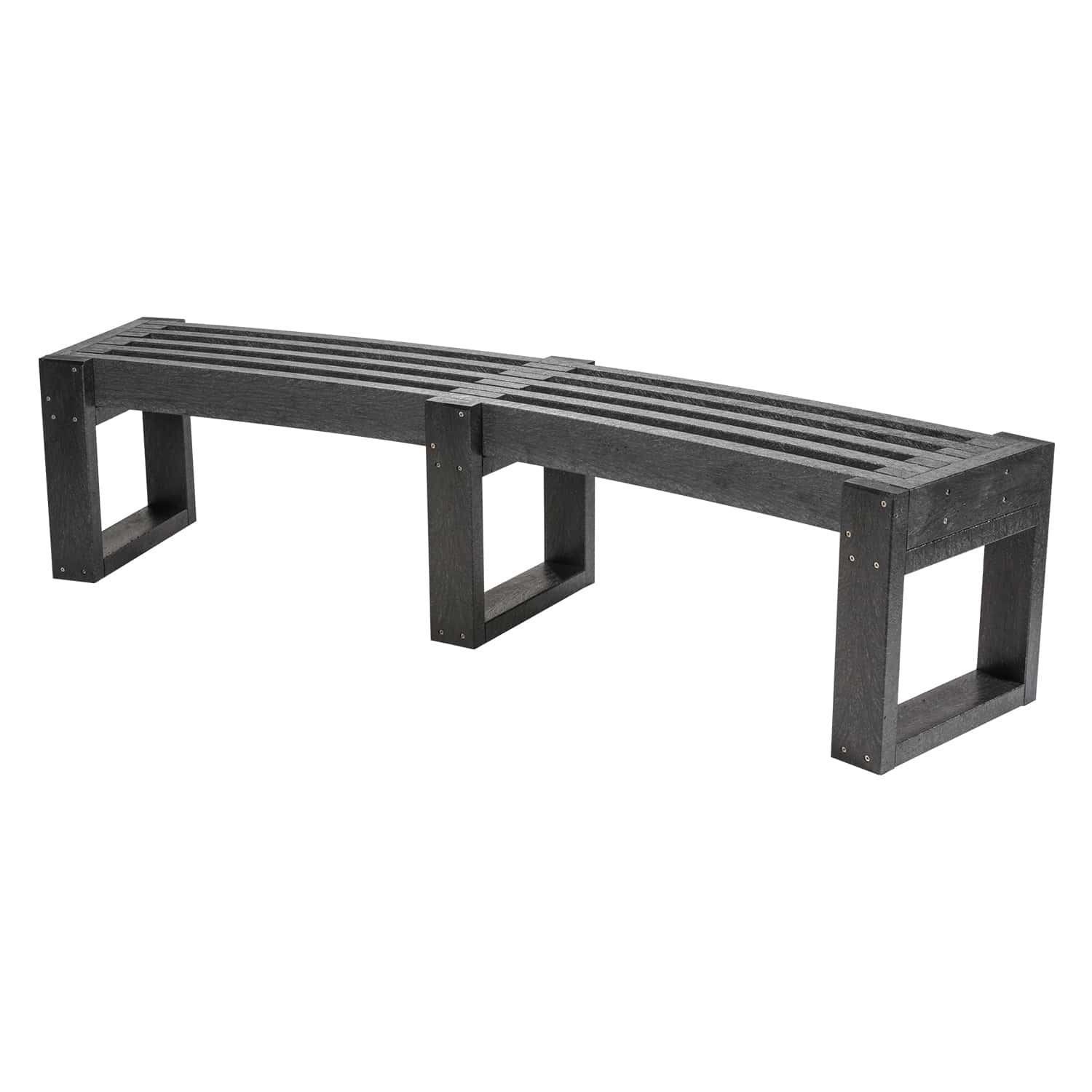
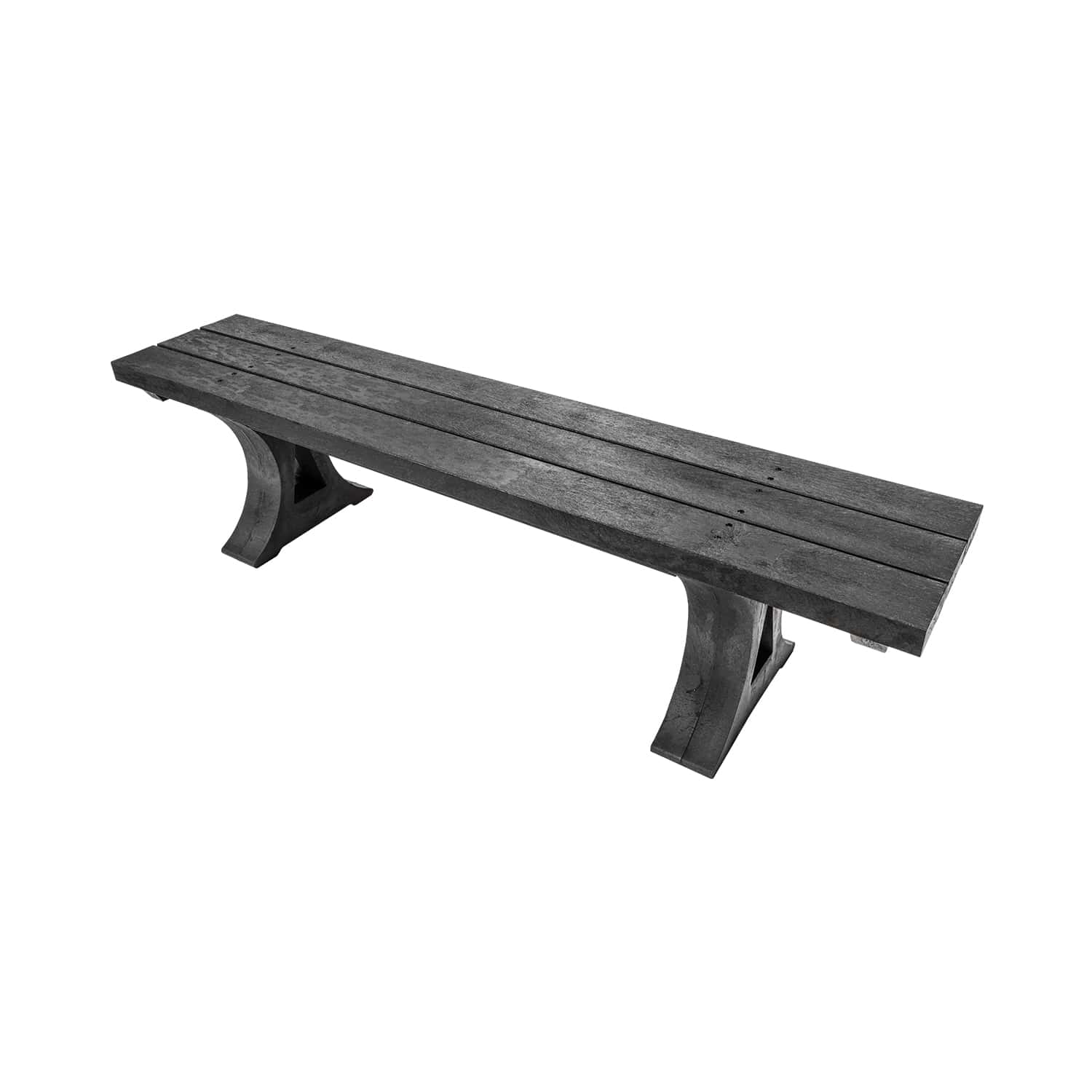
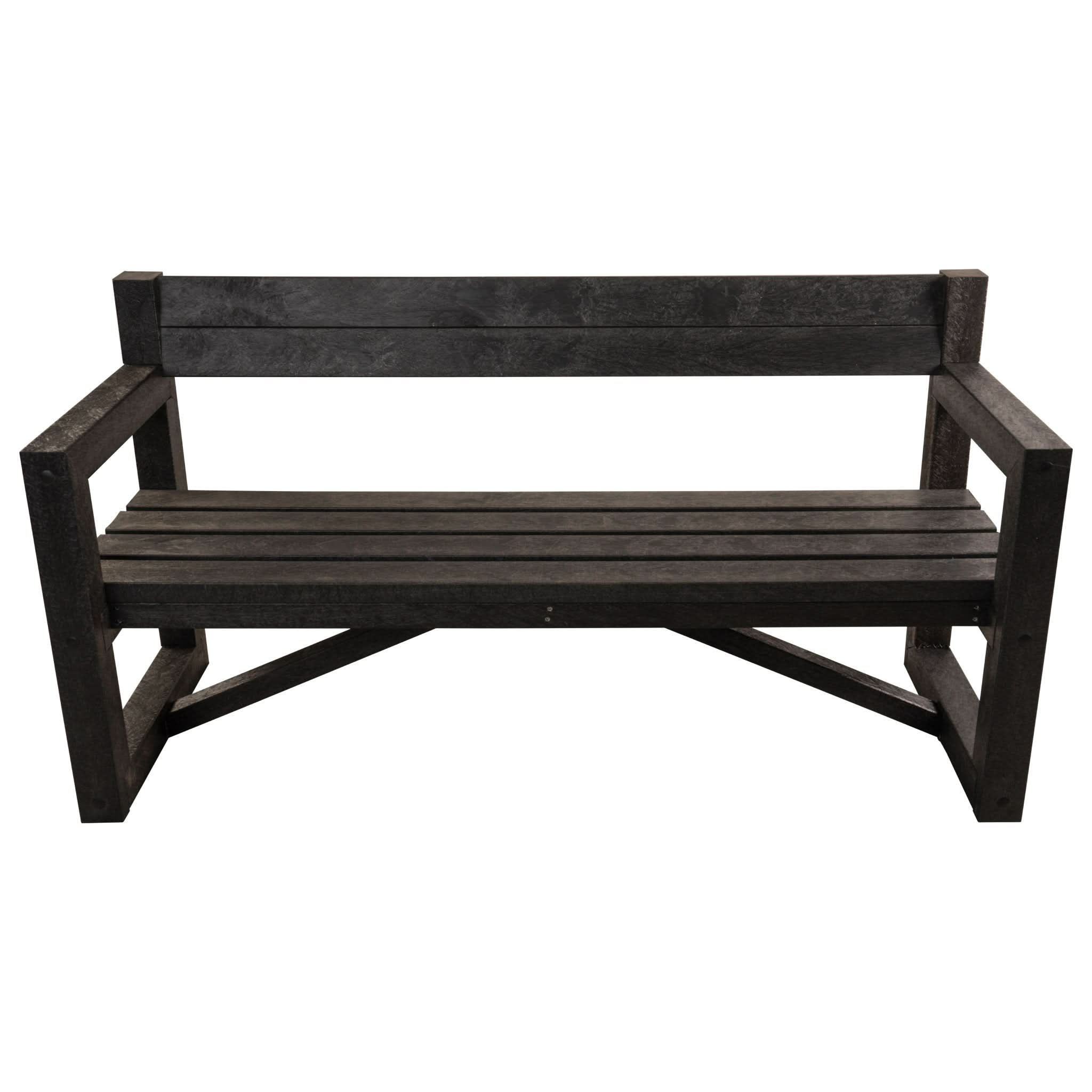
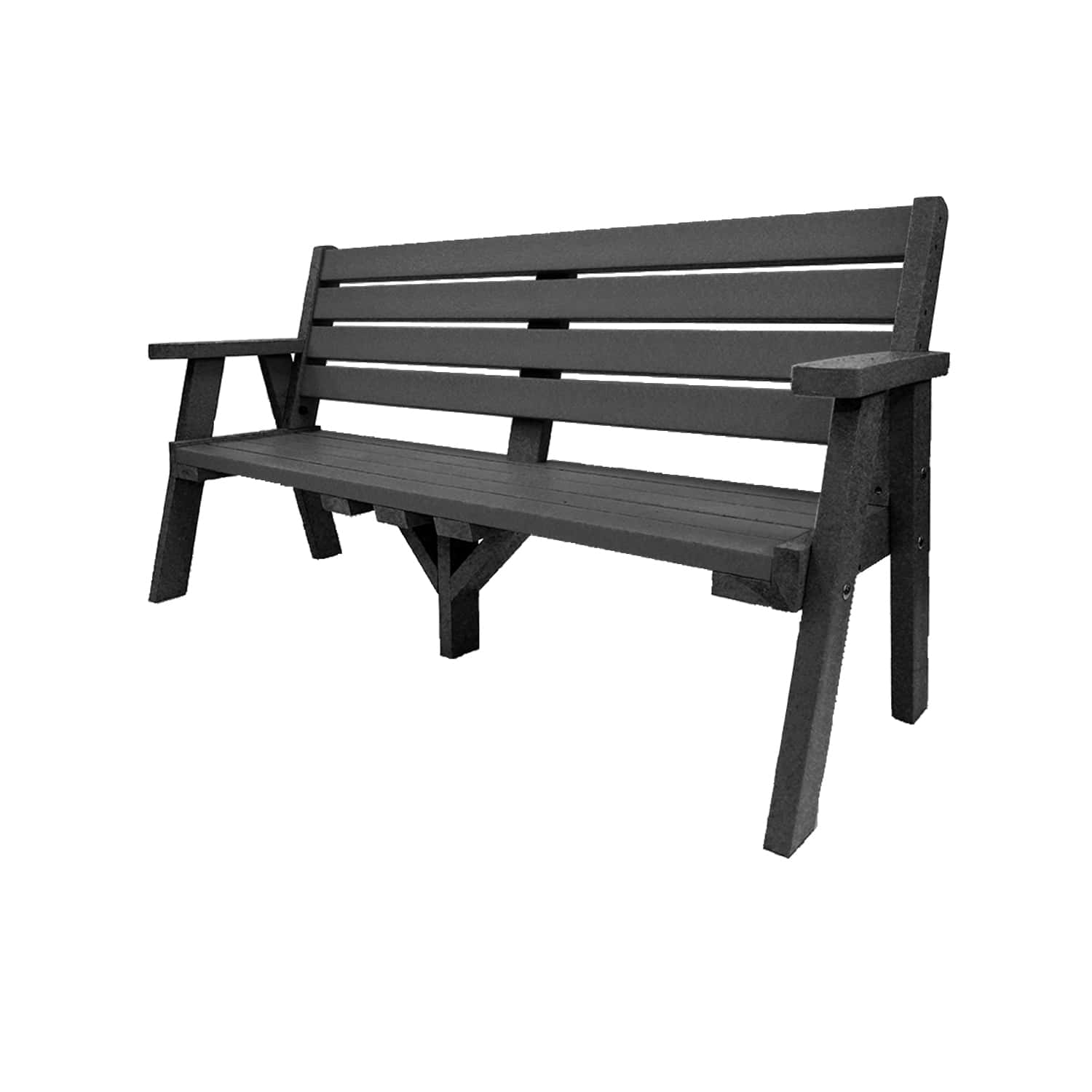
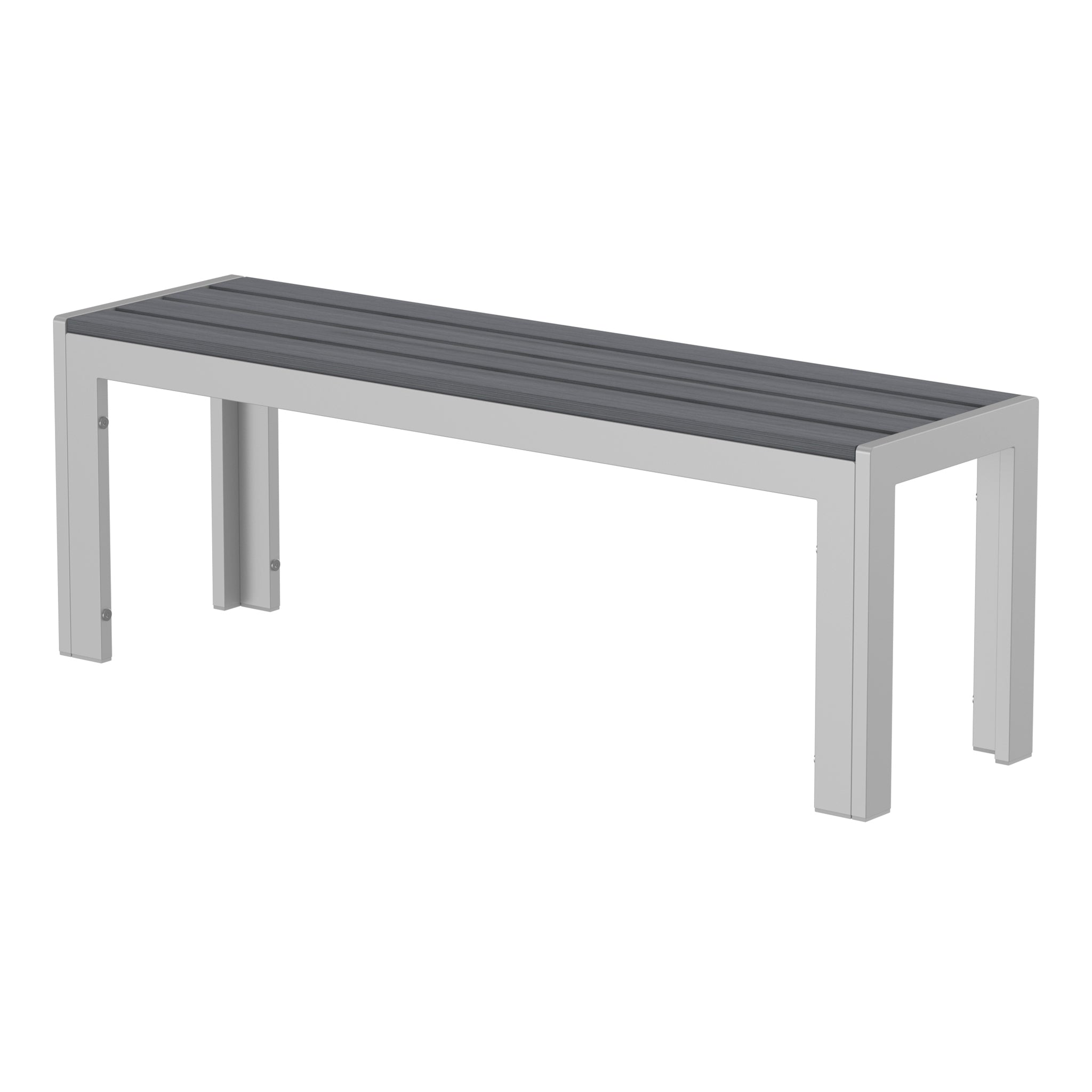
Consider a bench with a backrest and armrests where people may want more support, such as the City Bench. Compare seat height and depth as well as the overall footprint. A Straight Edge Bench offers a backless alternative where an open seating arrangement suits the location.
Place seating where it is easy to approach and does not narrow a busy route. Think about shade, views and space alongside the bench for people who prefer to remain in a wheelchair or mobility aid.
Picnic Tables for Shared Eating Areas
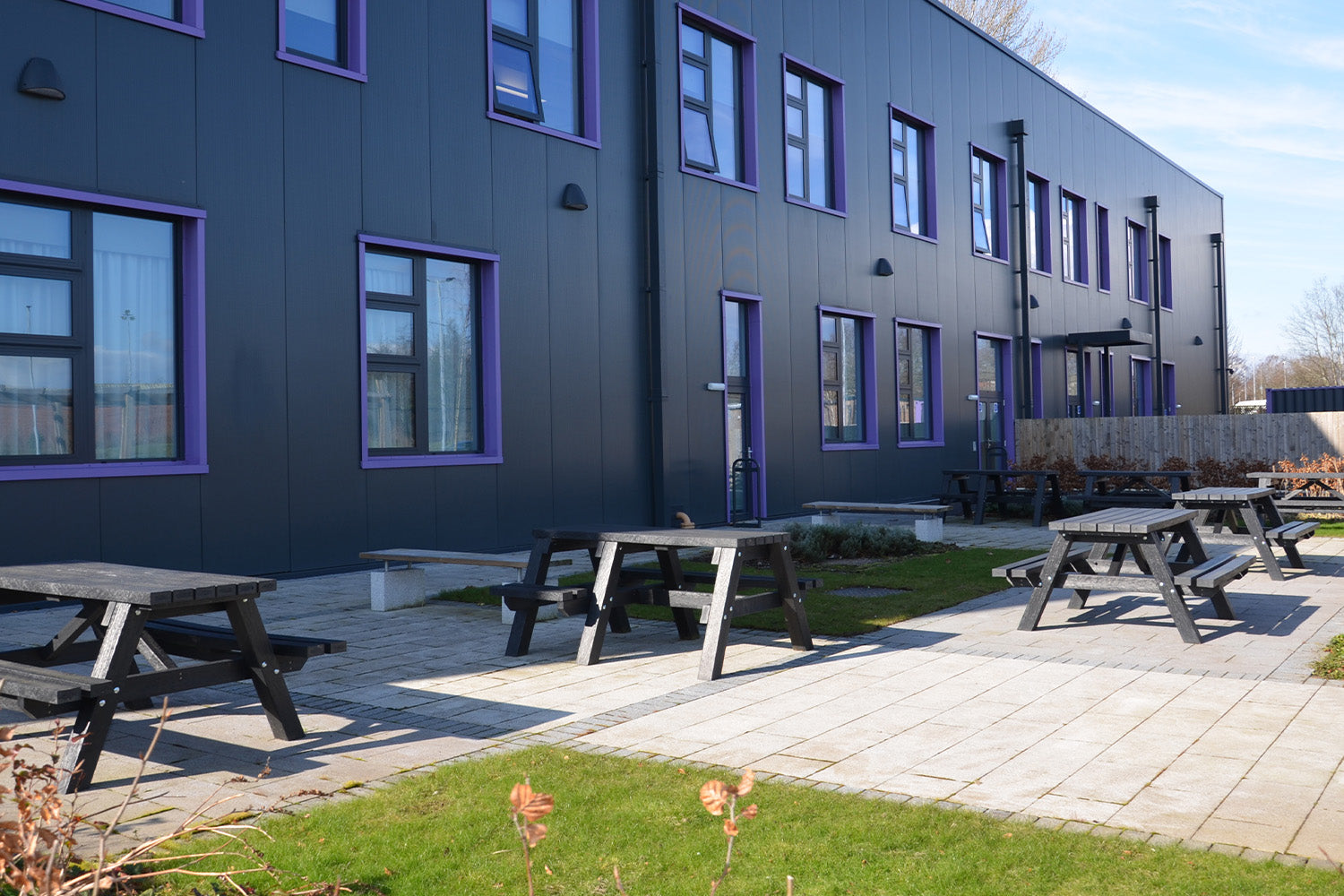
Picnic tables bring seating and a tabletop together for lunches, outdoor activities and conversation. Compare the A-Frame Picnic Table and Round Picnic Table against the available space and intended use.
Where wheelchair access is needed, review the Wheelchair Accessible Picnic Table. Check its clearances alongside the approach route, surface and turning space; an accessible product needs a suitable surrounding layout.
Planters and Bins to Complete the Space
A Planter Bench combines seating with space for planting. Allow room to maintain the plants and choose species whose mature growth will not obstruct the seat or nearby paths.
A recycled plastic litter bin can support waste collection around eating and gathering areas. Consider how easily staff can reach and empty it, as well as where visitors will expect to find it.

Why Consider Recycled Plastic for Public Spaces?
NeoTimber's recycled plastic furniture resists rot and does not need routine painting, staining or sealing. That can simplify care where several benches or tables need to be maintained. The material also avoids the timber splinters that can develop as wooden surfaces weather.
These qualities do not make furniture maintenance-free or suitable for every setting automatically. Compare the specific design, installation requirements and intended use before ordering. For a meaningful cost comparison, consider delivery, assembly, fixing, cleaning and future repair alongside the purchase price.
Recycled material content is one part of an environmental assessment. Product life, transport, maintenance and end-of-life options also matter. Ask for evidence where your project requires a particular recycled content or environmental performance claim.
A Practical Checklist Before Ordering
- Users and purpose: identify who will use the space and whether they need supported seating, dining tables or short-stay rest points.
- Access and layout: measure circulation space around occupied furniture, including room for mobility aids and pushchairs.
- Ground and fixing: confirm a suitable supporting surface and follow the manufacturer's installation and anchoring guidance.
- Delivery: check product weight, assembly needs and access through gates or other restricted areas.
- Ongoing care: assign responsibility for cleaning, inspection and any planting or waste collection.
- Documentation: obtain the dimensions, care guidance and warranty details needed for your project.
Looking After Recycled Plastic Street Furniture
Remove everyday dirt using mild soapy water and a soft cloth or brush, following the product's care instructions. Avoid abrasive pads and unsuitable chemicals. Periodically inspect fixings and check for damage, especially in busy communal areas. Our furniture maintenance guide explains routine cleaning in more detail.
NeoTimber's recycled plastic furniture comes with a 25-year limited warranty, subject to its terms and exclusions. Review the furniture-specific coverage rather than assuming that normal wear, weathering or accidental damage is included.
Frequently Asked Questions
Can recycled plastic street furniture be recycled again?
Further recycling depends on the material, product construction and available processing services. Ask the supplier or a suitable recycler about collection and acceptance requirements. Do not assume that a buyback service is included or that bulky furniture belongs in household recycling.
Is recycled street furniture suitable for schools and parks?
It can be, provided the chosen product and installation suit the setting. Check dimensions, intended users, access and maintenance needs. A school lunch area and a park rest point may need different furniture layouts.
Does recycled plastic furniture need painting?
NeoTimber's recycled plastic range does not need routine protective painting or staining. Regular cleaning and condition checks remain part of looking after the furniture.
Plan Your Next Outdoor Furniture Project
Well-chosen furniture helps people make better use of shared spaces. Explore NeoTimber's recycled plastic street furniture options, or contact the NeoTimber® team to discuss products for your site.