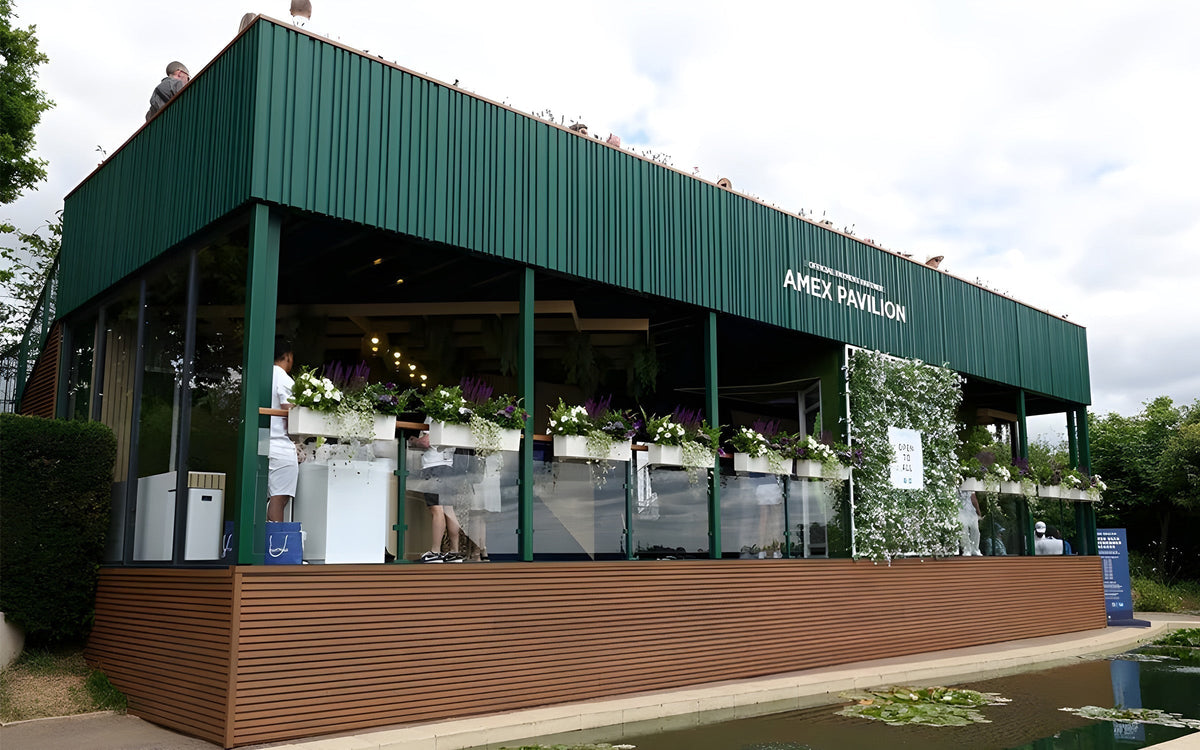
Plan Coordinated Outdoor Materials for Your Event Environment
NeoTimber solutions for events production bring together outdoor material options for hospitality areas, venue upgrades and selected event fit-outs. Decking, cladding, screening and balustrades can help create a coordinated setting, provided each product is specified for its actual role and supporting arrangement.
Event projects often combine fixed opening dates, restricted access and demanding presentation standards. The most useful starting point is a clear brief: where the materials will be used, how the structure is supported, what the venue requires and whether the installation will stay in place or be dismantled.
This guide explains the choices to discuss with NeoTimber’s commercial team, from finish selection to deliveries and possible future reuse.
In this guide: Applications · Material options · Specification · Build programme · Reuse and handling · Enquiry checklist · FAQs
Start With the Event Space You Need to Create
A hospitality terrace, exhibition feature and temporary audience route have different requirements. Define the intended function before choosing the surface or colour scheme.
Potential areas to discuss include outdoor seating, hospitality zones, venue entrances, branded architectural features and screened service areas. For each, identify whether it is a temporary fit-out, a seasonal installation or a permanent venue improvement.
Material boards and decorative components should not be assumed to form a complete temporary structure. Engineered platforms, ground protection, access routes, crowd-control barriers and structural supports need their own specifications.
Coordinate Decking, Cladding, Screening and Balustrades
Related finishes can help connect different areas of a venue visually. Compare physical samples together, particularly where horizontal and vertical surfaces receive different light.
Product areas to discuss for an event project:
| Product area | Possible design role | Key specification question |
|---|---|---|
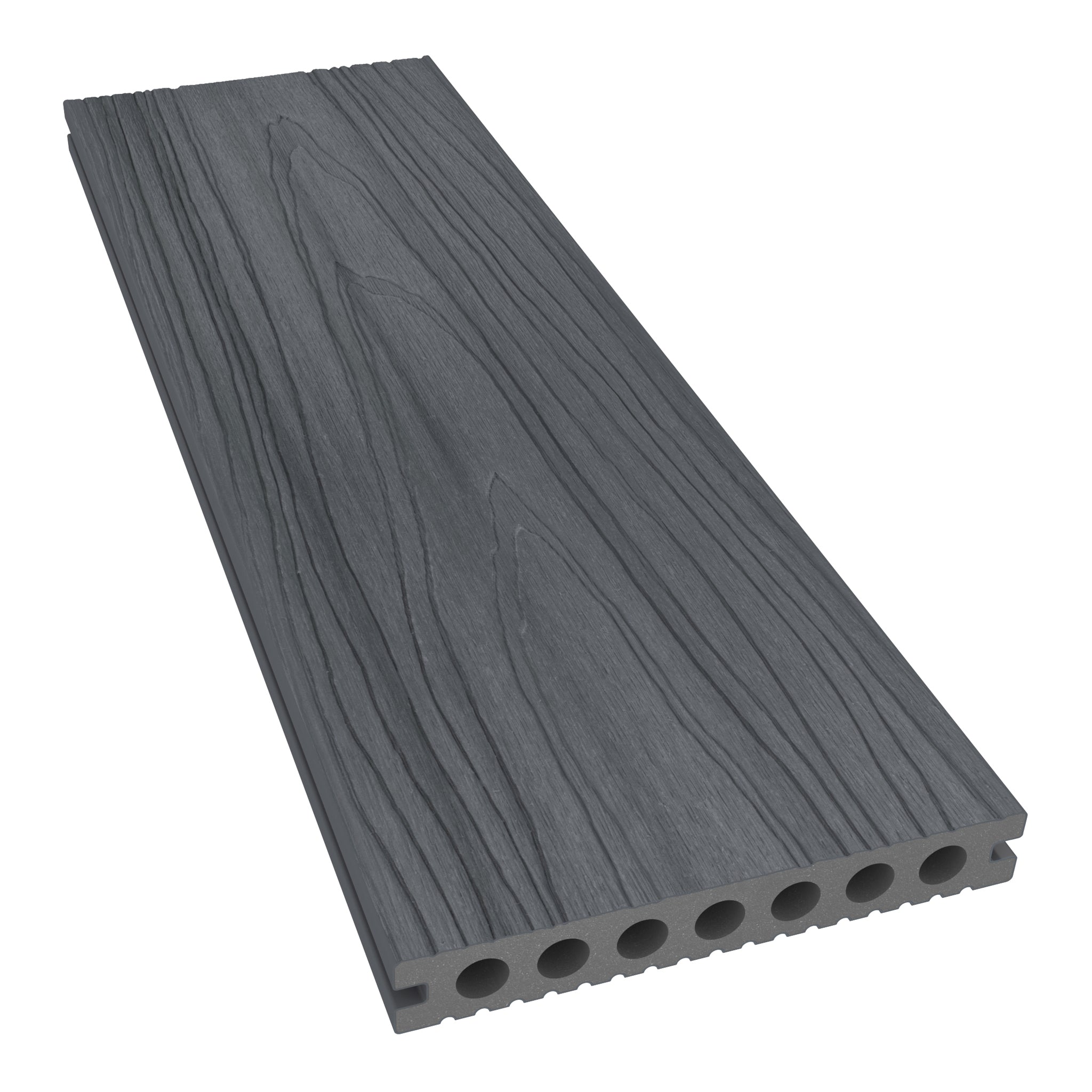
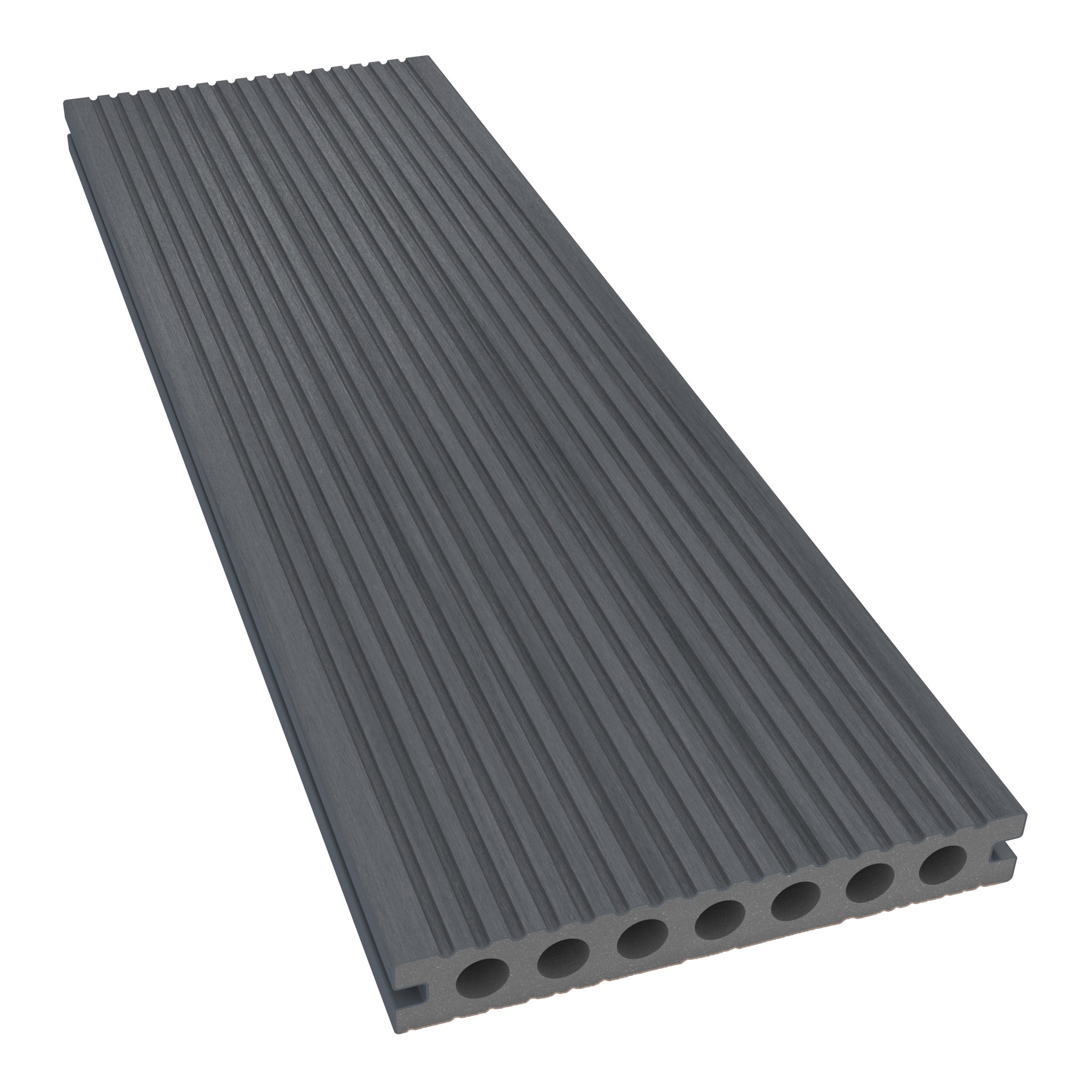
| Decking | A finished surface for a suitable supported outdoor area. | Does the board-and-support arrangement suit the loads and intended use? |
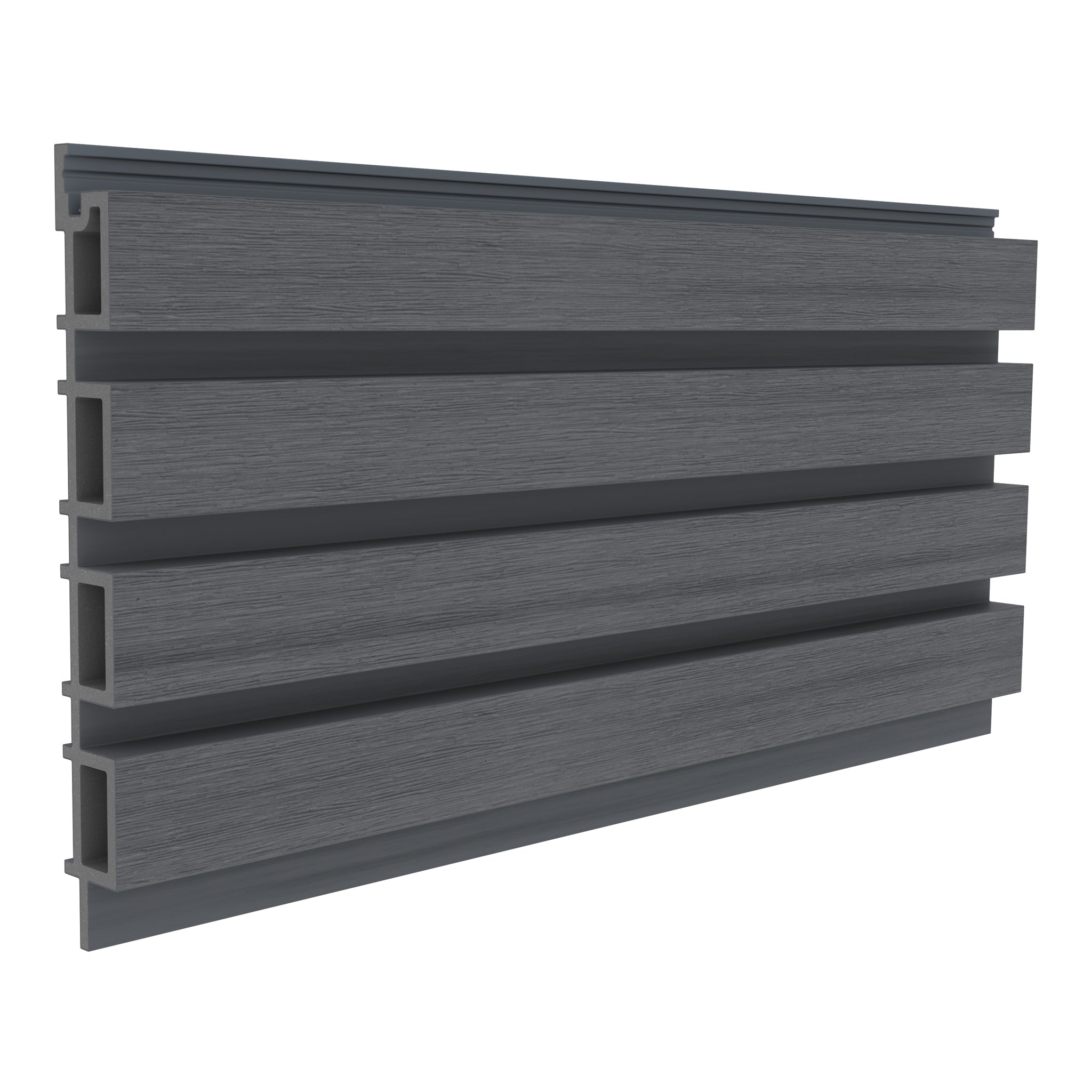
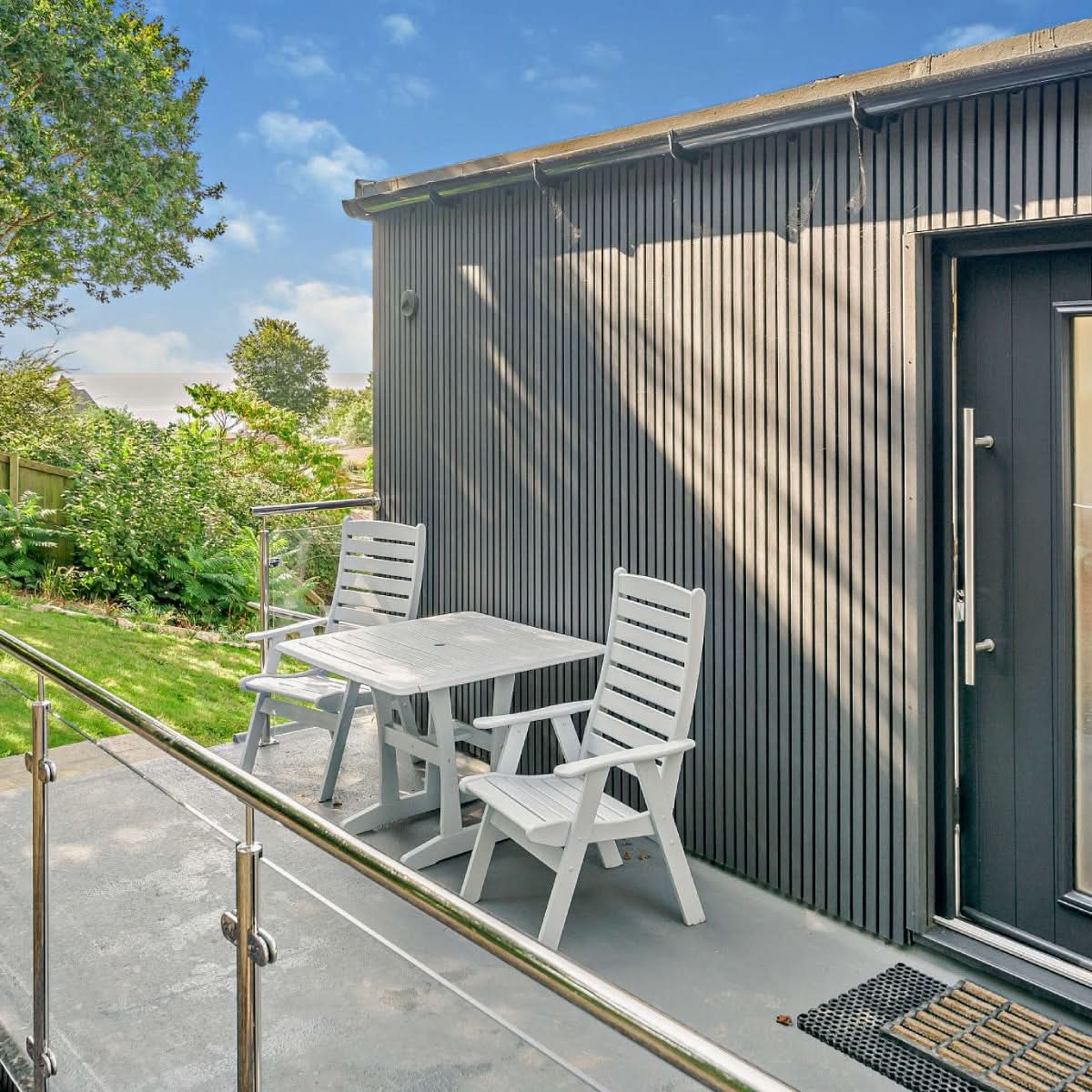
| Cladding | A coordinated external finish or architectural feature. | Are the support, fixing and fire-performance requirements established? |
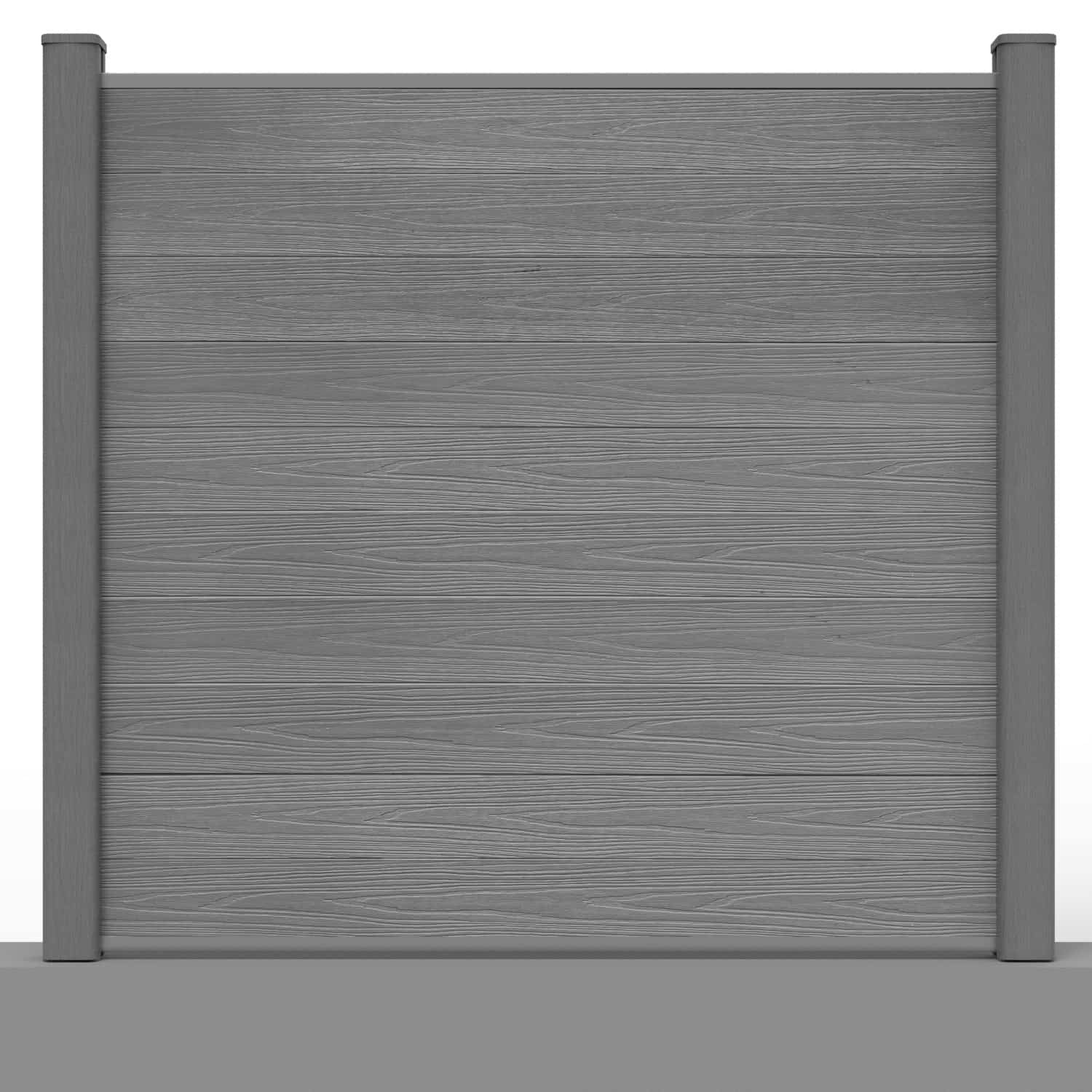
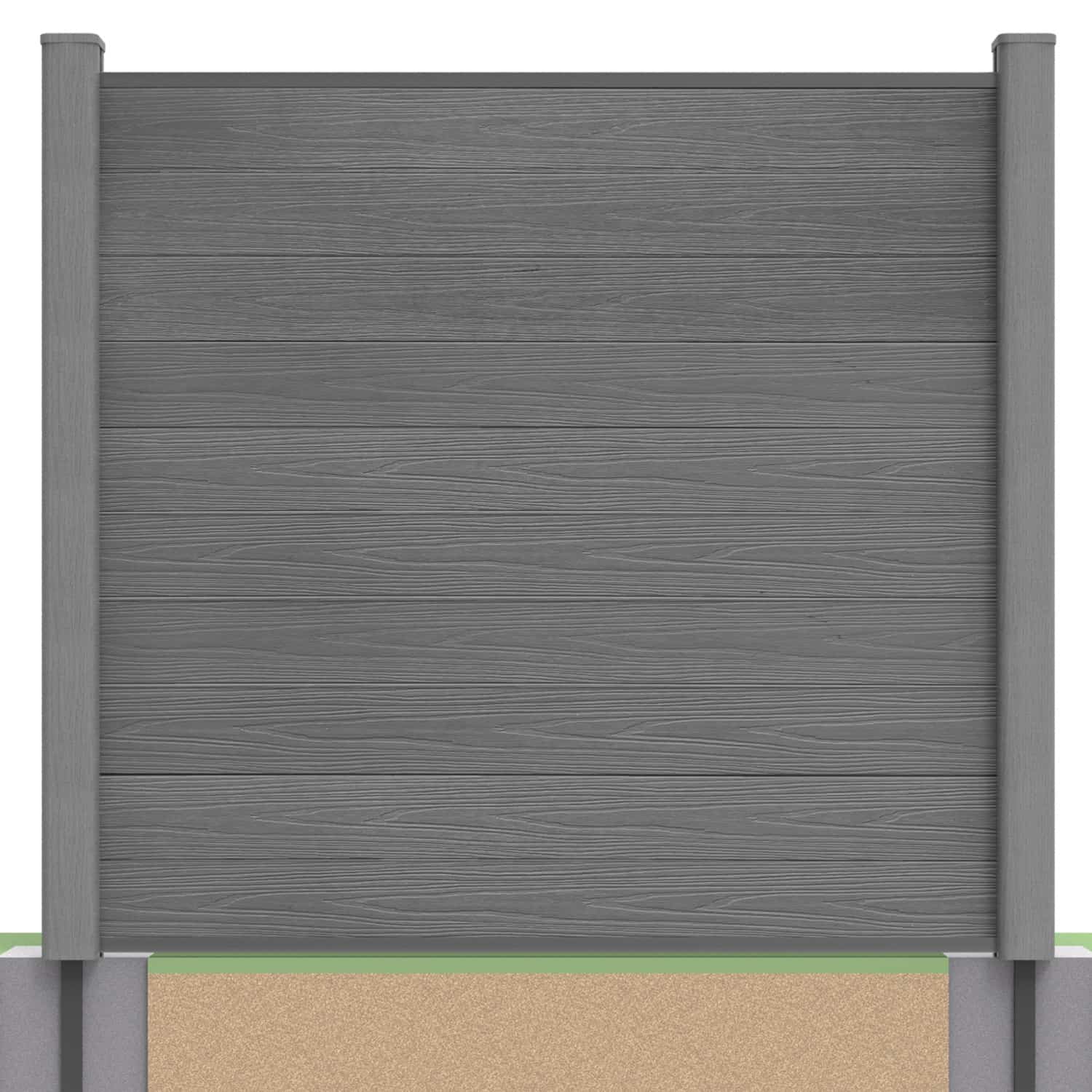
| Screening | Visual separation and decorative treatment. | What coverage, anchorage and wind exposure must be accommodated? |
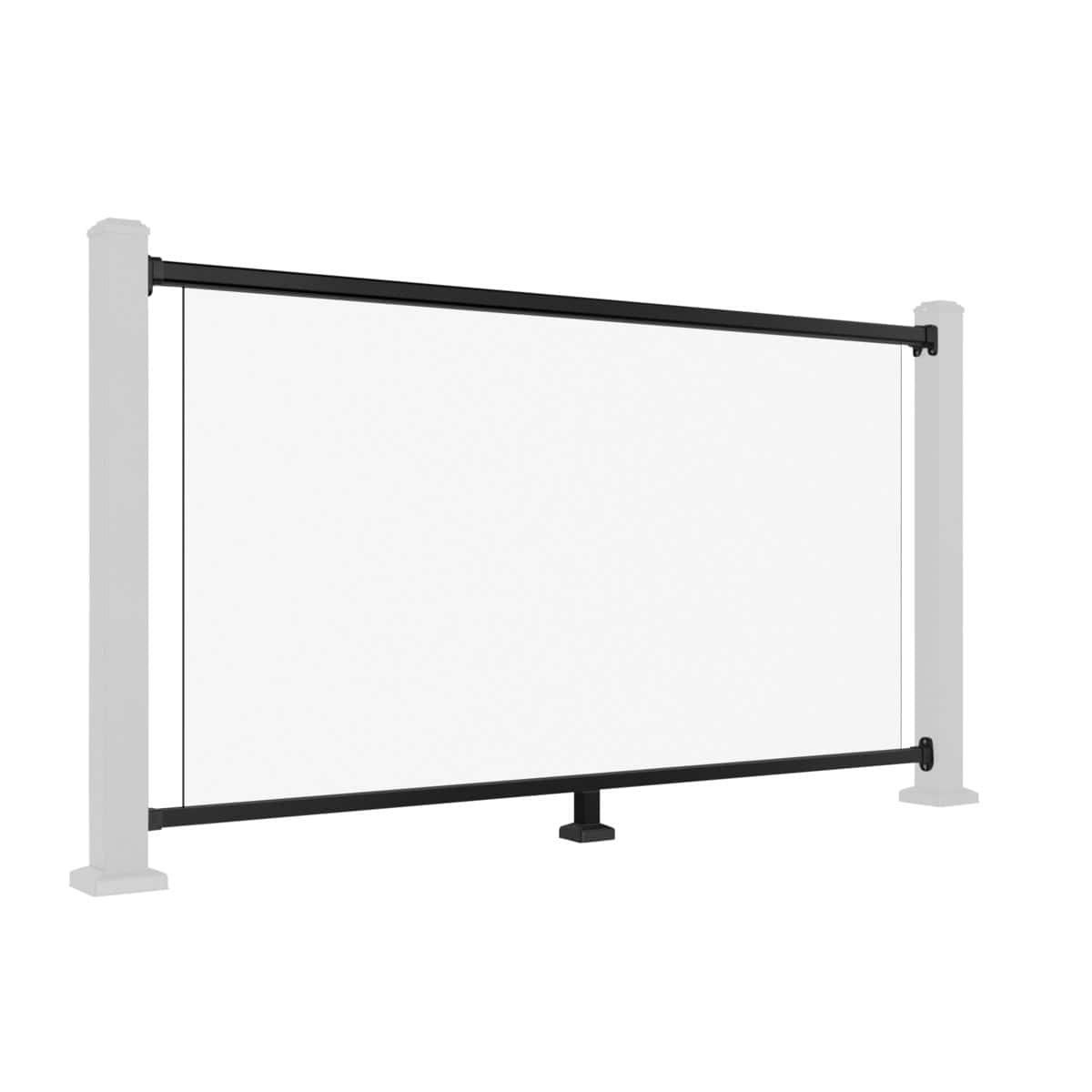
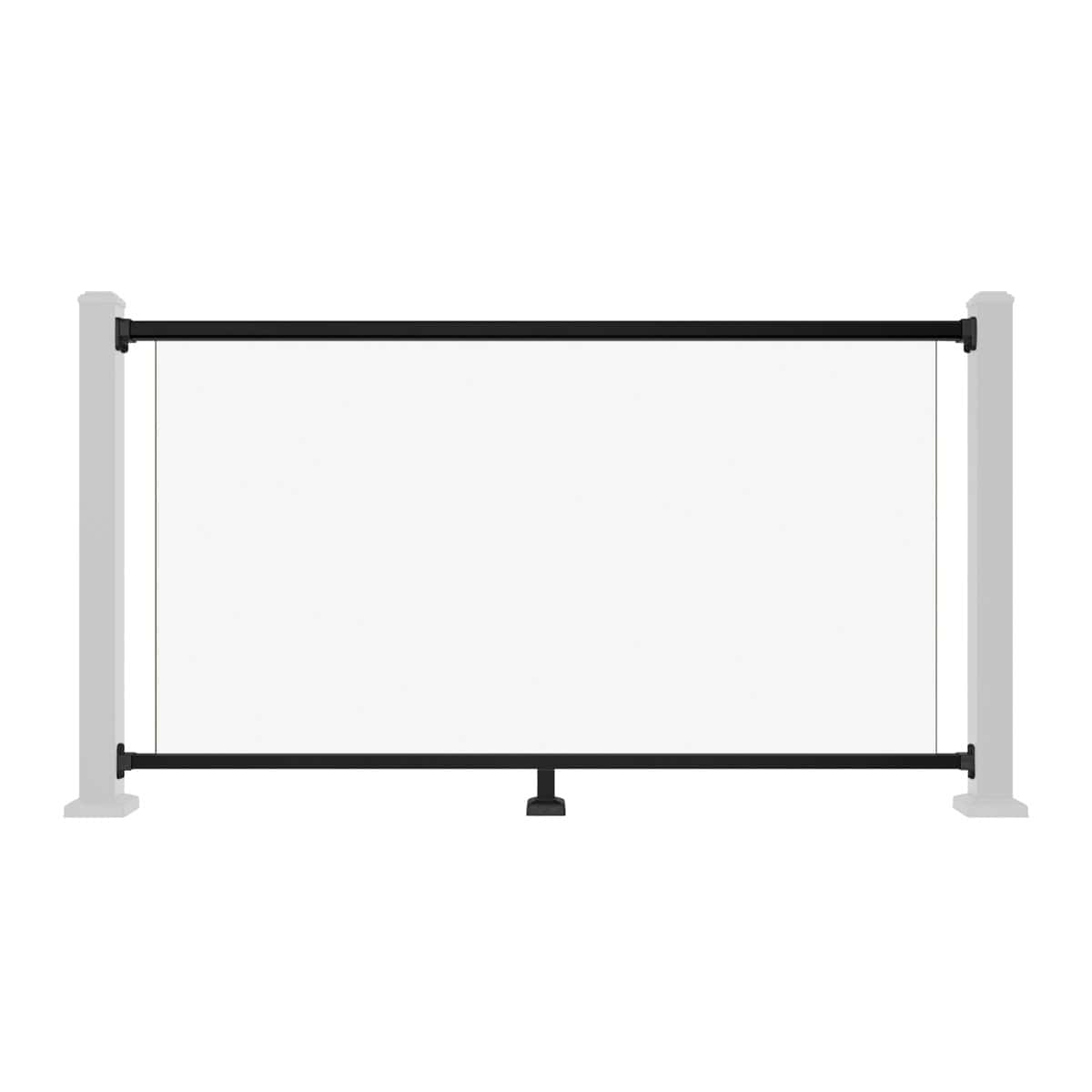
| Balustrades | A boundary or guarding system where appropriately specified. | Does the complete assembly meet the project’s guarding requirements? |
Explore our general decking, cladding and balustrade resources, then compare the relevant product specifications.
Browse composite decking, composite cladding and aluminium balustrades for material and finish options. Decorative fence screens offer a separate design feature; their cut-outs reduce visual coverage.
Confirm Performance for the Actual Event Use
Prepare a specification that relates to the proposed installation, not just the product category. Event conditions can include concentrated footfall, equipment movement, spills, temporary fixings and exposure to wind and rain.
- Loads and support: identify occupancy, equipment, concentrated loads and the required structural arrangement.
- Surface performance: review relevant slip-test information alongside drainage, cleaning and likely contaminants.
- Fire performance: confirm the exact product classification and the venue’s requirements for the complete assembly.
- Access: coordinate transitions, changes in level and circulation routes with the event design.
- Guarding and barriers: distinguish balustrades, decorative screens and crowd-control equipment.
A slip-resistant surface is not slip-proof, and a reaction-to-fire classification does not make a material fireproof. Avoid applying one rating across different products or assuming that a standard residential configuration suits an event environment.
The event designer and appropriately qualified specialists should establish structural and project-specific requirements. NeoTimber® can help identify the relevant product information for that assessment through the Professionals Hub and commercial support team.
Plan Installation Around the Build Programme
Work back from the event opening date and identify delivery slots, storage areas, access restrictions and inspection milestones. Confirm material availability and delivery arrangements before committing labour to an assumed arrival date.
Use the instructions for the selected products to plan the fitting sequence, compatible fixings and any required movement allowances. Where practical, a trial assembly can help establish labour needs and identify difficult details before the main build.
Keep product installation and temporary-structure assembly responsibilities clear. A straightforward board fitting sequence does not establish that the whole event structure can be built or dismantled within a particular time.
Review the shipping policy and discuss site access, unloading and phased delivery requirements when preparing the order.
Assess Reuse Before You Design for Repeated Deployment
Where reuse is a project objective, confirm whether the selected components and connection details are suitable for dismantling, transport and reinstallation. Standard outdoor products should not automatically be treated as touring equipment with an established number of assembly cycles.
Plan how boards and fittings will be removed, labelled, supported and stored. Protect finished faces from abrasion, keep component records and check whether any fixings must be replaced rather than reused.

Inspect components before each proposed redeployment. Damage, altered fixing holes, deformation or missing parts may affect suitability. Agree inspection and acceptance criteria with the responsible designer or installer.
Make Environmental Claims Measurable
Retaining suitable materials may reduce repeat purchasing and disposal, but the outcome depends on handling losses, transport, storage and how often the materials are actually reused.
Request current sourcing and material-content documentation for the selected product. Recycled content, responsible wood sourcing and a reuse plan describe different aspects of the project; avoid treating any one of them as proof of a lower overall impact.
What to Include in an Events Production Enquiry
A focused brief helps the team identify relevant products and highlight information still needed. Include:
- The event type, venue and intended application.
- Drawings, dimensions, proposed loads and supporting structure.
- Venue performance requirements and any relevant approval criteria.
- The preferred colours, profiles and finish samples.
- Build, opening and breakdown dates, including access restrictions.
- Whether the installation is permanent, seasonal or intended for repeated use.
- Quantities, delivery phases, storage and unloading arrangements.
Compare the complete project cost, including supporting structures, fixings, labour, inspection, transport and storage. Review the current warranty terms for the selected products and intended use. Obtain confirmation of coverage where temporary deployment or repeated reinstallation is proposed; a blanket commercial warranty should not be assumed.
Frequently Asked Questions
Which NeoTimber products can be considered for event projects?
Decking, cladding, screening and balustrade products may be relevant, depending on the application. Confirm the suitability of the exact product and complete assembly.
Are these products complete temporary staging systems?
Do not assume so. Structural platforms, crowd-control systems and ground protection need their own specifications and supporting design.
Can materials be dismantled and reused?
Assess this before choosing the connection details. Reuse depends on product suitability, removal methods, condition and inspection before reinstallation.
Does every product have the same fire or slip rating?
No. Request the information for the selected product and confirm that it addresses the venue’s intended conditions and complete installation.
Can decorative screens replace guarding or crowd barriers?
No such suitability should be assumed. These functions require appropriately specified systems and connections.
Will a commercial warranty cover repeated event use?
Check the relevant terms and obtain confirmation for the proposed deployment. Do not infer cover for repeated transport and reinstallation from a headline period.
Discuss Your Event Brief With NeoTimber®
Bring the design, programme and technical requirements together before selecting materials. Visit the Professionals Hub or contact the commercial team to discuss your event production project and the product information needed to move it forward.