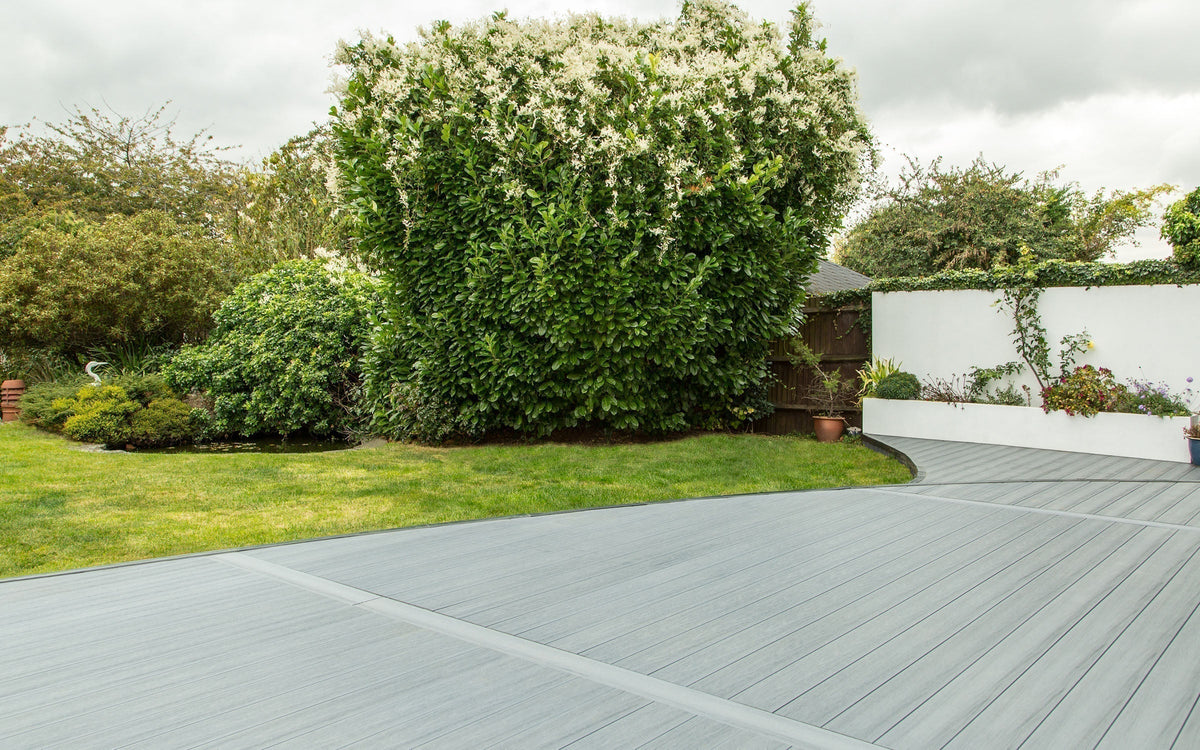
Coordinate Outdoor Materials From Landscape Design to Handover
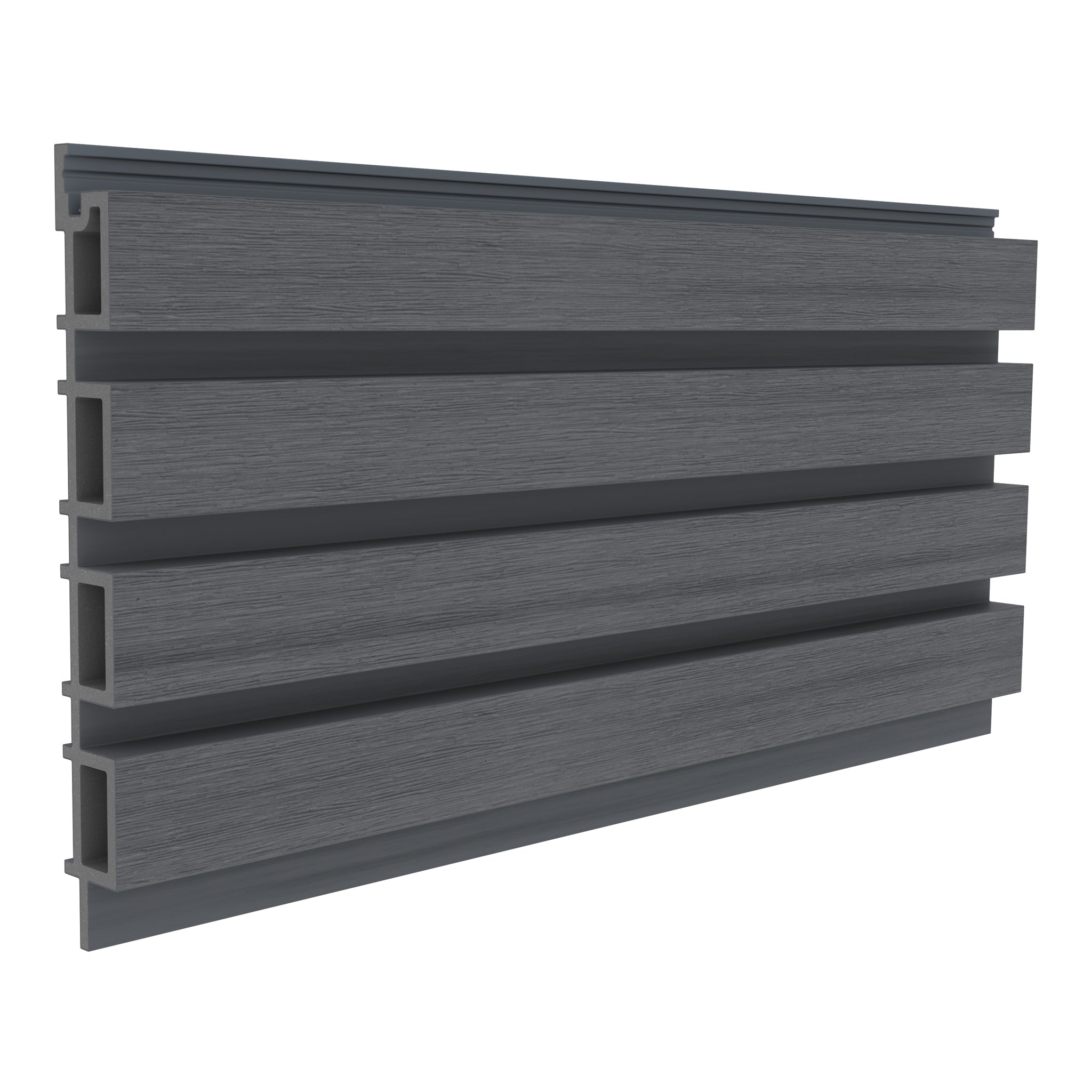
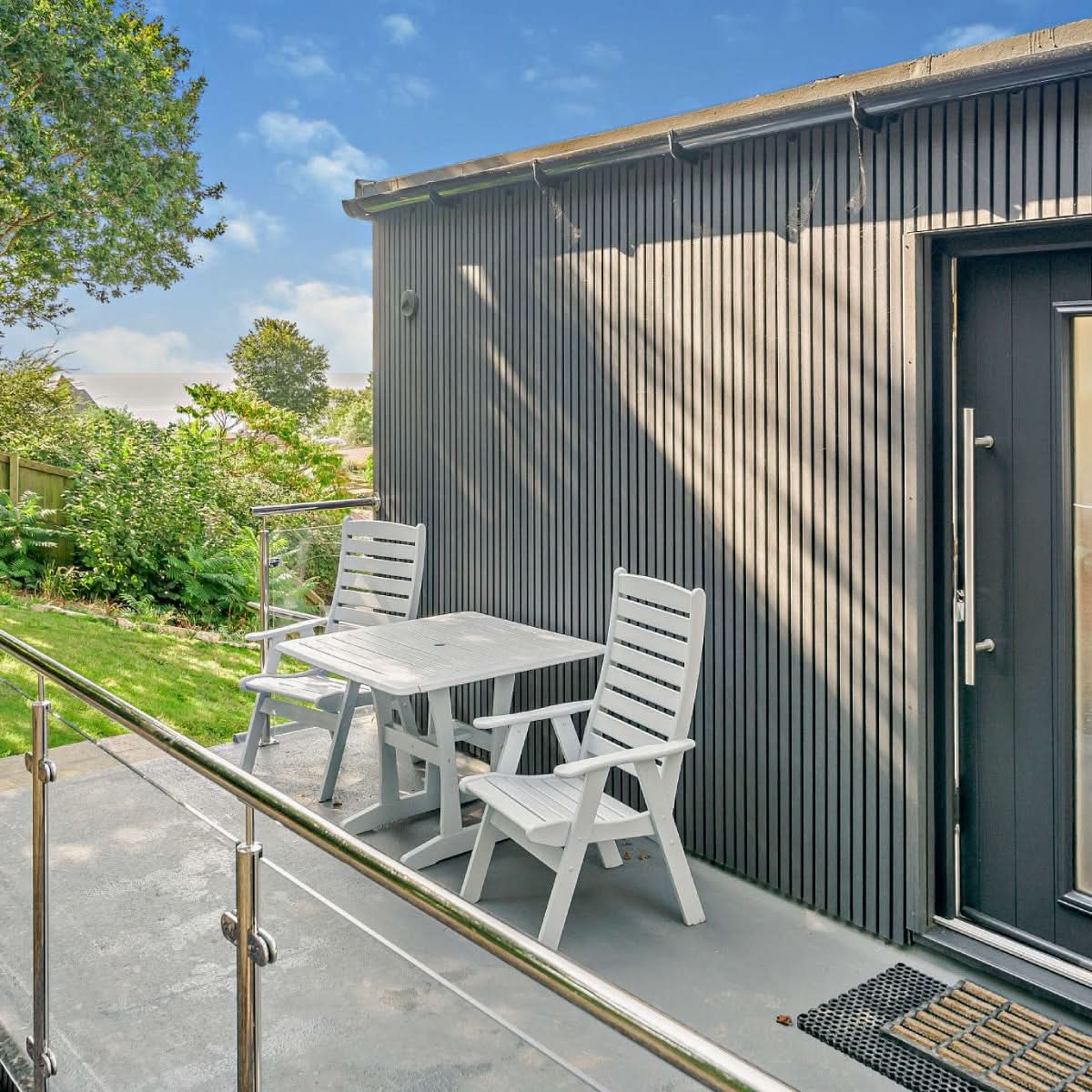
NeoTimber solutions for landscapers bring together outdoor product options for terraces, boundaries, seating areas and other suitable landscape features. Decking, fencing, screening and balustrades can help landscape professionals develop a coordinated scheme while planning around the demands of the site.
For landscape architects, designers and contractors, the specification needs to work beyond the visual concept. Supporting structures, drainage, connections, access and maintenance all influence the finished result. This guide explains what to consider when selecting products and preparing a project brief.
In this guide: Coordinated design · Site requirements · Installation planning · Finishes and samples · Aftercare · Project enquiries · FAQs
Choose Products Around Each Landscape Function
Start with the way people will use the space. Identify circulation routes, gathering areas, level changes and privacy needs before choosing a board profile or colour palette.
Explore the general decking, fencing and balustrade resources, then assess the actual product and assembly for each application.
Product areas to consider in a landscape scheme:
| Product area | Possible design role | Specification priority |
|---|---|---|
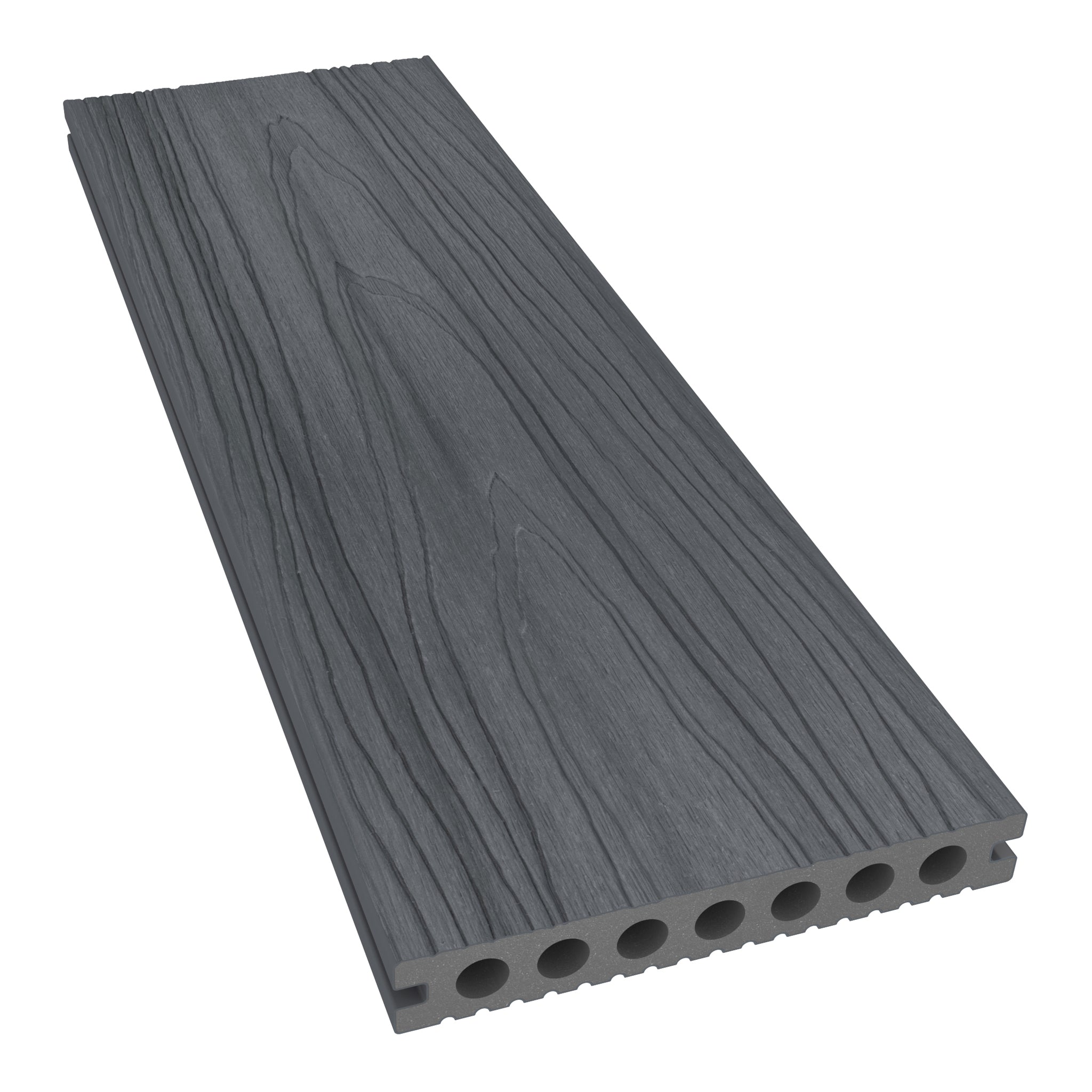
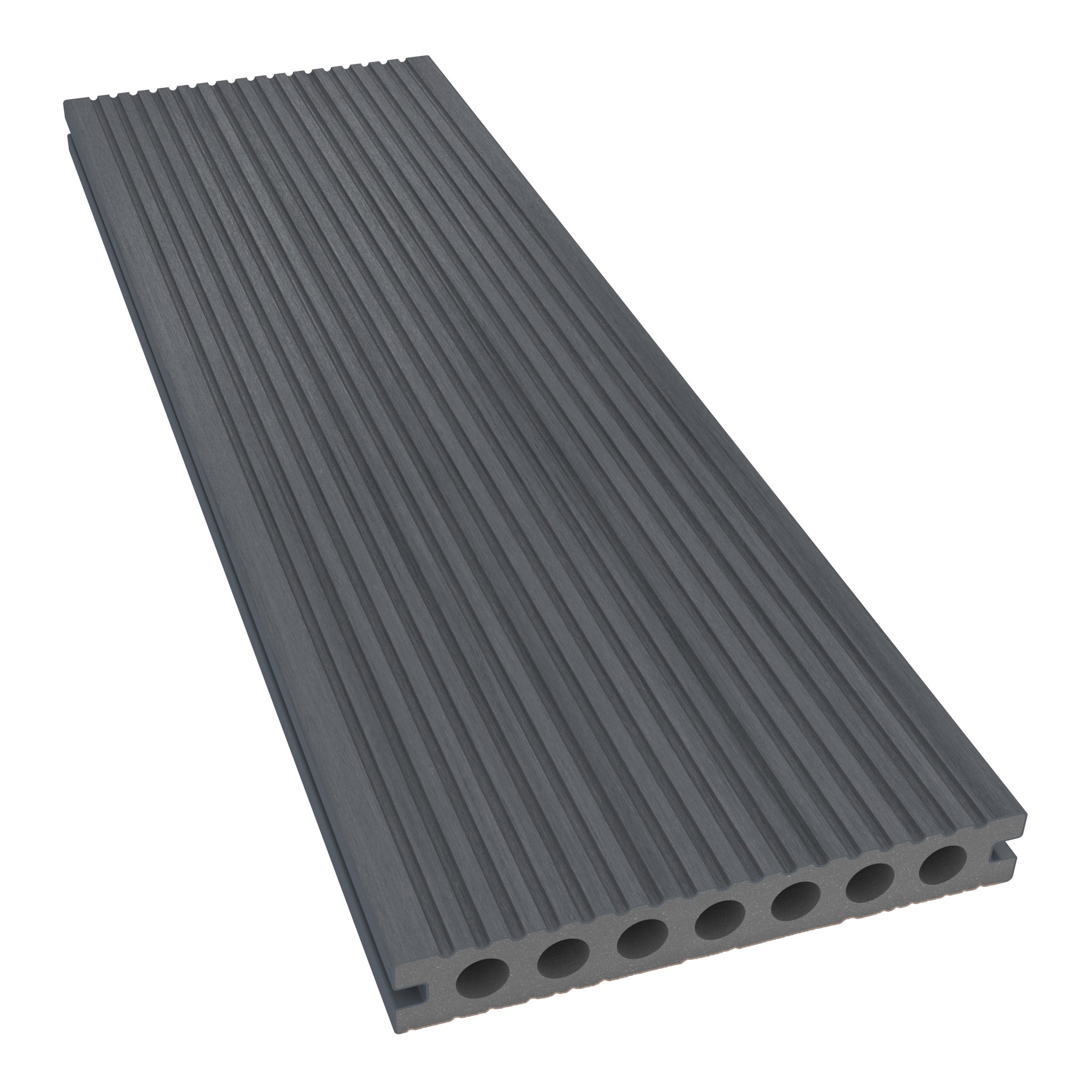
| Decking | A finished surface for a suitable supported outdoor area. | Expected loads, subframe, drainage, transitions and care. |
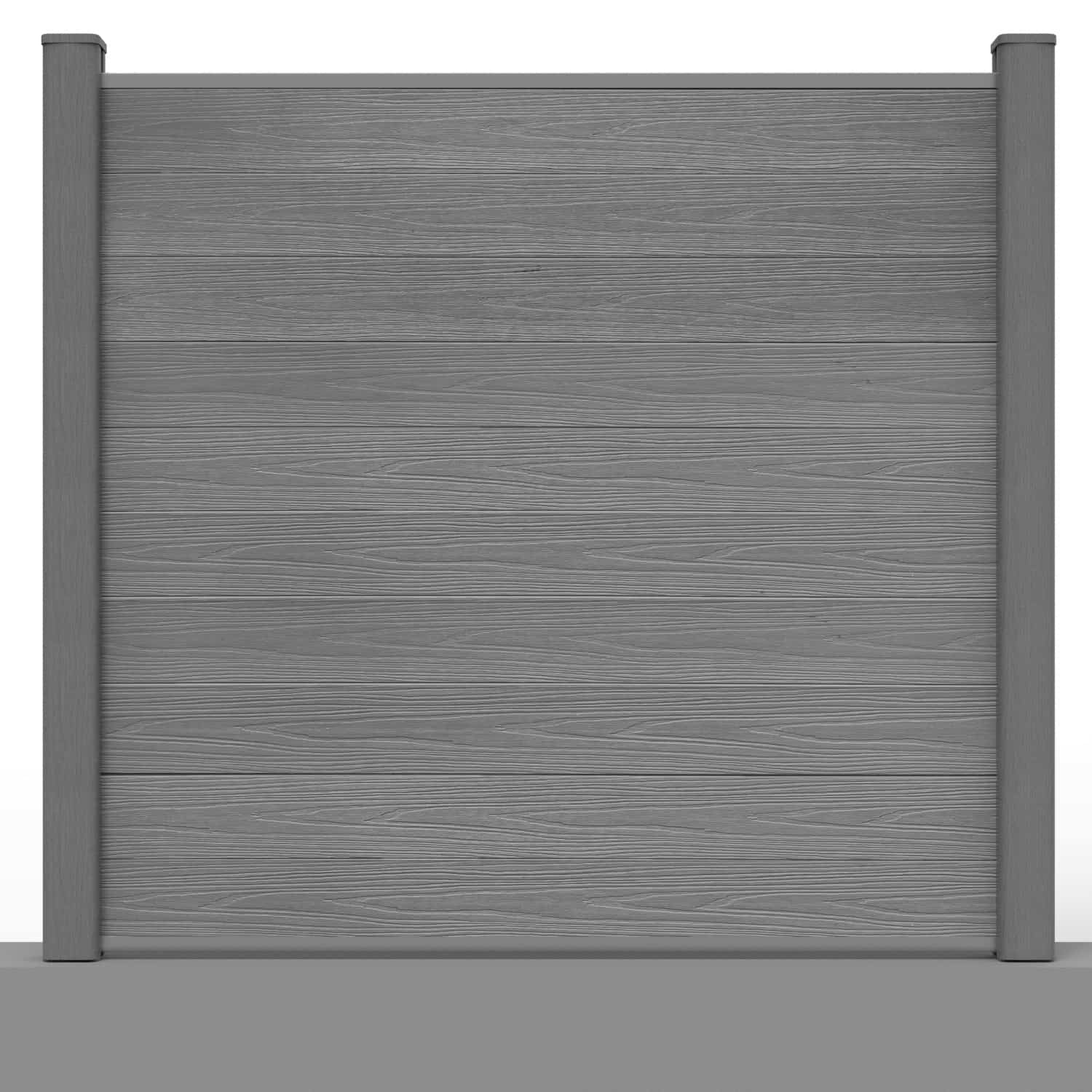
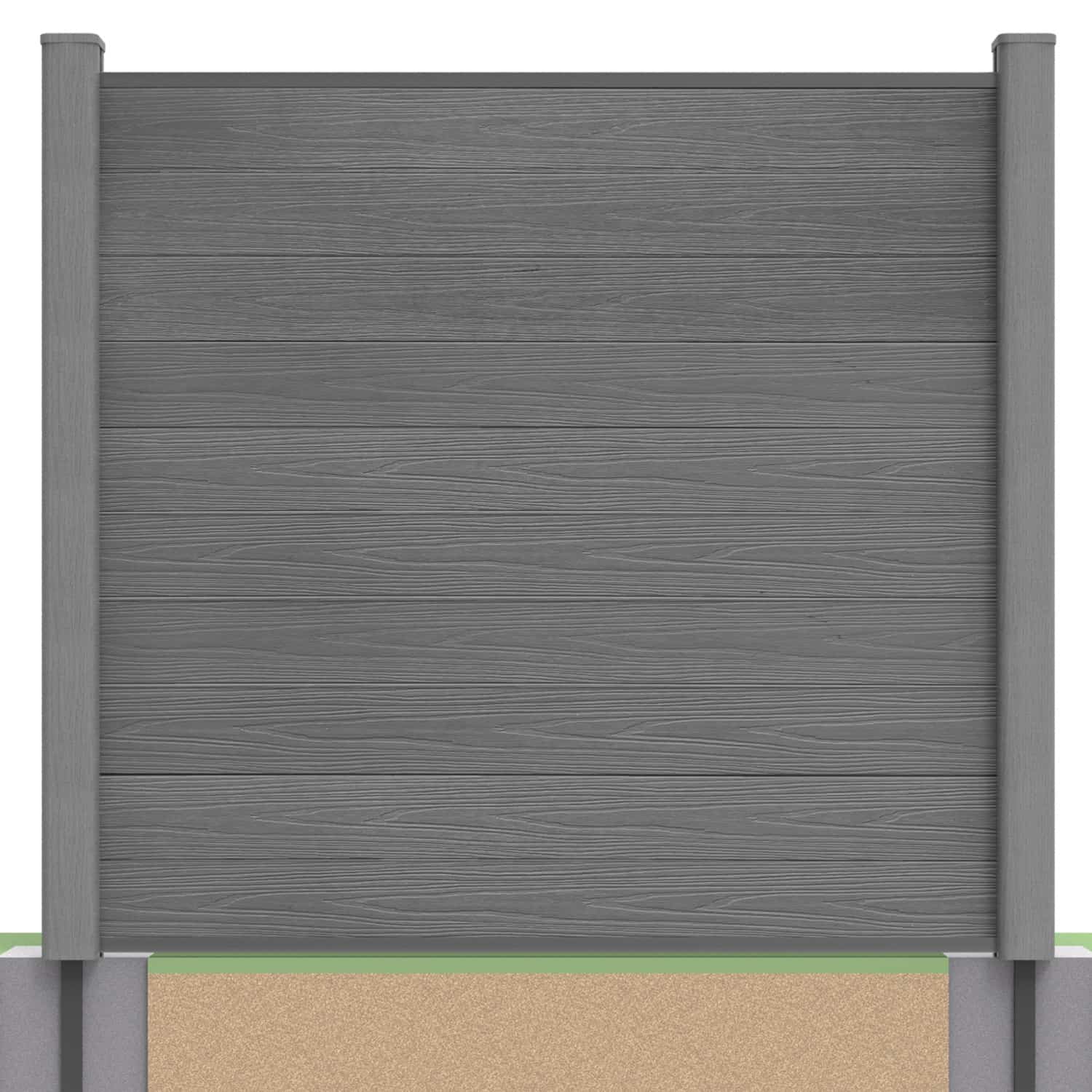
| Fencing | Plot boundaries, privacy or separation. | Foundations, height, exposure, posts and gate requirements. |
| Decorative screens | A patterned feature or partial visual separation. | Coverage, compatible fittings and supporting arrangement. |
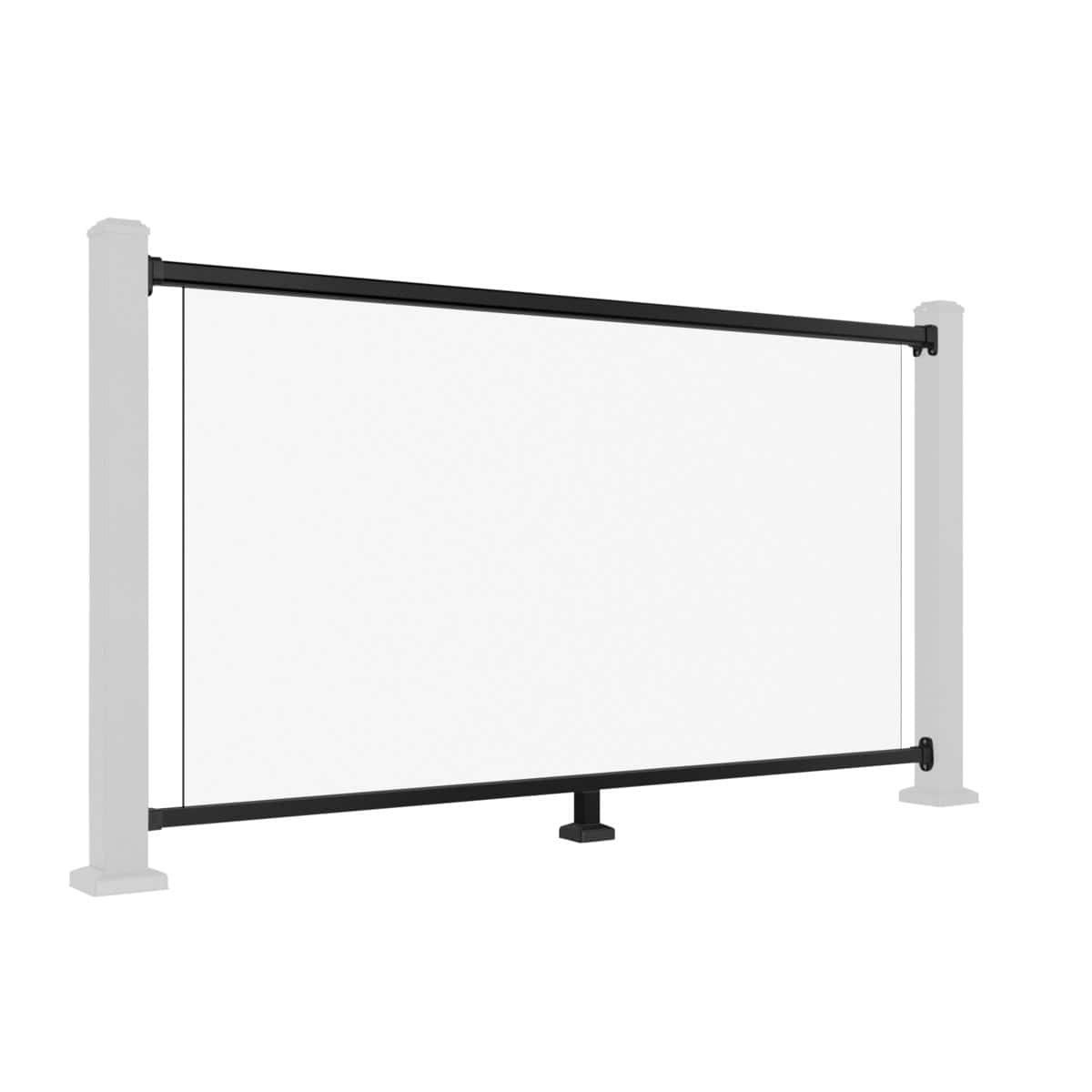
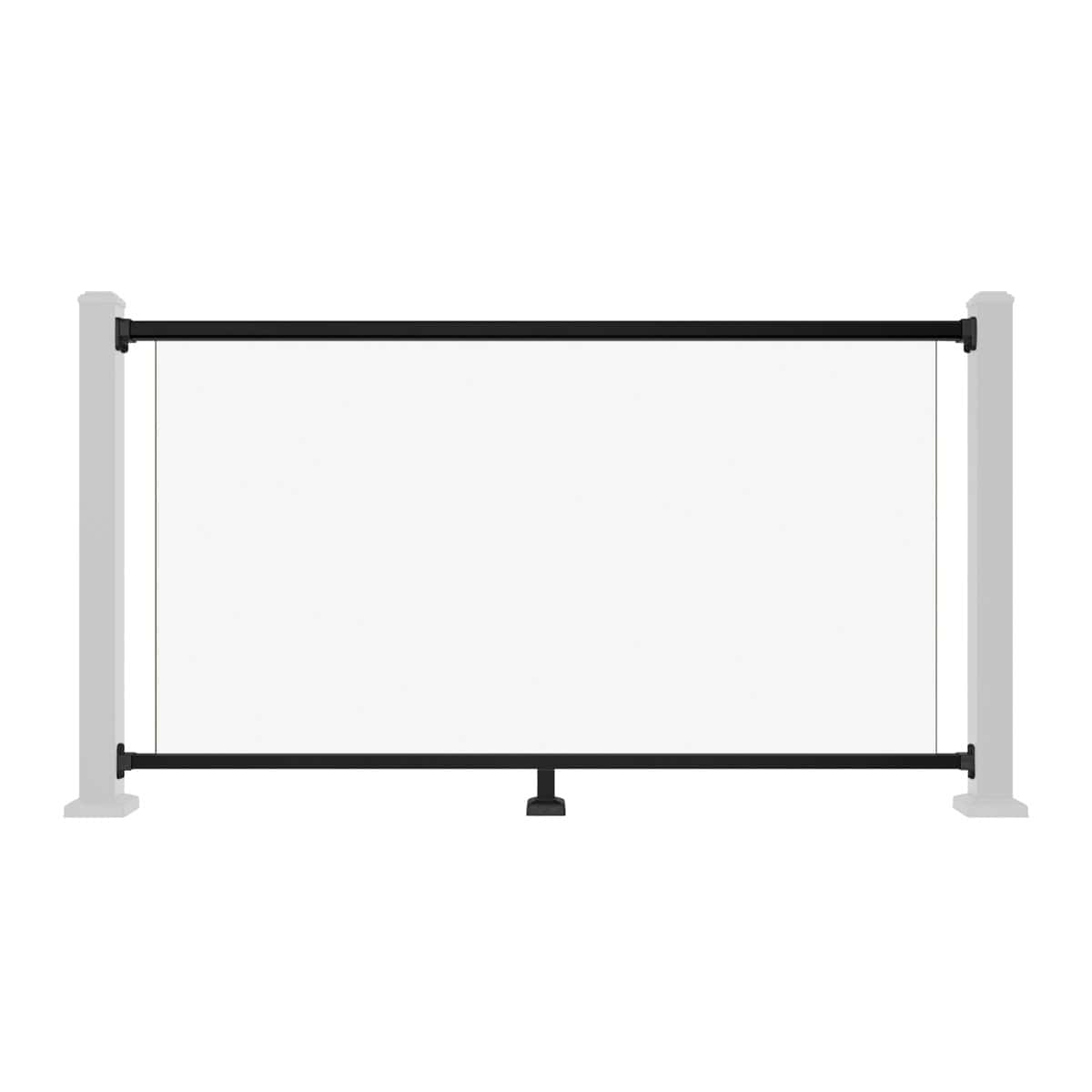
| Balustrades | Boundaries or guarding where appropriately specified. | Location, design loads, infill and structural connections. |
Visual coordination does not establish that different systems are structurally interchangeable. A privacy fence, decorative screen and guarding system have different functions even where their finishes complement each other.
Resolve Ground Conditions, Loads and Interfaces Early
Survey the site and identify changes in level, existing structures, drainage routes and access restrictions. Record any supporting elements proposed for reuse and assess their suitability before ordering new infill or surface boards.
For composite decking, confirm the board-and-subframe arrangement for expected use. Furniture, equipment and concentrated loads can require additional design consideration. Boards alone should not be treated as the primary supporting structure.
For composite fencing, choose the correct post and foundation arrangement. Retrofit inserts can connect compatible boards to suitable existing posts, but do not repair decayed timber, cracked concrete or inadequate foundations.
Where composite balustrades or other railings provide guarding, establish the required performance and connection into an adequate structure. Deck boards alone should not be assumed to provide suitable post anchorage.
Check Performance Against the Intended Use
Request relevant information for the exact product and configuration. Slip resistance should be assessed alongside likely conditions, drainage and cleaning; it does not make a surface slip-proof.
Where fire performance forms part of the brief, confirm the required evidence and complete assembly with the responsible project professionals. Reaction-to-fire classification, non-combustibility and fire resistance describe different properties. A general range description is not approval for every location.
Plan Repeatable Details Without Overlooking Site Differences
Repeatable fitting methods can help teams organise work, provided the details are suitable for each part of the scheme. Agree corners, board joints, end positions, stairs and transitions before installation reaches those points.
Use a trial area or first completed bay where useful to confirm alignment, component fit and the intended finish. Record the accepted detail so the installation team has a clear reference.
- Confirm actual component dimensions and kit contents.
- Plan support positions and movement clearances.
- Coordinate other trades, service penetrations and access.
- Keep required drainage and ventilation openings clear.
- Check the arrangement before making permanent fixings.
Follow the relevant installation resources and approved project details. Clear planning can reduce avoidable adjustments, but should not be presented as a guarantee of faster completion or no site delays.

Compare Finishes Around the Landscape Design
Choose colours and profiles around the fixed materials, planting and building architecture. A limited palette can connect a terrace with its boundary without requiring an identical finish everywhere.
Compare physical samples outside in different light. Similar colour names across decking, fencing and railings do not establish an exact visual match, particularly where textures or orientations differ.
For decorative aluminium screens, consider both the pattern and the openings. Cut-outs reduce visual coverage compared with uninterrupted boards, which may affect the privacy needed around seating or service areas.
Review selected profiles at the scale of a full run. A detailed surface that works well on a small sample may create a stronger visual pattern across a large boundary or terrace.

Include Maintenance in the Design and Handover
Factory-finished composite can reduce routine painting and staining compared with maintaining a decorative timber finish. Cleaning, inspections and occasional repairs remain necessary, and requirements differ by product and setting.
Plan access for maintenance rather than concealing every edge behind fixed furniture or planting. Keep a record of components and finishes so replacements can be identified later.
Give the client a clear handover pack covering:
- Product names, colours and relevant installation records.
- Approved cleaning methods and care instructions.
- Inspection points for surfaces, posts and connections.
- Any gate hardware or specialist component requirements.
- Support contacts and the relevant warranty documents.
Reduced decorative upkeep does not guarantee fewer call-backs or no defects. Workmanship, supporting structures, use and ongoing care all affect the completed installation.
Prepare a Useful Enquiry for Your Next Project
Share a measured plan showing each proposed application, dimensions, level changes and existing features. Add expected use, preferred products, performance requirements and the delivery programme.
Compare the full cost, including supports, foundations, trims, fixings, labour, delivery and removal where applicable. Discuss stock availability, phased supply and storage before booking installation around an assumed arrival date.
The Professionals Hub provides routes to trade enquiries, samples and technical resources. Contact the team to clarify product information and outstanding component questions.
Read the current warranty terms for each range and intended use. Residential and commercial cover can differ; the buyer being a landscape contractor does not by itself establish the applicable category. A warranty period is not a guaranteed service life or a complete lifecycle cost forecast.
Frequently Asked Questions
Which NeoTimber products can landscapers consider?
Decking, fencing, screens and balustrades may be relevant. Confirm the exact product and complete assembly for each proposed application.
Can different ranges be coordinated visually?
Compare available finishes and physical samples together. Related colours can create a consistent palette without an exact match.
Can existing posts or frames be reused?
Potentially, where their condition and specification suit the new system. Assess the structure before fitting new boards or infill.
Does composite eliminate aftercare?
No. It can reduce routine painting and staining, but suitable cleaning, inspections and attention to damage remain necessary.
Can decorative fencing be used as guarding?
Do not assume so. Guarding needs an appropriately specified system and structural connections for the location and loads.
Does every professional installation have the same warranty?
No blanket period should be assumed. Check the selected range, end use, covered components, conditions and exclusions.
Discuss Your Landscape Scheme With NeoTimber®
Bring the visual brief, site requirements and installation programme together before ordering. Visit the Professionals Hub or contact the commercial team to discuss product options for your next landscape project.