

Create a Timber-Inspired Exterior With Composite Cladding
Want the warmth of timber with less routine upkeep? Composite siding that looks like wood offers a practical way to introduce grain, texture and natural-looking colour to an exterior. From a garden room to a carefully planned house renovation, the right boards can help create a cohesive finish without adding regular painting or staining to your maintenance calendar.
Choosing well means looking beyond a photograph. The board’s surface, colour, material composition and installation requirements all influence the result. This guide explains what composite siding is, how to choose a convincing wood-look finish and which questions to ask about care and environmental impact before ordering.
What Is Composite Siding?
Composite siding is an exterior covering made from a combination of materials. In the UK, it is commonly called composite cladding. Here, we are discussing wood-plastic composite boards, which combine wood fibres with polymers. Other products sold as composite siding may use different ingredients, so their performance and maintenance requirements should be checked individually.
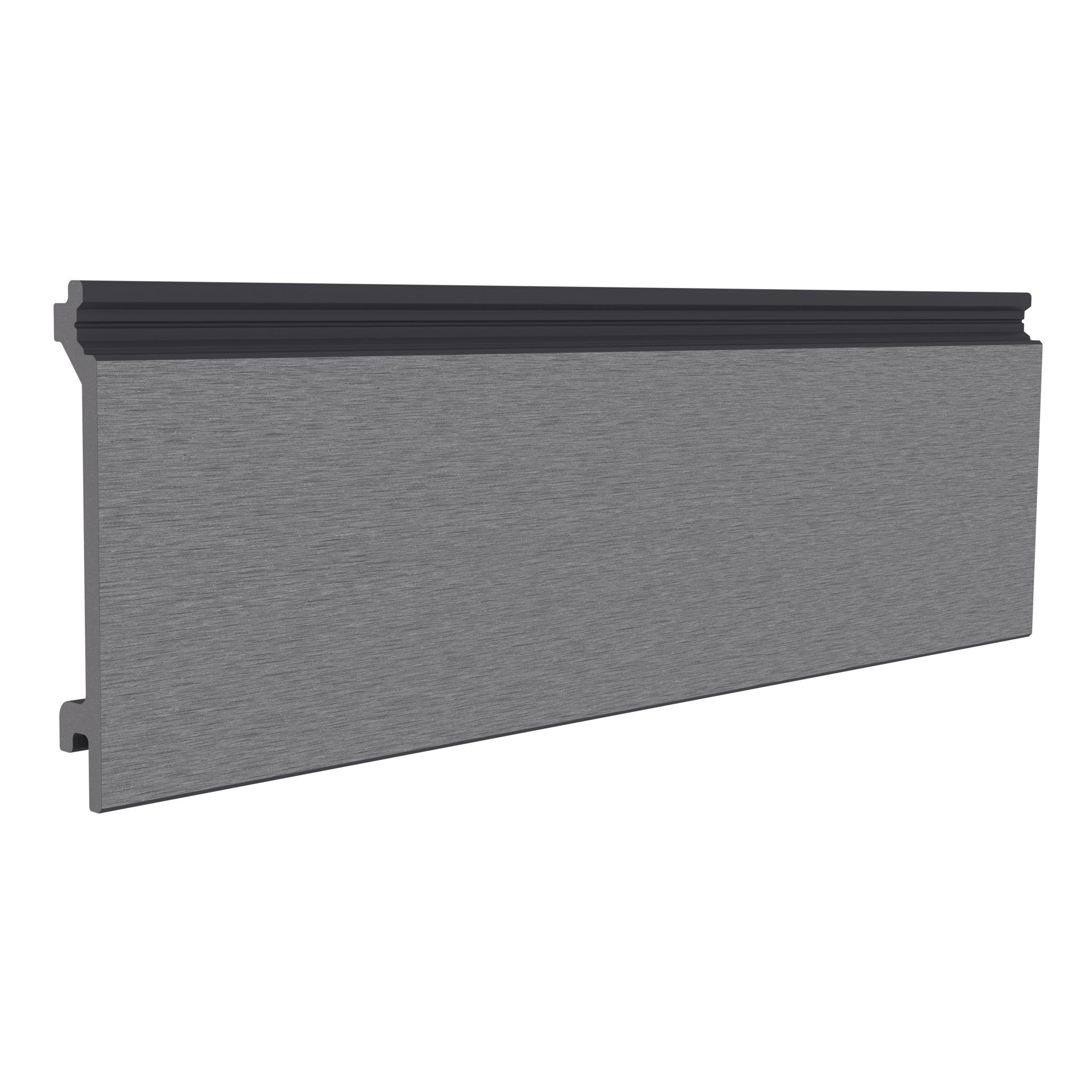
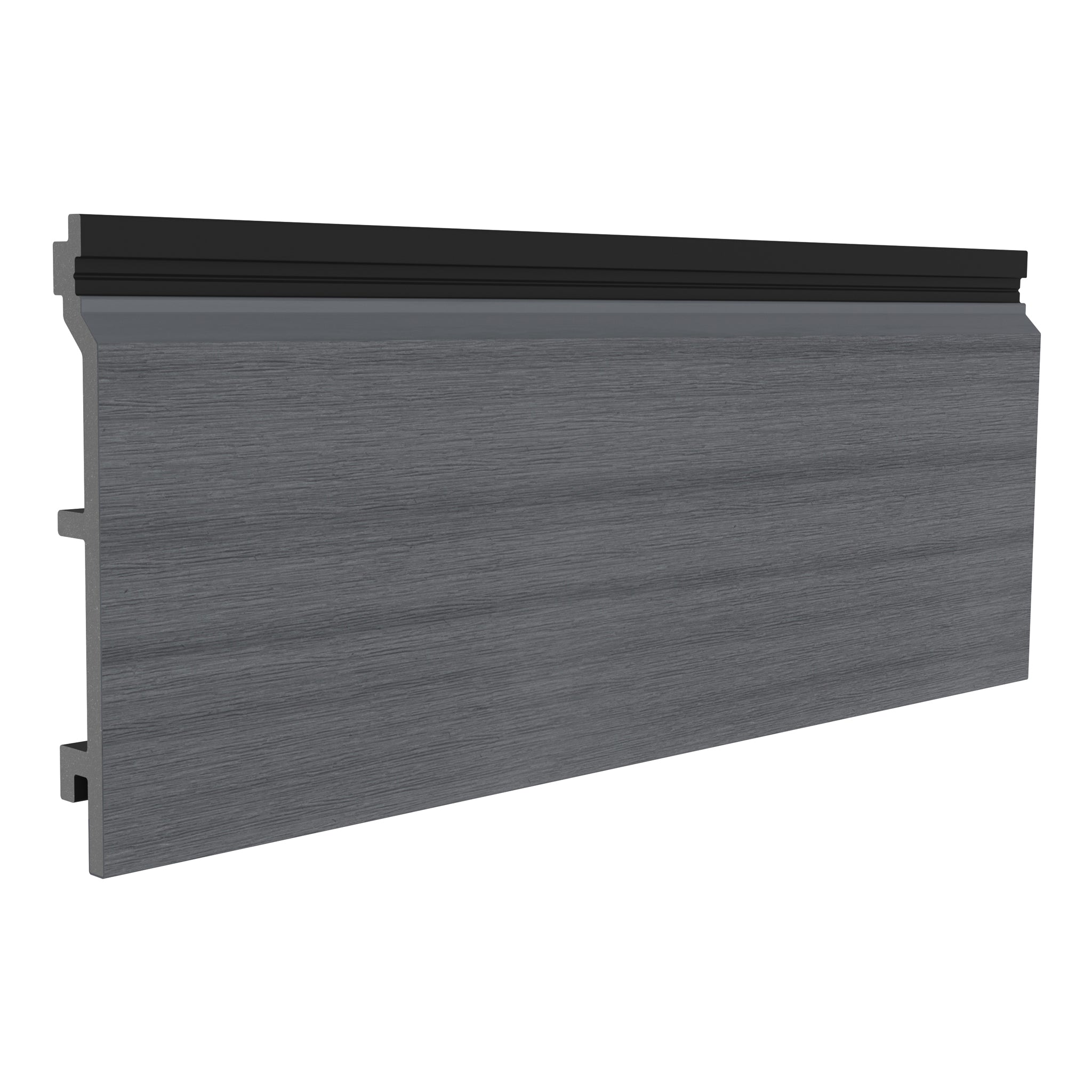
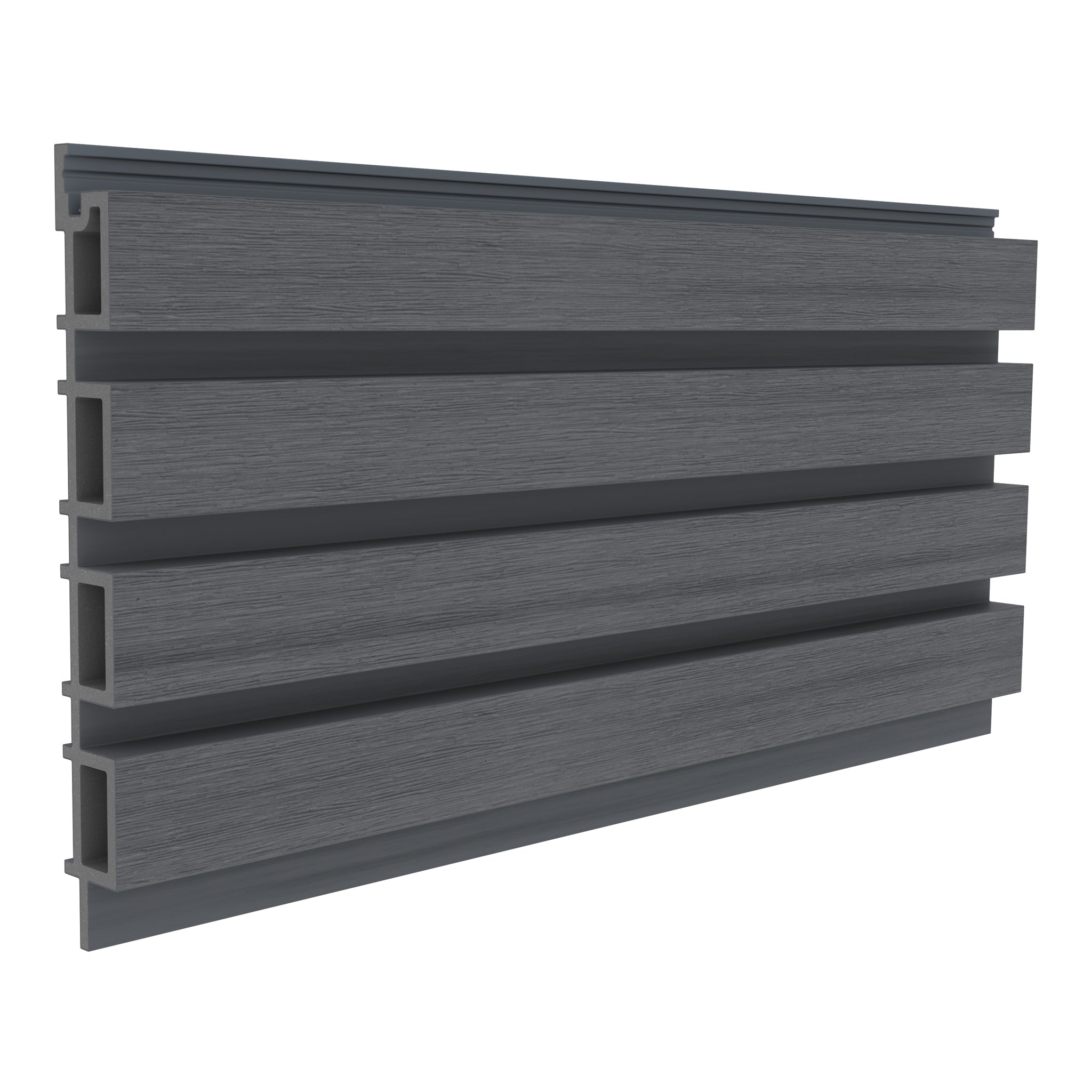
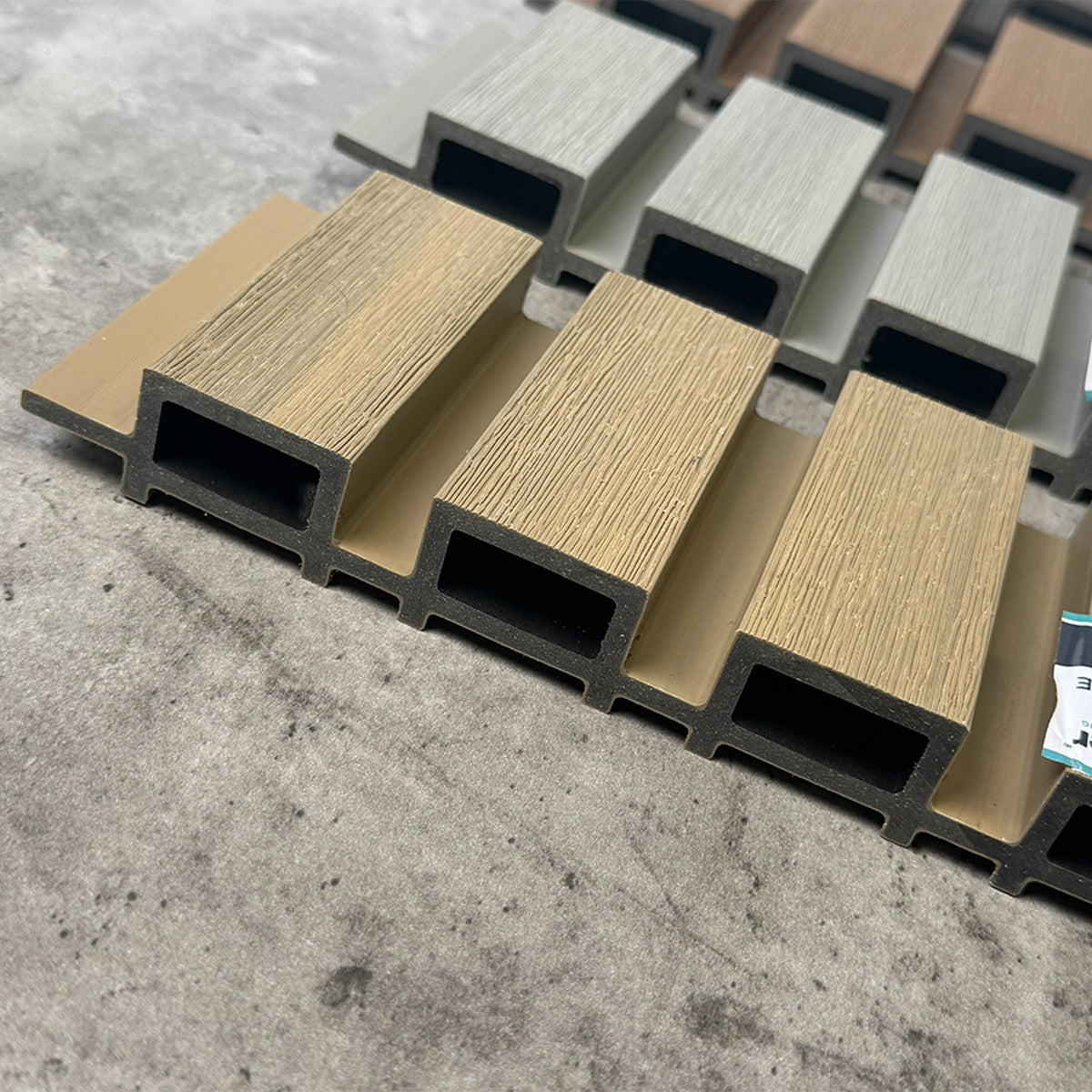
NeoTimber’s composite cladding collection includes different surfaces and profiles, allowing you to choose a finish that suits the building. The boards form part of an exterior wall system: the supporting structure, drainage, ventilation and weatherproofing details still need to be designed correctly.
How Composite Siding Creates the Look of Wood
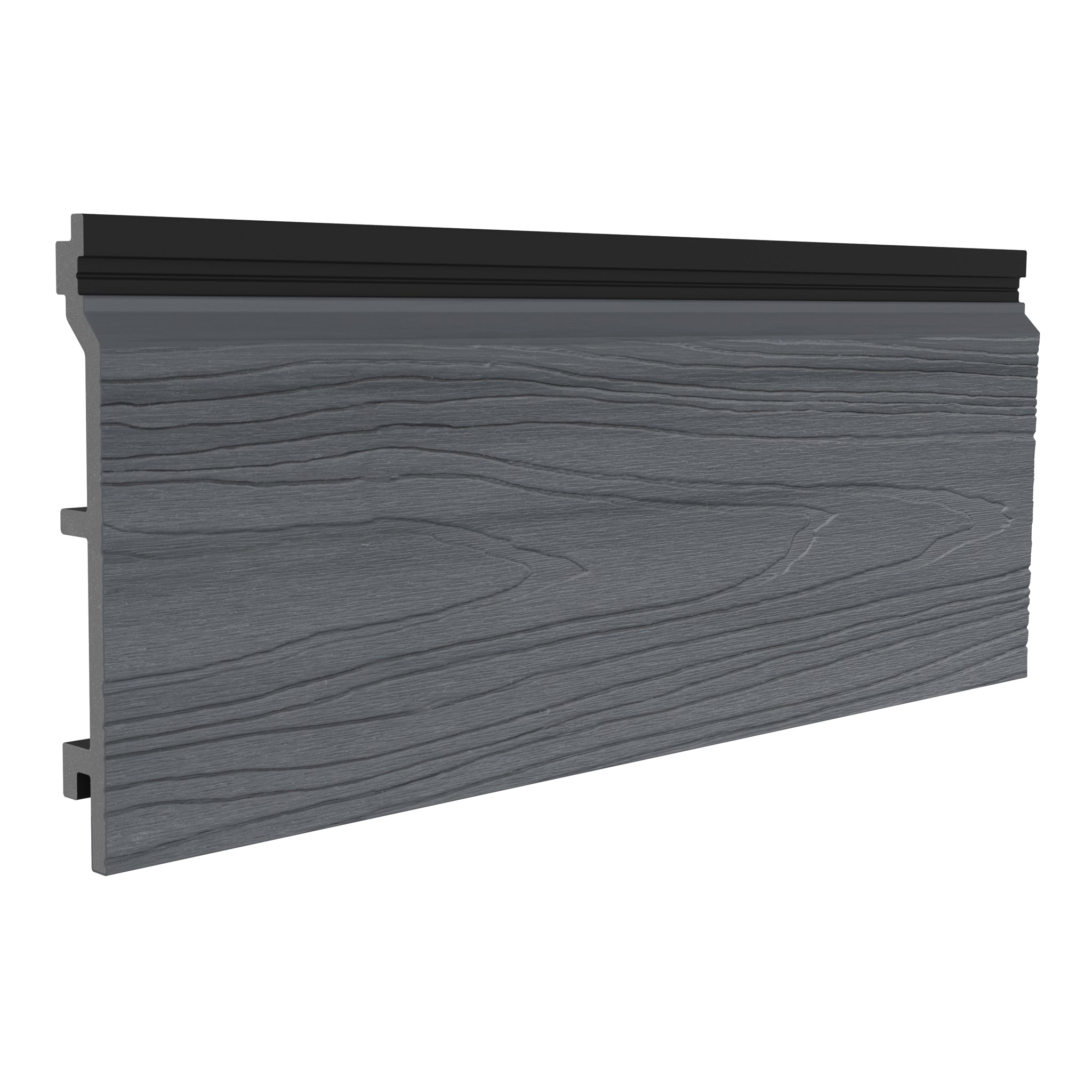
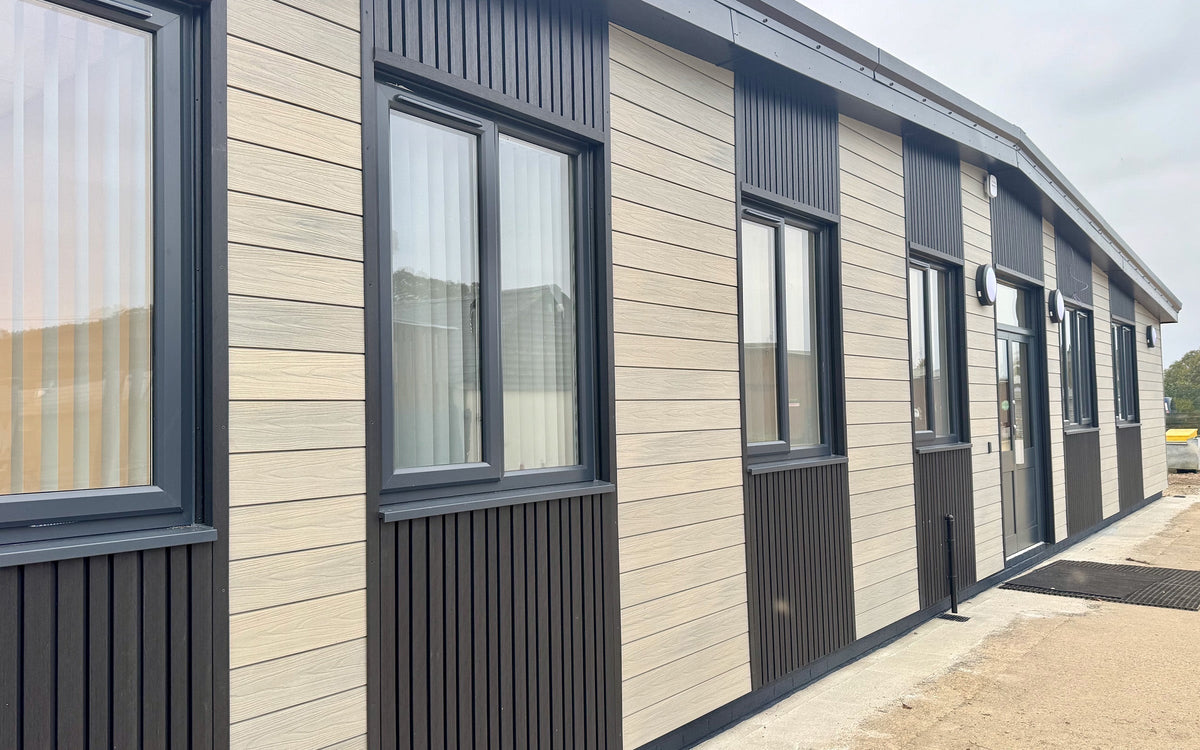
A convincing timber-inspired exterior comes from the relationship between grain, colour and board layout. A warm shade alone will not create the same effect as a textured surface with considered proportions. When comparing composite siding that looks like wood, inspect the finish close up and consider how it will appear across the whole wall.
Choose a Grain Texture That Suits Your Design
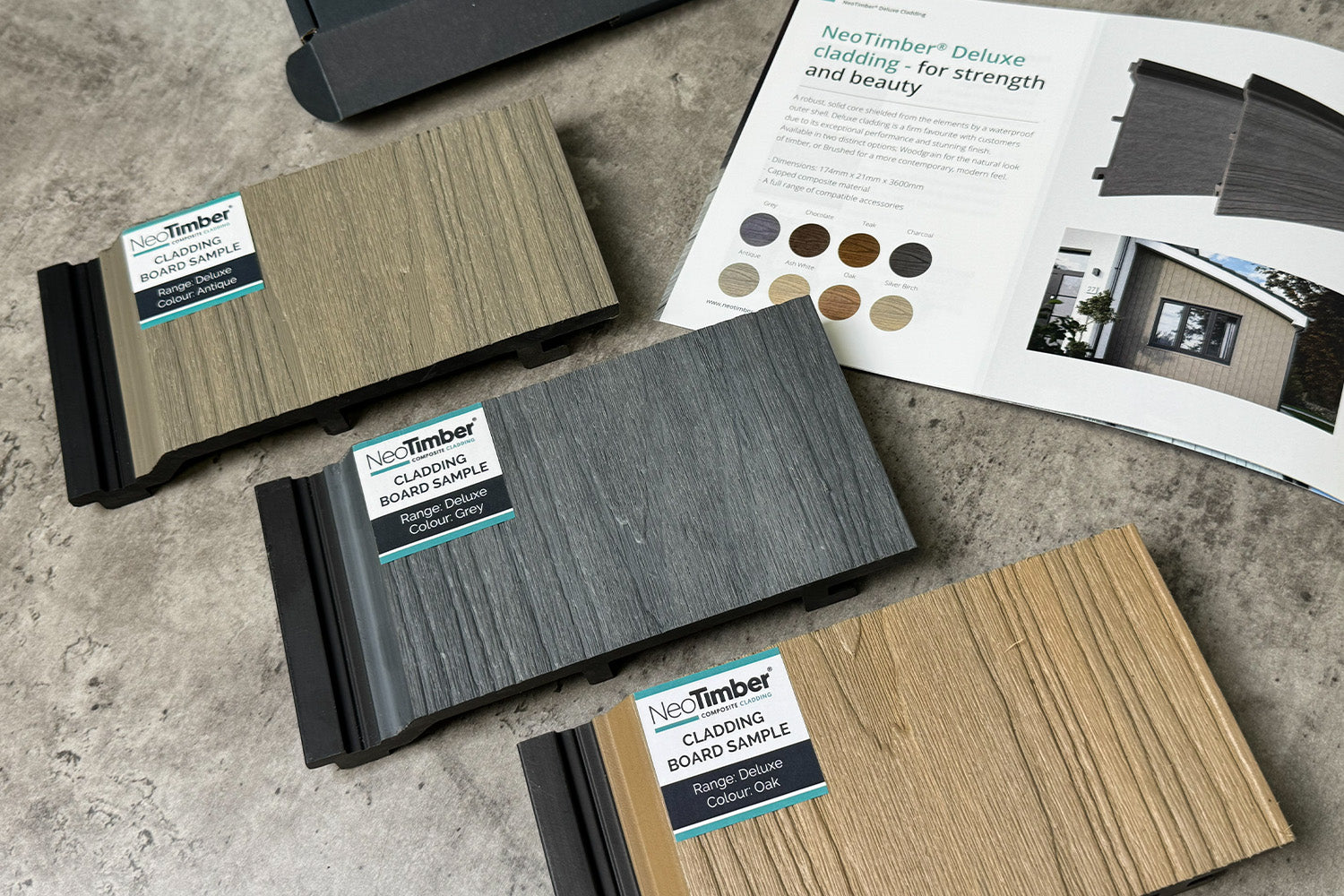
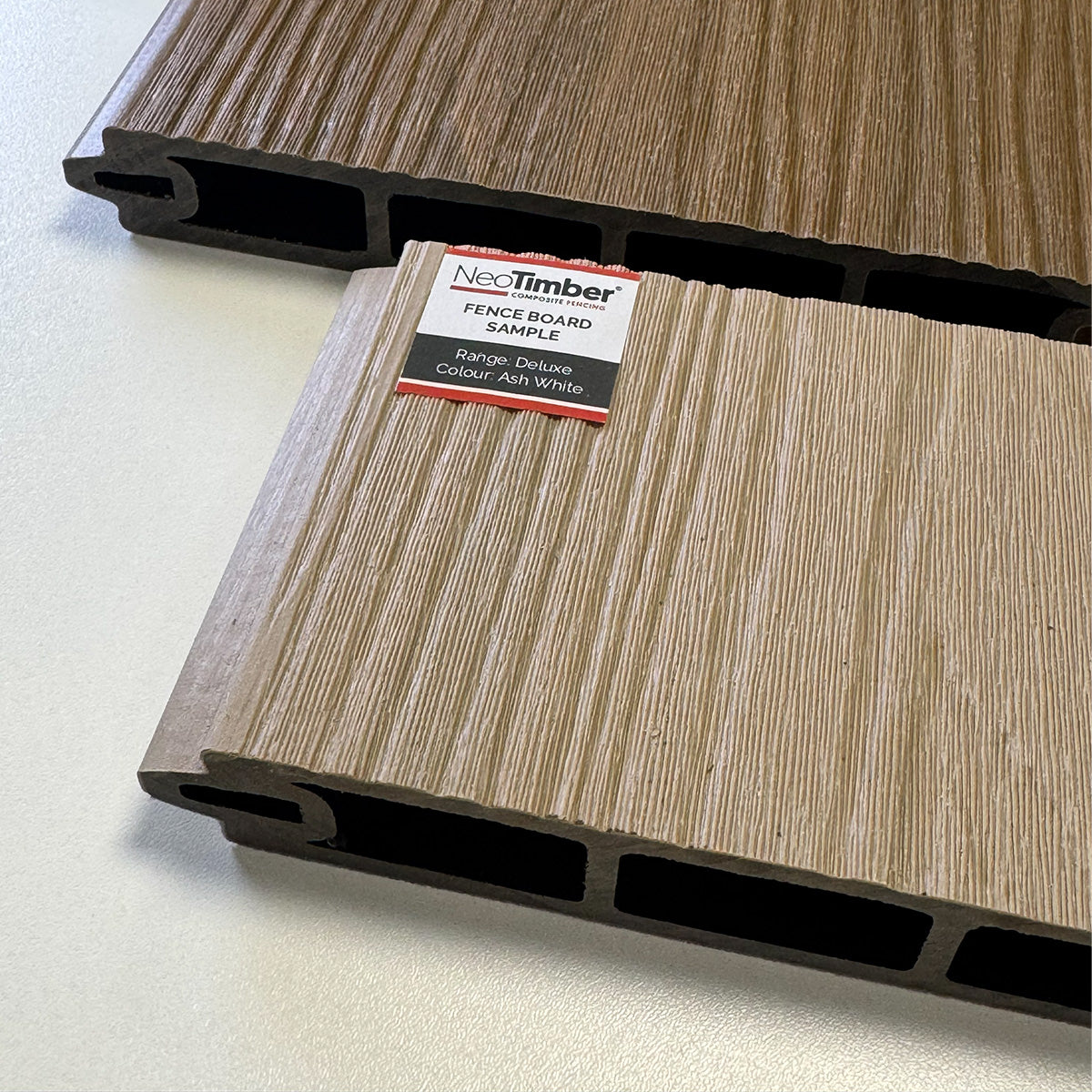
An embossed woodgrain surface adds definition and helps light pick out the pattern. NeoTimber’s Deluxe Woodgrain composite cladding uses a deep-embossed finish with tonal variation to create a timber-inspired appearance. It is a useful starting point if visible grain is central to your design.
Composite is a manufactured material, so it will have a different character from individual timber boards with naturally occurring knots and irregularities. Samples help you decide whether you prefer that more controlled appearance or the variation of real wood.
Compare Warm Tones and Contemporary Colours
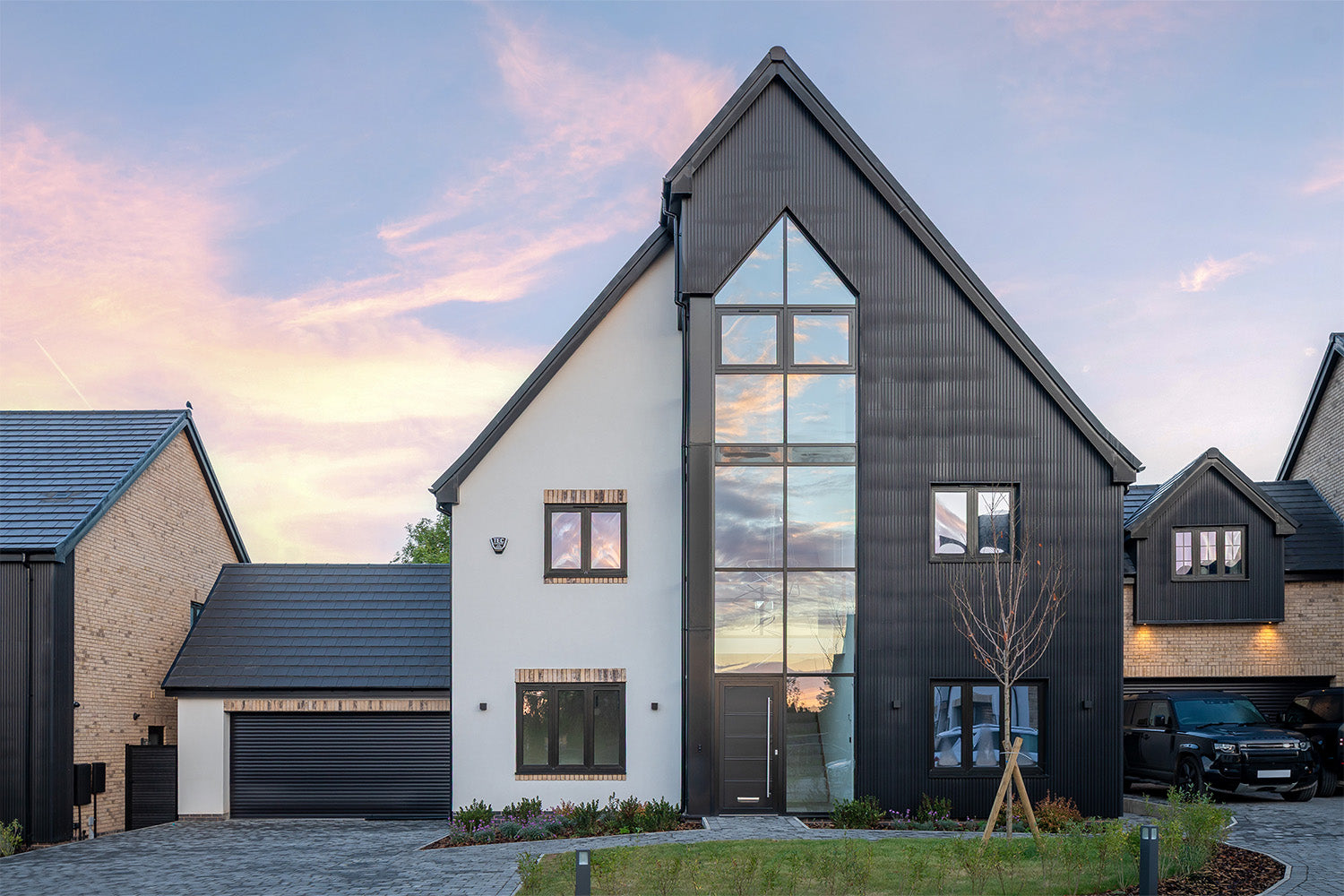
Wood-inspired shades can soften brickwork, pale render or a modern garden building. Darker colours can create a stronger contrast around glazing and landscaping. Rather than choosing from a screen alone, compare samples beside the materials already on your property.
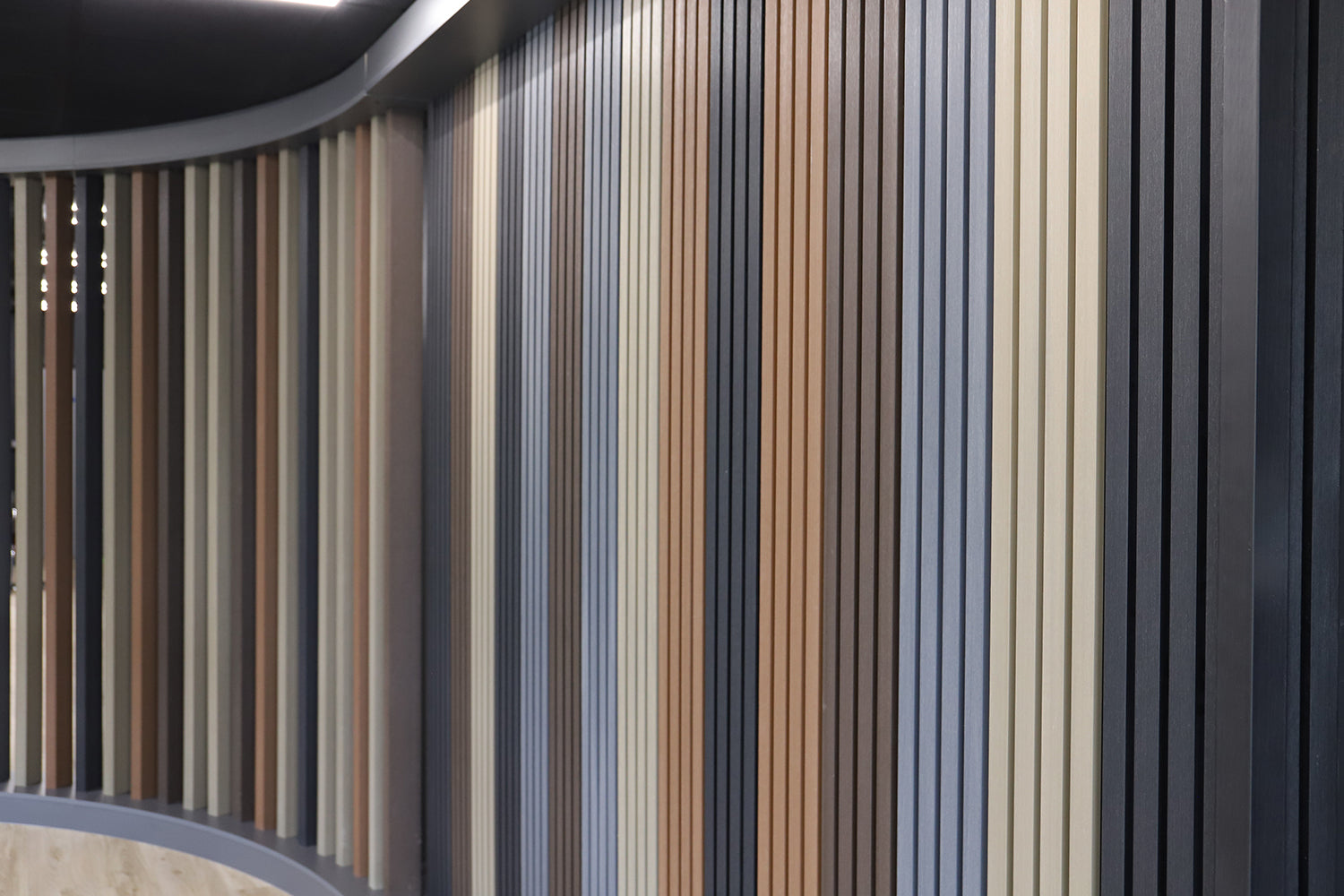
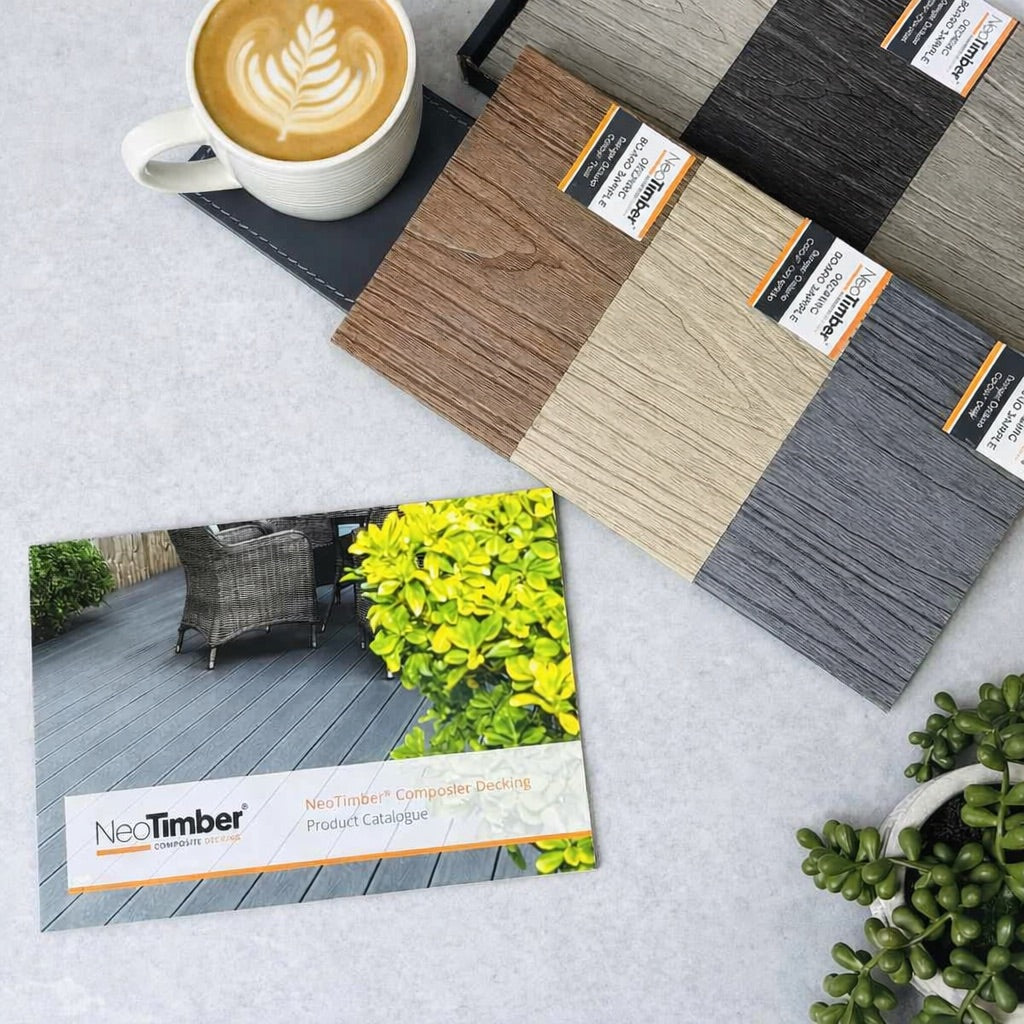
View them in daylight, shade and beside your window frames. The same colour can feel very different on a sheltered garden wall and a broad, sunlit elevation. Explore the composite cladding colour guide to narrow down your options.

Plan the Board Layout and Finishing Details
Board width, joint placement and corner trims affect how polished the finished wall looks. Decide where boards will start and finish, how edges meet openings and which compatible accessories are required. Use only installation arrangements supported by the chosen product’s guidance. A coherent layout often makes a greater difference than adding more colours or textures.
The Practical Benefits of Composite Siding
For many homeowners, the appeal is the combination of appearance and manageable care. NeoTimber® composite cladding does not need routine painting or staining to maintain its intended finish. That can reduce the work involved in looking after a wood-look exterior, particularly where repainting would require access equipment.
However, low maintenance still involves cleaning. Dirt, airborne deposits and marks should be removed using the recommended method. Follow the cladding maintenance guide and avoid assuming that a strong cleaner or aggressive pressure-washing technique is suitable.
It is also worth distinguishing capped and uncapped boards. A capped surface provides an additional protective layer; the Deluxe Woodgrain range is designed to improve fade and stain resistance. This does not mean every composite board performs identically, or that an outdoor finish will remain completely unchanged throughout its life. Ask about the specific range’s weathering characteristics before buying.
Composite Siding or Timber: What Should You Compare?
Real timber offers natural variation and, depending on the product, the ability to change its appearance through refinishing. Composite offers a factory-produced finish with reduced routine treatment requirements. Neither choice should be judged on the purchase price alone.
- Appearance: compare actual samples, grain definition and the look of a completed installation.
- Upkeep: consider cleaning alongside any coating or treatment schedule required for the timber alternative.
- Total project cost: include supports, fixings, trims, labour, access and waste.
- Suitability: check the product documentation against the building, location and proposed wall construction.
Our composite cladding vs wood comparison can help you weigh these priorities. The best choice is the one that fits both the design and the practical demands of your project.

Is Composite Siding a More Sustainable Choice?
Material sourcing deserves careful attention, but a wood-look finish alone tells you little about environmental impact. Compare evidence for the particular product rather than assuming all timber is unsustainable or every composite board is automatically greener.
For example, NeoTimber® identifies FSC® 100% certified wood fibres in its Deluxe Woodgrain product specification. Wood sourcing certification is useful information, but it is not a whole-product carbon assessment. If recycled content is important to you, ask for the composition and evidence for the range you are considering.
A fuller comparison should also consider manufacturing, transport, service life, maintenance and what happens when the boards are removed. Check whether a local recovery or recycling route exists; a material containing polymers should not automatically be described as locally recyclable. Careful quantities and a considered cutting plan can also help reduce installation waste.
Before You Order Composite Siding
Measure the area, account for openings and allow for the cutting layout. Review the installation guidance for supports, ventilation, fixings and movement allowances. Composite boards can expand and contract, so correct detailing matters.
For house projects, confirm applicable building requirements and fire performance with your installer or designer. A wood-like appearance or a product fire classification alone does not establish suitability for every building. Resolve those questions before committing to a board range.
Composite Siding FAQs
Can Composite Siding Really Look Like Wood?
Yes. Grain embossing and timber-inspired colours can create a recognisable wood-look finish. Compare samples to judge the texture and colour yourself, because composite will have a different character from natural timber.
Does Composite Siding Need Painting?
NeoTimber® composite cladding is supplied with its intended finish and does not require routine painting. Follow the product’s care instructions rather than applying a coating intended for timber.
Is Composite Siding the Same as Composite Cladding?
The terms commonly describe exterior wall coverings. “Cladding” is more familiar in the UK, while “siding” is widely used in North America. Always compare the actual material specification, since terminology alone does not define performance.
Find Your Preferred Wood-Look Finish
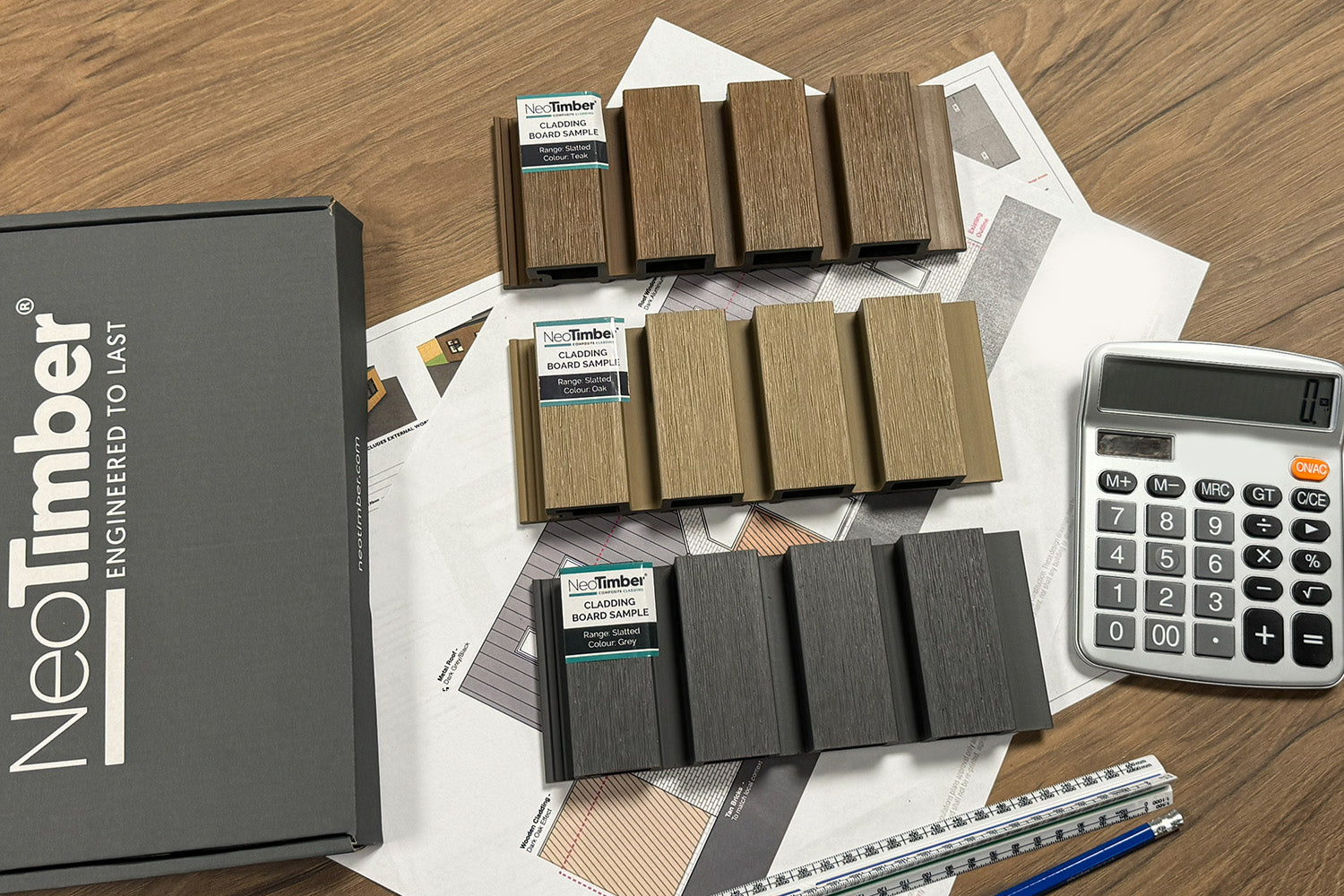
Start with the surface and colour you enjoy, then check the practical details that will make the project work. Order free NeoTimber® composite cladding samples to compare finishes beside your brickwork, windows and landscaping. Seeing the boards in your own setting is a useful first step towards choosing composite siding that looks like wood and suits your home.