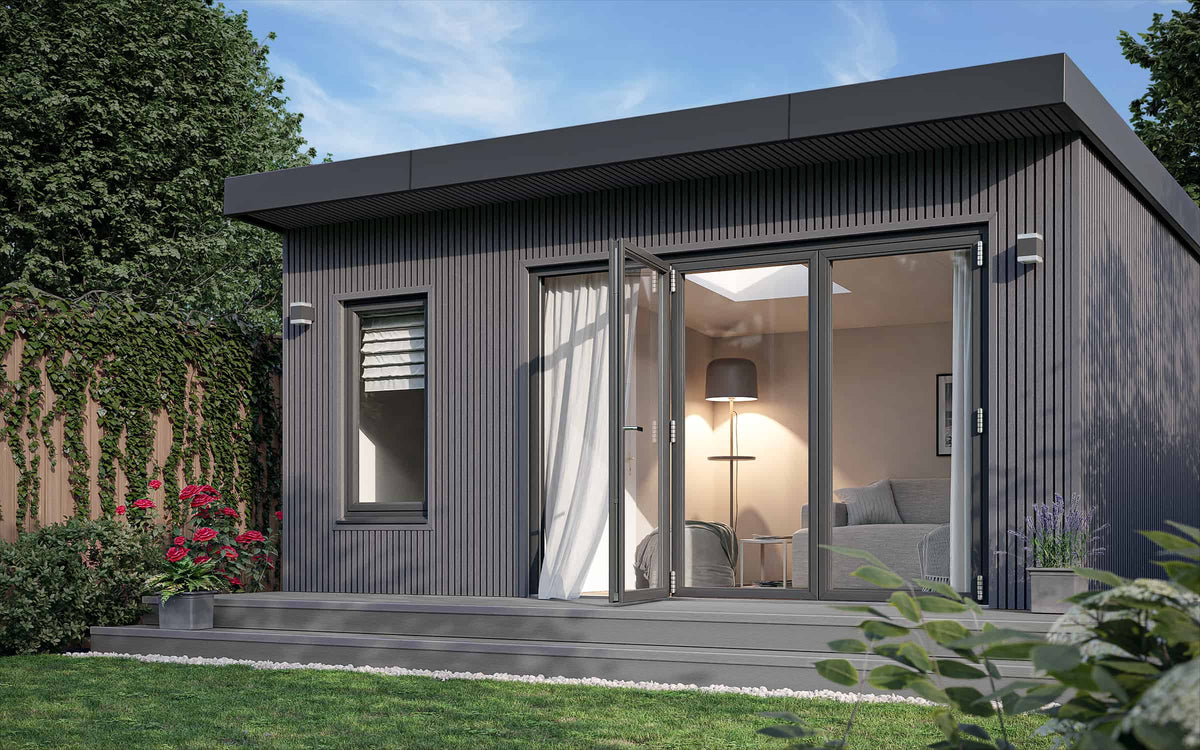
How to find affordable composite cladding without overlooking quality
Cheap composite cladding can be good value if it suits your project and comes with clear specifications, installation guidance and warranty terms. A low board price alone does not tell you what the finished wall will cost or how the product will perform. Compare fitted coverage, required accessories and expected upkeep before deciding.
Keeping an exterior project within budget matters. The aim is to understand what you are paying for, identify any missing costs and choose a finish you will be happy to live with. This guide explains what to check when comparing low-cost boards with the wider composite cladding range.
Is cheap composite cladding always a poor choice?
No. A lower price can reflect a simpler profile, a different finish or a temporary offer. It does not automatically mean a board is badly made. Equally, a higher price is not enough on its own to demonstrate quality.
Ask what explains the difference between the products you are comparing. Does one board cover more wall area? Is one capped and the other uncapped? Are fixings included? Can the supplier provide the information needed to assess suitability for your building?
A clear answer to those questions is more useful than a broad claim that any product is the cheapest or the best. Keep the comparison focused on the specification and the complete job.

Compare composite cladding prices per square metre
The price per board can be misleading when products have different lengths and widths. Compare the cost per square metre of fitted coverage, using the manufacturer’s stated coverage after any overlapping or interlocking sections are accounted for.
Board-only cost per m² = price per board ÷ fitted coverage per board in m².
For example, a board costing £20 and covering 0.4m² works out at £50 per m². A £24 board covering 0.6m² works out at £40 per m². The second board costs more individually but less for the same covered area. These are illustrative figures, not current product prices, and exclude cutting waste, accessories and installation.
Use the same VAT basis for both options. Then calculate whole-board quantities from your layout, because a simple area calculation does not show how many cuts or unusable offcuts the project will create.
Include the costs beyond the boards
- Supporting framework: suitable battens or joists and their wall fixings.
- Board fixings: the starter components, screws or clips required by the selected system.
- Trims: corners, exposed edges and details around openings.
- Cutting allowance: quantities based on the actual board layout.
- Delivery: charges and handling arrangements for your address.
- Installation: labour, wall preparation and access equipment where needed.
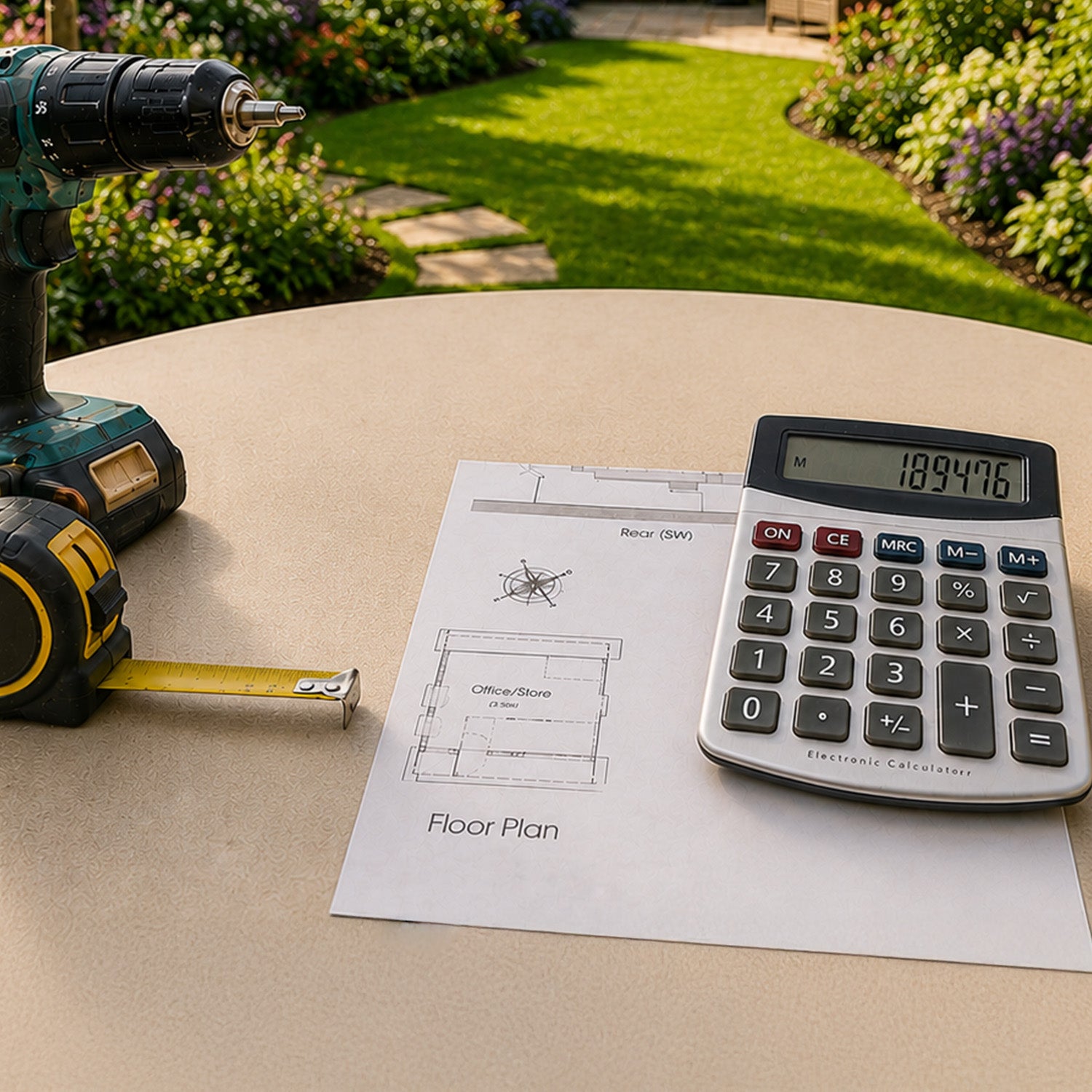
Use the NeoTimber® composite cladding calculator to develop an initial materials estimate, then review the result against your drawings and installation requirements. Ask for a written breakdown when comparing quotes.
What should you check in the board specification?
Wood-plastic composite cladding blends wood fibres, plastic and additives. Performance depends on the formulation, profile, surface construction and installation. Neither the material label nor the board’s thickness is a complete measure of quality.
Look for published dimensions, fitted coverage, intended applications and installation instructions. Check relevant performance information for the exact product, including its reaction-to-fire classification and suitability for the proposed building. A board that fits your budget still needs to fit the project’s requirements.
Capped versus uncapped composite cladding
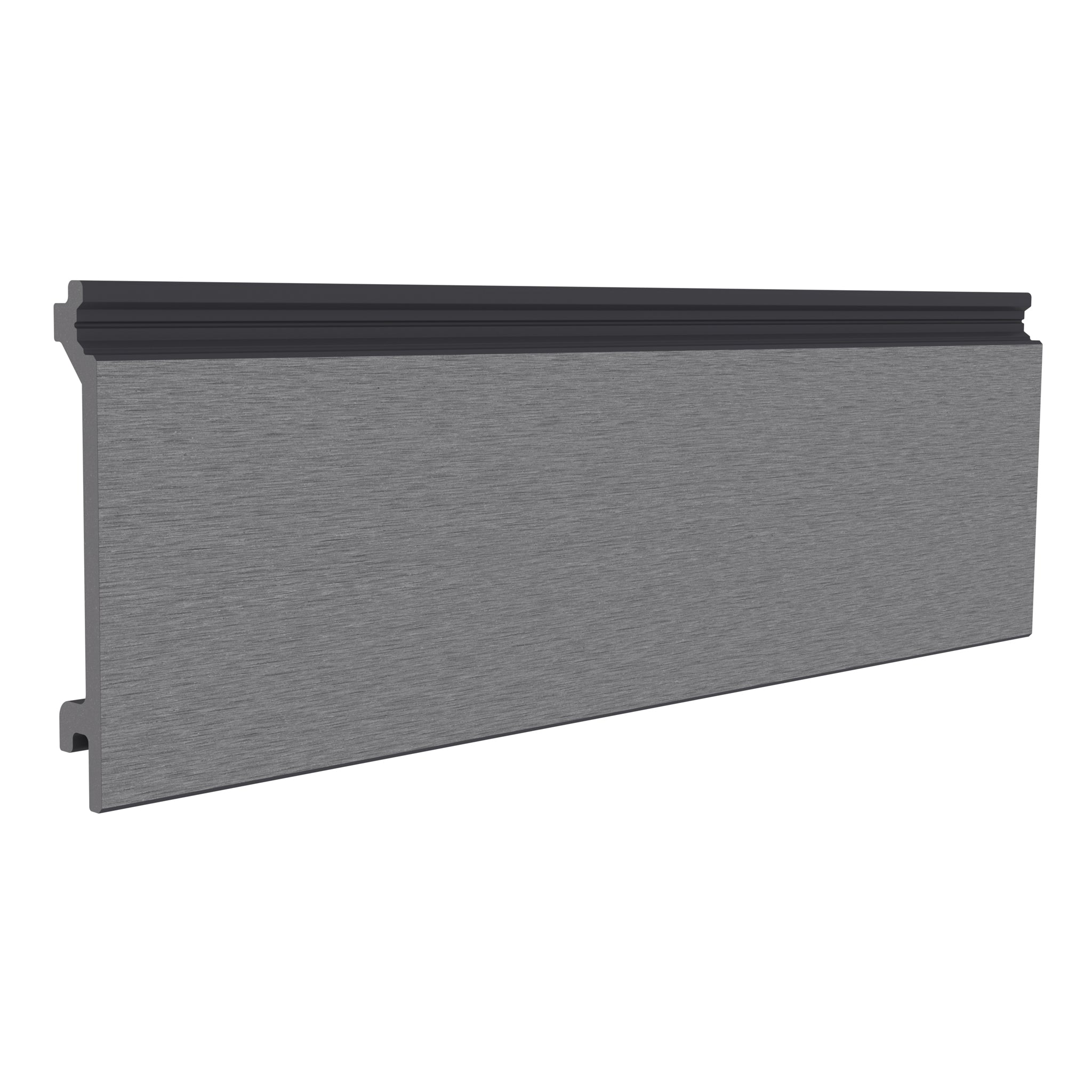
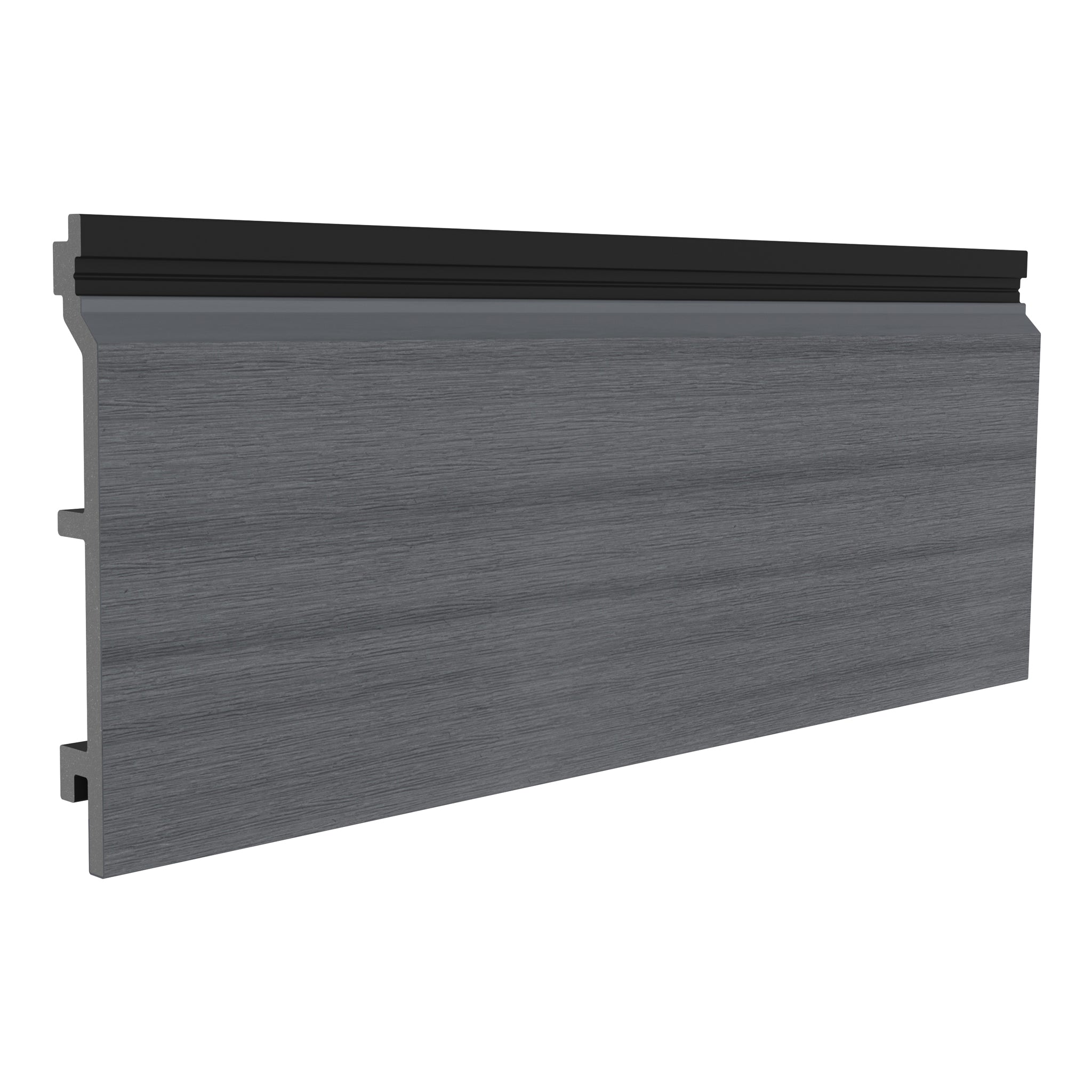
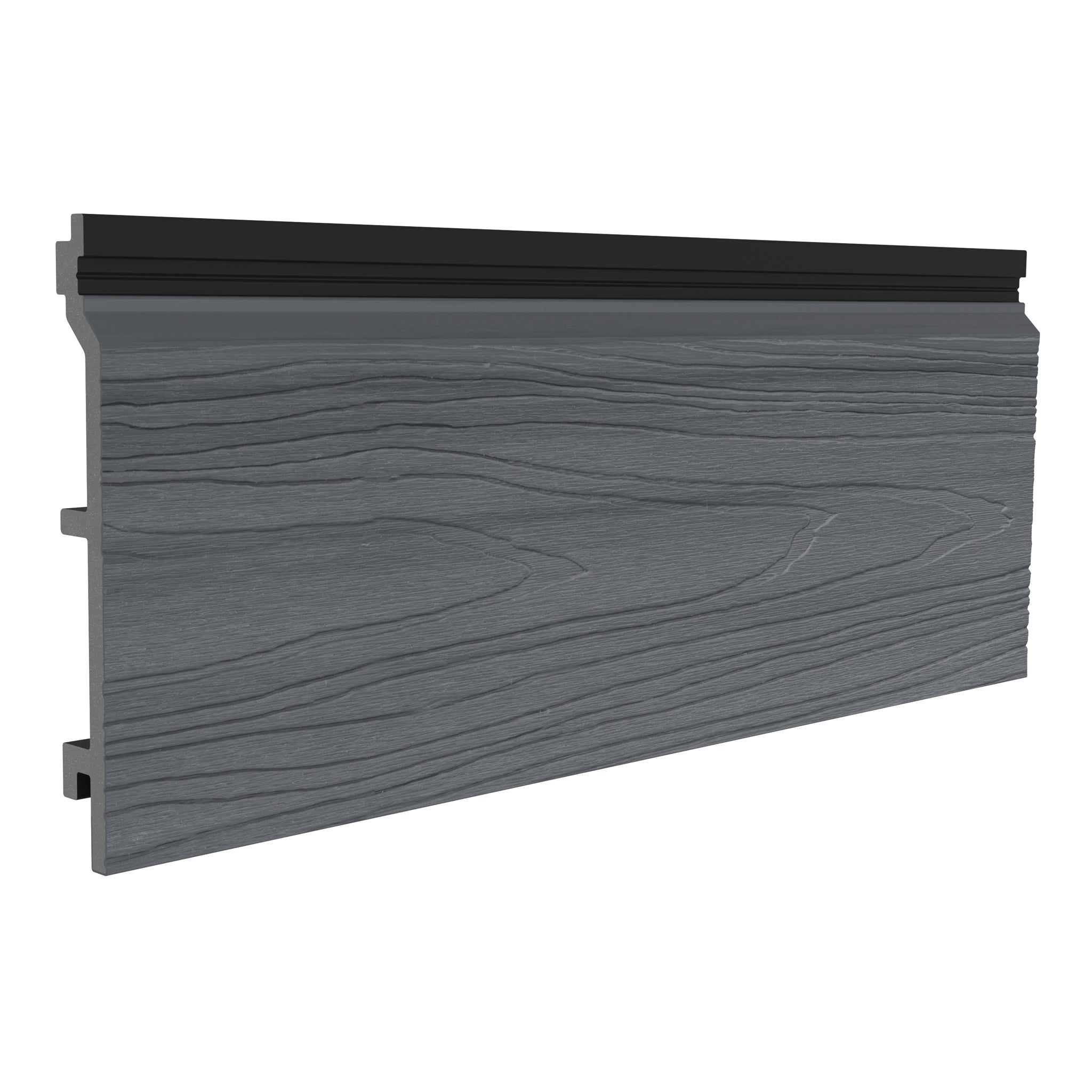
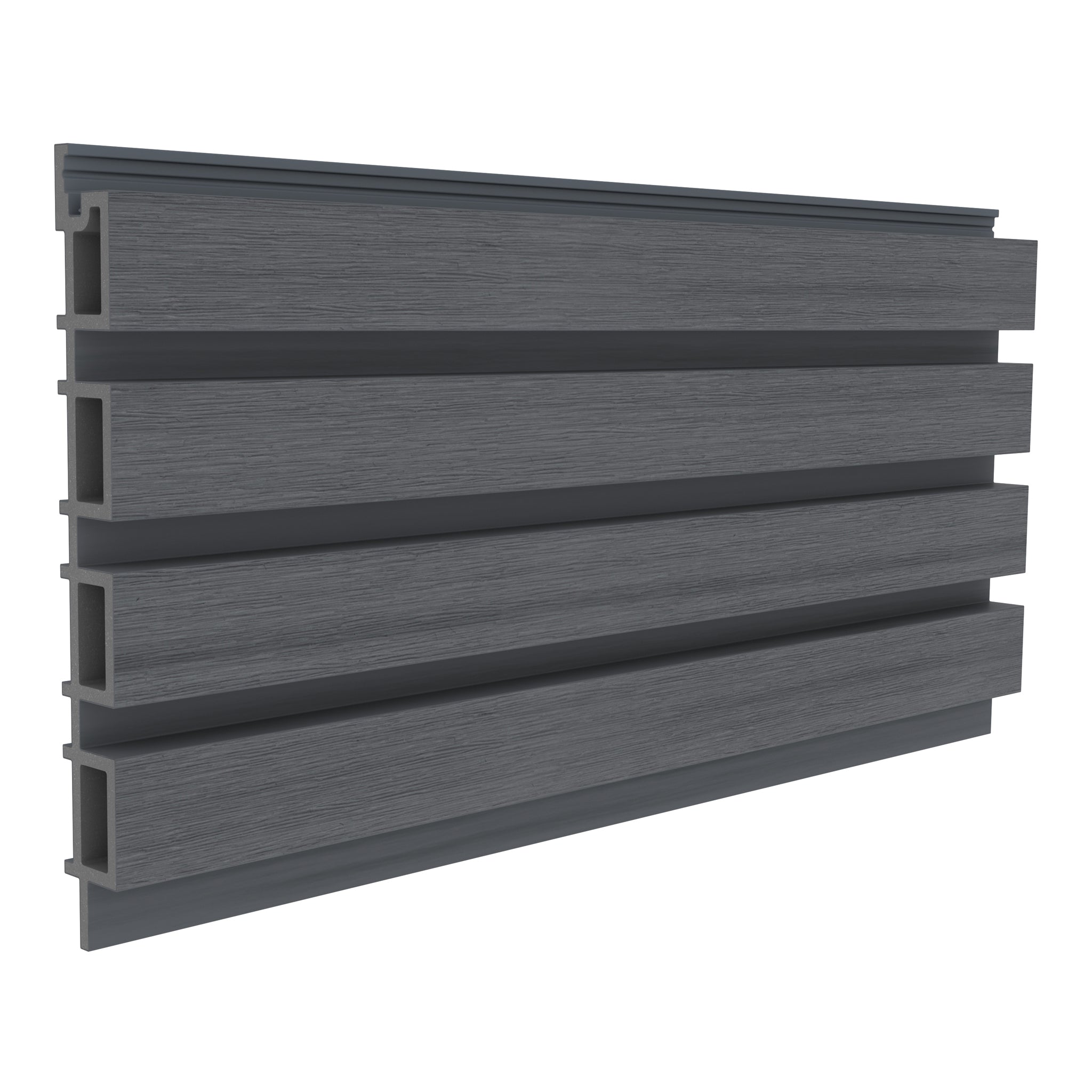
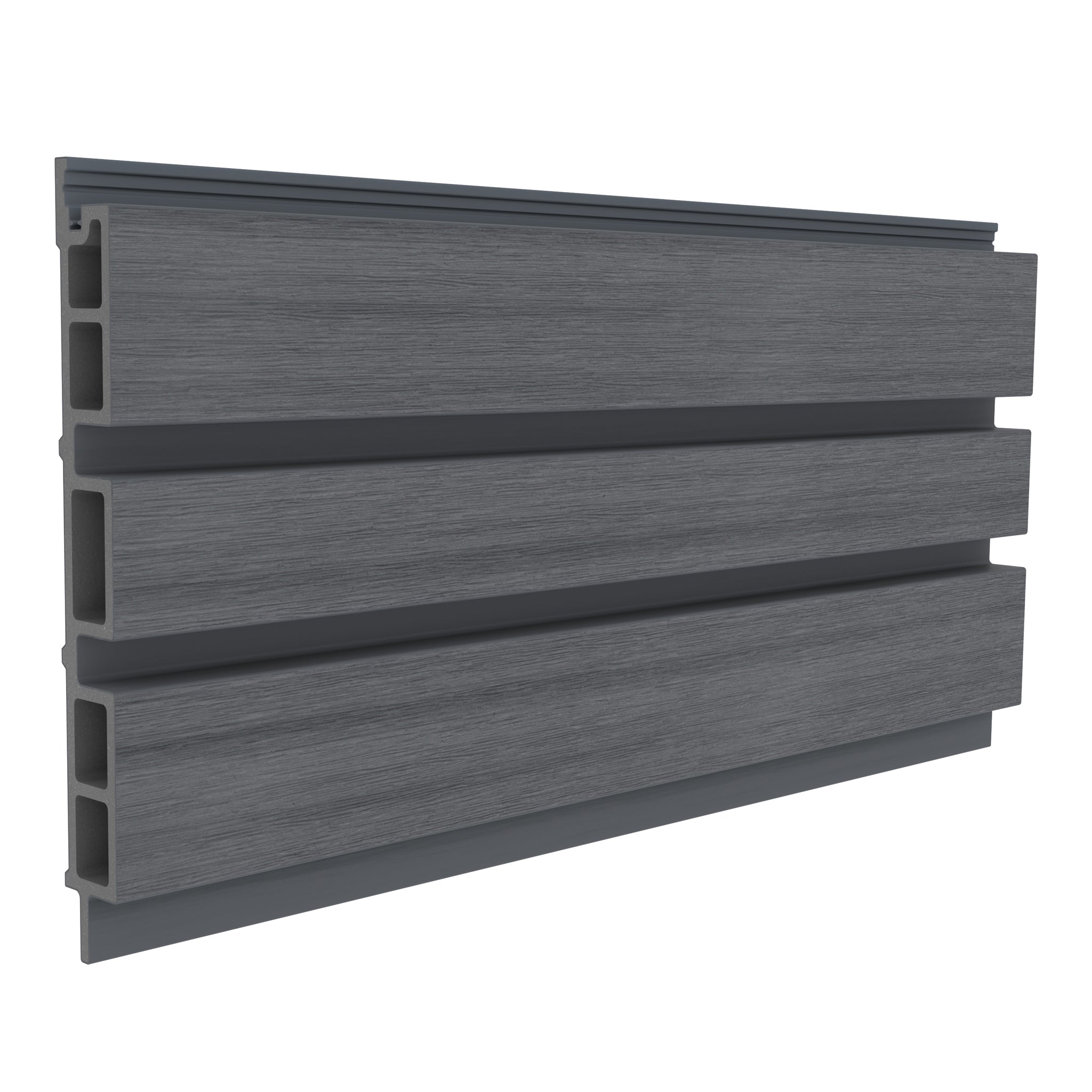
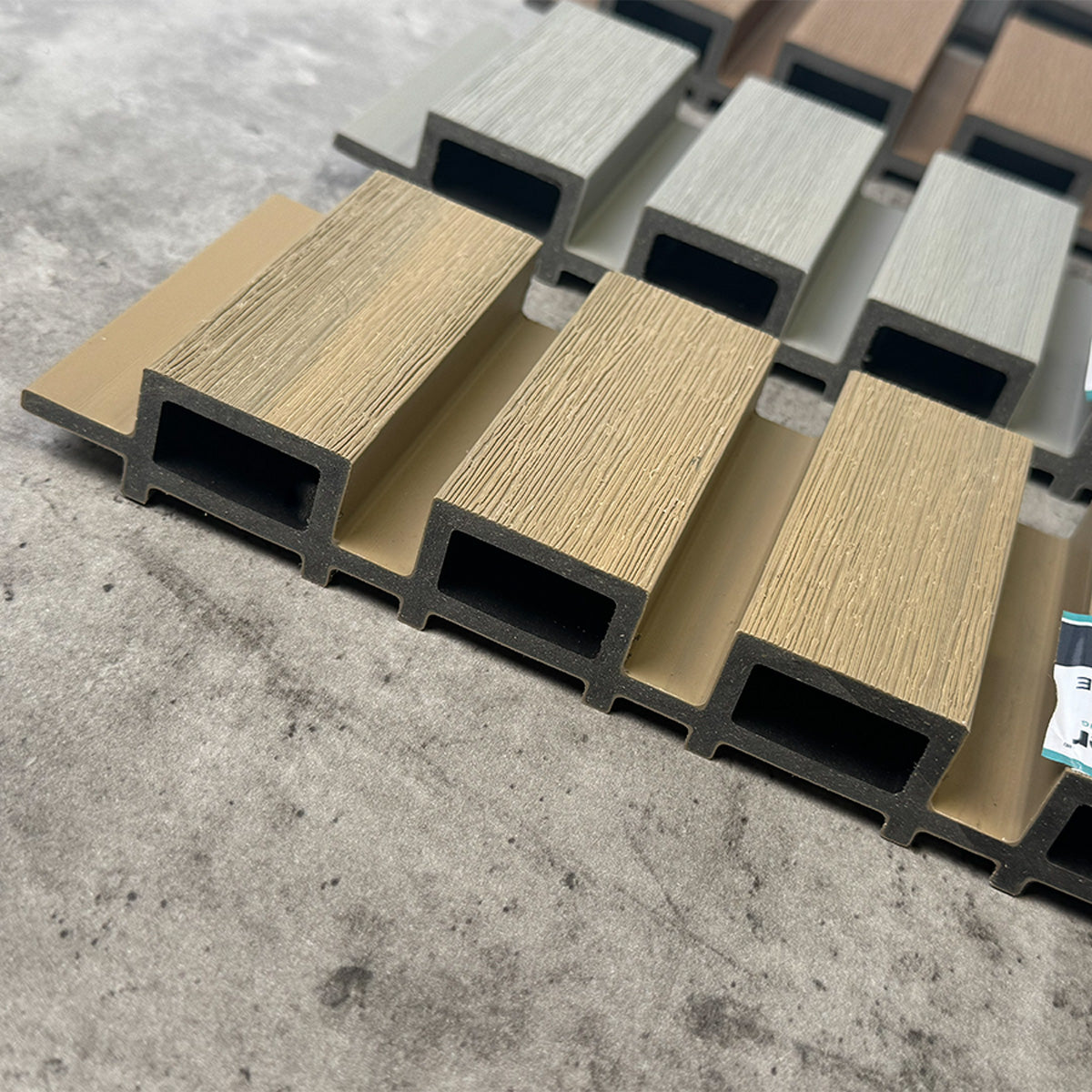
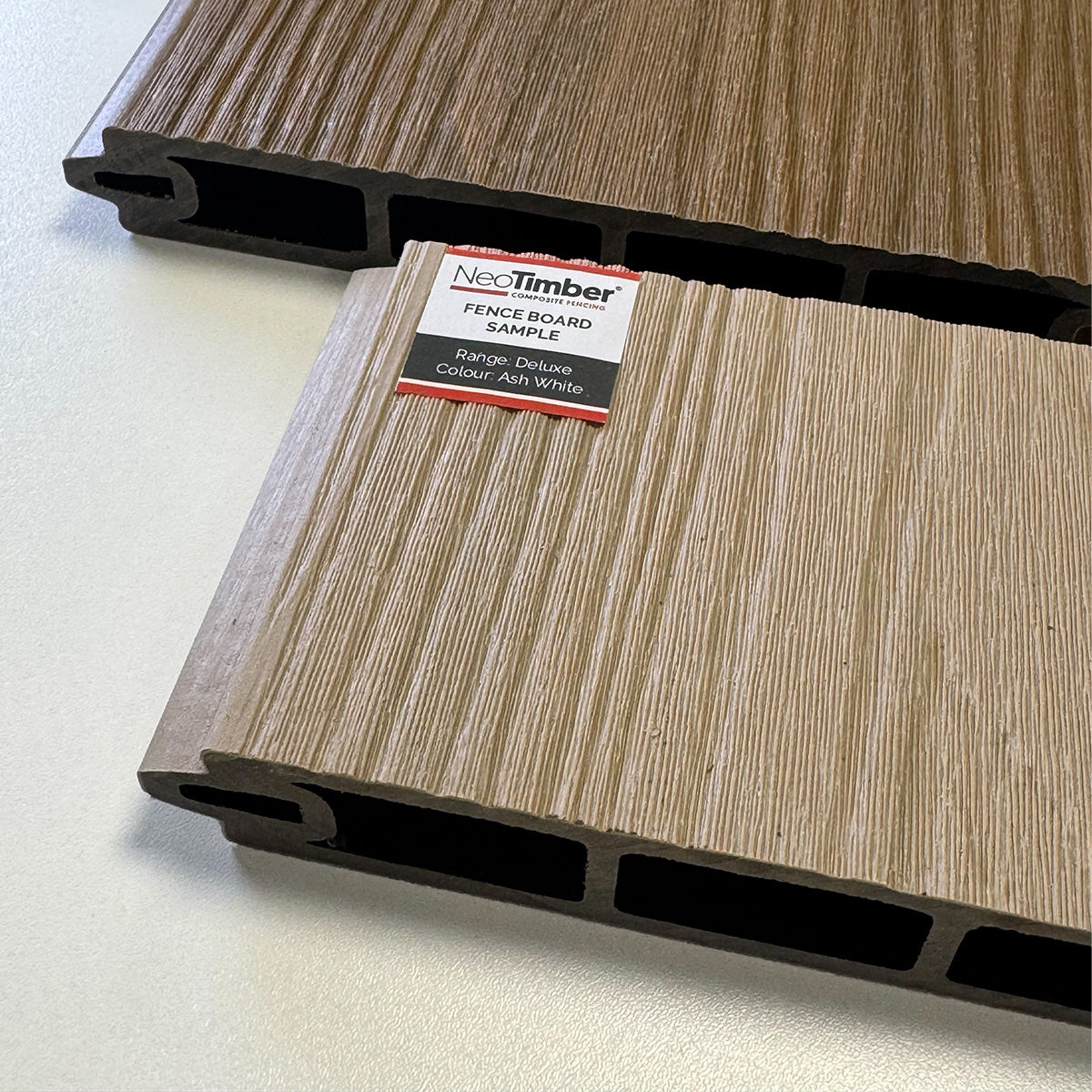
NeoTimber® Classic composite cladding is uncapped, while the Deluxe and Slatted ranges have a protective polymer cap. Classic naturally lightens during its initial weathering period. The capped ranges offer enhanced fade and stain resistance.
That makes the surface construction a useful comparison point, but uncapped should not be treated as another word for defective. Read about capped composite cladding and decide which finish and care requirements suit your priorities.
Check claims about fading, staining and lifespan
Price alone cannot tell you how a board will weather. Ask the supplier to explain the expected colour change, recommended care and any performance claims. Be cautious about treating phrases such as “fade-resistant” or “stain-resistant” as a promise that the surface can never change or become marked.
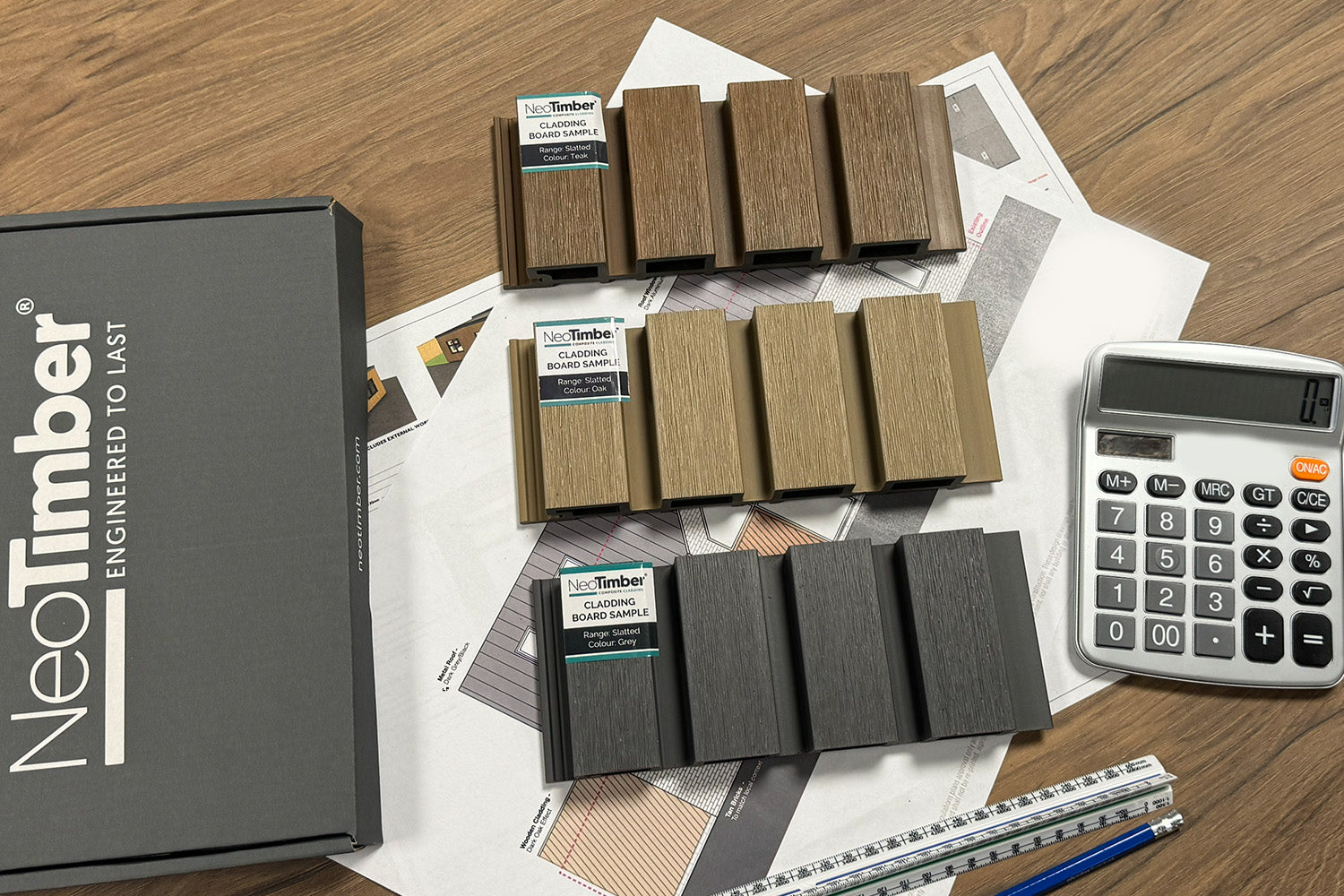
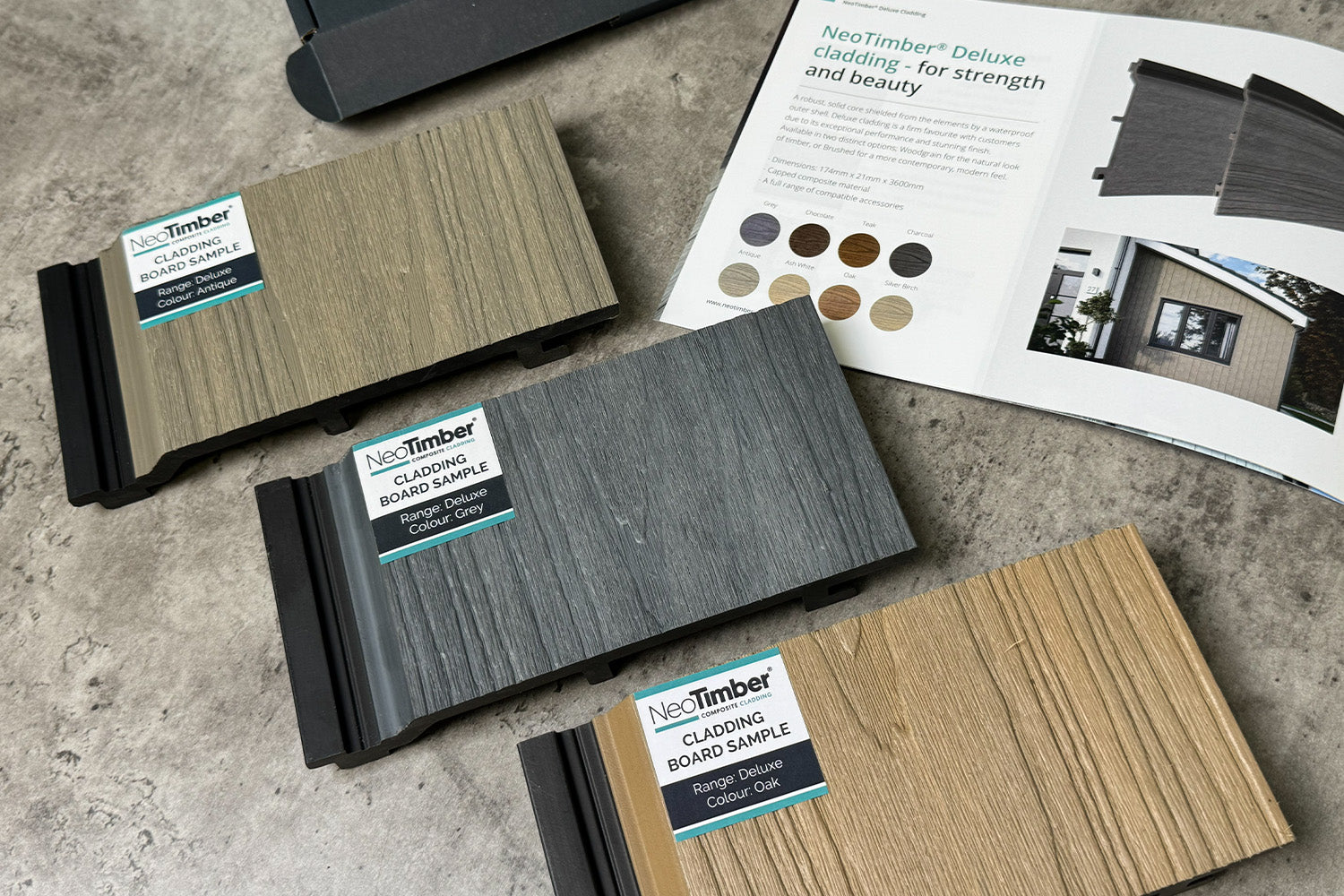
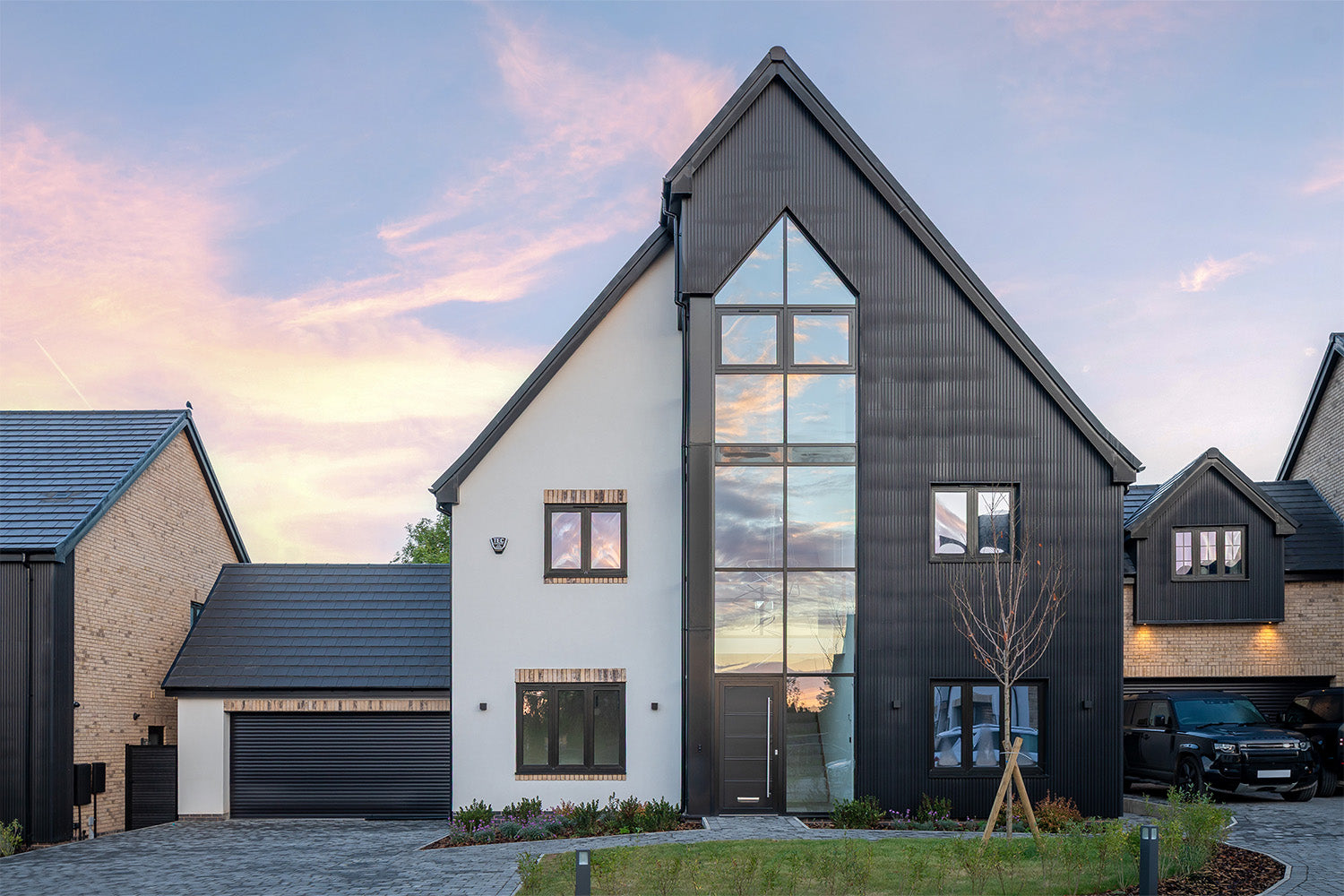
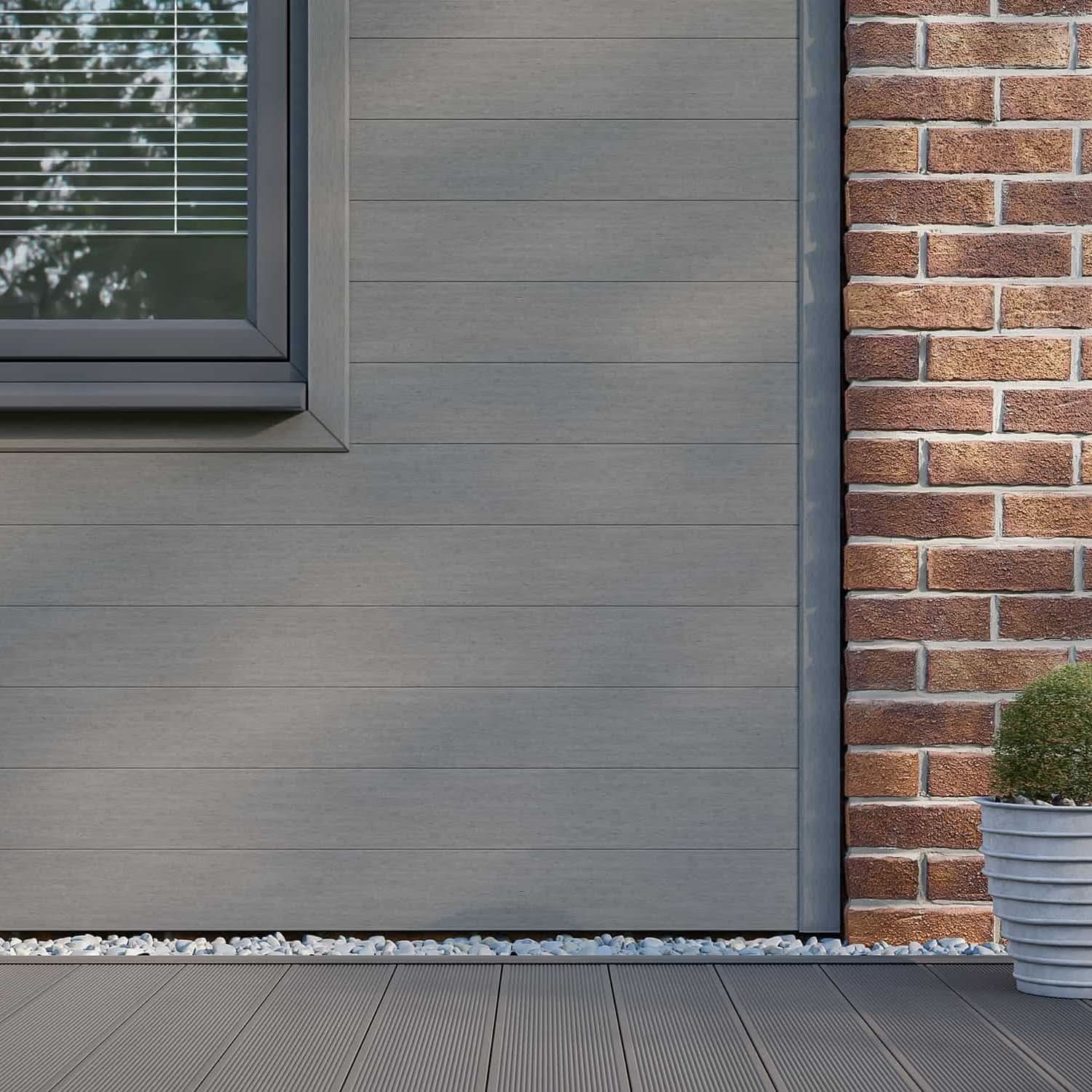
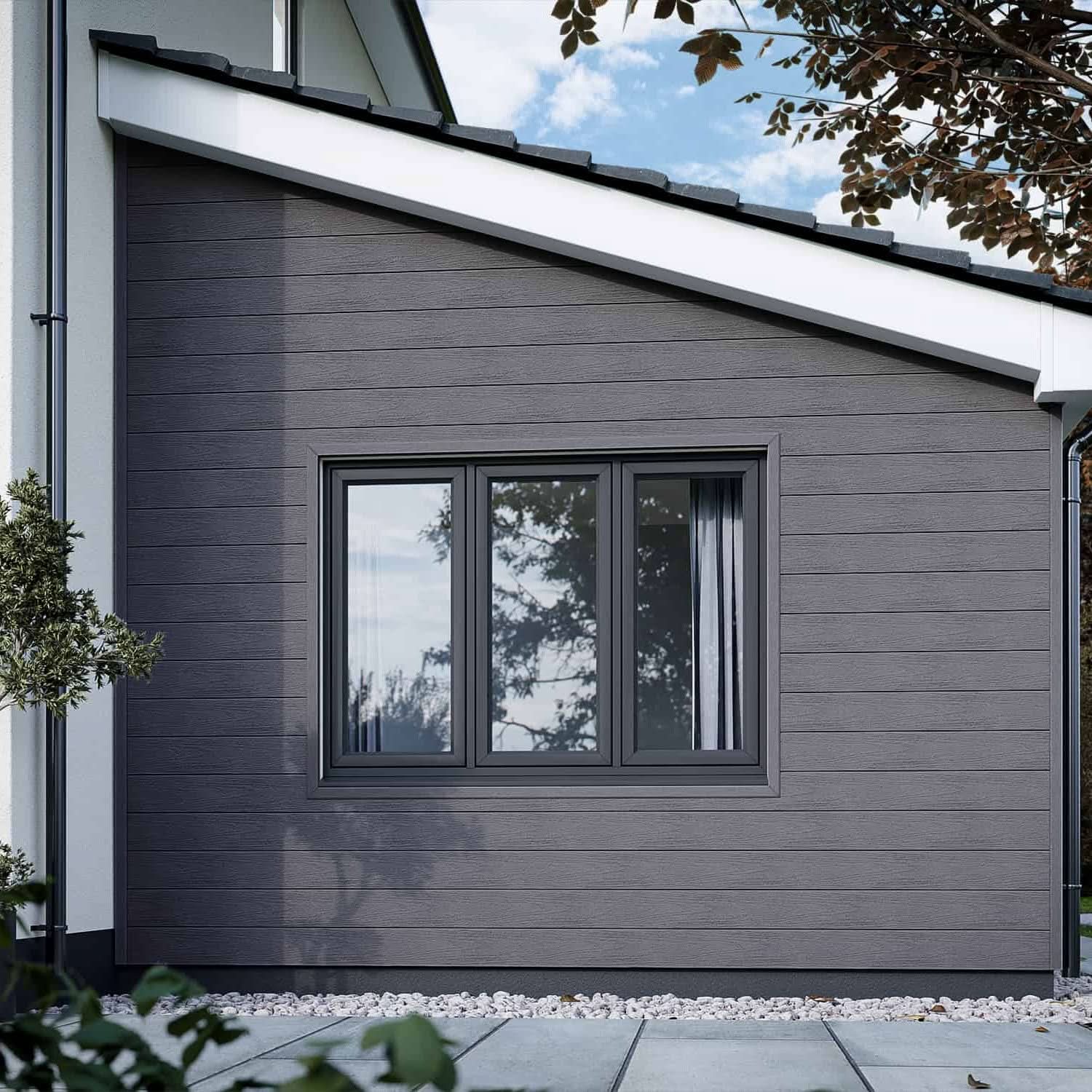
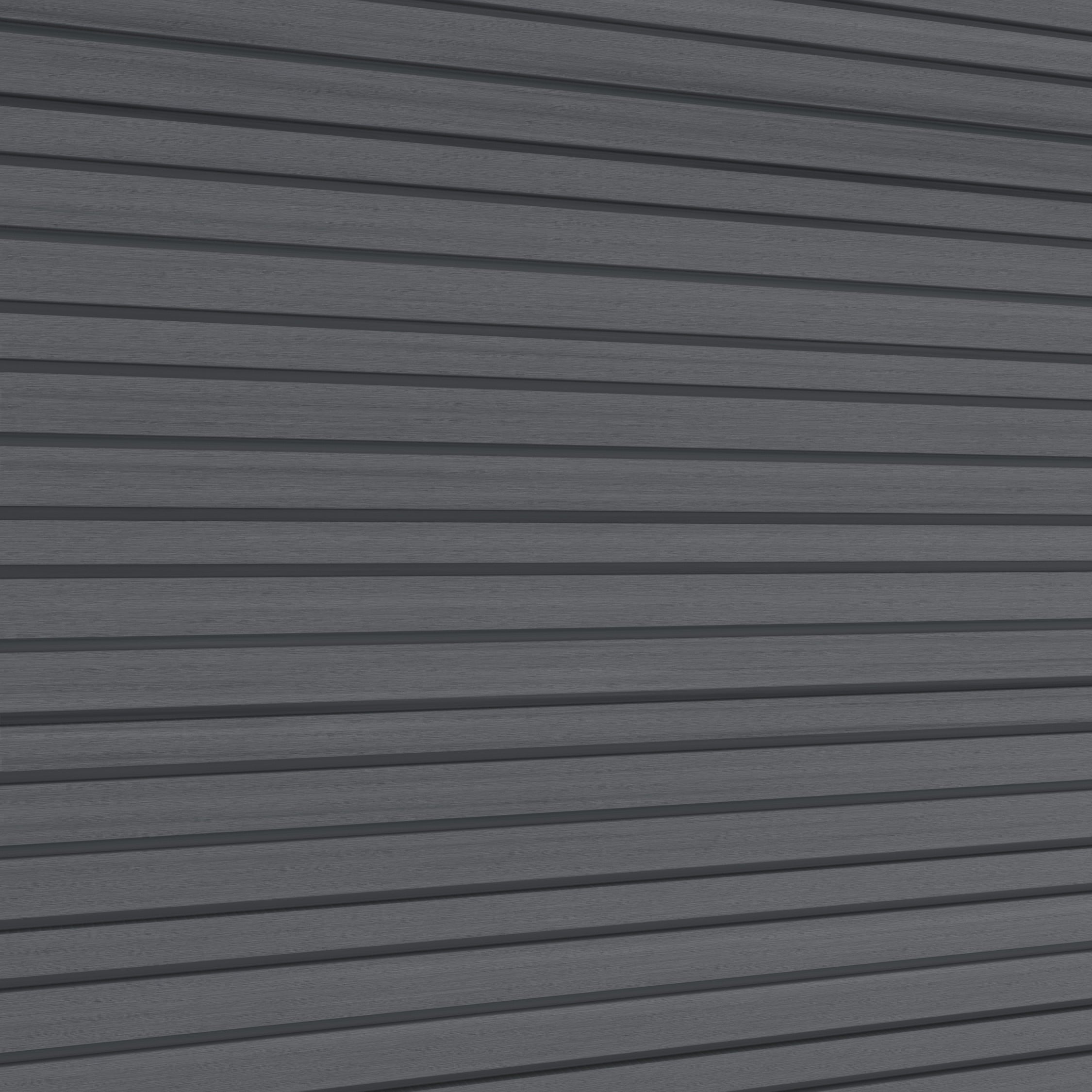
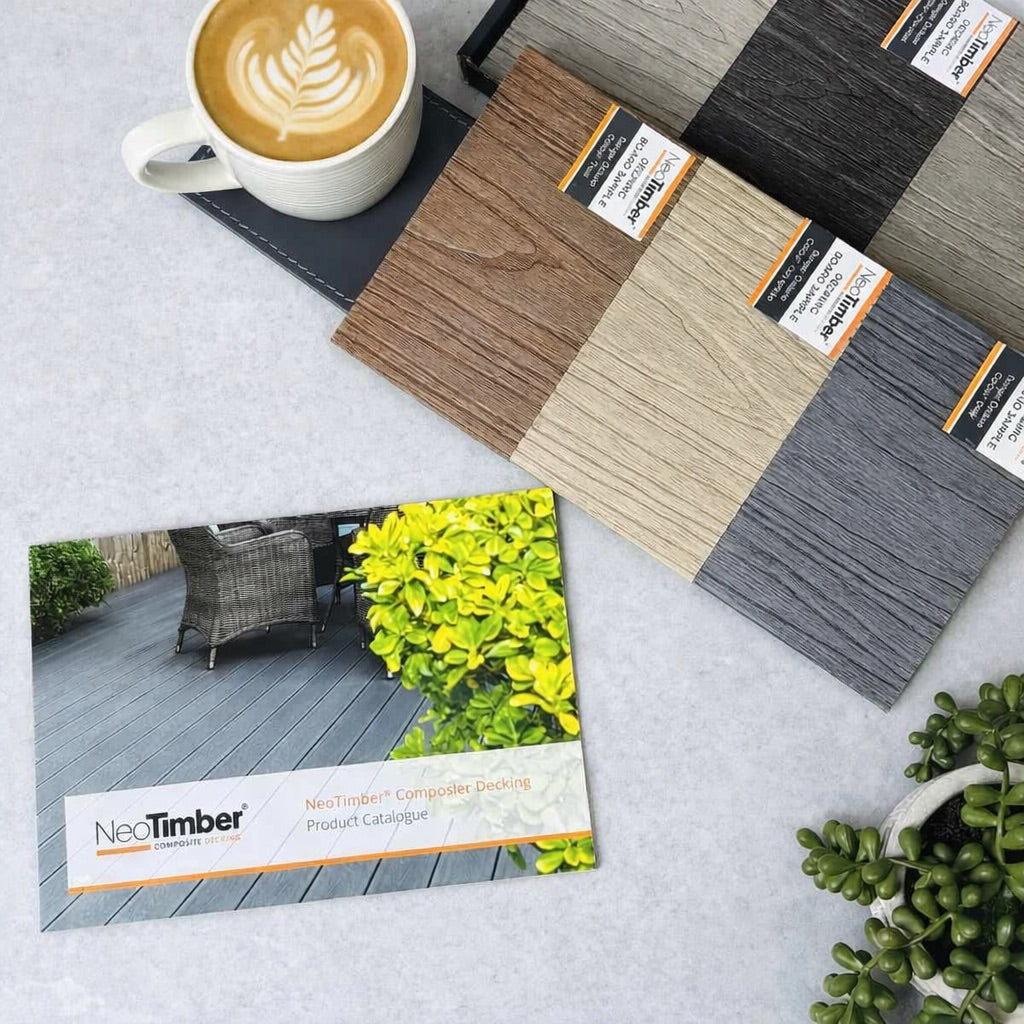
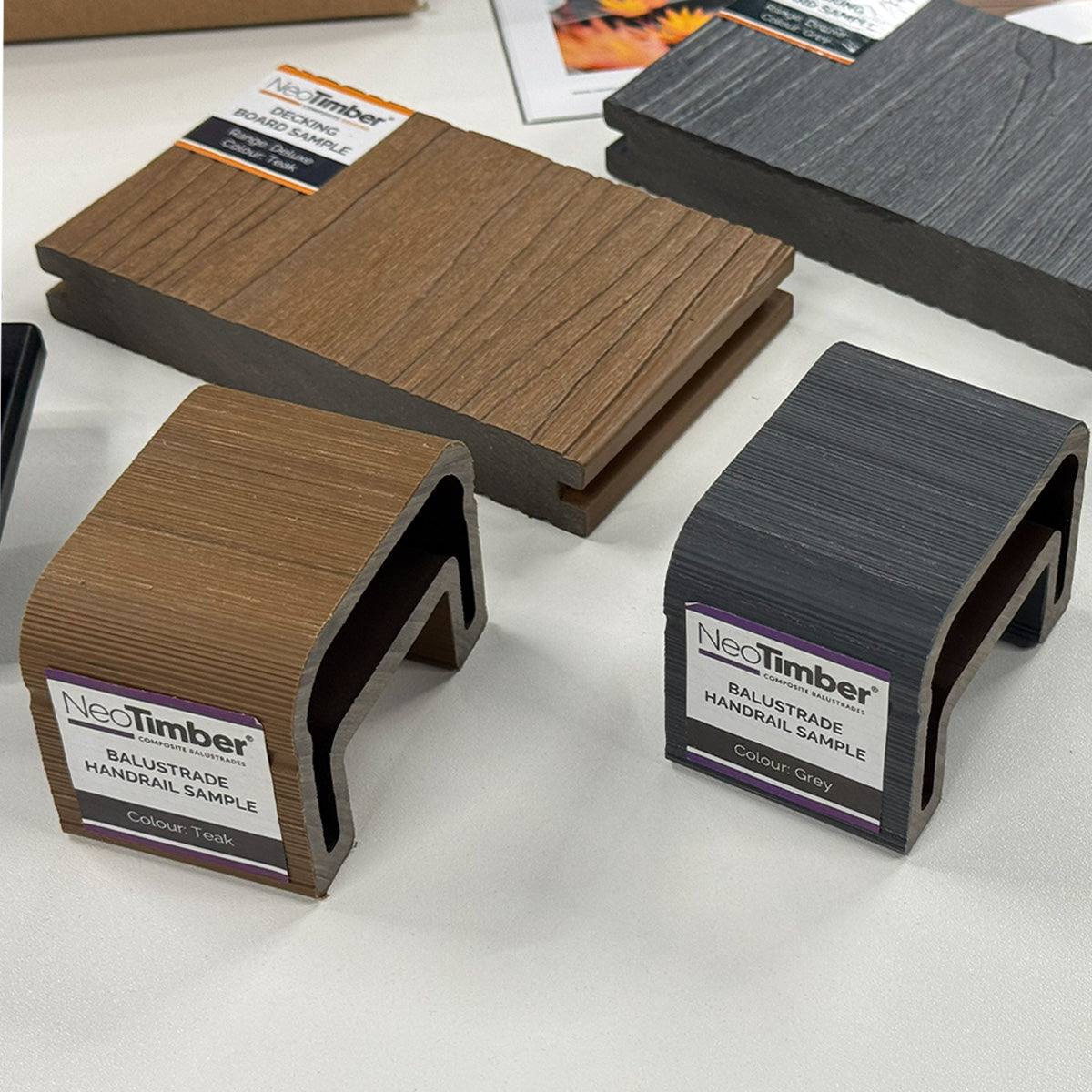
Compare samples outdoors beside your existing brickwork, windows and paving. Samples help you assess appearance, but they do not prove long-term performance. Use them alongside the product documentation and examples of completed installations.

Read the warranty rather than comparing years alone
A long warranty is useful only when you understand what it covers. Check the covered defects, exclusions, installation conditions and claim procedure. A structural warranty is different from a guarantee that the boards will retain an identical appearance throughout that period.
NeoTimber® composite cladding has a limited warranty providing 25 years of structural cover for residential installations and 10 years for commercial, public or high-traffic applications. It is conditional on correct installation, use and maintenance. Cosmetic changes, weathering, colour variation and surface staining are among the exclusions. Read the full NeoTimber® cladding warranty information before purchasing.
When reviewing any supplier’s warranty, also ask what remedy is available and whether labour or removal costs are included. Keep the written terms with your order details.
Could installation costs outweigh the saving?
A lower board price may be offset by the components or labour needed to fit it. Give your installer the product instructions before agreeing a quote, so they can assess the framework, fixing method, cutting layout and finishing details.
Check that the required accessories are available in the correct profile and colour. An attractive sample is only one part of the finished wall; the corners and exposed edges need a clear plan too.
The NeoTimber® composite cladding installation resources cover preparation, supporting framework, board fitting and finishing. Reading the guidance before ordering helps you identify work that should be included in the budget.

How to reduce cladding costs with careful planning
There are practical ways to control spending while keeping the chosen installation specification intact:
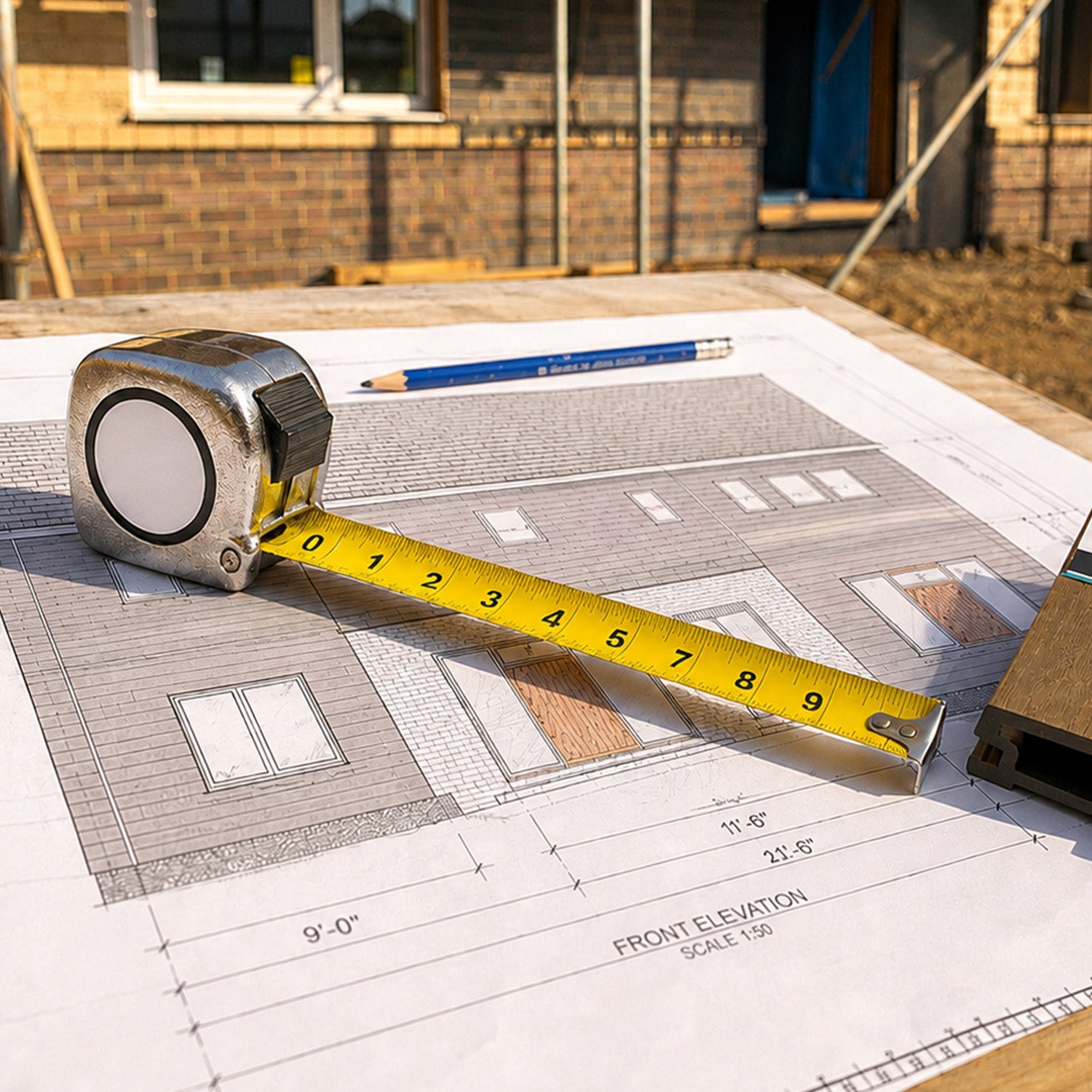
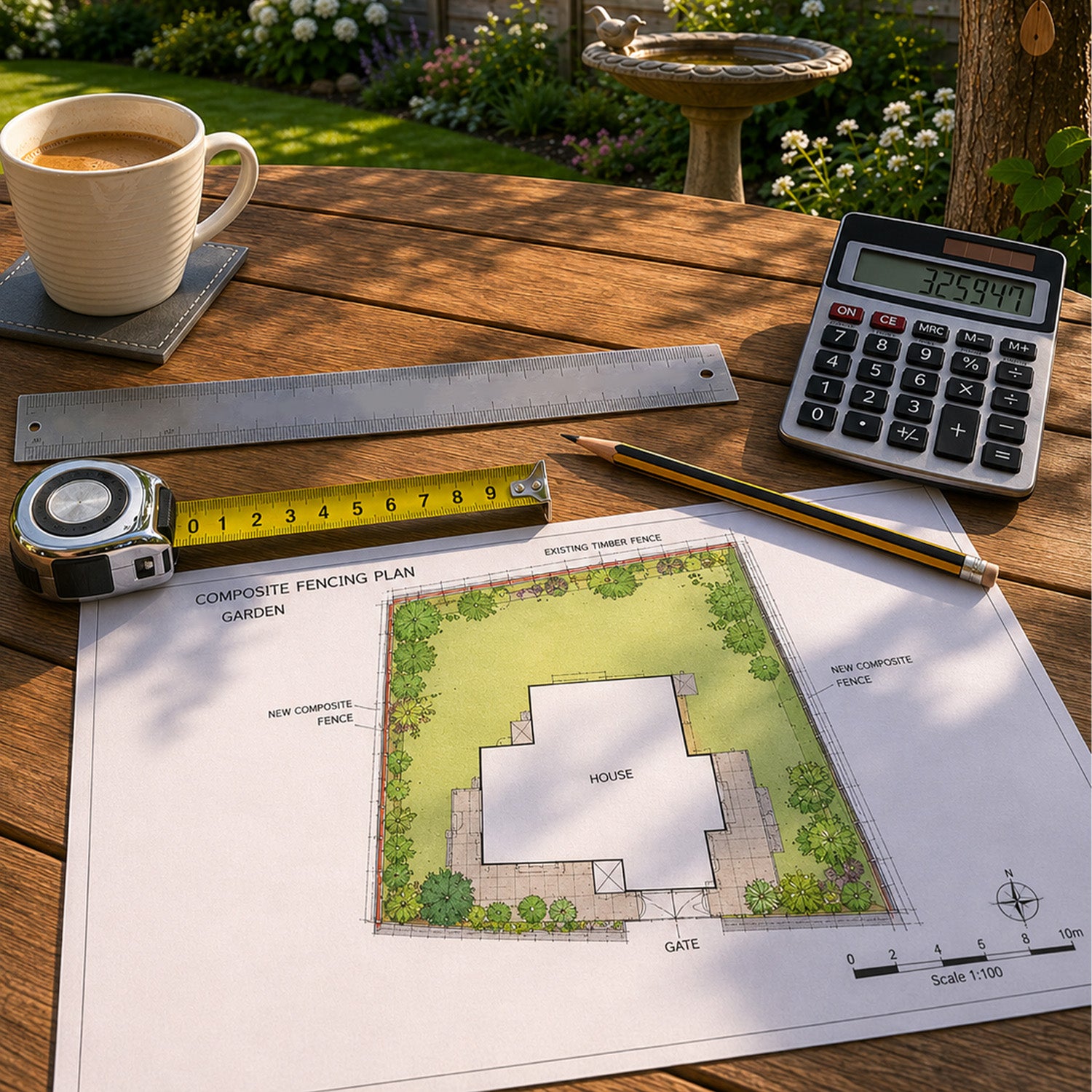
- Measure each wall separately. Record openings, corners and any returns so the material list reflects the actual project.
- Plan board runs before ordering. Review where cuts fall and which offcuts can be reused within the approved fixing layout.
- Compare suitable profiles. Decide whether a simpler finish gives you the look you want at a better total price.
- Consider a smaller feature area. A focused section around an entrance may achieve your design goal with fewer materials.
- Confirm samples early. Settling the finish before placing the order reduces the chance of a costly change of mind.
- Check any discounted stock carefully. If considering an offer, confirm quantities, condition, matching accessories and applicable terms.
Keep specified ventilation, spacing, supports and fixings in the plan. Removing required components to reduce the initial bill can compromise the installation.
A checklist for comparing cheap composite cladding
Before deciding which quote offers the best value, make sure you can answer these questions:
- What is the price per square metre of fitted coverage?
- Does the total include VAT, delivery, accessories and installation?
- Is the board capped or uncapped, and how is it expected to weather?
- Are its specifications and installation instructions available?
- Has suitability for the proposed building been confirmed?
- Can I obtain samples and compatible trims?
- What does the warranty cover, and how would I make a claim?
If essential information is missing, ask the supplier for it before buying. For a fuller planning walkthrough, read our guide to buying composite cladding.
FAQs about cheap composite cladding
What is the cheapest composite cladding?
The lowest-cost option depends on current prices, required coverage and the complete installation. Compare suitable products using a consistent specification rather than selecting the lowest price per board.
Does cheap composite cladding fade more quickly?
You cannot establish fade resistance from price alone. Check the surface construction and the manufacturer’s weathering guidance. Capped and uncapped products can have different expected colour behaviour.
Is capped composite cladding worth the extra cost?
It may be if its enhanced surface protection and finish meet your priorities. Compare the actual difference in your project quote, then weigh it against appearance, expected weathering and care requirements.
Can I save money by installing cladding myself?
Potentially, if you have the skills, equipment and access required for the job. Review the installation instructions first and include tools and preparation in your comparison. A professional quote can help you judge the work involved.
Should I order samples before buying?
Yes. Compare the shortlisted colours and textures in natural light before placing the main order. Use samples to judge the look, and the product information to assess suitability and performance.
Choose composite cladding that works for your budget
Finding affordable cladding starts with a fair comparison. Check the fitted cost, understand the product and price the complete installation before committing. The best-value option is the one that meets your project needs at a total cost you understand.
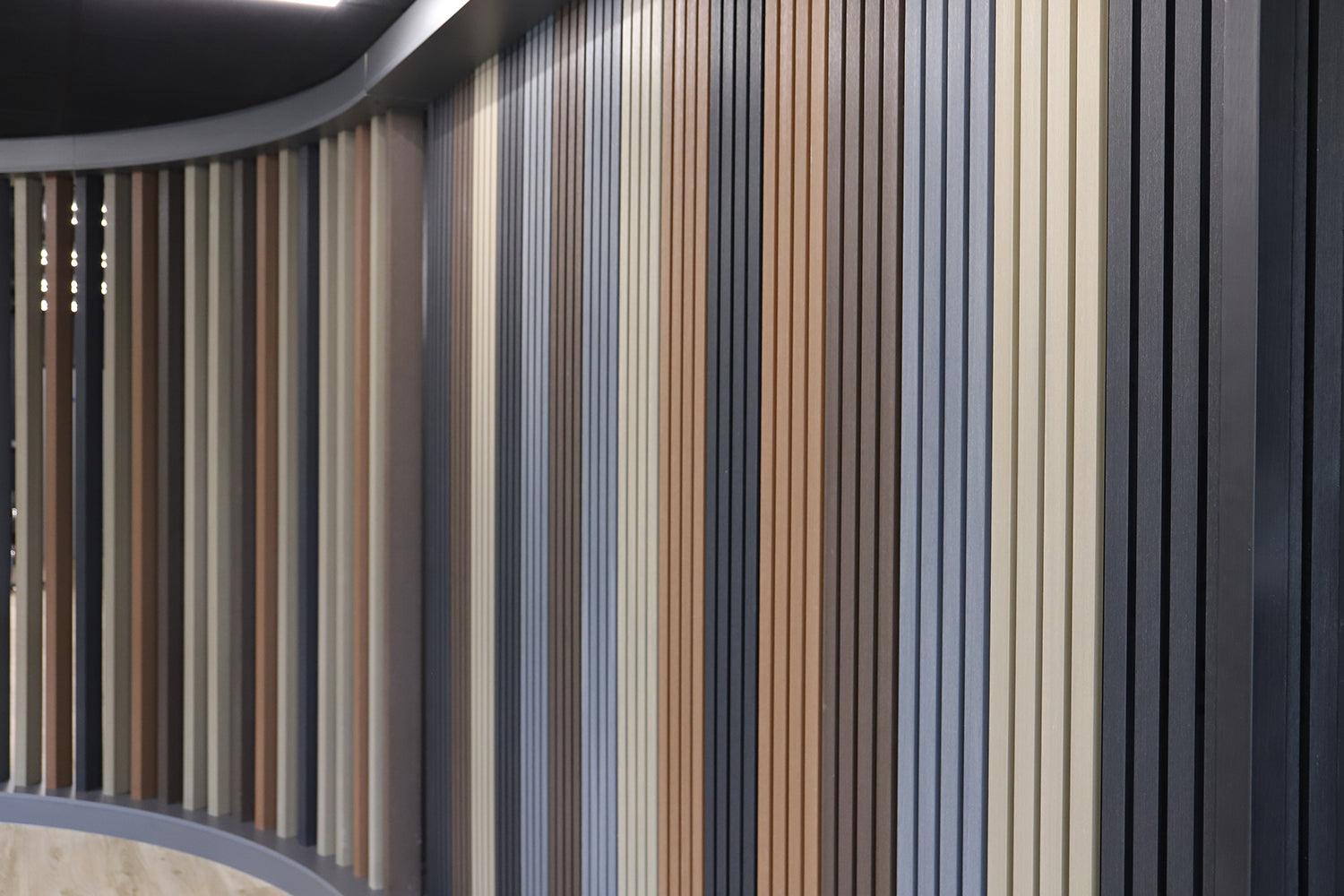
Explore the NeoTimber® composite cladding range to compare available profiles and current prices, or request free cladding samples to shortlist your preferred finish.