Compare exterior finishes to find the right alternative for your home
Cladding alternatives include render, suitable masonry paint and repairs to existing brickwork, while alternative cladding materials include timber, PVC, fibre cement and composite. The right option depends on the condition of your walls, the appearance you want, your budget and the upkeep you are prepared to undertake.
It helps to distinguish between changing the material covering a wall and refreshing the surface already there. Repointing repairs mortar joints; painting changes a suitable surface finish; a new cladding system introduces a different outer covering. They solve different problems and should be compared accordingly.
This guide explores seven options, including where NeoTimber® composite cladding could fit into your plans.
Cladding alternatives at a glance
| Option | Why consider it? | What to check |
|---|---|---|
| Timber cladding | Natural grain and a choice of weathered or coated finishes | Species, durability, detailing and coating maintenance |
| Brickwork repair and repointing | Retains the existing masonry appearance | Whether repair is needed and which mortar is compatible |
| Masonry paint | Changes the colour of a suitable existing surface | Moisture behaviour, preparation and future redecoration |
| Render | Creates a continuous textured or smooth finish | Wall condition, preparation and the appropriate render system |
| PVC cladding | An option with relatively little routine upkeep | Product quality, finish, fixings and installation requirements |
| Fibre cement cladding | Board or panel finishes, including wood-effect options | Product-specific cutting, fixing and care guidance |
| Composite cladding | Timber-style or slatted finishes without routine timber coating treatments | Capped or uncapped construction, framework and care needs |
1. Timber cladding: natural character and choice of finish
Timber is worth considering if natural grain and variation are central to your design. Its suitability depends on the species, treatment or modification, and how the boards are detailed and installed. It should not be dismissed as a short-term option simply because it is wood.
Maintenance also depends on the look you want. Some timber is specified to weather naturally, while coated timber needs the coating maintained. The Timber Decking and Cladding Association’s guidance on finishes explains why coating choice and exposure matter.
Before ordering, decide whether you prefer a changing weathered appearance or want to retain a particular colour. If you are comparing this with a wood-effect composite finish, our composite cladding versus wood guide is a useful next step.

2. Brickwork repair and repointing: retain what is already there
If you like your existing brickwork, repairing it may be more appropriate than covering it. Repointing replaces defective mortar in the joints between bricks or stones. It is maintenance of the existing wall rather than a new decorative cladding layer.
Not every wall needs wholesale repointing. Have its condition assessed, particularly on an older property, and use mortar and techniques appropriate to the masonry. Historic England’s repointing guidance explains that unsuitable work can harm both appearance and durability.
This route is worth exploring when preserving original character is a priority. It will not create the visual transformation of a new board finish, but that may be exactly why it suits your home.

3. Masonry paint: refresh a suitable exterior surface
Painting can change the colour of an existing exterior without adding boards. It may suit an already-painted wall or another surface confirmed as suitable for the chosen coating. Preparation, surface condition and paint compatibility are central to the result.
Paint should not be used to disguise unresolved damp or deteriorating masonry. Older brick and stone walls need particular care: Historic England’s redecoration advice highlights moisture problems and the difficulty of removing unsuitable modern paint.
Include preparation, access and future repainting in your budget. If the wall needs repairs first, those costs remain part of the project regardless of the colour you choose.

4. Render: a continuous finish instead of visible boards
Render is an alternative to the repeated lines of board cladding if you prefer a more continuous surface. It can form part of a simple exterior scheme or be combined with a smaller feature area in another material.
The appropriate system depends on the wall beneath it. Existing masonry is not automatically ready to accept render; preparation and compatibility need checking. Weber’s guidance on rendering existing masonry explains why the condition and adhesion of the substrate matter.
Ask an installer to specify the complete system and explain its care requirements. Compare the installed quote, including preparation and details around openings, rather than the cost of the finish material alone.
5. PVC cladding: compare the finish and the complete system
PVC cladding is another option when reducing routine upkeep is a priority. Products vary in profile and appearance, so assess physical samples instead of assuming that every PVC board will look or perform the same way.
Check the selected product’s installation requirements, colour options, matching trims and warranty. Freefoam’s technical FAQs provide an example of the product-specific information to look for when assessing a PVC system.
Compare full quotes with your other shortlisted materials. PVC should not automatically be labelled the cheapest option, and a board price cannot show the cost of framework, accessories or fitting.
6. Fibre cement cladding: another board-based option
Fibre cement is worth adding to your shortlist if you want a manufactured board finish. Wood-effect weatherboards are available, offering a different material route to a textured exterior.
Some systems are designed for low maintenance, but installation and care remain product-specific. Review cutting, handling, fixing and finishing requirements with your installer. Marley’s fibre cement FAQs are one source of manufacturer guidance.
Look at the complete specification, including relevant fire-performance information. Do not assume that every product within a material category has the same classification or is suitable for every building.
7. Composite cladding: timber-style texture with reduced routine upkeep
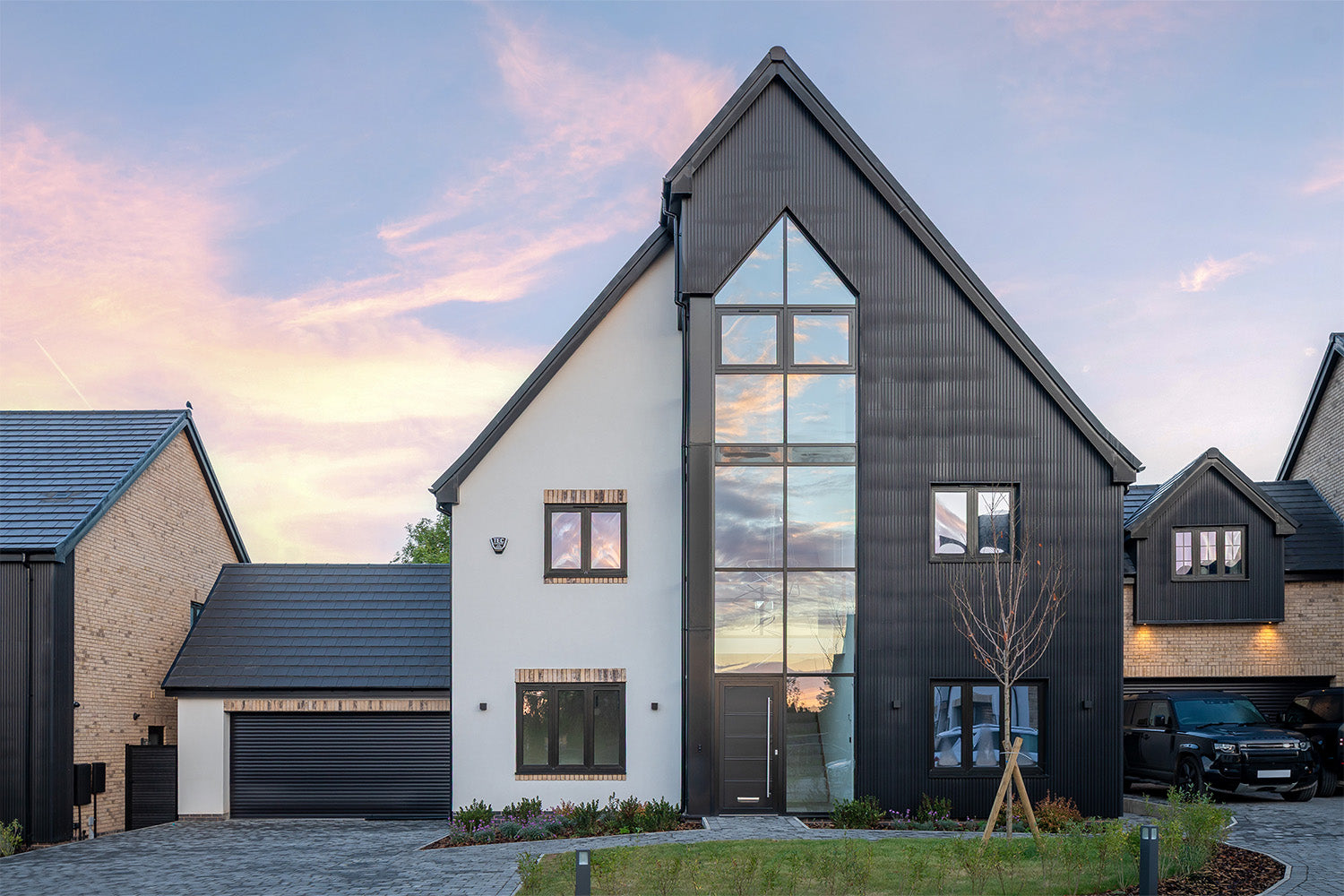
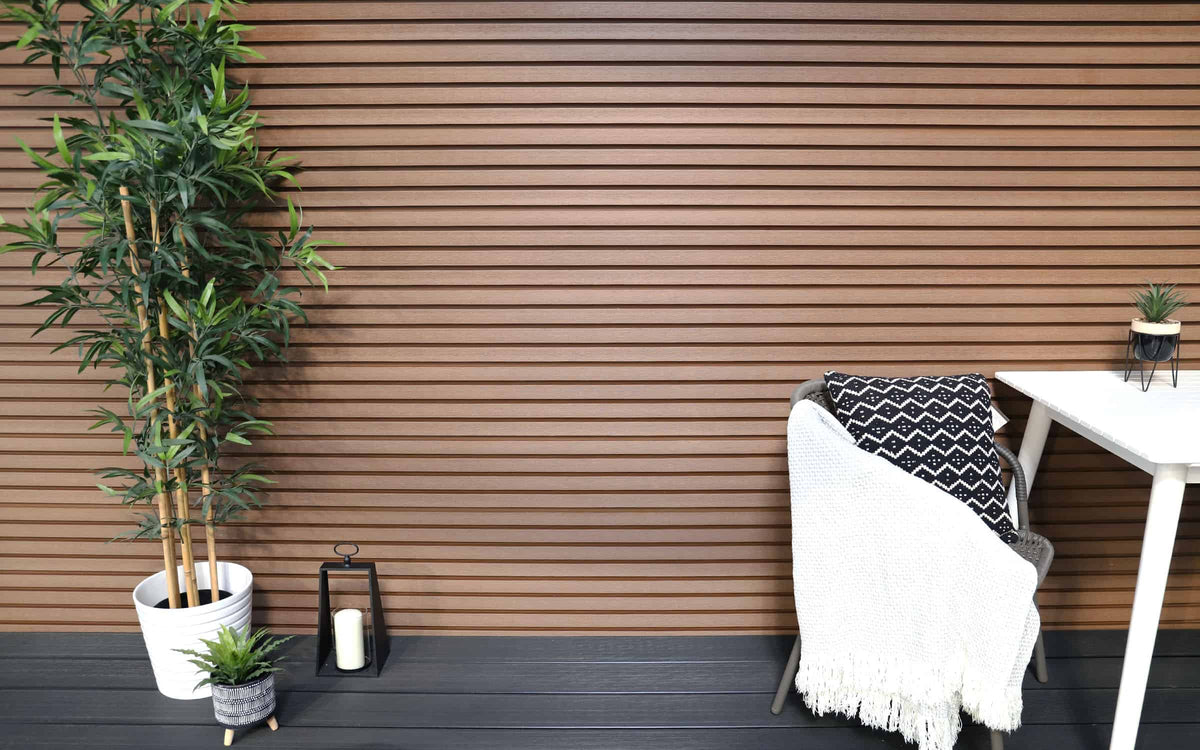
Composite cladding blends wood fibres and plastic to create manufactured boards. It is worth considering if you want a timber-style or slatted exterior without a regular painting or staining routine. Periodic cleaning is still part of its care.
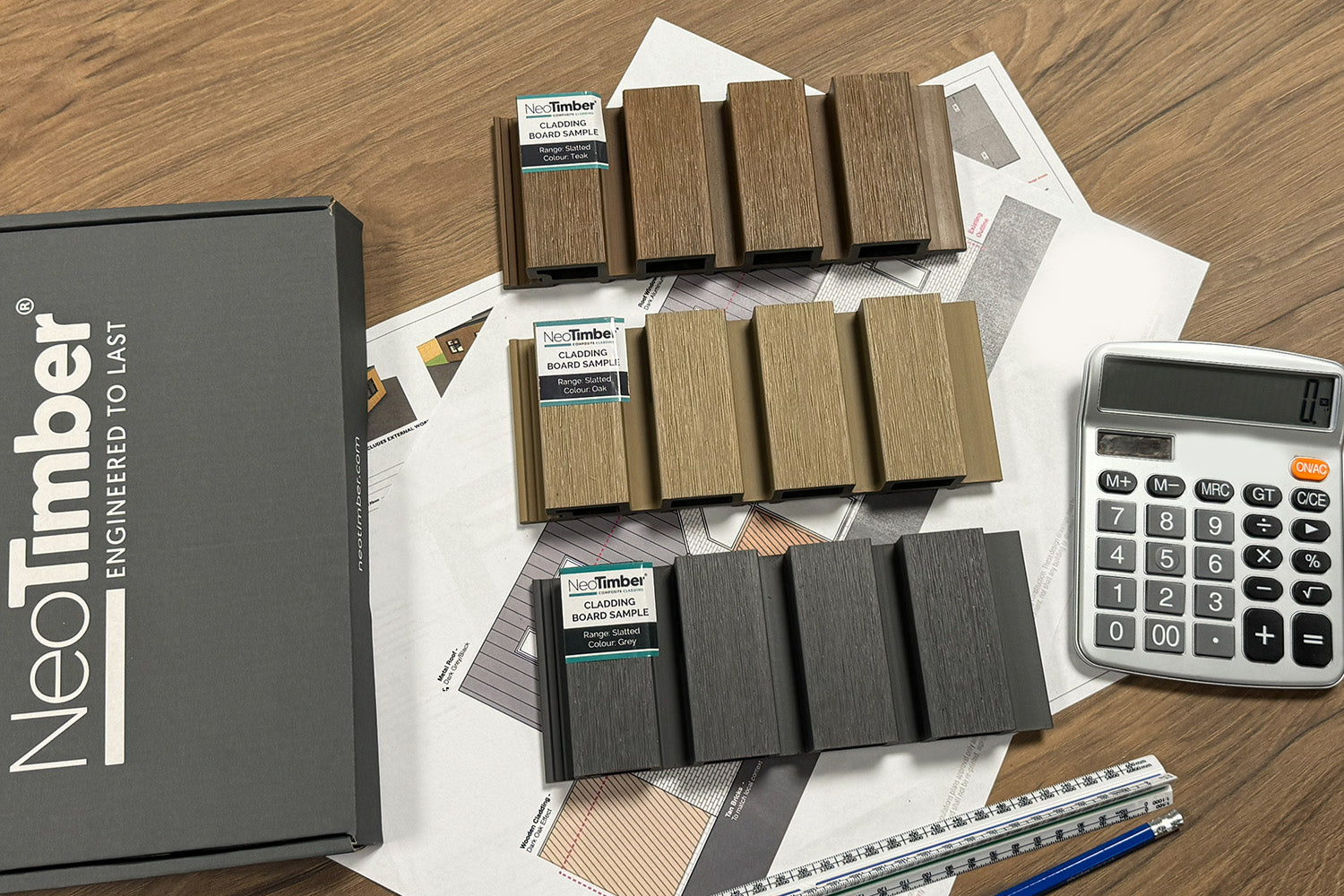
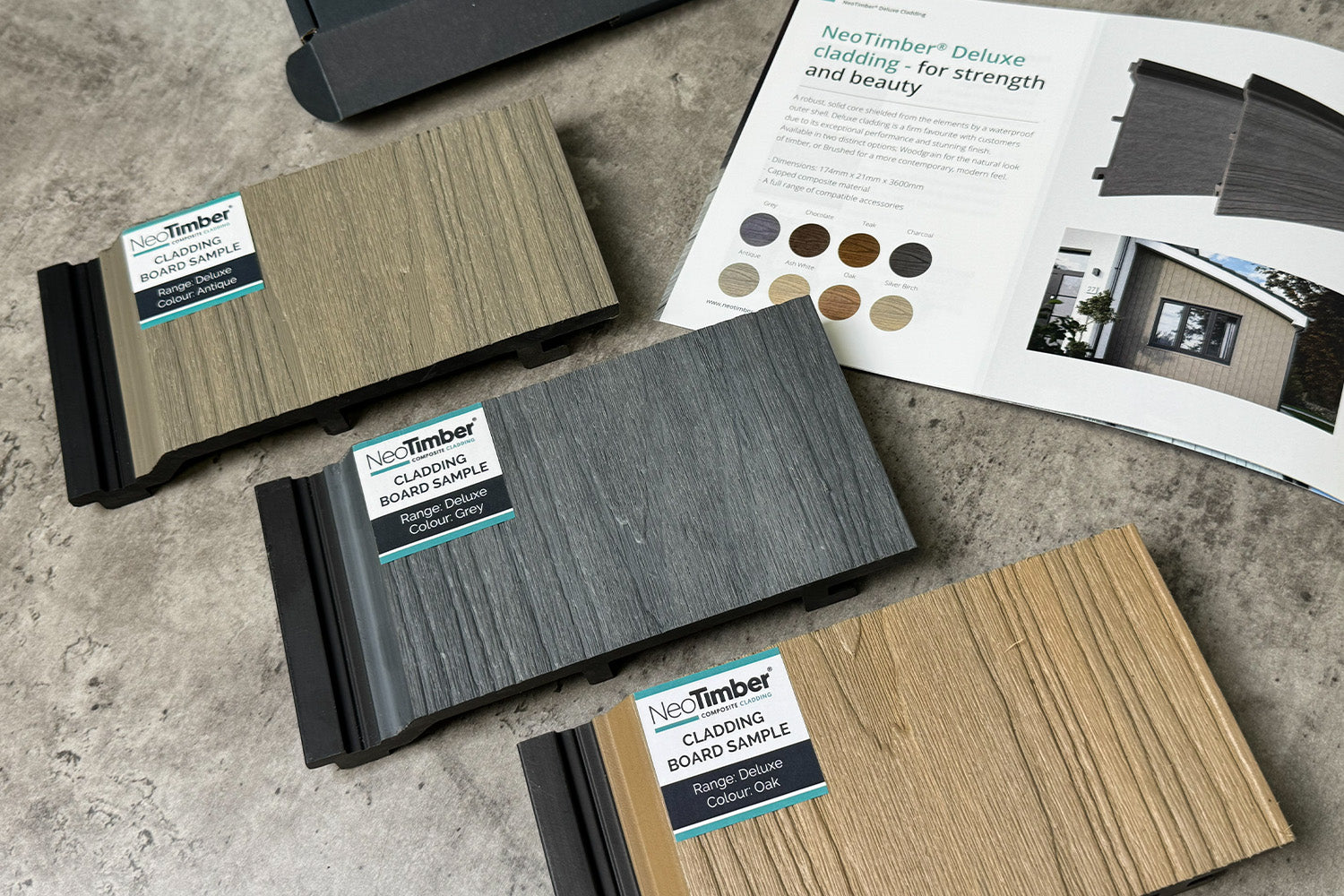
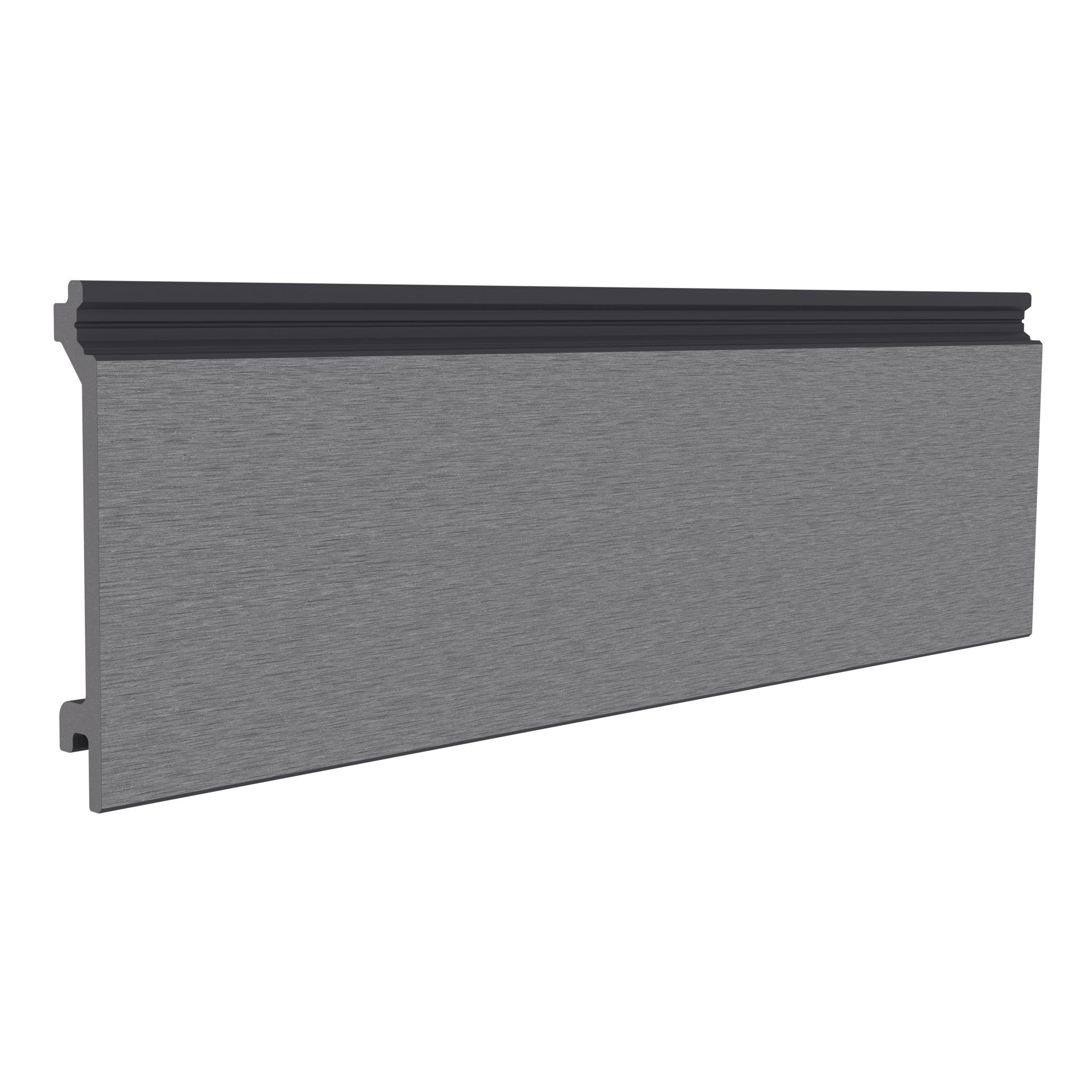
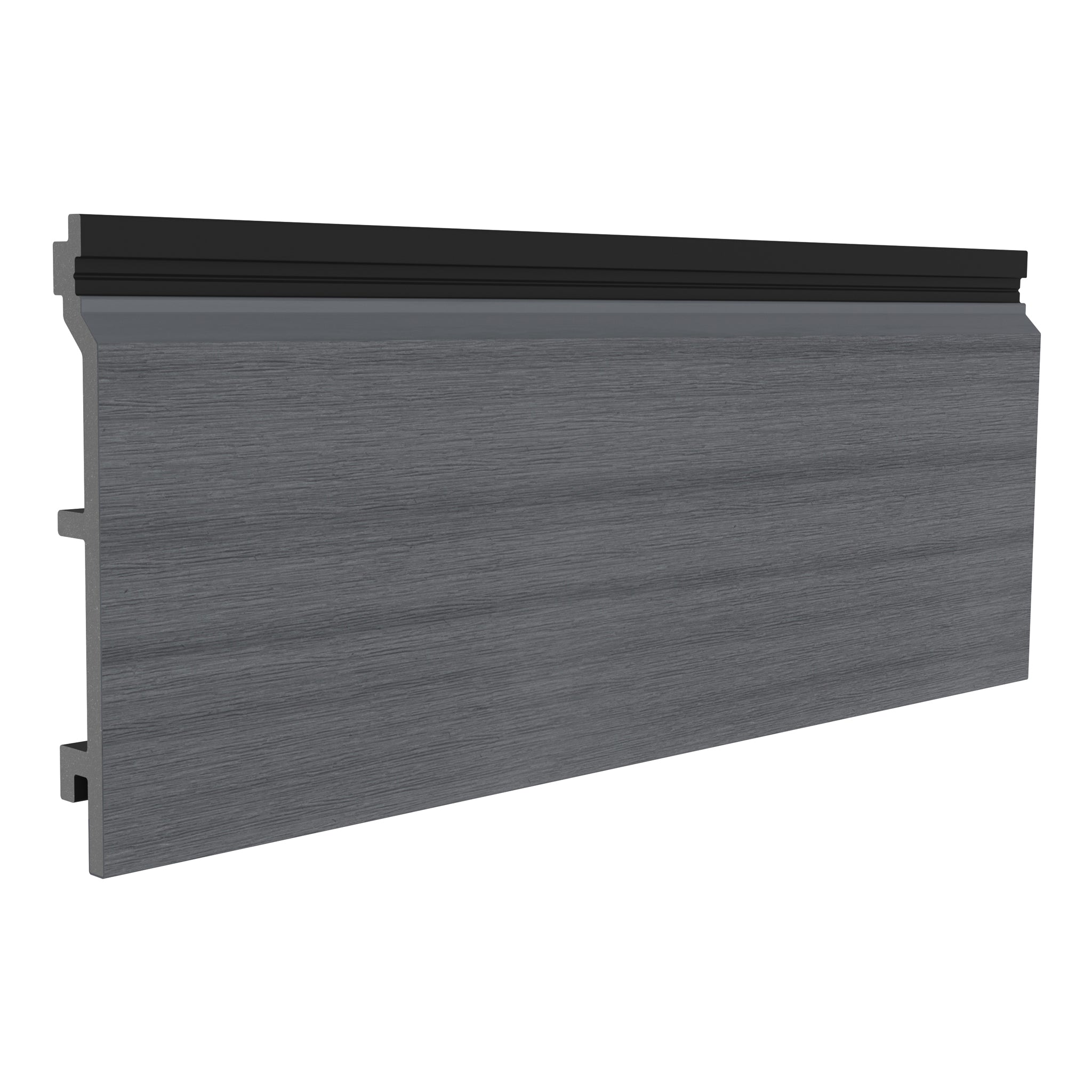
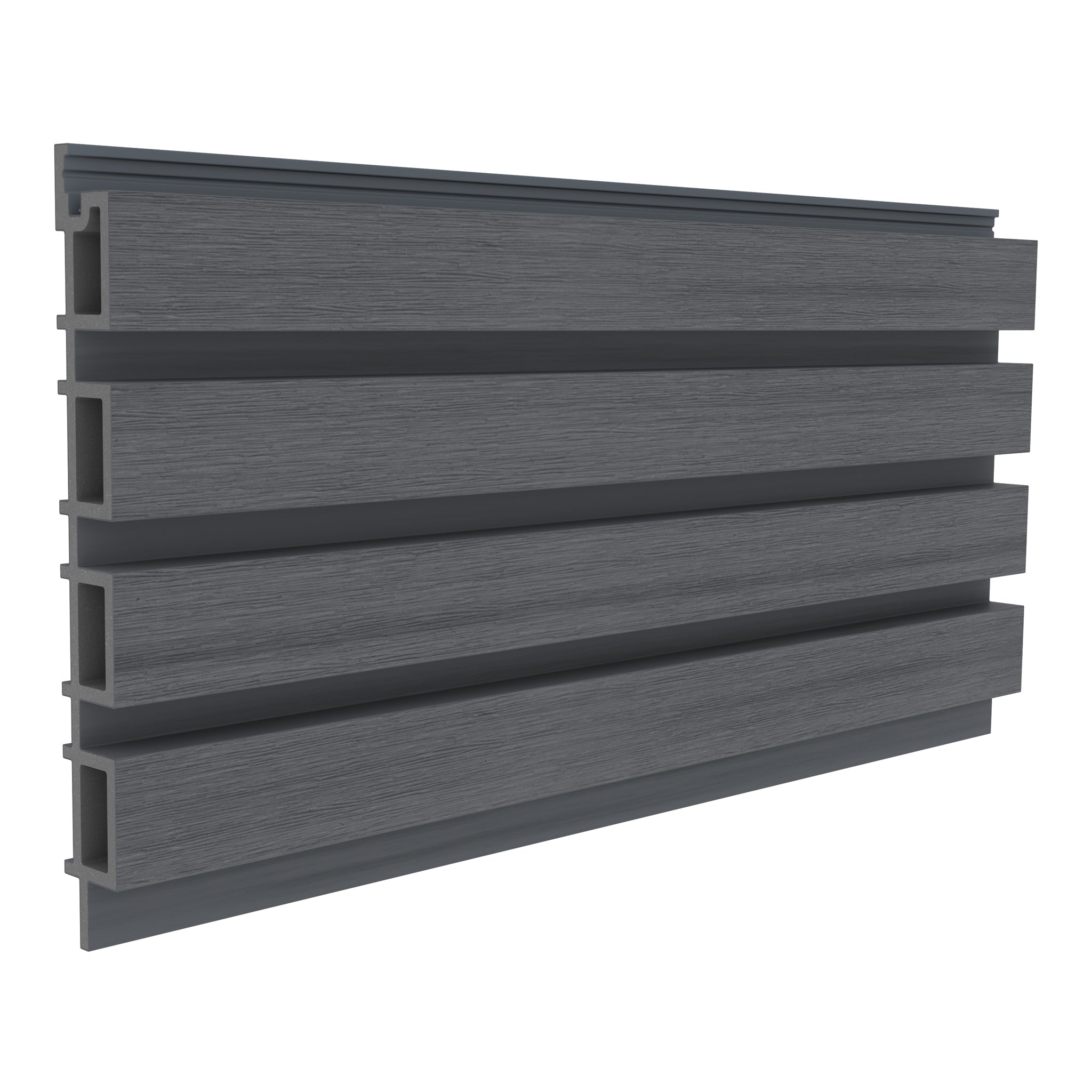
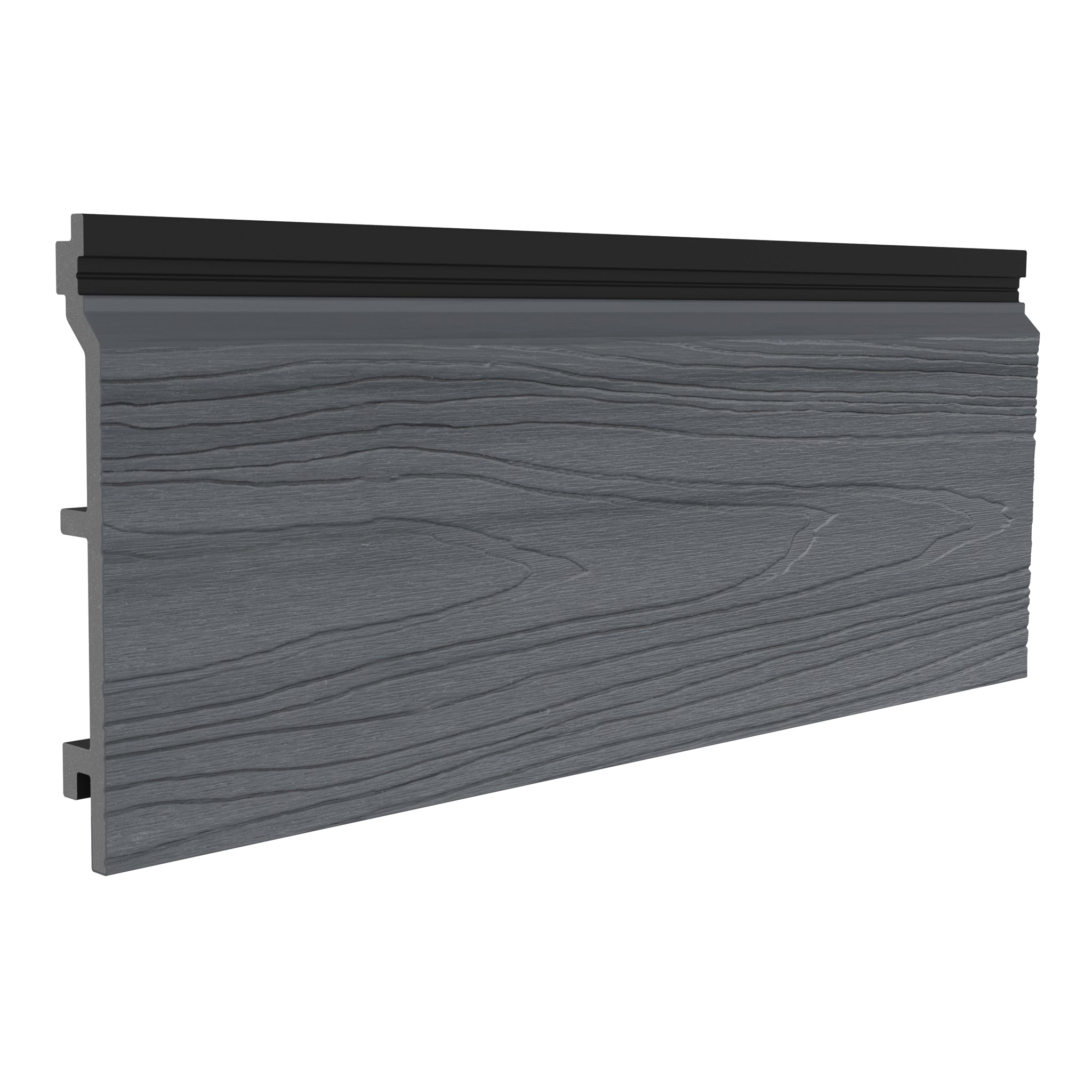
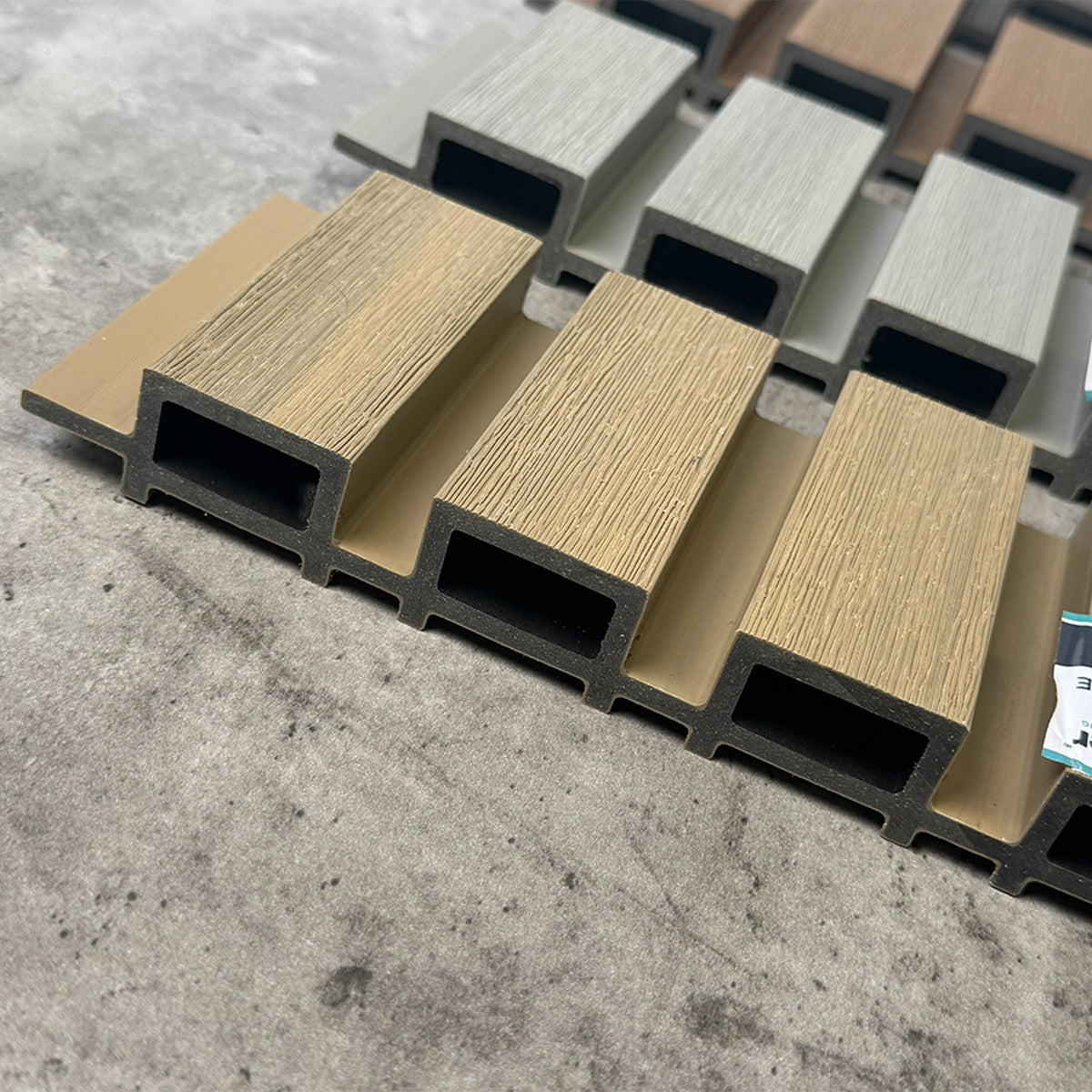
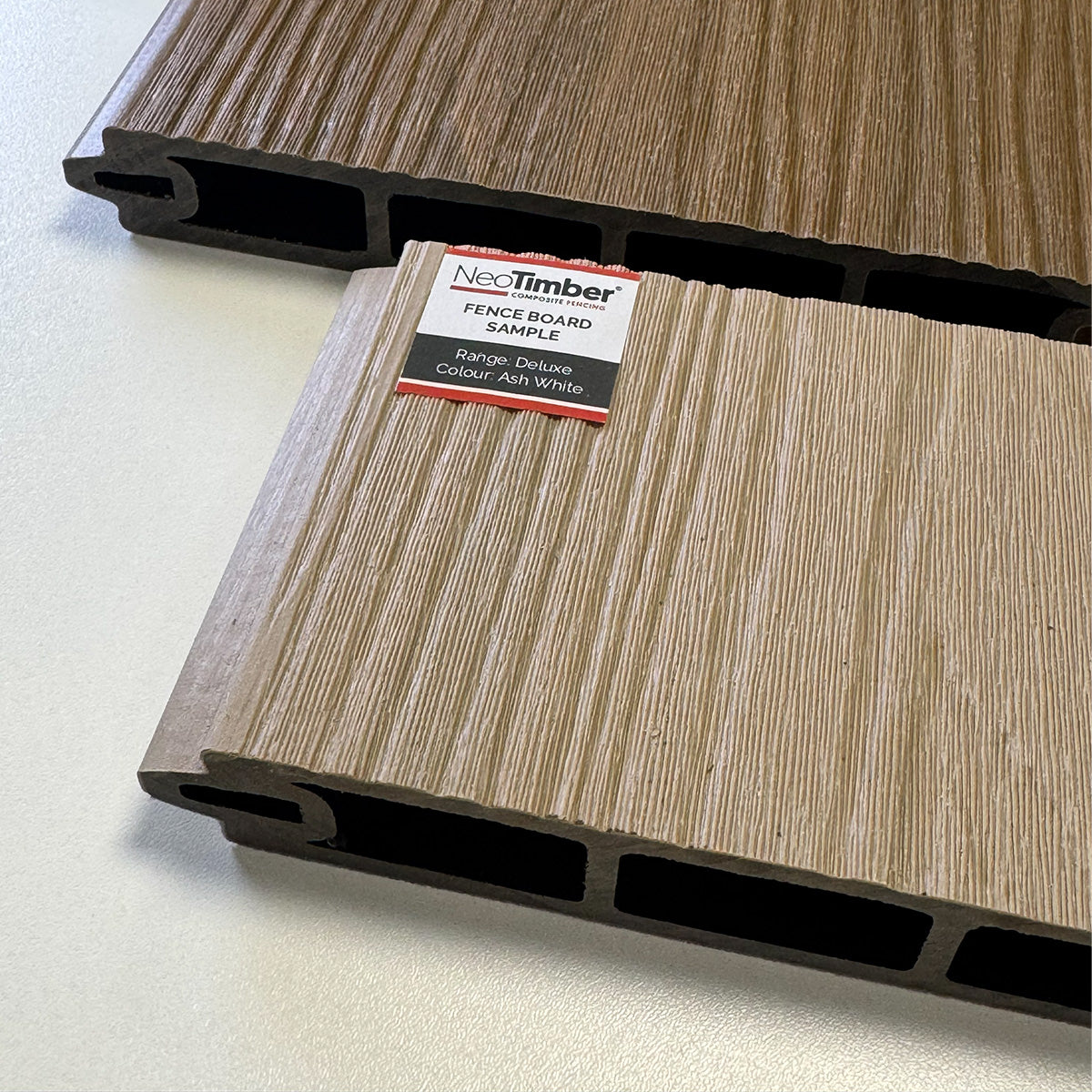
The NeoTimber® range offers different approaches to the finish. Compare Classic composite cladding with capped Deluxe and Slatted options. Capped boards offer enhanced fade and stain resistance, while the profile determines how the surface pattern reads across the wall.
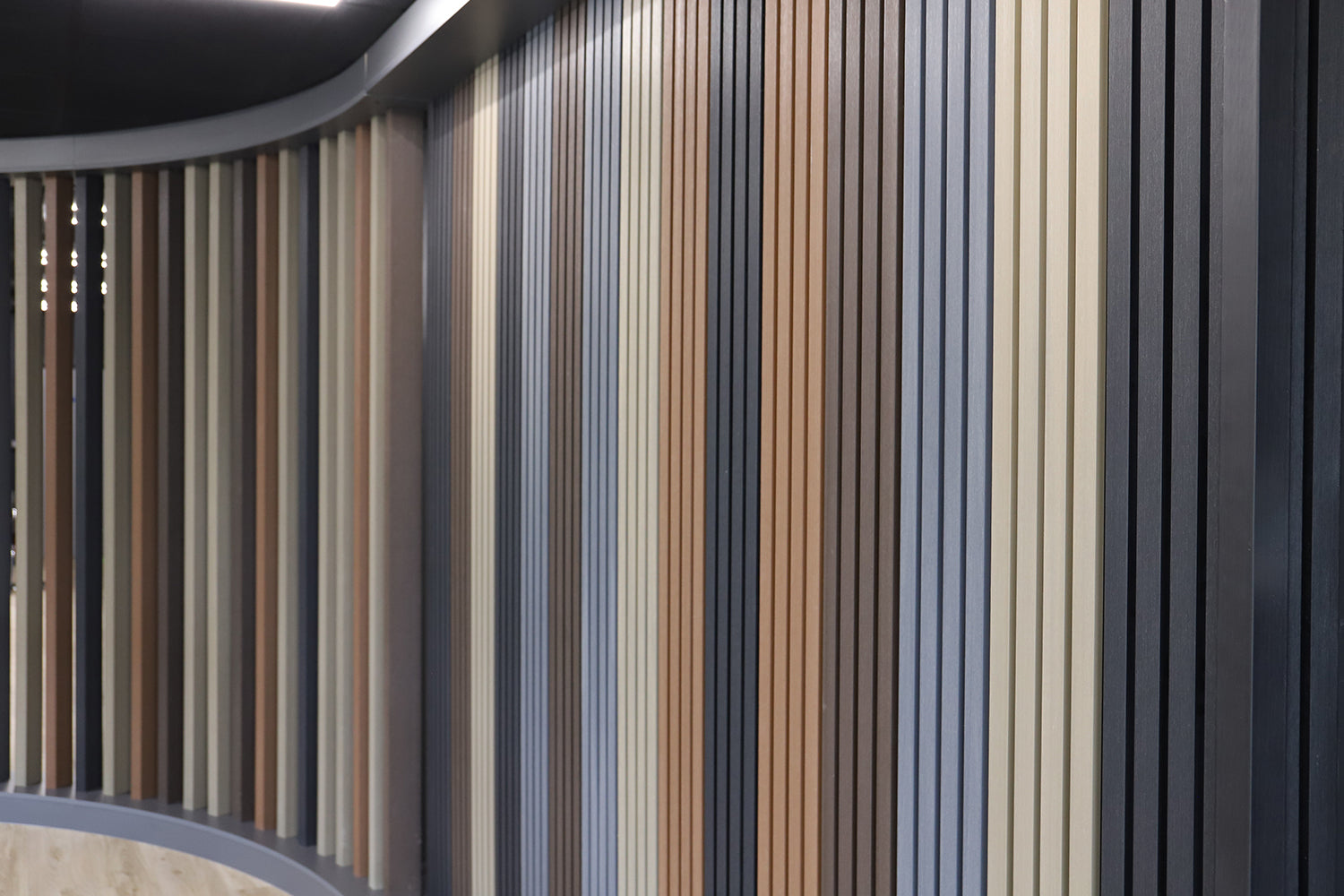
Use the cladding colour guide to shortlist tones, and include compatible trims and accessories in your comparison. Composite is a finish to consider within a suitable wall system, rather than a way to repair structural defects.
How to choose between cladding alternatives
Start with the condition of the wall
Establish whether the project is primarily a repair, a change of appearance or part of a wider renovation. Resolve defects before deciding how to cover or decorate the surface. A finish should be chosen around the building’s needs.
Compare the total installed cost
Ask for quotes based on the same scope. Include preparation, materials, framework where needed, fixings, trims, labour, access and waste removal. Then consider future cleaning, coating or repair requirements. There is no universal cheapest option across all properties.
Use colour, texture and layout together
Think about the whole elevation: roofline, windows, doors and existing materials. You may prefer a single finish, or a smaller cladding feature alongside retained brickwork or render. Sketch the boundaries between materials before committing.

Check permissions and technical suitability early
Before changing the exterior, check with your local planning authority and building control which requirements apply. Listed buildings and protected locations need particular attention. Requirements depend on the property, location and proposed work; do not assume that painting or repointing automatically avoids the need for advice.
Confirm that the selected product and complete wall design suit the building, including relevant fire-performance and moisture-management requirements. Have these questions settled before ordering materials.
FAQs about cladding alternatives
What can I use instead of exterior cladding boards?
Depending on the wall’s condition, you could retain and repair masonry, paint a suitable surface or use an appropriate render system. These options change or restore the existing wall finish rather than adding a board-based appearance.
What are the alternatives to timber cladding?
Composite, PVC and fibre cement are options to compare. Each has different product specifications and finishes, so choose using samples, installation guidance and a complete project quote.
Which cladding alternative needs the least maintenance?
Several manufactured systems offer reduced routine upkeep, including composite, PVC and some fibre cement products. Compare the actual cleaning and care instructions for the shortlisted products rather than relying on the material name.
Is painting cheaper than cladding?
Painting a sound, suitable surface may involve less work than adding a new cladding system, but repairs, preparation and access can change the cost substantially. Get quotes for the same wall and account for future redecoration.
Can I combine cladding with brickwork or render?
Yes, where the materials and construction details are suitable. Plan the junctions, edges and water-management details with your installer so the finishes work together.
Explore a finish that suits your property
The best cladding alternative is the one that meets your building’s needs and gives you the appearance and maintenance routine you want. Compare the complete installation and long-term care before selecting your material.
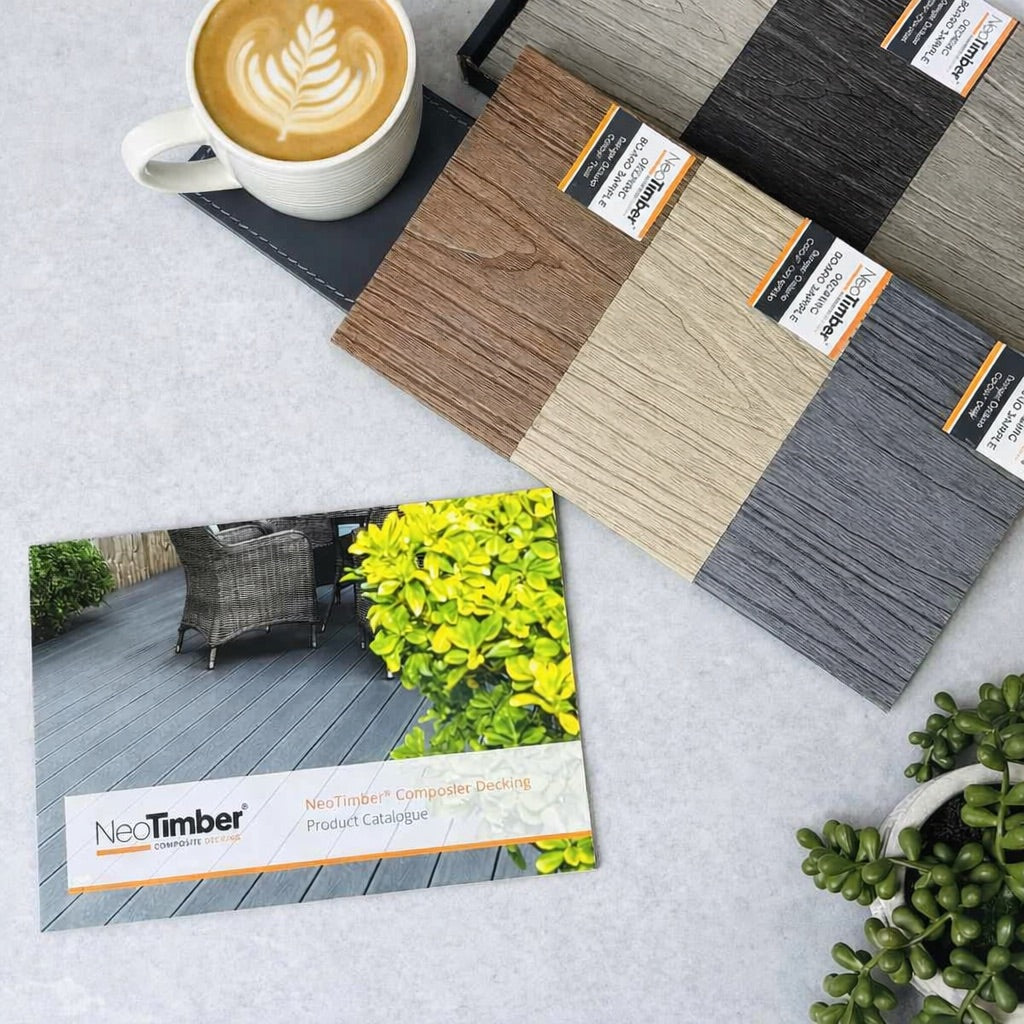
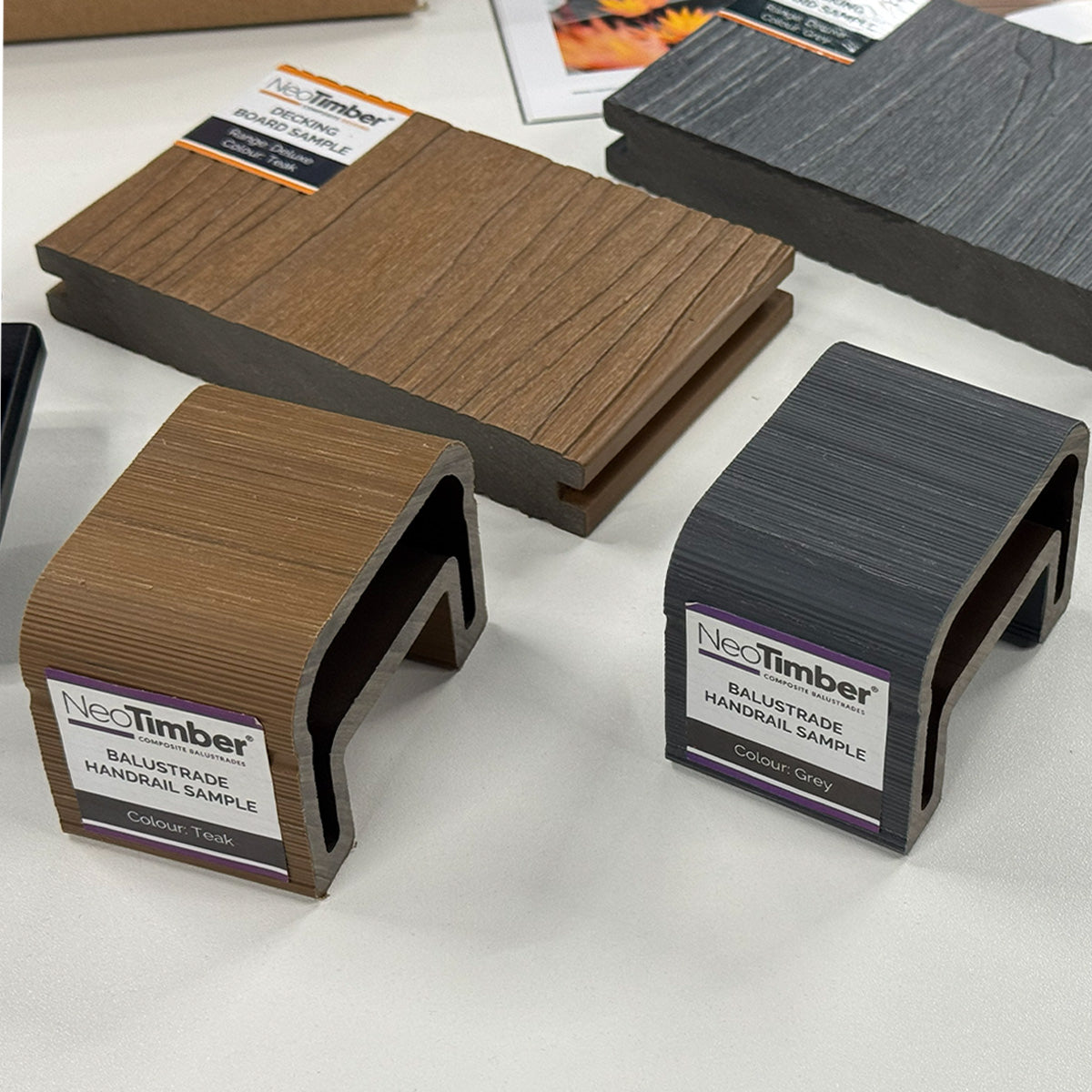
If composite is on your shortlist, request free NeoTimber® cladding samples to compare colours and textures at home. You can also contact the NeoTimber® team to discuss the range and your project requirements.