How Does Timber-Look Composite Cladding Handle the Elements?
Rain, sunlight and changing temperatures all influence how an exterior ages. If you want a timber-inspired finish with less routine treatment, composite timber cladding is worth considering. It combines wood fibres and polymers to create exterior boards with a manufactured surface and a choice of colours and profiles.
However, weather resistance involves more than the board itself. The finish you choose, the way it is fitted and the construction behind it all affect performance. This guide explains what to look for when comparing composite timber cladding panels, how to plan your wall finish and what care it will need.
What Is Composite Timber Cladding?
Composite timber cladding usually refers to wood-plastic composite cladding: a material that combines wood fibres with polymers. It offers a timber-inspired appearance while reducing the need for routine painting or staining. The precise formulation and surface construction vary between products, so always compare the specification of the range you are considering.
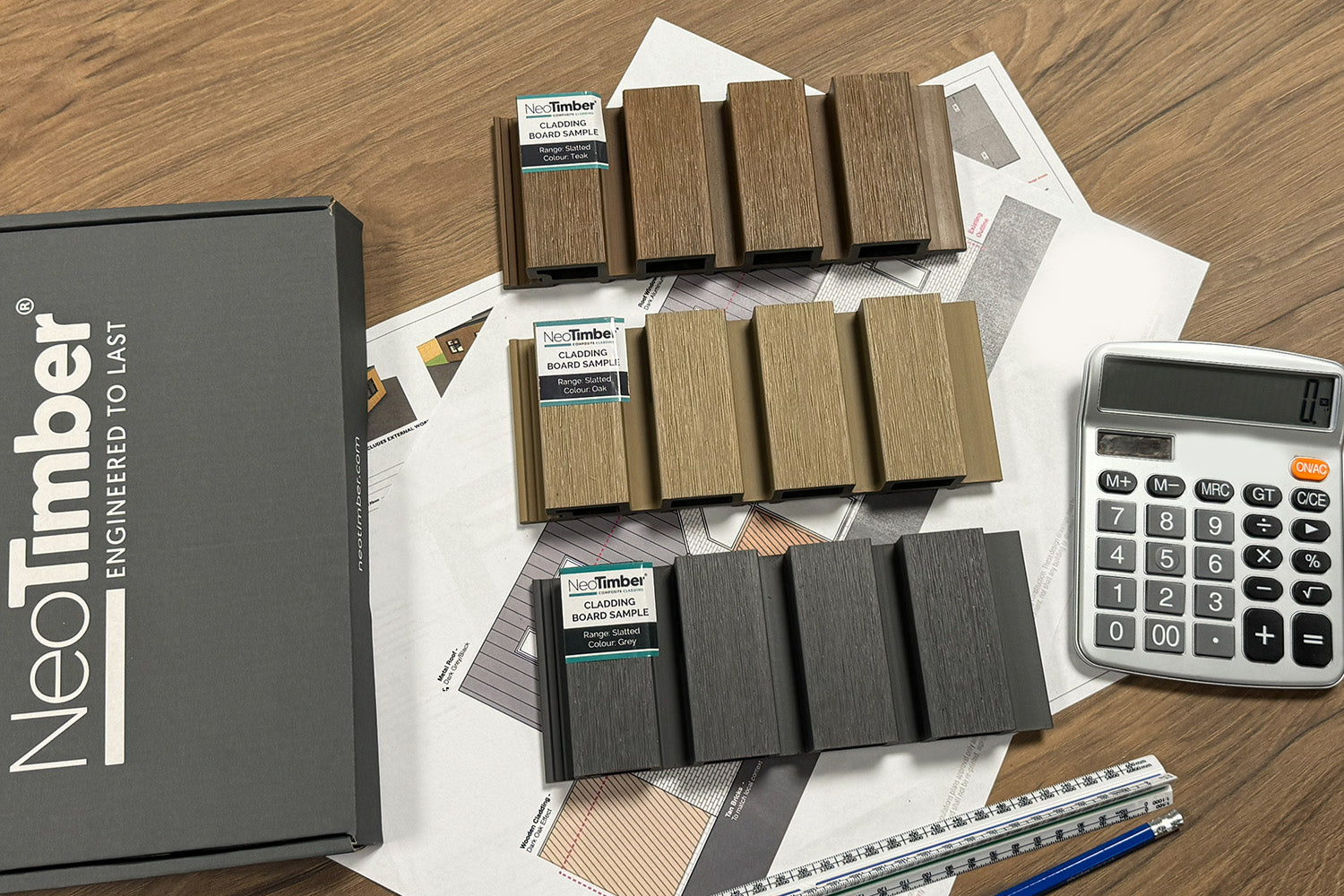
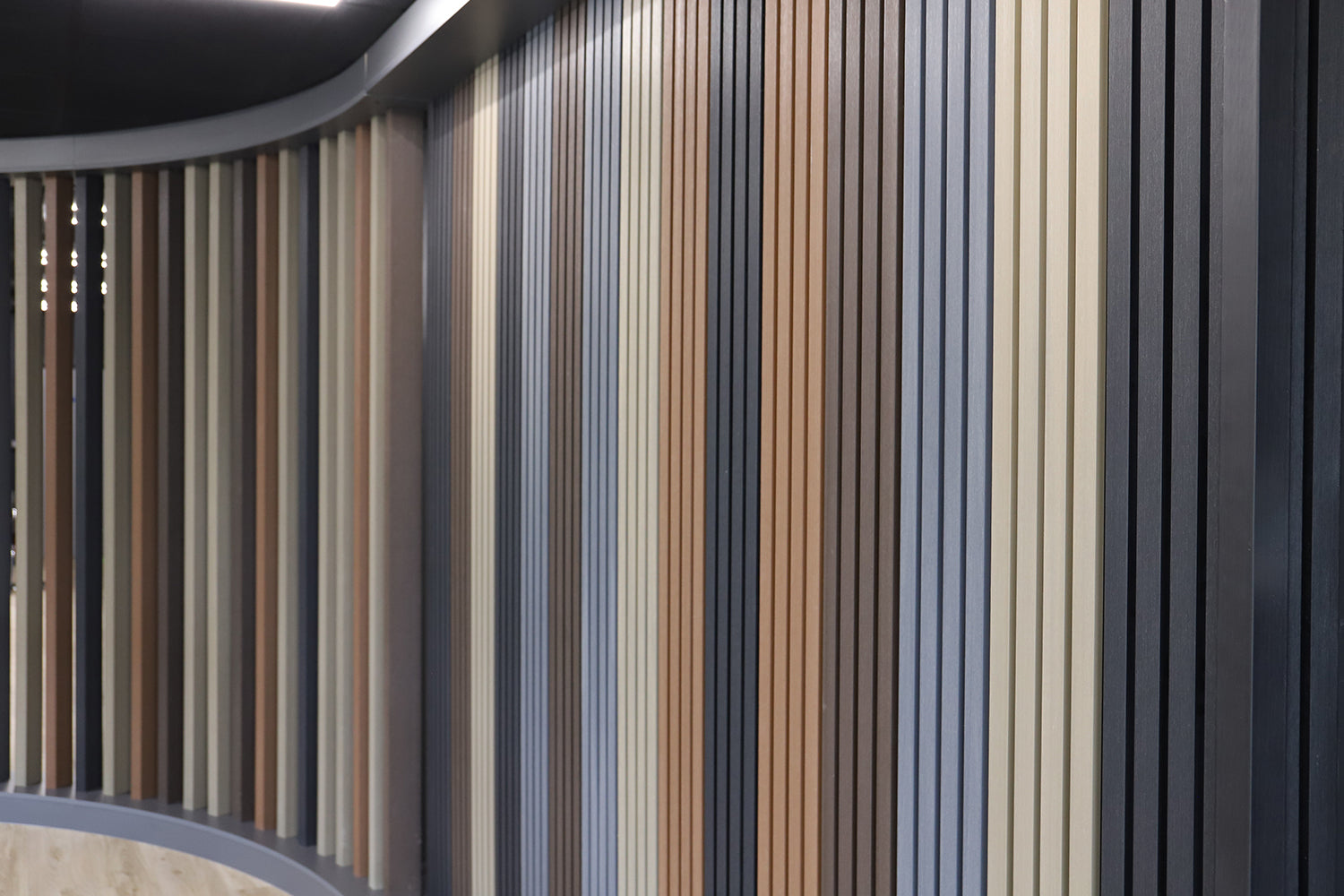
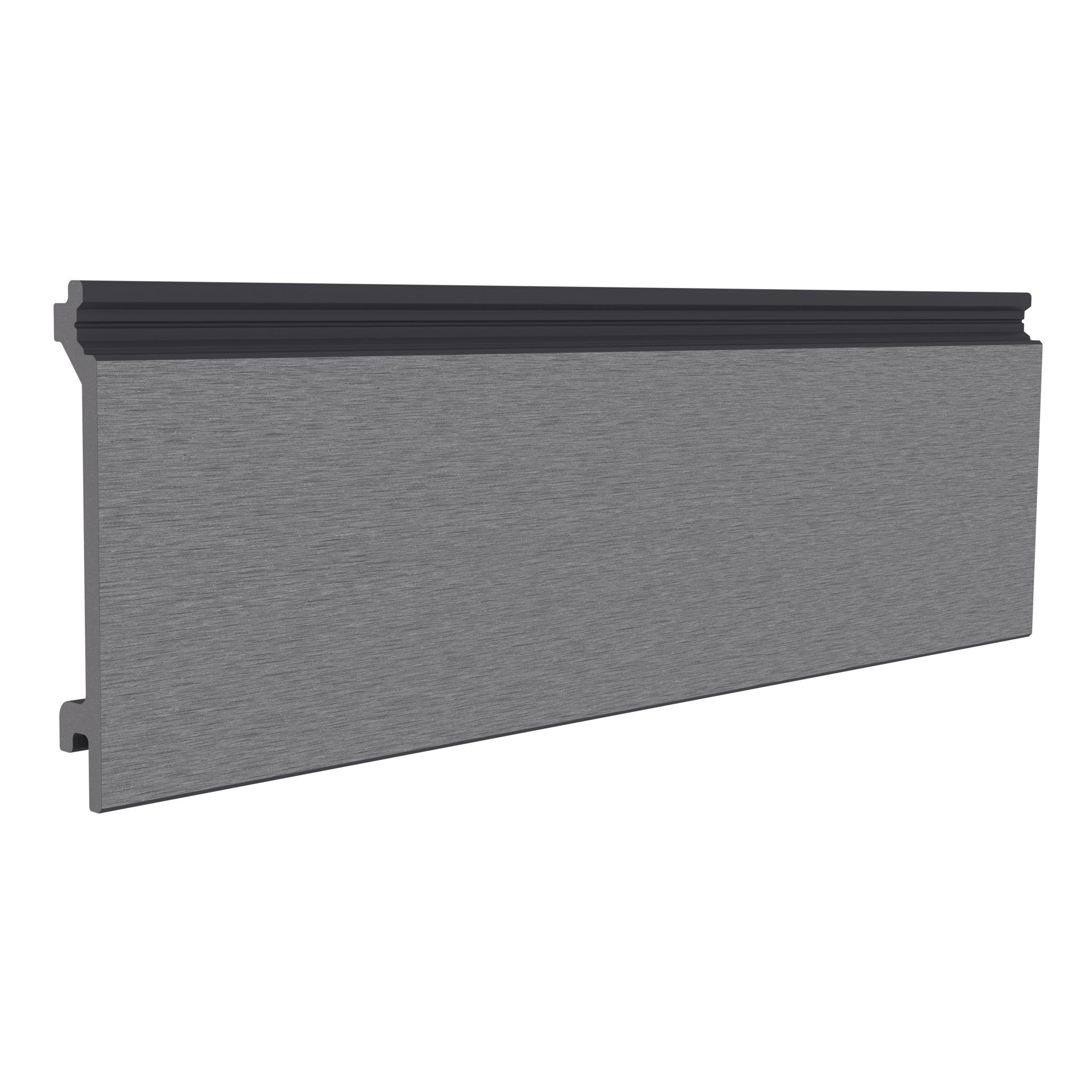
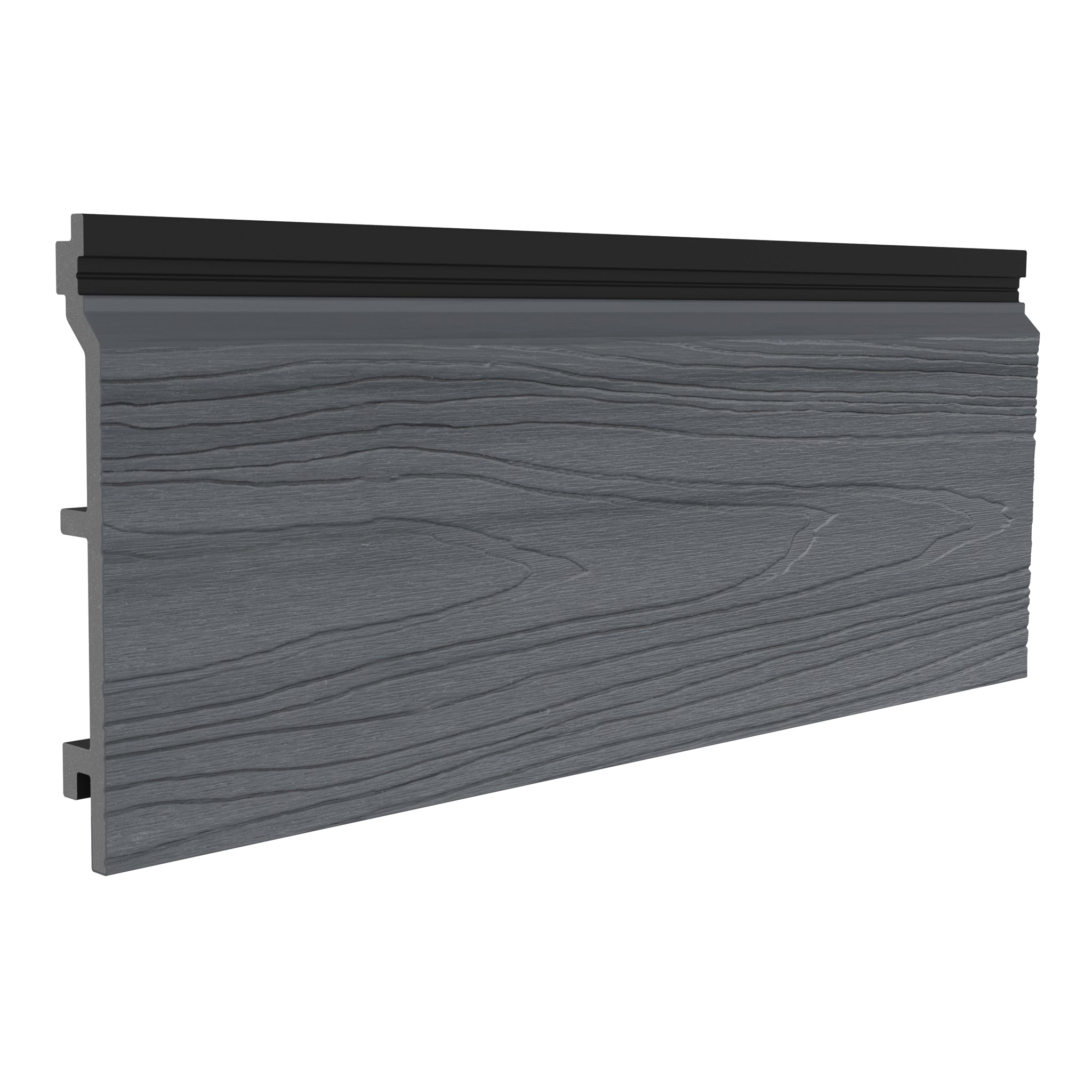
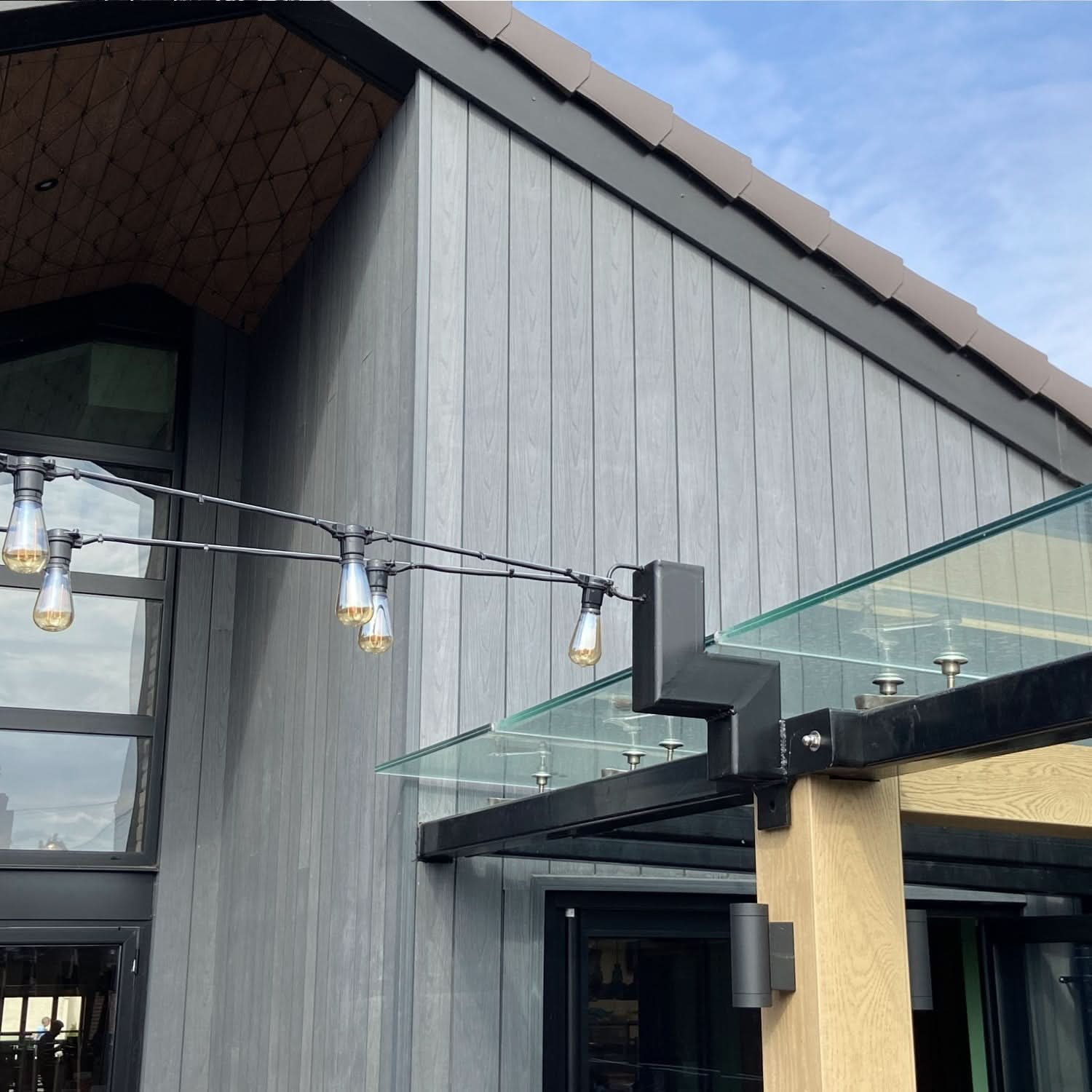
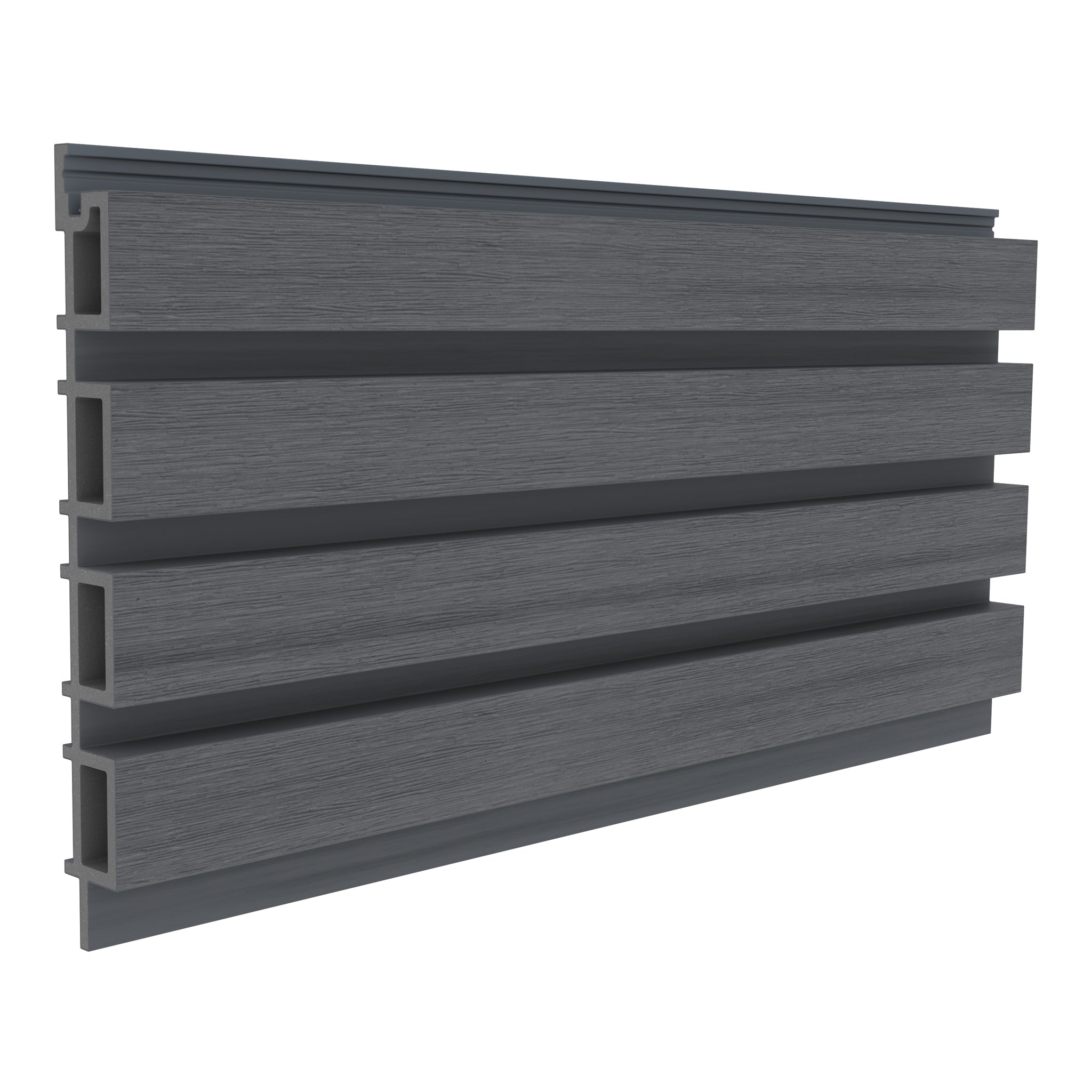
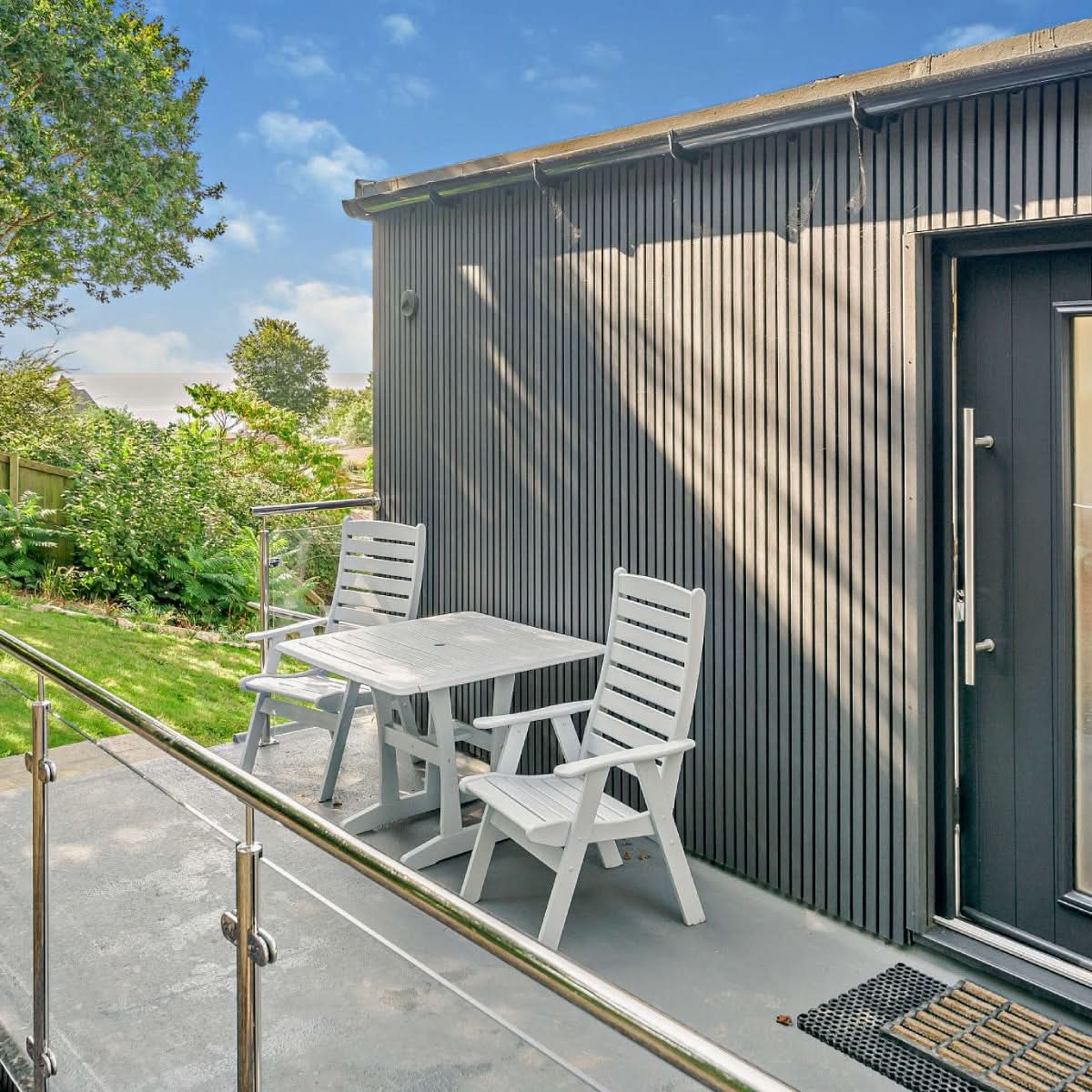
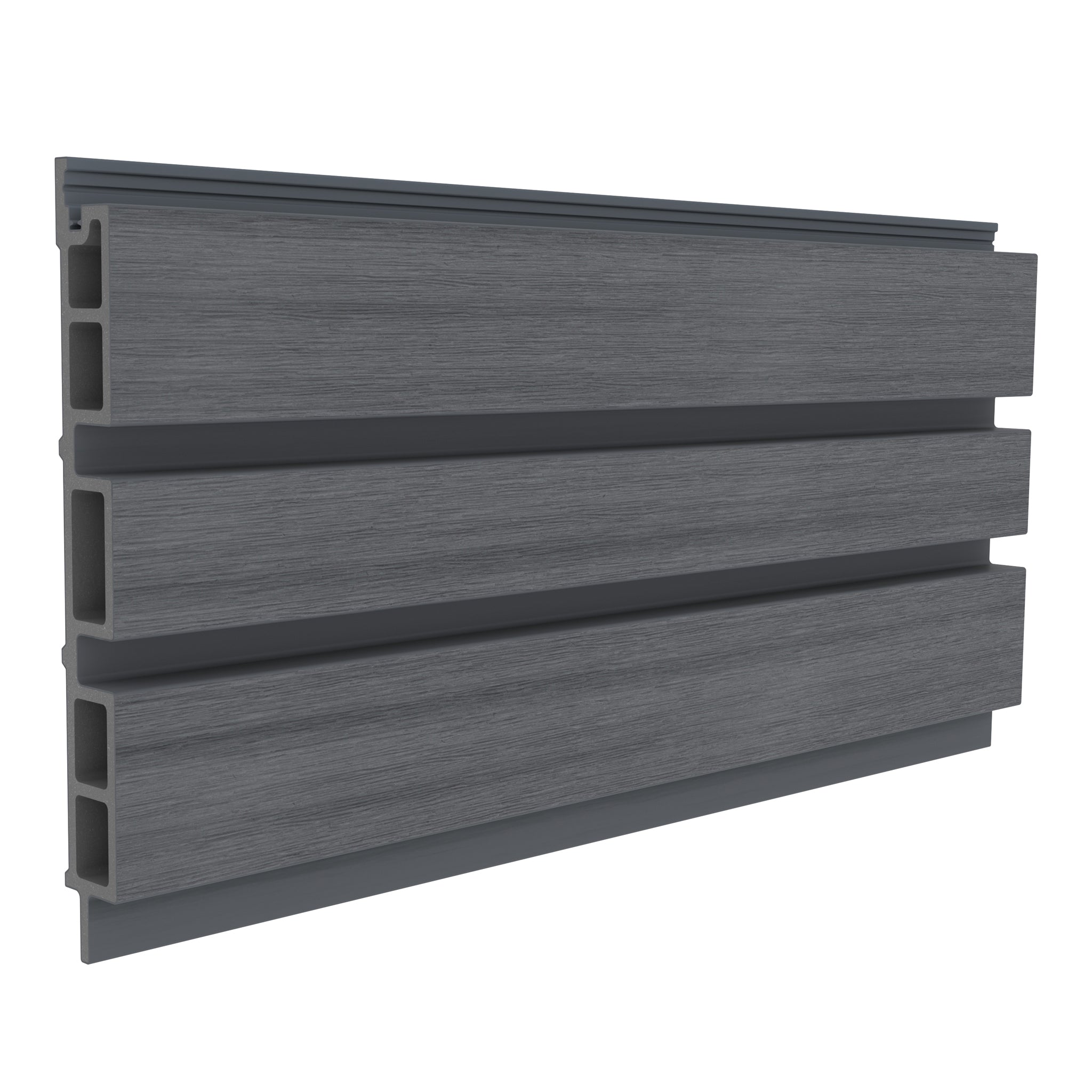
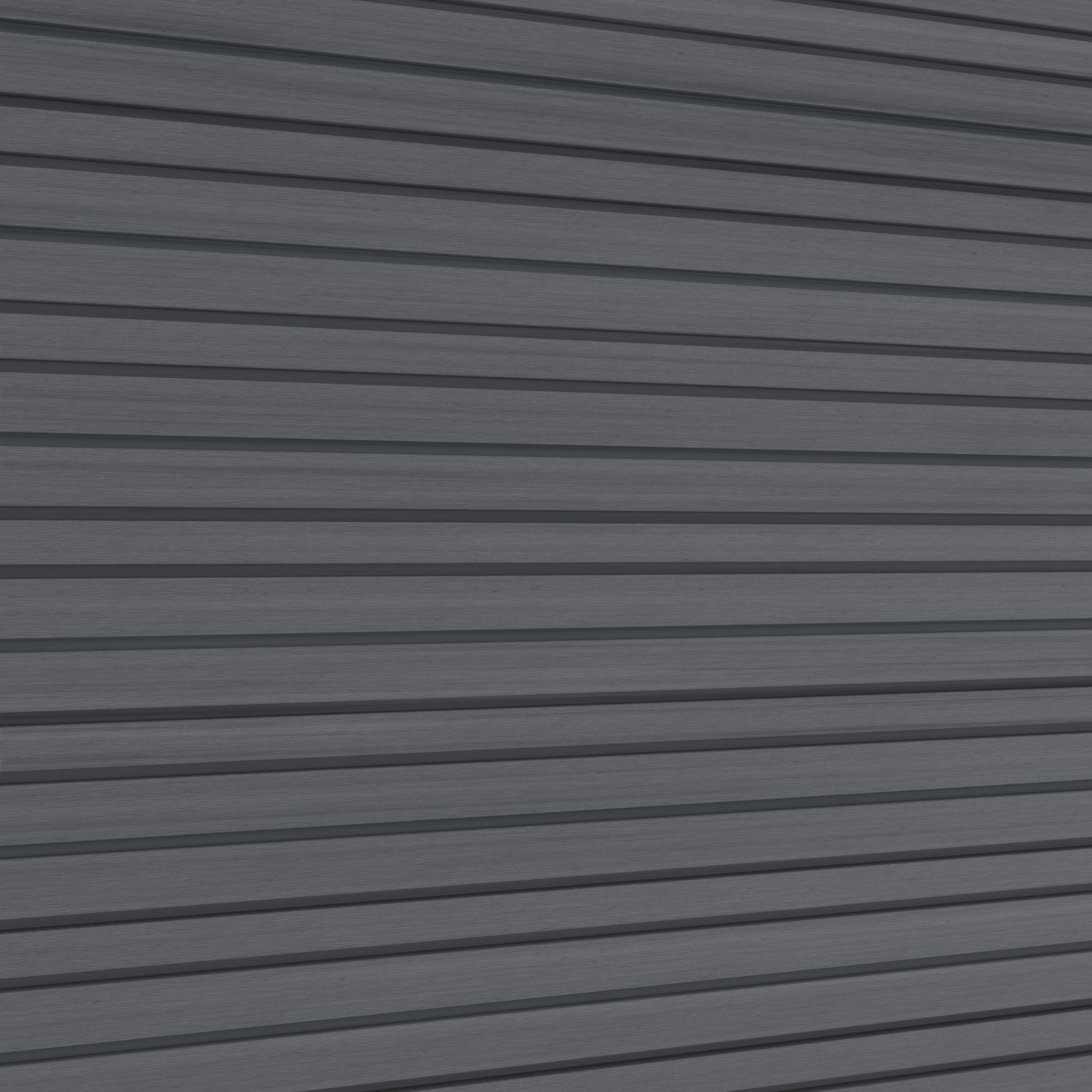
NeoTimber’s composite cladding collection includes different profiles and finishes. Some create a broad boarded appearance; others introduce a slatted effect. These design choices let you adjust the texture and rhythm of an exterior without relying solely on colour.
Are Composite Timber Cladding Panels the Same as Boards?
People often search for “composite timber cladding panels” when they mean boards that build up a finished wall covering. NeoTimber® supplies individual cladding boards rather than a complete prefabricated wall panel. Check board dimensions, effective coverage and compatible accessories when calculating quantities. A photograph of a finished elevation will not tell you how many boards or trims your project needs.

How Weather Resistant Is Composite Timber Wall Cladding?
Composite timber wall cladding is designed for exterior use, but avoid treating “weather resistant” as a promise that every part of the wall is waterproof. Boards are only one component of the construction. Water management around joints, openings, corners and the base of the wall needs to be considered alongside the cladding itself.
Rain and Moisture
A suitable exterior board helps form the outer covering of a wall. Behind that covering, the project needs appropriate drainage, ventilation and weatherproofing details. These allow the wall system to manage moisture rather than relying on the visible surface alone.
Follow the product’s installation guidance for clearances and interfaces with other materials. Do not assume that composite boards can be installed directly against any existing surface or used to conceal unresolved damp. Assess the wall condition and supporting structure before fitting the new finish.
Sunlight and Colour Change
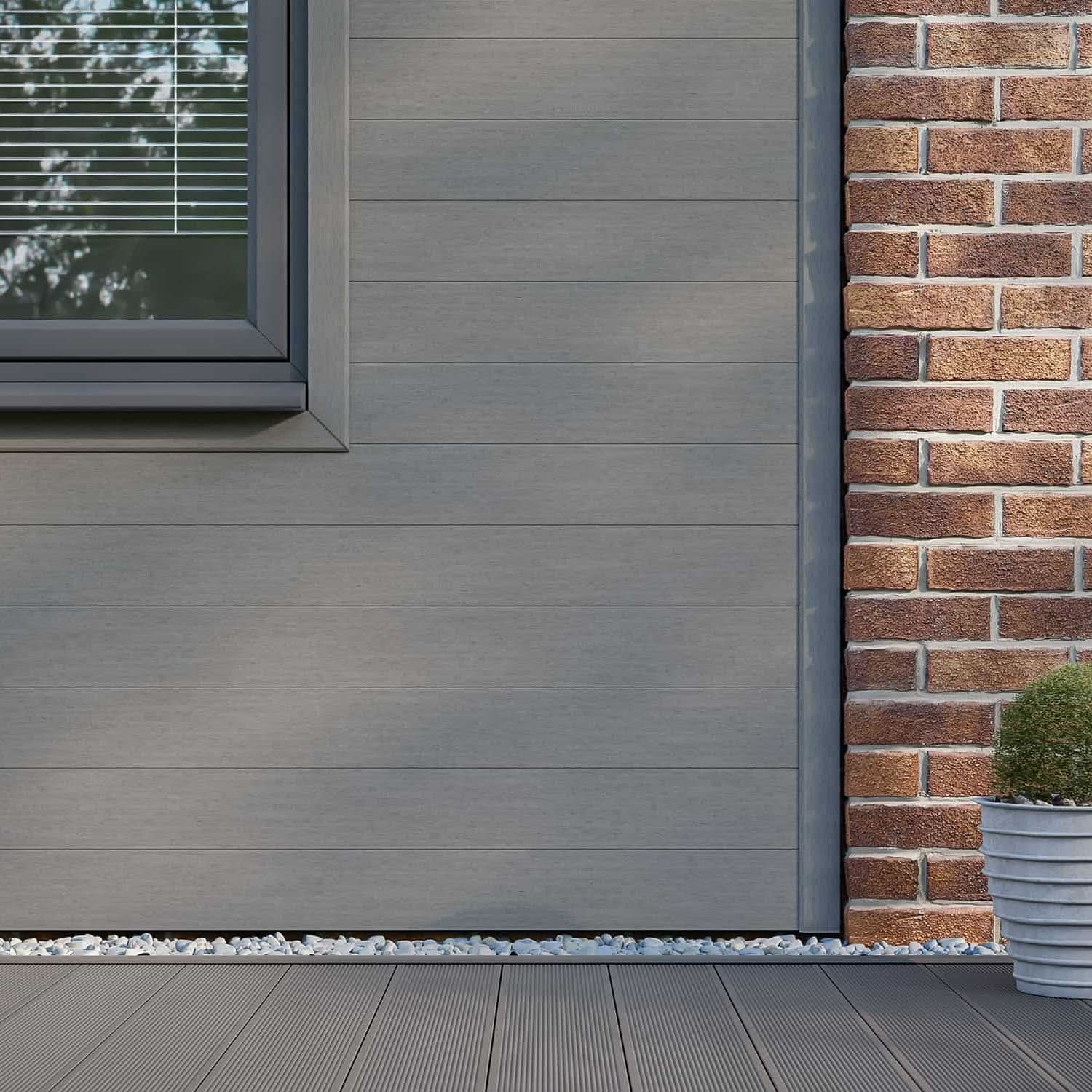
Outdoor materials experience exposure to sunlight. NeoTimber’s Slatted composite cladding uses a capped construction designed to improve fade and stain resistance. Its brushed, two-tone surface offers a contemporary alternative to a traditional board finish.
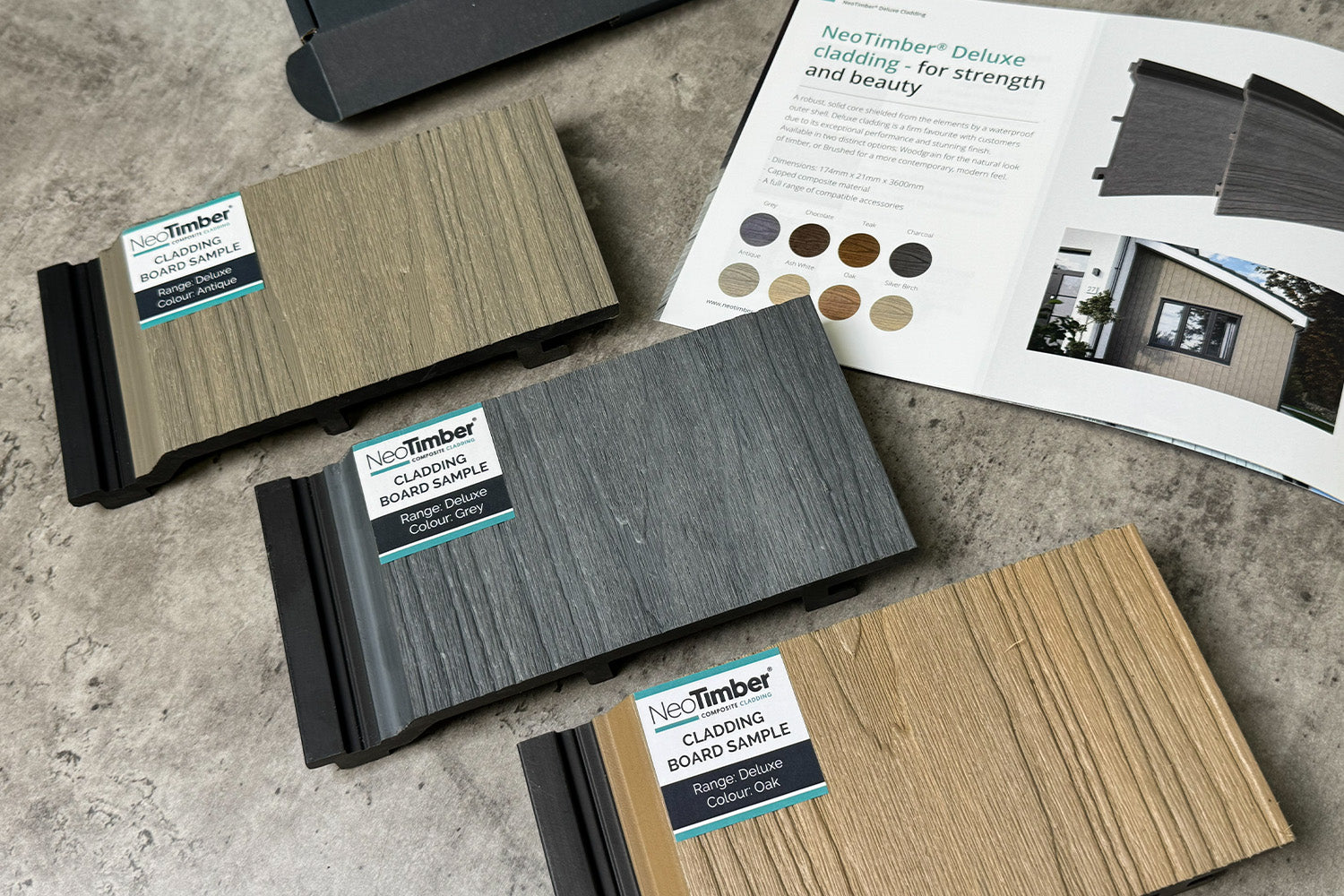
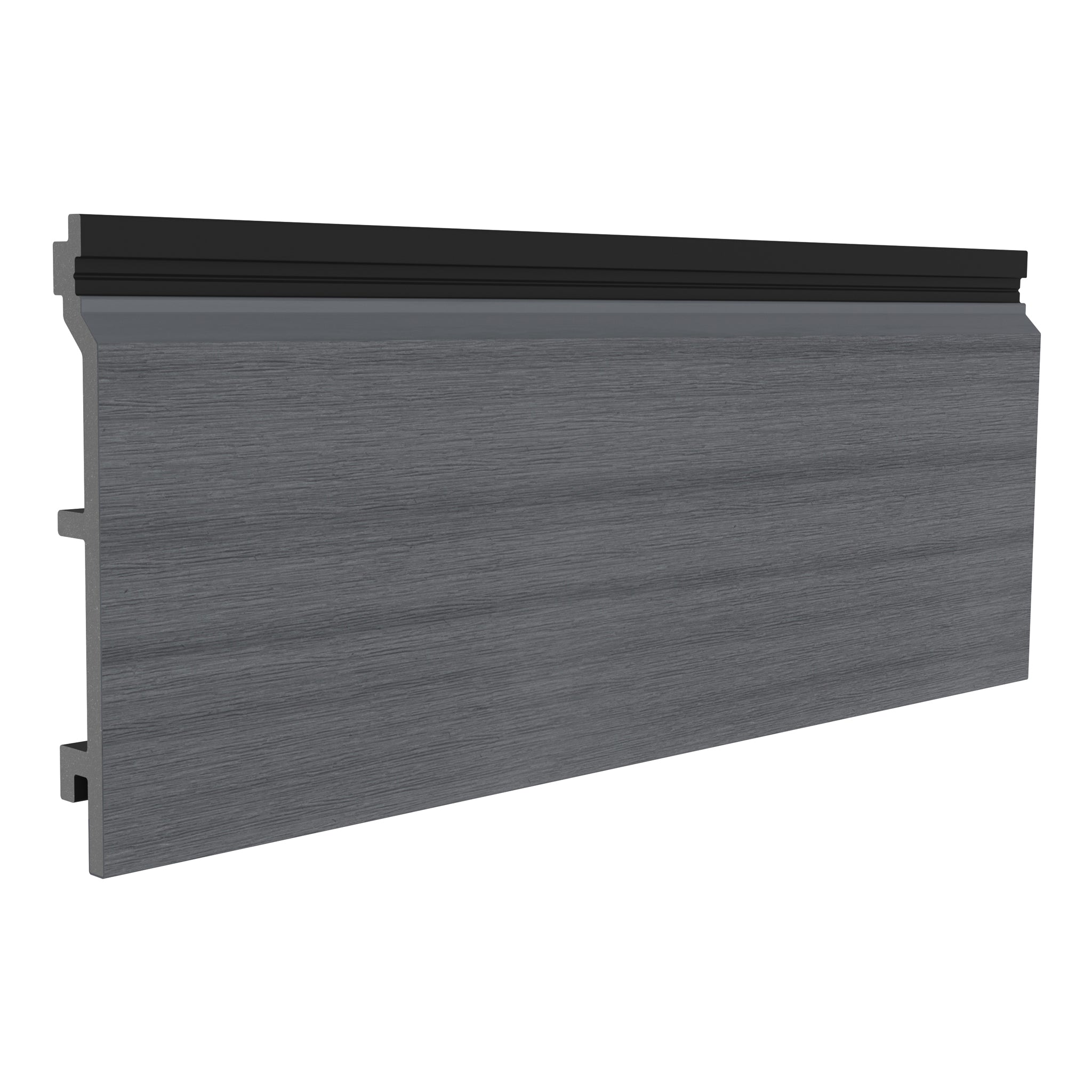
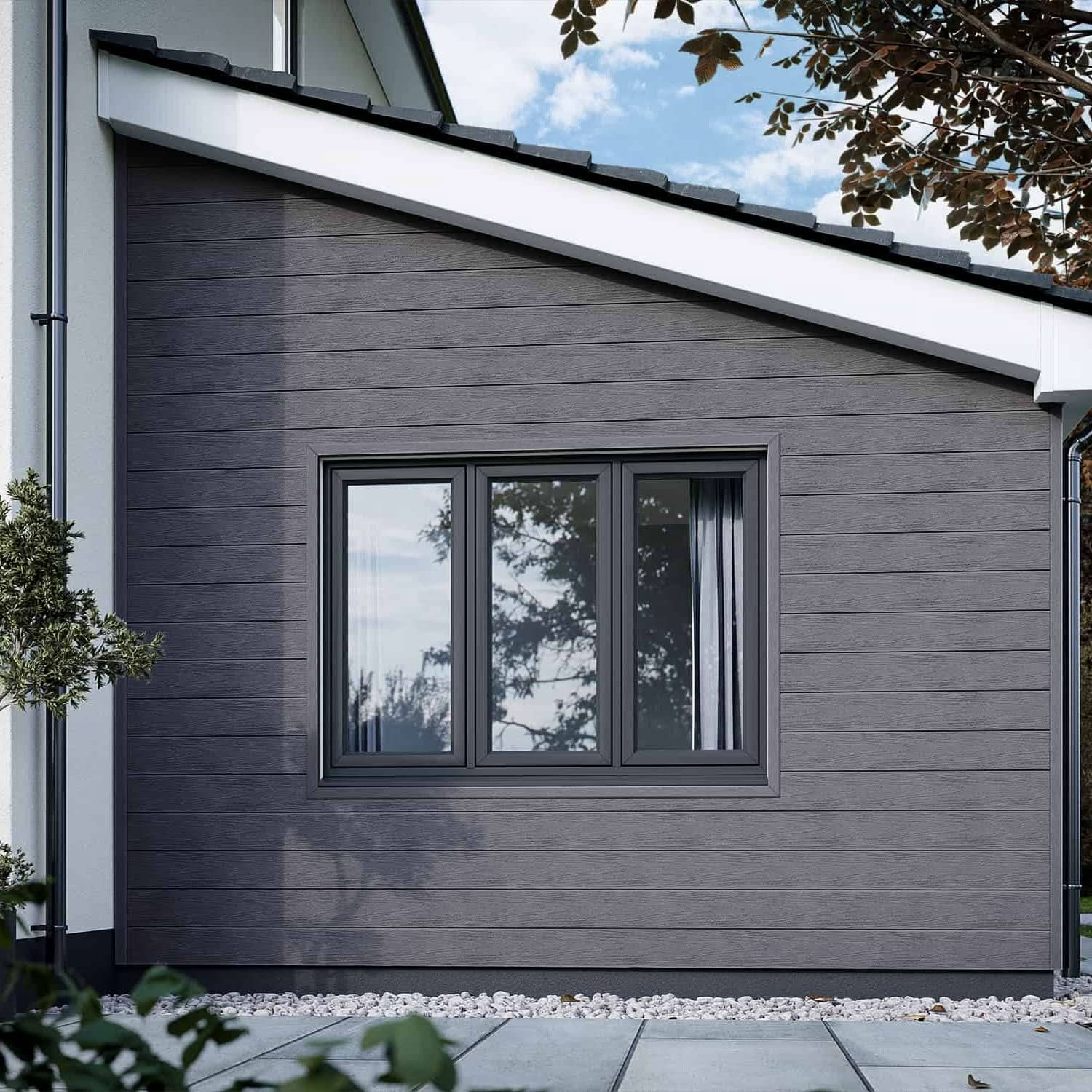
The Deluxe Woodgrain range also uses a capped surface, with an embossed grain for a timber-inspired appearance. Compare each range’s weathering information rather than assuming all composite products retain their colour in the same way. Fade resistance does not mean a finish is guaranteed to remain completely unchanged.
Heat, Cold and Movement
Composite boards can expand and contract as temperatures change. Installation must accommodate that movement through the specified gaps and fixing arrangements. Restricting a board’s movement can create avoidable problems, even when the material is intended for outdoor use.
Use the current composite cladding installation resources for the chosen range. Avoid borrowing a gap size or fixing detail from a different product, because the relevant dimensions and instructions may differ.
Wind and Exposure
Wind performance depends on the complete installation, including the supporting wall, battens, fixings and site exposure. A specialist fixing system does not make an elevation impervious to high winds. For an exposed location, ask your installer or designer to establish suitable support and fixing requirements before work begins.

Choosing a Finish That Suits Your Property
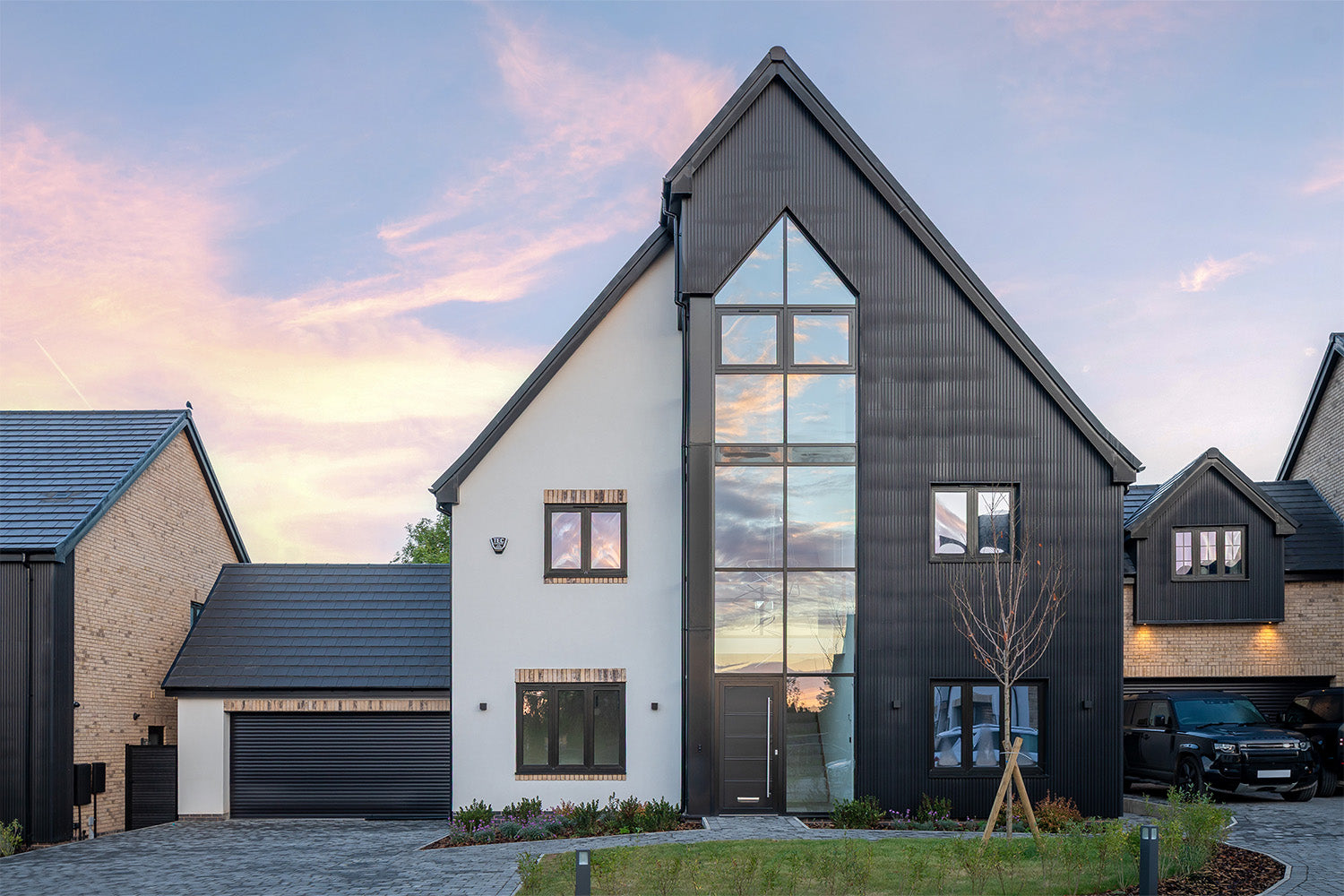
Start with the materials already present: brickwork, render, windows, roof edges and landscaping. A warm wood-inspired shade can connect a garden building with its surroundings, while a darker finish can create a stronger contrast. Consider how much of the elevation you want to cover and whether the cladding will form a feature or the dominant exterior surface.
Compare samples in daylight and shade. Texture and colour can look different on a small screen, particularly when viewed beside your property’s existing finishes. The cladding colour guide can help you shortlist options before ordering samples.
Plan corners, openings and board joints at the same time as the main area. Compatible trims and a considered cutting layout help the project look coherent. Confirm permitted board orientations in the installation instructions before committing to a design.
Composite Timber Cladding or Natural Wood?
Natural timber offers individual grain patterns and can suit projects where refinishing is part of the intended care routine. Composite offers a manufactured appearance with less routine surface treatment. The right choice depends on the look you prefer, the maintenance you are willing to undertake and the requirements of the building.
Compare full project costs rather than board prices alone. Allow for supports, accessories, labour, access and cutting waste, then consider the ongoing care required by each option. Our composite cladding vs wood guide explores that comparison in more detail.

Looking After Composite Timber Cladding Panels
Low maintenance still includes cleaning. Check the wall periodically for dirt, debris and marks, and use the cleaning method recommended for the product. NeoTimber® composite cladding does not require routine painting or staining to preserve its intended finish.
Follow the composite cladding maintenance guide before using cleaners or pressure-washing equipment. Keep the relevant ventilation and drainage paths clear, and investigate loose components or damage rather than covering them up.
Questions to Ask Before You Buy
- Which construction suits the project? Compare the board surface, profile and weathering information.
- What is included in the installation? Confirm supports, fixings, trims, ventilation and movement allowances.
- Is the product suitable for the building? Check applicable requirements, including fire performance, with the project designer or installer.
- What care is required? Read the maintenance instructions and warranty terms for the chosen range.
Composite Timber Cladding FAQs
Is Composite Timber Wall Cladding Waterproof?
It should be selected as part of a correctly detailed exterior wall system. Weather-resistant boards do not replace the drainage, ventilation and weatherproofing measures required behind and around the cladding.
Does Composite Timber Cladding Need Painting?
NeoTimber® composite cladding is supplied with its intended finish and does not need routine painting or staining. Cleaning remains part of its care requirements.
Can Composite Cladding Expand in Warm Weather?
Yes. Allow for thermal movement using the product’s specified gaps and fixing details. Follow the guidance for the particular range and board length.
Explore Your Composite Timber Cladding Options
Choose a finish you enjoy, then make sure the installation details support the result. Order free NeoTimber® cladding samples to compare colours and textures at home, or browse the composite timber cladding collection to explore board profiles and accessories for your project.