

Discover a Timber-Inspired Exterior With Wood Fibre Composite Cladding
Composite wood siding offers a timber-inspired exterior with less routine painting or staining. For homeowners comparing it with traditional timber, the appeal is practical as well as visual: a choice of finished colours, different board textures and a manageable care routine.
NeoTimber’s wood fibre composite cladding combines wood fibres with plastic polymers. This guide explains the material, compares capped and uncapped boards, and highlights what to consider when choosing a finish for your project.
What Is Composite Wood Siding?
“Siding” and “cladding” are terms used for an exterior covering. In this guide, composite wood siding refers to wood-plastic composite boards, also known as WPC cladding. They contain wood fibres combined with polymers rather than being solid timber boards.
The broader phrase “wood fibre composite cladding” can describe products with different formulations. Check the composition and technical information for the exact product you are considering instead of assuming that all wood-fibre boards perform alike.
Explore the NeoTimber® composite cladding range to compare its board types and finishes.
Composite Wood Siding Compared With Timber
Timber can provide an attractive natural exterior. Its upkeep depends on the species, finish, exposure and appearance you want to retain. If you choose a painted or stained finish, allow for periodic maintenance when comparing your options.
Composite boards offer an alternative for projects where reducing routine decorating is a priority. They arrive with a finished colour and surface, allowing you to select the look without planning to paint every board after fitting.
| Consideration | Composite wood siding | Timber cladding |
|---|---|---|
| Appearance | Manufactured colours, textures and profiles | Natural grain with species and finish variations |
| Routine decorating | NeoTimber® boards do not need routine painting or staining | Painted or stained finishes may need periodic renewal |
| Colour over time | Depends on the range and whether the board is capped | Depends on the timber, exposure and finish |
| Care | Cleaning and product-specific care remain necessary | Cleaning and care depend on the selected timber system |
| Project suitability | Check the selected product and installation requirements | Check the selected product and installation requirements |
For a fuller comparison, read NeoTimber’s composite cladding versus wood guide. Compare the complete project and expected care requirements, rather than assuming one material is best for every building.
Capped and Uncapped Wood Fibre Composite Cladding
Construction affects how a board looks and behaves outdoors. NeoTimber’s Classic range is uncapped, while Deluxe and Slatted boards have a protective polymer outer layer.
Classic: An Uncapped Finish That Weathers Naturally
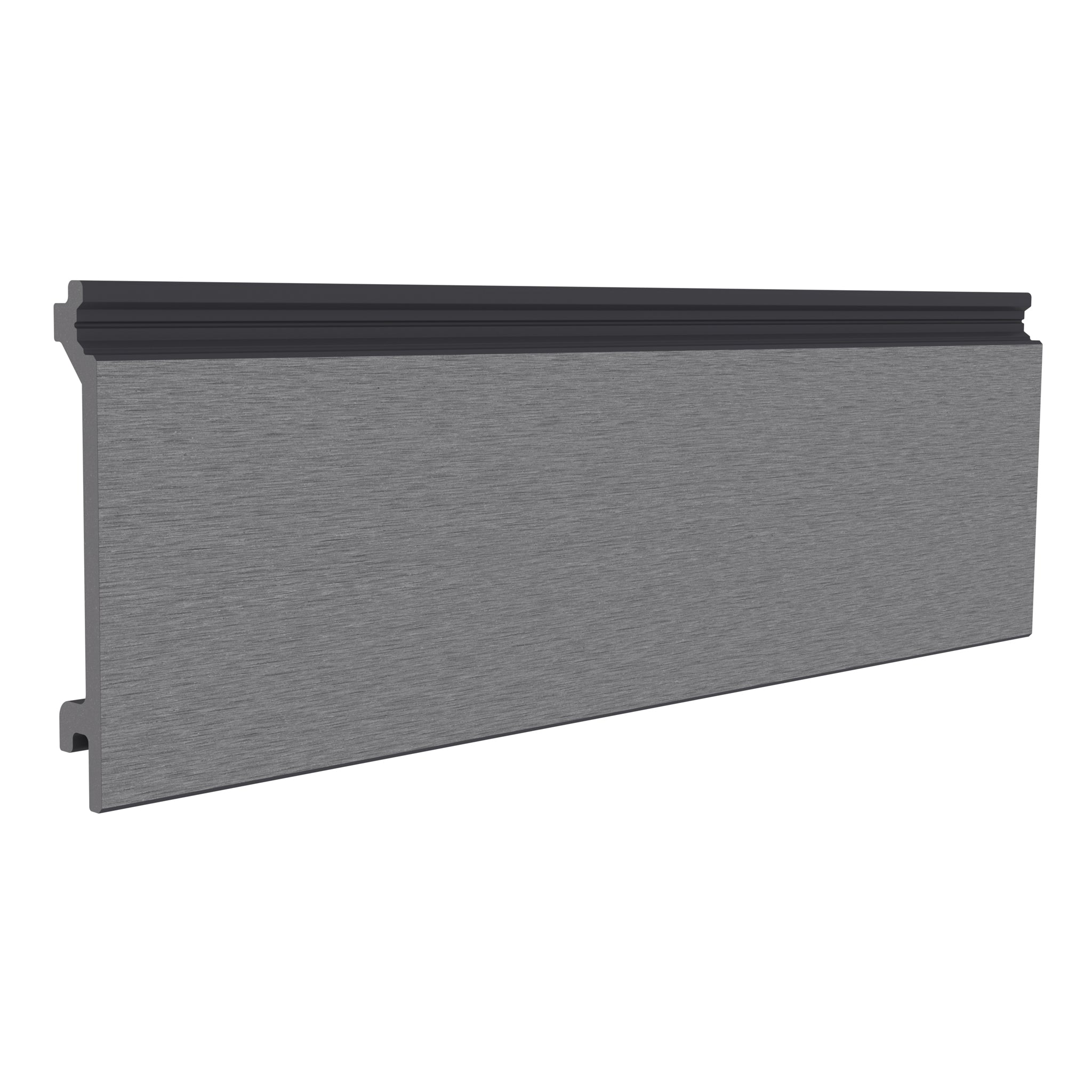
Classic composite cladding offers a sanded surface and is designed to develop a lighter weathered tone during its initial exposure outdoors. Consider the expected weathered appearance when comparing colours.
Deluxe and Slatted: Capped Options for Improved Colour Retention
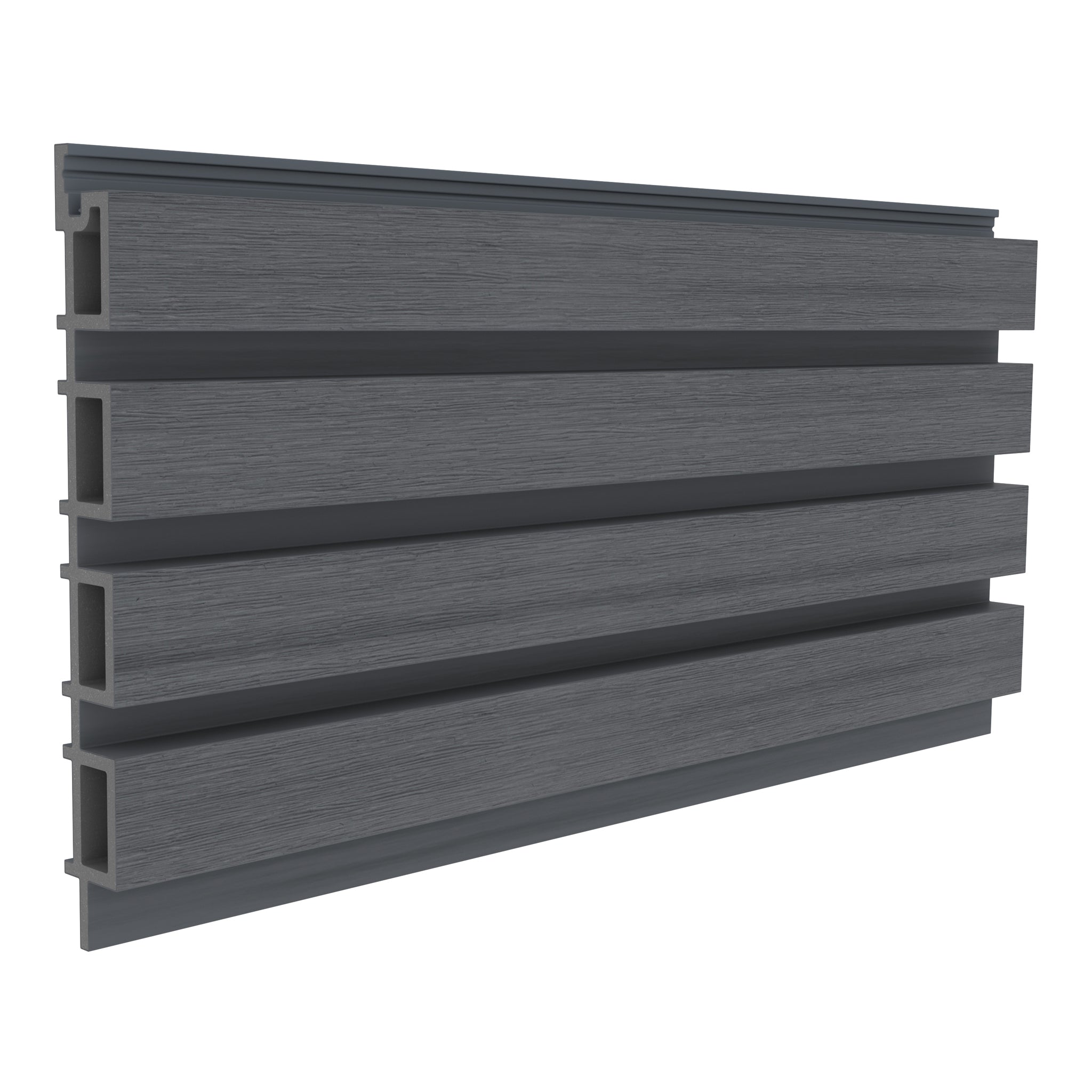
The capped construction of Deluxe and Slatted boards helps improve resistance to fading and moisture exposure. Compare these options if maintaining a colour closer to its original appearance is important to your design.
Fade resistance does not mean every board will remain visually identical in every setting. Check the current product guidance and expected colour behaviour before ordering.

Choose the Right Texture and Board Profile
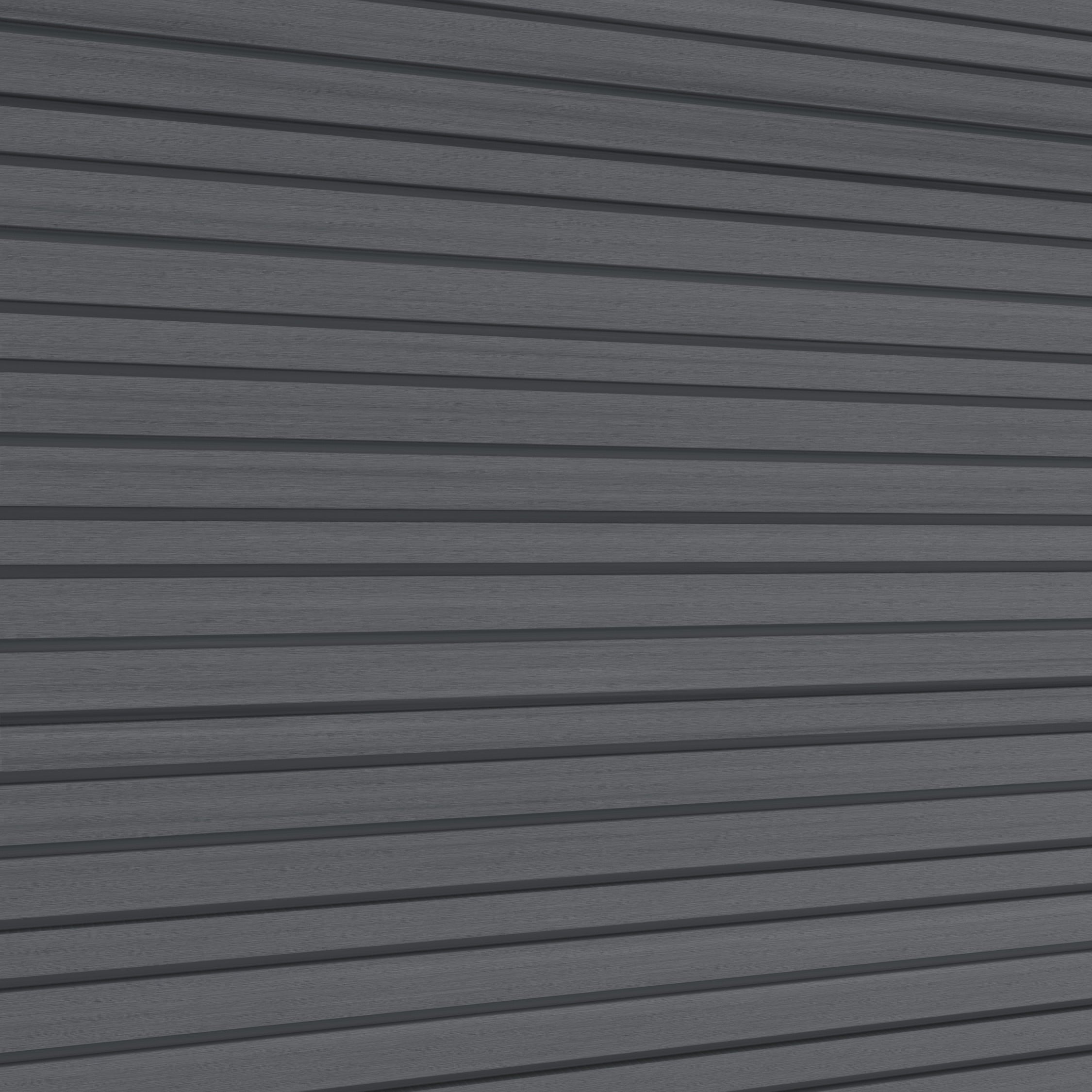
The surface and shape of your boards influence the whole exterior. A subtle finish can provide a calm backdrop, while a more pronounced profile introduces stronger lines.
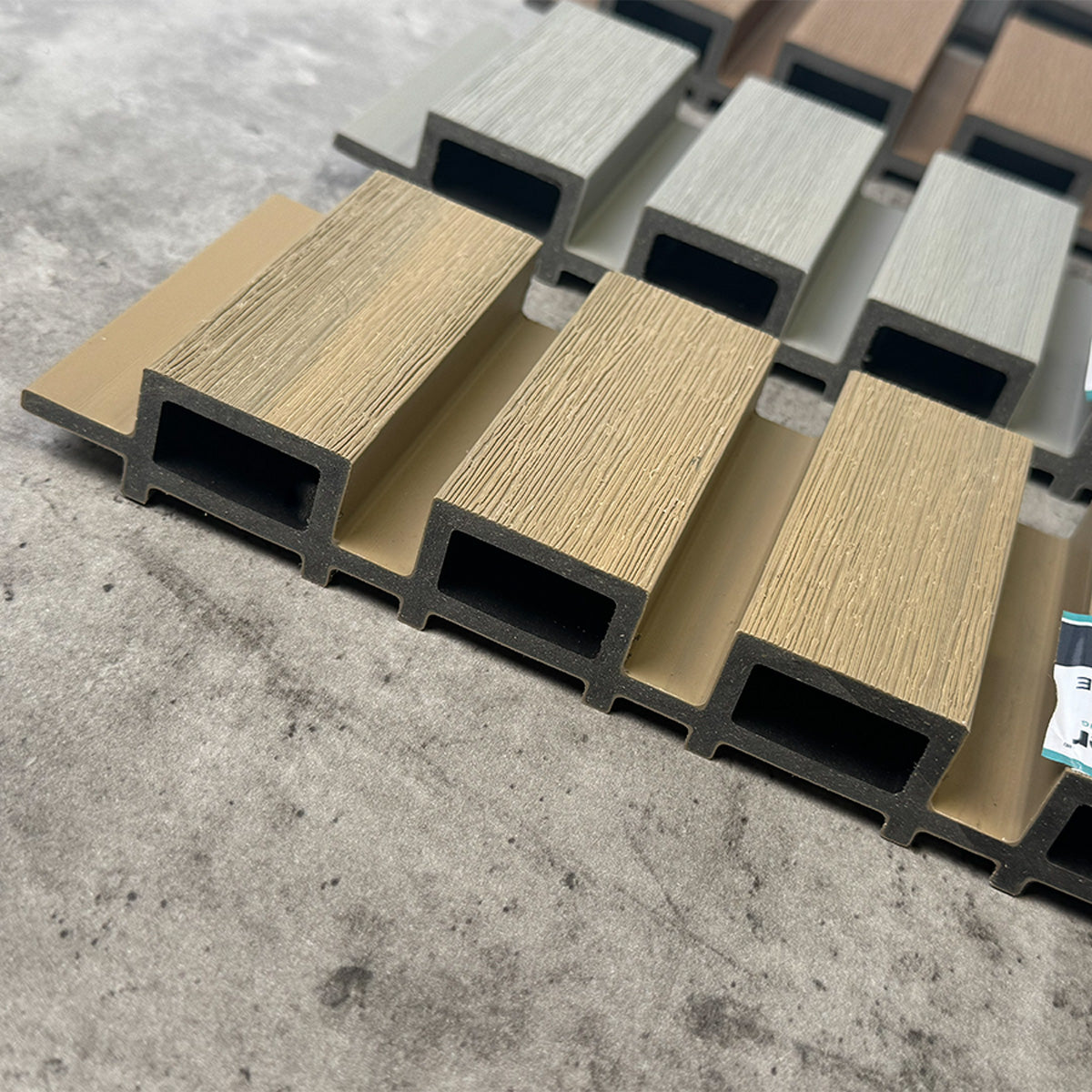
- Classic: explore the sanded texture if you prefer a simpler surface.
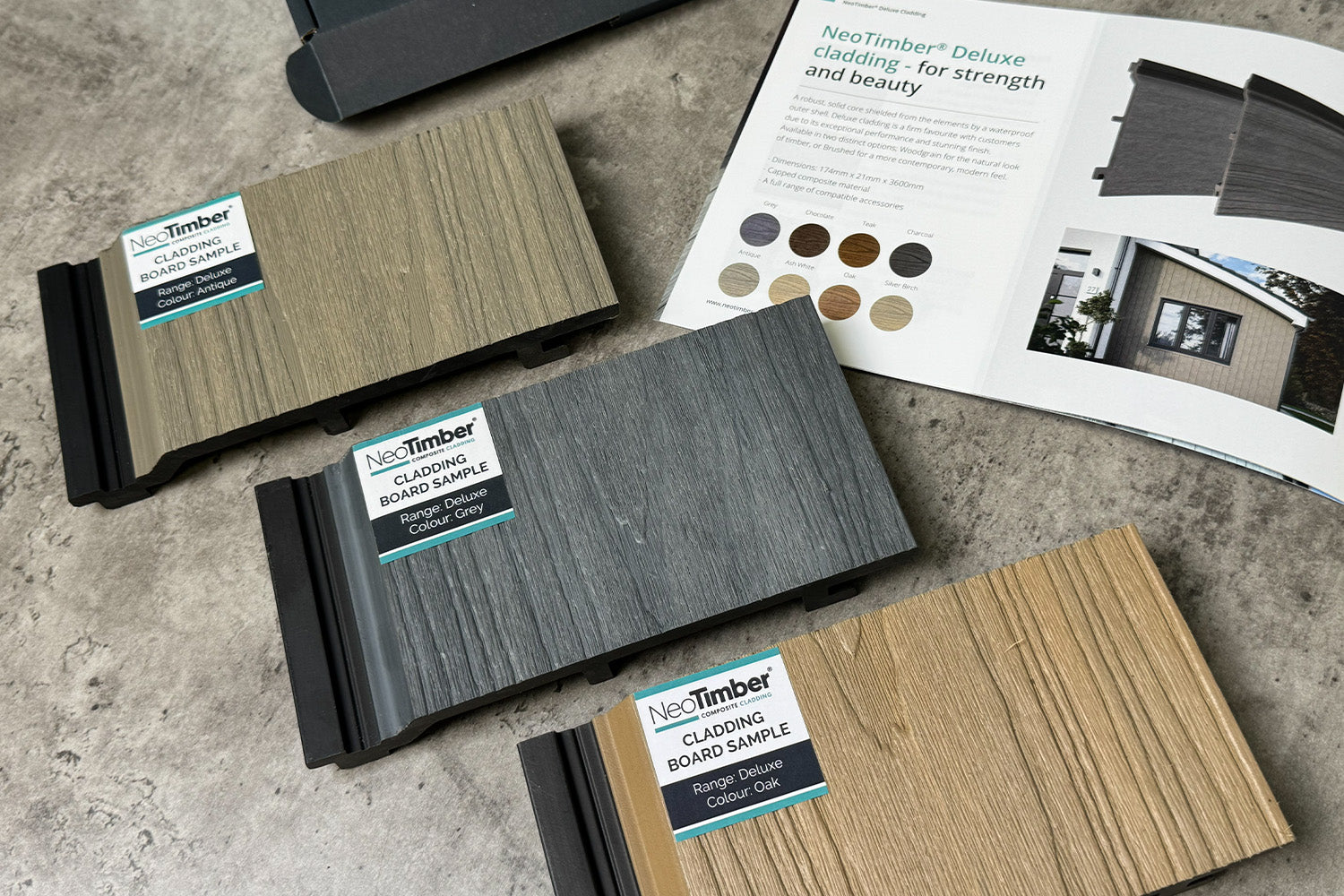
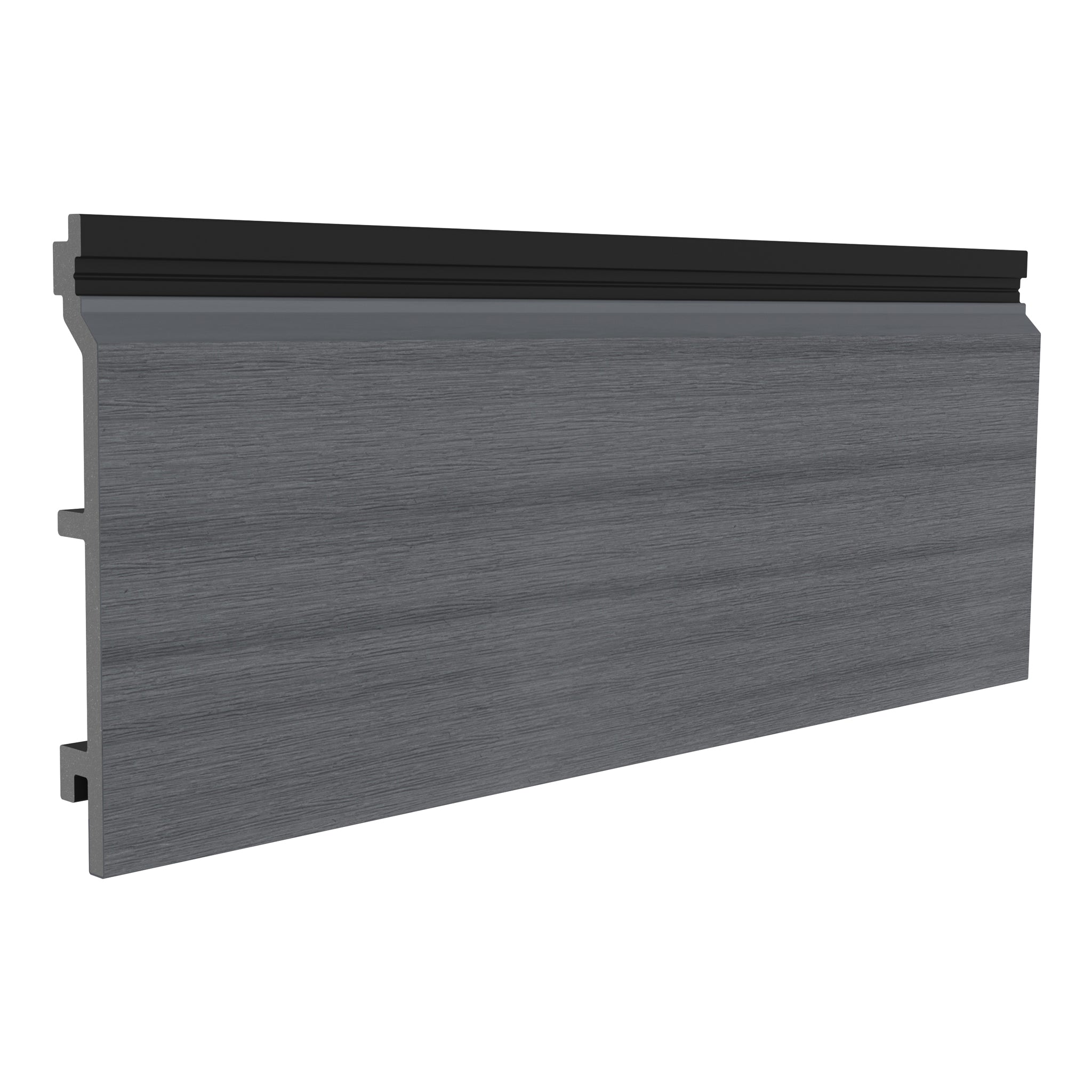
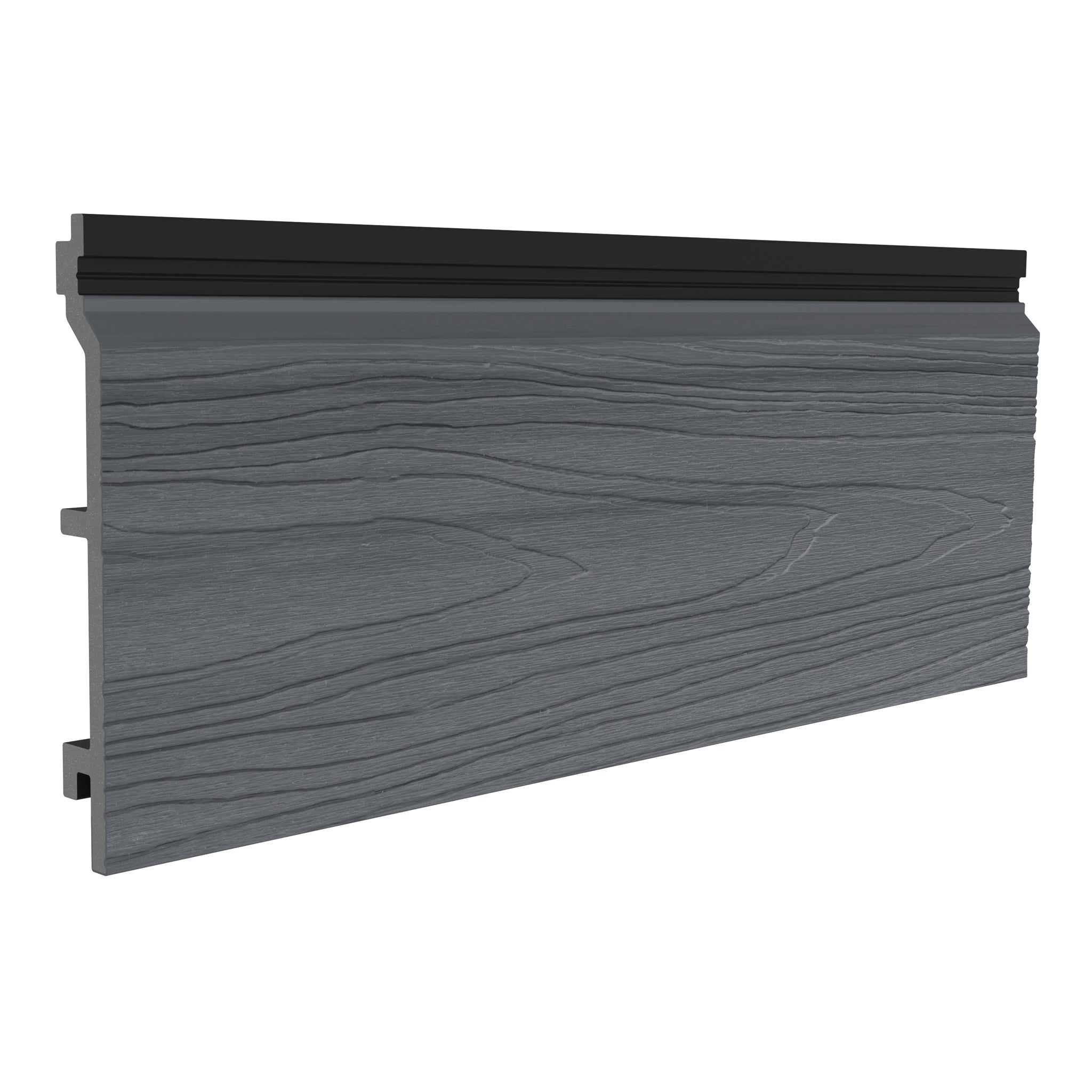
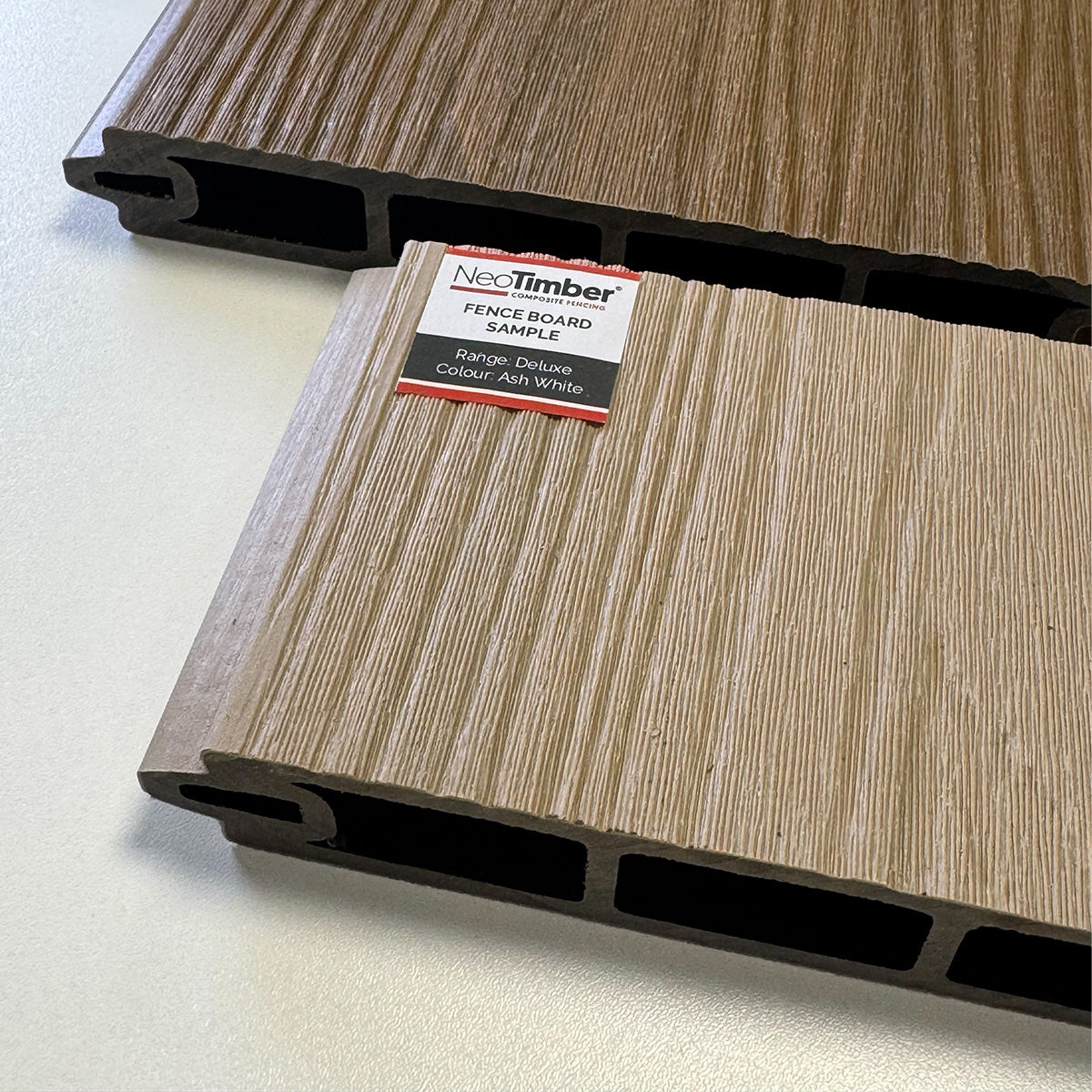
- Deluxe Woodgrain: compare the embossed grain if timber-inspired texture is a priority.
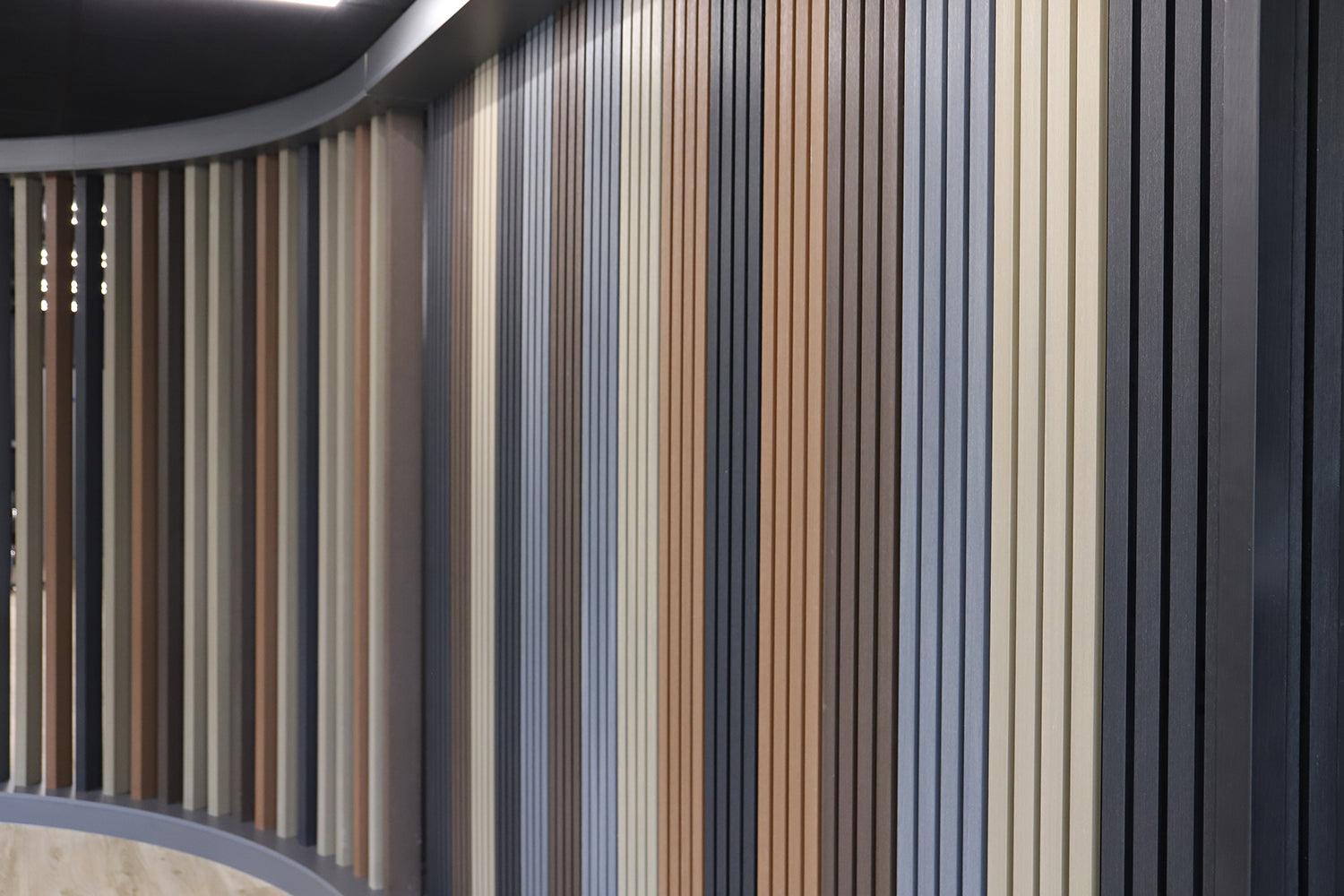
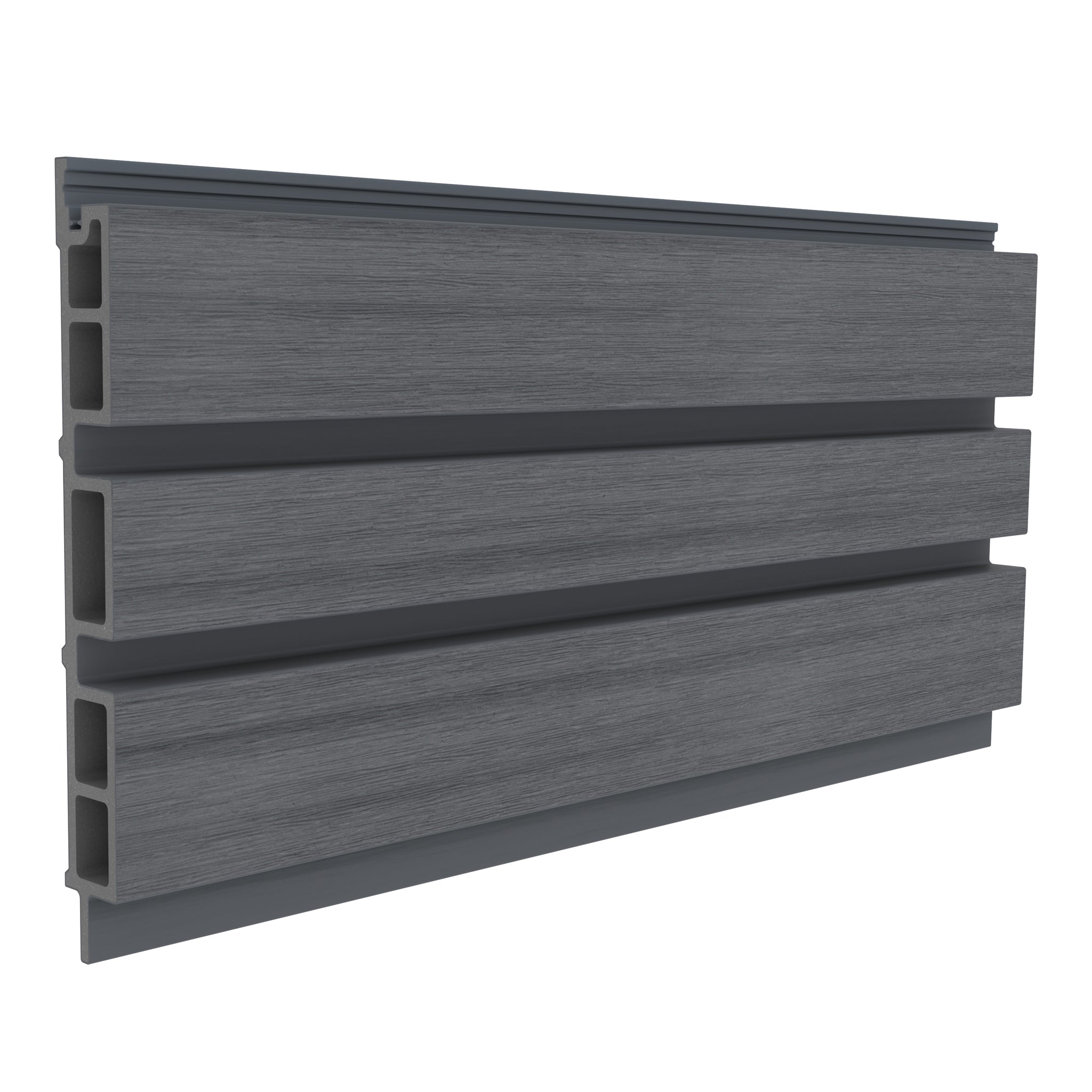
- Slatted: consider the linear profile for a more defined contemporary finish.
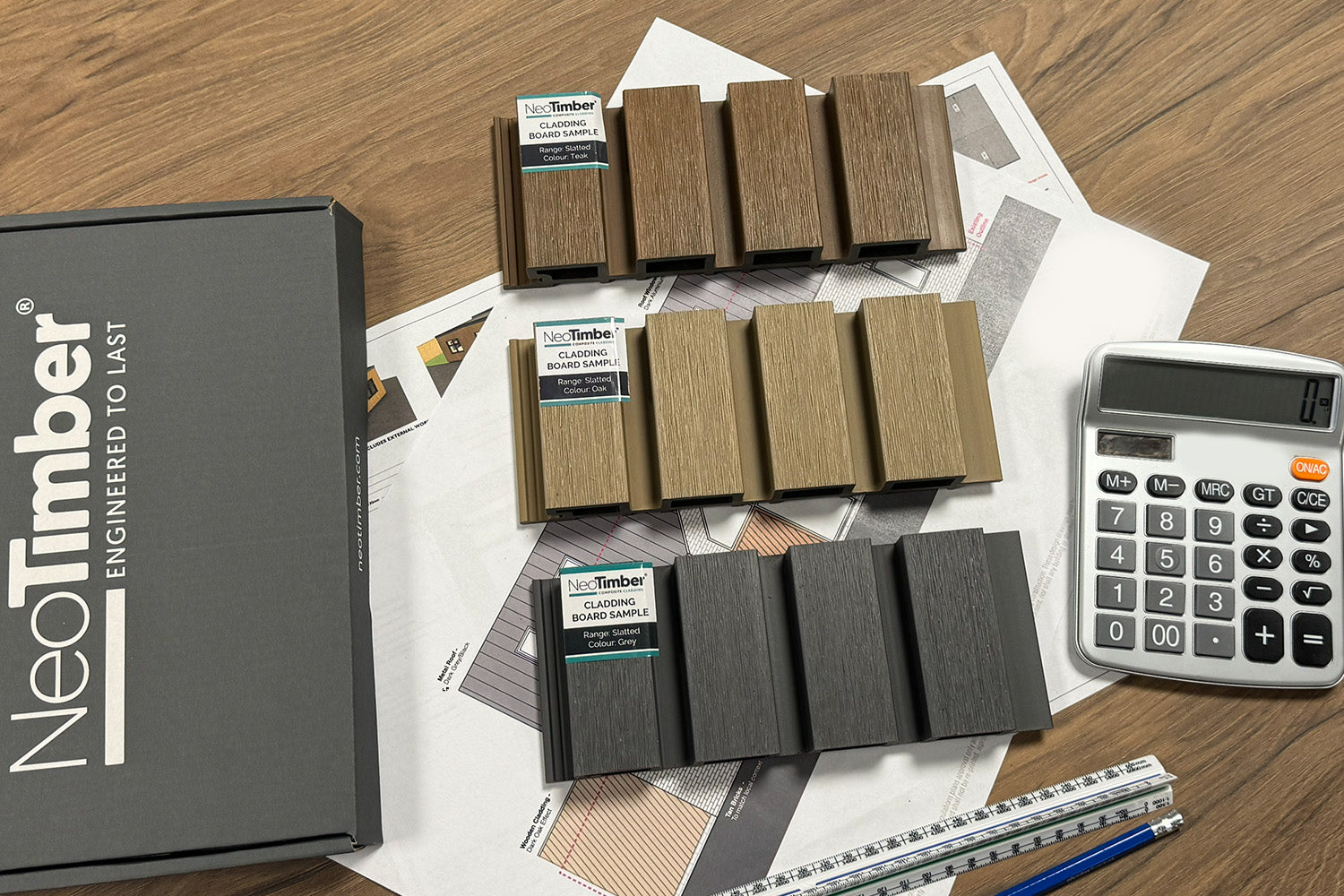
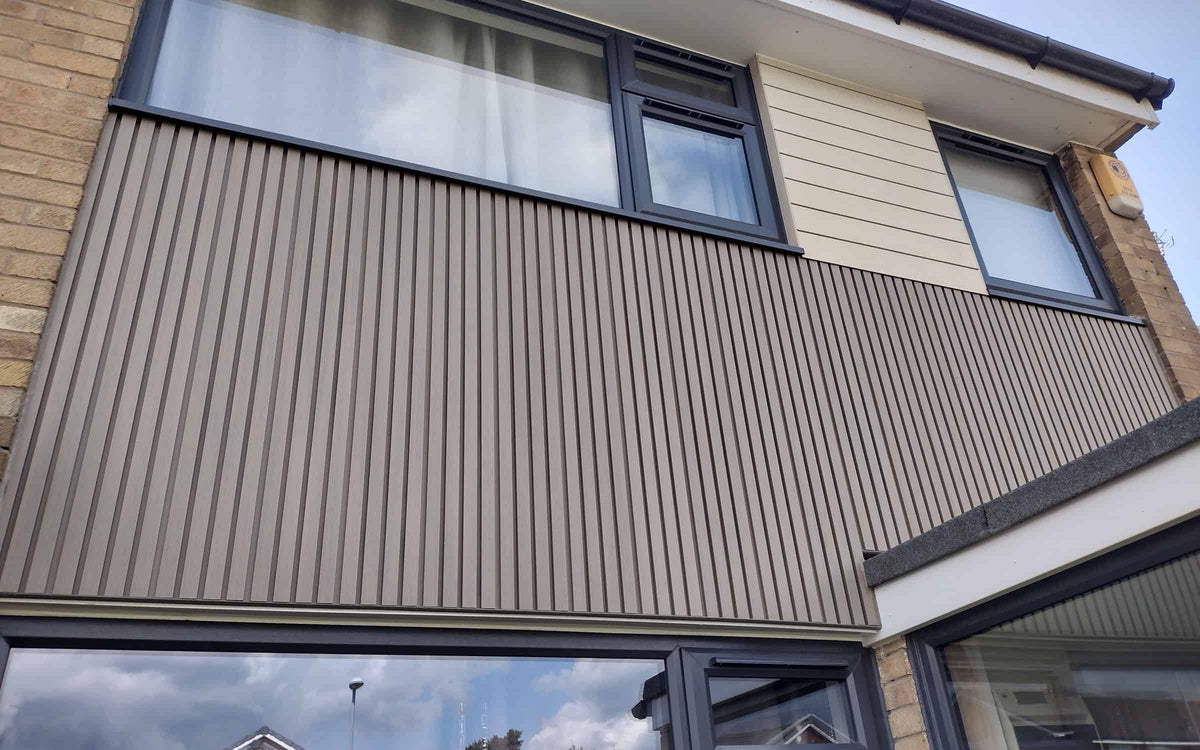
NeoTimber’s Deluxe Woodgrain board uses deep embossing to create a textured timber effect. Compare samples with installed photographs to judge how the grain or profile will appear across a full wall.
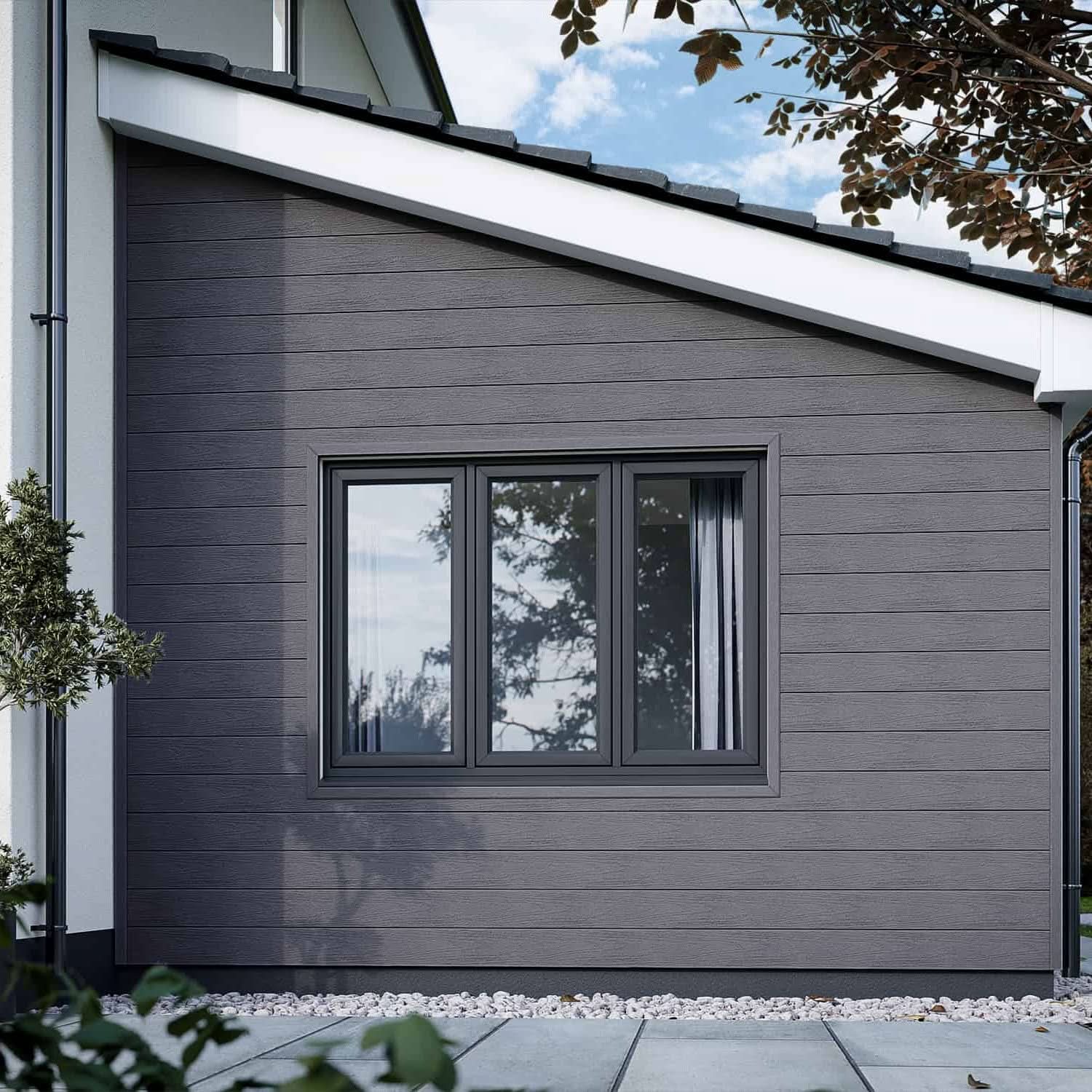
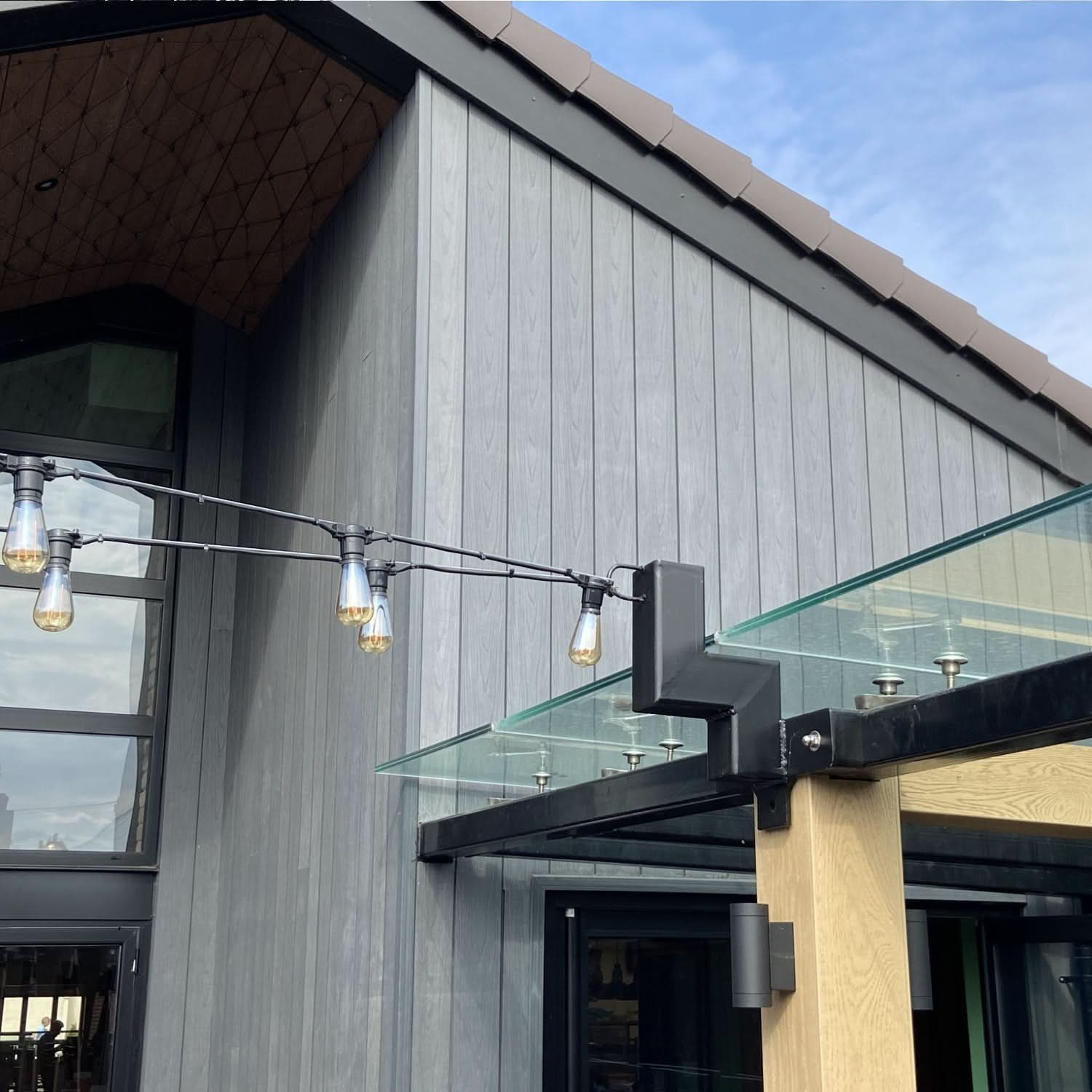
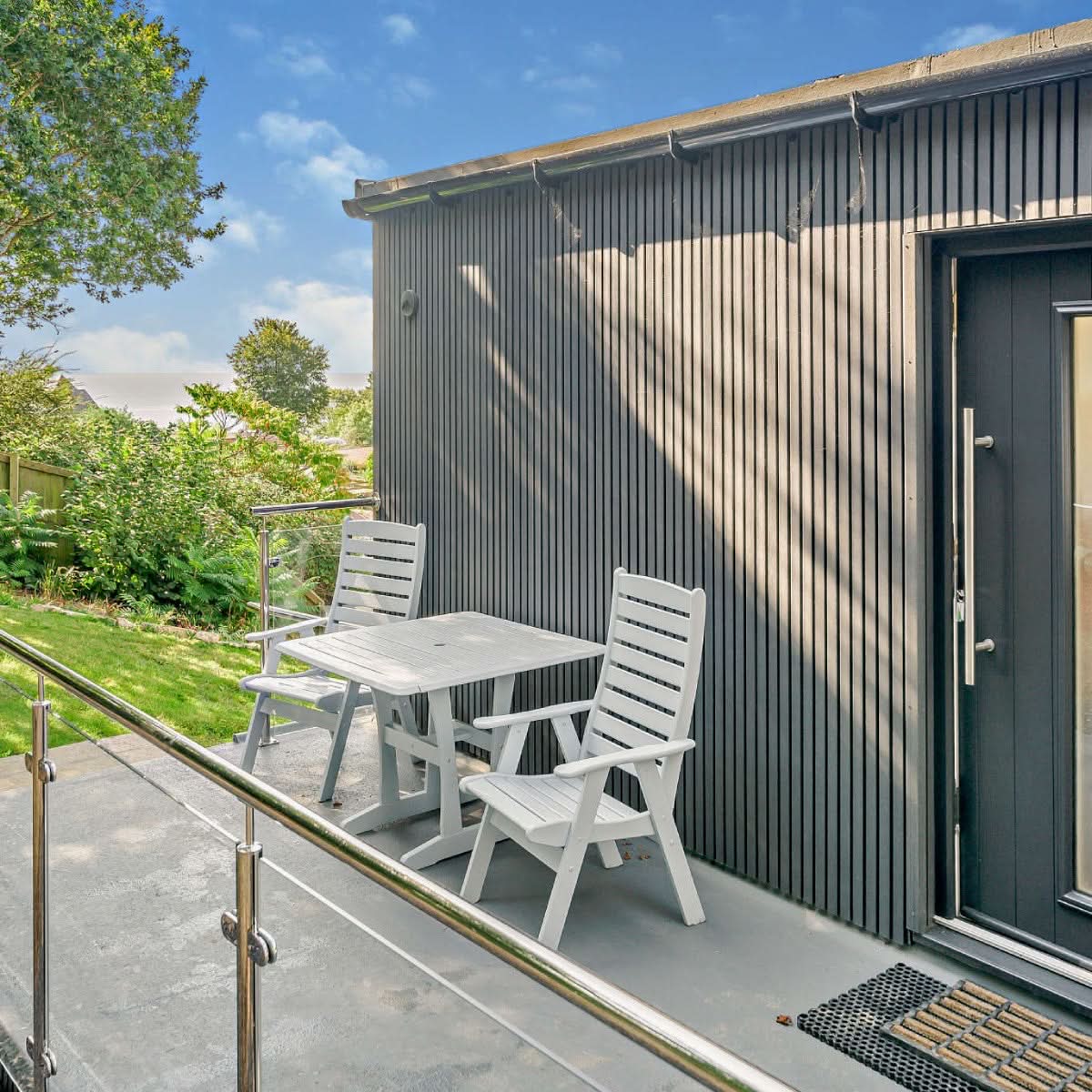
Decide on board orientation early. Confirm that the chosen product supports your proposed layout and follow the corresponding installation guidance. The direction of the lines should work with windows, doors and the proportions of the building.

Choosing Colours for Your Composite Wood Siding
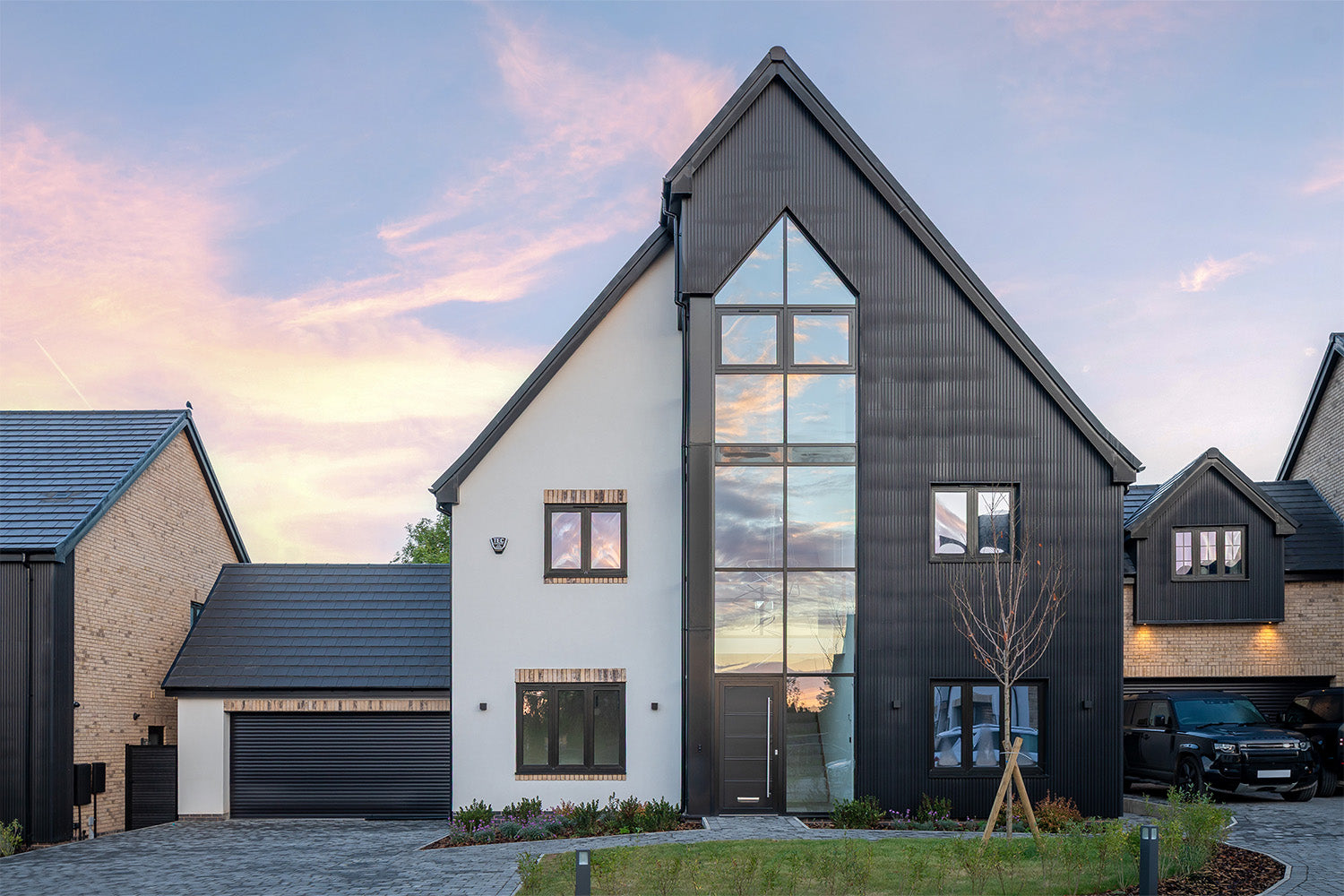
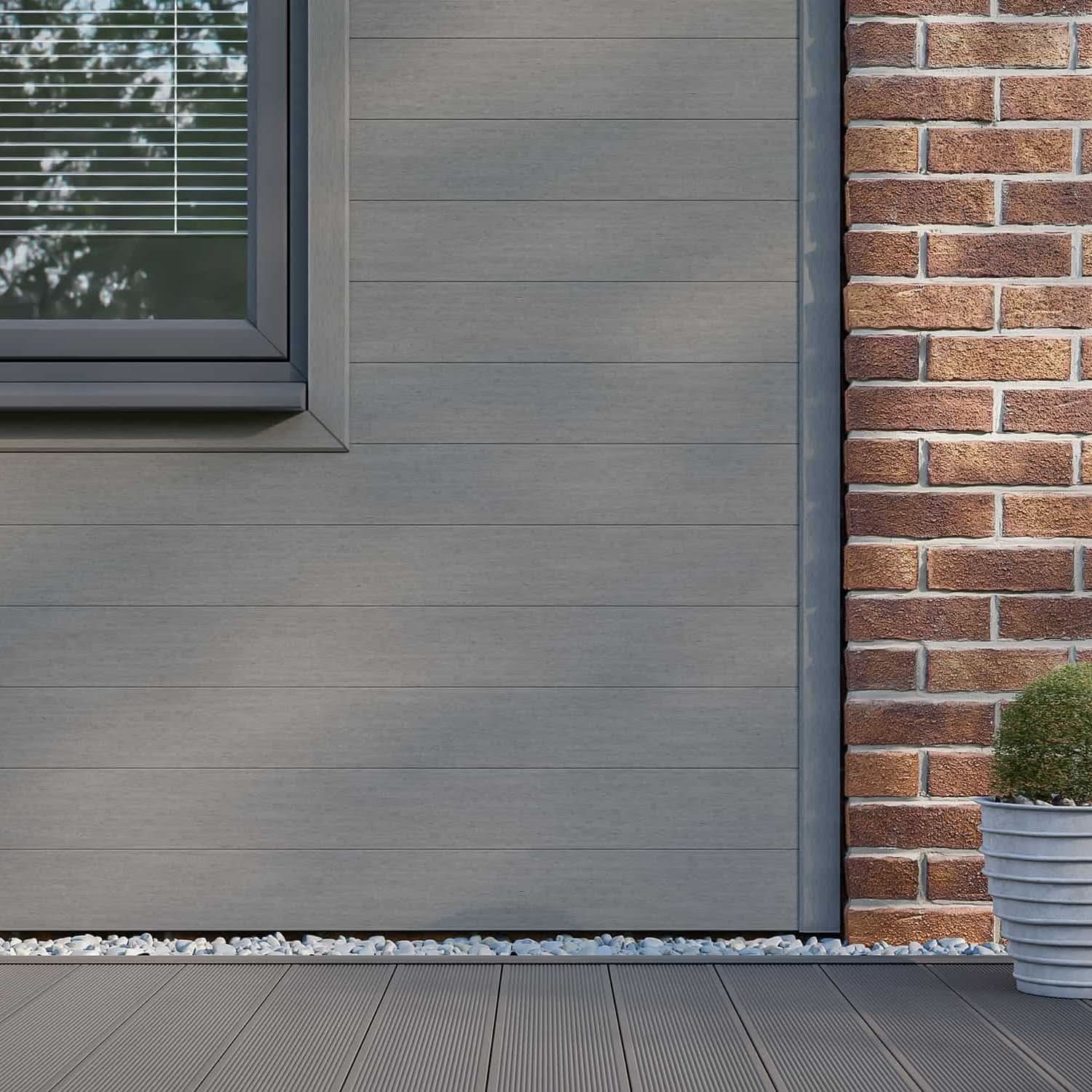
Begin with your existing materials. Warm timber-inspired colours can complement brick and planting, while grey or charcoal may suit a contemporary palette. Look at the finish beside your paving, window frames and any nearby fencing.
Availability varies by range, so check the current composite cladding colours and product listings. Avoid assuming that every profile comes in the same selection.
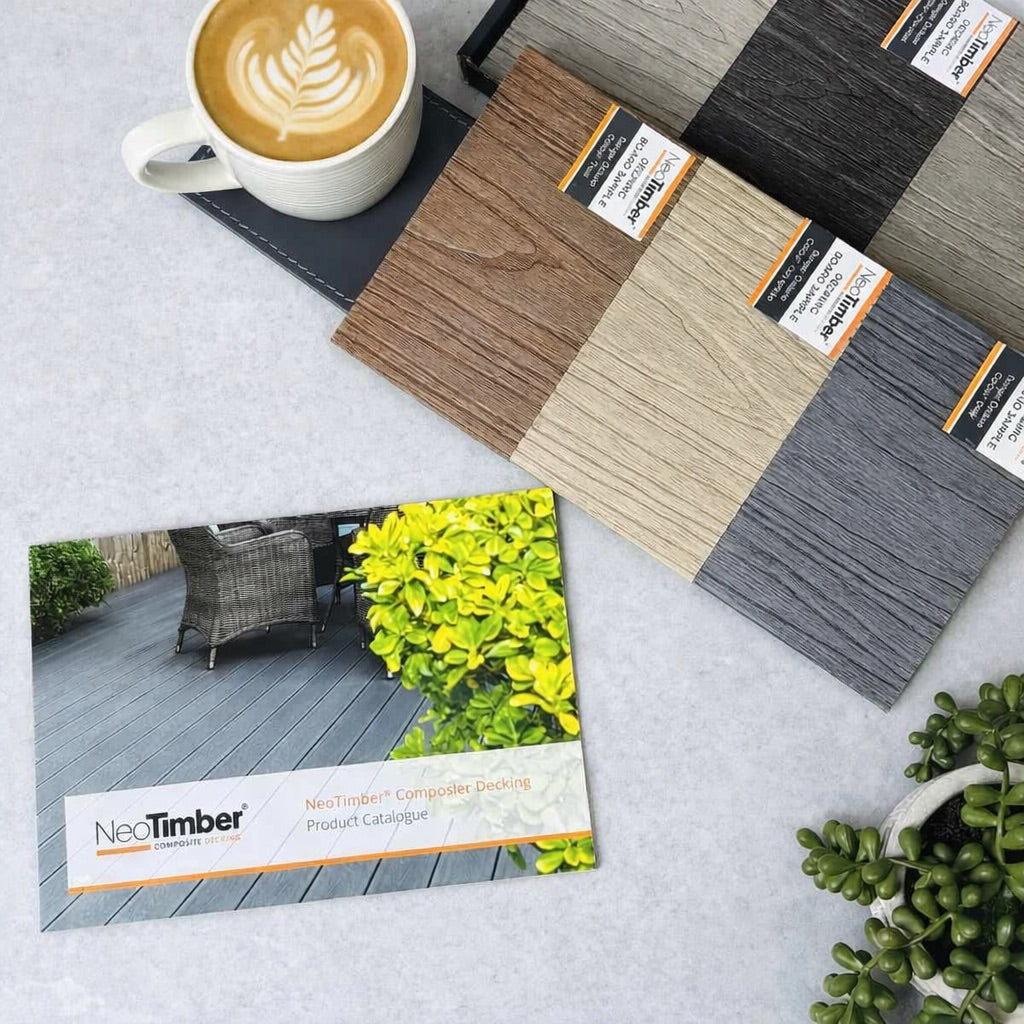
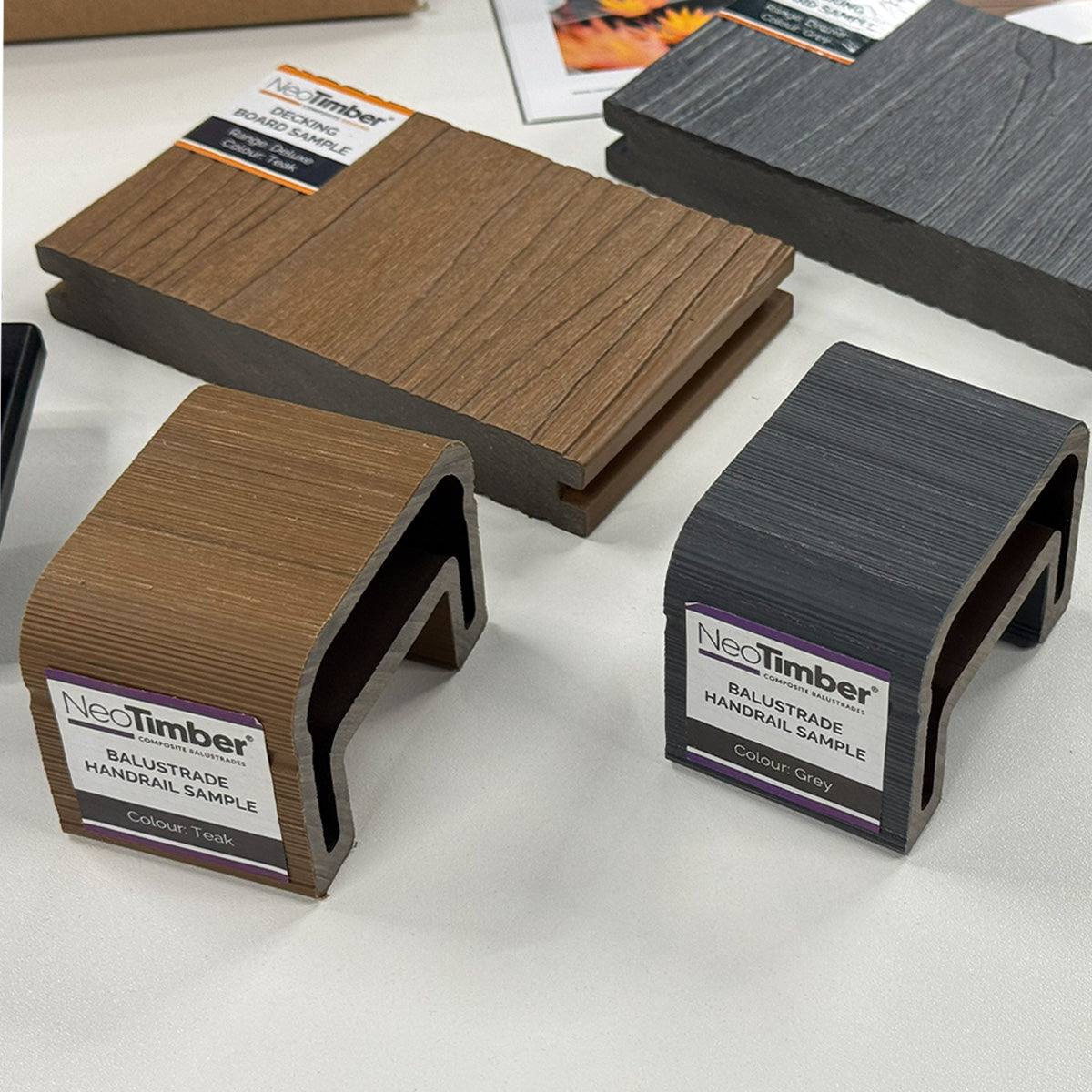
If you want to coordinate cladding with decking or fencing, compare physical samples together. Matching colour names alone is not a substitute for seeing the actual finishes outdoors.

Less Routine Decorating, With Care Still Required
Wood fibre composite cladding offers a way to reduce exterior painting and staining, but it still needs cleaning. Follow the instructions for your selected range rather than assuming every stain can be removed with the same method.
NeoTimber’s composite cladding maintenance guide explains how to approach routine care. Check the advice before using cleaners, treatments or abrasive tools.
Include maintenance in your purchasing decision. Consider how accessible the finished wall will be and how you will inspect the surrounding roof, openings and drainage details.
Plan the Installation Before Ordering
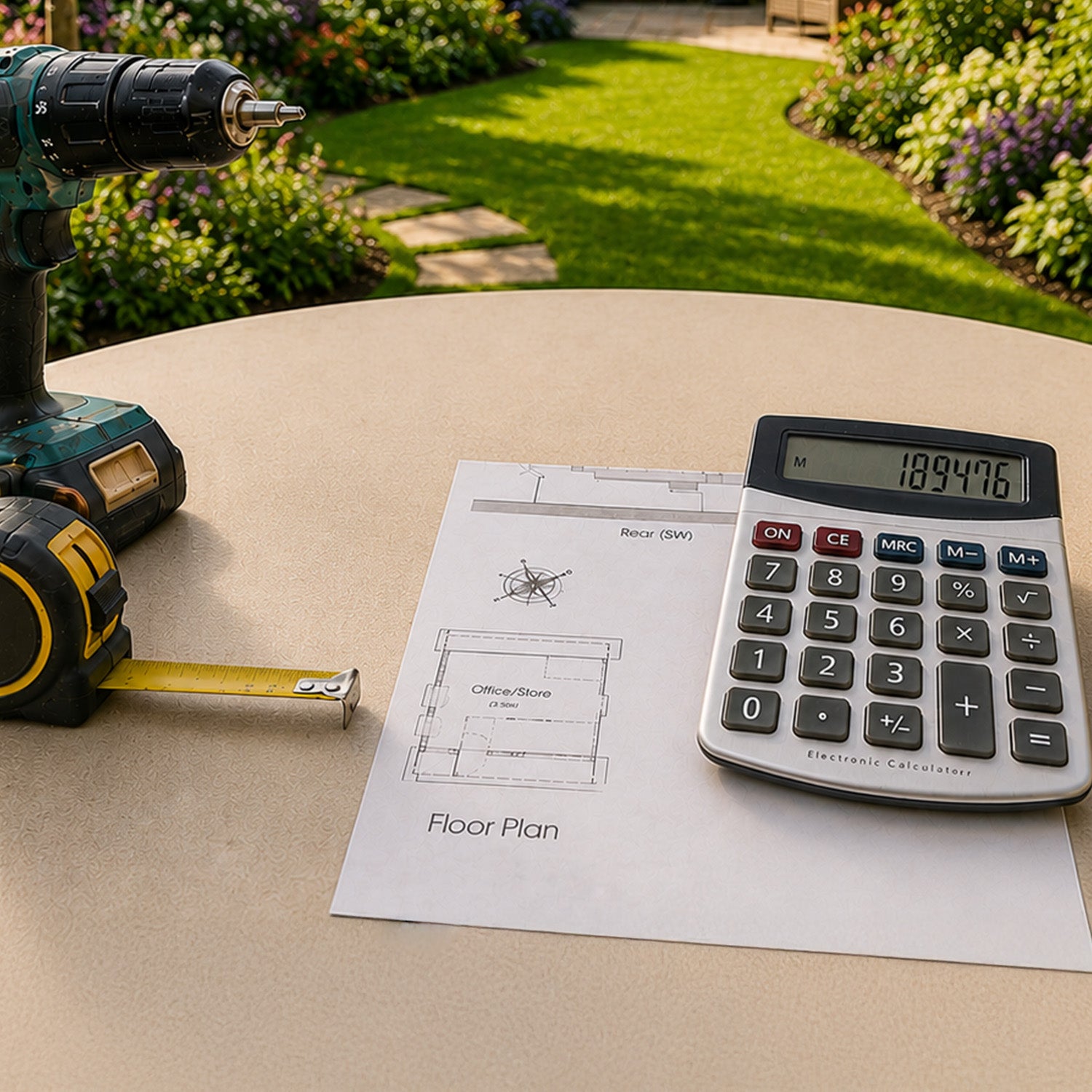
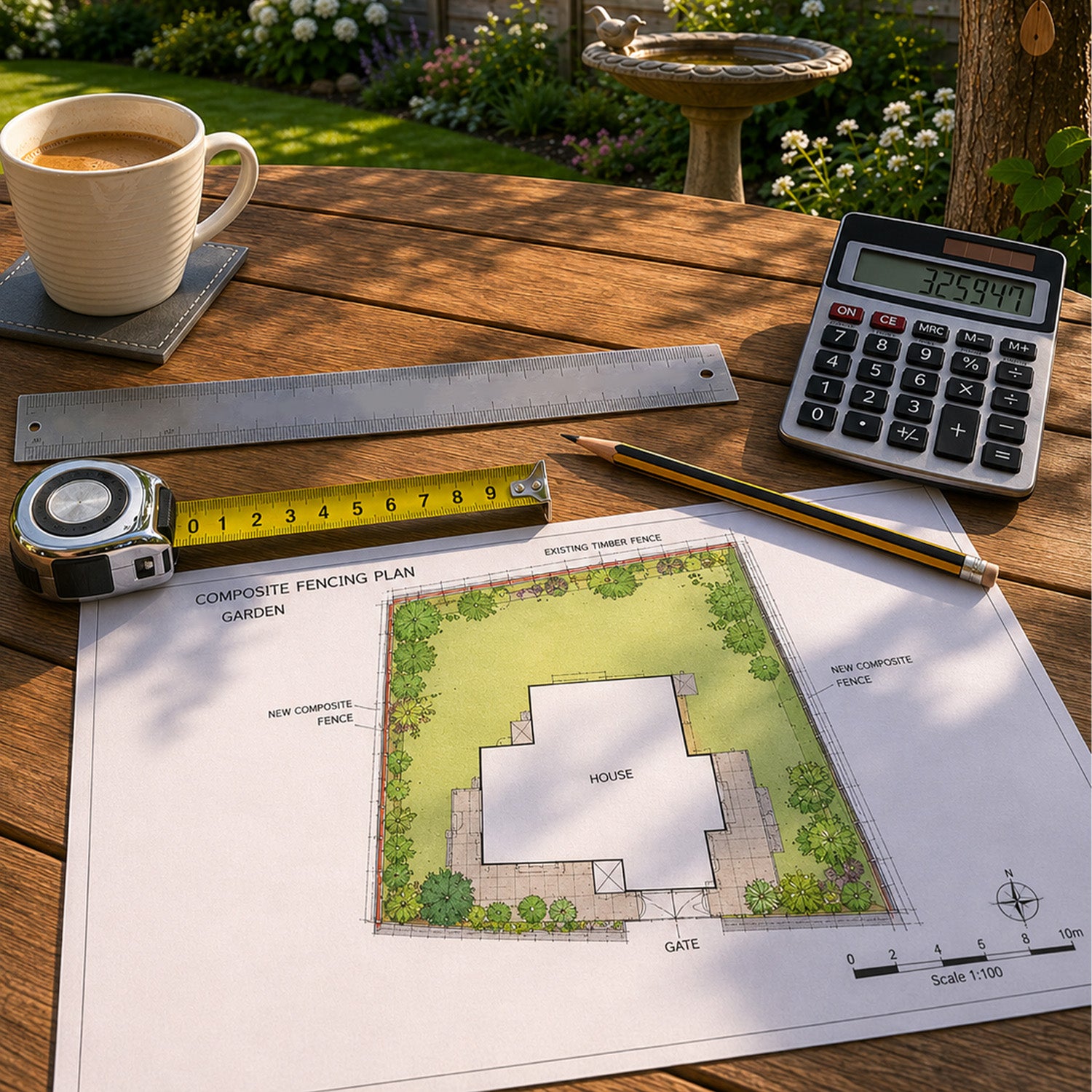
Measure the area to be covered and account for openings, corners, cutting waste and trims. Compare the full cost of the project, including supporting framework, fixings, finishing accessories and labour.
Confirm the technical suitability of the selected product for the building and proposed use. Cladding is an exterior finish; it does not independently establish structural strength, fire compliance or a waterproof wall.
Use the NeoTimber® composite cladding installation resources to plan framework preparation, board fitting and finishing. For design inspiration, browse the cladding gallery.
Frequently Asked Questions
Are Composite Wood Siding and Composite Cladding the Same?
Both terms can describe an exterior covering. Here, they refer to NeoTimber® wood-plastic composite boards. Confirm the actual product when comparing suppliers.
Is Wood Fibre Composite Cladding Solid Wood?
No. NeoTimber’s boards combine wood fibres with plastic polymers. Other wood-fibre composite products may use different formulations.
Does Composite Wood Siding Need Painting?
NeoTimber® composite cladding provides a finished colour without routine painting or staining. Follow the range-specific cleaning and care guidance.
Will Composite Cladding Fade?
Colour behaviour varies by range. Classic develops an initial weathered tone, while capped Deluxe and Slatted boards prioritise improved colour retention.
How Can I Compare the Colours and Textures?
View installed examples and request samples. Compare the samples outside with the existing materials around your project.
Find the Right Composite Finish for Your Project
Choosing composite wood siding means bringing together appearance, upkeep and product suitability. Compare the expected weathering, board texture and installation requirements alongside your preferred colour.
Browse the NeoTimber® cladding collection, then order free samples to assess your favourite finishes at home. With a clear design and a suitable installation plan, wood fibre composite cladding can help create an exterior that feels coordinated and considered.