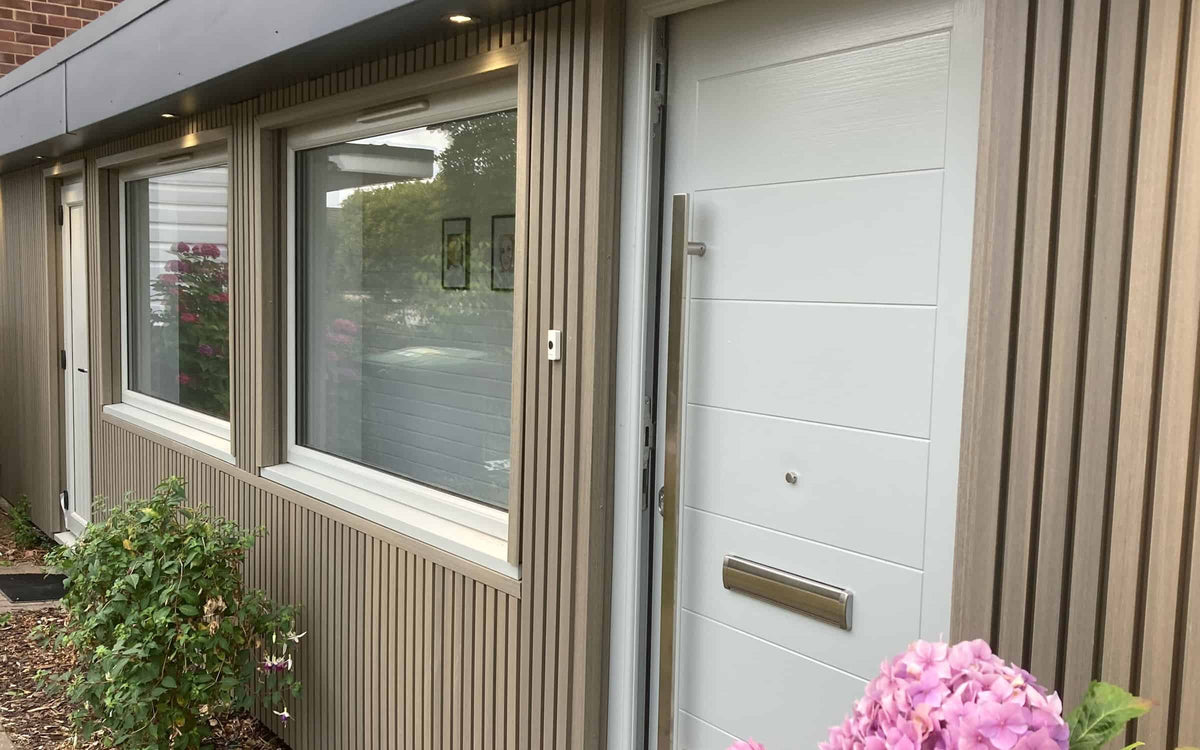
Understand Timber-Inspired Cladding Before Choosing Your Exterior
Searching for engineered timber cladding or engineered wood cladding? These terms can lead to different types of exterior products, so understanding the material behind the name is the first step towards choosing well. The finish may look like timber, but its composition, care requirements and installation details deserve a closer look.
This guide focuses on NeoTimber’s wood-polymer composite cladding: a manufactured alternative that combines wood fibres with polymers. We explain its construction, the factors that influence durability and how to compare finishes for your property.
What Do Engineered Timber Cladding and Engineered Wood Cladding Mean?
The words “engineered timber” and “engineered wood” describe a broad group of manufactured wood-based materials. They should not be treated as a precise specification or as automatic synonyms for wood-plastic composite. Products sold under these descriptions may use different binders, treatments or construction methods.
NeoTimber’s composite cladding collection includes wood-polymer composite boards, often abbreviated to WPC. If you are comparing these with another engineered wood cladding product, check the actual ingredients, board construction, intended use and technical documentation. Similar-looking boards can have different performance and maintenance requirements.
How Is NeoTimber® Composite Cladding Constructed?
Wood-polymer composite brings wood fibres, polymers and additives together in a manufactured board. The formulation and surface construction influence the resulting product; there is no single ingredient ratio that can be applied to every engineered timber cladding option.
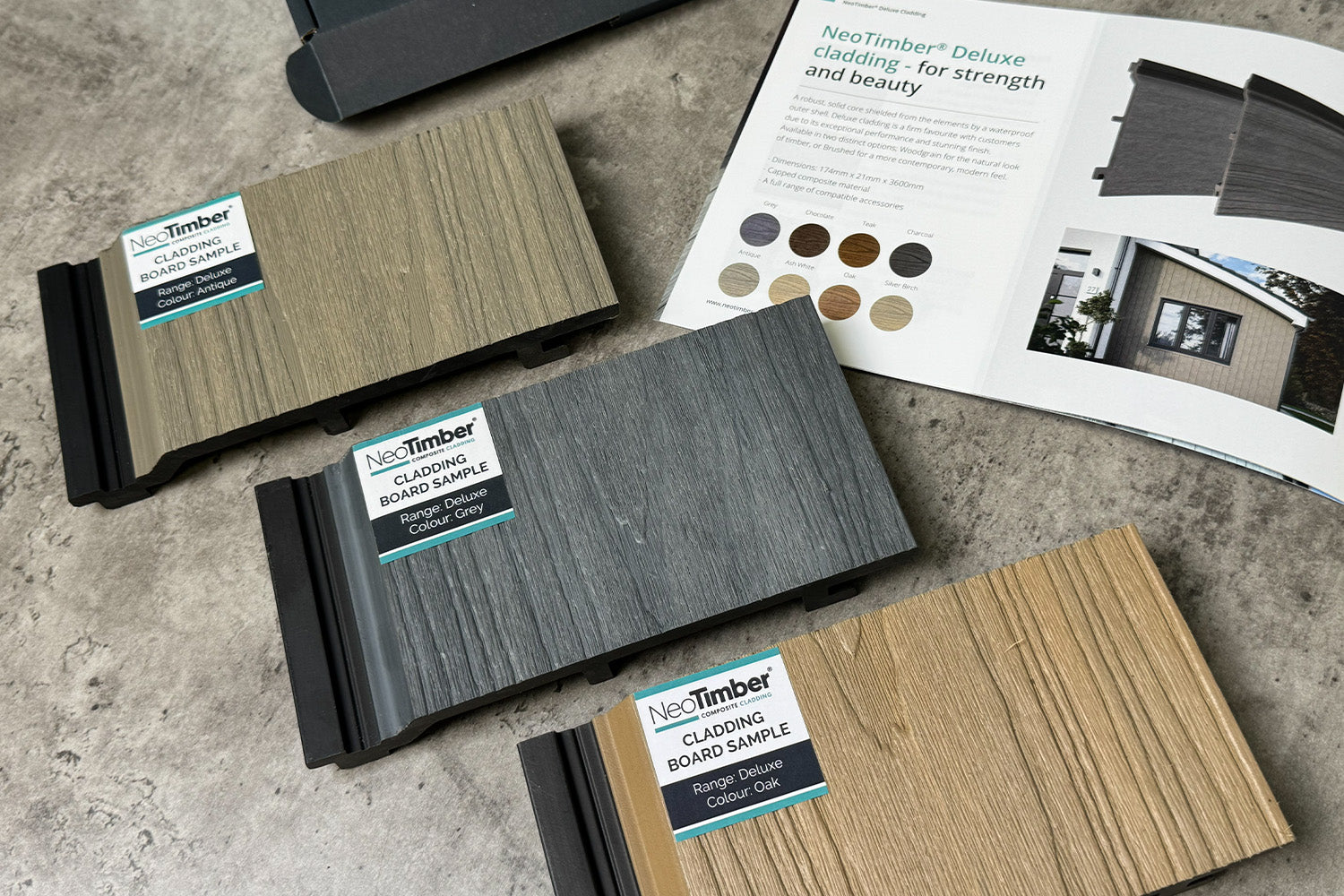
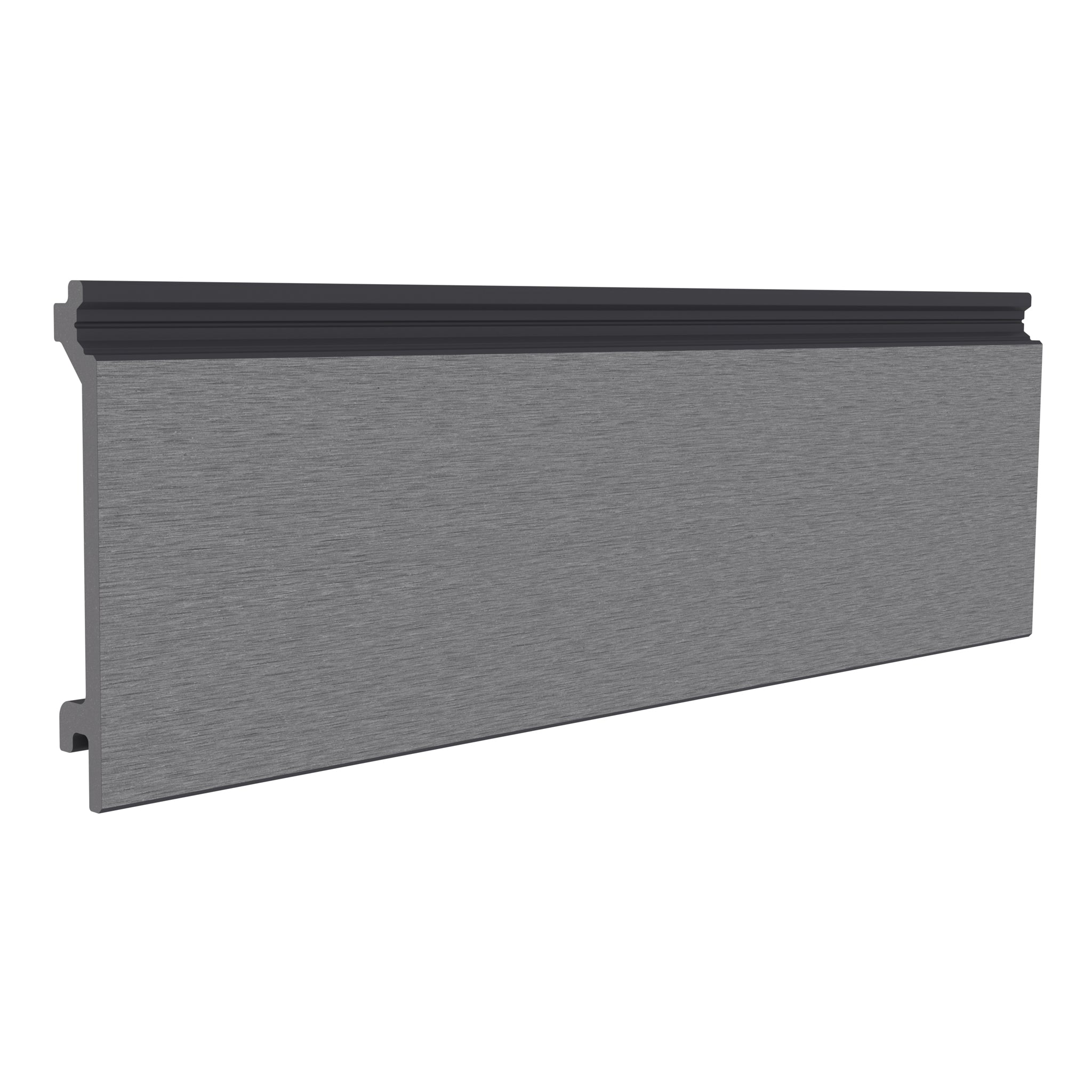
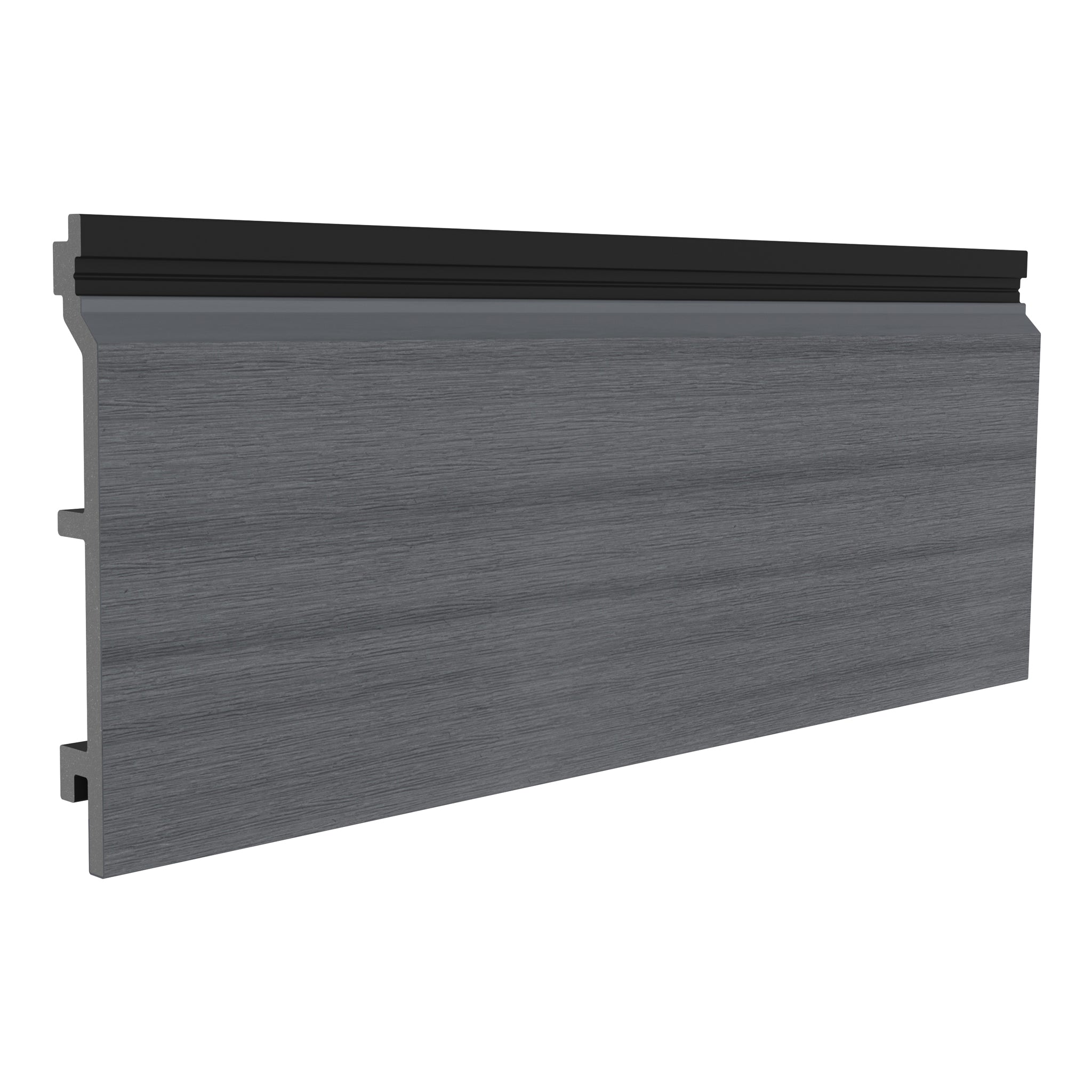
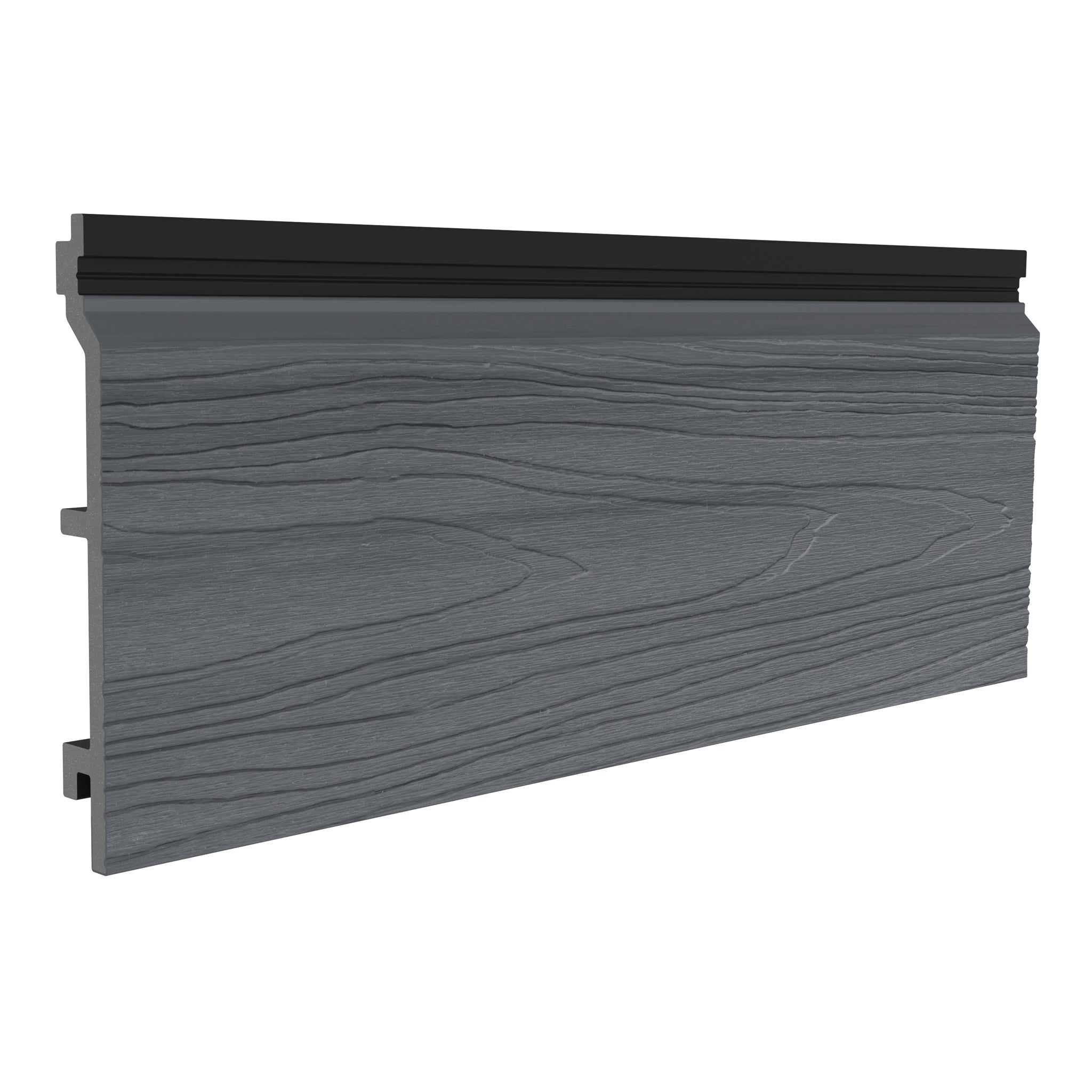
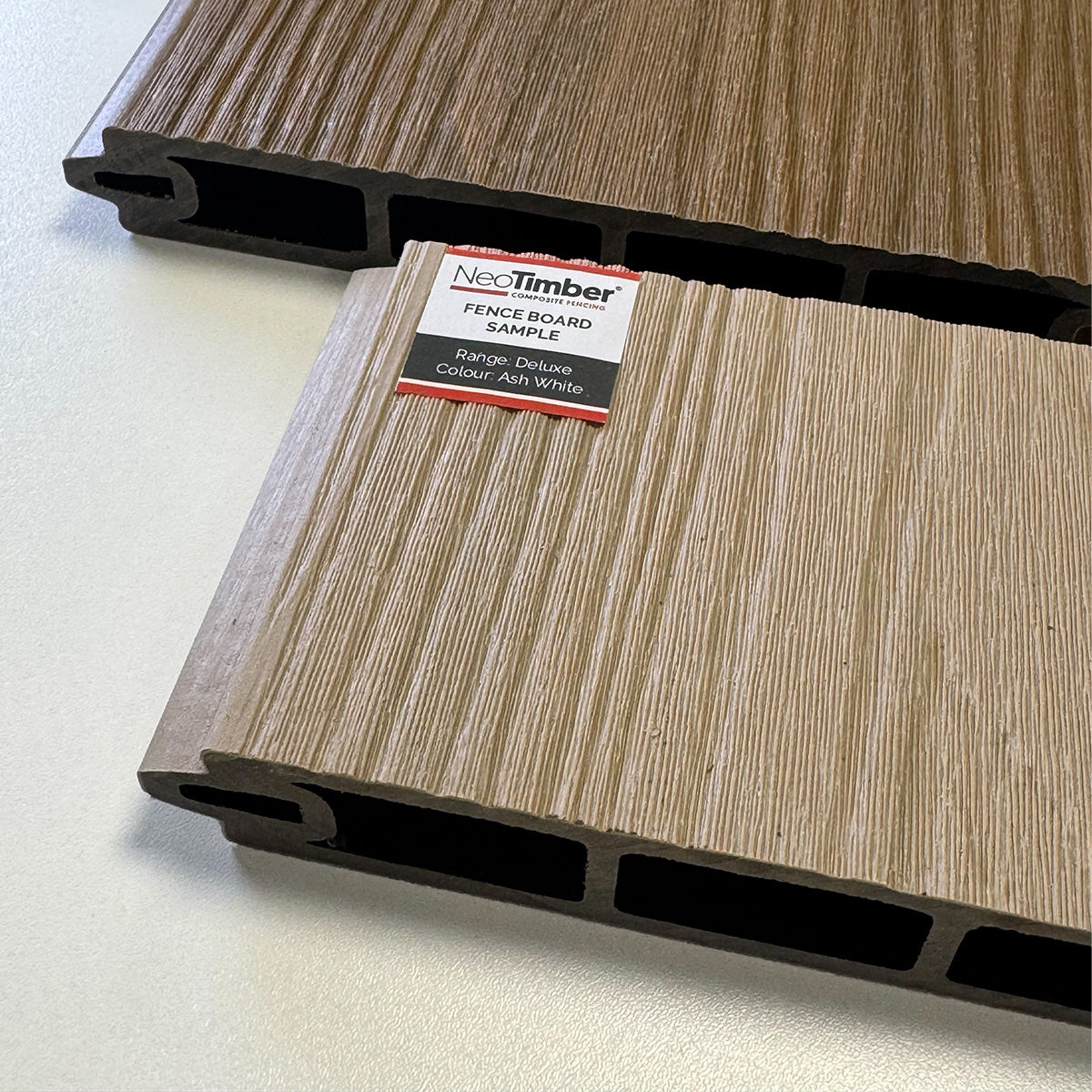
For example, NeoTimber’s Classic cladding specification identifies an uncapped wood-polymer board with a sanded surface. The Deluxe Woodgrain range uses capped construction and an embossed grain. Comparing those details is more useful than assuming every manufactured board is made or finished in the same way.
Capped and Uncapped Construction
Capped boards have an additional protective surface layer. Deluxe Woodgrain is designed to improve fade and stain resistance, while its embossed texture creates a timber-inspired appearance. Uncapped boards offer a different surface construction and may weather differently outdoors.
Neither construction removes the need for suitable installation or care. Read the weathering information for your chosen range, particularly if retaining a specific colour is an important part of the design.
How Durable Is Engineered Wood Cladding?
Durability depends on the particular product, exposure, installation and maintenance. “Engineered” alone is not evidence of a fixed lifespan, and a board should not be described as immune to damage simply because it contains polymers.
When assessing a composite option, consider how the board manages outdoor exposure and how the complete wall construction will support it. The surface is only one part of the project: supports, fixings, joints and perimeter details also influence the result.
Moisture and Weather Exposure
Exterior cladding forms the visible covering of a wall, but it does not replace the drainage, ventilation and weatherproofing measures required behind and around it. Assess the existing structure and resolve damp or damage before covering the area.
Product information about moisture resistance should be read alongside the installation requirements. It is not a promise that the finished wall will be waterproof regardless of how it is built.
Sunlight and Colour Stability
Outdoor finishes experience sunlight and weathering. Capped composite options are designed to improve fade resistance, but that does not establish zero colour change throughout their life. Compare product-specific information and view samples before deciding which finish suits your expectations.
Temperature Changes and Board Movement
Composite boards can expand and contract as temperatures change. The installation needs the specified movement allowances and fixing details. Follow the current cladding installation guidance for the selected range rather than using a detail intended for a different product.
Choosing a Timber-Inspired Finish
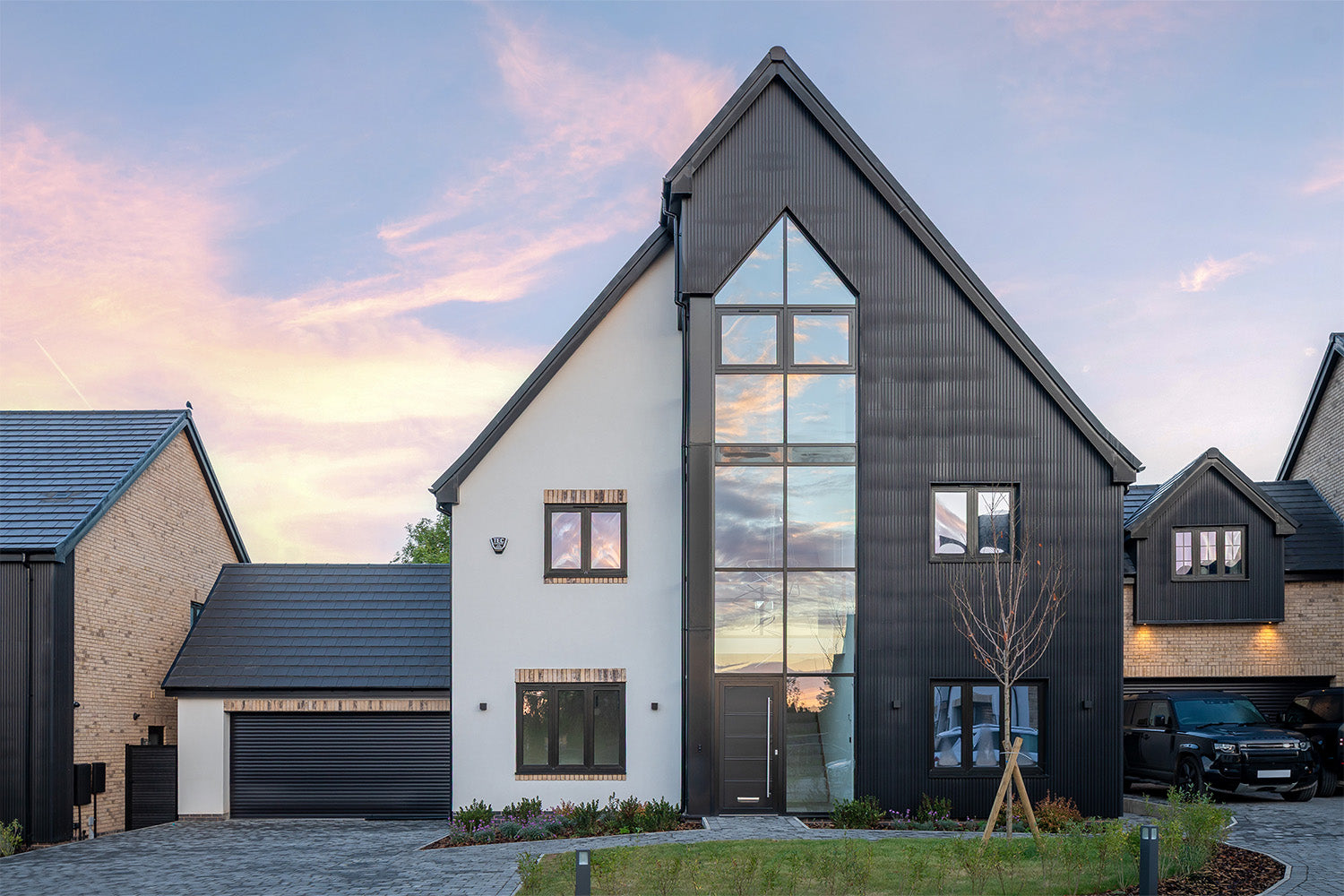
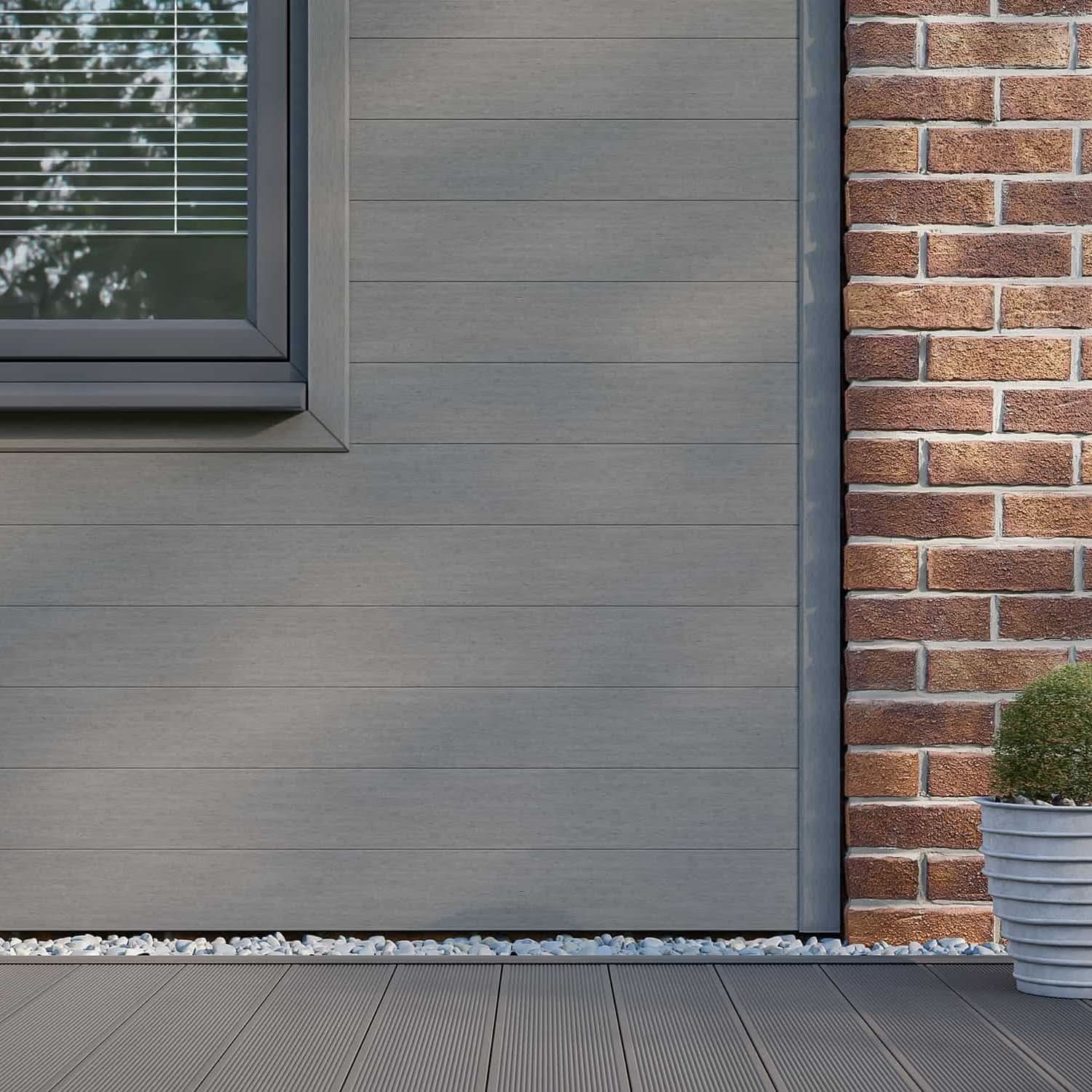
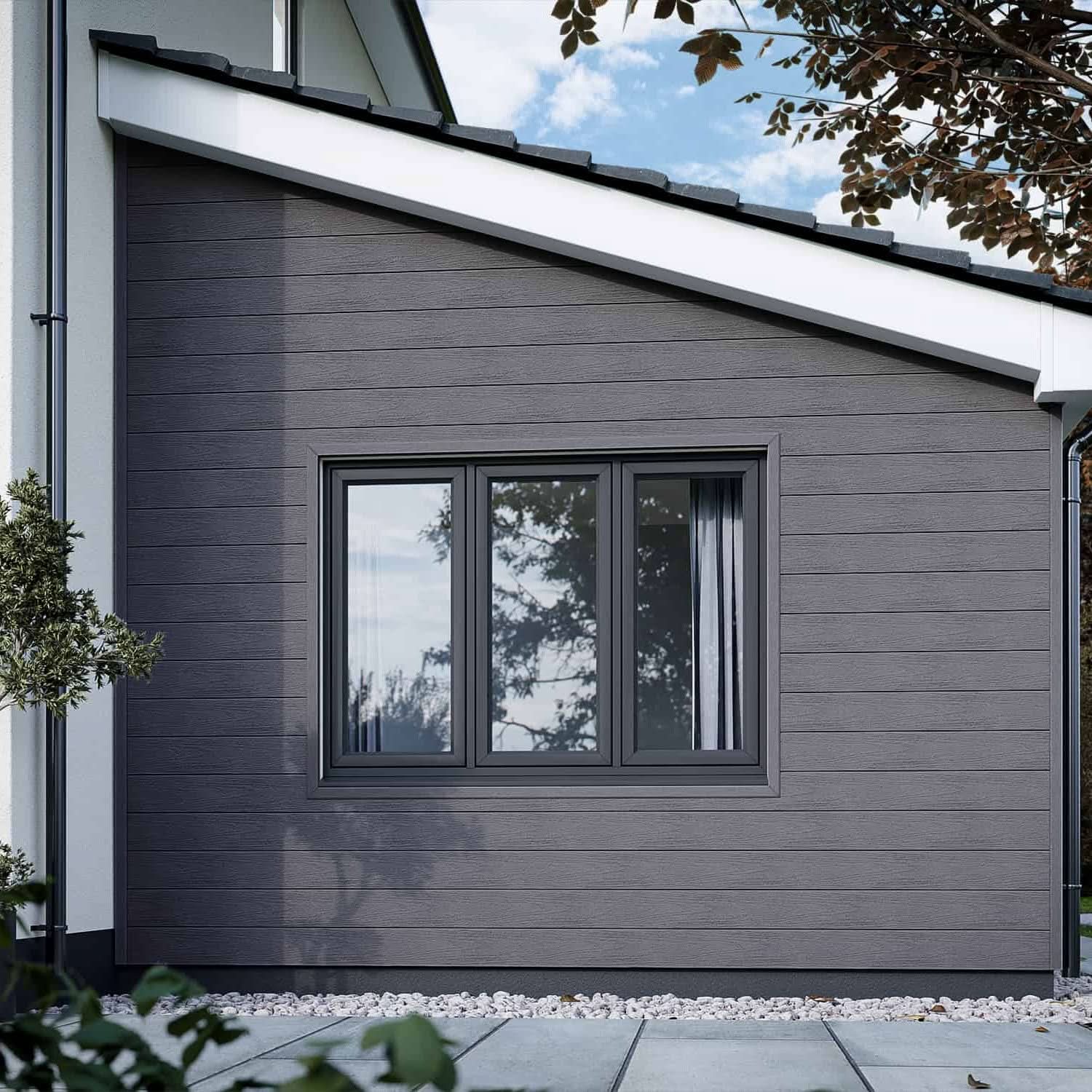
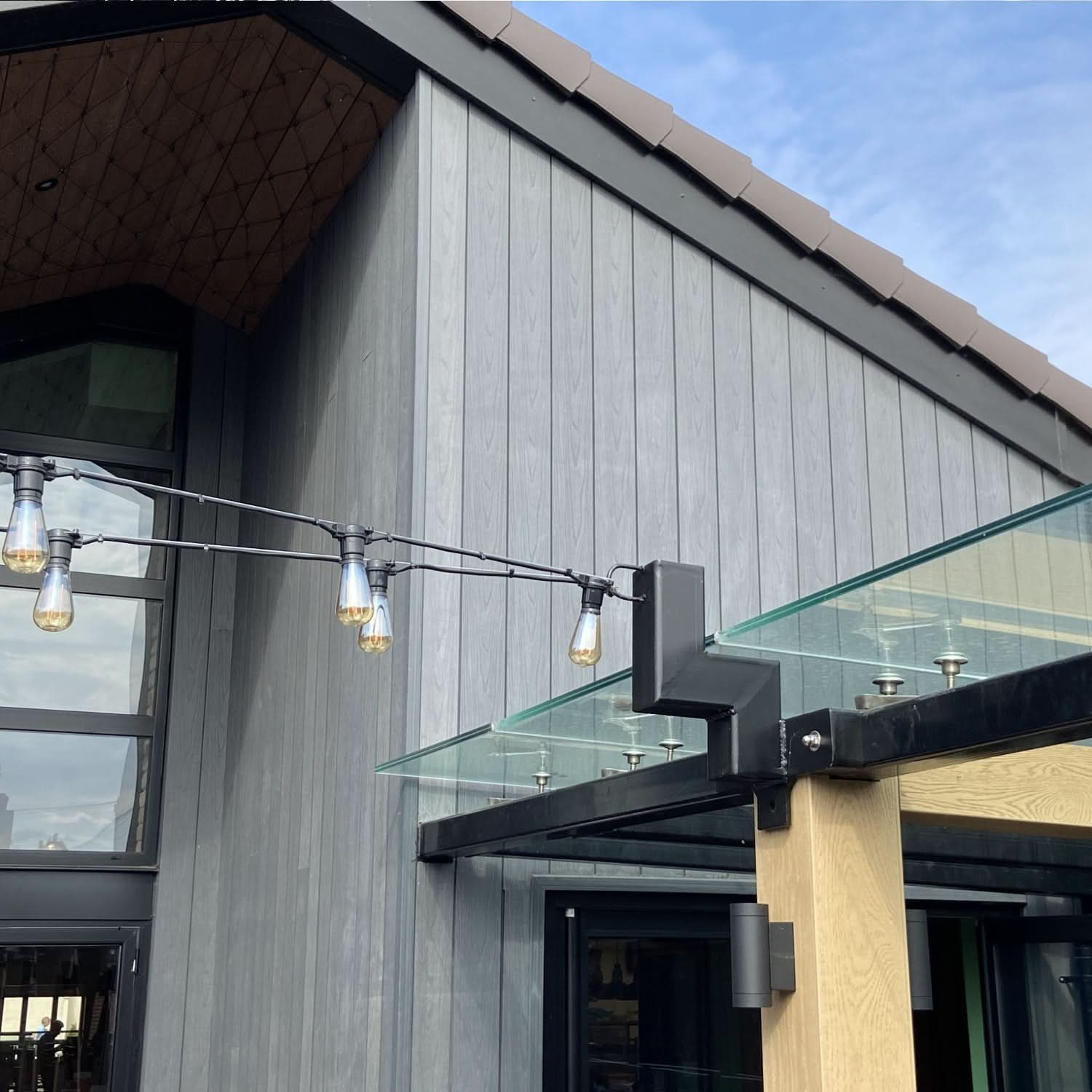
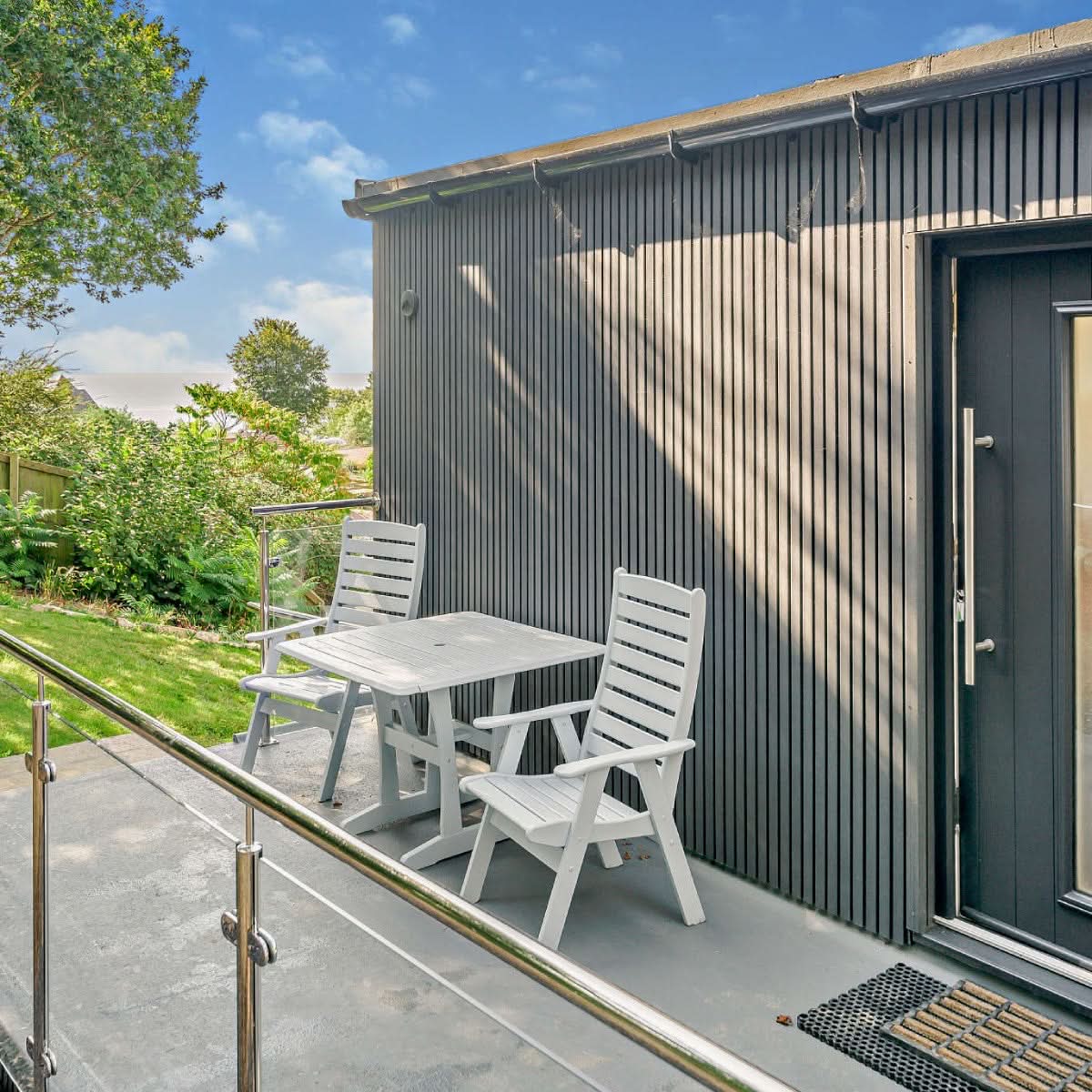
Engineered timber cladding searches often begin with a particular look in mind. Decide whether you prefer a subtle surface or pronounced grain, then compare colours beside the materials already present on your property. Brickwork, render, glazing and landscaping can all influence how a shade appears.
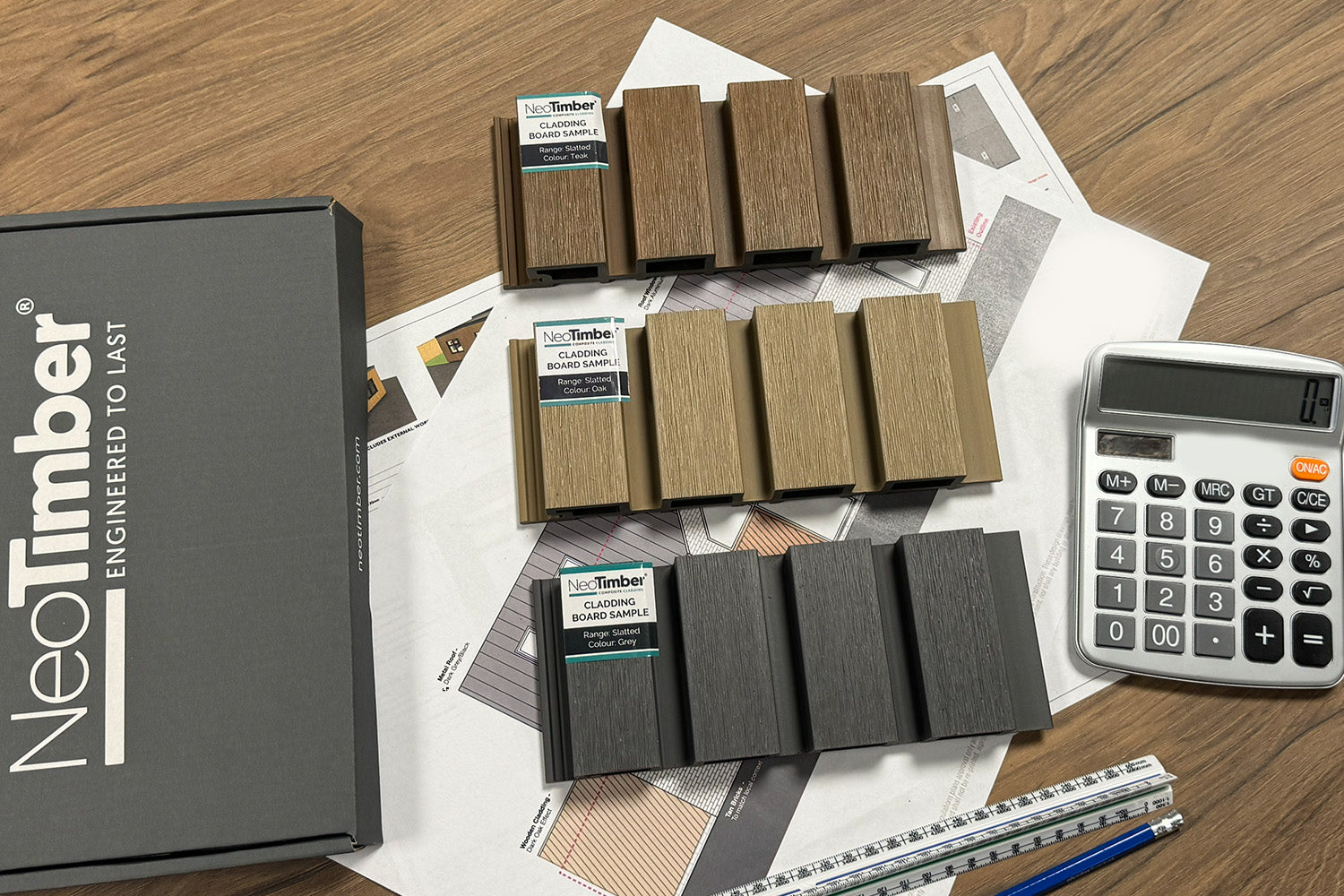
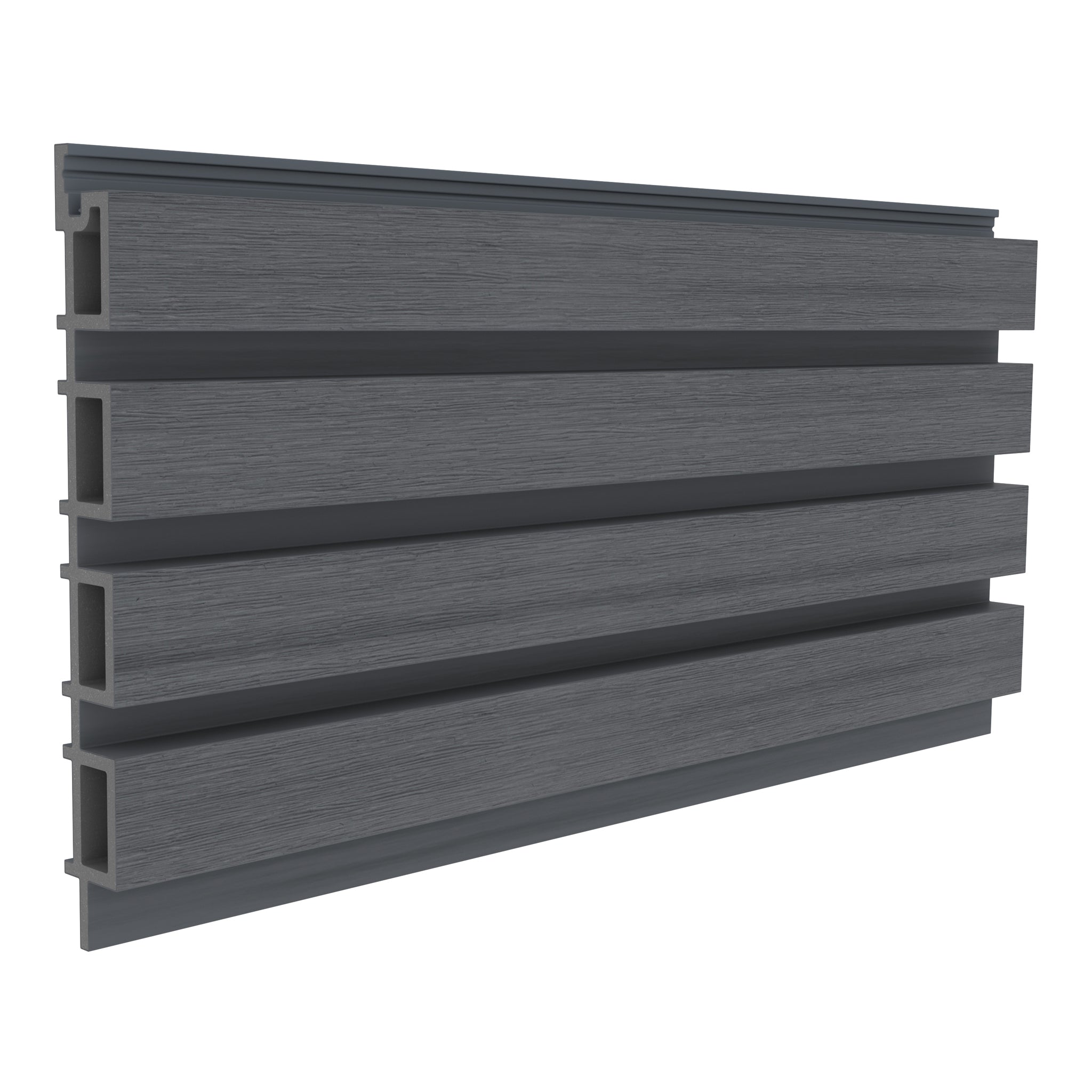
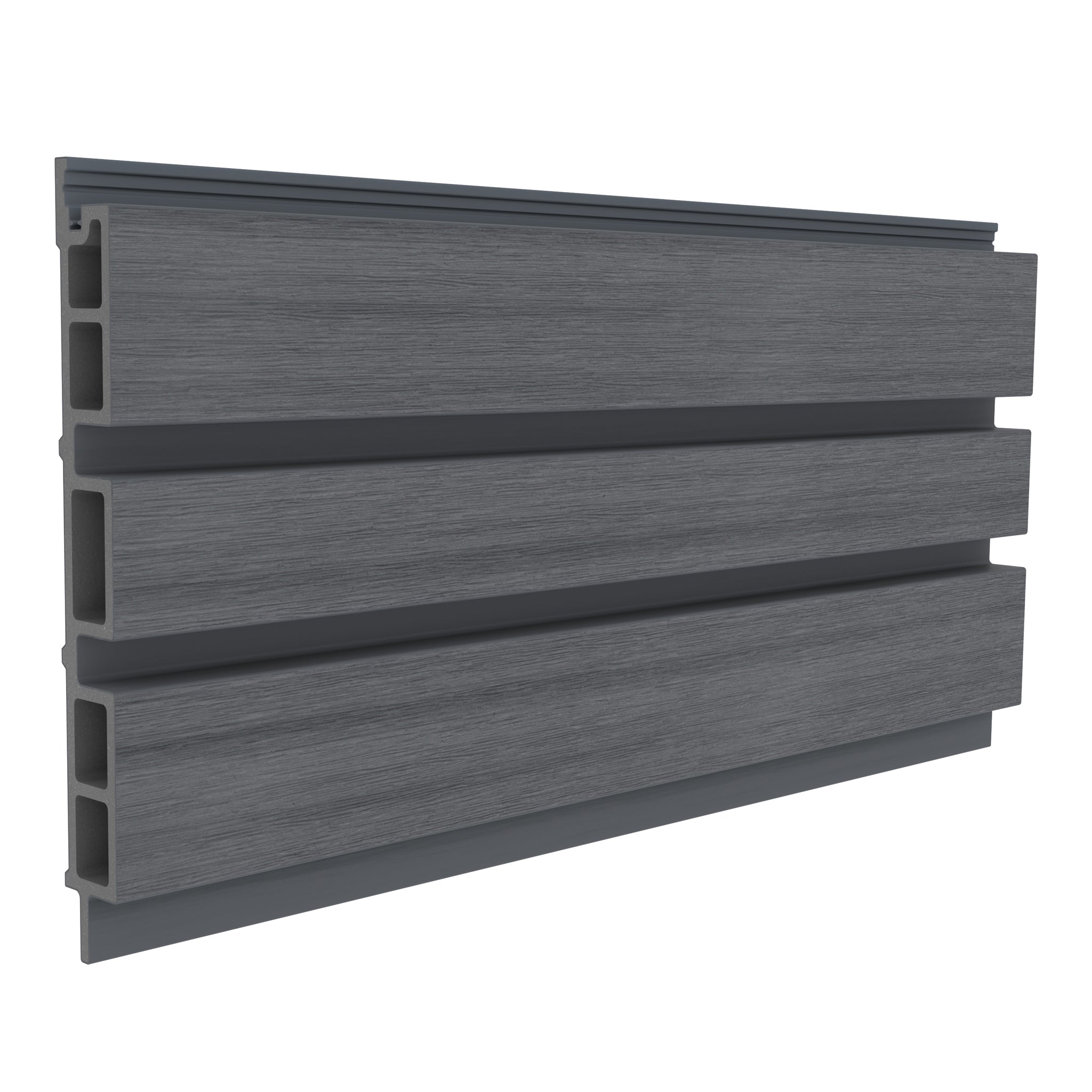
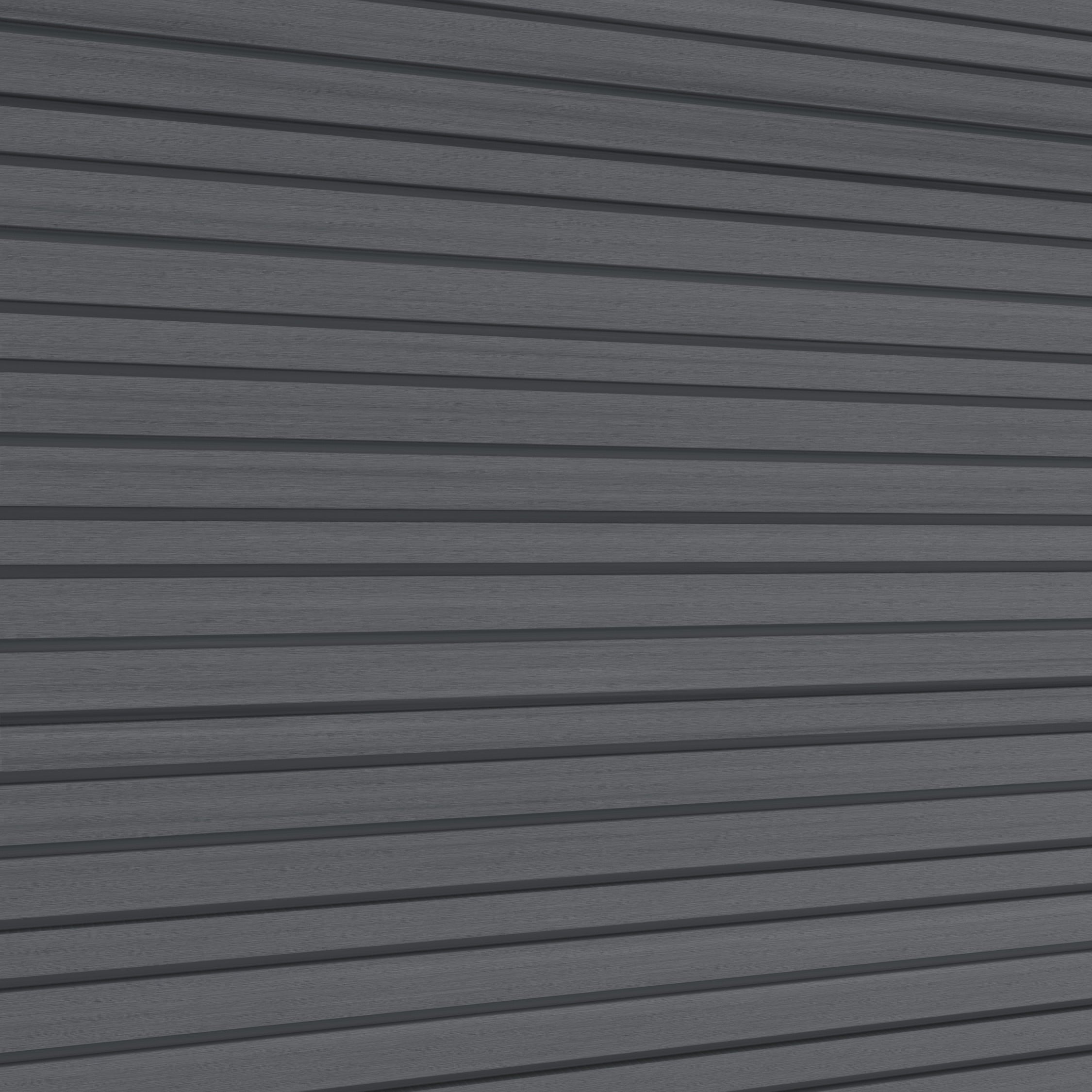
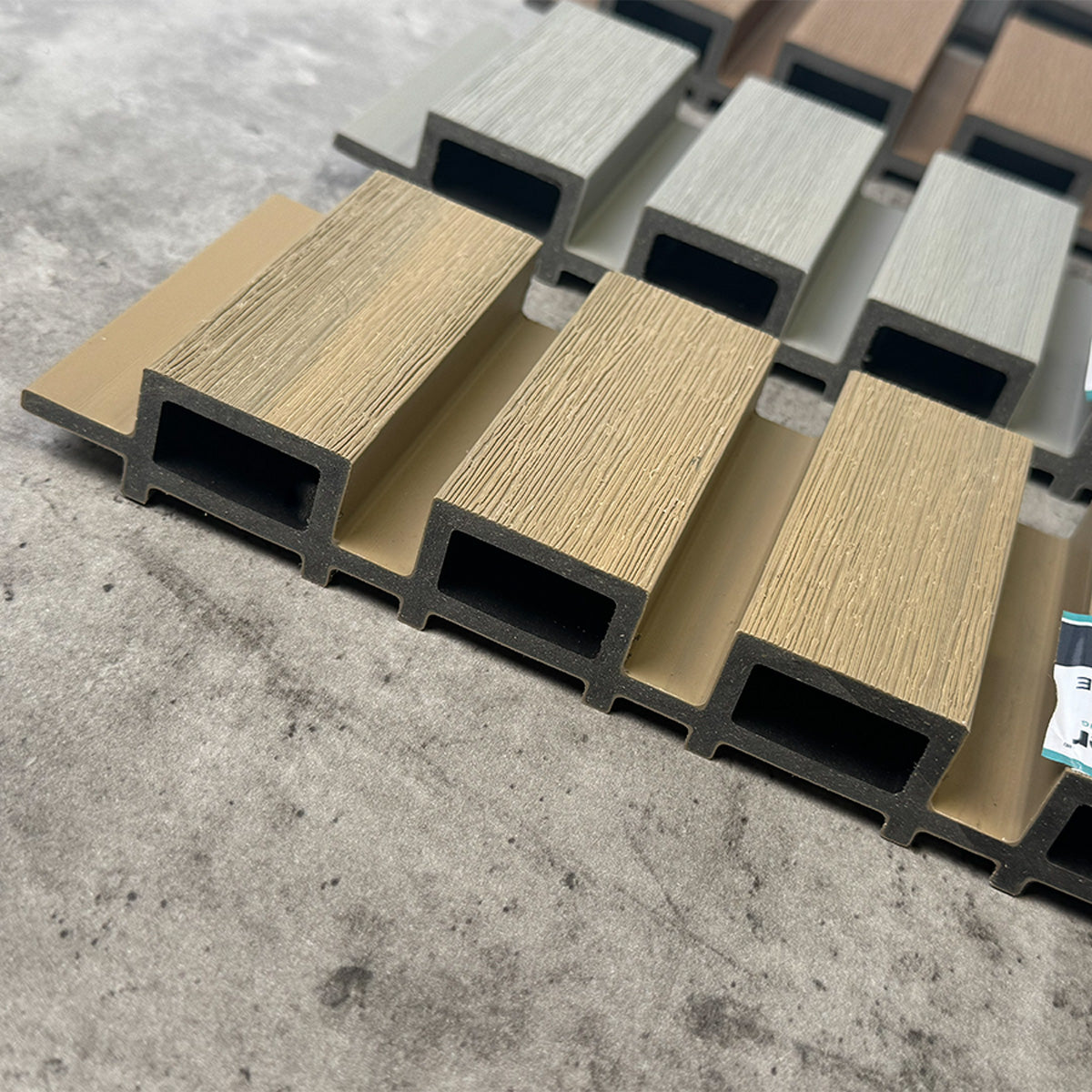
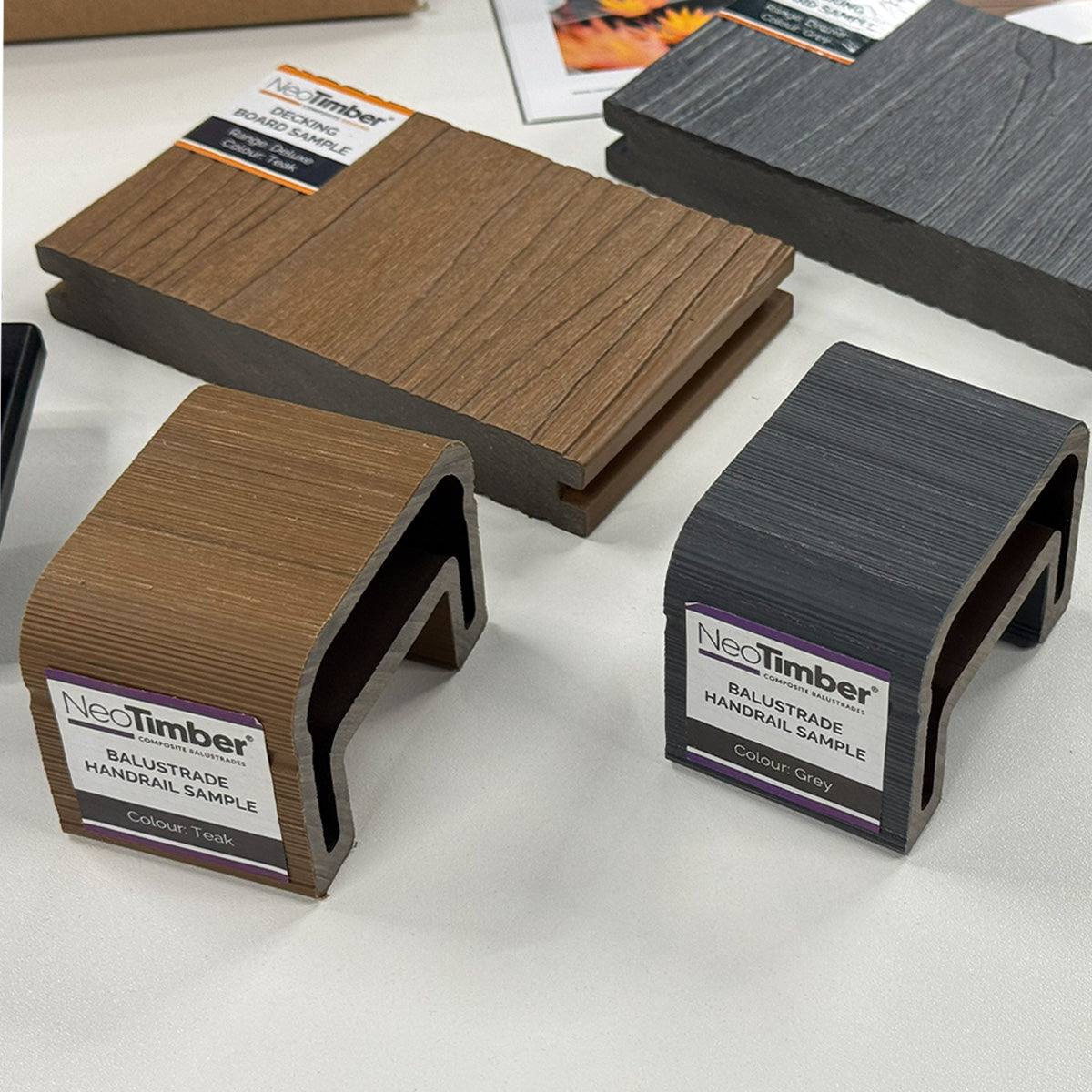
NeoTimber’s Classic range has a sanded texture, while Deluxe Woodgrain offers a deeper grain effect. A Slatted cladding profile provides another design direction where a linear, batten-inspired appearance is preferred.
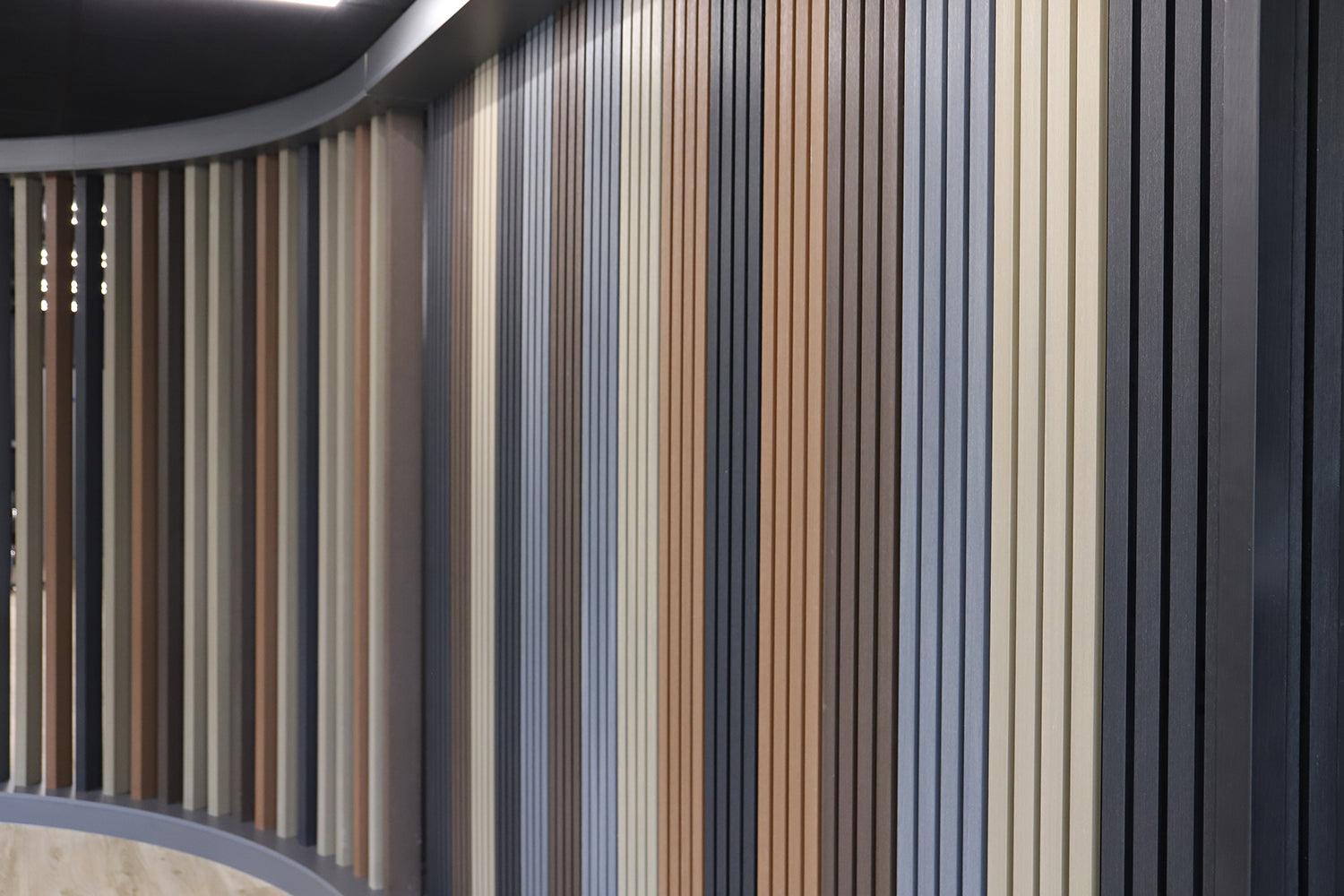
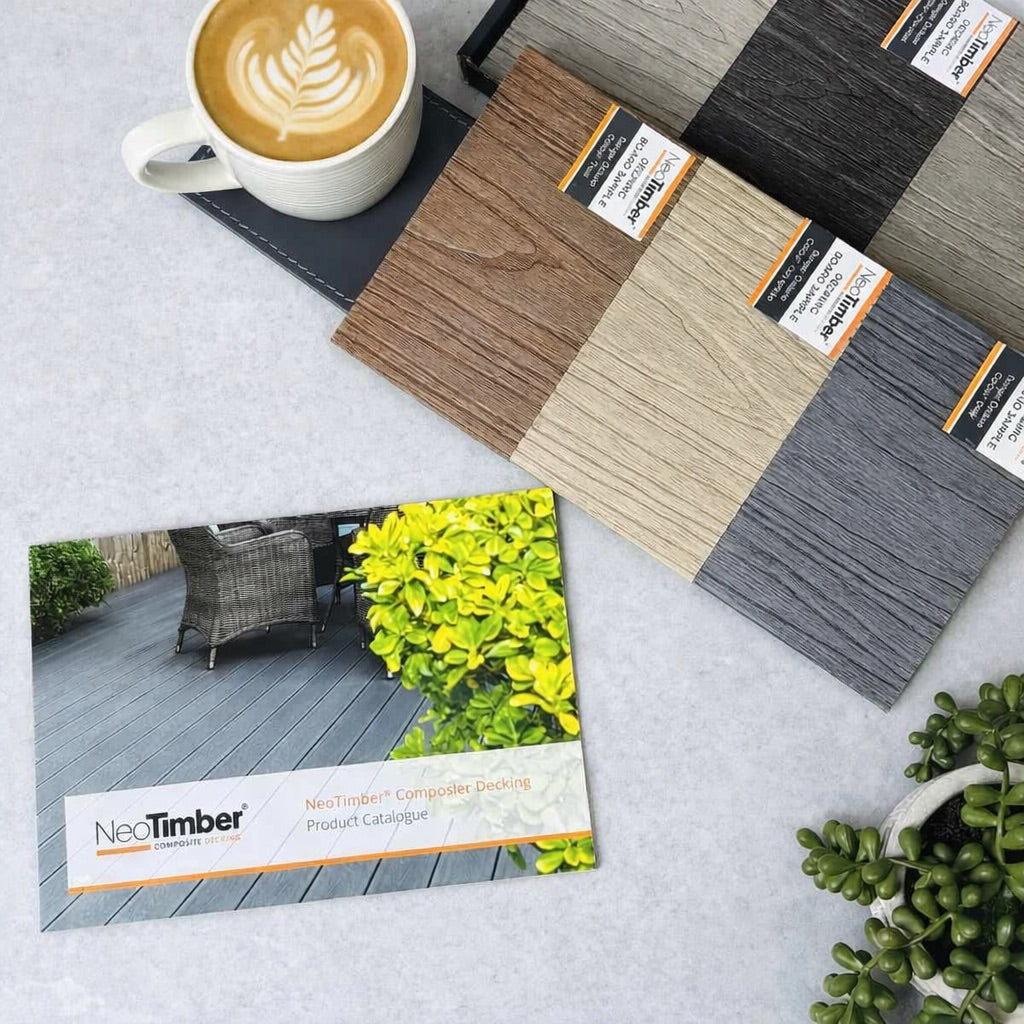
Use the cladding colour guide to shortlist options, then compare physical samples in daylight and shade. A small sample helps you judge texture; completed project photographs help you consider how that finish repeats across a larger wall.

Engineered Timber Cladding vs Solid Timber
Solid timber offers natural variation and may suit projects where changing or renewing the finish is part of the intended care routine. Wood-polymer composite offers a manufactured appearance with reduced routine surface treatment. Neither should be judged only by its initial board price.
- Appearance: compare grain, texture, colour and the character of a completed installation.
- Care: check the cleaning requirements and any coating schedule needed for the timber finish you want.
- Project cost: include supports, accessories, labour, access and cutting waste.
- Suitability: review the specification against the building and its exposure.
Timber performance varies with species, treatment and detailing; it is inaccurate to describe all timber as inherently unreliable. Our composite cladding vs wood guide can help you weigh the practical differences.
Maintenance, Warranty and Material Sourcing
NeoTimber® composite cladding does not require routine painting or staining to maintain its intended finish. Cleaning remains part of its care. Follow the maintenance guide before using cleaners or pressure-washing equipment, and inspect the installation periodically.
Read the current warranty terms for coverage, conditions and exclusions. A warranty should not be interpreted as a guarantee that every aspect of appearance will remain unchanged.
For material sourcing, NeoTimber® identifies FSC® 100% certified wood fibres in its Classic and Deluxe Woodgrain specifications. That is useful sourcing information, but it does not establish a complete environmental comparison with another product. If sustainability is a priority, also ask about composition, service life and the available disposal or recovery routes.
Engineered Cladding FAQs
Is Engineered Wood Cladding Always Composite Cladding?
No. The description can refer to different manufactured wood-based products. NeoTimber® supplies wood-polymer composite cladding, so compare the specific material rather than relying on the name.
Does Engineered Timber Cladding Need Painting?
It depends on the product. NeoTimber® composite cladding does not require routine painting or staining, while other engineered wood products may have different coating requirements.
Can Composite Cladding Look Like Timber?
Yes. Timber-inspired colours and grain textures can create a recognisable wood-look finish. Manufactured boards have a different character from the individual variation of natural timber, so samples are useful when comparing them.
Is Composite Cladding Suitable for Every Building?
Suitability is project-specific. Confirm the relevant building requirements and fire performance with your installer or designer before selecting a range.
Compare Finishes for Your Project
Bring your preferred colours and textures into the setting where they will be used. Order free NeoTimber® cladding samples, then explore the composite cladding collection to compare specifications and accessories for your exterior.