Discover a Timber-Effect Exterior With NeoTimber®
NeoTimber composite cladding brings together timber-effect design, a choice of board profiles and reduced routine decorative upkeep. Whether you are planning a garden building, refreshing a feature elevation or exploring an exterior renovation, choosing the right range starts with understanding how the finish and specification fit your project.
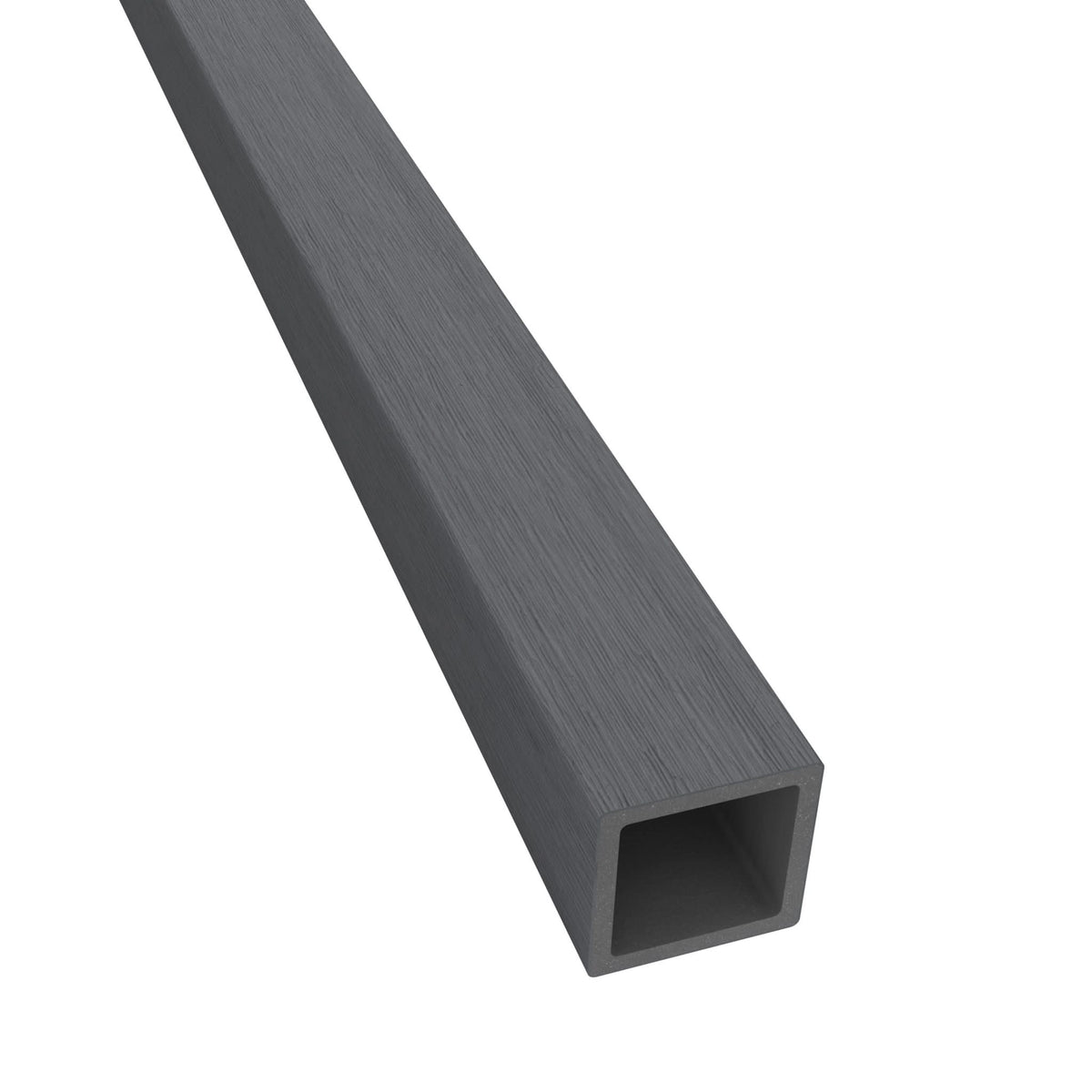
The NeoTimber® composite cladding collection includes boards, trims, fixings and subframe components. This guide explains how to compare the options, plan the complete installation and find the resources you need before ordering.
What Is NeoTimber Composite Cladding?
Composite cladding is an exterior board material made using wood fibres and plastic polymers. It offers a wood-effect alternative to traditional timber, with a different care routine. The boards provide the decorative outer finish; the supporting frame, fixings and wall detailing remain essential parts of the installation.
NeoTimber’s collection combines several appearances, from a more understated brushed finish to pronounced woodgrain and decorative slatted profiles. Start by deciding what you want the wall to look like, then check the product details and suitability for the building.
Explore the main cladding guide for an overview, or browse the collection to compare current products and availability.

Compare NeoTimber’s Composite Cladding Ranges
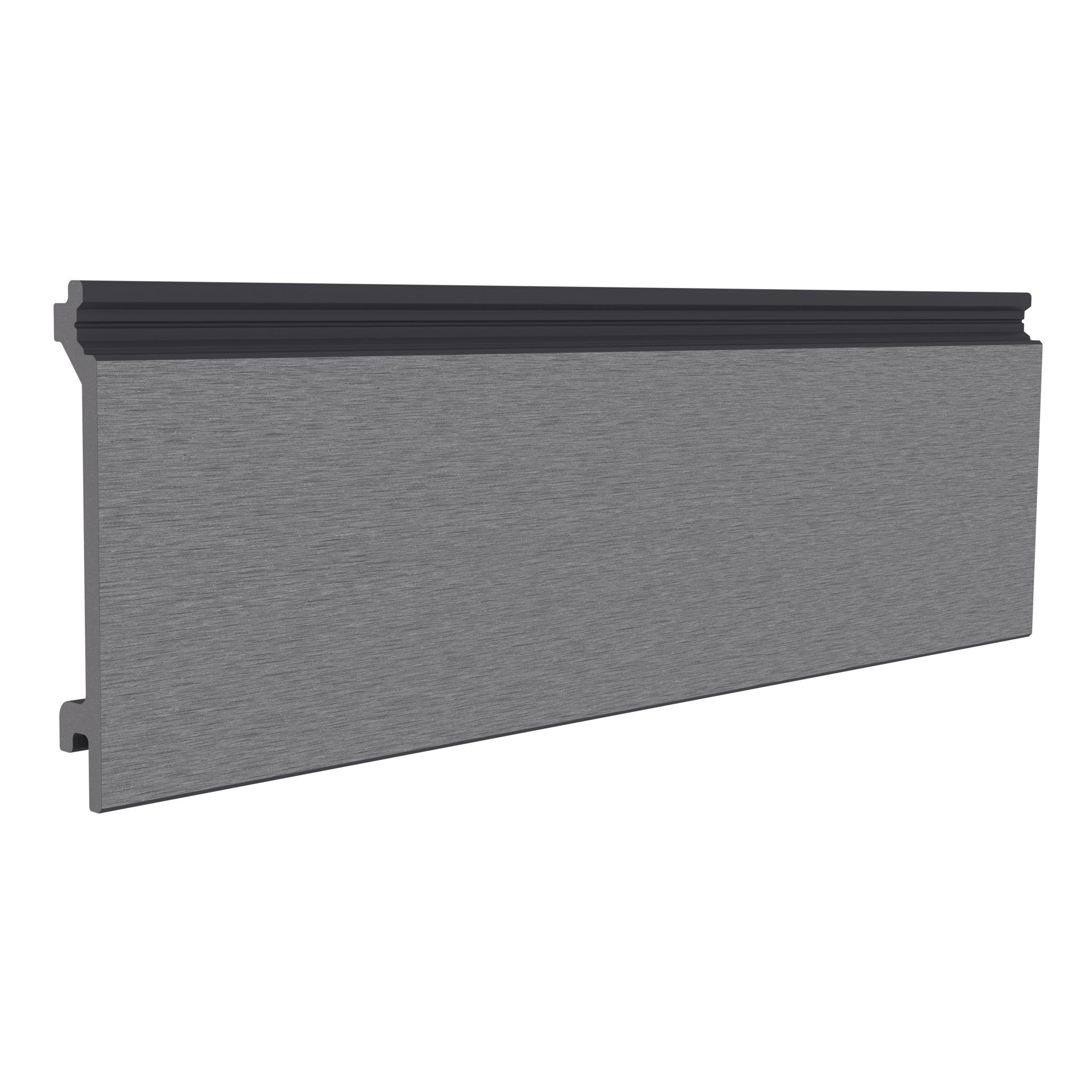
Classic Composite Cladding
The Classic range is an uncapped composite option with a brushed finish. It suits projects where a simple timber-effect appearance is preferred. Compare its colour choices, coverage and care requirements against the capped alternatives before making your selection.
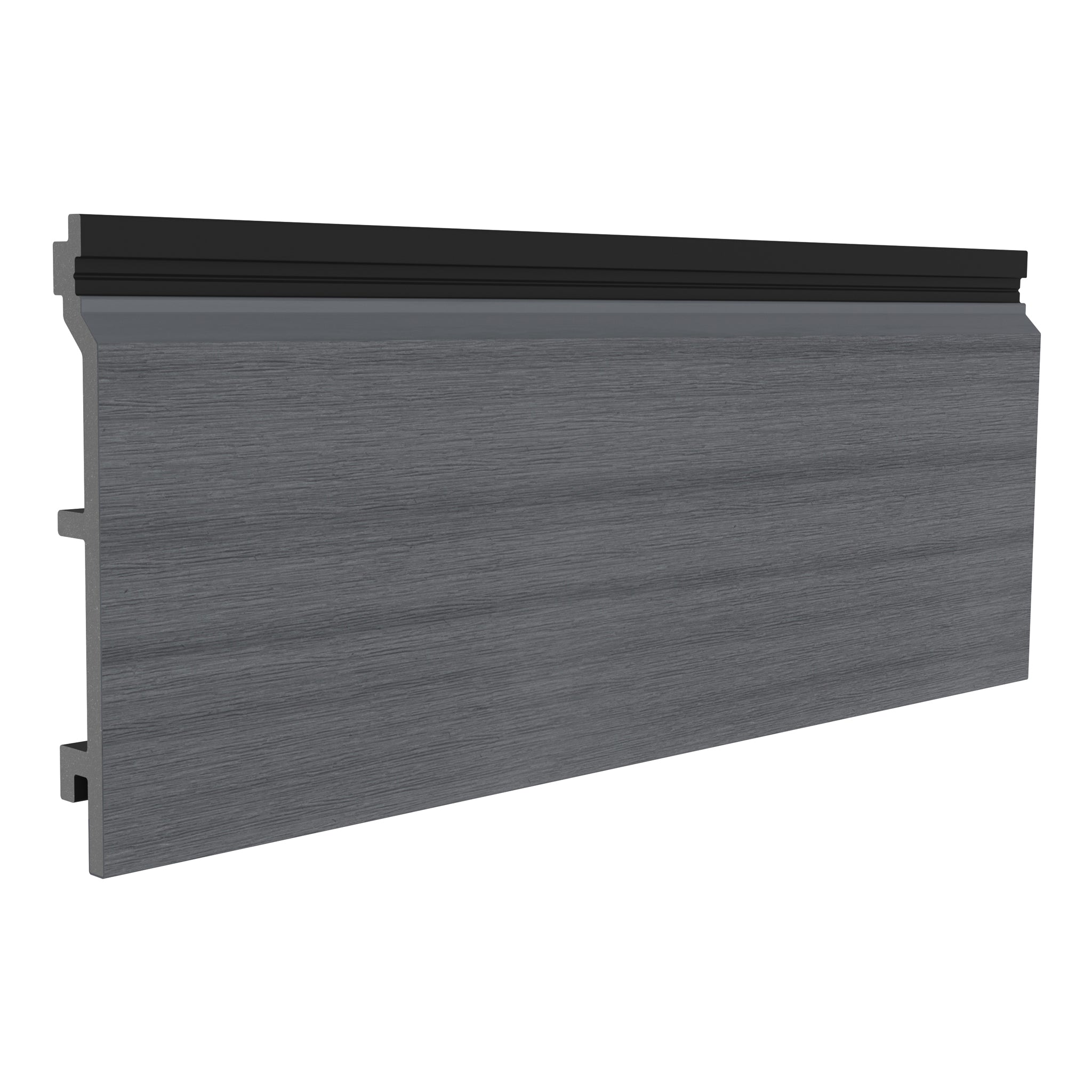
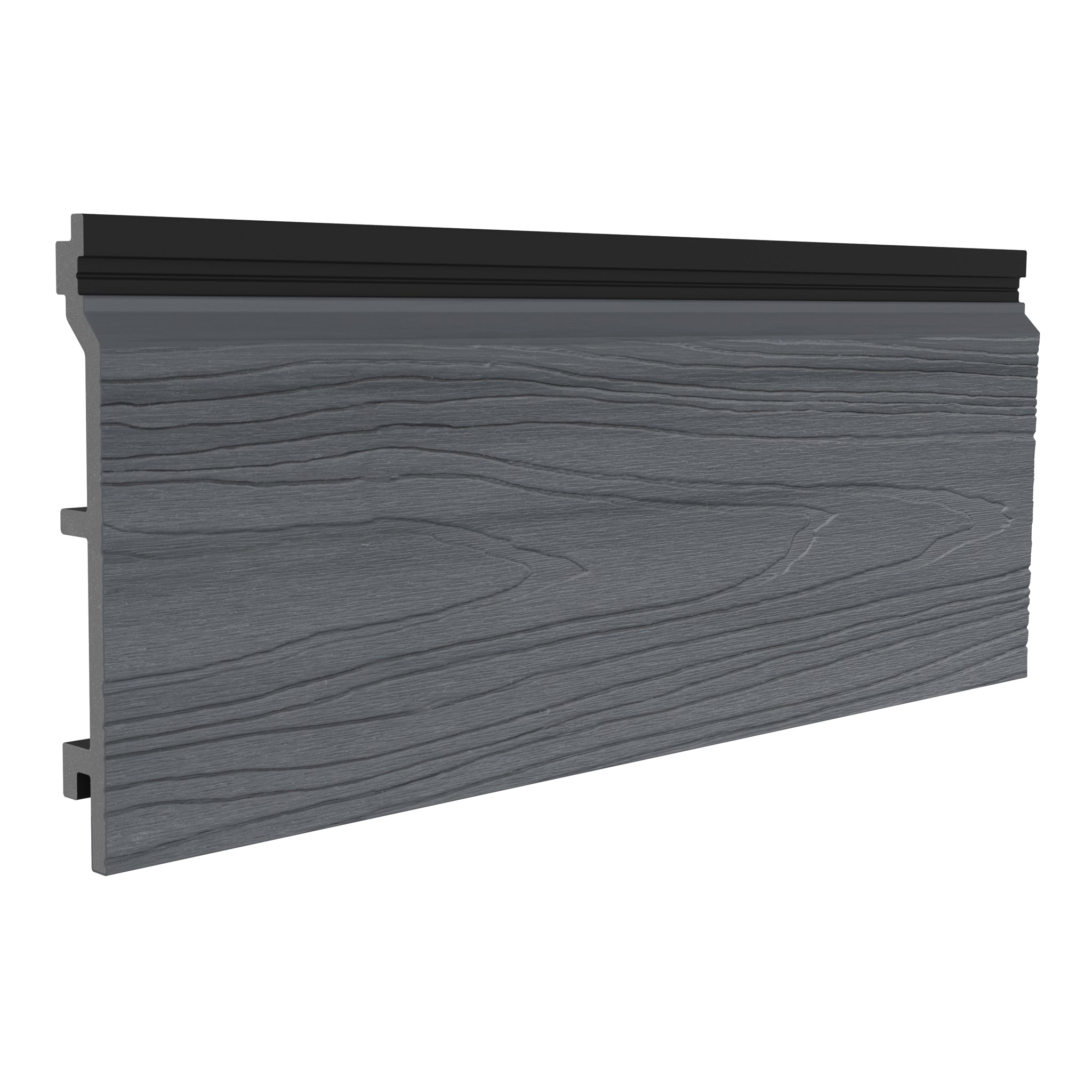
Deluxe Composite Cladding
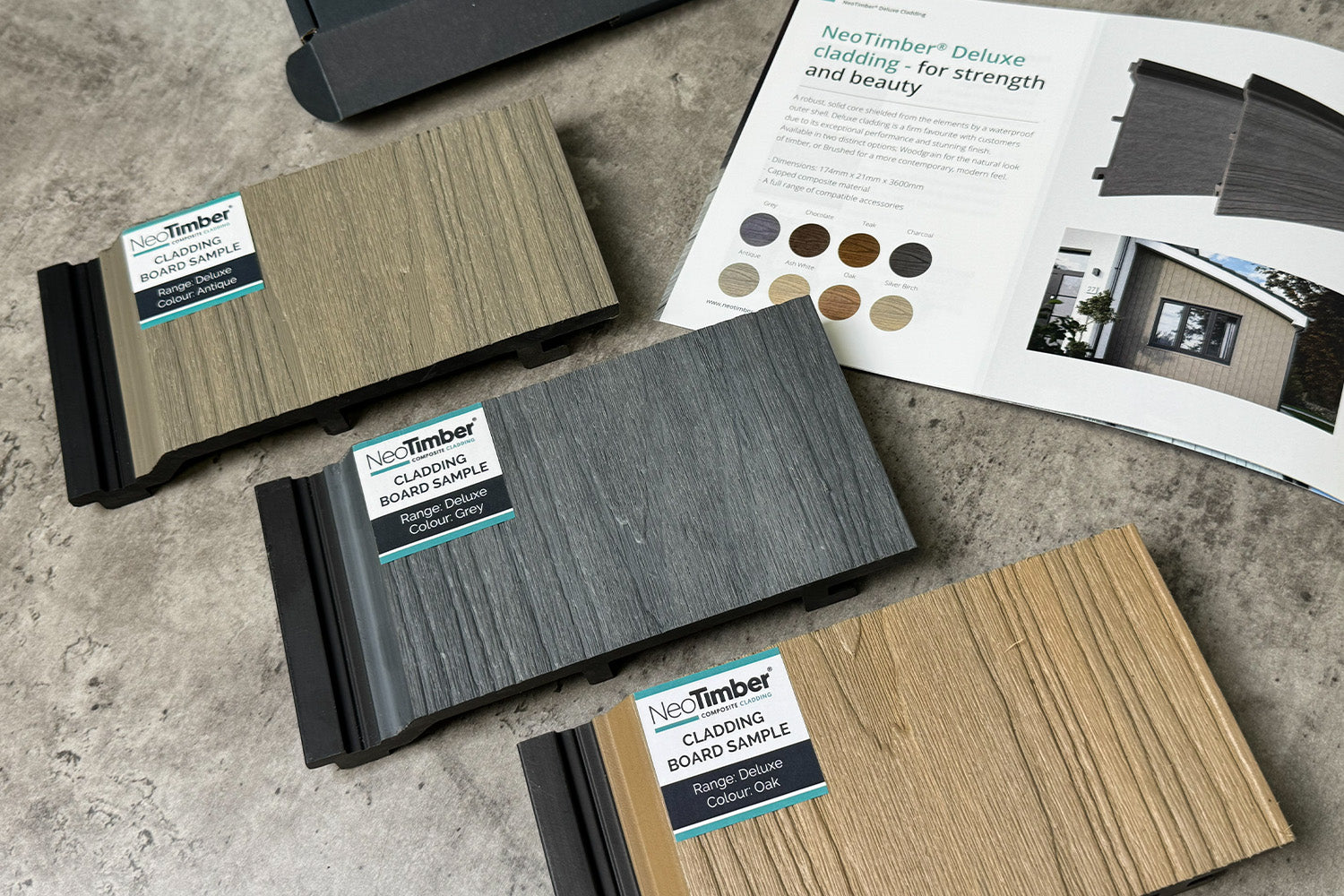
Deluxe boards offer capped surfaces and a choice of brushed or woodgrain finishes. The protective cap improves surface resistance to staining and fading, while the finish gives you another way to introduce texture to an exterior.
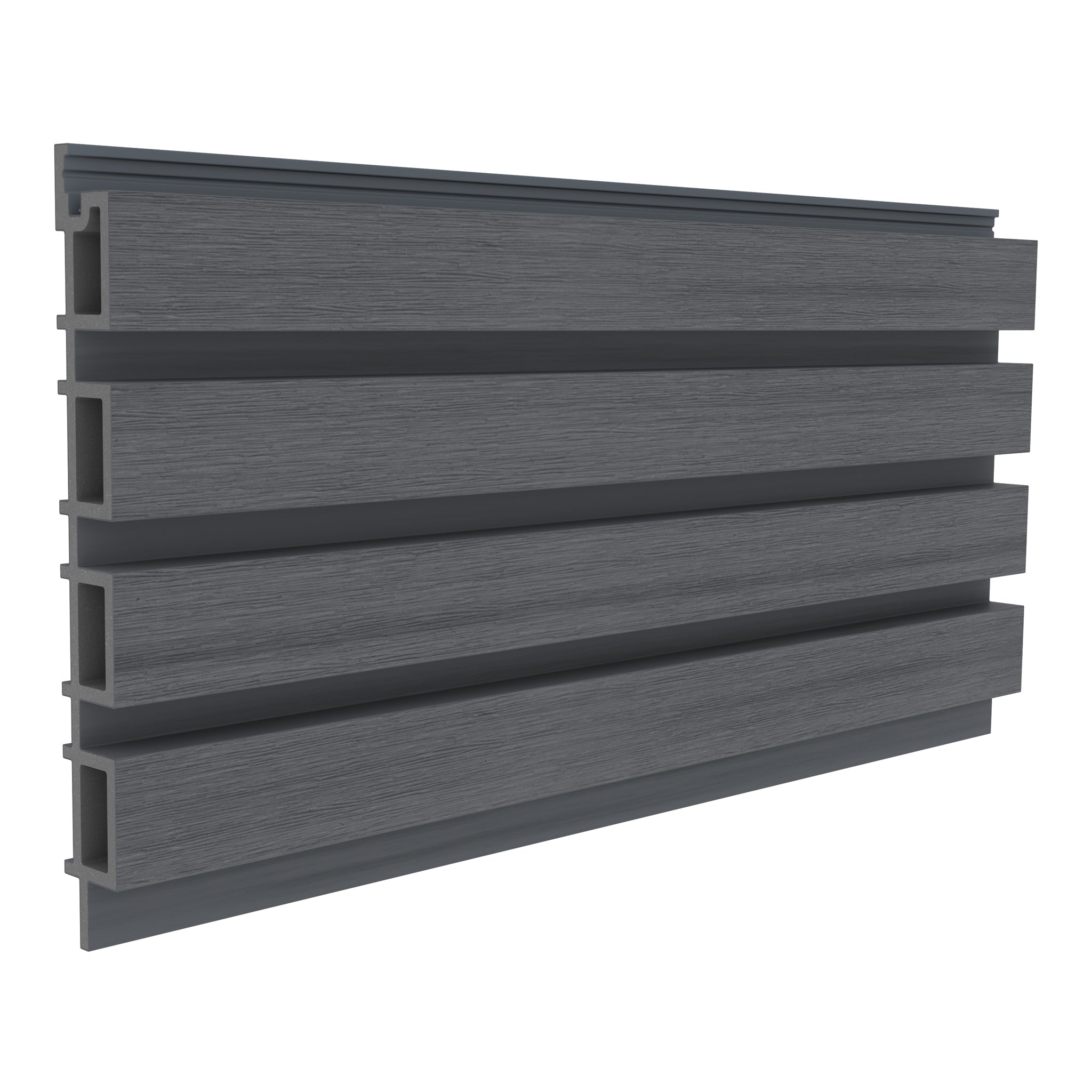
Slatted Composite Cladding
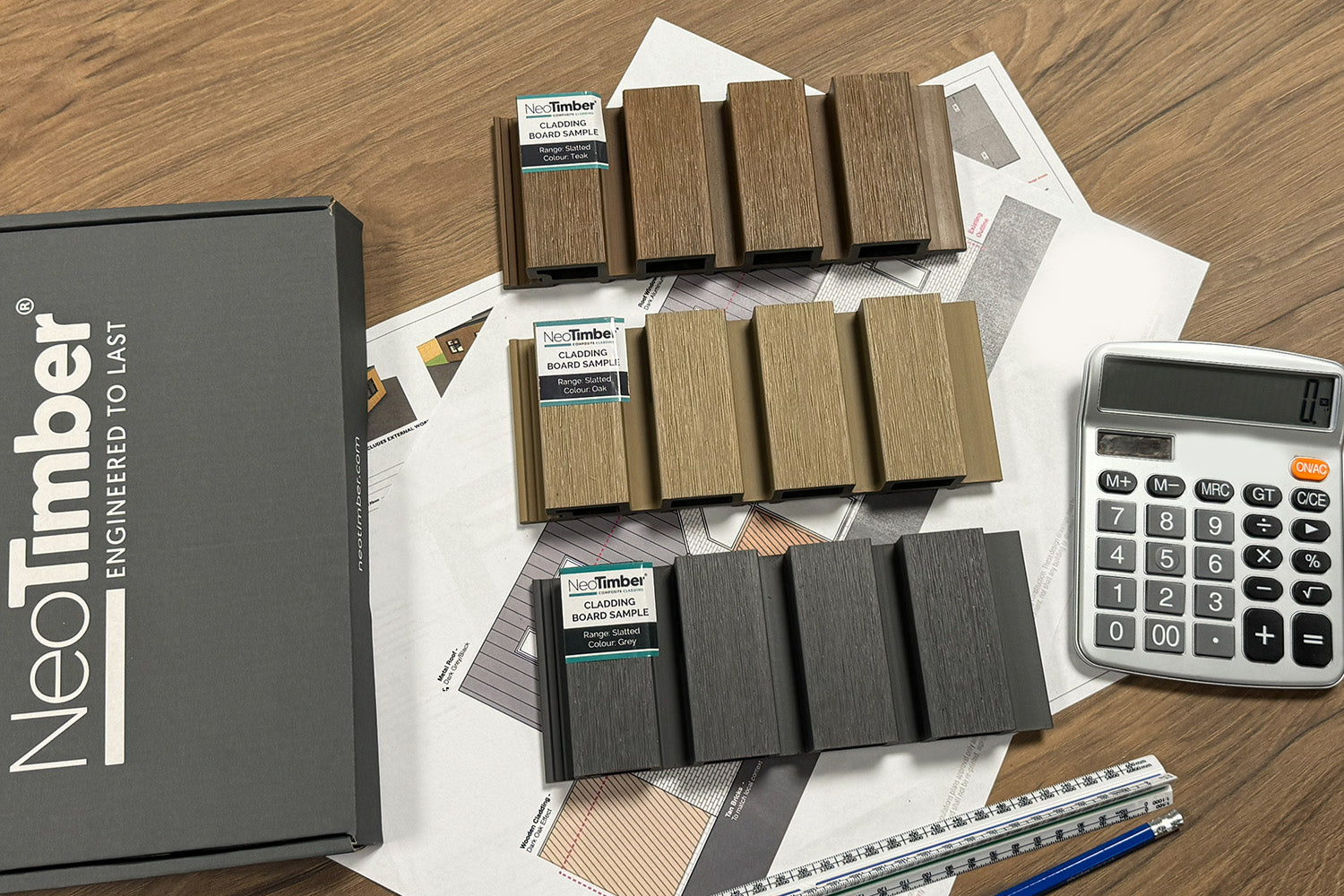
The Slatted range offers a distinctive profile for a more architectural effect. Look at the different board designs within the collection rather than assuming all slatted products have the same dimensions or detailing. Check the accessories and installation instructions for the exact board you choose.
Current availability, prices and specifications are listed in the full collection. Compare effective installed coverage, rather than judging value solely by the price of a single board.
Why Choose a Composite Timber-Effect Finish?
One of the main attractions of NeoTimber® composite cladding is the opportunity to create a wood-inspired exterior without scheduling regular painting or staining. This can be particularly appealing on an elevation where decorative maintenance would involve professional access.
Composite and timber still deserve a balanced comparison. Natural timber has individual grain and weathering characteristics, while composite provides its own range of manufactured colours and textures. Timber maintenance varies by species, coating and intended appearance; a naturally weathering finish has different needs from a painted one.
Use the composite cladding versus wood guide to compare the materials. If you are considering several suppliers, the NeoTimber® comparison guide provides another starting point. Assess the actual product specifications, accessories and support available for your project.

Choose Colours and Layouts for the Whole Exterior
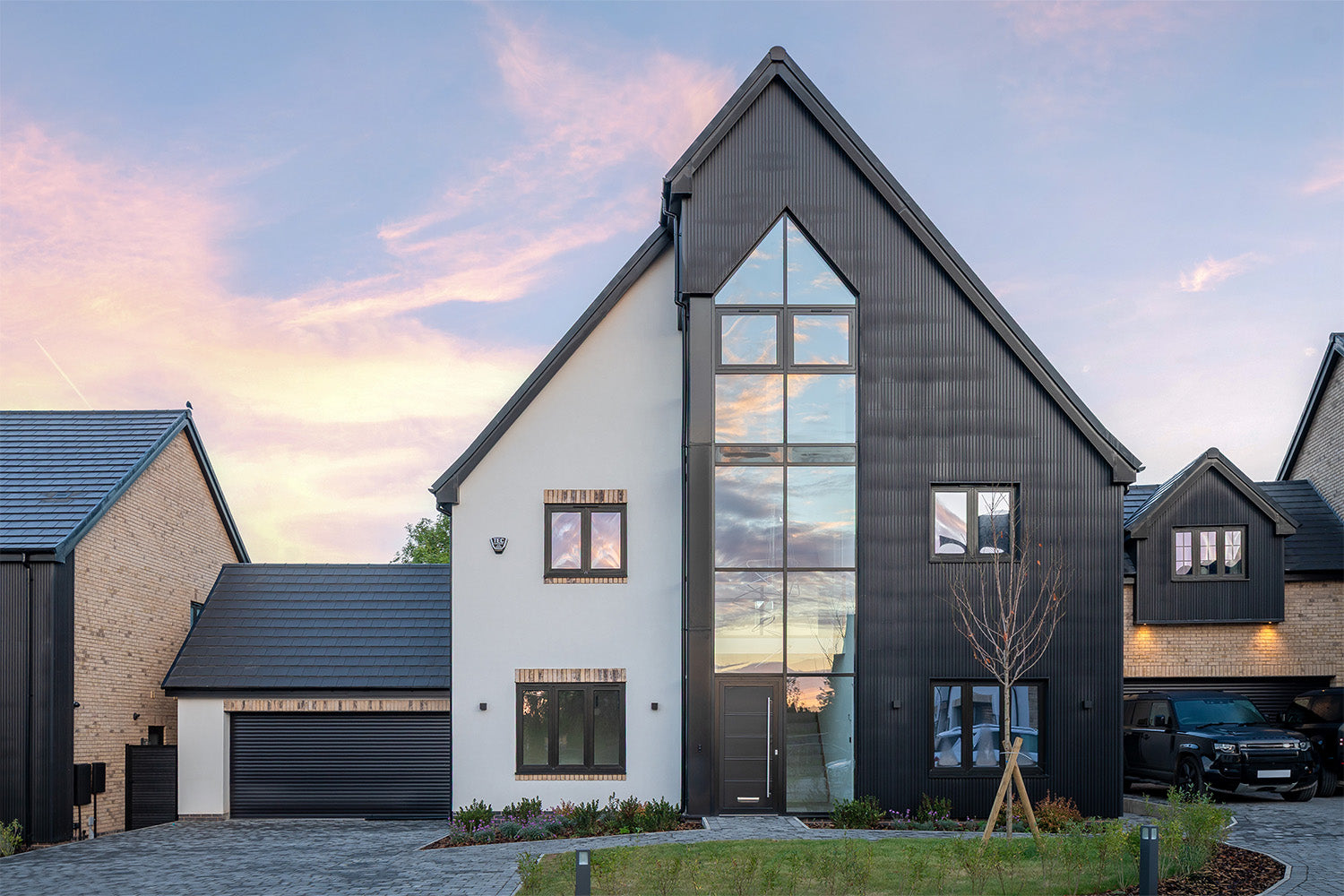
A successful façade works with the building around it. Consider window frames, brickwork, render, roofing and paving before selecting a cladding colour. A small sample is useful for comparing tone, while project photographs show how a finish reads across a larger surface.
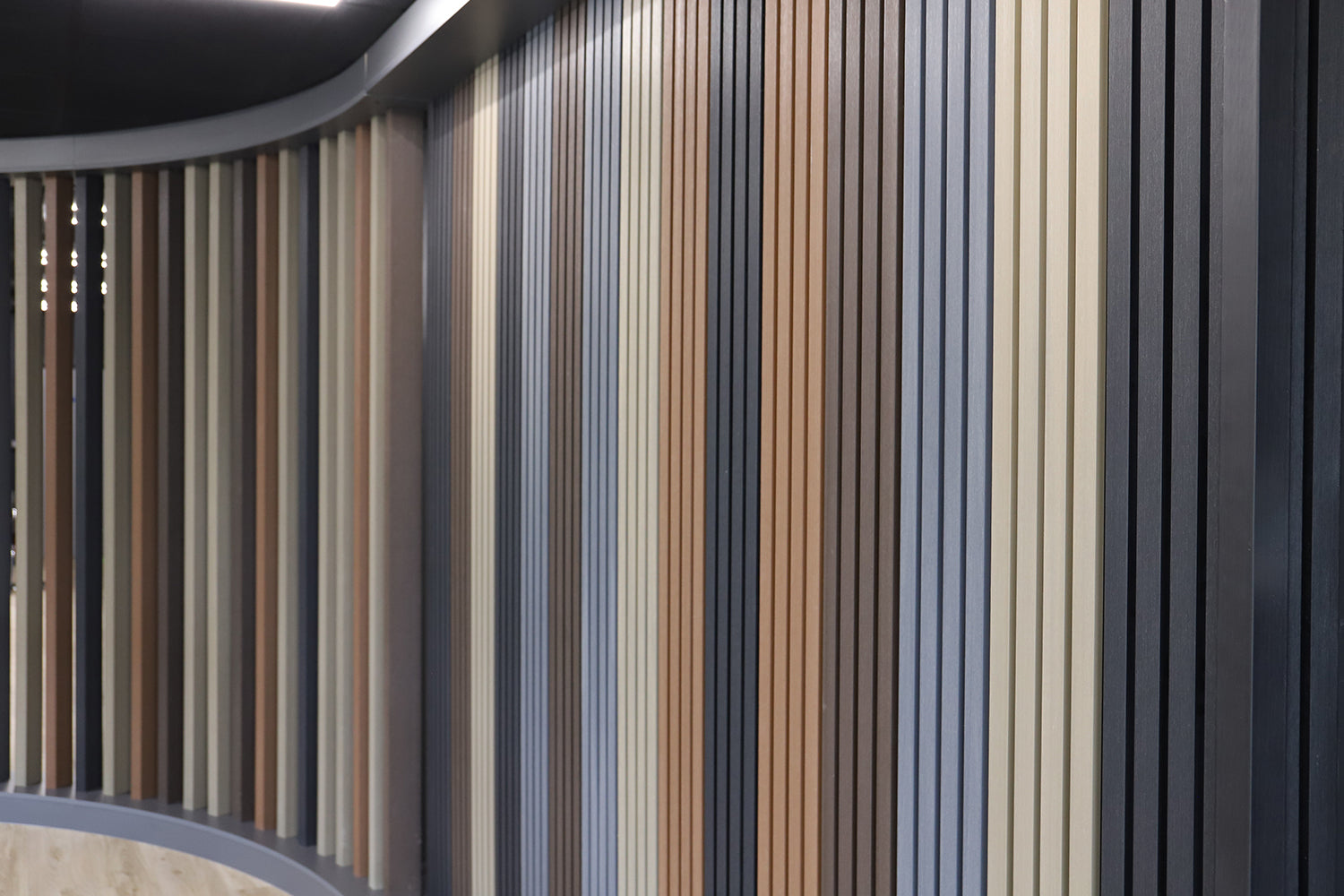
Darker colours can create a defined feature area, while lighter tones may suit a softer palette. Wood-inspired shades can connect a garden building with surrounding planting. Explore the colour guide and cladding gallery to develop a shortlist.
Board orientation also changes the visual rhythm. Compare horizontal and vertical designs, then confirm the appropriate supporting arrangement with your installer. A layout should work technically as well as visually.
Plan the Complete Installation Before Ordering
The boards are only part of a cladding project. Build a specification that includes the subframe, wall connections, board fixings and finishing details. Corners, openings and the edges of the clad area need particular attention if you want a consistent result.
- Measure the wall and calculate effective board coverage and cutting allowances.
- Identify the underlying structure and suitable subframe connections.
- Confirm the specified movement gaps, support spacing and fixing method.
- Plan ventilation, drainage and junctions with windows, doors and adjoining finishes.
- Include compatible trims, fixings, delivery and safe access in your budget.
Follow the NeoTimber® installation resources for your selected profile. Confirm suitability for the application, including relevant fire and building requirements, before committing to the purchase. A product’s fire classification alone does not establish compliance for every building.

Understand Care, Performance and Warranty
Low maintenance means a simpler routine, rather than no care. Keep the surface clean, deal with spills promptly and inspect accessible details for visible damage. Follow the maintenance guide and the instructions for the exact range before using specialist cleaners or abrasive methods.
Capped surfaces provide additional protection, but should not be treated as stain-proof or guaranteed never to change colour. Likewise, the outer boards do not make the complete wall waterproof. Correct detailing behind and around the cladding remains important.
Review the cladding warranty terms before buying. Check what is covered, the applicable conditions and what information you should retain. Keep your order details and installation records available for future reference.
Use Project Examples to Inform Your Decision
When researching NeoTimber composite cladding, look for examples close to your intended application. A garden-room feature wall can provide useful inspiration, but it may not answer every question about an exposed house elevation.
Browse cladding case studies and gallery images to assess colours, layouts and finishing details. Ask for clarification where a photograph does not explain the product or supporting arrangement. Samples, specifications and project examples work best together.
Frequently Asked Questions
Which NeoTimber composite cladding range should I choose?
Compare the finish, profile, capping, coverage, accessories and product suitability. Classic, Deluxe and Slatted options offer different appearances, so use samples and current product information to narrow your choice.
Does NeoTimber® composite cladding need painting?
The boards are designed to provide their chosen finish without routine painting or staining. Cleaning and checks remain part of the care routine.
Can I see the finish before ordering?
Yes. Request free cladding samples and compare them in your project’s lighting. Use gallery photographs to assess the wider effect.
Take the Next Step With NeoTimber®
Choose your cladding with the whole project in mind: the appearance, product specification, supporting system and ongoing care. This helps you build a clear order and set realistic expectations for the finished exterior.
Explore the NeoTimber® composite cladding collection, compare finishes with free samples and review the installation resources before starting. With the details agreed, you can move from inspiration to a considered exterior design.