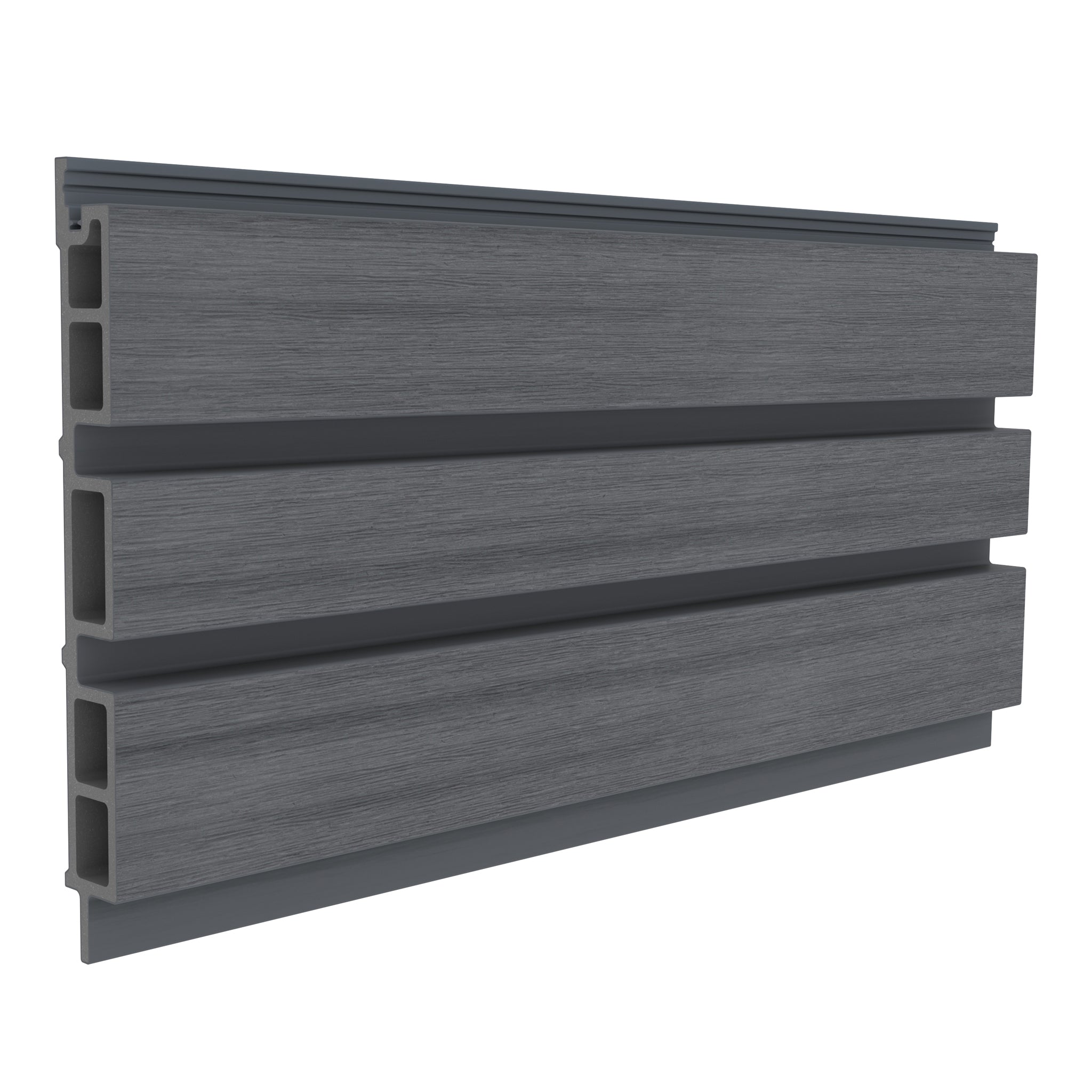
Choose Composite Cladding With Confidence in Every Detail
Quality assured composite cladding should give you more than an attractive sample. It should be supported by clear product information, appropriate installation guidance and realistic advice about performance and care. These details help you choose an exterior finish that suits your building and understand what to expect after installation.
At NeoTimber®, our composite cladding collection brings together board profiles, colours and compatible accessories. This guide explores three practical areas to assess when comparing products: appearance, performance and functionality.
What Does Quality Assured Composite Cladding Mean?
Quality assurance is most useful when it is backed by information you can examine. A broad claim of quality is a starting point; the next step is to understand the exact product, its intended use and the documentation available to support it.
Ask which specifications apply to the board you are considering, how it should be fitted and what its warranty covers. If a certification or test result is relevant to your project, request the current document and check its scope. The phrase “quality assured” should not be treated as a particular independent accreditation unless that accreditation is identified.
This approach makes comparisons clearer. It also helps you avoid choosing solely by a headline price, a photograph or an unsupported promise of unbeatable performance.
1. Aesthetics: Look Closely at the Finish
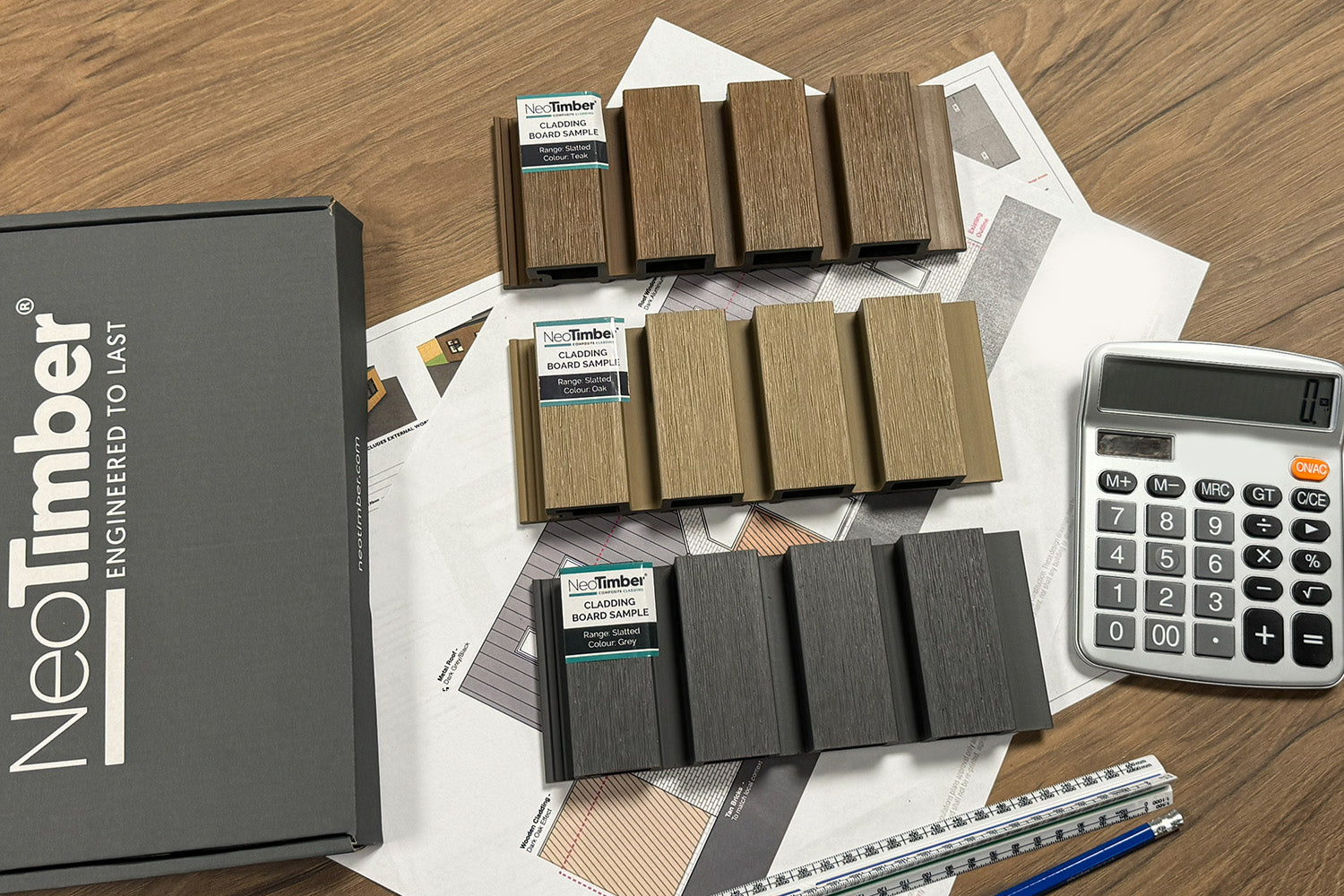
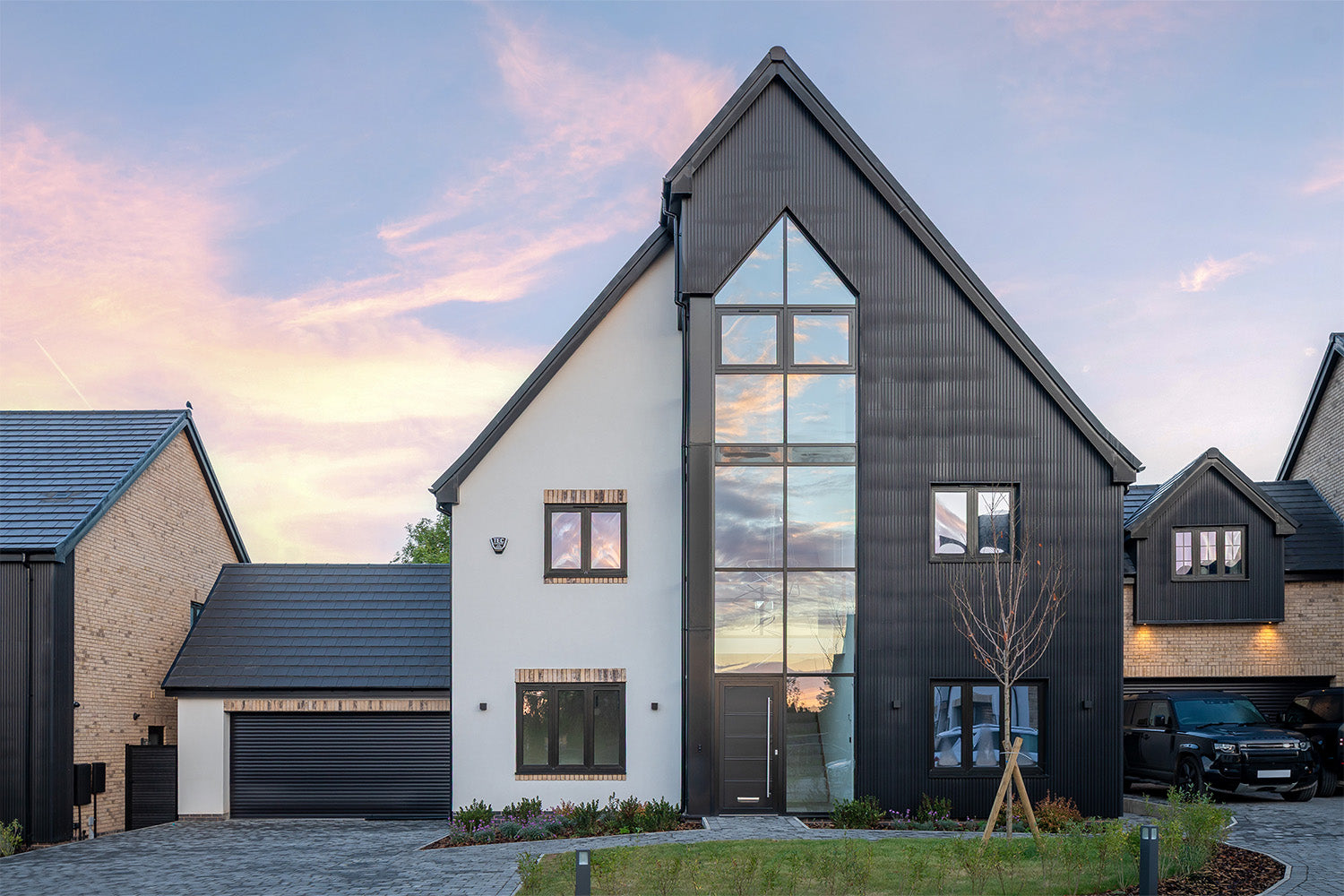
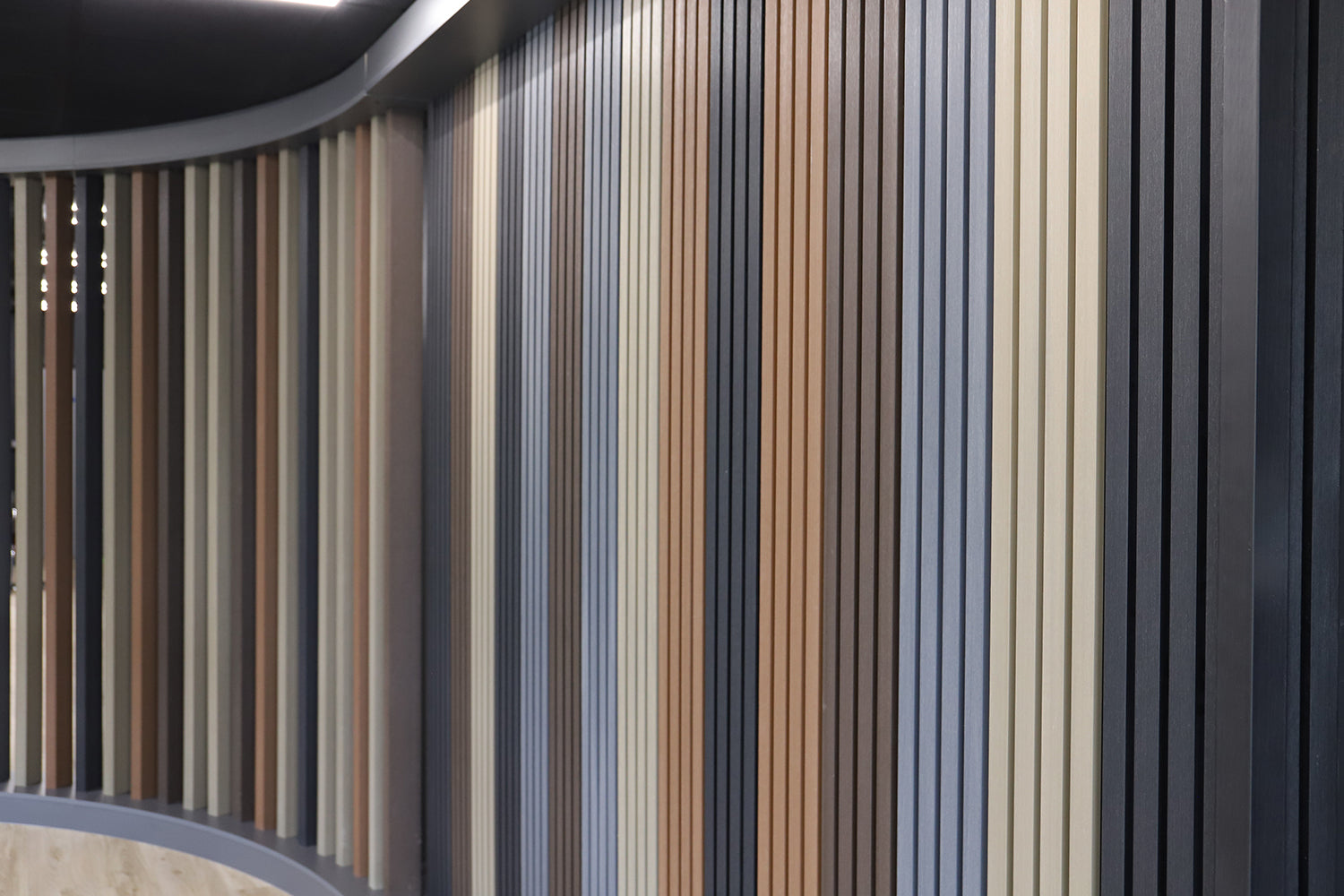
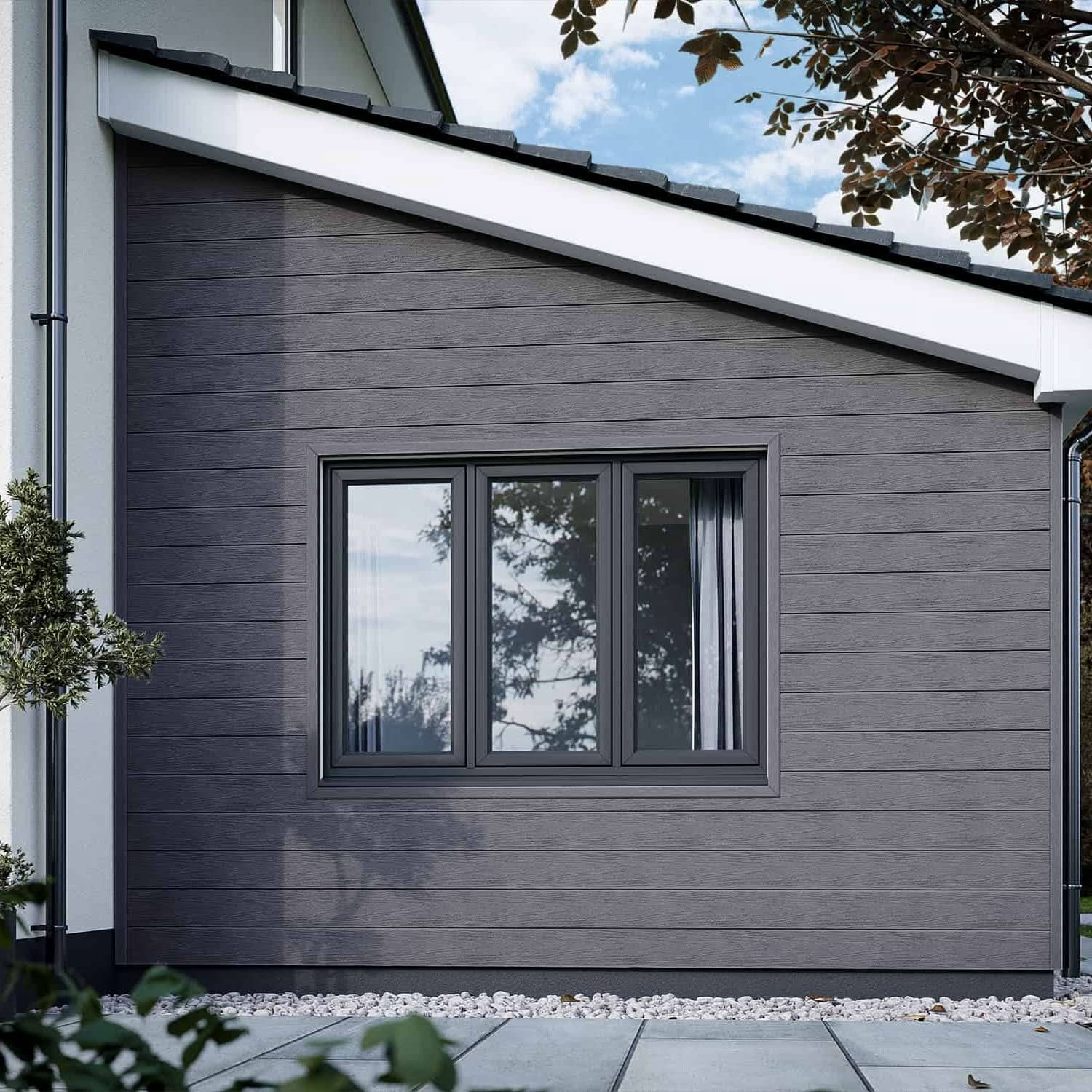
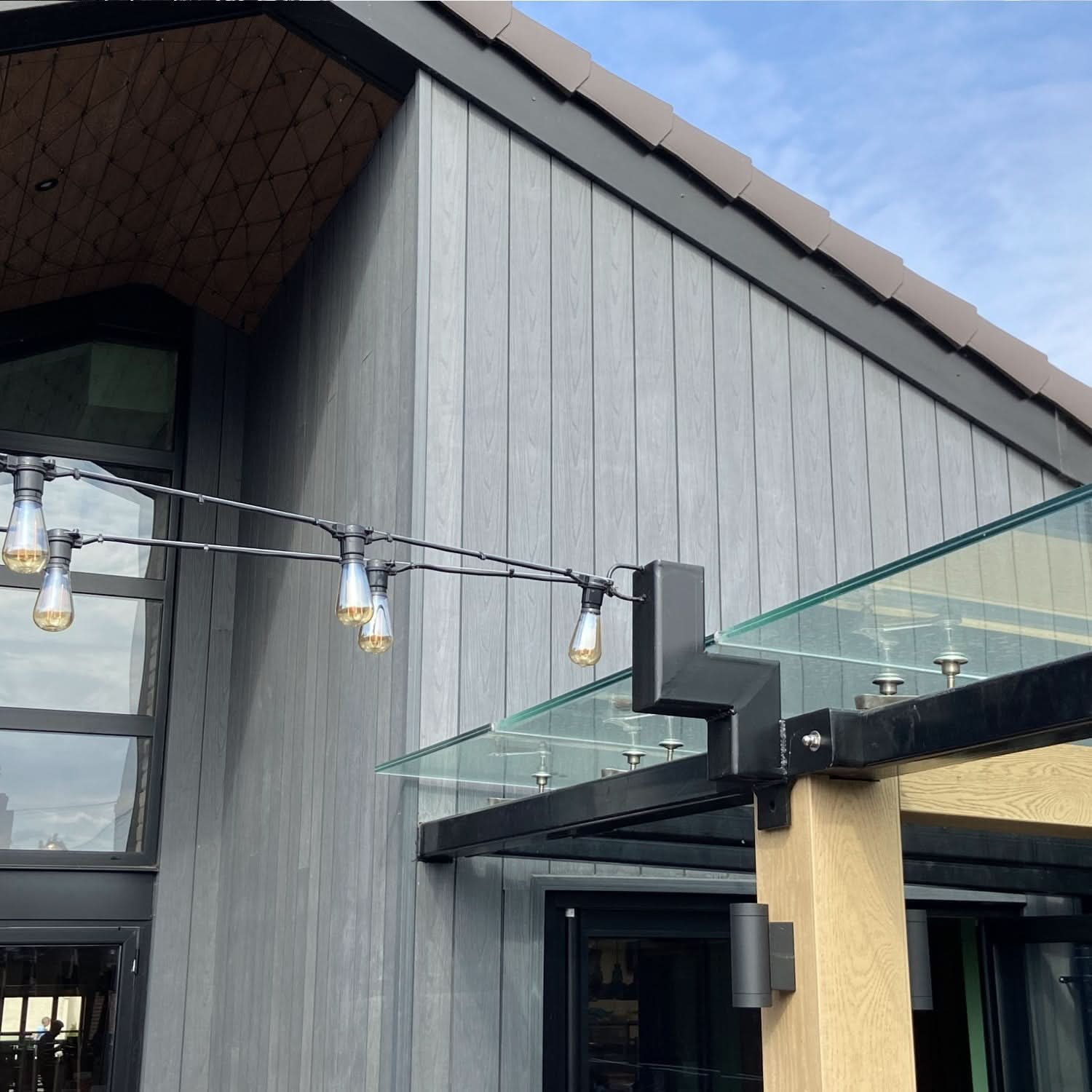
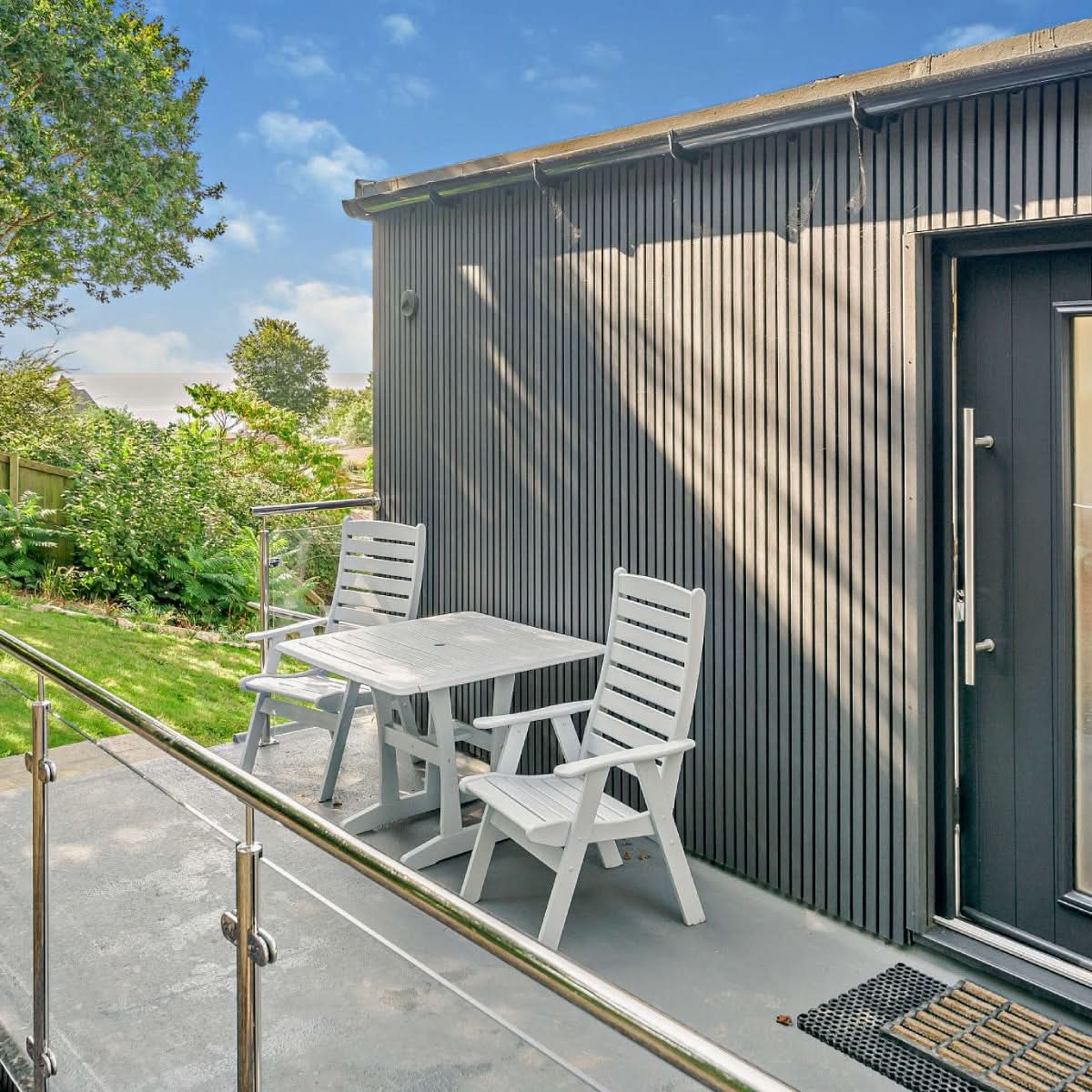
A cladding board needs to work with the rest of your exterior. Its colour, grain, texture and profile all influence the finished façade. A sample lets you assess the surface at close range, while project photographs help you understand its effect across a larger wall.
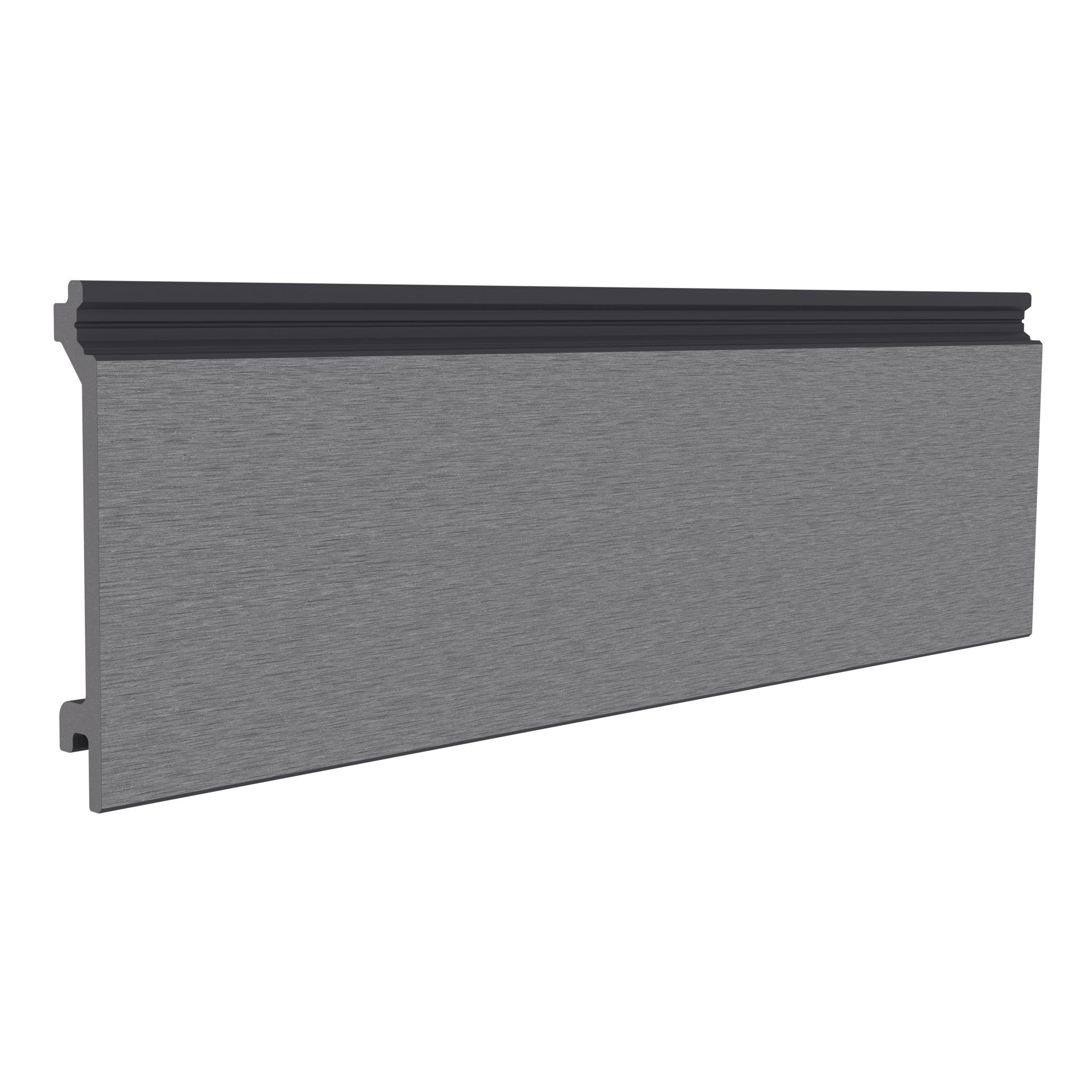
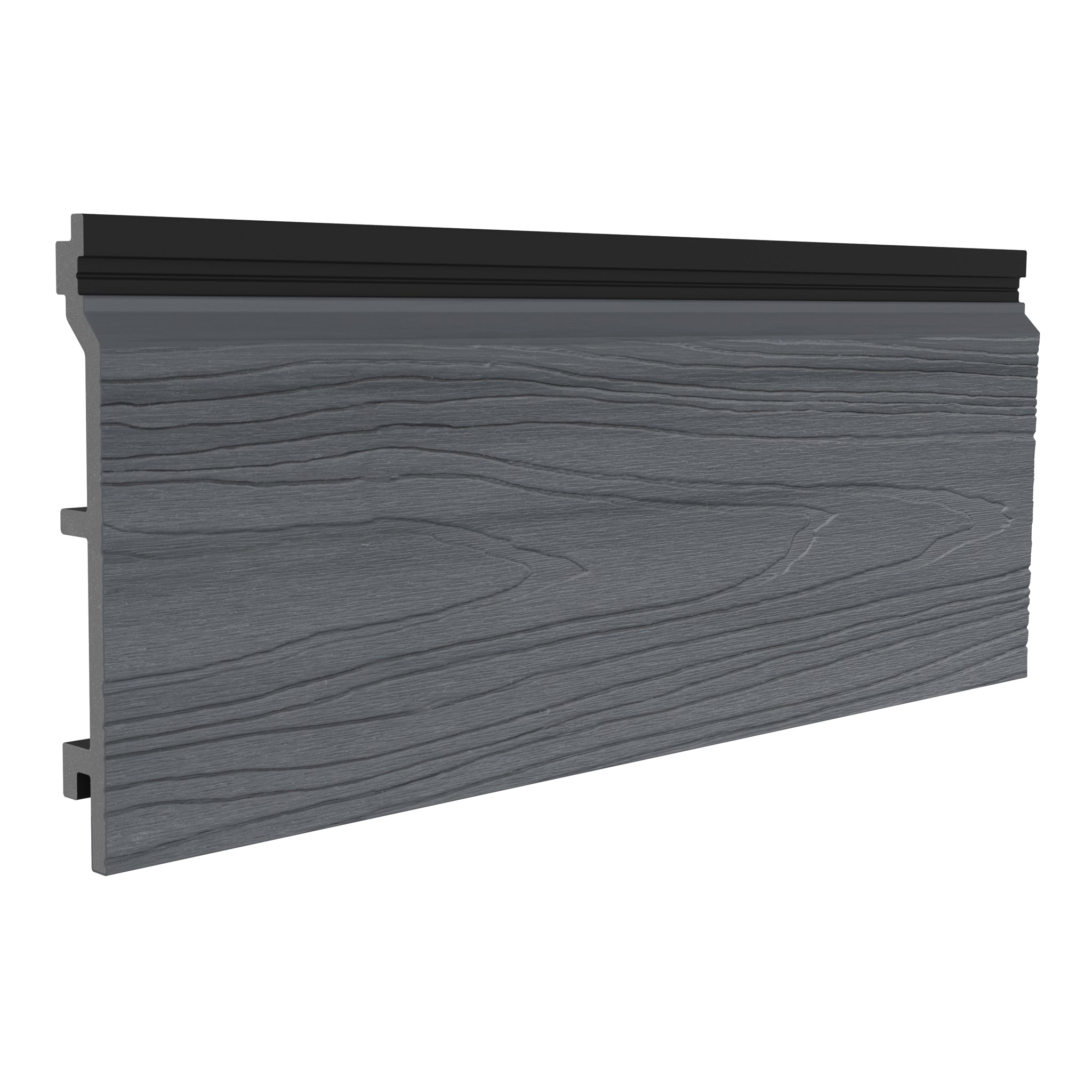
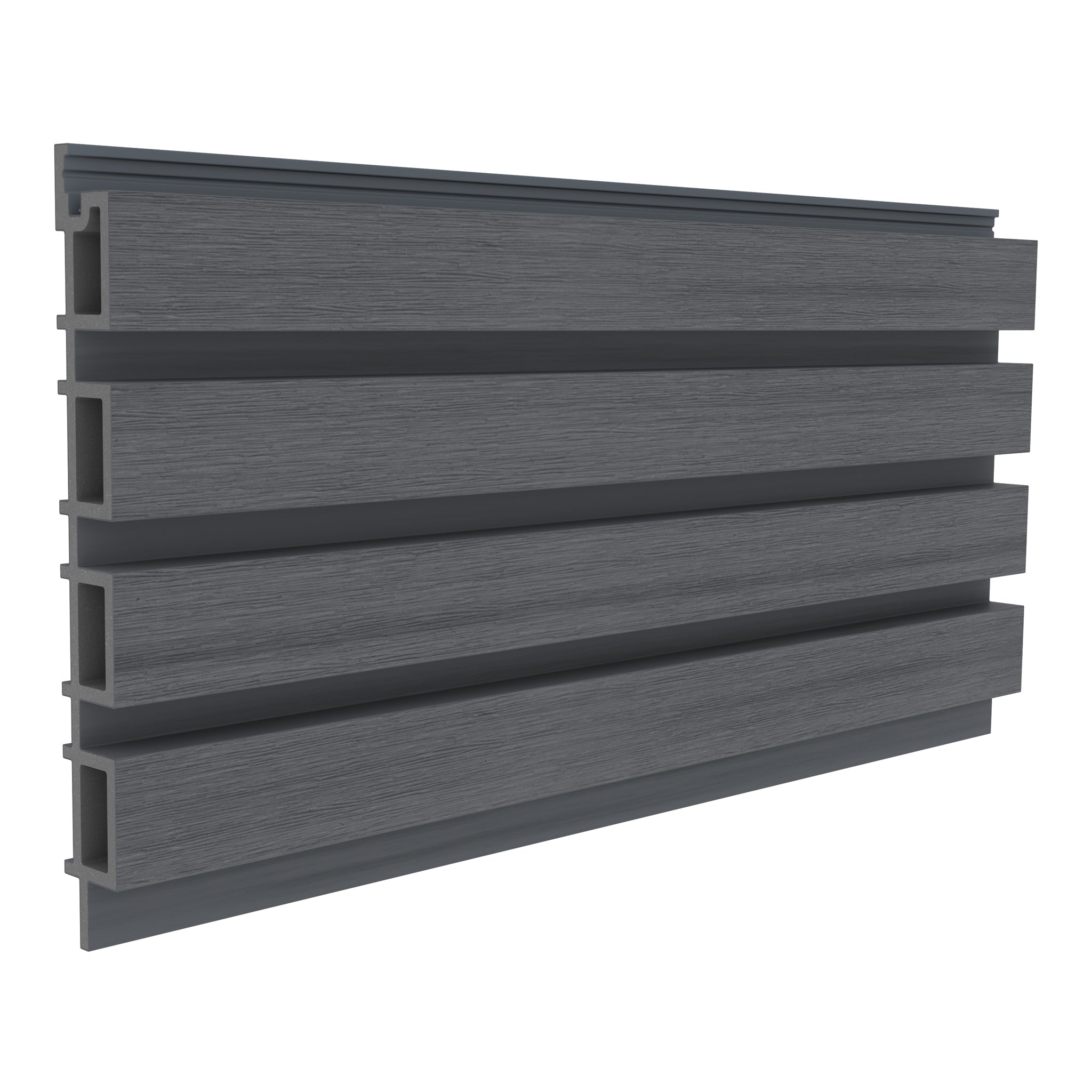
NeoTimber’s wood-effect cladding offers an alternative for homeowners who enjoy timber-inspired design. Compare the more understated appearance of Classic boards, the finishes within the Deluxe collection and the decorative profiles in the Slatted range.
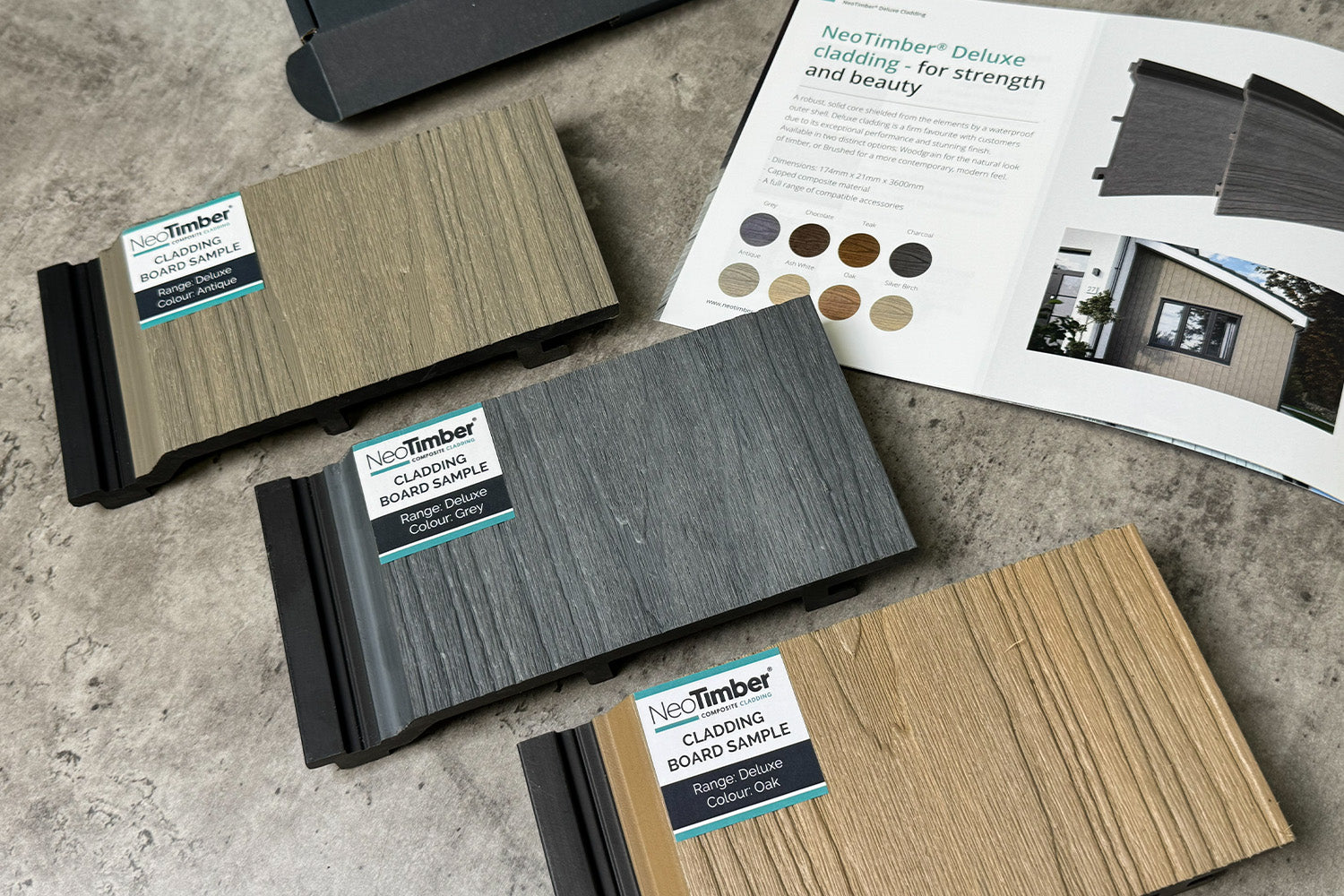
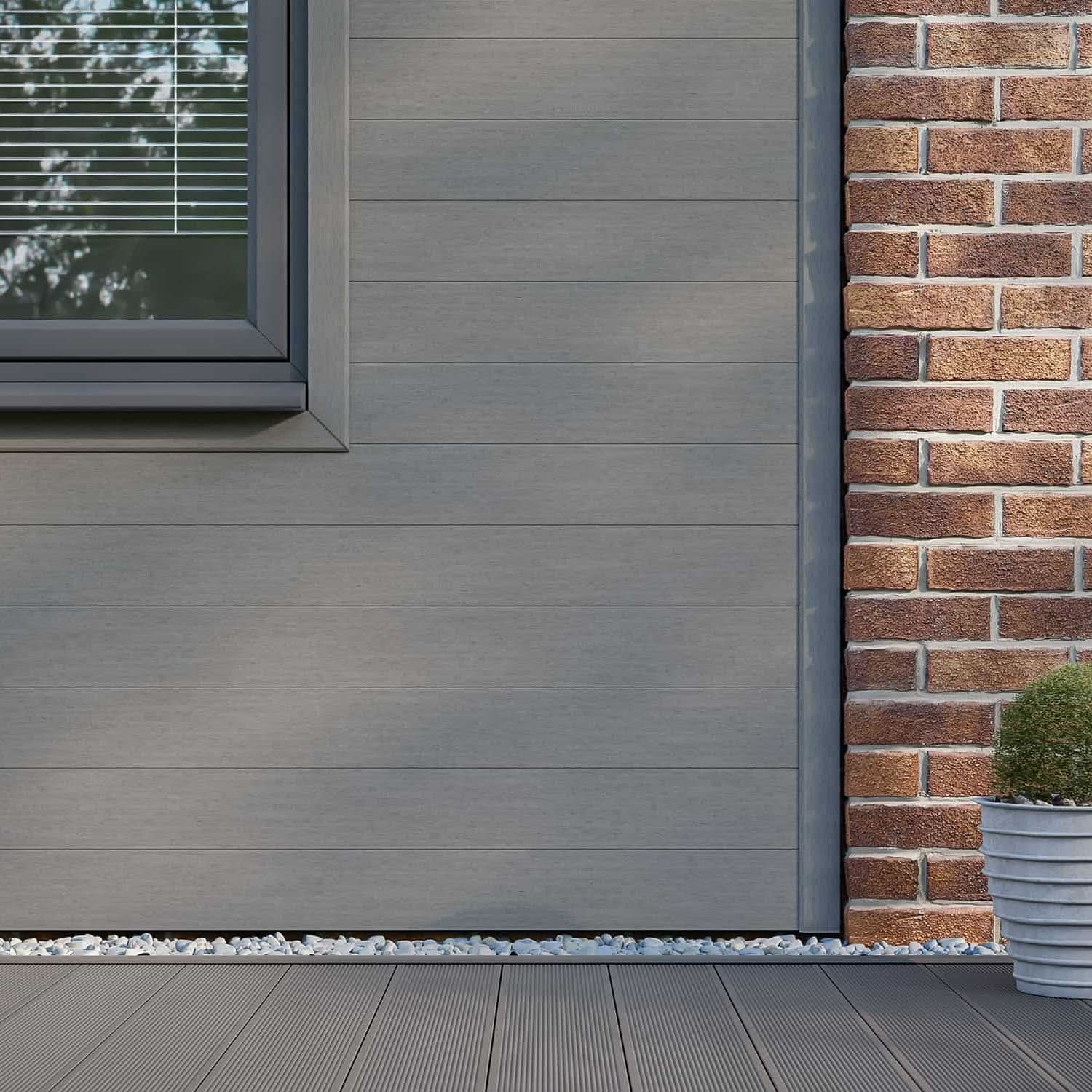
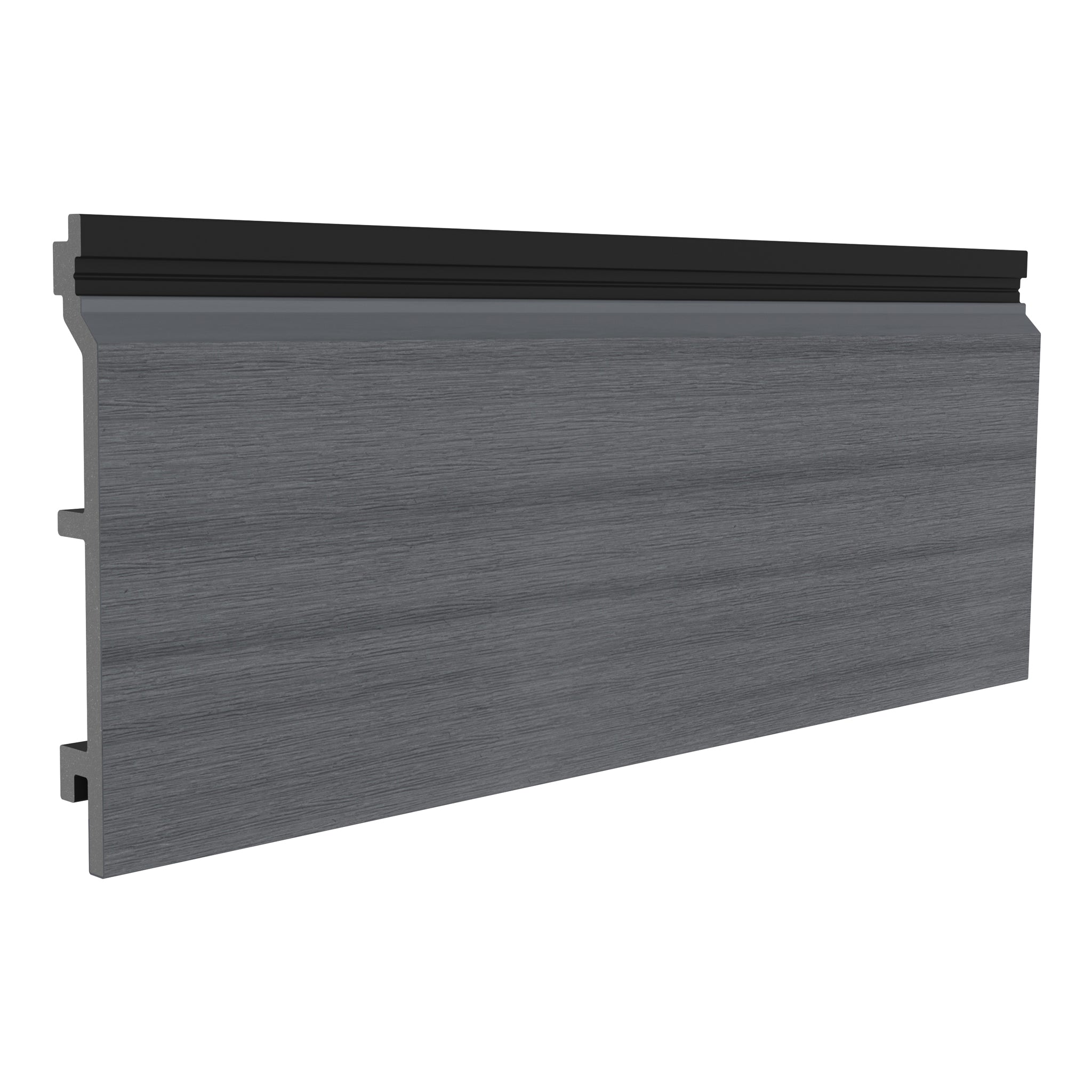
Deluxe Woodgrain boards feature an embossed grain and tonal variation. Consider how that texture looks alongside brickwork, render, window frames and paving. Inspect samples in natural daylight at the project location, rather than relying entirely on a screen image.

Consider the Finished Edges as Well as the Boards
Corners, window reveals and transitions to adjoining materials are part of the design. Check that suitable trims and fixing details are available for the profile you choose. A thoughtfully planned finish gives the wall a more consistent appearance than deciding these details after the boards arrive.
2. Performance: Match the Specification to the Project
Quality assured composite cladding needs to be appropriate for its intended application. Start with the building, its location and the requirements of the complete wall system, then assess the proposed board.
Composite materials combine wood fibres and plastic polymers, offering a different specification and care routine from natural timber. Read the composite cladding versus wood guide to compare the options without assuming either material is right for every project.
Understand Capped and Uncapped Construction
NeoTimber® Classic boards are uncapped, while Deluxe and Slatted products have protective capped surfaces. Capping improves resistance to surface staining and fading. It does not mean a board is immune to damage or that its appearance can never change.
Look at the product-specific information and care instructions before choosing. A feature that matters on one project may be less important on another, and the appropriate specification should take priority over a broad marketing description.
Check Technical Suitability
Where fire performance, wind exposure or other building requirements are relevant, obtain the documentation for the exact product and proposed arrangement. A reaction-to-fire classification describes a particular aspect of performance; it does not approve the cladding for every building.
The supporting structure, fixings, ventilation and moisture detailing also matter. The boards provide an outer finish, while the complete wall design must address the building’s technical needs.
3. Functionality: Plan a Complete Installation
A practical board profile and compatible accessories can help an installer achieve a consistent result. The NeoTimber® fitting system should still be used with the instructions for the chosen range and a suitable subframe.
Review the installation resources before ordering. Establish the batten arrangement, movement allowances, fixing method and support around openings. Confirm any additional requirements for exposed locations or unusual wall construction.
- Calculate effective board coverage and an appropriate cutting allowance.
- Select compatible starter components, screws and trims.
- Check the wall condition and connections to the supporting structure.
- Plan drainage, ventilation and details around doors and windows.
- Arrange suitable access and safe material handling.
Good installation is part of the quality of the finished project. Even a carefully selected board cannot compensate for unsuitable fixings or missing movement gaps.
Clear Care Advice Supports Long-Term Ownership
NeoTimber® composite cladding is designed to reduce routine decorative upkeep. It provides its chosen finish without regular painting or staining, but cleaning and inspection remain sensible parts of ownership.
Use the maintenance guide to identify appropriate methods for your range. Treat persistent stains and physical damage as specific issues requiring advice, rather than experimenting with aggressive cleaners or abrasives.
Keep the board name, colour and installation details with your order records. This information makes it easier to obtain relevant support if a question arises later.
Read the Warranty Alongside the Product Information
A warranty is another useful part of your comparison, provided you read the detail. Review NeoTimber’s cladding warranty terms to understand the application, covered issues, conditions and exclusions.
A warranty period is not a prediction of service life or a promise that every future repair will be covered. Check the requirements before purchasing and retain the documents needed to identify your product and installation.
How to Compare Quality Assured Composite Cladding
Compare products using the same questions. This gives you a clearer basis for choosing than claims that one supplier is always the best or that a lower board price necessarily represents better value.
- Does the finish suit the building, and have you reviewed a physical sample?
- Are the board dimensions, coverage and construction clearly explained?
- Is documentation available for the technical performance your project needs?
- Are compatible accessories and installation instructions available?
- Are care requirements and warranty terms clear?
- Does the quotation include the complete system, delivery and installation costs?
For more background on the range, explore the NeoTimber® brand guide. If you are coordinating several outdoor finishes, you can also review the composite decking collection alongside the cladding design.
Frequently Asked Questions
How can I assess cladding quality before buying?
Compare samples, product specifications, installation details and warranty terms. Request clarification about any performance claim that affects your project.
Does quality assured composite cladding mean maintenance free?
No. Reduced decorative upkeep is a benefit of composite, but cleaning and checks still matter. Follow the instructions for the exact board range.
Are all NeoTimber® cladding ranges the same?
No. Profiles, finishes and construction differ. Compare Classic, Deluxe and Slatted options using current product information and samples.
Choose Your Exterior With the Details in Place
Quality assured composite cladding is a more useful proposition when appearance, specification and installation support work together. Take time to compare these details and choose a product that fits the whole project.
Browse NeoTimber® composite cladding, request free samples and contact the team for product information. A clear specification helps you move from an appealing sample to a considered exterior finish.