
Make a More Informed Environmental Choice for Your Exterior
Sustainable cladding should be assessed through its materials, sourcing, installation, service life and eventual disposal. Recycled content is useful information, but it is only part of the picture. A credible choice also considers the complete wall and how it will be cared for over time.
If you are researching eco cladding or environmentally friendly cladding, start with the questions behind those descriptions. What is the product made from? Which claims are supported by documentation? Will the proposed installation meet the building’s needs, and what happens when components need repair or replacement?
NeoTimber’s composite cladding offers timber-inspired finishes with reduced routine decorative upkeep. Current product information describes recycled plastics and FSC® 100% certified wood fibres. This guide explains how to interpret those details alongside other considerations when choosing cladding.
What Does Eco-Friendly Cladding Mean?
Eco-friendly cladding is a broad description, rather than a complete technical specification. It might refer to responsible sourcing, recycled ingredients, low maintenance or another environmental feature. Each of those claims needs its own explanation.
The same applies to eco composite cladding. A composite board may use recycled plastic, but that does not tell you its total manufacturing impact, transport distance or future recycling route. Avoid treating the label as a shortcut to all the answers.
A useful supplier response identifies a specific feature and the evidence supporting it. “Contains recycled plastic” is more precise than “protects the planet”. An identified sourcing claim is more informative than an unexplained promise of sustainable materials.
For buyers, that shift makes comparisons easier. You can assess products against the requirements of your project instead of comparing several descriptions that mean different things.
Recycled Cladding and Recycled Composite Cladding Explained
Recycled cladding may describe a product that incorporates recovered materials. Ask which ingredients are recycled, how their content is measured and whether the claim applies to the complete product or only one component.
Recycled composite cladding typically combines several ingredients. In a wood-polymer product, those may include wood fibres, a polymer and additives. Capped boards also have an outer surface layer, so a statement about the core should not automatically be transferred to the cap.
NeoTimber® describes its current cladding products as using recycled plastics and FSC® certified wood fibres. That is different from saying every ingredient in every board is recycled. Check the chosen range’s documentation before quoting a percentage or a recycled-plastic weight.
Board sizes and formulations differ. A single “kilograms per board” figure is not a reliable range-wide claim unless the relevant product and calculation are identified.

Responsible Wood Sourcing Is Different From Recycled Wood
Certification labels have specific meanings. FSC® 100% indicates that the forest-based material comes from FSC-certified forests. FSC Recycled is a different claim concerning reclaimed forest-based material. One should not be used as evidence for the other.
Read the FSC explanation of its labels when comparing sourcing information. Ask which claim applies to the product and what documentation is available for your order.
For composite cladding, a wood-sourcing certification should not be interpreted as certification of every plastic ingredient or as proof of the lowest possible carbon footprint. Its scope matters.
This distinction helps you compare responsibly sourced timber and composite without creating a false choice between a natural material and a recycled one. Both need product-specific evidence.
Environmentally Friendly Composite Cladding: Look at the Whole Life
To assess environmentally friendly composite cladding, consider the product from material production through use and end of life. Include the accessories and supporting system where they affect the comparison.
Carbon is an important part of environmental assessment, but it is not the only question. Material sourcing, waste, resource use and practical disposal routes also deserve attention.
The RICS whole-life carbon assessment standard provides a framework for assessing carbon across the built environment. For a specific façade, a competent assessor can identify the data and assumptions needed for a meaningful comparison.
Without a comparable assessment, it is more accurate to describe particular attributes—such as recycled plastic content or reduced decorative treatment—than to declare one material universally greener.
Ask About Environmental Product Declarations
An environmental product declaration, or EPD, can provide structured life-cycle information for a defined product. If your project requires environmental data, ask whether an appropriate current declaration is available.
Check the product covered, declared unit, life-cycle stages, geography and assumptions. Two figures are not automatically comparable simply because both are expressed as carbon emissions.
For example, a board-only figure and a complete installed-wall figure describe different scopes. So do assessments using different service-life or disposal assumptions. Have a suitably qualified person review comparisons where they inform a formal specification.
If a supplier cannot provide the data required by your project, record that limitation. It should not be filled with an invented savings percentage or a general claim of carbon neutrality.
Durability Matters When It Is Designed Into the Whole System
A long-lasting finish can help avoid premature replacement, but durability is not established by material choice alone. Correct specification, installation and care influence whether a wall performs as intended.
Composite boards need suitable support, wall connections, movement allowances and moisture detailing. A carefully chosen product can still be compromised by blocked drainage or incompatible fixings.
Review the NeoTimber® installation resources before ordering. Confirm suitability for the building and application, including relevant fire and building requirements.
Read the warranty terms alongside the product information. A warranty period is not a measured environmental saving or a guarantee that every component will last unchanged for that period.

Maintenance Is Part of Sustainable Exterior Cladding
Sustainable exterior cladding should be considered with its actual care routine. Repeated cleaning, coatings, access and repairs can all influence ownership costs and resource use.
NeoTimber® boards are designed to provide their finish without routine painting or staining. That can reduce decorative treatment work compared with a timber façade maintained to preserve a coated appearance.
It does not eliminate care. Follow the maintenance guide, use compatible cleaning methods and inspect accessible details. Avoid sanding capped surfaces or assuming stronger chemicals are a better response to a mark.
Do not characterise all timber treatments as toxic or all composite products as chemical-free. Compare the actual products and instructions. Where a treatment is needed, its suitability and environmental information should be assessed specifically.

Sustainable Timber Cladding Deserves a Fair Comparison
Sustainable timber cladding can be a credible option where sourcing, species, detailing and intended use are well considered. Natural timber should not be dismissed simply because it comes from a tree.
Ask about sourcing certification, product origin and the finish being proposed. Timber selected to weather naturally has different care requirements from a painted façade. Do not impose an annual coating schedule on every timber comparison.
Similarly, wood-polymer composite should be assessed as a specific product rather than assumed to outperform all timber in every circumstance. Compare complete systems that achieve the required function over the same assessment period.
The composite versus wood guide provides a starting point. A stronger procurement decision recognises the trade-offs and selects the material that suits the project, supported by evidence.
Environmental Management and Product Evidence Are Different
A supplier may refer to management-system standards such as ISO 14001. These concern an organisation’s environmental management arrangements within a defined scope; they should not be treated as proof that every product has the lowest environmental impact.
Ask for the current certificate, covered organisation, scope and validity where the claim matters to your project. Product sourcing certificates, test reports and environmental declarations answer different questions.
The source credentials graphic below should be read alongside current documentation. A collection of logos is not a substitute for understanding which claim applies to your selected board.

Reduce Waste Through Better Design and Ordering
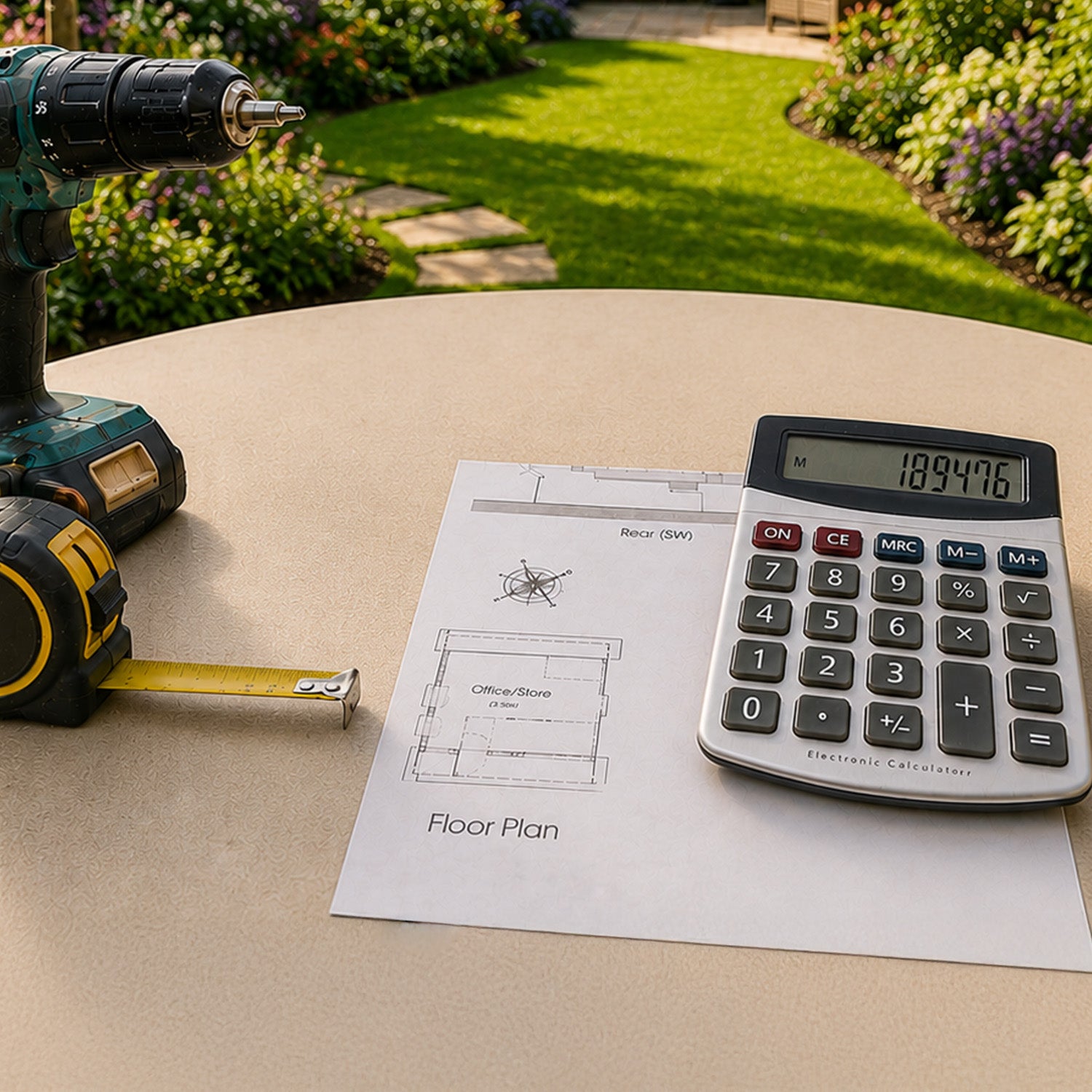
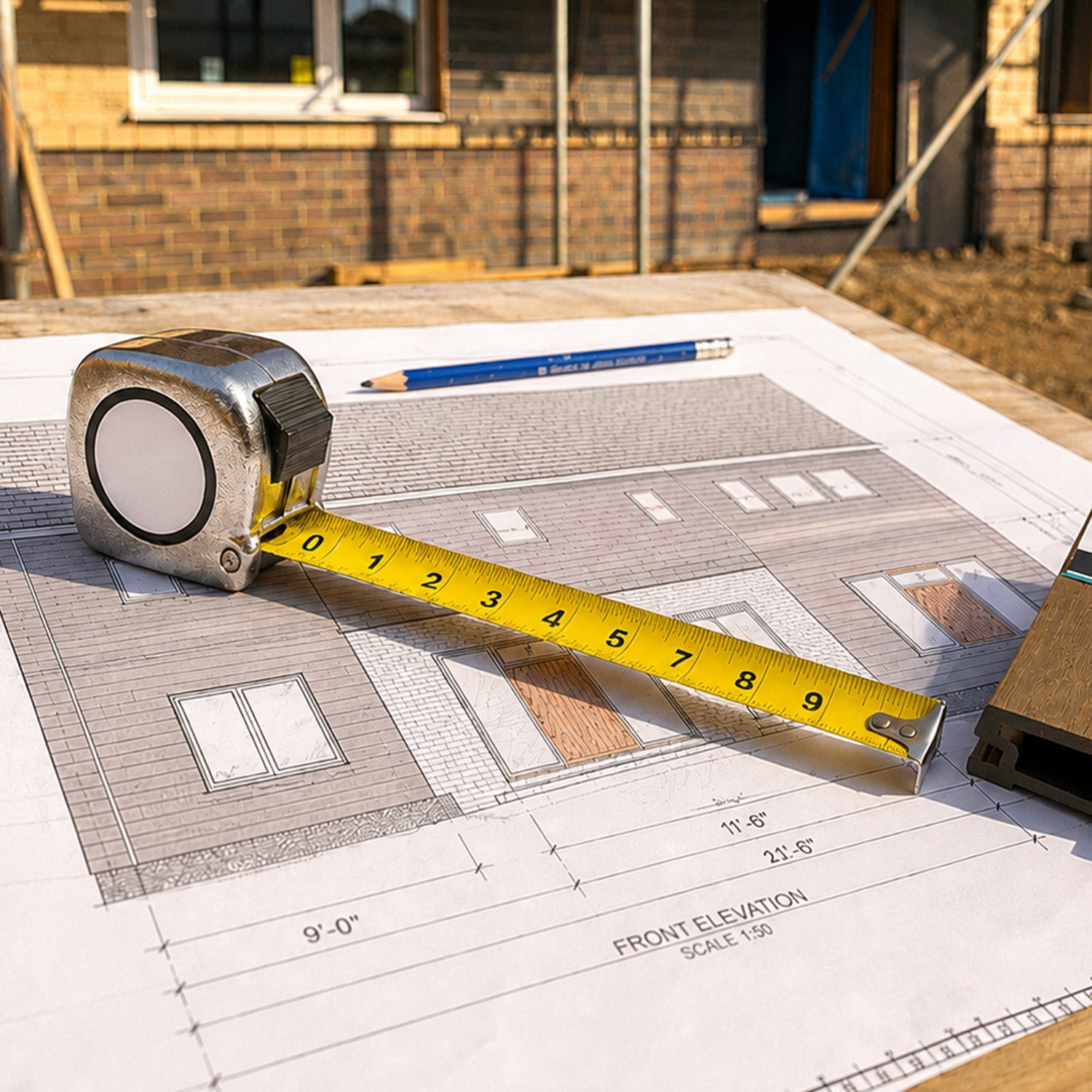
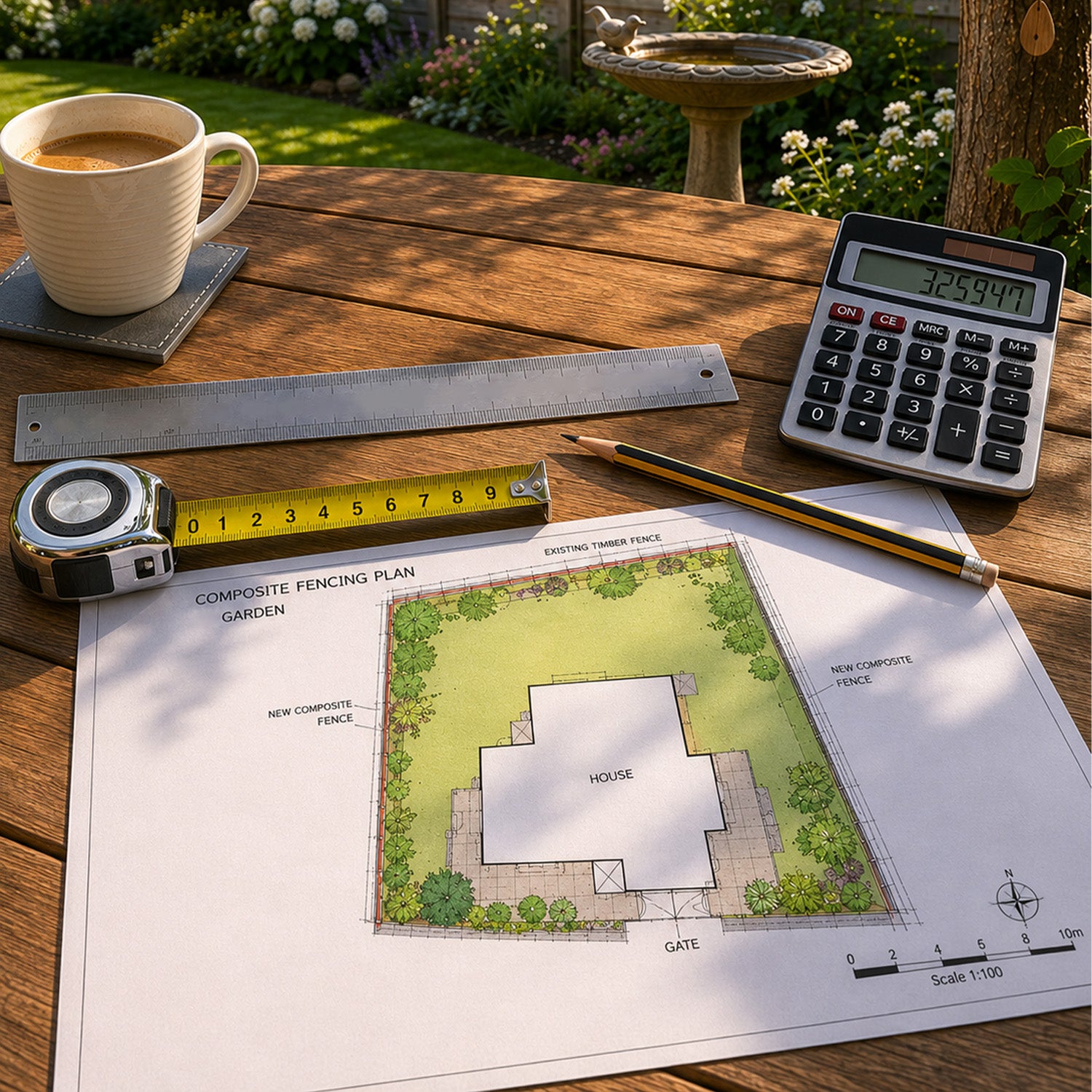
Some practical environmental decisions happen before delivery. A clear layout can help you plan board lengths, locate joints and reduce avoidable cutting waste.
Measure effective coverage rather than relying on overall board width. Include an appropriate allowance for cuts and errors, but do not order large unexplained surpluses. Coordinate the schedule with the installer and use the cladding calculator as a planning aid.
Store boards according to the instructions and protect them from avoidable damage. An order that arrives in good condition and remains suitable for installation supports better use of materials.
For larger projects, discuss delivery phases and storage space early. Consolidation can be useful, but a bulk order creates handling and storage responsibilities that need to be managed.
Consider Repair, Reuse and End-of-Life Routes
Recycled content and recyclability are different claims. A board made using recycled plastic is not automatically accepted by local recycling services once it has been combined with wood and other ingredients.
Ask the supplier about realistic routes for offcuts and removed boards. Confirm whether any recovery arrangement exists, what it accepts and how materials need to be handled. Do not promise a take-back scheme without an agreed service.
Where practicable, plan accessible components and keep product records to support future repair. Identifying the profile and fixings later can be easier when those details are retained at handover.
Reuse also depends on condition and suitability for the next application. It is an option to assess, rather than a guaranteed outcome for every removed board.
How to Compare Eco Composite Cladding Options
| Claim or feature | Evidence to request |
|---|---|
| Recycled composite cladding | Which ingredients are recycled, the measured content and the scope of the claim. |
| Responsible wood sourcing | The applicable certification claim and order documentation. |
| Lower environmental impact | A relevant assessment with comparable boundaries and assumptions. |
| Long service life | Product suitability, installation requirements and care information. |
| Environmental management | A current certificate with the organisation and scope identified. |
| Recyclable or recoverable | An accessible, confirmed route for the specific material. |
Use the same questions for timber and composite suppliers. That makes the comparison more transparent and helps prevent one narrow advantage from standing in for the whole environmental picture.
Choosing NeoTimber’s Composite Finish
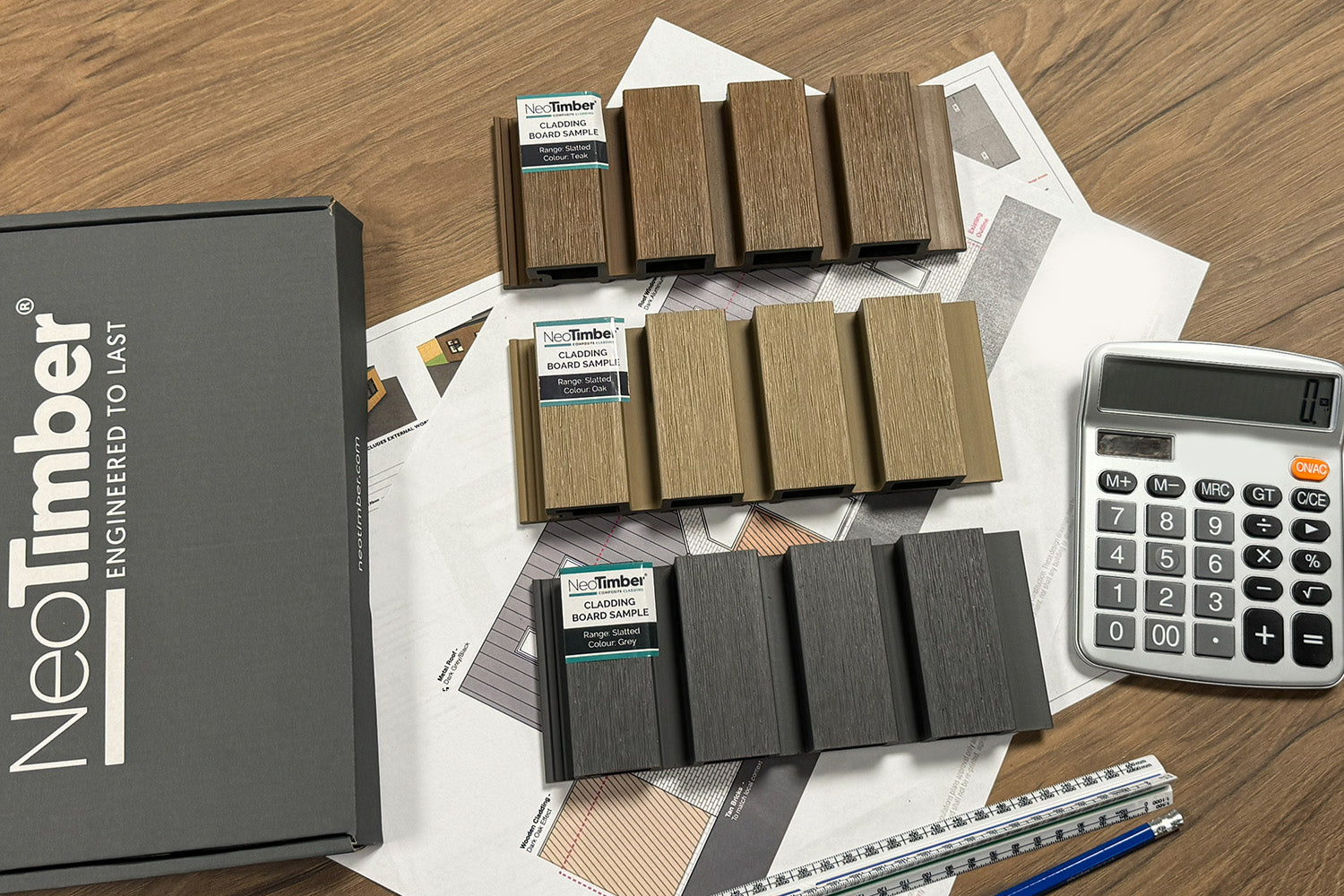
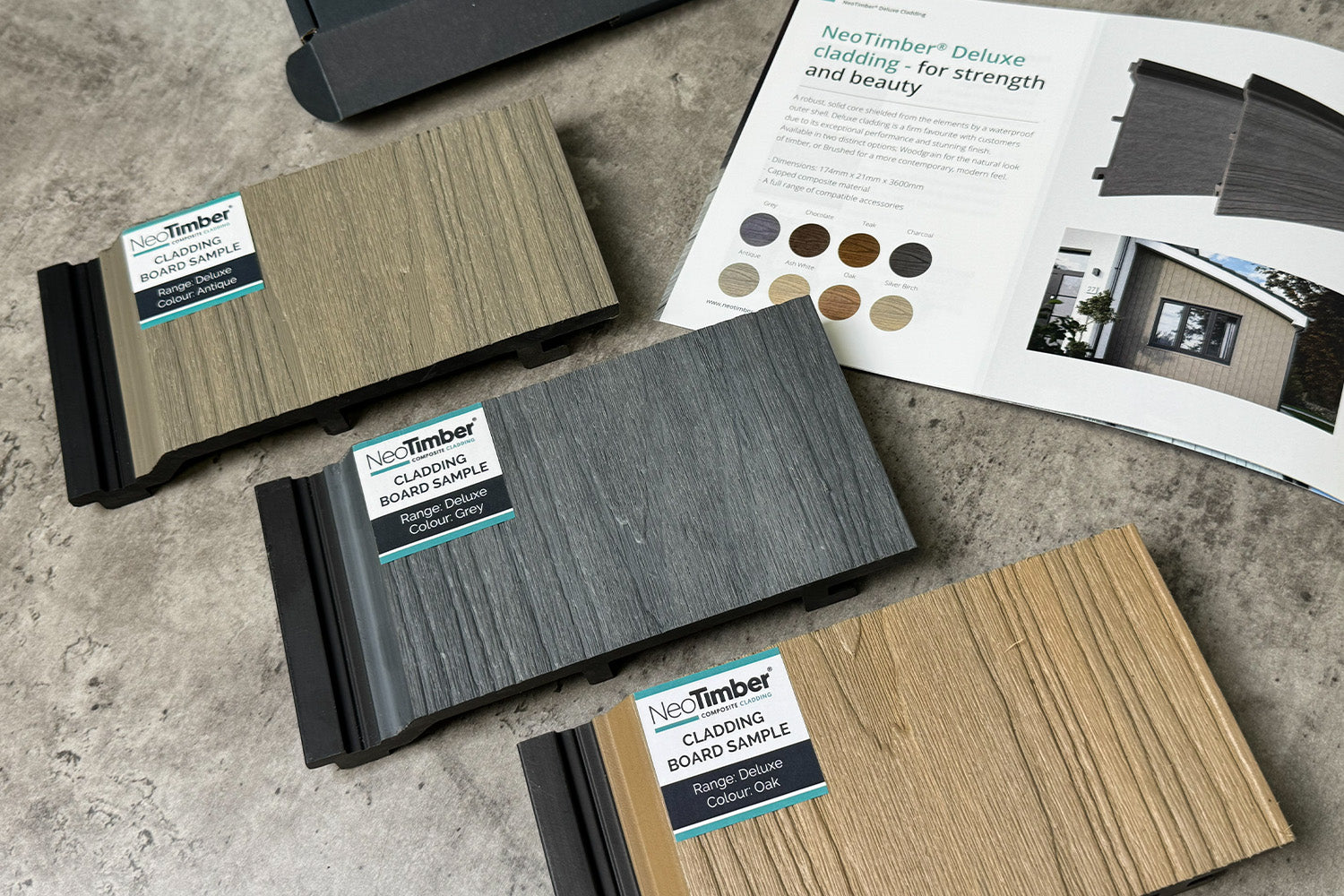
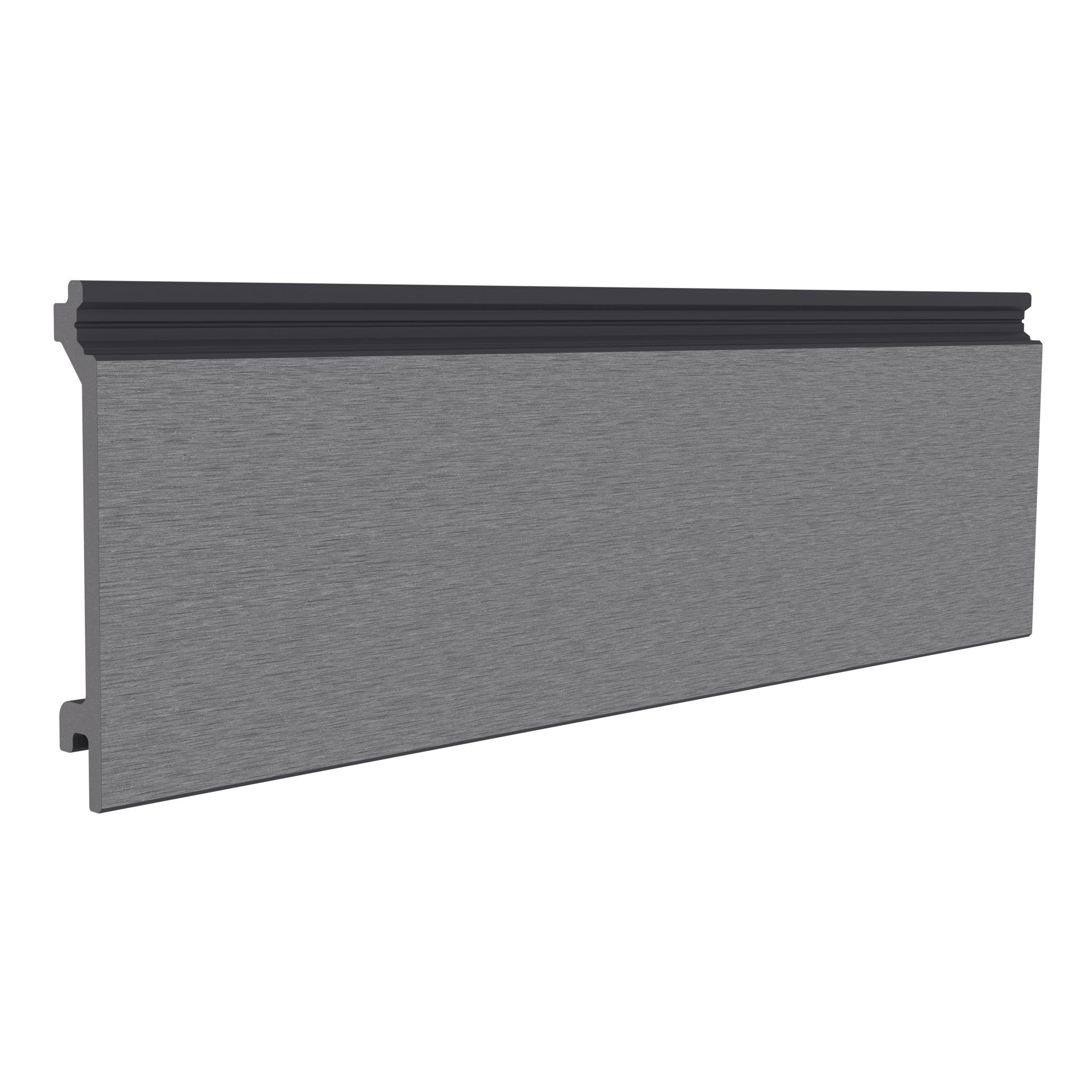
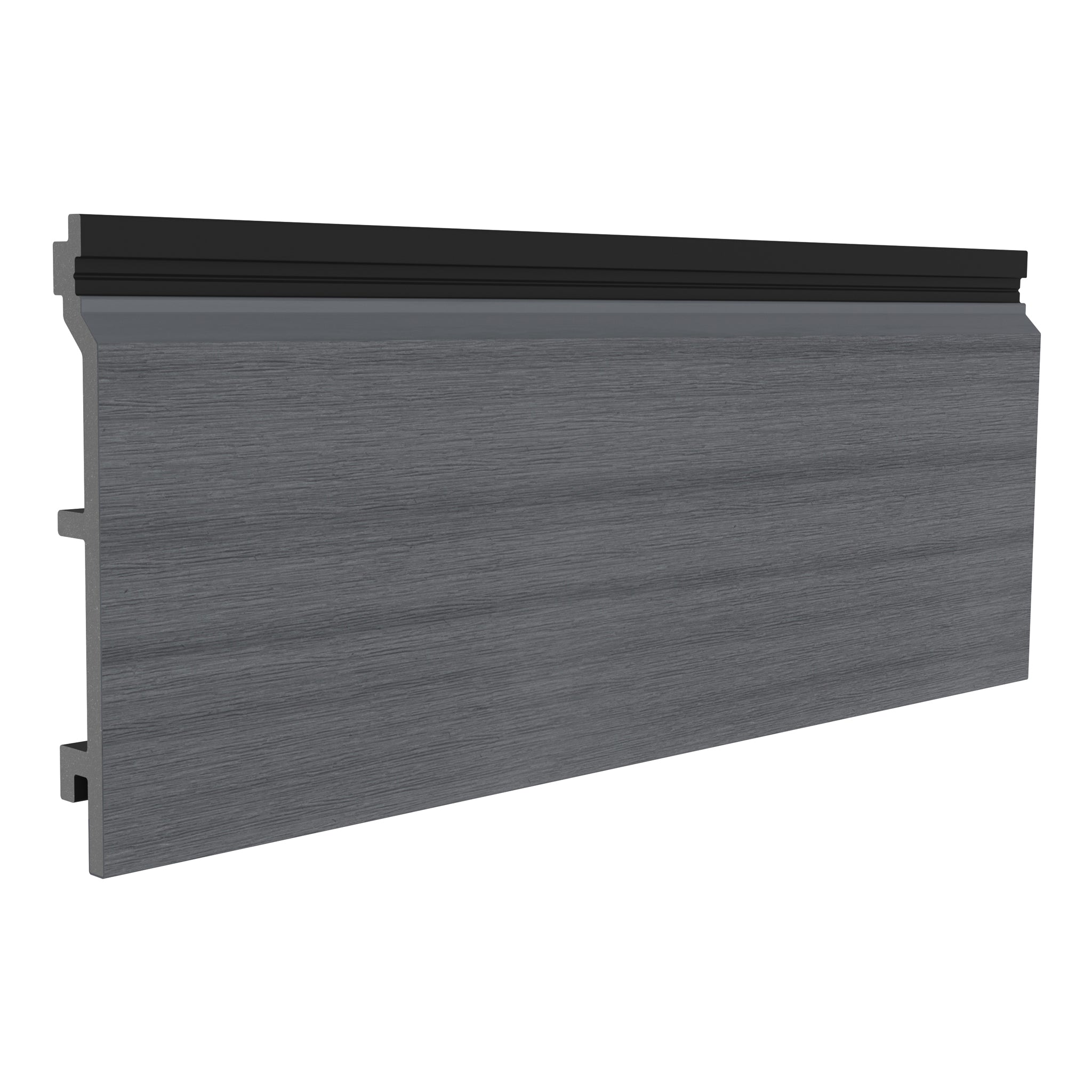
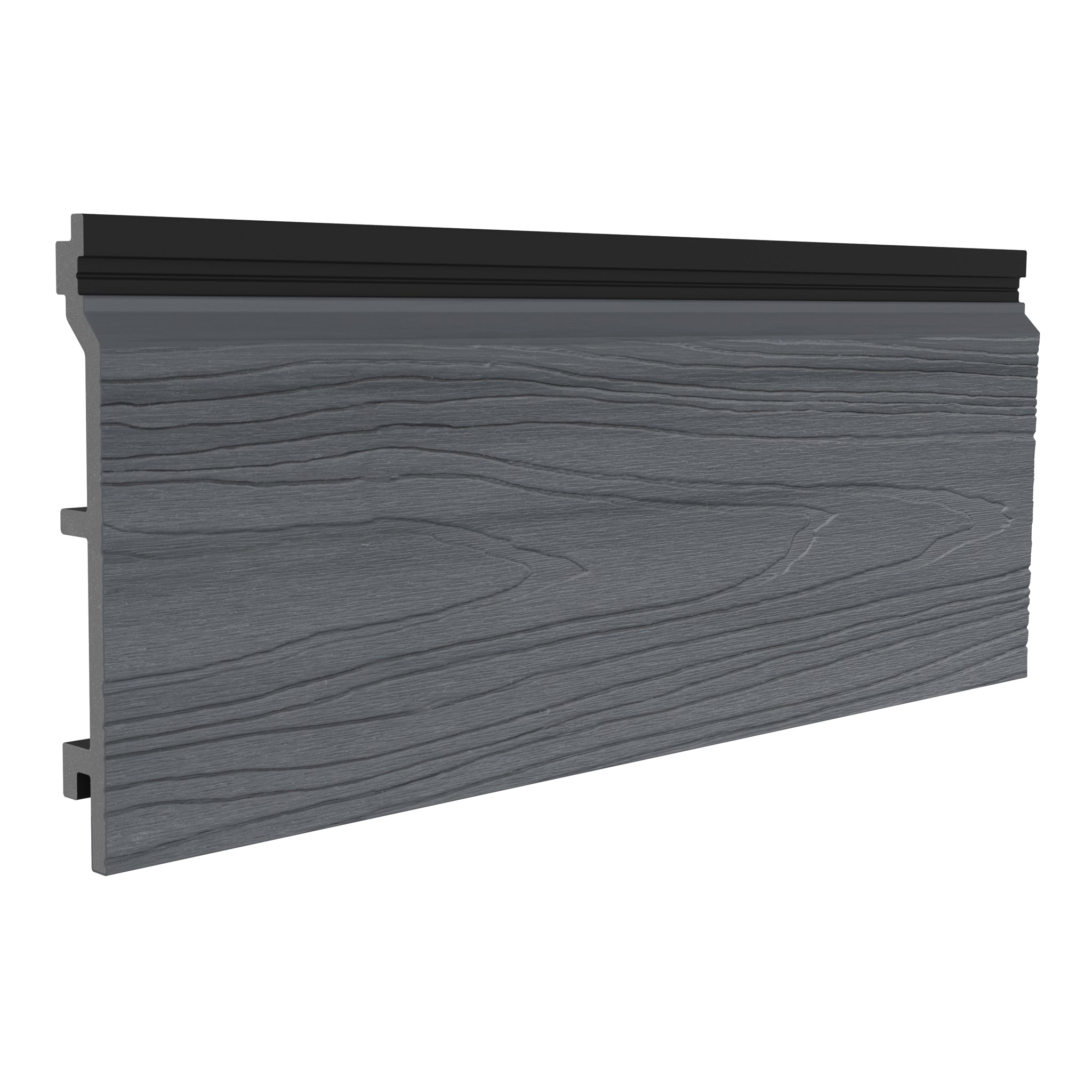
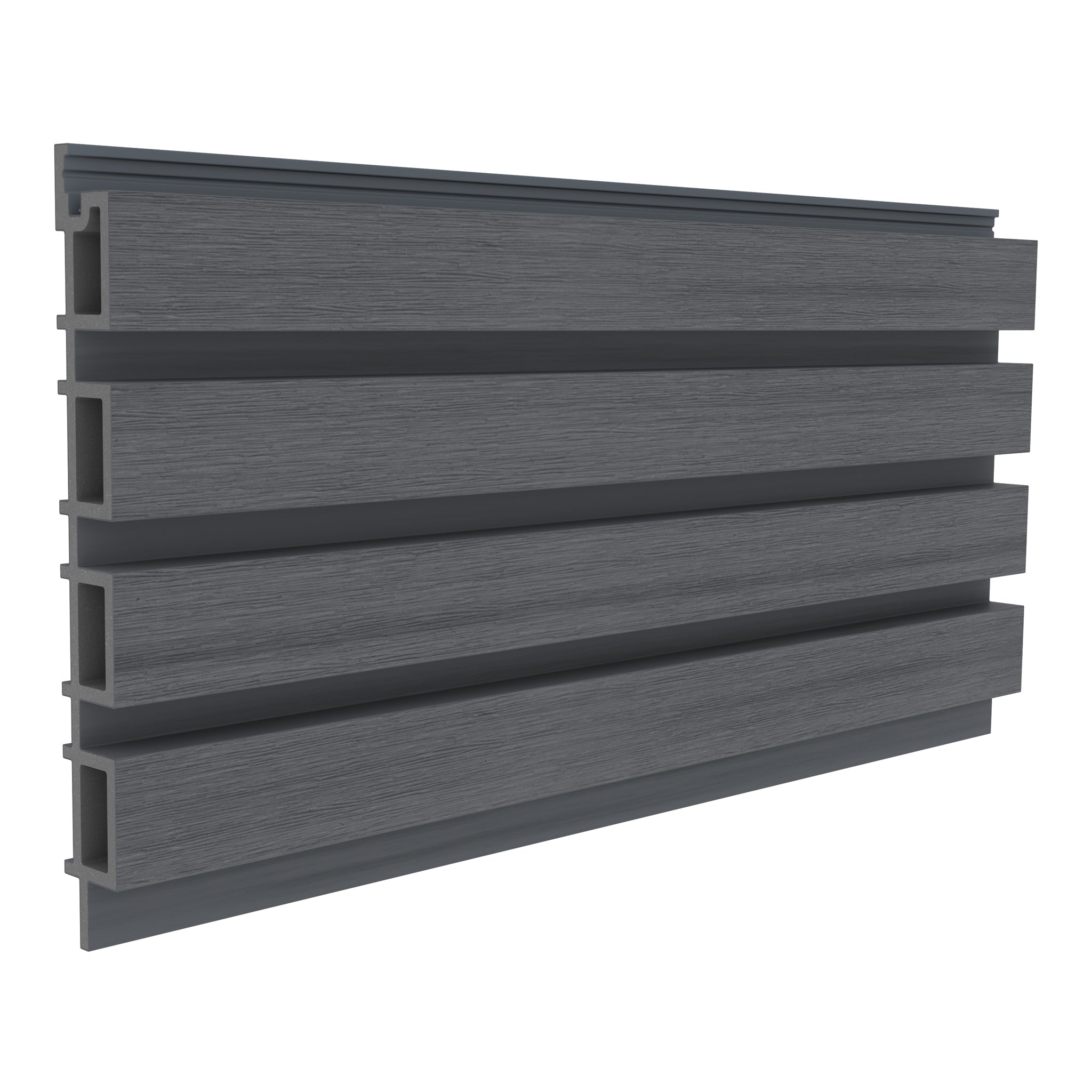
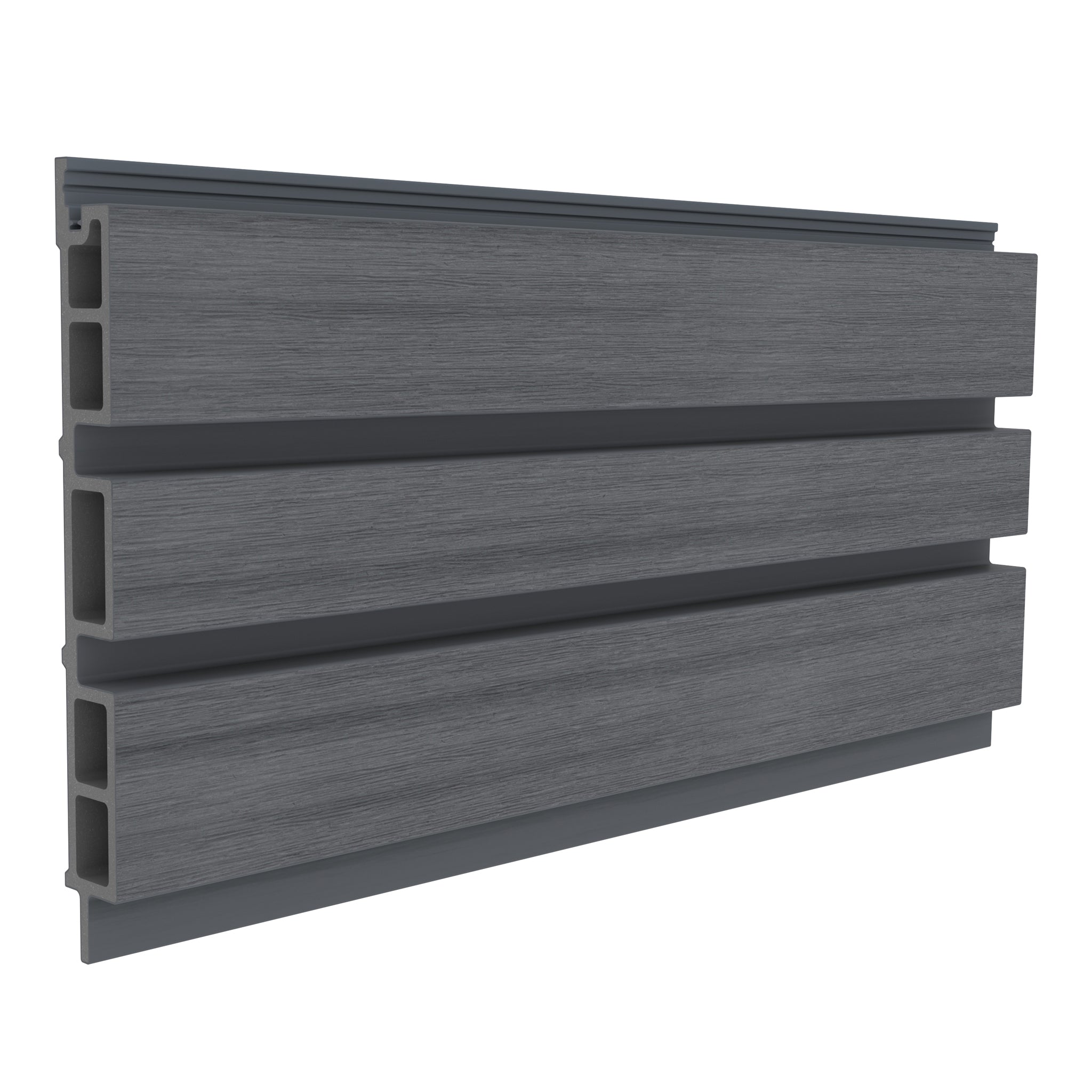
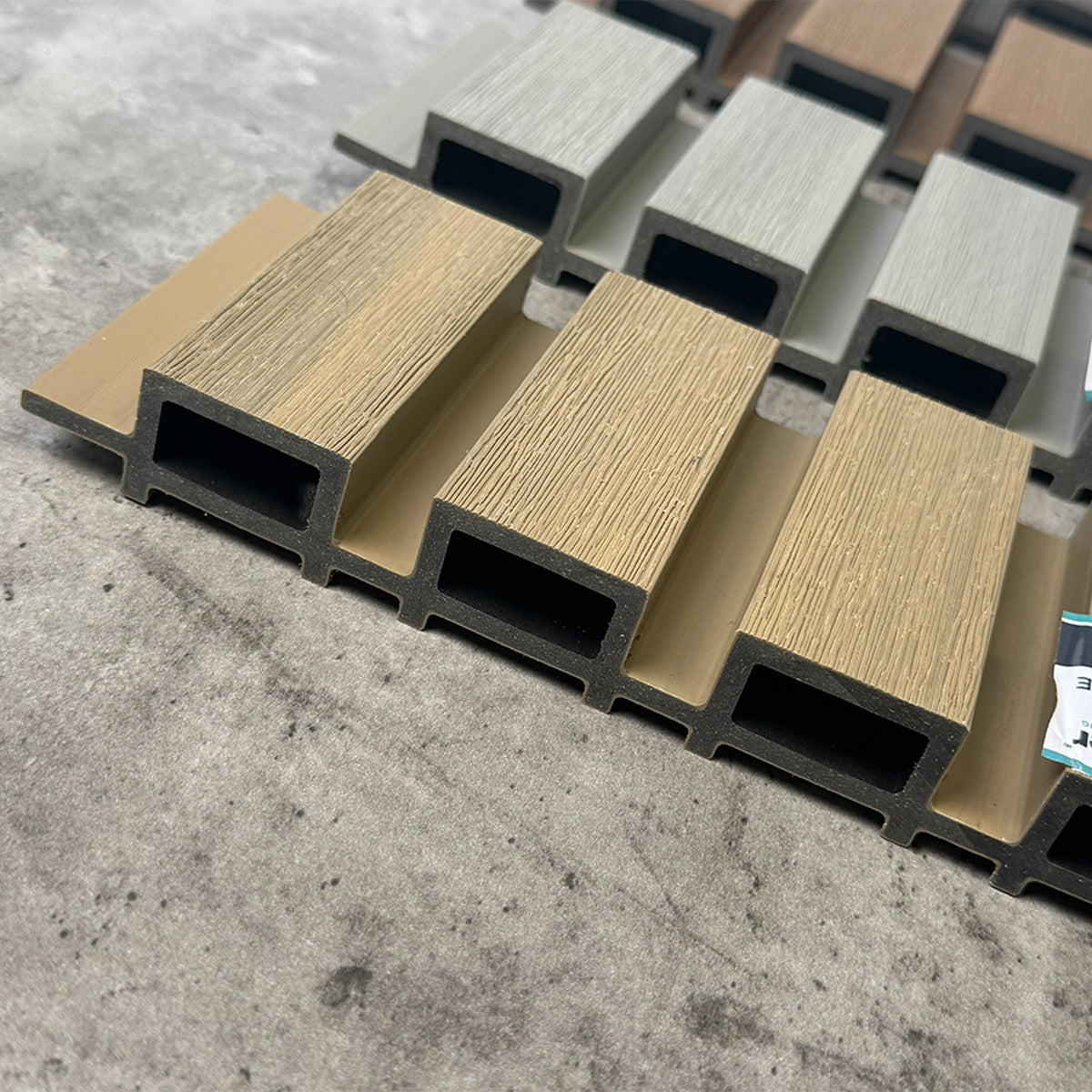
If the specification supports composite, compare Classic, Deluxe and Slatted options. They have different construction and appearance, so select the exact product before requesting supporting information.
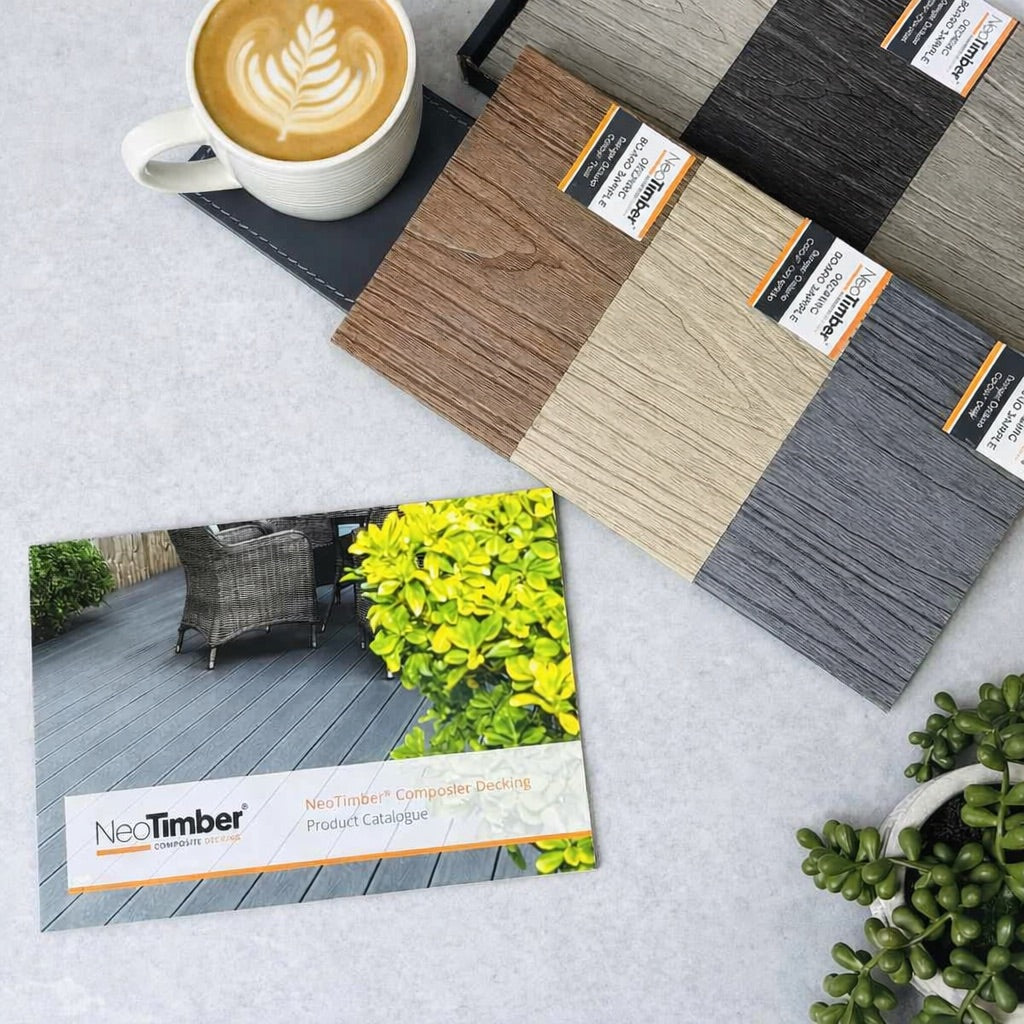
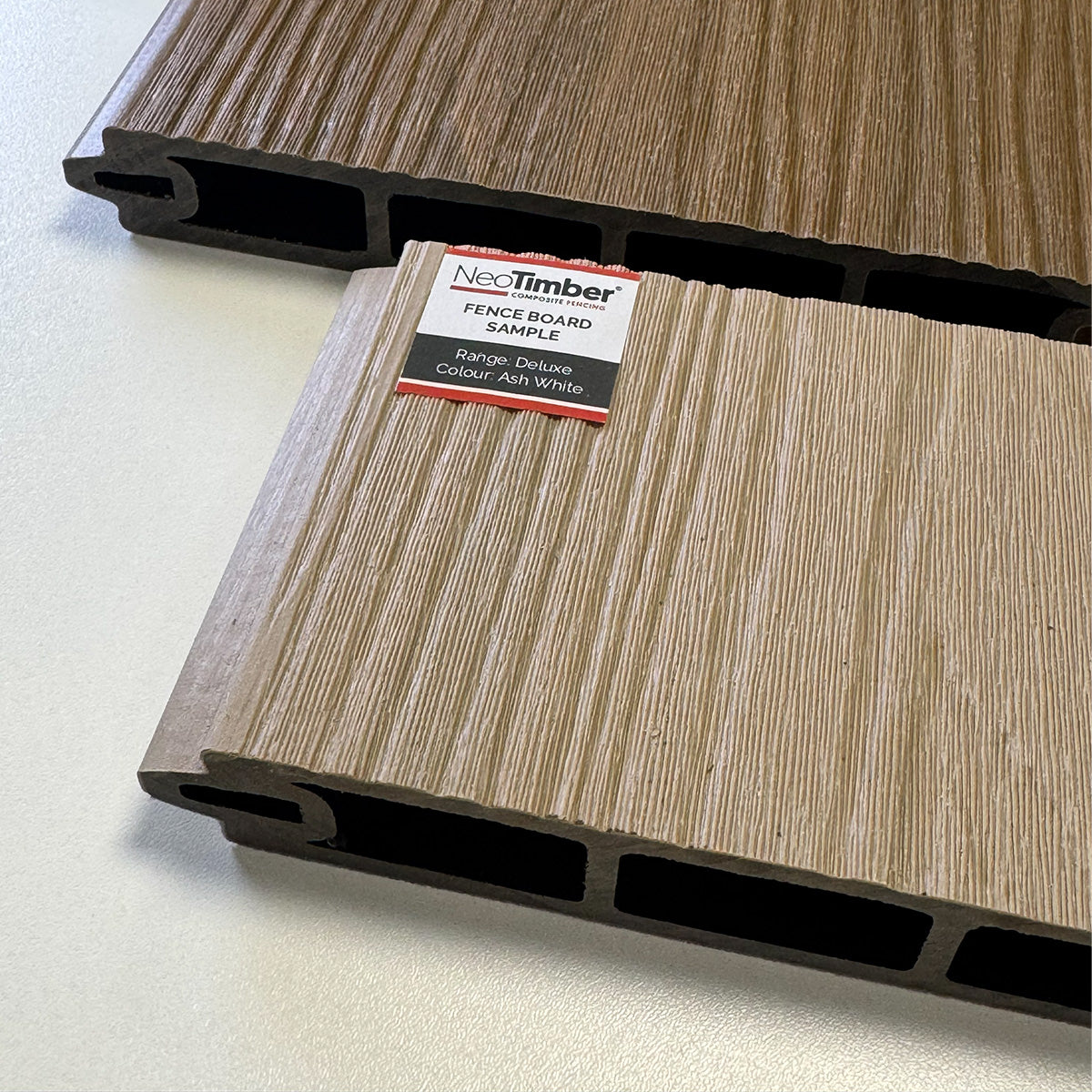
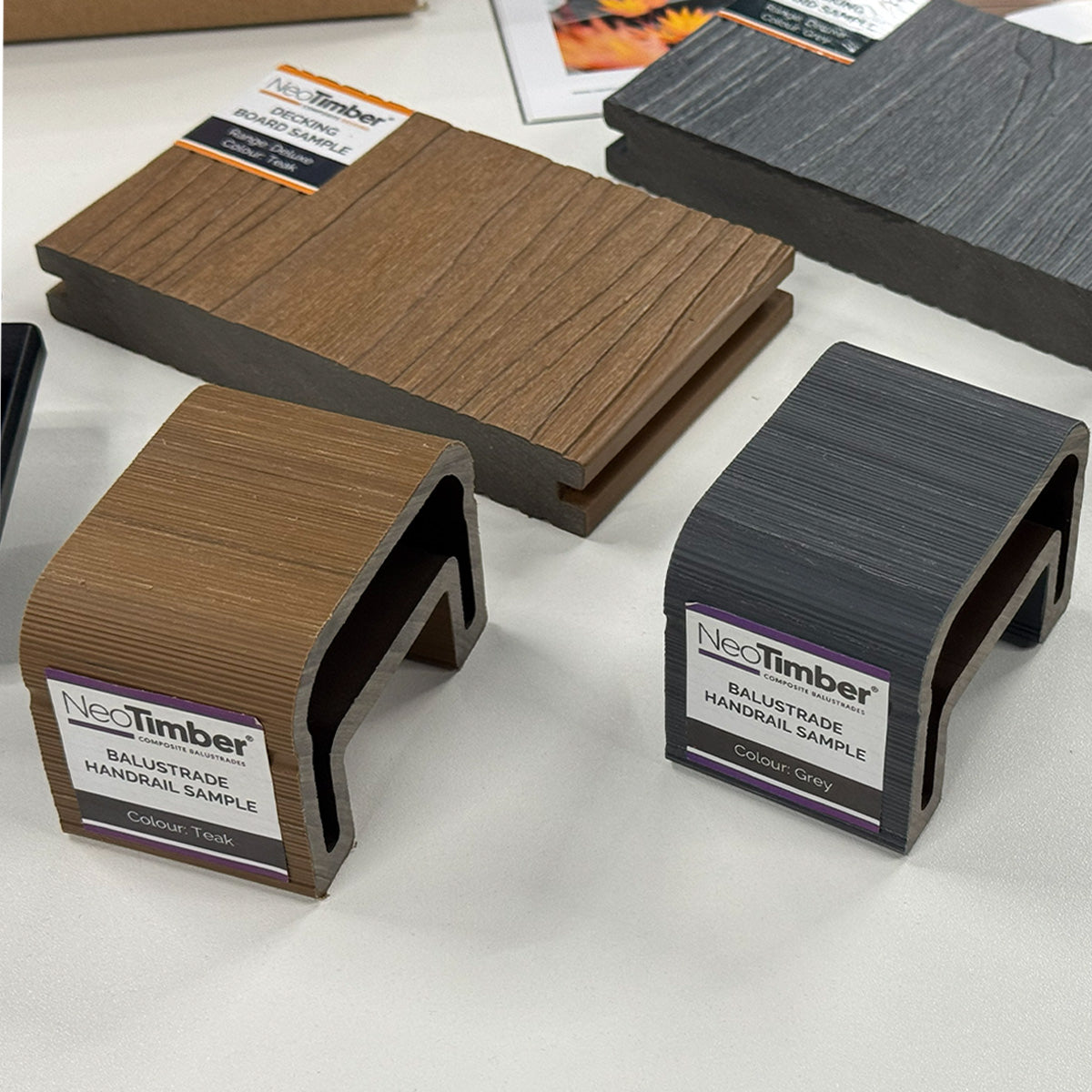
Classic is uncapped with a sanded finish. Deluxe and Slatted ranges have protective capped surfaces offering improved fade and stain resistance. Compare the texture and colour with samples, while reviewing the technical specification separately.
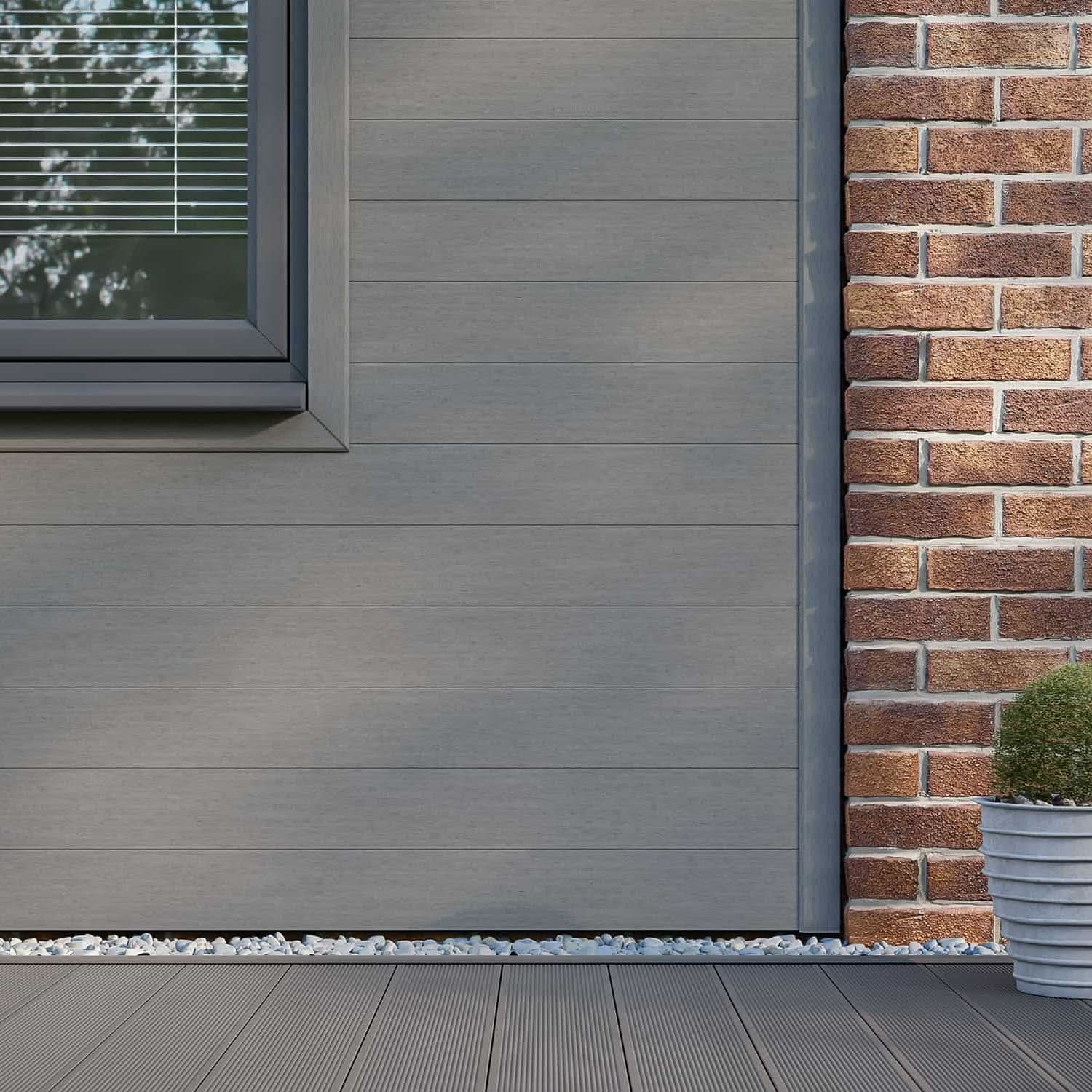
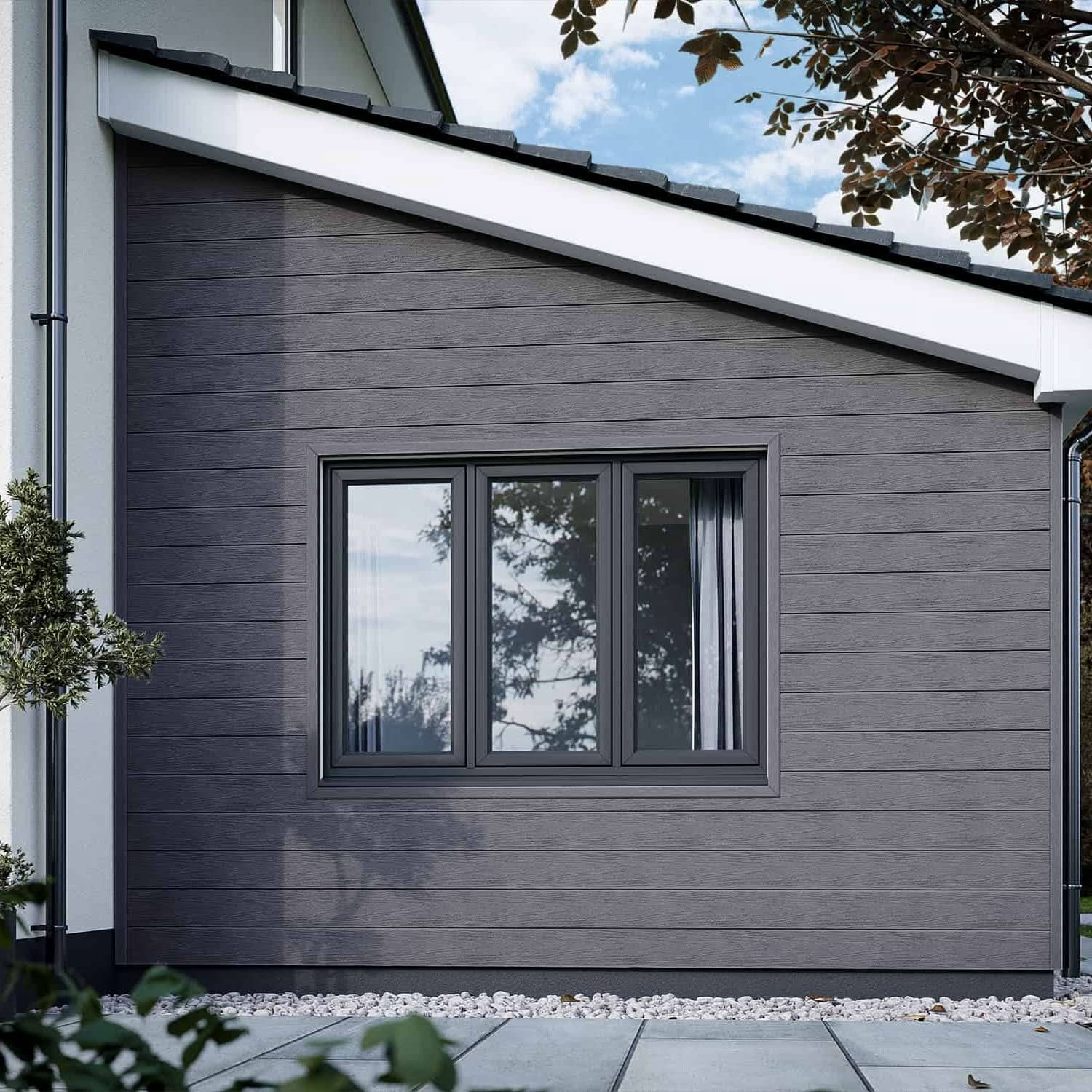
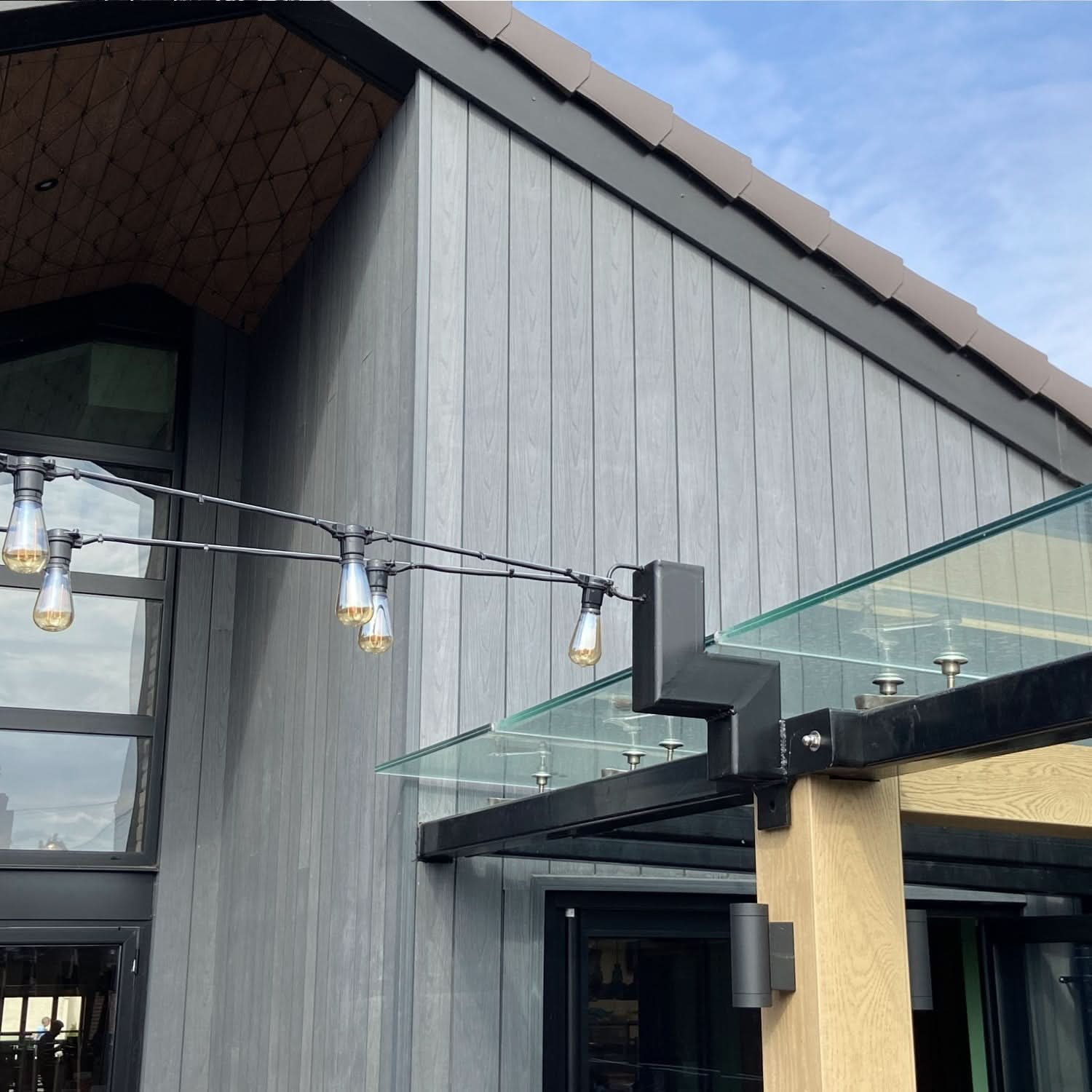
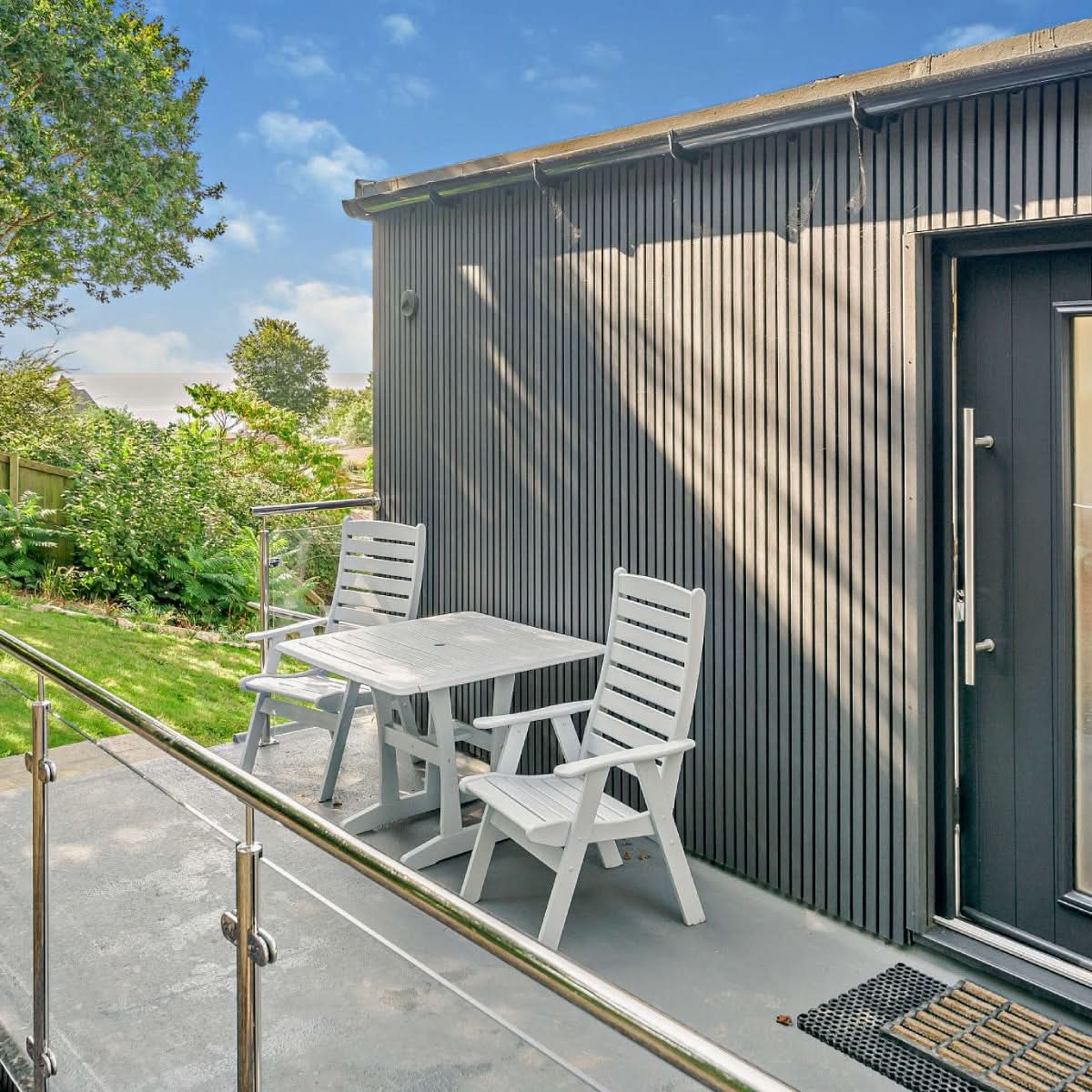
Choosing a finish you enjoy can support a design intended for long-term use, although appearance alone does not establish an environmental benefit. Coordinate the cladding with existing materials rather than replacing sound finishes without a clear reason.

A More Useful Approach to Environmentally Friendly Cladding
Terms such as eco-friendly composite cladding and environmentally friendly composite cladding are most useful when followed by specific information. Responsible sourcing, recycled inputs and reduced decorative upkeep can be relevant attributes, but none establishes every environmental outcome on its own.
For homeowners, the next step may simply be checking materials, care and disposal information. For a formally assessed development, it may involve environmental declarations and a whole-life analysis. Match the evidence to the decision being made.
The strongest thought behind sustainable cladding is not a claim that one material wins everywhere. It is a commitment to selecting a suitable system, avoiding unnecessary waste and stating clearly what the evidence does and does not show.
Frequently Asked Questions
Is recycled cladding automatically sustainable?
No. Recycled content is one attribute. Consider sourcing, production, installation, care and end-of-life routes as well.
Is NeoTimber® cladding entirely recycled?
Current product information describes recycled plastics and FSC® certified wood fibres. Do not turn those claims into a range-wide statement that every ingredient is recycled.
Is composite always more sustainable than timber?
No universal conclusion follows from the material names. Compare the specific products and complete systems using appropriate evidence.
Does low maintenance mean chemical-free?
No. Reduced routine coating work does not mean a composite formulation contains no additives or that cleaning is unnecessary.
Can composite boards go in household recycling?
Do not assume so. Confirm a suitable route with the supplier and local waste service for the actual material.
Choose With Evidence and the Whole Project in Mind
Assess sustainable exterior cladding through clear product information, suitable installation and realistic long-term planning. Ask specific questions rather than relying on a broad eco label.
Explore NeoTimber® composite cladding, request free samples and contact the team for the documentation your project needs. Bring the appearance and technical evidence together before making the final choice.