
Explore Wood-Plastic Composite Cladding for Your Exterior
WPC siding combines a timber-inspired appearance with reduced routine surface treatment. If you want to refresh an exterior without adding regular painting or staining to your maintenance calendar, wood-plastic composite boards offer an alternative worth exploring.
The right choice involves more than selecting a colour. Board construction, surface texture and installation details all influence the finished result. This guide explains what WPC siding is, how capped and uncapped options differ, and what to consider when planning your project.
What Is WPC Siding?
WPC stands for wood-plastic composite, also called wood-polymer composite. It combines wood fibres with polymers and additives to create a manufactured material. In this context, siding describes an exterior wall covering. In the UK, the same type of product is commonly called composite cladding.
NeoTimber’s composite cladding collection includes WPC boards with different profiles and finishes. Their wood content contributes to a timber-inspired appearance, while the formulation and surface construction affect how each range performs. Always compare the actual product specification: the label “WPC” alone does not establish identical performance between brands or board types.
Why Choose WPC Siding?
A Timber-Inspired Finish Without Routine Painting
NeoTimber® composite cladding is supplied with its intended finish and does not need routine painting or staining. That can make it appealing where maintaining a coated timber exterior would involve repeated labour or difficult access.
Natural timber remains a distinctive option, with individual grain patterns and different possibilities for refinishing. Its care requirements depend on the species, treatment and appearance you want to maintain. Choose WPC siding because it suits your priorities, rather than assuming every timber alternative requires the same upkeep.
Colours and Textures to Coordinate Your Exterior
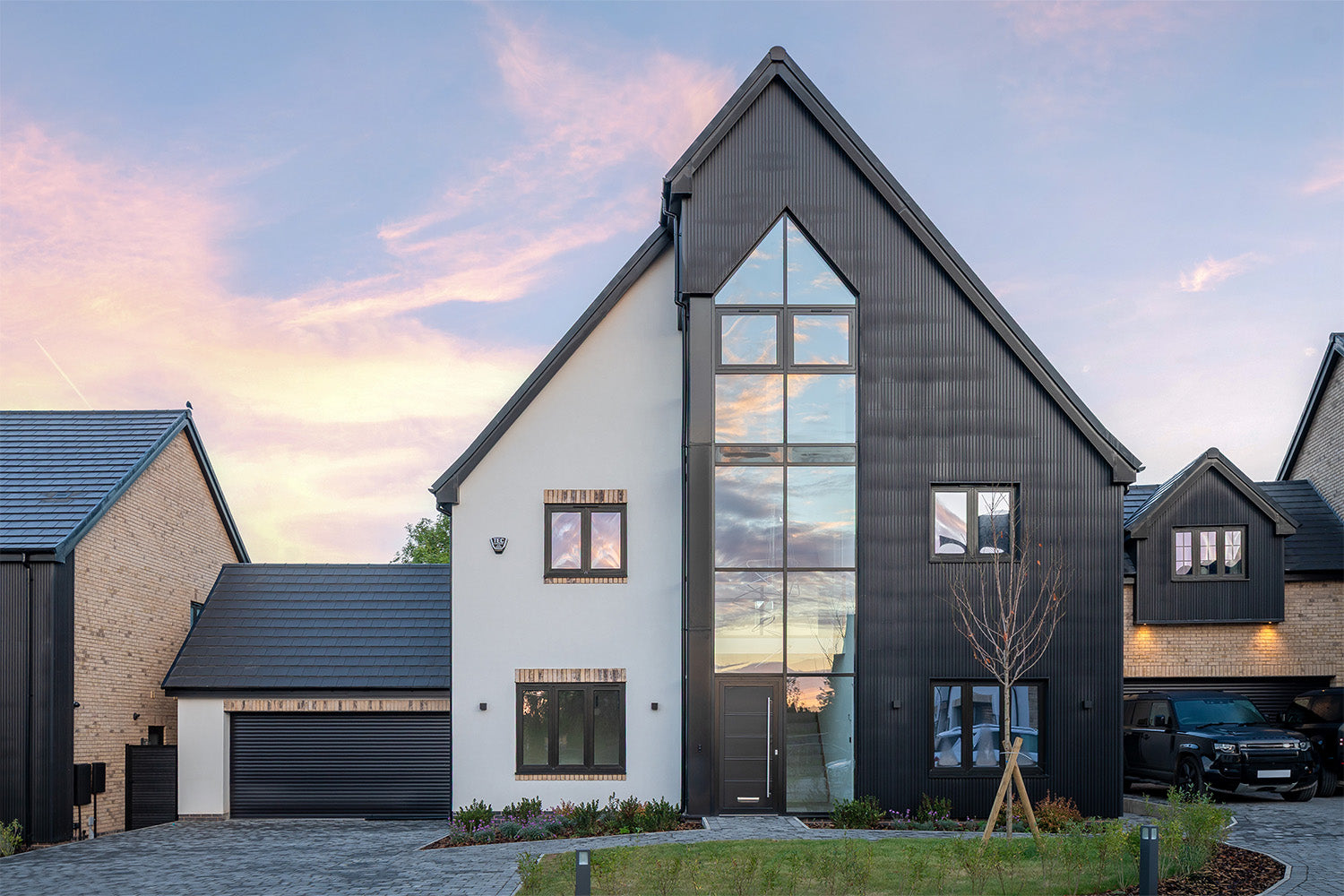
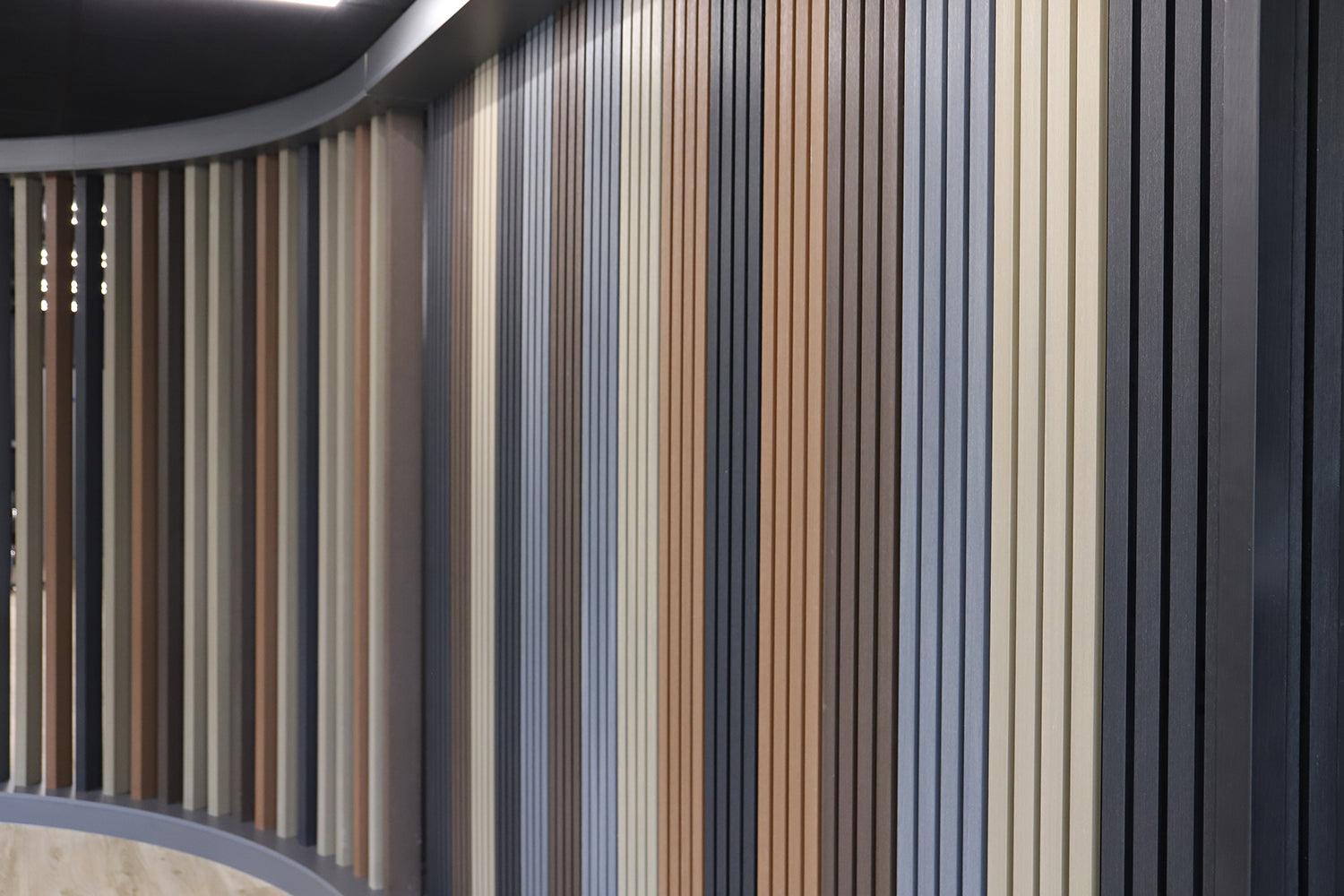
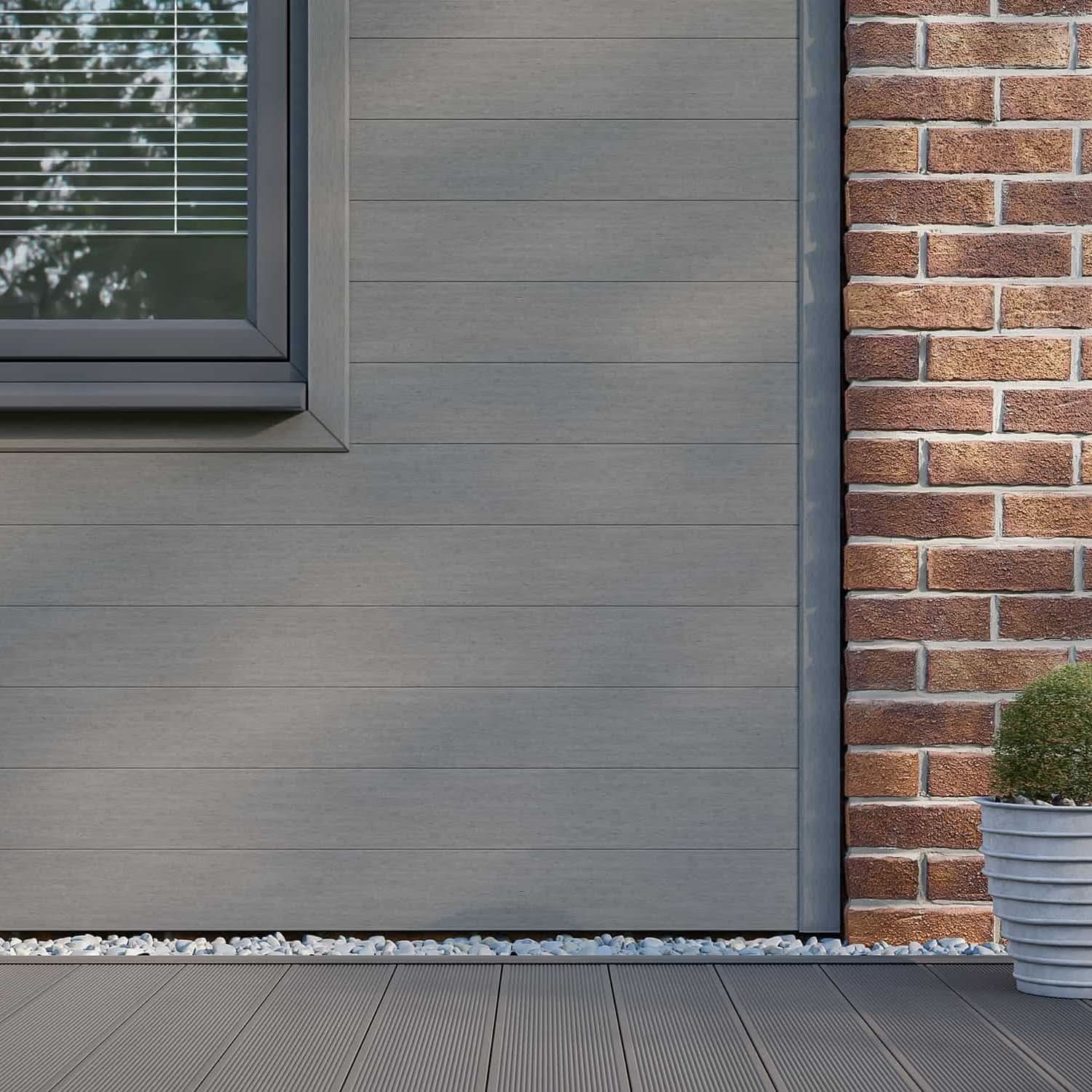
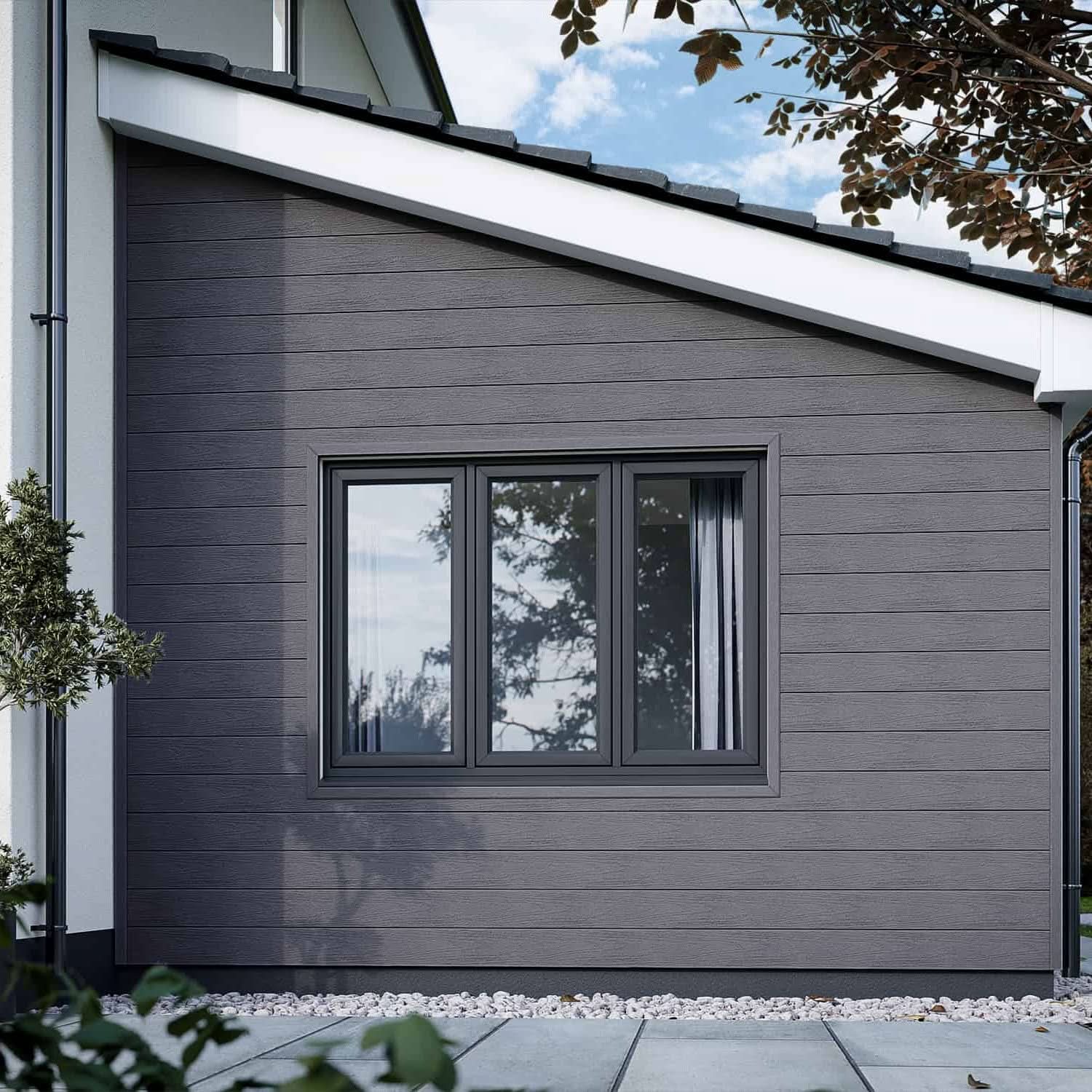
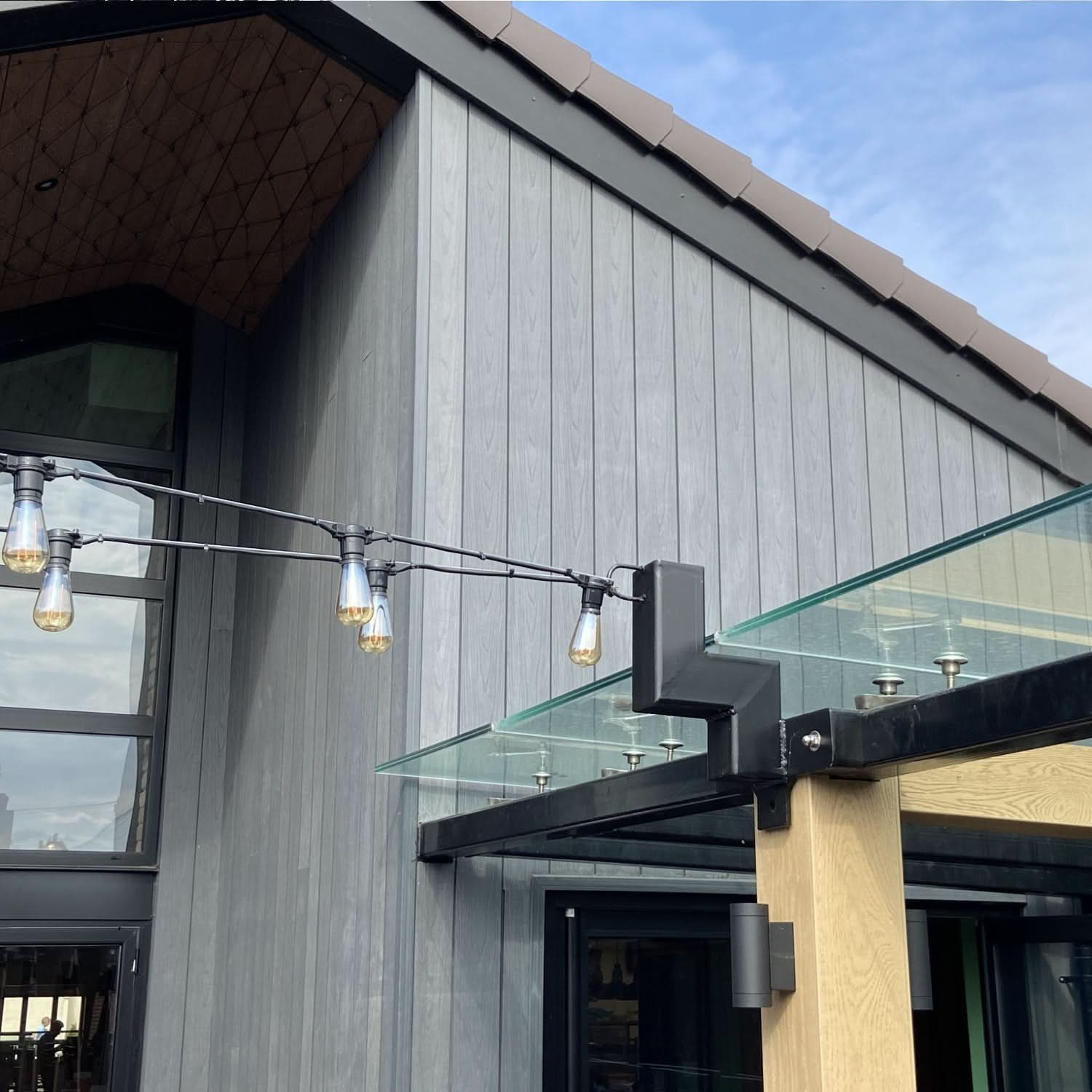
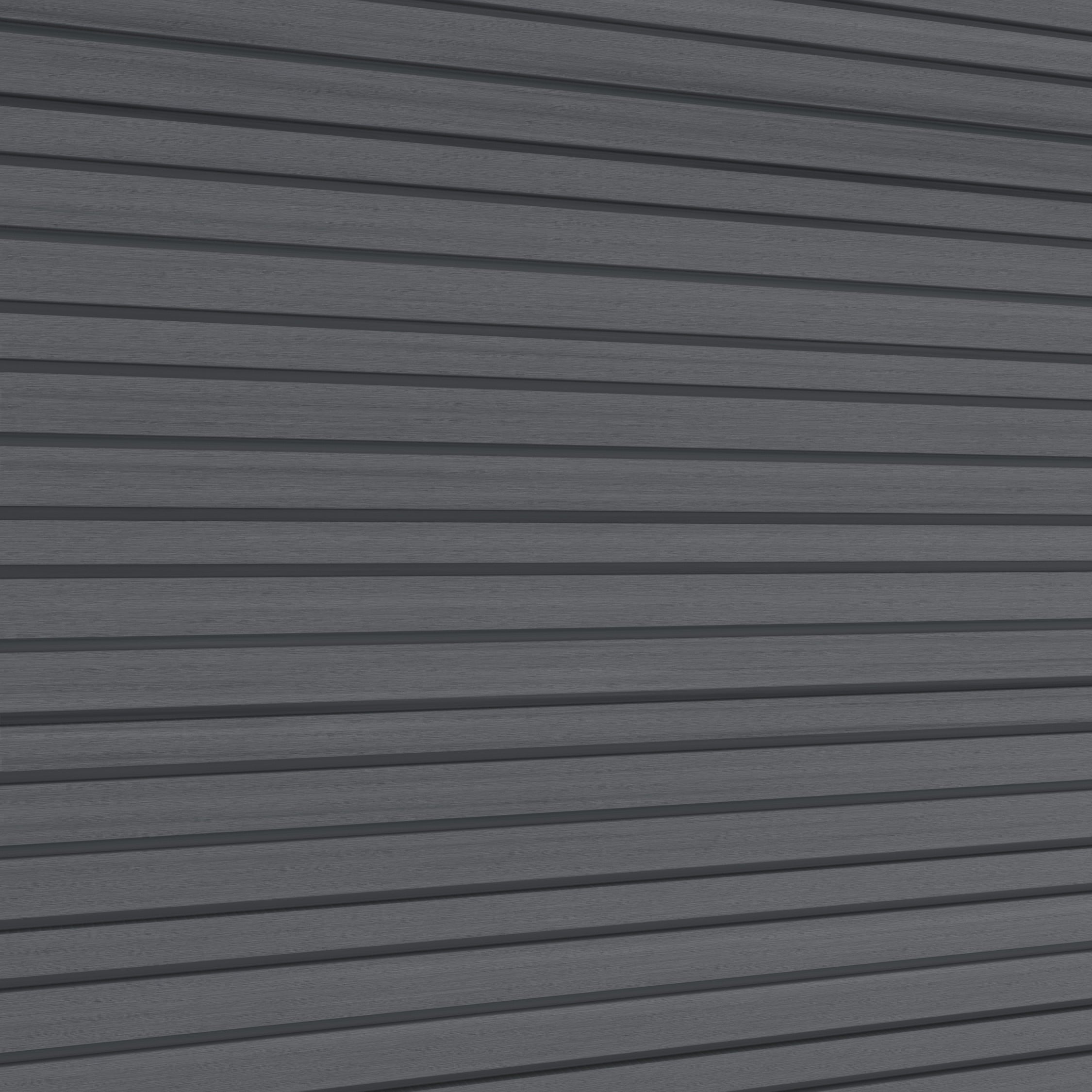
A warm shade can connect a garden building with its surroundings, while grey or charcoal can introduce contrast beside pale render or glazing. Texture matters too: a subtle sanded finish, defined woodgrain and a slatted profile create different effects across a wall.
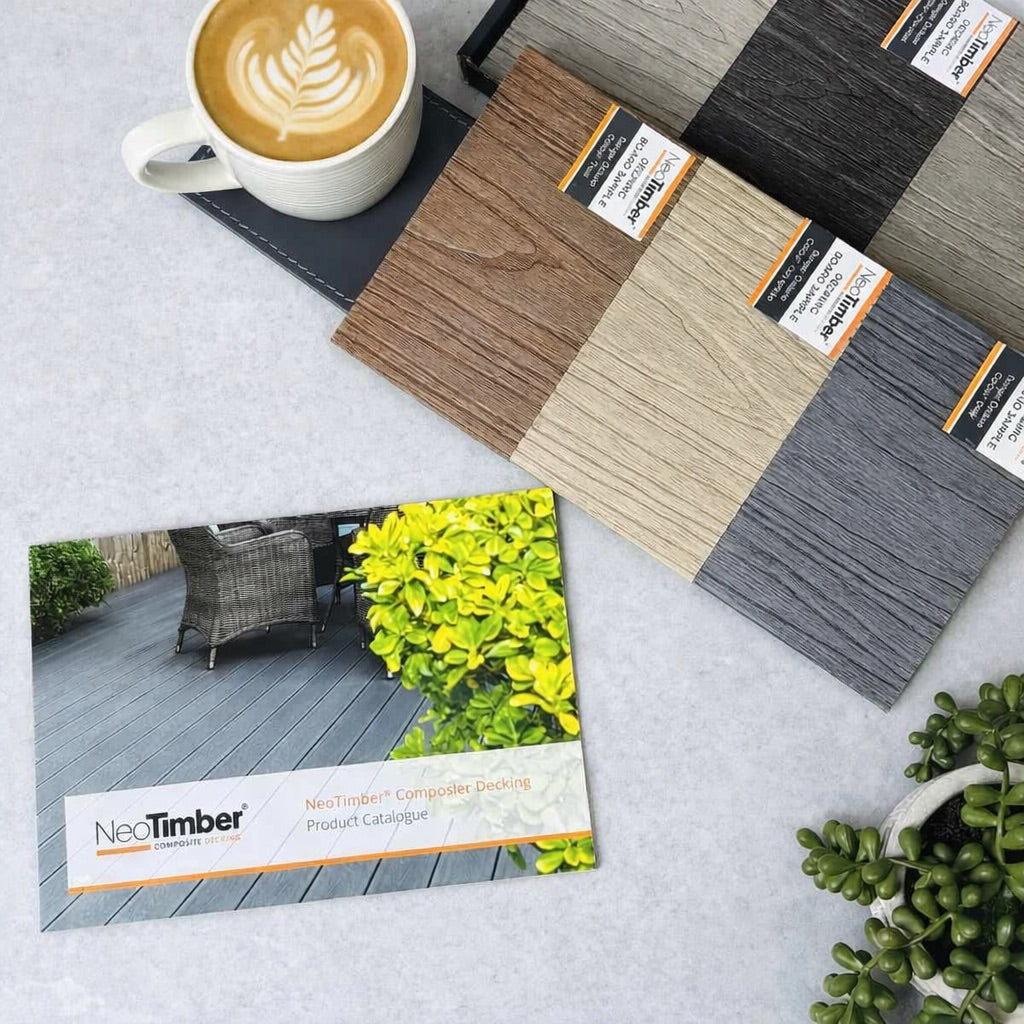
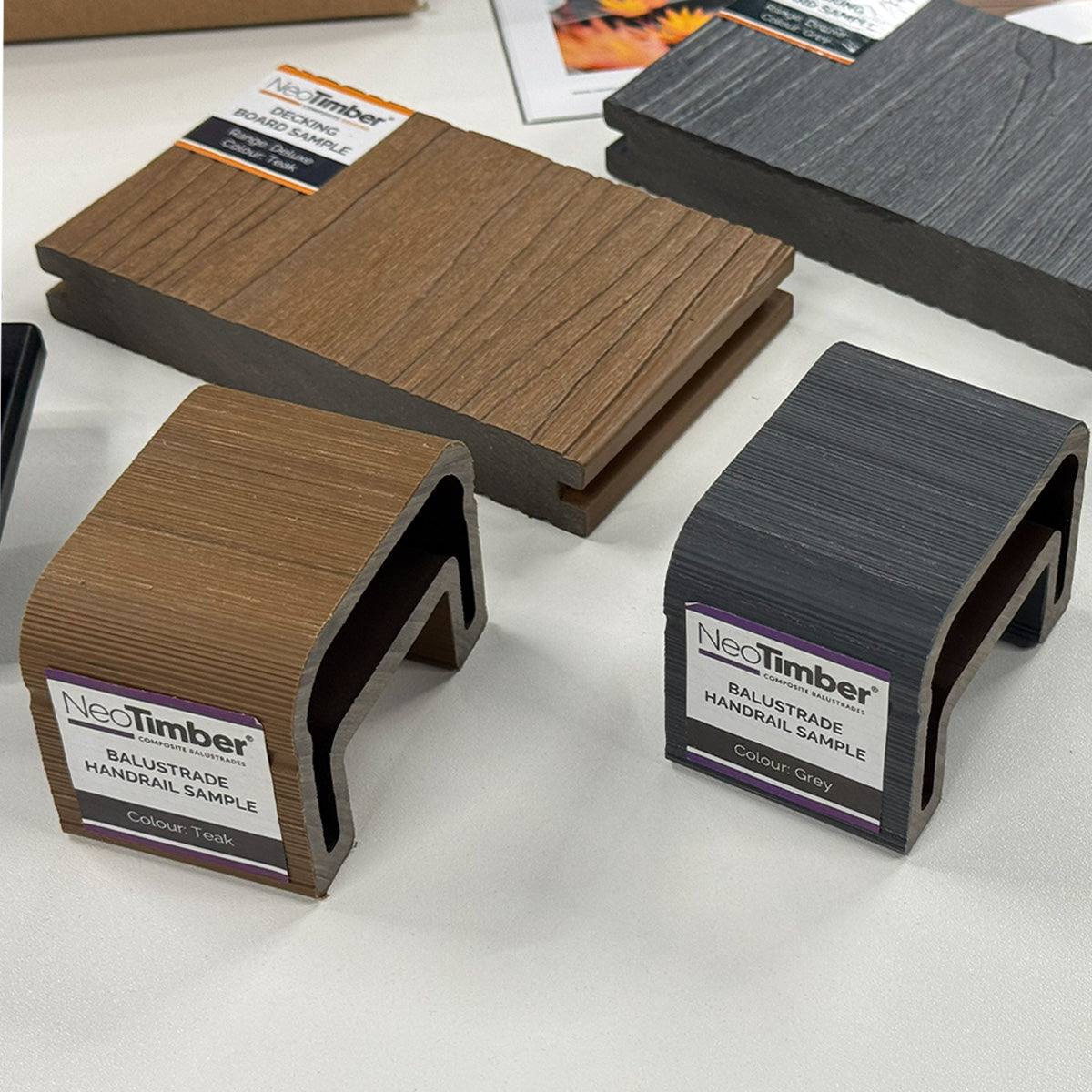
Compare samples beside your brickwork, windows and landscaping. View them in daylight and shade before deciding. The cladding colour guide can help you shortlist options, but physical samples are a better way to judge a surface than a screen alone.

Capped vs Uncapped WPC Siding
A key distinction is whether the board has an additional protective surface layer. Capped and uncapped boards can differ in texture, weathering characteristics and price, so compare the details of the range you are considering.
Classic: Uncapped Boards With a Sanded Surface
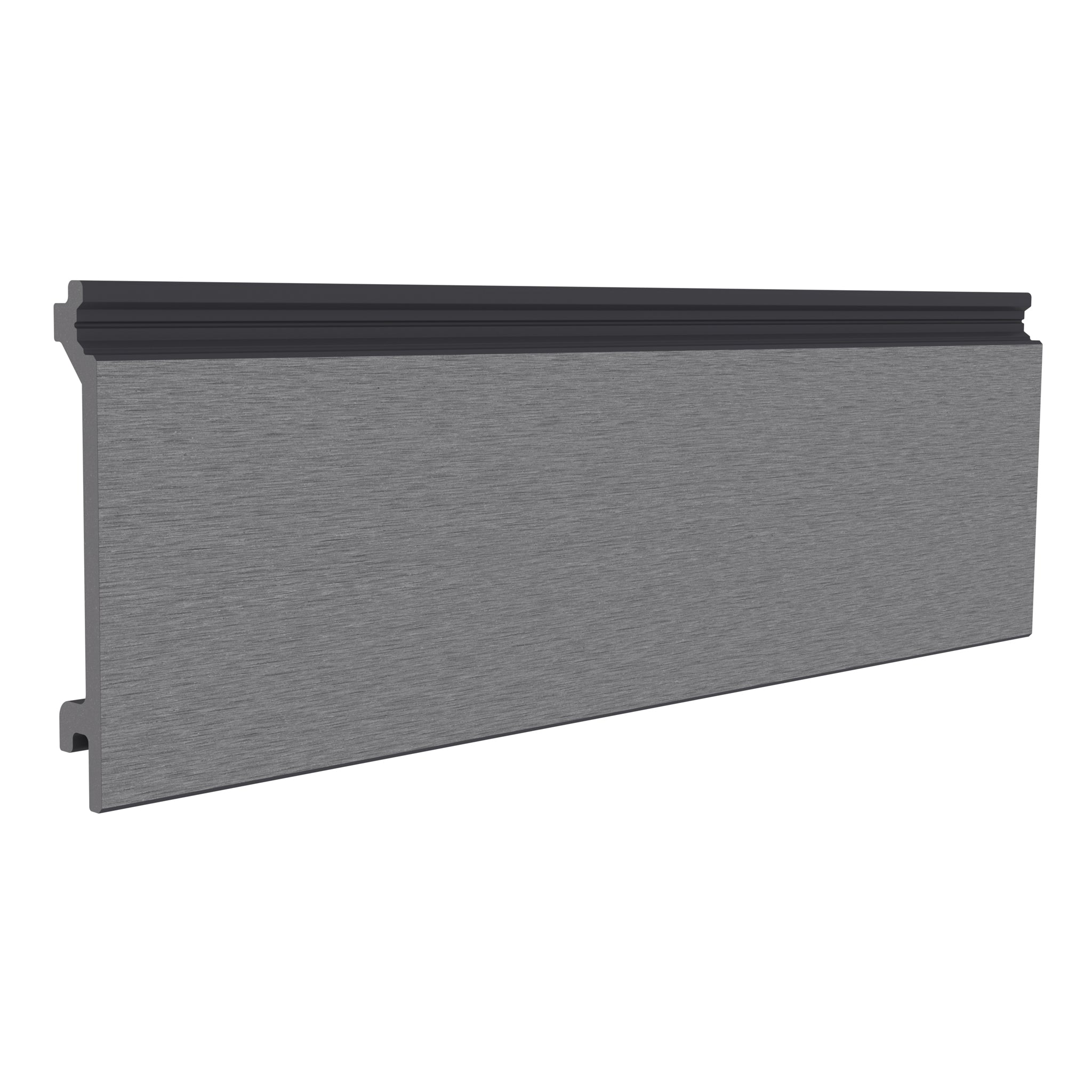
NeoTimber’s Classic composite cladding uses an uncapped wood-polymer construction and a sanded surface. It is an option for a more restrained texture. Check the range’s weathering information to understand how its appearance may develop outdoors.
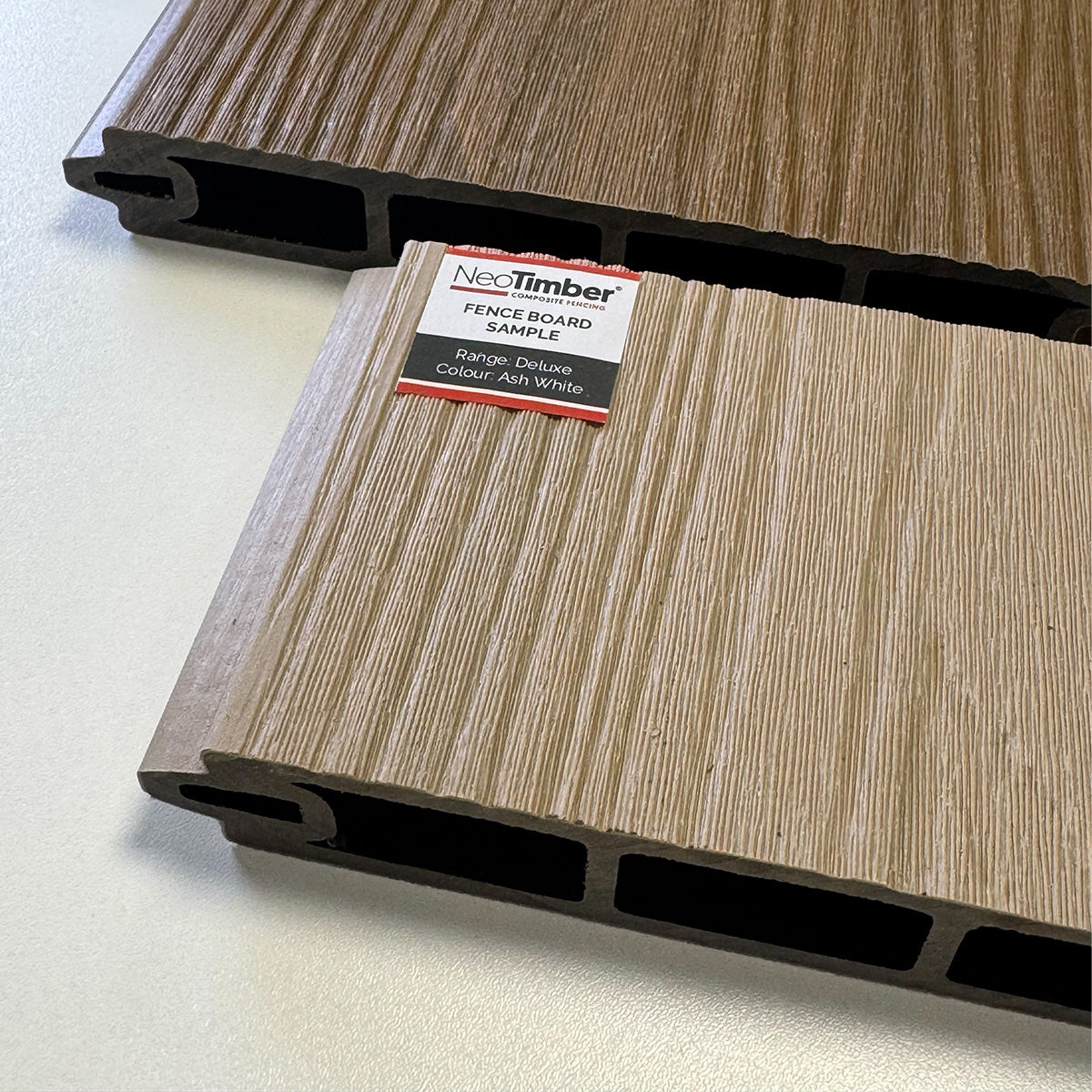
Deluxe Woodgrain: A Defined Grain and Capped Construction
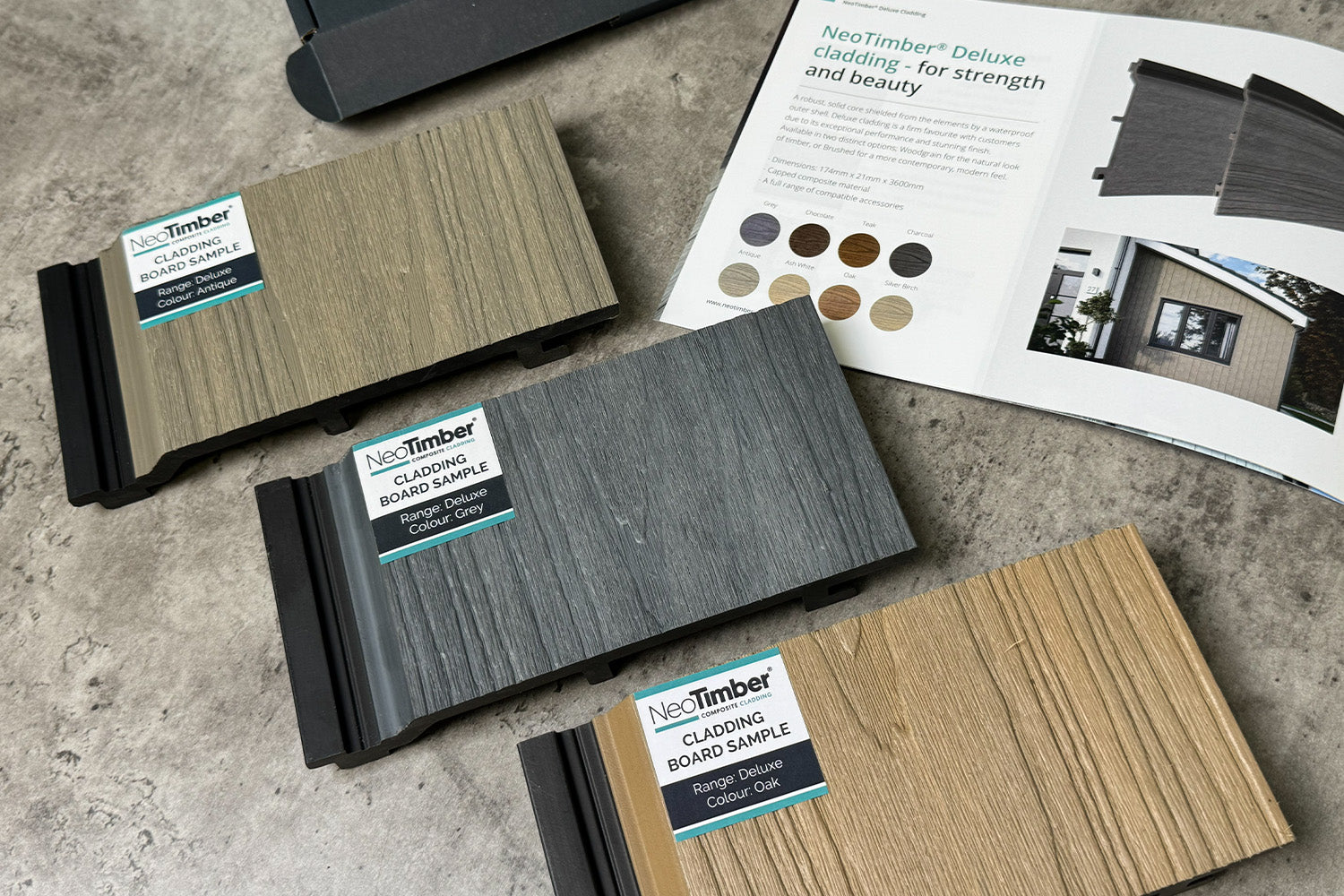
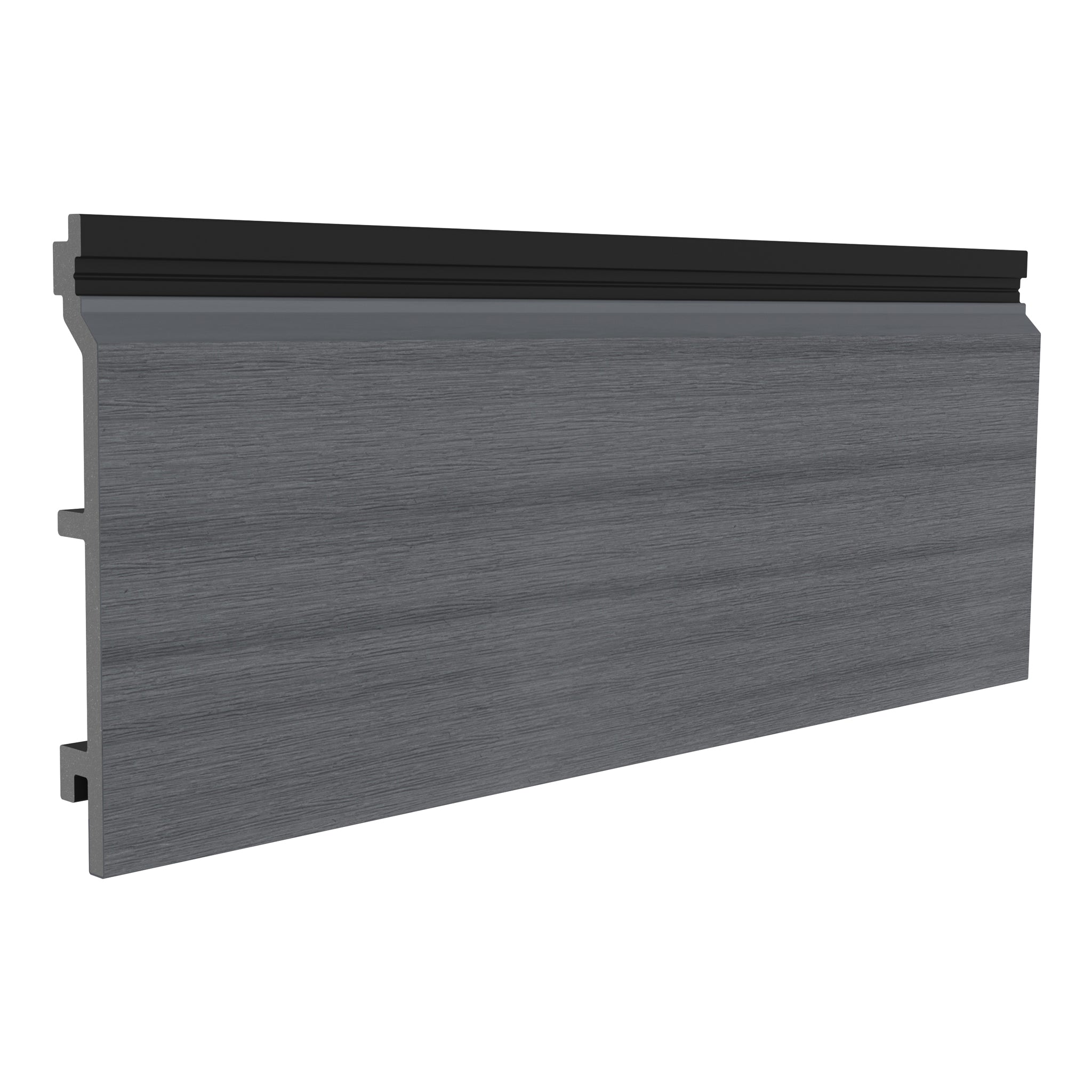
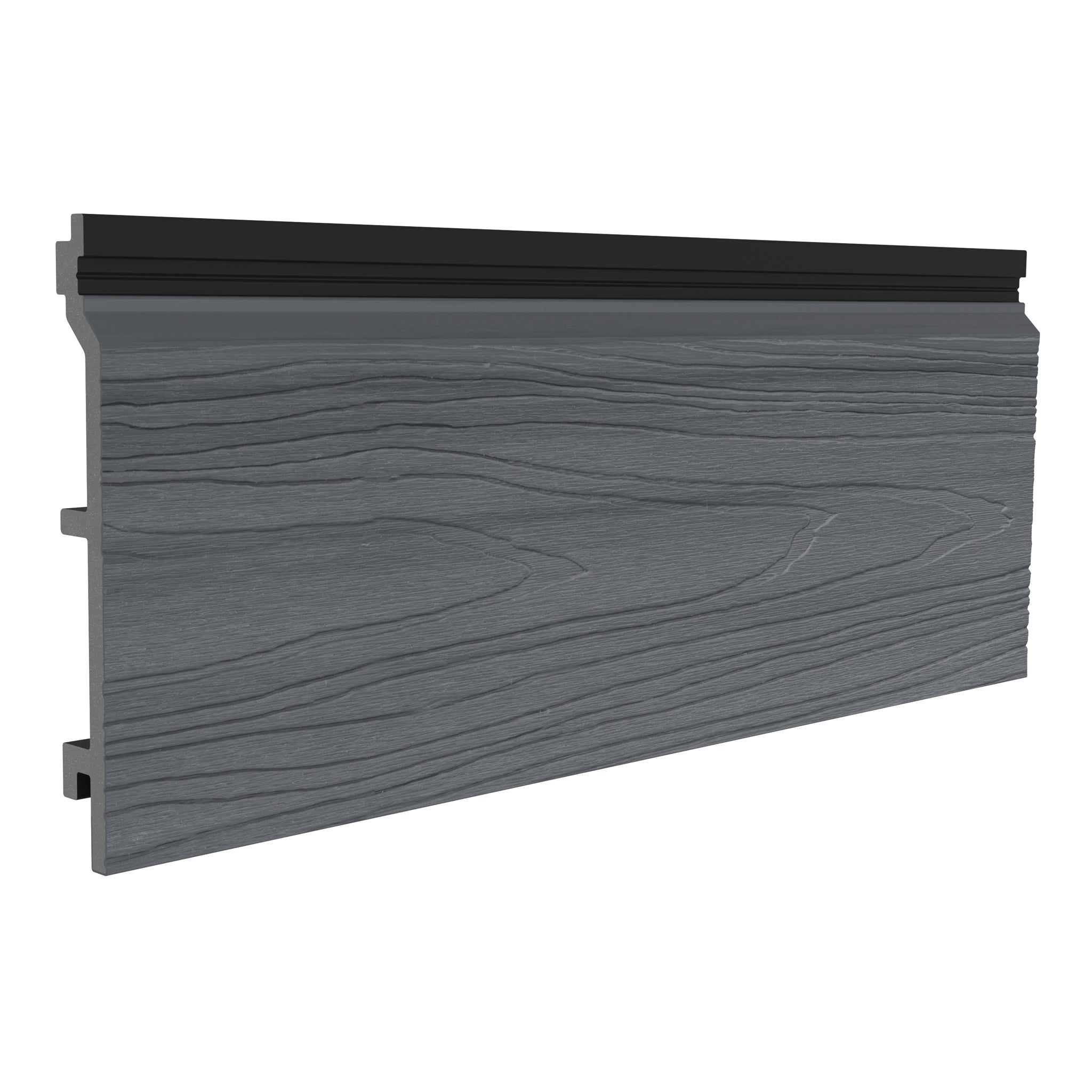
The Deluxe Woodgrain range uses a deep-embossed grain with tonal variation. Its capped construction is designed to improve fade and stain resistance. This makes it an option to compare if visible grain is central to your design.
Improved resistance does not mean that a board is immune to marks or guaranteed to remain completely unchanged. Follow the product’s care instructions and read its weathering and warranty information before ordering.
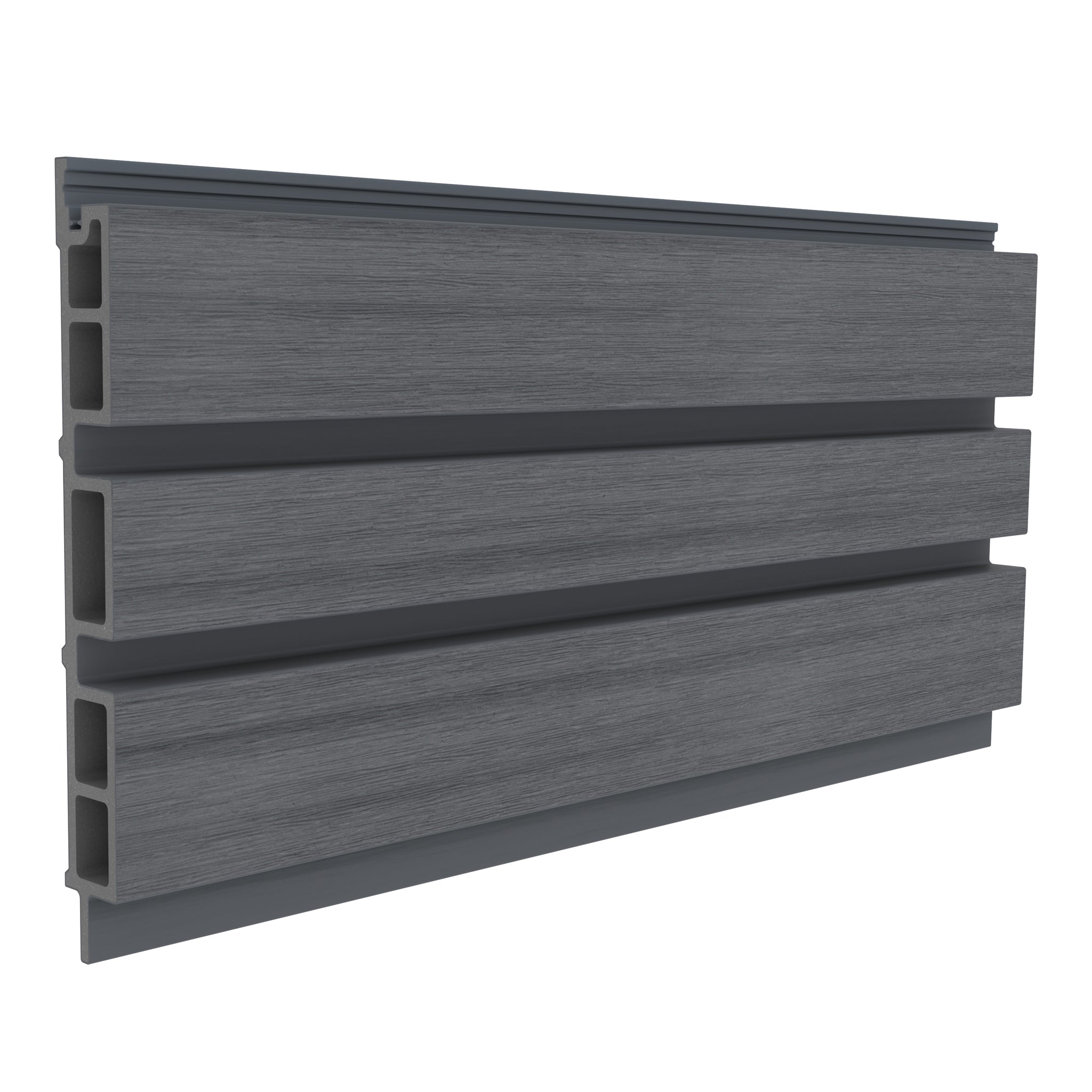
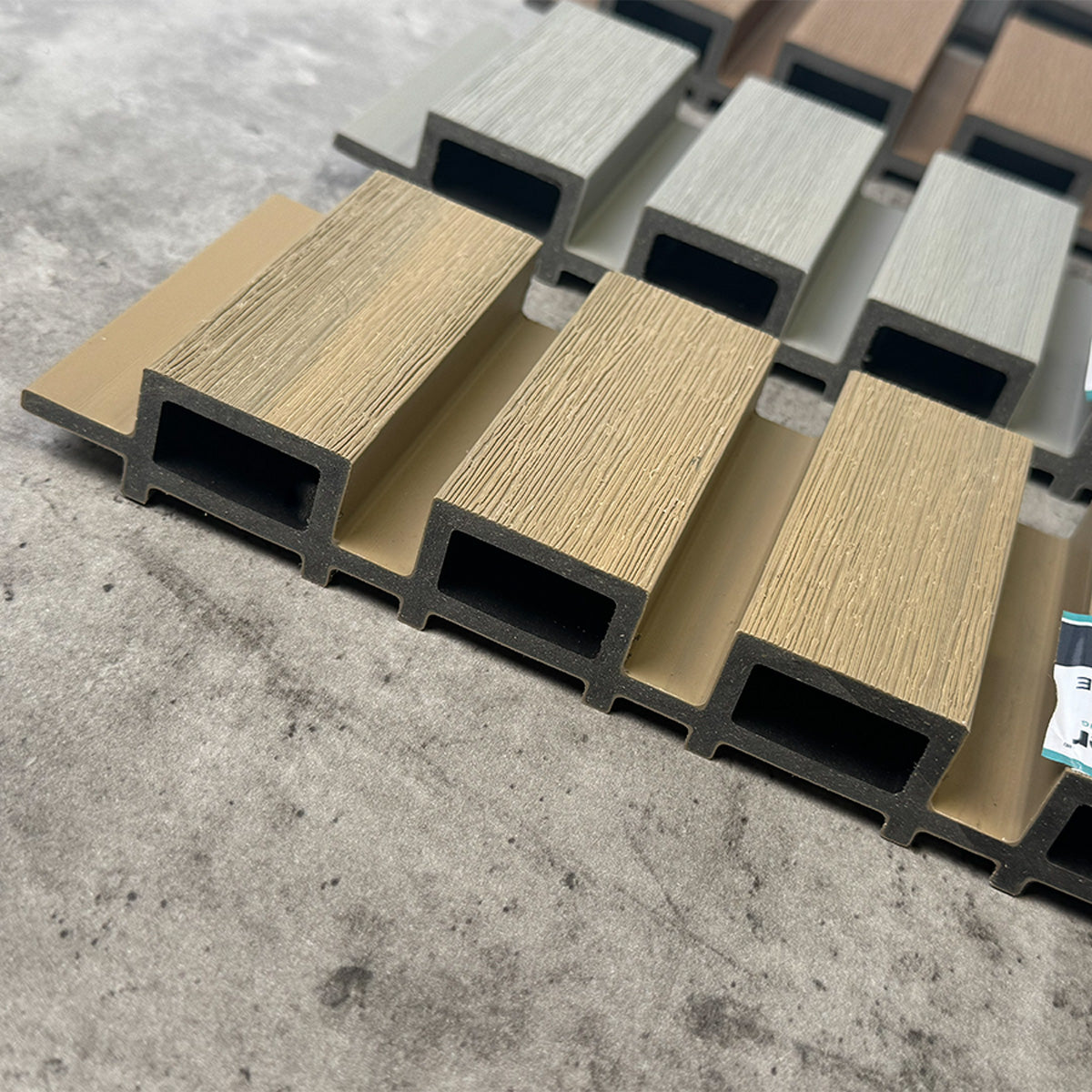
Slatted: A Batten-Inspired Appearance
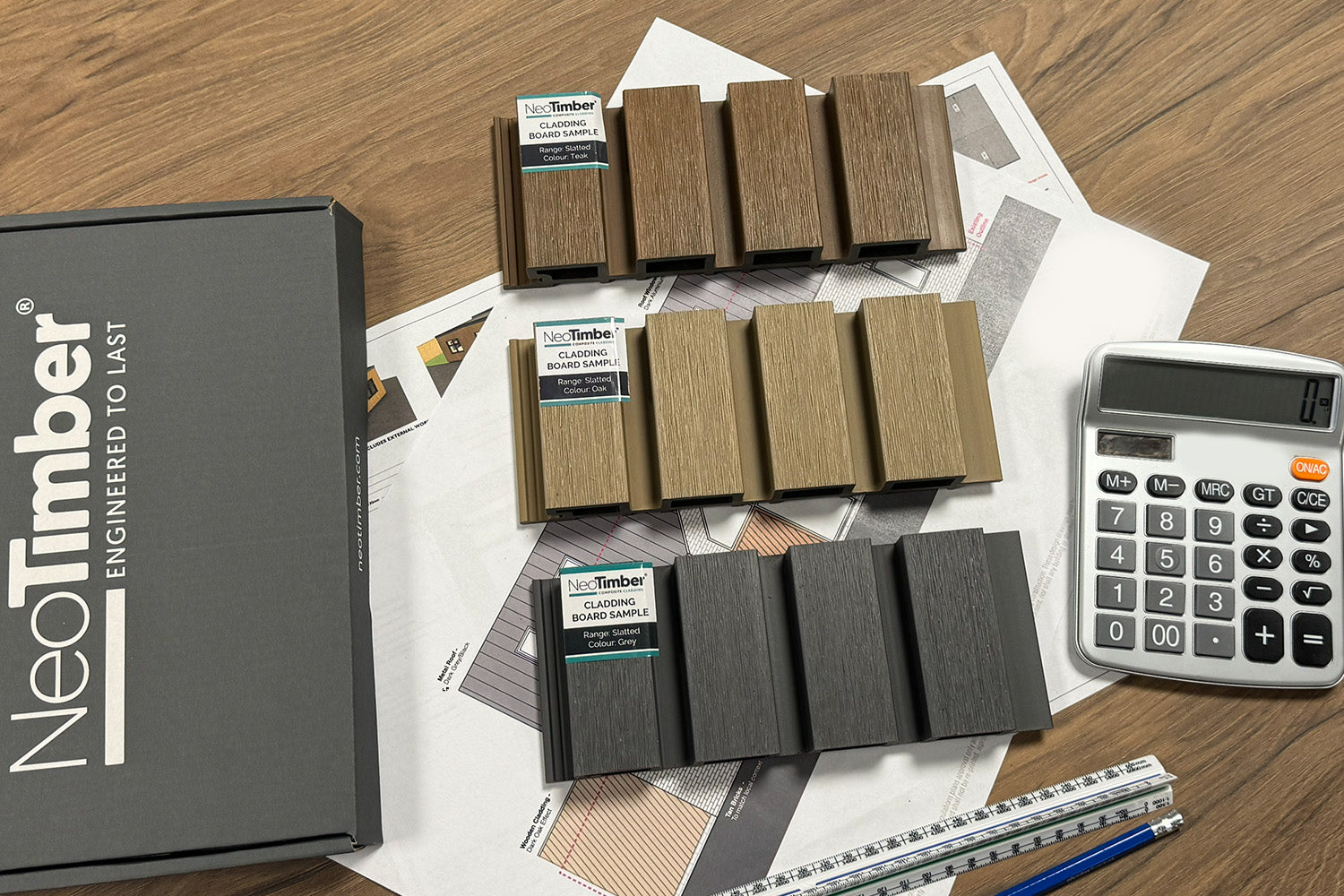
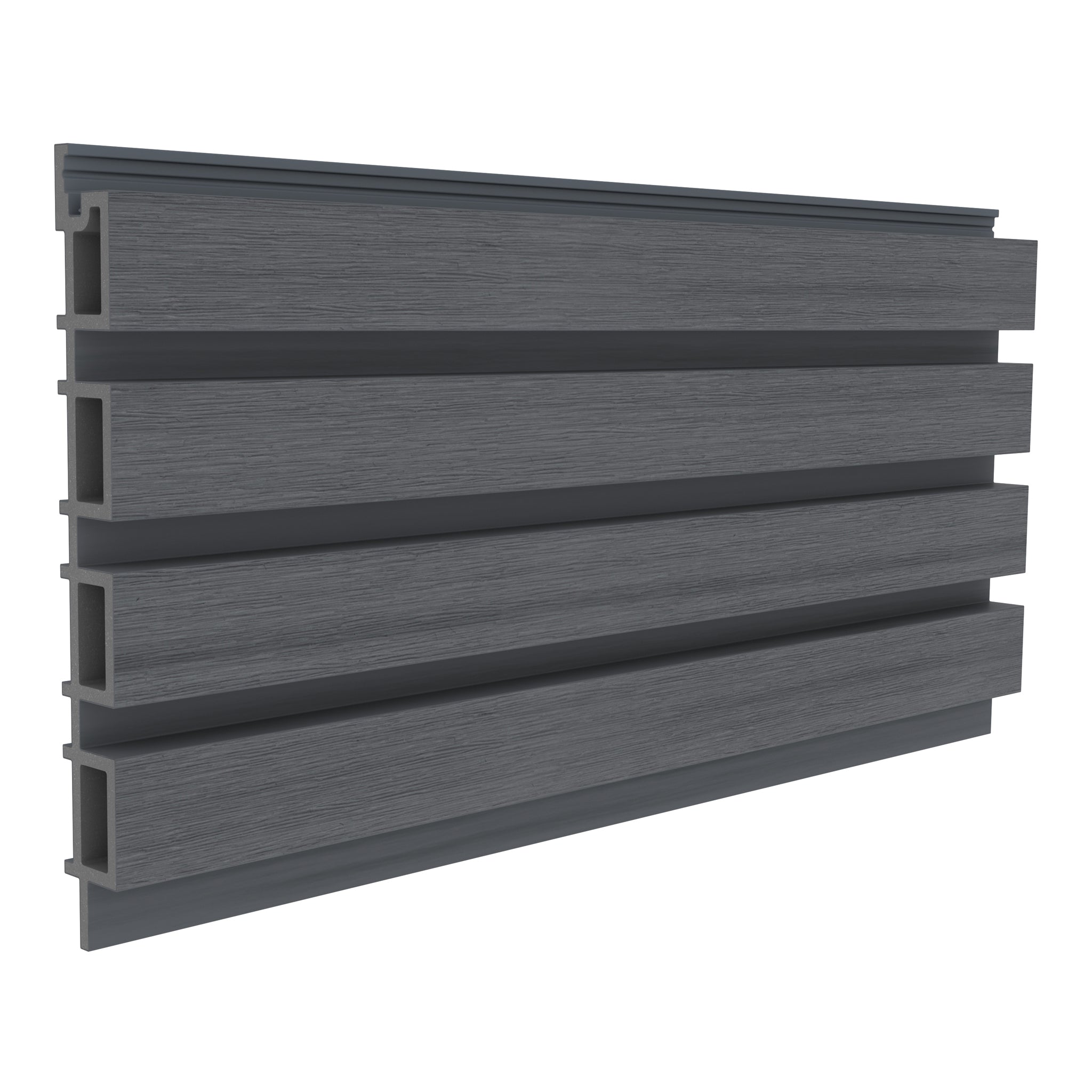
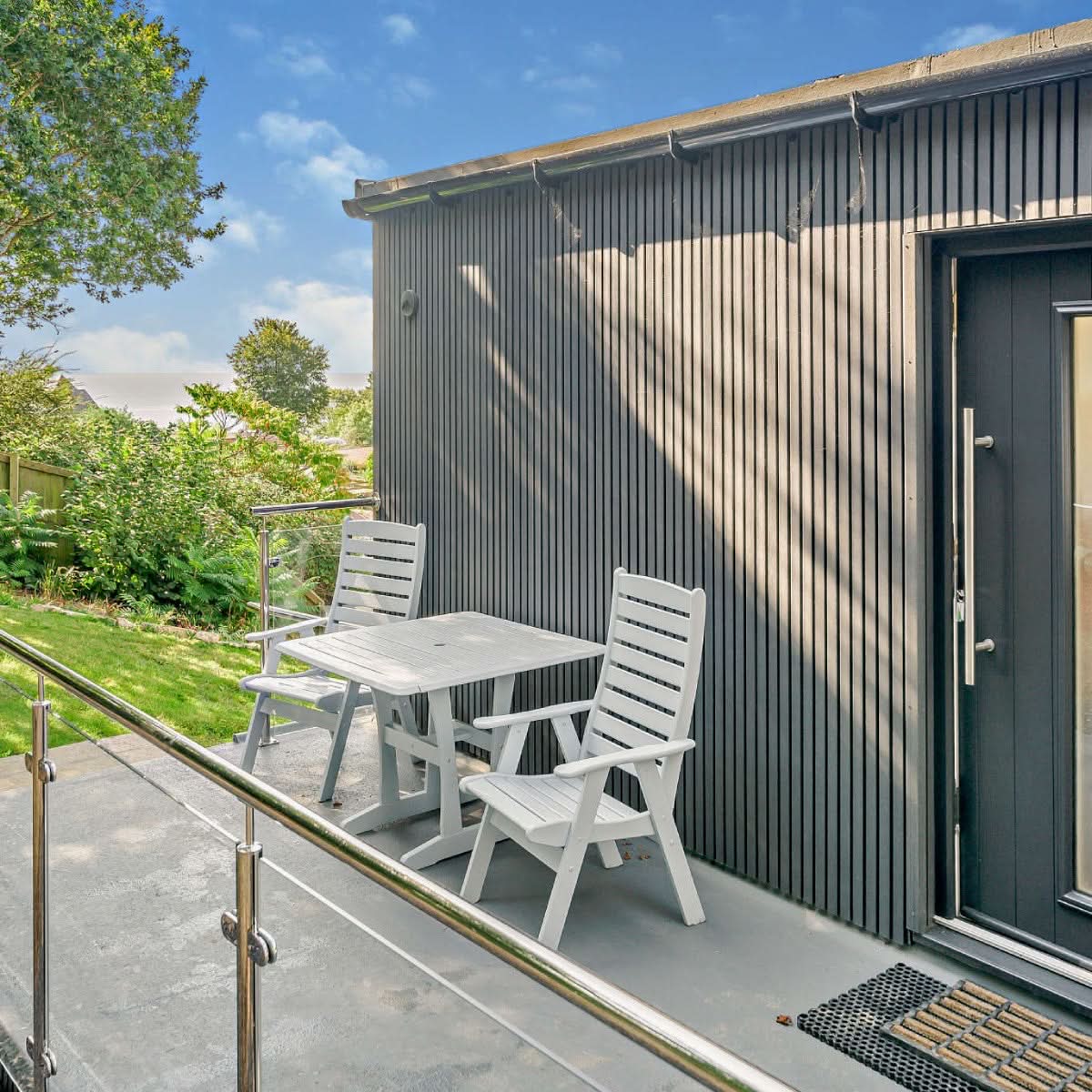
For a stronger linear effect, explore NeoTimber’s Slatted cladding. The profile creates a batten-inspired appearance across the wall. Consider how those lines will meet corners, windows and adjoining finishes, and confirm the supported installation arrangements for the product.

How Weather Resistant Is WPC Siding?
WPC cladding boards are intended for exterior use, but their performance should be assessed as part of the complete wall construction. The visible covering does not replace the drainage, ventilation and weatherproofing details required behind and around it.
A capped surface can provide additional protection, but it should not be described as making the entire wall completely waterproof. Openings, joints, corners and the base of the wall all need appropriate detailing. Assess the existing structure and resolve any damp or damage before fitting the new covering.
Composite boards also expand and contract with temperature changes. Movement allowances and correct fixing arrangements help accommodate this. Use the current installation guidance for your chosen range rather than applying a gap size or support detail from a different product.
Planning a WPC Siding Project
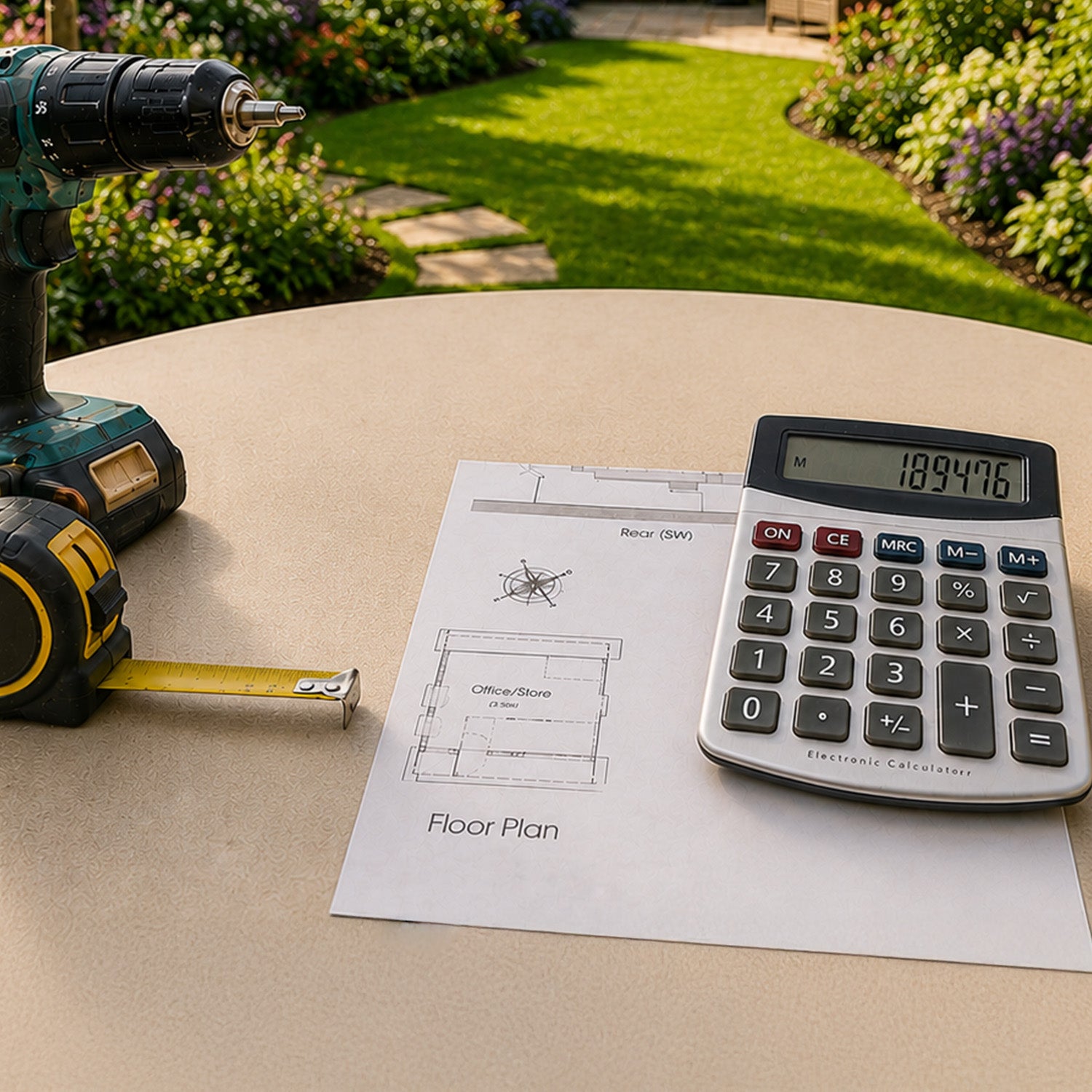
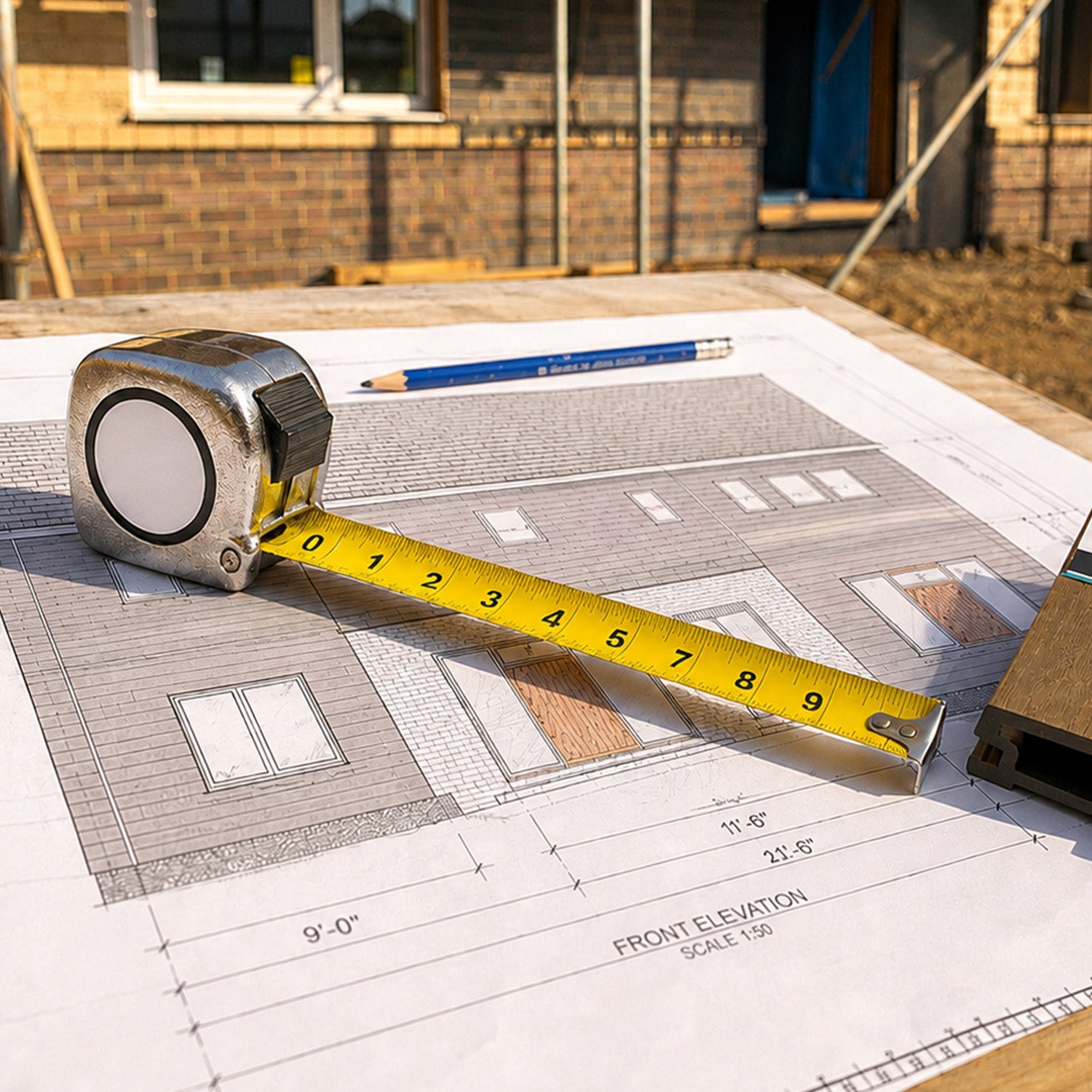
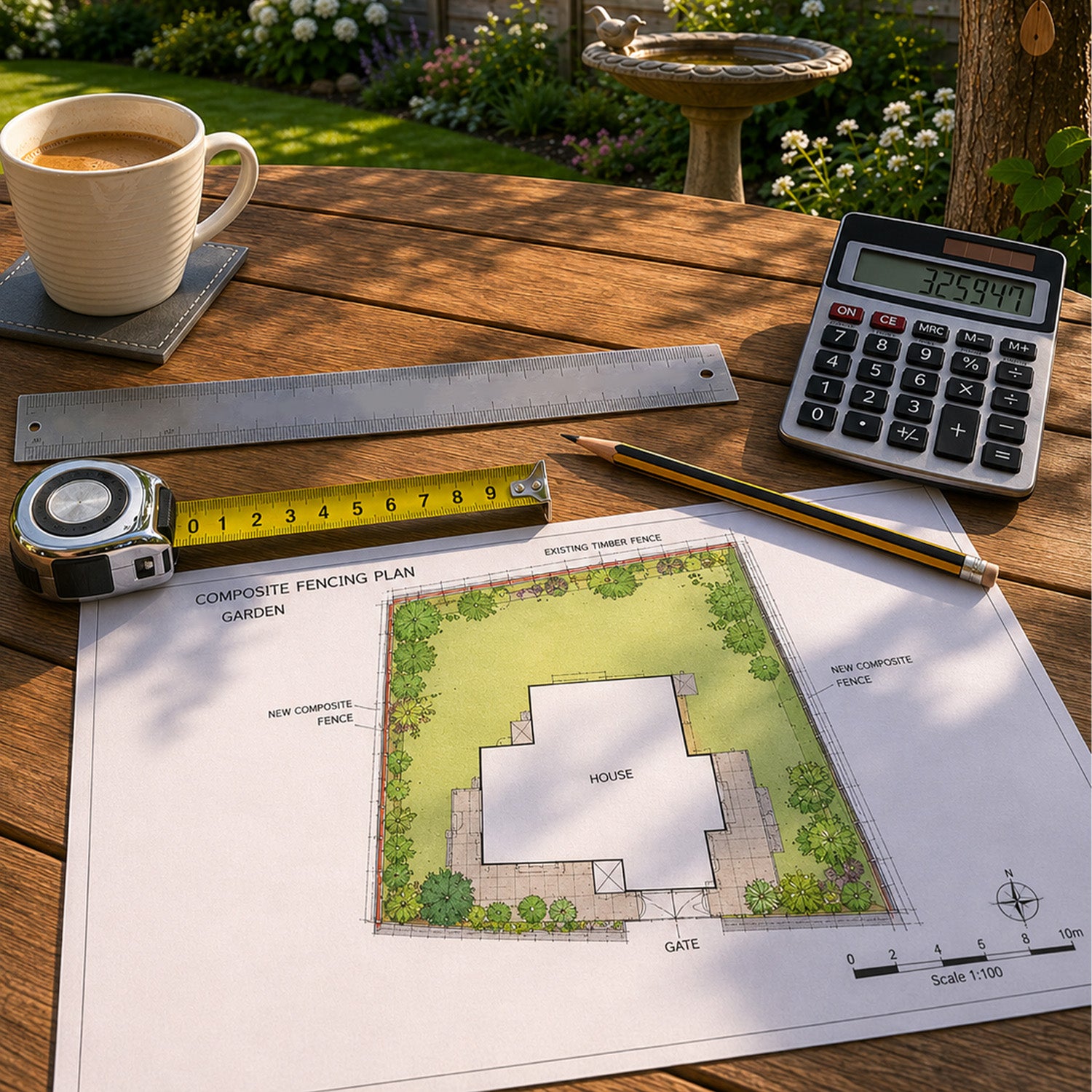
A clear plan helps turn an appealing board sample into a coordinated elevation. Decide where the cladding will start and finish, how joints will be arranged and which trims will be used. Include supports and accessories in the budget alongside the boards.
- Measure the area: account for openings and plan the cutting layout before calculating quantities.
- Check the supporting wall: confirm that the substrate and proposed supports are suitable.
- Confirm the layout: use only board orientations and fixing details supported by the product instructions.
- Assess suitability: ask your installer or designer to confirm applicable building requirements and fire performance for the project.
Compare total installed cost and future care when weighing WPC siding against timber. Our composite cladding vs wood guide can help you consider both options.

Looking After WPC Siding
Low maintenance still includes cleaning. Dirt, airborne deposits and marks should be removed using the method recommended for the product. Cleaning frequency depends on the setting and exposure, so avoid assuming every installation needs attention on an identical six-month schedule.
Read the cladding maintenance guide before choosing cleaners or using pressure-washing equipment. Keep relevant drainage and ventilation paths clear and inspect the installation periodically for loose components or damage.
Also read the cladding warranty terms for the selected product. Check conditions and exclusions as well as the headline warranty duration.
WPC Siding FAQs
Is WPC Siding the Same as Composite Cladding?
WPC siding is a type of composite cladding made from wood fibres and polymers. “Siding” and “cladding” commonly describe exterior wall coverings, but other composite products may use different ingredients.
Does WPC Siding Look Like Real Wood?
Timber-inspired colours and grain textures can create a recognisable wood-look finish. Composite is manufactured, so its appearance differs from the natural variation of individual timber boards. Compare samples to decide which character you prefer.
Does WPC Siding Need Painting or Staining?
NeoTimber® composite cladding does not require routine painting or staining to maintain its intended finish. Follow the relevant cleaning and care instructions instead.
Can WPC Siding Fade?
Outdoor colour behaviour varies with the product and exposure. Capped boards are designed to improve fade resistance, but compare the specific range’s weathering information rather than assuming zero colour change.
Find Your Preferred Composite Finish
Start with the texture and colour that suit your exterior, then confirm the practical details of the project. Order free NeoTimber® cladding samples to compare finishes at home, or browse the WPC cladding collection to explore the boards and accessories for your design.