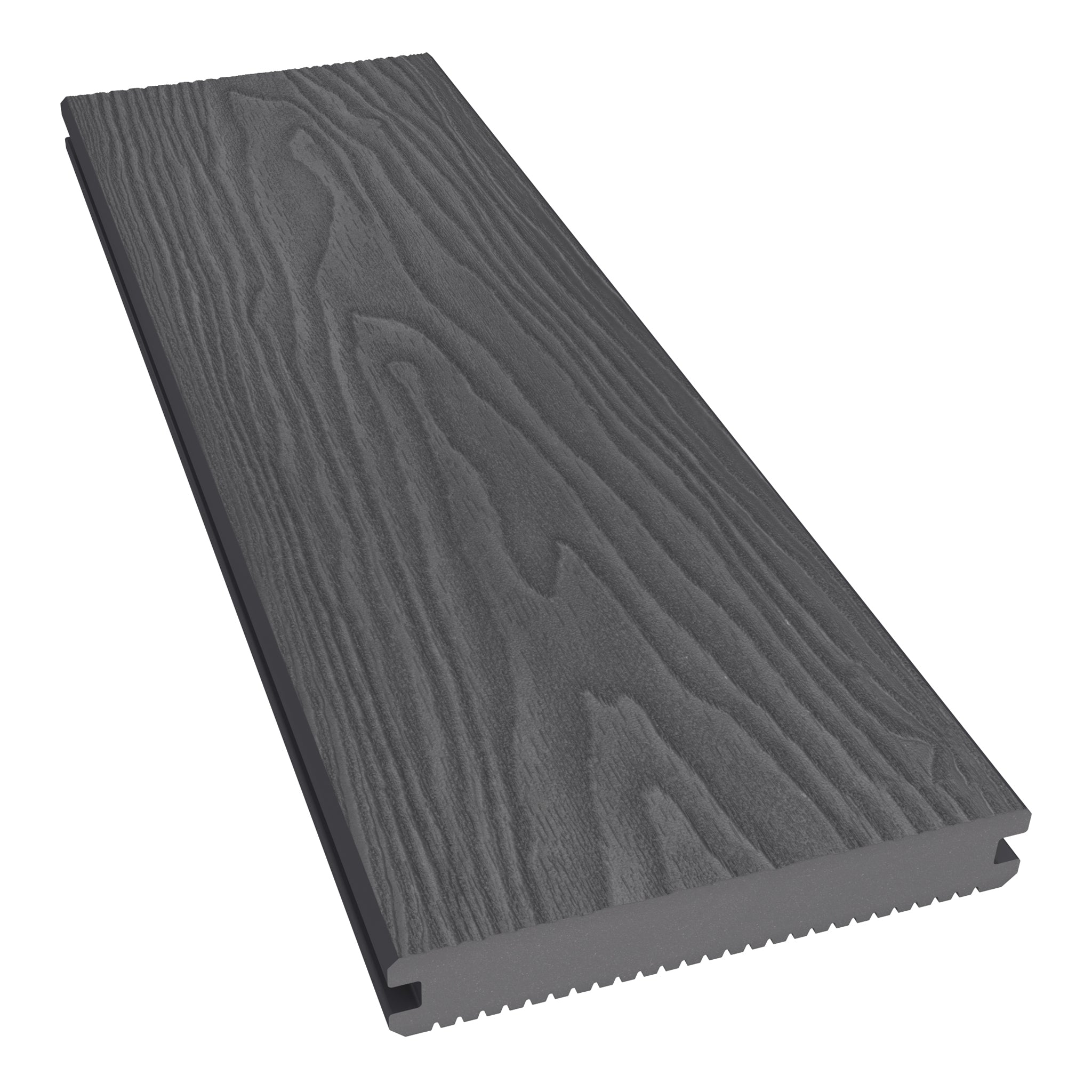
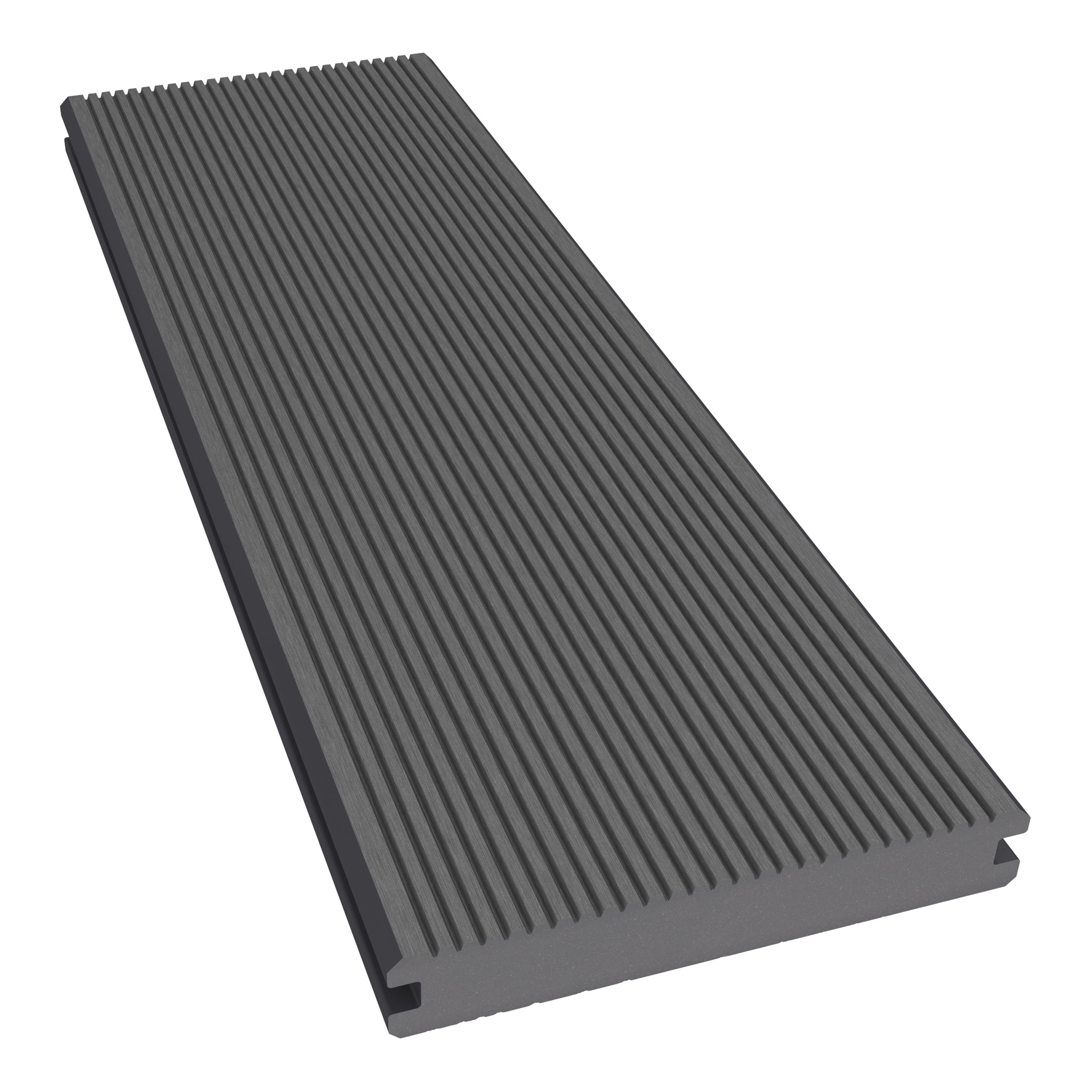
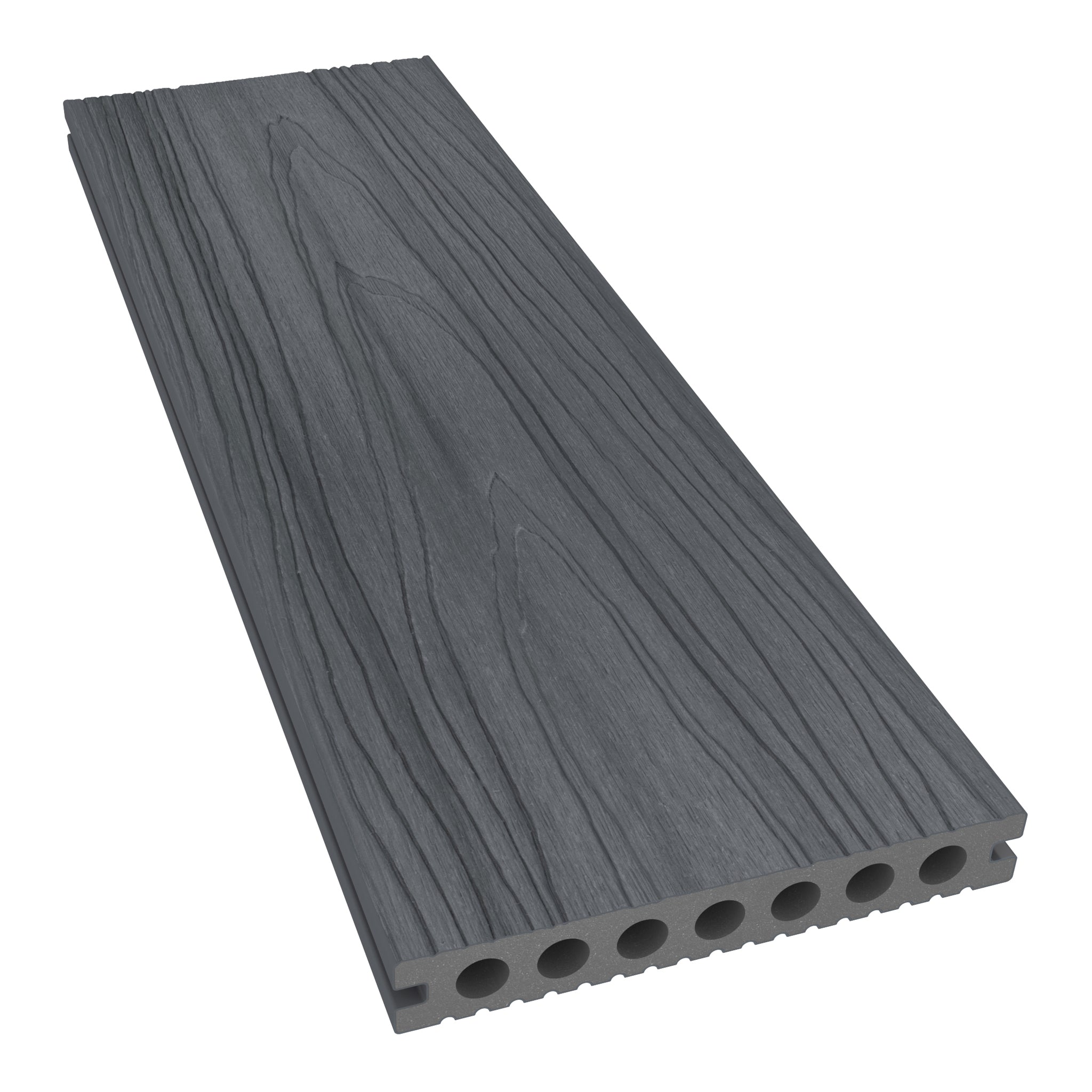
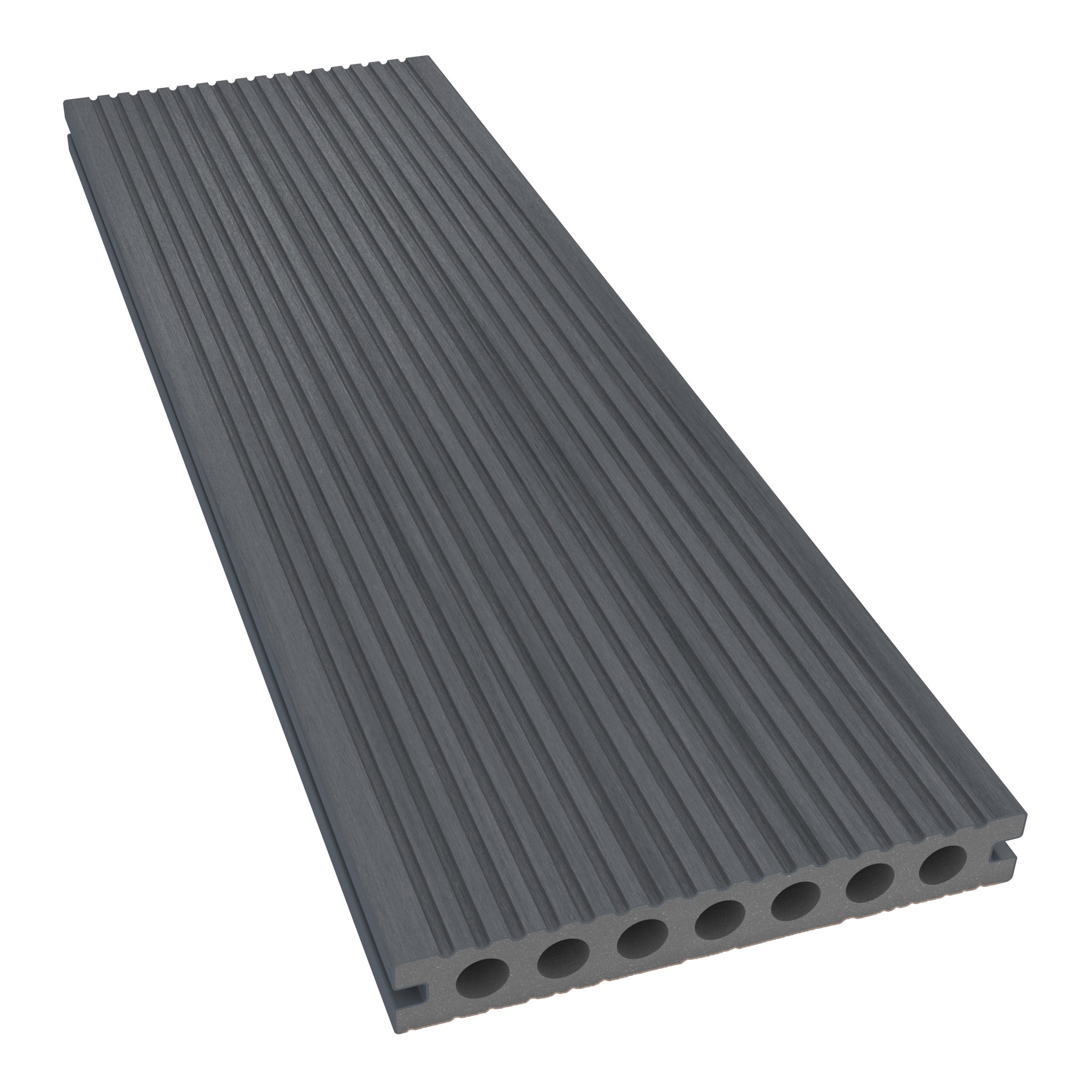
How to Furnish Your Composite Deck for Comfort and Everyday Use
Composite decking furniture can turn an outdoor surface into a dining area, a quiet place to read or a space for entertaining. The right pieces should suit the deck’s dimensions, complement its finish and allow people to move around comfortably.
The phrase can mean furniture placed on a composite deck, purpose-made composite furniture or seating finished with composite boards. These are different options, with different practical considerations. This guide explains how to plan the layout, protect the deck surface and approach built-in designs.
Explore NeoTimber’s decking guide for an overview, or browse our composite decking and outdoor furniture ranges as you develop your plans.
1. Protect the Surface Beneath Furniture Feet
Furniture can mark a deck when hard or damaged feet concentrate pressure, or when grit is dragged across the surface. Check the feet before placing chairs, tables or benches on the boards.
Choose outdoor-rated, non-marking foot protection that is compatible with both the decking and furniture. Do not assume every rubber or felt pad is suitable: some materials can stain or trap moisture, while indoor pads may deteriorate outdoors. Ask the suppliers if compatibility is uncertain.
Lift furniture rather than dragging it. Clean dirt and sand from contact points and replace worn protectors before exposed metal or sharp edges reach the boards.

2. Plan the Furniture and Deck Together
Decide what you want to do outdoors before finalising either the deck or the furniture purchase. A dining set needs space for chairs to be pulled out; a corner sofa needs room for access as well as its own footprint.
Mark the proposed furniture positions on a measured plan. Check routes from doors, access to steps and the space needed to clean around each piece. This is more useful than ordering a set from a photograph and hoping it fits.
| Furniture arrangement | Useful for | Check before choosing |
|---|---|---|
| Dining table and chairs | Meals and entertaining | Chair movement, circulation and stable feet |
| Sofa and low table | Relaxed conversation | Access around the seating and cushion storage |
| Compact table or bench | Smaller decks | Proportion and clear routes |
| Built-in seating | A tailored perimeter layout | Independent structural support and suitable fixing details |

3. Use Furniture to Define Outdoor Areas
A table can establish a dining zone, while a sofa or pair of chairs can create a separate place to relax. On a smaller deck, one clear purpose may work better than fitting in several competing activities.
Furniture groupings can define those areas without changing the flooring. Where you do combine decking with paving, lawn or gravel, plan the transitions and drainage alongside the appearance.
Use the composite decking gallery for layout inspiration. NeoTimber’s Pinterest and Instagram pages offer further ideas, but compare the scale of any pictured furniture with your own measurements.
4. Coordinate Furniture with Decking Colours
Start with the permanent elements: board colour, brickwork, doors and planting. Then choose furniture and textiles that relate to that palette.
- Light or neutral decking: darker furniture frames can add definition.
- Grey or Charcoal decking: lighter cushions and greenery can soften the scheme.
- Warm brown decking: cream fabrics, muted greens and natural textures can complement the tone.
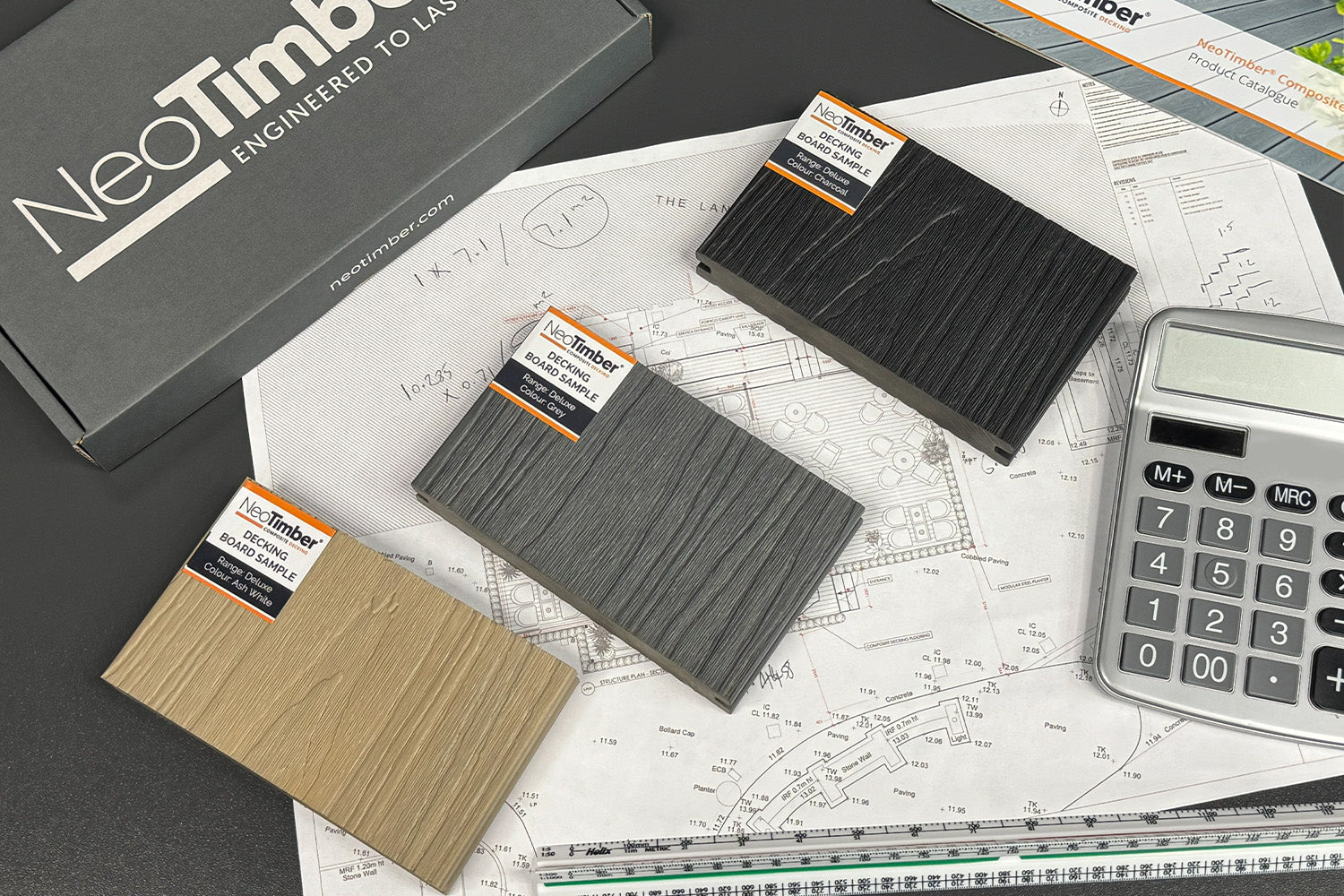
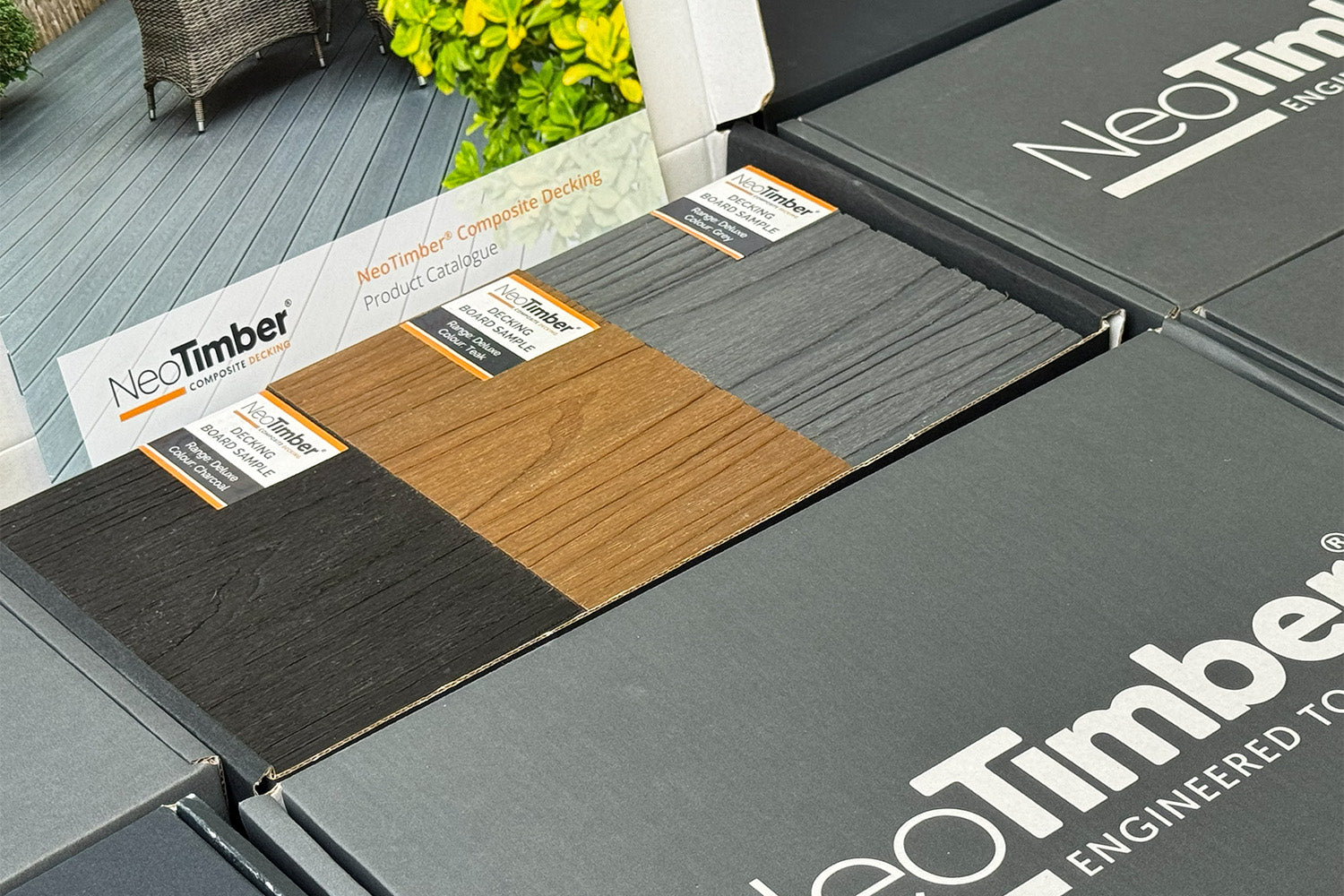
These are starting points rather than rules. Compare physical decking samples with furniture finishes and view them outdoors. Our decking colour guide can help you build a shortlist.

5. Distinguish Ready-Made Furniture from DIY Decking Projects
Purpose-made outdoor furniture is supplied as a product with its own assembly, use and care requirements. NeoTimber® offers composite and recycled plastic furniture options through its outdoor furniture range.
Using decking boards to finish custom furniture is a different approach. The example below uses composite board fascia around a built-in seating area alongside a decorative deck layout.
Do not assume deck boards are suitable as unsupported seat spans, table supports or load-bearing furniture frames. A built-in design needs an appropriate structure, suitable fixings and confirmation that the proposed board use is permitted. Consider access, ventilation, edges and movement allowances as part of the detail.
Plan the seating alongside the decking pattern, rather than attaching it after the layout is complete.

Loads, Weather and Ongoing Care
Heavy furniture, large planters and occupied seating add loads to the deck. Check the complete frame design, particularly for elevated installations, rather than assuming the board surface alone establishes capacity.
In windy locations, follow the furniture supplier’s advice on storage or restraint. Do not anchor furniture through the boards without an approved detail, and keep it positioned so that it does not compromise guarding or access.
Lift or move suitable pieces periodically to clean beneath them and inspect contact points. Follow the decking maintenance guidance and the separate furniture care instructions. Check compatibility before using mats or covers that remain against the surface.
Composite Decking Furniture FAQs
Can I put ordinary garden furniture on composite decking?
Often, subject to the furniture’s feet, weight and the deck specification. Check for sharp contact points and use compatible protection where required.
Should I buy furniture before installing the deck?
Plan dimensions and style early, then confirm the final layout and measurements before purchasing. Furniture size should inform the design rather than be an afterthought.
Can I build a bench from leftover boards?
Only with a suitable design and supplier confirmation. Decking boards should not be assumed to provide an unsupported structural seat or frame.
Will protective pads prevent every scratch?
No. They can help manage contact, but cleanliness, condition and careful movement still matter.
Create a Deck You Can Use Comfortably
Choose composite decking furniture around your available space, daily activities and care routine. A considered layout and compatible contact details help connect the finished deck with the way you want to use it.
Request free decking samples, explore our furniture or contact NeoTimber® for product advice.