Make a More Informed Environmental Choice for Your Garden Deck
Choosing environmentally friendly composite decking starts with understanding the product behind the description. Recycled content, wood sourcing, installation waste, care and eventual disposal all deserve attention. No decking material is impact-free, so specific information is more useful than a broad “green” label.
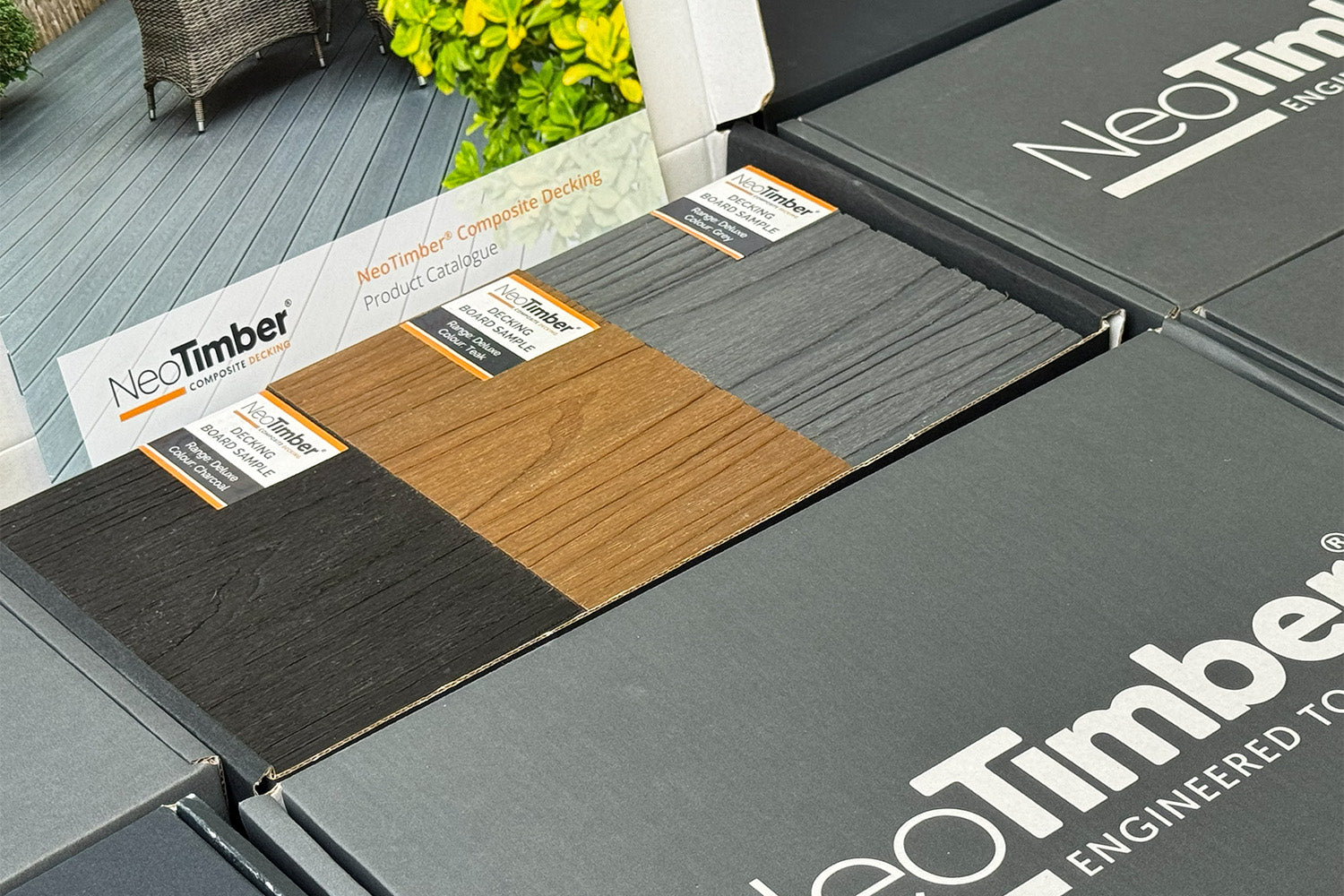
NeoTimber® combines wood fibres with recycled plastics in its composite decking range. This guide explains what those material choices mean and how to assess the wider project. Explore our general decking page for planning advice or compare the composite decking range alongside the questions below.
What Goes Into Composite Decking?
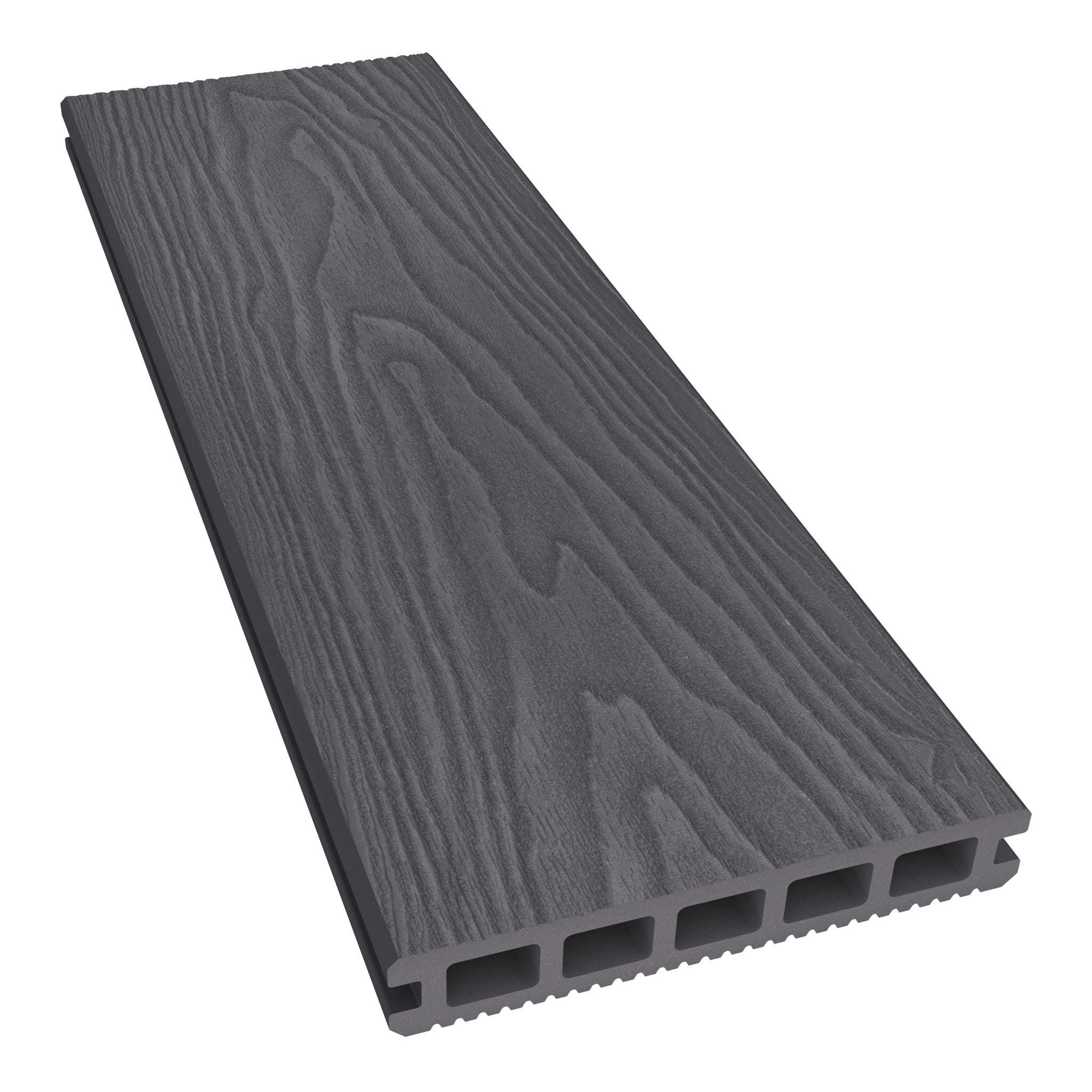
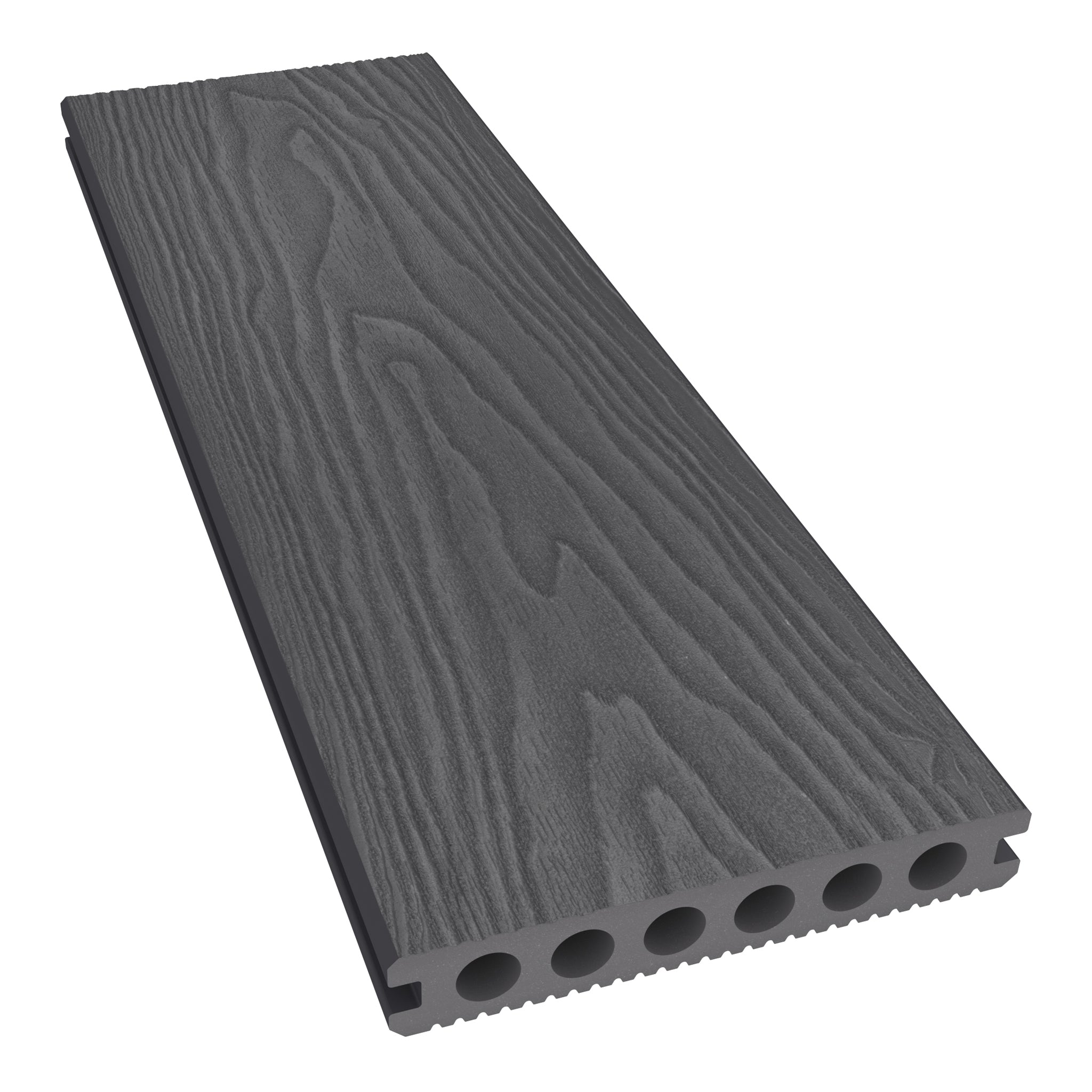
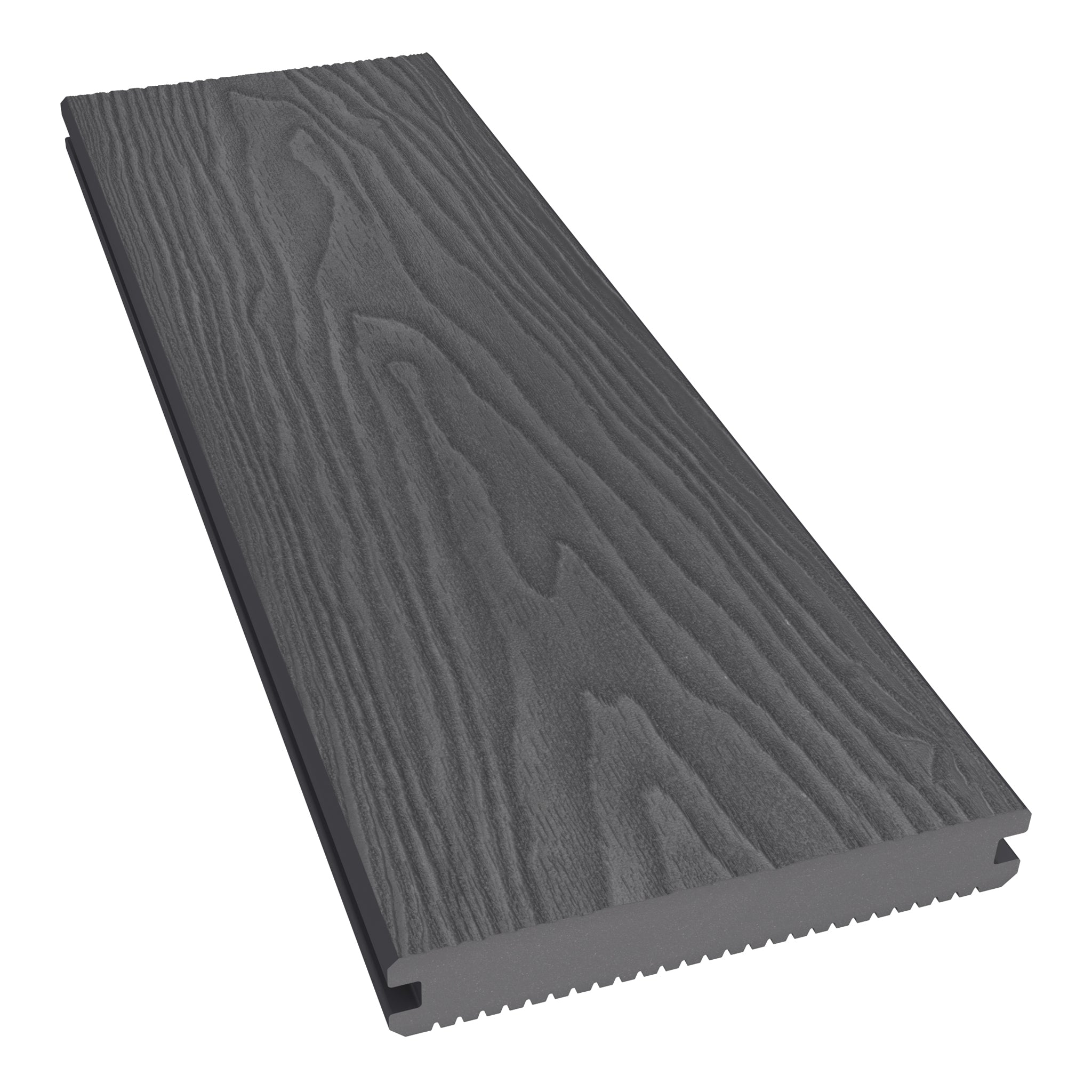
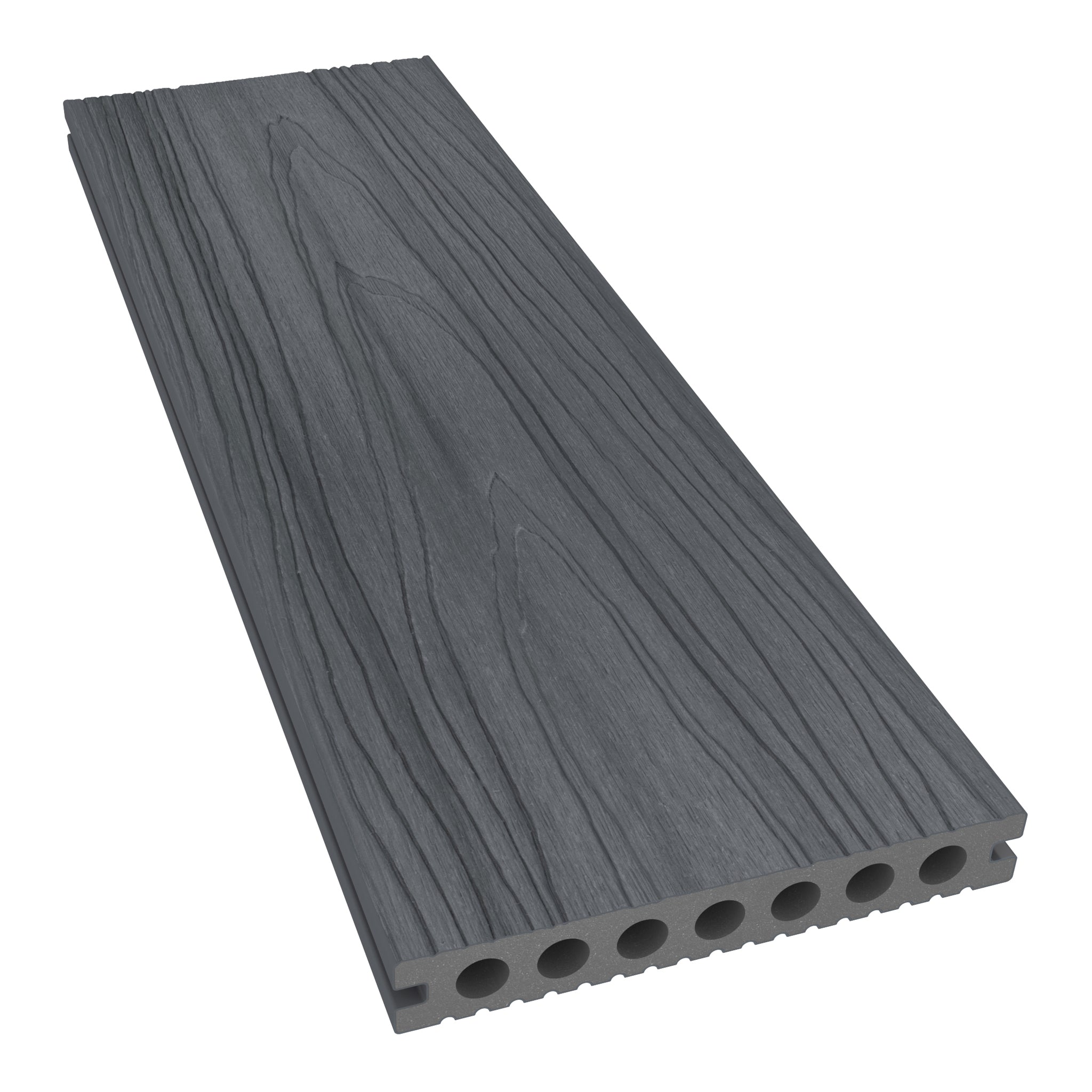
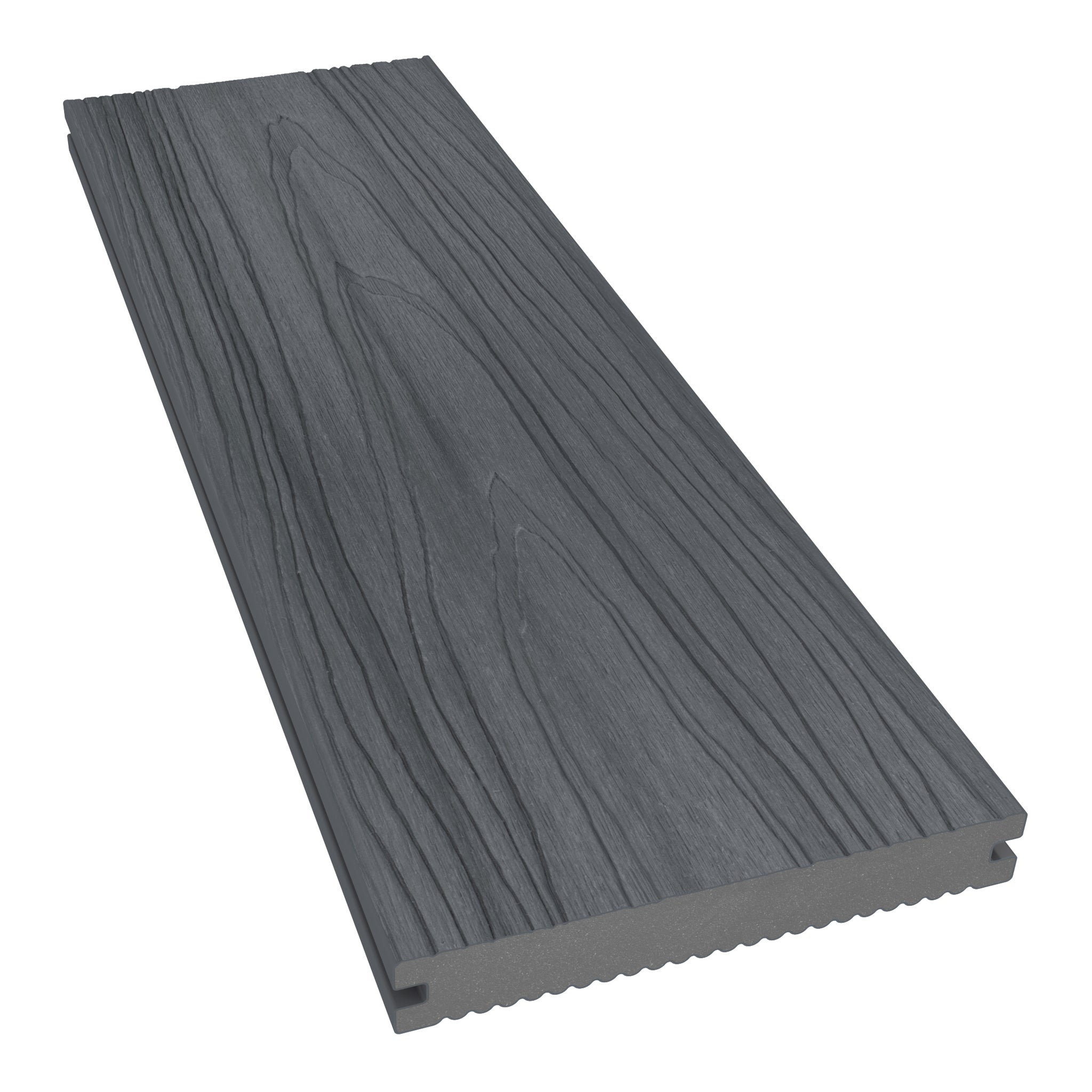
Wood–plastic composite combines wood fibres, plastic polymers and additives to achieve the required product characteristics. Profiles and surface constructions vary, so check the information for the actual board you intend to buy.
NeoTimber's current decking product information describes recycled plastics combined with FSC® 100% certified wood content. Responsible wood sourcing and recycled content are different claims: certification of the wood does not establish that it is reclaimed or recycled.
Read Recycled-Content Claims Carefully
Ask which component is recycled, what proportion of the finished product it represents and which product the statement covers. A claim about the plastic portion is not automatically the recycled percentage of the whole board.
Likewise, a polymer percentage in a composition table is not, by itself, independent evidence of recycled origin. Request clarification if the distinction affects your specification. Avoid applying one board's composition or weight to every hollow, solid, capped and uncapped option.
Understand What Sourcing Information Covers
Look for product-specific documentation rather than relying on a logo without context. Wood sourcing is one part of the environmental picture; manufacturing, transport, maintenance and end-of-life arrangements also contribute. A certification covering one input does not measure the entire deck's environmental impact.
Why Correct Installation Matters to Environmental Performance
A deck that serves its intended purpose without premature replacement can make better use of the materials bought for it. That outcome depends on the whole installation: the base, supporting structure, boards, fixings and care.
Follow the current composite decking installation guidance and specify products for the proposed application. Plan drainage, ventilation, support spacing and movement gaps before fitting the boards. A durable surface cannot compensate for unsuitable foundations or a failing frame.
Inspect an existing structure before deciding whether to reuse it. Retaining sound components may avoid unnecessary purchases, but only where they remain suitable for the new design and board requirements.
A Warranty Is Not a Life-Cycle Assessment
Check NeoTimber's warranty information for the exact range and intended use. Warranty periods and conditions differ. They do not prove a fixed service life, establish a carbon saving or guarantee the deck will need no repairs.
Where a project needs a quantified comparison, ask for relevant environmental evidence, such as a product-specific environmental product declaration or life-cycle assessment where available. Check its scope and assumptions before comparing it with another material.
Lower Refinishing Requirements and Everyday Care
NeoTimber® composite decking does not require routine sanding, staining or oiling to maintain its finish. That removes those particular tasks from the care routine. It does not establish a measured environmental saving without comparing the products, quantities and maintenance schedules involved.
Timber options differ too. Species, treatment and the desired appearance influence their care requirements. Do not assume every wood deck needs the same coatings, or that every treatment has the same environmental profile. Our composite decking versus wood guide compares the practical choices.

Use the Approved Cleaning Method
Sweep away leaves and dirt, keep drainage routes clear and follow the selected board's cleaning instructions. Avoid unnecessary chemical treatments or assuming any household cleaner is suitable. Use only the recommended product and concentration for the task.
Our composite decking maintenance guide explains ongoing care. Do not treat a “biodegradable” cleaner label as permission to discharge it into a pond or surface-water drain; follow the cleaner's instructions.

Reduce Waste When Planning Your Deck
Environmental choices also happen at the drawing stage. A measured layout can reduce avoidable offcuts and unnecessary orders, whatever board you select.
- Plan board lengths: compare the layout with available dimensions before choosing the direction.
- Account for cuts: include saw kerf, joints and movement gaps in the cutting plan.
- Check decorative features: borders, angles and curves can change the quantity of material needed.
- Store carefully: protect boards from avoidable damage before fitting.
- Order accurately: include a justified cutting allowance without duplicating waste already included in an estimate.
Use the composite decking calculator as a starting point, then have the full layout checked. It does not replace a detailed cutting plan or structural assessment.
Ask About End-of-Life Options Before Buying
Recycled content and recyclability are different. A material can contain recycled inputs without being accepted by your local household recycling service. Wood–plastic composite should not be assumed suitable for ordinary plastic or timber recycling streams.
Ask the supplier and local waste operator about actual routes for the specific product and location. Do not describe a future recycling route as guaranteed unless it is available and its conditions are clear.
Environmentally Friendly Composite Decking: Buying Checklist
- Identify the product: record its range, profile and surface construction.
- Check inputs: distinguish recycled plastic content from responsible wood sourcing.
- Request evidence: ask what supports the environmental claim and what it covers.
- Plan for service: specify suitable supports, drainage, fixings and care.
- Reduce avoidable waste: check quantities, cuts, storage and delivery planning.
- Confirm disposal options: establish realistic reuse or waste routes rather than assuming household recycling.
Environmentally Friendly Composite Decking FAQs
Is composite decking automatically more environmentally friendly than timber?
No. Compare the specific products and the full project, including sourcing, manufacturing, maintenance, service and disposal. Recycled content alone does not establish a lower overall impact.
Does NeoTimber® use recycled materials?
NeoTimber® describes recycled plastics in its decking range. Check the selected product's current information for details rather than applying one composition figure to every board.
Does FSC® 100% mean the wood is recycled?
No. The claim concerns the sourcing of the wood. It should not be used as evidence that the fibres are reclaimed or that the finished board is entirely recycled.
Can composite decking go in household recycling?
Do not assume so. Confirm acceptance with the supplier and the relevant waste service for your location and product. A mixed wood–plastic material needs an appropriate route.
Does low maintenance mean no environmental impact from care?
No. Cleaning still uses resources. Follow the approved method, avoid unnecessary treatments and use products only as directed.
What should I ask before specifying a deck?
Ask for current material information, sourcing evidence, installation requirements, care instructions and realistic end-of-life options. For formal environmental targets, establish whether suitable product-specific assessment data is available.
Choose Your Deck With Clear Information
Look beyond the phrase environmentally friendly composite decking and compare the evidence for your shortlist. Browse the NeoTimber® composite decking range, request free samples and contact the team for information about the boards you are considering.