Should You Choose Timber or Composite Boards for Your Garden?
Composite decking vs wood is a decision about appearance, care, budget and the way your garden will be used. Composite offers a timber-inspired finish without routine staining or oiling. Wood offers natural grain, species choice and the option of allowing the surface to weather or maintaining a chosen finish.
Neither material category tells you everything about the finished deck. Board specification, the supporting frame, installation and care all matter. This guide explains the advantages of composite decking, where timber may appeal and how to decide between a wood or composite deck for your project.
Start with our general decking page for planning ideas or browse the composite decking range alongside the comparison.
Composite Decking vs Wood at a Glance
Composite boards combine wood fibres and plastic polymers. Timber decking covers a wide range of species, treatments and modified products, so compare specific materials rather than treating all wood as one standard.
| Consideration | Composite decking | Wood decking |
|---|---|---|
| Appearance | Manufactured colours and timber-inspired textures | Natural grain and variation dependent on species |
| Routine care | Cleaning and inspection; NeoTimber® boards need no routine timber refinishing | Cleaning and inspection; coatings depend on the product and desired appearance |
| Weathering | Behaviour differs between capped and uncapped products | Colour and surface change with exposure and treatment |
| Cost | Varies by profile, finish and complete system | Varies by species, treatment and complete system |
| Supporting frame | Requires the specified support and movement allowances | Requires suitable support, detailing and material specification |
| Grip | Product and condition dependent | Product and condition dependent |
Five Benefits of Composite Decking to Consider
1. Less Routine Refinishing
One of the main benefits of composite decking is avoiding routine sanding, staining and oiling. That can make it attractive if you want a timber-style surface without maintaining a decorative timber coating. Cleaning and inspection remain part of owning the deck.

2. A Choice of Manufactured Finishes
Composite offers colours and textures that can help coordinate paving, render, furniture and planting. Compare samples at home rather than choosing from a screen alone. Our wood-effect composite decking guide explores the visual options.

3. Surface Protection Options
Capped composite decking includes a protective outer layer that enhances resistance to staining and fading. This can be useful around outdoor dining areas, but it does not make boards scratch-proof or eliminate colour change and cleaning requirements.

4. An Alternative to Specifying Timber Boards
Composite offers another route where moisture exposure and ongoing care are important considerations. It is still necessary to manage drainage, ventilation and movement. A moisture-resistant board cannot compensate for unsuitable foundations or a deteriorated supporting frame.

5. A Simpler Care Budget to Plan Around
Without routine timber refinishing, composite can reduce some recurring tasks and purchases. The actual saving depends on the timber alternative, the site's conditions and whether you pay someone to maintain it. Compare realistic care schedules rather than assuming every timber deck needs painting, oiling and sealing together.

Compare Upfront Price and Ongoing Costs
A basic treated-softwood option may cost less initially than a chosen composite board, while other timbers can produce a different comparison. Obtain equivalent quotations for the actual products and finished layout.
Include boards, foundations, frame, fixings, trims, steps, delivery and labour. Use the composite decking calculator for an initial materials estimate, then check the layout and supporting structure. For pricing methods, read our composite decking price guide.
For ongoing costs, include cleaning and any finish maintenance recommended for the selected timber. The Timber Decking and Cladding Association's maintenance guidance explains that care varies with species, quality and location. It also emphasises keeping timber and composite surfaces clear of debris that can affect grip.
What Should Quality Composite Decking Offer?
Quality composite decking should be assessed through clear product information and suitability for the proposed application. A high price, solid core or long warranty headline alone is not proof that a board is right for your design.
- Specification: dimensions, surface construction, profile and intended use.
- Installation detail: support spacing, compatible fixings and movement allowances.
- Performance information: relevant product-specific data for the intended conditions.
- Care instructions: approved cleaning methods and treatment limitations.
- Warranty: the actual coverage, conditions and claims process.
Review NeoTimber's current warranty information for the chosen range. Coverage differs by product and application; a warranty period is not a guaranteed service life or a promise of no future costs.
Compare Timber With NeoTimber® Classic and Deluxe
Timber: Natural Material and Species Choice
Timber can appeal if natural grain and the character of a particular species are priorities. Specify suitable durability or treatment and a corresponding frame. The TDCA's timber specification guidance describes how material selection and design support the desired service life. Premature failure is not an inevitable outcome for every timber deck.

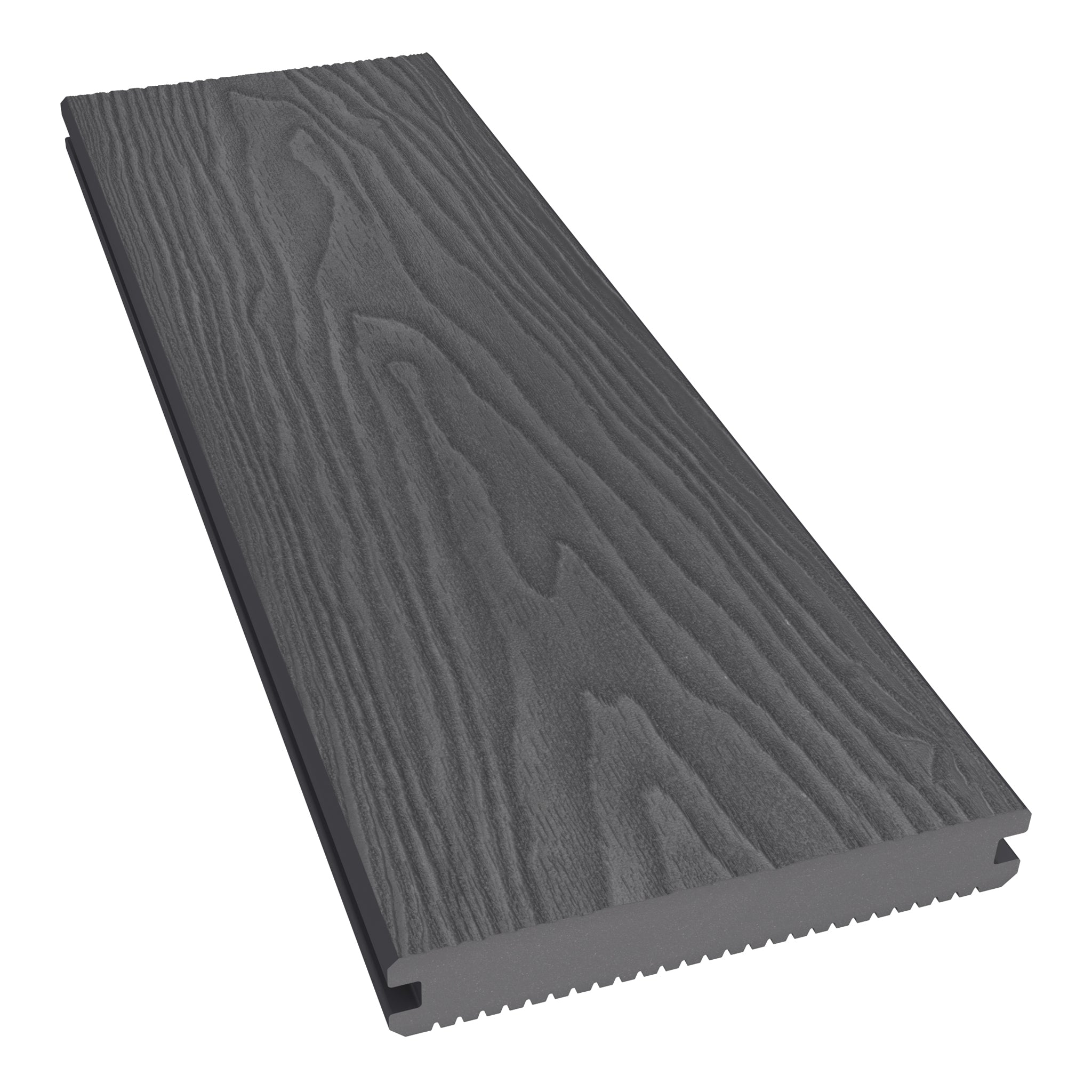
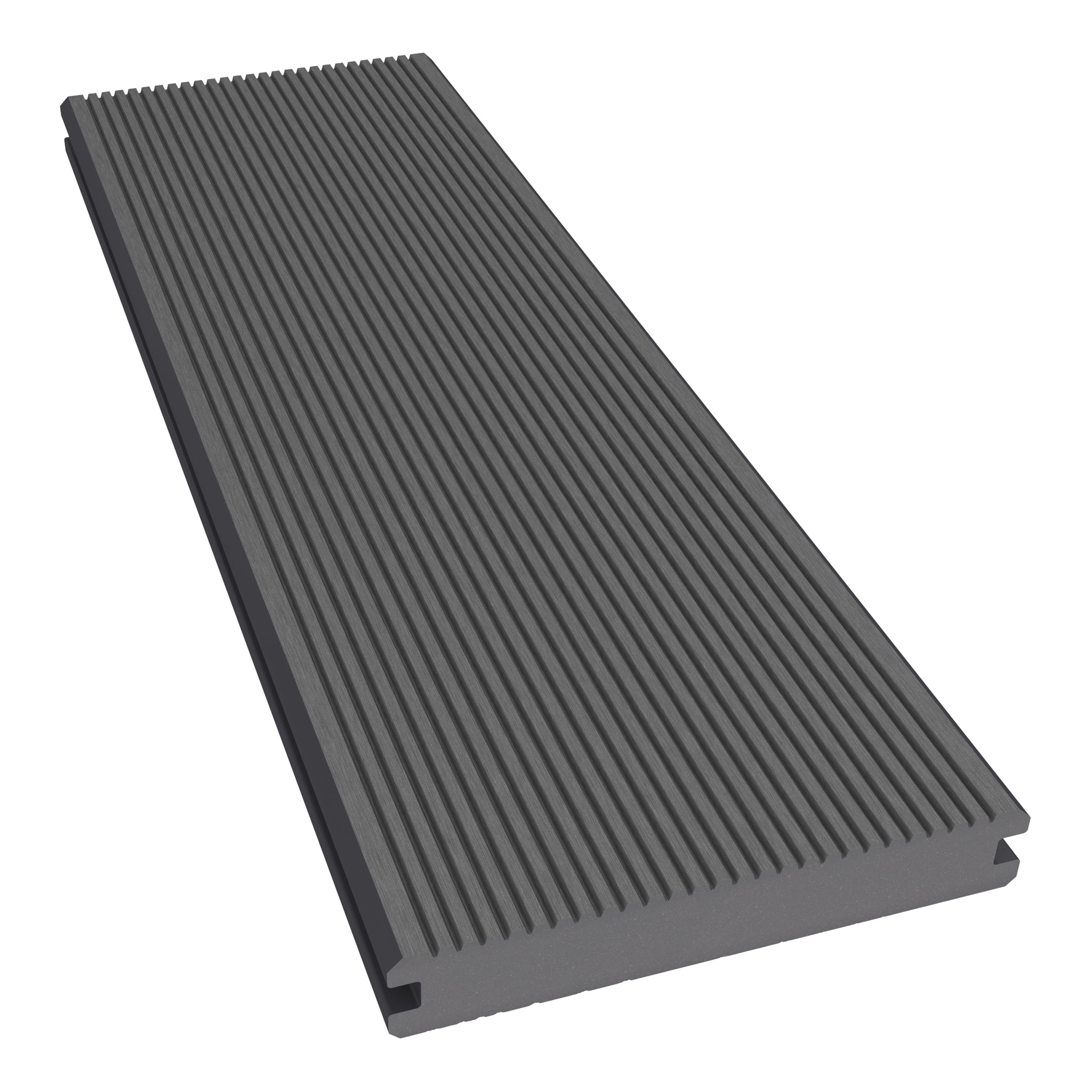
Classic: Traditional Uncapped Composite
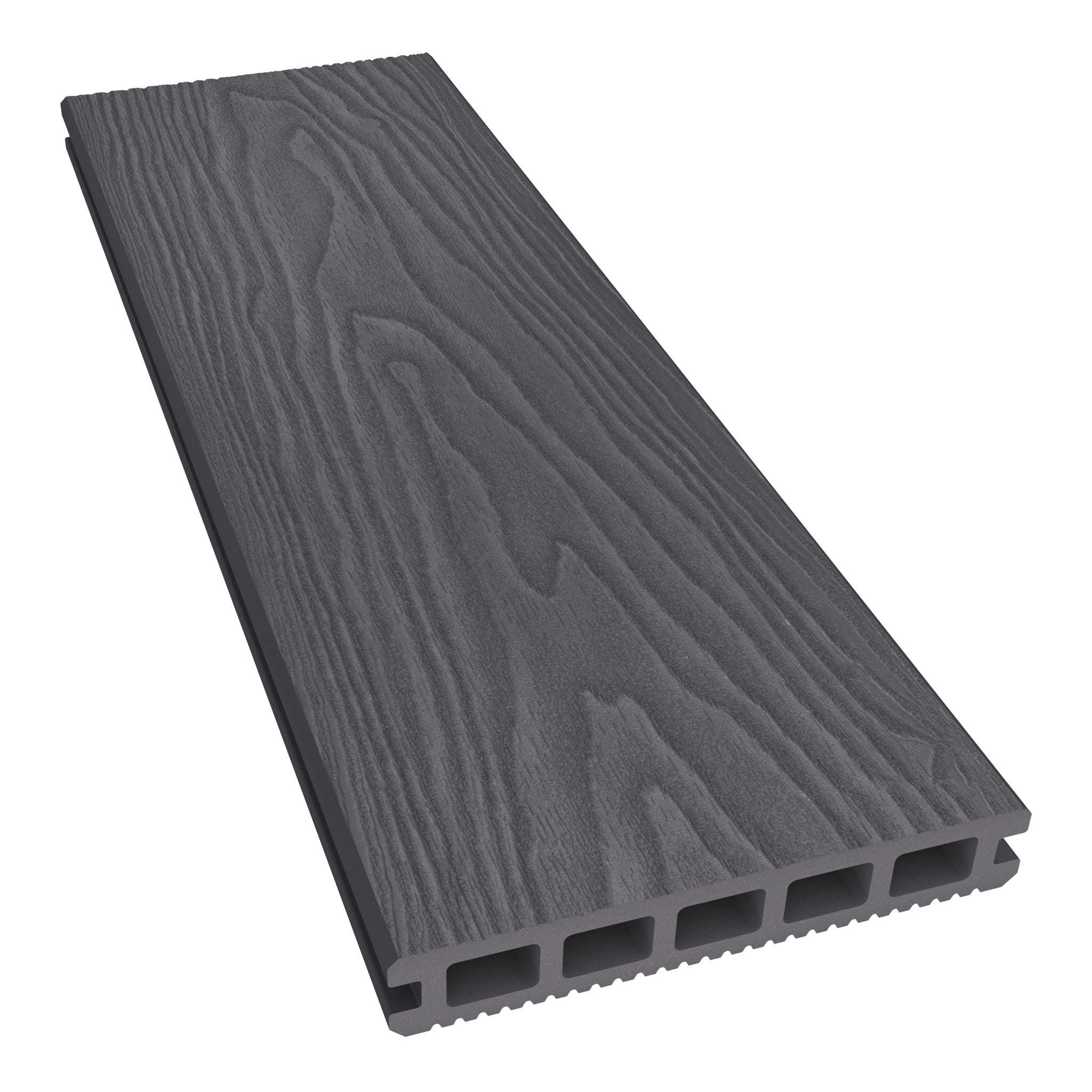
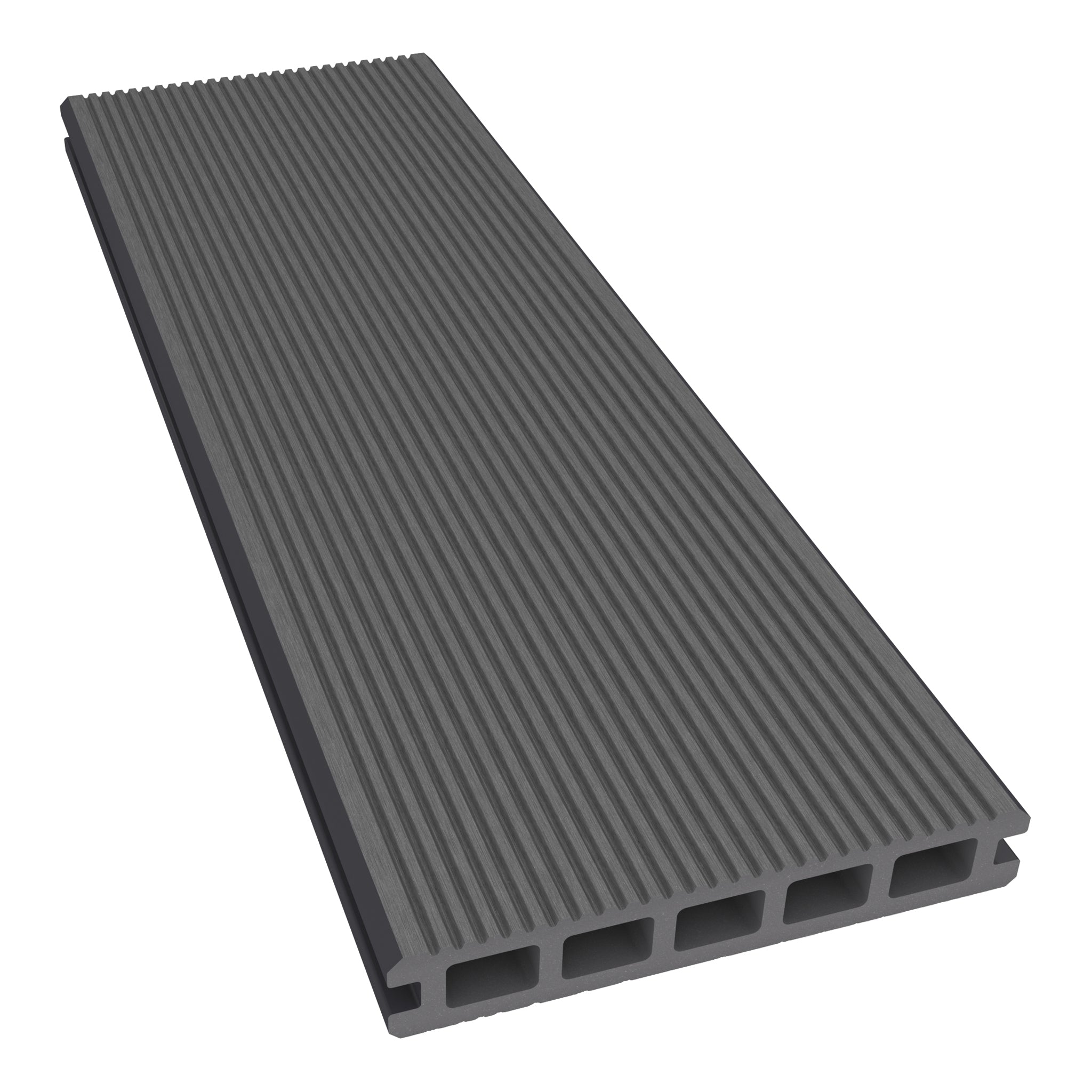
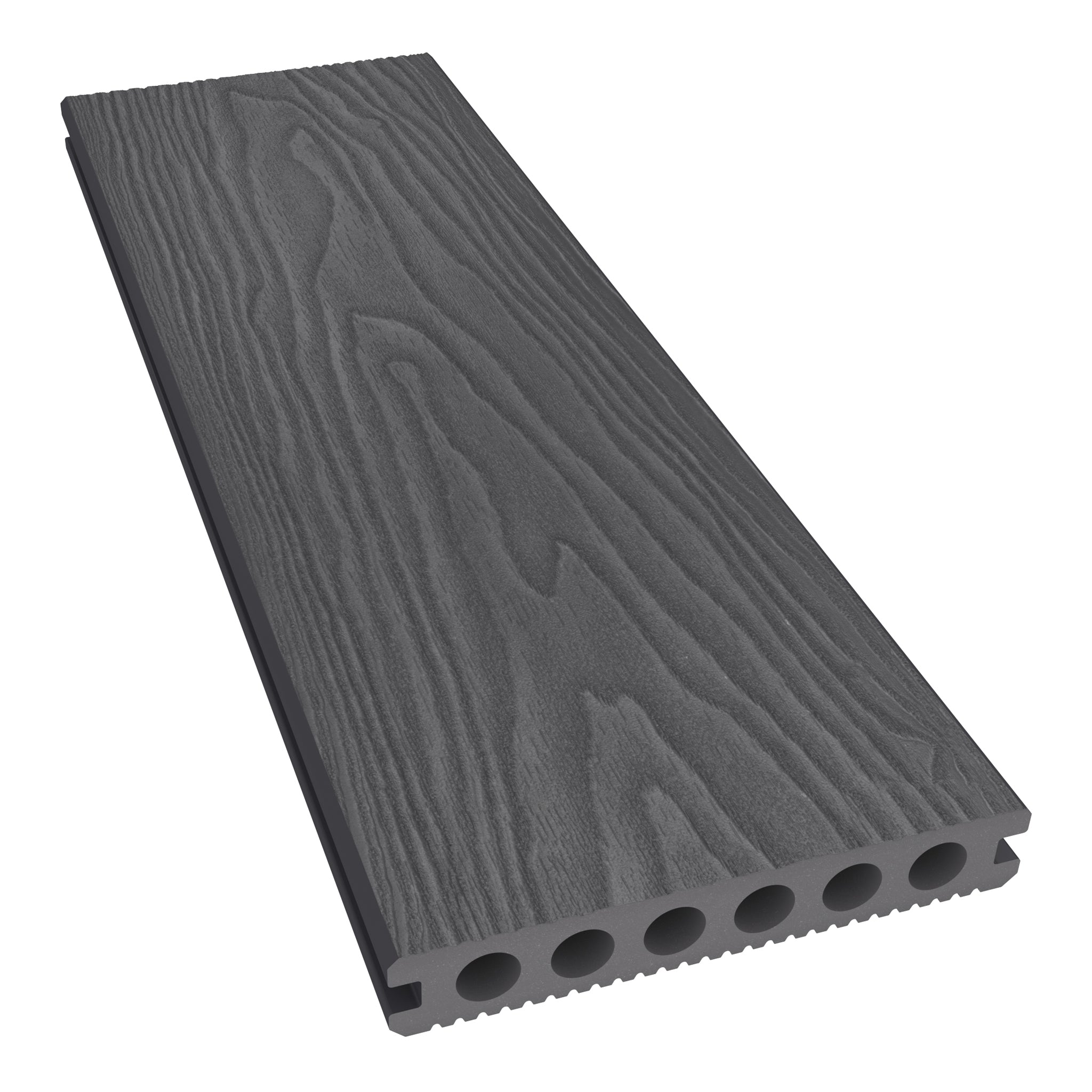
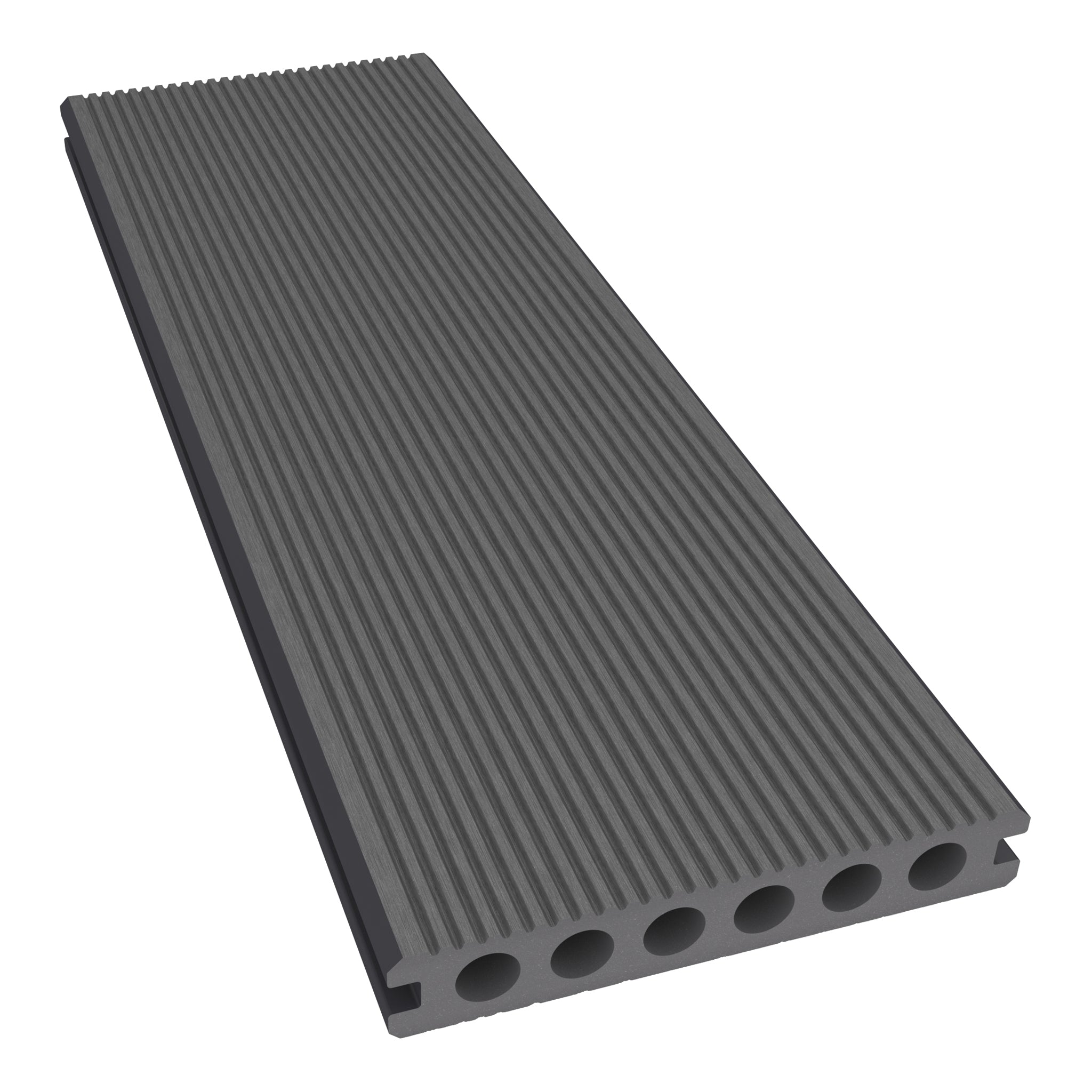
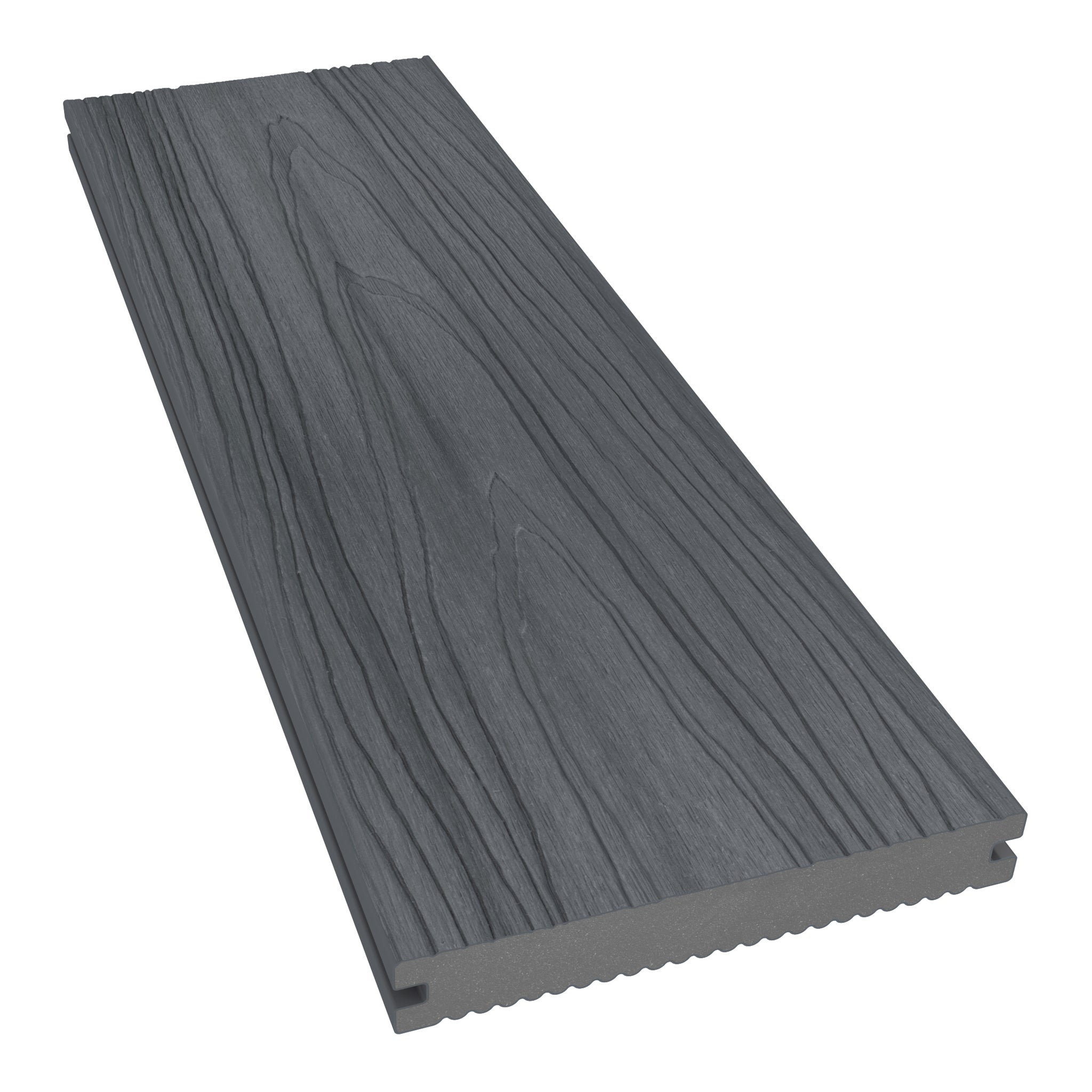
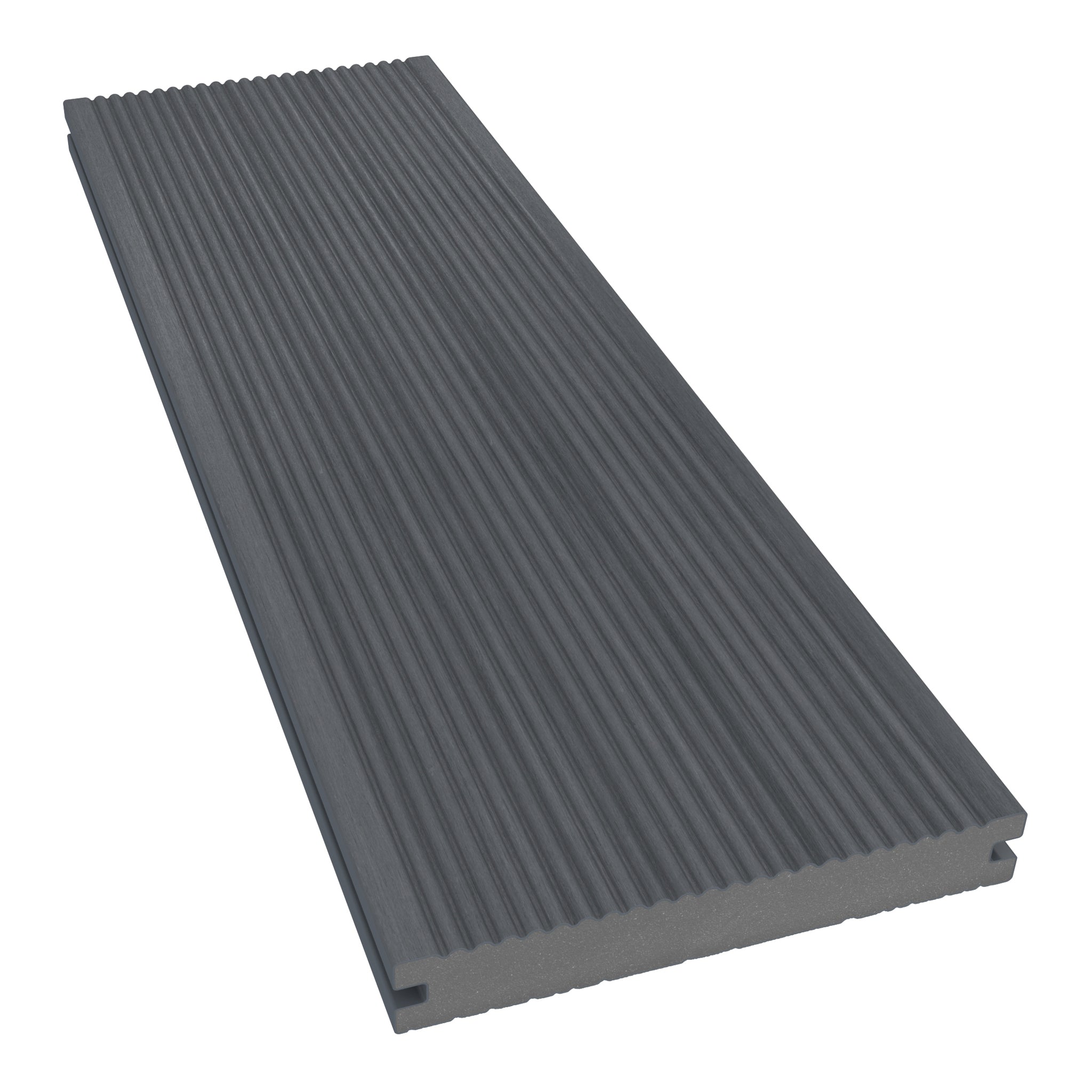
NeoTimber's Classic options include different profiles. Compare the exact product rather than assuming the whole collection is solid. Uncapped construction provides a timber alternative with its own finish, weathering and care requirements.

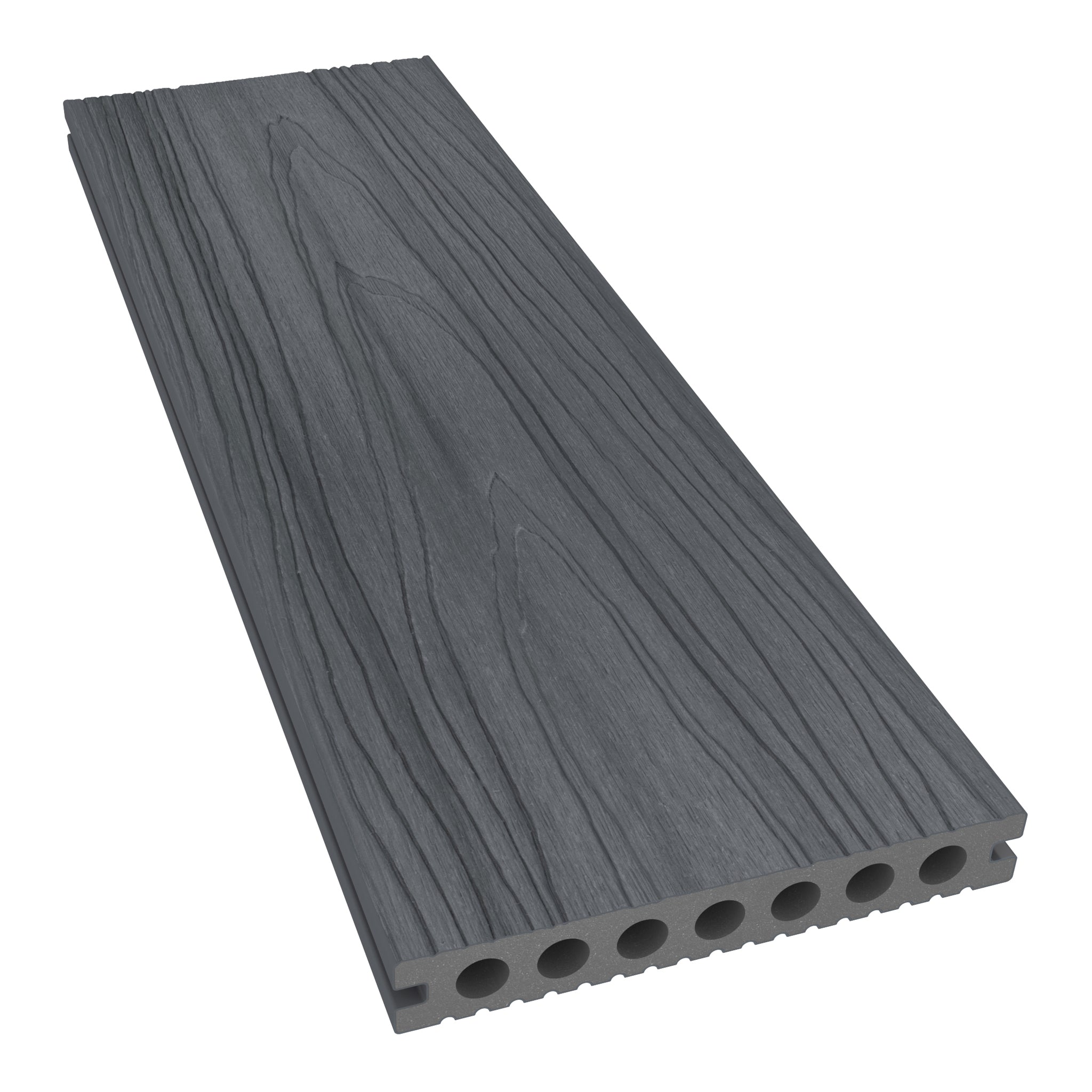
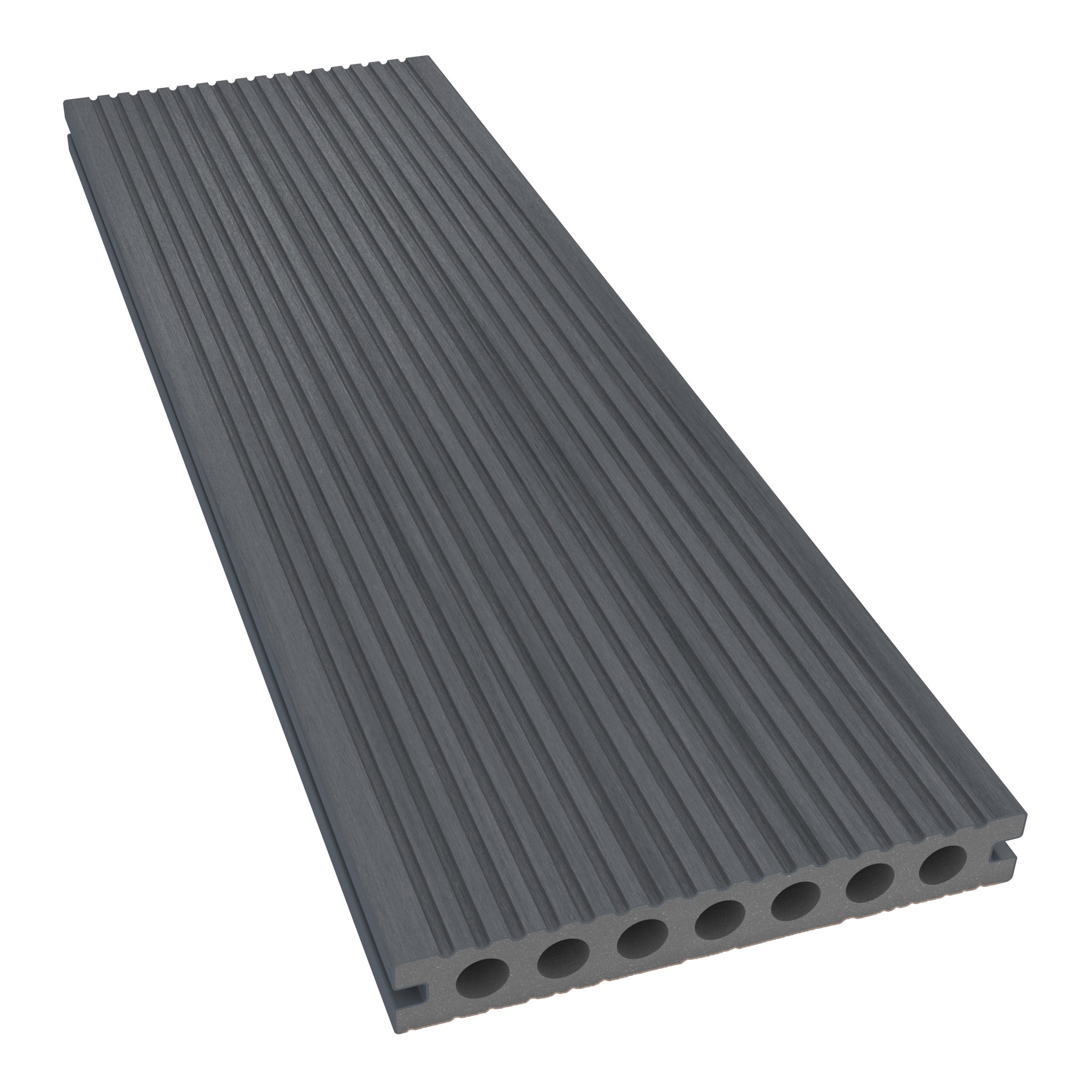
Deluxe: Capped Composite
Deluxe options incorporate protective capping and include different core profiles. Compare capped finishes where enhanced stain and fade resistance matter. Our composite decking types guide explains how surface and core choices overlap.

Composite Decking vs Wood FAQs
Is composite decking always better than wood?
No. Composite can suit buyers prioritising reduced refinishing and manufactured finishes. Timber may suit those who prefer natural grain and species choice. Compare the exact products against your design, budget and care priorities.
Which lasts longer?
There is no universal answer from the material label alone. Specification, supporting structure, installation, exposure and maintenance all affect performance. Avoid comparing a warranty period with an assumed replacement date for another product.
Is composite decking maintenance-free?
No. It avoids routine timber refinishing but still needs cleaning and inspection. Follow the selected range's maintenance guidance.
Is composite less slippery than wood?
Compare product-specific evidence and relevant conditions rather than assuming all boards behave alike. Wet leaves, algae and ice can affect either surface. Drainage and cleaning matter alongside the chosen finish.
Can I fit composite boards onto an existing timber frame?
Only after checking the frame's condition and suitability for the selected board. Support spacing and fixing requirements may differ. Consult the current installation guidance before reusing it.
Is composite decking automatically more sustainable?
No blanket claim is justified. Compare sourcing, recycled content, manufacturing evidence, expected use and end-of-life options for the actual products. Do not assume composite belongs in household recycling or that all timber has the same environmental profile.
Choose a Wood or Composite Deck Around Your Priorities
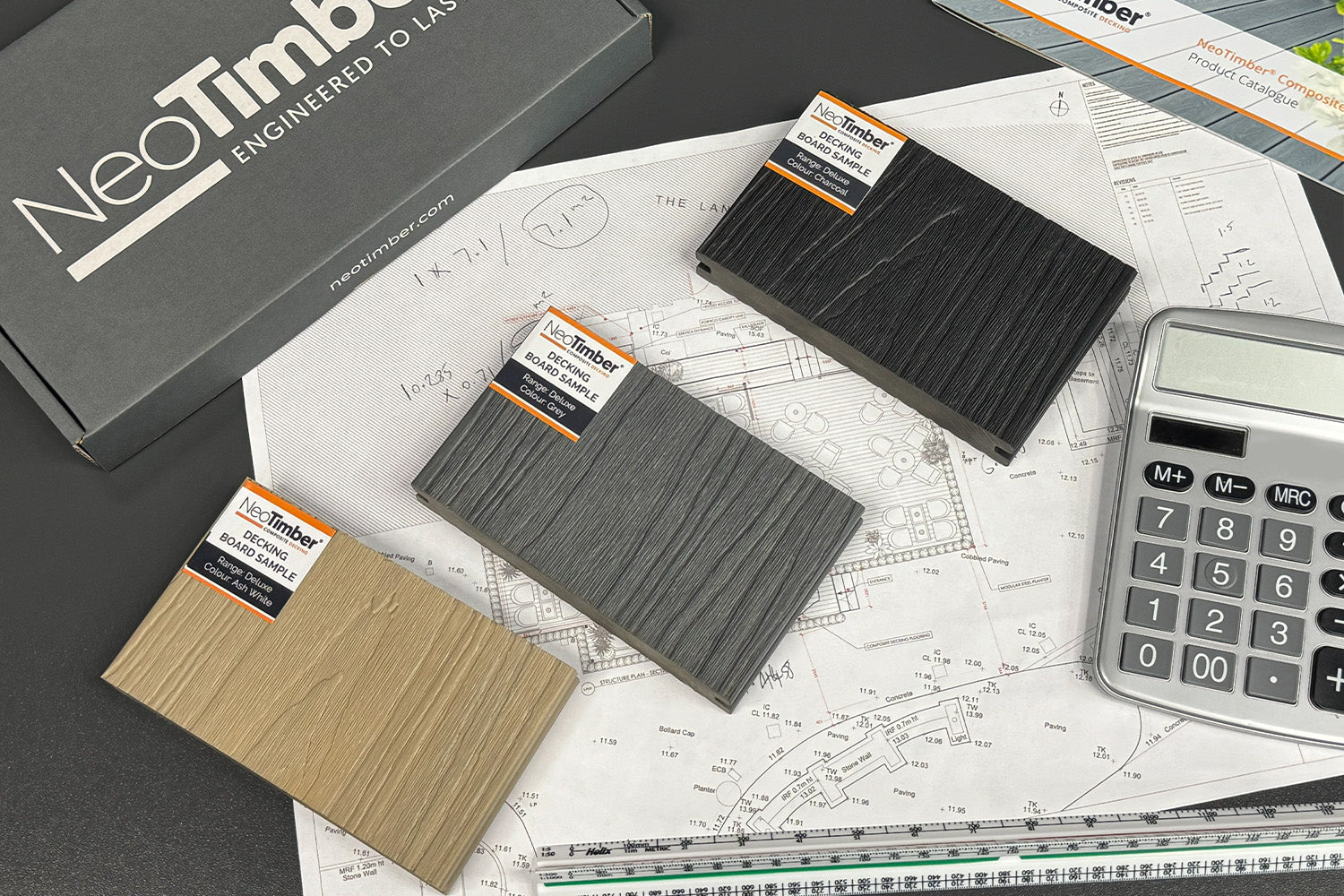
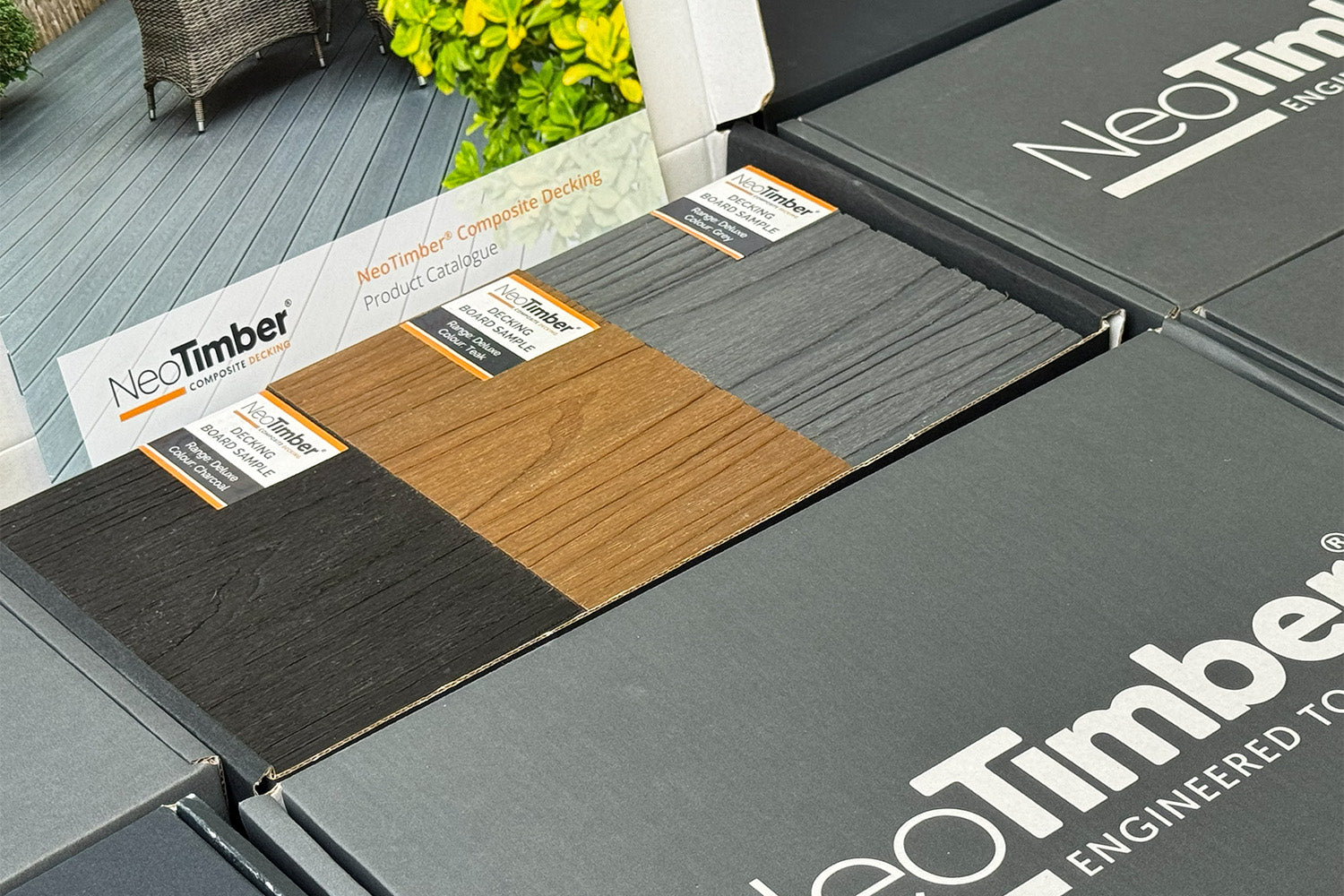
Decide how much natural variation you want, what care you can provide and what the complete project will cost. Explore the NeoTimber® composite decking range and request free decking samples to compare finishes beside your garden materials before choosing.