Bring Your Deck to Life With Pots, Planters and Thoughtful Planting
Learning how to incorporate plants on decking starts with the layout. Choose containers that suit your space, position them around seating and clear walking routes, then select plants for the available sunlight. Finish by checking drainage, planter weight and access for cleaning beneath the pots.
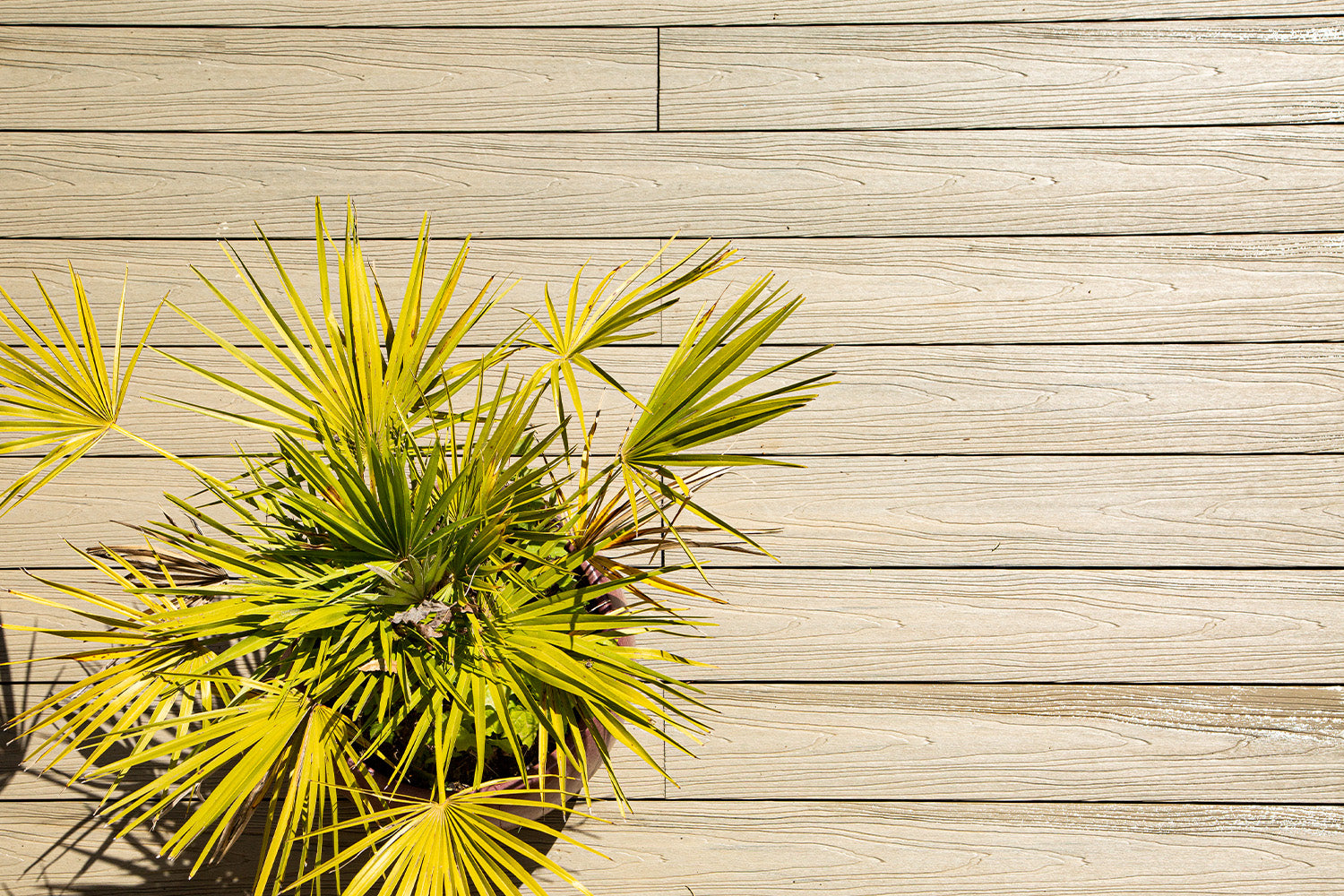
Plants soften the transition between your home and garden. A few carefully placed containers can frame a dining area, introduce seasonal colour or make a small terrace feel more inviting. Whether you are updating existing decking or planning new composite decking, the most successful scheme balances greenery with usable outdoor space.
In this guide: Plan the layout · Planting ideas · Choose plants · Coordinate colours · Protect your deck · Planning checklist · FAQs
Plan Where Plants Will Work Best
Begin with the activities your deck needs to accommodate: eating, relaxing, entertaining or simply moving between the house and garden. Mark out furniture positions before adding containers. Keep doors, steps and routes clear, allowing for the mature spread of foliage rather than just the size of a newly purchased plant.
Observe sunlight, shade and exposure across the day. A sheltered corner beside the house can need a different planting approach from an exposed deck edge. Position thirsty containers where watering is convenient, and avoid arrangements that require dragging heavy pots across the boards.
For larger schemes, include planting in your decking project plan. Filled planters can be heavy, especially after watering. Their suitability depends on the complete supporting structure, not simply the choice of deck board.
Five Ways to Incorporate Plants on Decking
1. Group pots around a seating area
Combine containers of different heights to create a backdrop to a bench or outdoor sofa. Repeating one pot material or plant colour keeps the arrangement cohesive. Leave enough space to pull out chairs and reach every container for watering.
2. Use narrow planters to define an edge
A row of troughs can separate a dining area from the rest of the garden without enclosing the whole deck. Keep drainage routes and ventilation openings accessible. Planters do not replace a properly designed balustrade where guarding is required.
3. Add one statement container
One well-proportioned pot can give a small deck a focal point without filling it with clutter. Check the mature size and container requirements of the chosen plant, and have the load assessed before placing a substantial planter or small tree on the deck.
4. Create a compact herb corner
A few containers near the dining area can make picking herbs convenient. Select varieties suited to the light and group plants with similar watering needs. Keep the arrangement away from cooking heat and clear of the main walkway.
5. Frame the deck with planting beside it
Not every plant needs to sit on the boards. Adjacent borders can bring foliage close to the seating area while preserving floor space. Keep soil below and away from deck components as required by the installation design, and retain access to inspect the edges.

Choose Plants for the Conditions on Your Deck
A plant that suits the site is easier to care for than one chosen only for its appearance. Check its eventual size, hardiness and container needs before buying. The RHS offers useful container planting guidance, including choosing suitable pots and compost.
Starting points for a container planting scheme:
| Your aim | Options to explore | What to check |
|---|---|---|
| Flowers in a sunny position | Lavender or suitable salvias | Sunlight, drainage and variety-specific hardiness. |
| Interest in a shadier corner | Heucheras, hostas or suitable fuchsias | Degree of shade, moisture needs and winter care. |
| Texture and movement | Container-suitable ornamental grasses | The individual variety’s light requirements and mature spread. |
| A compact summer display | Suitable succulents | Drainage and whether winter protection is needed. |
These are starting points rather than a universal planting list. Grasses do not all thrive in the same conditions, and some succulents need protection from frost or prolonged winter wet. Explore the RHS guides to summer container plants and plants for sunny and shady containers to refine your selection.

Coordinate Plants, Pots and Decking Colours
Think of your deck as the backdrop to the planting. Pale flowers and silver foliage can provide contrast against darker boards, while warm flower colours can introduce energy to a neutral setting. Green foliage also works as the main feature: flowers are an option, not a requirement.
Limit the number of competing colours if you want a calm arrangement. Repeat a flower tone across several pots, or use matching containers to connect plants with different textures. For a more relaxed garden, mix pot shapes while keeping a shared material or colour.
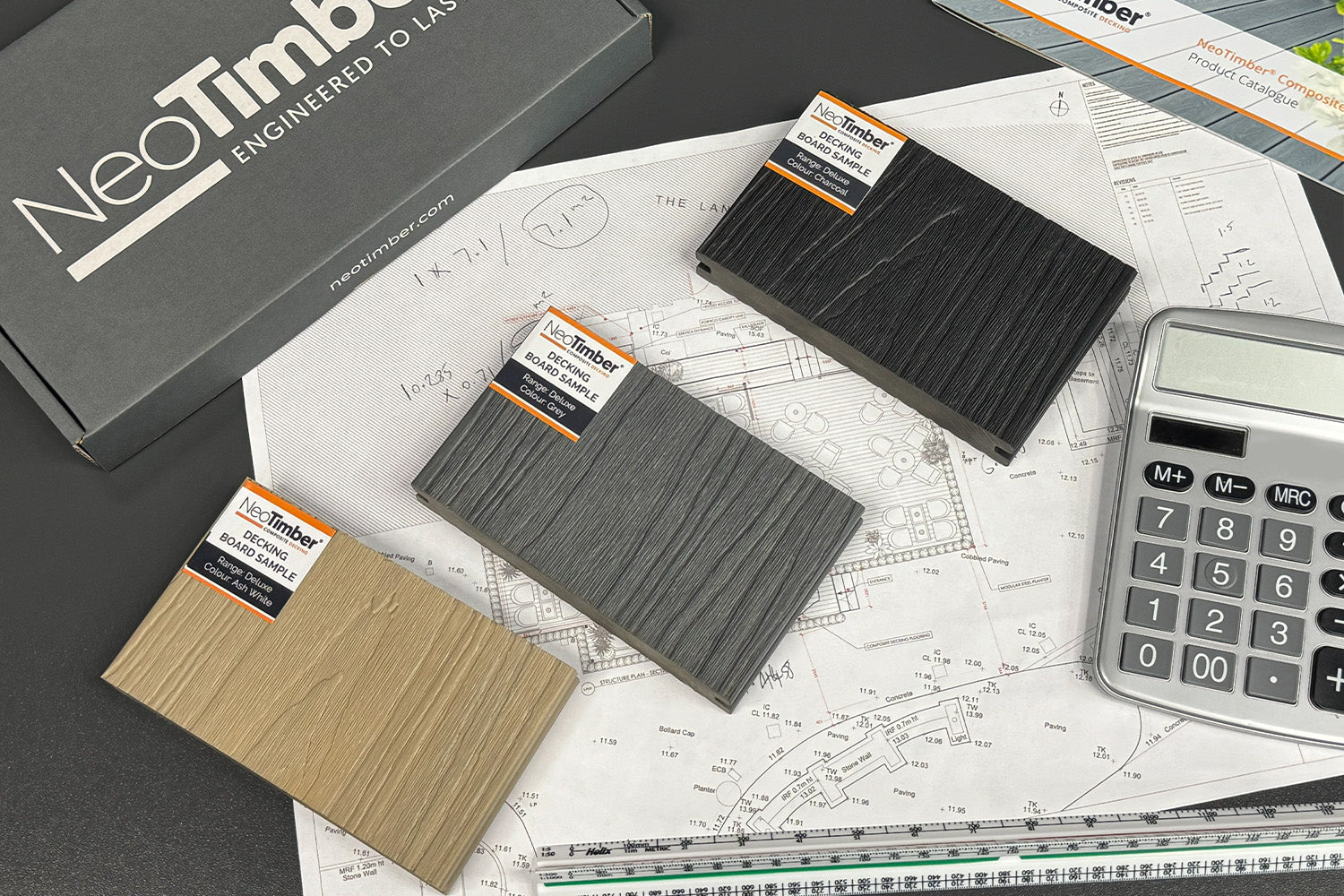
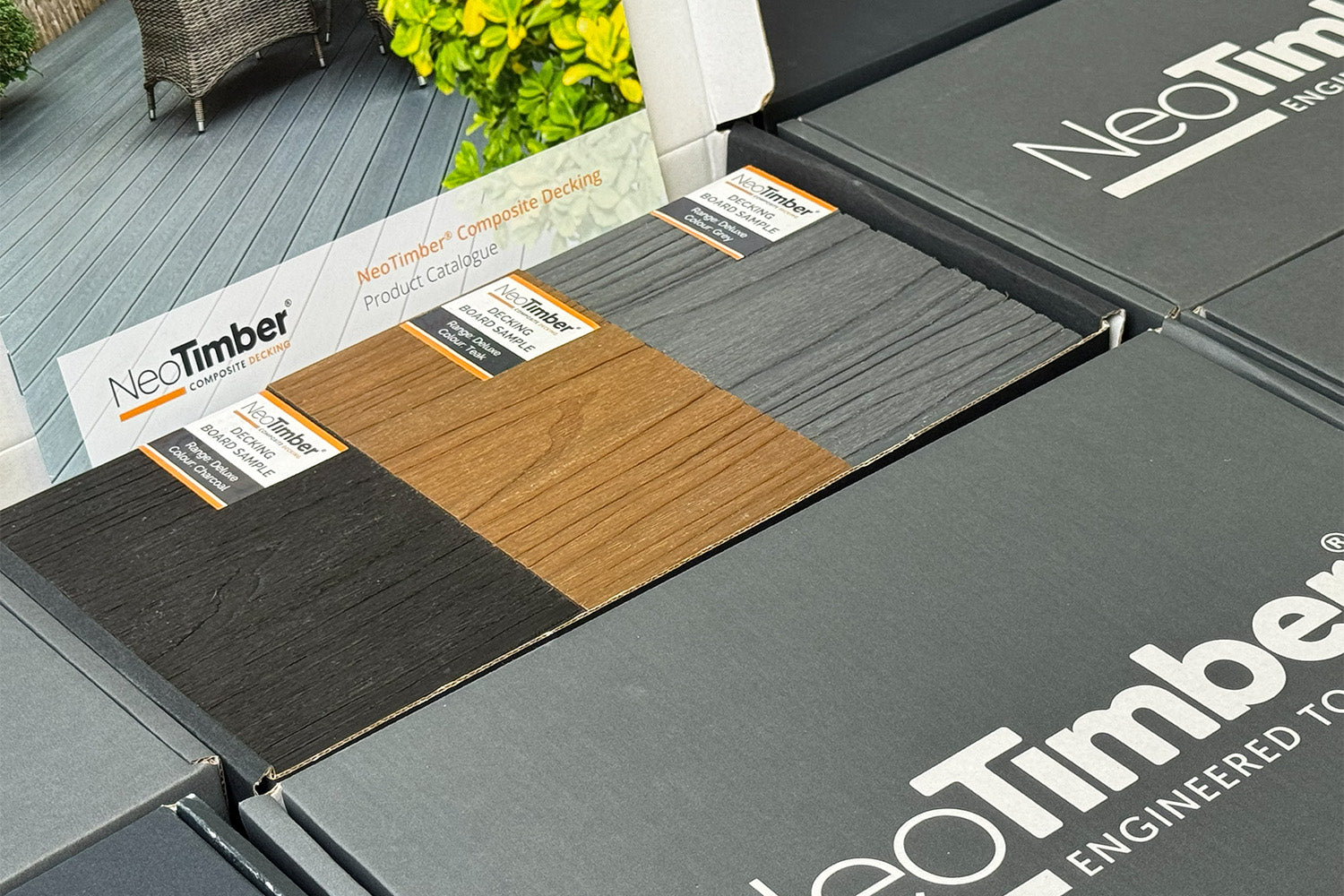
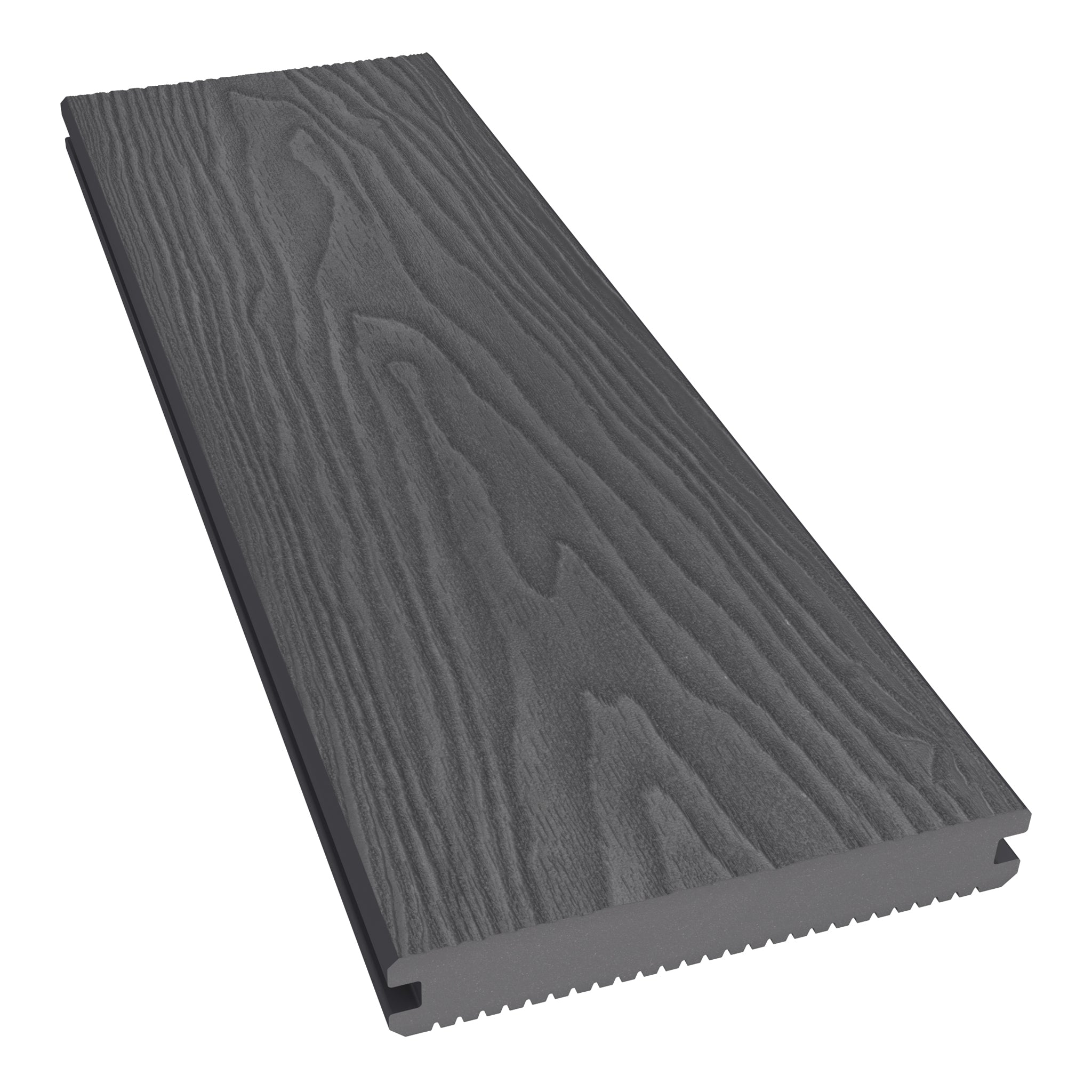
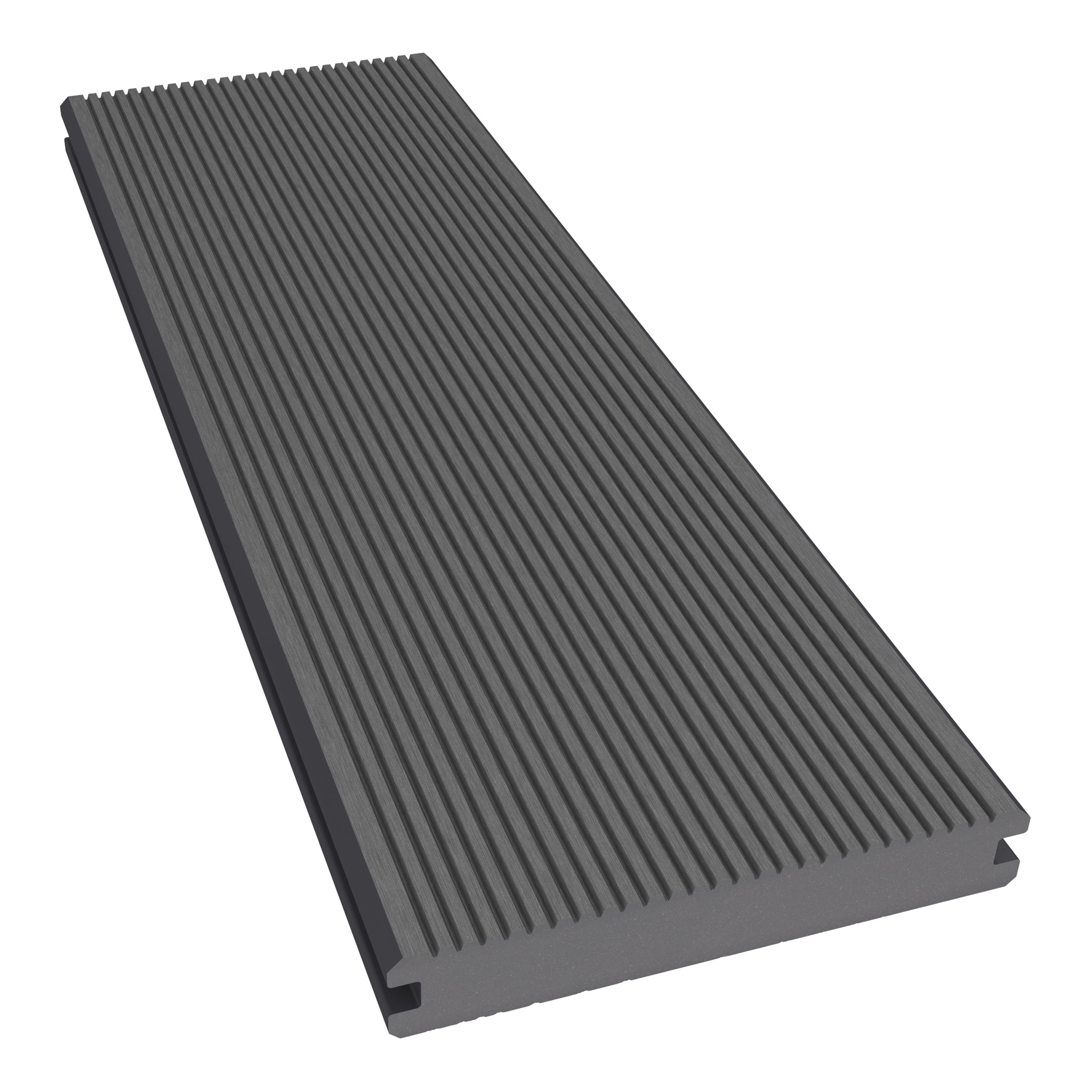
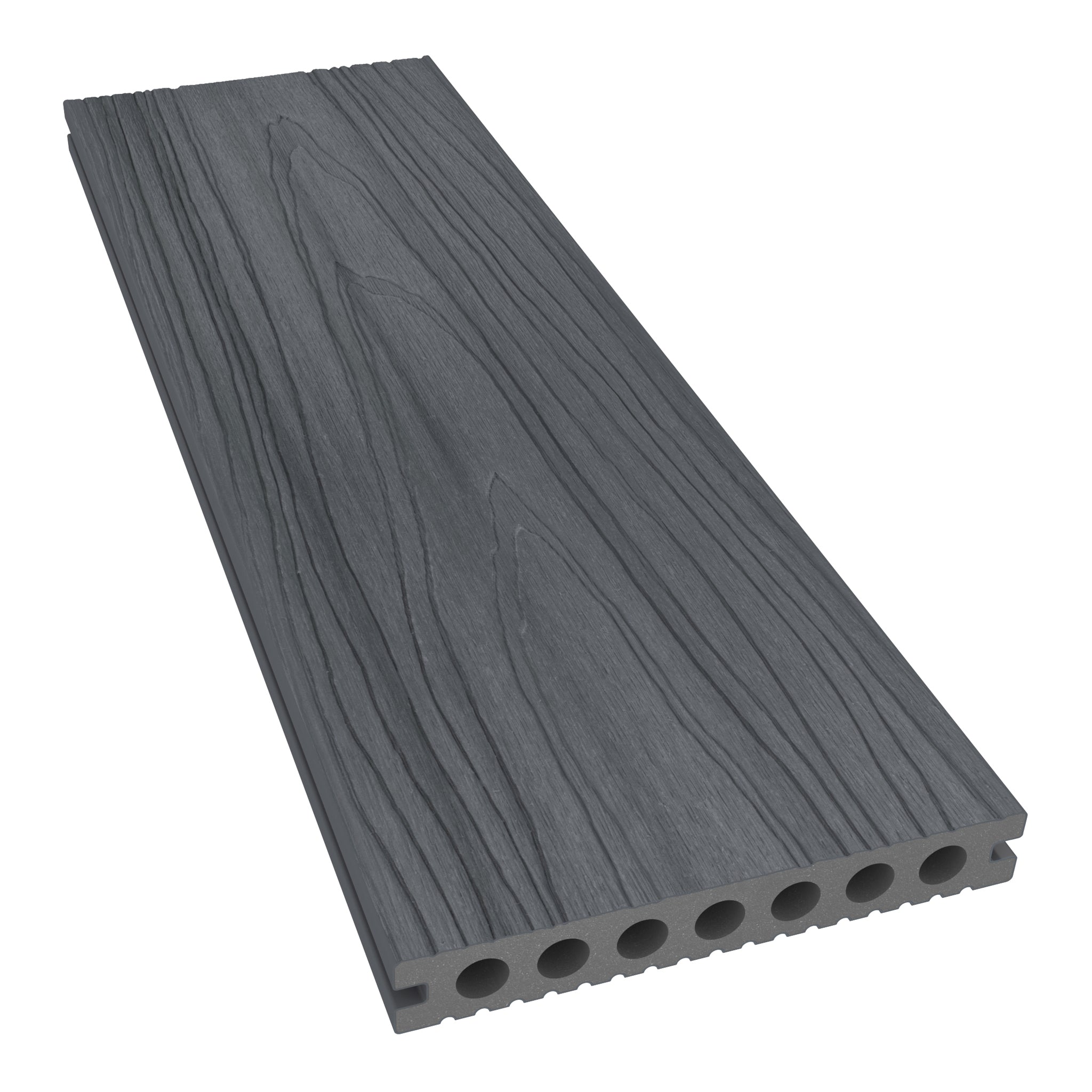
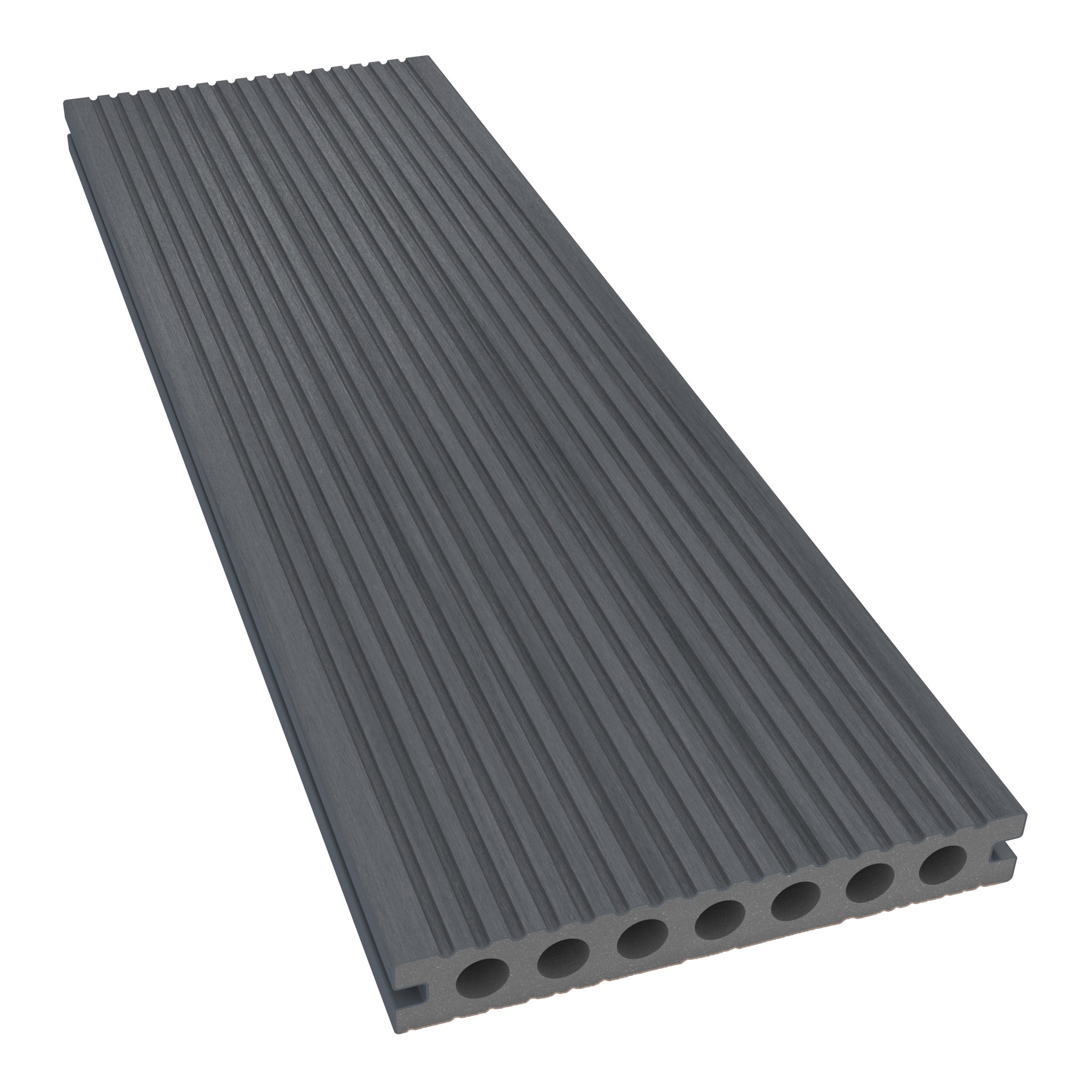
Compare your choices with the house, paving and furniture as well as the boards. NeoTimber’s composite decking colour guide can help you plan the wider palette. Samples are useful for seeing how a board finish looks beside your chosen pots outdoors.

Protect the Deck Beneath Your Planters
Allow water to drain and surfaces to dry
Choose containers with appropriate drainage and suitable supports that are compatible with the deck surface. Supports should be stable and should not create excessive concentrated loads. Avoid leaving pots or saucers sitting in standing water, and keep the joints between boards clear of compost and leaves.
Check beneath containers periodically. Covered areas can weather differently from exposed boards, and trapped dirt or moisture can leave marks. Follow the board manufacturer’s care advice; a protective cap is not a guarantee against every stain.
Water carefully and clean up spills
Direct water into the compost and clear spilled fertiliser, soil and plant debris promptly using the recommended method. Follow NeoTimber’s composite decking cleaning guidance. Lift manageable pots rather than dragging them; arrange assistance for heavy containers.
Design built-in planters as separate structures
A planter finished with matching boards can integrate neatly with a deck, but decking or cladding used as decorative facing is not automatically a structural planter wall. Provide appropriate support, containment and drainage, and confirm suitability before using products beyond their intended application.
Choose boards with practical care in mind
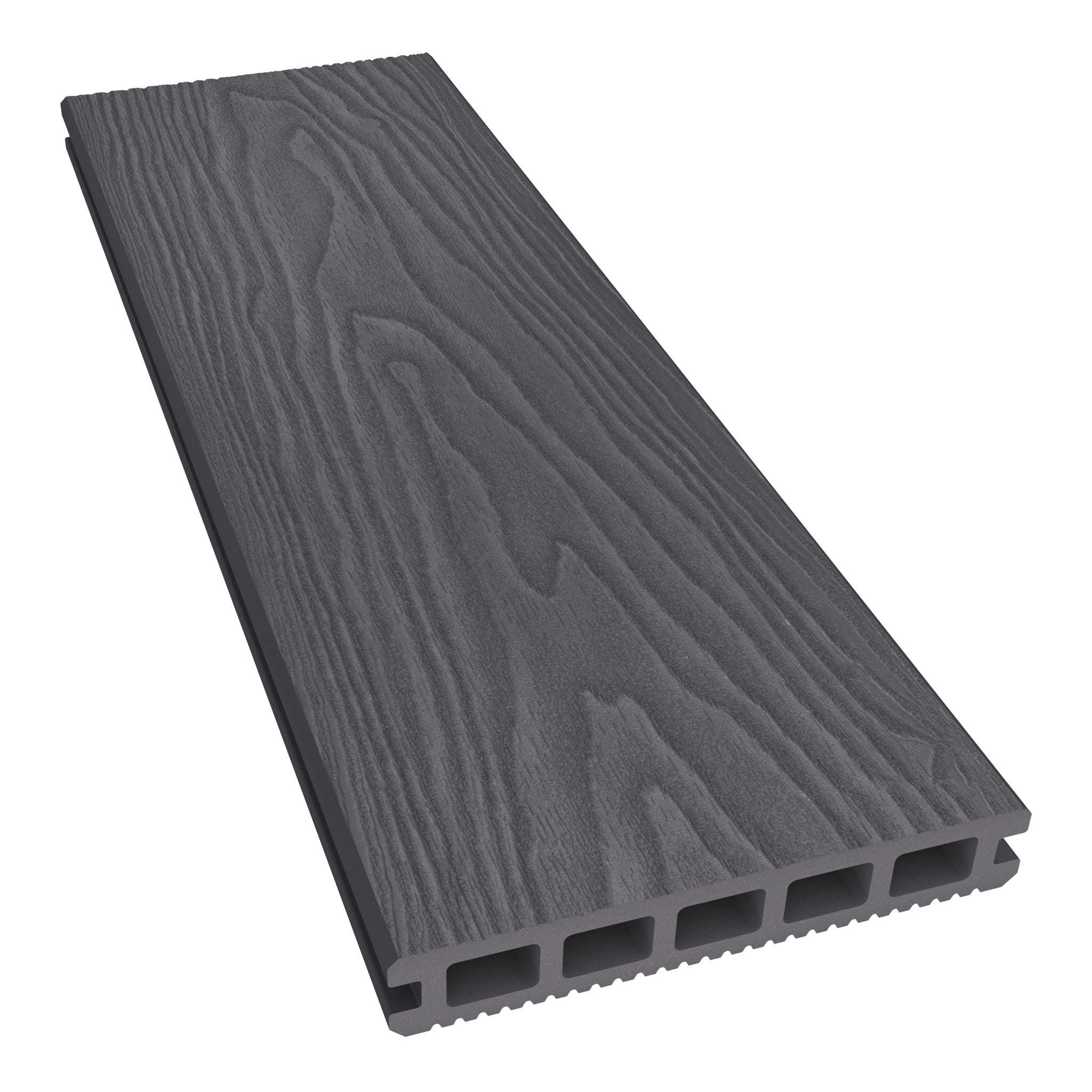
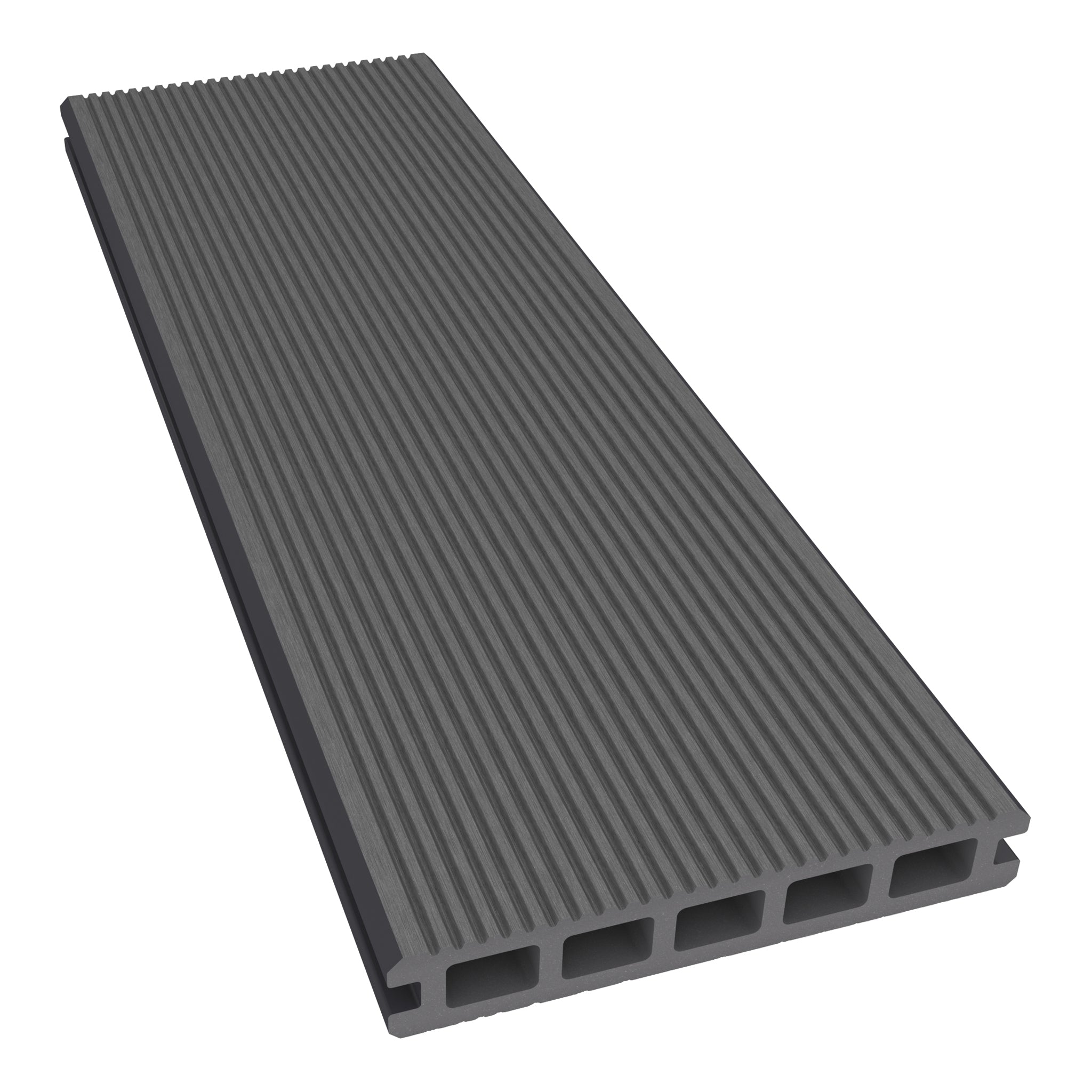
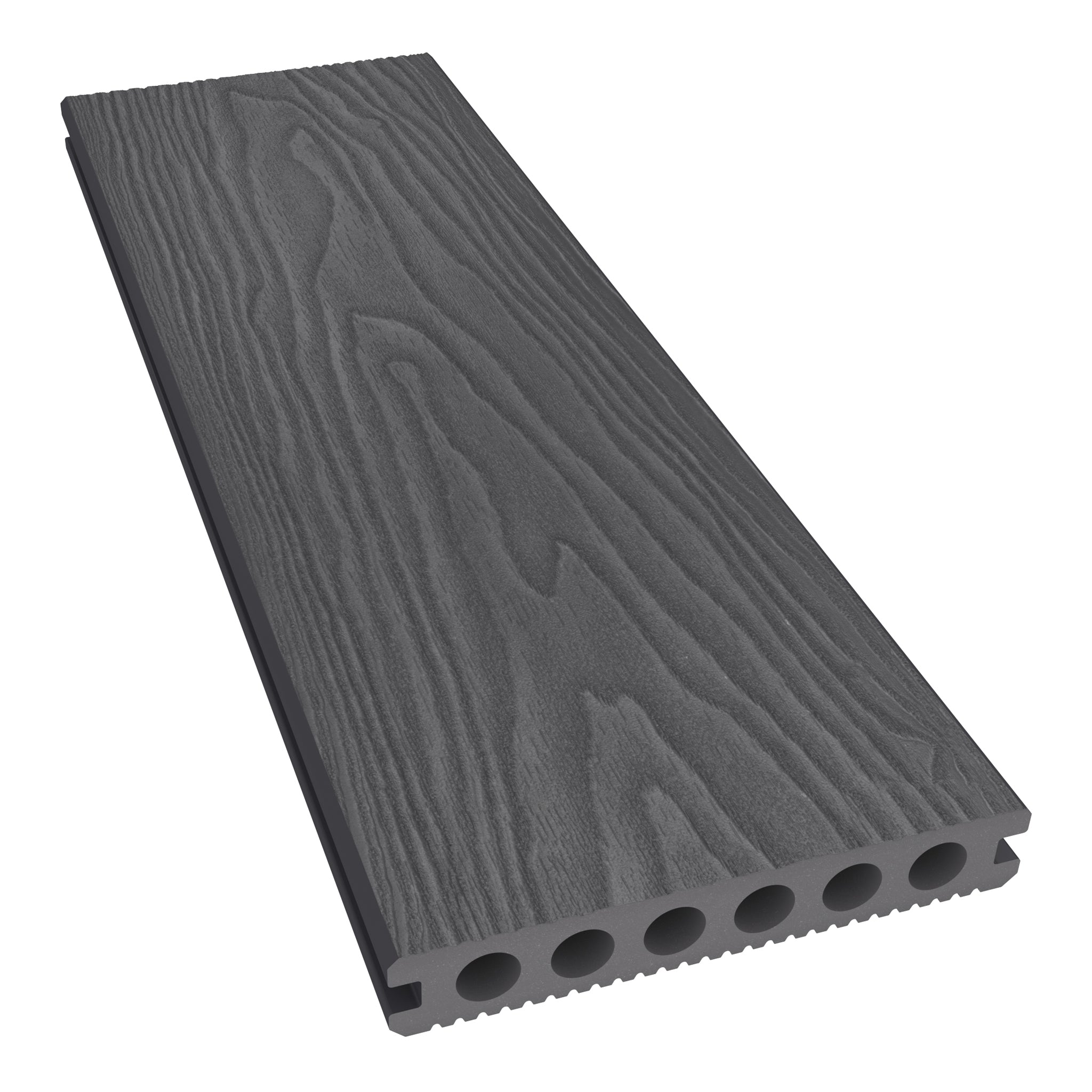
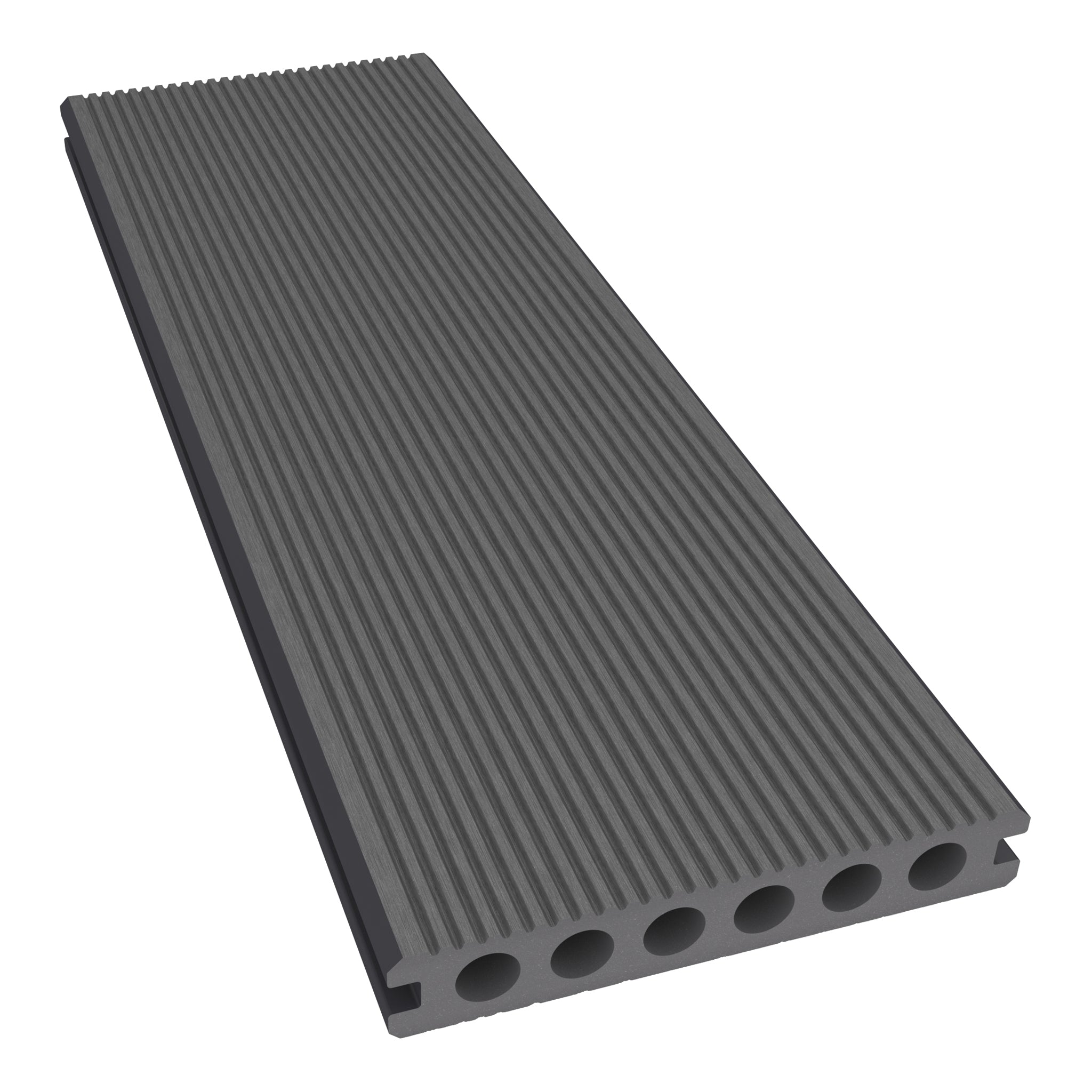
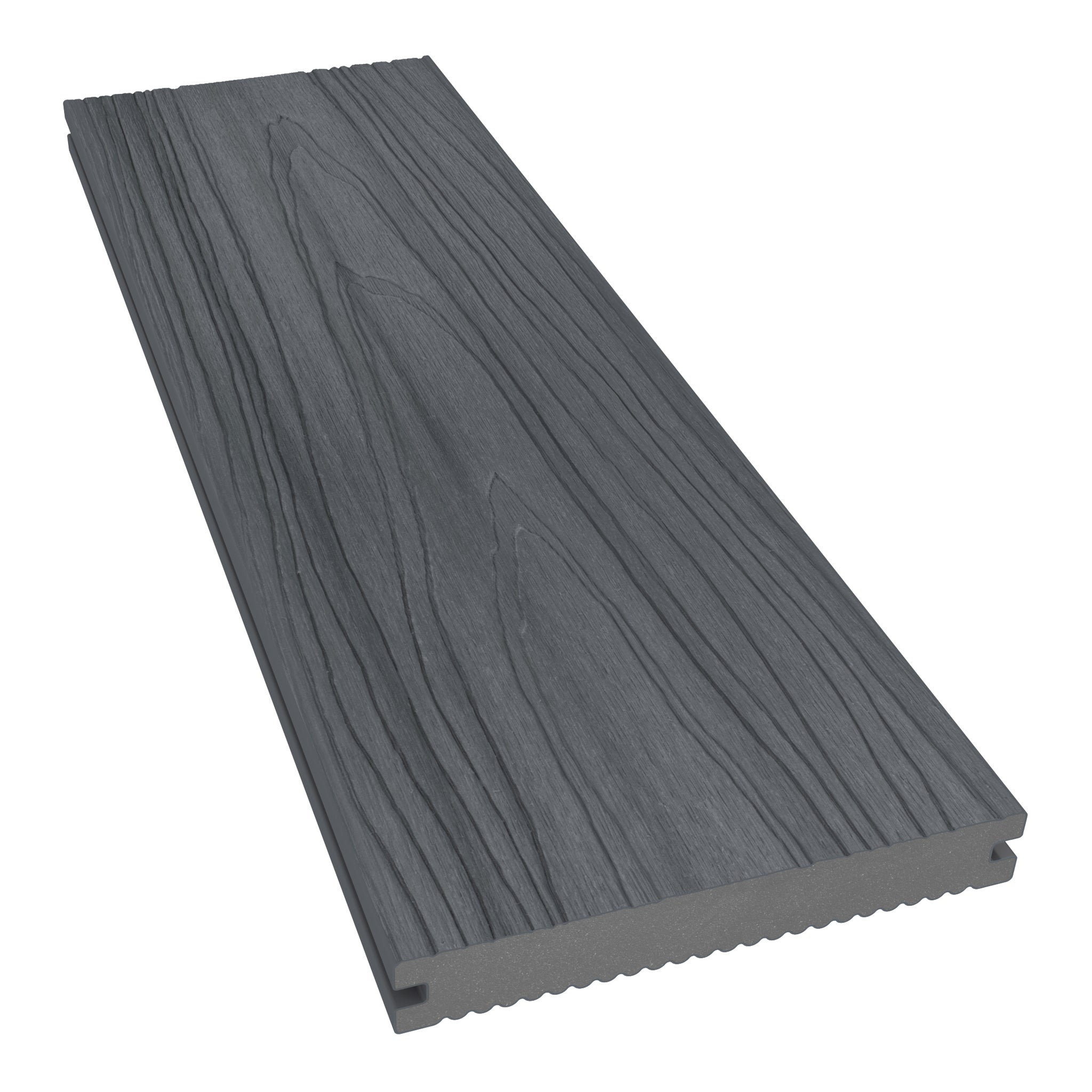
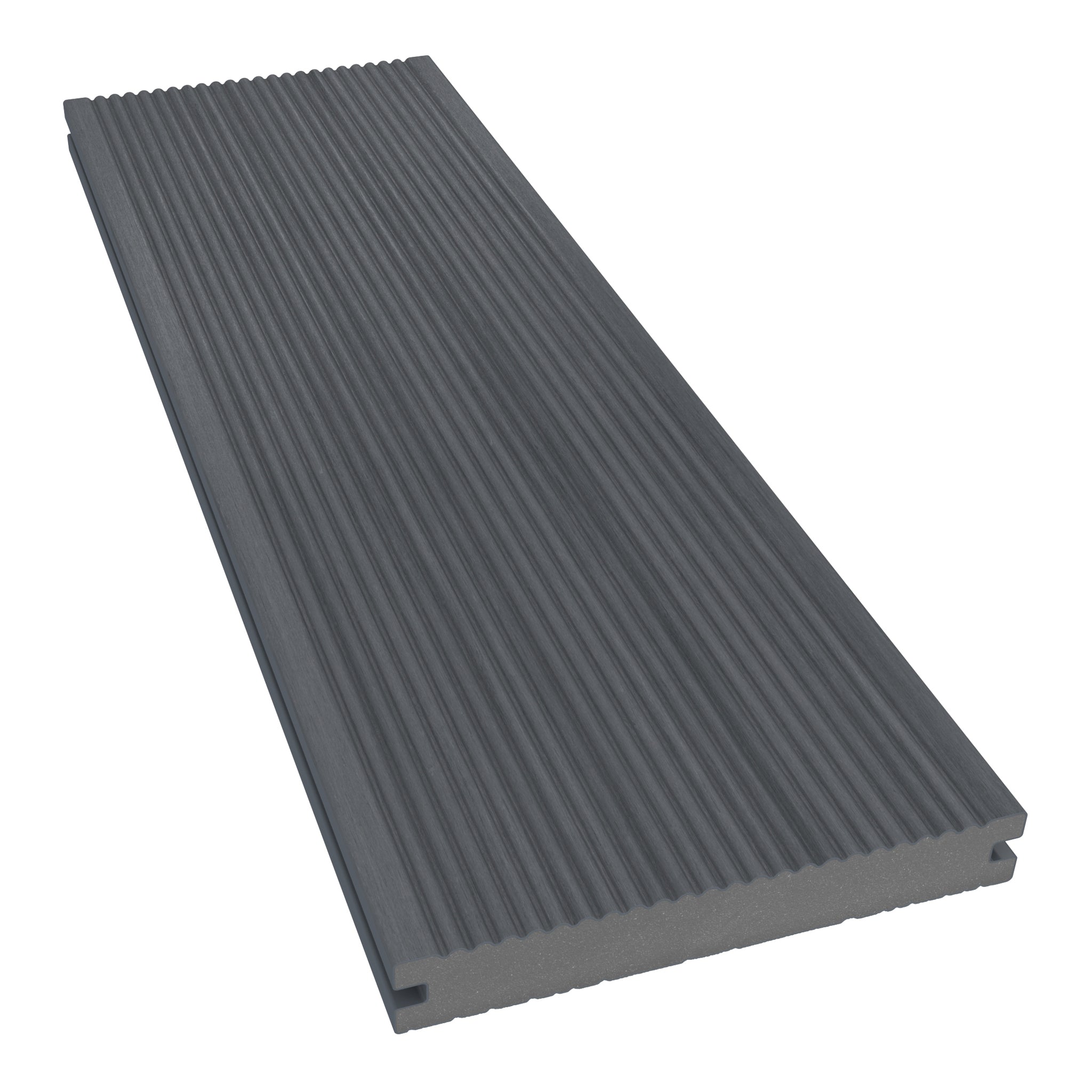
Capped composite decking is worth comparing where planting will be a prominent feature. NeoTimber’s Deluxe range has a protective capped surface designed to improve stain resistance. It still needs cleaning, drainage and correct installation.

Your Decking Planting Checklist
- Keep doors, steps and walking routes clear.
- Match plants to the available sunlight and exposure.
- Check mature plant size and filled container weight.
- Provide appropriate pot drainage without blocking board gaps.
- Leave access for watering, cleaning and inspection.
- Plan seasonal care, including winter protection where needed.
Ready to coordinate the whole space? Explore garden decking inspiration and order composite decking samples to compare finishes with your planting palette.
Frequently Asked Questions
How do you incorporate plants on decking without overcrowding it?
Start with furniture and walking routes, then add a small number of grouped containers or edge planters. Allow room for mature foliage and regular maintenance.
Can you put plant pots on composite decking?
Yes, where the deck can support the filled containers and the arrangement follows the board manufacturer’s care requirements. Maintain drainage, use suitable supports and inspect beneath pots regularly.
What plants work on a shaded deck?
Suitable heucheras, hostas and fuchsias are options to investigate. Check the particular variety’s light, moisture and container requirements rather than assuming every shaded location is the same.
Are succulents a low-maintenance decking plant?
They can suit a container scheme, but requirements vary. Check drainage, frost tolerance and winter protection; drought tolerance does not mean a plant needs no care.
Can I build a planter from composite decking offcuts?
Potentially as decorative facing, subject to product suitability. Design a separate structure to contain and support the compost and provide drainage. Offcuts alone do not establish structural capacity.
Will plant pots stain composite decking?
They can leave marks where moisture, soil or other residues collect. Keep the area clean, avoid persistent standing water and follow the care guidance for your boards.