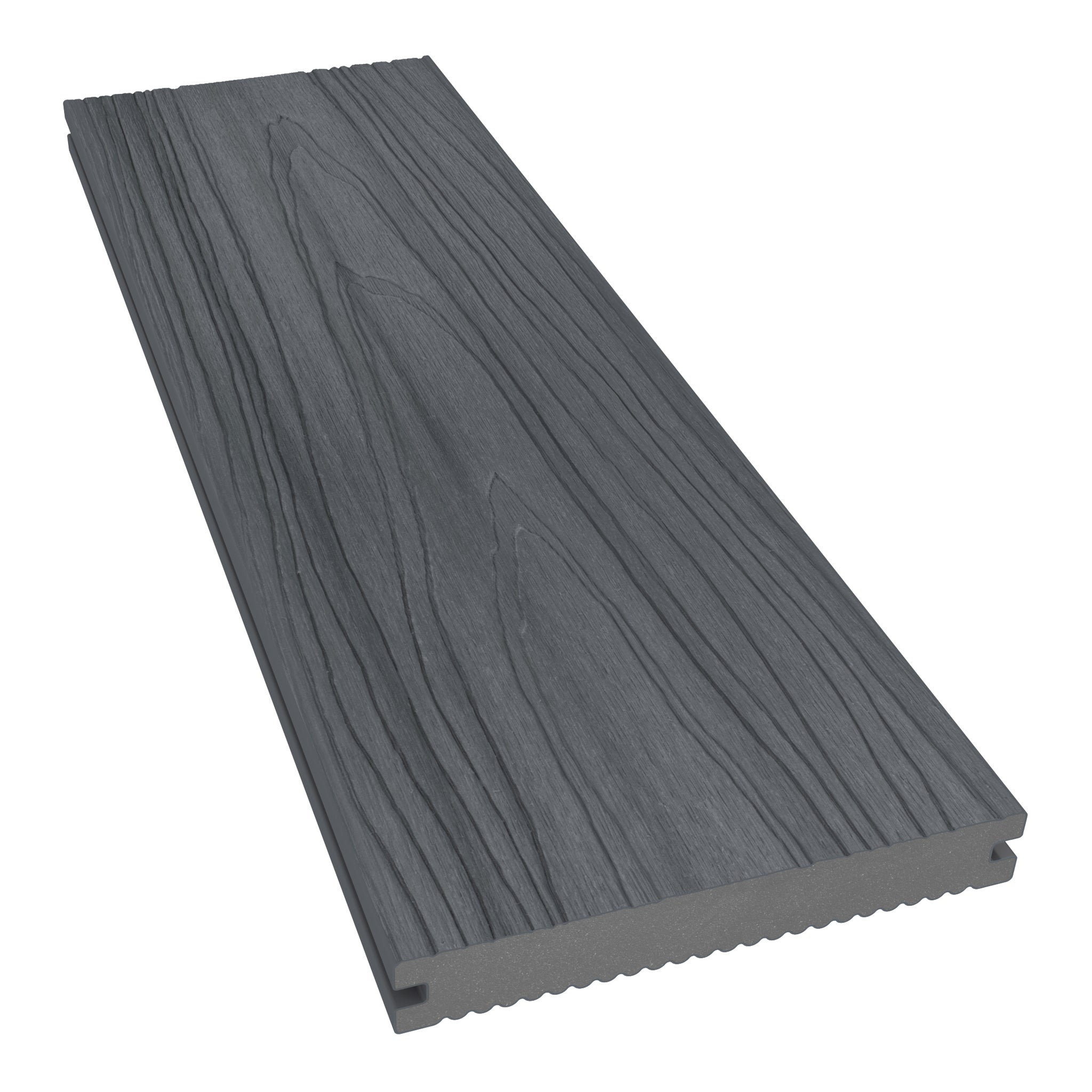
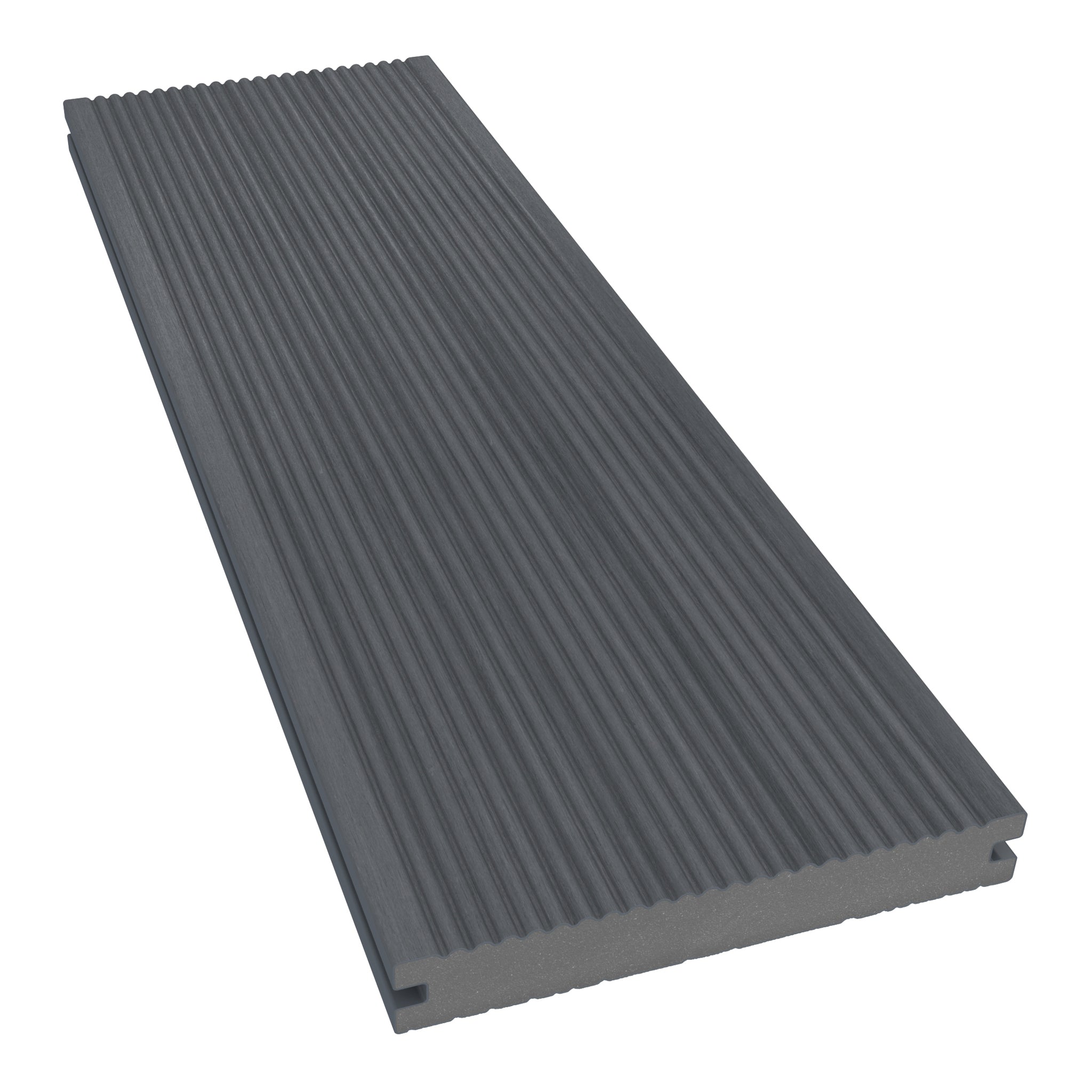
Make a Compact Garden Work Harder With a Well-Planned Deck
The best small garden decking ideas start with how you want to use the space. A comfortable place to eat, a sheltered reading spot or a clear route between the house and garden can matter more than making the plot appear bigger.
Good design connects furniture, planting and materials into one useful arrangement. These small decking ideas show how to organise a compact outdoor area without filling every corner or losing the practical details that make a deck easy to live with.
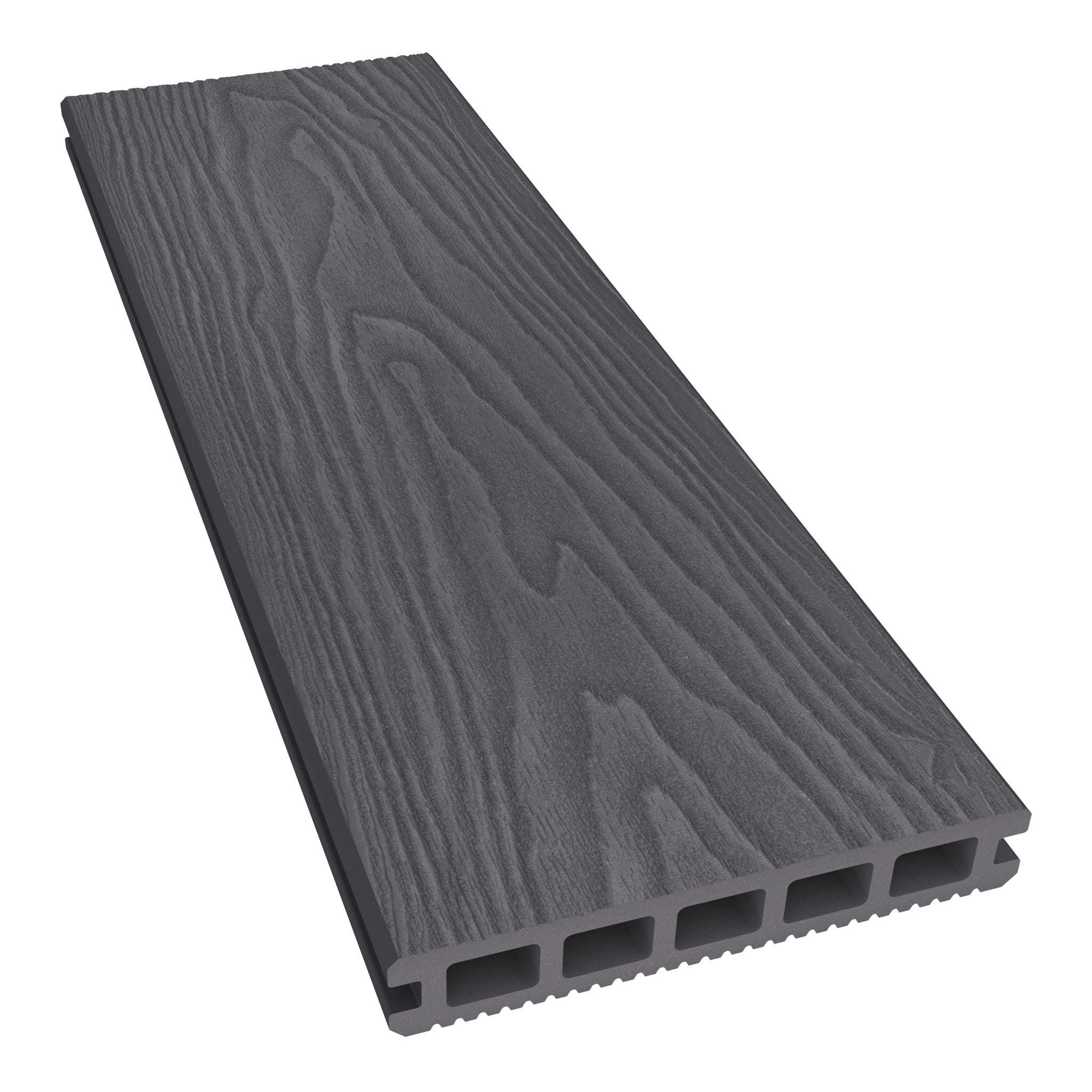
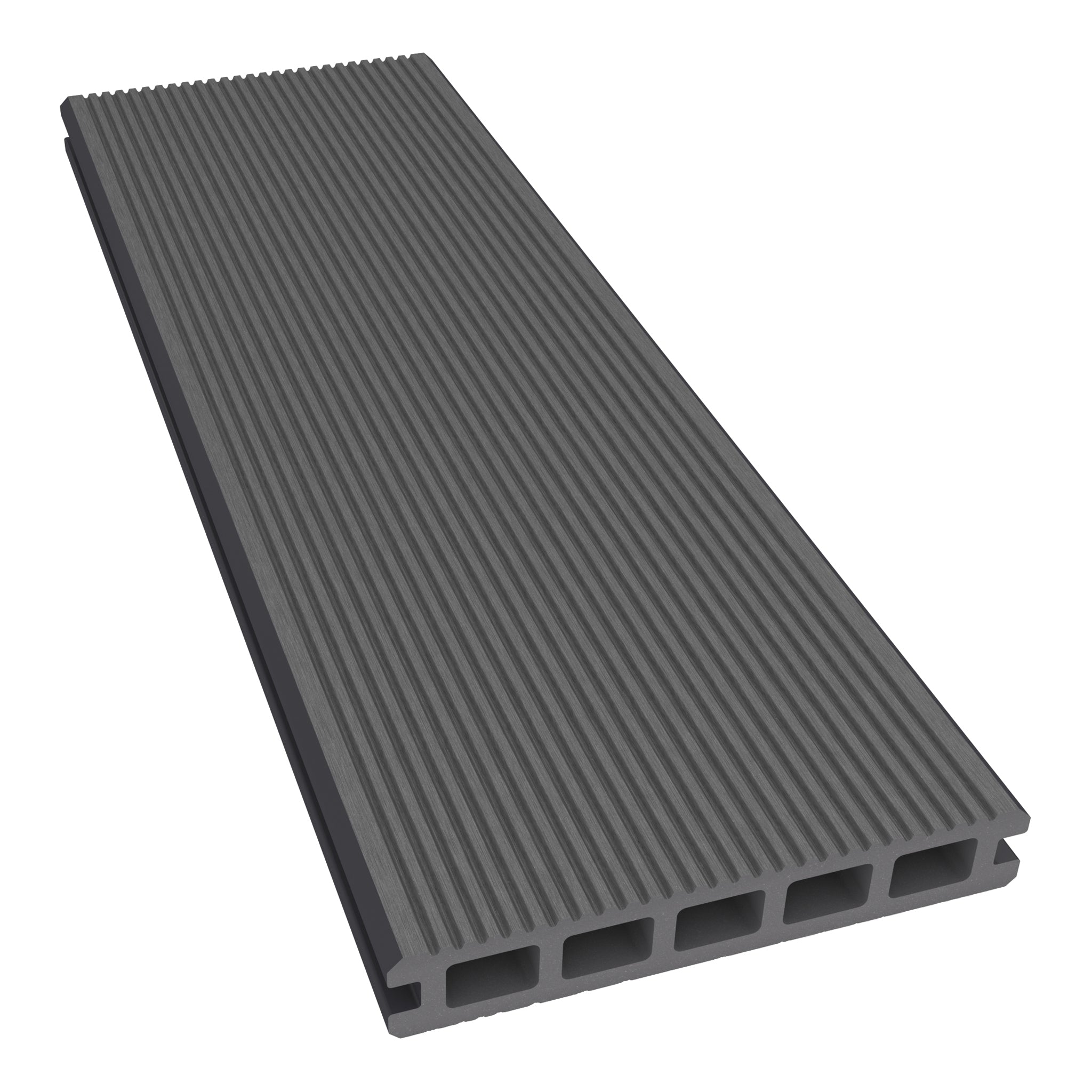
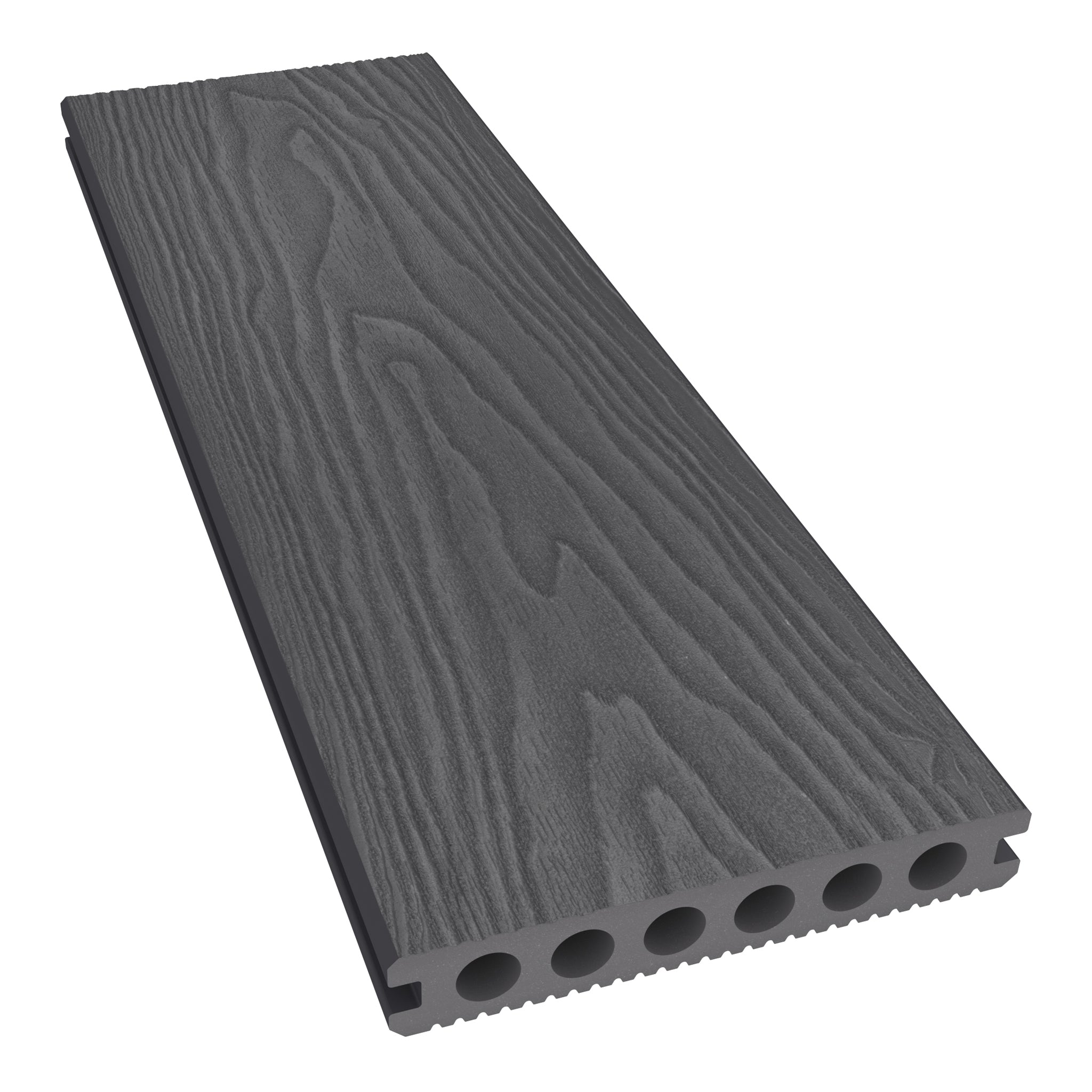
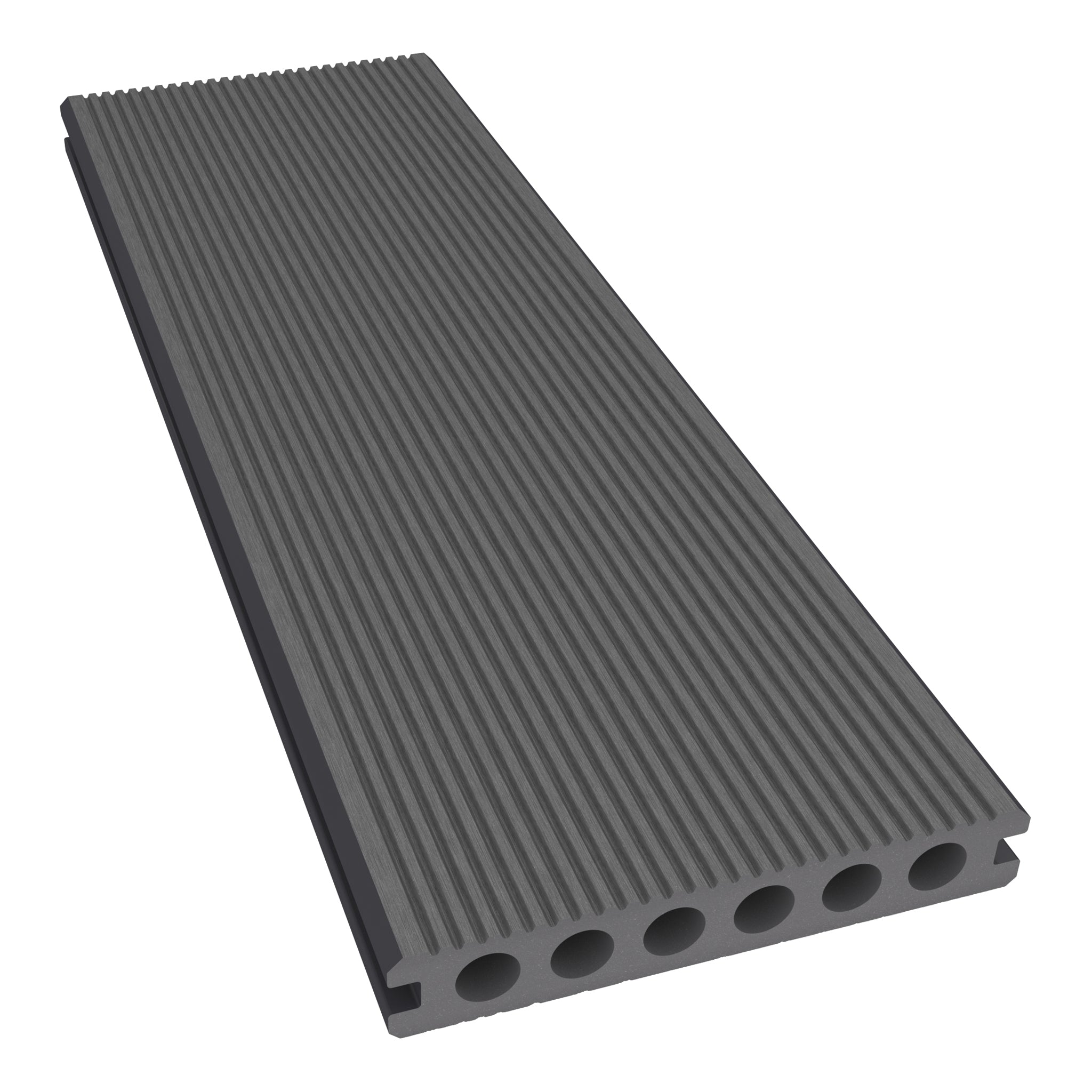
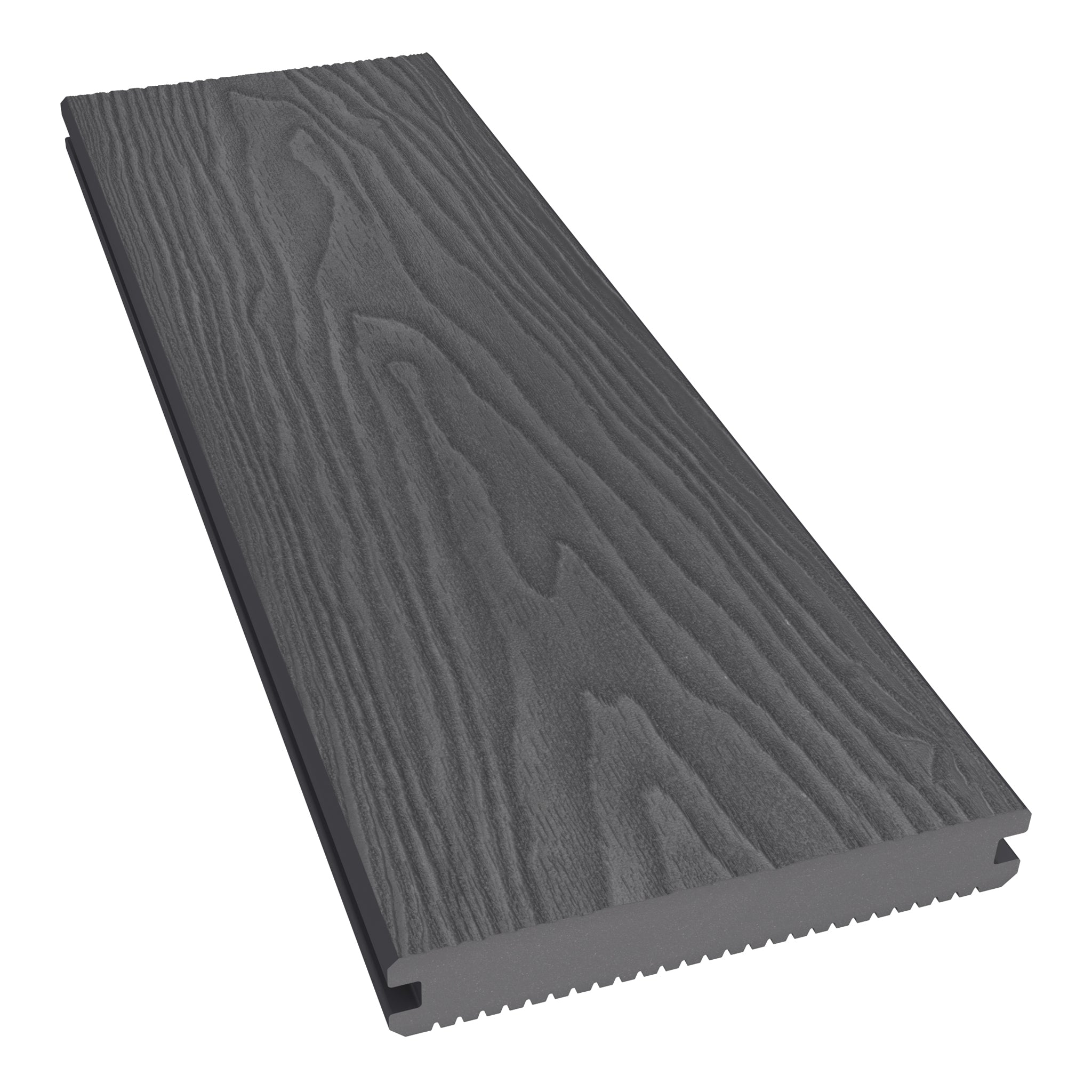
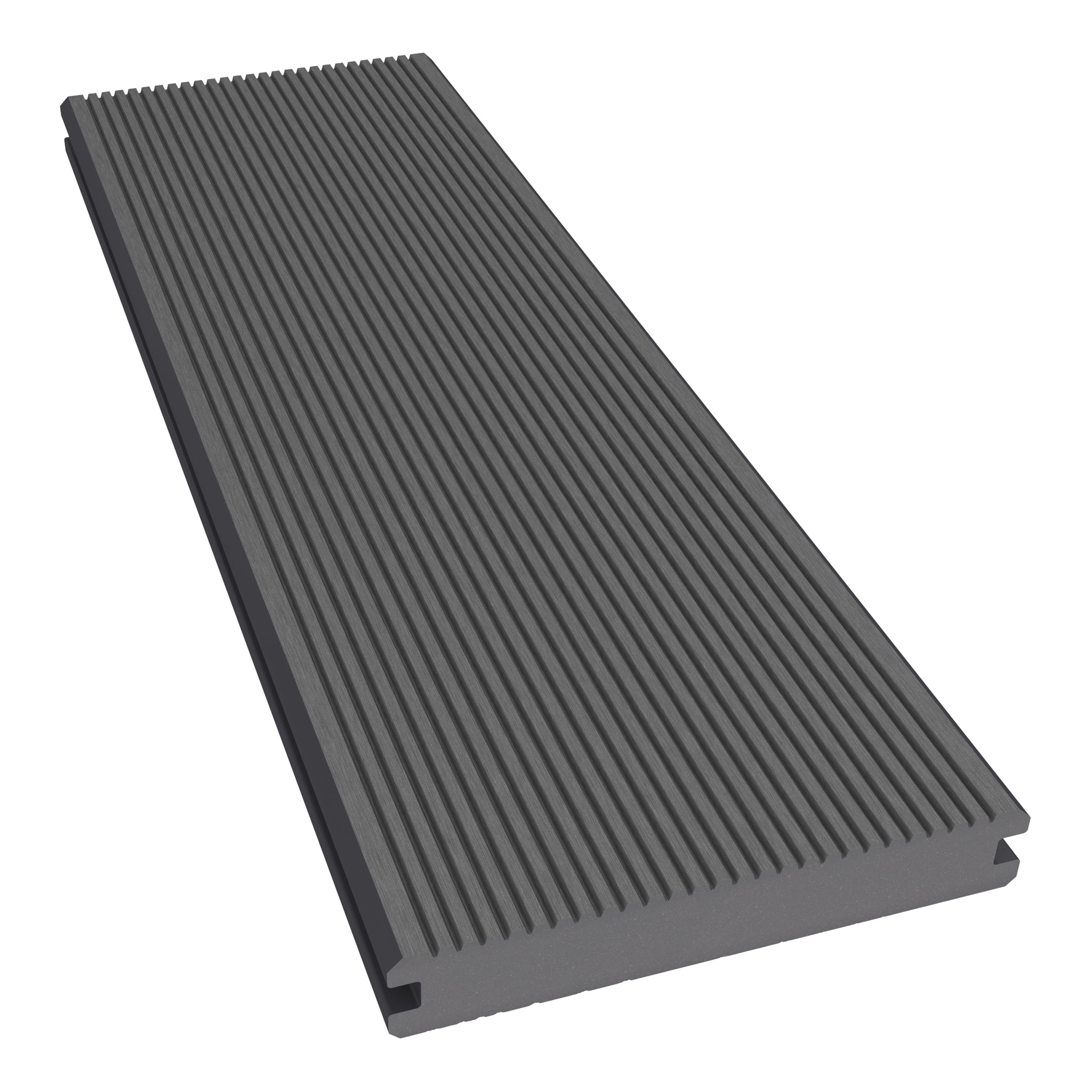
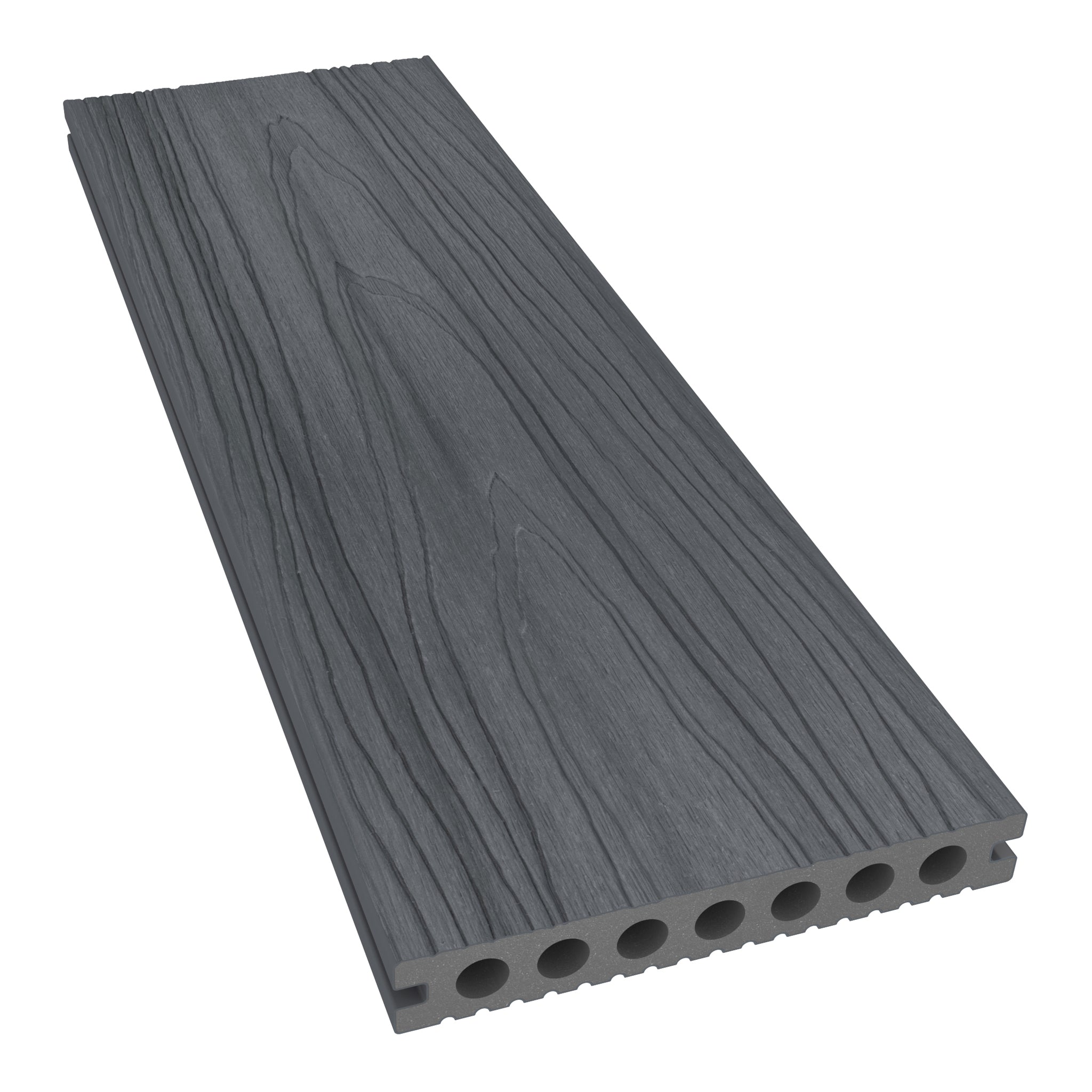
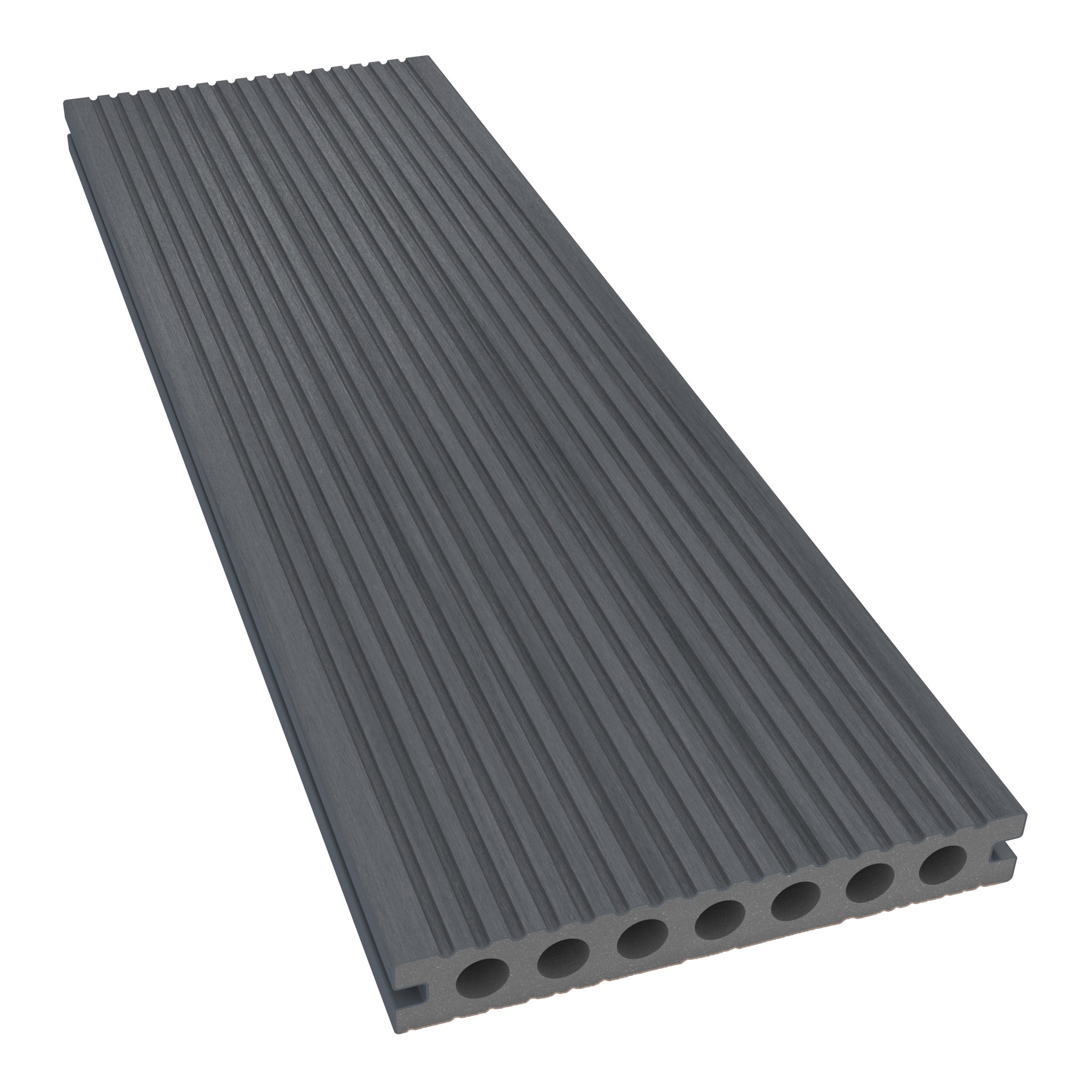
Explore our general decking guidance or browse our composite decking collection as you develop your design.
Jump to: Planting · Vertical space · Zoning · Colour · Furniture · Layout · Lighting · Focal points · FAQs
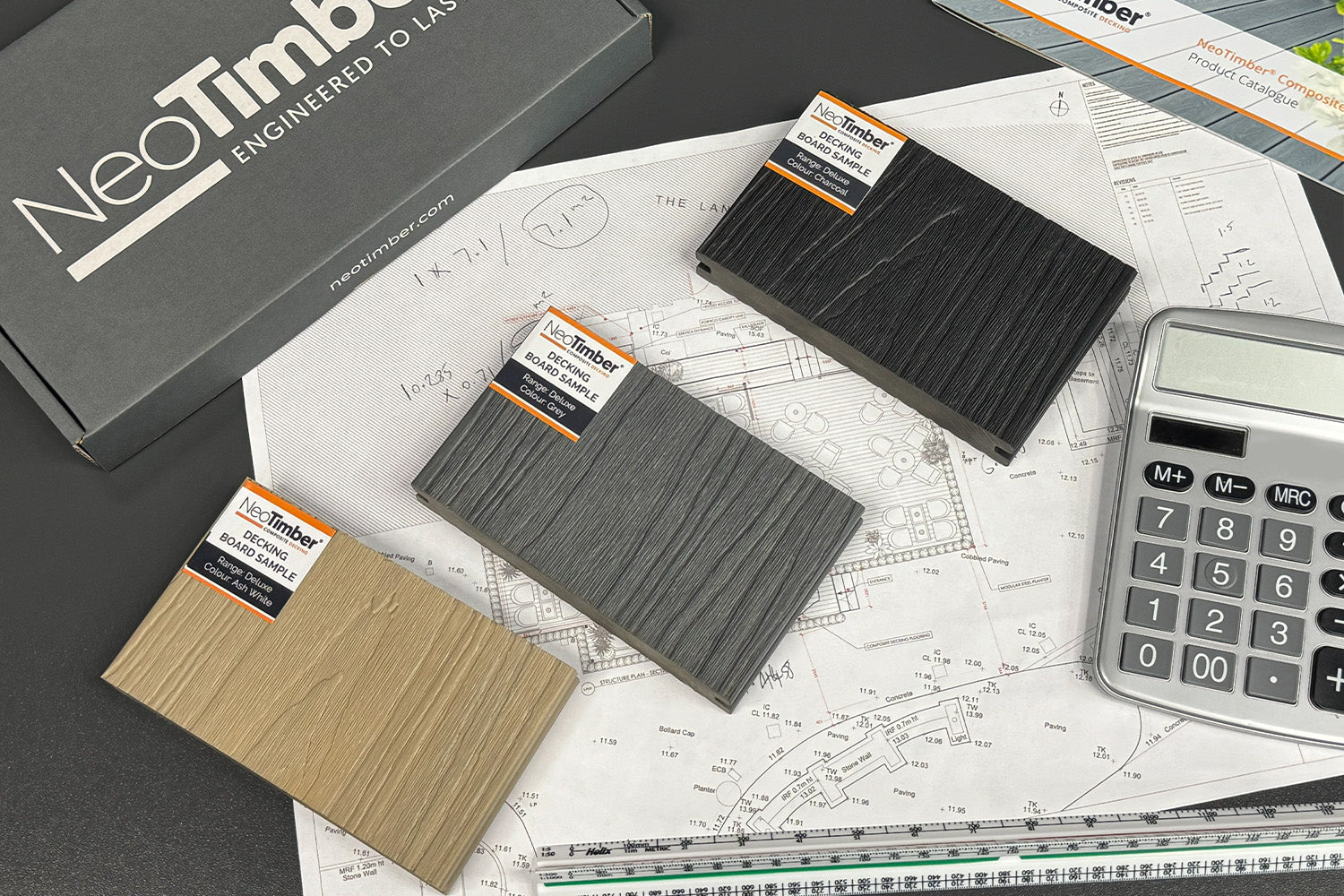
Start With a Measured Plan
Mark doors, drains, boundaries and changes in level on a sketch. Set out the proposed deck footprint temporarily and place your furniture within it. Check that doors open, chairs move and the route through the garden remains clear.
Observe sunlight and shade before choosing the location. A deck beside the house may be convenient for meals, while another position may receive the light you prefer. Think about privacy, storage and cleaning access as well as the view.
1. Give Planting a Clear Role
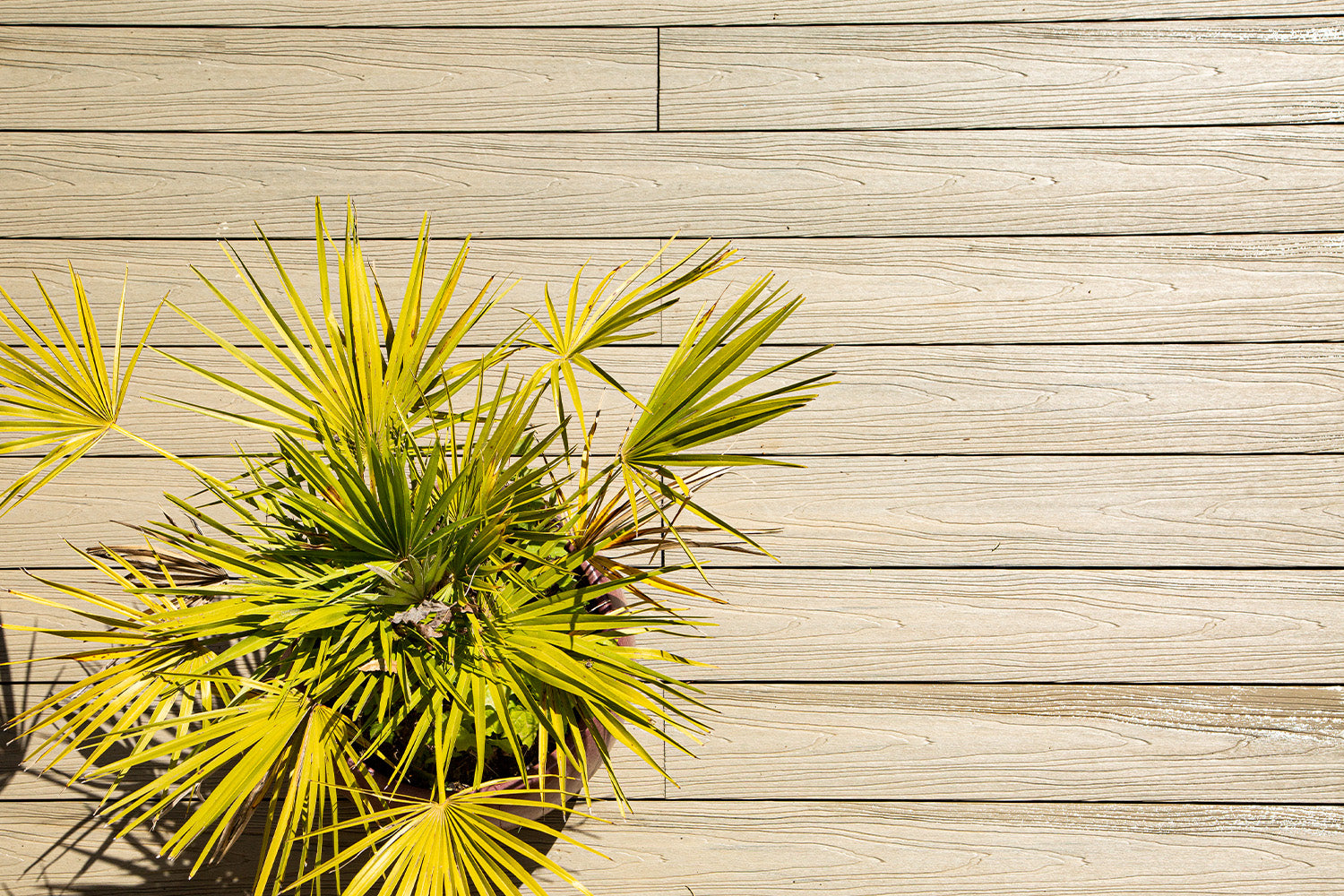
Use planting to soften the deck’s edges without consuming its usable centre. A few generous containers can create a more coherent scheme than many small pots scattered across walking routes. Repeat a limited mix of foliage shapes or colours to connect the seating area with the rest of the garden.
Select plants for the available light, exposure and mature size. Keep drainage outlets accessible and allow space to clean beneath movable pots. Large containers need suitable support: their filled weight matters, not just their empty size.

2. Take Planting Upwards
When floor space is limited, a securely supported climber or wall-mounted planter can introduce greenery above the seating area. This leaves more of the deck available for furniture and movement.
Check the capacity and suitability of the supporting wall or structure before adding weight. Do not cut into fencing or assume fence panels can carry a planted wall. Leave access for watering and maintenance, and avoid placing dripping containers over seats.

3. Create One Main Seating Zone
Choose a primary purpose: a breakfast table, a reading corner or space for an evening meal. Making one activity comfortable often works better than squeezing several incomplete zones into a small footprint.
A change between decking and paving can define the seating area without a physical divider. Keep transitions comfortable and routes clear. Use our decking vs patio guide to compare the options.

4. Keep the Colour Palette Connected
Repeat a few colours across the boards, furniture and accessories. Pale tones can create a lighter visual impression; darker tones can give a planted courtyard a calm background. Neither guarantees that a garden will look larger.
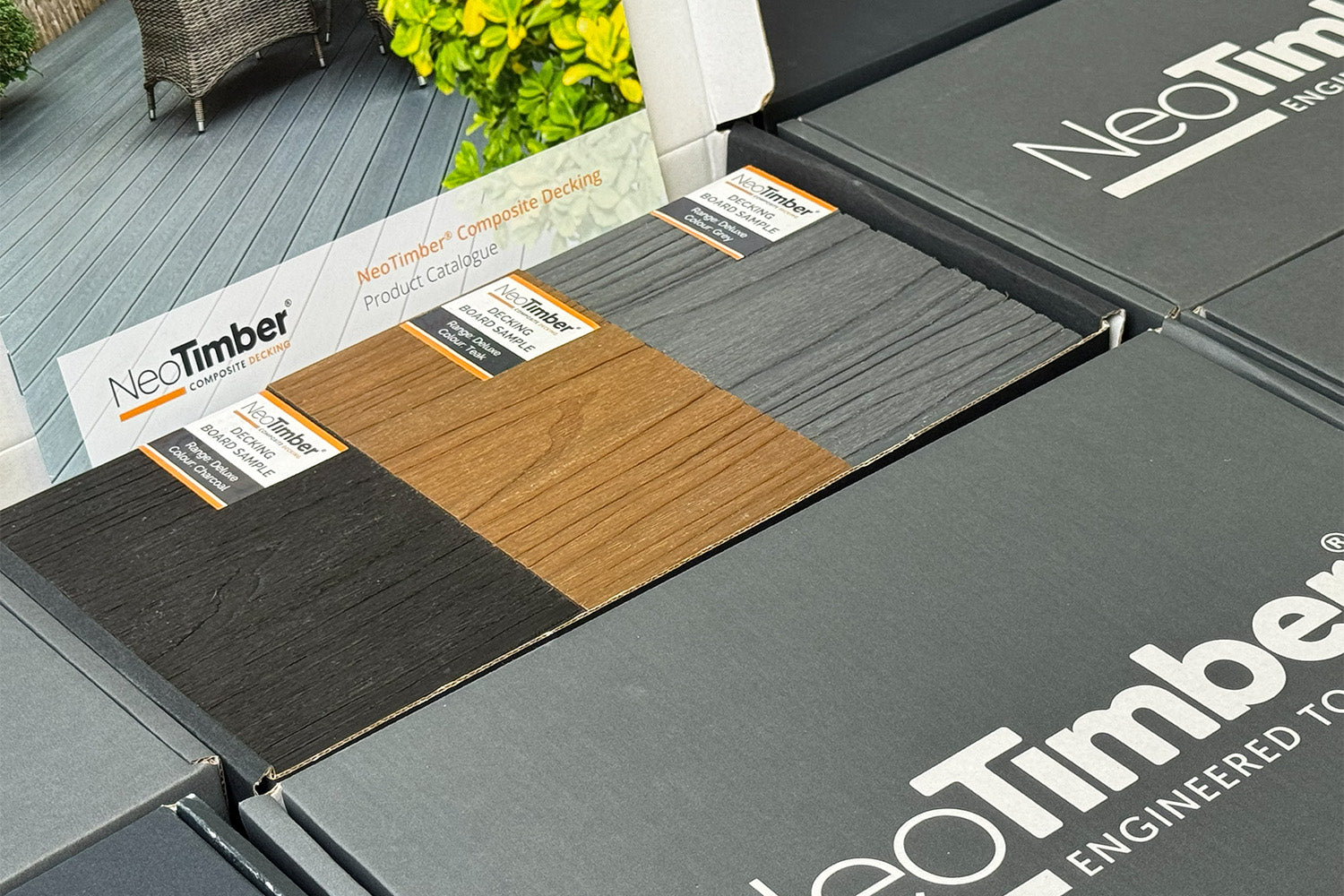
Compare samples beside the house and boundaries in different daylight conditions. Introduce brighter accents through cushions or pots if you want colour without competing permanent finishes. Our decking colour guide offers inspiration.

5. Choose Furniture by Its Working Footprint
Measure furniture while it is in use. A dining chair needs space to pull back, a recliner needs room to extend, and a storage bench needs clearance to open. Folding or stackable pieces can make a flexible arrangement easier.
Furniture with visible legs can make more of the surface remain in view. A bench along an edge may suit a narrow layout, but do not use deck boards as unsupported structural seating. Plan the frame and loads if you want a built-in feature.

6. Use a Simple Board Layout
A straightforward rectangular deck can give a small garden a clear anchor. Test board direction on a sketch and consider how it relates to the house and main walking route. Running boards across a narrow area may emphasise width visually, but the effect depends on the whole design.
Keep borders proportionate. A picture frame edge can define the deck, while elaborate patterns may add cutting and support requirements. Wall-to-wall fitting must still allow the specified clearances, ventilation and drainage.

7. Light the Routes You Actually Use
Prioritise doorways, steps and the route back to the house, then add softer lighting around the seating area. Too many bright fittings can make a small space feel visually busy and create glare.
Plan wiring before the deck is finished and use equipment suitable for outdoor conditions. Have electrical work carried out appropriately, with cables kept out of walking routes. Battery lanterns offer atmosphere without an open flame. Explore our deck lighting ideas for more options.

8. Create a Focal Point Without Blocking Access
Choose one feature to draw attention: a sculptural planter, a favourite seat, a climber or a view through to another part of the garden. A focal point gives the arrangement a purpose without requiring a large structure.
Position it where it can be enjoyed from the house and the deck. Avoid narrowing the only route through the garden. For small spaces, a planted feature or outdoor artwork can provide interest without introducing a heat source onto a combustible deck.

Keep the Small Details Practical
A compact deck still needs a suitable supporting frame. Finished height must account for the base, supports and boards, with the specified ventilation and drainage. Avoid raising the surface simply to imitate a photograph without checking thresholds, building details and any applicable permissions.
Follow the selected board’s installation guidance. Include extra supports for borders, joints and steps in the design. A small footprint does not remove the need for movement gaps and correct fixing positions.
Composite boards avoid routine staining or oiling to maintain a decorative timber finish, but they still need cleaning and inspection. Keep leaves and soil clear, deal with spills and avoid dragging furniture. Choose a layout that makes those tasks straightforward.
Small Decking Ideas on a Budget
Spend first on a suitable structure and a comfortable layout. A simpler shape, fewer changes in board direction and standard furniture can help control complexity. Compare full quotations rather than the board price alone.
Use our decking calculator for a starting materials estimate, then check it against a cutting plan. Include the frame, clips, trims, preparation, delivery and labour. Small projects can still have significant fixed costs, so avoid assuming that half the area means half the installed price.
Small Garden Decking FAQs
How much of a small garden should be decked?
Start with the space needed for your main activity and circulation. Leave room for the planting, drainage and other uses you value rather than choosing a fixed proportion.
Which decking colour makes a garden feel bigger?
A pale finish can give a lighter impression, while a darker finish can provide a quiet background. Consistent materials and a clear layout often matter as much as the shade.
Which direction should the boards run?
Compare both directions on a sketch. Consider the main view, walking route and board joints, then plan suitable supports for the chosen layout.
Can decking run right up to a wall?
The design must retain the required movement clearances, ventilation and drainage, and respect the building’s damp protection and threshold details. Follow the system guidance.
Is composite decking maintenance-free?
No. It still needs cleaning, debris removal and periodic checks. Our maintenance guide explains the care routine.
How can I compare colours before ordering?
Request free composite decking samples and place them beside your paving, walls and furniture outdoors.
Turn Your Favourite Idea Into a Usable Layout
Choose the features that support how you will spend time outside. A measured seating area, a coherent palette and planting with a clear purpose can make a modest deck feel considered and welcoming. Contact the NeoTimber® team for product advice, or find an installer to discuss the build.