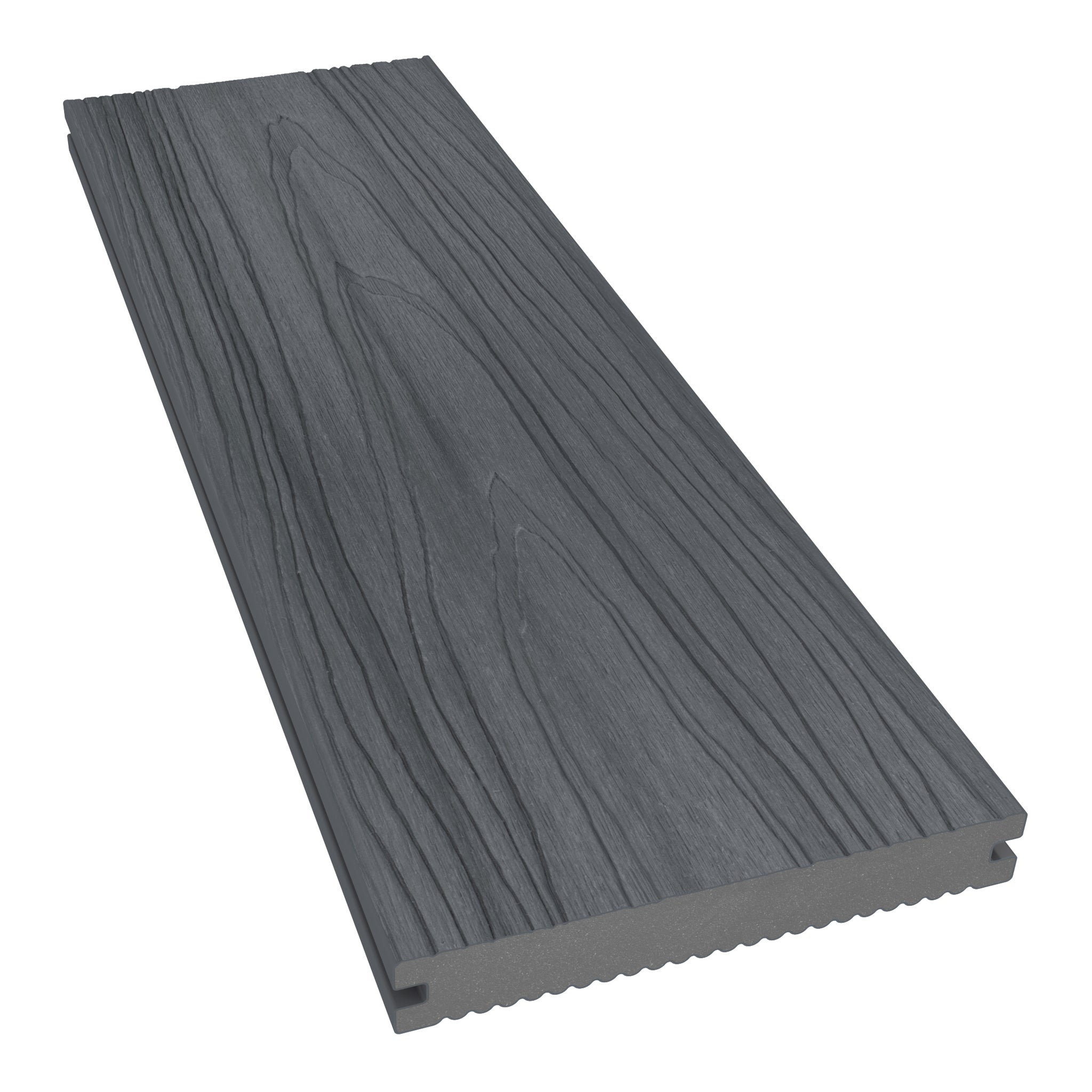
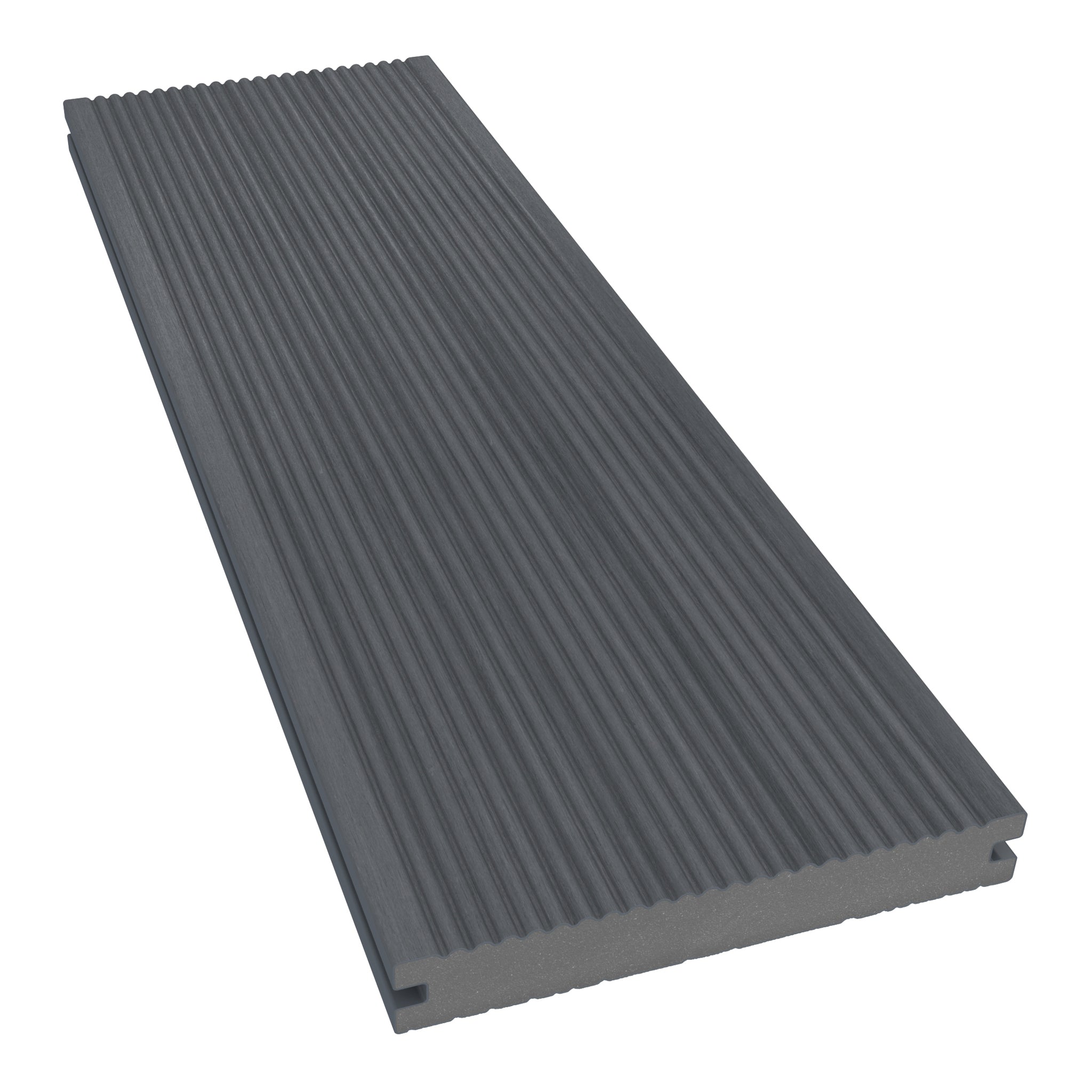
Create Definition and Rhythm With Different Deck Board Widths
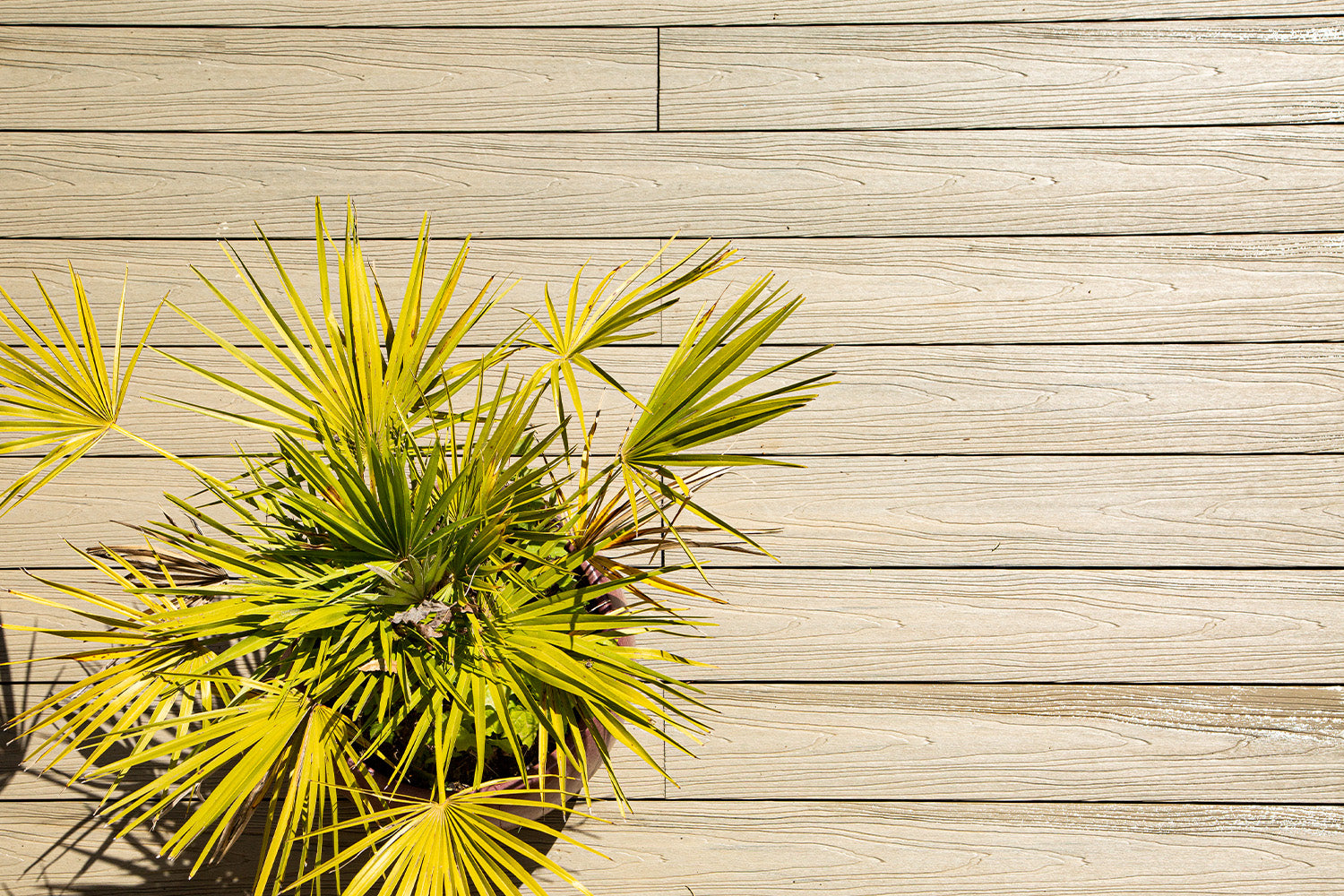
Wide deck boards and narrow deck boards change the visual rhythm of a deck. Broader boards create larger areas between joints, while slimmer boards introduce more frequent lines. Combine compatible widths thoughtfully and you can define borders, emphasise a direction or give a simple layout a more individual finish.
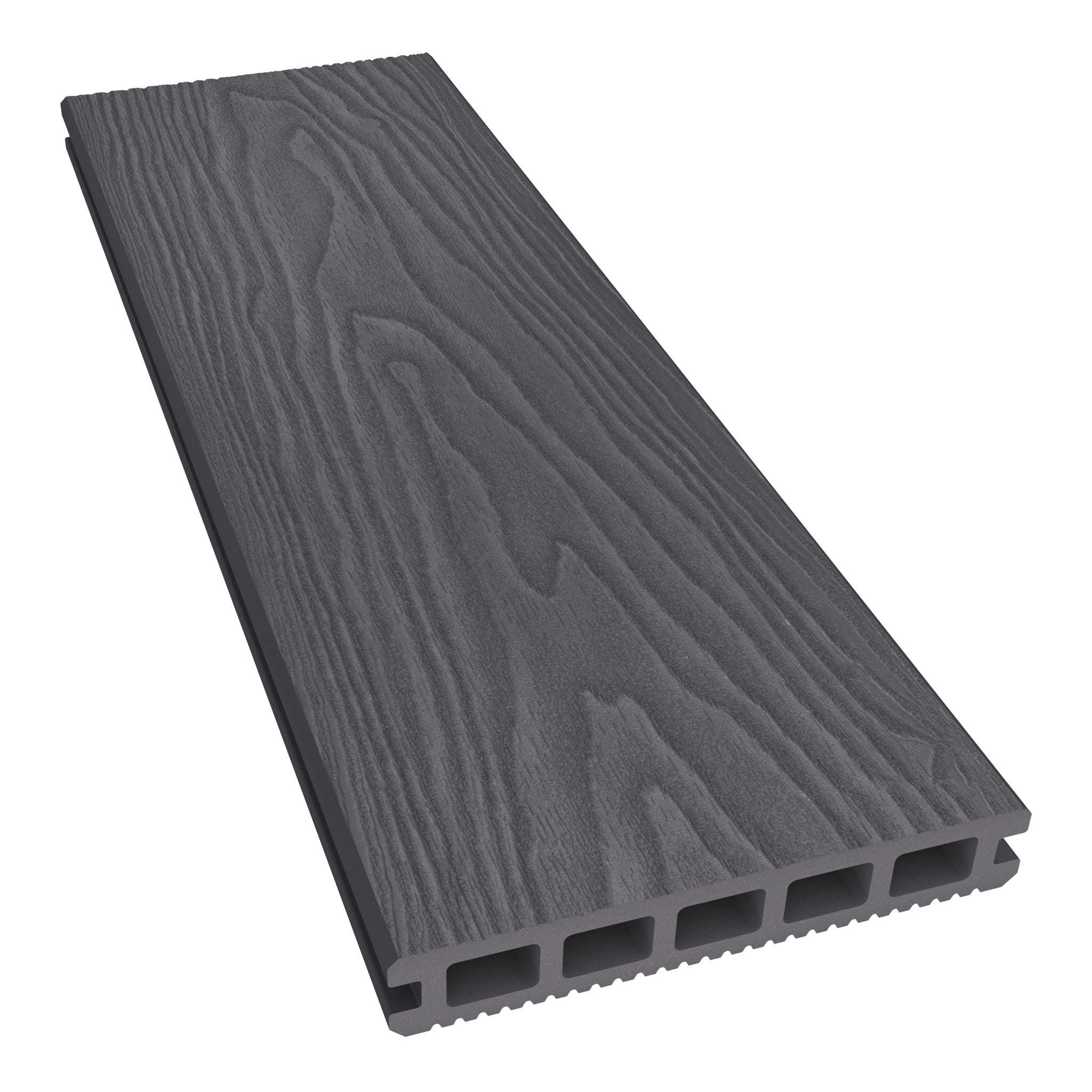
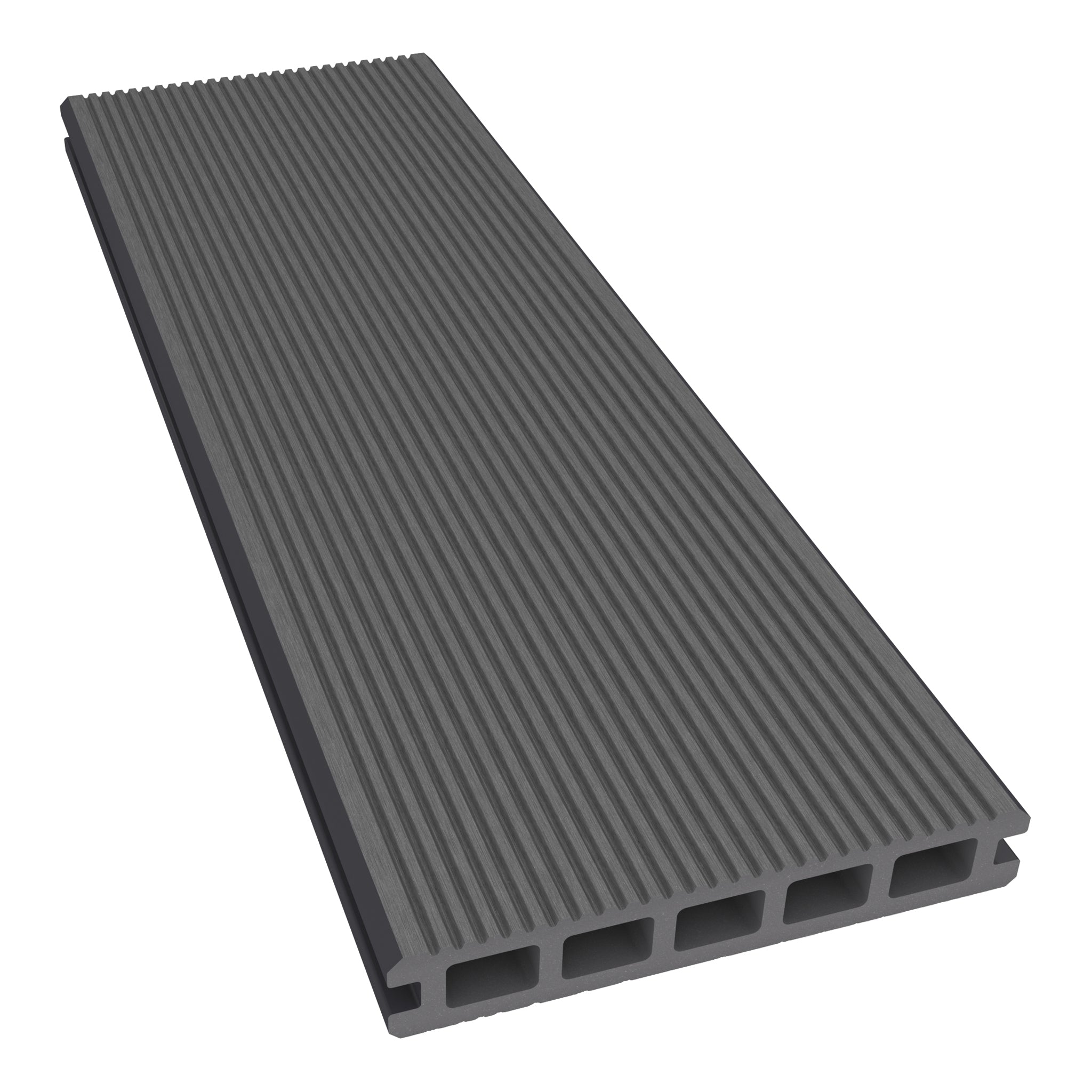
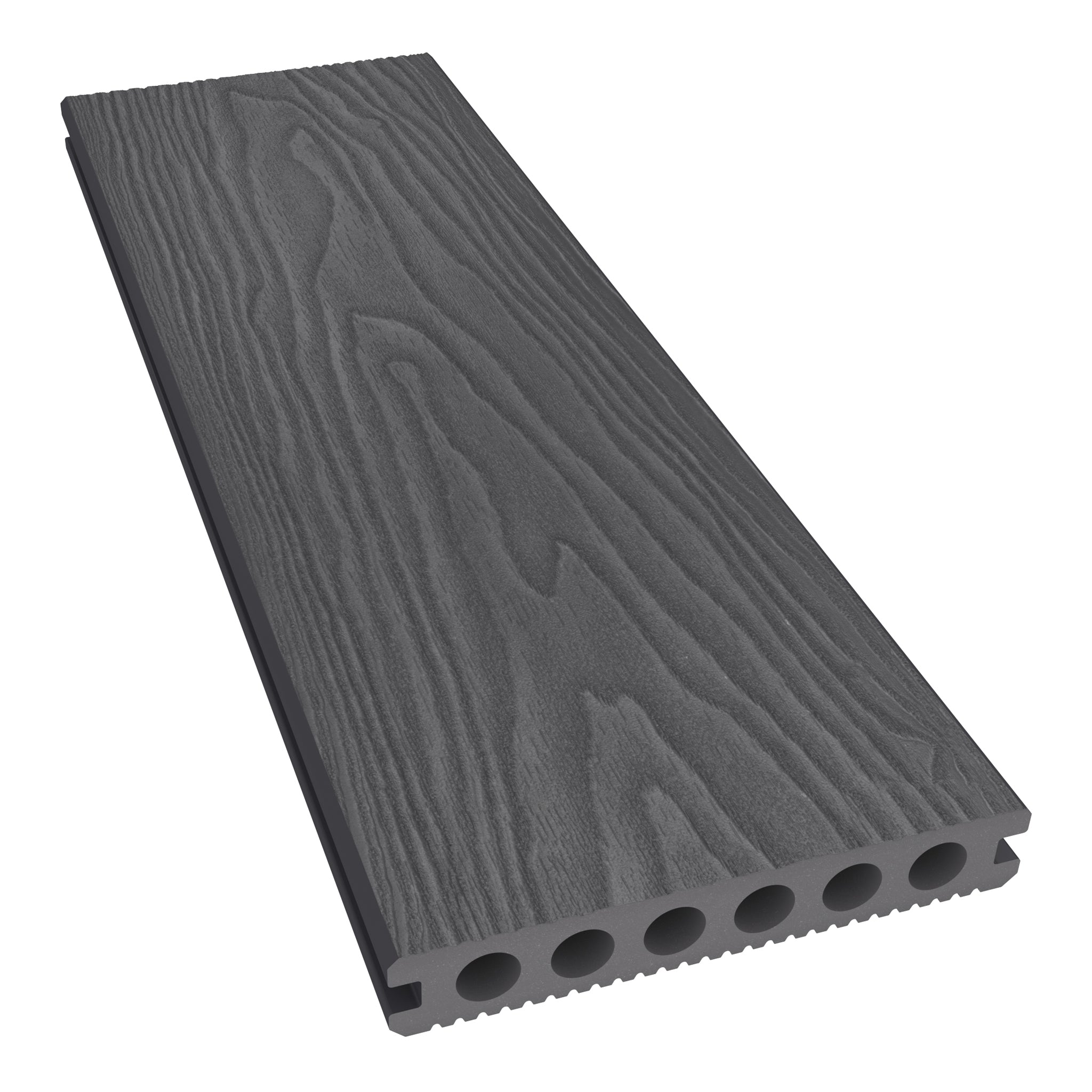
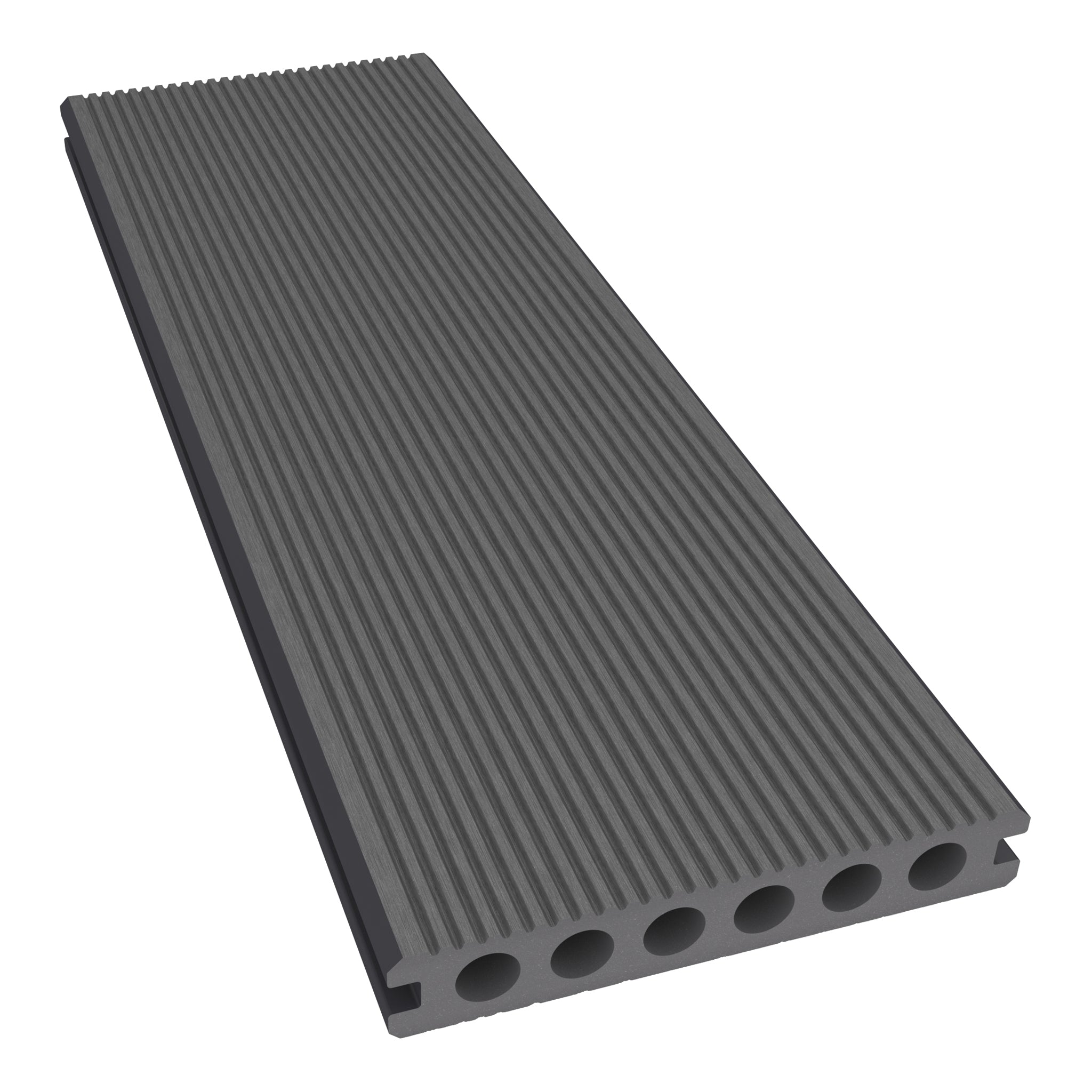
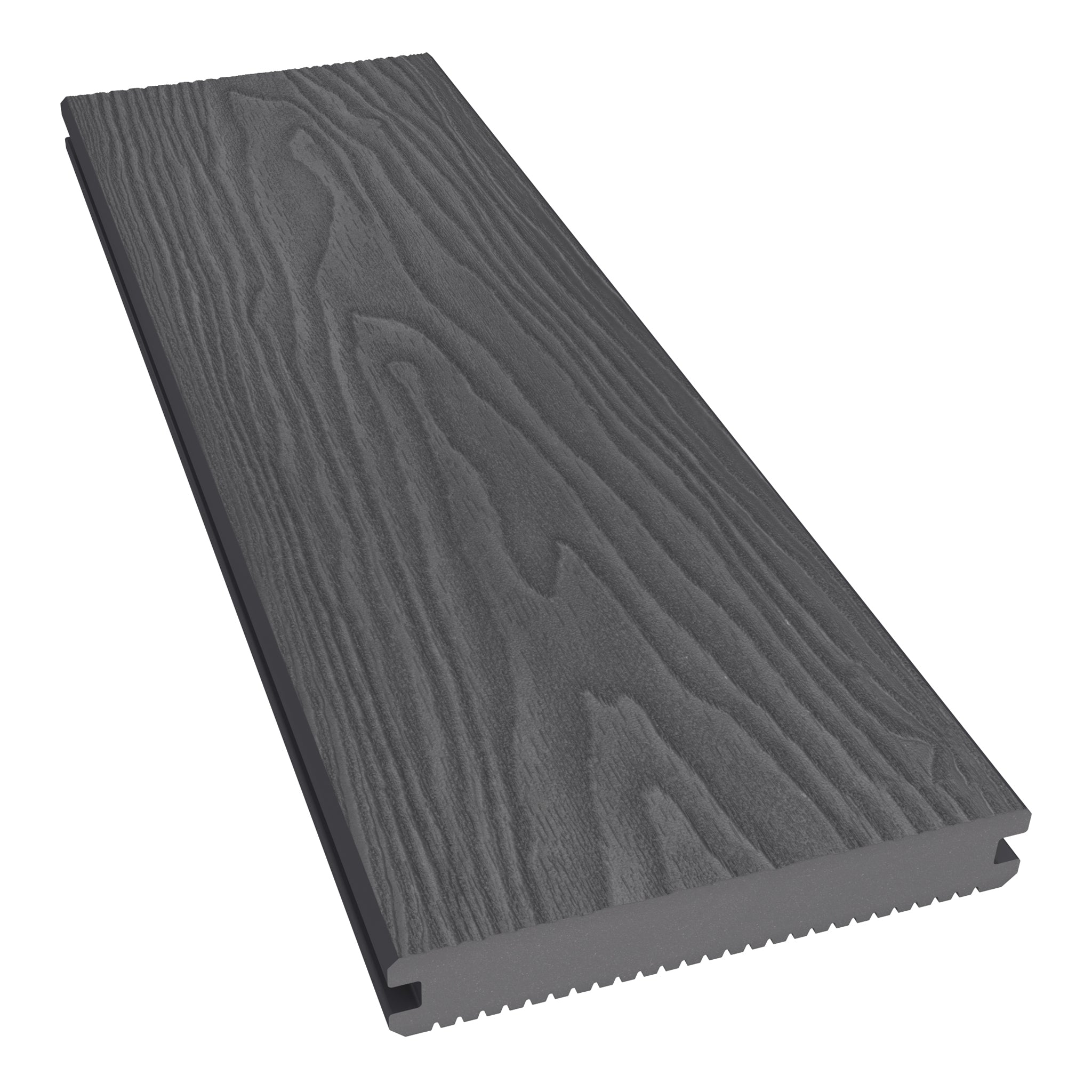
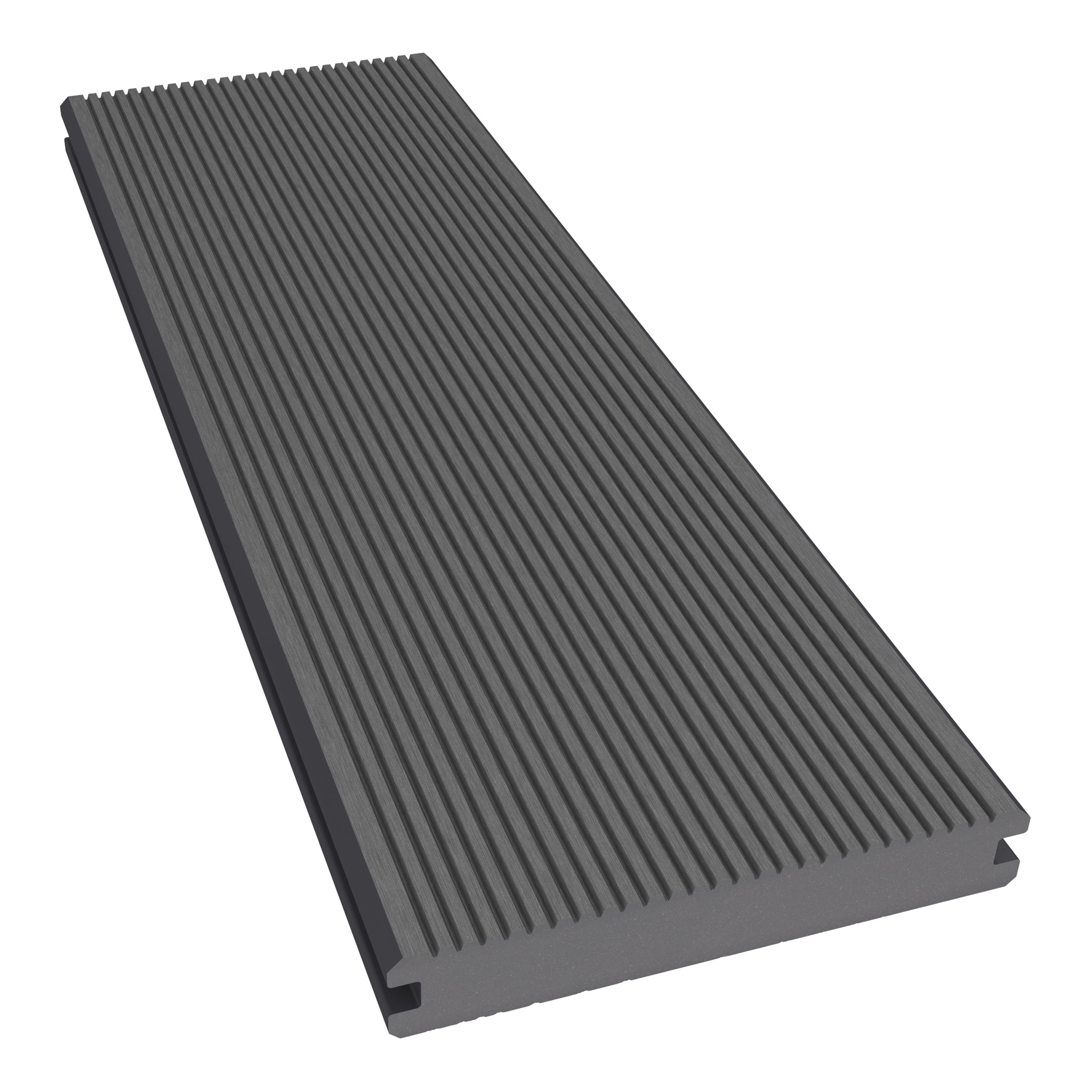
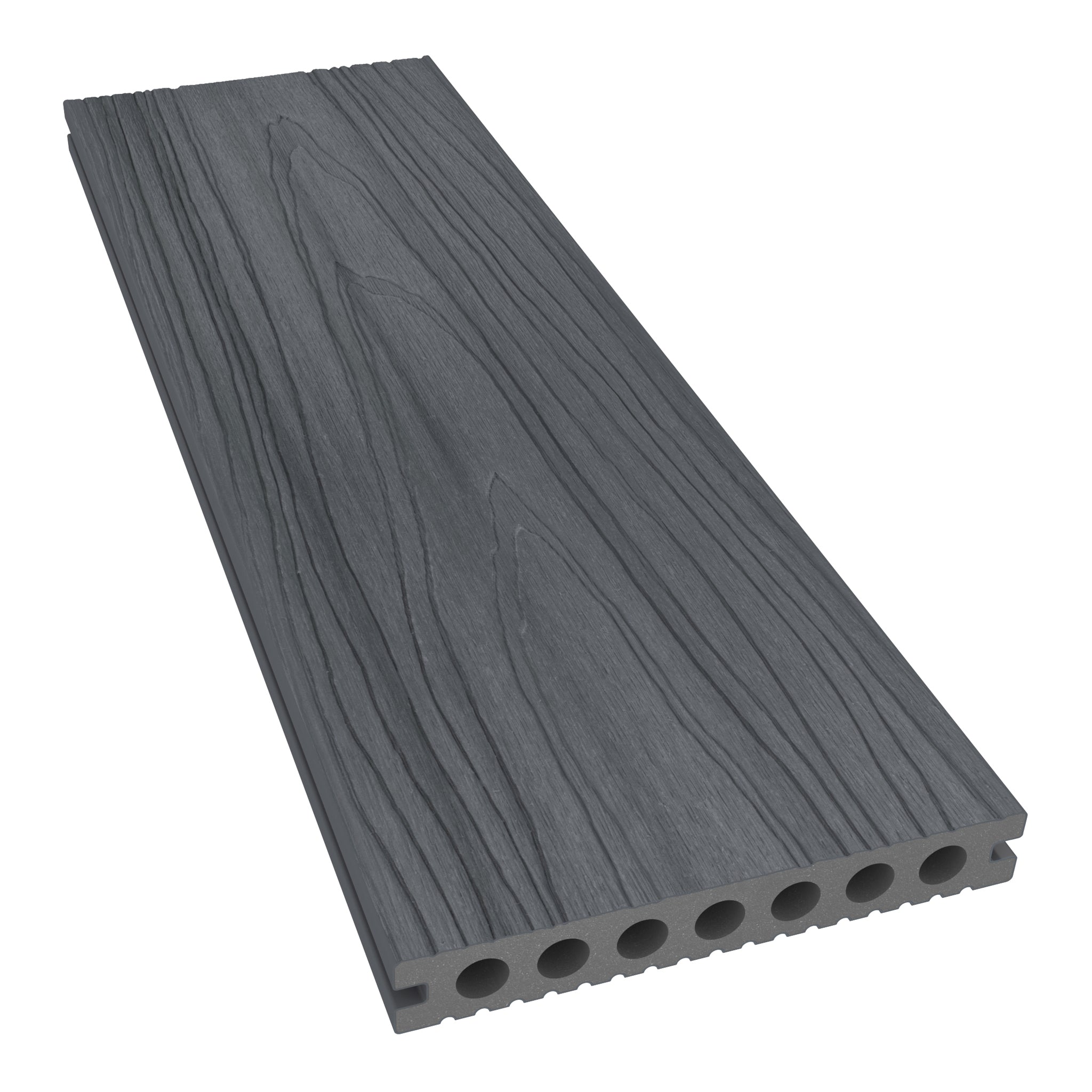
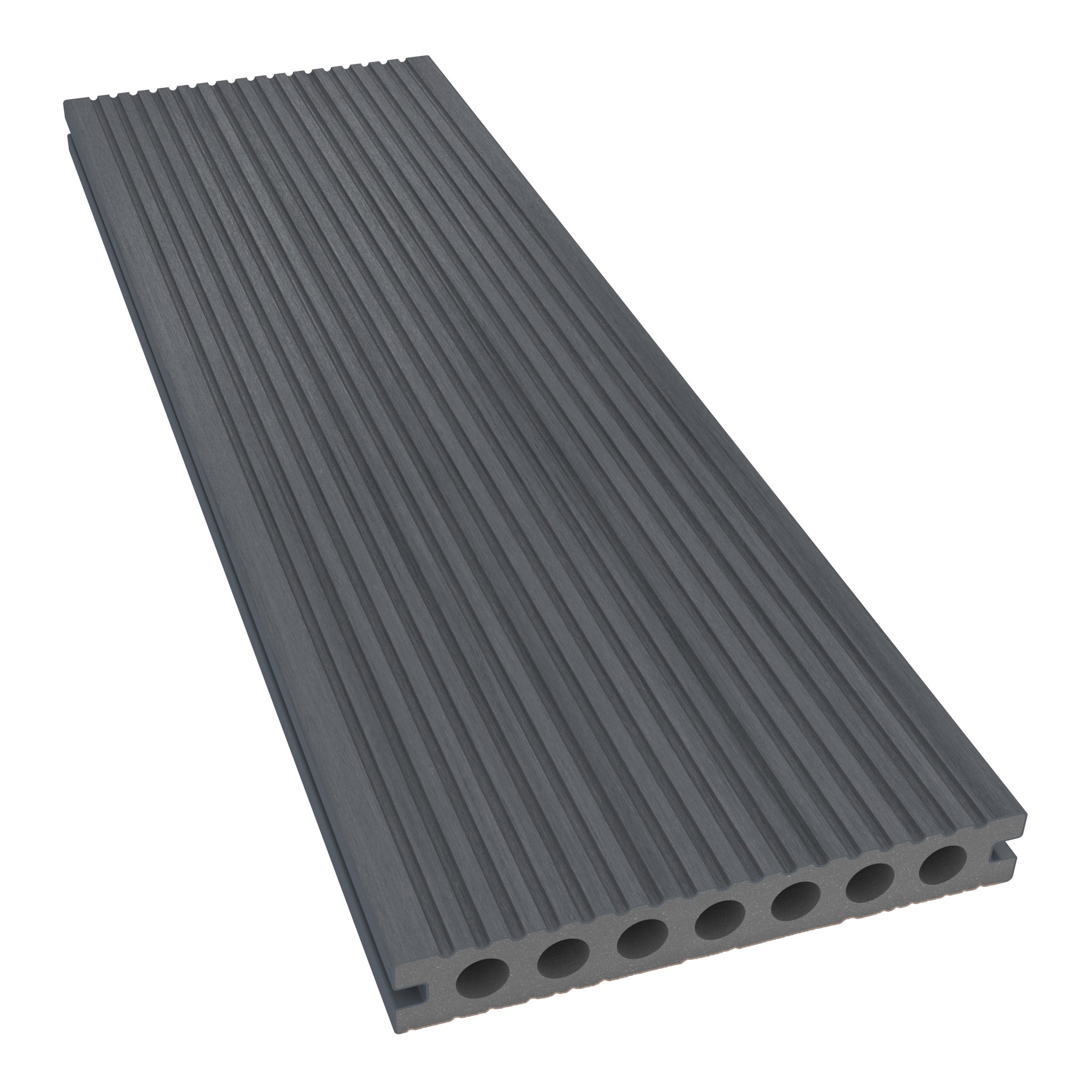
NeoTimber® offers 200mm Deluxe Wide boards and 90mm Deluxe Narrow boards. Both are capped composite products with reversible grooved and woodgrain faces. This guide explores where each works visually and what to plan before mixing them.
Explore our decking options for an overview, or compare the wider composite decking range alongside your layout.
In this guide: Compare widths · Wide boards · Narrow boards · Mixed-width ideas · Colours and textures · Planning checks · FAQs
Wide vs Narrow Deck Boards: What Changes?
The clearest difference is proportion. Choosing a width changes how many board lines cross the surface and how prominent those lines feel beside furniture, planting and the house.
Compare NeoTimber’s Deluxe Wide and Narrow boards:
| Detail | Deluxe Wide | Deluxe Narrow |
|---|---|---|
| Board width | 200mm | 90mm |
| Thickness and length | 21.5mm × 3.6m | 21.5mm × 3.6m |
| Construction | Capped solid composite | Capped solid composite |
| Surface choice | Reversible grooved and woodgrain faces | Reversible grooved and woodgrain faces |
| Design opportunities | Broad runs, substantial borders and mixed-width patterns | Slim accents, finer borders and mixed-width patterns |
Check the current product specifications before ordering. Standard-width boards elsewhere in the range can have different dimensions, so do not assume that every board has the same thickness or connection detail.
When to Choose Wide Deck Boards
Wide deck boards can suit a design where you want the surface to read as broad runs rather than a dense series of lines. They work particularly well as part of a restrained scheme with a limited palette and clearly defined furniture areas.
For the same covered width, wider boards generally require fewer parallel rows than narrower boards. That can change the appearance and component quantities, but it does not automatically mean a cheaper or faster installation. Board price, handling, support, cuts and the chosen pattern still matter.
Use a layout drawing to test the effect. On a small terrace, a broad board can create a bold surface; on a larger deck, it can give continuity across an open area. Neither effect depends on a rule that wide boards belong only in large gardens.
When to Choose Narrow Deck Boards
Narrow deck boards create a finer pattern of lines. They can provide a deliberate contrast with broader boards or form the main surface where a more detailed rhythm suits the design.
A slim border can frame the deck without becoming its dominant feature. Narrow boards can also pick out a divider between two seating areas, provided the frame supports the change in direction and the joints.
Do not confuse a narrow deck board with decorative fascia or trim. A board intended for a walking surface and a thin finishing component have different roles. Select the correct product for the detail.

Three Ways to Combine Wide and Narrow Boards
1. Alternate wide and narrow rows
Repeat one wide row followed by one narrow row for a regular, balanced pattern. Using the same colour lets width provide the interest without competing colour changes. Sketch the sequence across the full deck so the final row does not become an awkward afterthought.
2. Frame a broad-board centre with a slim border
A narrow picture-frame border can define the perimeter of a wider-board field. Plan corners, joints and additional supports before the main joist layout is fixed.
3. Use a different width to define a zone
A divider or border can distinguish a dining area from a seating space while keeping the overall surface coordinated. It creates a visual boundary rather than a physical barrier. Keep the walking surface even and avoid introducing unsupported joints.
For more inspiration, explore composite decking laying patterns. Keep the width sequence simple enough to remain legible once furniture and planting are in place.
Coordinate Colours and Surface Textures
The Deluxe Wide and Narrow products currently offer Grey, Teak, Chocolate, Charcoal, Antique, Ash White, Oak and Silver Birch. Check availability for the chosen combination before committing to the layout.
A single colour can make the change in width feel subtle. A contrasting border draws more attention to the outline. Either approach can work; compare the boards with permanent materials such as brick, paving and window frames using our decking colour guide.

Both profiles offer grooved and woodgrain faces. Choose the visible texture as part of the design, but do not assume grooves automatically provide superior wet grip. Slip performance depends on the product, test conditions and surface condition; regular cleaning remains important.
View samples outdoors and check how adjoining boards look together. For a closer look at surface options, watch the NeoTimber® Deluxe decking video.
Plan the Installation Before Ordering
Mixing widths requires a clear layout and compatible components. Confirm the following with the current installation guidance:
- Matching thickness, fixing-groove detail and compatible clips.
- Required support centres for each board and laying direction.
- Support beneath board ends, borders and divider joints.
- Movement gaps and clearance from fixed structures.
- Board quantities, cut lengths and finishing components.
Do not cut a standard board lengthways simply to imitate a narrower profile. Doing so can remove a fixing groove or expose material not intended for that detail. Use the purpose-made board or obtain approval for the proposed alteration.

Compare costs by the complete layout, rather than the price per board alone. A mixed-width design needs a checked cutting plan and an appropriate allowance for offcuts. Confirm whether any calculator estimate accounts for your particular pattern.
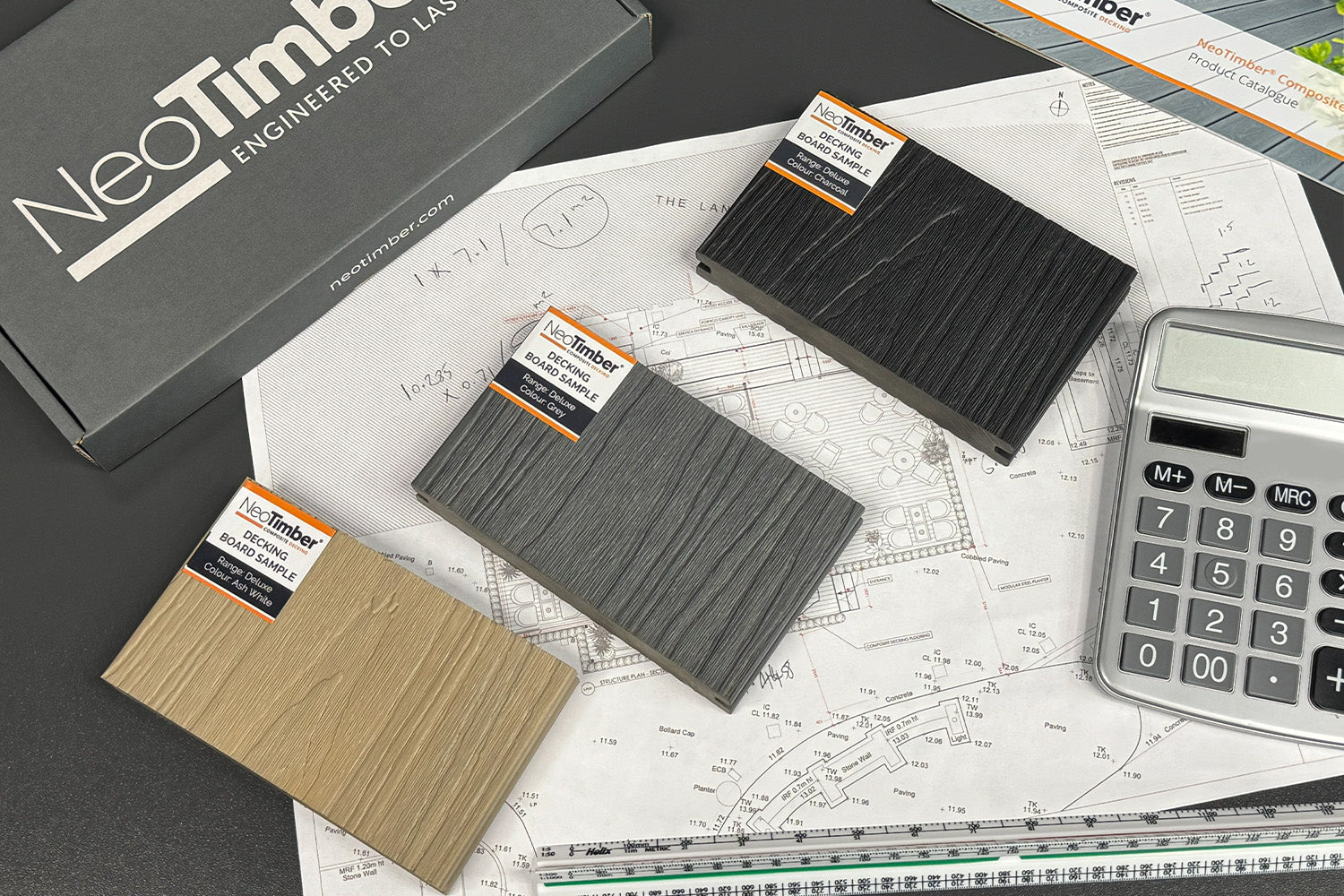
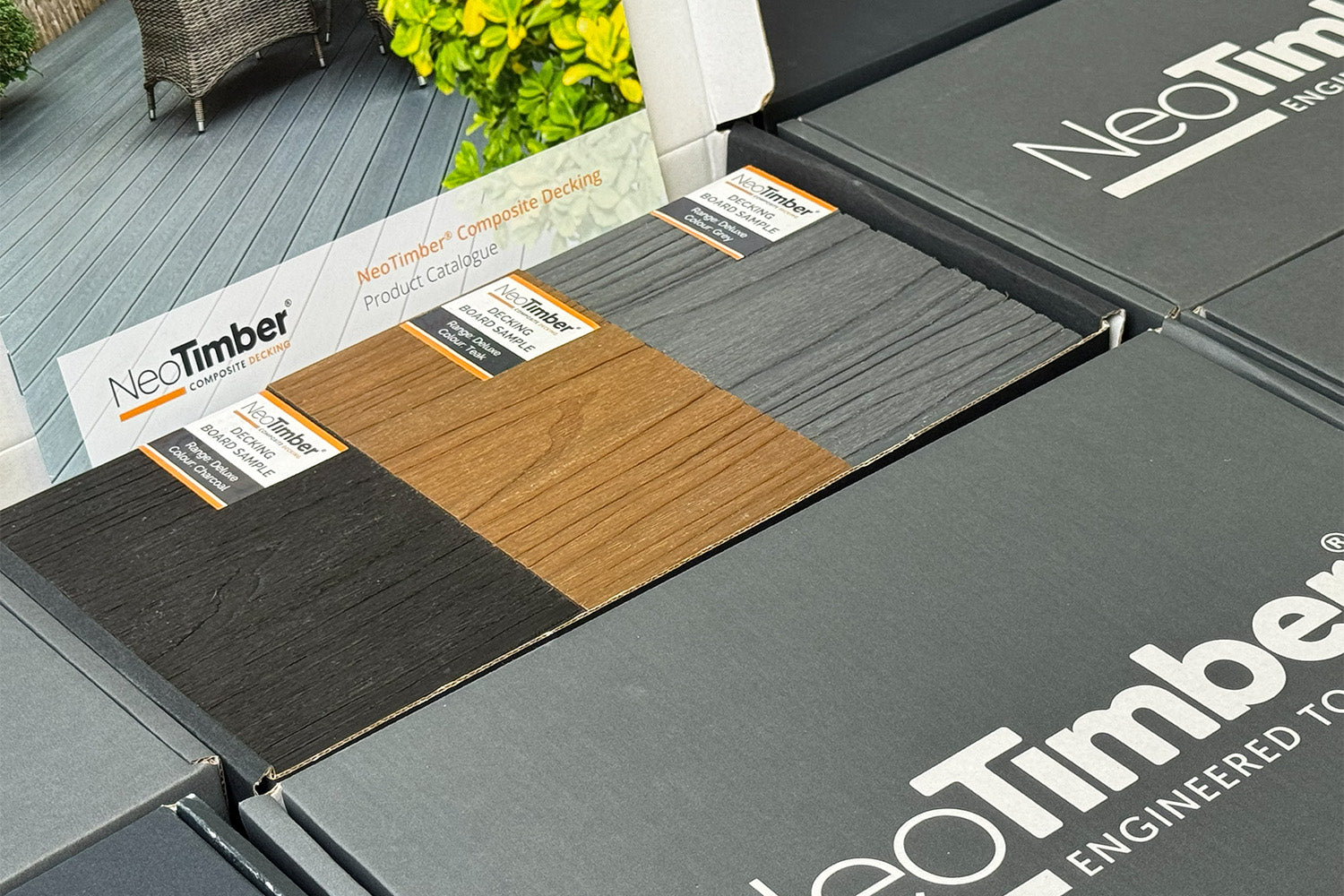
Ready to compare? View the Deluxe Wide deck boards and Deluxe Narrow deck boards, request decking samples or contact NeoTimber® with your proposed layout.
Frequently Asked Questions
How wide are NeoTimber’s wide deck boards?
Deluxe Wide boards are 200mm wide, 21.5mm thick and 3.6m long. Check the current product information before ordering.
How wide are the narrow deck boards?
Deluxe Narrow boards are 90mm wide, with the same stated 21.5mm thickness and 3.6m length as the Wide profile.
Can I mix wide deck boards and narrow deck boards?
Yes, the Deluxe profiles offer mixed-width design opportunities. Check the complete fixing and support arrangement, especially when adding other board profiles.
Are wide deck boards cheaper per square metre?
Not necessarily. Compare coverage, board prices, fixings, cuts and installation requirements for the same layout.
Are narrow boards better for small decks?
They offer a finer pattern, but either width can work. Test the proportions against the footprint and furniture rather than choosing on size alone.
Can narrow boards be used for picture framing?
They can form a border where the specified installation detail is suitable. Provide the necessary support and plan the corners and joints before building the frame.