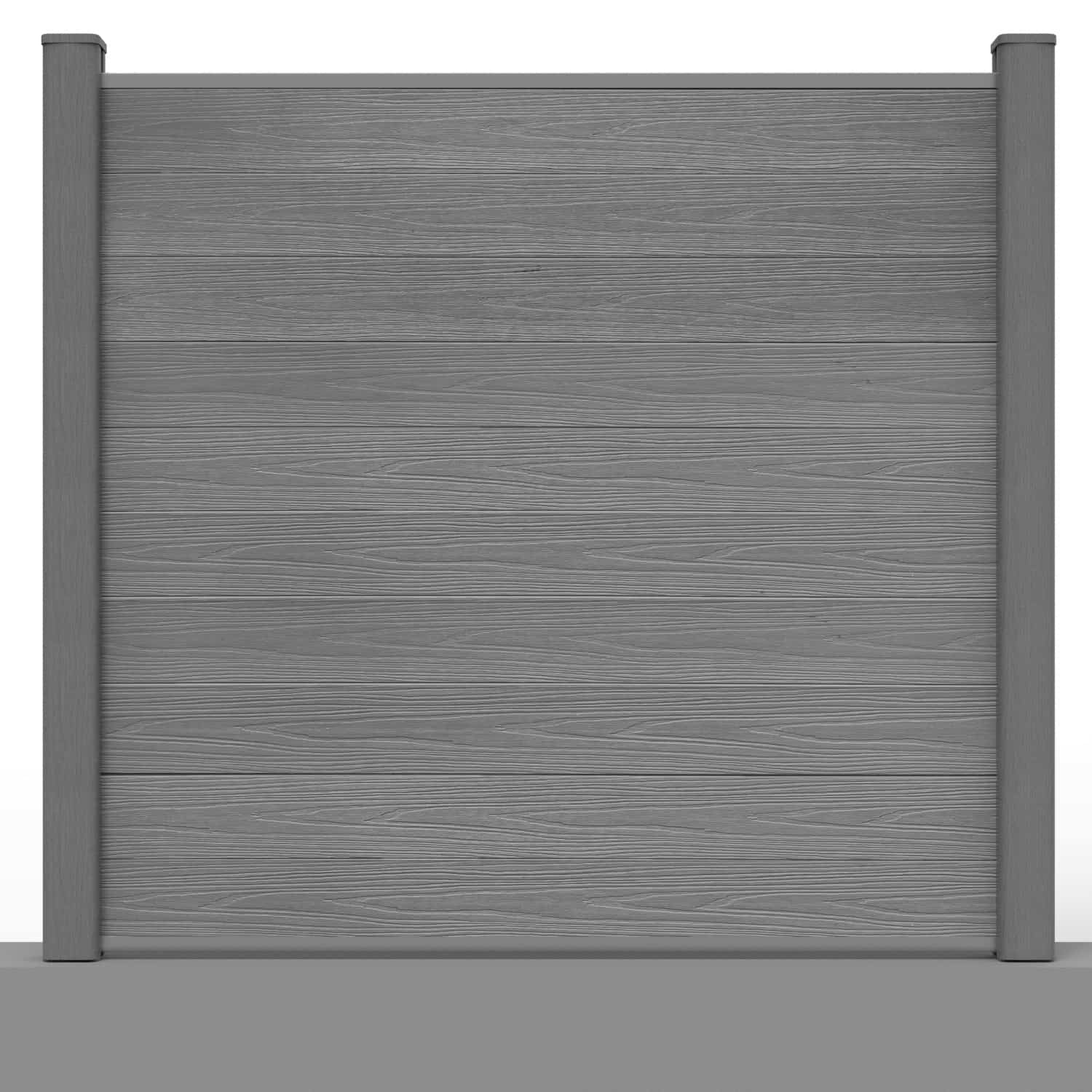
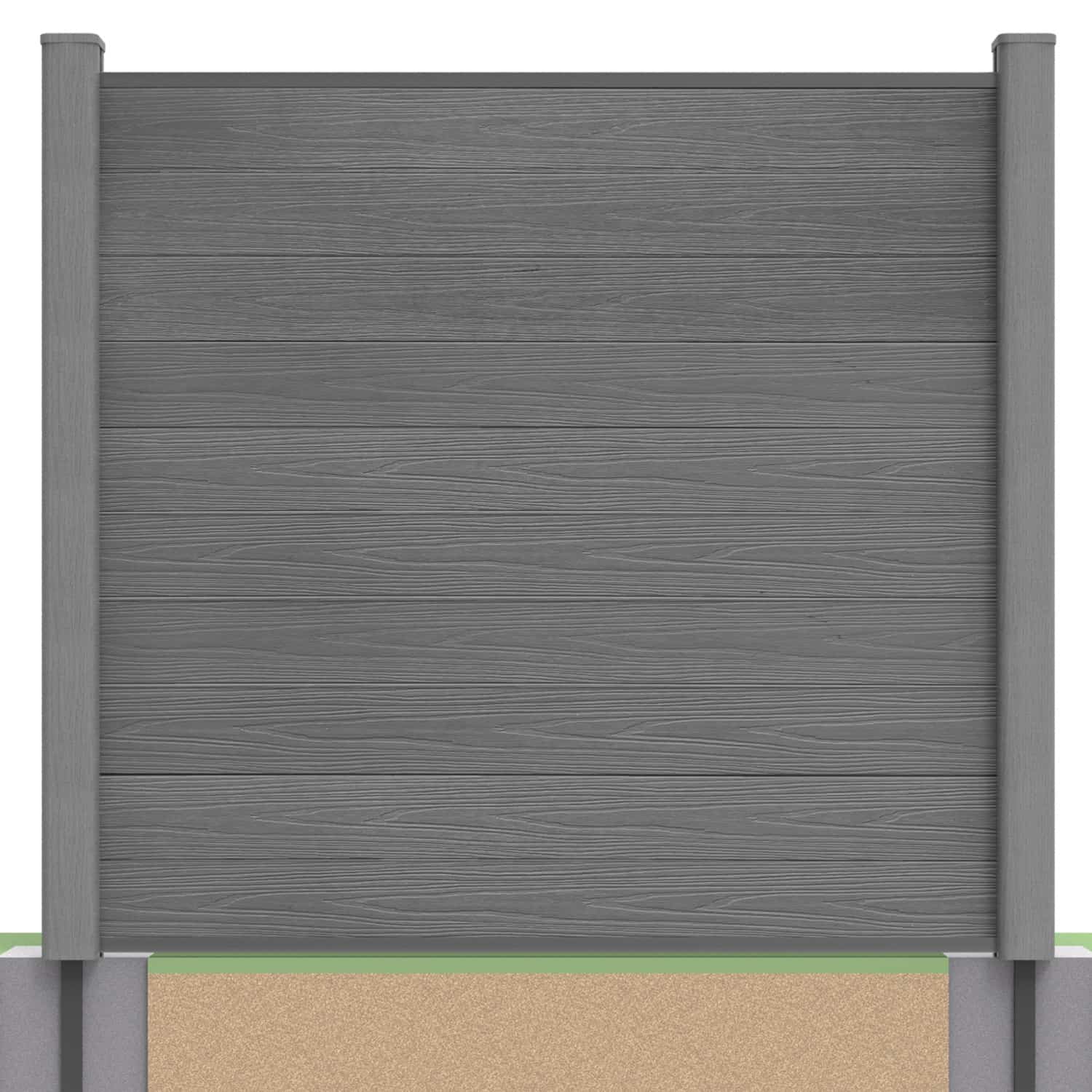
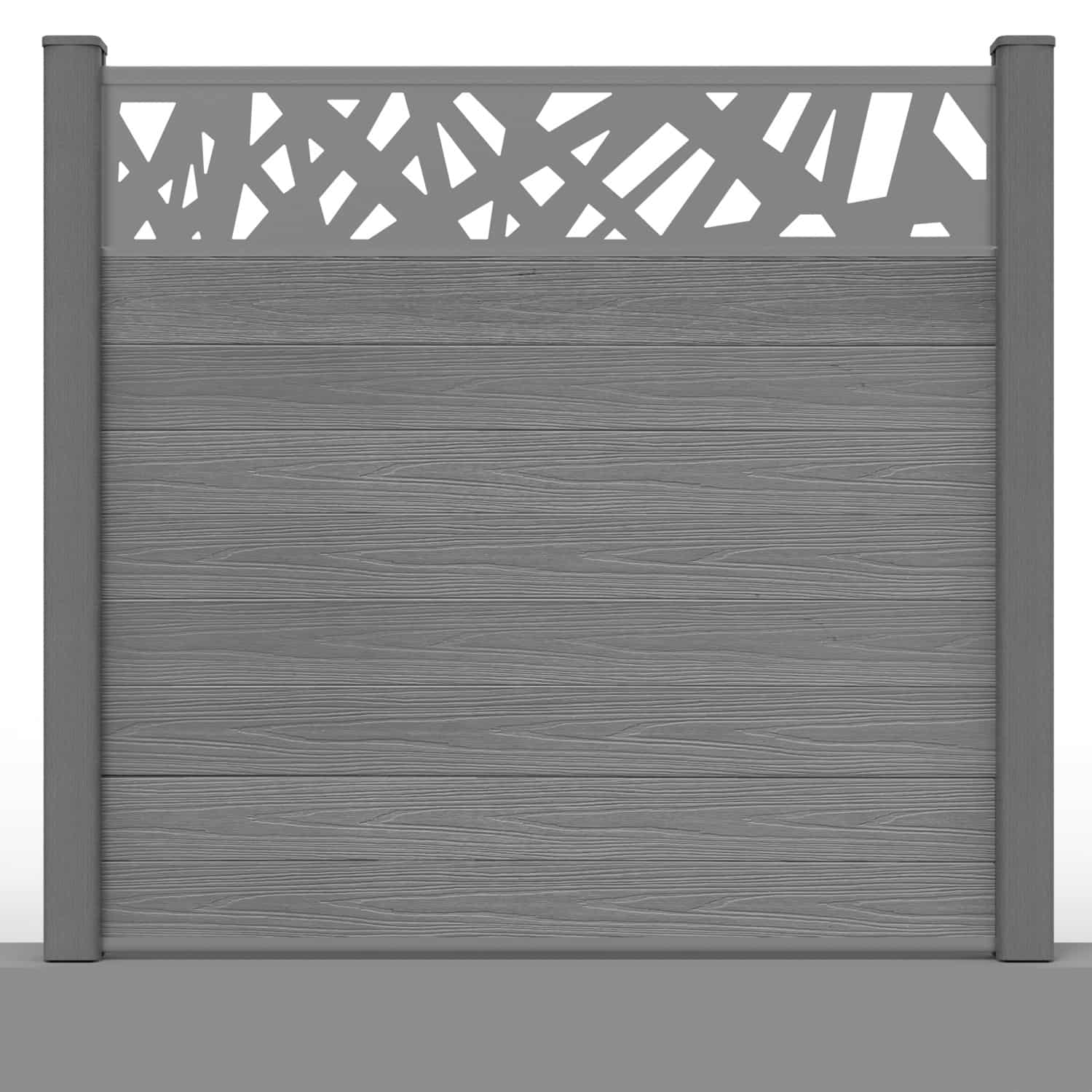
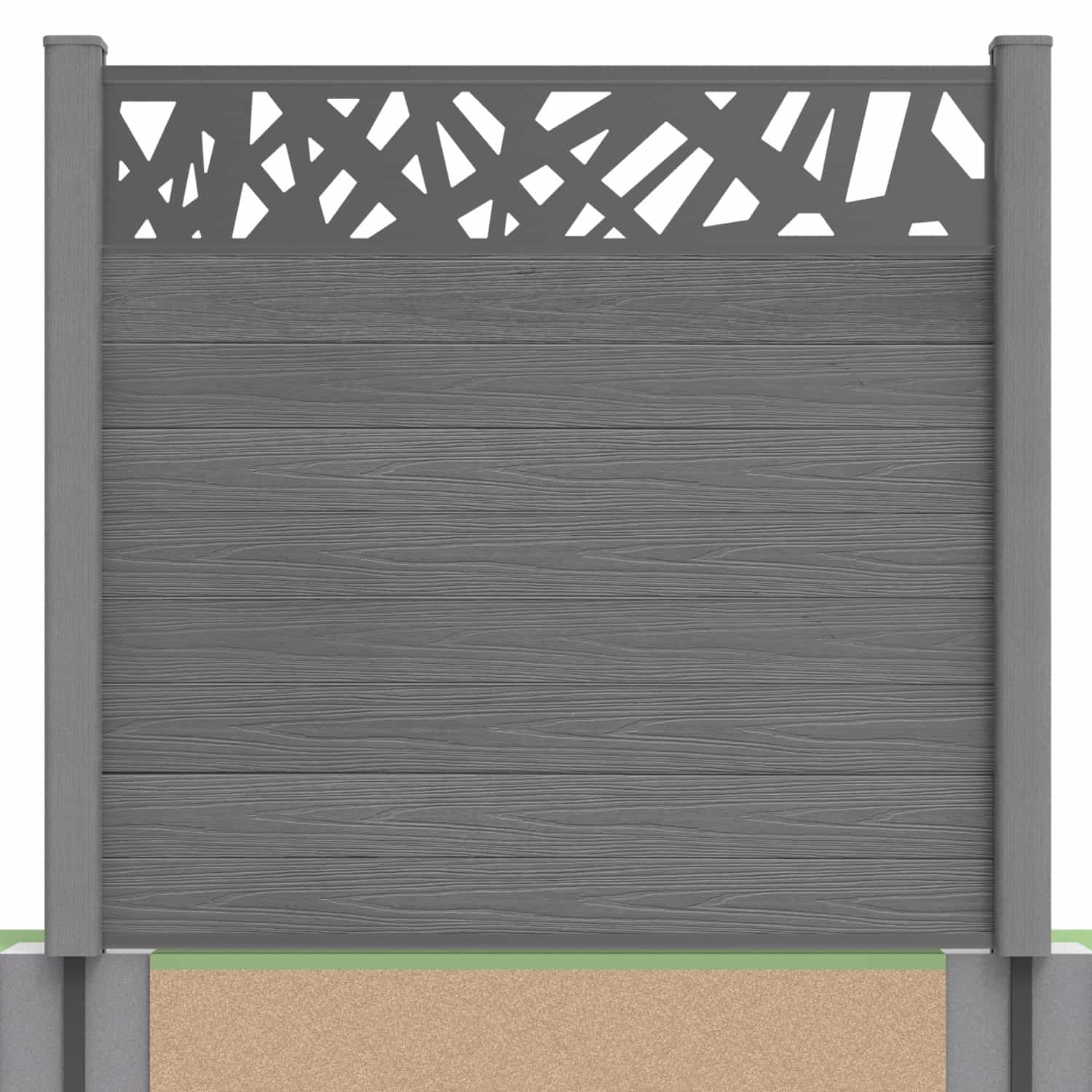
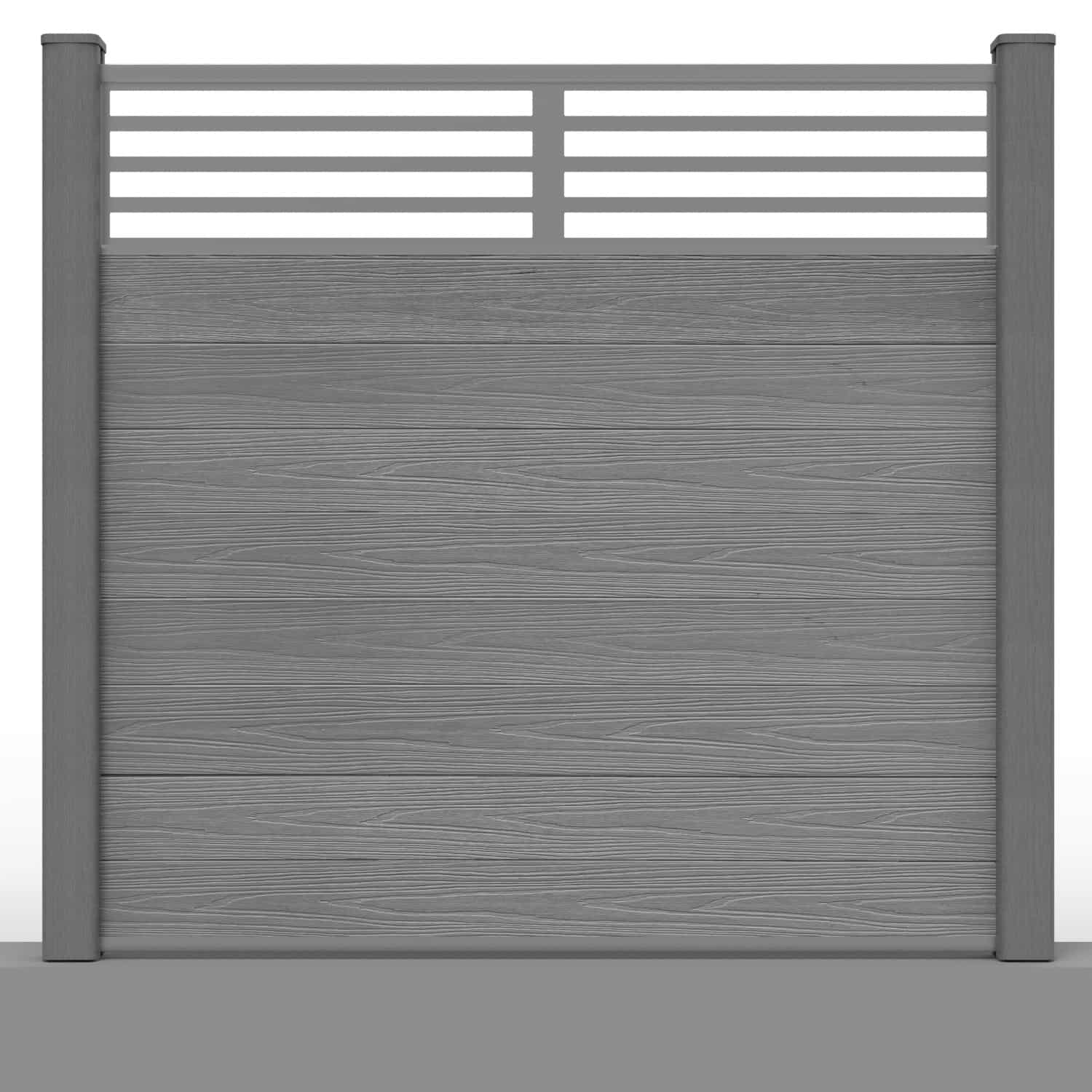
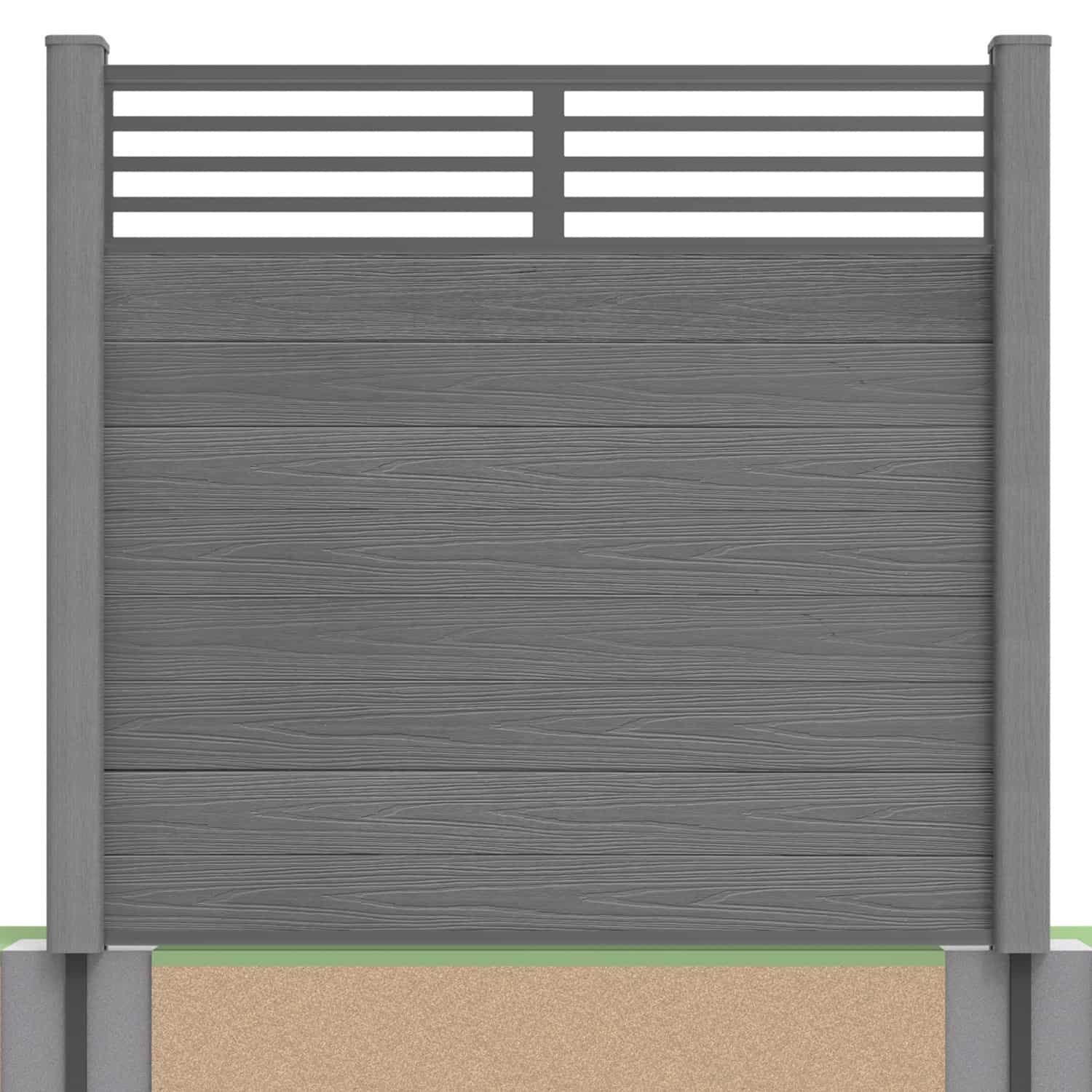
Bring Warmth to Your Garden With a Rich Chocolate Boundary
Brown composite fencing brings a warm, timber-inspired backdrop to planting, paving and outdoor seating. NeoTimber’s Chocolate colour offers a deep brown option for homeowners who like the character of a dark timber finish but want to avoid routine painting and staining.
Available in Deluxe and Slatted styles, the shade can suit both traditional gardens and contemporary spaces. This guide explores the textures, colour combinations and practical checks that help you choose a boundary you will enjoy.
Start with our fencing guide for an introduction to the system, or browse the composite fencing collection to explore the available components.
Explore: The chocolate finish · Image gallery · Board styles · Garden combinations · Planning and care · FAQs
Is Chocolate the Right Brown for Your Garden?
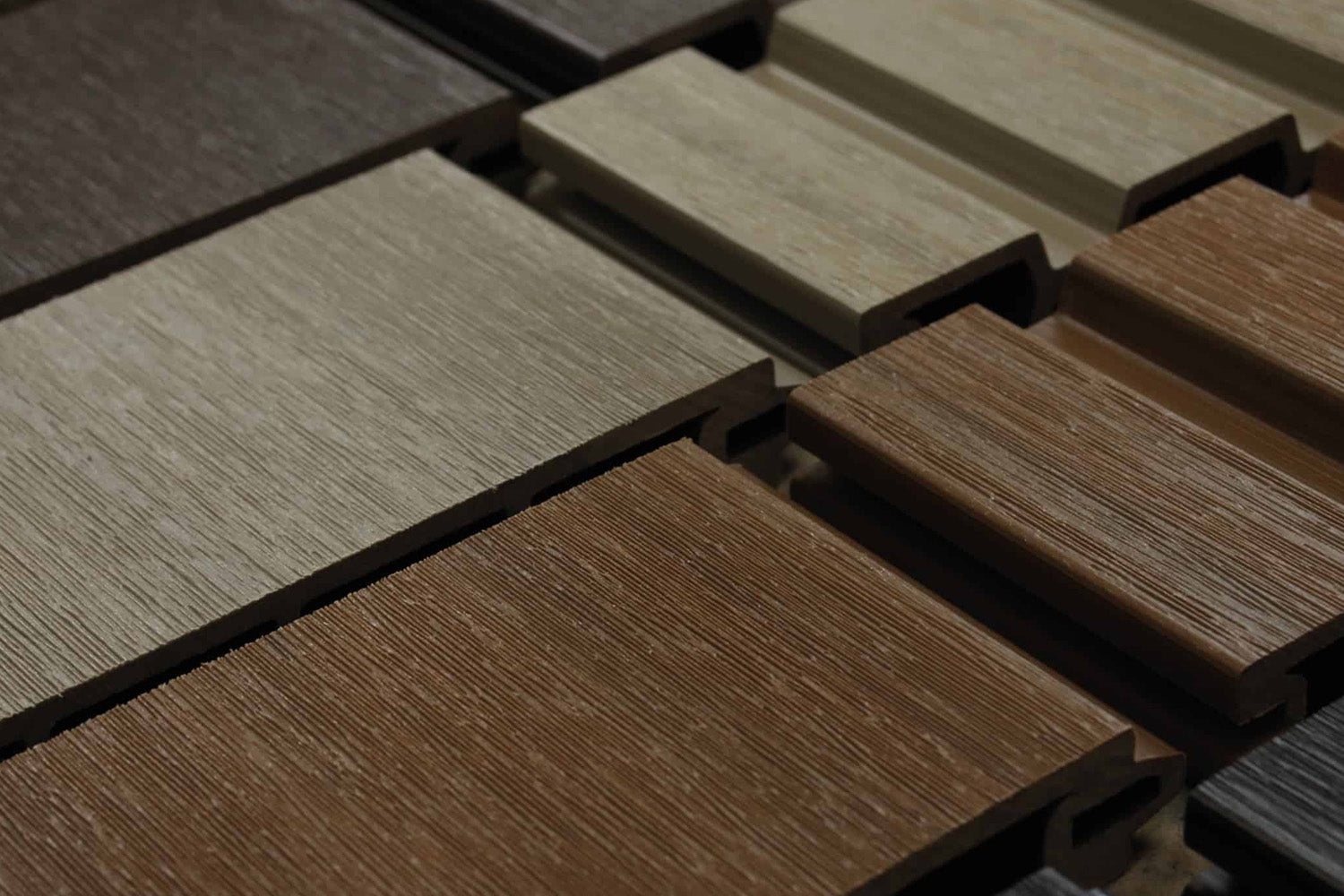
Chocolate is NeoTimber’s named dark brown finish. Its tonal detail adds interest to the surface, providing an alternative to the flatter appearance of a painted boundary. If you are looking for a dark brown composite fence, start by comparing this shade with the materials already in your garden.
Colour names are a useful guide, but they cannot show precisely how a full fence will look in your light. A shaded side passage may make the same sample appear deeper than it does beside a sunny patio. Texture, surrounding colours and viewing distance also influence the result.
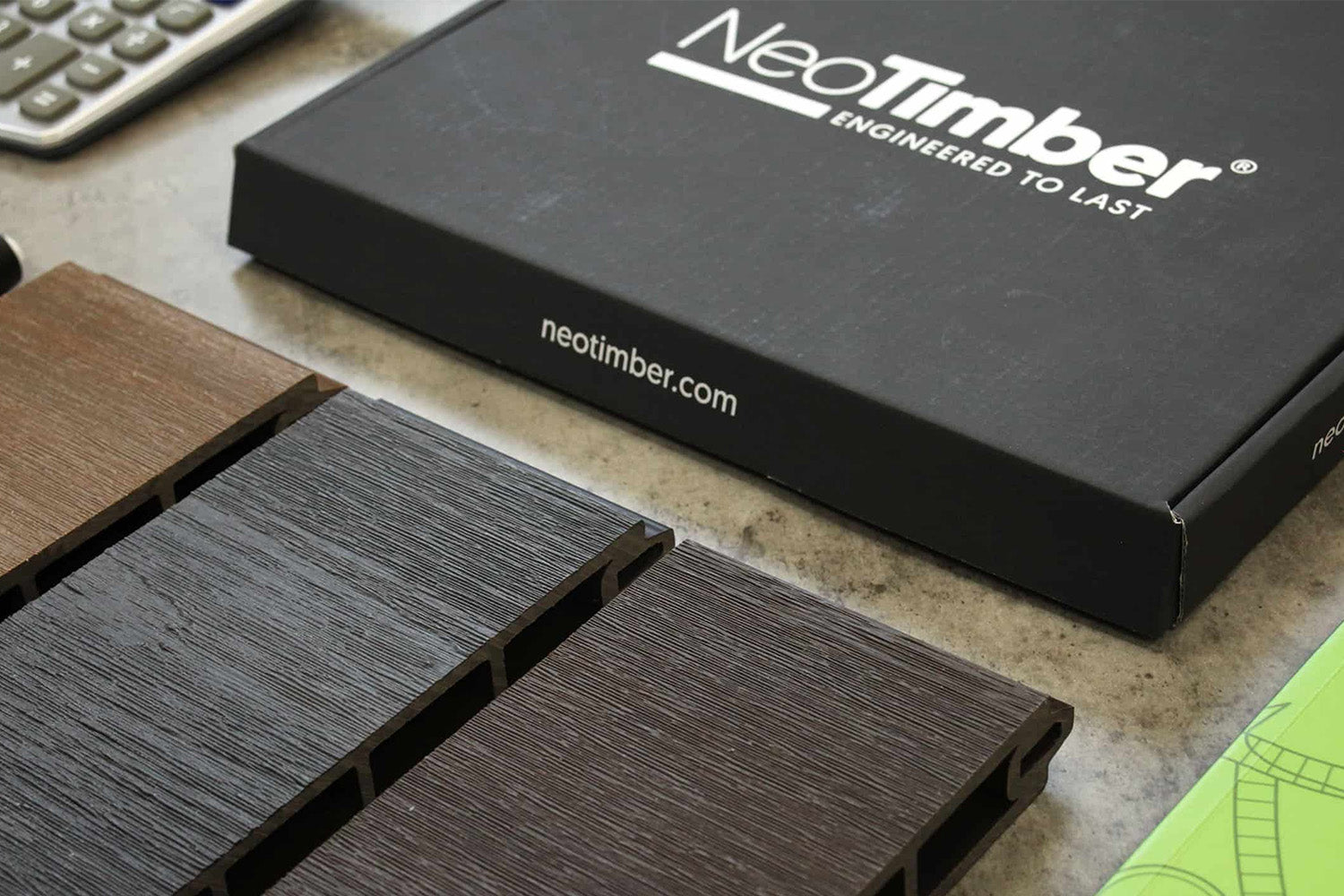
Request free fencing samples and view them upright outdoors. Compare them against the paving, brickwork and furniture you intend to keep, ideally at more than one time of day.
Chocolate Composite Fencing Image Gallery
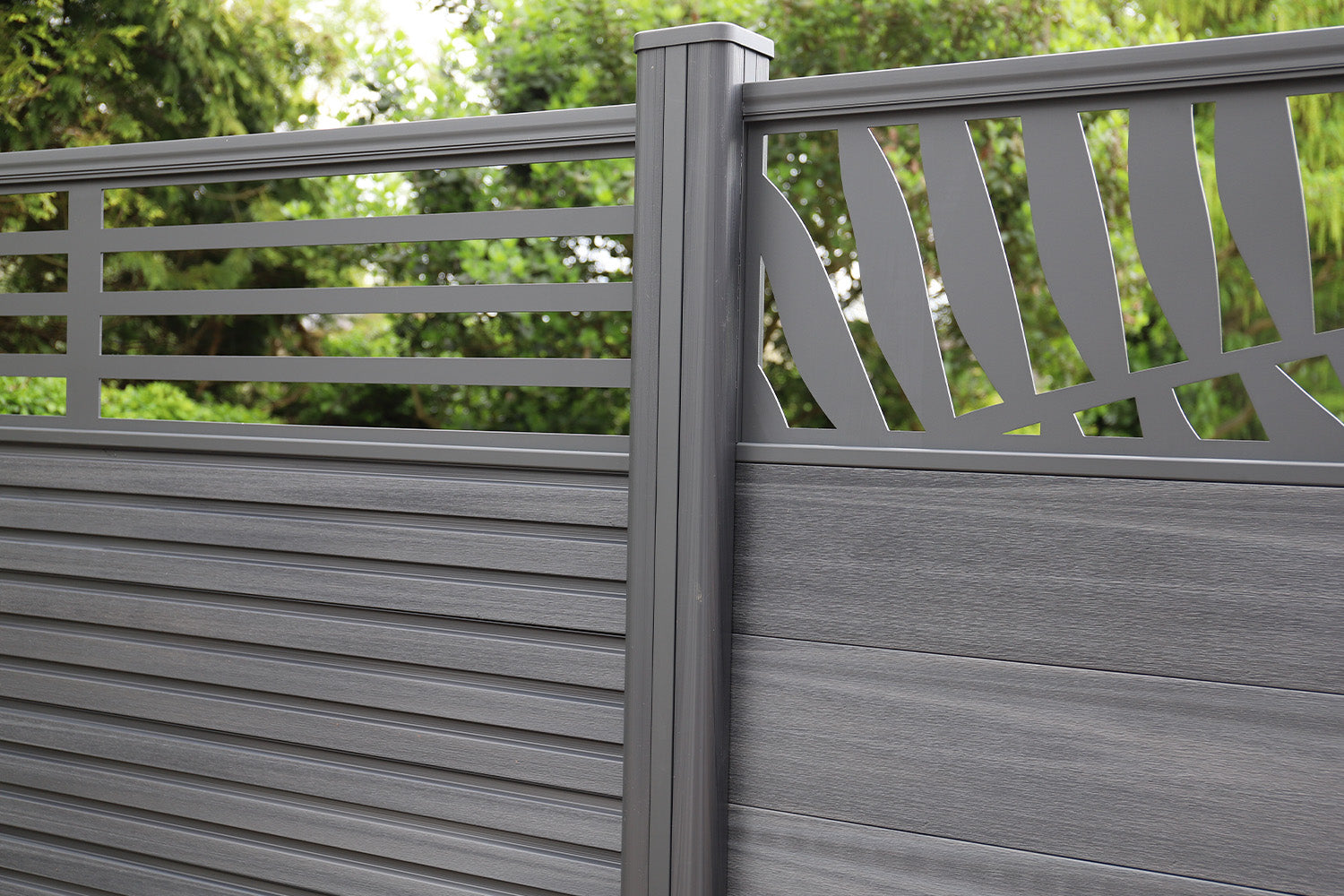
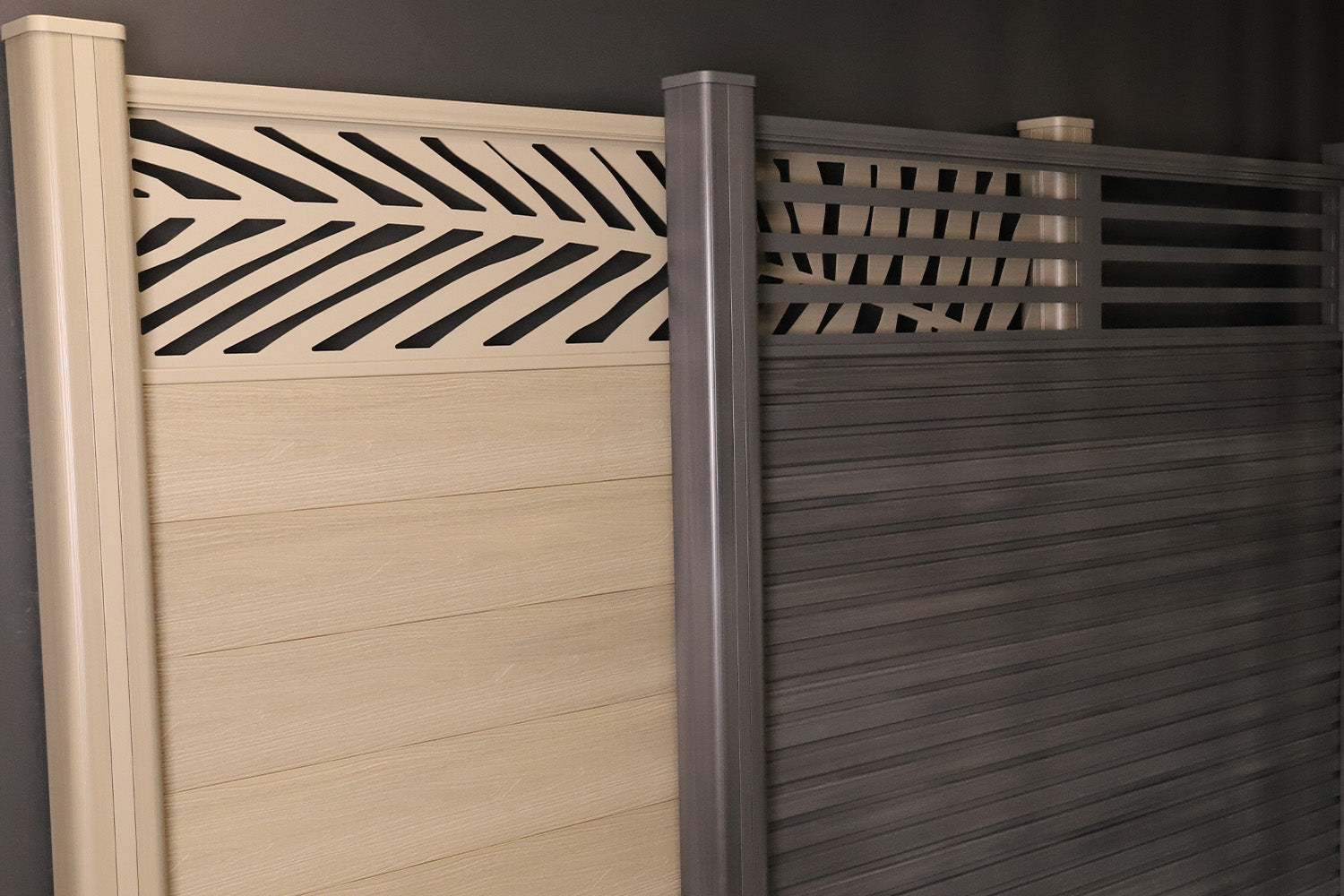
See how the colour works in completed projects. Look at the whole composition: panel height, post finish, planting and the relationship between the boundary and seating areas. These details can help you adapt an idea to your own layout.
For more inspiration, explore the fencing image gallery. Photographs are useful for shortlisting a style; physical samples remain the better way to assess the finish beside your own materials.
Choose Between Deluxe and Slatted Boards
Deluxe Chocolate Fencing
The Deluxe range offers an embossed woodgrain face and a brushed face. The woodgrain brings timber-inspired detail, while the brushed surface creates a different texture within the same rich palette.
Its dual-tone appearance combines the brown base with darker streaks. Consider which face you want visible from your main seating area, and how the reverse will look from the other side of the boundary.

Slatted Chocolate Fencing
The Slatted range provides a pronounced linear profile. The repeated detail adds depth and shadow, offering a contemporary way to use a warm, natural-looking shade.
A slatted-style surface does not automatically mean an open screen. Check the assembled panel construction if privacy, airflow or visibility is important to your design.

| Style | Visual effect | What to compare |
|---|---|---|
| Deluxe | Woodgrain or brushed face | Preferred texture and orientation across the fence run |
| Slatted | Defined linear profile | Pattern and shadow alongside the surrounding garden design |
What Goes With a Brown Composite Fence?
Green Planting and Pale Flowers
A chocolate composite fence can provide contrast behind fresh foliage and pale flowers. Repeated groups of plants help soften a long boundary, while pots offer a flexible way to introduce seasonal colour beside a patio.
Allow space to clean and inspect the fence. Use suitable independent support for substantial climbers unless the fencing system has been specifically approved for the additional loads.
Light Paving and Warm Brick
Pale paving can create a clear contrast between the ground surface and the darker boundary. Cream, beige and warm grey materials are combinations worth testing with a sample. With brickwork, compare the fence against both the brick and mortar colours to judge the overall balance.
Rather than introducing several new finishes at once, repeat a small number of colours through furniture, pots and other garden details. This helps a strong boundary colour sit comfortably within the wider scheme.
Timber-Inspired Decking and Cladding
Warm tones can work together without needing to match exactly. For example, compare Chocolate with teak composite decking or teak composite cladding for a layered palette.
For wider options, explore the decking guide and composite decking collection, or the cladding guide and composite cladding collection. Compare samples together because different profiles and textures affect how colours appear.
Plan the Complete Boundary
Once you have shortlisted the finish, record the proposed height, boundary length, corners, slopes and gate openings. A colour choice is only one part of the specification: posts, supports and foundations need to suit the site too.
- Confirm the selected range, colour and board face before ordering.
- Check the contents of each panel set and account for additional supports and accessories.
- Assess existing posts and foundations before planning a retrofit.
- Allow for delivery, removal of the old fence and installation labour.
- Follow the composite fencing installation guidance for the exact system.
Dark brown composite fencing does not have different structural requirements simply because of its shade. Confirm the proposed height, exposure and support arrangement with your supplier or installer. Matching gates and decorative details should be included in the layout from the start.
Keep Care Expectations Realistic
NeoTimber’s capped boards have a protective surface designed to improve fade and stain resistance. Their supplied finish avoids routine painting or staining, but the fence still needs cleaning and periodic inspection.
Follow the fencing maintenance guide. Outdoor deposits and normal weathering can affect appearance, so fade resistance should not be read as a promise of unchanged colour indefinitely. Check the applicable warranty terms separately.
Brown Fencing Colour FAQs
Is Chocolate the same as dark brown?
Chocolate is NeoTimber’s named dark brown option. Compare a sample if you are trying to coordinate it with existing stained timber or another brown finish, as similar colour descriptions do not guarantee an exact match.
Does brown composite fencing suit a modern garden?
It can. The Slatted profile offers defined linear detail, while Deluxe provides woodgrain and brushed face options. The surrounding paving, planting and furniture help determine the overall style.
Will the colour fade?
The capped surface is designed to resist fading, but outdoor exposure may still change its appearance over time. Follow the care guidance and allow for normal weathering.
Do the boards need painting or staining?
No routine painting or staining is required for NeoTimber’s supplied finish. Cleaning and checks of posts, rails and fixings remain part of normal care.
Can I match the fence to decking?
You can coordinate complementary shades or compare similarly named colours across the ranges. View physical samples together rather than expecting different products to look identical in every light.
How do I choose between Deluxe and Slatted?
Compare the surface detail you prefer. Deluxe offers woodgrain and brushed faces; Slatted adds a pronounced linear profile. Use the gallery for layout inspiration and samples to assess texture and colour.
Find Your Preferred Chocolate Finish
Start with a sample, compare the two styles and plan the complete installation around your garden. Browse NeoTimber’s chocolate composite fencing options or contact our team for help selecting compatible components.