




Find the Right Installer for Your Composite Fencing Project
Searching for “fence erectors near me” is a useful starting point when you are ready to turn a boundary design into a finished installation. The next step is to compare relevant experience, project scope and quotations, rather than choosing on distance or availability alone.
For NeoTimber® products, the Find an Installer service offers a route to tradespeople familiar with the system. This guide explains how to prepare an enquiry, assess the proposed work and agree what is included before installation begins.

How the NeoTimber® Installer Enquiry Works
Submit your location and project requirements through the enquiry form. NeoTimber® can then check for an appropriate Approved Installer based on the work and availability in your area.
The service is free to use and carries no obligation to proceed. The network covers most UK areas, but coverage for your postcode and project needs confirmation. Installation quotations, costs and project arrangements are agreed directly with your chosen installer.
You can enquire before ordering materials, which is helpful if the design, access or existing supports need review first.
Look for Experience With the Actual Fencing System
Someone who regularly installs timber panels may still need to review the requirements of a modular composite system. Ask about comparable projects, compatible components and the relevant installation instructions.
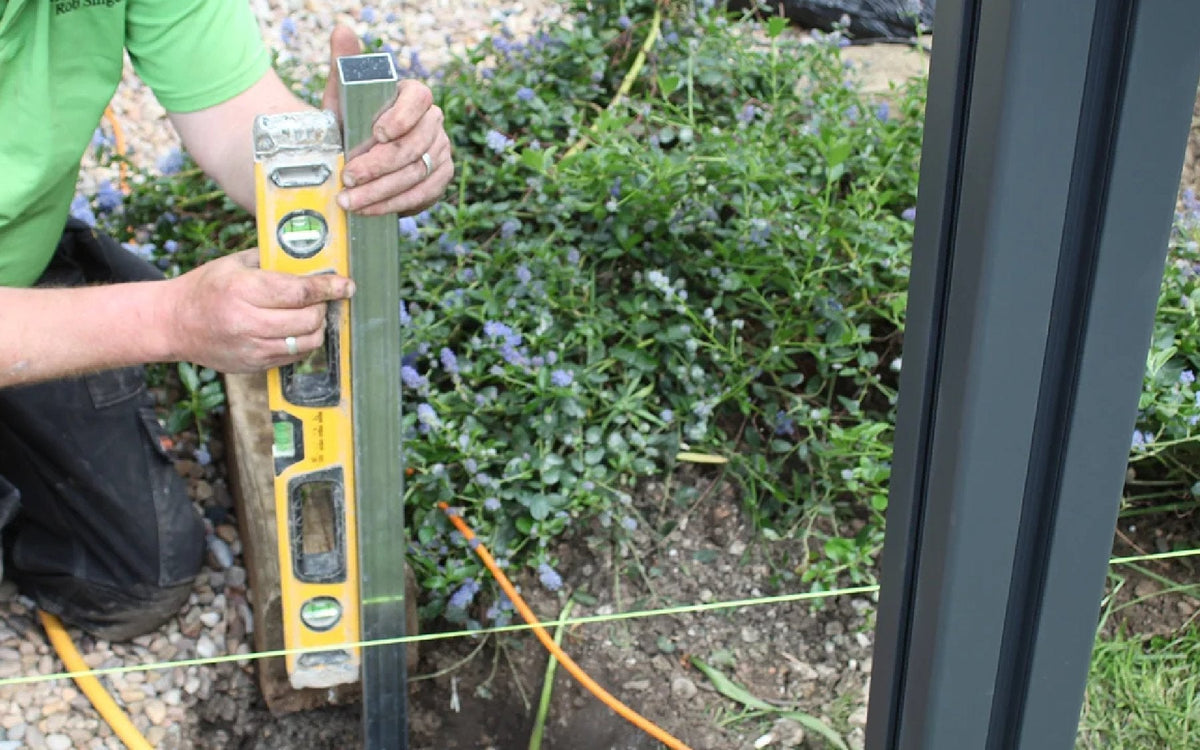
Discuss how posts and supports will suit the ground conditions, how changes of level will be handled and what will happen at corners or gates. Decorative details should be considered alongside the structure rather than added without planning.
Ask to see examples of similar work and clarify who will undertake the installation. Review the product-specific installation guidance so the quotation can refer to the selected system.
Prepare a Clear Project Brief
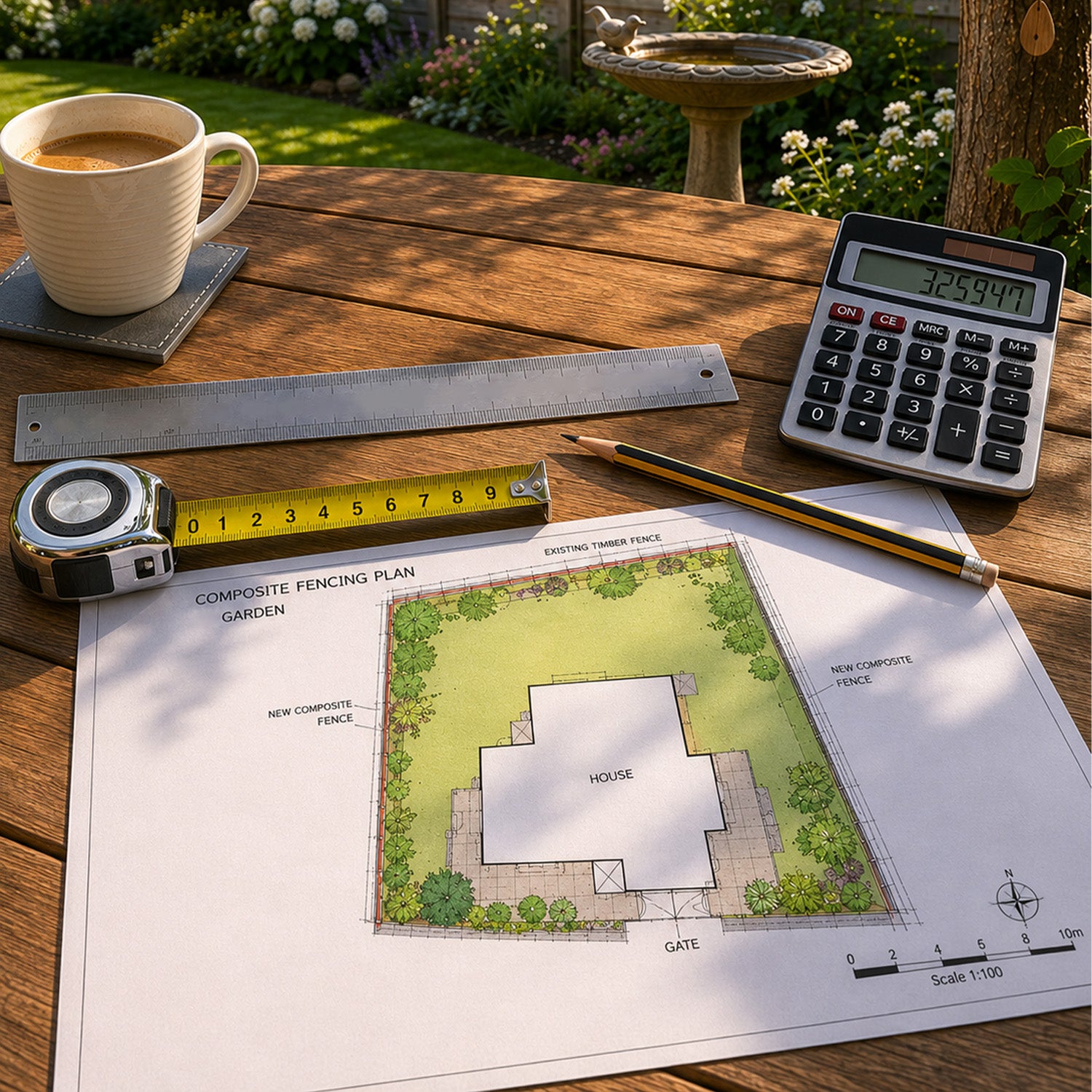
Before comparing contractors, gather enough information for a useful conversation. An initial sketch and photographs can identify questions that need a site visit.
- Your postcode and access arrangements.
- Approximate boundary length, proposed height and layout.
- Preferred profile, colour and any decorative inserts.
- Gate positions and everyday access requirements.
- Slopes, walls, paved areas and known ground conditions.
- Existing fencing to remove and components you hope to retain.
- Your preferred timetable and any budget constraints.
Measurements are a starting point, not a substitute for checking the site. Let the installer confirm assumptions before materials are ordered.
Comparing Composite Fencing Installers Near Me
If your search is specifically for “composite fencing installers near me”, focus on how each contractor will deliver the chosen product. A clear explanation of supports, layout and finishing is more useful than a general promise of a quick installation.
Questions to include when reviewing an installer:
| Topic | What to clarify |
|---|---|
| Relevant experience | Examples using comparable products and site conditions |
| Site assessment | Who checks dimensions, ground and any retained posts |
| Specification | Exact panels, posts, supports, rails and accessories |
| Working arrangements | Access, site protection, waste removal and timetable |
| Aftercare | Care instructions, handover and how to raise a workmanship issue |
For a gate, confirm the dedicated support and hardware arrangement. A fence post suitable for panels is not automatically suitable for a gate and its repeated operating loads.
Compare Quotations on the Same Basis
Searches for “fence installation companies near me” can produce quotations with very different scopes. Give each company the same brief and ask for an itemised breakdown.
Check whether the price includes removal and disposal, foundations, posts, boards, rails, gates, accessories, delivery, labour and applicable taxes. Note exclusions, provisional allowances and assumptions about hidden obstacles.
A lower total may reflect fewer included services rather than a more economical installation. Agree how additional work will be assessed and approved if unexpected conditions are found.
Clarify payment arrangements, the expected programme and any workmanship cover in writing. Product warranty terms and the installation contract should be understood separately.
Choose the Finish Before Finalising Quantities
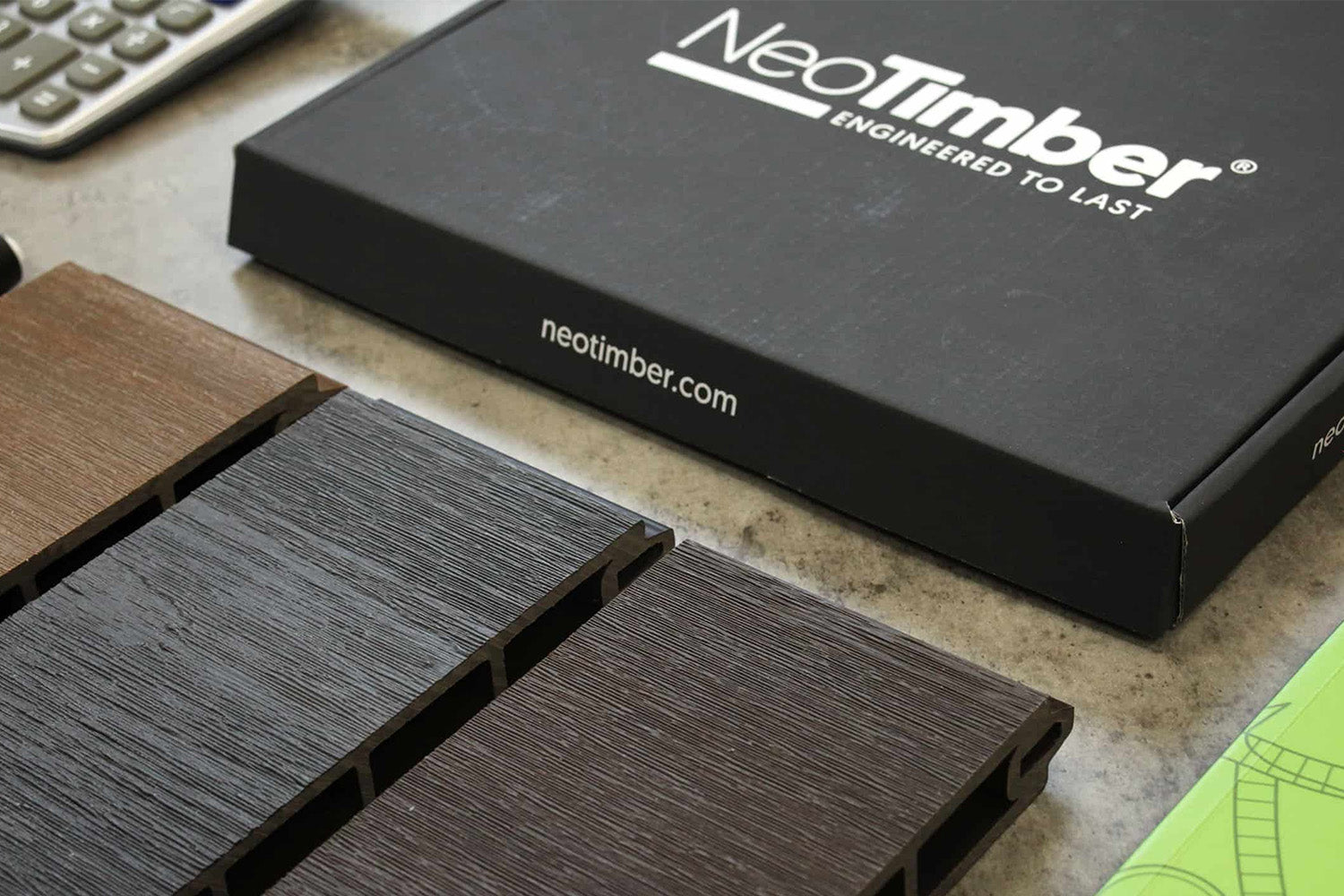
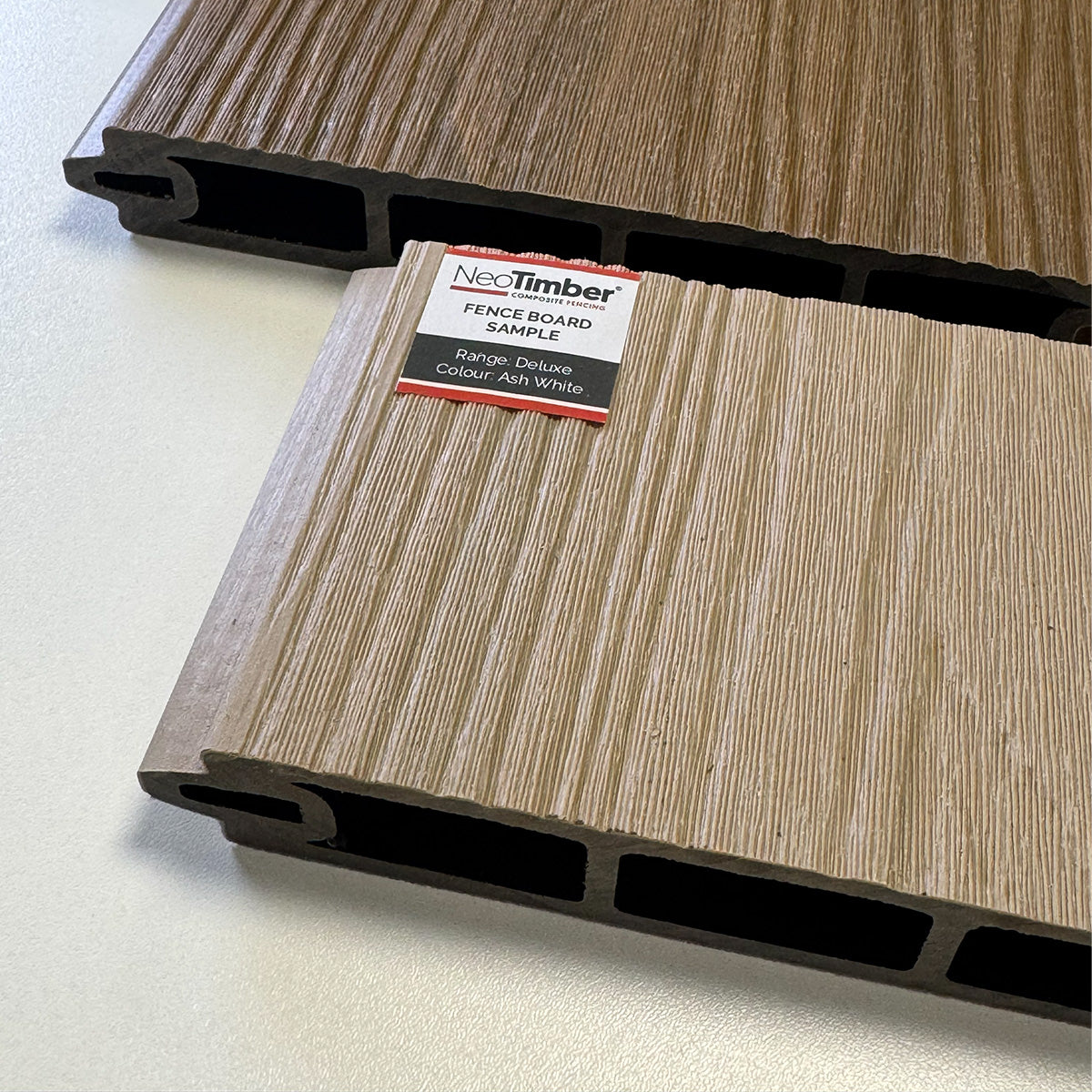
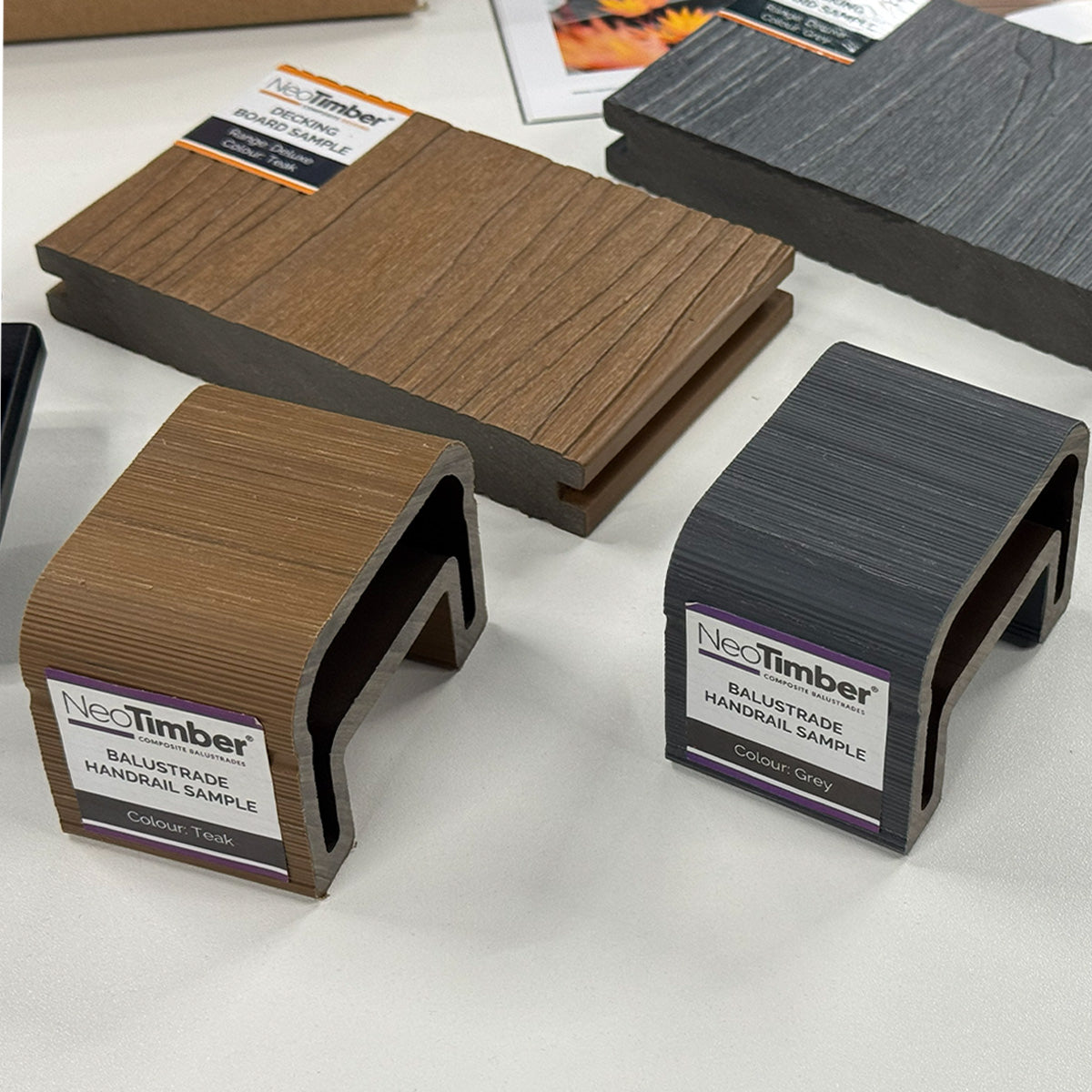
Compare fencing samples beside the house, paving and planting. View them outdoors rather than assuming a colour name or screen image provides an exact match.

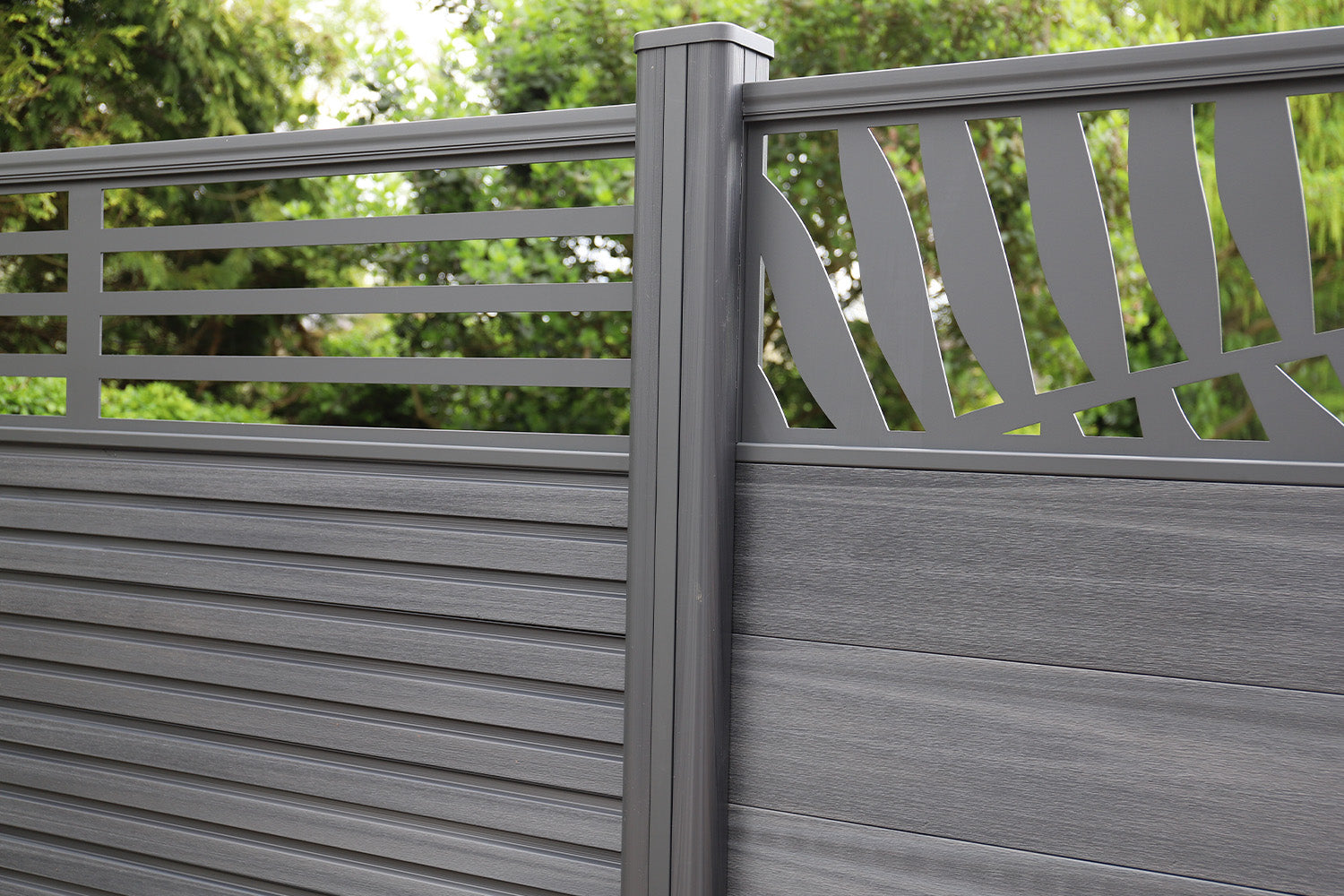
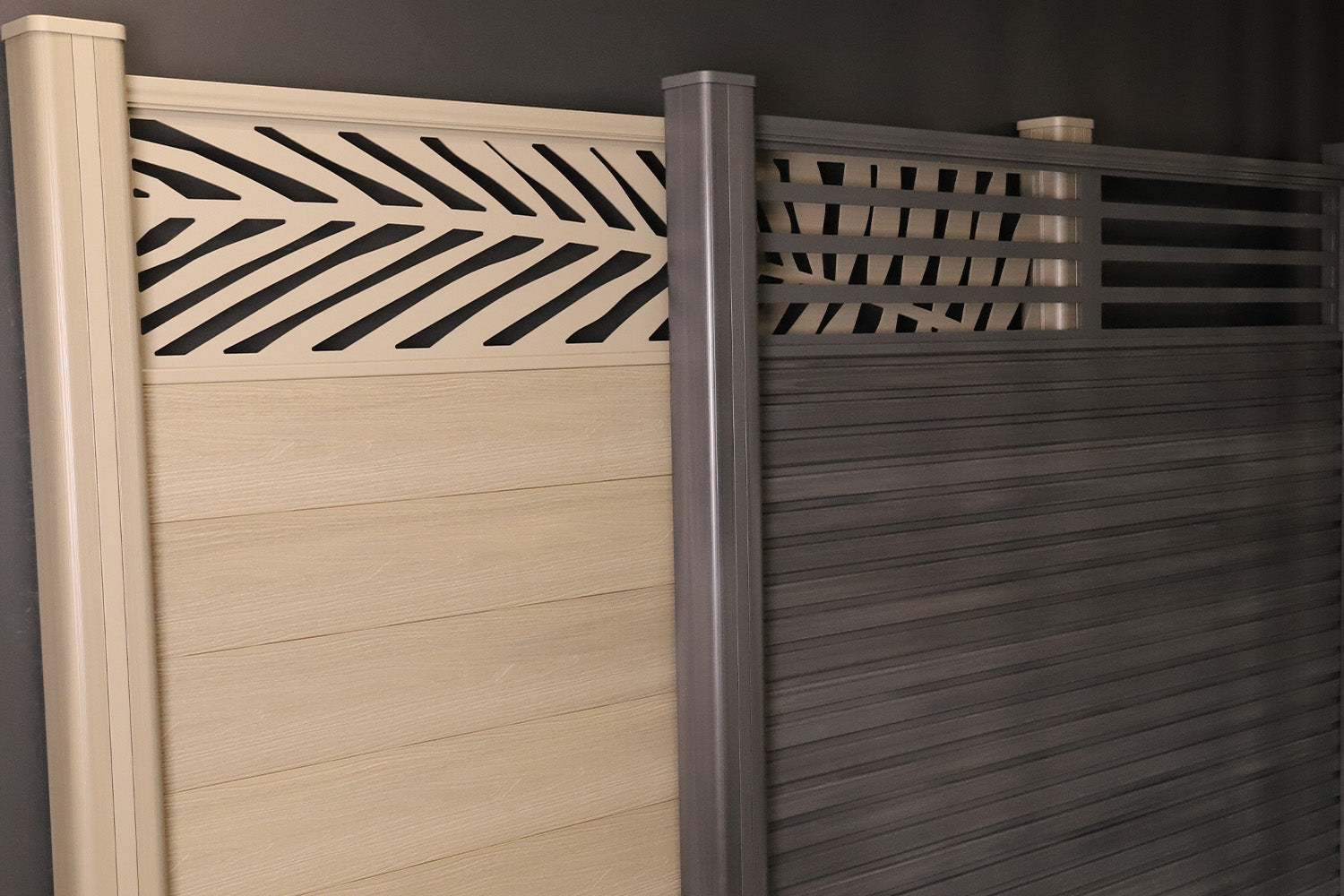
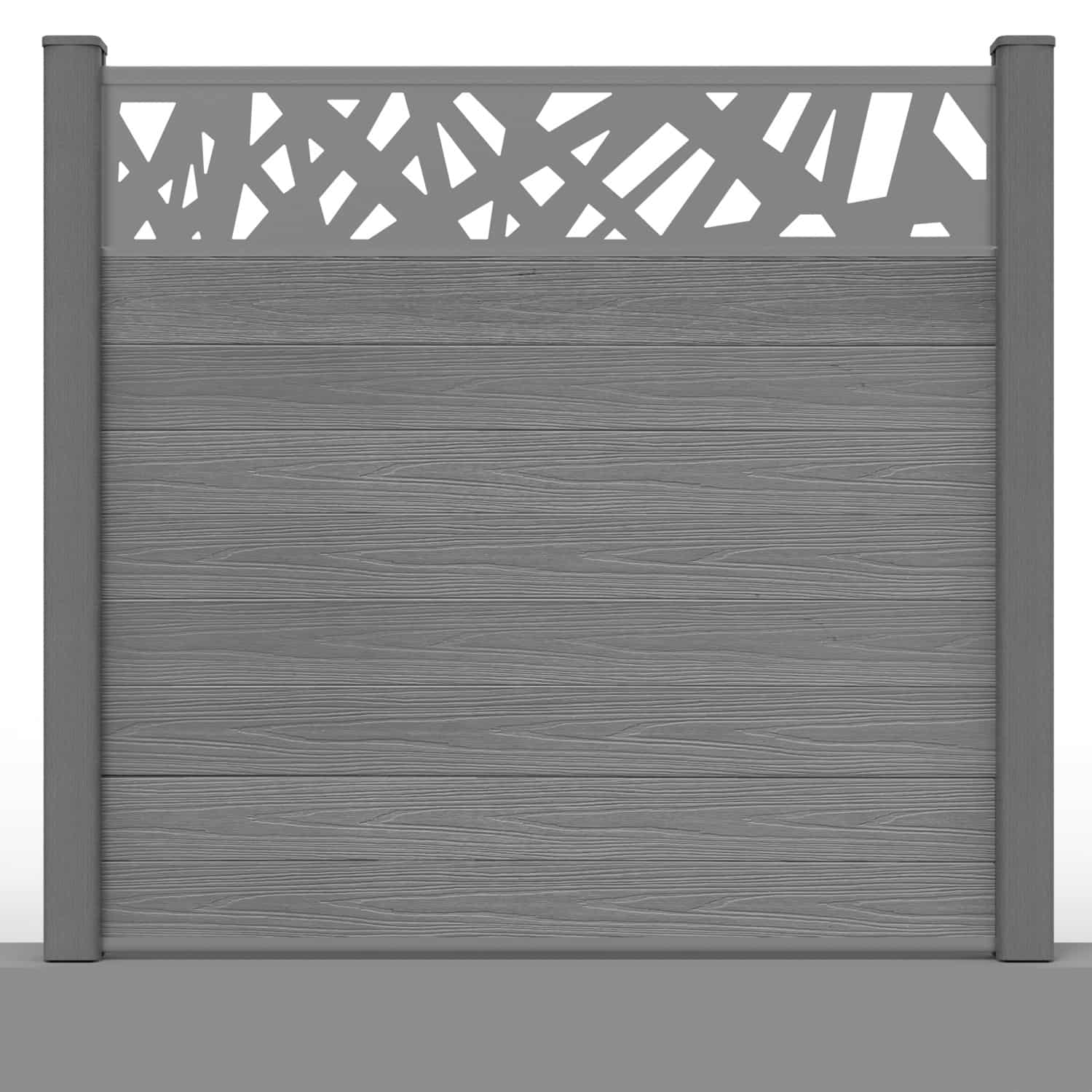
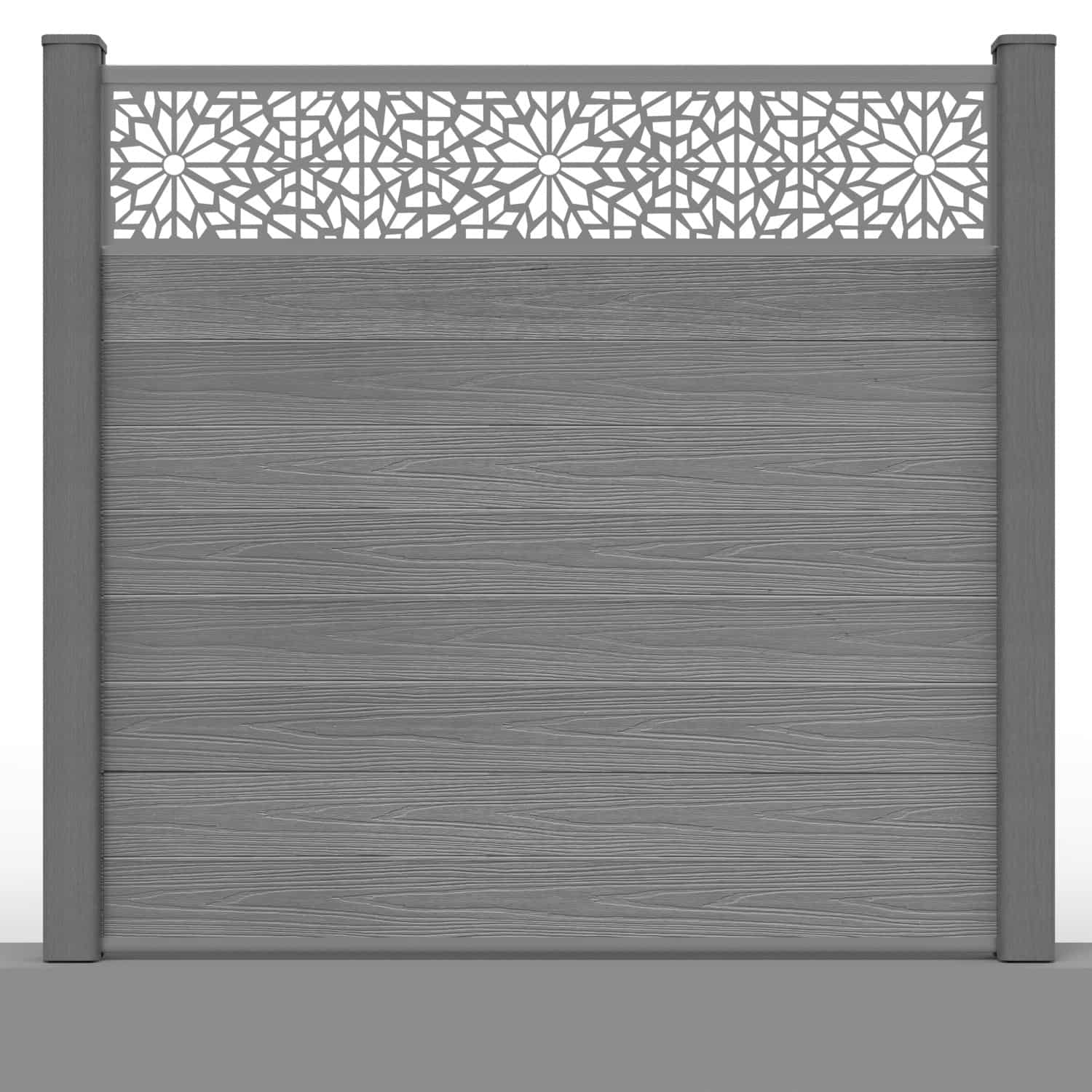
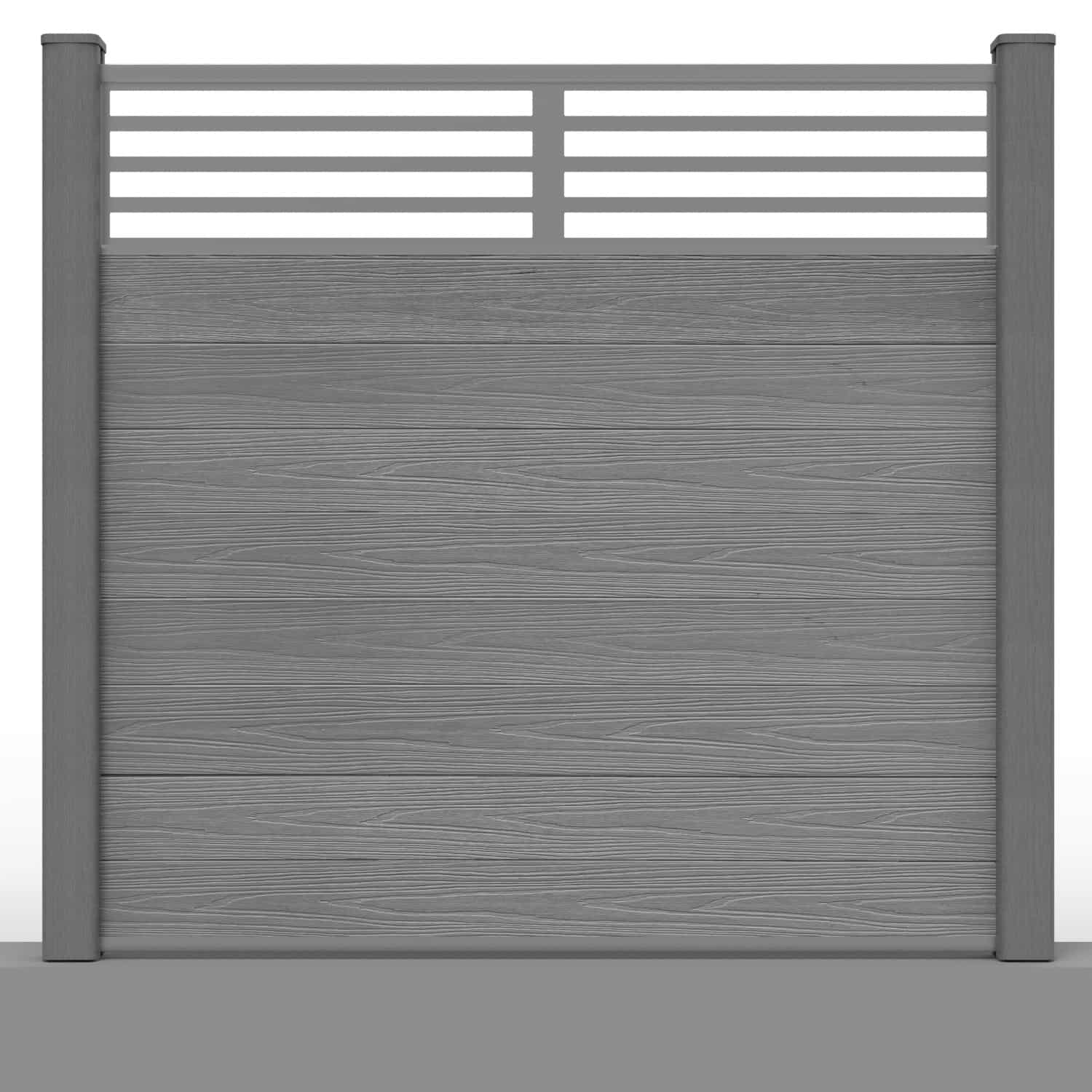
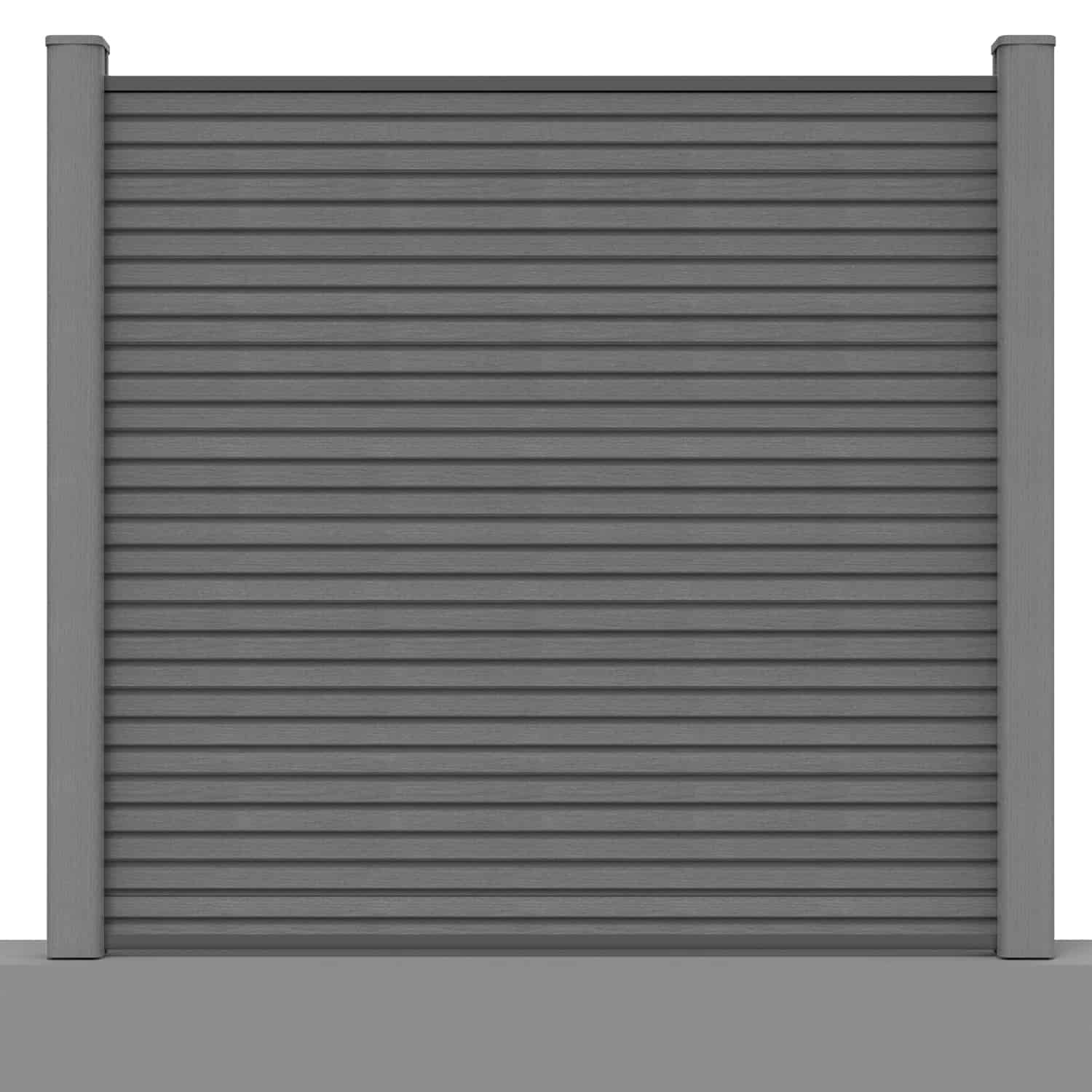
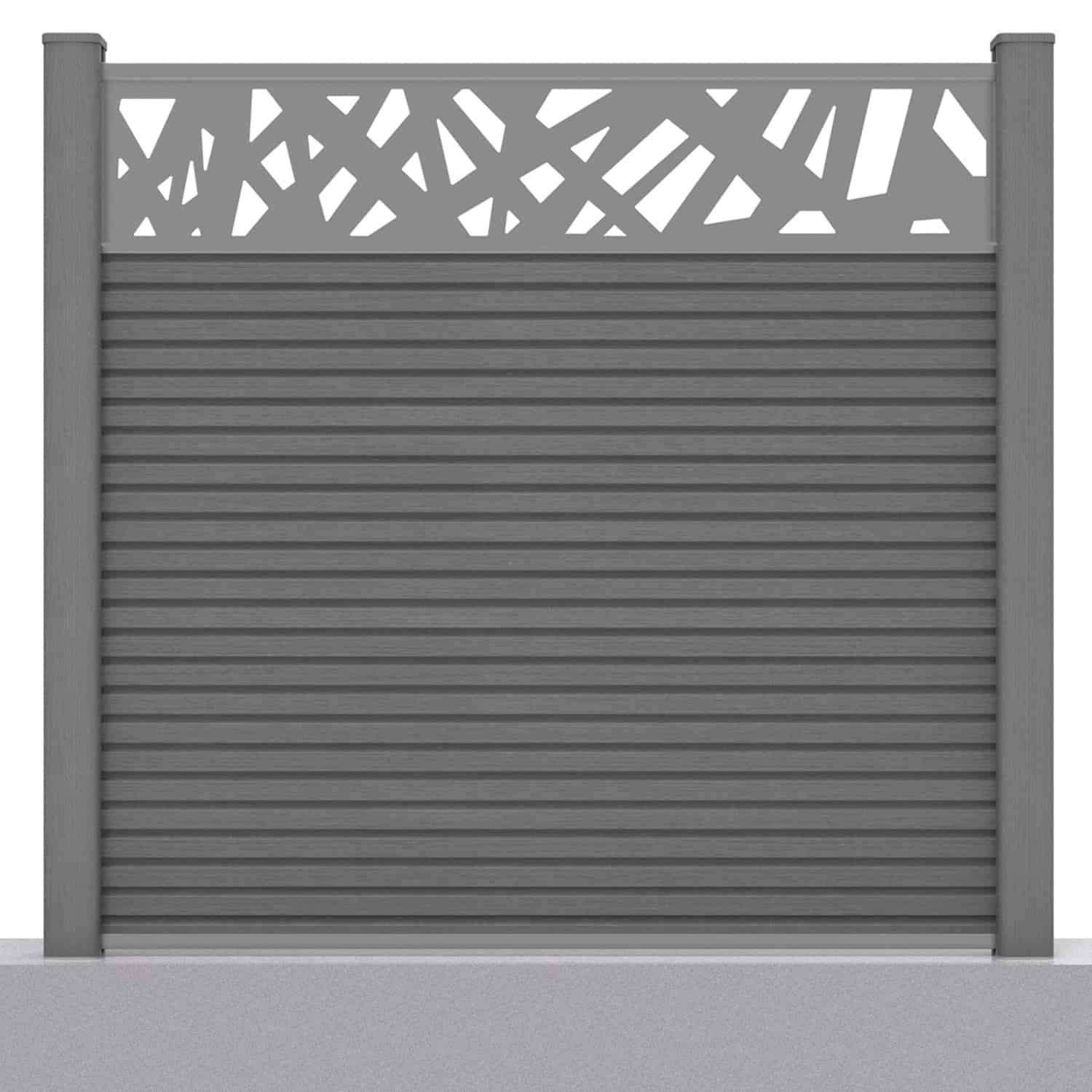
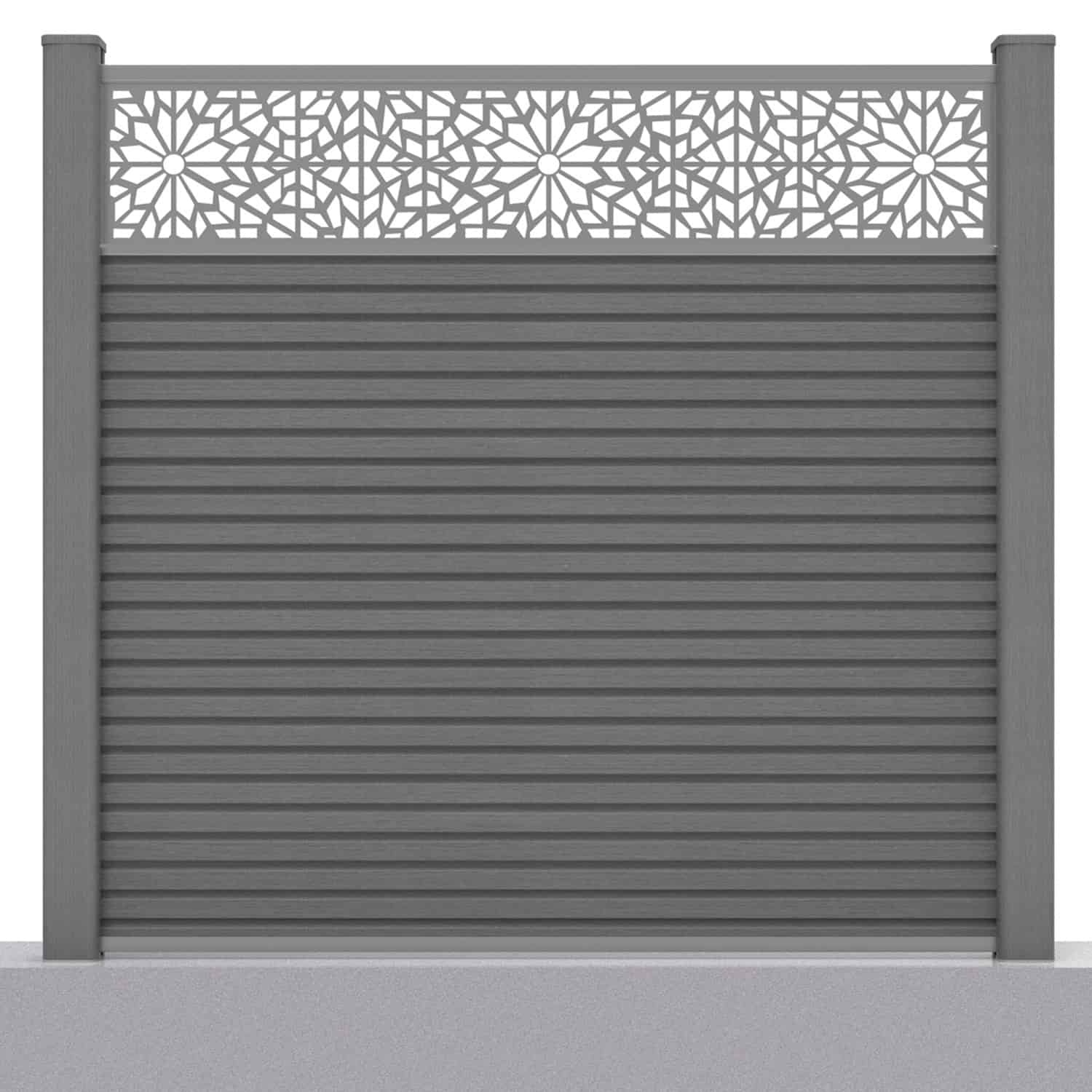
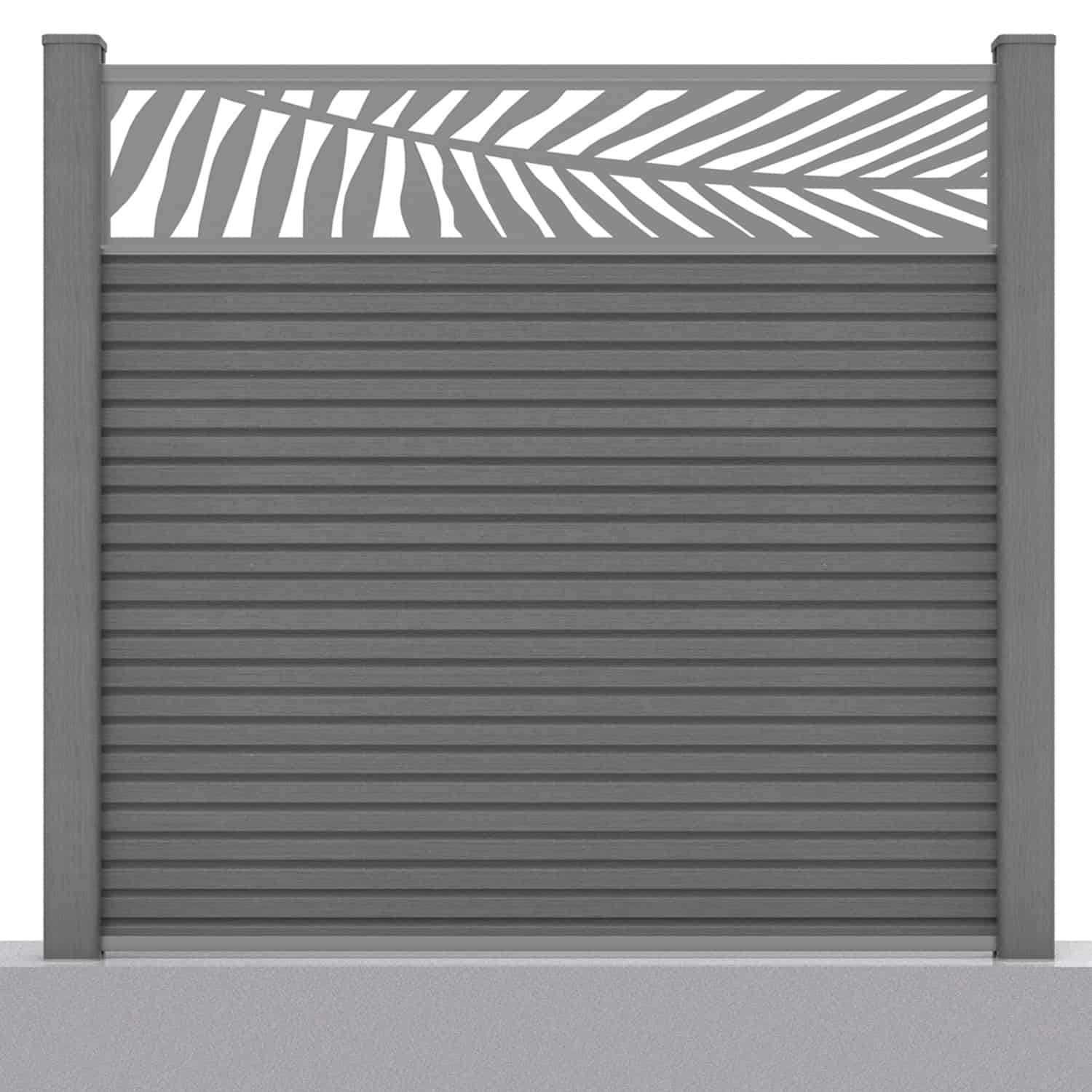
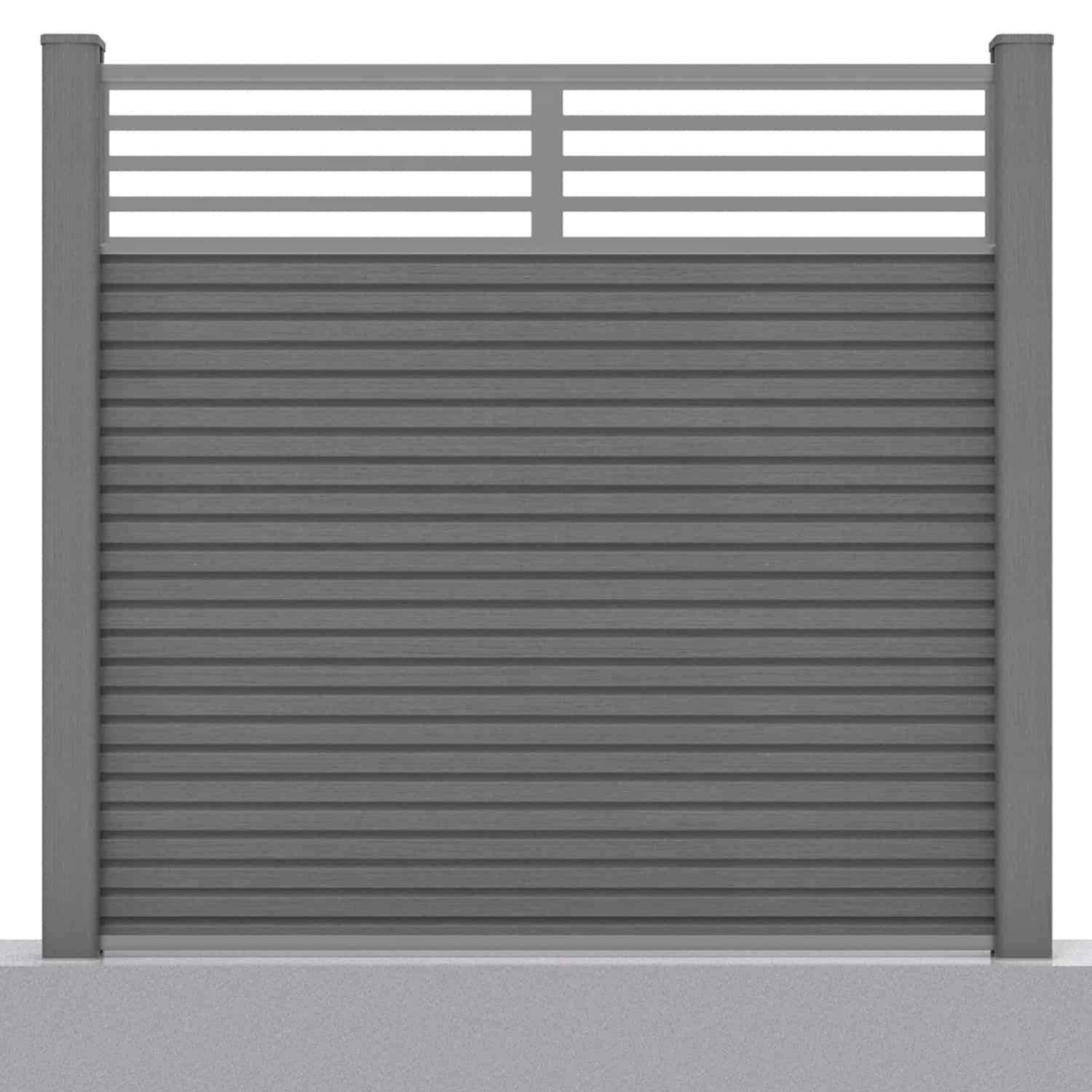
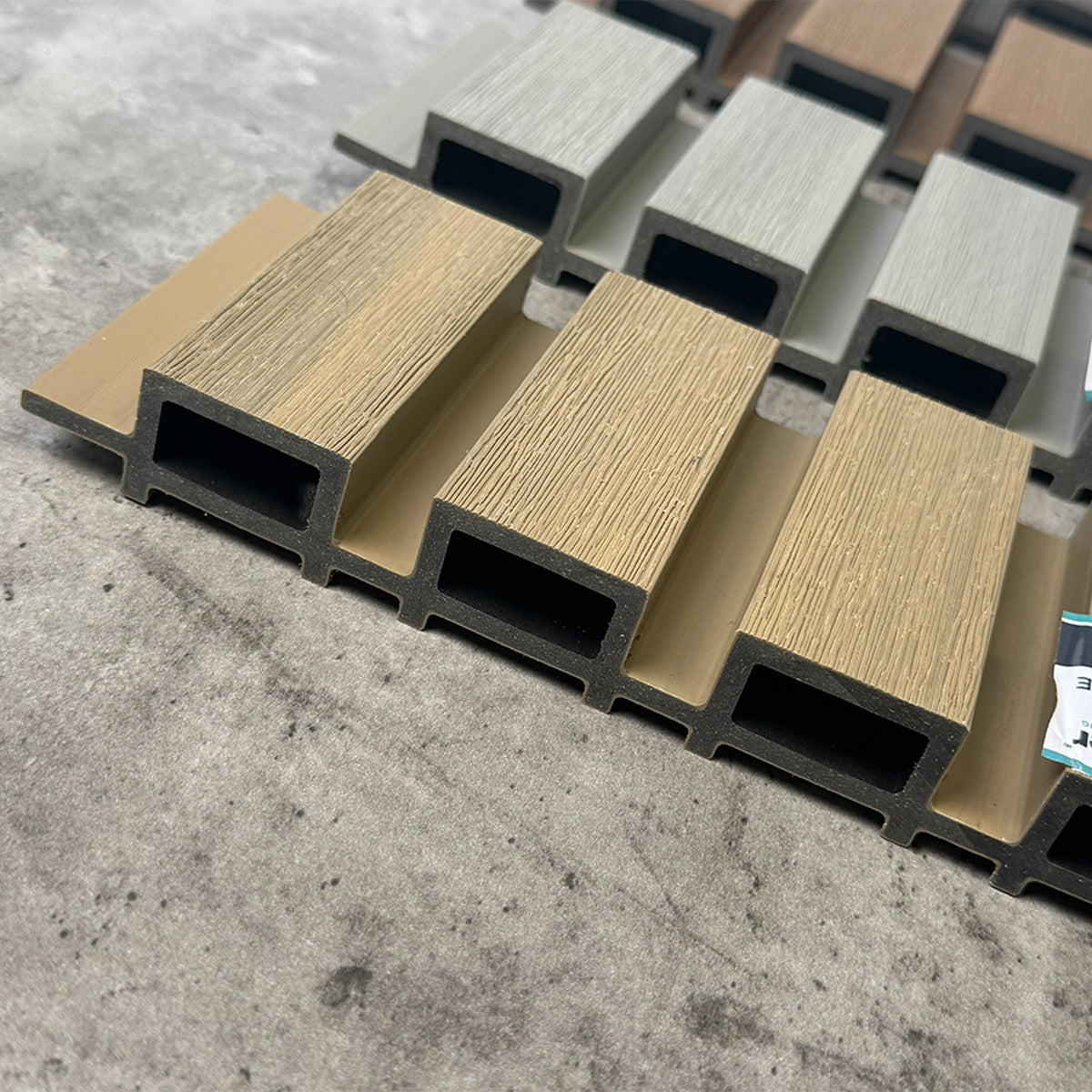
Consider whether you want composite fencing, a more continuous boundary, a slatted-effect surface or approved decorative inserts. A slatted face does not necessarily mean open gaps through the panel.
Use the fencing collection to develop a shortlist, then have the installer check the component quantities against the measured layout. Calculators can help estimate materials but do not establish the structural design or every site-specific requirement.
Can Existing Posts Be Retained?
Possibly, if they remain sound and are compatible with the new system. Their condition, spacing, foundations and connection details all need assessment.
Do not assume that a compatible insert makes an unsuitable post safe to reuse. Review the retrofit guidance and ask the installer to explain which components can remain and why.
Where the previous fence failed, establish the likely cause before copying the arrangement. Exposure, supports and ground conditions may need more attention than the visible boards.
Professional Installation or DIY?
A capable DIYer may be comfortable with suitable straightforward work, following the product instructions. Larger, exposed or technically complex boundaries can require specialist assessment and installation.

Compare the work involved, including removal, ground preparation and post installation, rather than judging only the board-fitting stage. The installation videos can help you understand the sequence.
If dividing the work between yourself and a contractor, agree responsibilities clearly so the supporting structure and finished panels remain one coordinated specification.
Agree the Final Details Before Work Begins
Confirm the boundary position and any relevant permissions or property-specific requirements. Review access, neighbour-facing details and the site arrangements with the installer.
At handover, check the agreed finish, gates, clearances and visible connections, and retain the product and care information. Composite can reduce routine painting and staining, but still needs cleaning and periodic inspection.
Review the warranty terms for your products. Choosing an installer familiar with the system does not remove the need to follow its installation and care conditions.
Ready to discuss the work? Submit your project through Find an Installer, or browse the fencing gallery for design references to share with your contractor.
Fence Installer FAQs
How do I find fence erectors near me?
Start with a clear project brief and postcode. You can use NeoTimber’s installer enquiry service to check for a suitable Approved Installer, then review the scope and quotation directly with the contractor.
Is the matching service free?
Yes. The enquiry service is free and there is no obligation to proceed. Installation itself is separately quoted and agreed with the installer.
Is an installer available in every postcode?
Do not assume so. Coverage and availability depend on the area and project; submit an enquiry for confirmation.
Should I order the fencing before speaking to an installer?
You can enquire first. This can help resolve site dimensions, retained components and support requirements before committing to quantities.
How long will installation take?
Ask for a programme based on the actual layout, access, removal and groundworks. A generic time estimate may not reflect your site.
Does an installation quote include materials?
Check explicitly. Quotes may cover labour only or a wider supply-and-fit package. Request an itemised list before comparing totals.