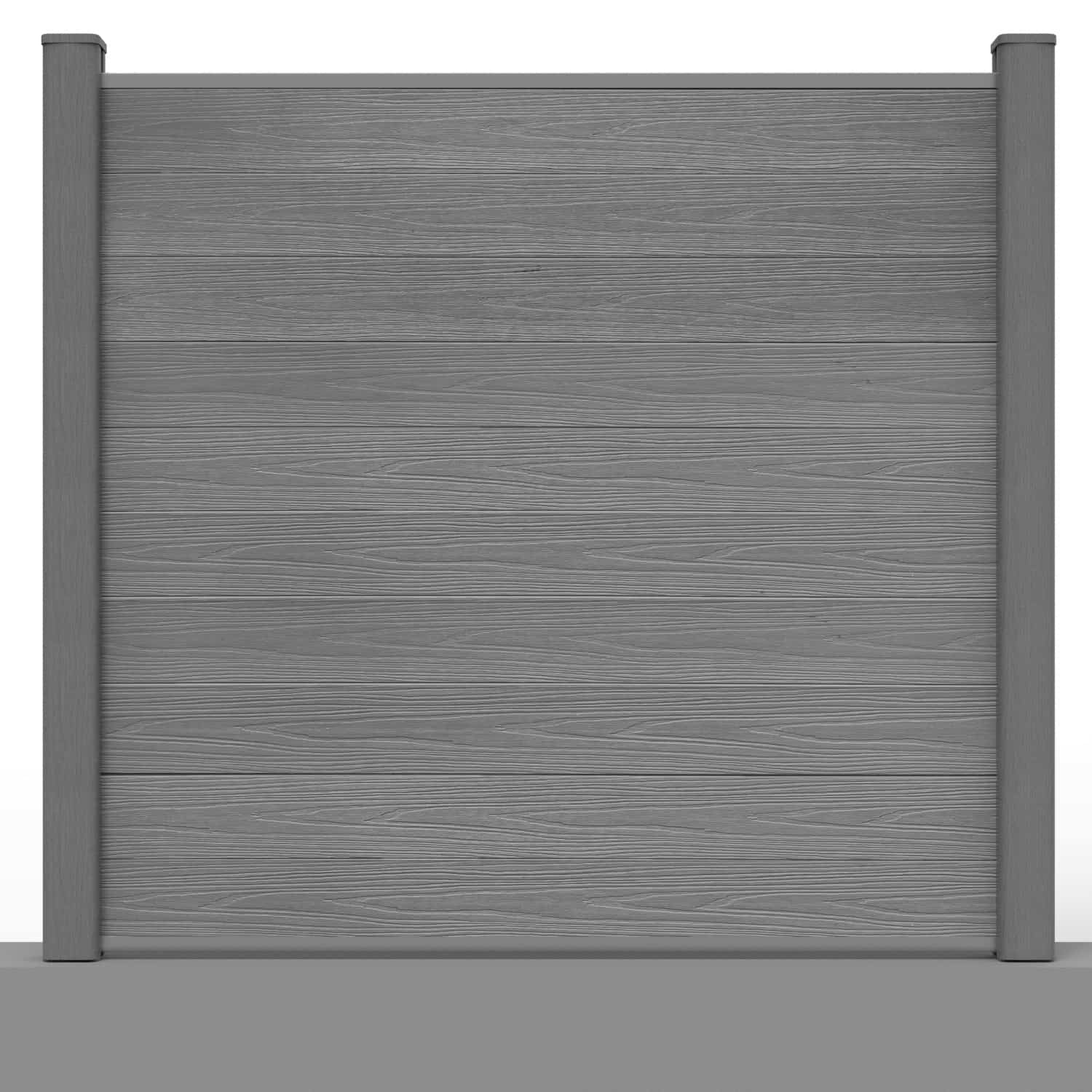
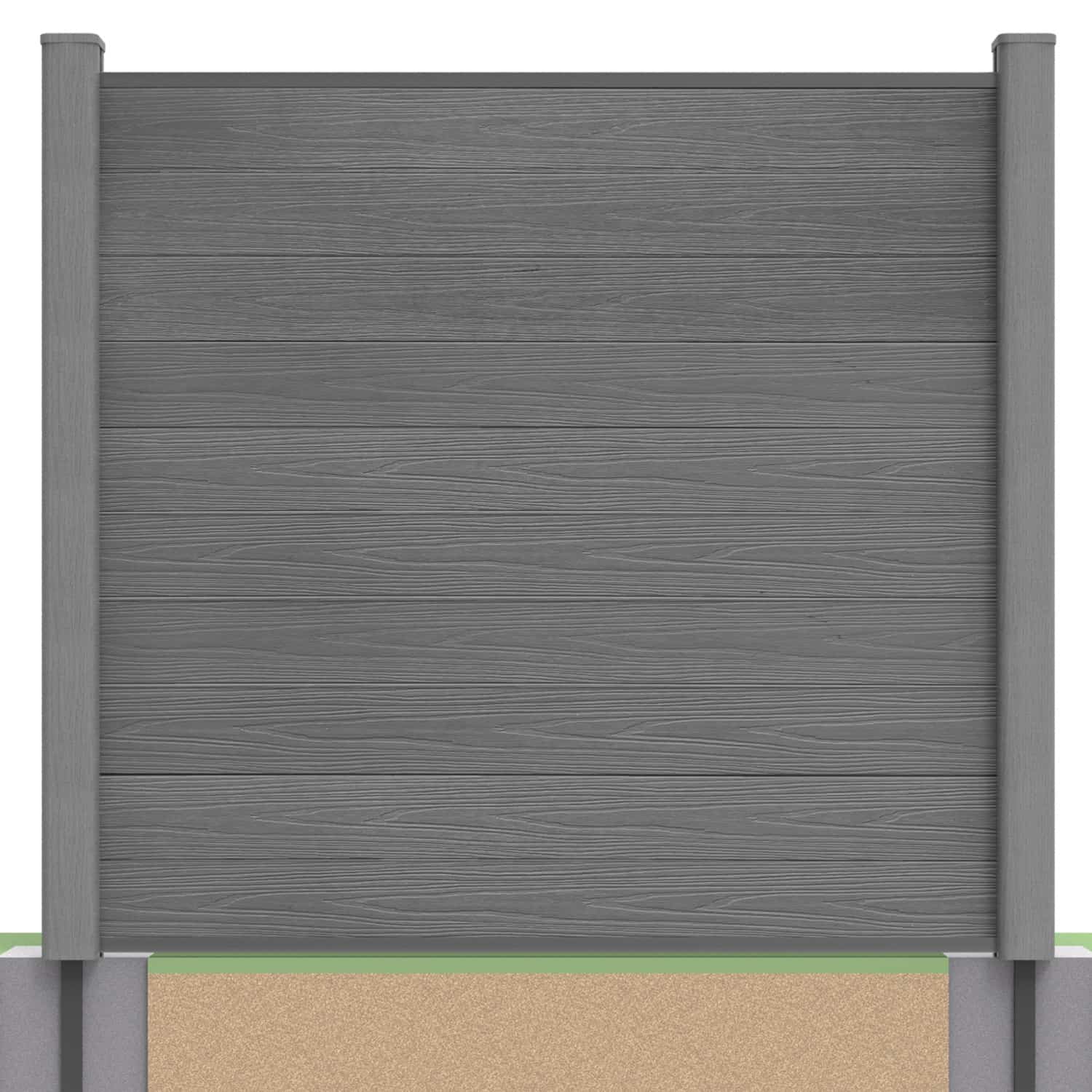
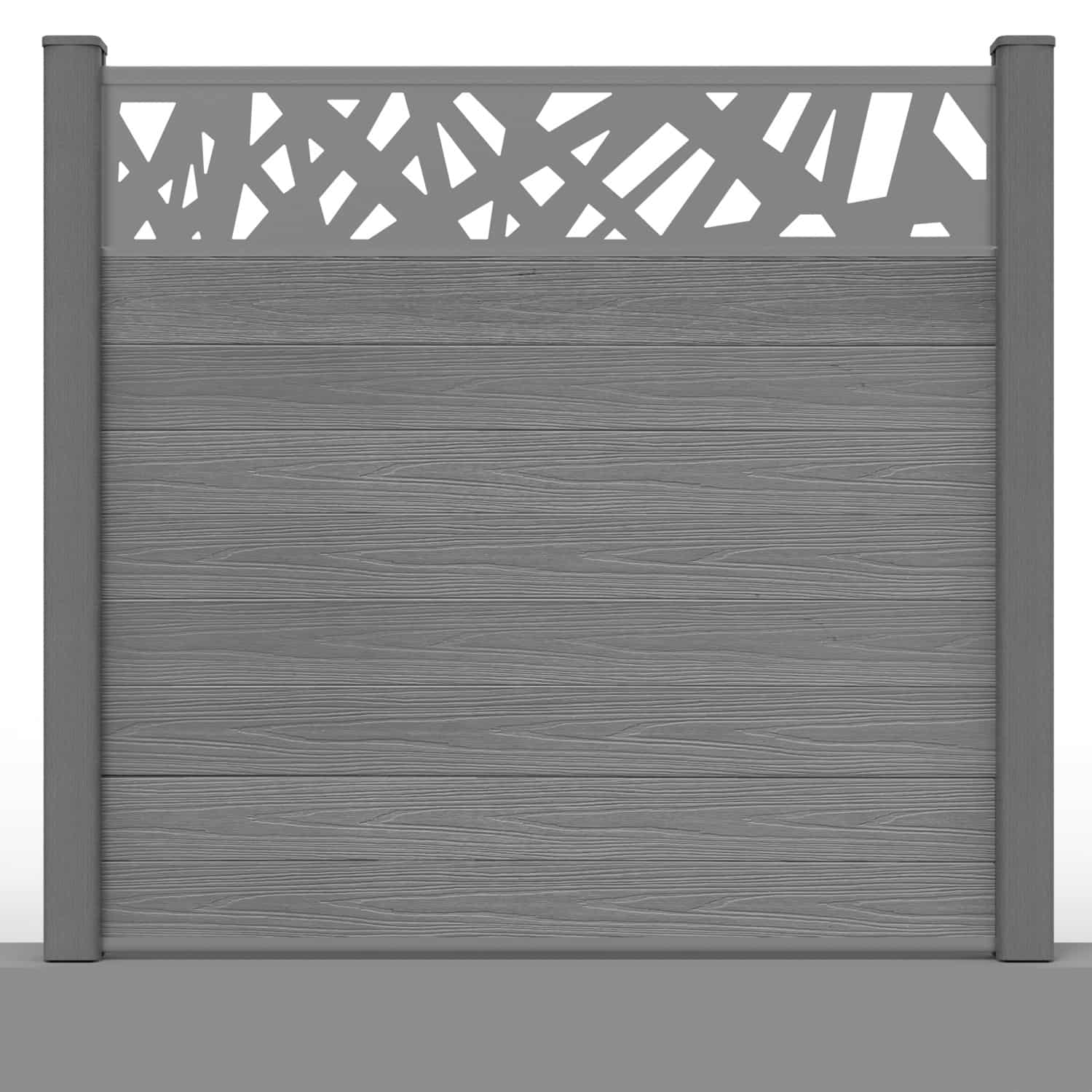
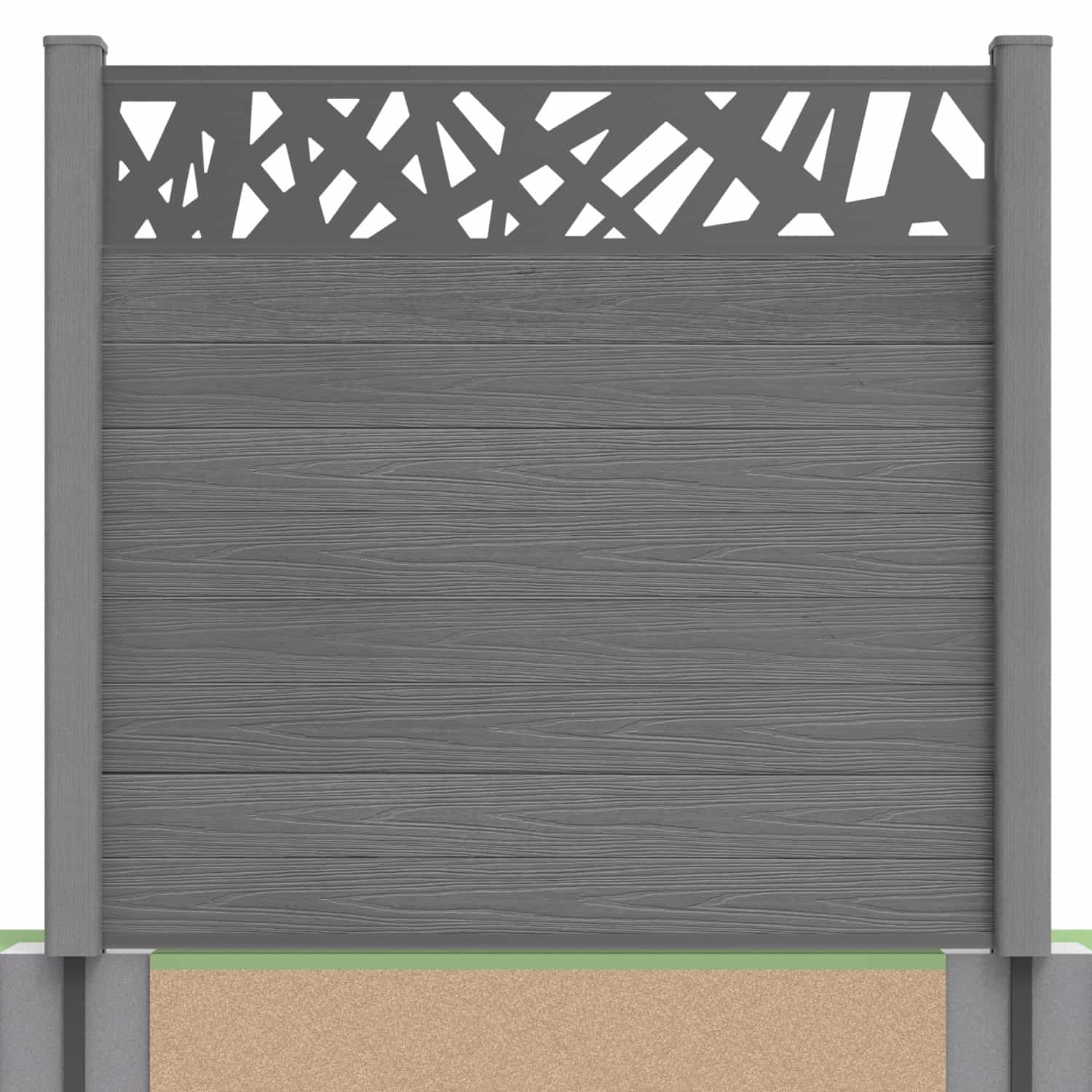
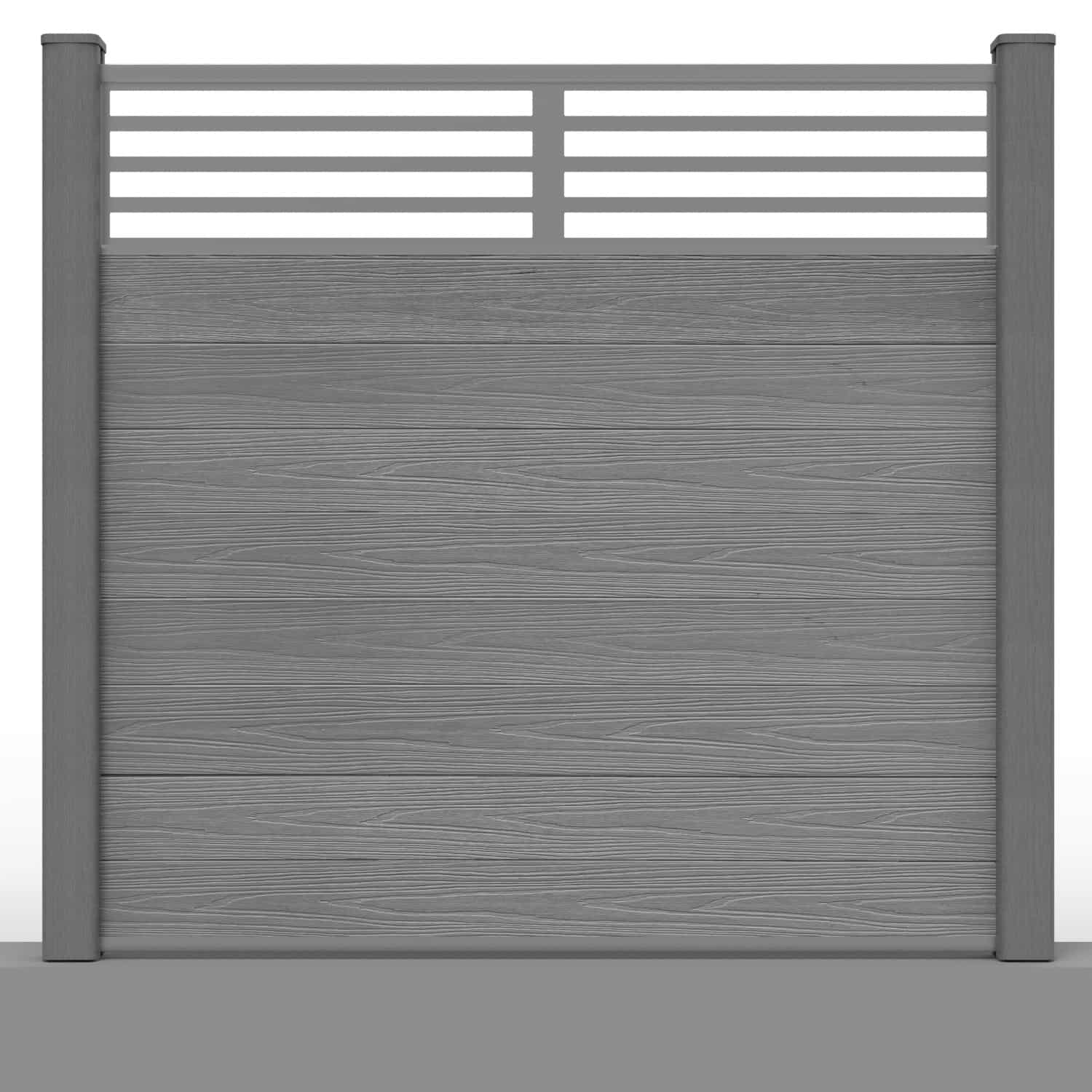
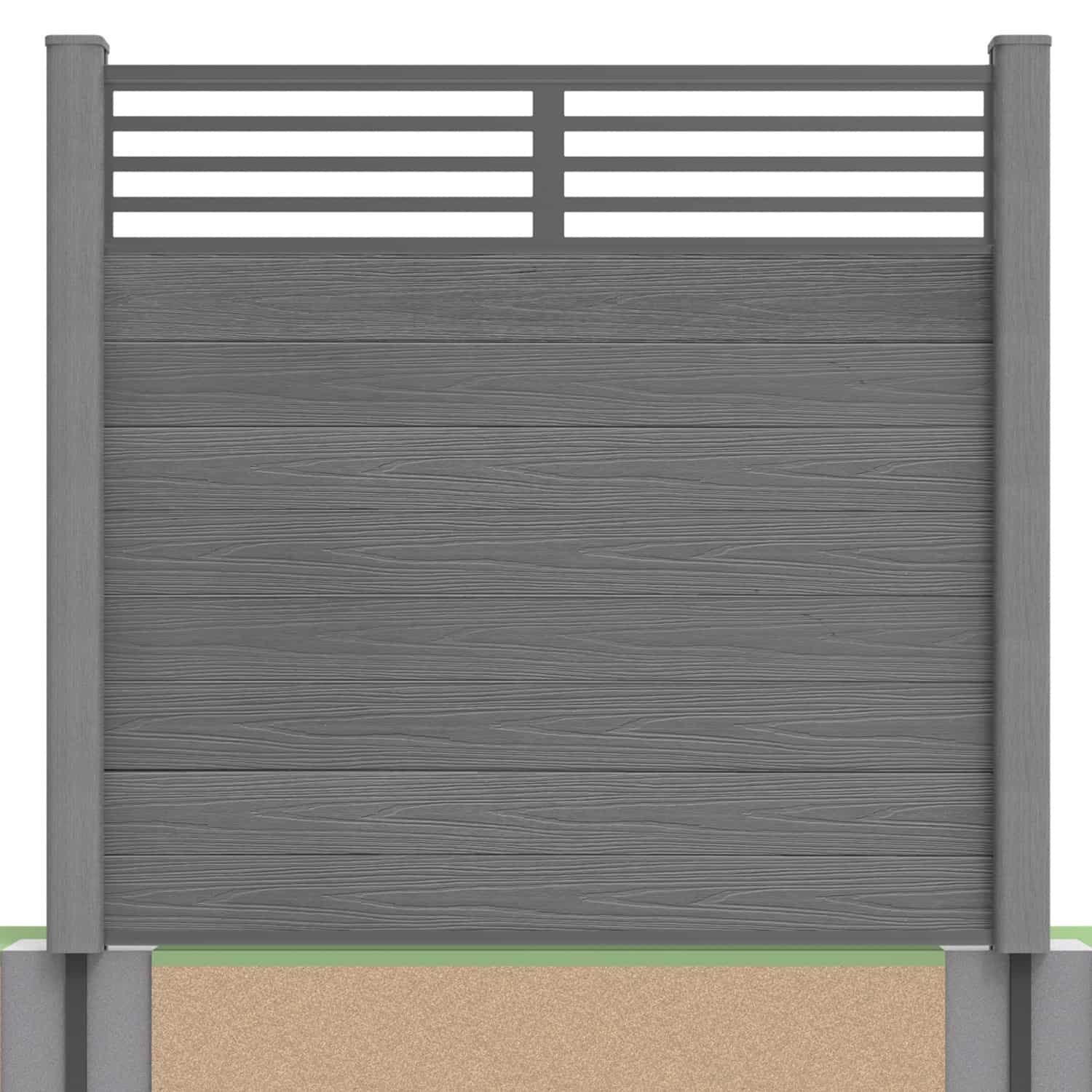
How to Secure NeoTimber® Fence Posts on a Suitable Concrete Base
To install composite fence posts into hard ground, you need a suitable structural base, correctly positioned steel supports and anchors matched to the installation. The composite post fits over the support to complete the visible finish; the support and its connection to the base provide the structural fixing.
This guide explains the main stages for NeoTimber’s hard-ground system, from setting out the fence line to fitting the sleeves and posts. Use it alongside the current composite fencing installation guide and the instructions supplied with your components.
Explore our fencing resources for wider planning advice, or browse composite fencing range to choose your boards and matching posts.
In this guide: Check the base · Prepare your equipment · Position the supports · Fit the anchors · Fit sleeves and posts · Final checks · FAQs
Check Whether Your Hard Ground Is Suitable
A surface that feels hard underfoot is not automatically a suitable foundation for a fence. The base must transfer the loads from the posts into an adequate structure. Before drilling, assess the concrete’s condition, thickness and suitability for the specified anchoring arrangement, including the distance from edges and joints.
Loose paving slabs, thin screeds, cracked concrete and decorative finishes should not be treated as equivalent to a suitable concrete foundation. A patio may need a purpose-designed footing beneath the finished surface. Resolve this before buying anchors or marking the final post positions.
Consider the proposed fence height, site exposure, corners and any gates. These affect the demands on the supports and foundation. If the base construction is unknown, have it assessed by a competent installer or suitably qualified professional.
What about fitting posts on an existing deck?
Deck boards alone are not an adequate fence foundation. A deck installation needs a designed connection to a suitable supporting structure, with fixings and reinforcement appropriate to the loads. Changing the bolts does not establish that an existing deck frame is suitable. See our fencing for decks and patios guide when planning a boundary beside a deck.
Prepare the Correct Components and Equipment
Choose the hard-ground composite fence post set or the compatible galvanised steel hard-ground post support and associated components specified for your project. Check the contents before starting, including the sleeves, caps and anchors.
- Tape measure, marking pencil and string line for setting out.
- Spirit level for checking the base, supports and upright posts.
- Suitable drill, masonry bit and hole-cleaning equipment specified for the anchors.
- Appropriate tightening tools, including a torque wrench where required.
- Eye, hearing and dust protection appropriate to drilling, plus suitable handling protection.
Check for concealed services before drilling. Keep the work area clear and use the equipment in accordance with its instructions.
Watch the Hard-Ground Post Installation Video
The video shows the relationship between the support, fixing sleeves and outer post. Confirm the details against the instructions for the components you receive before starting work.
1. Set Out and Position the Post Supports
Mark the fence line and identify the positions of end posts, intermediate posts, corners and any changes in level. Check that each base plate can sit flat on the proposed foundation, with sufficient room for the required anchor edge distances.
NeoTimber’s hard-ground installation guide shows 1868mm post-support centres for a full-length panel. Centres are measured from the centre of one support to the centre of the next, rather than between their nearest edges. Confirm the measurement for your selected configuration; shorter panels and gate openings require their own setting out.
Before drilling, dry-fit a post and bottom capping rail to check that the spacing accommodates the actual components and required clearances. This is easier to correct now than after several supports have been anchored.

2. Anchor the Supports to the Concrete
Once the positions are confirmed, mark the fixing holes through the base plate. Use the complete anchor system specified for the support and suitable for the concrete substrate.
Follow the anchor manufacturer’s requirements for drill diameter, hole depth, cleaning, embedment, spacing, edge distances and tightening torque. Bolt length alone does not determine the required drilling depth. Do not combine expansion anchors with separate wall plugs unless that exact arrangement is specified by the anchor manufacturer.
Drill and clean the holes as instructed, position the support and install the anchors using the specified method. Check alignment and level as you work. If a fixing fails to engage correctly or the concrete breaks away, stop and resolve the connection before adding the fence.

3. Fit the Plastic Fixing Sleeves
With the steel support secured, fit the plastic sleeves in the sequence shown in the installation diagrams. These components pack the space between the support and the composite post; they do not replace the support’s structural anchorage.
Slide the base sleeve into position at the bottom of the support, then fit the upper support cap as illustrated. Check that each component is correctly seated before lowering the outer post over the assembly.


4. Lower the Composite Post Over the Support
Carefully lower the composite fence post over the prepared support. Align the channels with the direction of the fence panels and check that the post is upright in both directions. Fit the remaining upper sleeve and finishing components in accordance with the supplied instructions.
Check the next post and rail fit before continuing along the run. A small alignment error can make the boards difficult to insert, so confirm the spacing at each bay rather than relying only on the first measurement.

5. Check the Posts Before Fitting the Boards
Checks before assembling the fence panels:
| Check | What to confirm |
|---|---|
| Foundation | The base and anchoring arrangement are suitable for the project. |
| Fixings | The specified anchors are installed and tightened as instructed. |
| Alignment | Supports and posts follow the fence line and posts are upright. |
| Panel fit | Rails and boards fit the intended bay with the required clearances. |
| Sleeves and caps | All components are seated in the positions shown in the guide. |
Once these checks are complete, follow our guide to installing composite fence panels. Fit the bottom rail, boards and top rail in the specified order, maintaining the required movement allowances. Do not force boards into a bay that is too narrow or use them to pull misaligned posts into position.
Frequently Asked Questions
Can I install composite fence posts into hard ground myself?
A capable DIY installer may be able to assemble the system where the base and fixing specification are established. If you cannot confirm foundation suitability or anchoring requirements, obtain advice before drilling.
Can the supports be bolted straight onto paving slabs?
Do not assume that paving slabs provide adequate anchorage. The foundation beneath the finished surface must be assessed, and a separate footing or another installation method may be required.
How far apart should the post supports be?
The illustrated full-length NeoTimber® panel uses 1868mm support centres. Check the current instructions and dry-fit the rail and posts to confirm the dimensions for your particular bay.
Which drill bit and anchors should I use?
Use the fixing specification for your support and substrate. Match the drill bit, hole depth and installation method to the exact anchor supplied or approved for the job; a generic hole size is not suitable for every fixing.
Can I use a hard-ground support in soil?
A bolt-down support needs a suitable structural base. For installation into earth, choose the appropriate soft-ground support and foundation arrangement rather than driving a hard-ground support into the soil.
Can these posts support a gate?
Gate posts and their foundations must be specified for the gate’s weight and operating loads. Confirm the gate installation requirements separately rather than assuming an ordinary panel-post arrangement is sufficient.
Plan Your Fence From the Foundation Up
A well-finished fence starts with a suitable base, accurate setting out and correctly installed supports. Choose your composite fencing range, review the composite fencing installation guide and contact NeoTimber® if you need help matching the post system to your site.