Understand the Materials Behind a Wood-Effect Garden Fence
Resin fencing is a broad buying term rather than a precise material specification. It can appear in descriptions of different plastic-based products, including wood–plastic composite boards. Before comparing appearance or price, establish what the selected product contains and how its complete support system works.
NeoTimber® supplies capped wood–plastic composite fencing. Its boards contain a wood component as well as plastic, so they should not be described as entirely plastic or wood-free. This guide explains where composite fits into your search, which panel styles to compare and what to consider before ordering.
Explore our fencing products for wider advice, or browse the composite fencing range to compare specific composite products.
In this guide: Material terminology · Compare options · Panel styles · Colour and design · Installation · Care and cost · FAQs
What Is a Resin Fence Made From?
The word “resin” alone does not tell you the polymer type, wood content, board construction or structural performance. Ask for the actual specification rather than treating every product using the term as equivalent.
If you are comparing plastic resin fencing with composite, check whether the board is an all-plastic product or a blend that includes wood fibres. Also check whether the surface is capped and which posts, rails and fixings are required.
A resin fence board is an infill component, not a complete installation. Its dimensions, profile and compatible connections matter alongside the material ingredients. Neither the name nor a wood-effect finish establishes the suitability of the whole boundary.
Compare Composite With Timber and Concrete on Practical Grounds
Each material offers different design and care choices. Compare specific products and installed arrangements rather than assuming that one category combines every benefit without any limitations.
Questions to consider when choosing your boundary material:
| Option | Design and care considerations | Installation checks |
|---|---|---|
| Timber | Natural grain; treatment needs depend on the product and desired appearance. | Post condition, connections, foundations and suitability for exposure. |
| Concrete | Different surface designs are available; cleaning and inspections may still be needed. | Handling arrangements, panel dimensions and suitable foundations. |
| Capped composite | Factory-finished colours and textures; suitable cleaning remains necessary. | Compatible boards, supports, rails and movement clearances. |
Capped composite can suit buyers who want a wood-inspired appearance without routine painting or staining of the boards. It does not remove the need for correct installation, care or repairs if damage occurs.
Compare NeoTimber’s Composite Panel Styles
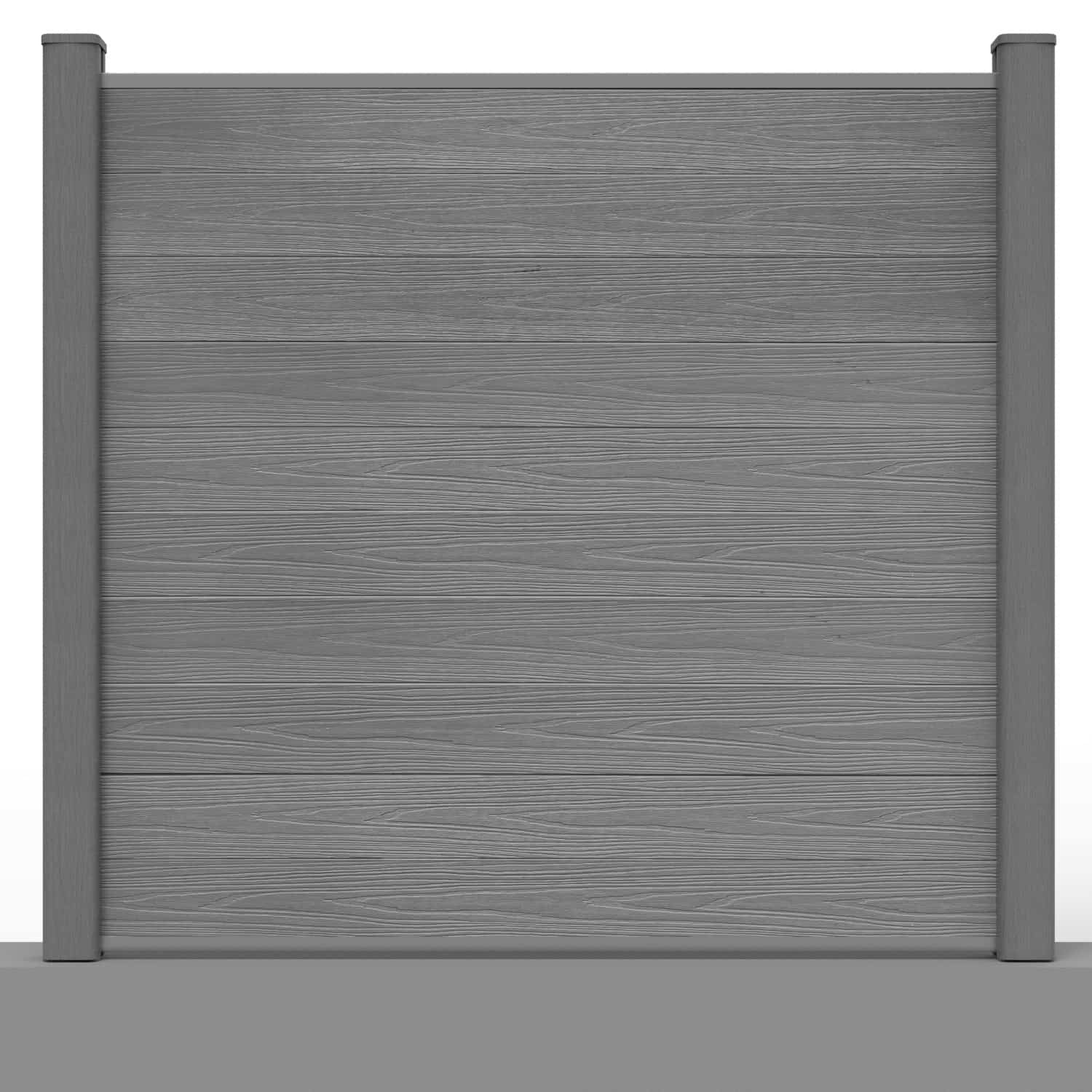
If your search for resin fence panels leads you to NeoTimber®, compare the actual Deluxe and Slatted products. They offer different surface effects and should be planned with their compatible components.
Deluxe: Woodgrain and Brushed Faces
The Deluxe panel set offers reversible woodgrain and brushed board faces. Choose the woodgrain face for more visible timber-inspired detail, or the brushed side for a quieter backdrop.
Decide which face will be visible before assembly and keep that orientation consistent. Review the product’s kit contents rather than assuming a panel set includes every component needed at the ends and corners of a complete run.
Slatted: A Batten-Inspired Profile
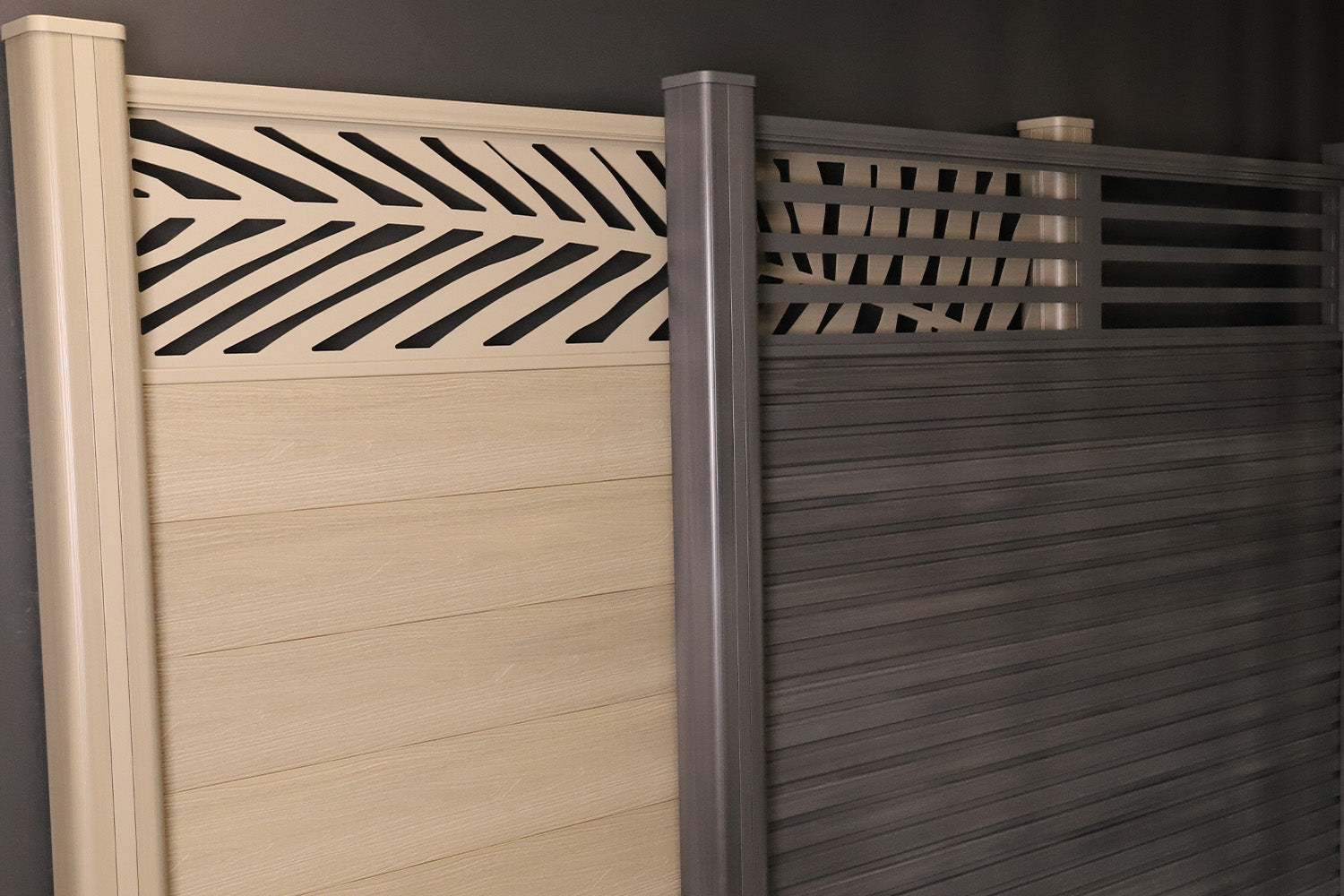
The Slatted panel set creates a repeated horizontal pattern through its board profile. That appearance should not be confused with an open-gap screen that allows airflow or views through the panel.
Both ranges use capped boards. Their protective surface helps resist staining and fading, but does not make the finish scratch-proof, stain-proof or immune to weathering.

Choose Colours Around the Whole Garden
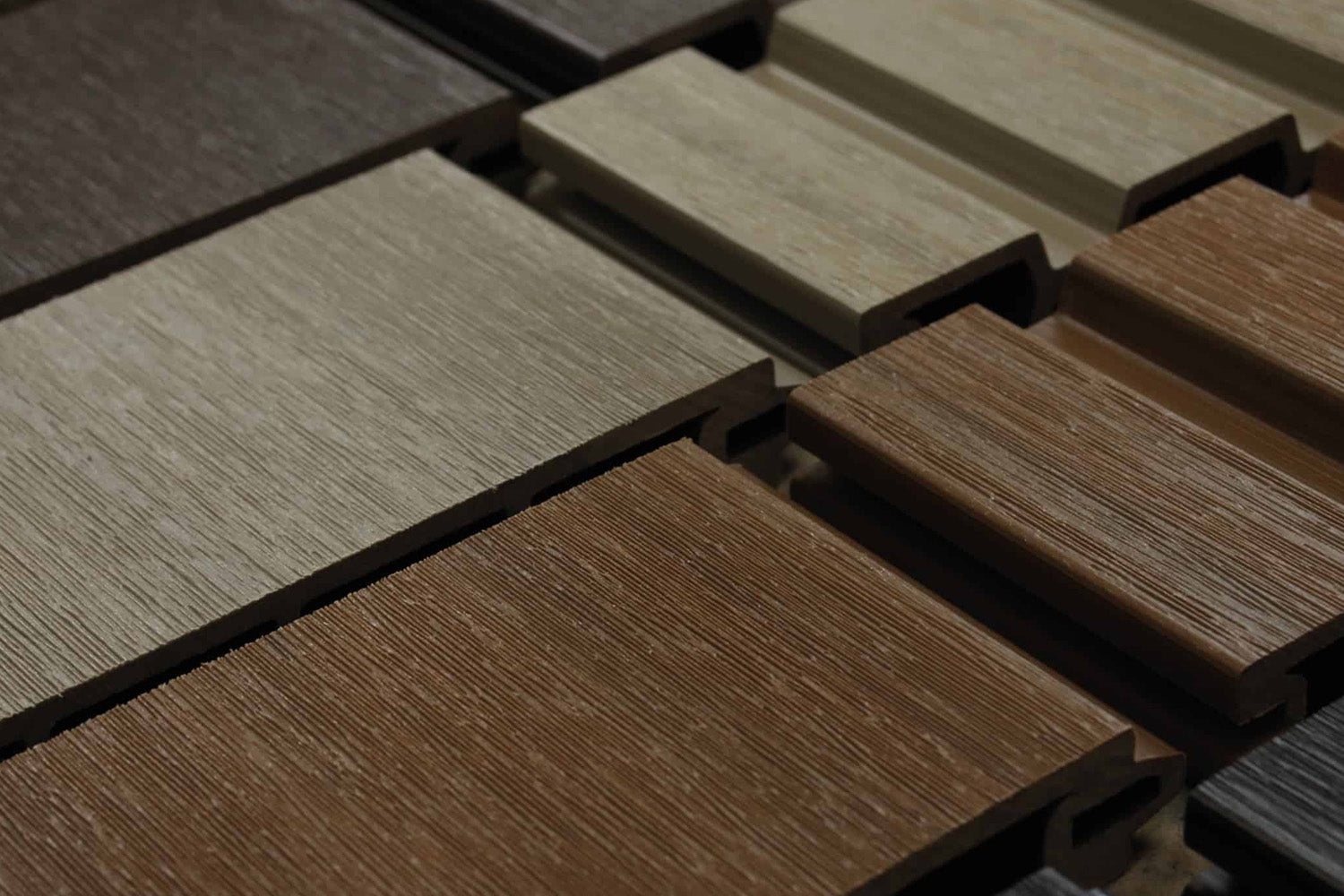
Start with fixed features such as brickwork, paving and existing decking. Warm teak or chocolate tones can complement planting and timber furniture, while grey, antique or charcoal offer different neutral directions. Review the current fencing colour guide for available options.
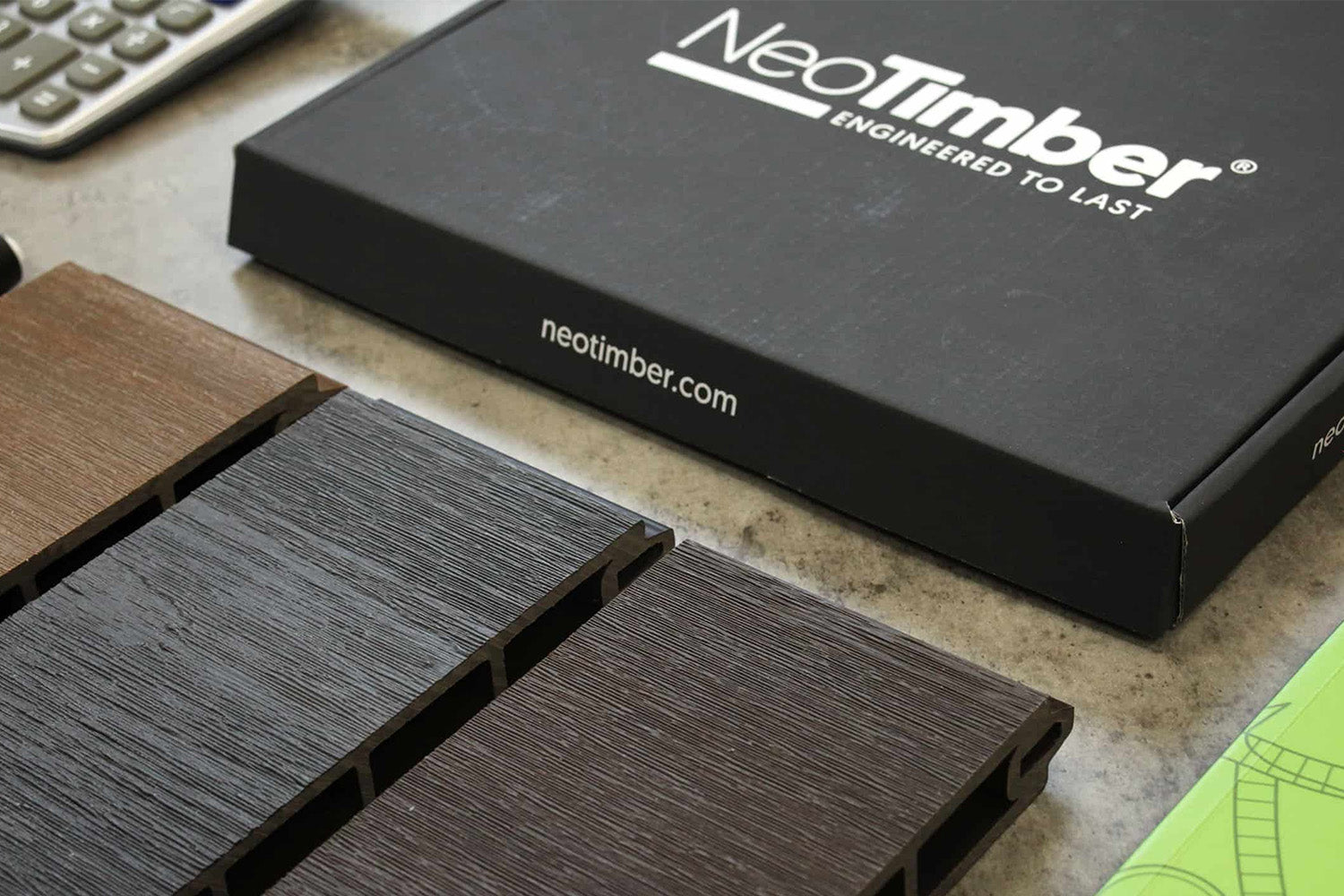
Compare physical samples outside. A colour may look different in shade, direct sun and beside wet paving. Similar names across product categories do not guarantee an exact match.
If coordinating with composite decking, composite cladding or composite balustrades, compare the actual finishes together before ordering.
Optional Decorative Screens
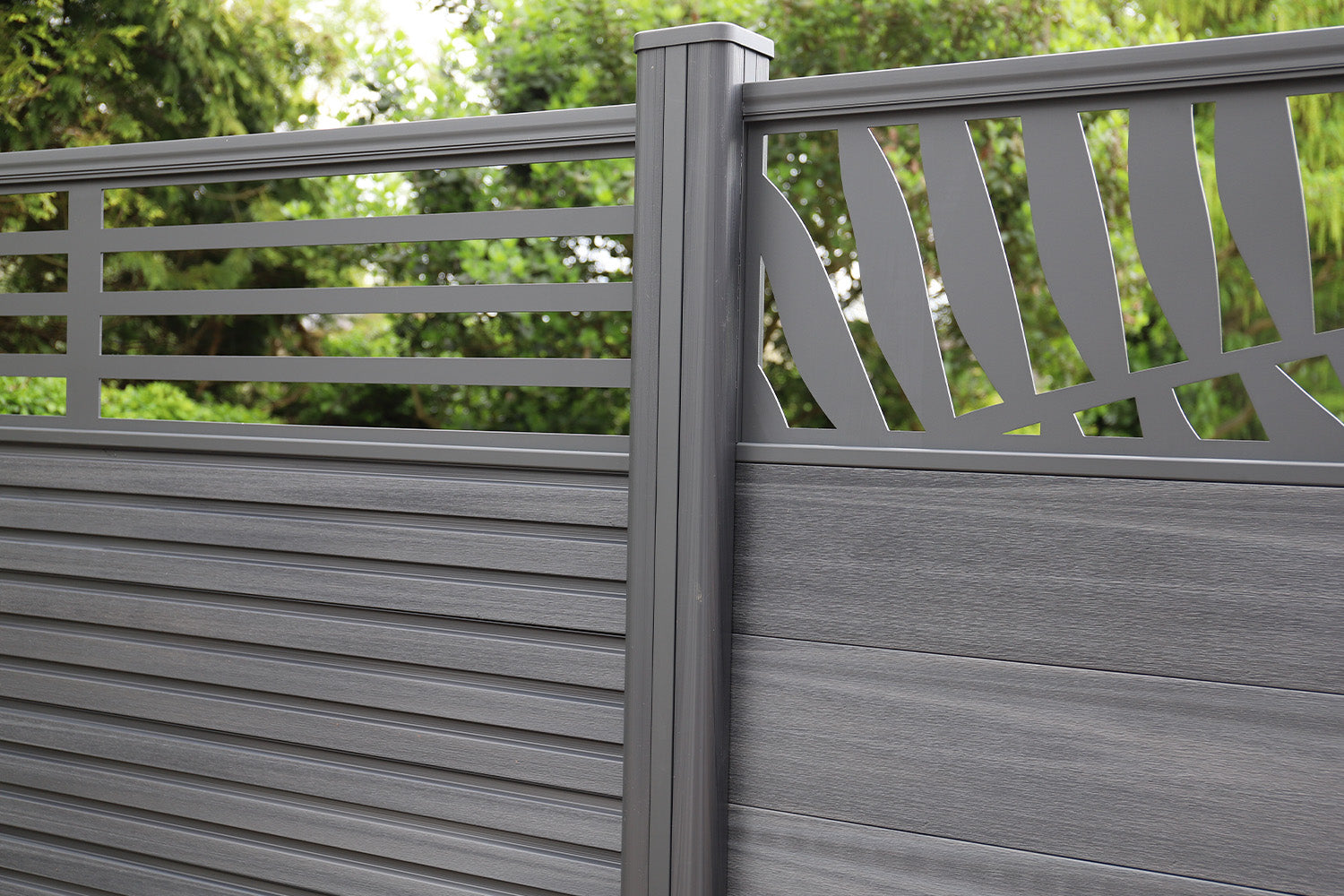
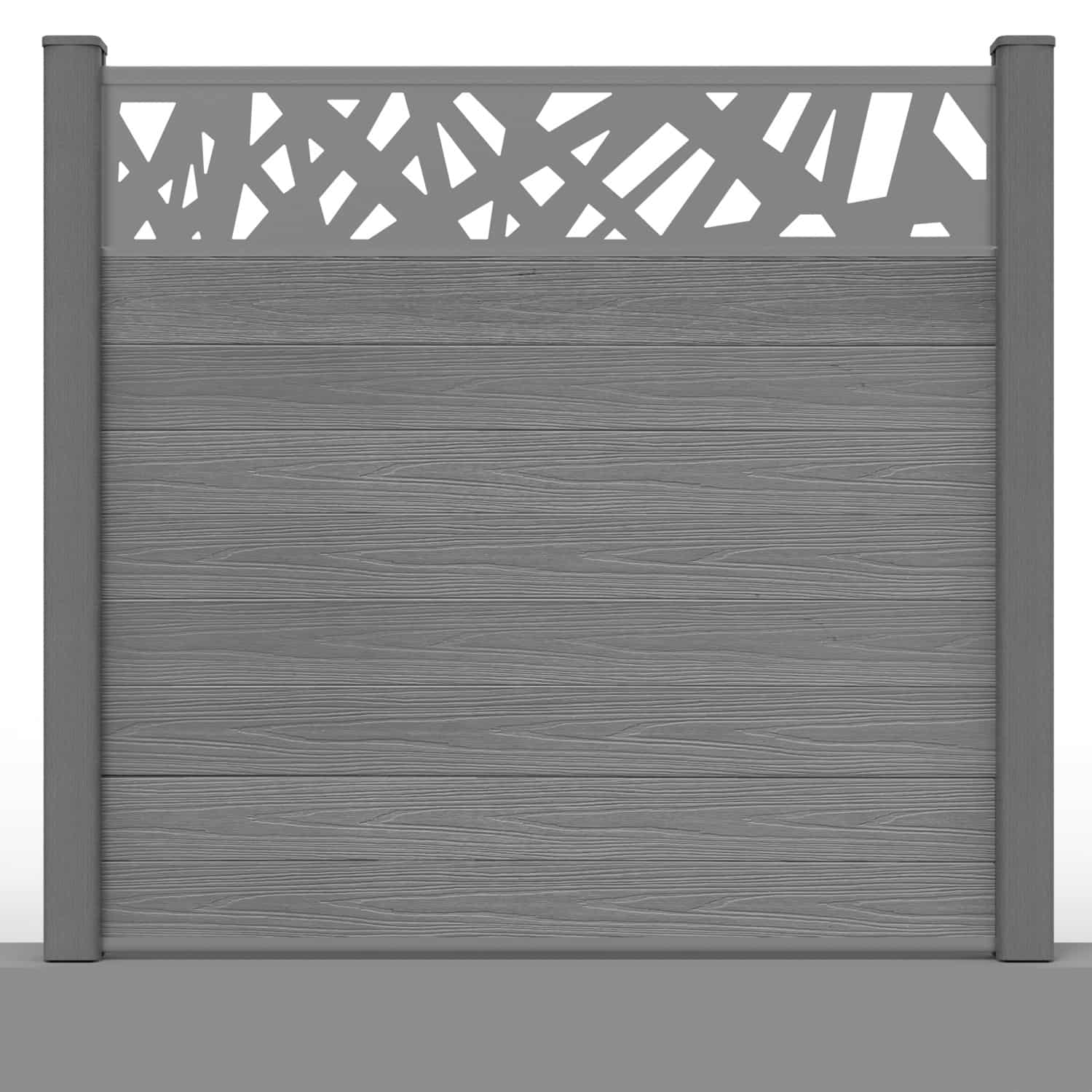
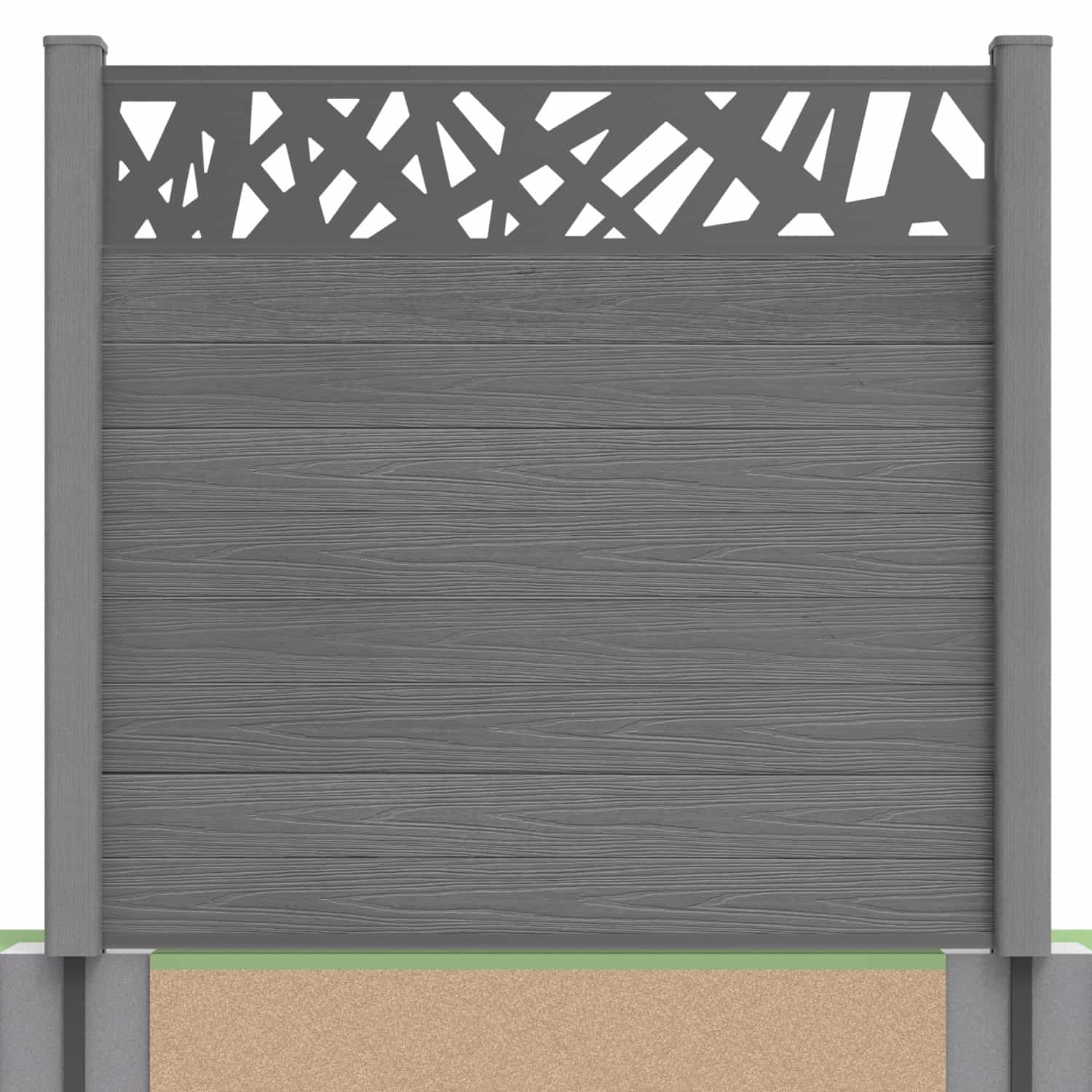
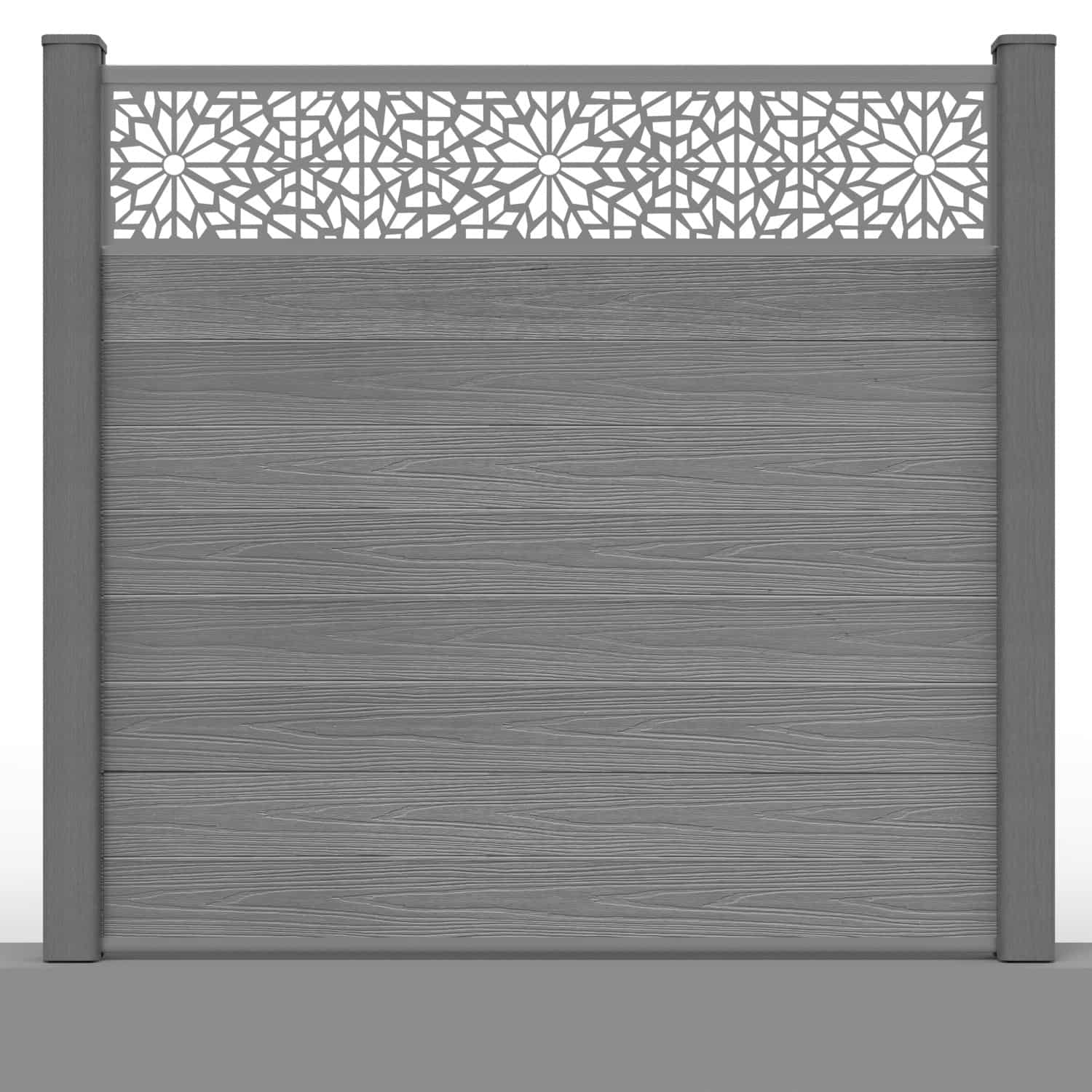
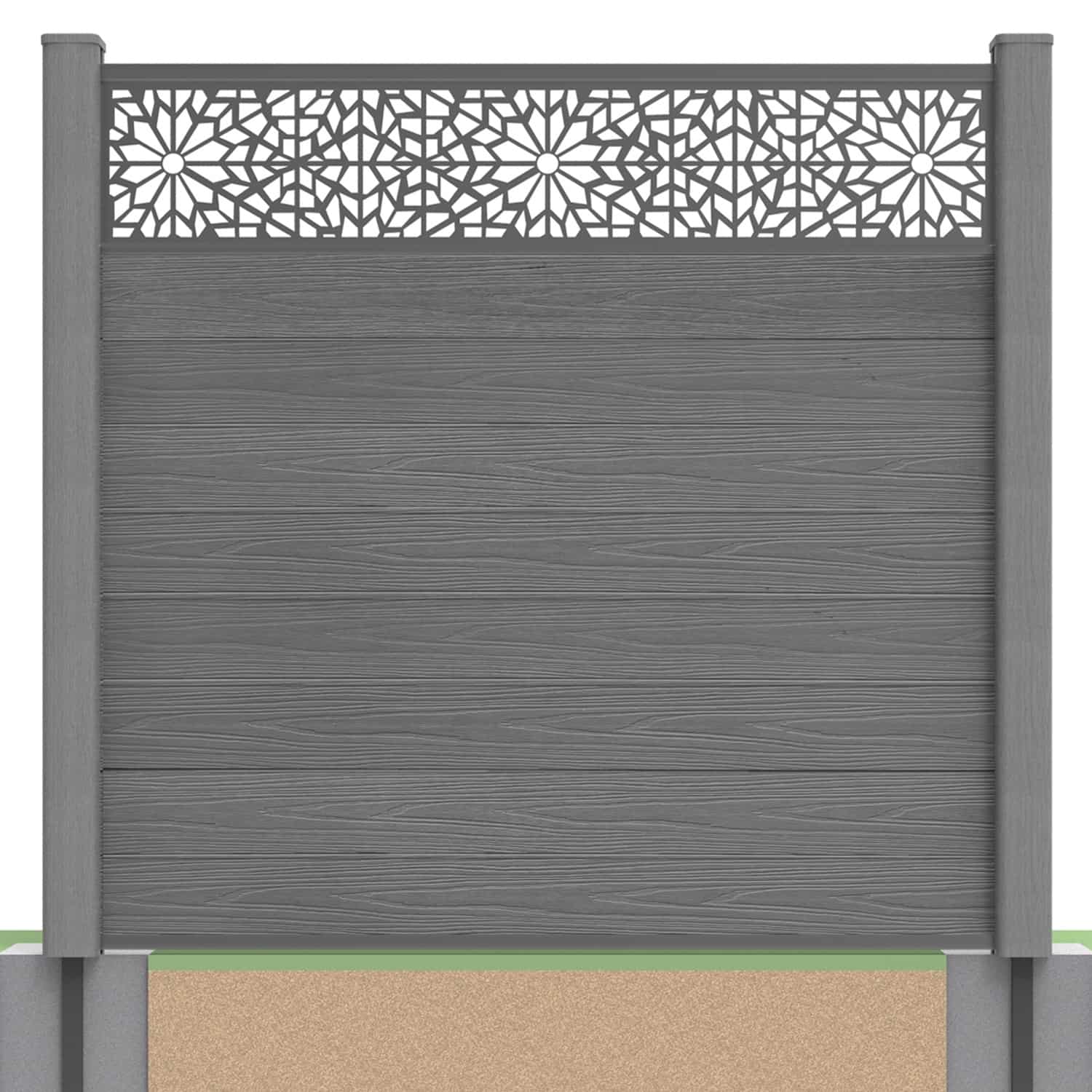
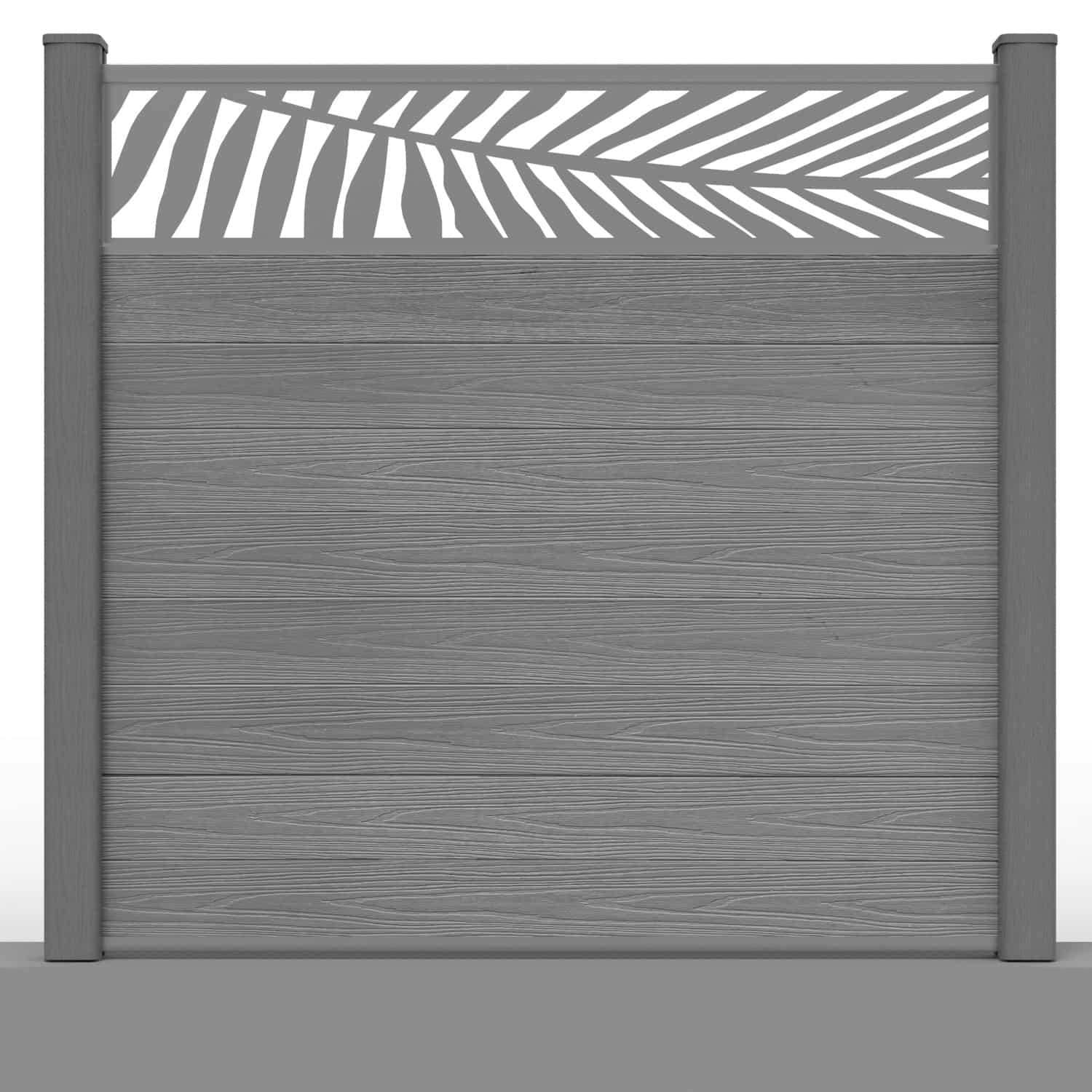
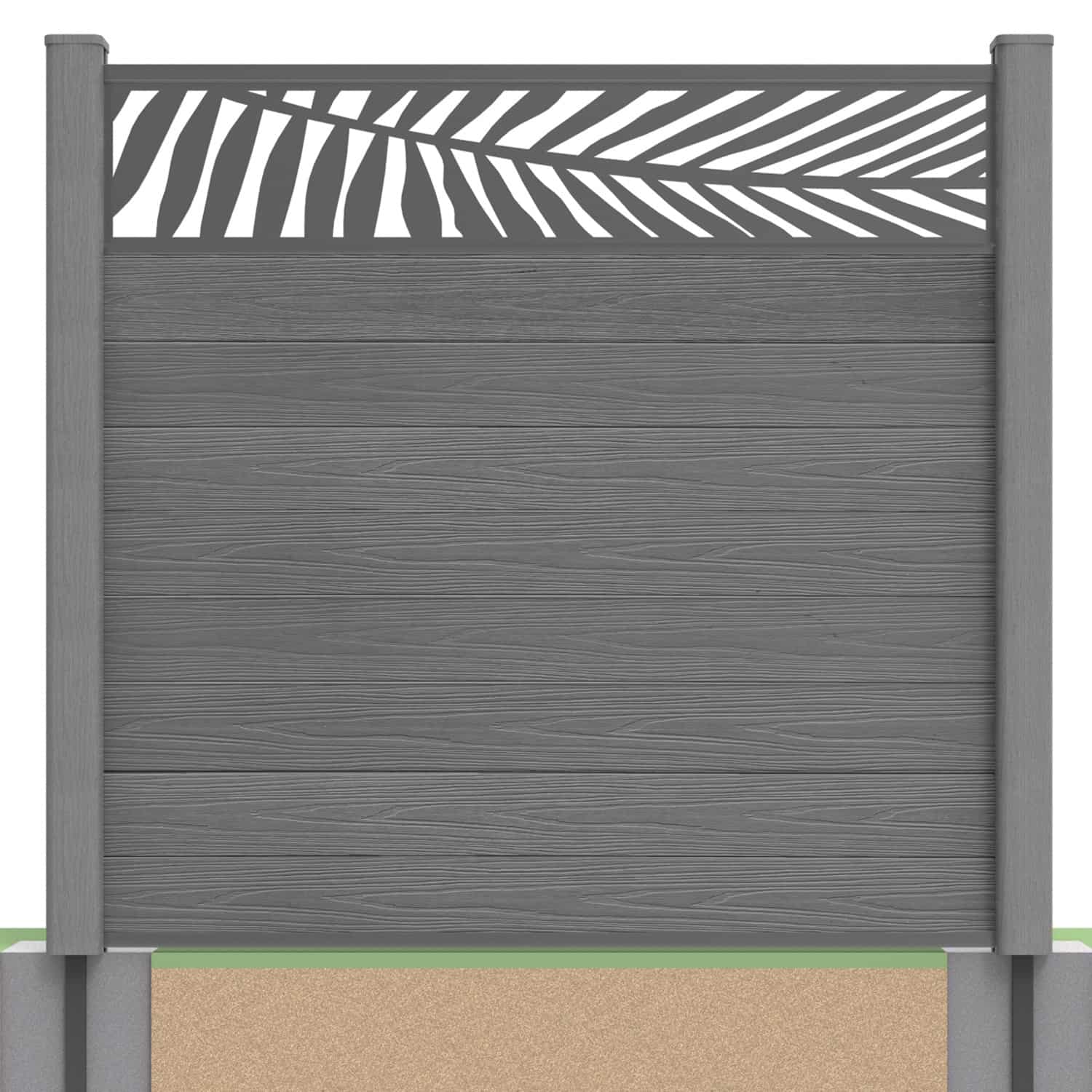
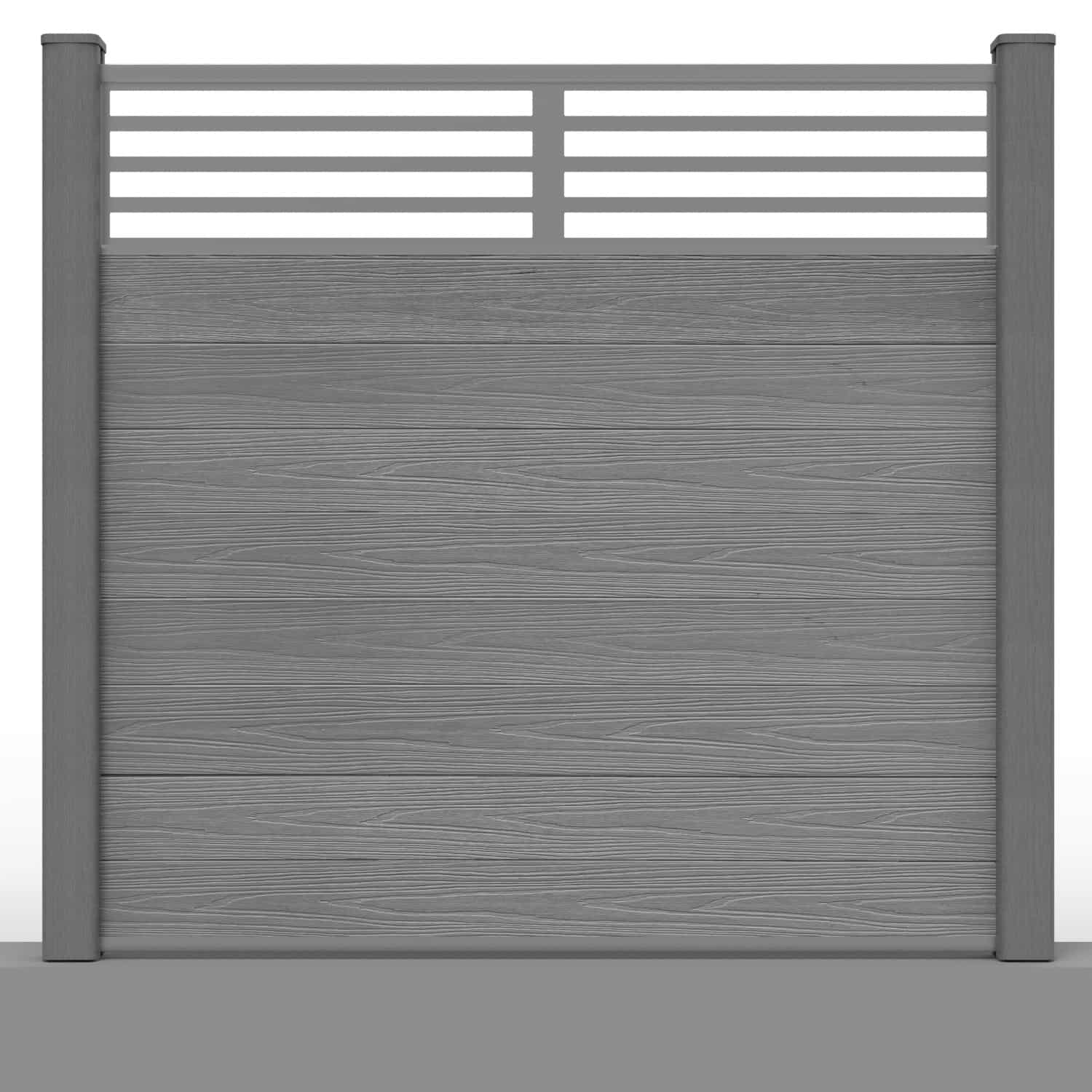
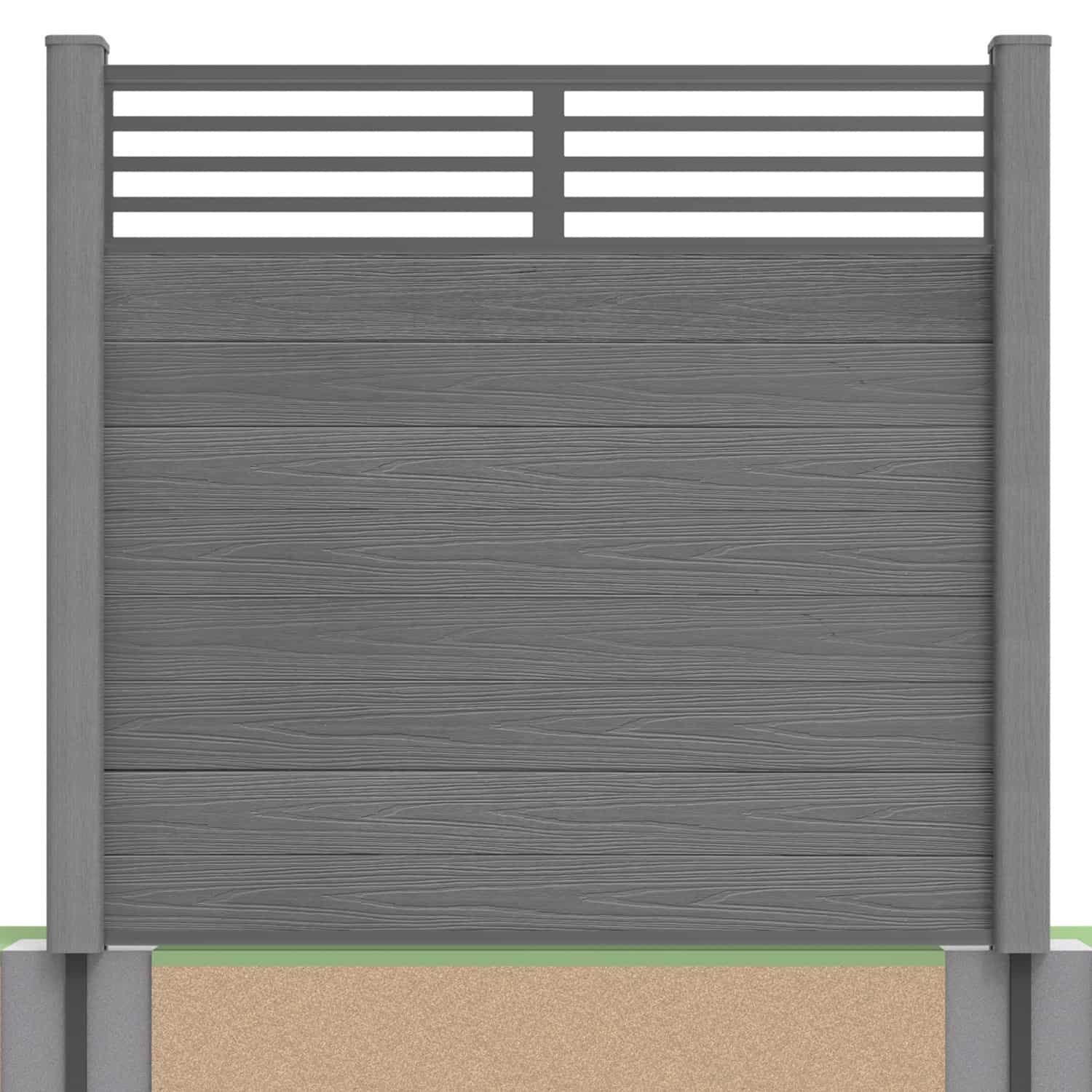
Compatible aluminium screens can add an upper feature to a board panel. Confirm the selected screen’s dimensions, retaining components and board quantities.
Cut-outs reduce visual coverage compared with uninterrupted boards. Consider neighbouring sightlines before choosing their position, and do not assume that a decorative panel is suitable as guarding beside a drop.
Plan the Supports and Retrofit Options
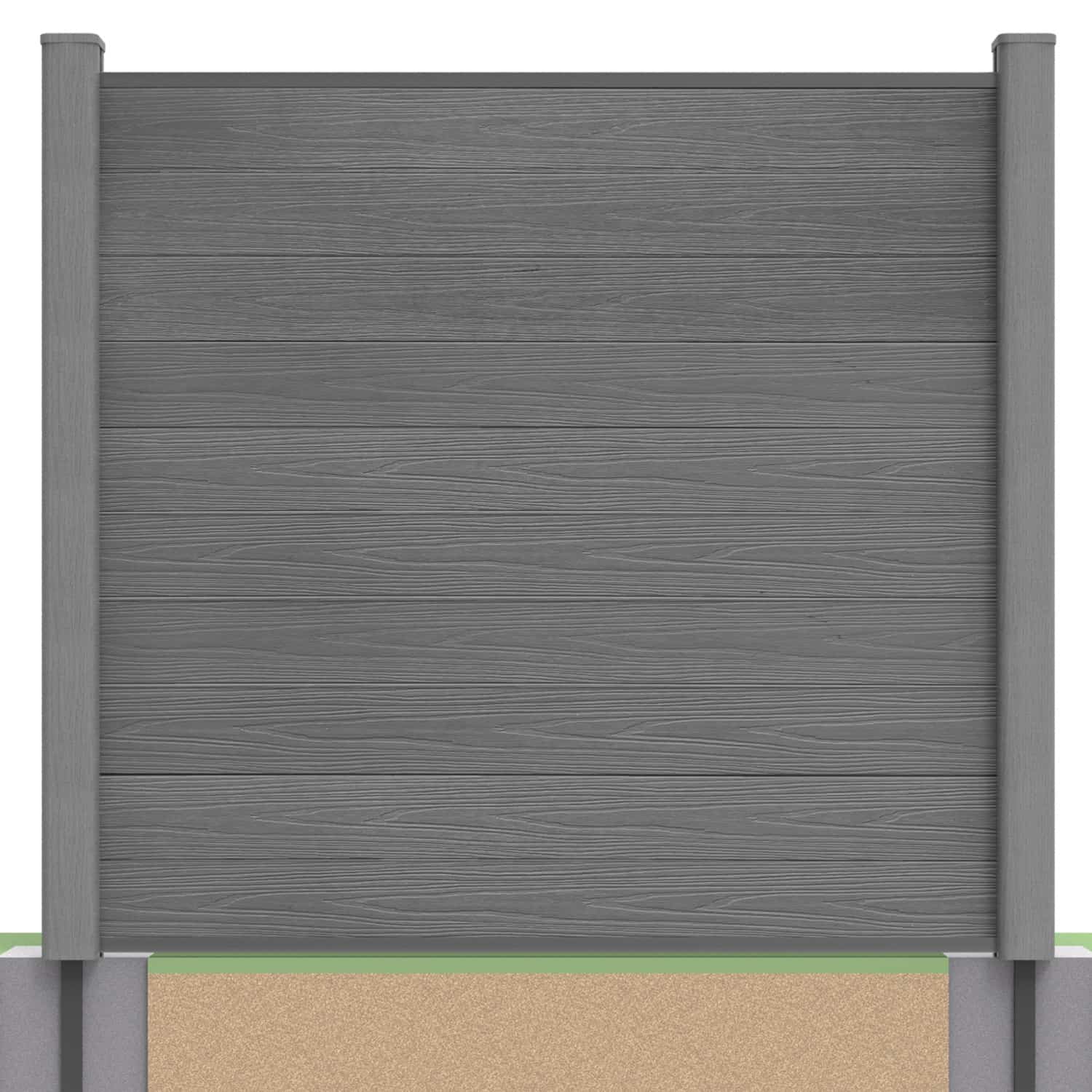
NeoTimber’s modular system uses separate compatible components. New-post arrangements include hard-ground supports anchored to a suitable structural base and soft-ground supports set into concrete foundations in earth.
Existing timber or concrete posts may be reusable where condition, foundations, dimensions and spacing are suitable. Compatible timber inserts and concrete inserts provide connections for the new infill; they do not repair weak posts.
For shorter bays, confirm permitted cutting methods, board engagement and movement clearances. Review the installation guidance before fixing posts or modifying components. Component replacement later may require removing rails or other boards, depending on access and assembly.

Compare Complete Costs and Care Requirements
Include boards, posts, supports, rails, inserts and fixings in the materials list. Add foundations, delivery, old-fence removal and installation where applicable. Gates, corners and changes in level may require additional components.
Factory-finished capped boards reduce routine decorative treatments, but still need suitable cleaning and periodic checks. Follow the fencing maintenance guide before using cleaners or attempting repairs.
Read the current warranty terms for covered products, conditions and exclusions. A headline period is not a guaranteed lifespan, a promise of no colour change or cover for every type of external damage.
Frequently Asked Questions
Is resin fencing always the same as composite fencing?
No. Resin is a broad term that does not establish a single composition. Check the exact material and specification of the selected product.
Are NeoTimber® boards made entirely from plastic?
No. They are wood–plastic composite and contain a wood component. They should not be described as wood-free.
Do resin fence panels need painting?
Requirements vary by product. NeoTimber’s capped composite boards are supplied with their intended finish and do not need routine painting or staining.
Can I fit new boards between existing posts?
Potentially, where post condition, foundations, spacing and dimensions suit the compatible insert arrangement. Assess the structure before ordering.
Does the Slatted design have open gaps?
The batten-inspired appearance is formed in the board profile. It should not be treated as an open decorative screen.
Is composite fencing maintenance free?
No. Appropriate cleaning, inspections and attention to damage remain necessary, even where routine painting and staining are avoided.
Choose a Fence With a Clear Specification
Compare the actual material, finish and supporting system rather than relying on the resin label alone. Explore the NeoTimber® composite fencing range, request samples or contact the team to check the components for your project.