Understand What “Solid” Means Before Choosing Your Composite Fence
Solid composite fencing can describe different things: a visually closed boundary, a board without internal cavities, or simply a fence that feels secure. Those meanings are not interchangeable. Before buying, establish whether you are comparing panel coverage, the board’s cross-section or the complete supporting structure.
NeoTimber’s modular composite fencing provides a board-and-rail system with compatible post arrangements. This guide explains the important distinctions so that you can choose a suitable privacy boundary without assuming that every component is solid throughout.
Explore our fencing products for wider advice, or browse the composite fencing range to compare specific composite products.
In this guide: What solid means · Post construction · Privacy and coverage · Installation · Care and warranty · FAQs
A Solid Composite Fence Is Not Necessarily Solid-Cored
A panel can provide continuous visual coverage while its boards contain internal chambers. Equally, a solid-cored board does not establish that the completed fence is suitable for every height, exposure or foundation.
Different meanings of “solid” in fencing descriptions:
| Description | What it tells you | What to check |
|---|---|---|
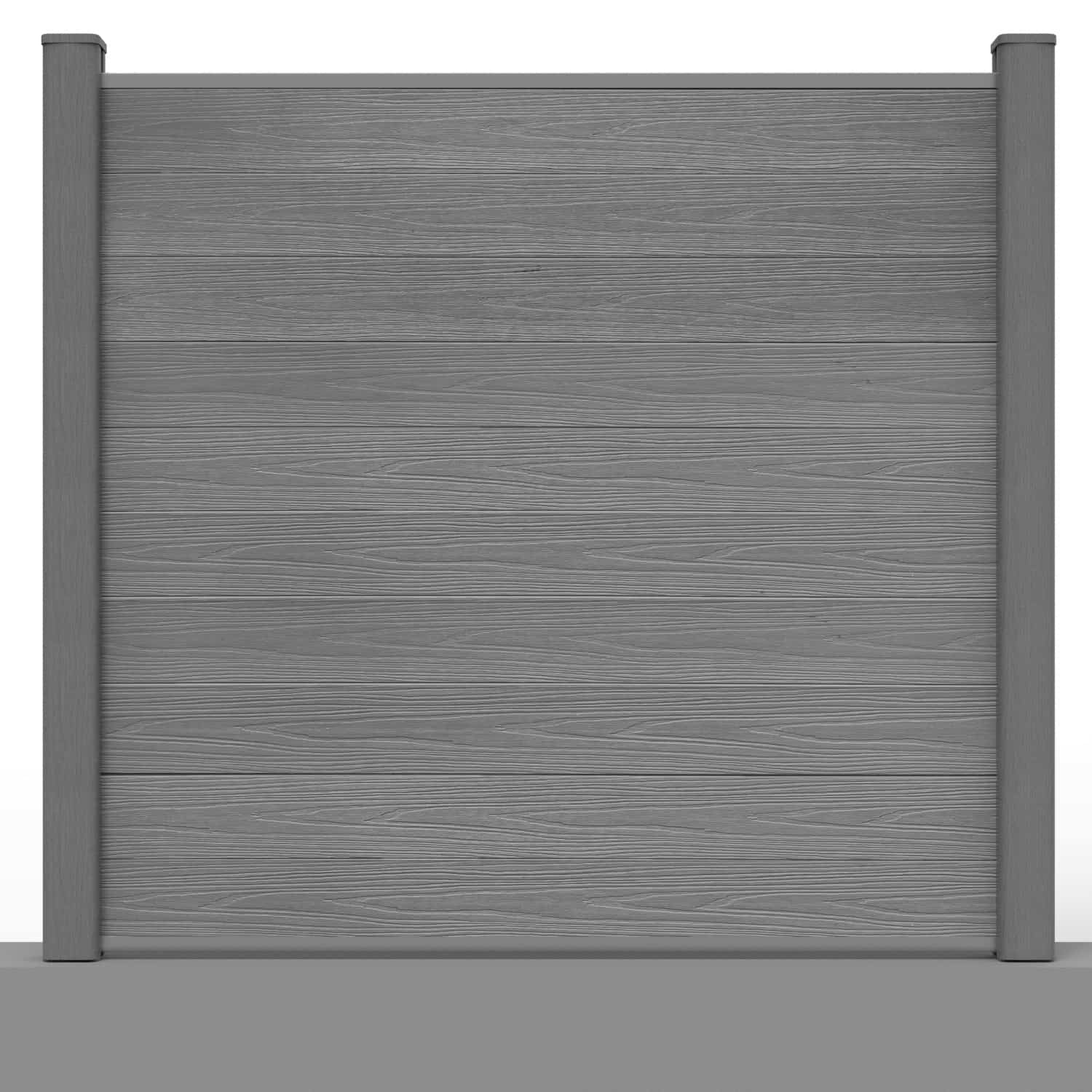
| Solid-looking panel | The infill provides visual coverage rather than an open pattern. | Board engagement, edge clearances and any decorative openings. |
| Solid-core board | A description of the material across the board’s cross-section. | The actual technical drawing and product specification. |
| Securely installed fence | A description of the completed assembly. | Posts, connections, supports and foundation suitability. |
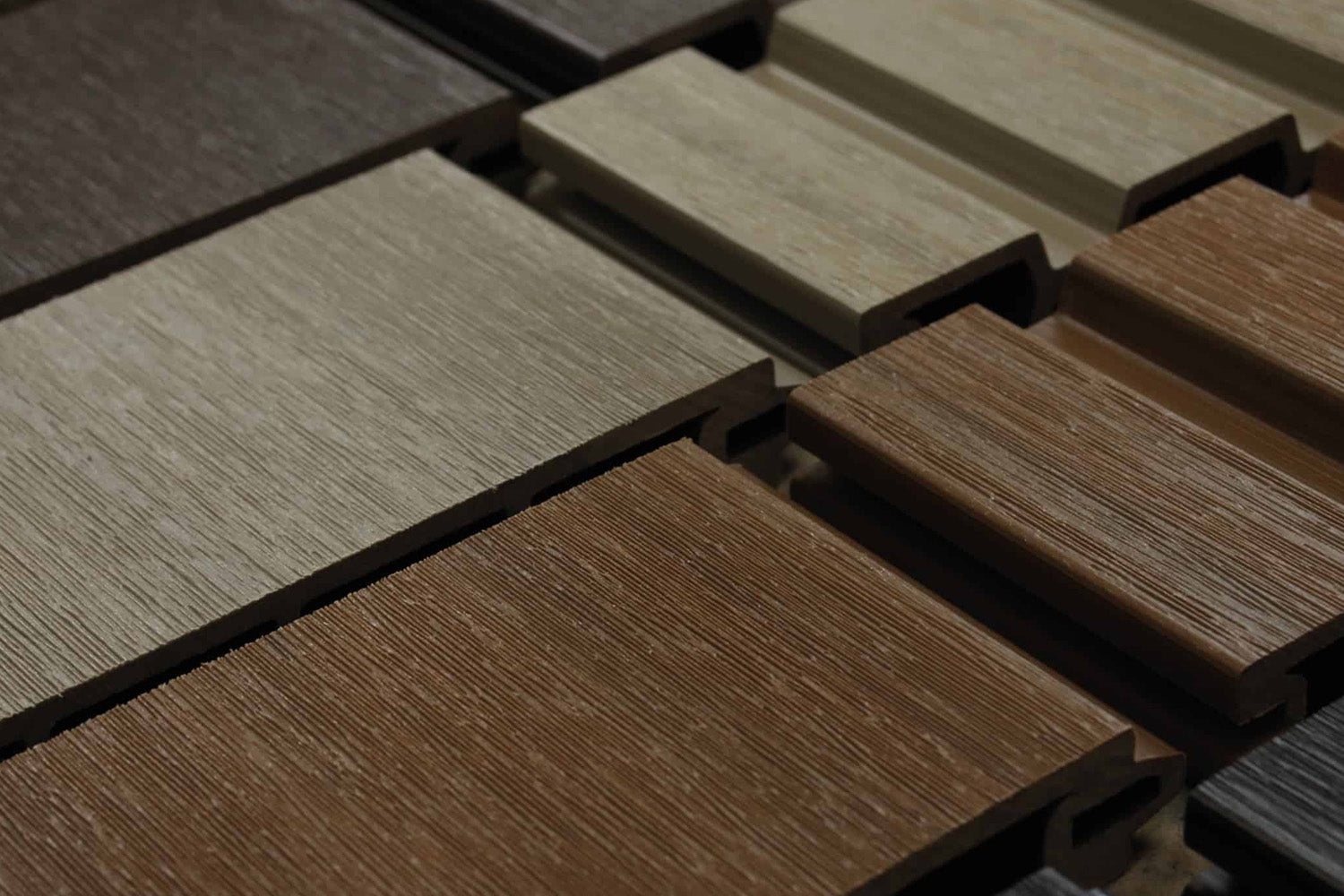
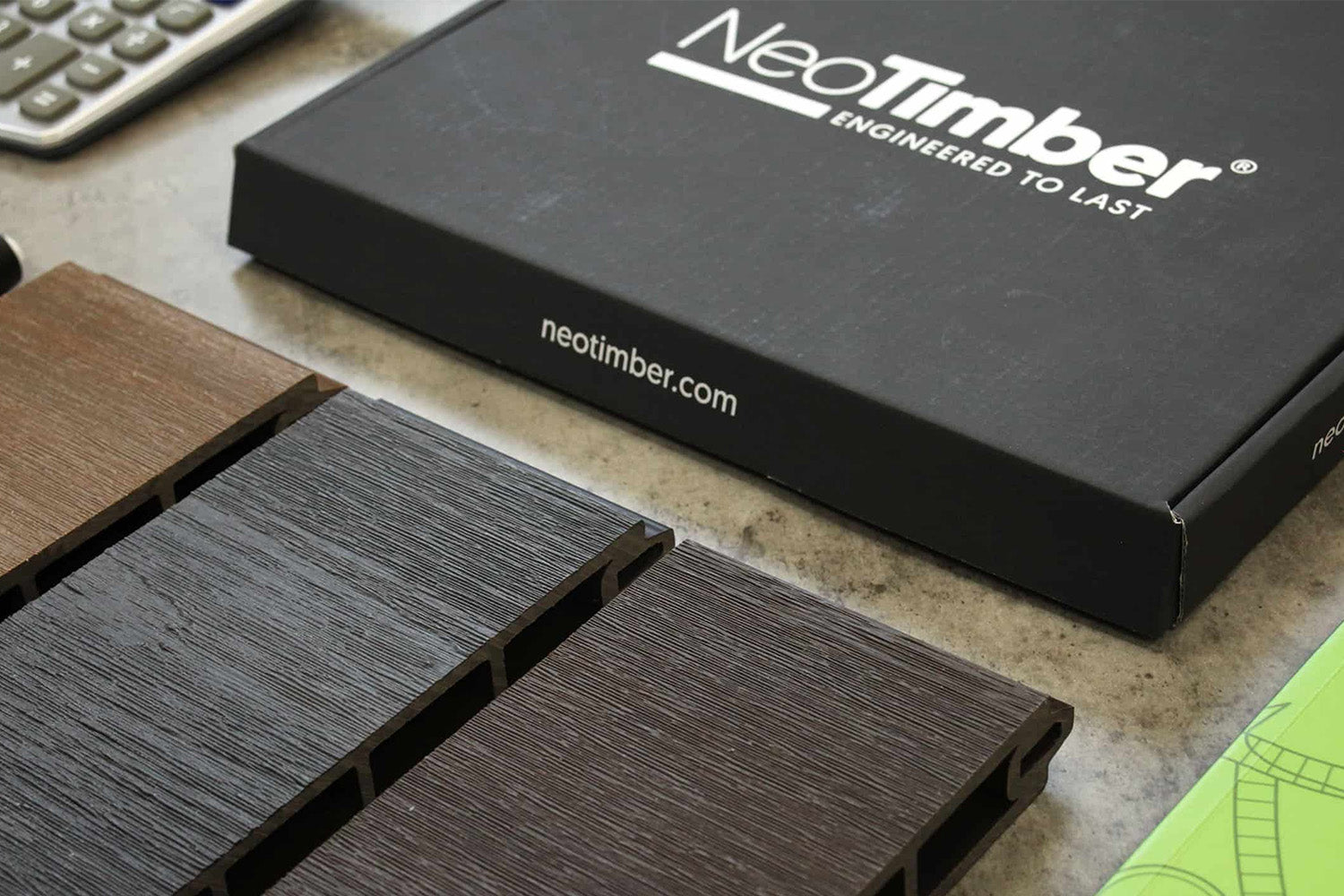
Request a cross-section drawing where core construction matters to your decision. Do not infer it from a photograph of the finished face, the weight of a board or the word “premium”. Compare relevant technical information for the proposed system.
What Should You Know About Solid Composite Fence Posts?
If you are searching for solid composite fence posts, check whether you need a genuinely solid section or a complete post assembly with internal support. The external appearance does not establish what is inside.
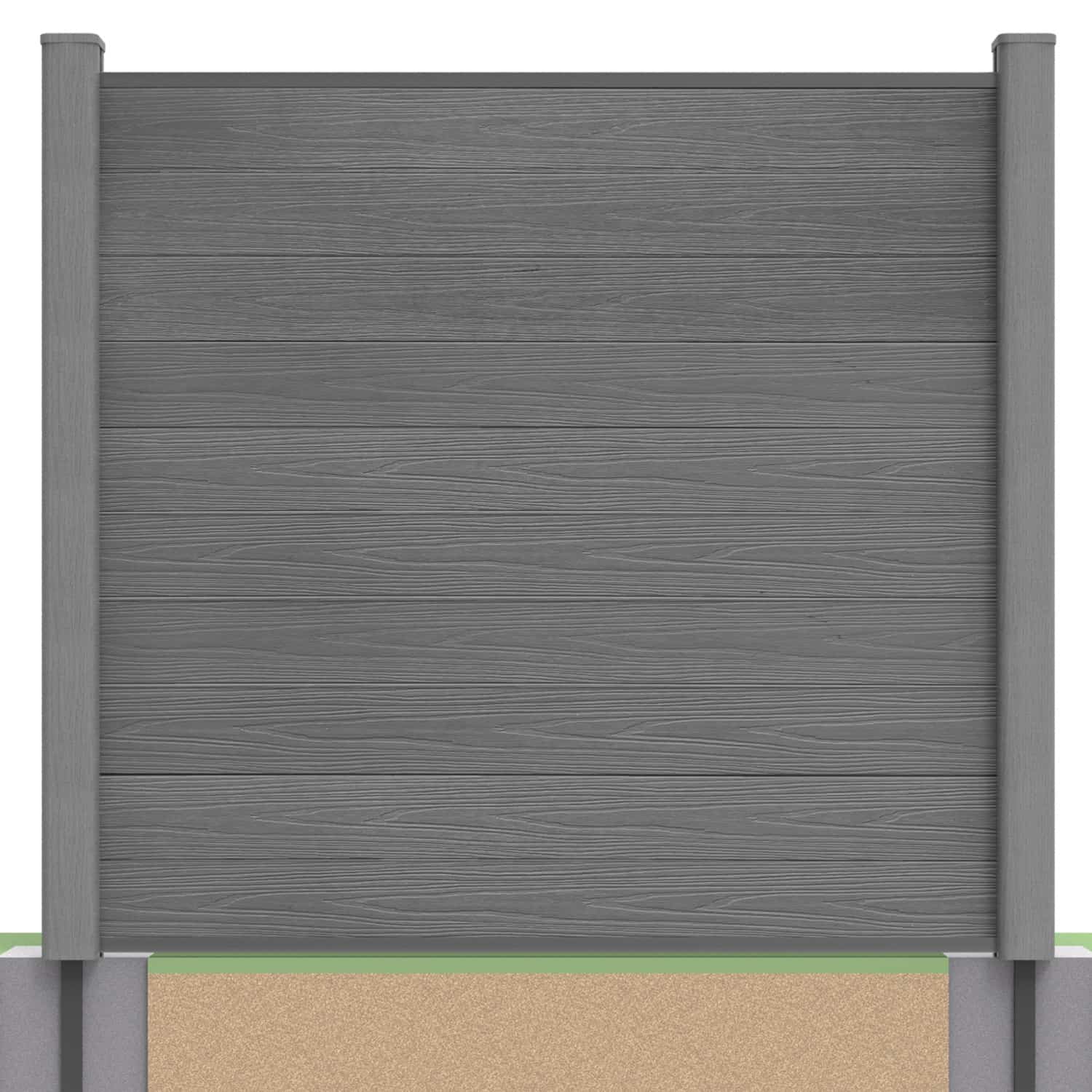
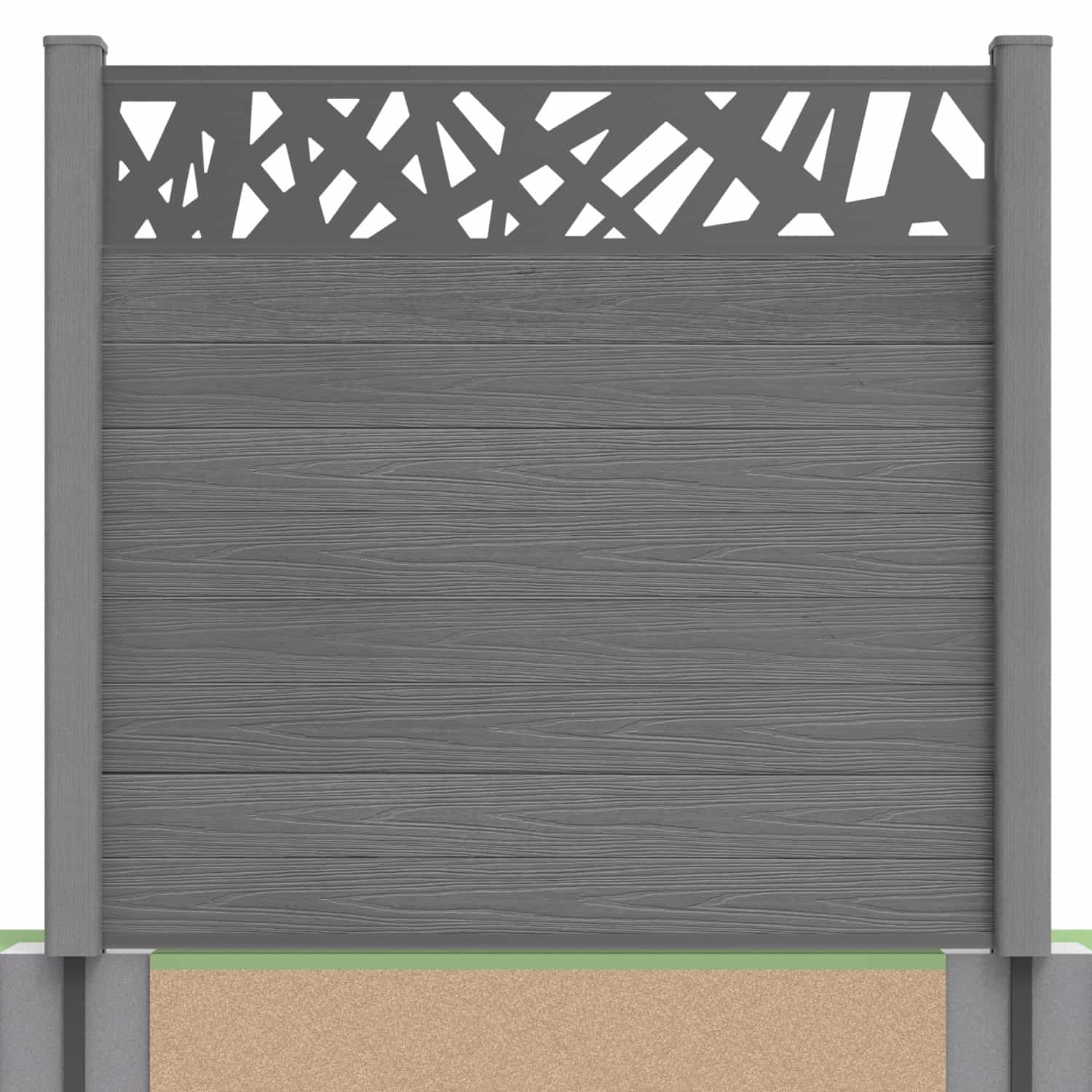
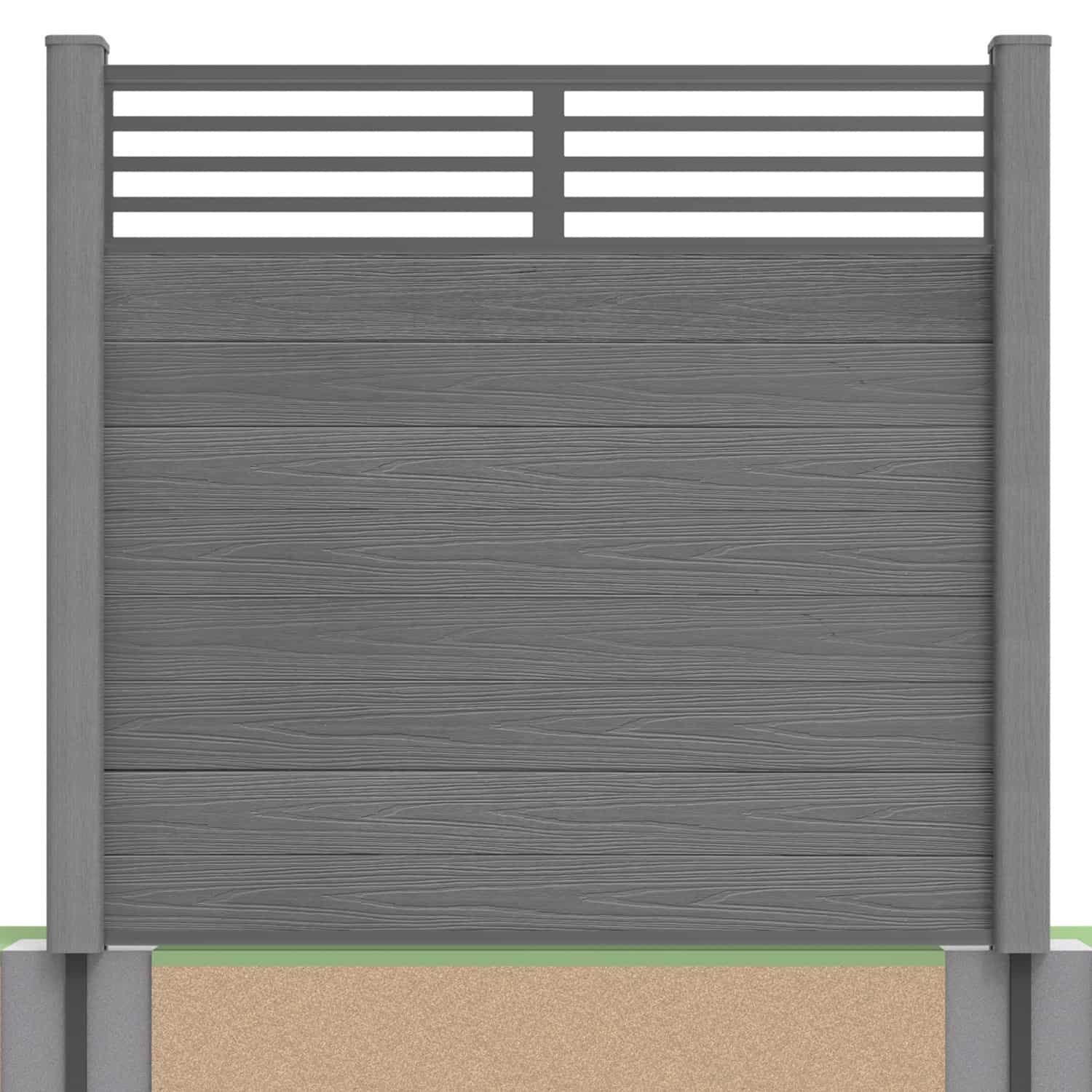
In NeoTimber’s composite-post arrangement, a galvanised steel support provides structural anchorage and an outer composite post fits over it. The visible post provides the finish and board channels; it should not be described as a solid block of composite or used as a standalone structural member.
Review the composite post guide and the selected support specification. Fence-panel posts and foundations should not automatically be assumed suitable for a gate, which introduces different operating loads.
How the Boards and Rails Form a Panel
NeoTimber’s boards engage through tongue-and-groove edges and sit within compatible post channels or retrofit inserts. Capping rails complete the top and bottom of the board section as specified.
The system depends on compatible components and correct assembly. Interlocking edges are not a guarantee against movement, warping or wind damage, and the protective surface cap should not be treated as structural reinforcement.
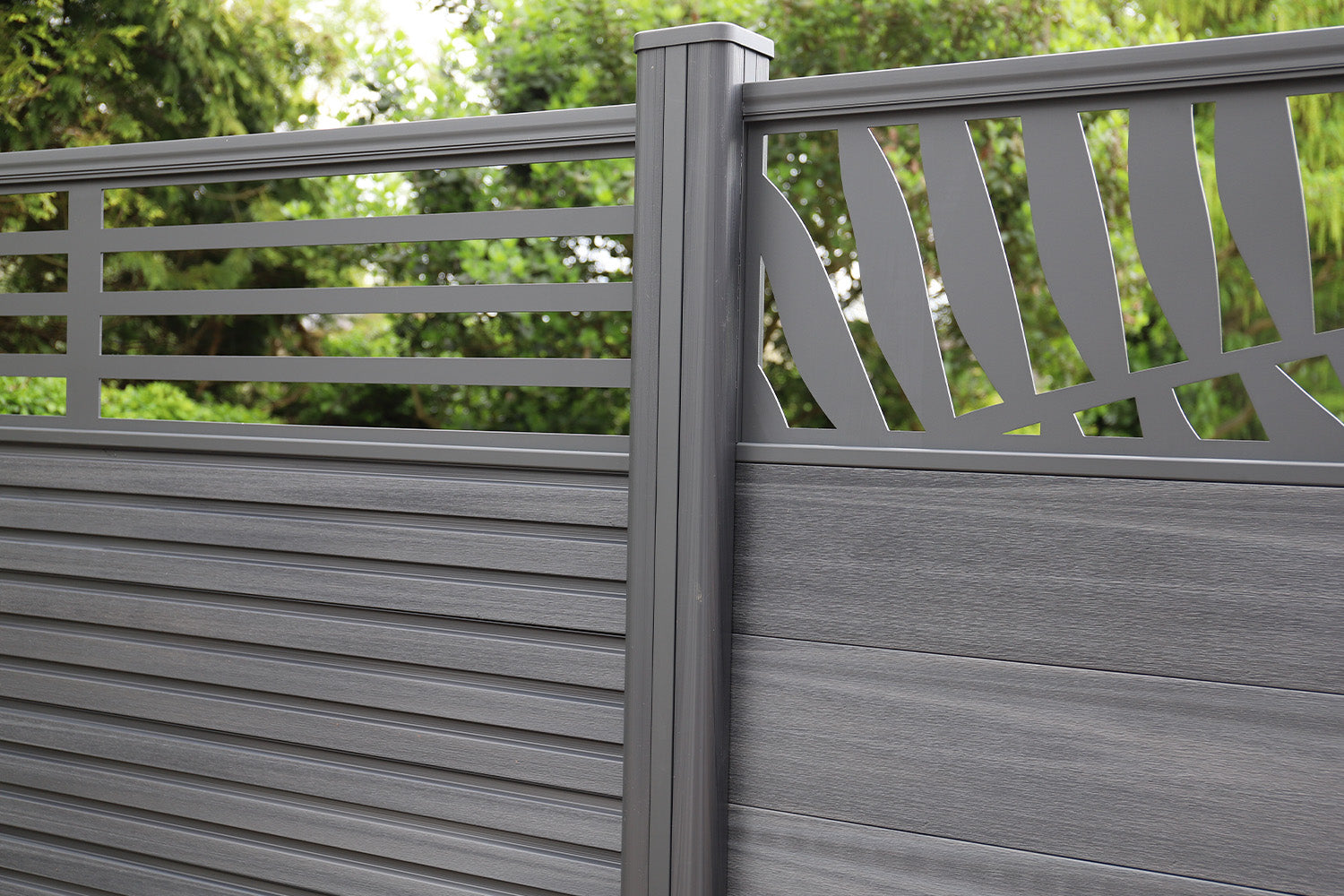
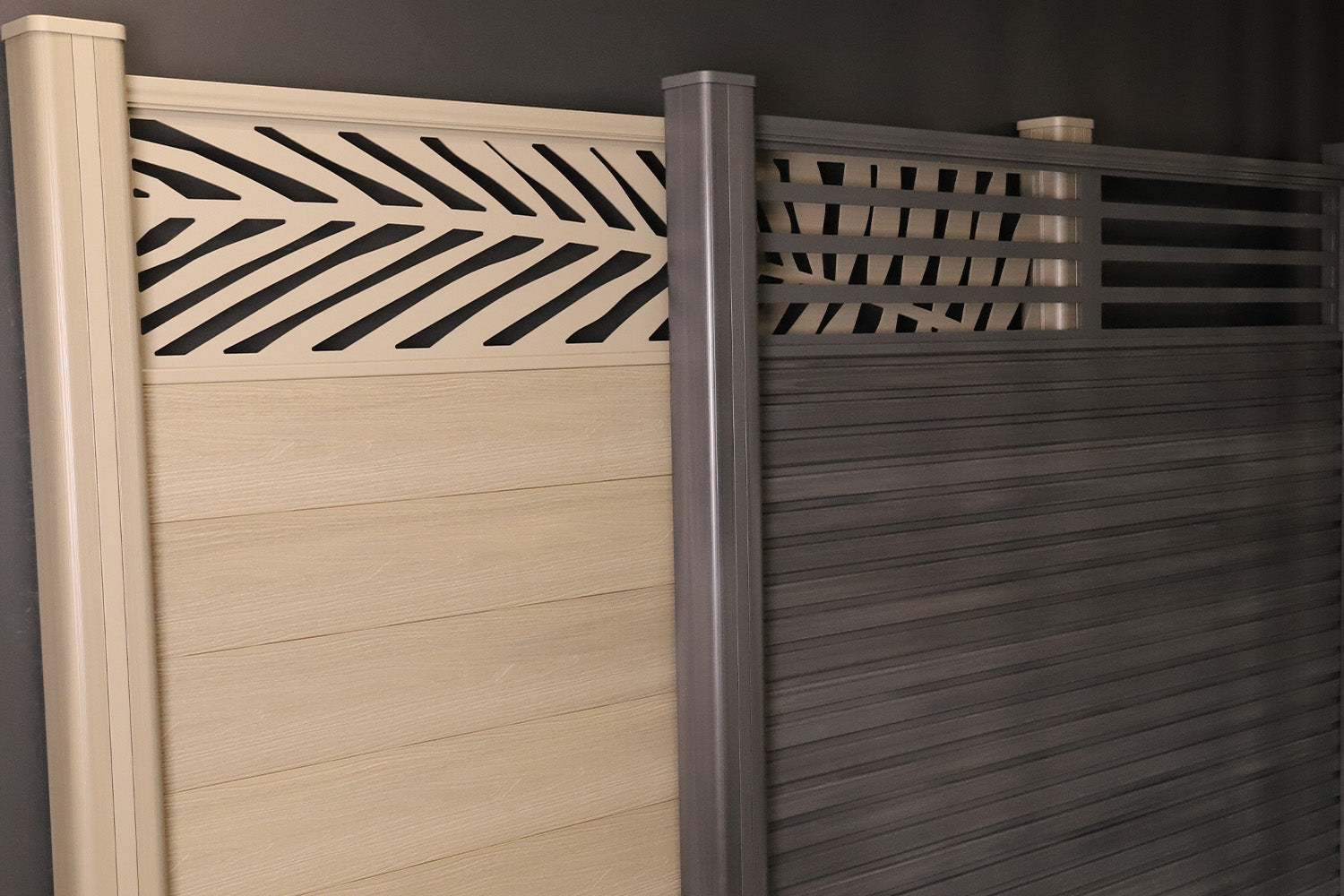
Compare the Deluxe panel set, with woodgrain and brushed board faces, and the Slatted panel set, with its repeated batten-inspired profile. Confirm compatibility rather than mixing different board profiles within a panel.
Choose the Coverage Around Your Privacy Needs
A board-only panel can provide a more closed appearance than an open decorative screen. Assess the completed layout from neighbouring windows, paths and seating areas, rather than relying only on a close-up product image.
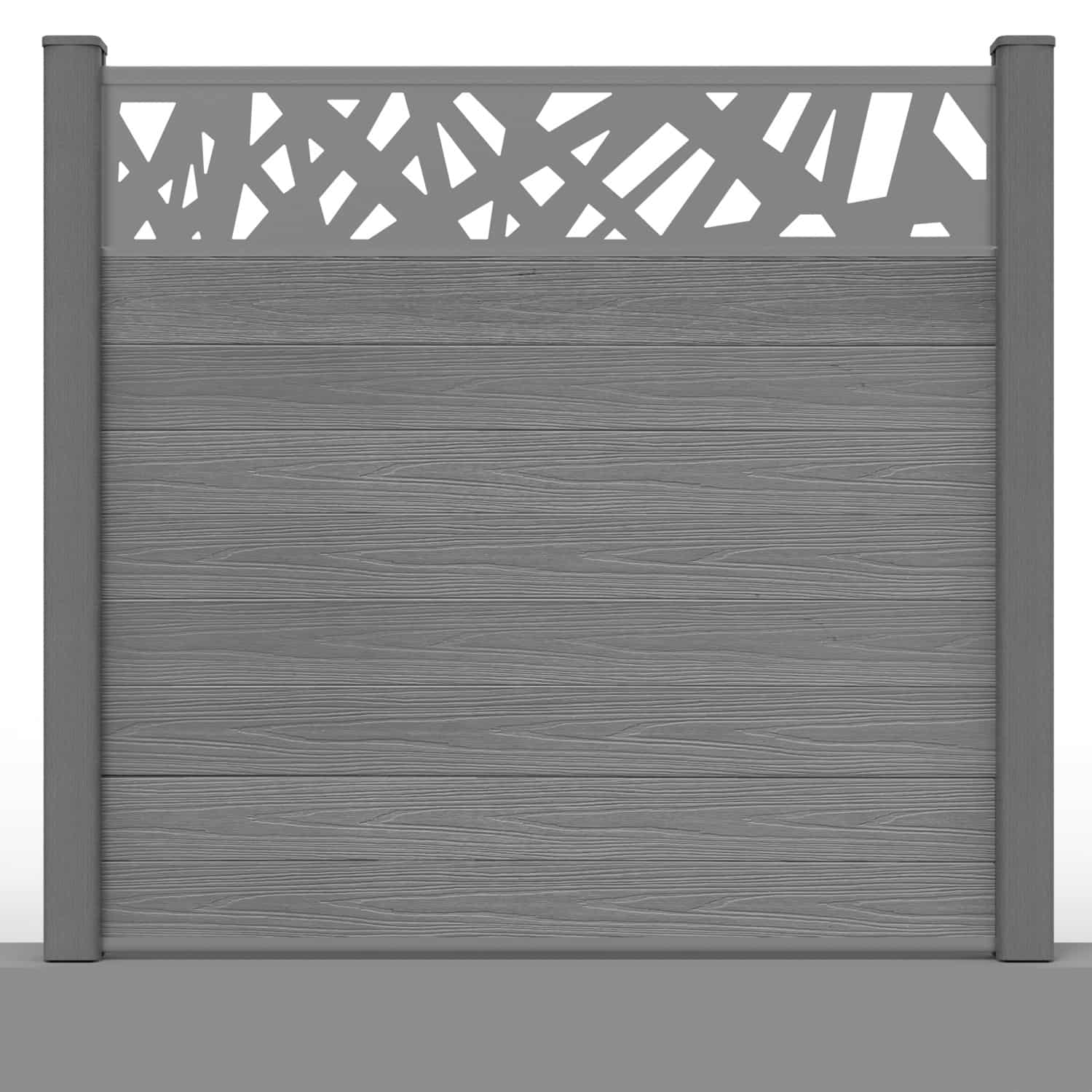
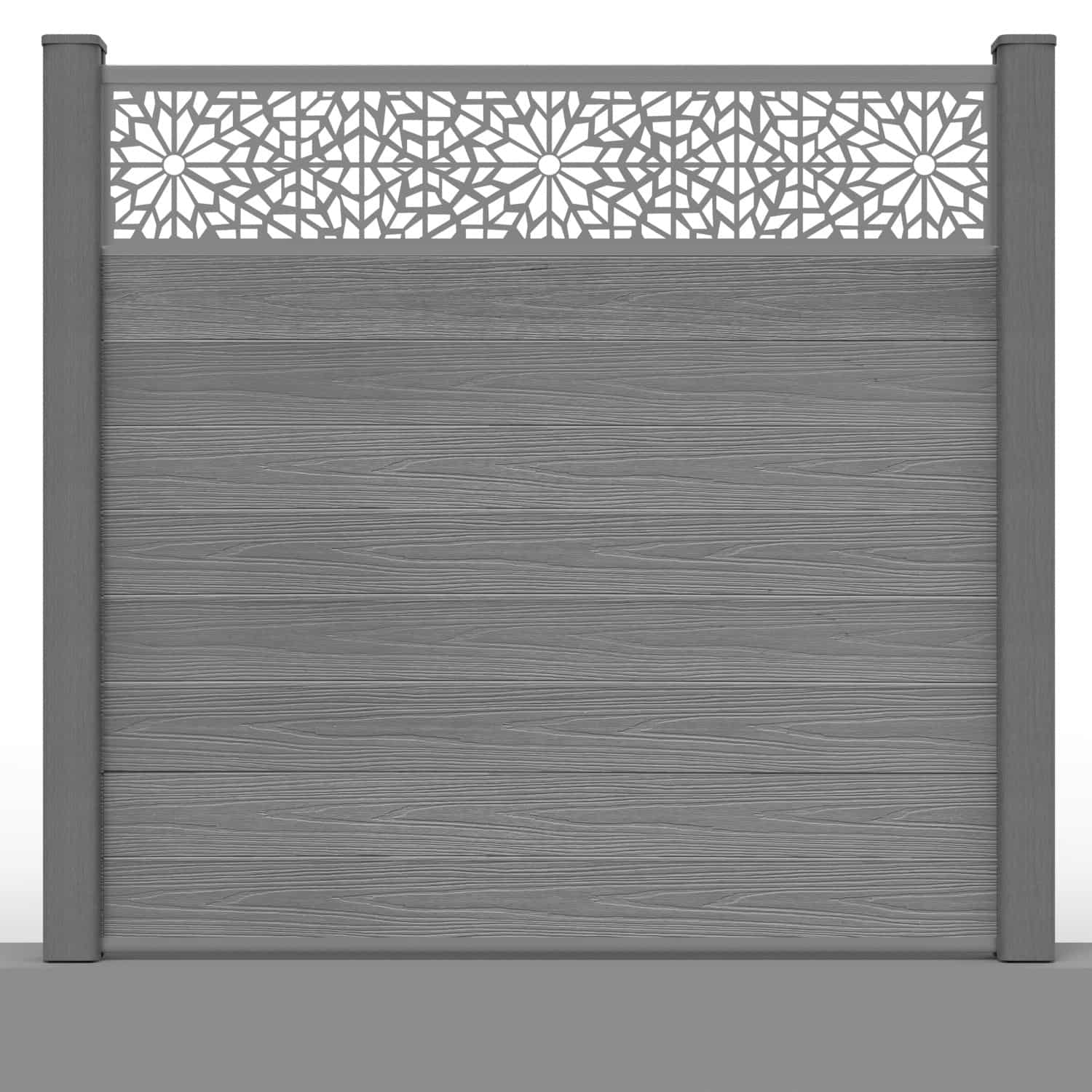
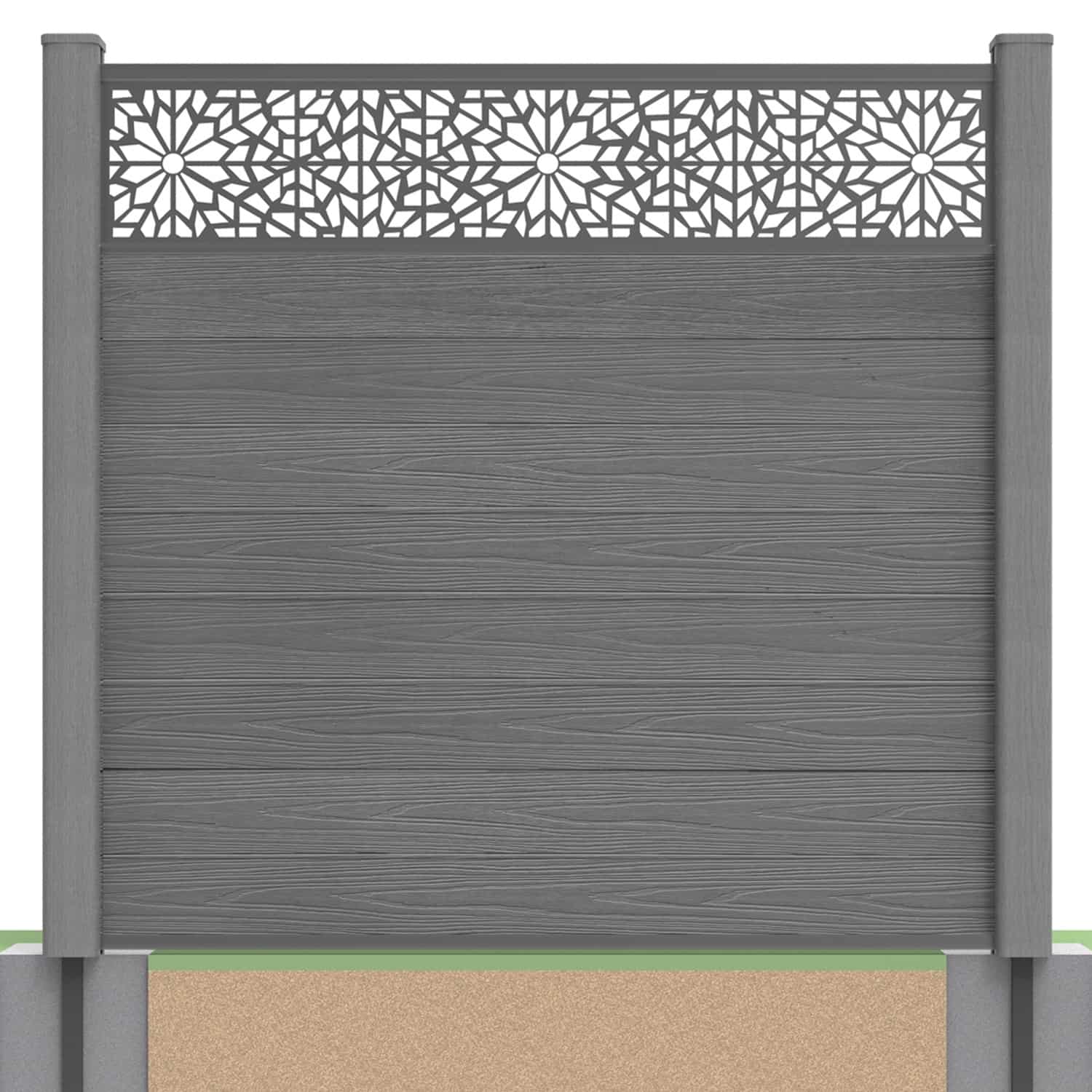
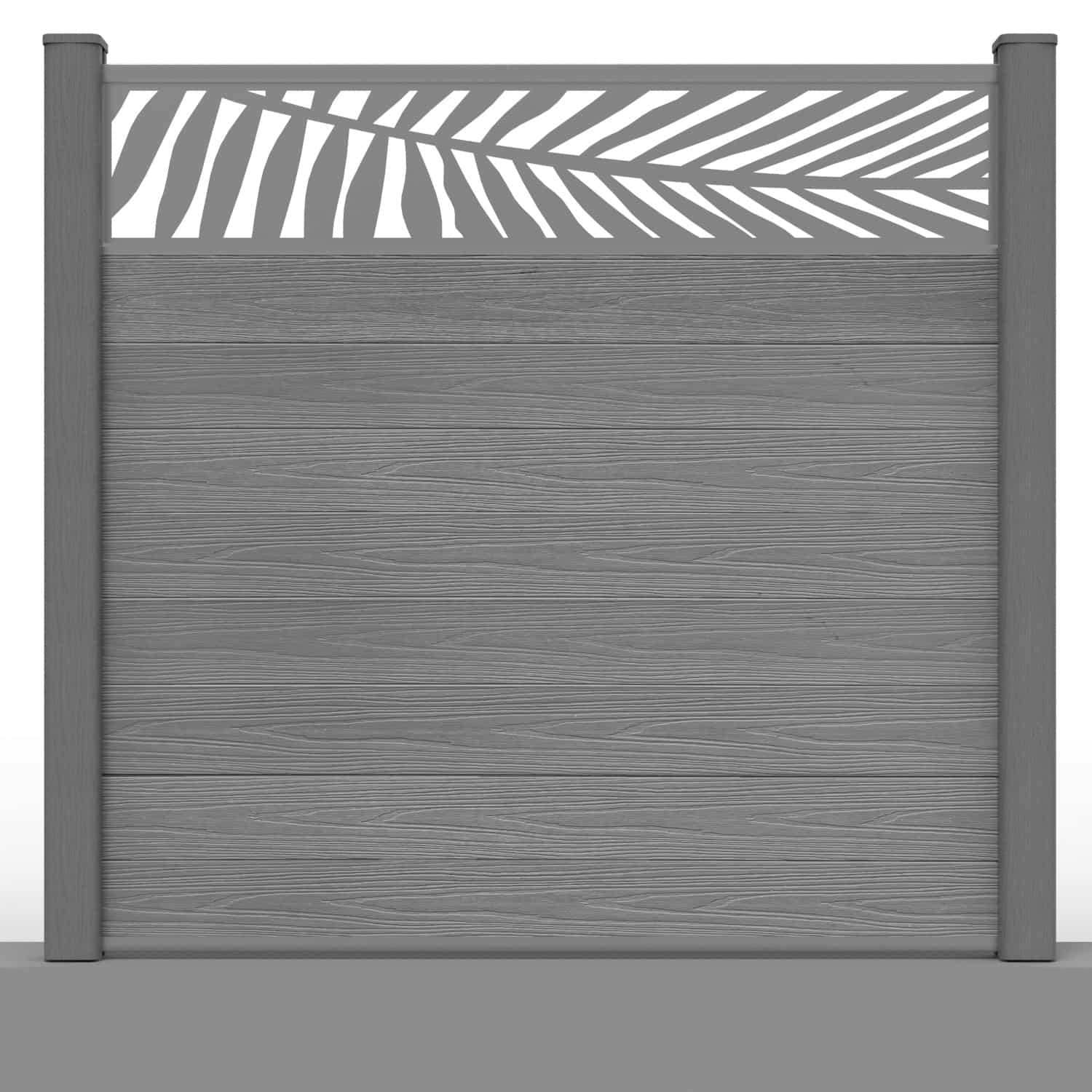
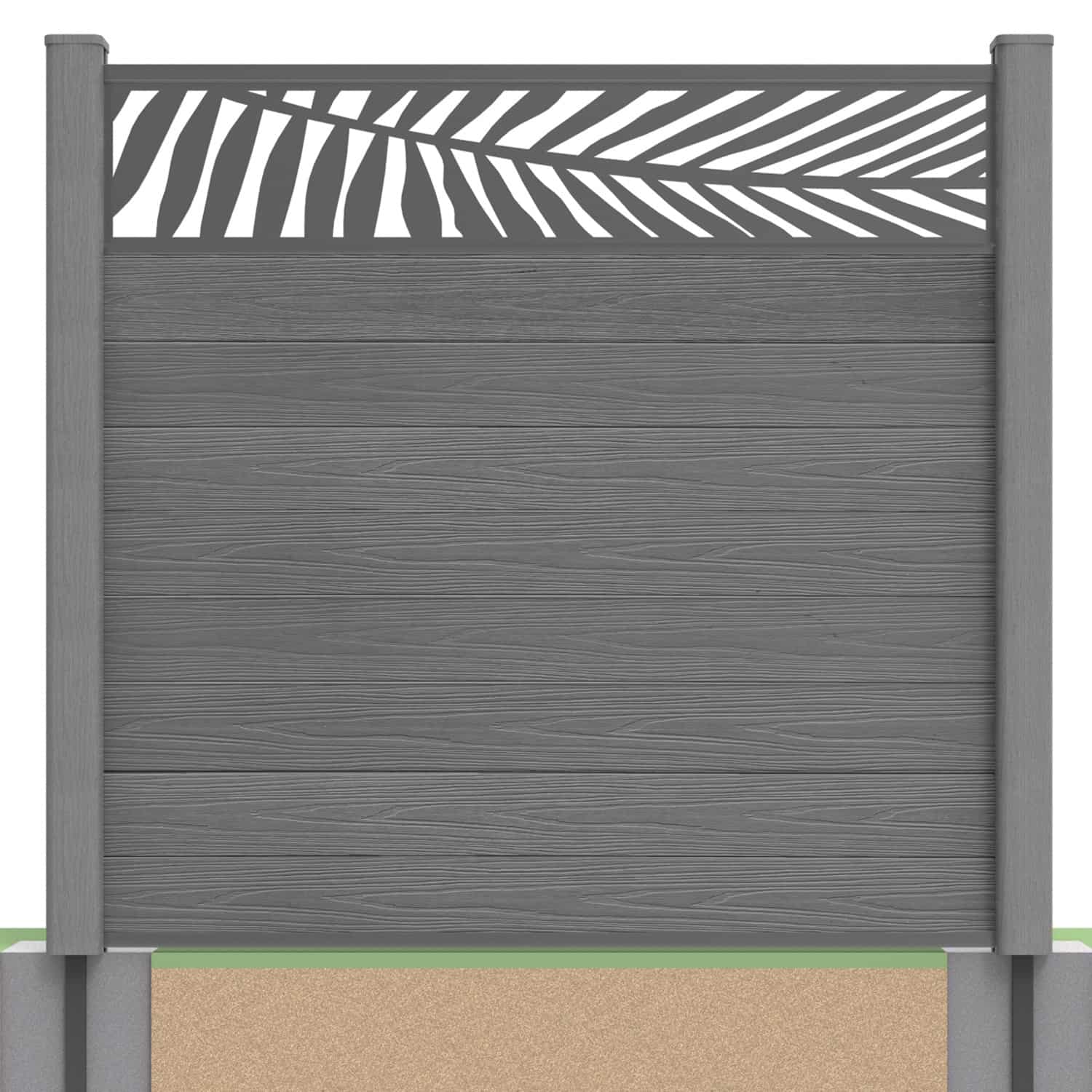
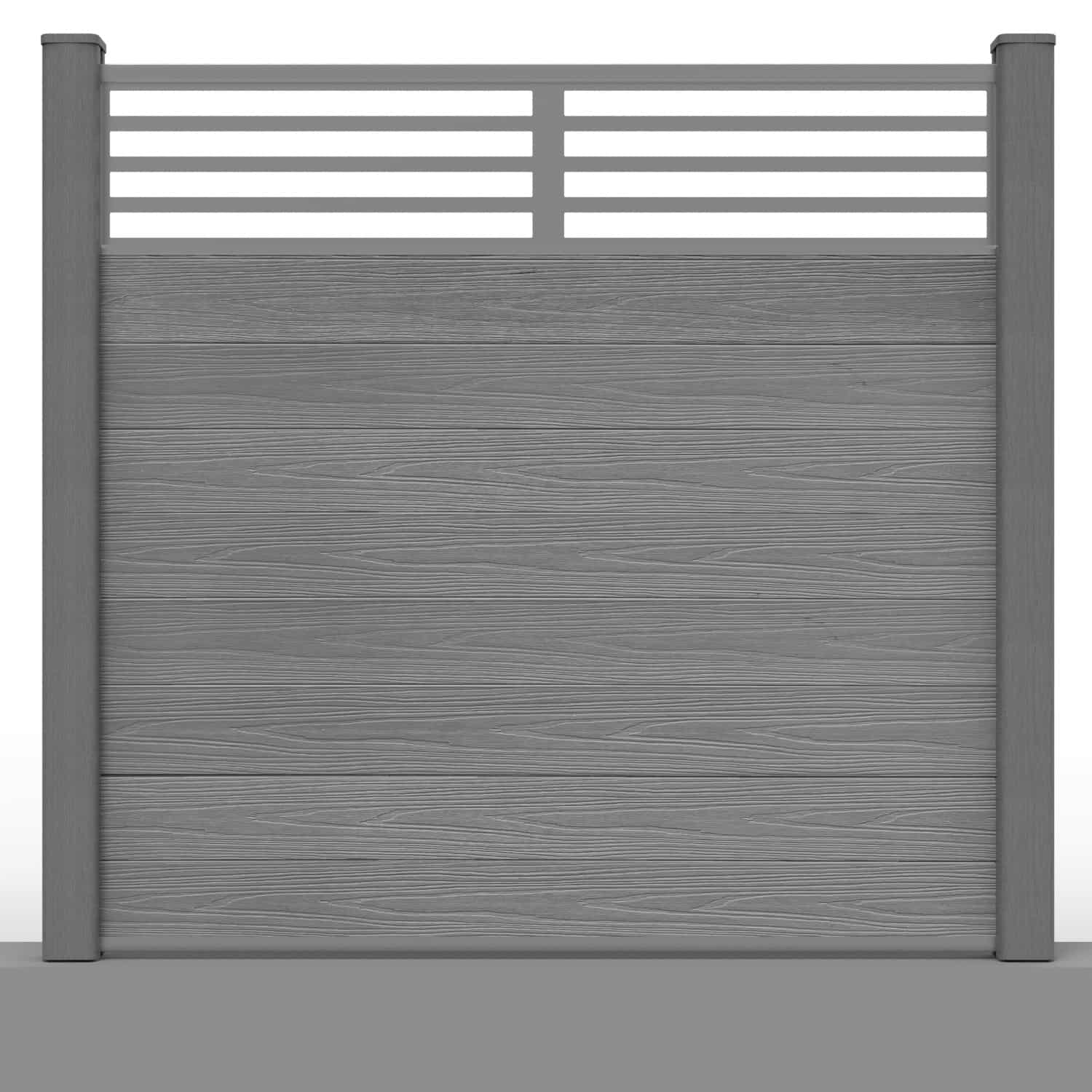
The Slatted appearance is formed by the board profile. It should not be confused with an open-gap fence that provides airflow through the infill. If you choose compatible aluminium screens, their cut-outs reduce visual coverage in the screened section.
Privacy is also different from acoustic performance, security certification or fall protection. Do not assume that a closed-looking fence is soundproof or suitable as guarding beside a drop.
What Does Capped Composite Construction Offer?
NeoTimber’s Deluxe and Slatted boards use a protective capped surface around the composite core. This helps resist staining and fading while providing the finished appearance.
The cap does not make the boards completely waterproof, scratch-proof or immune to weathering. Surface deposits can still accumulate, and inappropriate cleaning methods can affect the finish. Correct installation and suitable care remain important.

Plan the Foundations and Connections First
A well-finished boundary starts with suitable support. Choose the foundation arrangement around the ground conditions, finished height and exposure, following the current installation instructions.
- Hard ground: bolt-down supports need a suitable structural base and specified anchors.
- Soft ground: steel supports are set into appropriate concrete foundations in earth.
- Existing posts: condition, foundations, dimensions and spacing must suit the compatible insert arrangement.
- Movement allowances: maintain the specified clearances instead of forcing components into a tight bay.
Retrofit inserts do not repair weak timber or damaged concrete. Likewise, no claim of a “solid” fence removes the need to assess wind exposure or establishes that the installation can withstand extreme weather.
Allow for Cleaning, Inspections and Warranty Conditions
Factory-finished boards reduce routine painting and staining, but still need appropriate cleaning. Use the fencing maintenance guide and inspect posts, connections and any gate hardware periodically.
Read the current warranty terms for the covered components, permitted uses, conditions and exclusions. A headline period is not a guaranteed service life or a promise that colour never changes.

Frequently Asked Questions
Does solid composite fencing always have solid-core boards?
No. The term can refer to visual coverage rather than the board cross-section. Check the actual product drawing if core construction matters to your decision.
Are NeoTimber® composite posts solid throughout?
The system described here uses an outer composite post fitted over a steel support. It should not be treated as a solid composite structural section.
Does a solid-core board guarantee a stronger fence?
No. Performance depends on the particular board and complete assembly, including supports, connections and foundations. Compare technical information rather than the core label alone.
Is a closed-looking composite fence windproof?
No blanket claim should be assumed. The whole installation must suit its height, site exposure and ground conditions.
Do decorative screens provide the same privacy as boards?
No. Openings allow views through the screened section, reducing visual coverage compared with uninterrupted boards.
Do capped boards still need maintenance?
Yes. Suitable cleaning and periodic inspections remain necessary even though routine painting and staining are avoided.
Compare the Specification Behind the Finished Appearance
Choose the panel coverage, board profile and supporting system together. Explore the NeoTimber® composite fencing range, request samples or contact the team to clarify the components for your project.