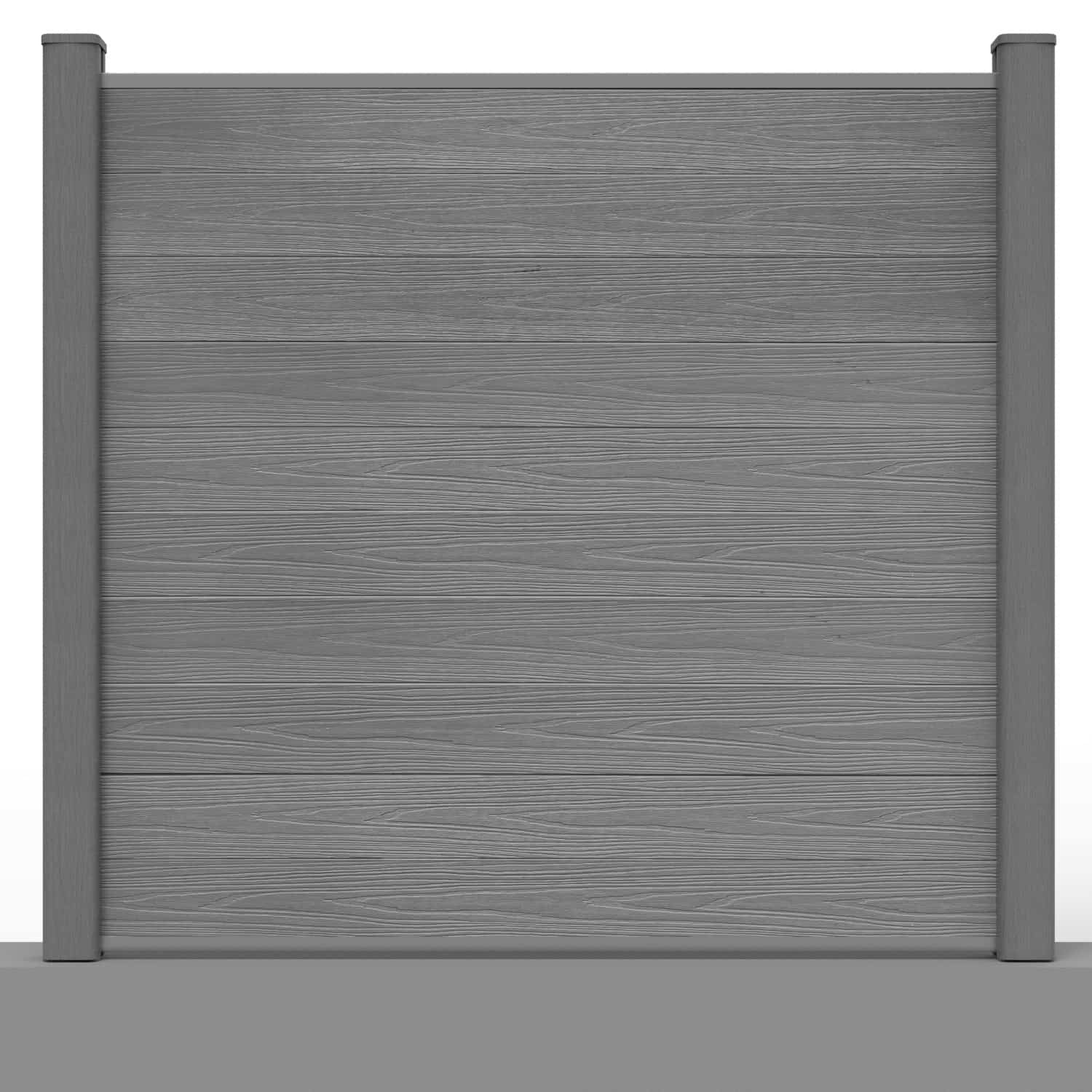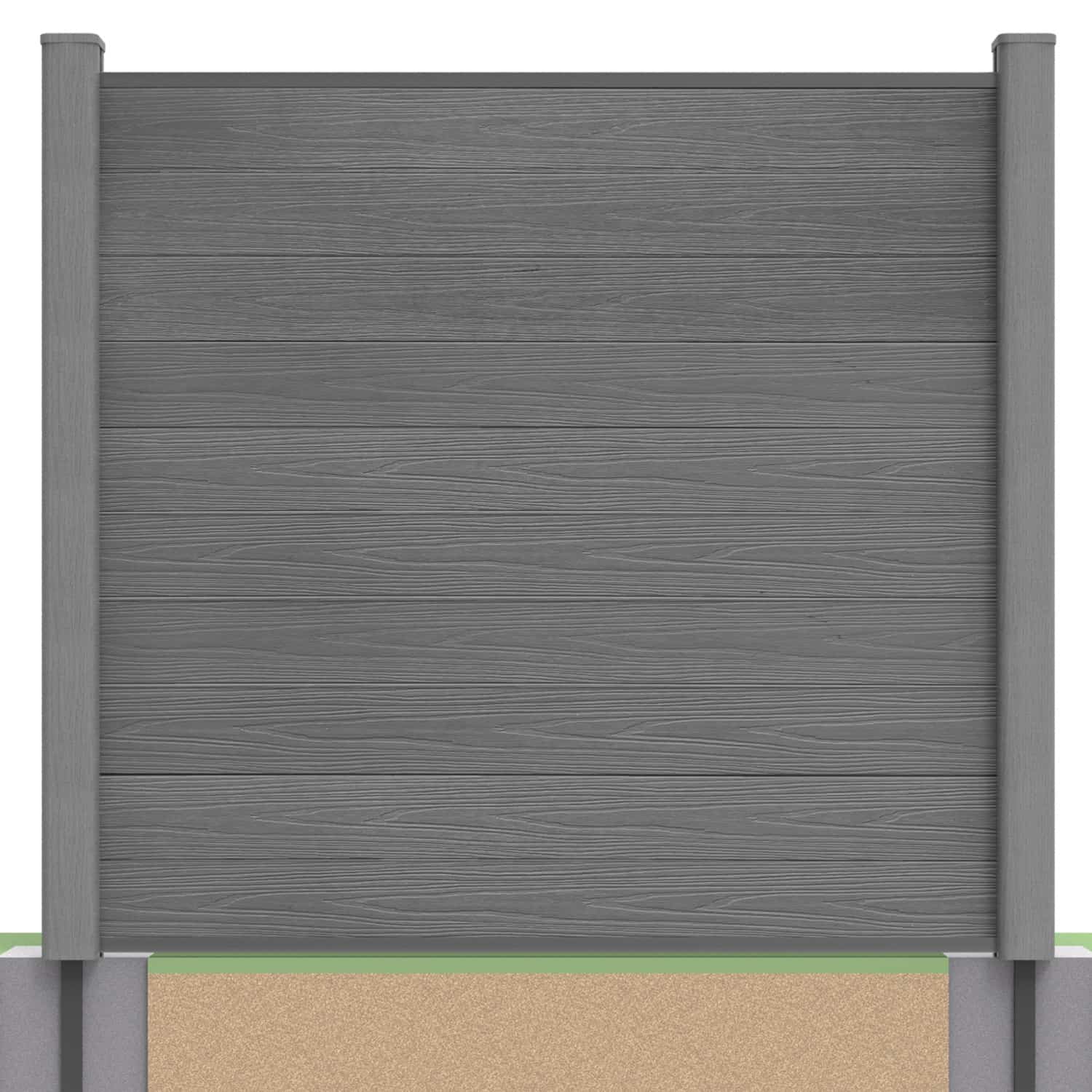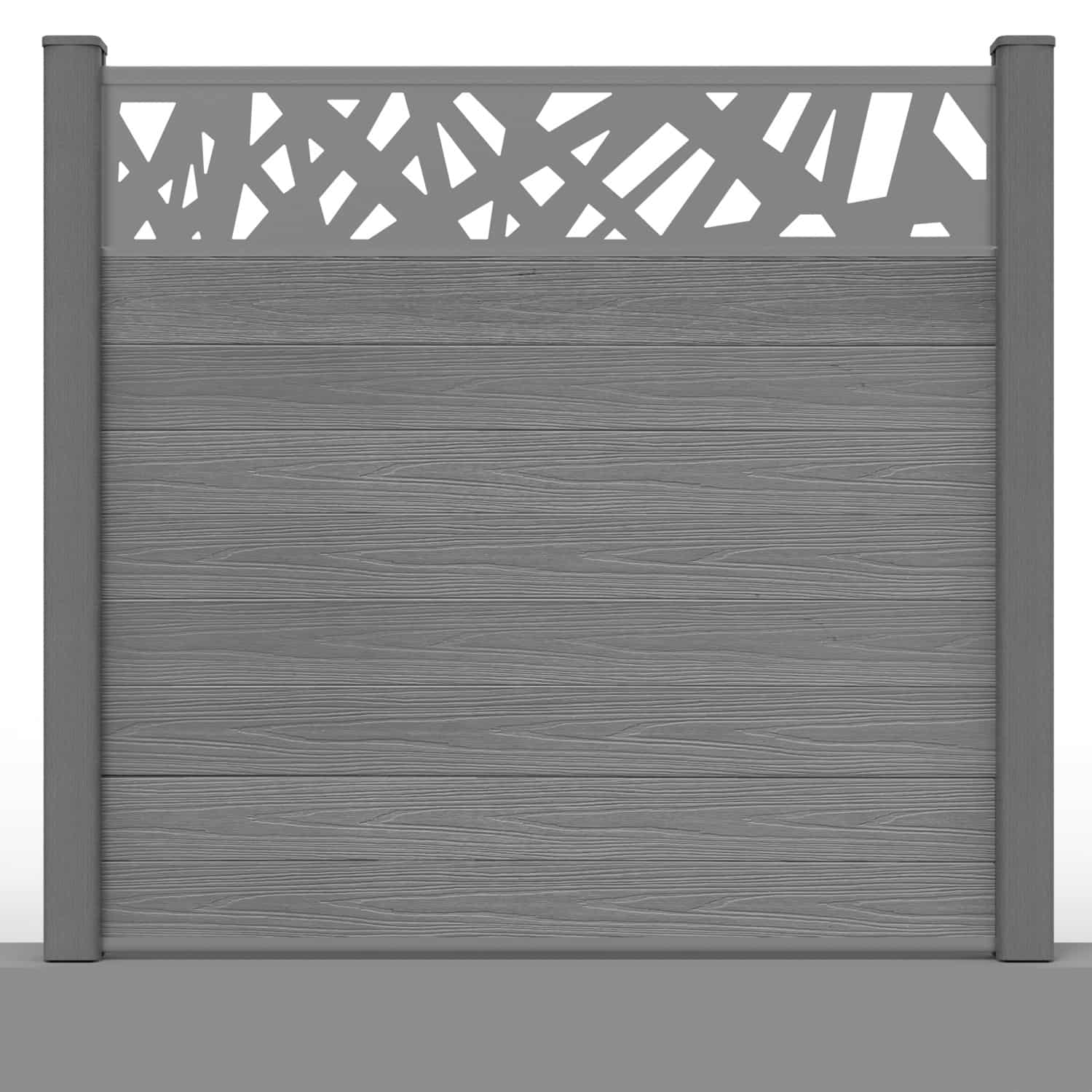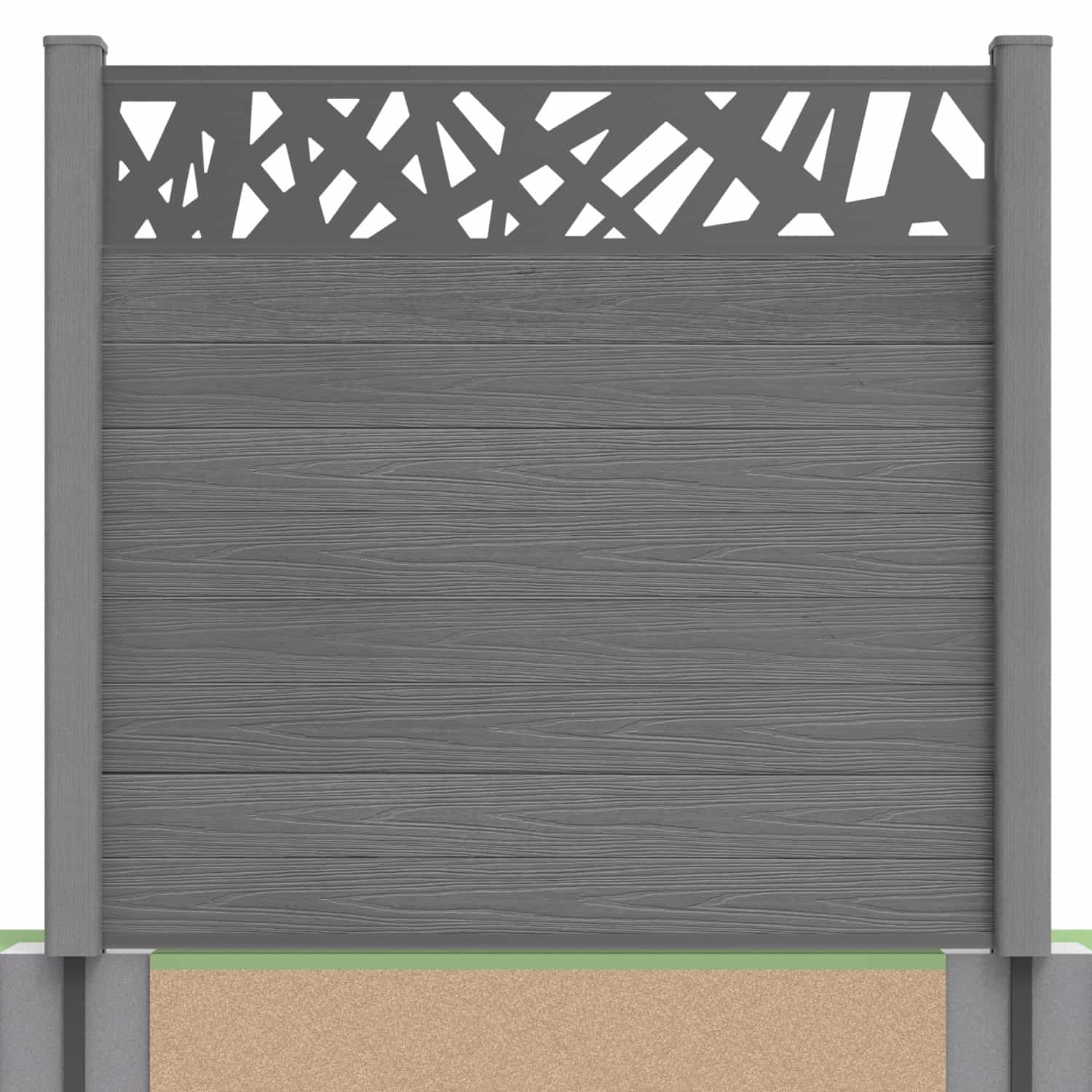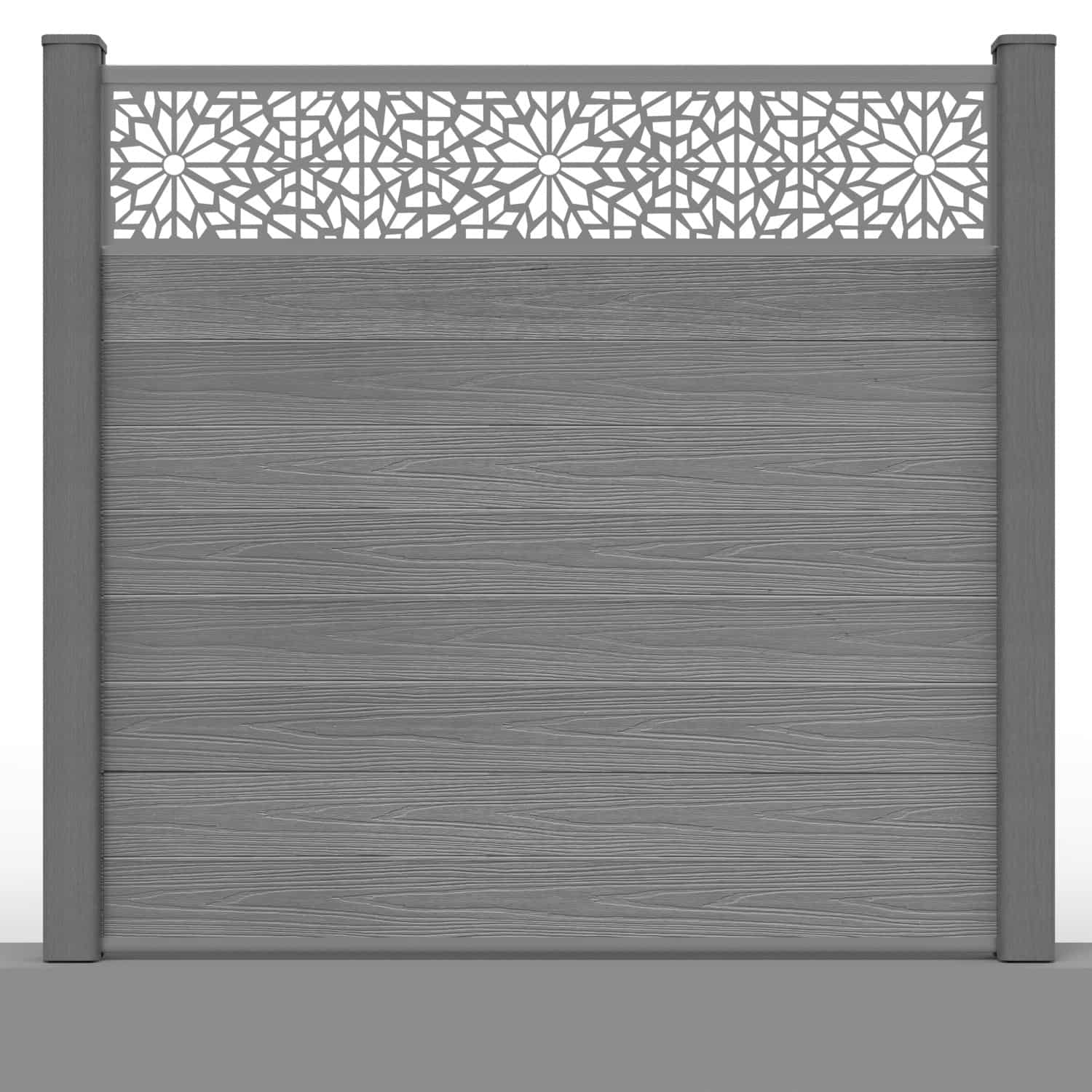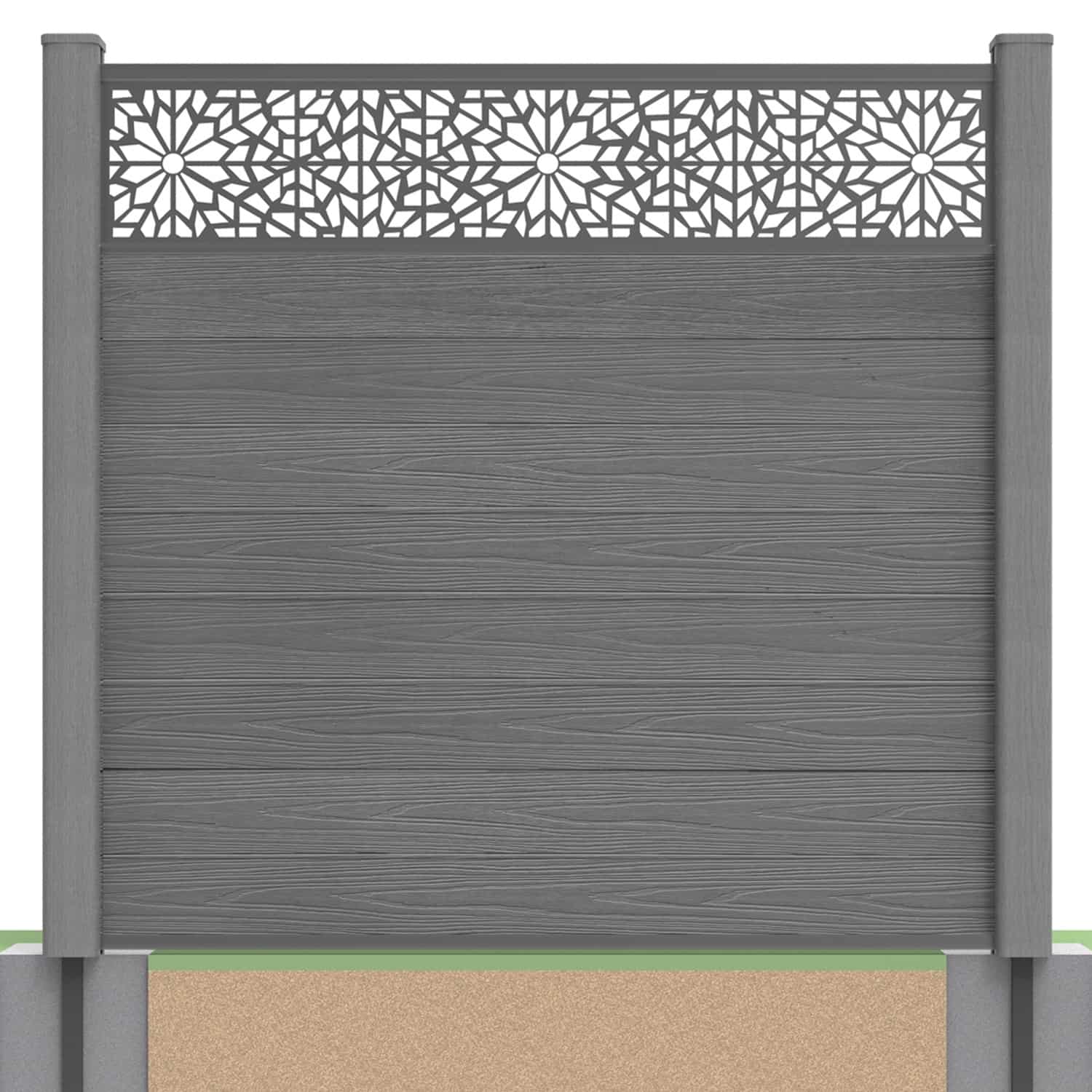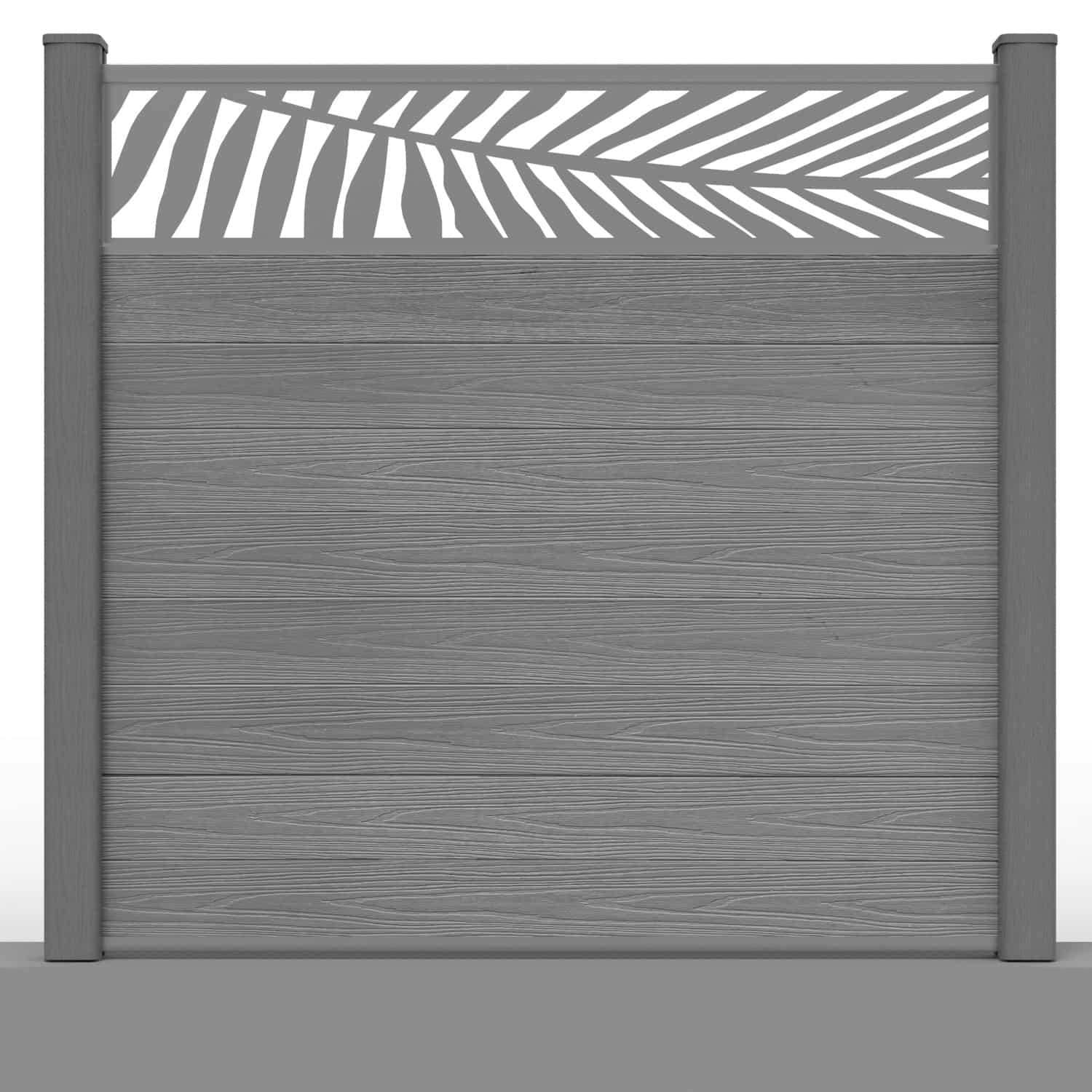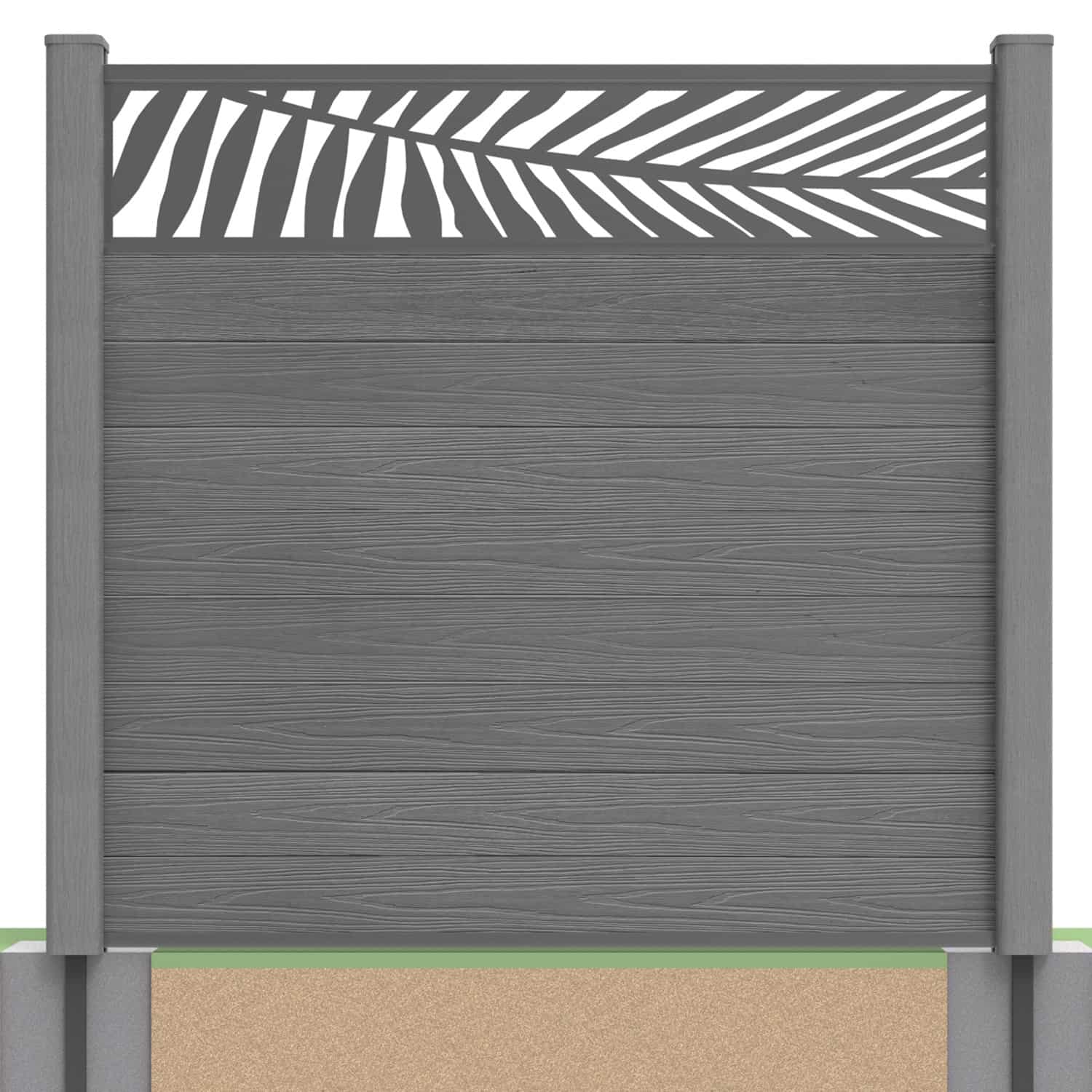


Create a Warm Garden Backdrop With Teak-Toned Composite Boards
Teak composite fencing brings a warm, light-brown finish to a garden boundary without the routine painting and staining associated with maintaining a decorative timber finish. Its honey-inspired tones can sit comfortably beside green planting, stone paving and contemporary outdoor furniture.
NeoTimber® offers this colour in Deluxe and Slatted styles. The choice is as much about texture as colour: a woodgrain or brushed face creates a different effect from a repeated batten-inspired profile. This guide helps you compare those options and plan a teak composite fence around the rest of your garden.
Explore our fencing for wider product advice, or browse the composite fencing range to compare specific composite products.
In this guide: The Teak colour · Image gallery · Deluxe style · Slatted style · Garden pairings · Planning and care · FAQs
What Does the Teak Finish Look Like?
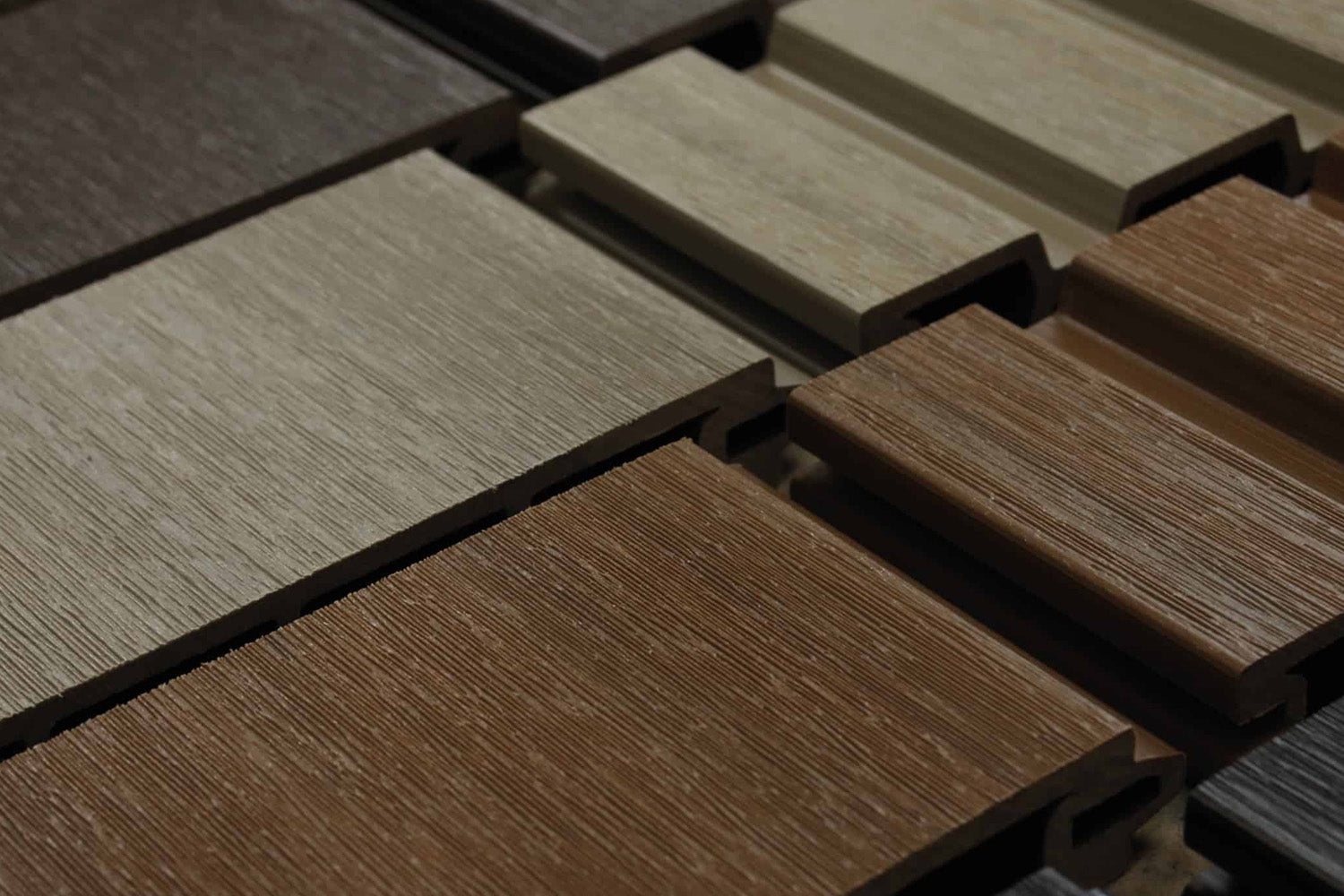
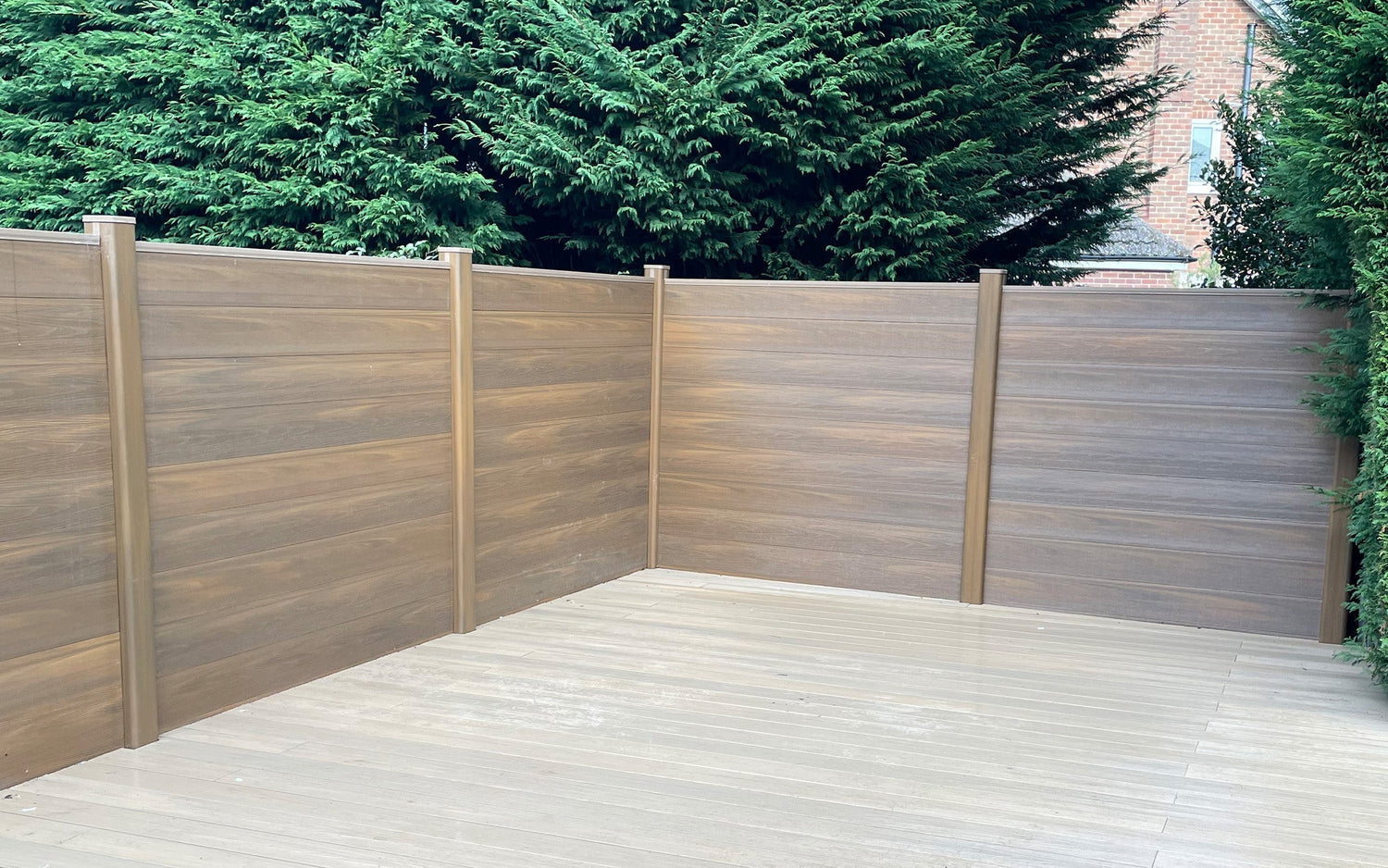
Teak provides a warm alternative to grey or charcoal fencing. Rather than a painted block of colour, the finish is intended to offer a timber-inspired appearance. The selected surface profile influences how light falls across it and how much texture is visible along the boundary.
Teak is the colour name, not a claim that the boards are made from solid teak timber. They are wood–plastic composite. If you are comparing them with existing timber furniture or decking, view a physical sample beside those materials rather than assuming an exact match.
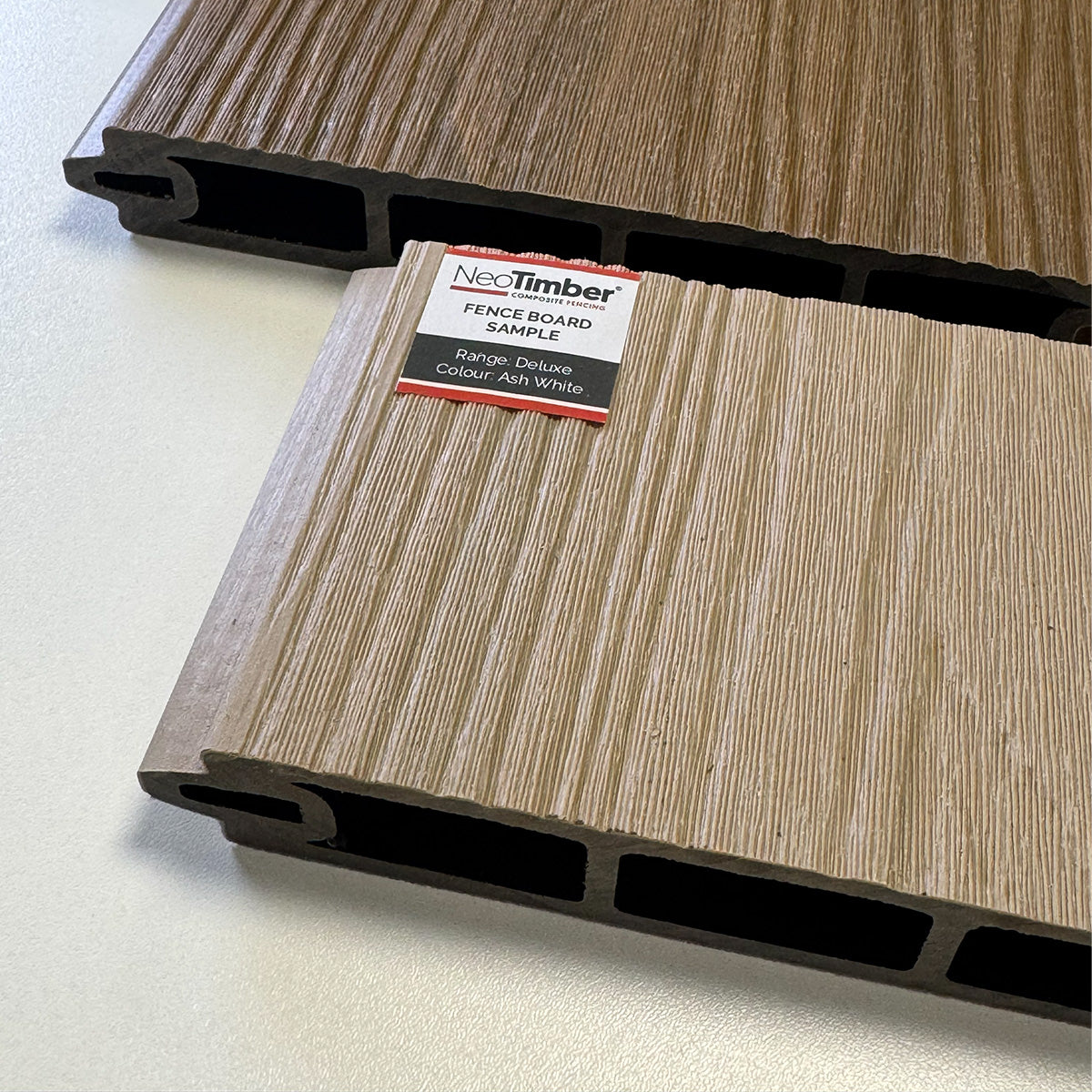
Look at the sample in morning light, shade and direct sun. A colour that feels warm and subtle on its own can appear different beside cool-grey paving or orange-toned brickwork. Use the fencing colour guide to compare alternatives before deciding.
Explore the Teak Composite Fence Image Gallery
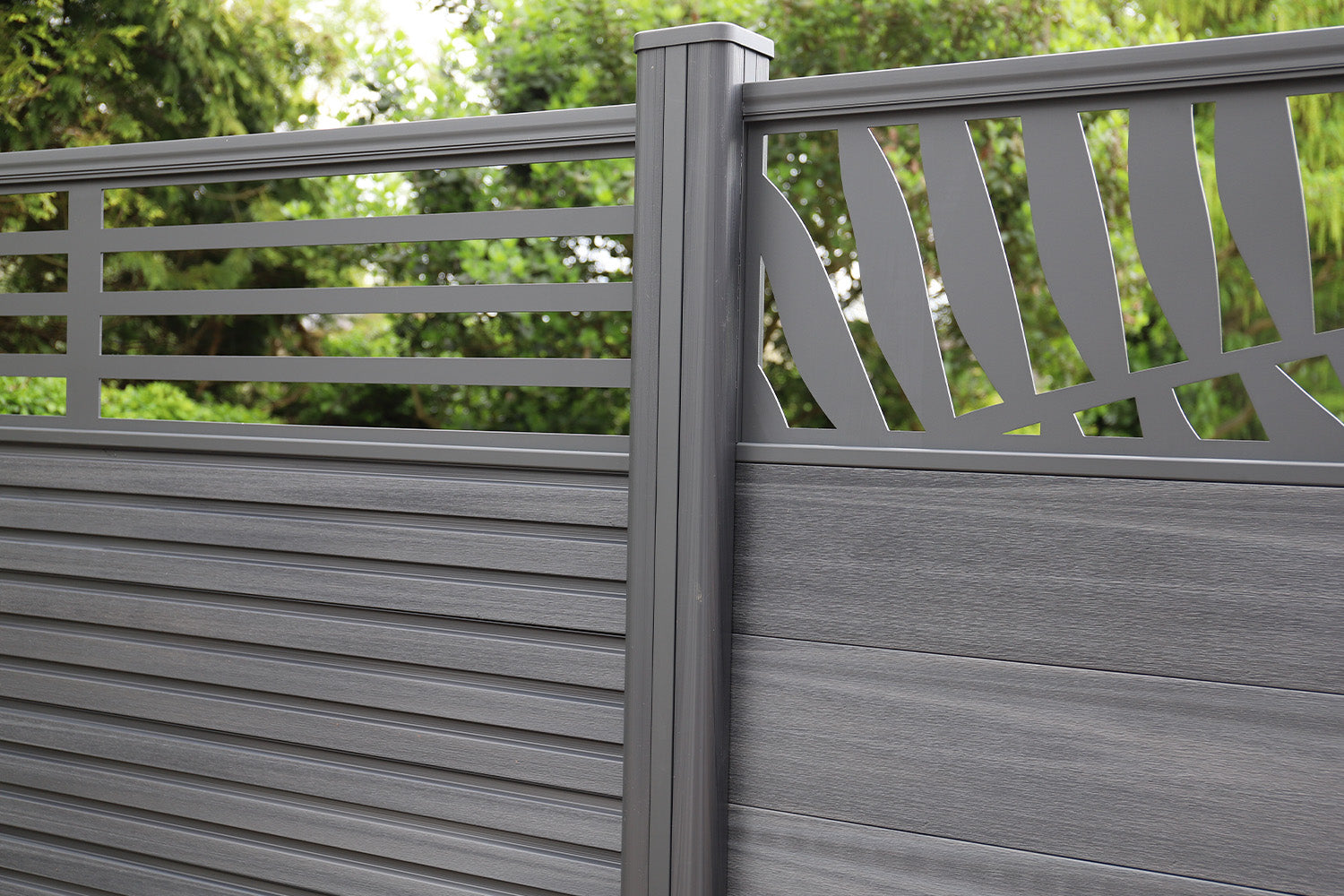
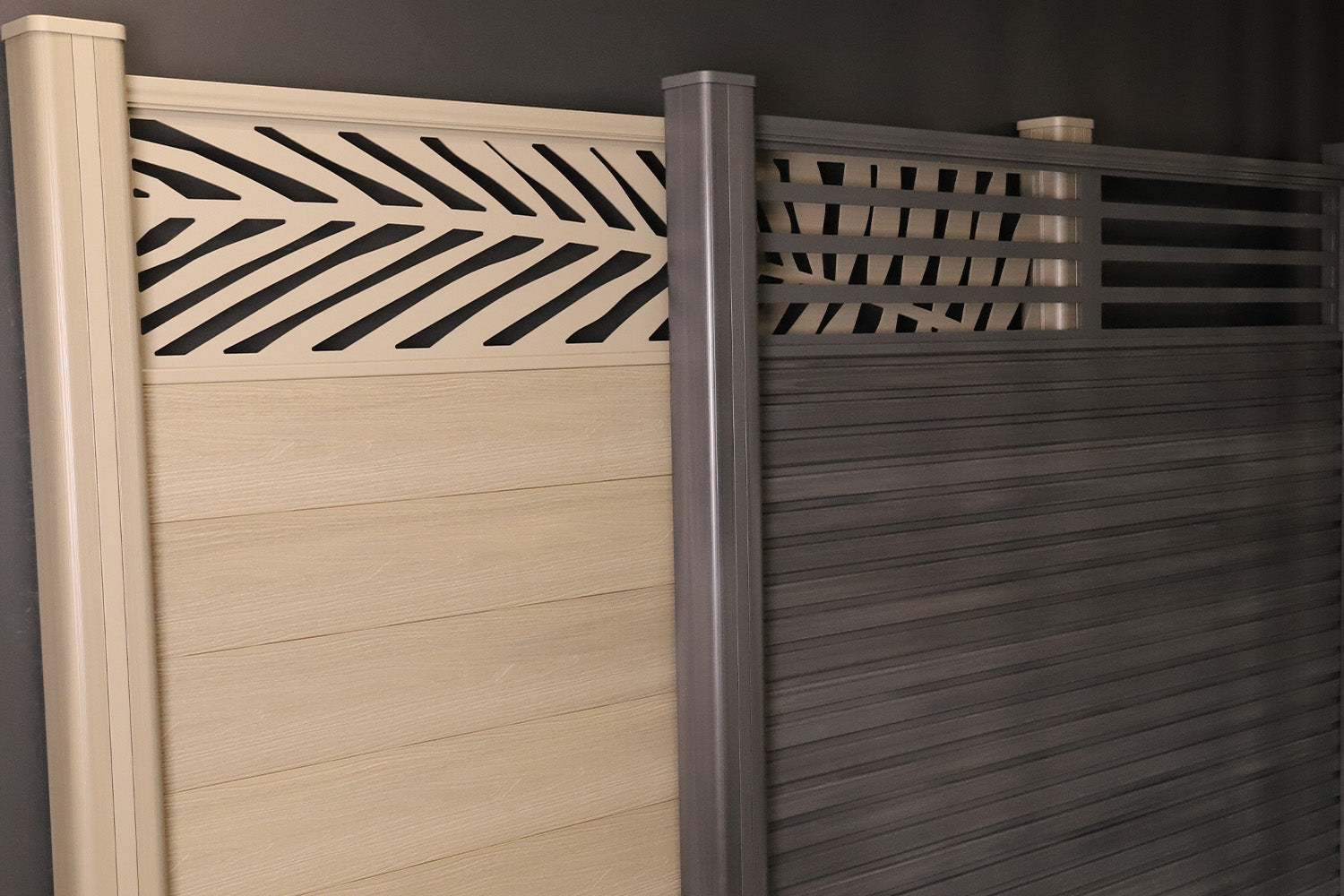
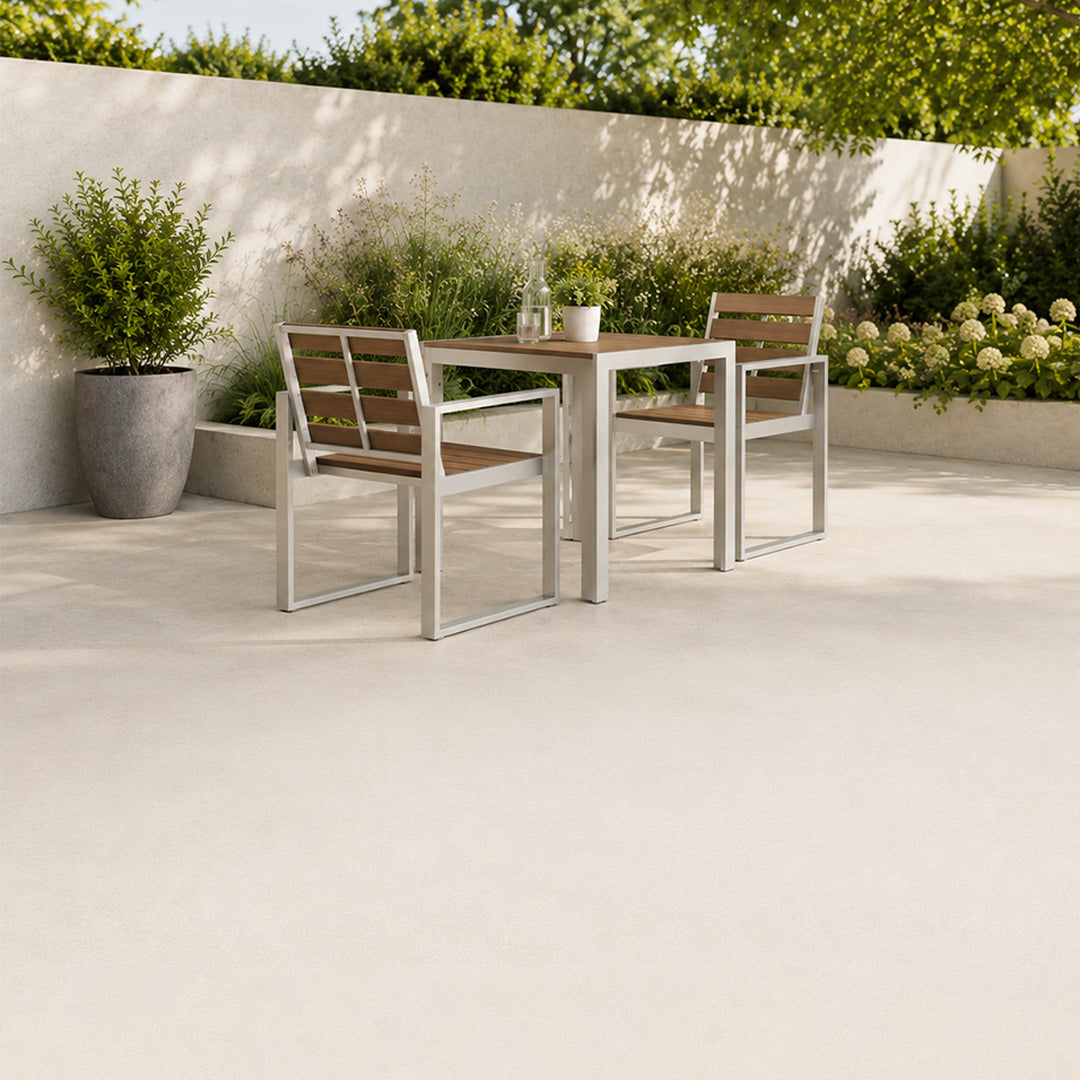
Use the gallery to judge the colour across complete panels as well as close-up details. Notice how the planting, paving and furniture affect the overall impression, then consider which combinations would work in your own space.
For more layouts, visit the composite fencing gallery or explore our garden fencing design ideas. Photographs provide context; samples remain useful for assessing the actual finish.
Deluxe Teak: Woodgrain Detail or a Brushed Face
The Deluxe composite fence panel set offers reversible woodgrain and brushed board faces. Choose the woodgrain face where you want a more pronounced timber-inspired texture, or the brushed side for a quieter backdrop.
Keep the selected face orientation consistent during assembly. A detailed texture can add interest to a simple courtyard, while a restrained surface can help balance busy planting or patterned paving.
The protective cap helps resist staining and fading. It does not guarantee that the colour never changes or make the surface immune to damage. Correct installation and suitable cleaning remain important.

Slatted Teak: A Contemporary Horizontal Pattern
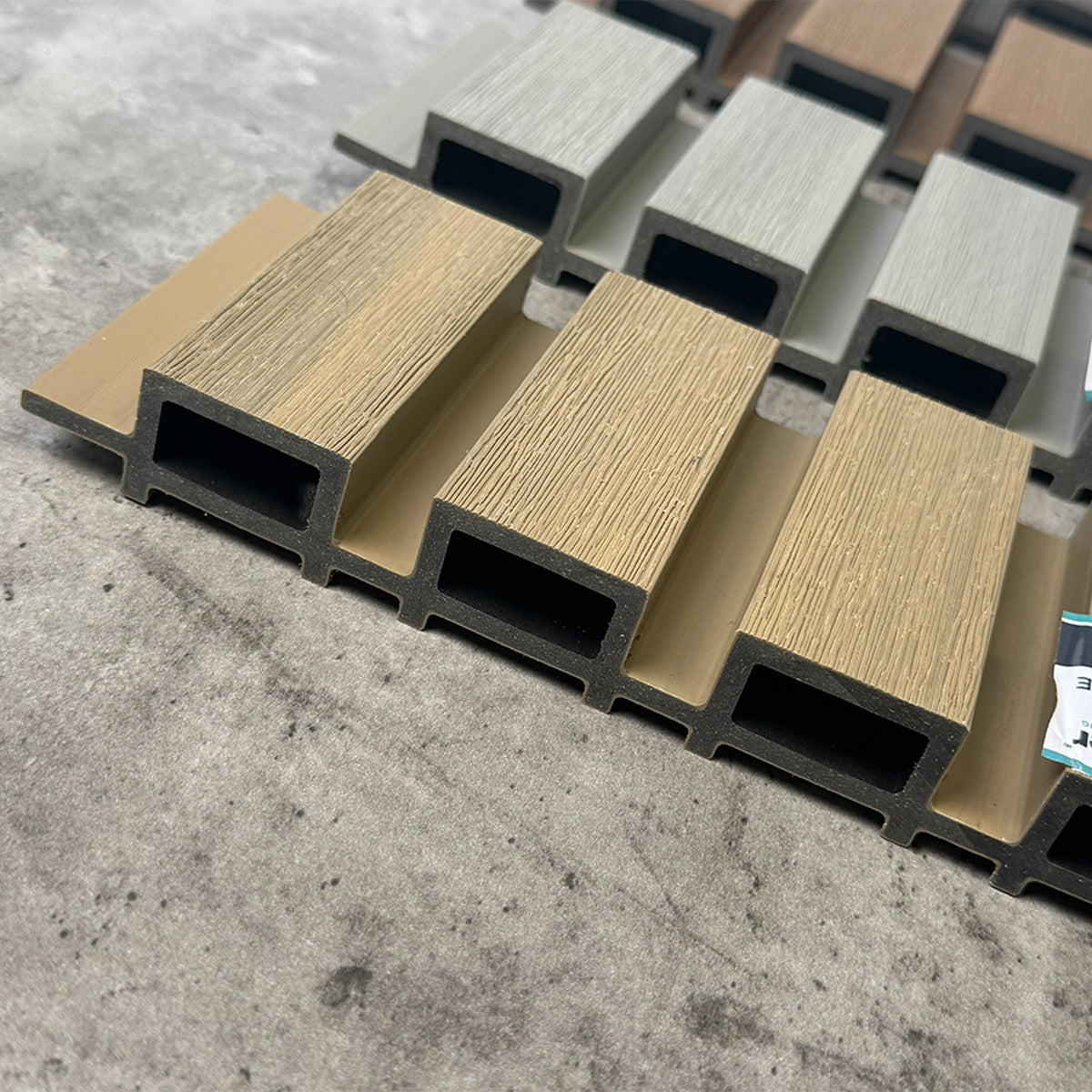
The Slatted composite fence panel set creates a repeated batten-inspired effect through its board profile. In Teak, that linear pattern combines a warm colour with a more architectural surface.
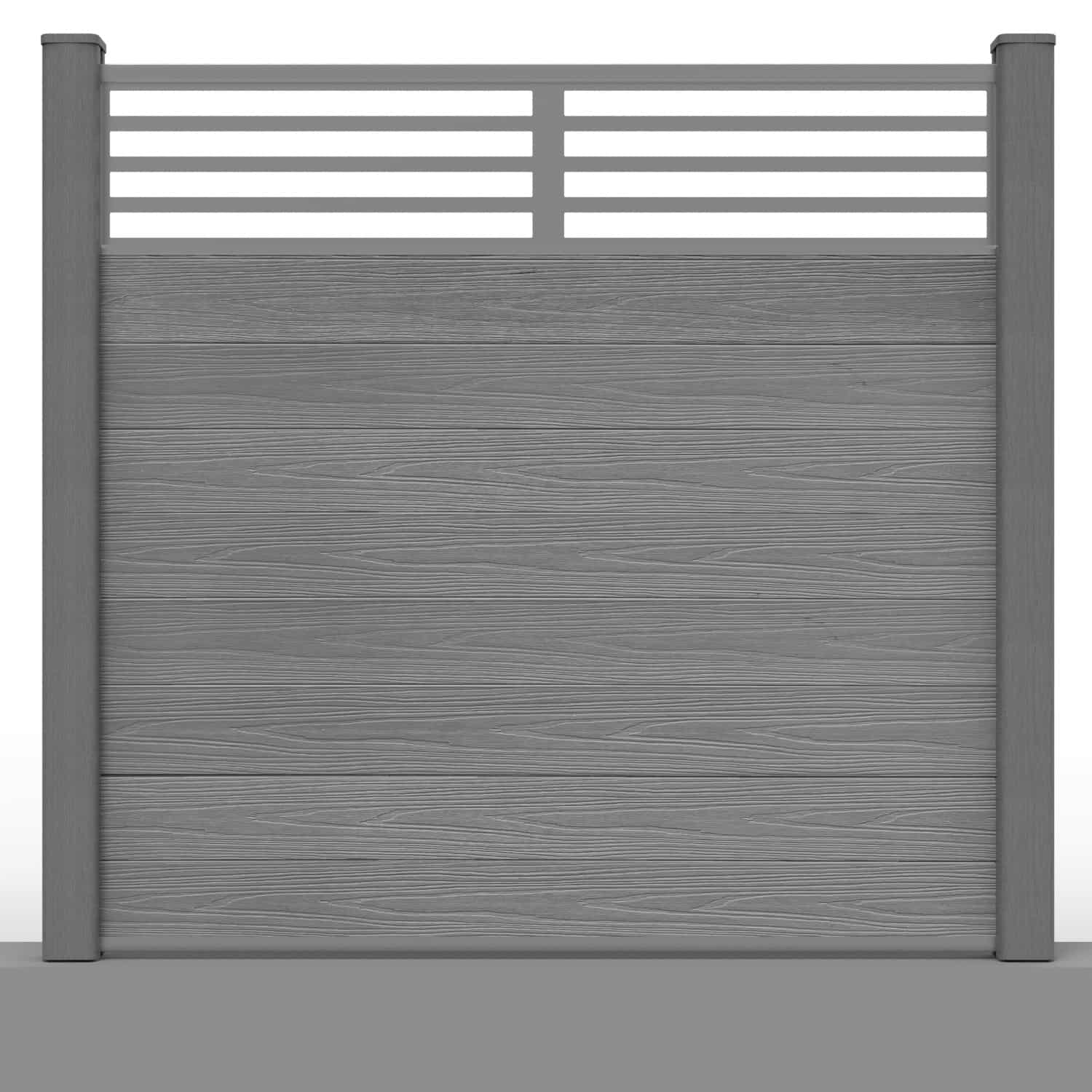
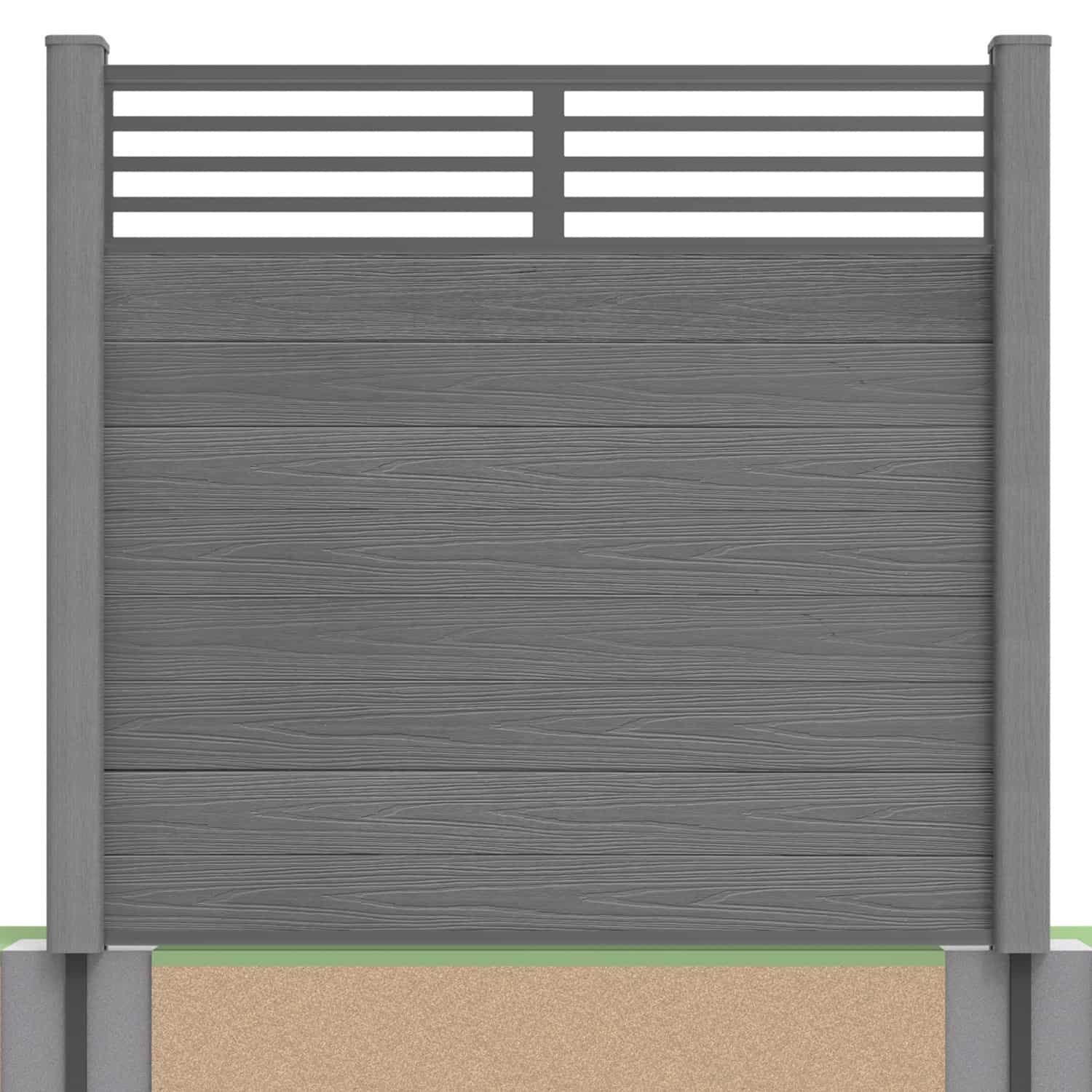
The slatted appearance is formed within the board design. It should not be confused with an open-gap screen that provides airflow or light through the panel. For an open decorative section, compare compatible aluminium screen options separately and consider the reduced visual coverage.
Slatted boards also use capped construction. Check the actual board profile, kit contents and installation requirements rather than assuming that Deluxe and Slatted components can be mixed within a single panel.

Compare the Two Teak Panel Styles
Choosing a Teak fencing finish:
| Consideration | Deluxe | Slatted |
|---|---|---|
| Surface choice | Woodgrain or brushed faces. | A repeated horizontal profile. |
| Visual character | Timber-inspired detail or a quieter textured backdrop. | A batten-inspired, architectural pattern. |
| Planning priority | Choose the visible face before assembly. | Compare the profile at full-panel scale. |
| Care | Suitable cleaning and periodic inspections. | Suitable cleaning and periodic inspections. |
What Goes With Teak Composite Fencing?
Green Planting and Natural Materials
A warm boundary can provide a cohesive backdrop to foliage and planting beds. Pair it with a limited selection of stone, gravel or timber details rather than introducing a new material at every bay. Leave enough access to inspect and clean the fence.
Dark Furniture and Charcoal Accents
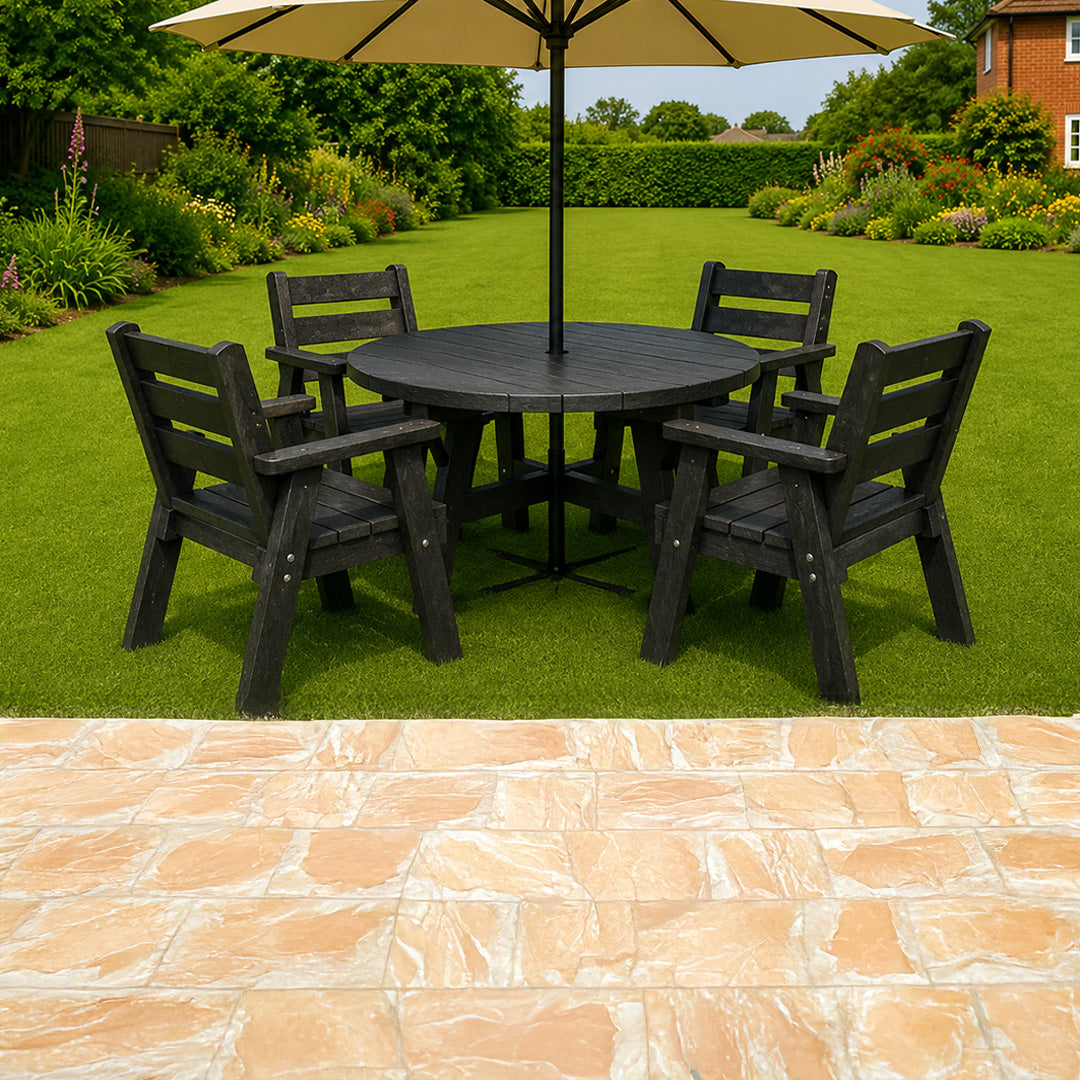
Black or dark-grey furniture can contrast with the warmer boards. A few repeated dark details, such as planter frames or furniture legs, can connect the seating area with the boundary without needing every surface to match.
Composite Decking and Paving
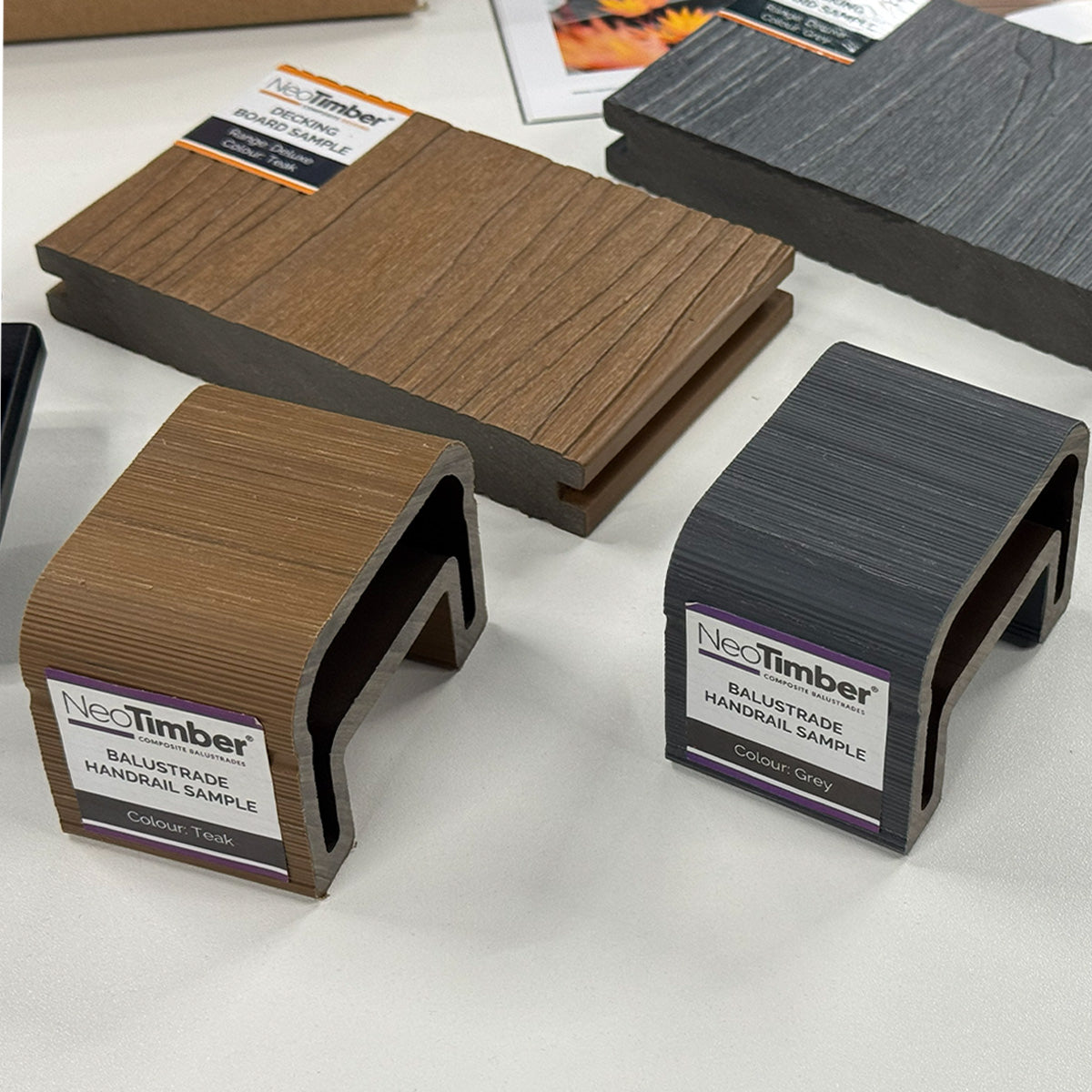
Compare the fence sample with the composite decking range if you are redesigning both areas. Chocolate decking offers a darker brown direction, while charcoal decking provides a darker neutral contrast.
Check samples together outside and beside the paving. Similar colour names across products do not establish an exact match, and a considered contrast can work as well as a closely coordinated finish.
Plan the Complete Fence and Its Care
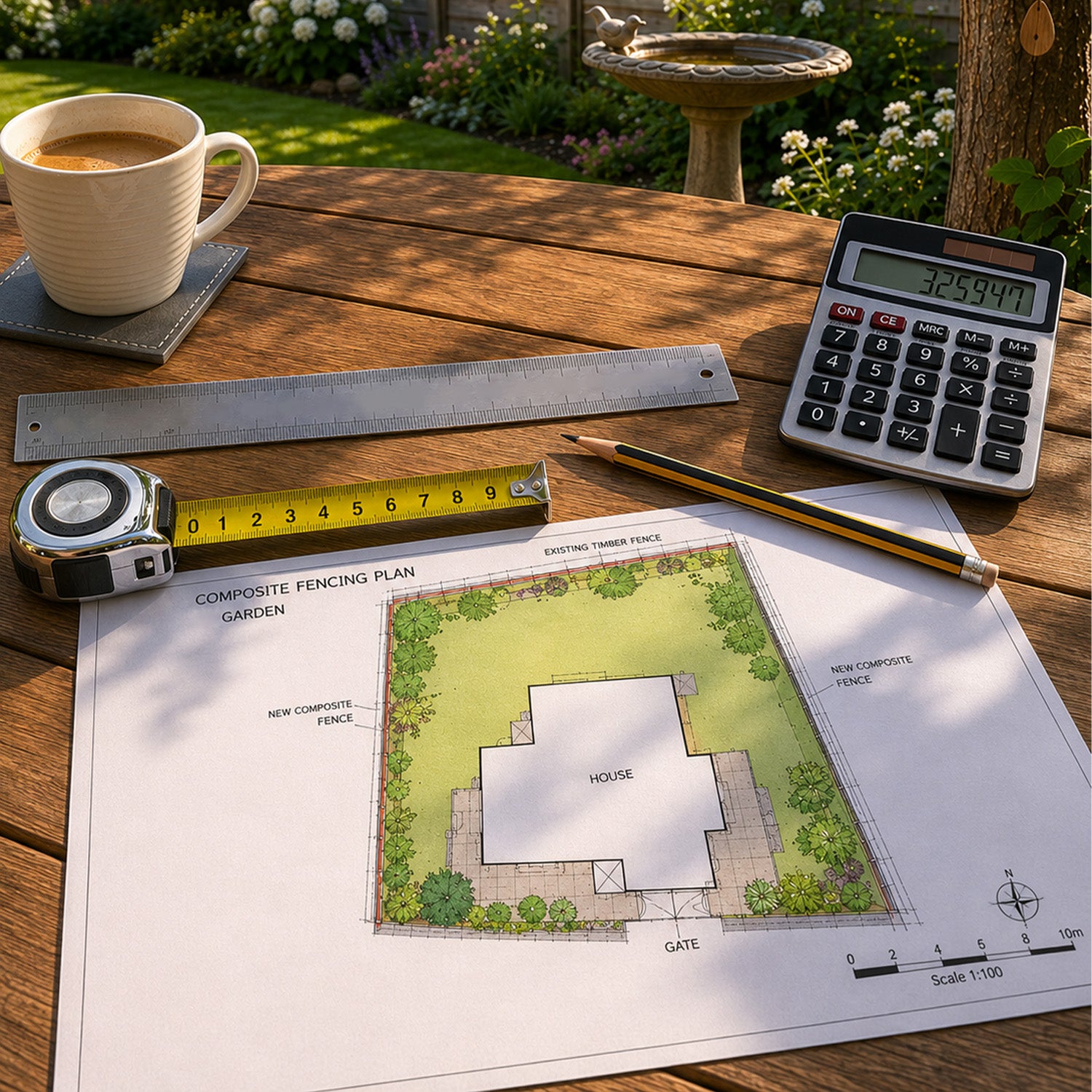
Measure the boundary and mark corners, shorter bays, changes in level and gate openings. Include posts, supports, inserts, rails, fixings and foundations when comparing project costs. The installation guide explains the relevant assembly options.
Existing posts may be reusable where their condition, dimensions and foundations are suitable. Compatible inserts provide a connection; they do not repair weak timber, damaged concrete or inadequate support.
Factory-finished boards reduce routine painting and staining, but still need cleaning and checks. Follow the fencing maintenance guide and review the current warranty terms. Avoid abrasive cleaning or unapproved coatings, and seek advice before attempting a surface repair.
Frequently Asked Questions
Is teak composite fencing made from teak wood?
Teak describes the colour finish. The boards are wood–plastic composite rather than solid teak timber.
Which Teak finish should I choose?
Compare Deluxe woodgrain and brushed faces with the Slatted profile. Choose the texture around your paving, planting and preferred level of surface detail.
Does the Slatted design have open gaps?
The batten-inspired appearance is part of the board profile. It should not be assumed to allow airflow or light through the panel.
Will the fence colour stay exactly the same?
Capped boards are designed to resist fading, but outdoor weathering remains possible. Fade resistance is different from a guarantee of no colour change.
Does a teak composite fence need staining?
NeoTimber’s capped boards are supplied with their intended finish and do not need routine staining or painting. Suitable cleaning and inspections remain necessary.
Can I see the finish before ordering?
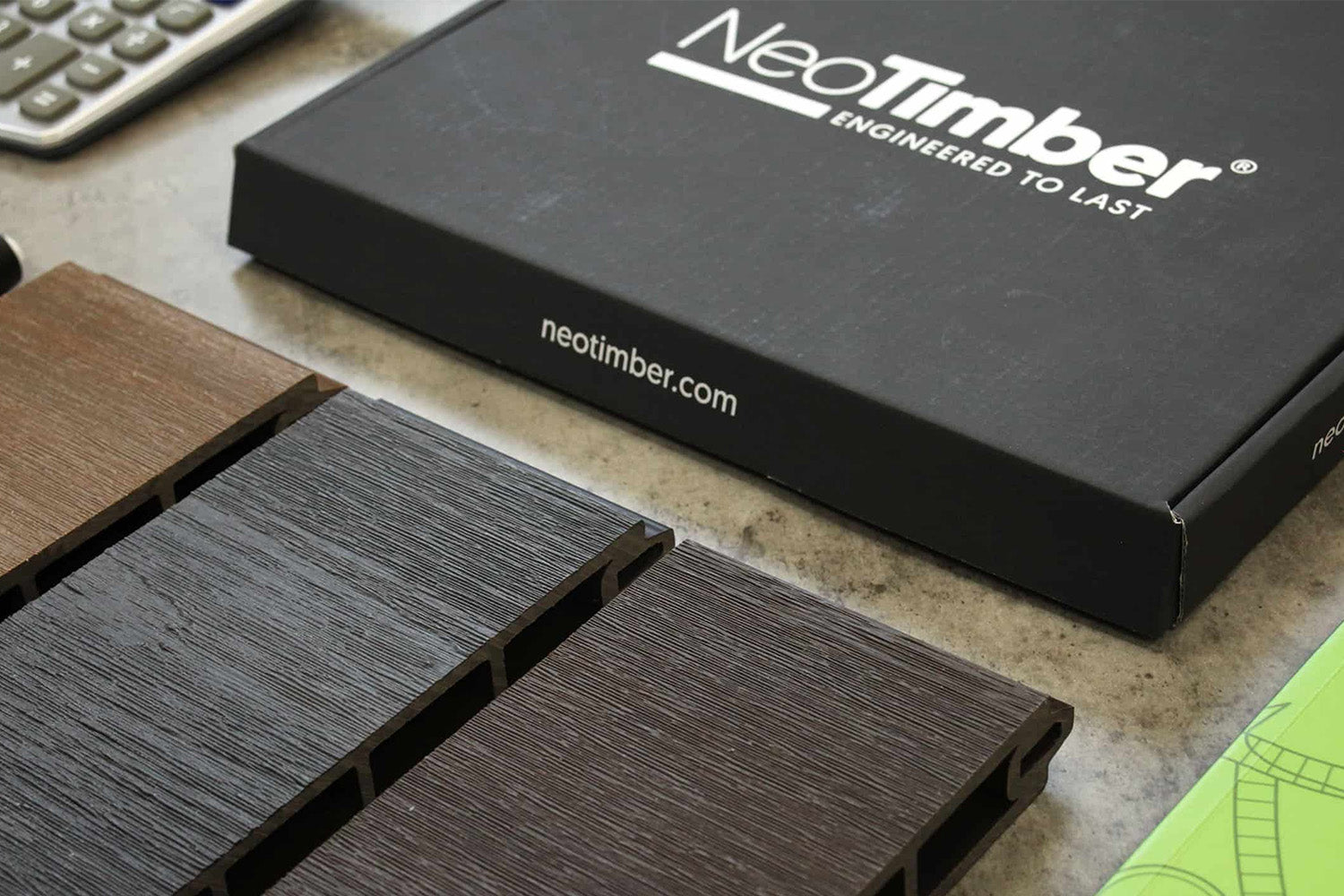
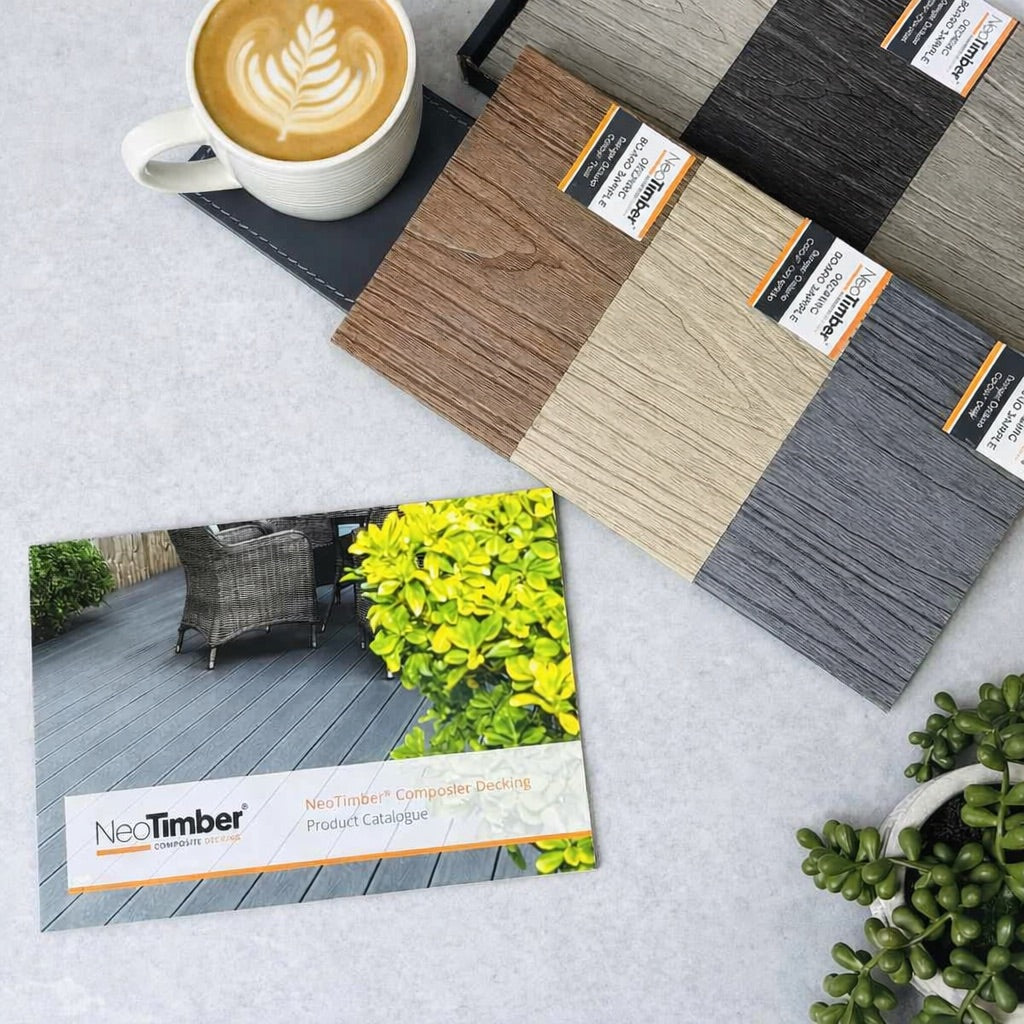
Use the gallery for design context and request fencing samples to assess the colour and texture in your garden’s light.
Choose Your Teak Finish With Samples and a Measured Plan
Bring the colour, texture and installation requirements together before placing your order. Explore the NeoTimber® composite fencing range, request fencing samples or contact the team for help confirming your components.