


Bring Rich Chocolate Tones to Your Outdoor Living Space
Brown composite decking offers a familiar, timber-inspired colour with a manufactured finish that reduces routine refinishing. NeoTimber's Chocolate shade brings a deep, warm tone to the garden, creating a comfortable backdrop for furniture, planting and everyday outdoor life.
Whether you are replacing an existing deck or designing a new seating area, a brown composite deck can sit comfortably alongside traditional or contemporary materials. The key is to compare its colour with your brickwork, paving and planting, then plan a layout around the way you want to use the space.
Explore our decking options, or browse the composite decking collection to compare current products.
Explore the Dark Brown Composite Decking Gallery
A completed project can help you imagine how Chocolate will look across a larger surface. Browse the gallery for ideas on furniture, borders and planting, and notice how surrounding materials influence the overall effect.
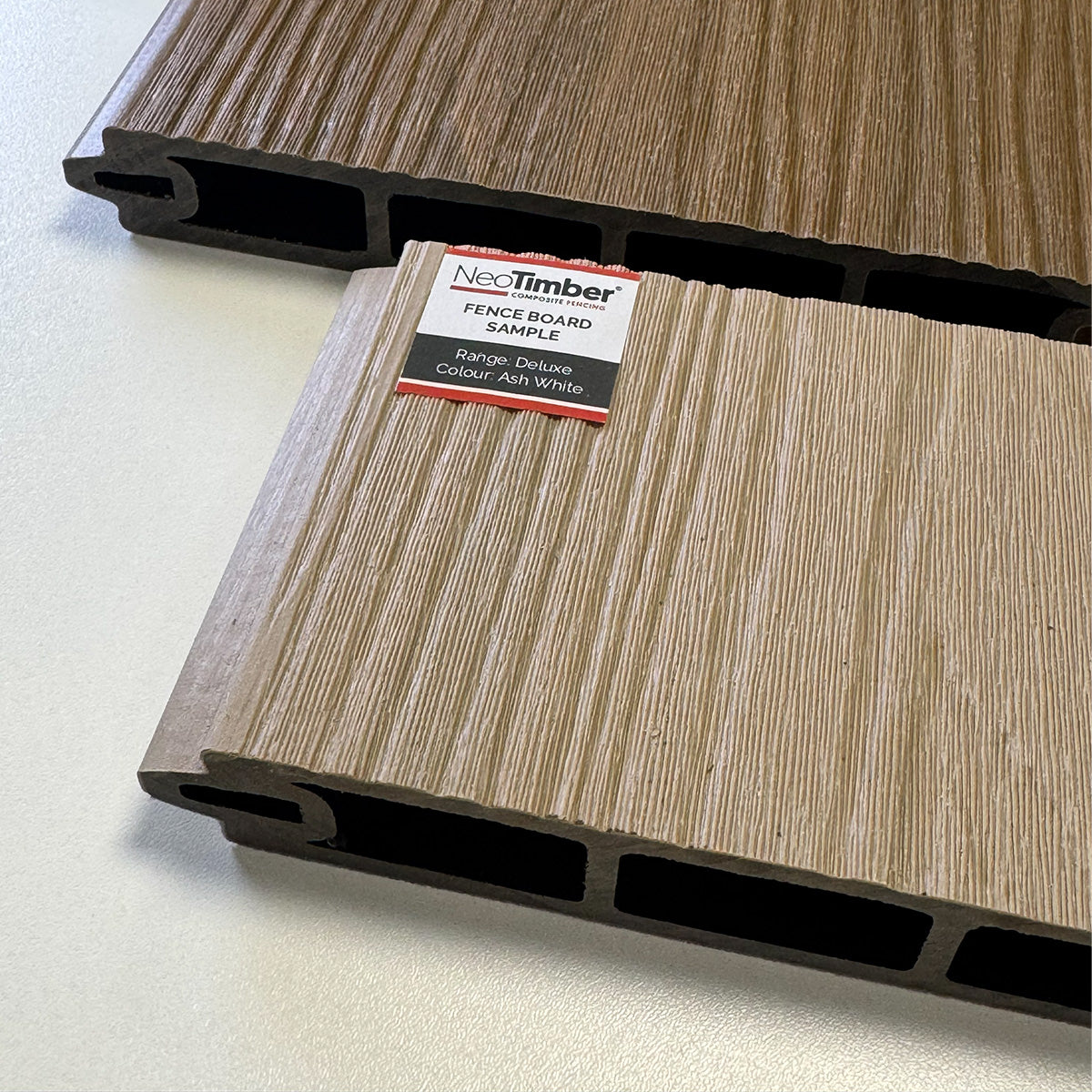
View the Chocolate decking gallery below, then compare a sample in your own garden before committing to the colour.
What Colour Is Chocolate Composite Decking?
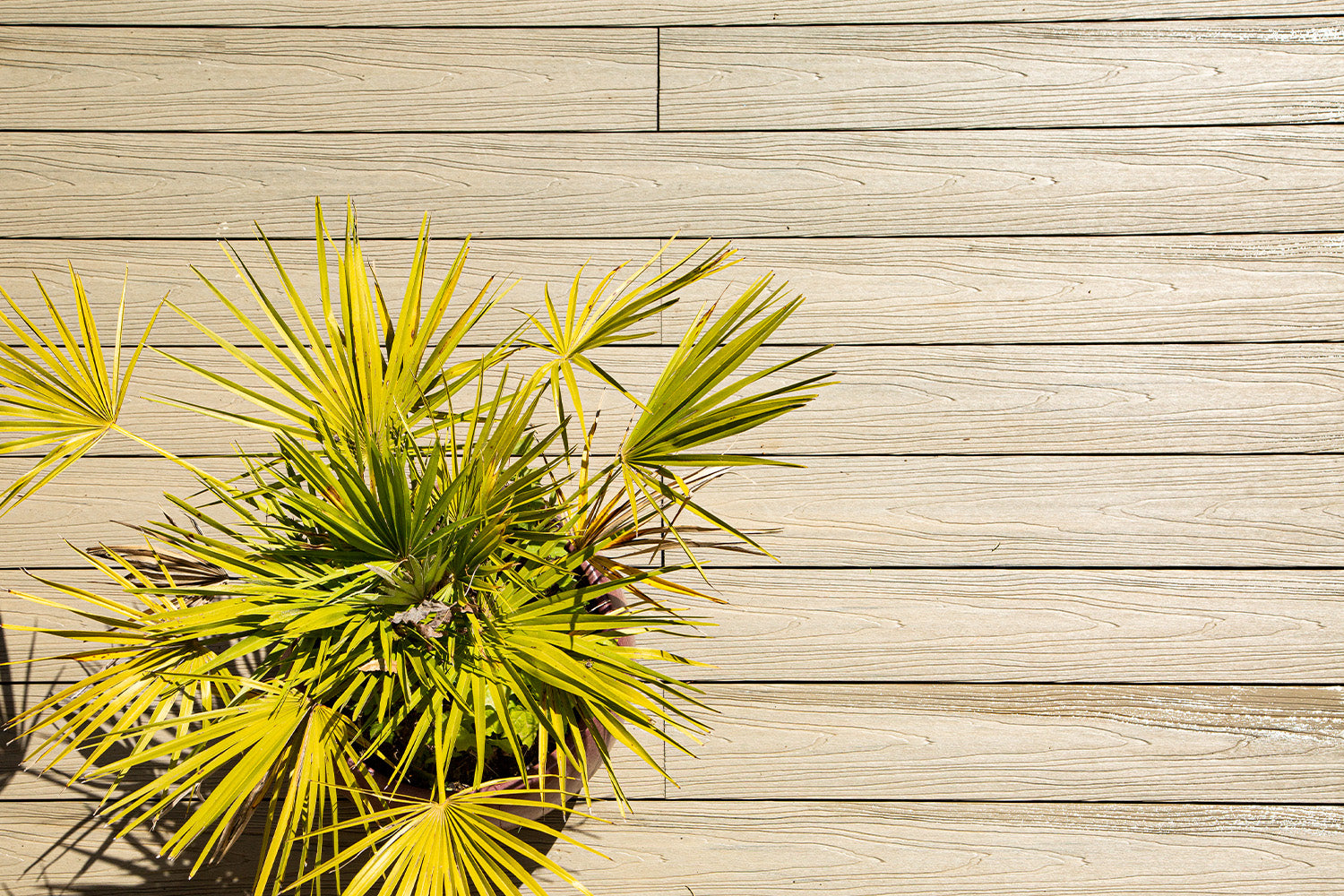
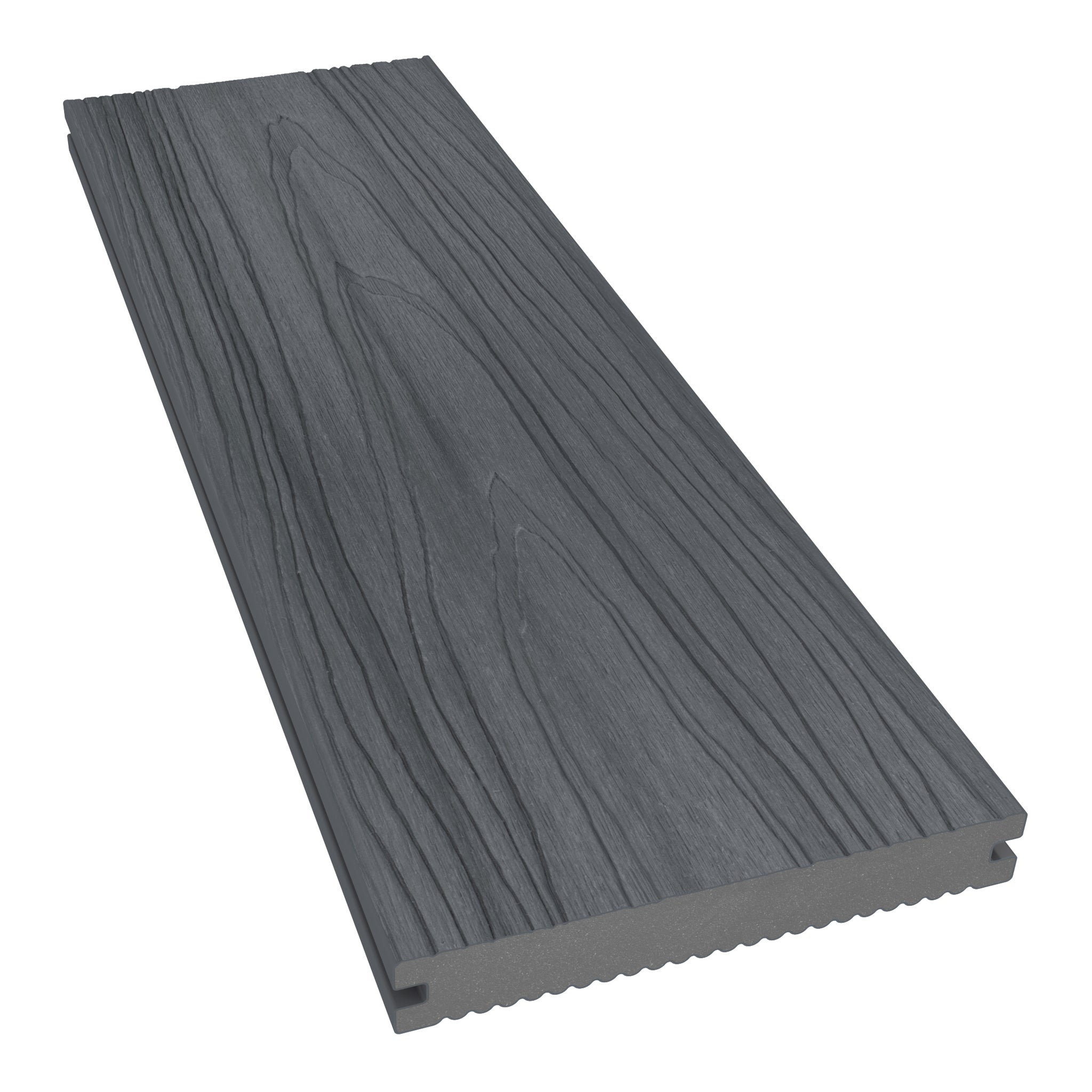
Chocolate is a rich, dark brown shade with a timber-inspired character. It provides an alternative to lighter wood tones or black-inspired Charcoal, offering depth while retaining a warm appearance.
If you are looking for dark brown composite decking, compare the finish in natural light. Different board ranges and surface textures can affect its appearance, so a colour name alone does not establish an exact match. Chocolate is a colour choice, rather than a claim that the board is made from walnut, ebony or another hardwood species.
Design Idea 1: Complement an Established Garden
A brown composite deck can relate naturally to mature planting, brick walls and textured garden furniture. It can help a new seating area feel connected to an established space without requiring every material to match.
Keep the palette focused. Choose a few finishes from the house and garden to repeat in furniture or planters. Neutral cushions and woven textures can soften the deck, while darker accessories can add definition.
For more context on the material choice, read our composite versus timber comparison. Composite generally avoids regular sanding, staining and sealing, but still needs cleaning and appropriate care.

Design Idea 2: Resolve the Edges Before You Build
A carefully finished perimeter can make a simple deck feel considered. Plan the visible board ends, fascia and any transitions to paths or steps alongside the main layout.
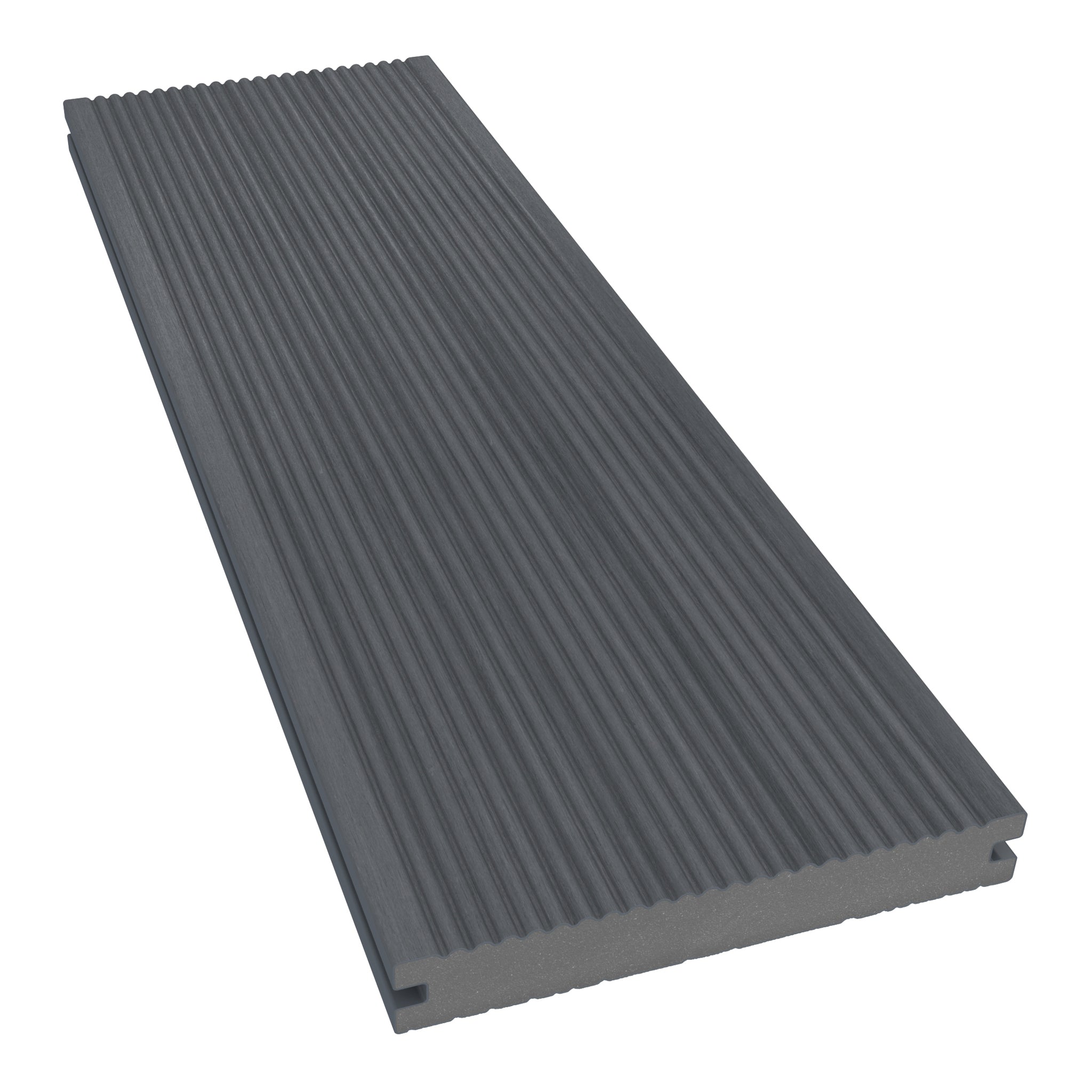
Some board profiles have side grooves for fixing clips. These are different from grooves on the walking surface, and you may want to conceal exposed fixing grooves at the perimeter. Explore our decking edging options for suitable finishing details.
Confirm the compatible edge board or trim for your selected range. Provide the support and movement gaps required by the installation instructions, and avoid obstructing drainage or ventilation for the sake of a concealed edge.

Design Idea 3: Use Planting to Soften the Surface
Dark brown composite decking can provide a warm backdrop for green foliage and seasonal colour. Grouping a few containers can create more impact than scattering small pots across the whole deck.
Choose planting for the actual conditions: light, wind and available care all matter. Leave room to walk comfortably and reach the boards for cleaning. Position pots so they do not block drainage routes or prevent debris from being cleared.
Account for substantial planters in the structural design, particularly on a raised deck. Avoid dragging heavy containers across the surface when rearranging the space.

Design Idea 4: Pair Chocolate With a Complementary Colour
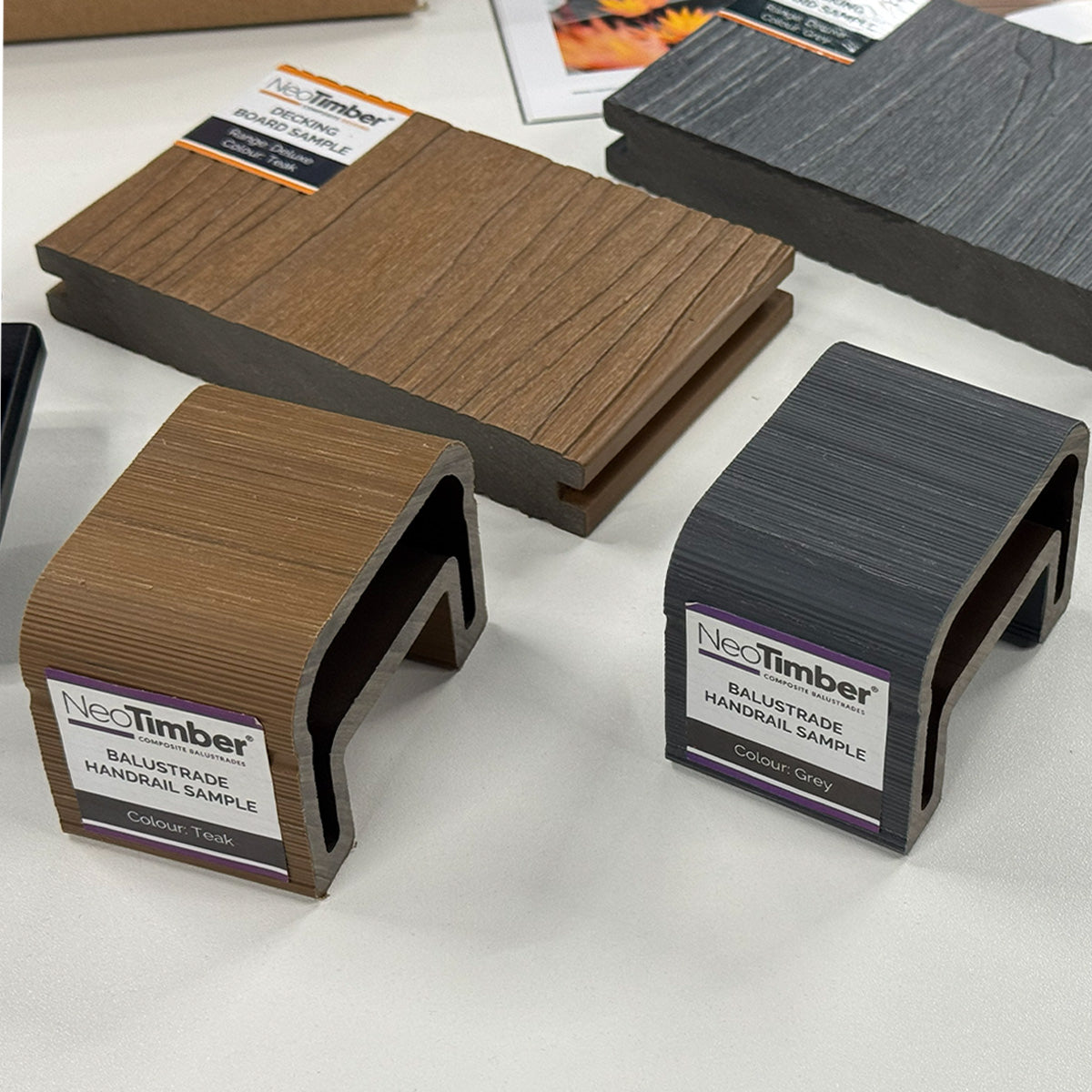
For a warmer contrast, compare Chocolate with Teak decking. The difference between lighter and darker brown tones can help define the perimeter while keeping the scheme within a timber-inspired palette.
Antique decking offers a softer, stone-inspired contrast. Alternatively, Charcoal decking can introduce a darker outline. Test samples together rather than assuming the pairing will look the same as a photograph.
A contrasting border needs a construction plan as well as a colour plan. Check compatible profiles, dimensions and fixings, and include any additional support beneath border boards and joints.

Choose the Right Brown Composite Deck Board
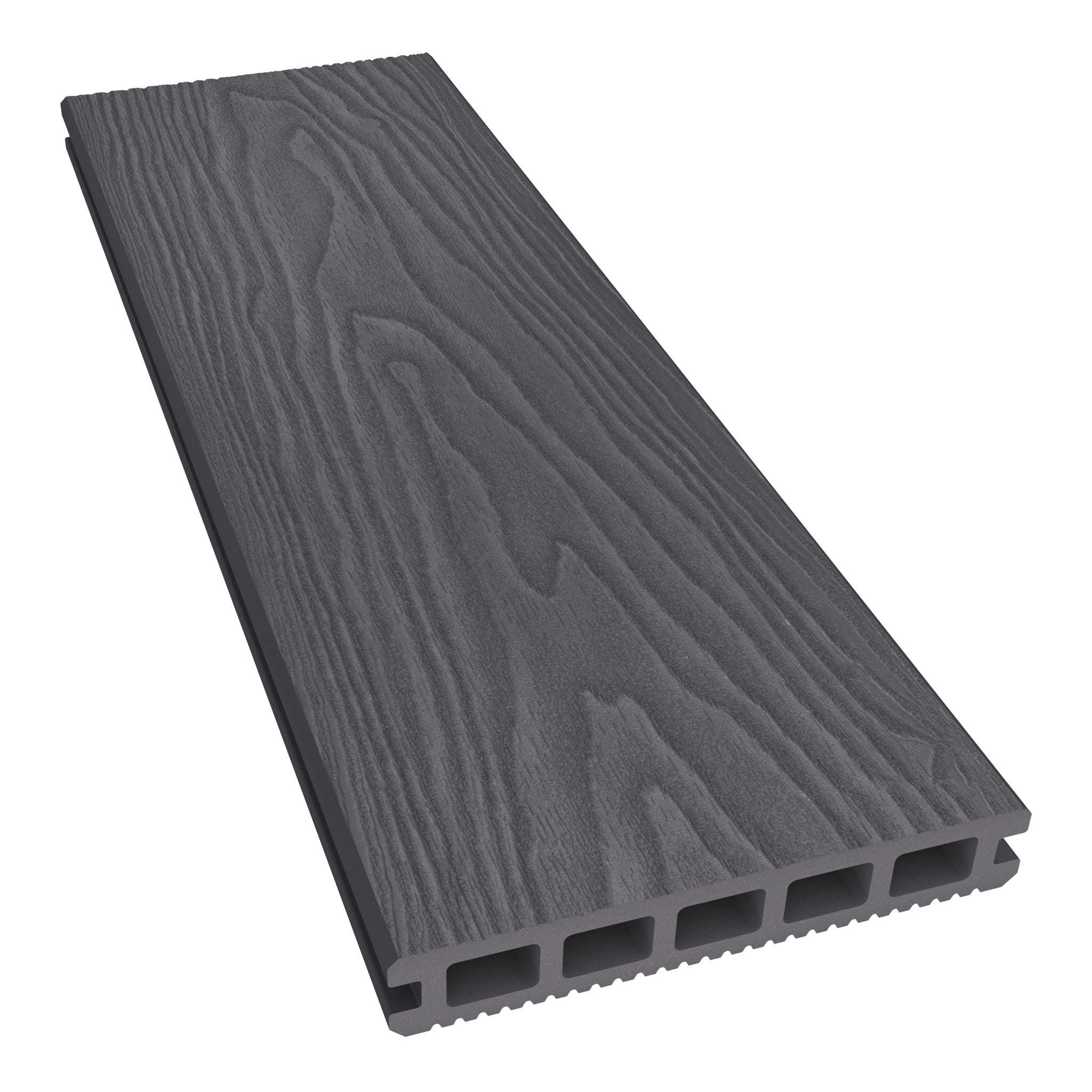
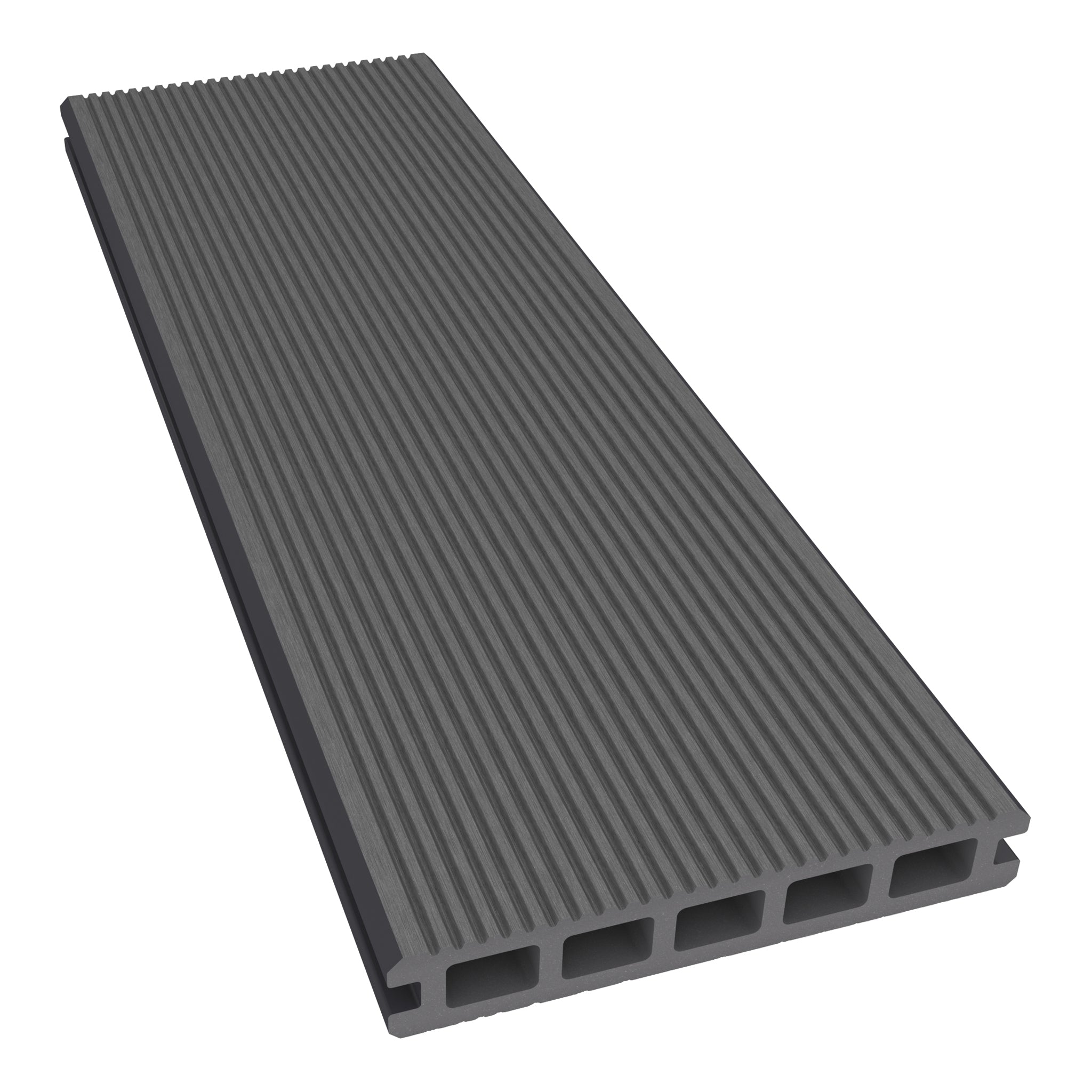
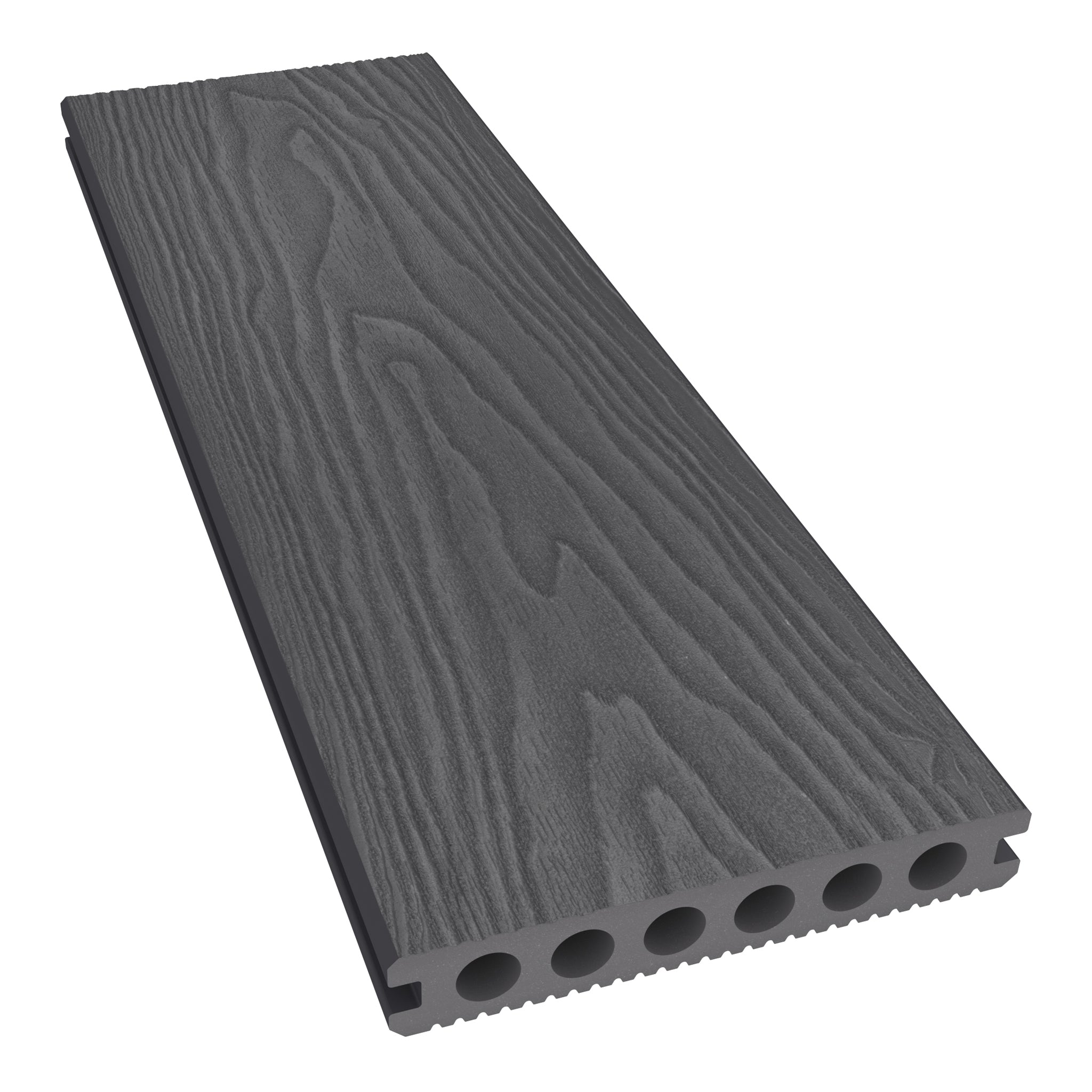
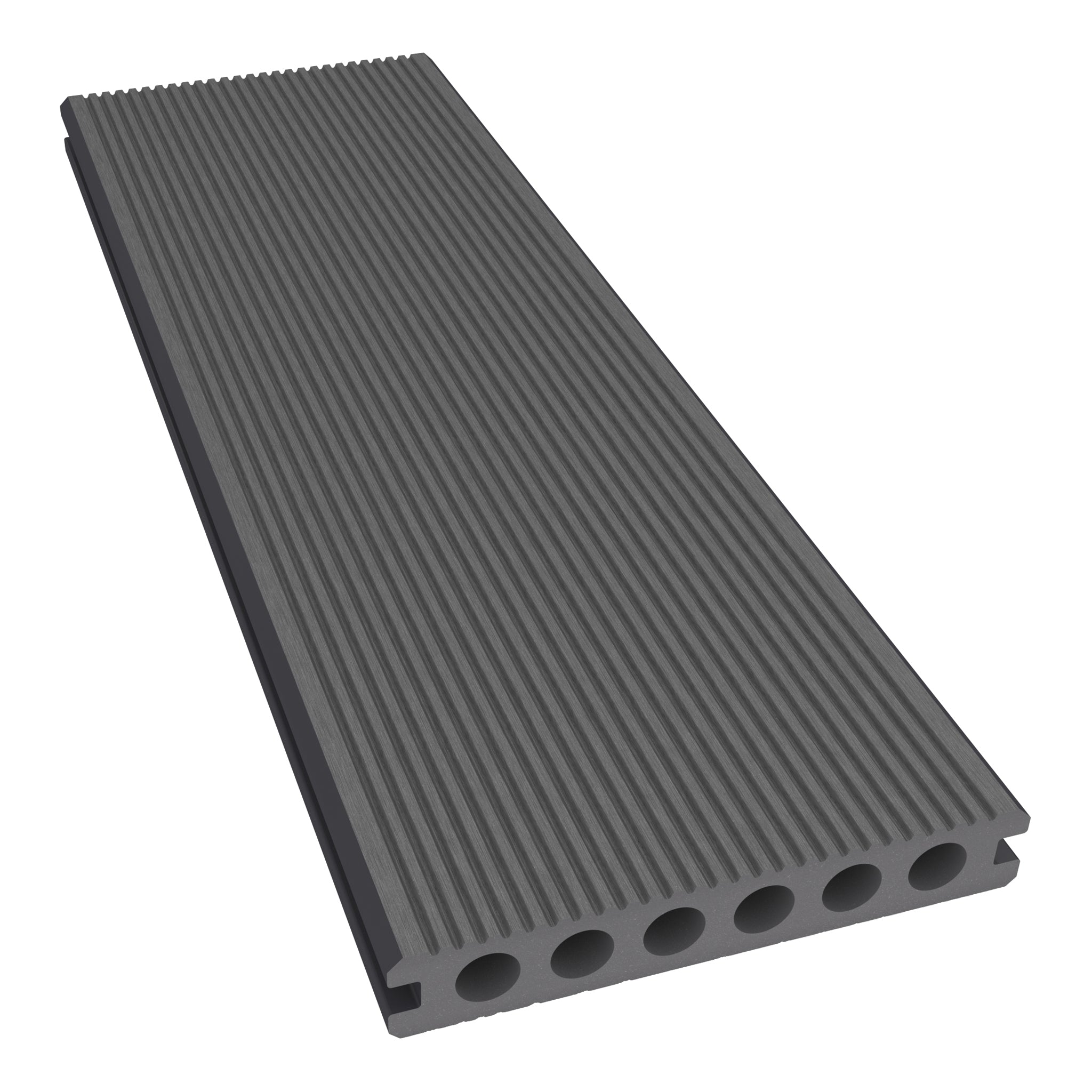
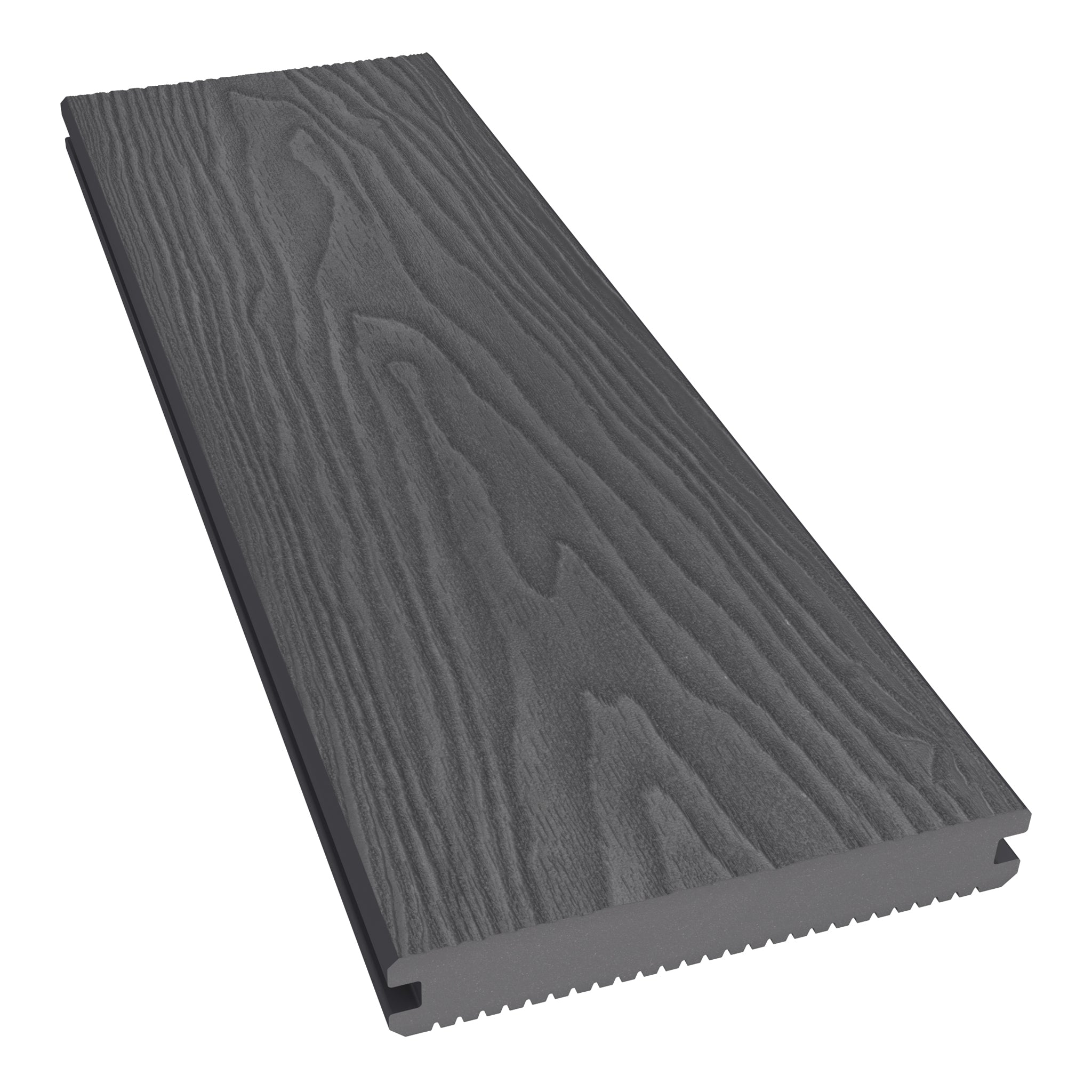
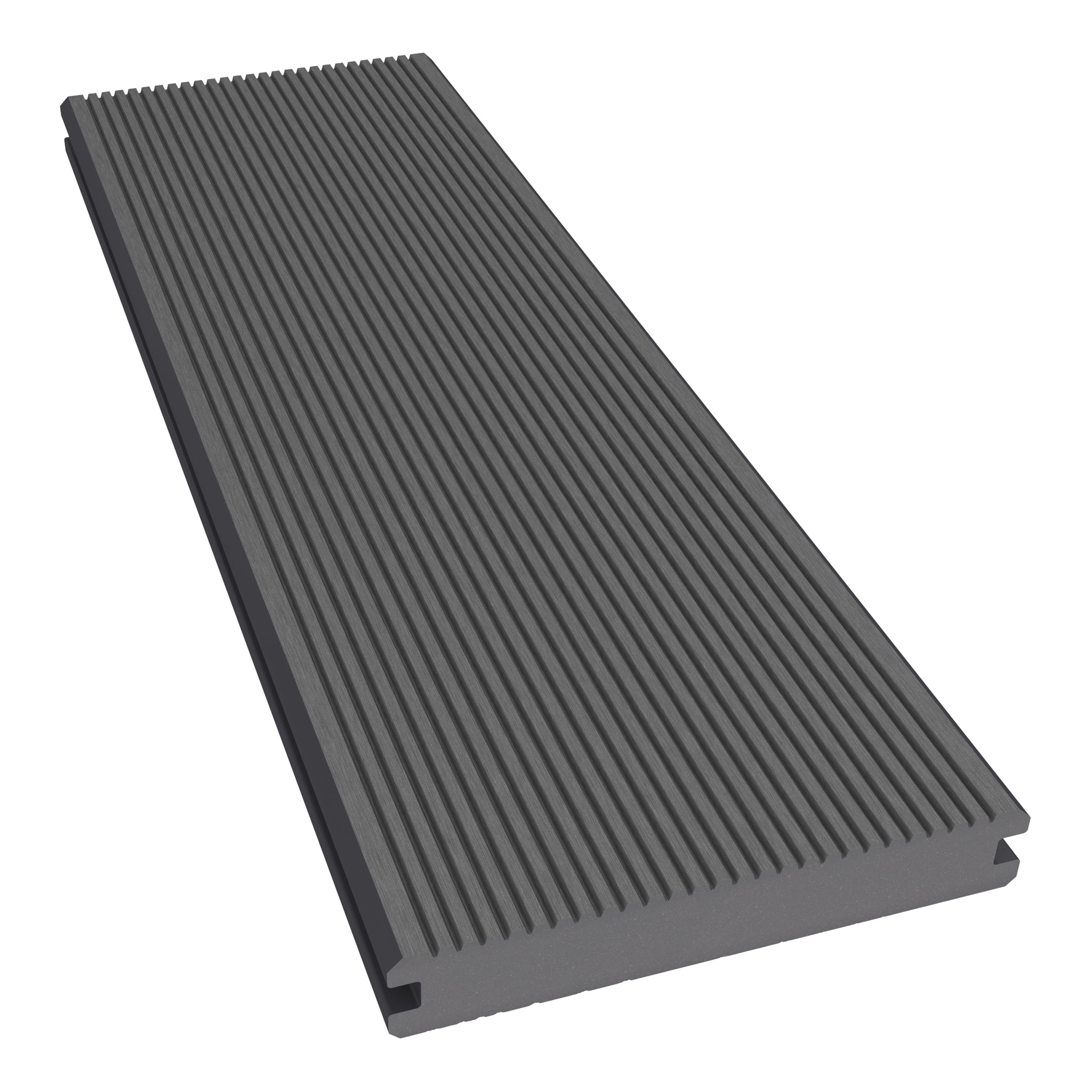
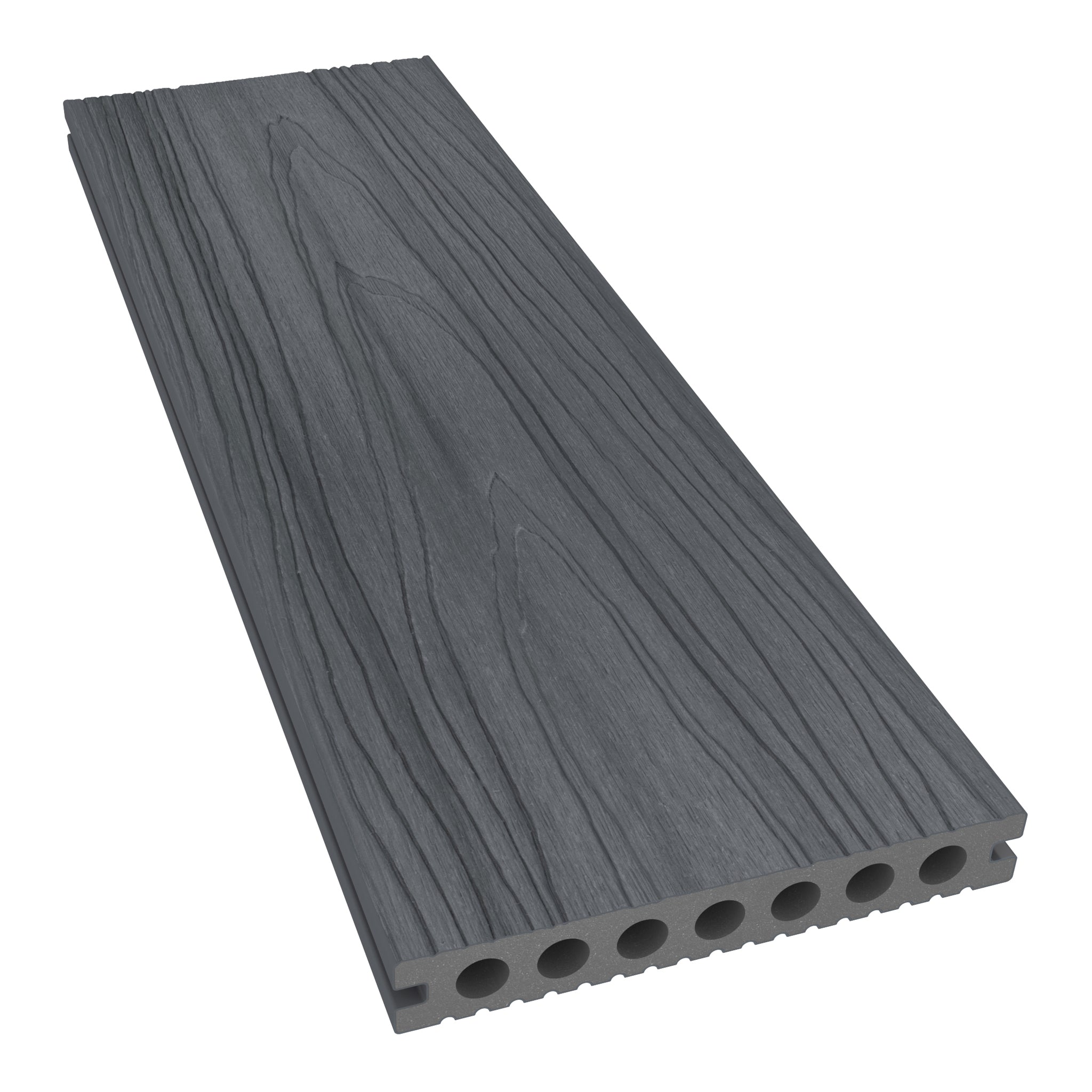
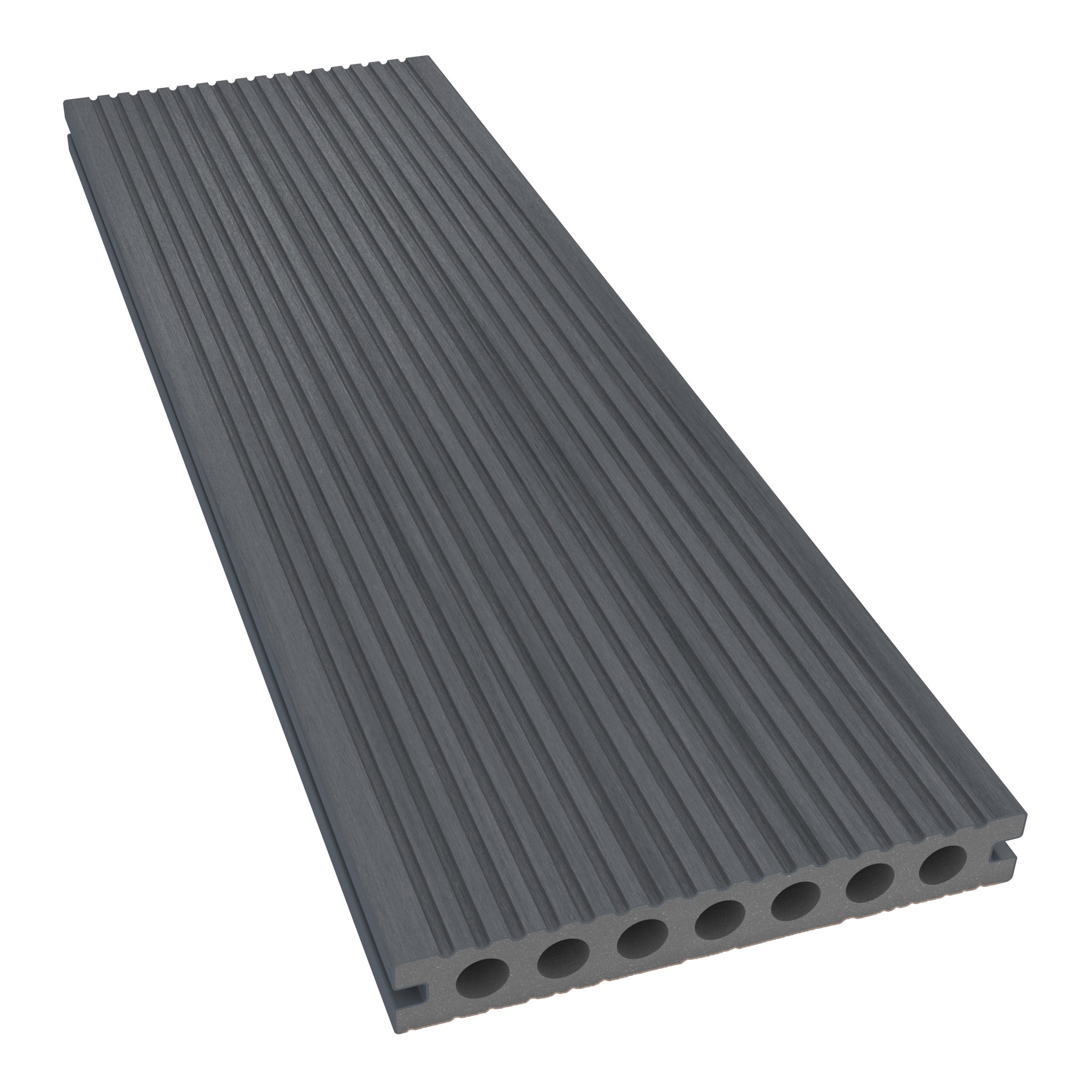
Chocolate is available within NeoTimber's Classic and Deluxe selections. Compare the current products for the board dimensions, core profile and finish suited to your project.
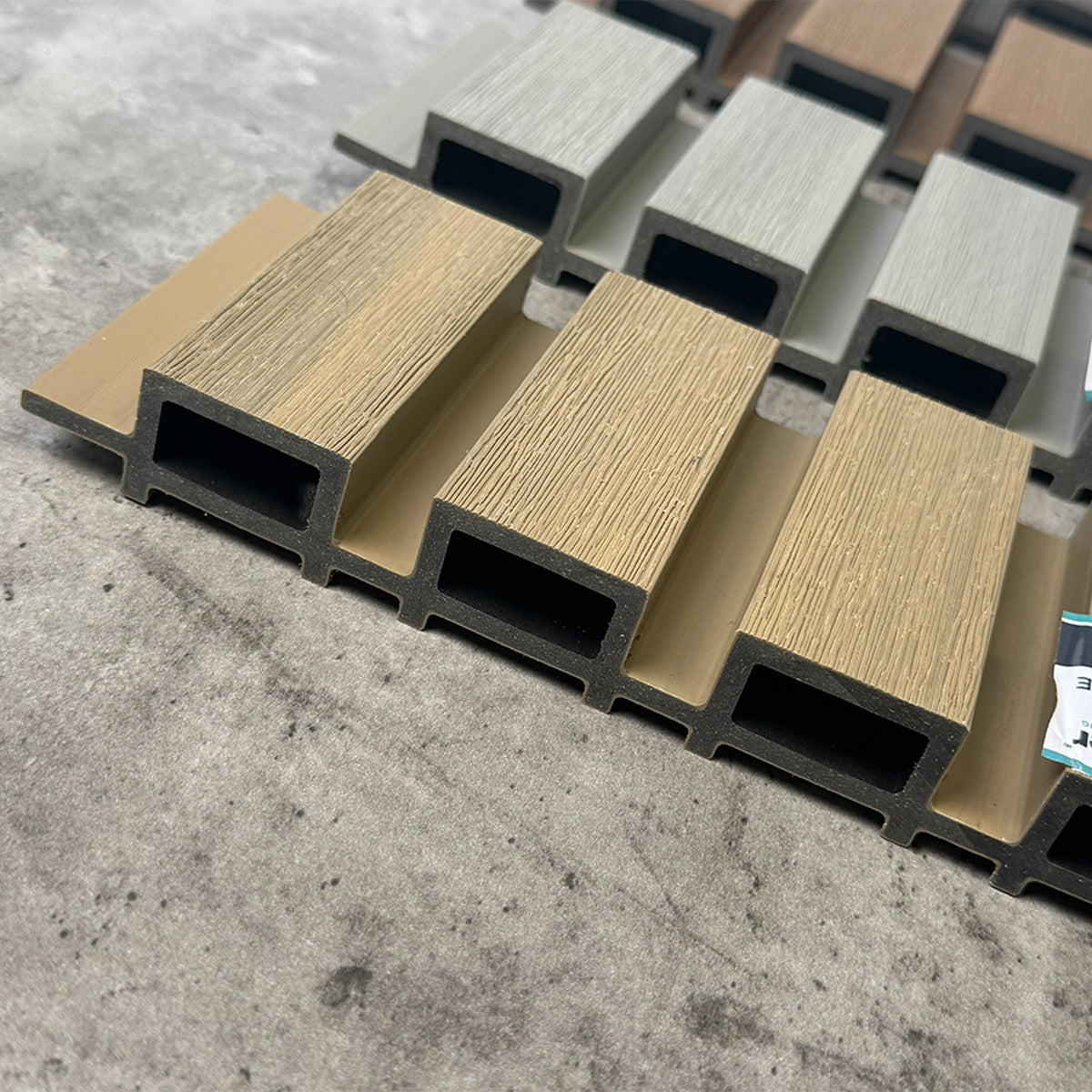
Hollow and solid describe the core; capped and uncapped describe the surface construction. These are separate features. A protective cap is designed to improve resistance to fading and staining, but does not make a board immune to marks, scratches or colour change.
Browse the composite decking collection and review the exact product information before ordering. The best choice balances your preferred appearance, intended use, budget and installation requirements.
Plan for Comfort and Straightforward Care
Dark boards can become warm in direct sunlight. Consider when you expect to use the seating area and whether suitable shade would improve comfort. No colour guarantees a cool surface during strong sun.
Keep a brown composite deck looking its best by sweeping away loose dirt and leaves, cleaning spills promptly and following the maintenance instructions for the selected board. Check before using a pressure washer or specialist cleaner.
No decking is slip-proof. Water, debris and organic growth can affect walking conditions. Follow the installation guidance for support, drainage, ventilation and movement gaps, then keep those drainage routes clear.

Brown Composite Decking FAQs
Will dark brown composite decking suit a contemporary garden?
It can. Chocolate can add warmth alongside contemporary paving, dark frames or simple furniture. Compare the finish with the materials already in place rather than limiting brown to traditional schemes.
Does a brown composite deck need staining?
It is supplied with a manufactured finish and generally does not require routine staining. Follow the product care guidance rather than applying an unapproved treatment.
Will Chocolate decking stay exactly the same colour?
Colour behaviour depends on the board, surface construction and exposure. Capping improves fade resistance but does not guarantee no change. Check the selected product's information and warranty terms.
Which shades work well with Chocolate?
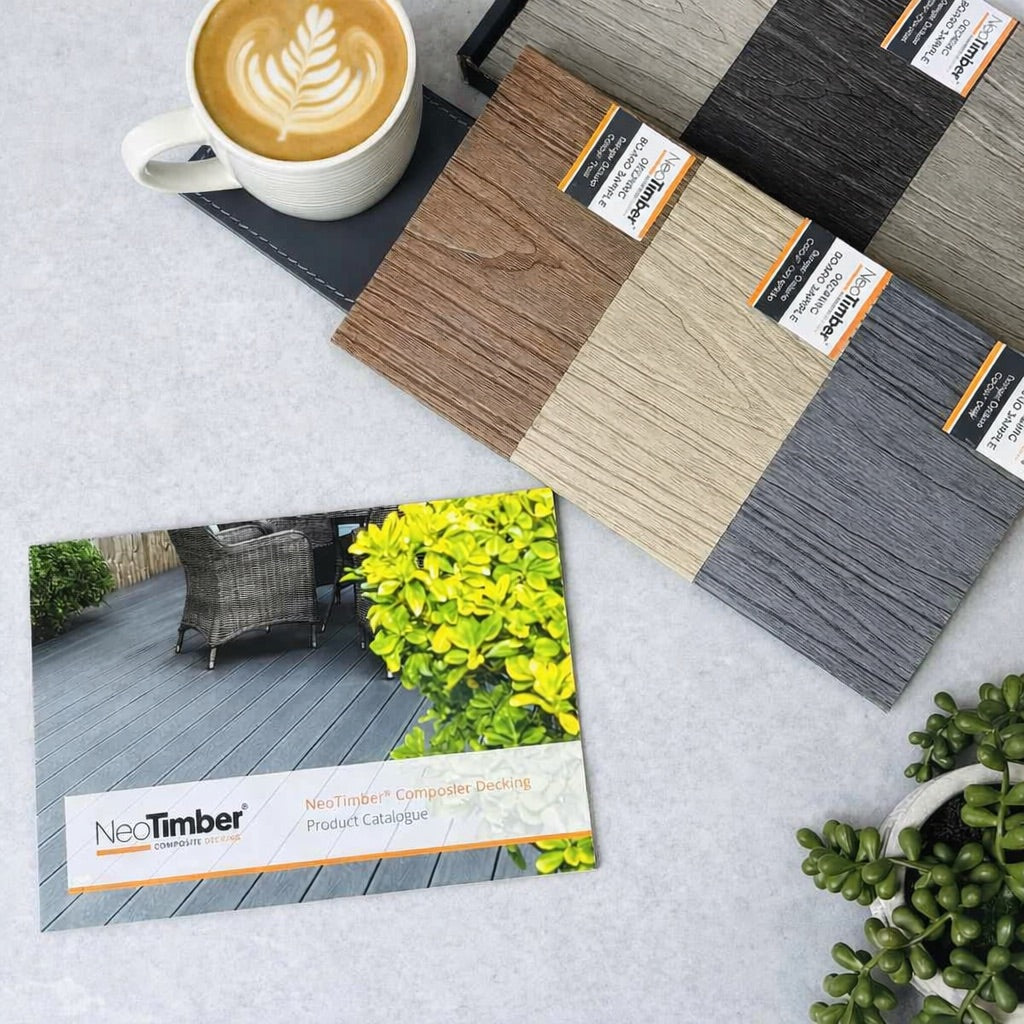
Teak offers a warmer pairing, Antique a lighter contrast and Charcoal a deeper outline. View samples together outdoors to judge the relationship in your setting.
See Chocolate in Your Own Garden
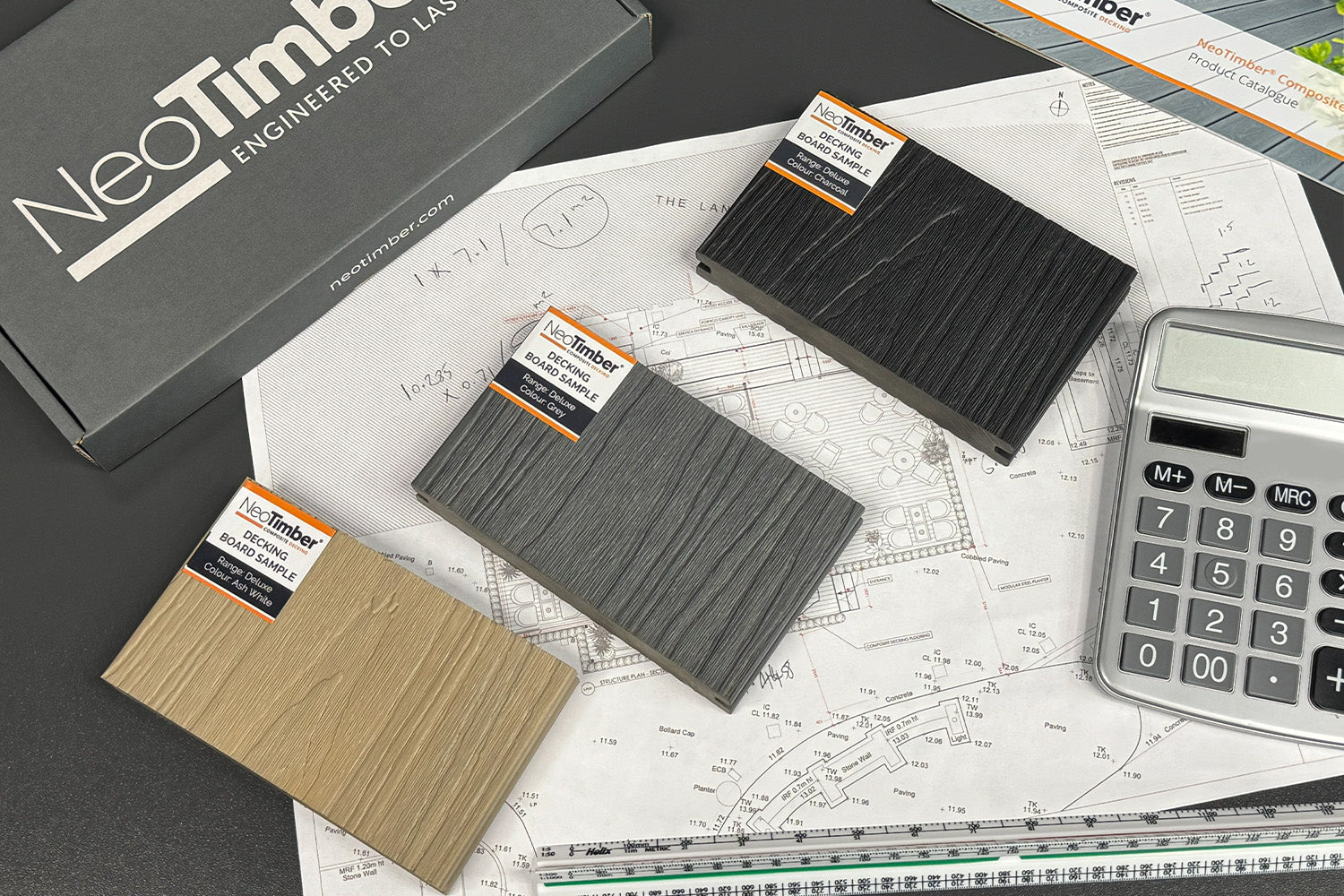
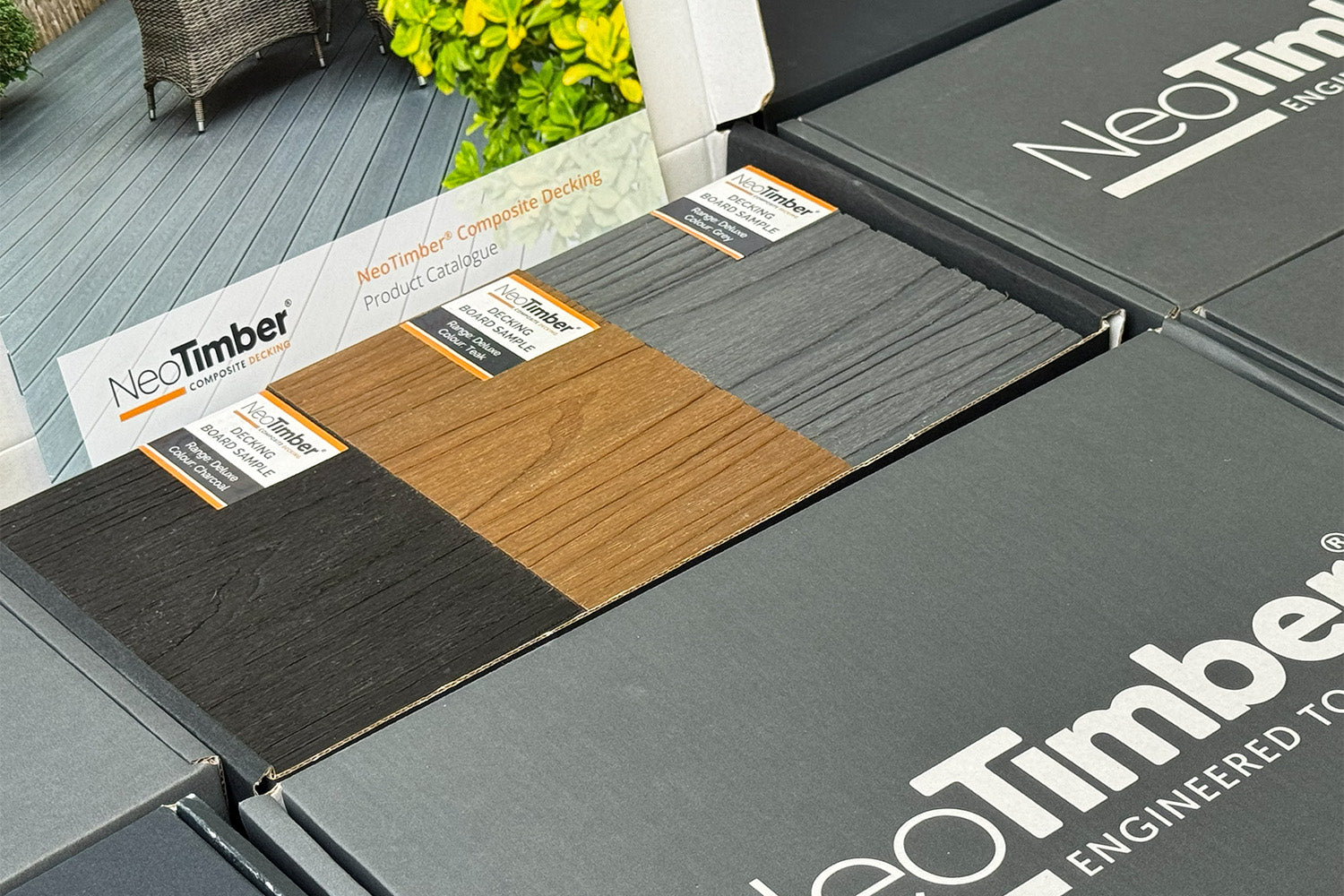
Use the gallery to gather ideas, then bring the colour into your own setting with a physical sample. A clear layout, coordinated furniture and carefully finished edges will help the deck feel connected to the rest of your garden.
Explore NeoTimber® decking, compare our composite decking and request free decking samples. For product advice and help choosing compatible accessories, contact our team.