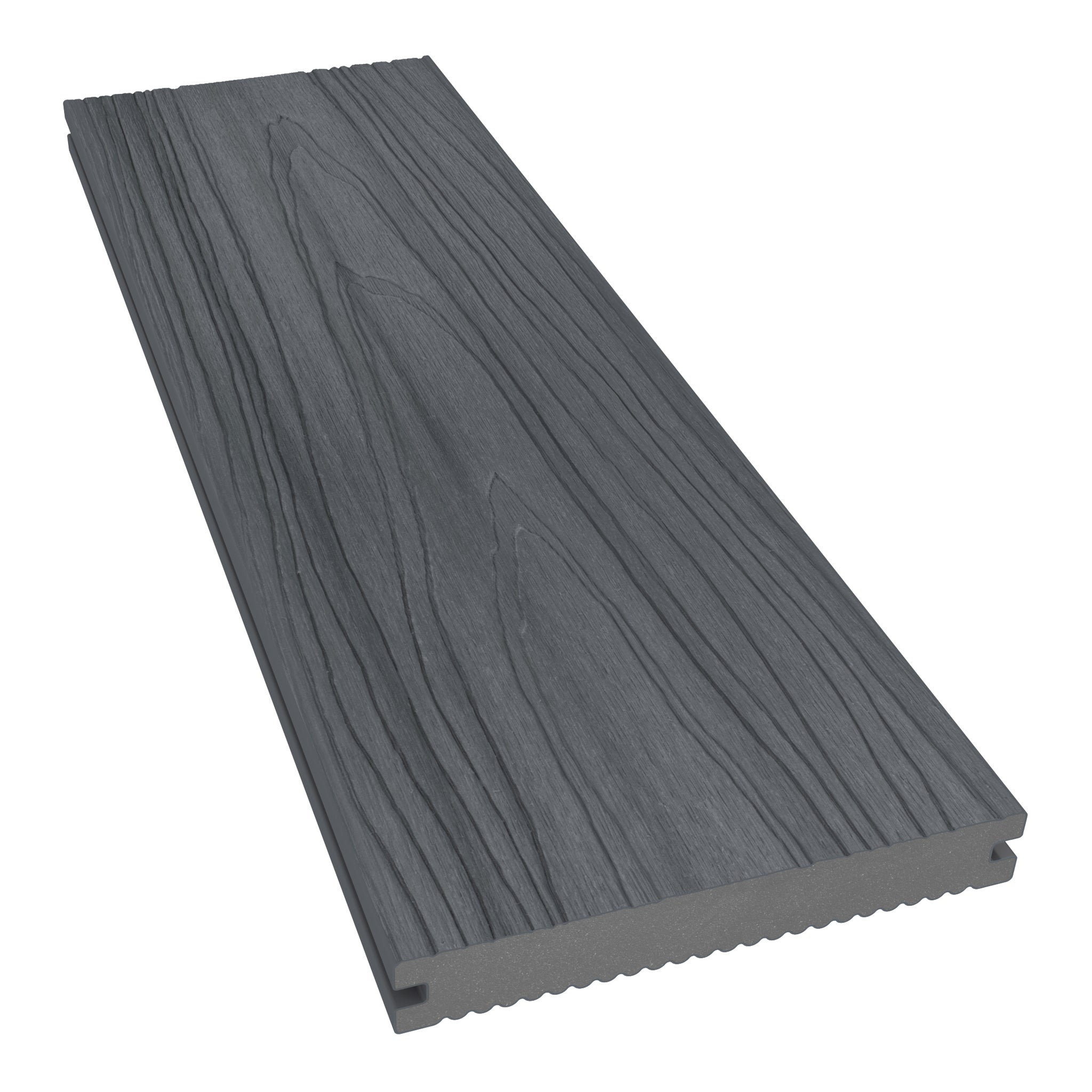
Find the Right Deck Surface for Wet Weather and Everyday Use
Non slip decking is a common starting point when choosing an outdoor surface. You want somewhere comfortable to walk, eat and relax, including when the weather changes. The useful next step is to understand what a product’s slip-resistance claims actually cover.
No deck can guarantee that a person will never slip. The board surface matters, but so do water, contamination, footwear and maintenance. Choosing well means matching relevant product evidence to your garden or project, then keeping the installed surface in suitable condition.
This buying guide explains what to look for in non slip composite decking without relying on appearance alone. Explore our general decking guidance and composite decking collection alongside the advice below.
In this guide: Understanding claims · Your site · Board finishes · Test evidence · Layout · Care · FAQs
Non Slip, Anti Slip and Slip Resistant: What Should You Expect?
These terms are often used in searches and product descriptions for surfaces intended to provide grip. They are not, by themselves, evidence of performance in every condition.
If you are comparing anti slip composite decking, ask which product and face were tested, under what conditions and using which method. A claim becomes more useful when it is linked to that information.
Slip resistant composite decking is a more measured description, but it still needs context. Dry performance does not establish wet performance, and a test on a clean sample does not describe a surface covered in algae or ice.
Start With the Conditions in Your Outdoor Space
Before comparing boards, think about where the deck will sit and how it will be used. A shaded courtyard, an open dining area and a busy shared walkway can have different practical demands.
- Exposure: note rain, shade and areas that stay damp.
- Contamination: consider leaves, soil, food spills and nearby planting.
- Users: consider footwear, mobility needs and likely walking routes.
- Layout: identify doors, steps, thresholds and changes in level.
- Care: establish who will clean and inspect the area.
The HSE’s slip-prevention guidance considers flooring alongside contamination, cleaning, footwear, people and the environment. This helps explain why a board choice is one part of managing slip risk.
Choose a Finish Using More Than Texture
Grooved and Woodgrain Faces
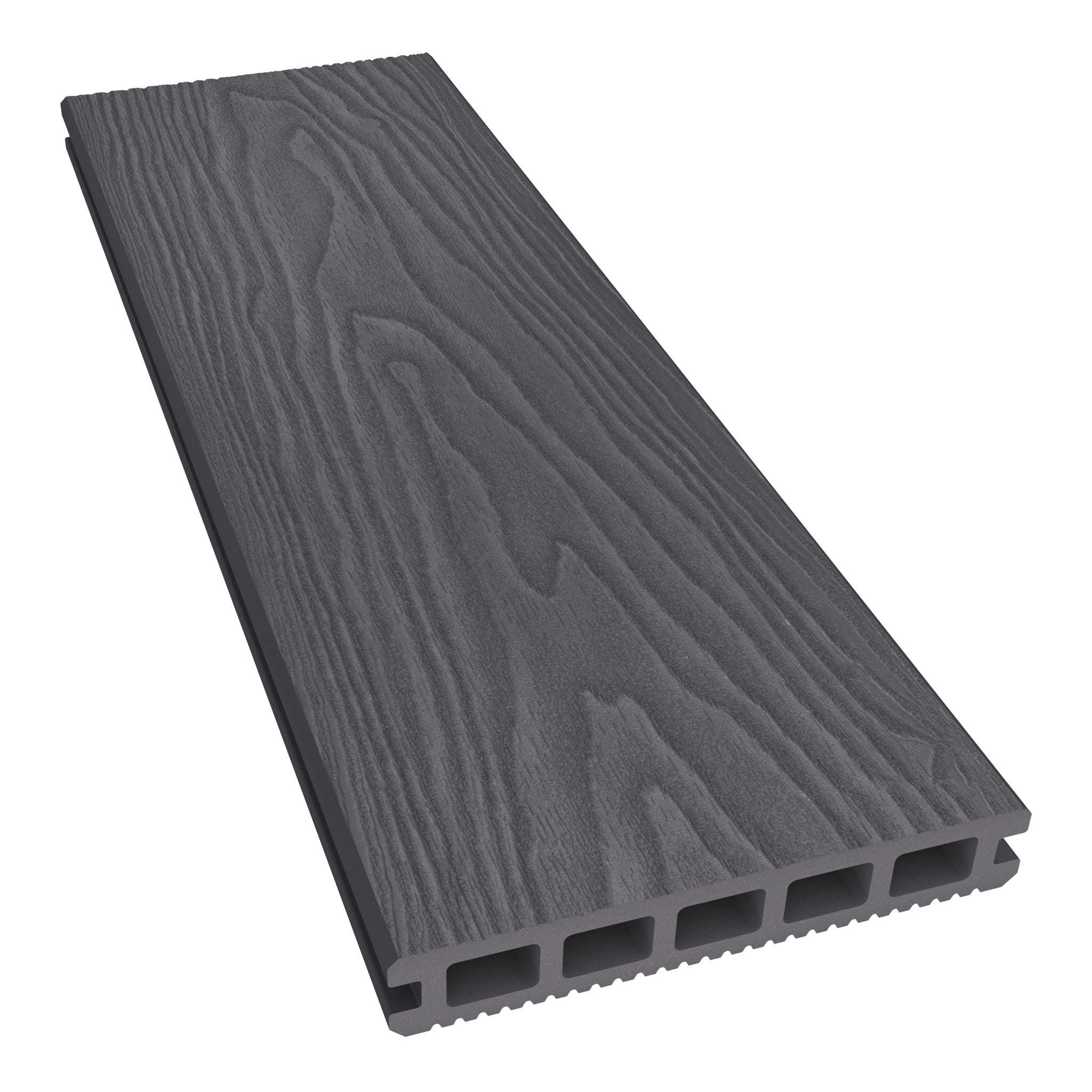
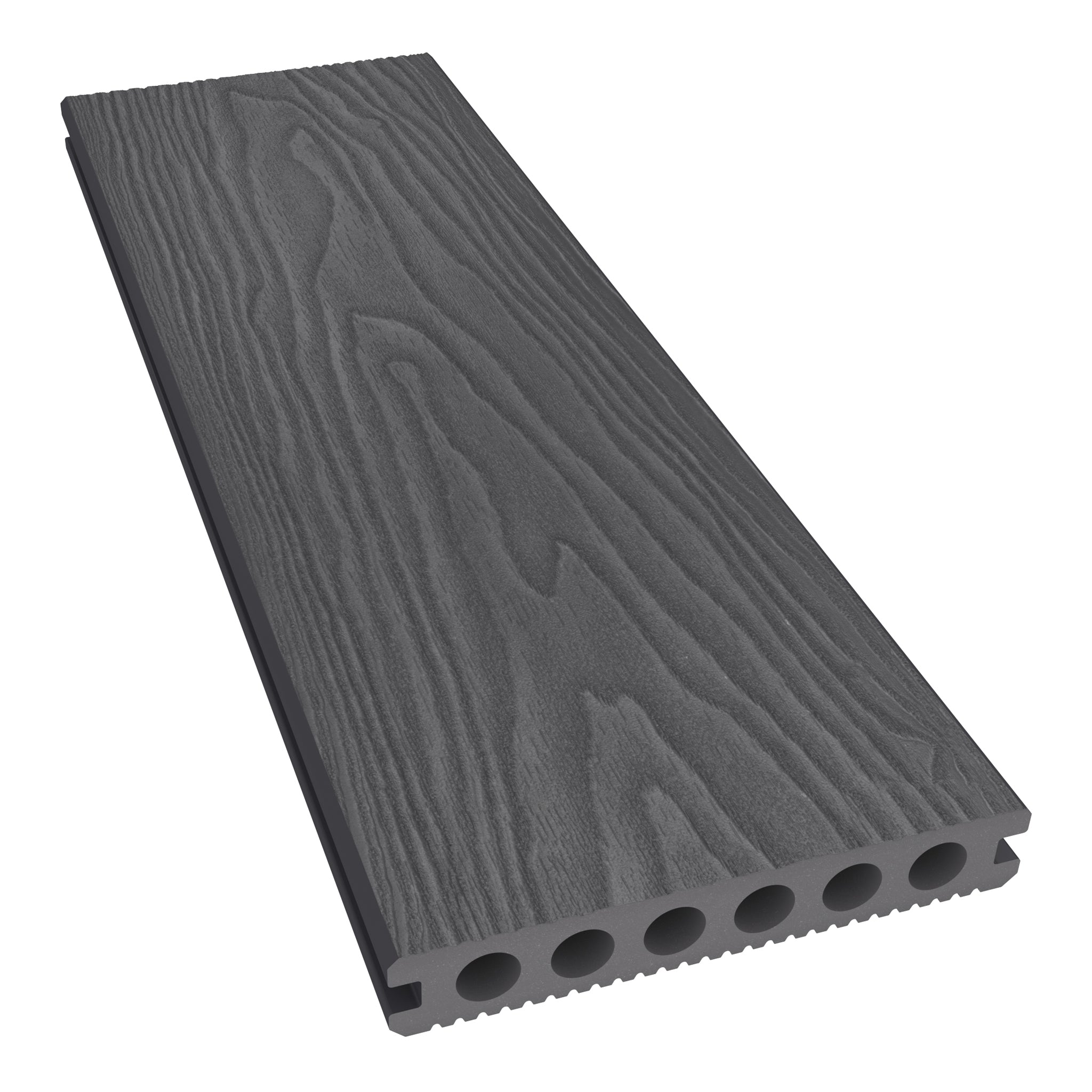
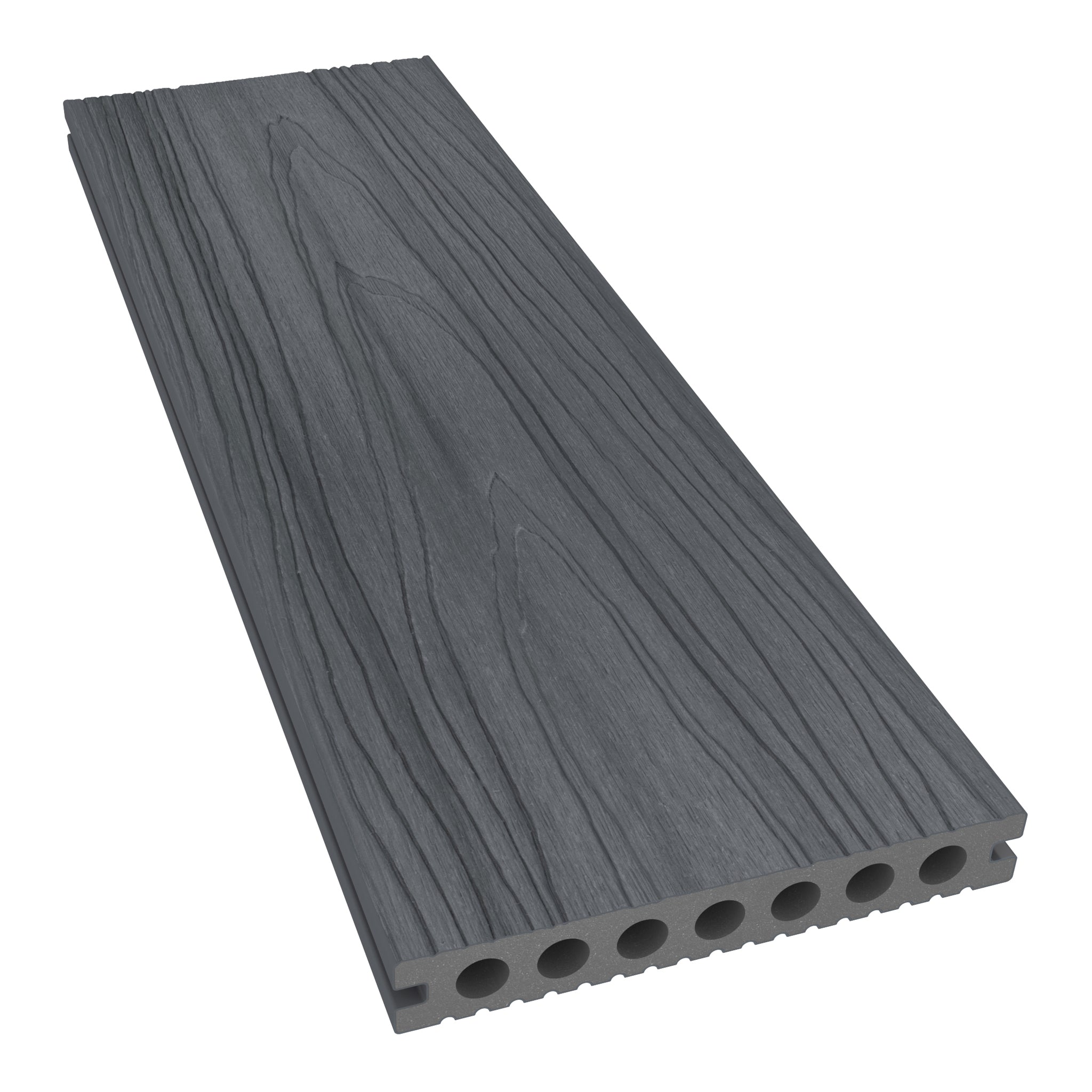
Grooves and woodgrain provide different appearances and surface textures. A pattern that feels pronounced in your hand is not automatically the better-performing face under wet footwear.
Some tests may show directional differences on a textured surface. Use the results for the exact board and face rather than assuming that grooves always outperform woodgrain. Our reversible decking guide explains the visual choices available.

Capped and Uncapped Construction
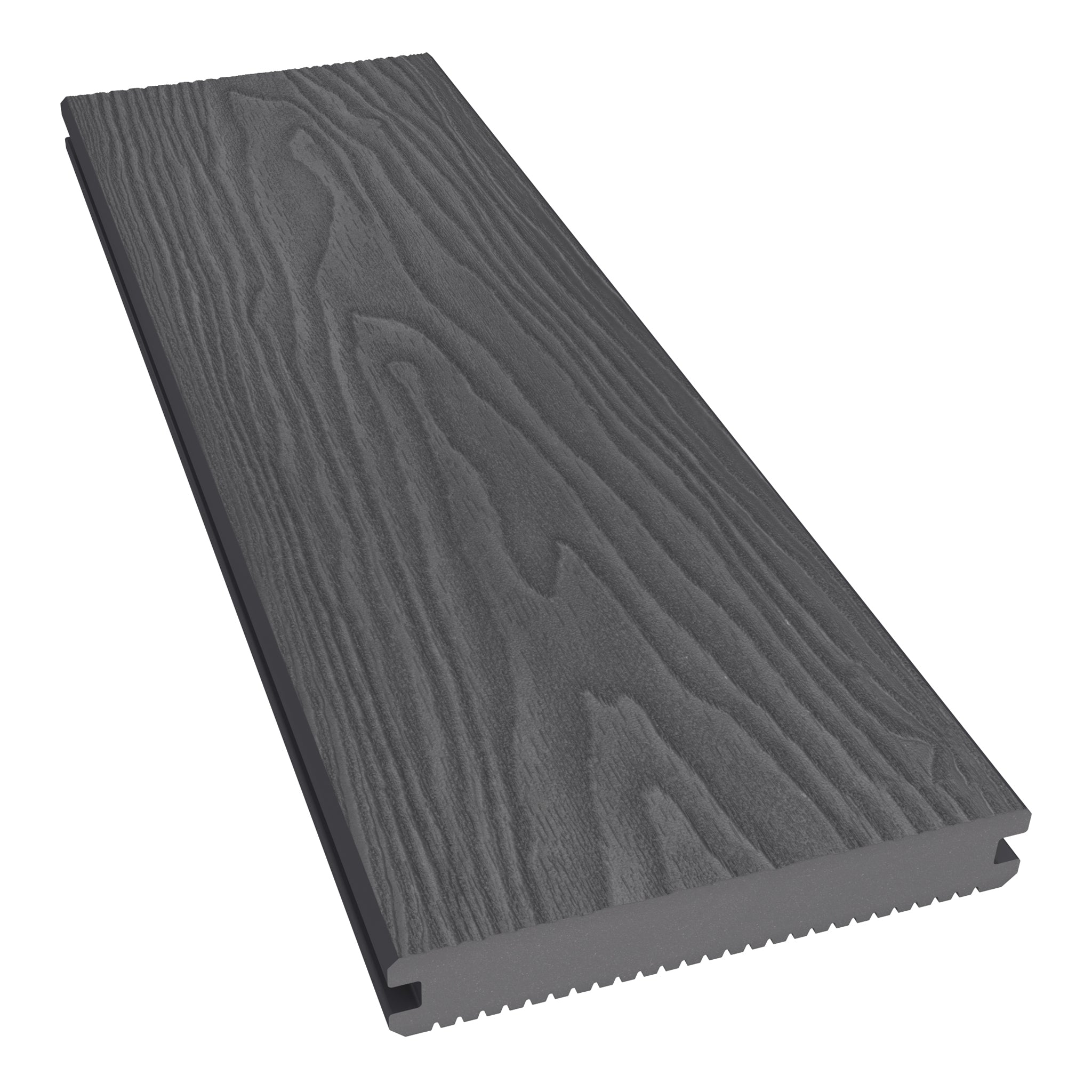
Traditional uncapped boards expose the composite material. Capped boards add a protective surface layer designed to enhance resistance to staining and fading. Those features do not establish a universal slip-resistance ranking.
Compare the current specifications of individual products, such as Classic Solid and Deluxe Solid, and request the relevant test information. Read our traditional vs capped guide for the broader material comparison.
What to Ask About Slip-Test Evidence
Use NeoTimber’s technical resources or contact our team to identify the documentation for your preferred product.
Use these questions to assess decking slip-resistance claims and decide whether the evidence is relevant to your project:
| Question | What it establishes |
|---|---|
| Which range and face were assessed? | Whether the result relates to the surface you intend to install. |
| Was the test wet or dry? | Whether the conditions reflect the likely exposure. |
| Which method and direction were used? | How to interpret the result and compare like-for-like evidence. |
| Was the assessment relevant to footwear or barefoot use? | Whether it is appropriate to the intended users. |
| What was the sample condition? | The limits of applying a laboratory result to an installed deck. |
Different methods are not automatically interchangeable. For a commercial area, ramp or pool surround, seek competent interpretation for the application. Do not assume that a shod test proves suitability for wet barefoot use.
Make the Layout Support the Surface Choice
Plan water routes through and beneath the deck, with the ventilation, falls and clearances required by the selected system. Keep drains accessible. Open board gaps alone will not resolve a base that traps water.
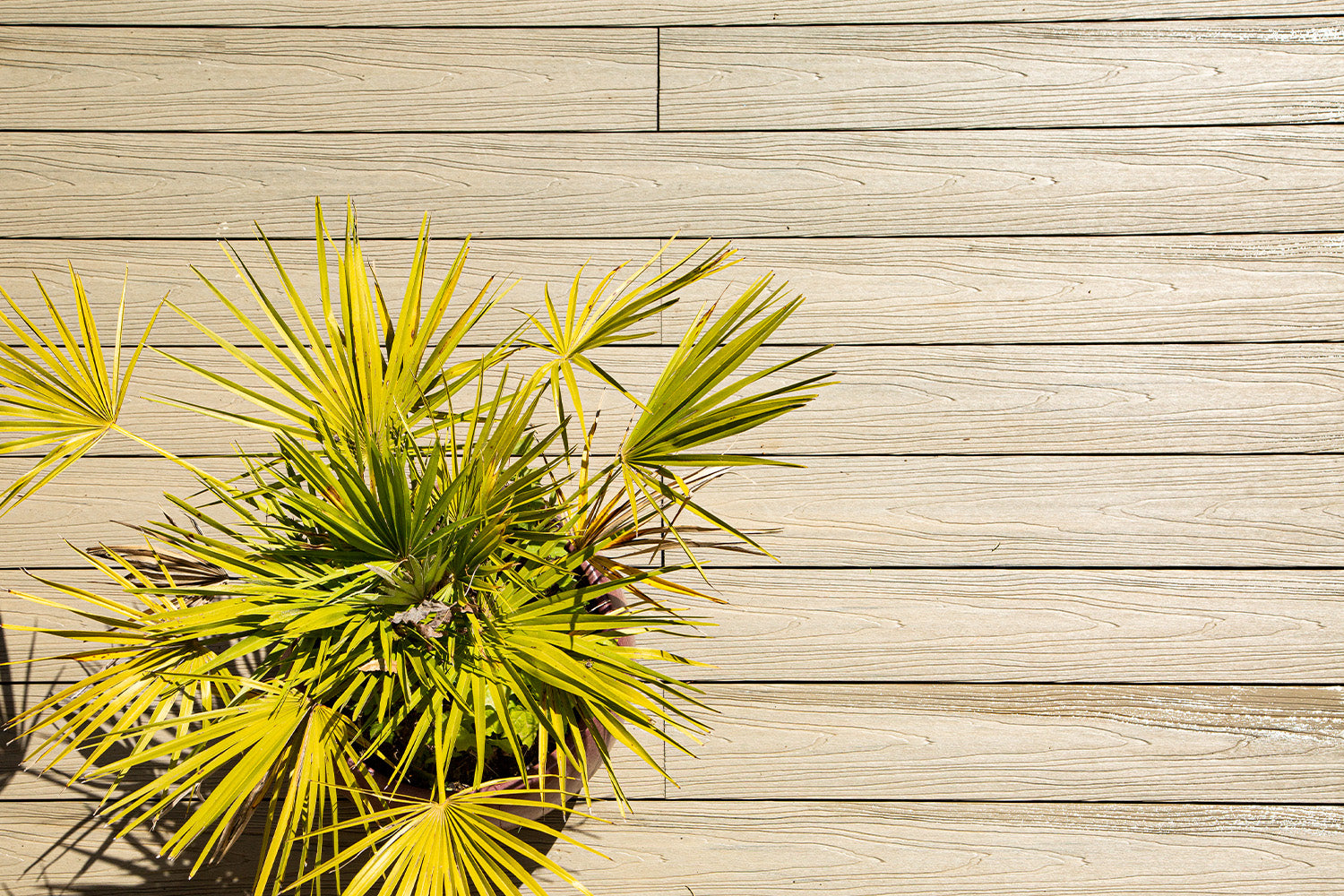
Consider walking direction alongside the product’s test evidence. People may approach from several directions, so laying boards across one route cannot guarantee the same performance throughout the space. The photo below illustrates orientation, rather than proving a grip improvement.

Keep routes clear of furniture and cables. Resolve uneven transitions, provide suitable lighting and plan step details properly. Follow the installation instructions for supports, gaps and fixings; loose or uneven boards introduce different hazards.

Elevated applications also need assessment of structure, guarding, drainage and fire requirements. A slip-resistance claim does not establish that a board is suitable for every balcony or roof terrace.
Keep the Deck Clean to Help Maintain Grip
Composite boards are not immune to organic deposits. Algae and other growth can develop where damp conditions and surface contamination allow. Fallen leaves and spilled food can also affect footing before growth becomes visible.
Remove loose debris regularly, clean spills promptly and wash using the range’s approved method. Warm soapy water, a soft brush and thorough rinsing are useful for routine care. Confirm compatibility before using specialist chemicals or pressure-washing equipment.
Inspect shaded corners and beneath movable furniture. Keep drainage routes clear and arrange repairs for raised fixings, damaged edges or unusual movement. During frost or ice, manage access according to conditions rather than relying on a textured finish.
Do not sand a capped board to increase grip or apply a coating without checking compatibility. Add-on strips and mats also need assessment for secure fixing, drainage and potential trip hazards. Follow our decking maintenance guide for ongoing care.
Use Samples for Appearance and Reports for Performance
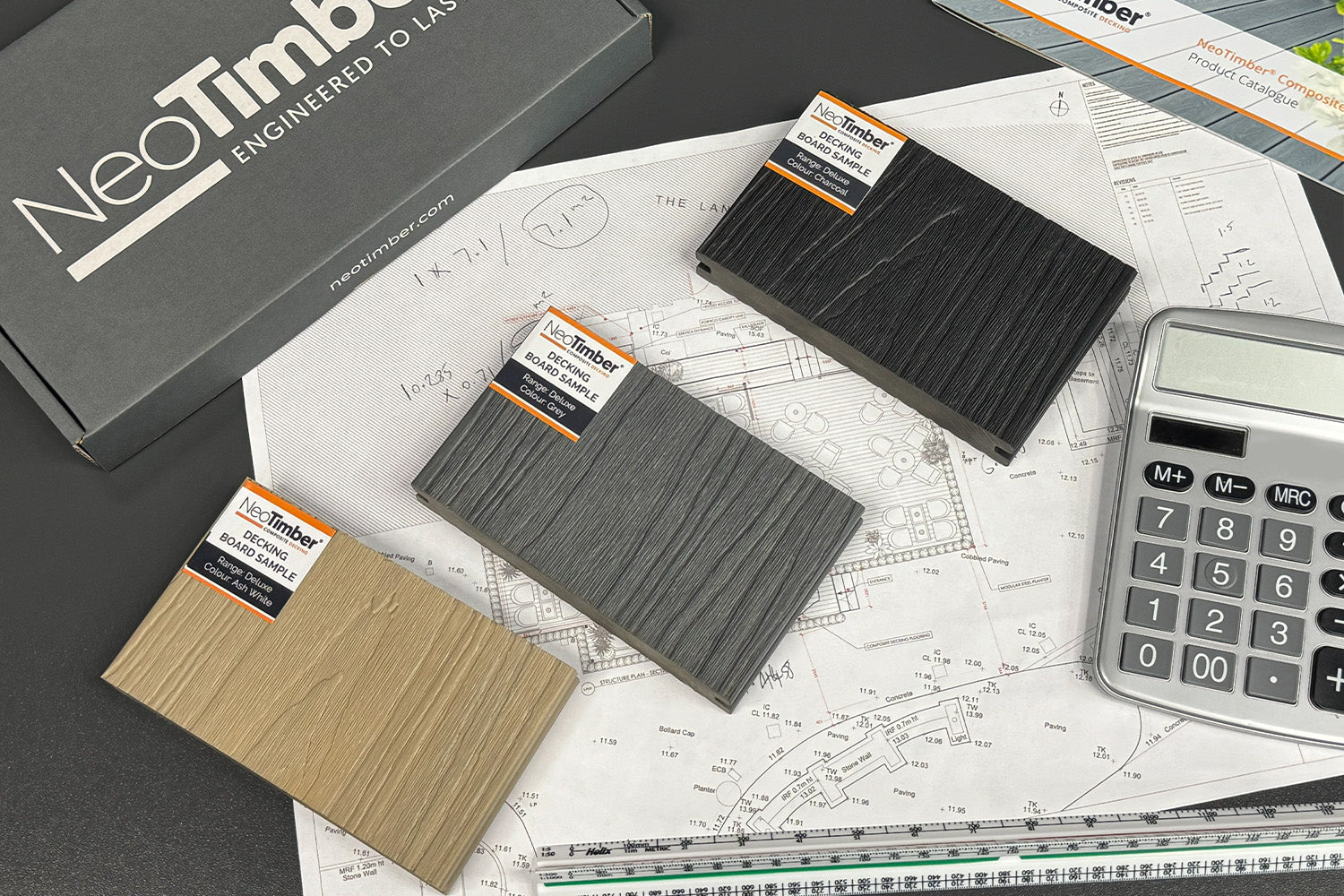
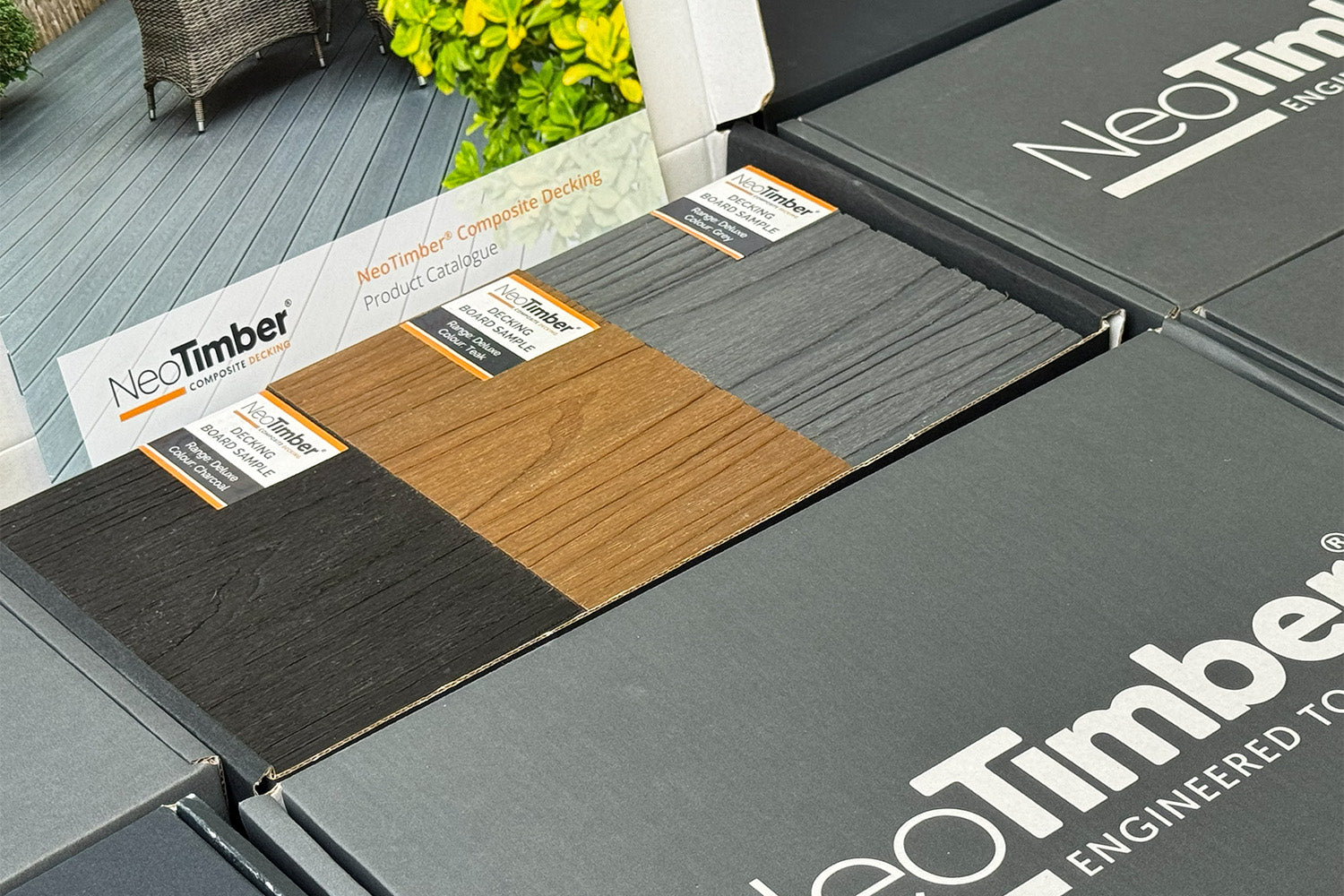
A sample is useful for comparing colour, texture and the effect beside your paving or brickwork. It is not a substitute for relevant testing and cannot reproduce every weather condition.

Choose a finish you like, then confirm its suitability using technical information. For a closer explanation of test conditions and surface selection, read our slip-resistance evidence guide.
Non Slip Decking FAQs
Is any decking completely non-slip?
No. Conditions such as ice, contamination and unsuitable footwear can affect any outdoor surface. Compare relevant evidence and plan ongoing care.
Can composite decking become slippery when wet?
It can. Performance varies by product, surface, contamination and use. Wet-condition evidence is important where rain or other water exposure is expected.
Are grooves always the best choice?
Not automatically. Check product-specific results for the intended face and conditions rather than judging by appearance alone.
Does composite prevent algae growth?
No material choice removes the need to clear organic debris and clean the surface. Damp, shaded areas can still develop deposits or growth.
Can I improve an existing slippery deck?
Start by identifying contamination, drainage and condition issues. Use the approved cleaning method and seek advice before altering the surface or fitting add-on products.
How do I compare NeoTimber® boards?
Request free composite decking samples for appearance, and contact the team for technical information relevant to your project.
Choose With a Clear Understanding of Your Site
The strongest buying decision connects your preferred board with relevant test evidence, a suitable layout and a realistic cleaning routine. Work through those details before ordering, and ask for help where the application needs specialist assessment.