Compare Uncapped and Capped Boards Before Choosing Your Deck
Traditional composite decking and capped composite decking offer different approaches to the same goal: a timber-inspired outdoor surface with less routine finishing work than a stained or oiled timber deck. The main difference is the construction of the exposed surface.
Traditional boards expose the wood–plastic composite itself. Capped decking adds a protective outer layer, designed to improve resistance to everyday staining and fading. Neither construction removes the need for cleaning or correct installation.
This comparison focuses on how those differences affect your choice. Explore our general decking guidance or browse our composite decking collection alongside the advice below.
In this guide: Construction · Comparison table · Appearance · Stain resistance · Weathering · Premium boards · Choosing · FAQs
What Is the Difference in Construction?
Traditional Boards: An Uncapped Surface
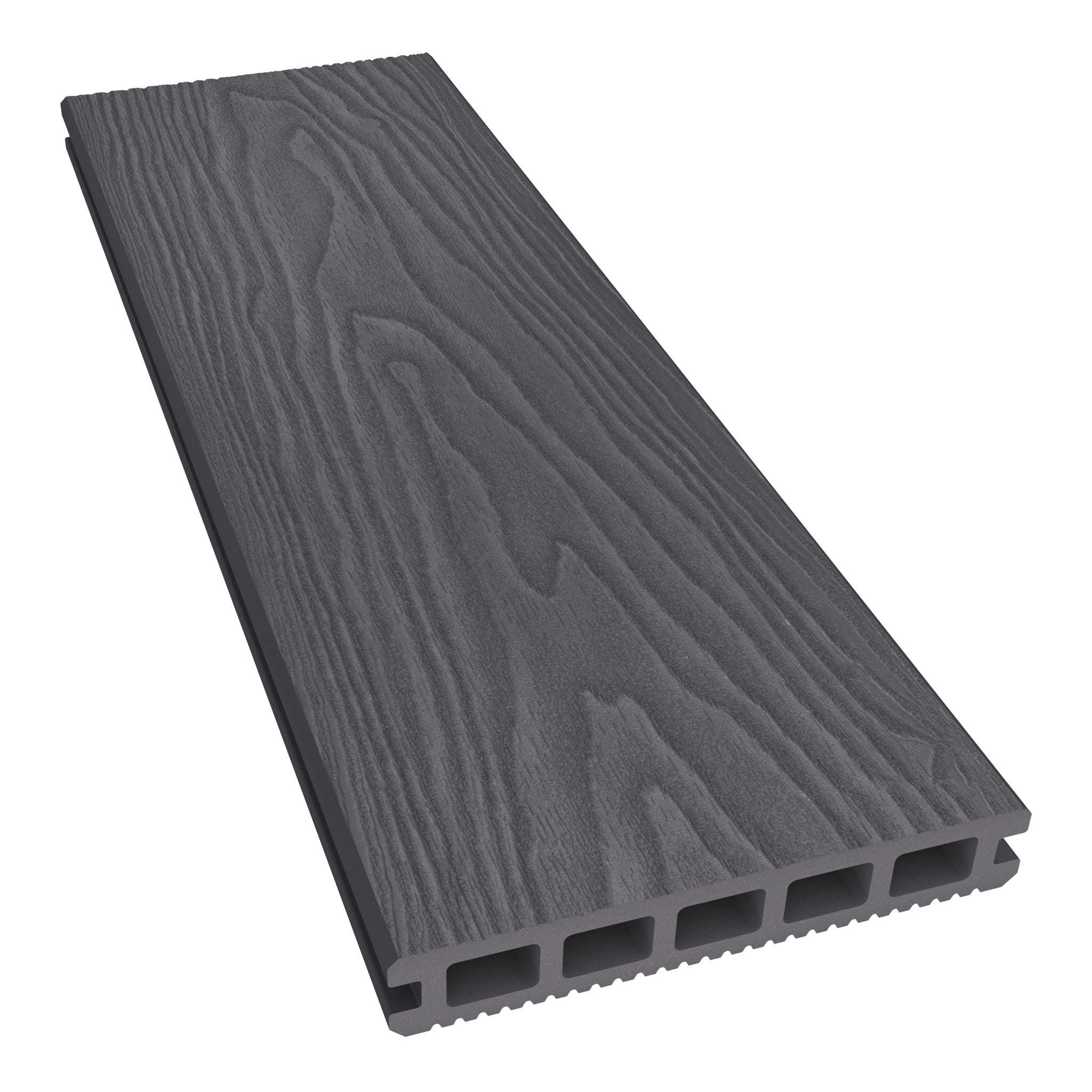
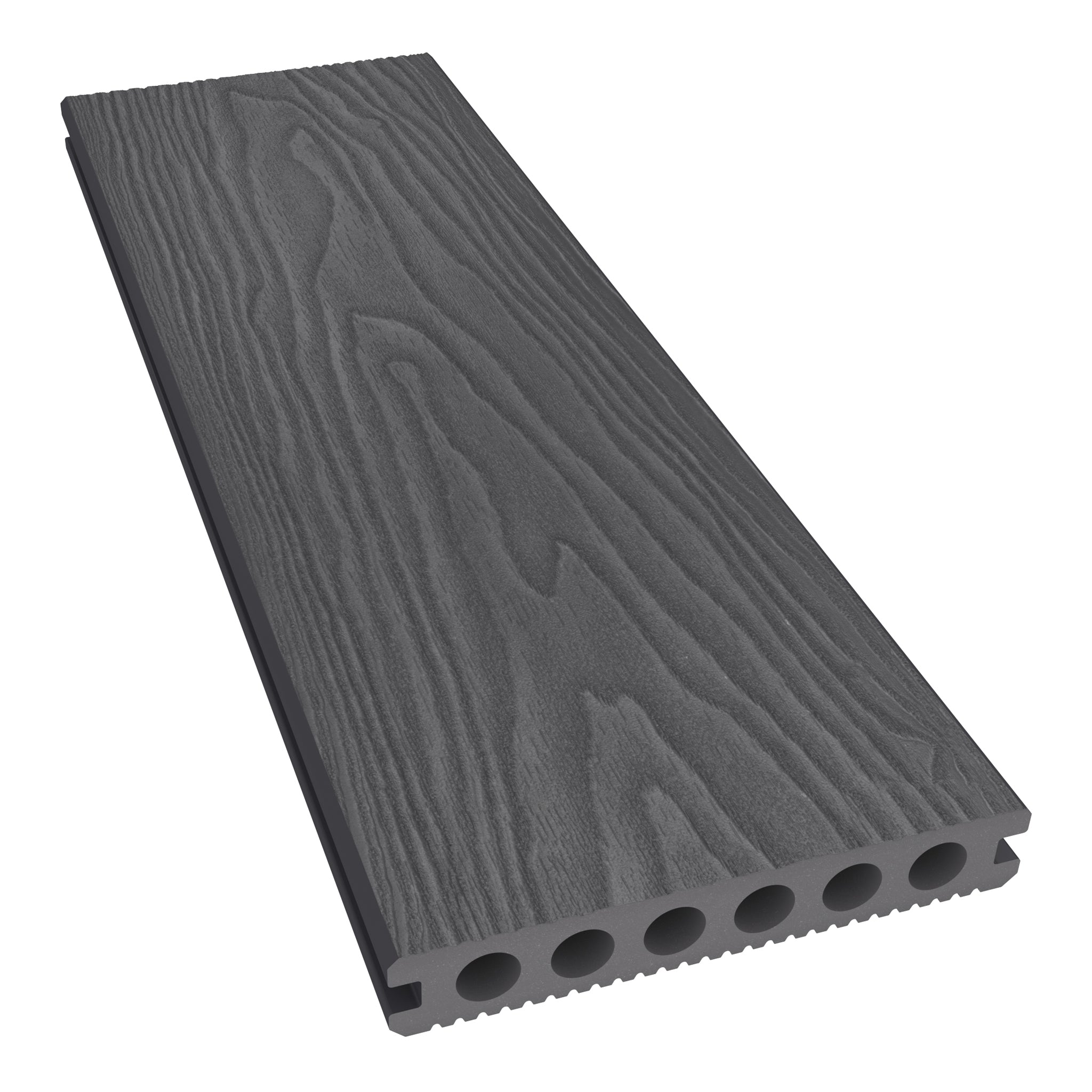
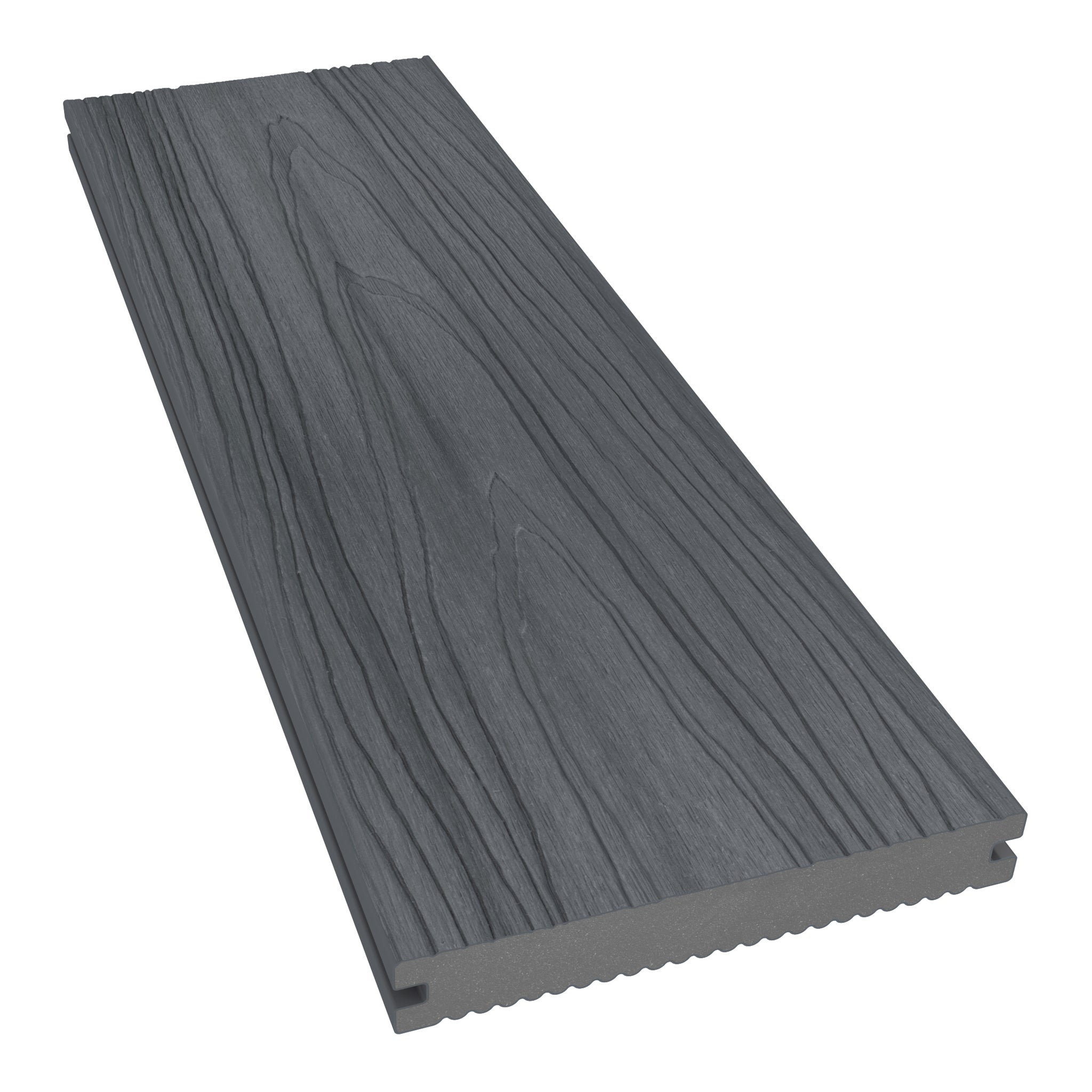
Wood fibres, polymers and additives form the exposed board material. This is often called uncapped or first-generation composite, although those labels alone do not describe a product’s quality or suitability.
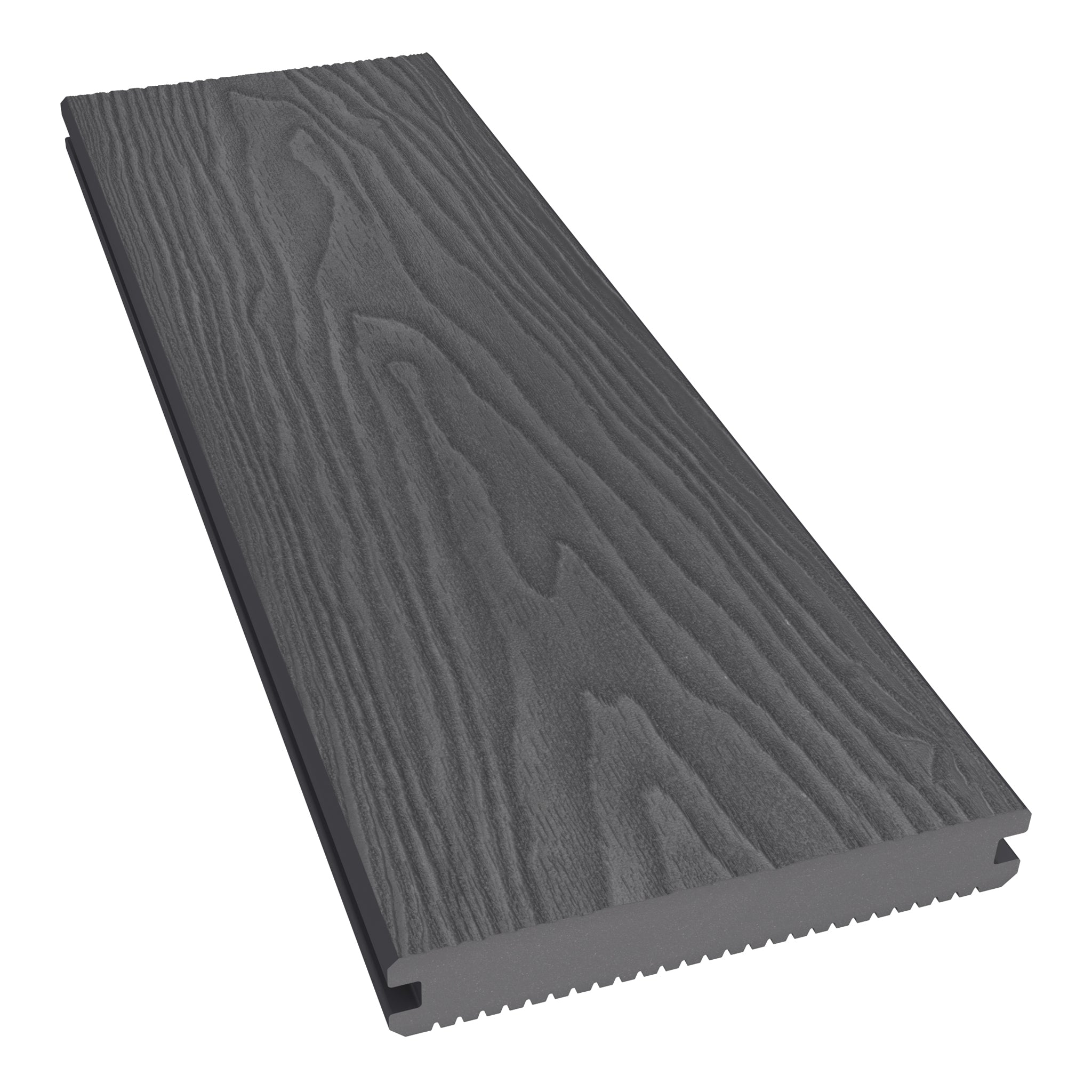
NeoTimber’s Classic Lite, Classic Hollow and Classic Solid provide traditional options. Our traditional board guide explains this construction in more detail.

Capped Boards: Additional Surface Protection
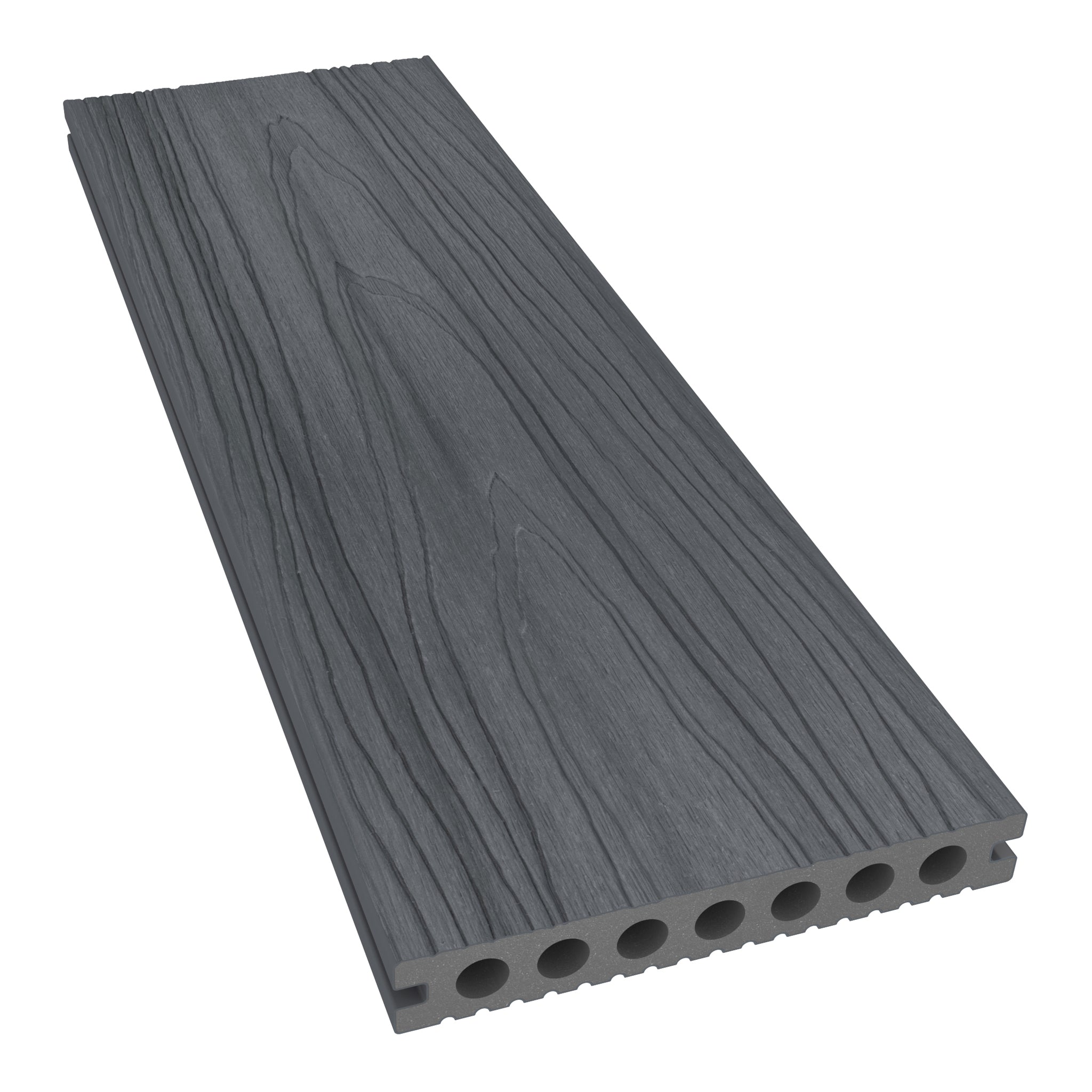
A protective outer layer surrounds the composite core. Its purpose is to improve the surface’s resistance to exposure and spills, rather than to turn the board into an indestructible or entirely waterproof material.
Our Deluxe Hollow and Deluxe Solid offer capped options. Capping and profile are separate decisions: a hollow board can be capped, and a solid board can be uncapped. Read our capped board guide for a closer look.

Traditional vs Capped: A Practical Comparison
Differences to consider when comparing individual products:
| Consideration | Traditional uncapped boards | Capped boards |
|---|---|---|
| Surface | Exposed composite material. | Composite core with a protective outer layer. |
| Appearance | Texture and colour depend on the range. | Texture and tonal variation depend on the range. |
| Staining | Spills can mark the exposed material; prompt cleaning matters. | Enhanced stain resistance can simplify cleaning; spills still need attention. |
| Colour change | Weathering and lightening should be considered when choosing. | Enhanced fade resistance, without a guarantee of zero change. |
| Care | Cleaning and inspection remain necessary. | Cleaning and inspection remain necessary; avoid damaging the cap. |
| Buying decision | Compare price, finish and care expectations. | Weigh extra surface protection against the complete project cost. |
Finish and Colour: Look Beyond the Product Label
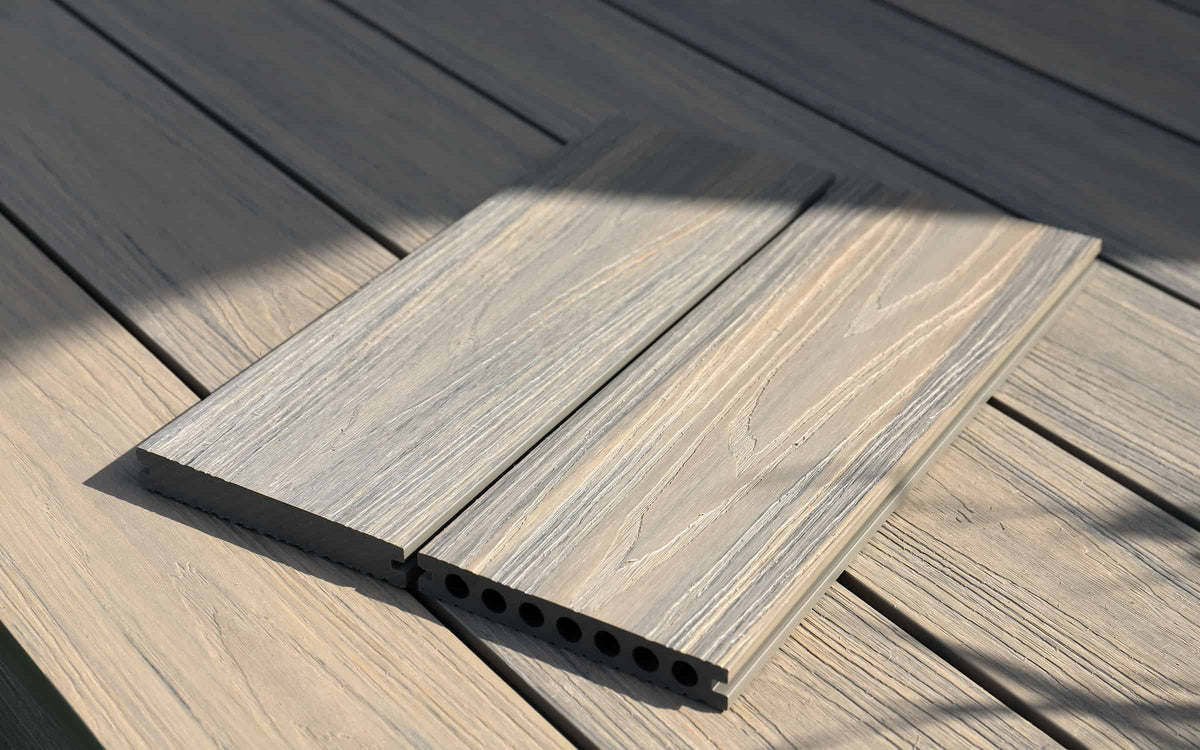
A traditional board can provide a textured timber-inspired finish, while capped products can offer richer tonal variation. Choose using samples and product information rather than assuming every board within either category looks alike.
Classic Solid and Deluxe Solid, for example, offer grooved and woodgrain faces. That choice affects the design, but does not establish slip performance by appearance alone. Check the relevant product evidence for the intended conditions.


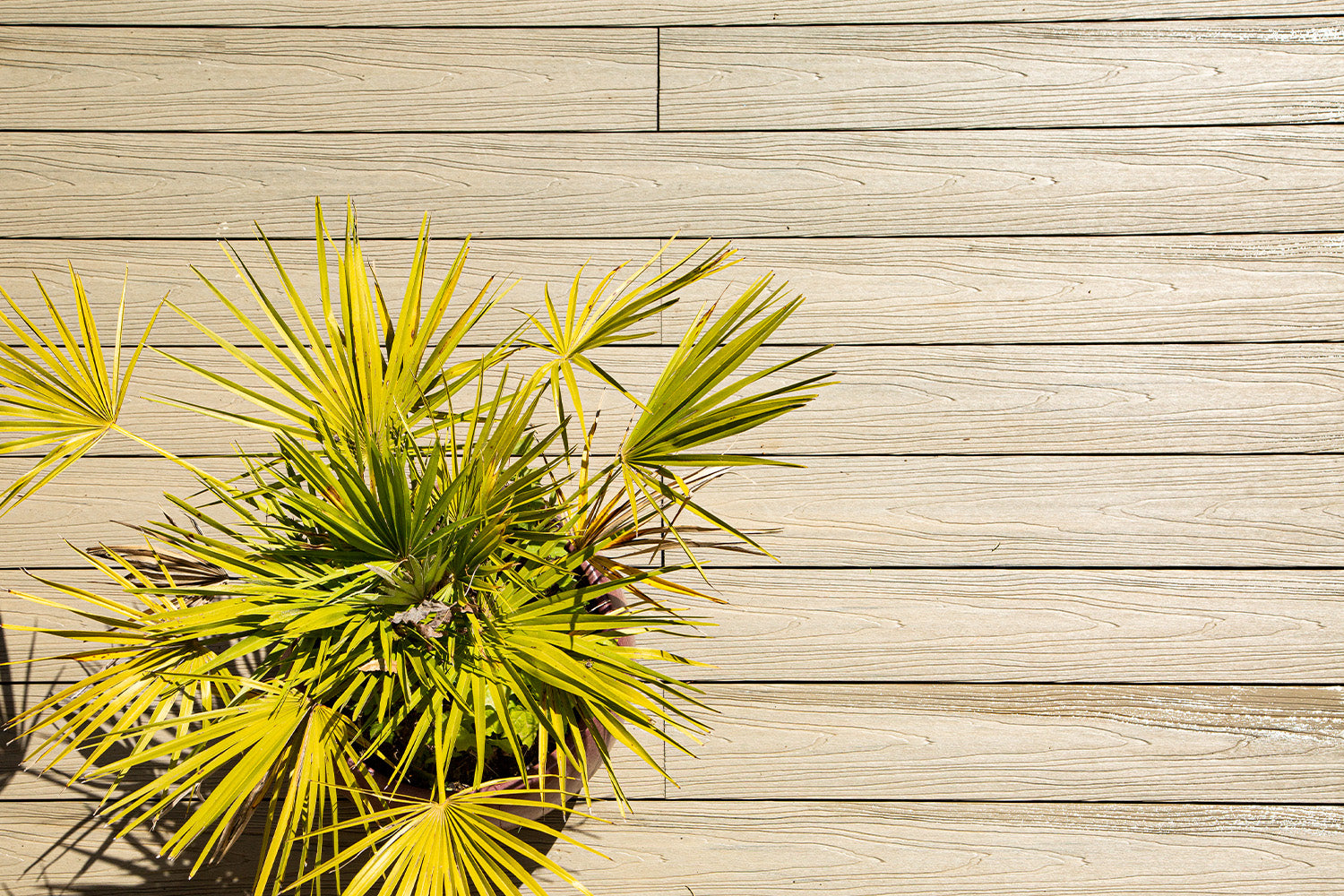
Compare samples outdoors beside paving, brickwork and furniture. View them in shade and sunshine, and use completed-project photographs to judge the effect across a larger area. The images illustrate finishes, rather than guaranteeing a particular appearance under every exposure.


How Much Difference Does Capping Make to Spills?
Outdoor meals, pets and planting can all leave residues. A capped surface provides additional resistance that can make cleaning easier, particularly where food and drinks are regularly served. It does not ensure every substance will wipe off completely.
On an uncapped board, a spill interacts with the exposed composite surface. Prompt removal is useful for both types: lift solids, blot liquids and clean using the selected range’s approved method.


For routine care, warm soapy water, a soft brush and thorough rinsing are a useful starting point. Confirm compatibility before using specialist cleaners. Do not sand capped boards or use heat to remove marks. Consult our stain-resistance guide for more advice.
Weathering and Fade Resistance
Traditional boards can lighten as they weather. Consider the expected change when assessing a new sample, rather than choosing solely from its initial shade. Exposure, orientation and surrounding features influence how a deck ages.
Capped products are designed for enhanced fade resistance. This can be valuable where colour retention matters, but “fade-resistant” does not mean “fade-proof”. Dirt, wear and changes in lighting also affect how the surface appears.


Keep drainage and ventilation clear whatever surface you choose. Capping is not a substitute for correct gaps, a suitable supporting frame or a drainage plan.
What Should Premium Composite Decking Offer?
Premium composite decking should be assessed through specific features: surface protection, finish, supporting technical information and suitability for the project. A premium label is not a recognised performance classification on its own.
If you are searching for high end composite decking, decide what you want the extra investment to achieve. You may value a multi-tonal finish, enhanced stain resistance or a particular board format. Ask how the selected product delivers that benefit and what care it still requires.
A more expensive board cannot compensate for an inadequate frame or poor installation. Compare the whole project, including supports, clips, borders, labour and access. Our decking calculator provides a starting materials estimate, not a complete installed quotation.
Warranty Period and Lifespan Are Different Measures
Do not infer an exact service life from a warranty period. Read the applicable decking warranty terms for the range and use, including exclusions and installation conditions. Product cover is separate from an installer’s workmanship arrangements.
Neither traditional nor capped construction guarantees a particular lifespan in every setting. Good support, suitable fixings and appropriate care remain important for both.


Which Construction Suits Your Project?
- Consider traditional boards if you like their finish and price and are comfortable with their weathering and care expectations.
- Consider capped boards if additional fade and stain resistance would be useful for how you use the space.
- Assess profile separately against the intended loading and approved support arrangement.
- Check the full application for roof terraces, commercial settings or heavy features; the board surface alone does not establish suitability.
Follow the selected range’s installation guidance and compare the care routines before ordering. Low maintenance still involves regular cleaning, removing debris and checking the finished deck.
Traditional and Capped Decking FAQs
Is capped composite decking always the better choice?
Its additional surface protection may suit your priorities, but compare price, appearance and use. Traditional products can still be a practical choice when selected and maintained appropriately.
Is capped decking the same as solid decking?
No. Capped describes the outer surface; solid describes the profile. You can find capped hollow and capped solid products.
Does either type need staining or oiling?
NeoTimber® composite boards do not need routine staining or oiling to maintain a decorative finish. Both types still require cleaning and inspection.
Can capped boards still stain or fade?
Yes. Enhanced resistance does not mean immunity. Prompt spill removal, compatible cleaning and realistic weathering expectations remain important.
Does a premium board make the whole deck stronger?
Not by label alone. Capacity depends on the board specification and the complete supporting structure, including connections and foundations.
How can I compare the finishes before buying?
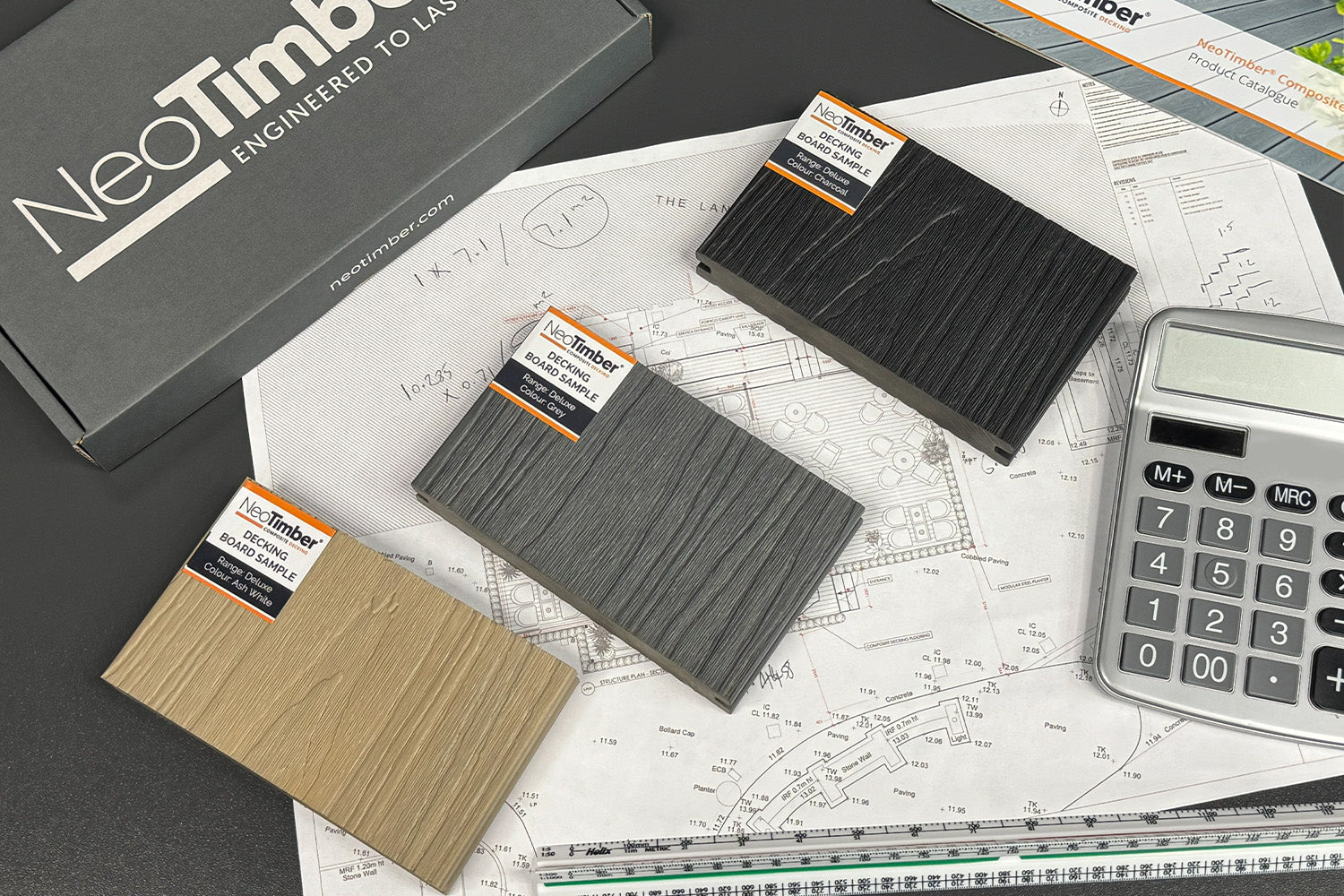
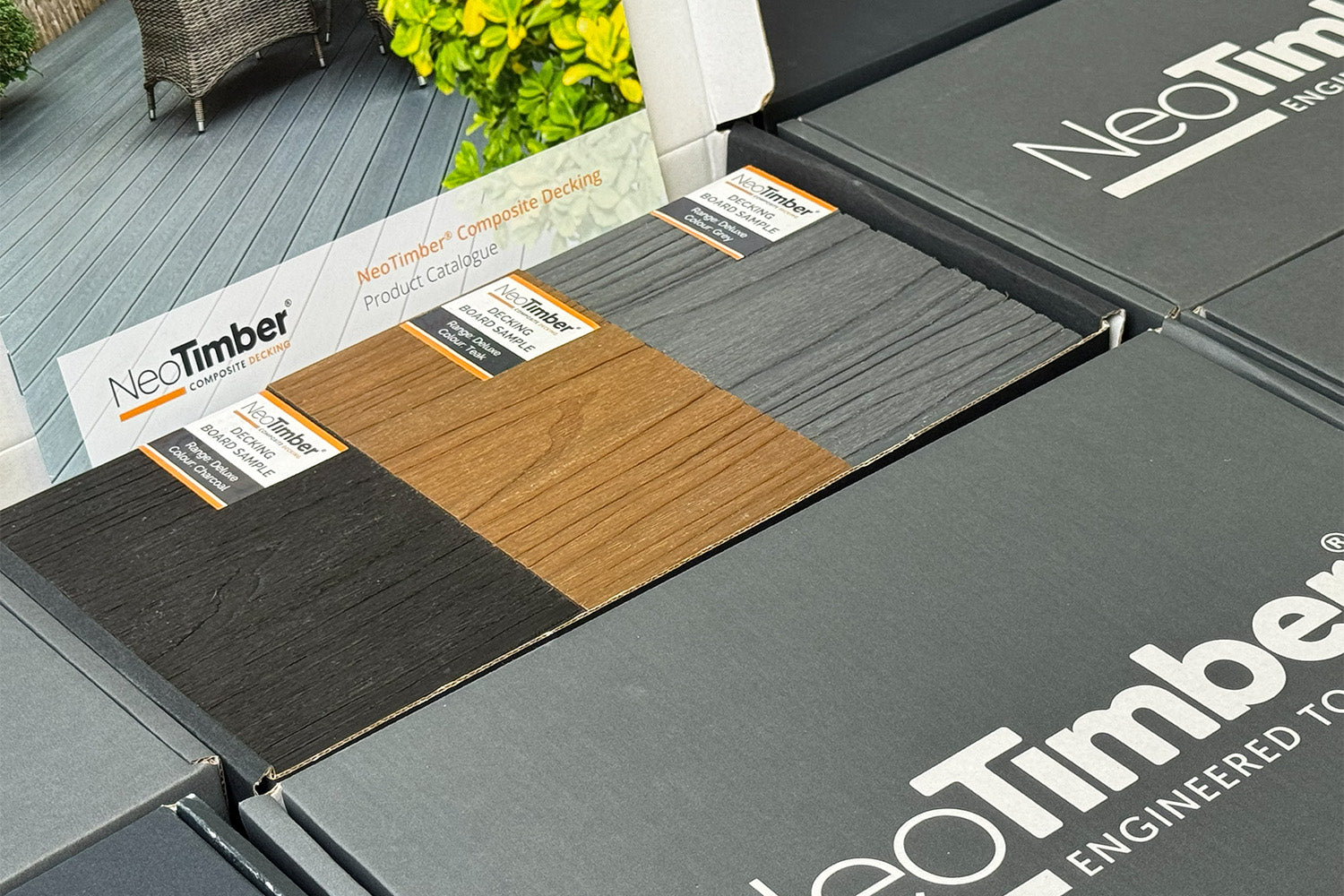
Request free composite decking samples and compare them on site. Review technical information for performance rather than treating the sample as a complete test.
Choose the Features You Will Value Over Time
The useful comparison is between individual boards and the way you will use your deck. Balance finish, expected weathering and surface protection with the total installation budget. Contact the NeoTimber® team for help narrowing down the options.