Choose Decking Grip With Confidence: Surface, Testing and Care Explained
Slip resistant composite decking is an important consideration when planning an outdoor area that will encounter rain, fallen leaves and everyday spills. A textured finish can be part of the choice, but appearance alone does not tell you how a board will perform in use.
If you are searching for anti slip composite decking or non slip composite decking, look for relevant product evidence and a practical maintenance plan. Those search terms should not be read as a guarantee that a surface cannot become slippery.
This guide explains how to compare boards, what to ask about testing and how installation and cleaning contribute to everyday footing. Explore our general decking guidance or browse our composite decking collection alongside these considerations.
In this guide: What slip resistance means · Test evidence · Board finishes · Installation · Cleaning · Buying checklist · FAQs
What Does Non Slip Decking Mean?
“Non slip decking” is commonly used to describe products intended to offer grip underfoot. In practice, no outdoor board can guarantee that a person will never slip. Water, ice, contamination, footwear and the way a surface is used can all affect the outcome.
Slip resistance is therefore best treated as a measured property under stated conditions, supported by suitable design and care. A dry test result cannot establish performance on a wet surface, and a result for one board face should not automatically be applied to another.
The HSE’s slip-prevention guidance considers flooring together with contamination, cleaning, footwear, people and the environment. This is a useful framework for planning an outdoor space, particularly in workplaces and shared areas.

How to Compare Slip-Resistance Evidence
Ask for the current report or technical information for the exact range and surface you intend to install. NeoTimber’s decking technical resources are a starting point; contact our team if you need help identifying the relevant document.
Questions to ask before comparing slip-test results:
| Check | Why it matters |
|---|---|
| Exact product and face | Different ranges, textures and faces may perform differently. |
| Test method | Results from different methods are not automatically interchangeable. |
| Wet or dry conditions | The conditions should reflect the intended exposure. |
| Test direction | A textured surface may behave differently along and across its pattern. |
| Footwear or barefoot assessment | Evidence should be relevant to how people will use the area. |
| Sample condition | A laboratory sample does not reproduce every worn, dirty or weathered installation. |
For a commercial walkway, pool surround or another demanding setting, have a competent specifier interpret the evidence for that application. A general marketing label is not a substitute for this assessment.
Grooved vs Woodgrain: Choose From Evidence
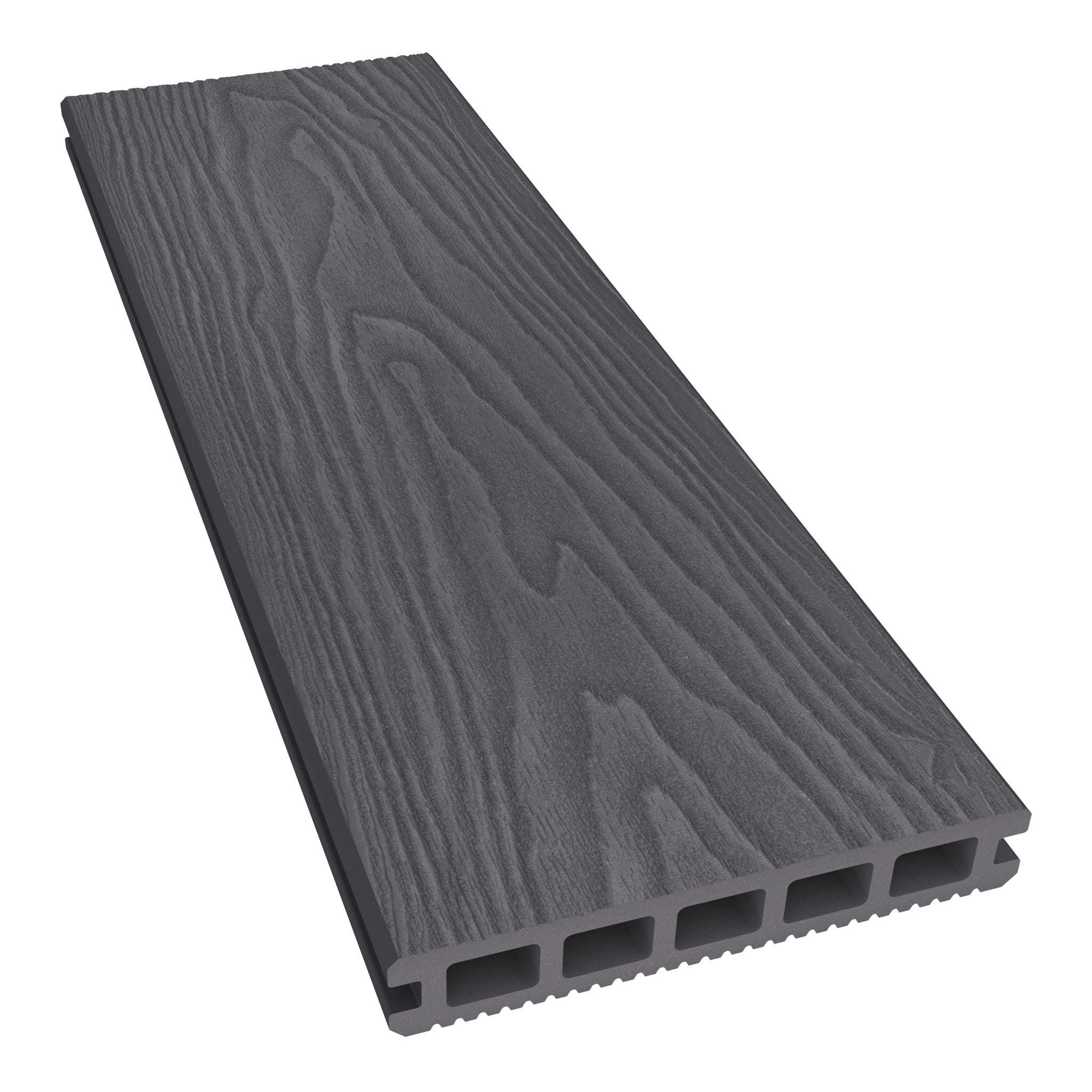
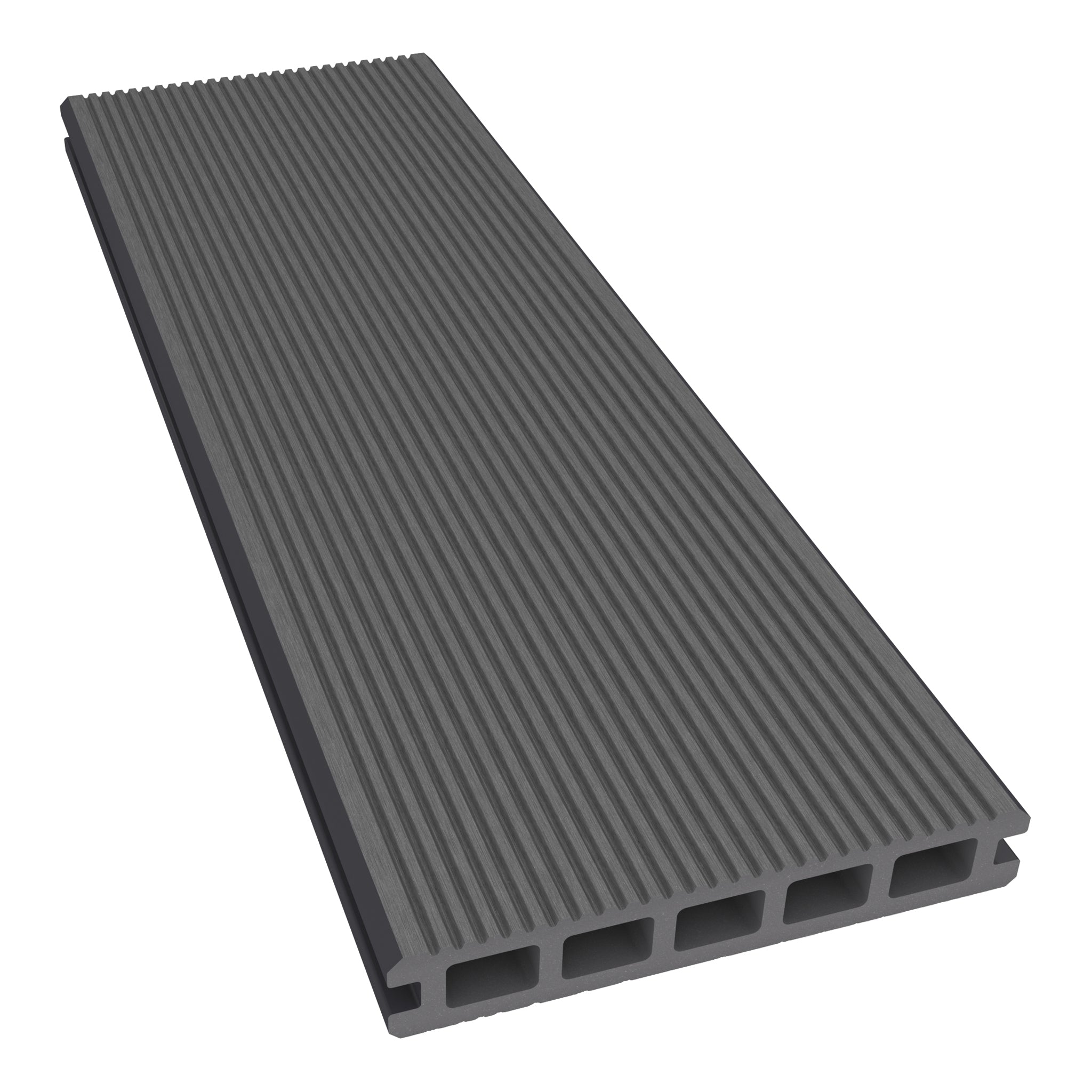
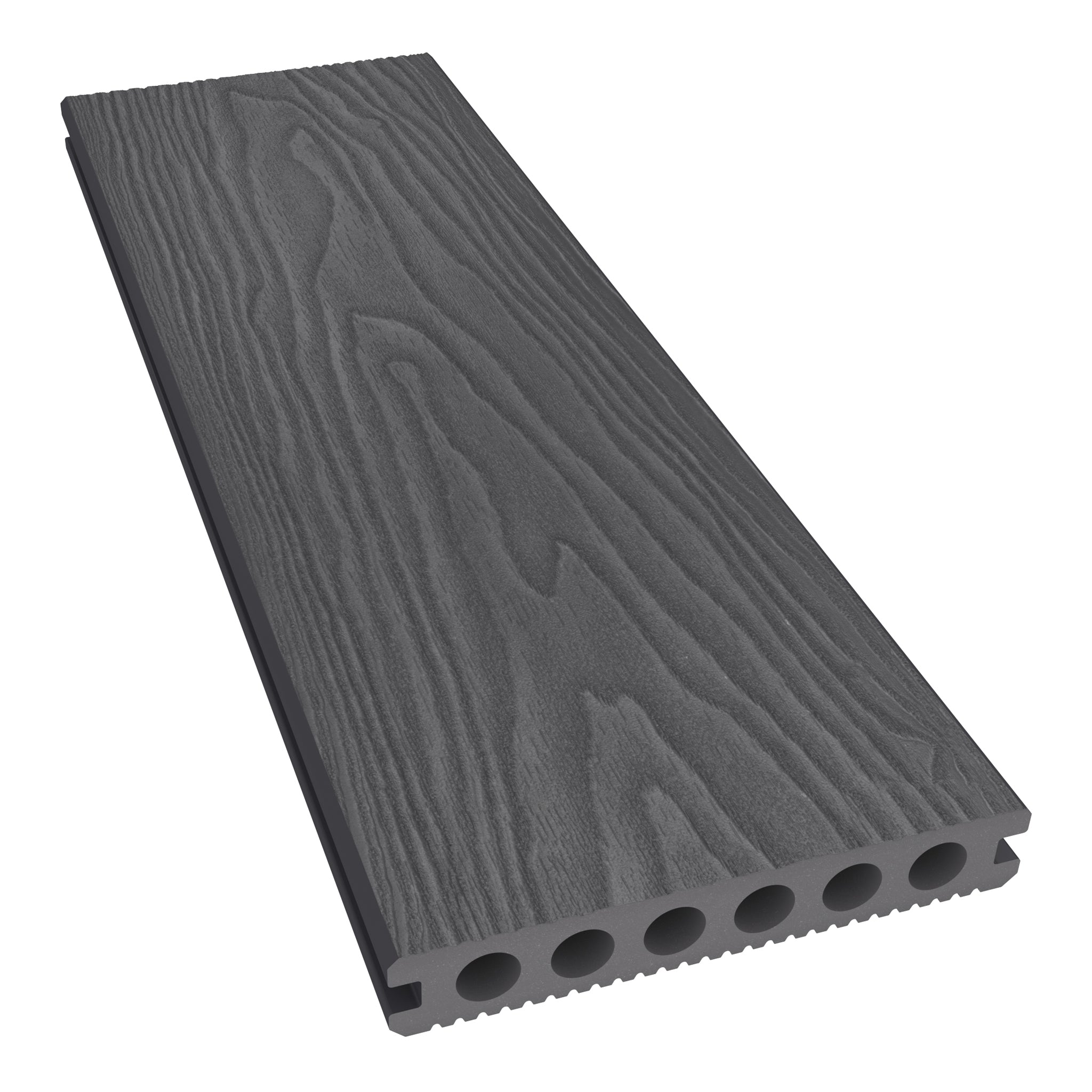
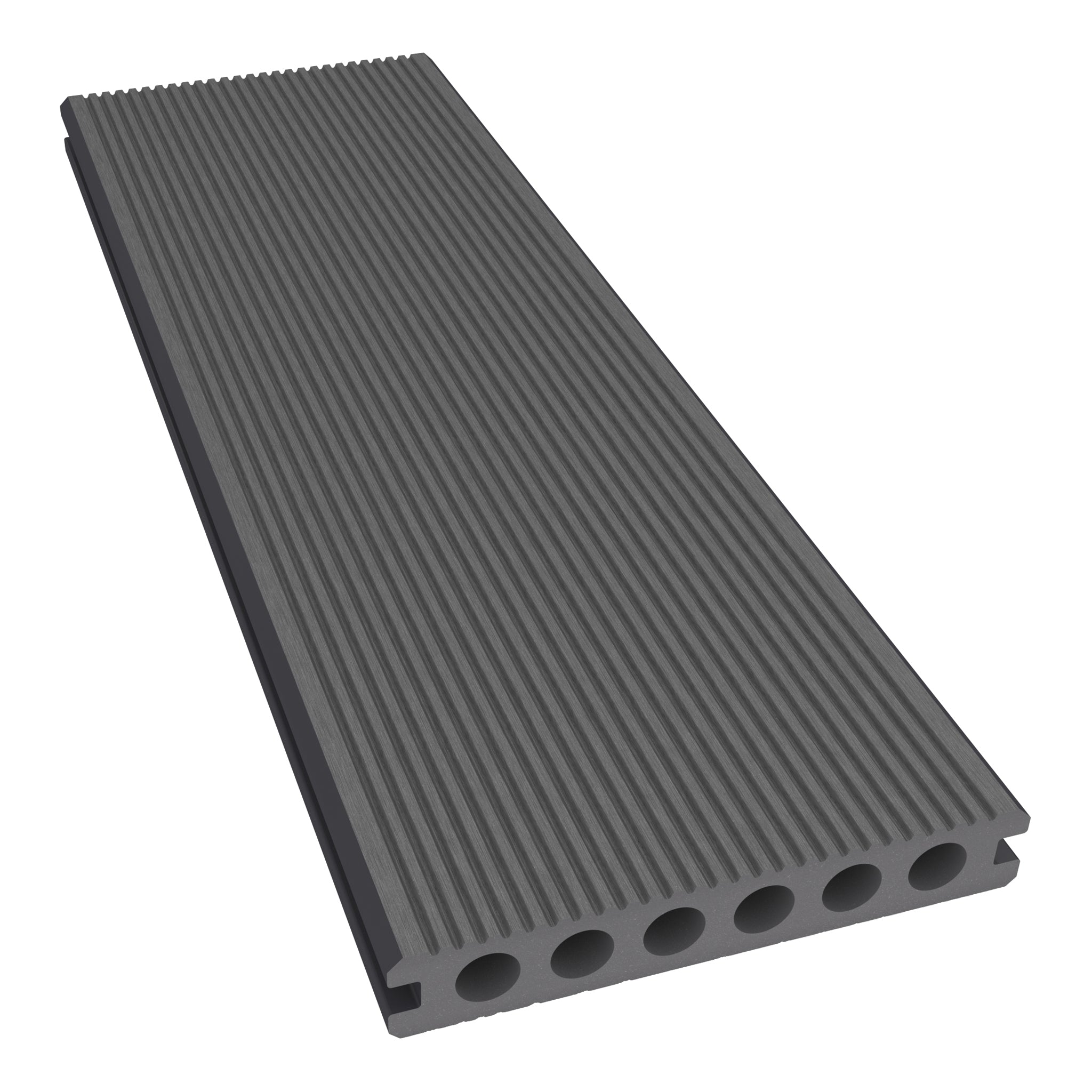
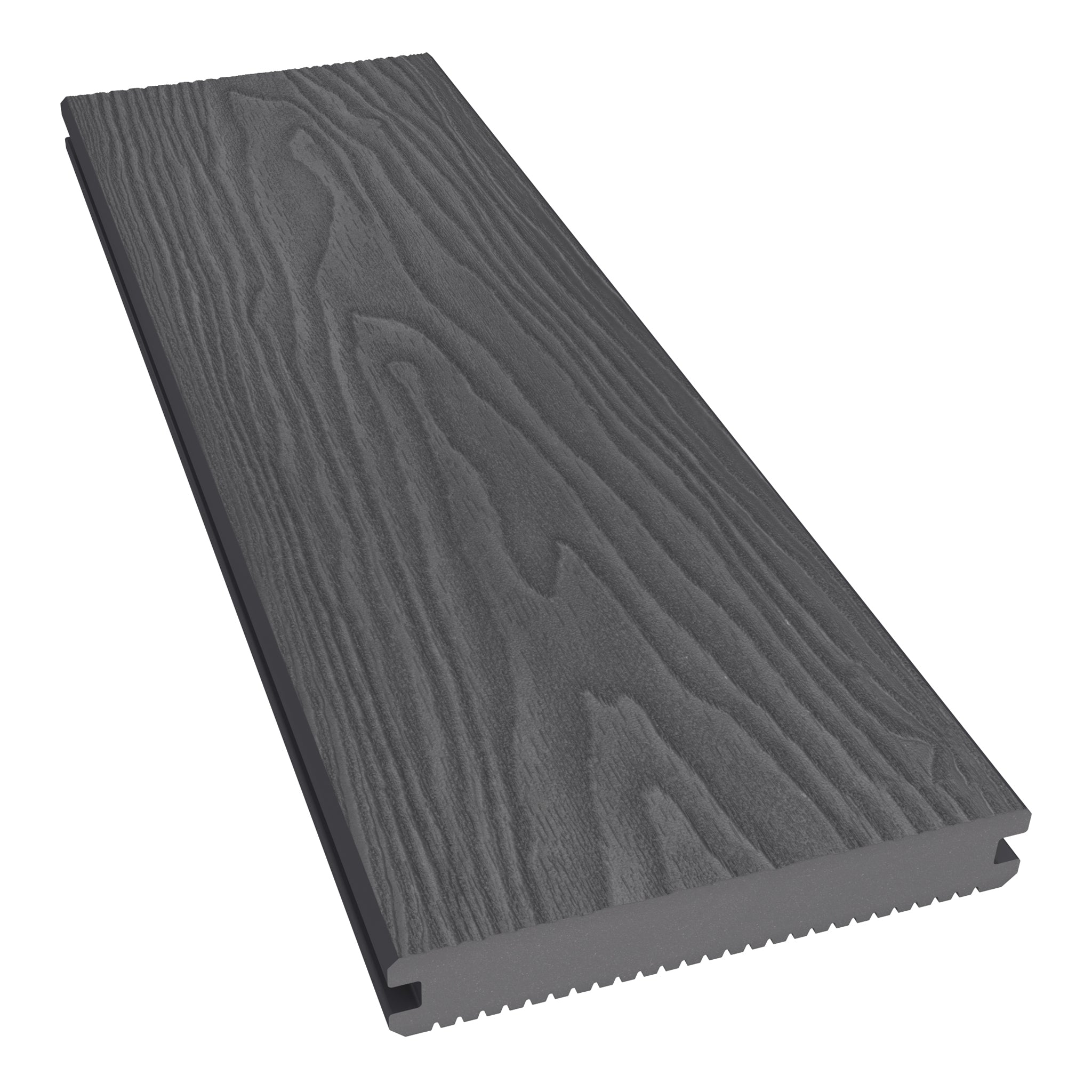
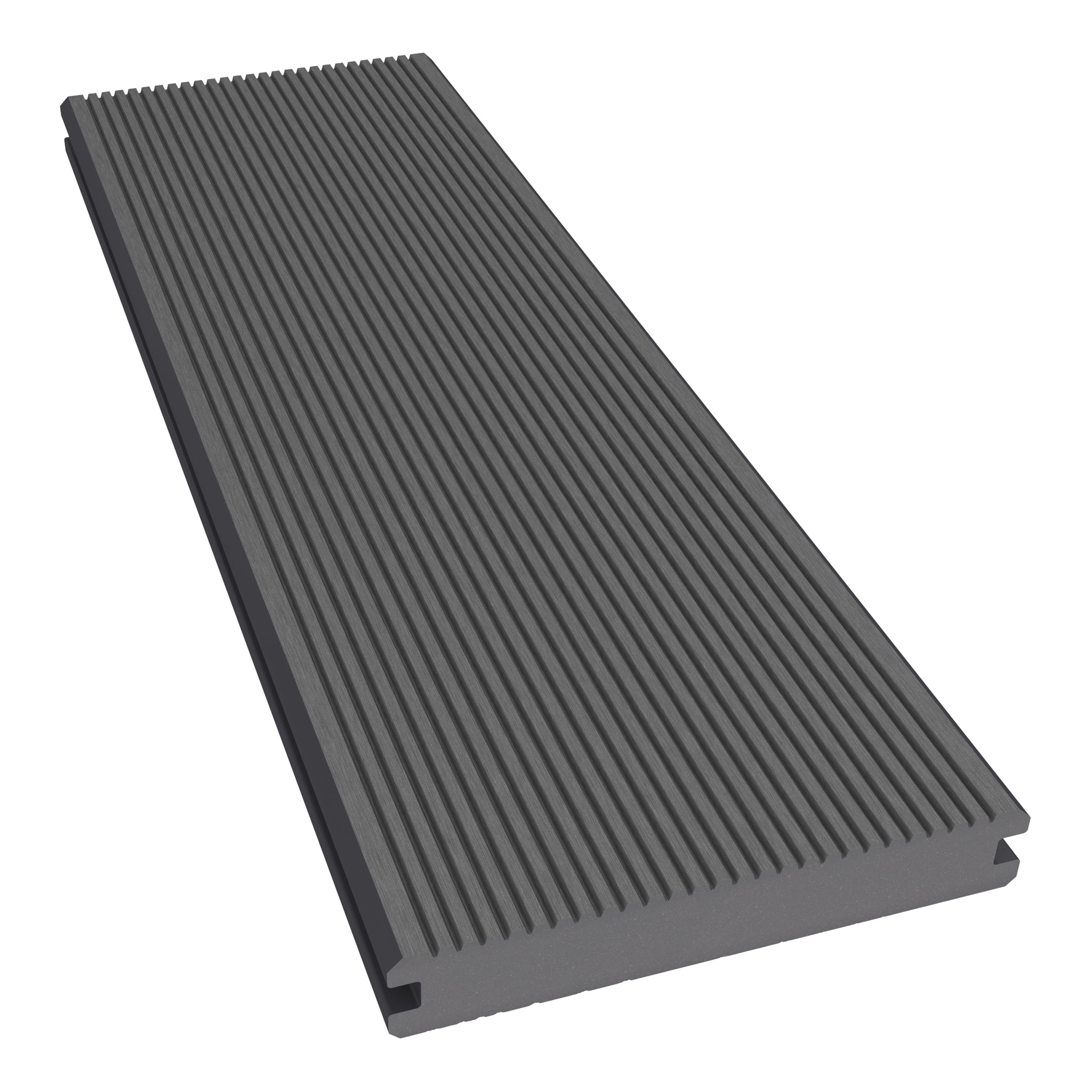
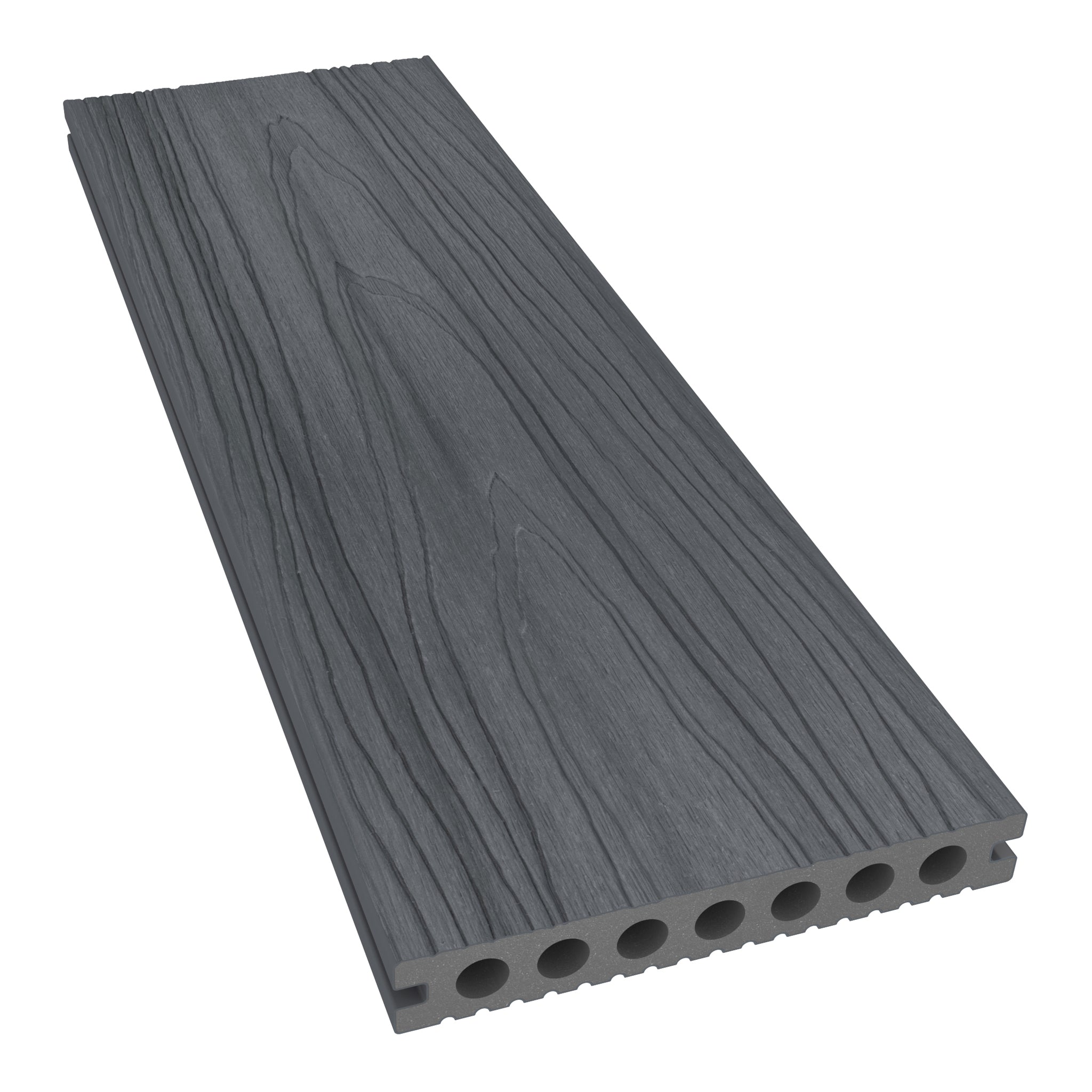
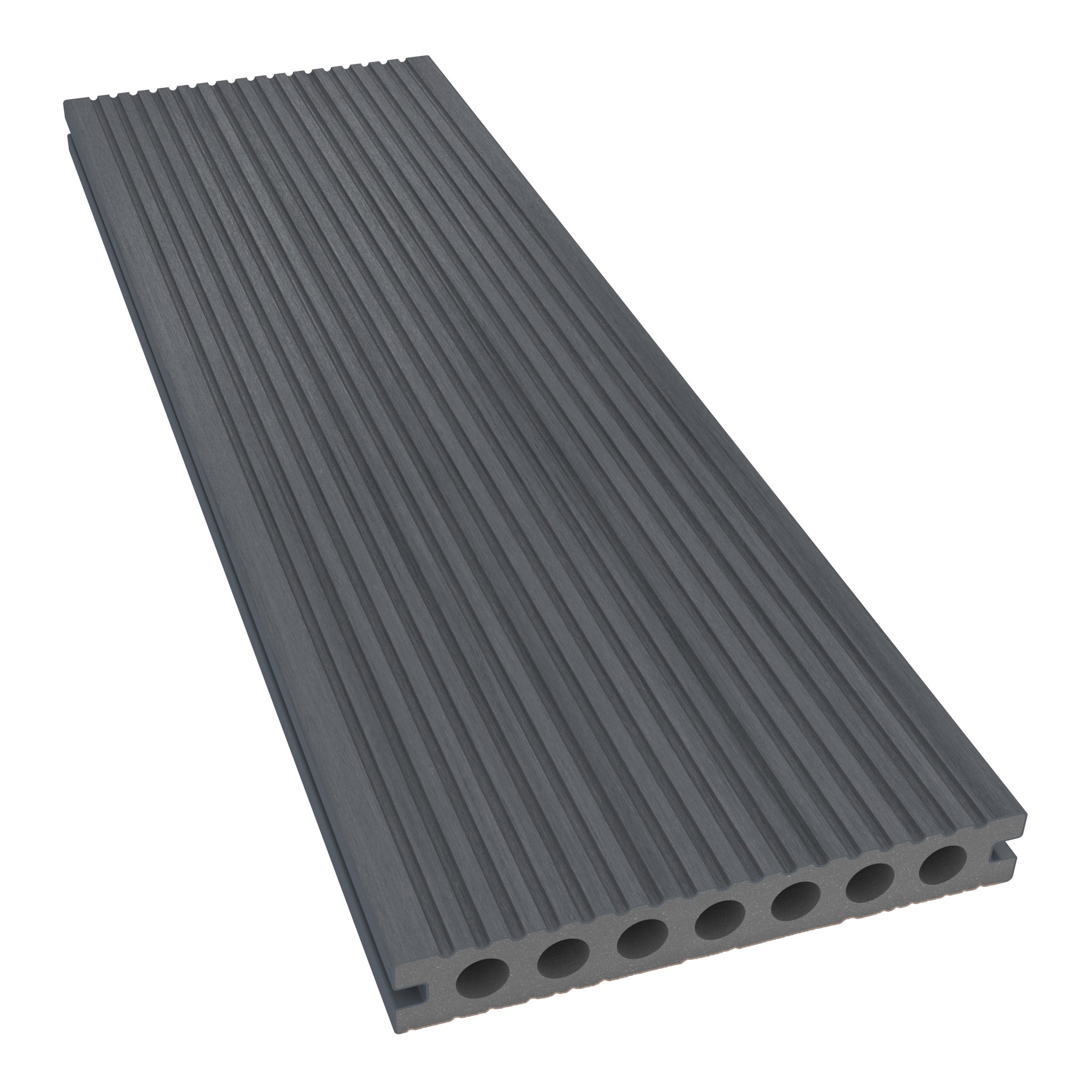
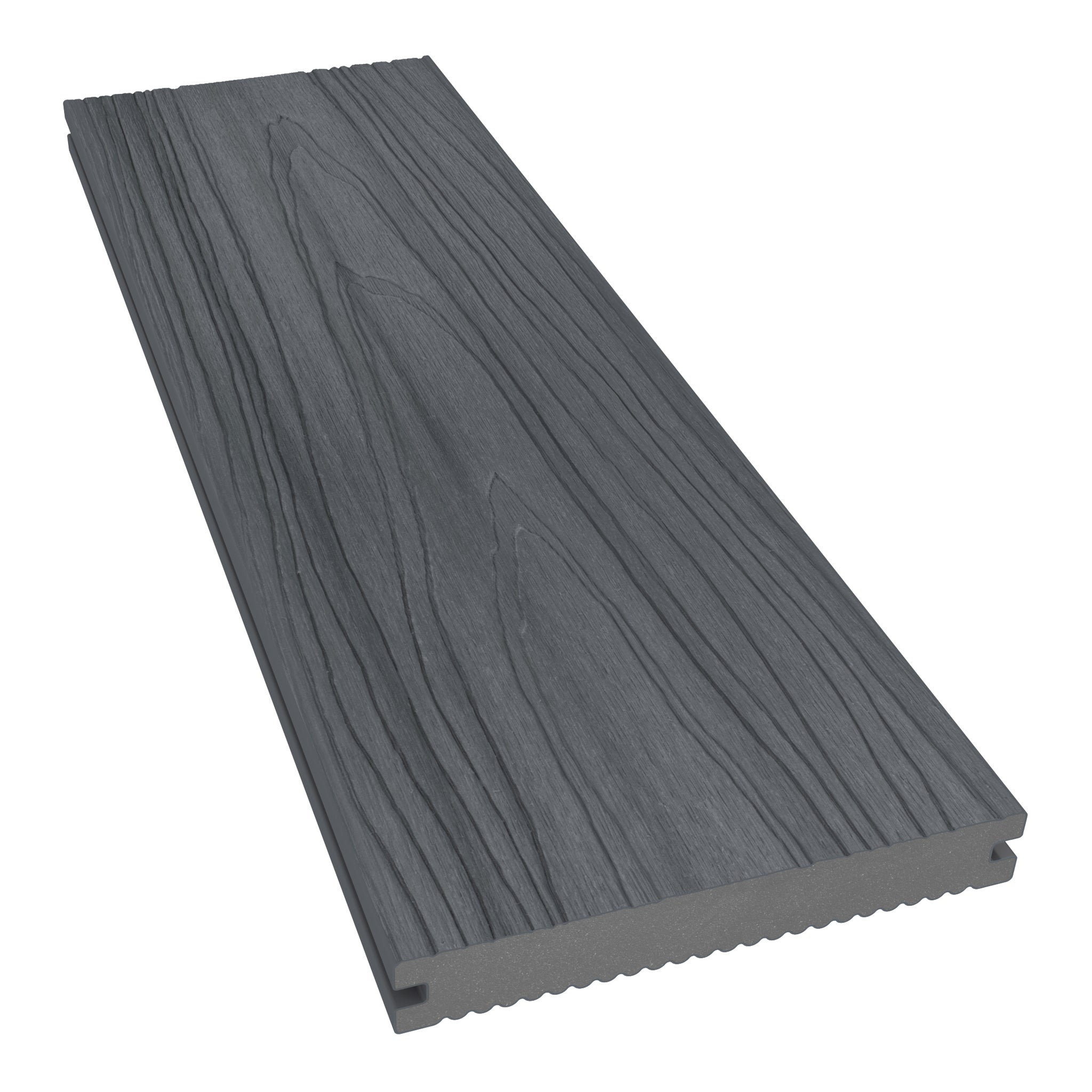
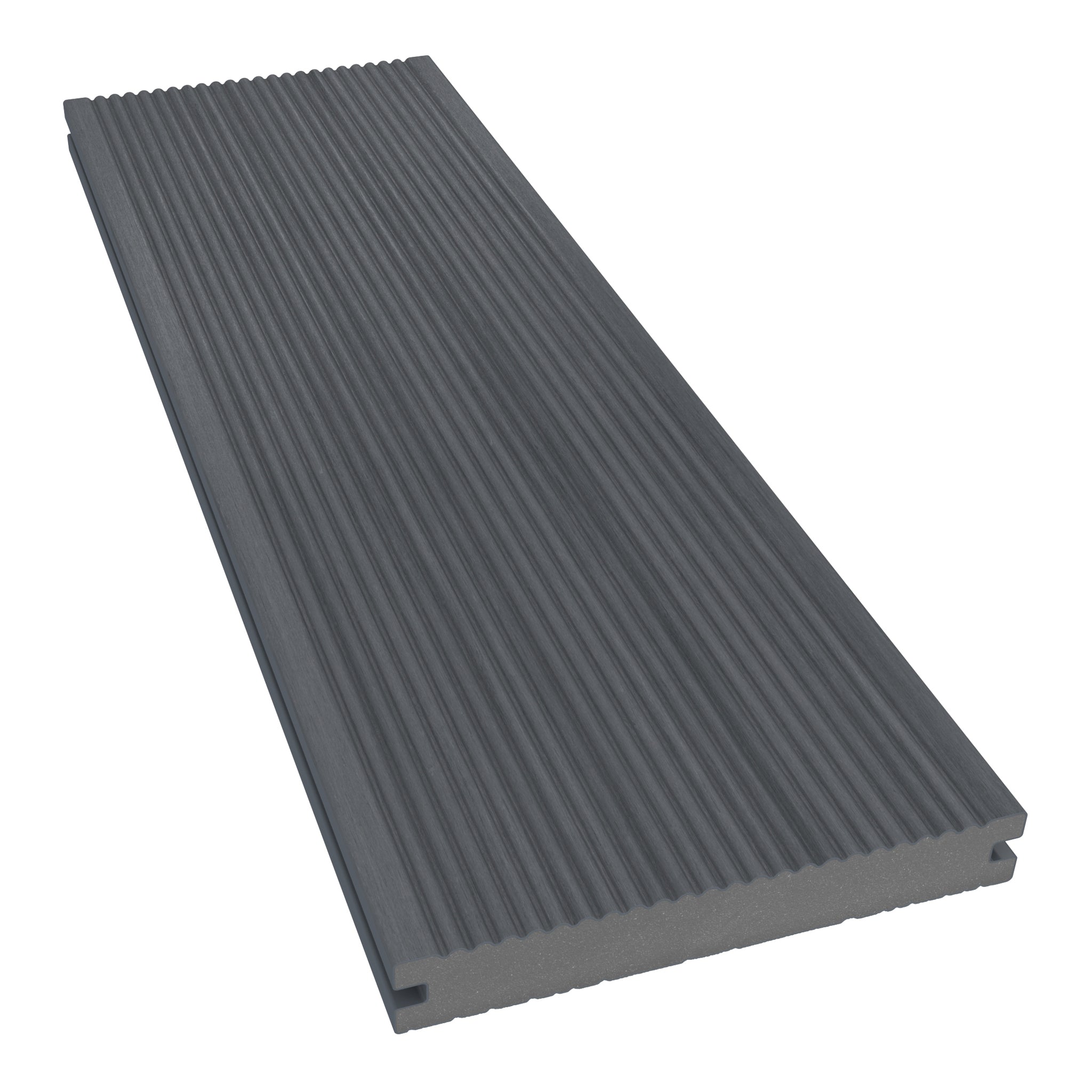
A grooved face creates a linear appearance, while woodgrain offers a timber-inspired texture. The depth or visibility of a pattern does not establish a universal grip ranking. Compare relevant wet results for the particular faces rather than assuming grooves always perform better.
Our grooved decking guide and woodgrain finish guide explain the design choices. Use samples to assess appearance and feel, while relying on technical information for performance.

Traditional vs Capped Construction
Uncapped boards expose the composite material; capped products add a protective surface layer. Capping can improve resistance to fading and staining, but it does not by itself establish slip performance.
Do not assume every traditional board provides more grip than every capped board. Compare individual products and faces in the conditions concerned. Our traditional vs capped comparison covers the broader differences in construction and care.

Plan Drainage, Orientation and Clear Routes
A deck should have a clear route for water to drain through and beneath it, with suitable ventilation and access to outlets. Follow the selected system’s installation guidance for gaps, falls and clearances. Drainage design helps manage water, but does not make a wet surface equivalent to a dry one.
Consider the main walking routes when deciding board direction. Directional test evidence may inform that choice, but laying boards across foot traffic is not a universal guarantee of improved grip. People can also approach a deck from several directions.
Keep circulation routes clear of furniture, trailing cables and pots. Resolve uneven transitions and step details, and provide suitable lighting. A slip-resistant board cannot compensate for a trip hazard or poor visibility.

Maintain the Surface to Manage Slip Risk
Composite material does not prevent organic deposits from accumulating. Leaves, soil and food residues can remain on the surface, while algae can develop in persistently damp or neglected areas. Shaded sections and places beneath furniture may need particular attention.
- Sweep away leaves and loose debris regularly.
- Deal with food, drink and grease spills promptly.
- Clean using the selected range’s recommended method and rinse thoroughly.
- Keep board gaps, drainage routes and outlets clear.
- Inspect for damaged boards, raised fixings and uneven transitions.
- Manage frost and ice, restricting use where conditions make access unsafe.
Follow our decking maintenance guidance. Check compatibility before using cleaners, pressure-washing equipment or winter treatments. Do not roughen a capped surface with sandpaper in an attempt to increase grip.
In shared or commercial spaces, assign responsibility for cleaning, checks and repairs. Manage wet cleaning so that it does not create a new hazard while people are using the area.

A Buying Checklist for Anti Slip Composite Decking
Before ordering, connect your product choice to the conditions it will face:
- Describe the location, exposure and intended users.
- Choose a specific range and board face.
- Obtain relevant slip-test information and clarify its limits.
- Plan drainage, transitions, lighting and circulation.
- Confirm a workable cleaning and inspection routine.
- Seek application-specific advice where the risk or specification warrants it.
Be cautious about treating add-on strips, coatings or mats as an automatic solution. Confirm compatibility, fastening, drainage and any effect on the product warranty before altering the surface. A loose mat can introduce a different hazard.
Slip Resistant Composite Decking FAQs
Is any composite decking completely non-slip?
No. Grip depends on the product, surface condition, environment and use. Ice, contamination and unsuitable footwear can affect any outdoor deck.
Is the grooved side always better when wet?
Not universally. Check wet-test evidence for the exact product, face and direction instead of assuming a result from the appearance.
Are capped boards less slip-resistant?
Capping alone does not determine grip. Compare the selected surface using relevant product-specific evidence.
Can algae grow on composite decking?
Deposits and algae can develop where conditions allow, especially when damp organic debris remains. Cleaning and drainage remain important.
Is a shod test sufficient for a swimming pool surround?
Do not assume so. A barefoot wet-use setting needs evidence appropriate to that use and an assessment of the complete area.
How can I choose a suitable board?
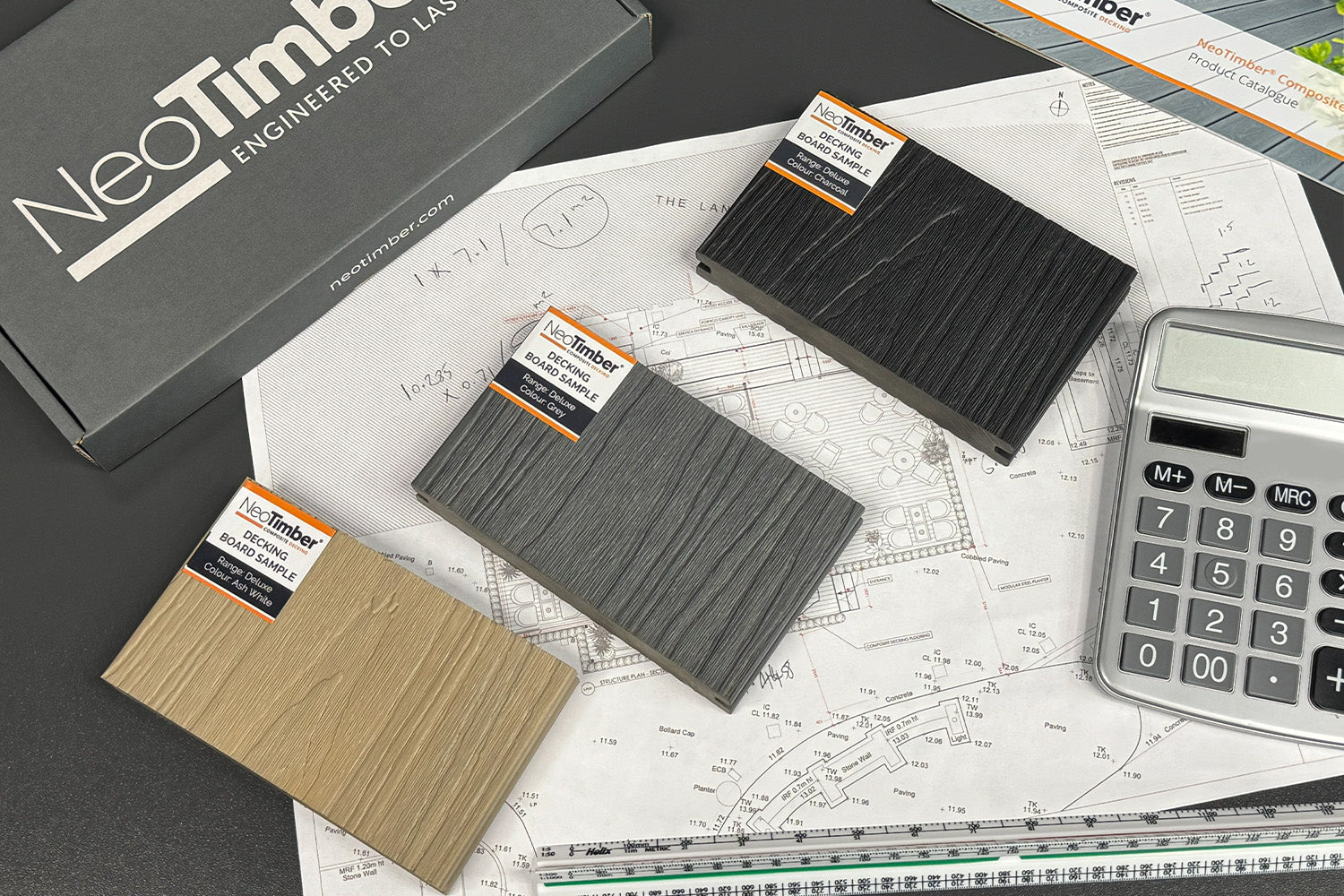
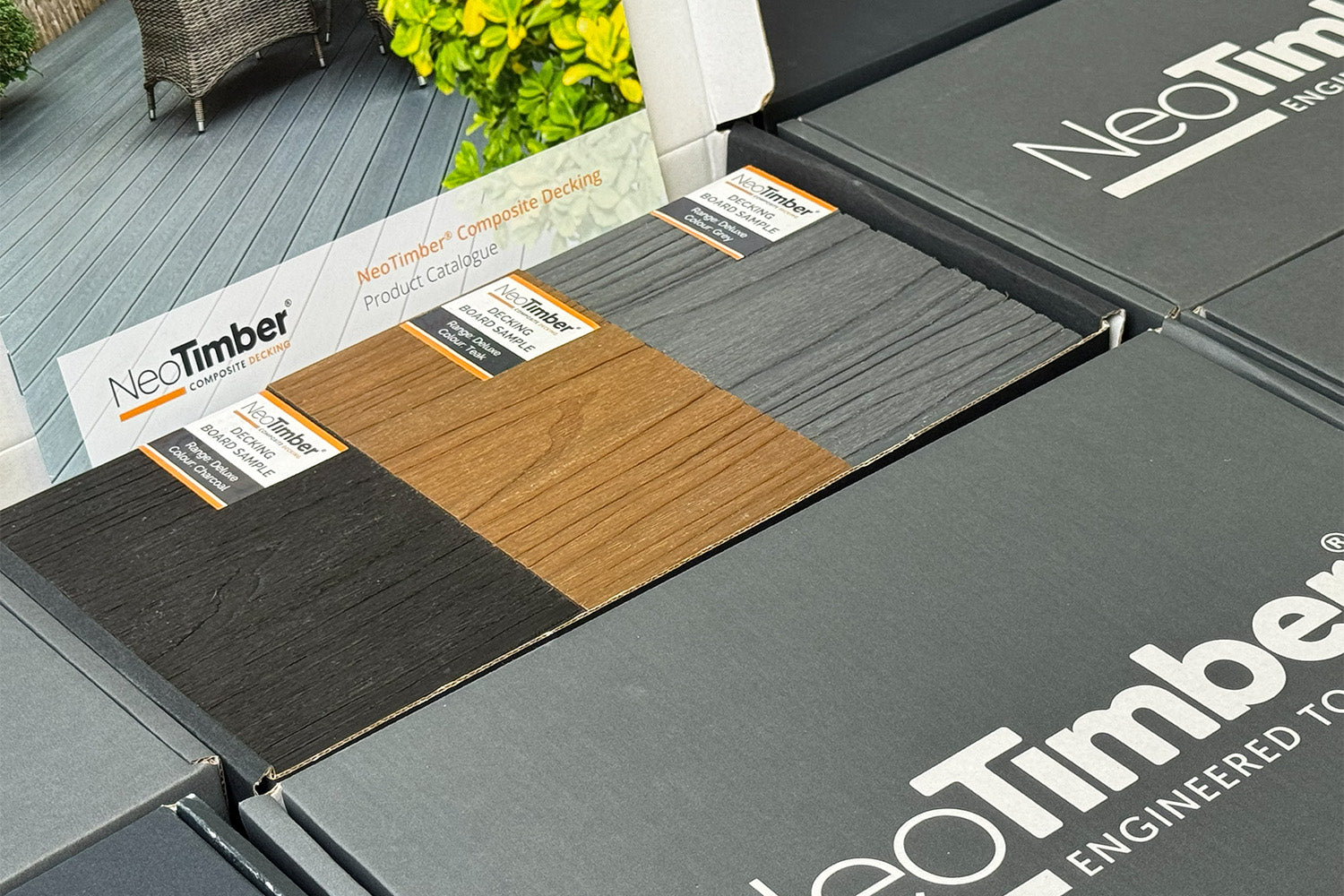
Contact the NeoTimber® team with your project details and request the relevant technical information. You can also order free decking samples to compare finishes.
Combine a Suitable Surface With Good Design and Care
Choosing slip resistant composite decking is one part of creating a practical outdoor space. Match the evidence to the intended use, install the system correctly and keep the surface clean. Those decisions provide a more useful basis for selection than a promise of “non-slip” performance in every condition.