Understand the Two Different Types of Groove on a Deck Board
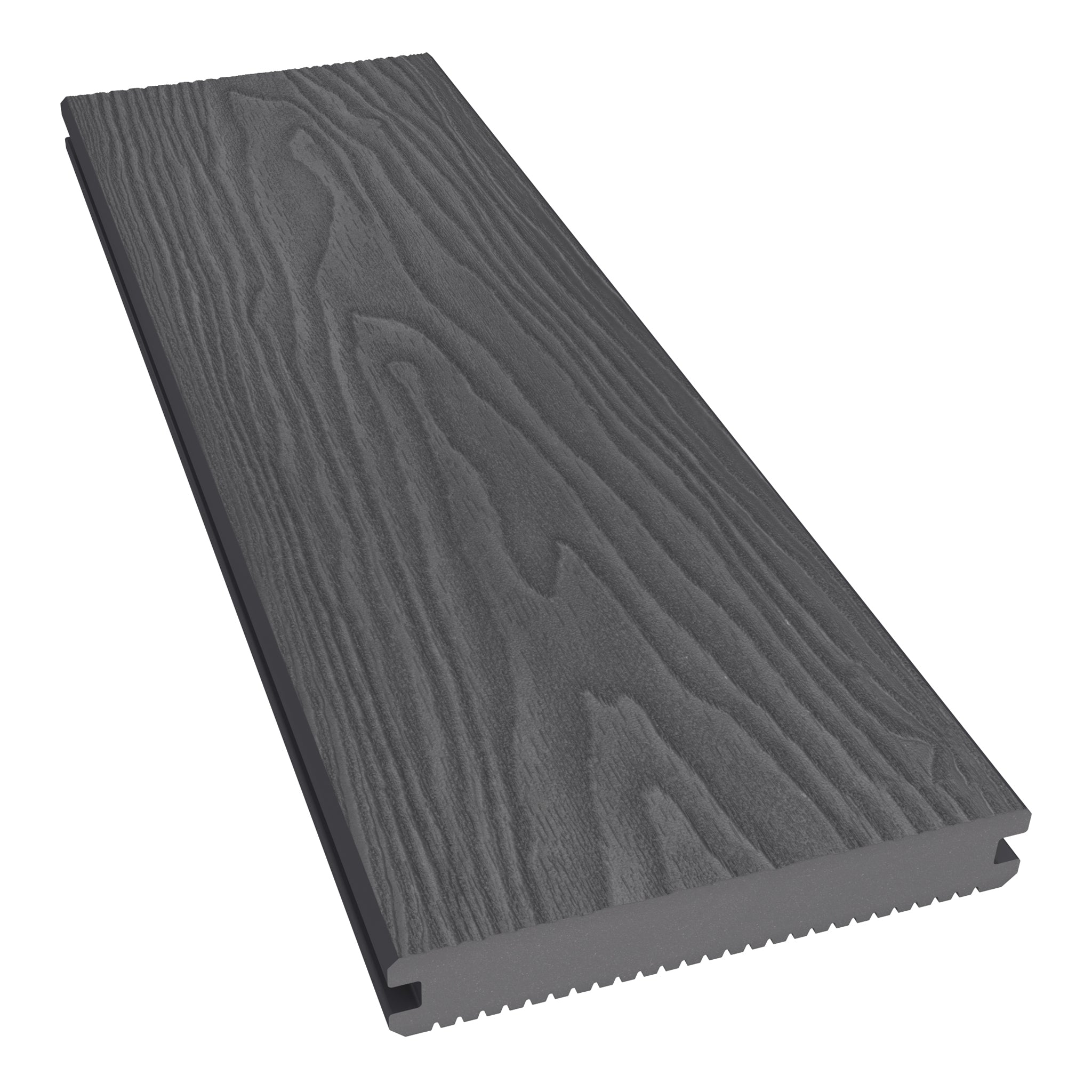
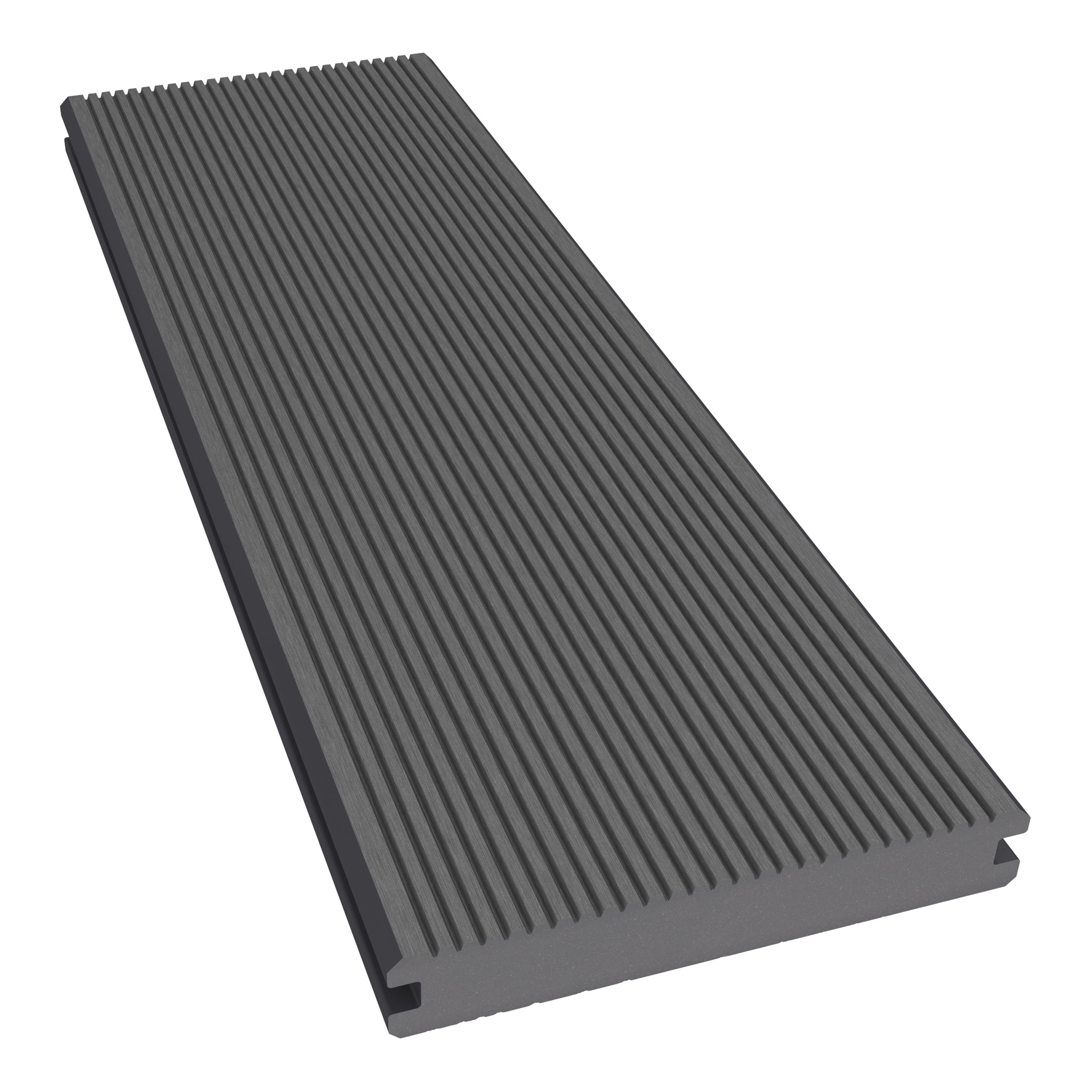
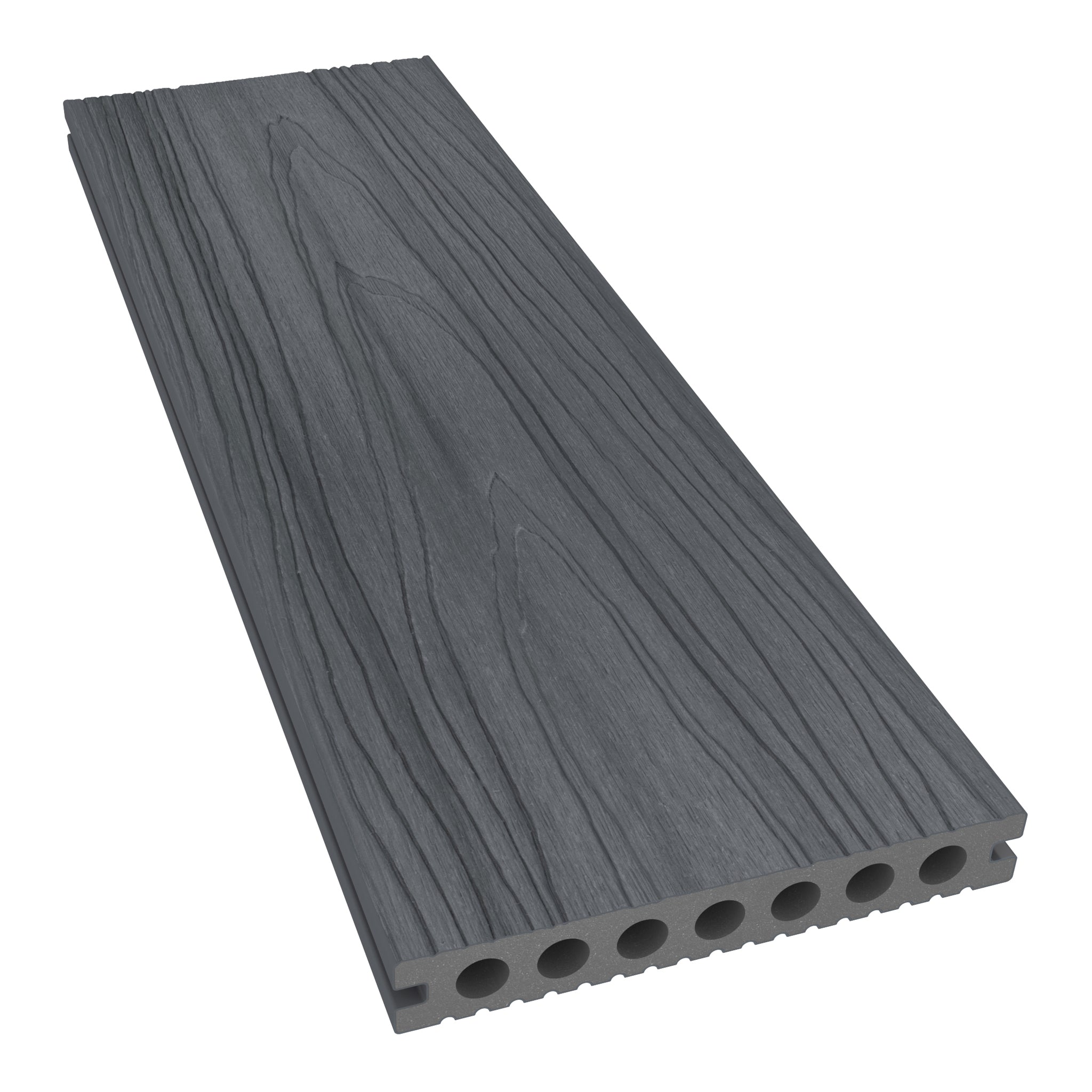
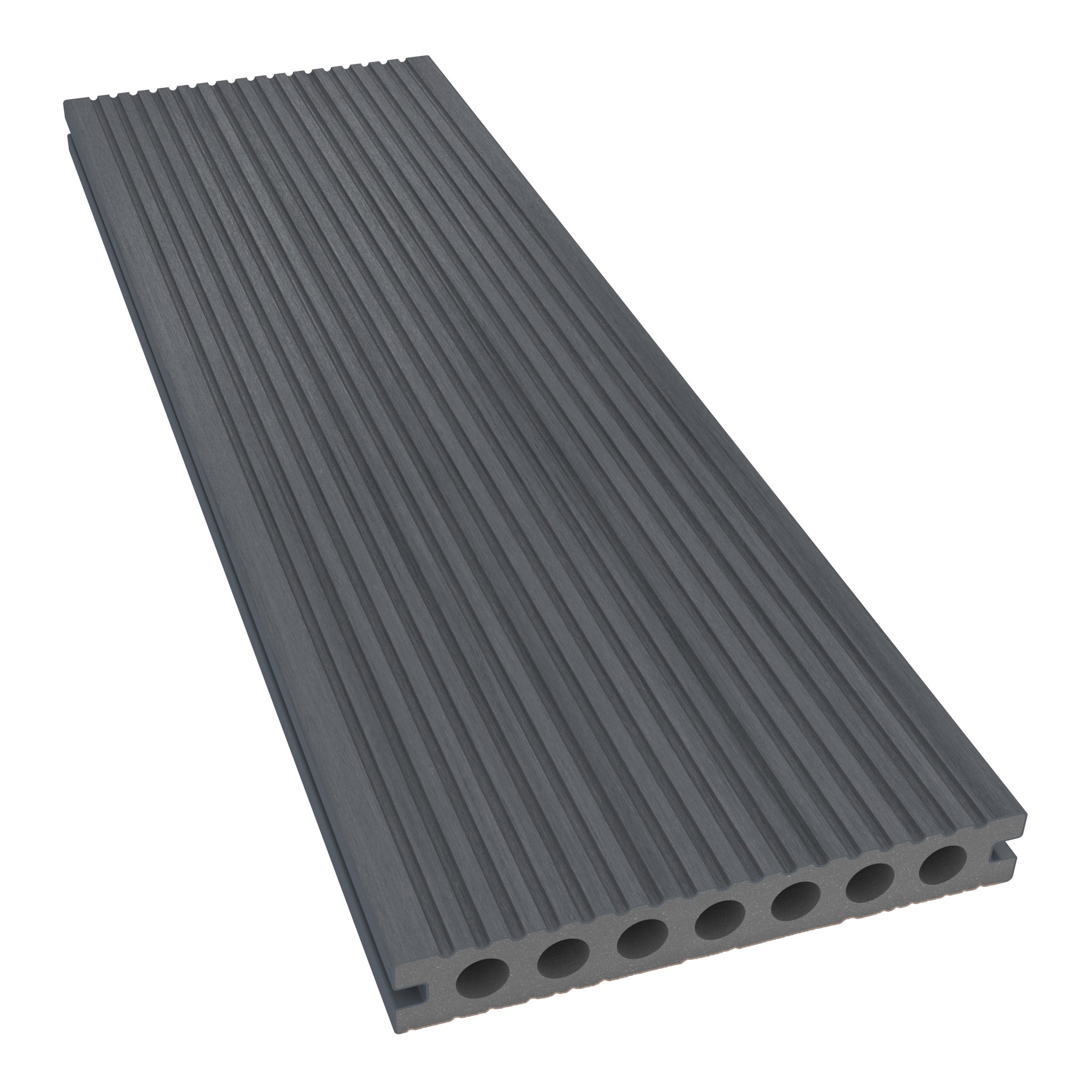
Grooved composite decking can describe two different features: the lines on the walking surface and the channels along a board's sides that receive fixing clips. One influences the look and texture of the deck; the other forms part of its installation system.
Knowing the difference helps you compare samples and ask the right fitting questions. This guide explains both features, then covers layout, grip, drainage and care. Explore our general decking page for project advice or browse the composite decking range while comparing boards.
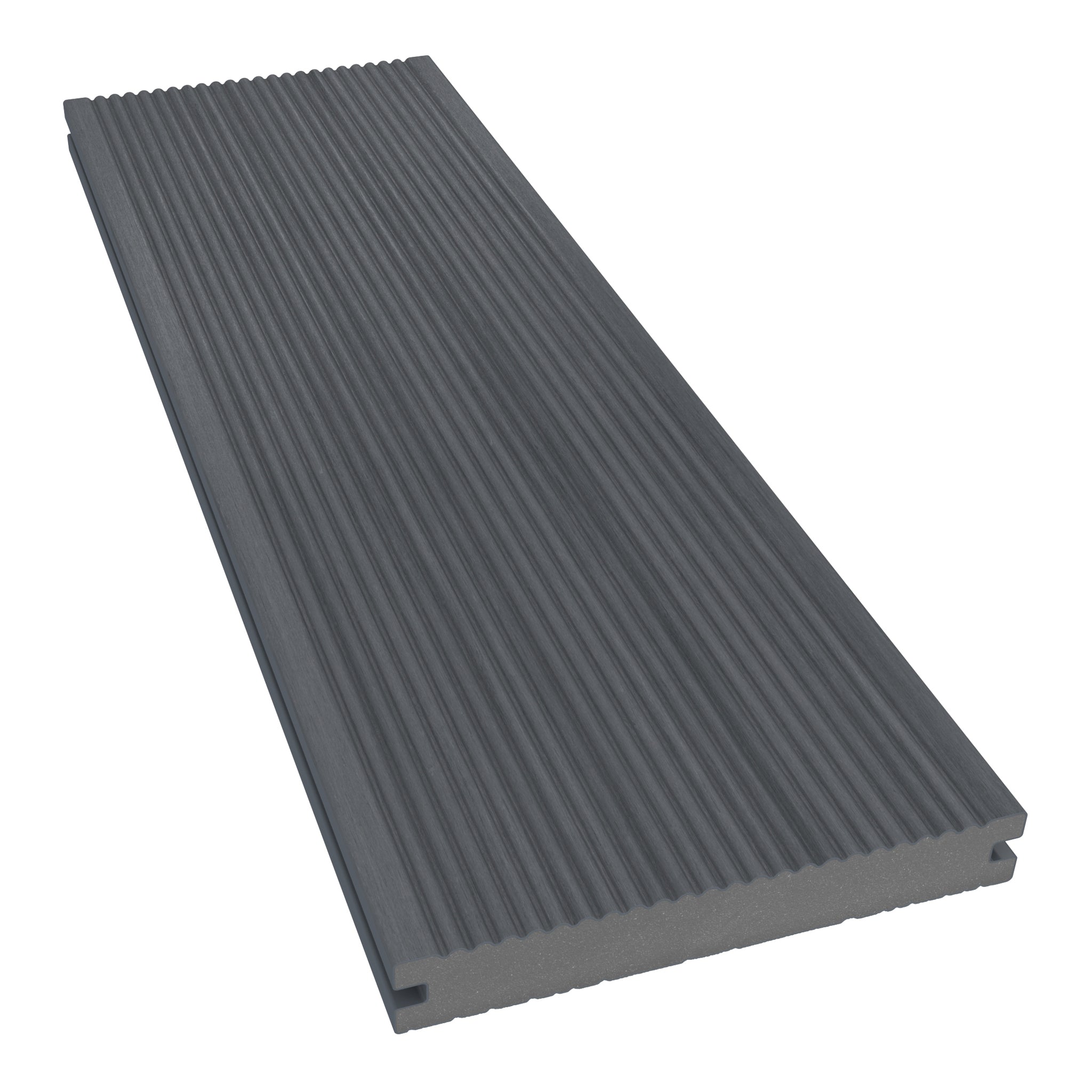
Surface Grooves: The Finish You See and Walk On
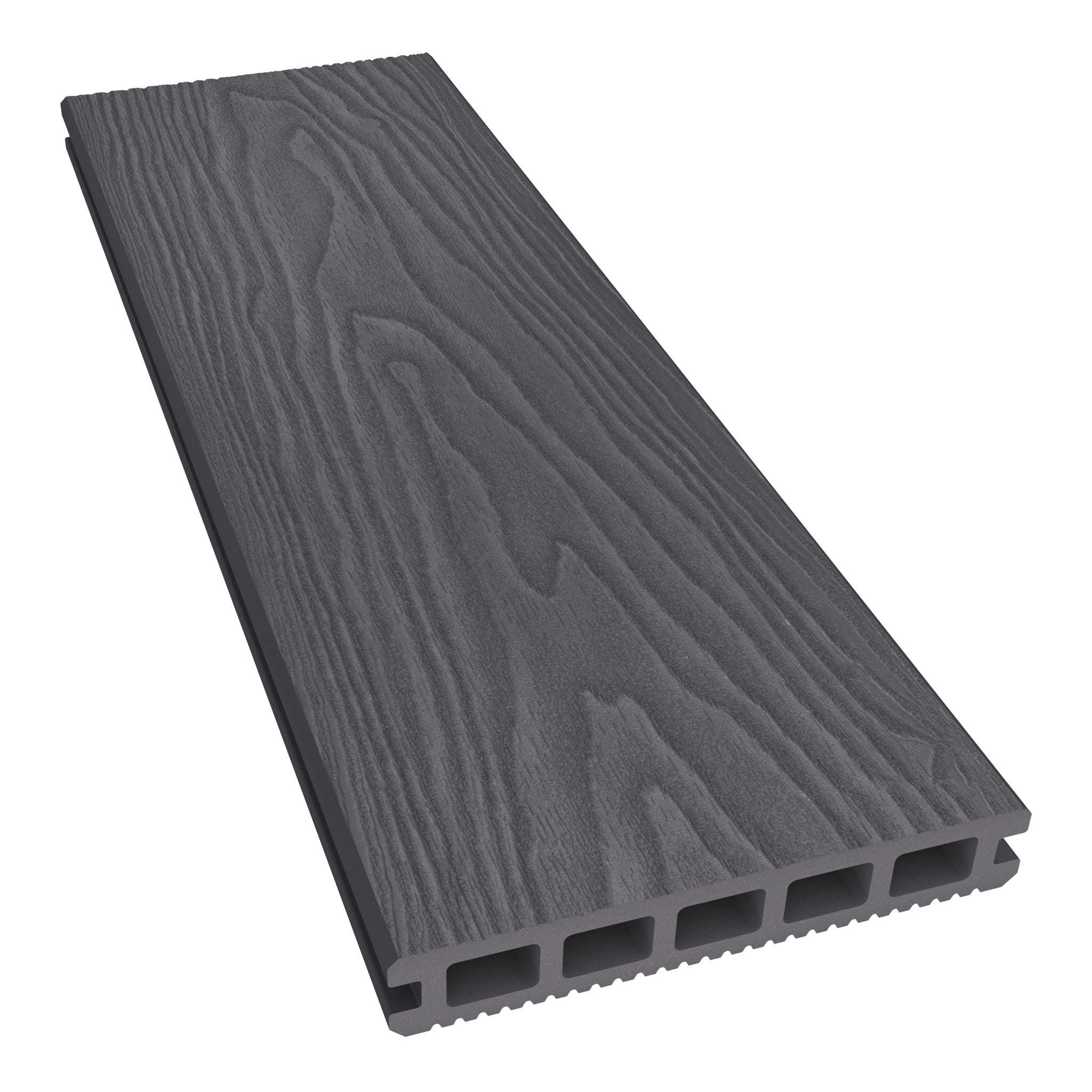
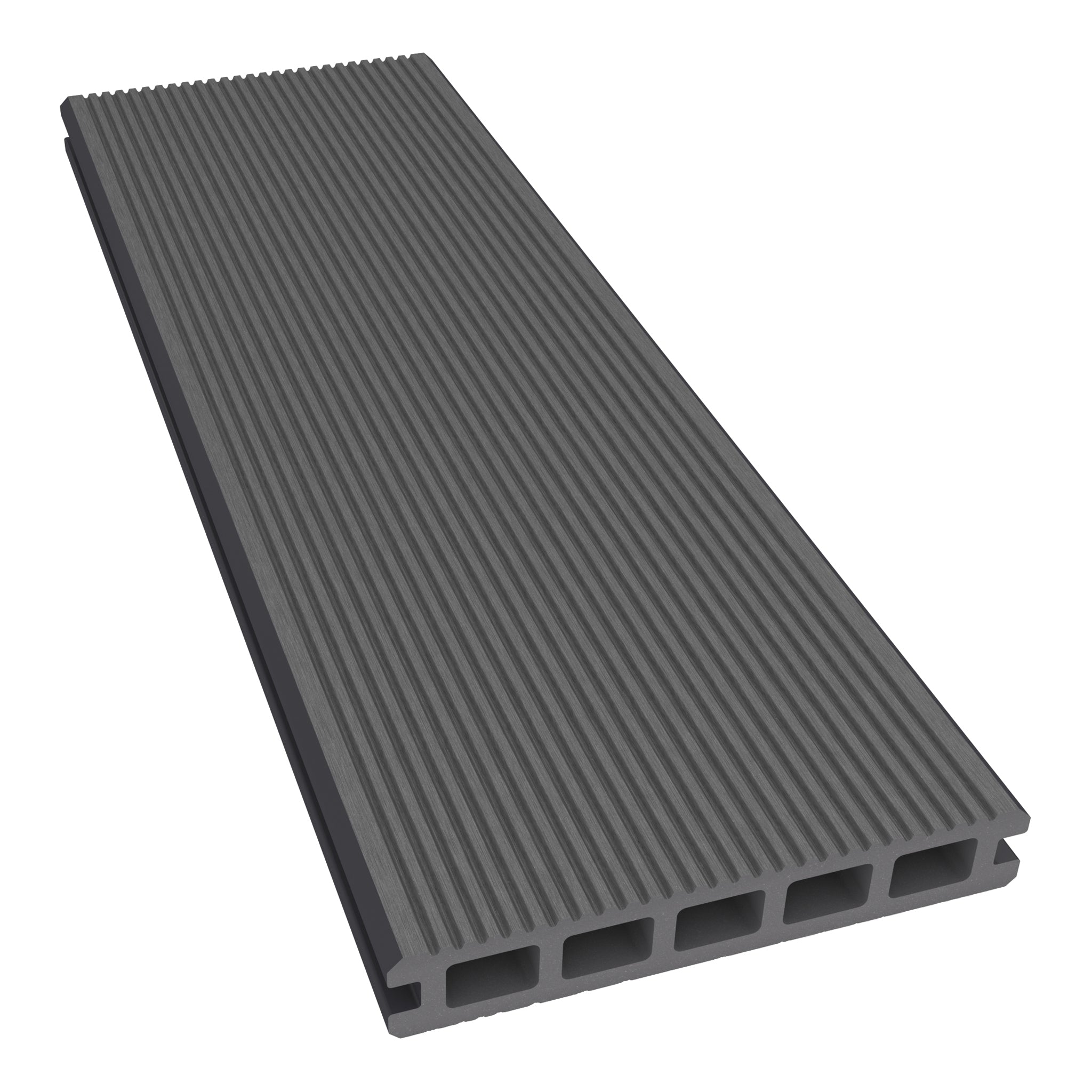
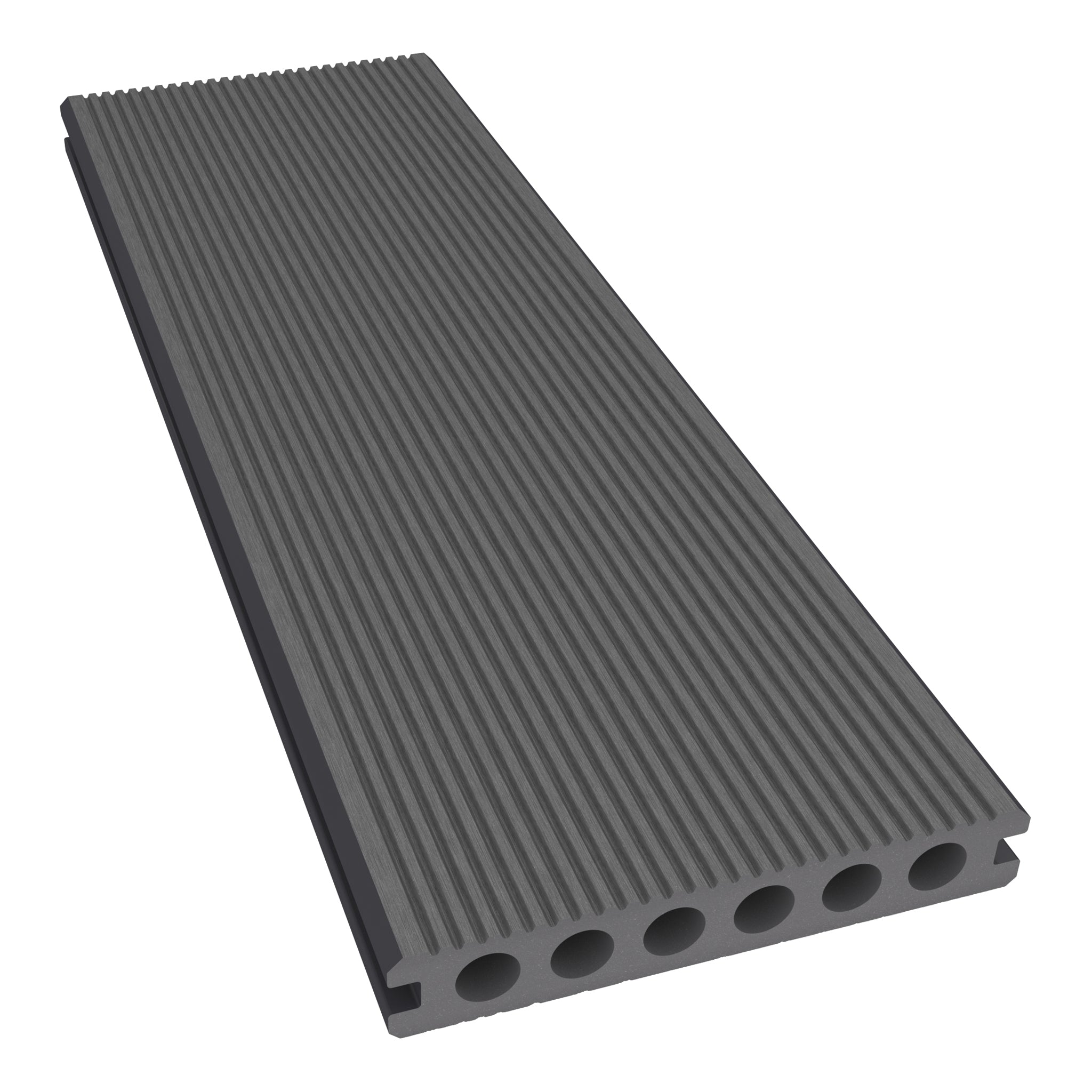
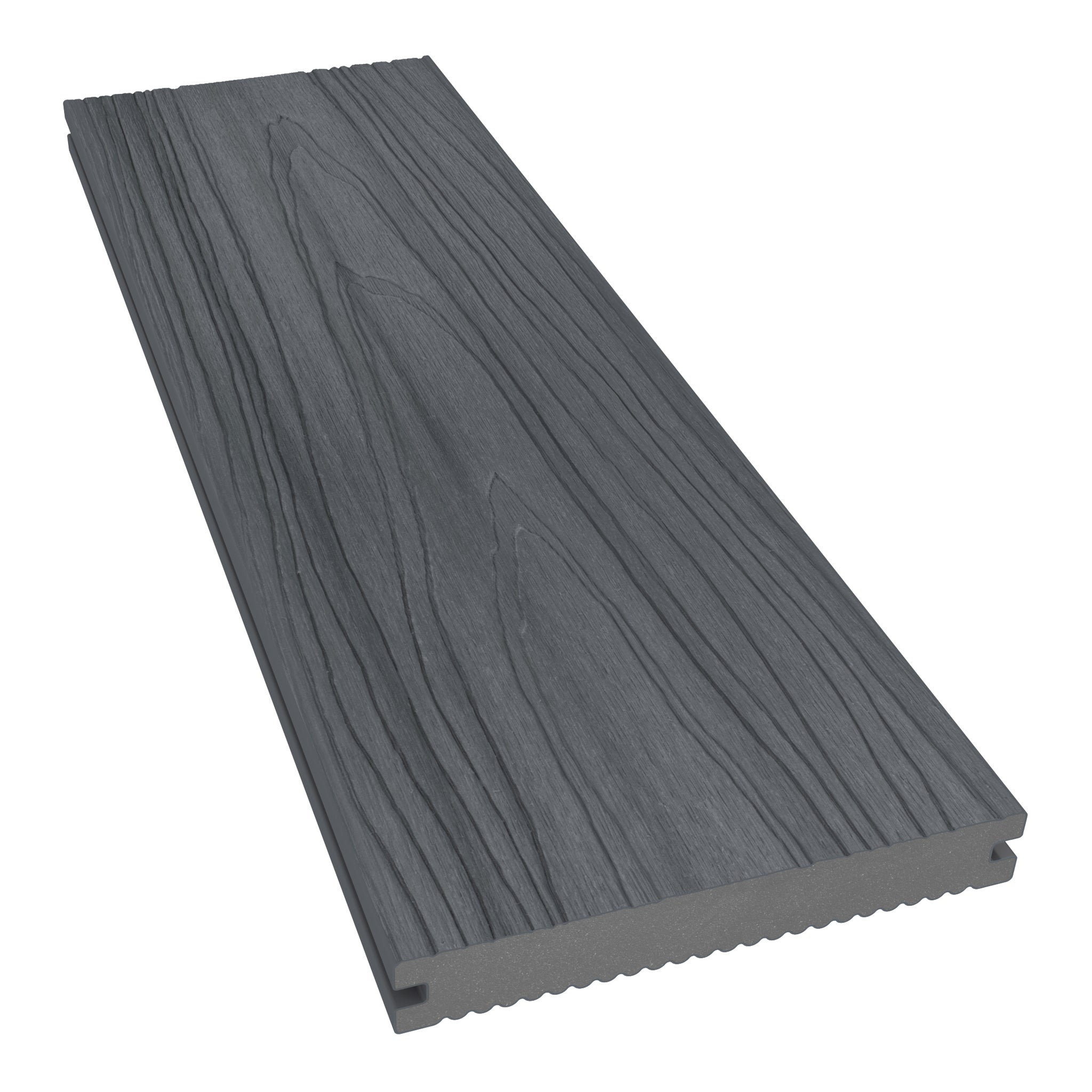
Surface grooves create a lined texture along the board. They offer a different visual character from an embossed woodgrain finish and can emphasise the direction of a straight board run.
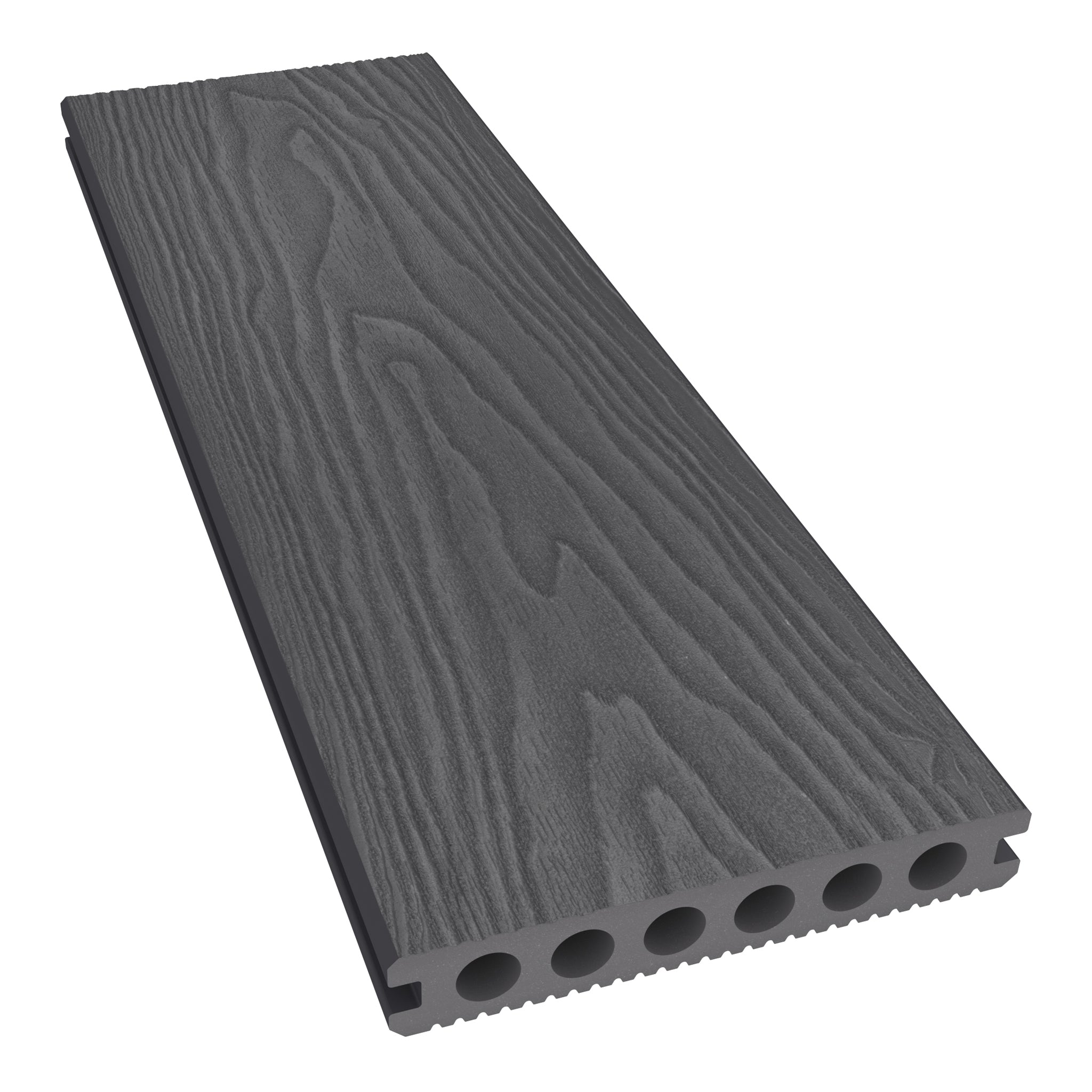
Some boards offer different permitted walking faces. For example, the current NeoTimber® Deluxe Hollow board is described as reversible, with grooved and woodgrain finishes. Check the specific product rather than assuming every composite board can be installed either side up.
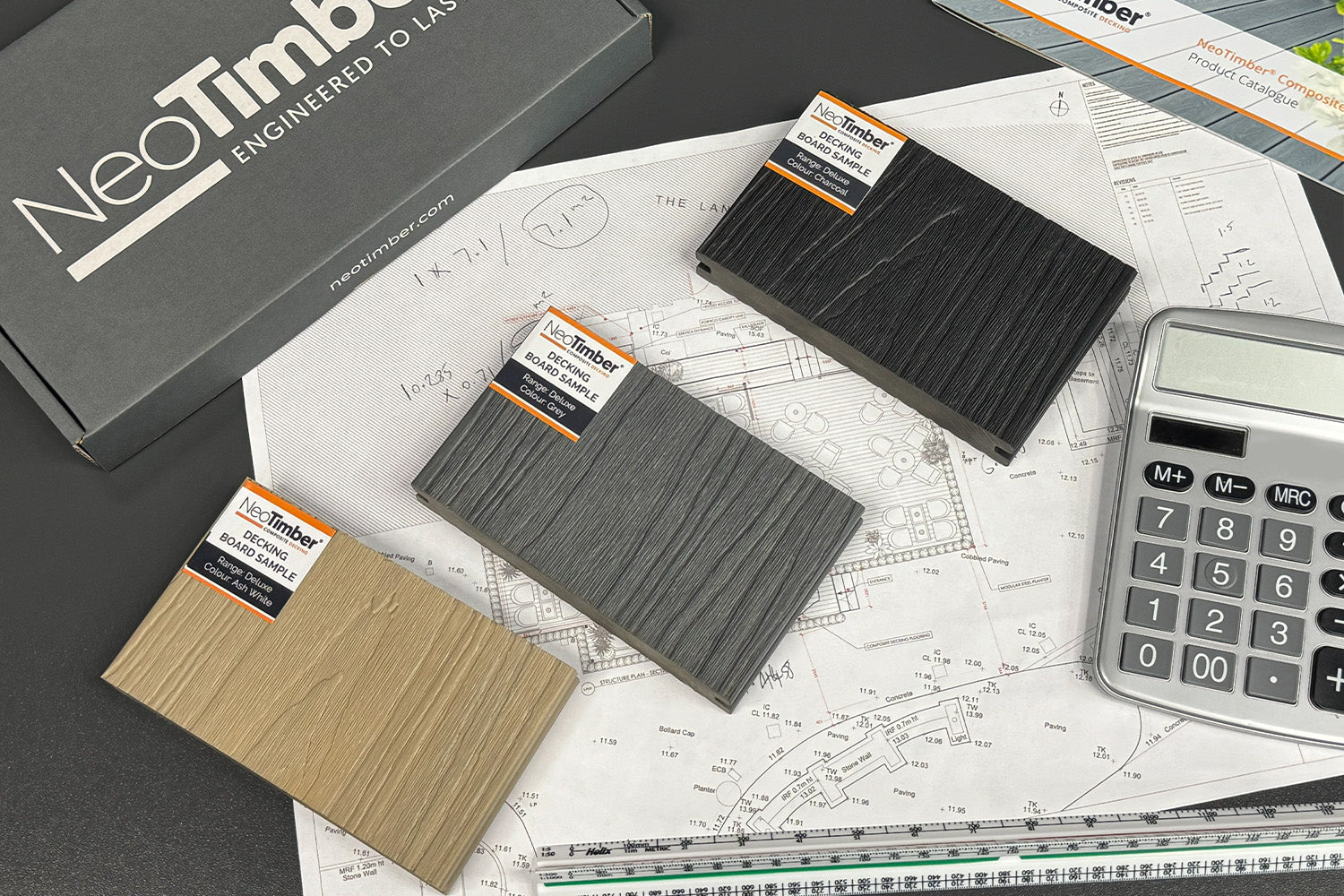
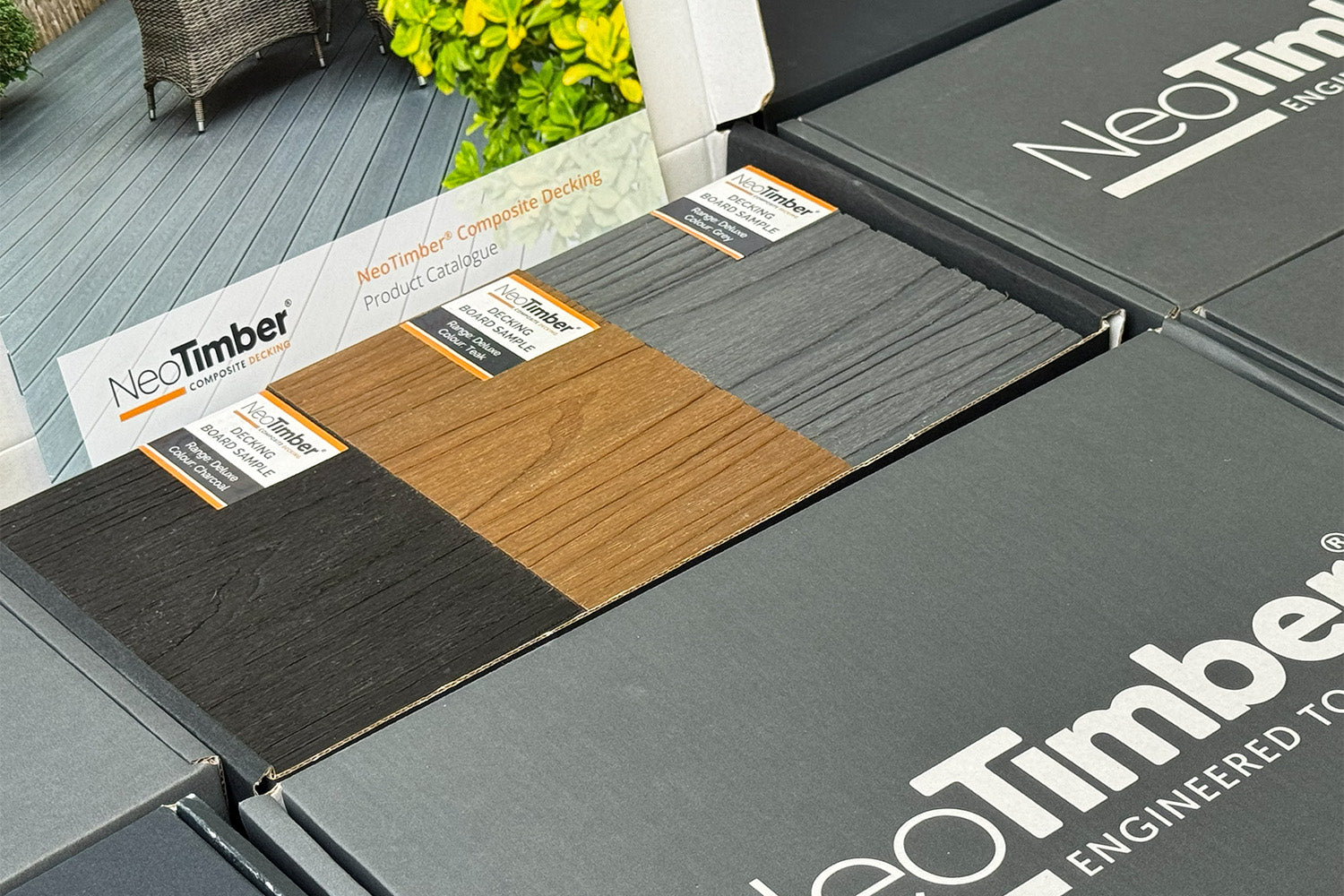
Compare finishes using samples held at a normal viewing distance as well as close up. The depth and spacing of the texture can affect how strongly the lines appear across a whole deck.

Does Grooved Composite Decking Provide Better Grip?
Do not judge slip resistance from the presence of grooves alone. Compare relevant test information for the exact board, face and conditions of use. A result for one product or surface should not be assumed to apply to another.
No decking is slip-proof in every condition. Water, algae, wet leaves and ice can affect grip, while board orientation and the way people use the space also need consideration. Keep the deck clean and plan drainage and lighting alongside the surface choice.
If slip performance is a key requirement, ask the supplier for the relevant evidence before specifying the board. A sample's texture is useful to inspect, but wetting a small offcut at home is not a formal slip test.
Grooves Do Not Replace a Drainage Plan
Surface channels are only one detail within a complete installation. They do not correct an unsuitable base, blocked board gaps or poor water management beneath the frame.
Follow the selected system's requirements for orientation, falls where specified, movement gaps and ventilation. Do not assume cutting boards shorter will solve standing water. Keep channels and gaps clear so dirt does not obstruct the intended drainage routes.
Side Grooves: Channels for Compatible Fixing Clips
The grooves along the sides of compatible boards receive the fixing system. They are different from the texture on the walking face and may be present whether the chosen surface is grooved or woodgrain.
Clips engage with the side channel and are fastened to the supporting frame. “Hidden fixing” describes the finished appearance; it does not mean that screws are unnecessary.
NeoTimber® offers 3mm metal FastClips and 6mm plastic FastClips. Confirm compatibility with the chosen board and frame, then use the method specified for that clip.

Side Gaps Are Different From End Gaps
A clip can establish spacing between adjacent boards, but board-end joints, mitred corners and clearance around fixed objects need separate attention. Composite moves with temperature, so follow the current instructions for the fitting conditions.
Do not use a clip's nominal side gap as a universal measurement for every joint. Likewise, some perimeter and final-board details may require specified screw fixing. Read our clips and fasteners guide for the main distinctions.
Designing With Grooved and Woodgrain Finishes
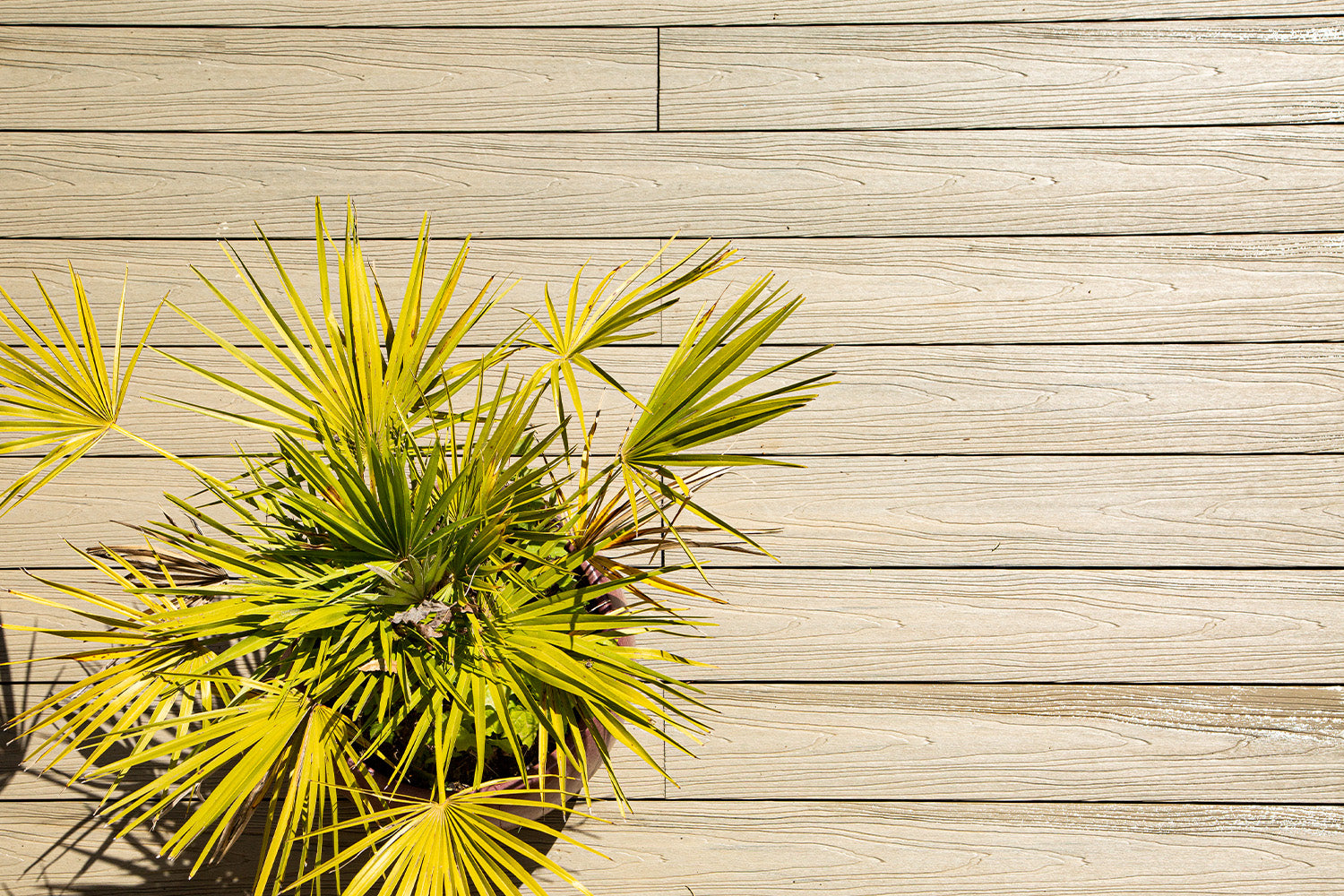
A consistent grooved finish can create an ordered backdrop to furniture and planting. Where the selected boards permit, contrasting textures can define a border without introducing another colour.
Plan the layout before building the frame. Picture framing changes board directions and can require additional supports and different fixing details. Review our picture framing guide and laying pattern ideas before ordering.
Choose the permitted walking face before fitting. Reversing an installed board later is not simply a cosmetic task: access to fixings, board condition and compatibility still need checking.
Looking After Grooved Composite Decking
Remove leaves and dirt before they build up in the surface channels. Follow the approved cleaning method for the range, including suitable brush and cleaner choices. Keep board gaps, perimeter ventilation and drainage points clear too.
NeoTimber® composite decking avoids routine sanding, staining and oiling, but still needs cleaning and inspection. Do not sand a capped face or apply a coating without product-specific approval. See our maintenance guidance for ongoing care.
Before Choosing Your Boards
- Confirm the finish: check the product's permitted walking faces.
- Review the specification: compare construction, dimensions and intended use.
- Check performance information: ask for relevant data where grip matters.
- Plan the system: include frame, clips, edges and movement gaps.
- Compare samples: view texture and colour beside your existing materials.
Grooved Composite Decking FAQs
Are surface grooves and side grooves the same?
No. Surface grooves form part of the walking-face texture. Side channels receive compatible fixing clips and are part of the installation detail.
Should the grooved side always face up?
Not necessarily. Check which faces the specific board is designed to use. Where both are permitted, compare appearance and relevant performance information before deciding.
Are grooved boards automatically less slippery?
No universal comparison follows from the texture alone. Check evidence for the actual product and face, and plan cleaning, drainage and access.
Do hidden clips remove the need for screws?
No. Clips are fixed to the frame, and some edge details need additional screw fixing. Follow the selected system's instructions.
Can I combine grooved and woodgrain boards?
Where the products and permitted faces are compatible, contrasting textures can form a deliberate design. Plan supports, dimensions and fixings for the arrangement.
How do I keep the channels clean?
Sweep out debris and use the board manufacturer's approved cleaning method. Avoid unapproved tools or chemicals that could damage the finish.
See the Grooves and Finish for Yourself
Request free decking samples to compare the surface and side profiles. Browse the NeoTimber® composite decking range and use the current installation resources when finalising your choice.