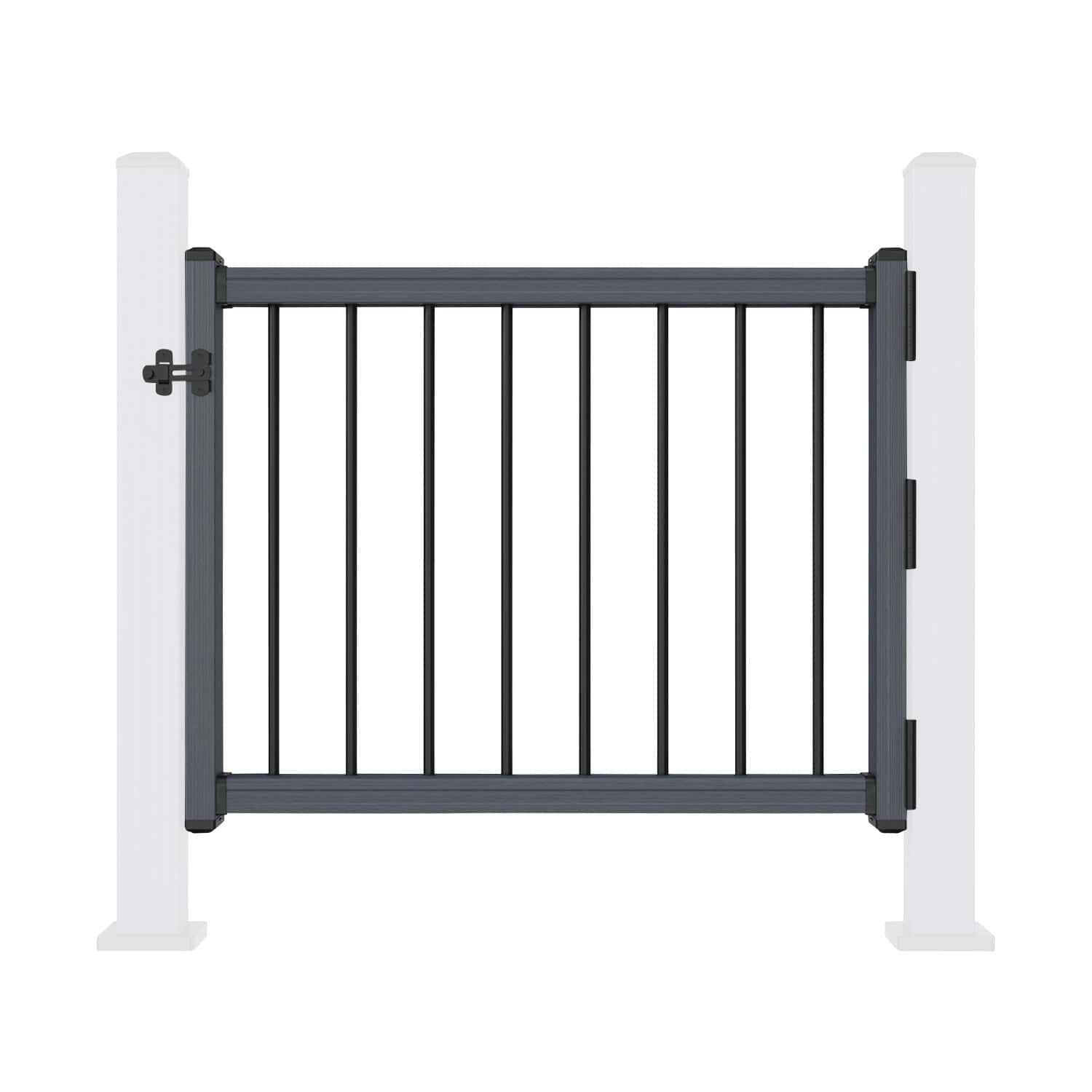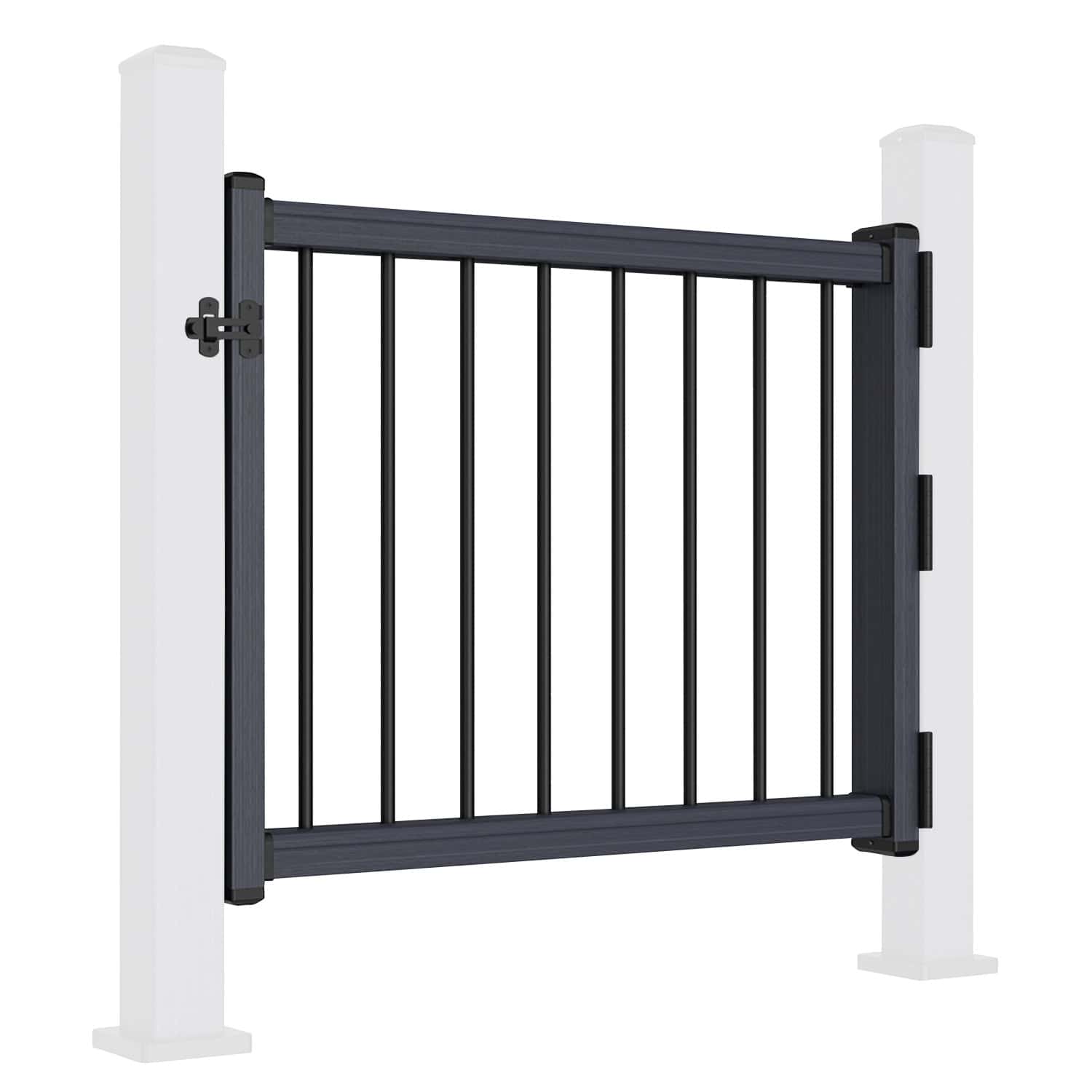

Choosing Composite Balustrade Posts for Your Outdoor Space
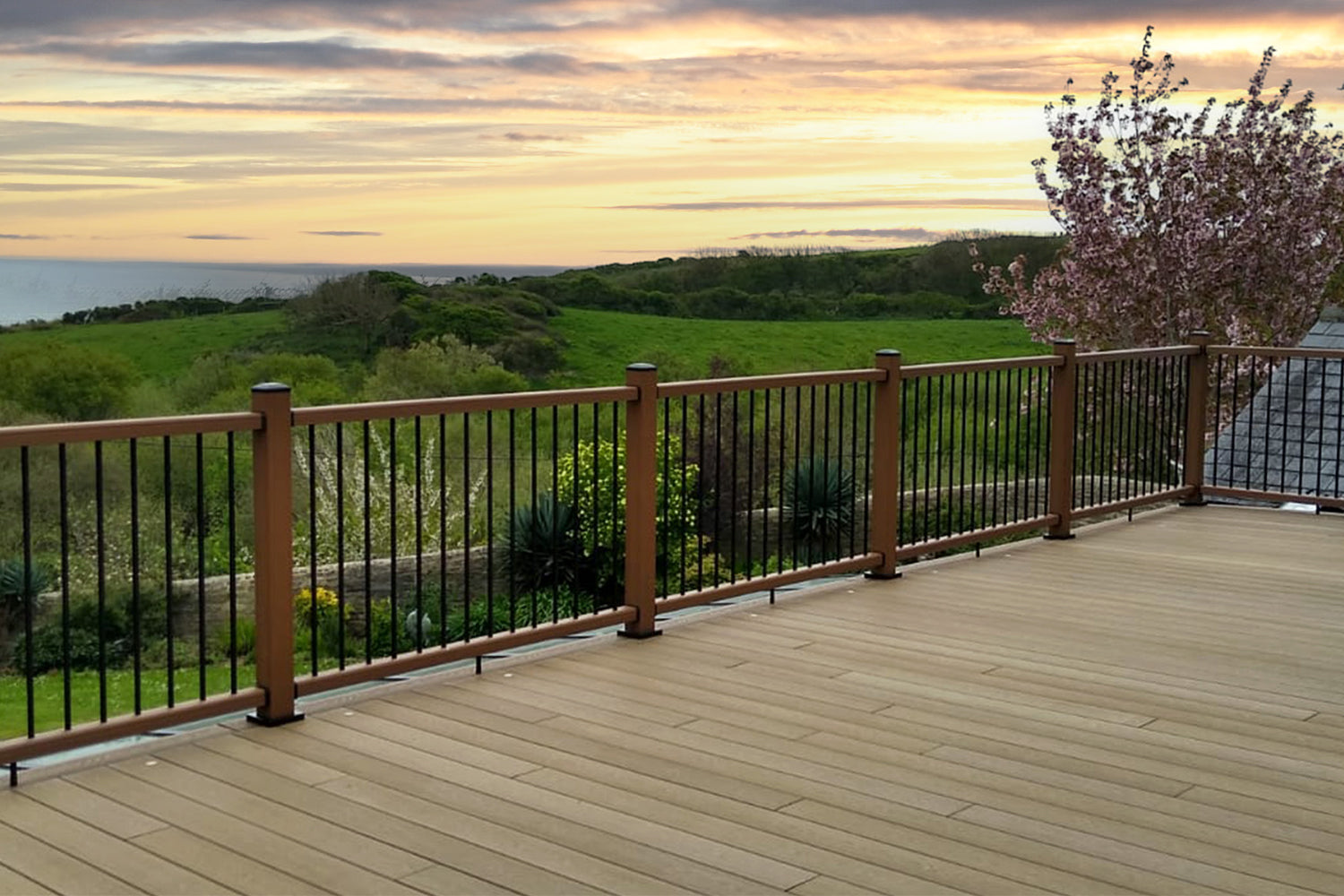
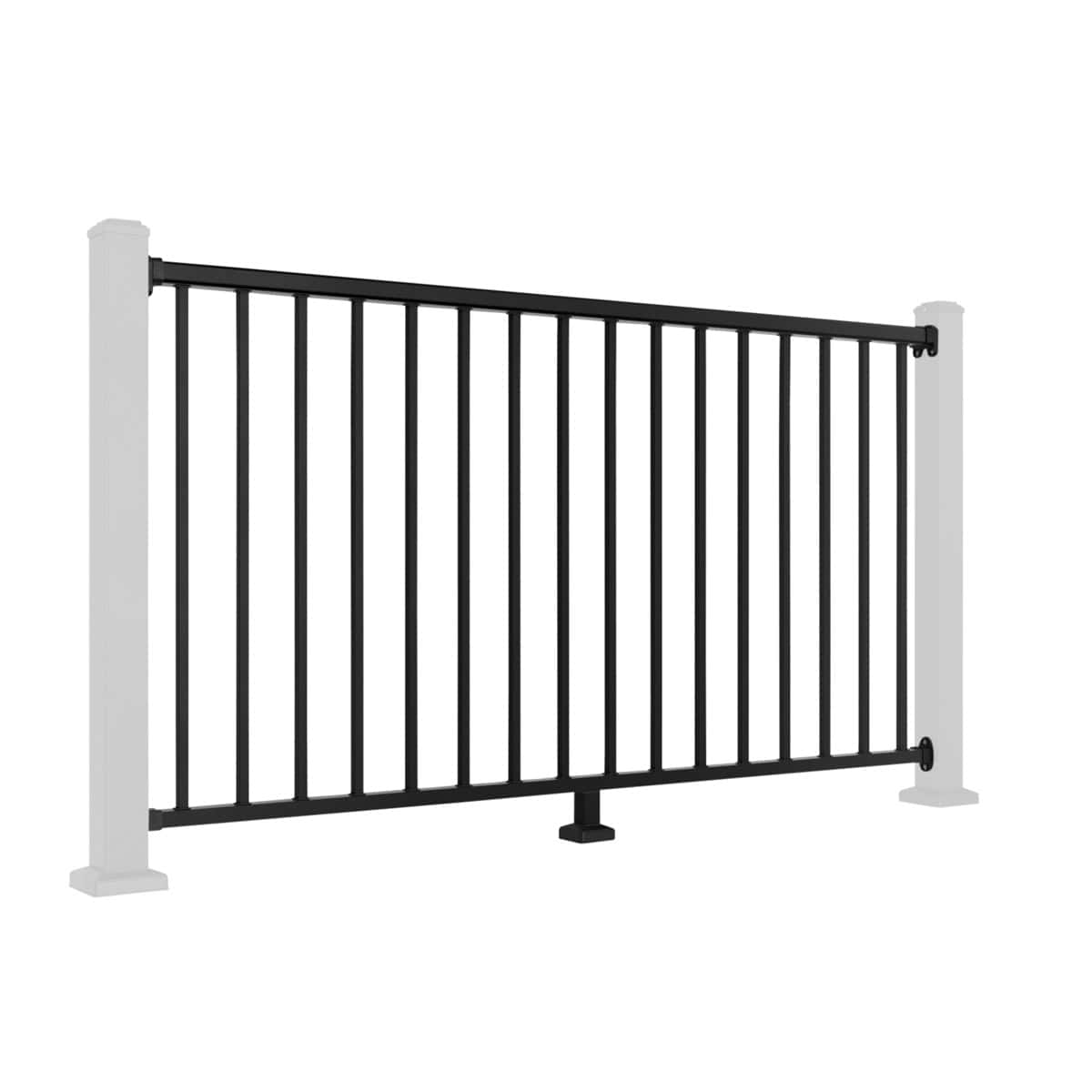
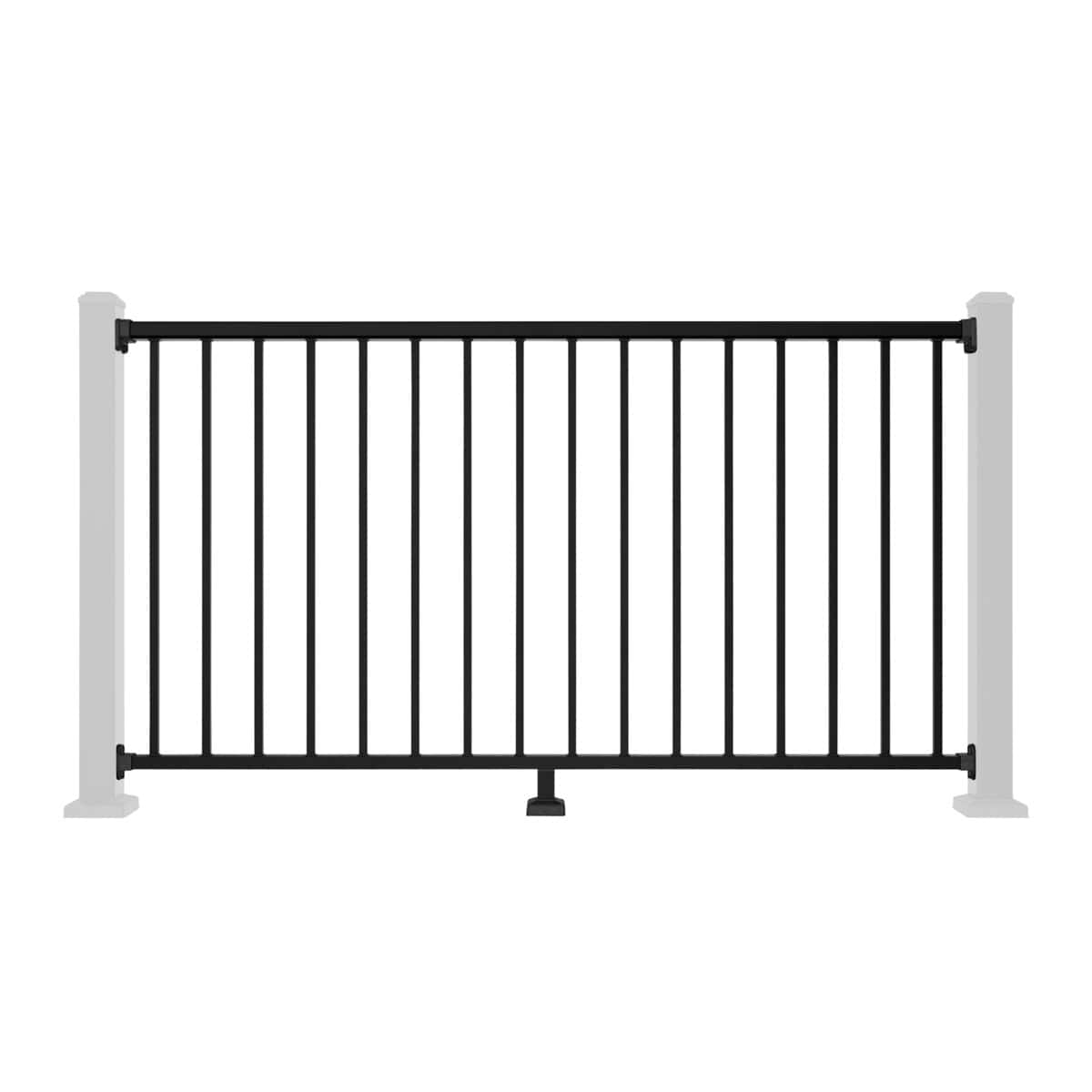
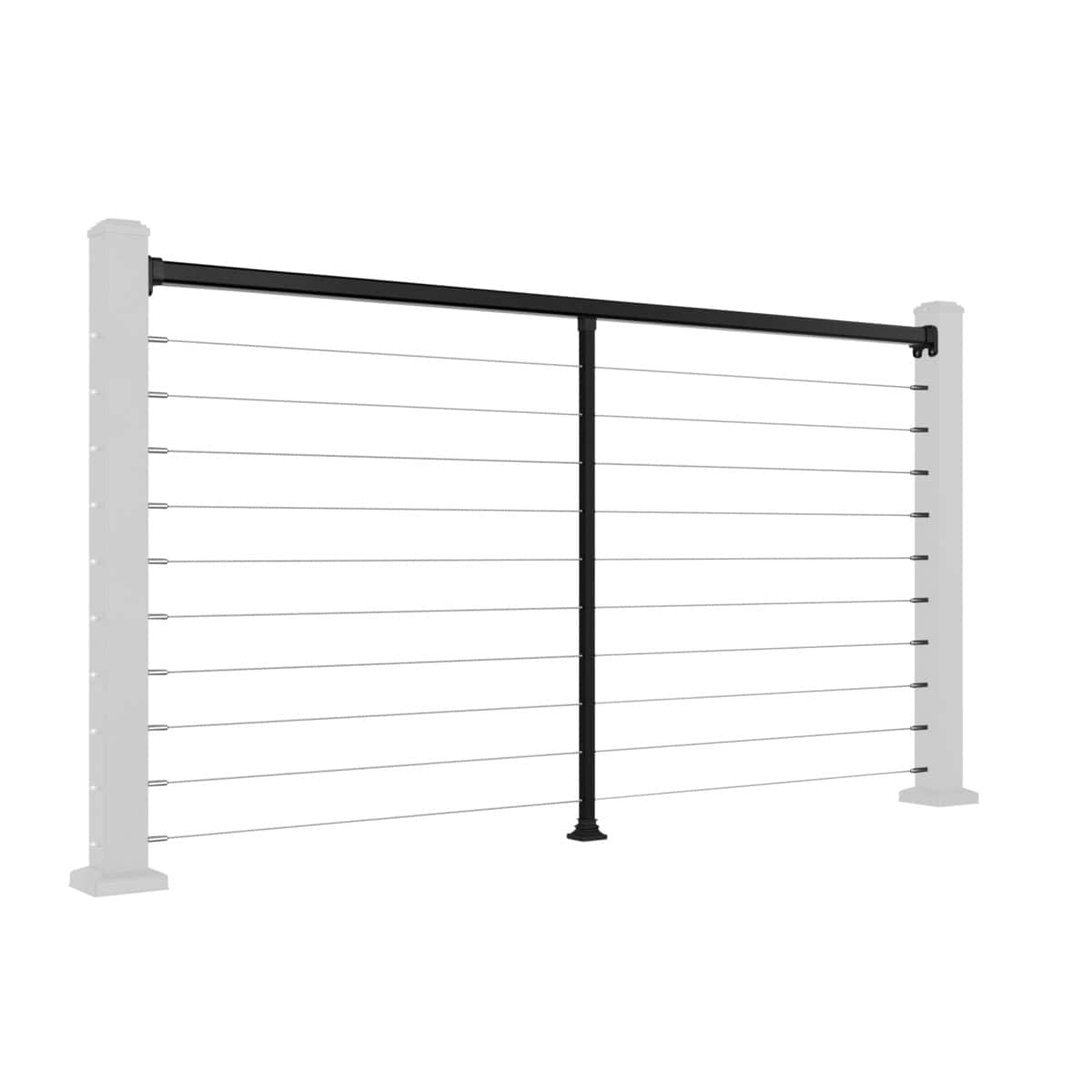
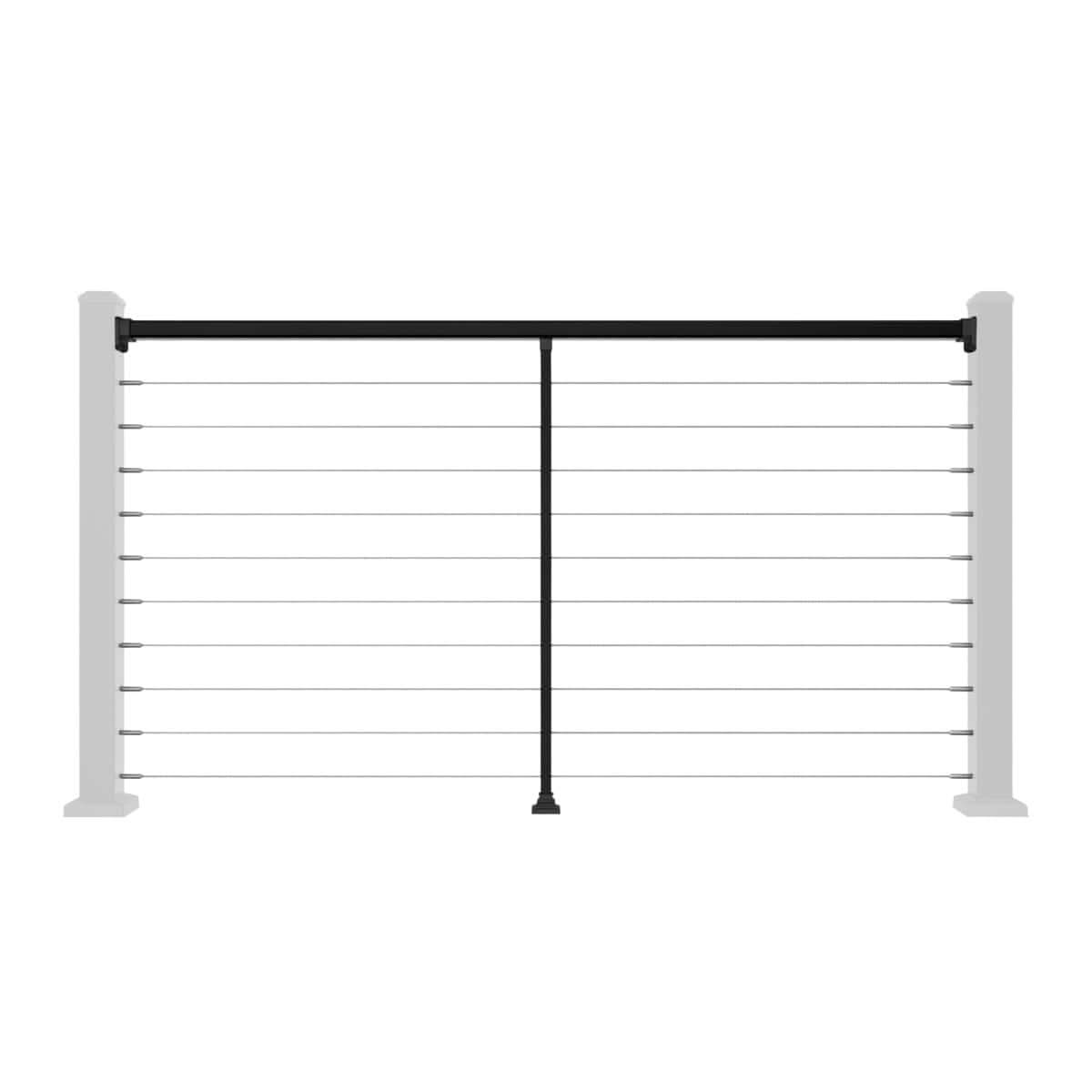
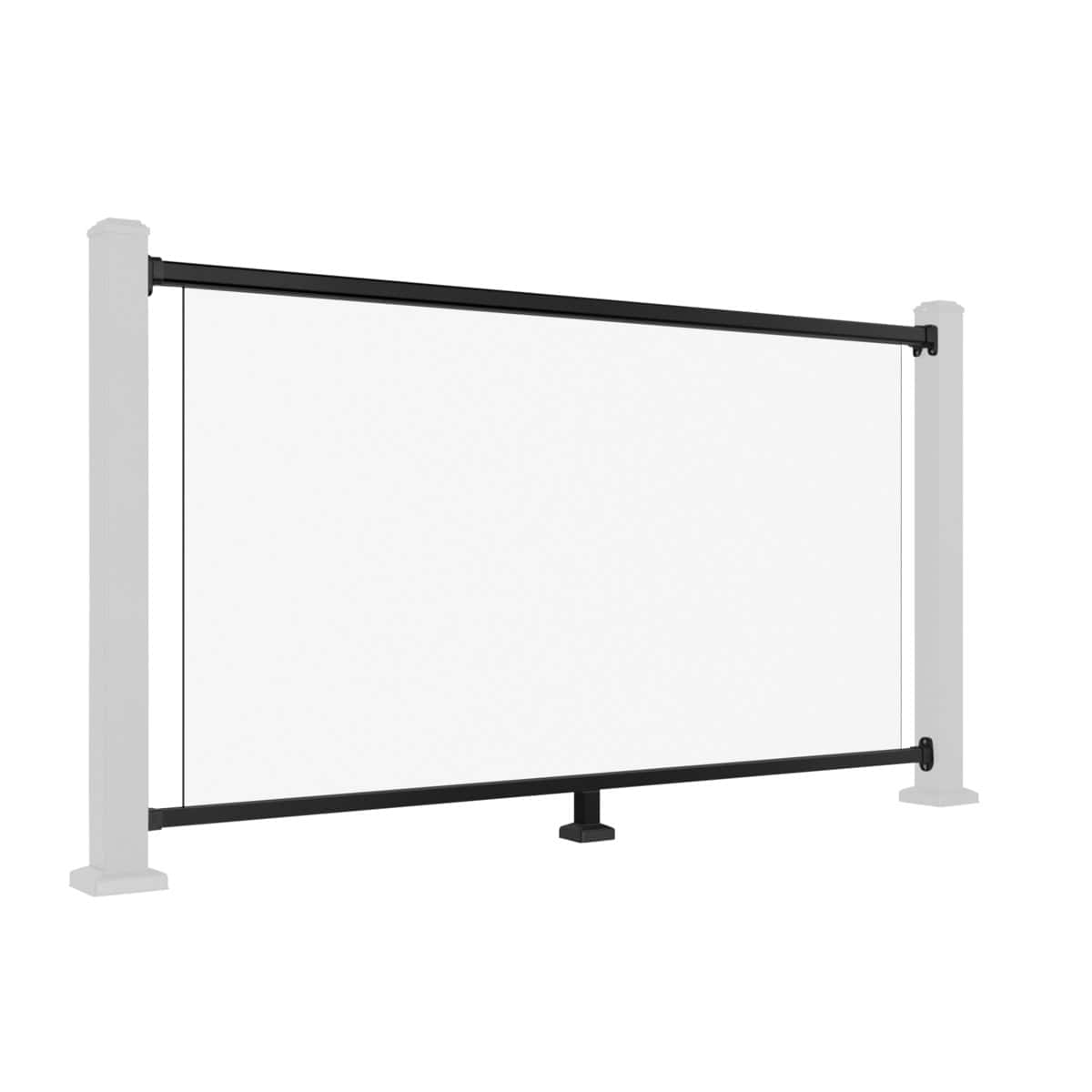
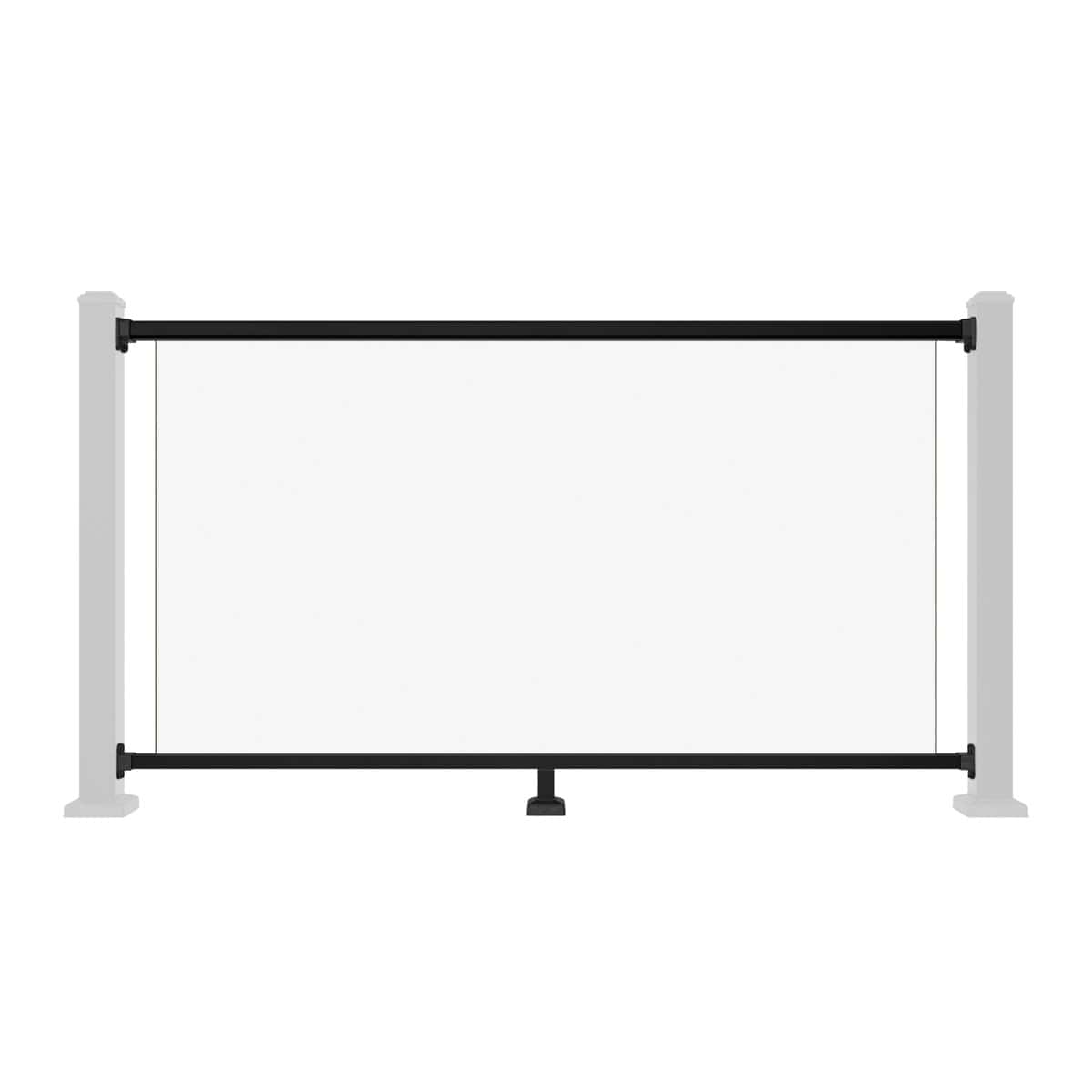
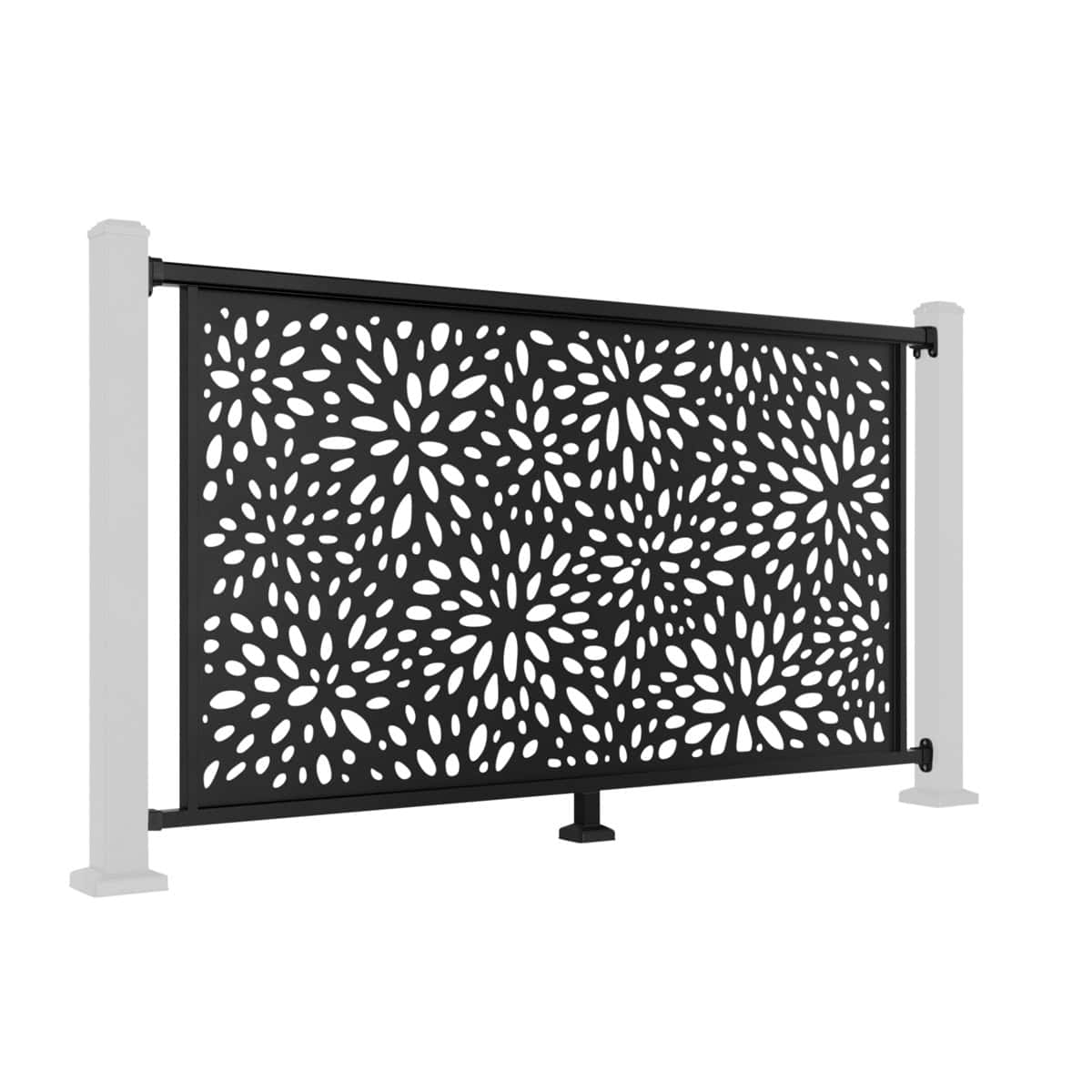
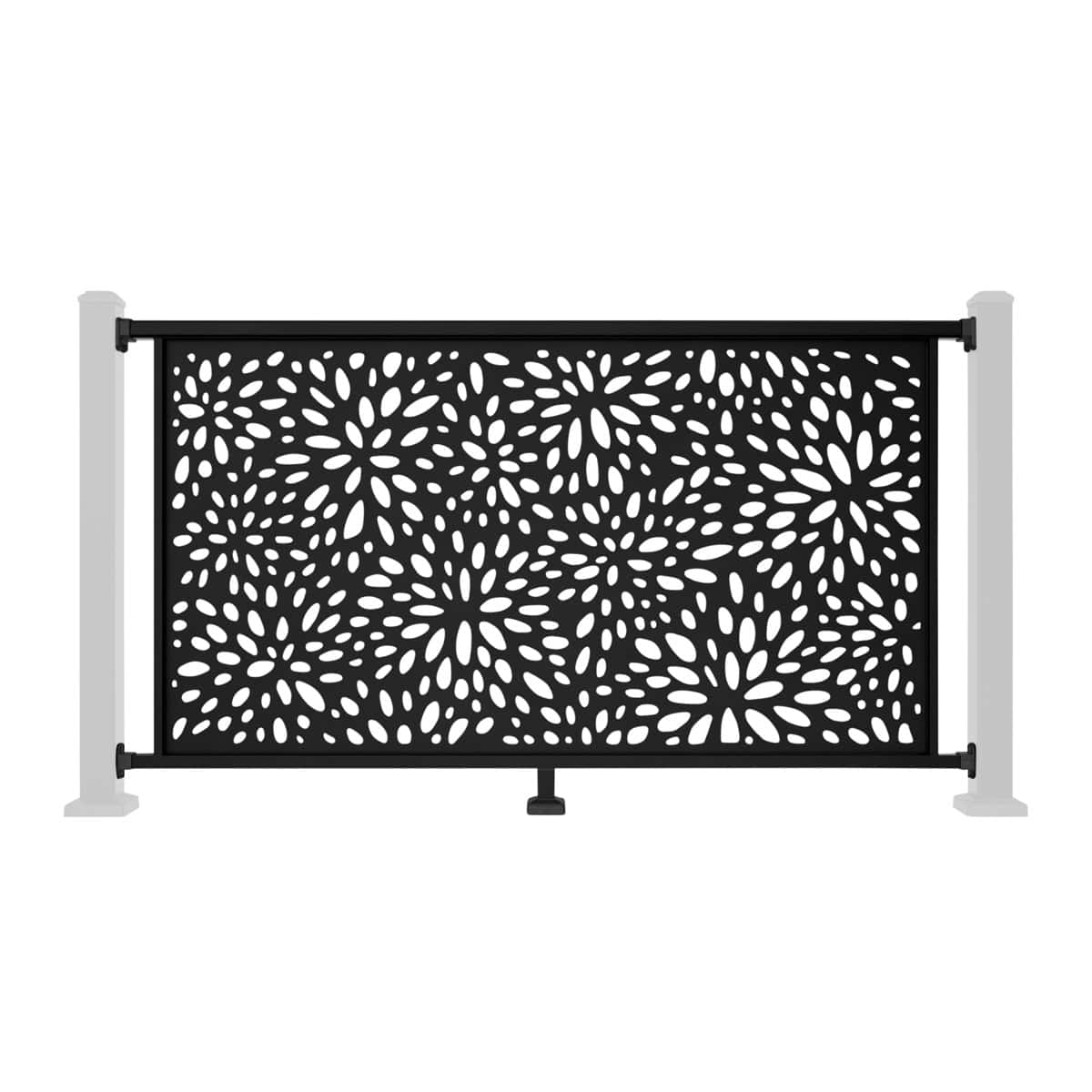
Composite balustrade posts help define the edge of an outdoor space while supporting the rails and infill of a complete balustrade system. Designed to complement NeoTimber® decking, they form part of our composite balustrade range and offer a coordinated finish with a simple care routine.
This guide explains how the posts are constructed, what to consider when choosing composite decking posts and rails, and how to keep the finished installation looking its best.
Where Can Composite Decking Posts and Rails Be Used?
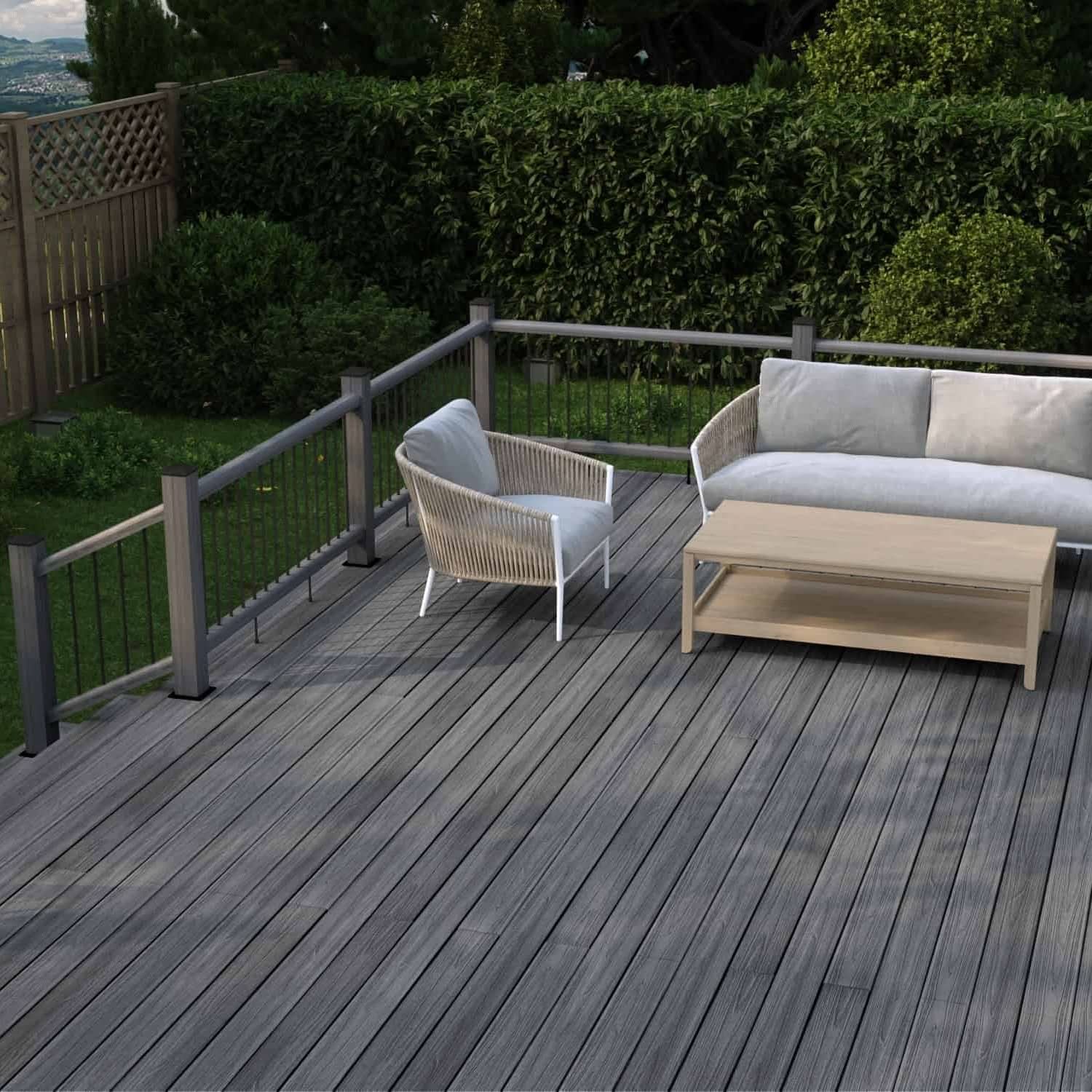
Our posts are part of the wider balustrade range and can be coordinated with composite decking and cladding. Depending on the system specification, applications include garden patios, balconies and raised decks.
When selecting a balustrade, consider the complete installation: posts, rails, infill, fixings and the structure beneath them. Suitability depends on the location and project requirements, particularly where the balustrade provides protection at a change in level.
Composite offers an alternative to exposed timber with less routine treatment. For the scope and conditions of NeoTimber®'s 25-year cover, review the balustrade warranty before ordering.
How Are Composite Balustrade Posts Constructed?
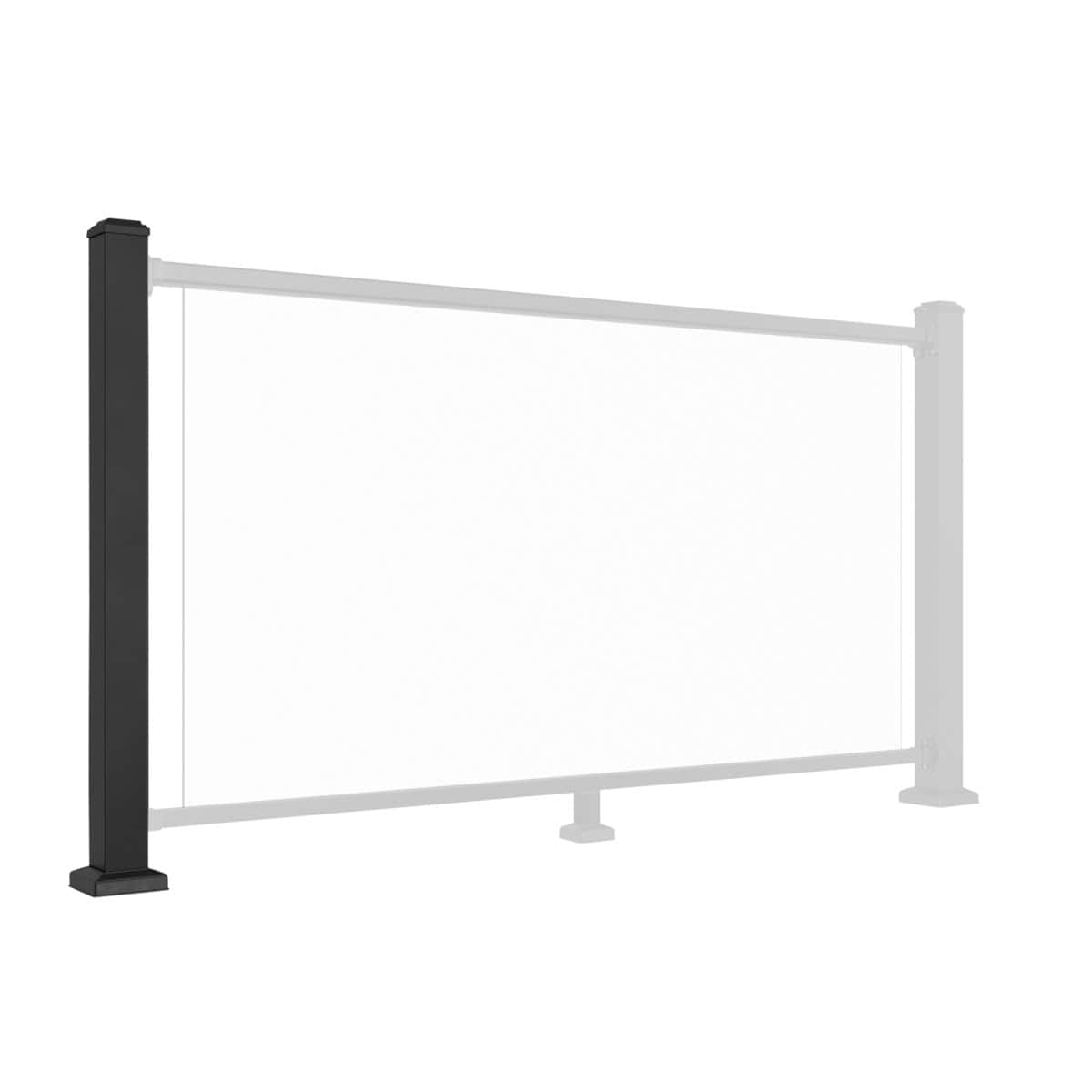
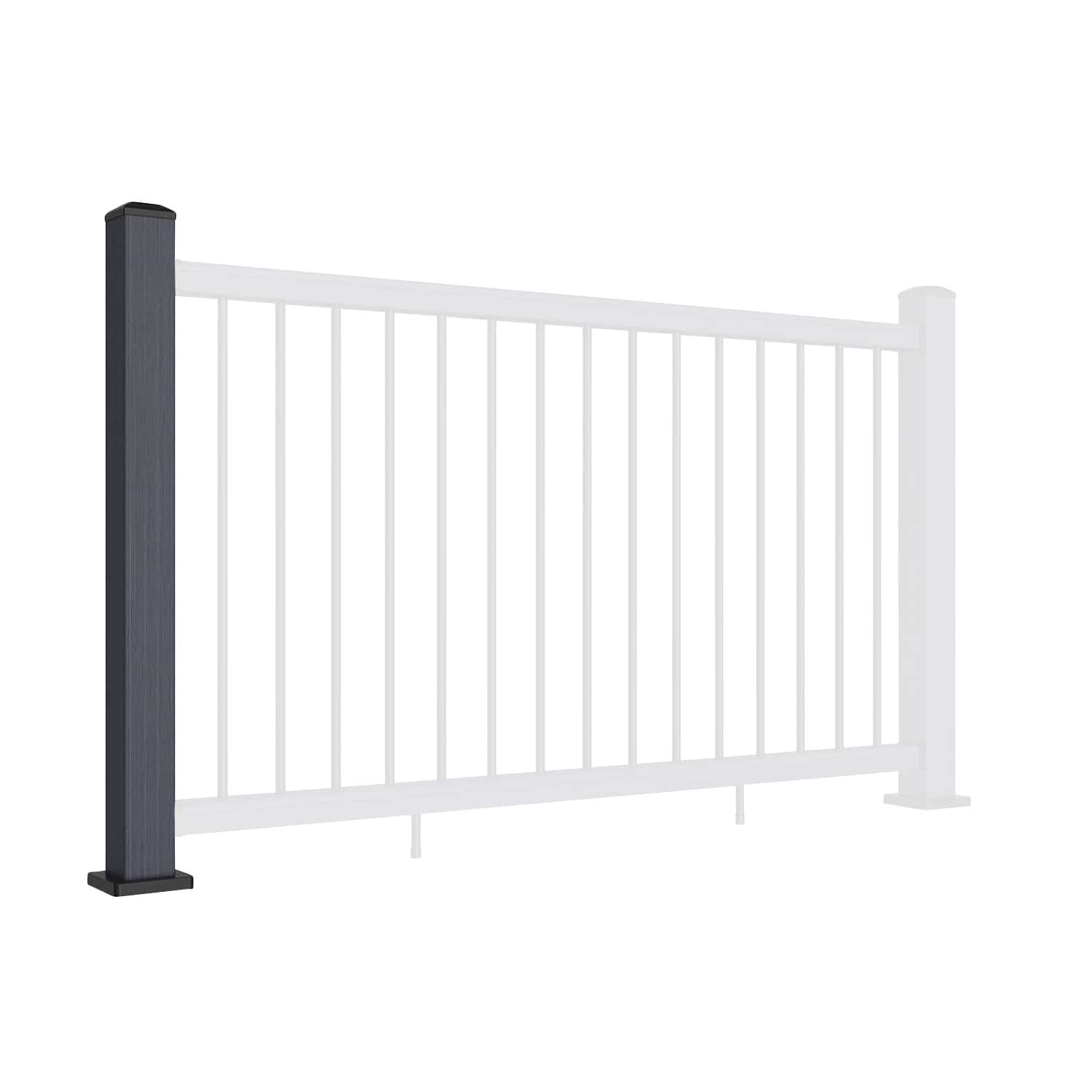
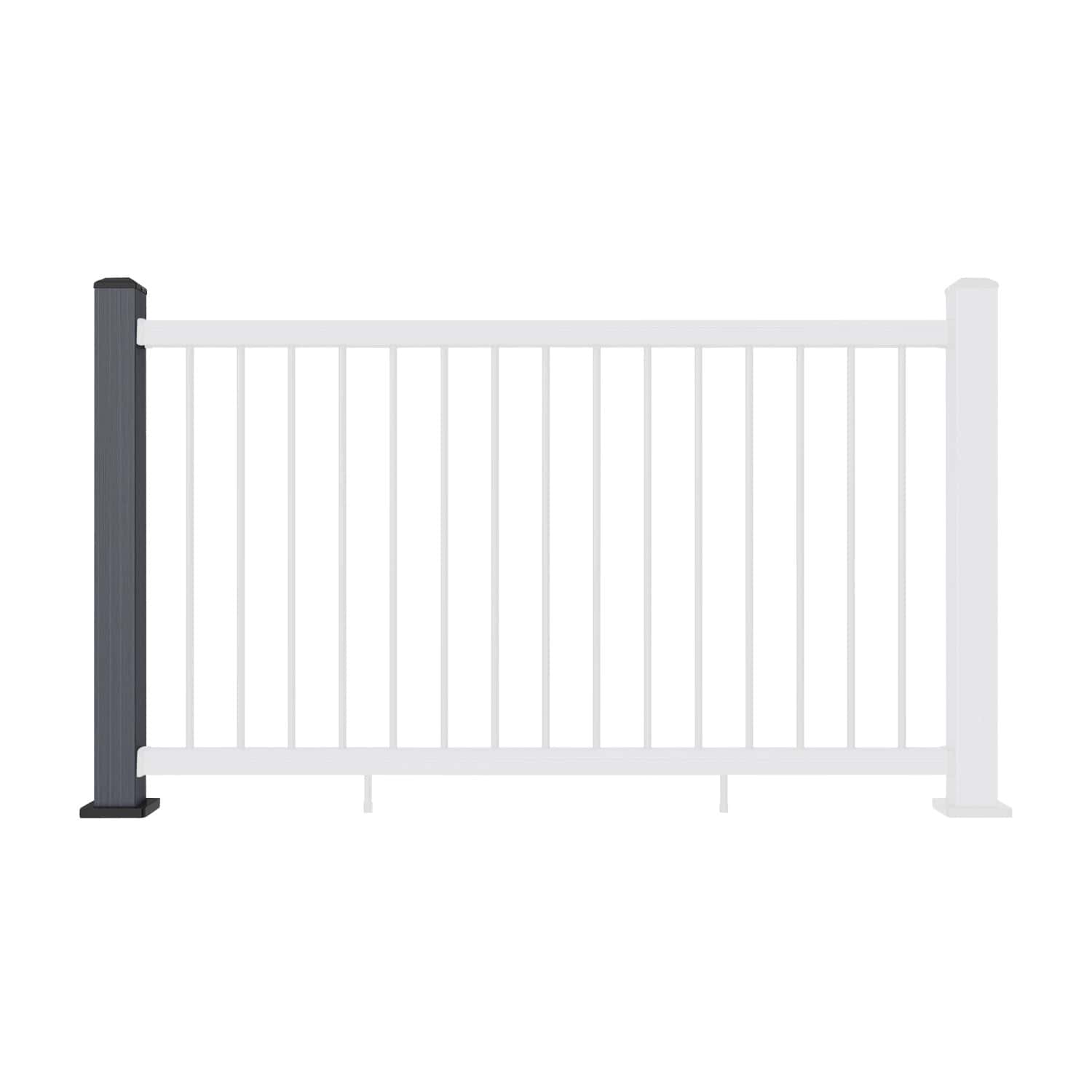
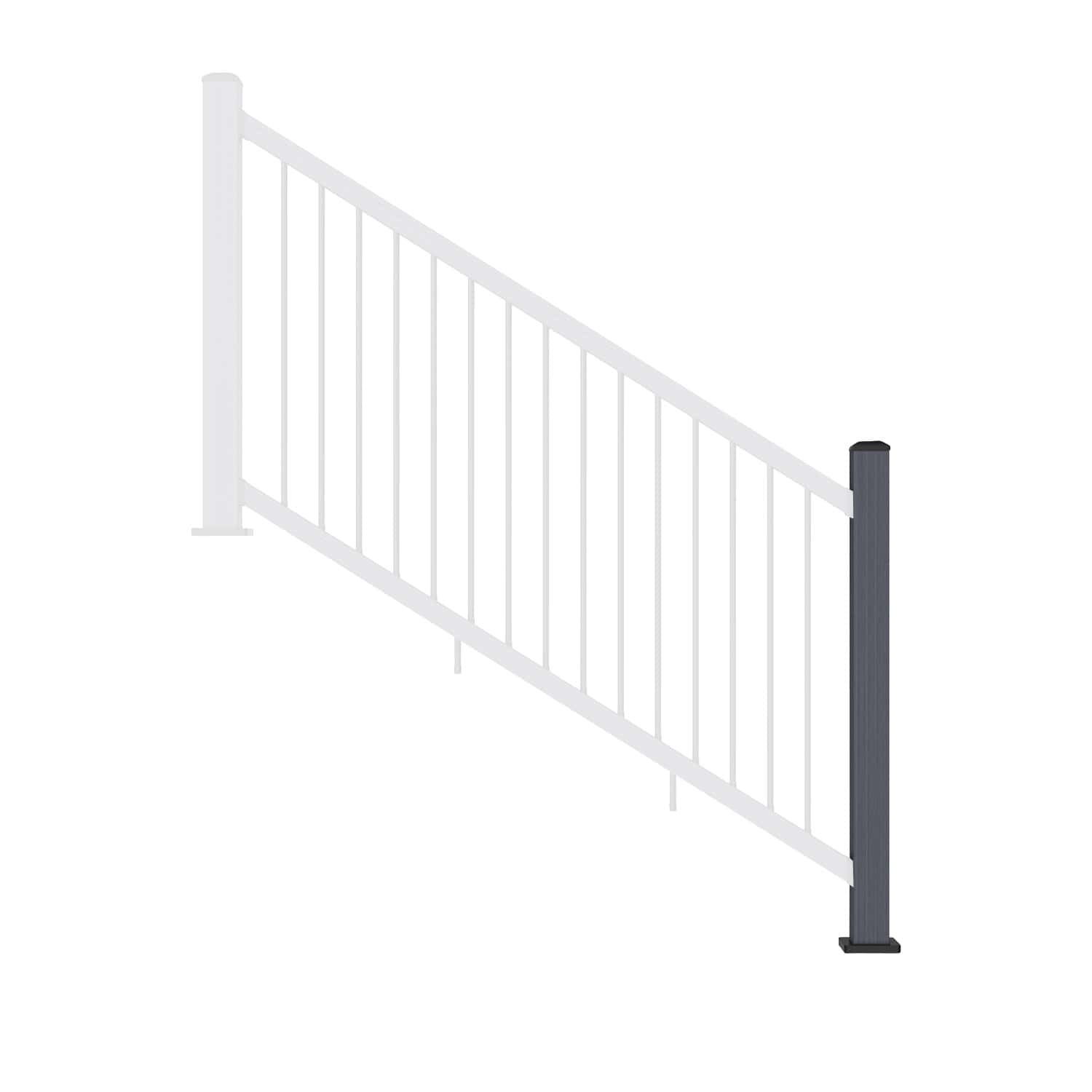
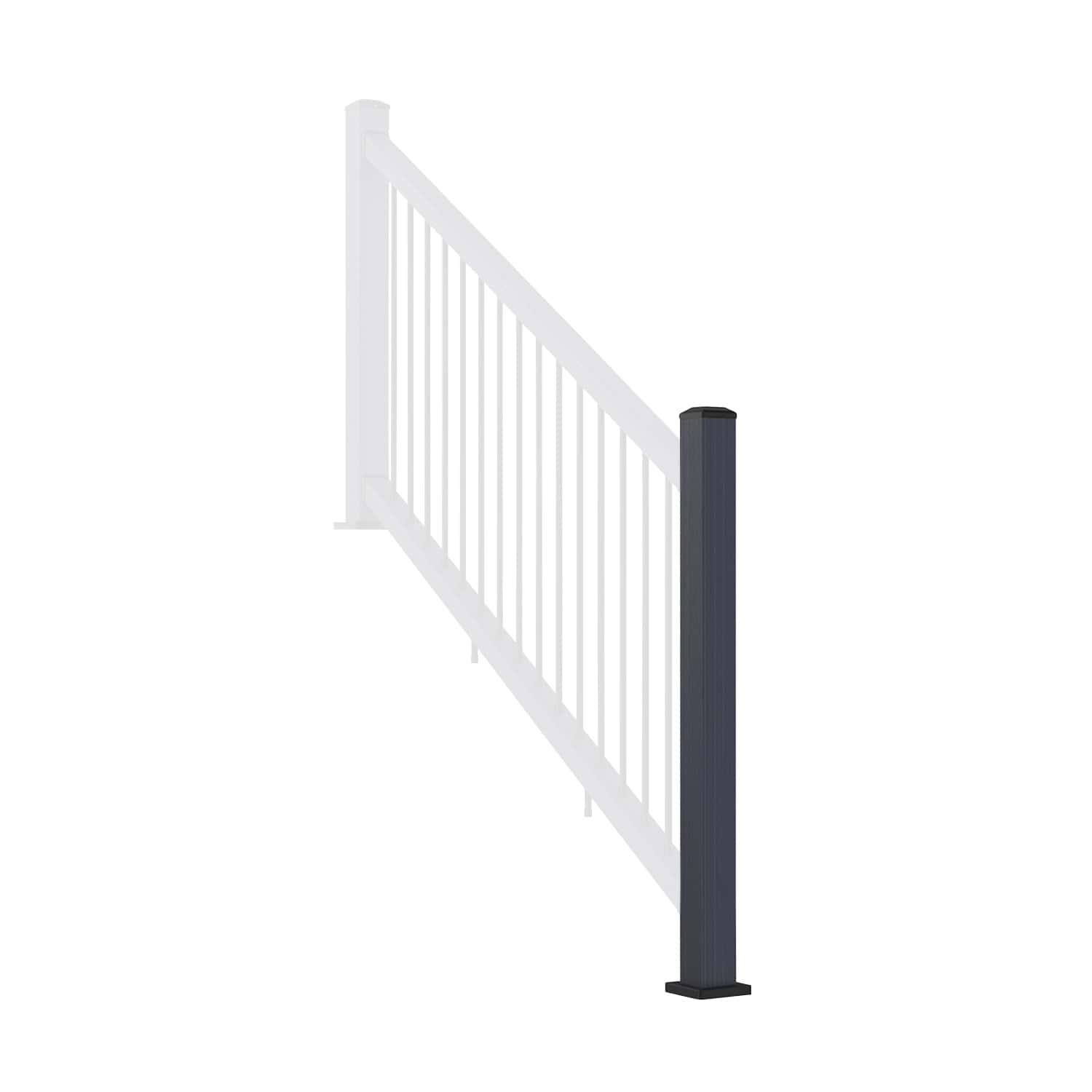
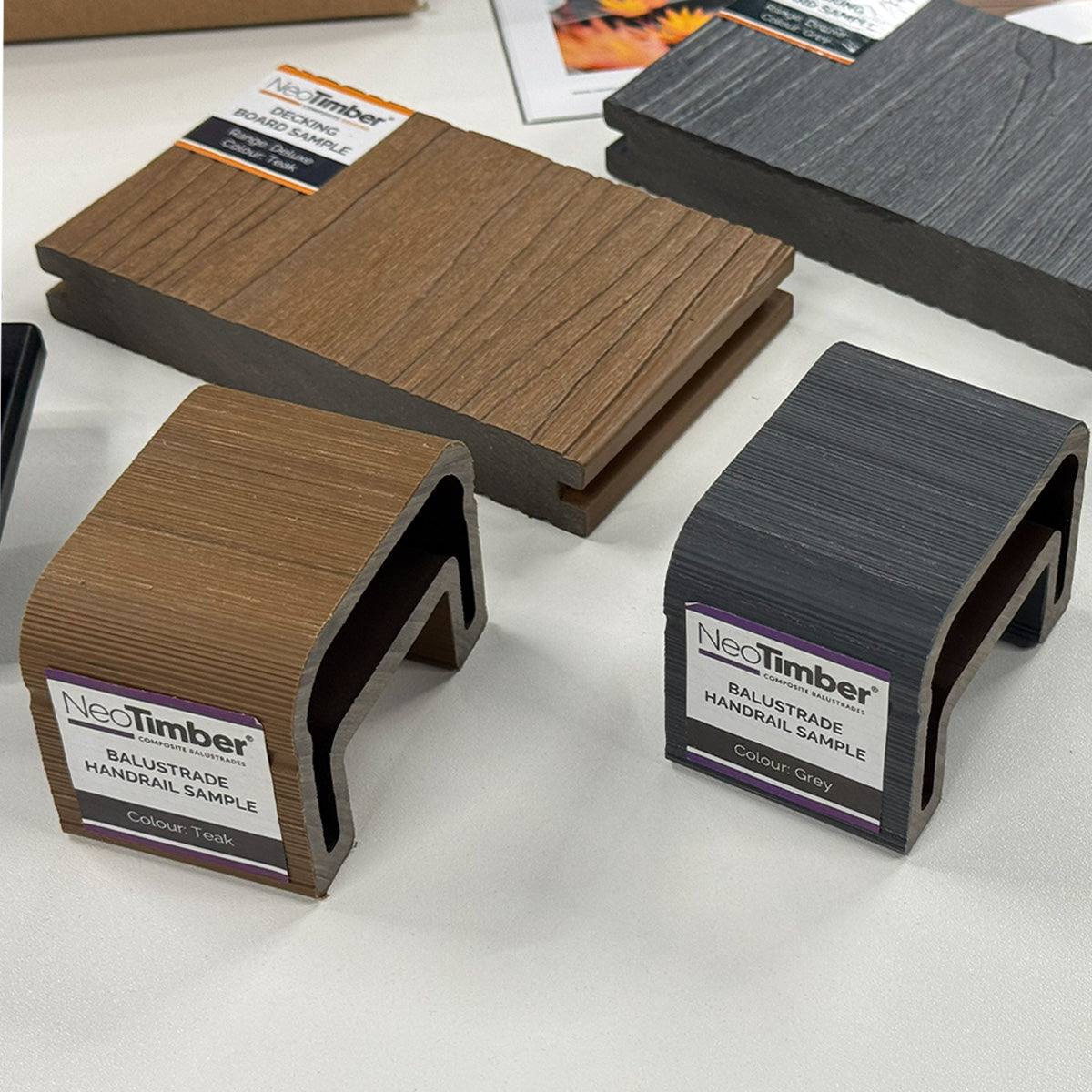
The posts combine a steel post mount with a composite sleeve that slides over it. The mount provides the fixing connection, while the sleeve creates the visible finish. This means the post should be considered as a complete assembly rather than a solid composite component.
Installation options include fixing into a suitable decking structure, concrete or steel, following the specified method for each base. Review the guidance for fixing posts to decking joists or installing posts on concrete before preparing the base.
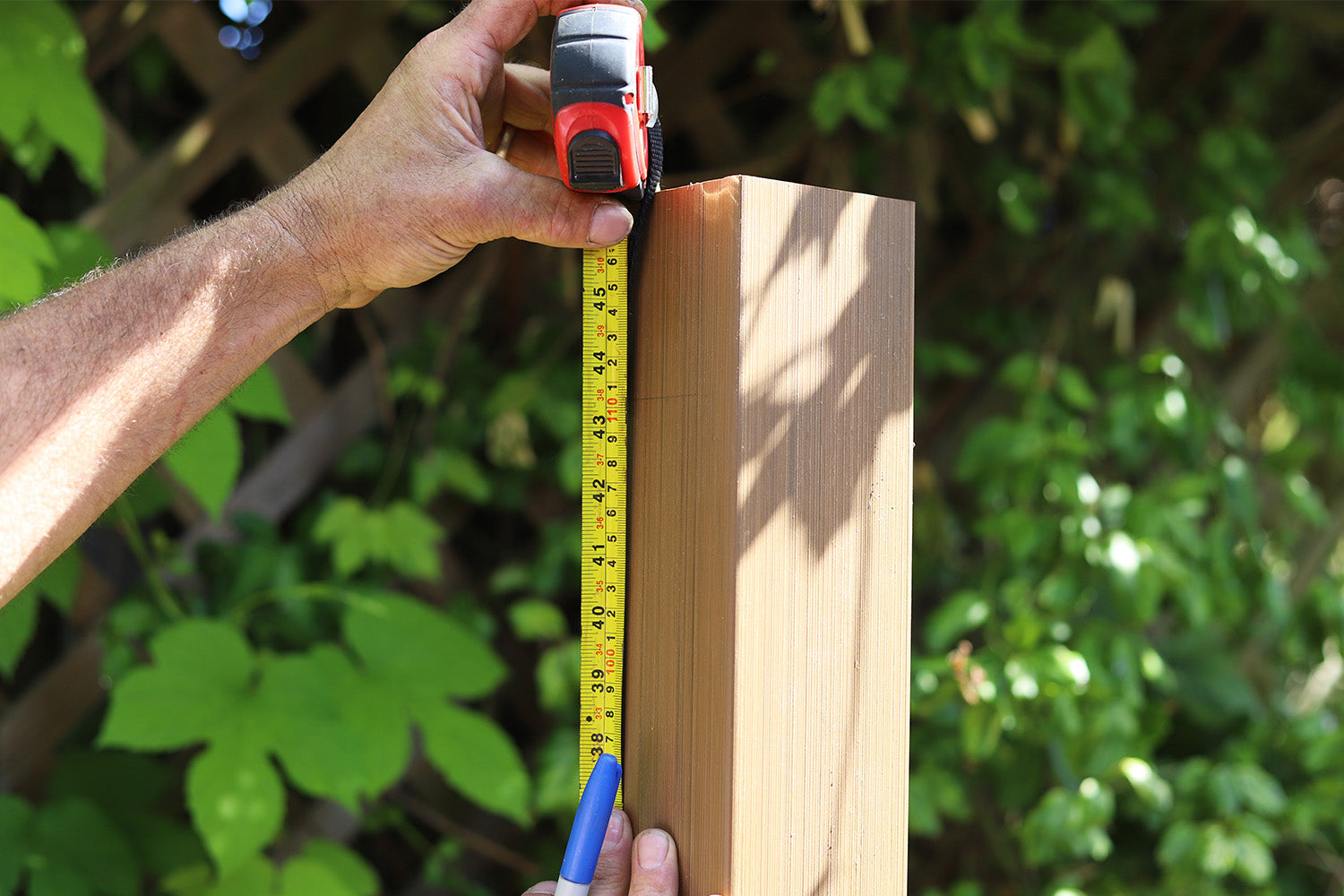
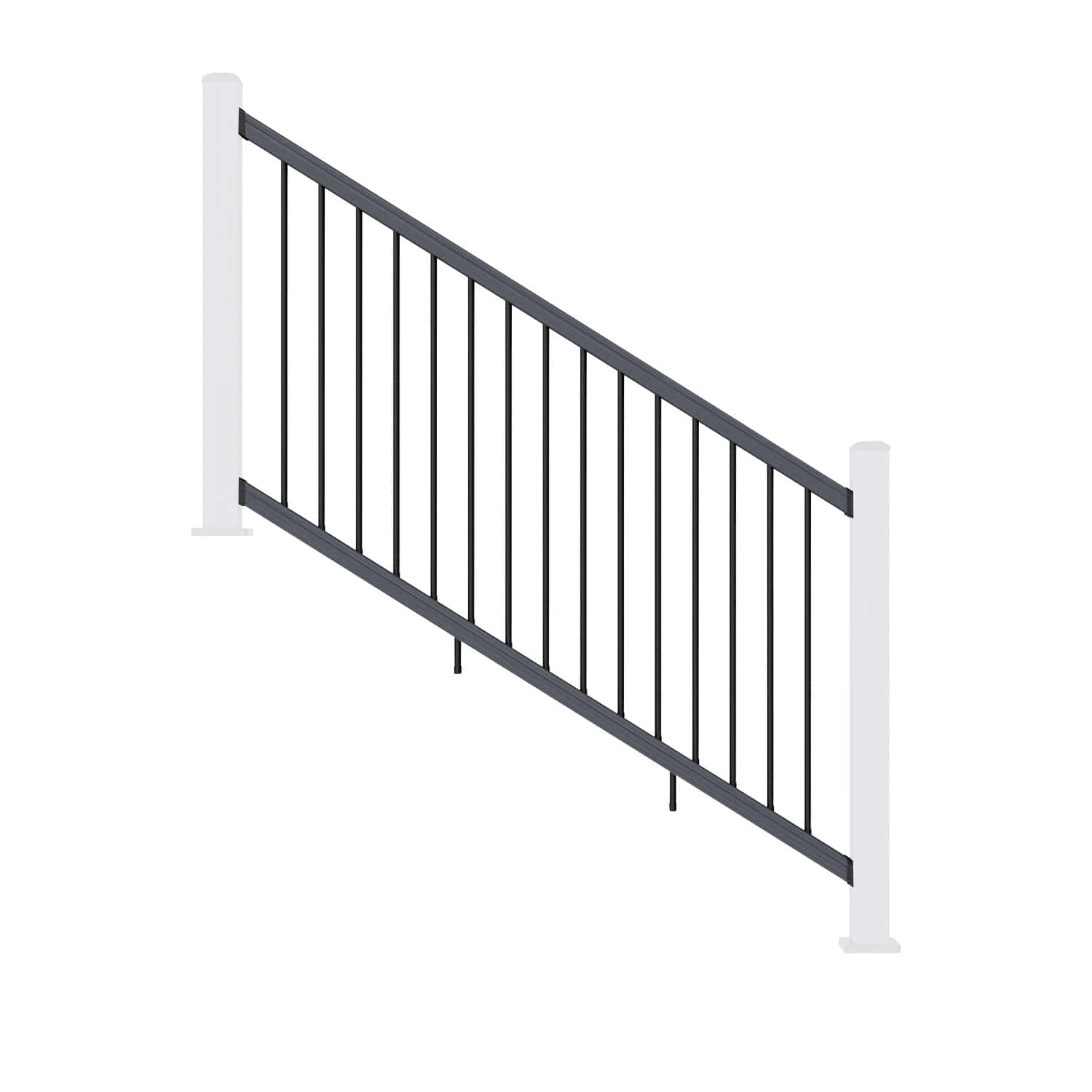
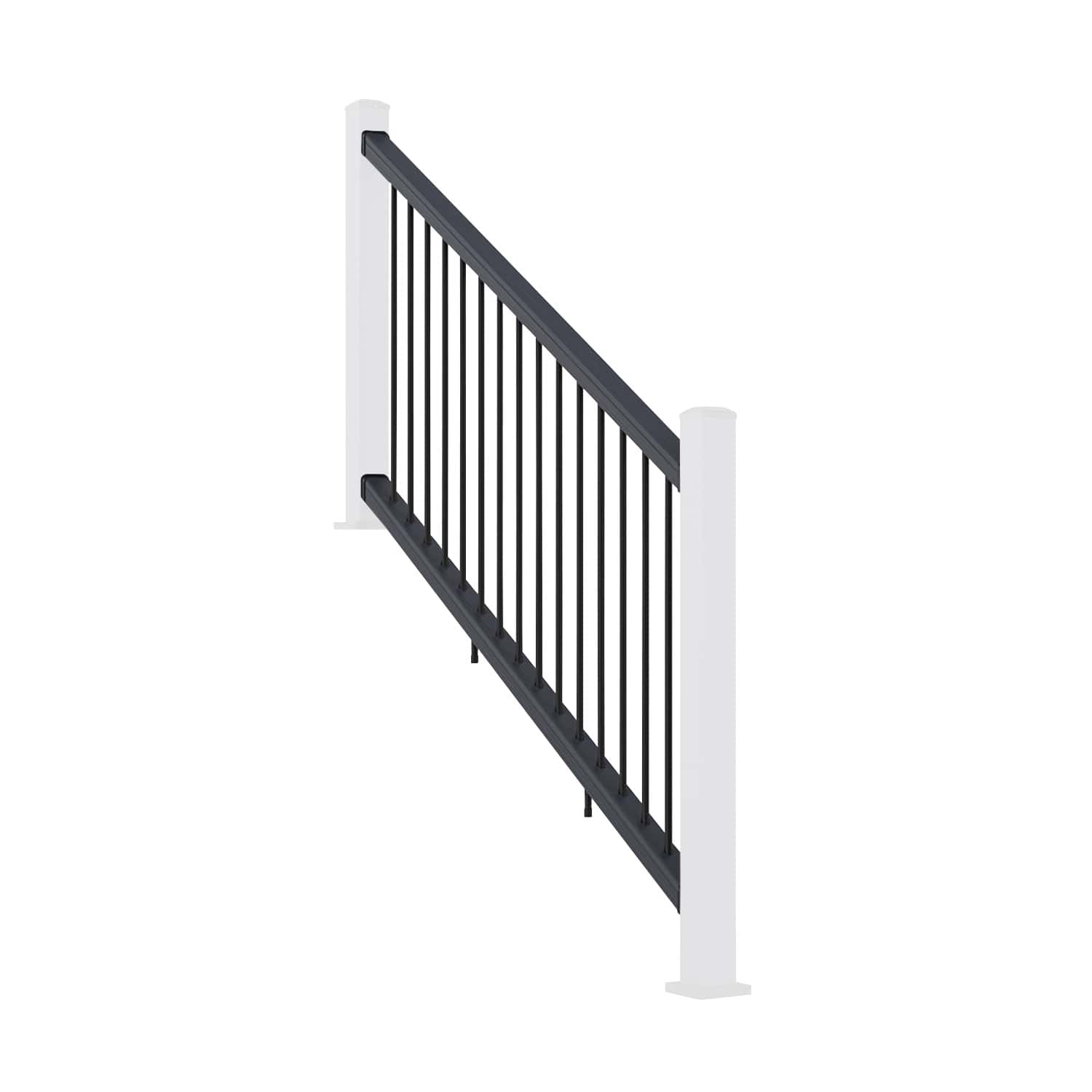
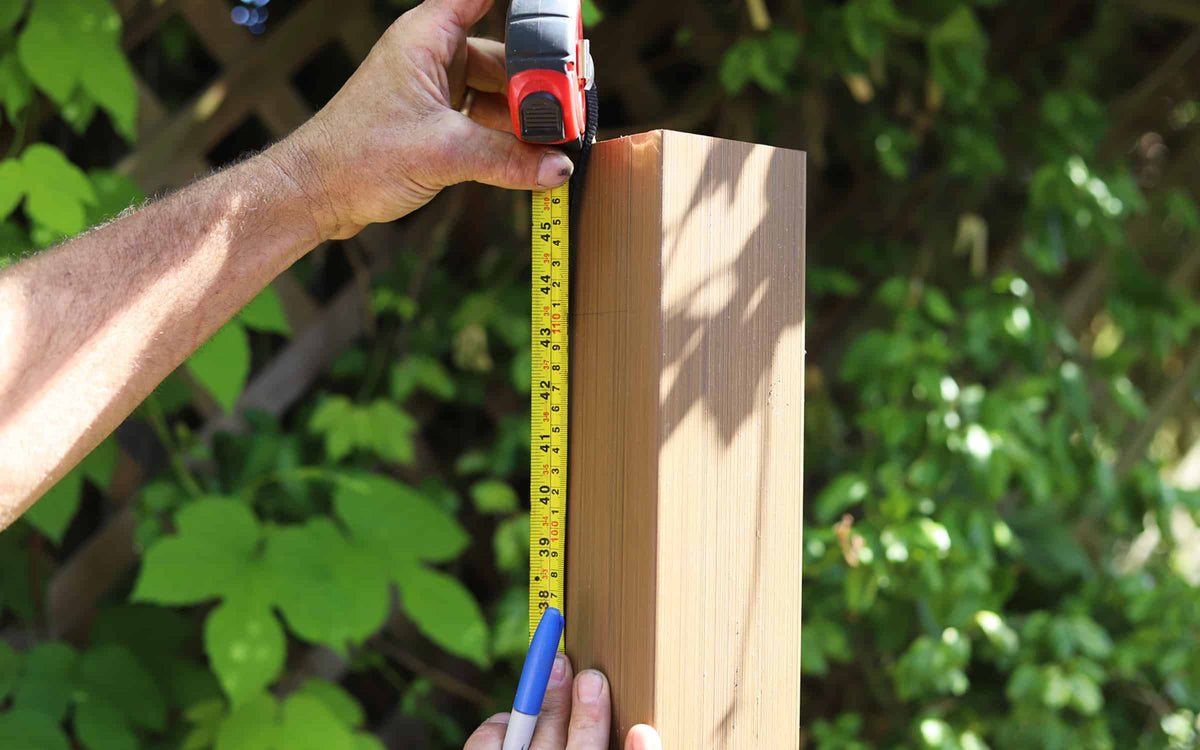
Different post heights are available for straight and stair installations. Check the required post type, dimensions and compatible components before placing your order.
What Should You Check Before Installation?
Choose a balustrade solution that suits the intended application. Product appearance alone does not establish whether a system is suitable for a particular balcony, stair or raised deck.
- Layout: identify straight runs, corners, stairs and changes in level.
- Supporting structure: confirm that the base can accept the specified post mounts and fixings.
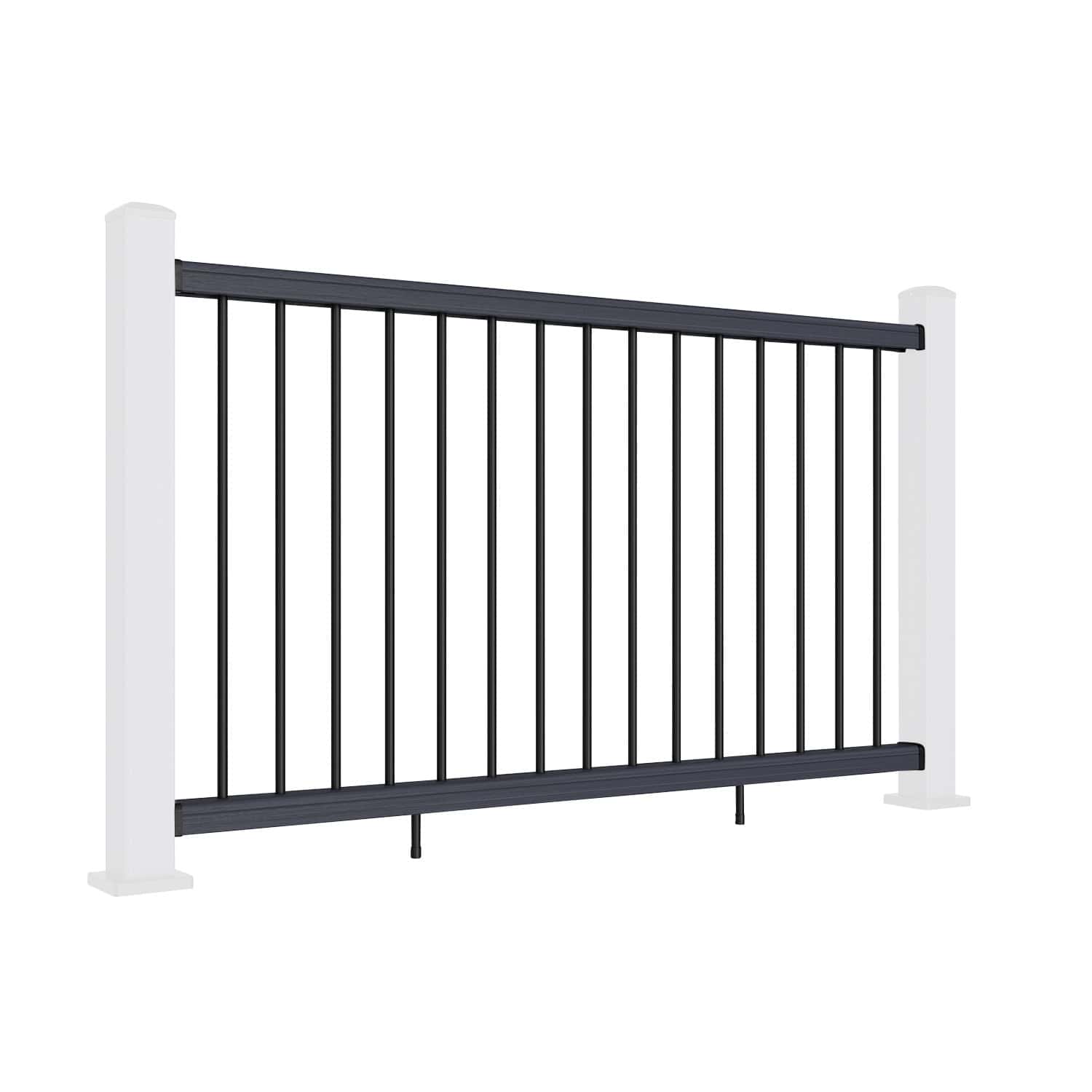
- System compatibility: select posts, rails and infill designed to work together.
- Project requirements: check the relevant height, spacing, loading and regulatory requirements against the system documentation.
Follow the installation instructions for the selected configuration and confirm any project-specific requirements before fitting.

Coordinate Your Balustrade Posts with Decking and Cladding
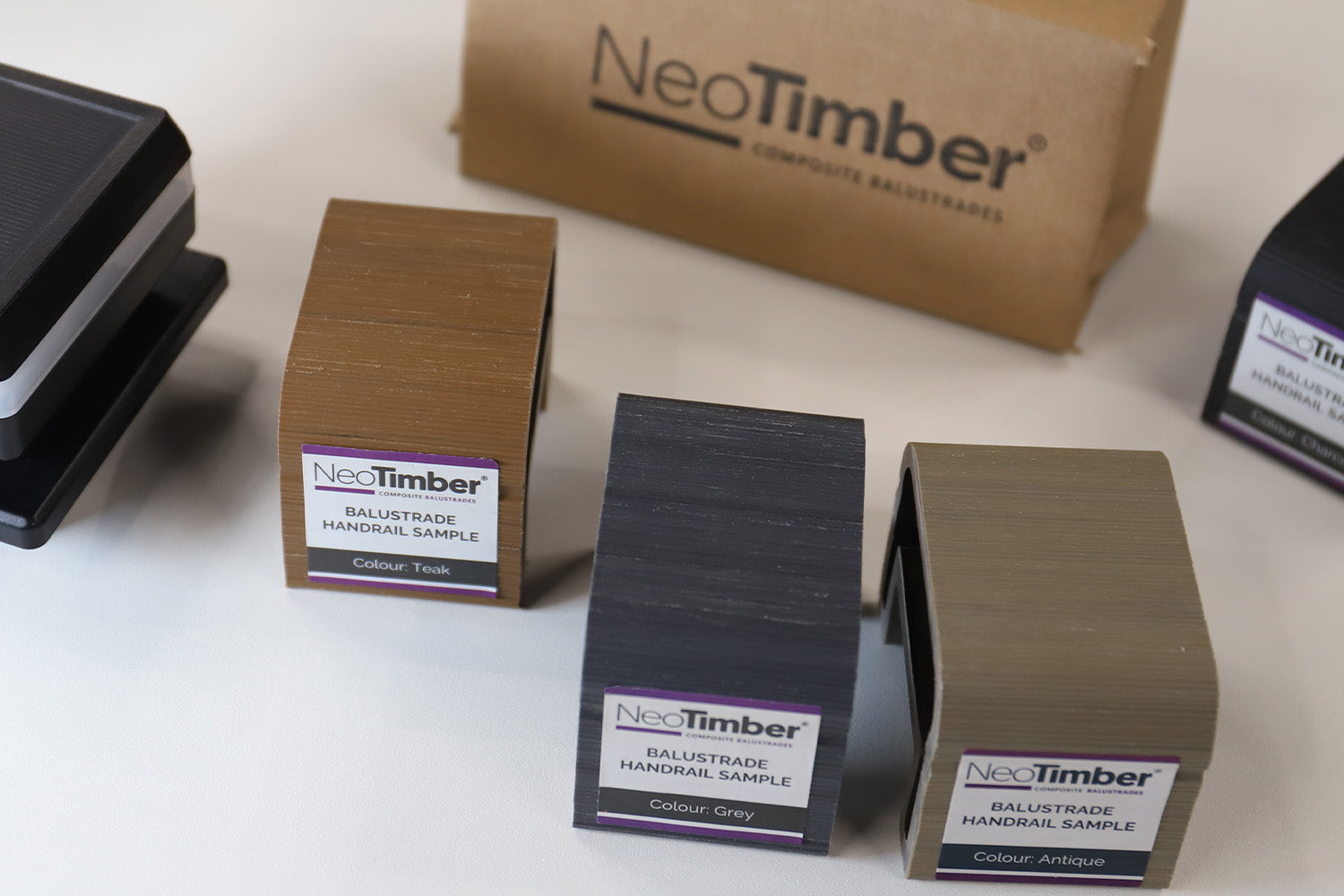
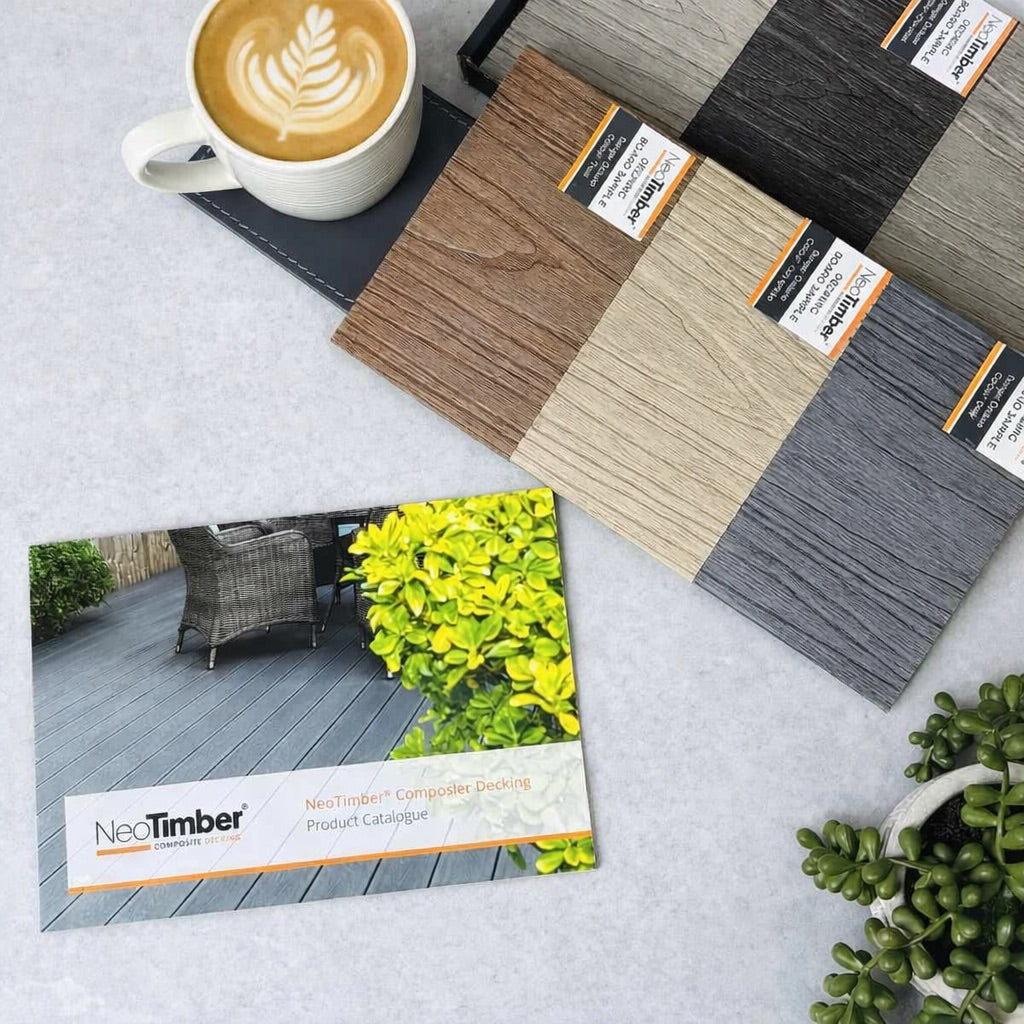
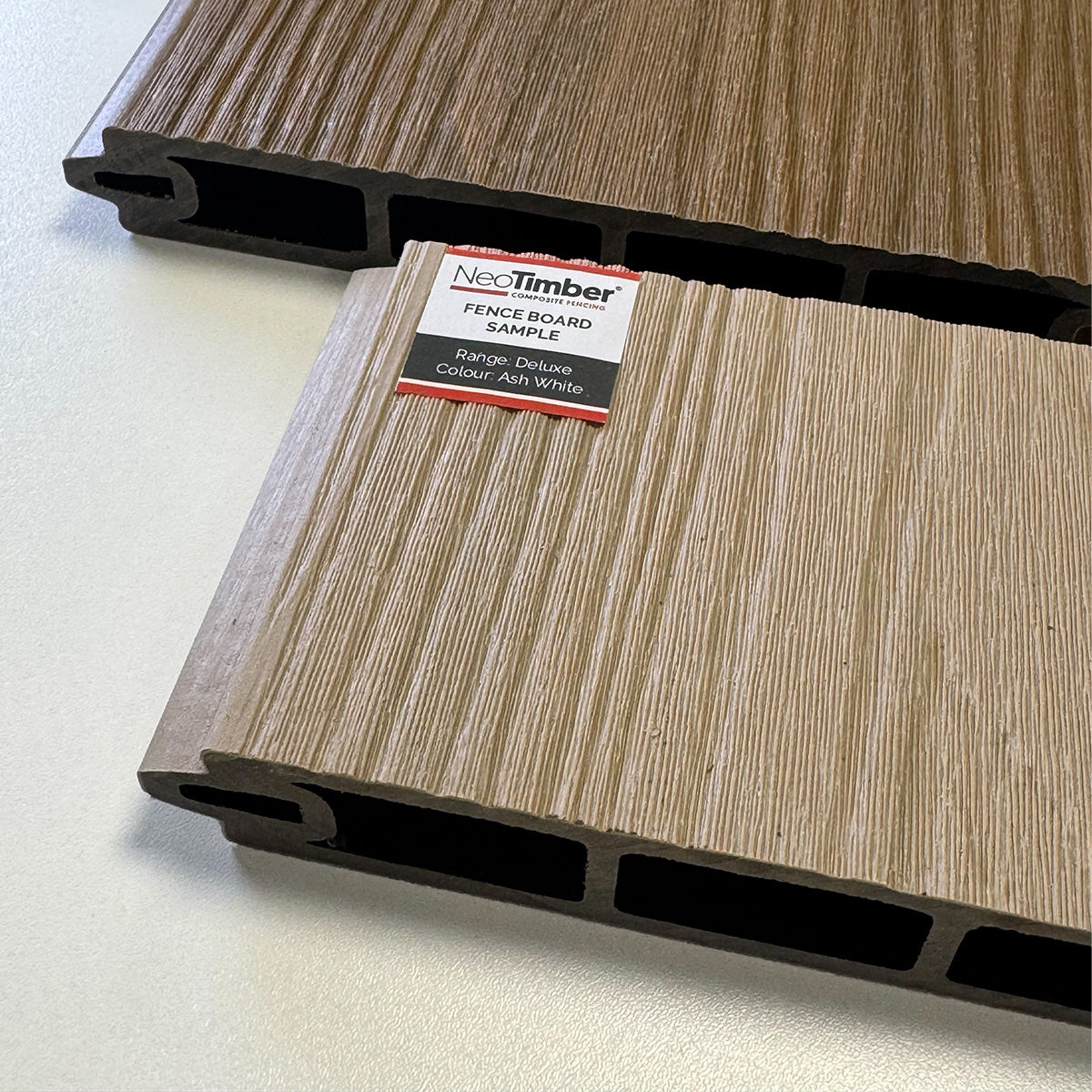
NeoTimber® offers eight natural-looking colours to help coordinate posts and rails with surrounding materials. Matching tones can create a consistent finish, while contrasting colours can make the perimeter a distinct design feature.
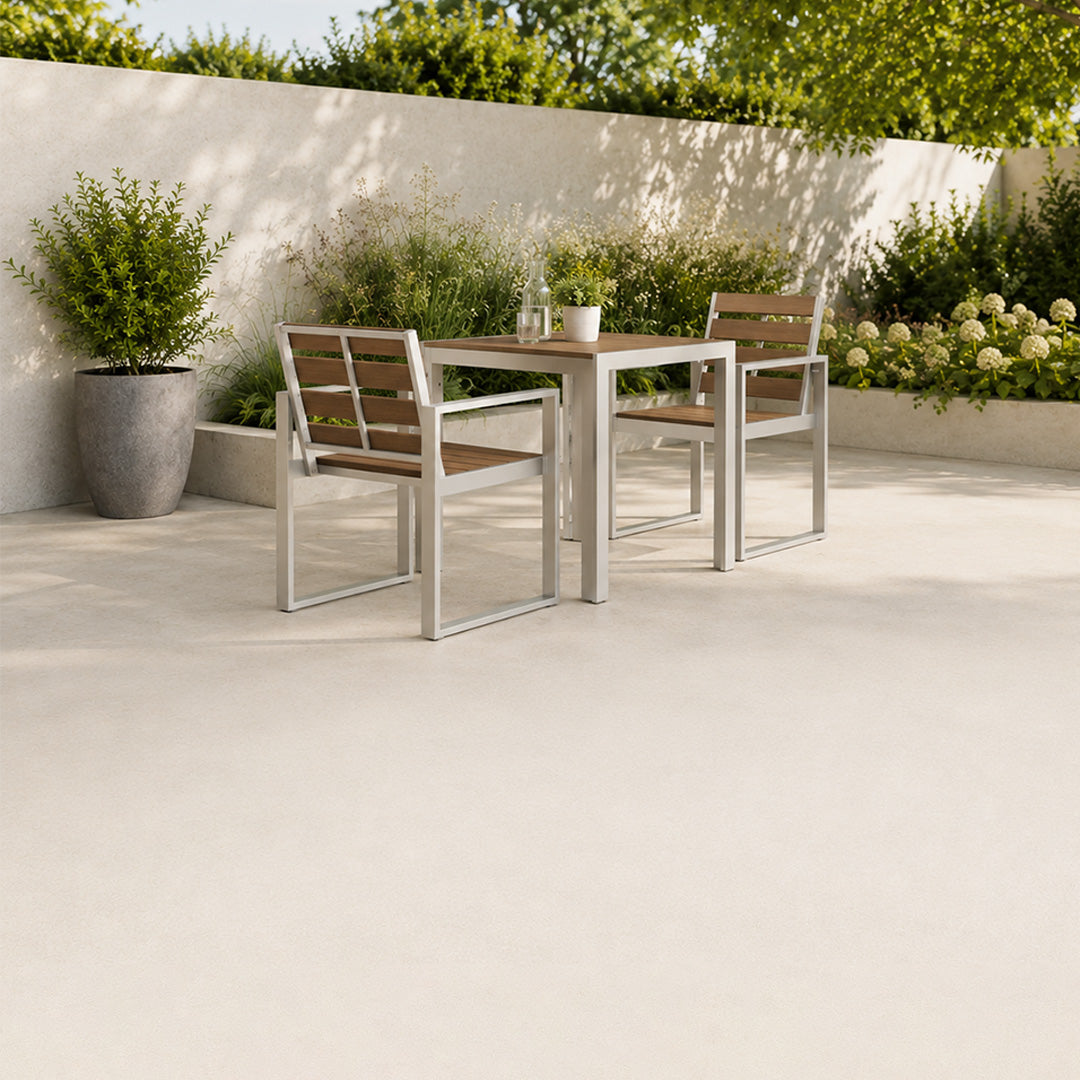
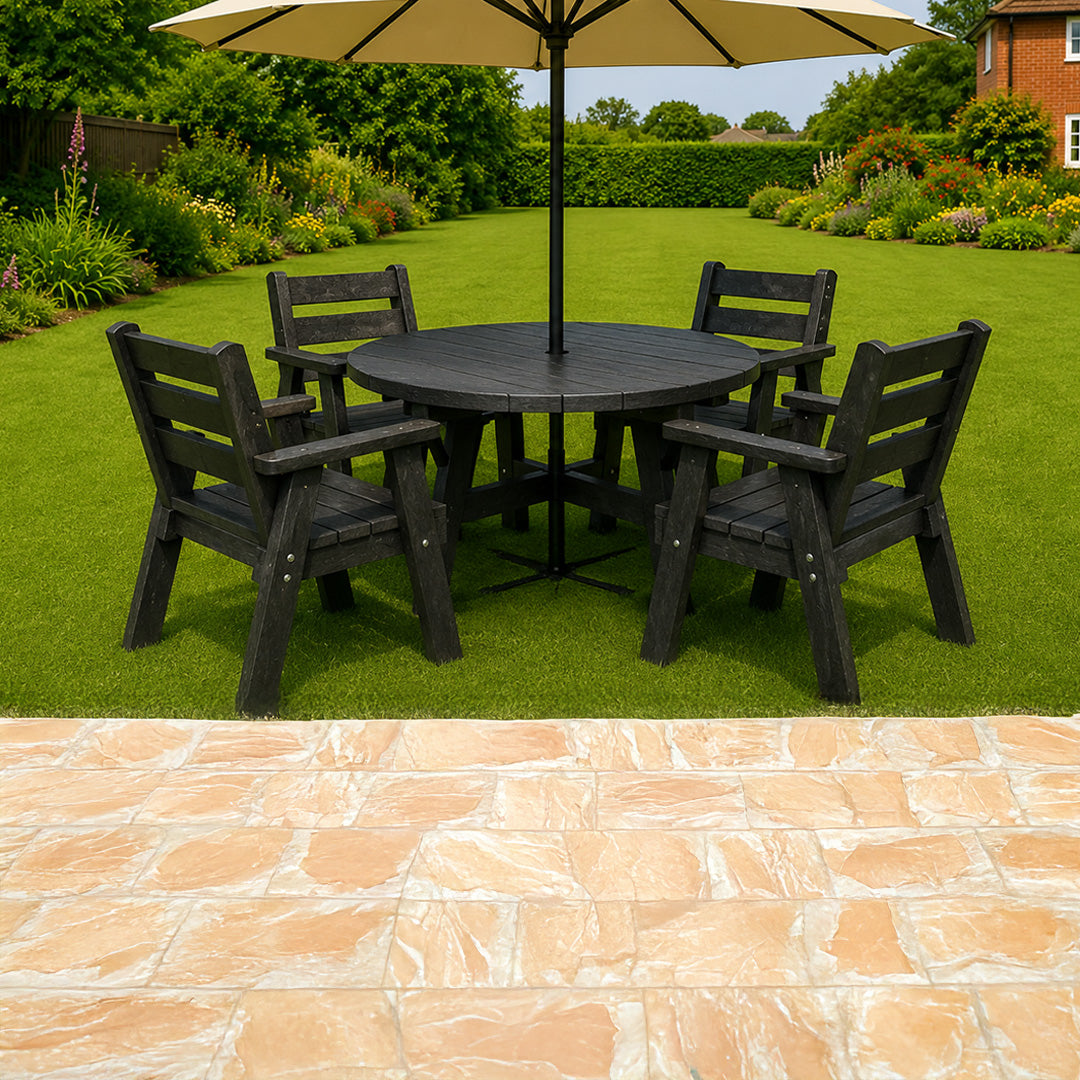
Consider the posts alongside your cladding, fencing and decking. Compare finishes in natural daylight and think about how they contribute to the wider garden design, including planting, paving and furniture.

How to Clean Composite Balustrade Posts
Composite balustrades are low maintenance, but they still need cleaning. Warm soapy water and a gentle wipe-down can remove everyday dirt without the routine painting or staining associated with timber. Follow the composite balustrade maintenance guide for the recommended method.
A specialist composite cleaner is not normally necessary for routine cleaning. Before using any treatment for stubborn marks, check that it is suitable for the balustrade finish and follow the manufacturer's instructions.

Composite Balustrade Posts FAQs
Are composite balustrade posts solid composite?
NeoTimber® posts use a composite sleeve fitted over a steel post mount. The sleeve provides the visible finish, while the mount connects the assembly to the supporting structure. Both parts must be installed as specified.
Can balustrade posts be fixed directly to decking boards?
Decking boards alone should not be treated as the structural fixing base. Follow the specified method for connecting the post mount to suitable joists or other approved supporting structures beneath the surface.
Can the same posts be used for stairs and straight runs?
NeoTimber® offers different post heights for stair and straight installations. Check the installation guidance and select the correct post and rail components for each part of your layout.
Can I mix composite decking posts and rails from different systems?
Do not assume components from different systems are interchangeable. Post dimensions, rail connections and fixing requirements can differ. Use a compatible system or obtain confirmation from the manufacturer before combining products.
Do composite balustrade posts need painting or staining?
They do not need the routine painting or staining associated with timber. Regular gentle cleaning is still required. Check the care instructions before applying cleaners, coatings or other treatments.
Are composite balustrades suitable for every balcony or raised deck?
Suitability depends on the complete system and the individual project. Confirm the required height, spacing, loading, fixings and any other applicable requirements against the product documentation before ordering.
Plan a Coordinated Balustrade System
The right composite decking posts and rails bring together appearance, compatibility and a suitable installation method. Start with the layout and supporting structure, then choose the post types and colours that complement your space. Check the installation and warranty information before ordering so every component is specified for its intended role.