
Choosing Balustrades for Garden Decks, Steps and Seating Areas
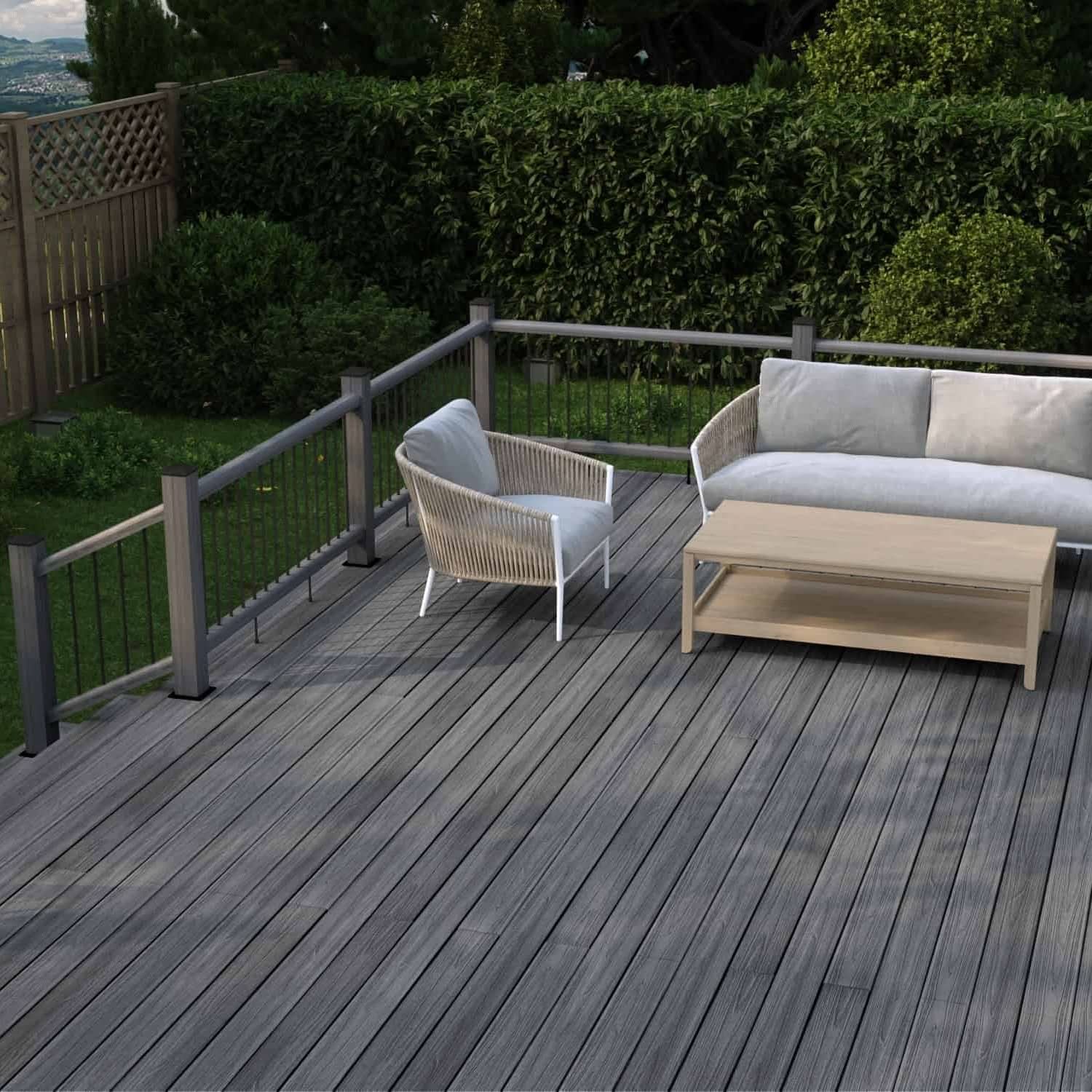
Composite garden balustrades can frame a seating area, define the edge of decking and connect different levels of a garden. Choosing the right system starts with its purpose: a decorative boundary, guarding at a raised edge or a handrail that provides support.
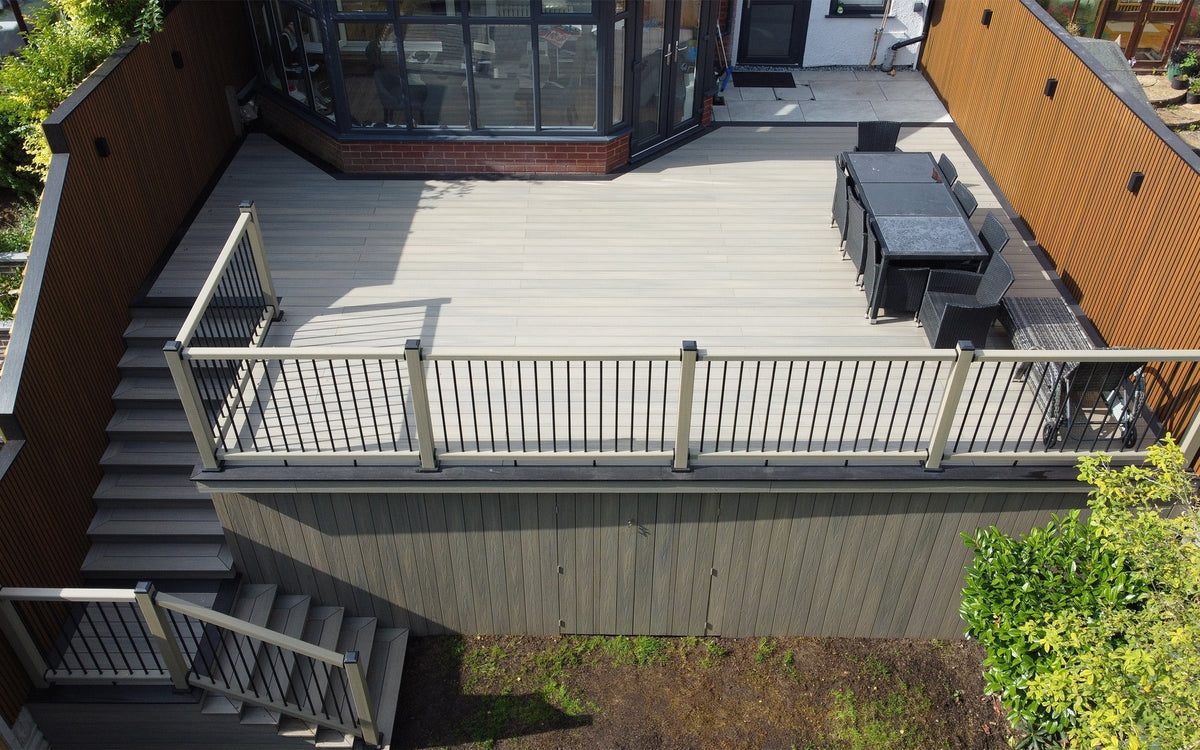
Where steps or changes in level affect access, a suitably specified handrail can help people move through sloping gardens. Its shape, position and connections need to suit the intended use.
Outdoor conditions also influence material choice. Timber requires care appropriate to its specification and exposure, while composite offers an alternative with less routine treatment. Consider the complete assembly, from the balustrade posts to the composite handrails, rather than relying on the finish alone to judge performance.
The Benefits Of Composite Garden Balustrades
Suitable Configurations for Different Garden Levels
For raised decking areas, balconies and outdoor steps, the system needs to meet the requirements of the particular installation. Check its documented performance, finished height, openings and fixing details before ordering.
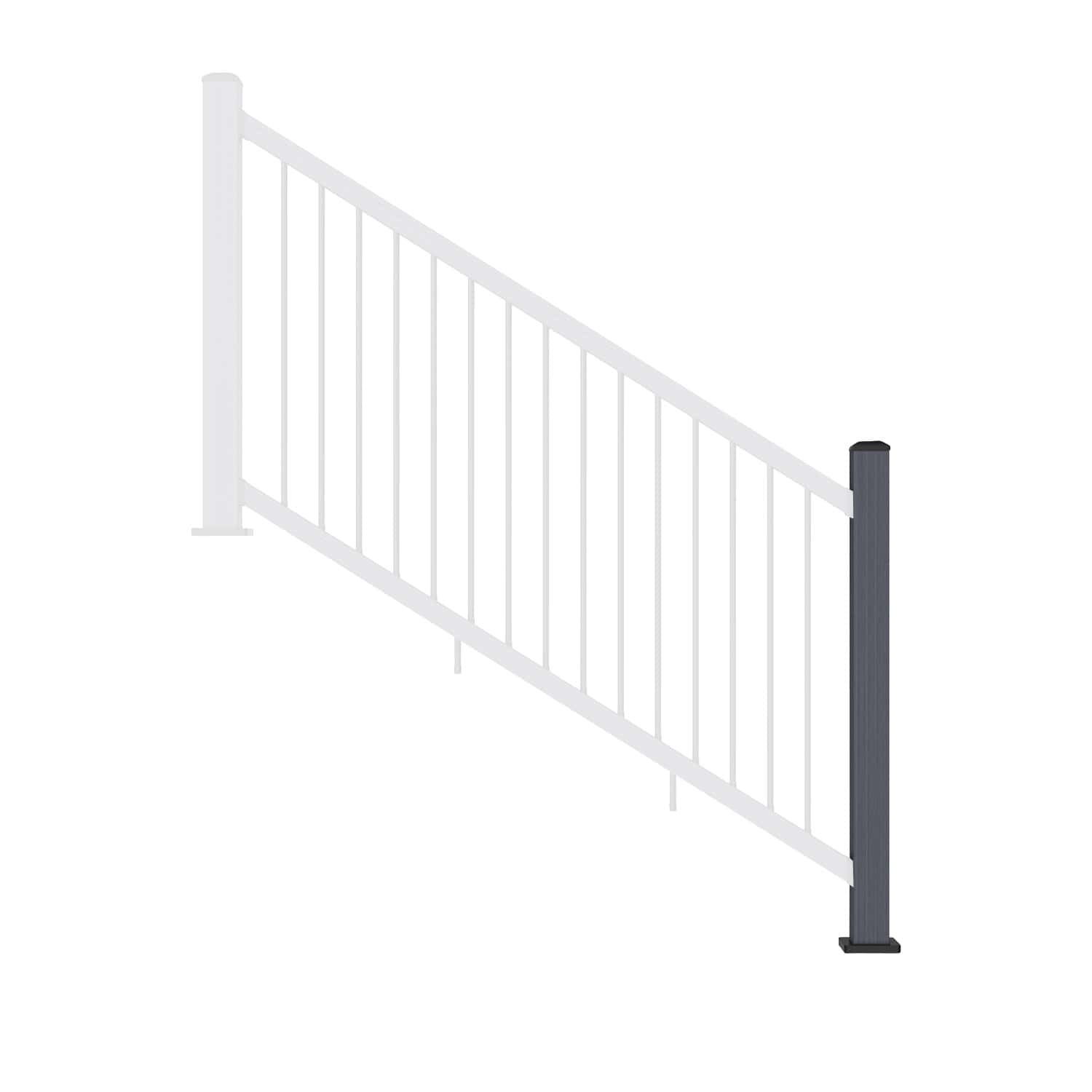
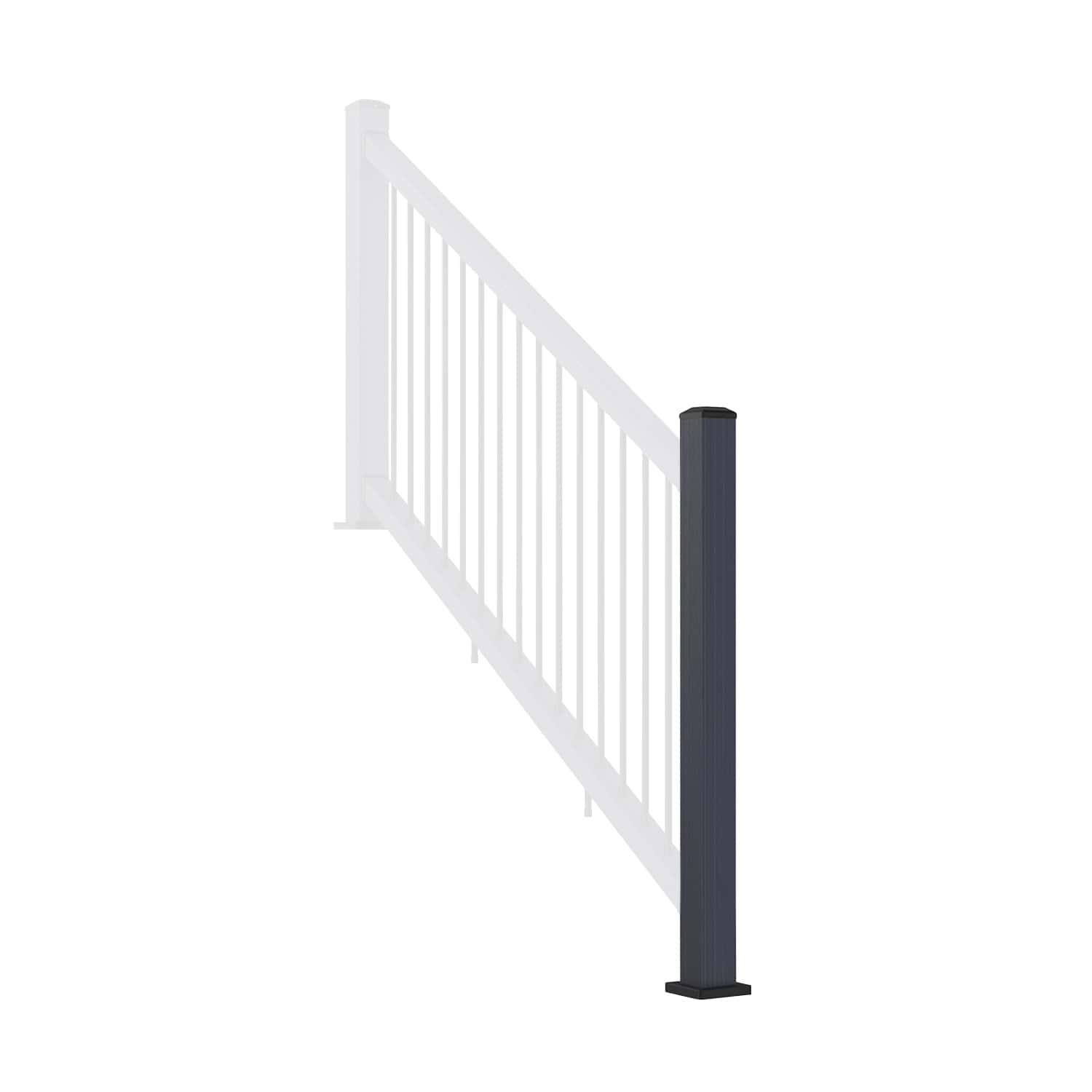
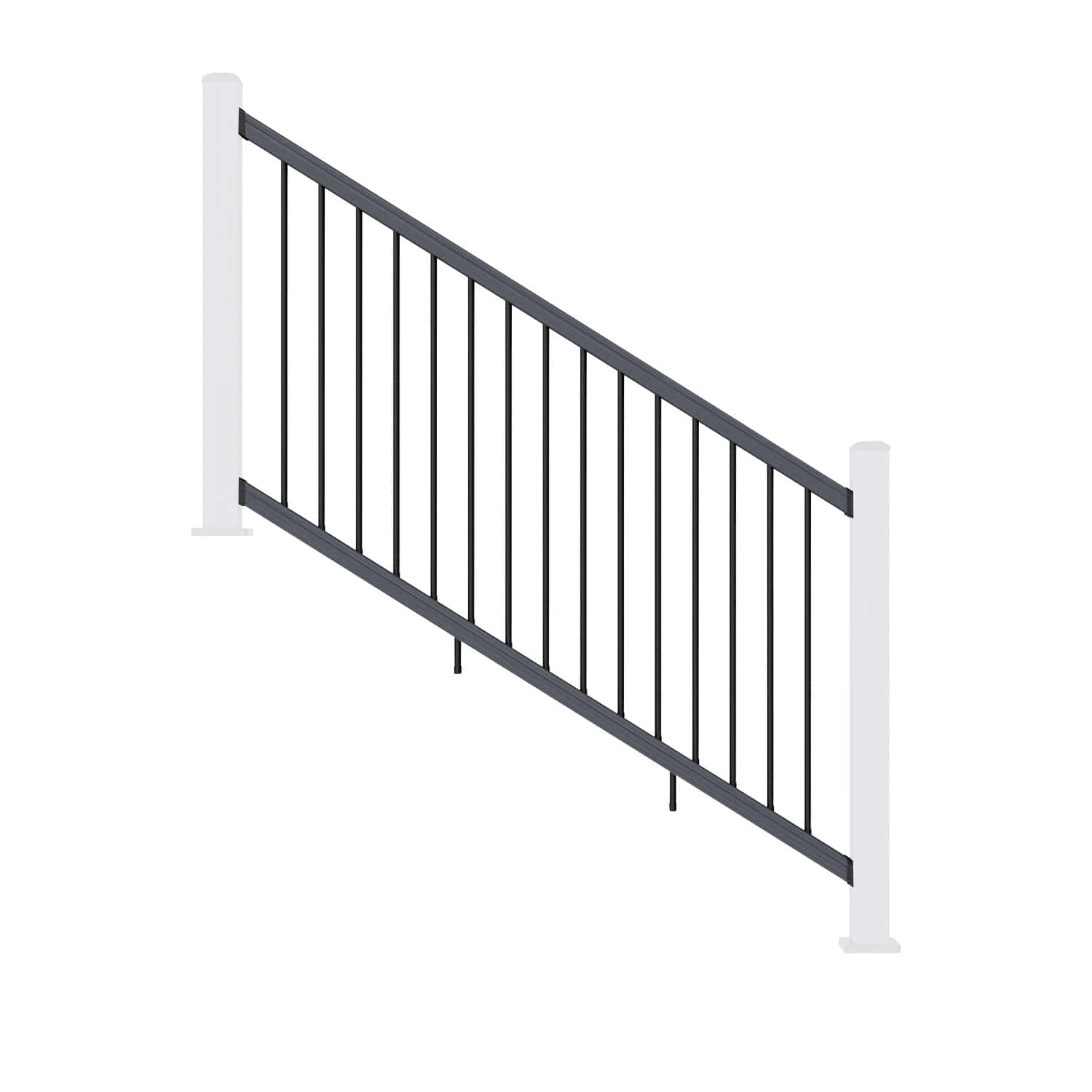
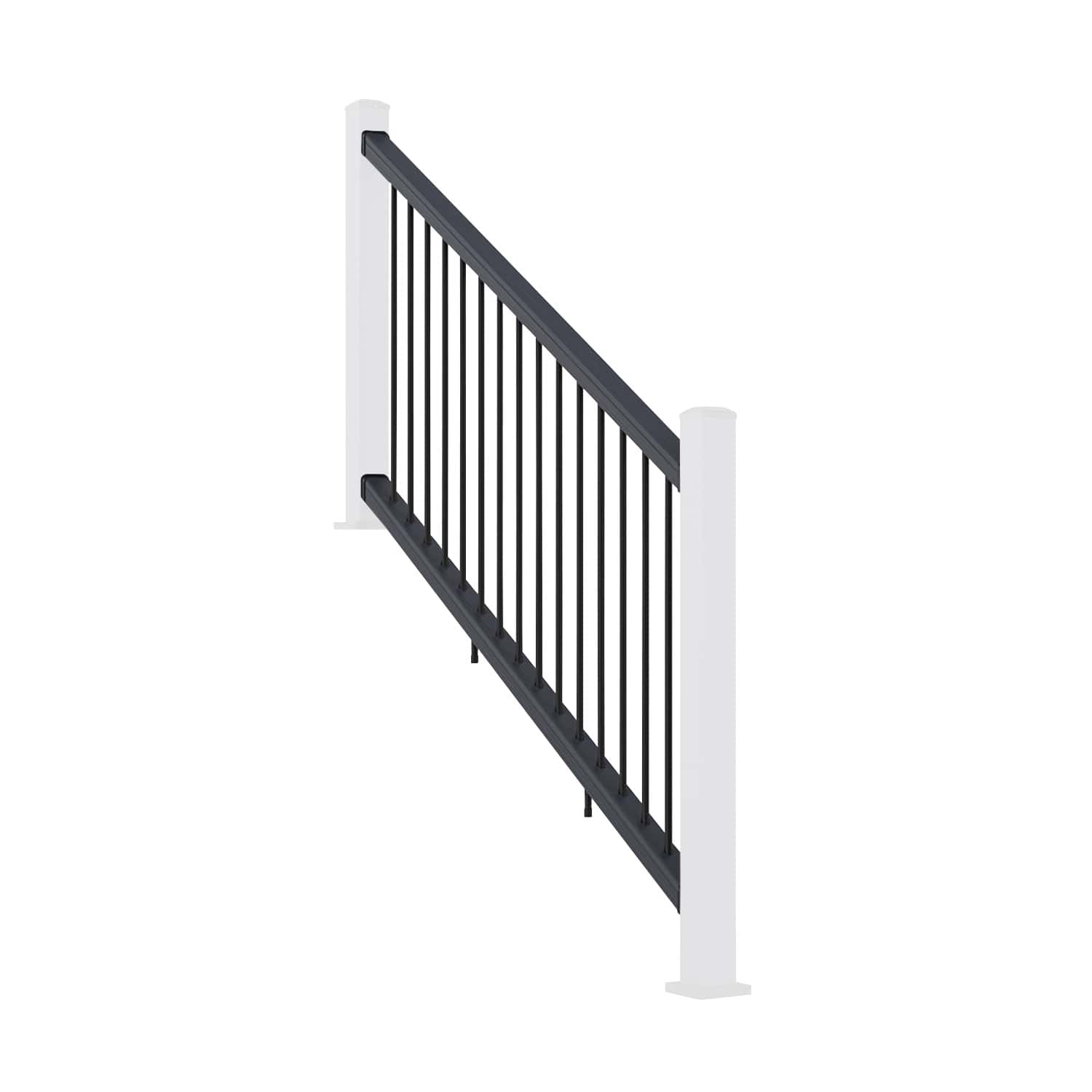
In sloping gardens, plan level runs and stair sections together. NeoTimber® offers composite balustrade components for different configurations, but suitability and accessibility must be assessed for the project and its users.

Colour Choices for Modern Garden Balustrades
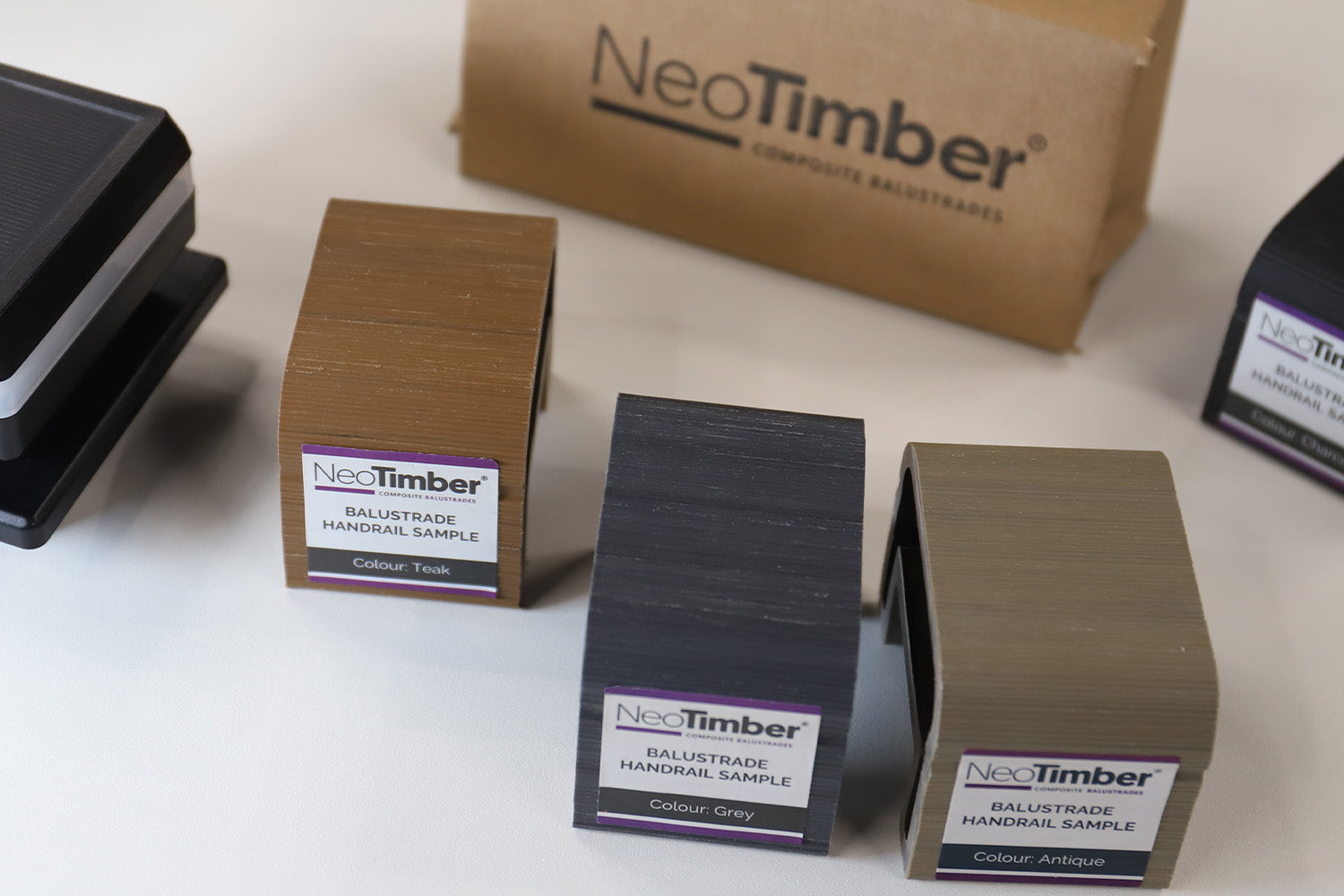
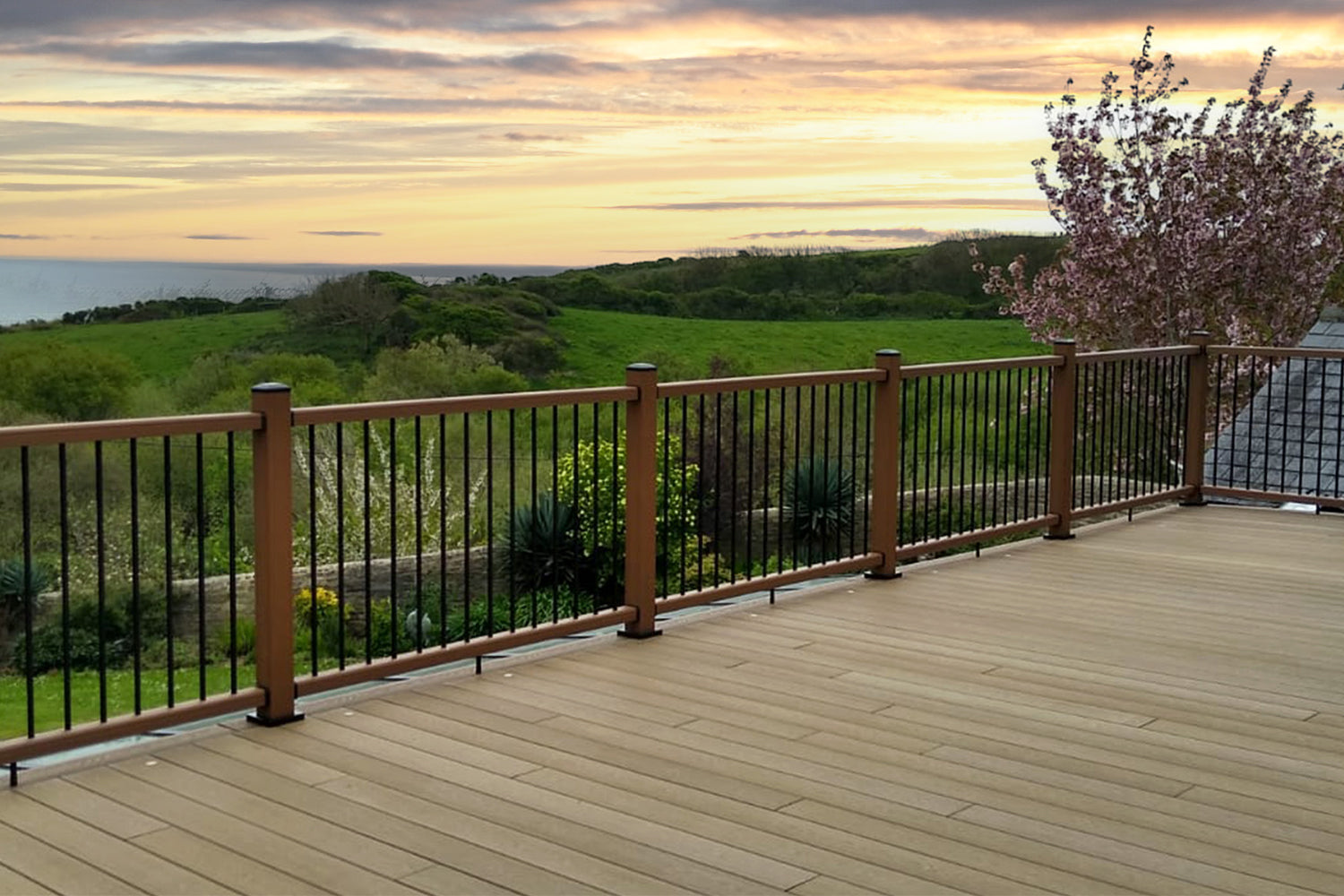
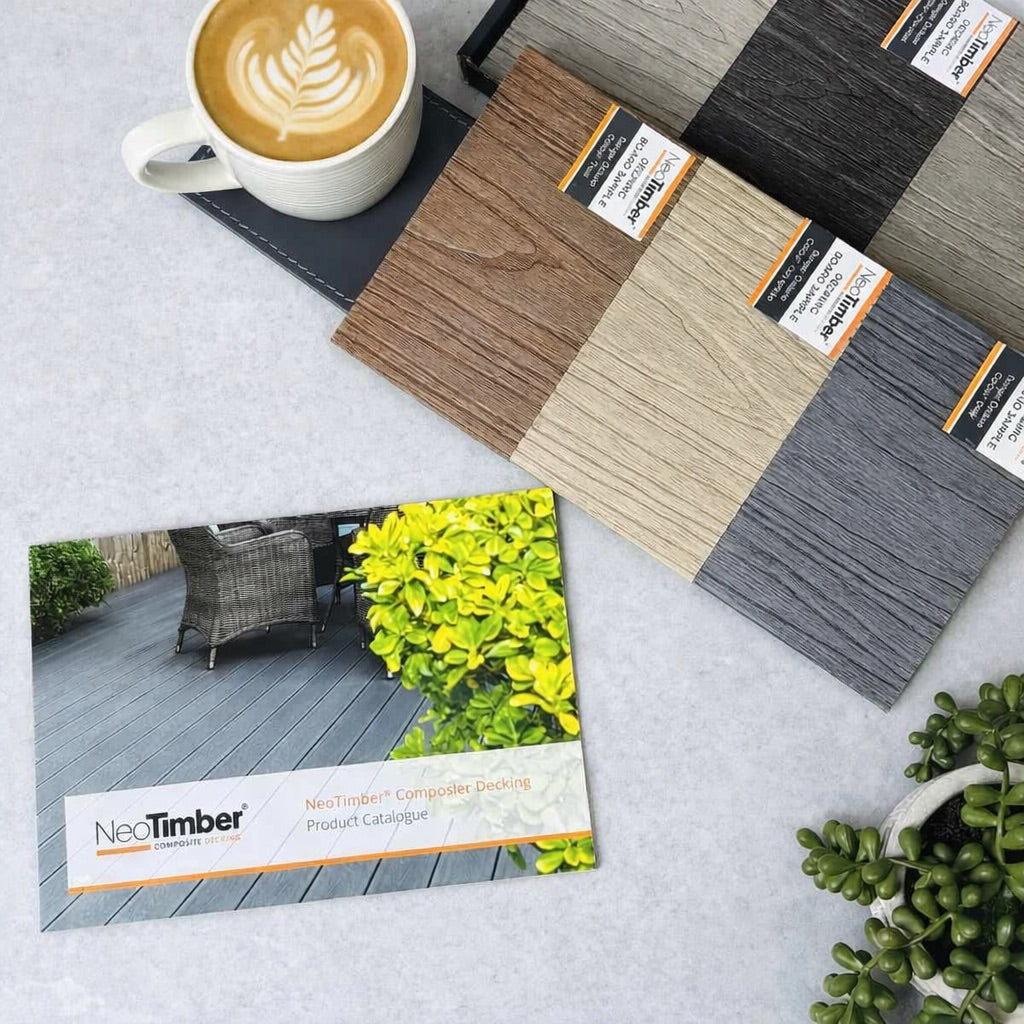
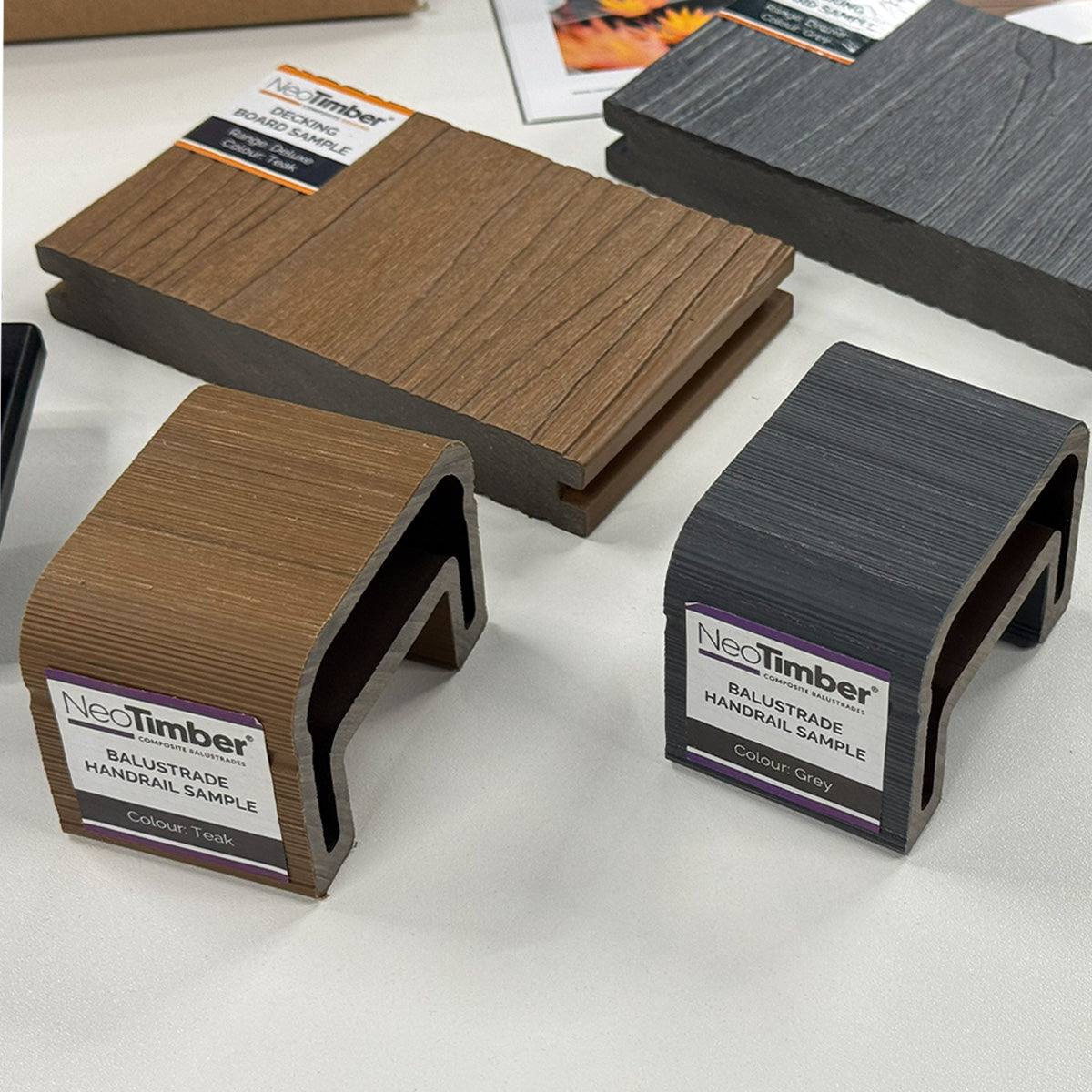
To complement our composite decking range, our composite balustrades offer a coordinated approach to the garden perimeter. Eight striking balustrade colours offer an attractive eye-catching design which offers many options of blending or contrasting across the full range. Modern garden balustrades can work with both contemporary and traditional settings. Compare colours in natural daylight alongside brickwork, paving and planting. When you fit composite balustrades to decking, use the specified connection to the supporting framework. Paving or another hard surface should not automatically be treated as a suitable structural fixing base.

Composite Finishes with Supporting Metal Components
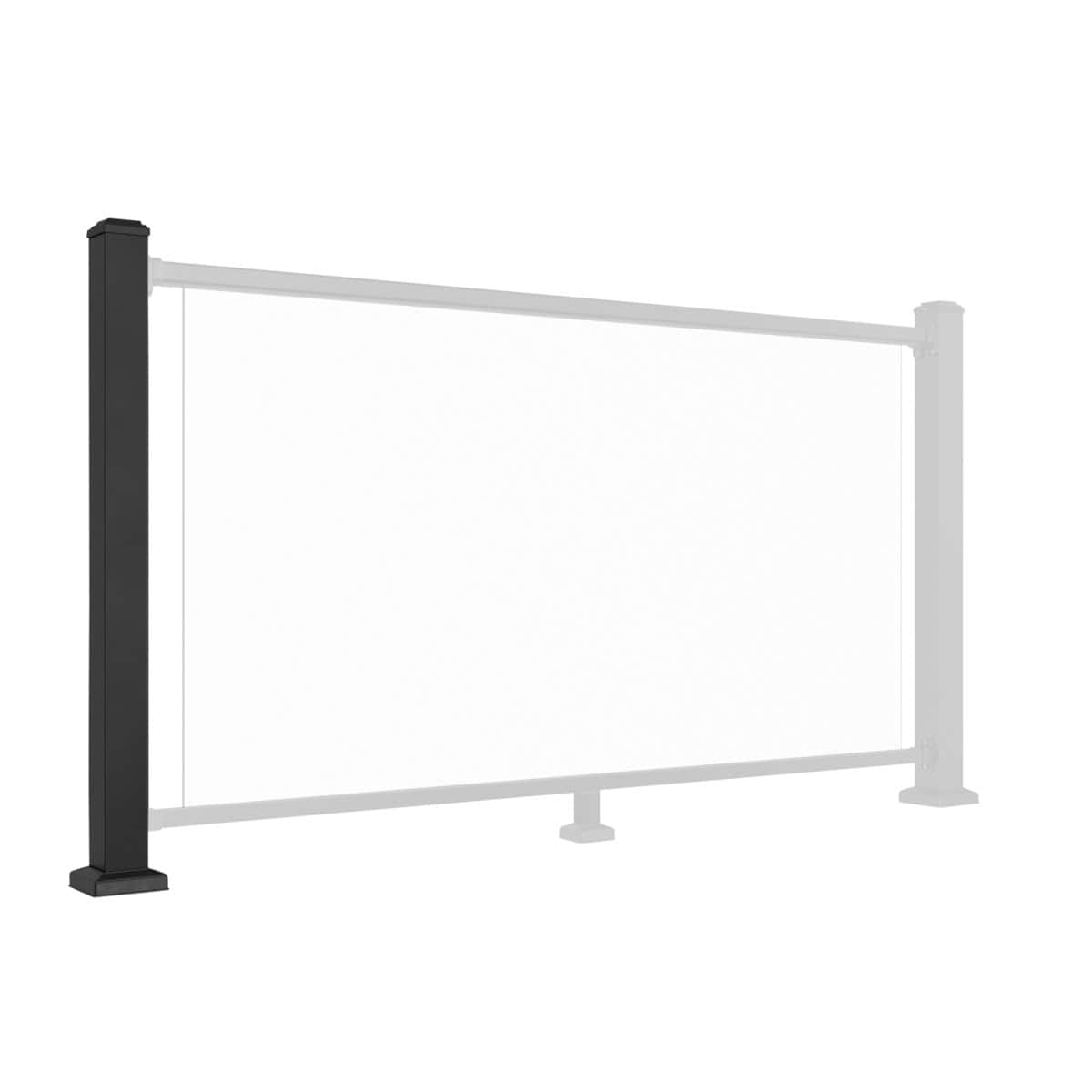
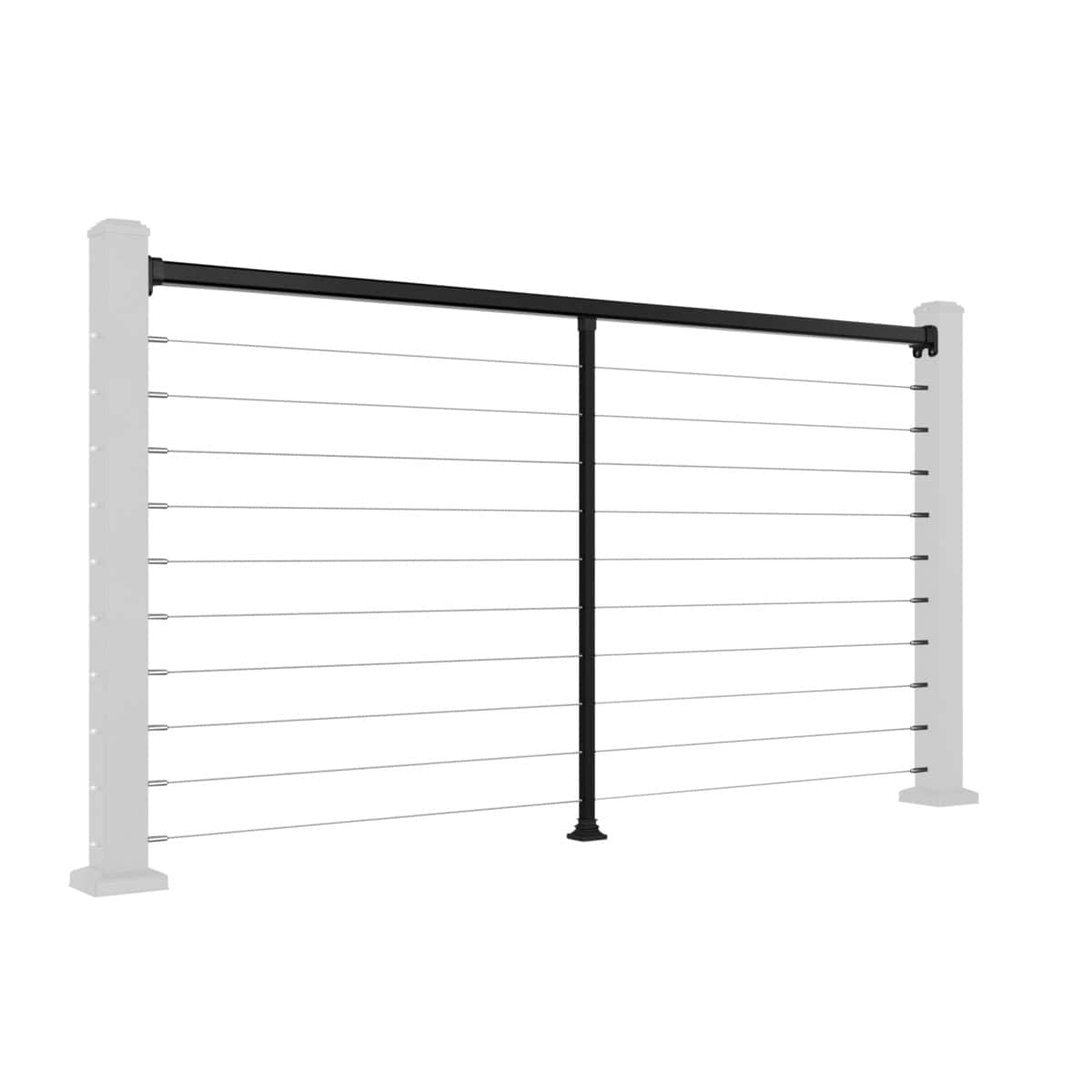
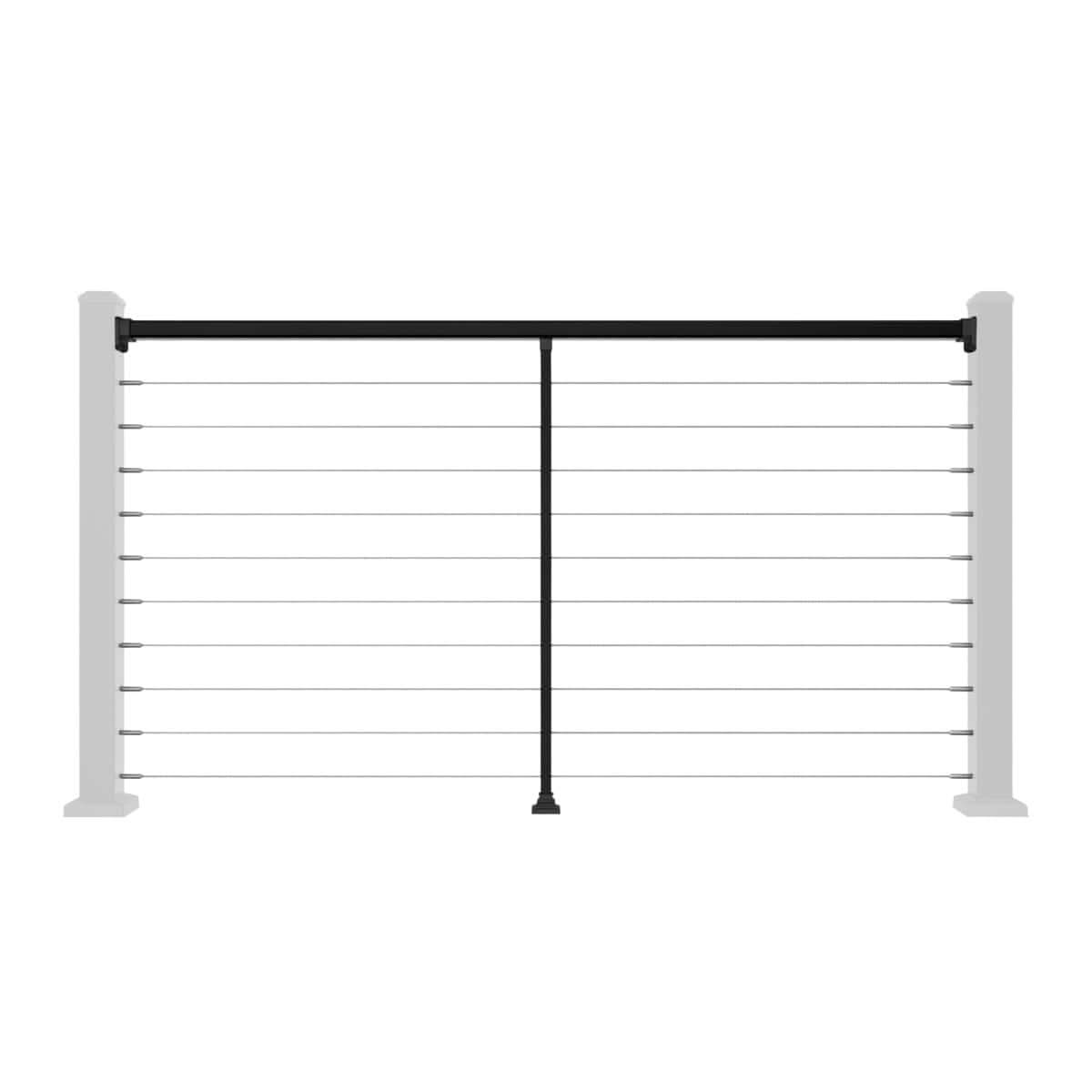
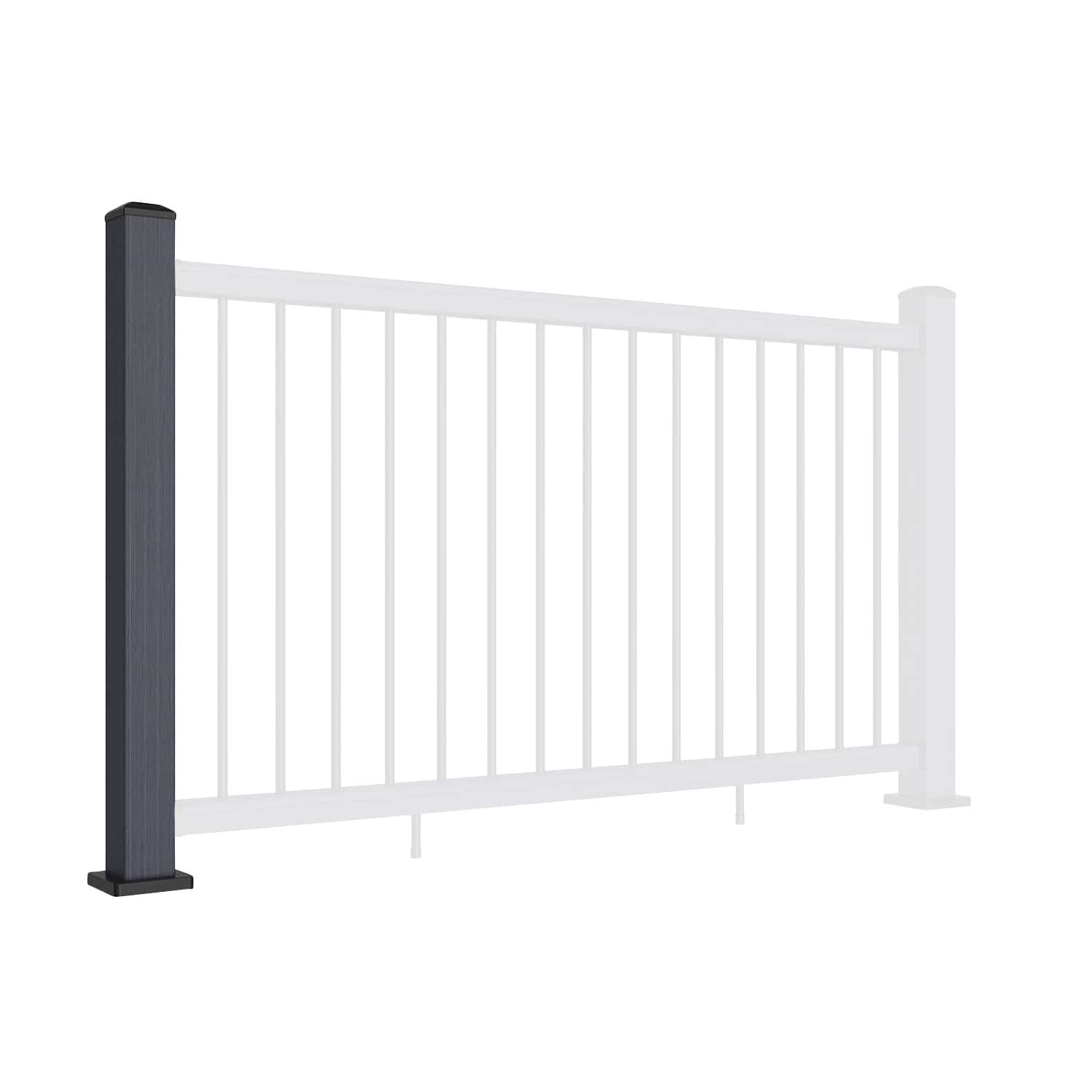
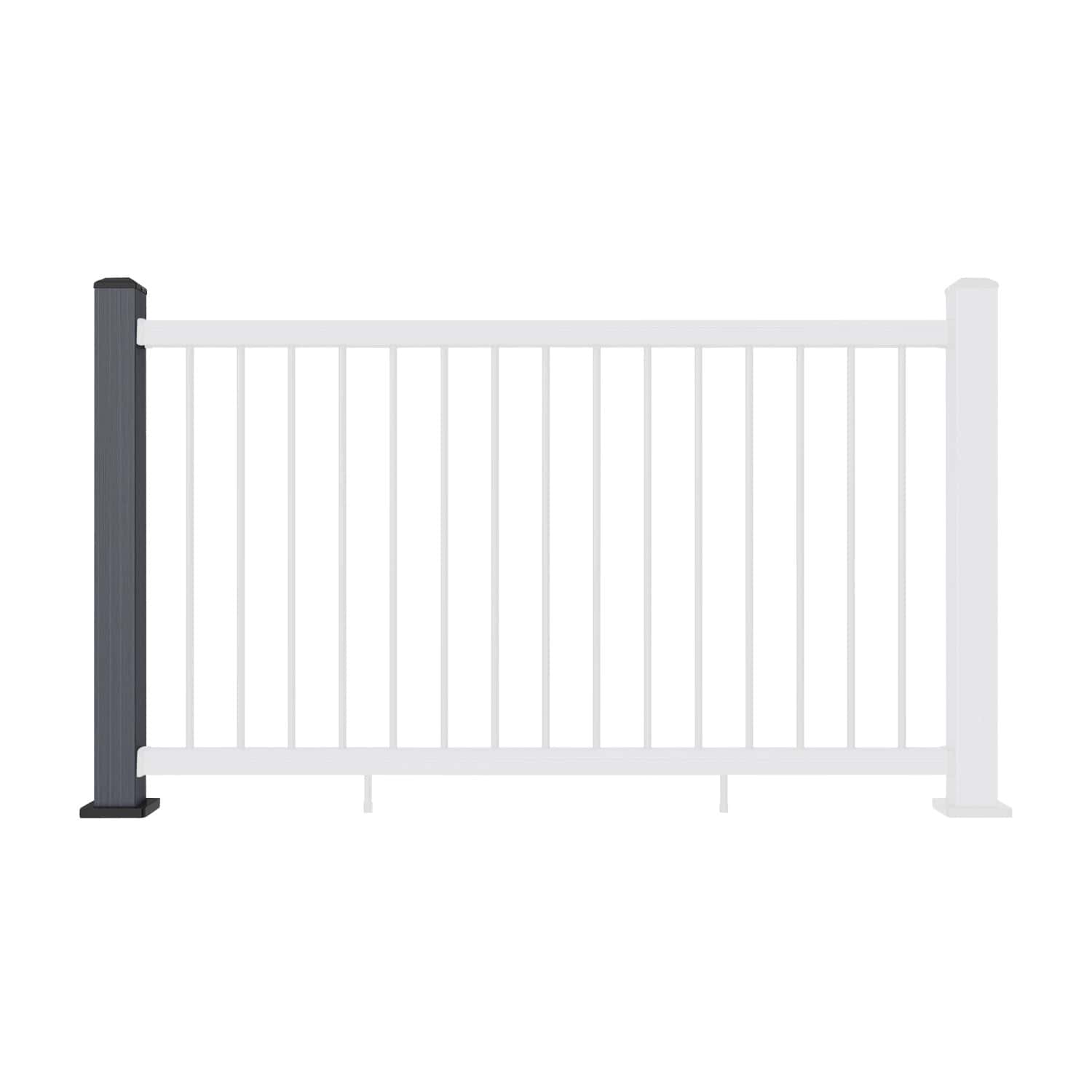
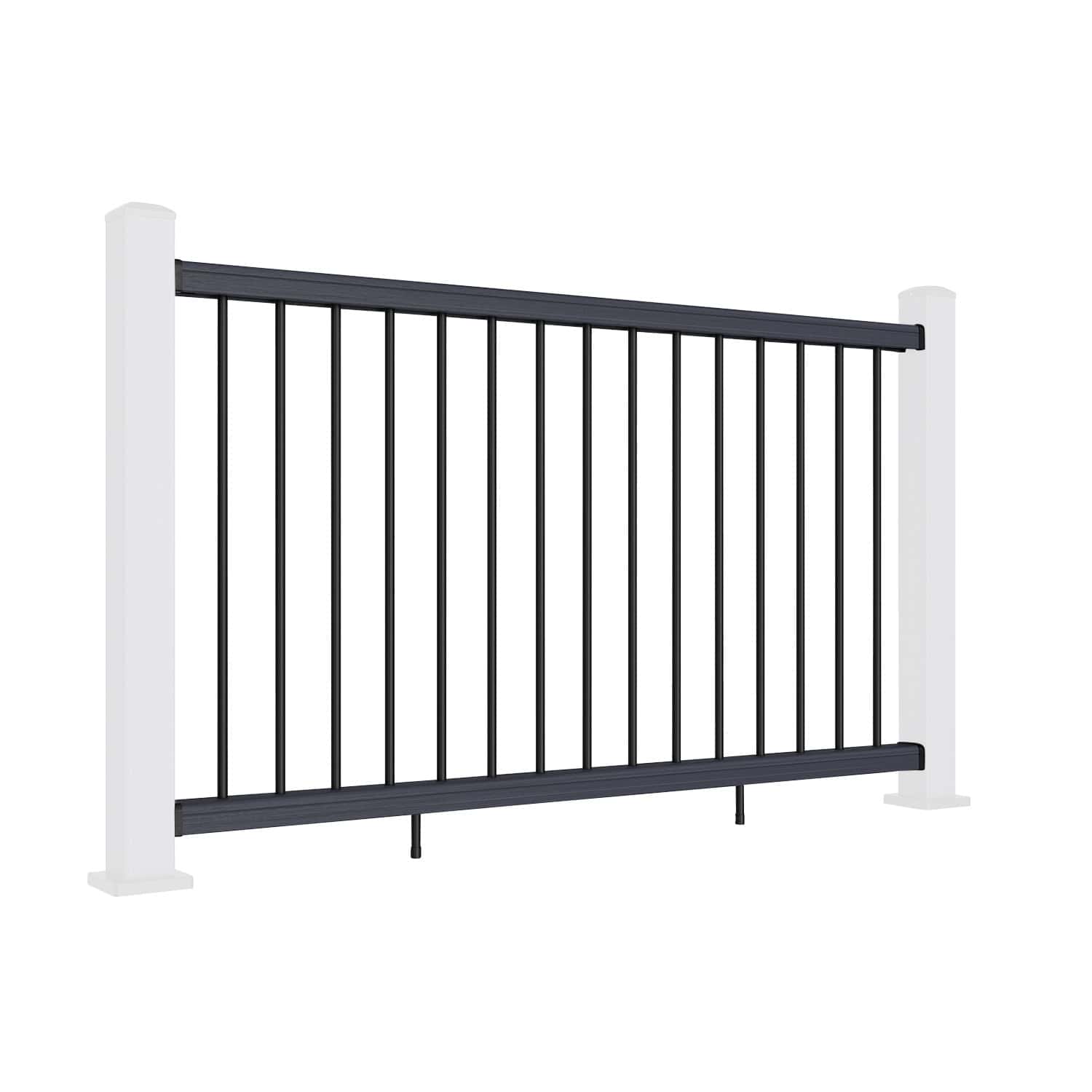
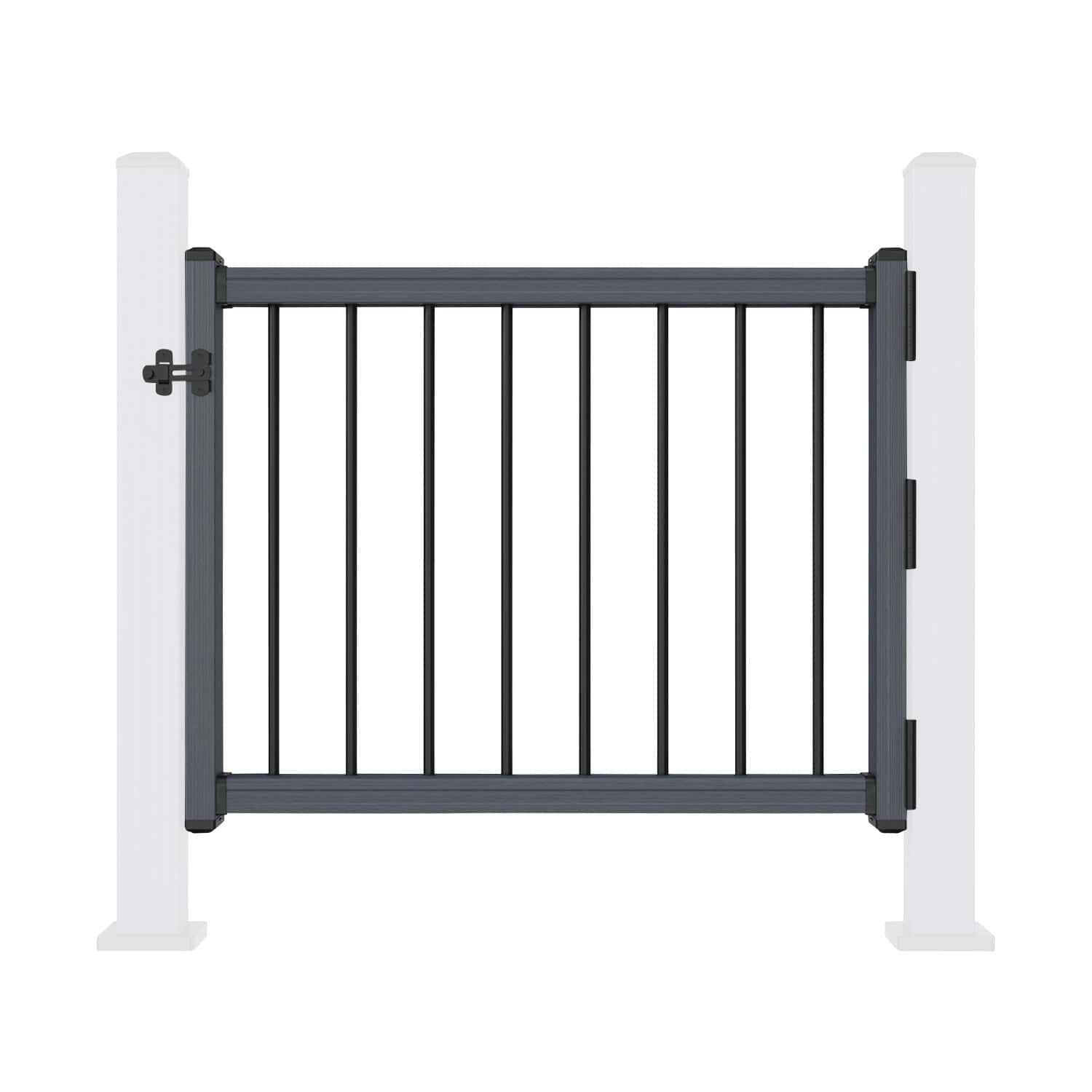
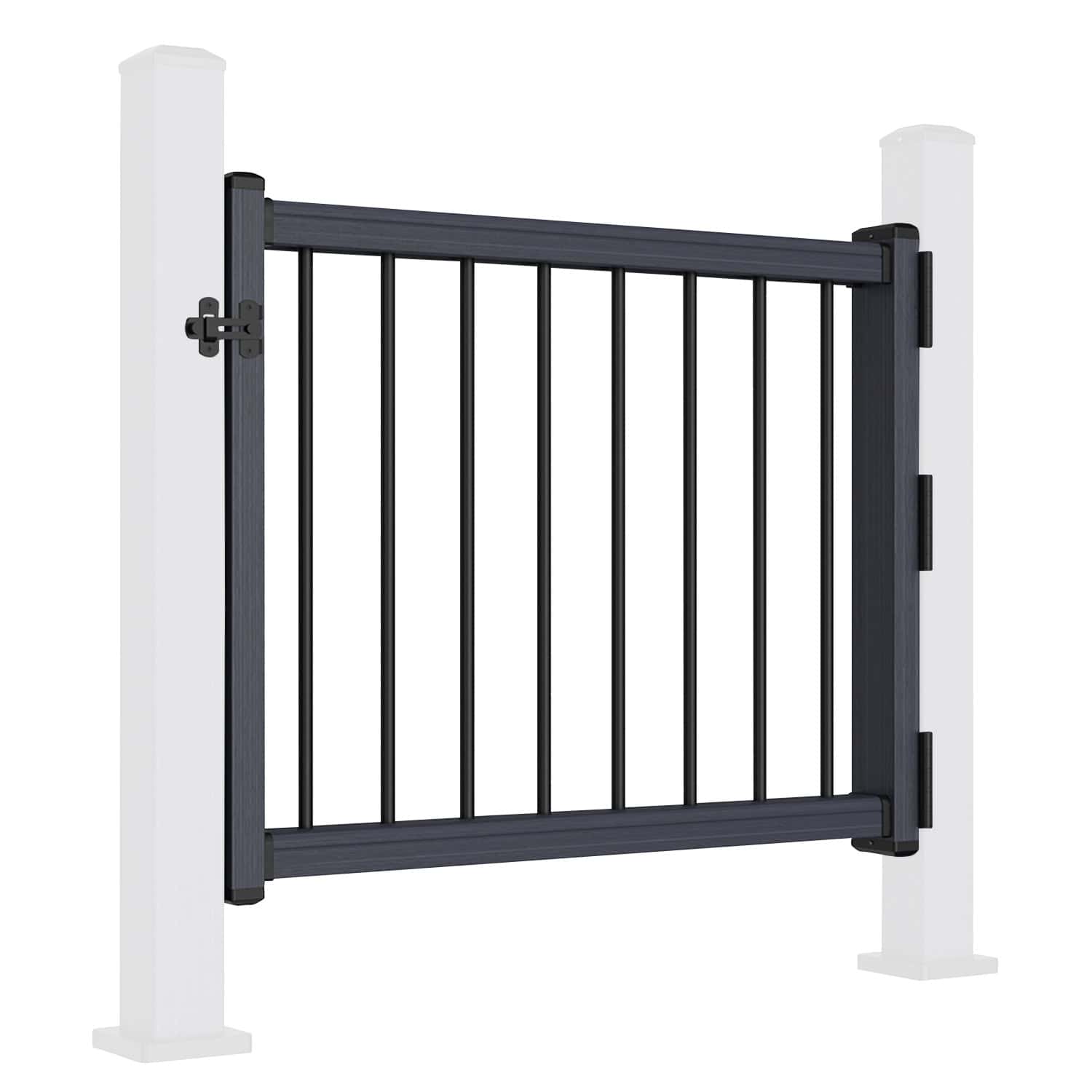
NeoTimber® composite balustrades combine wood–plastic composite finishes with metal components within the system. Composite post sleeves fit over steel post mounts, which require suitable structural fixings.
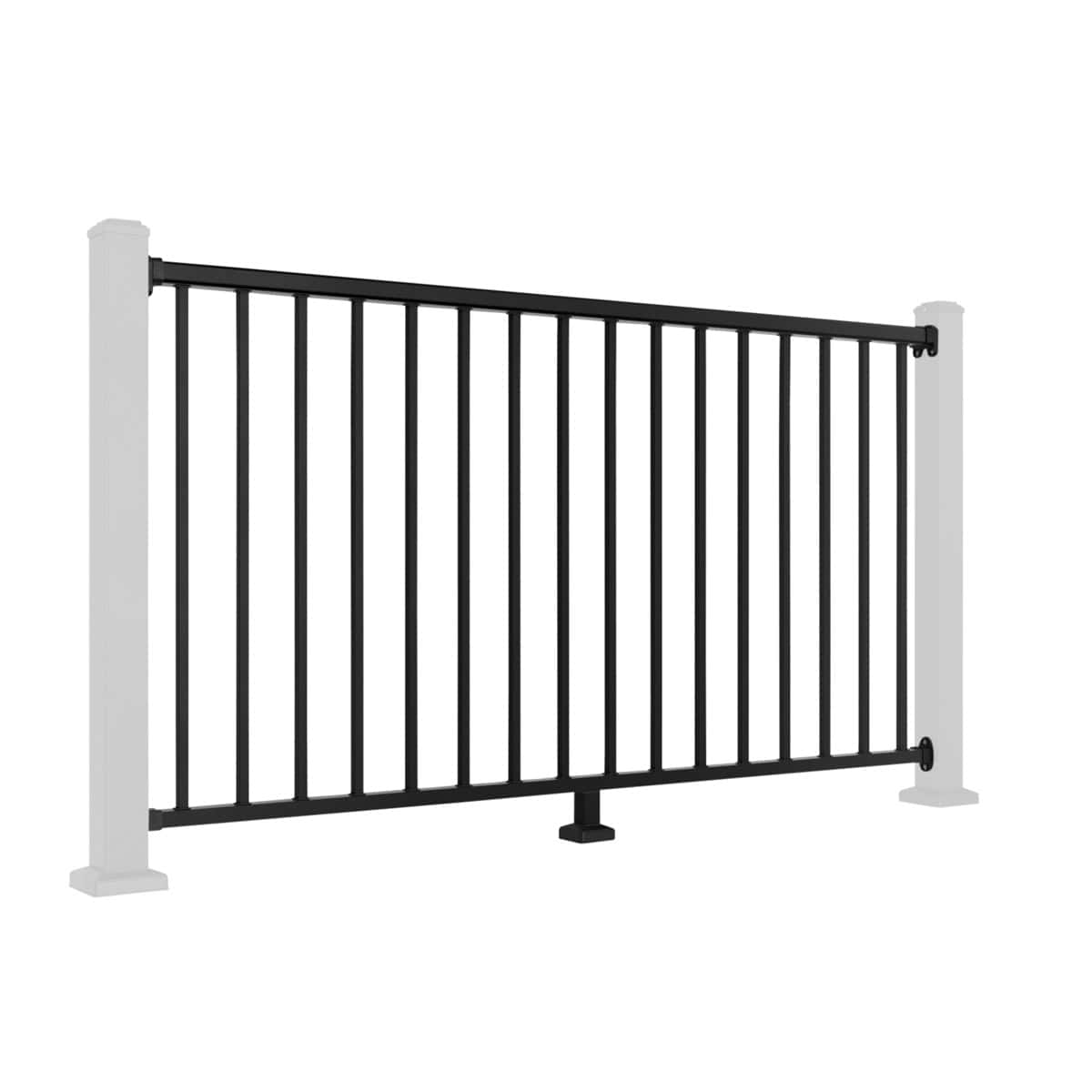
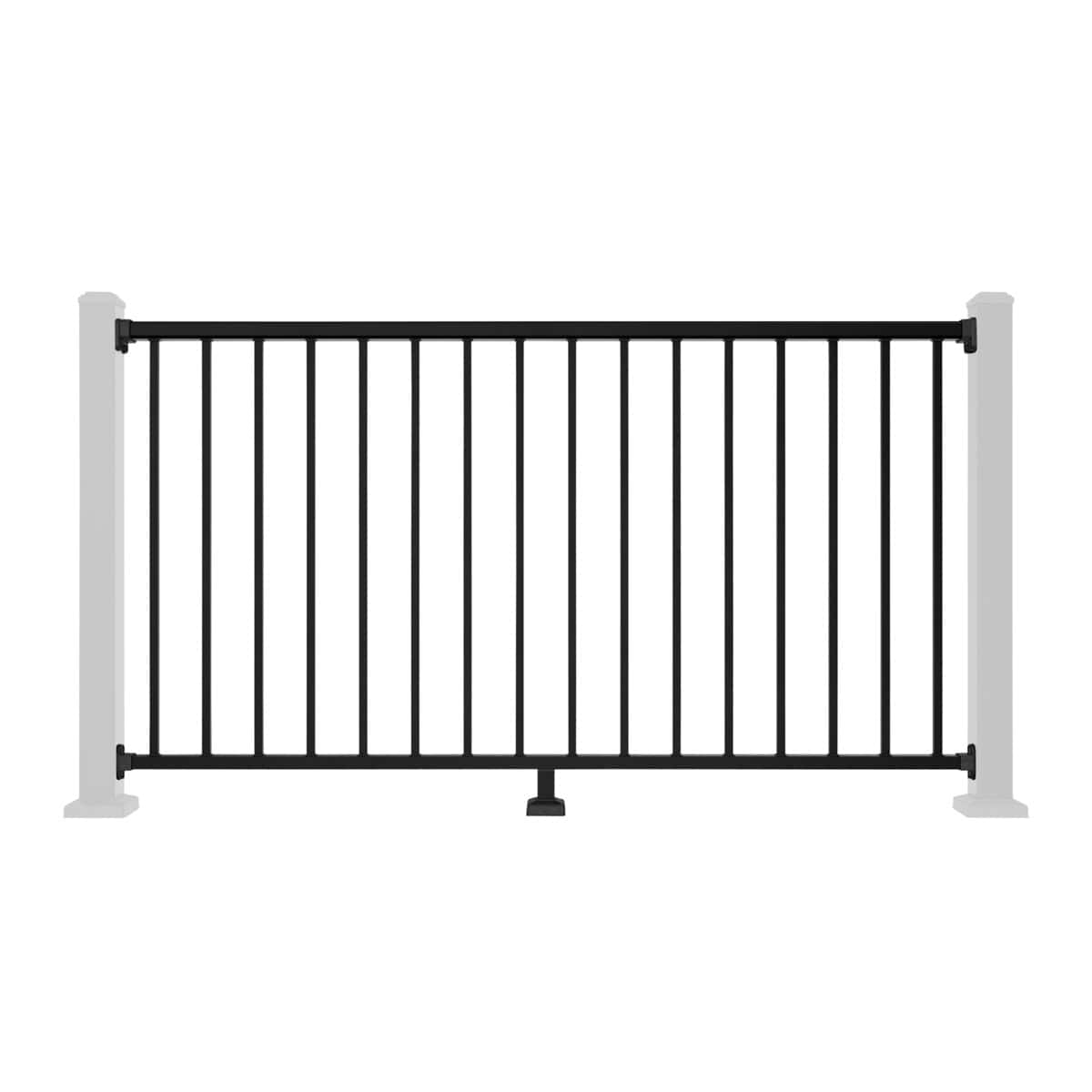
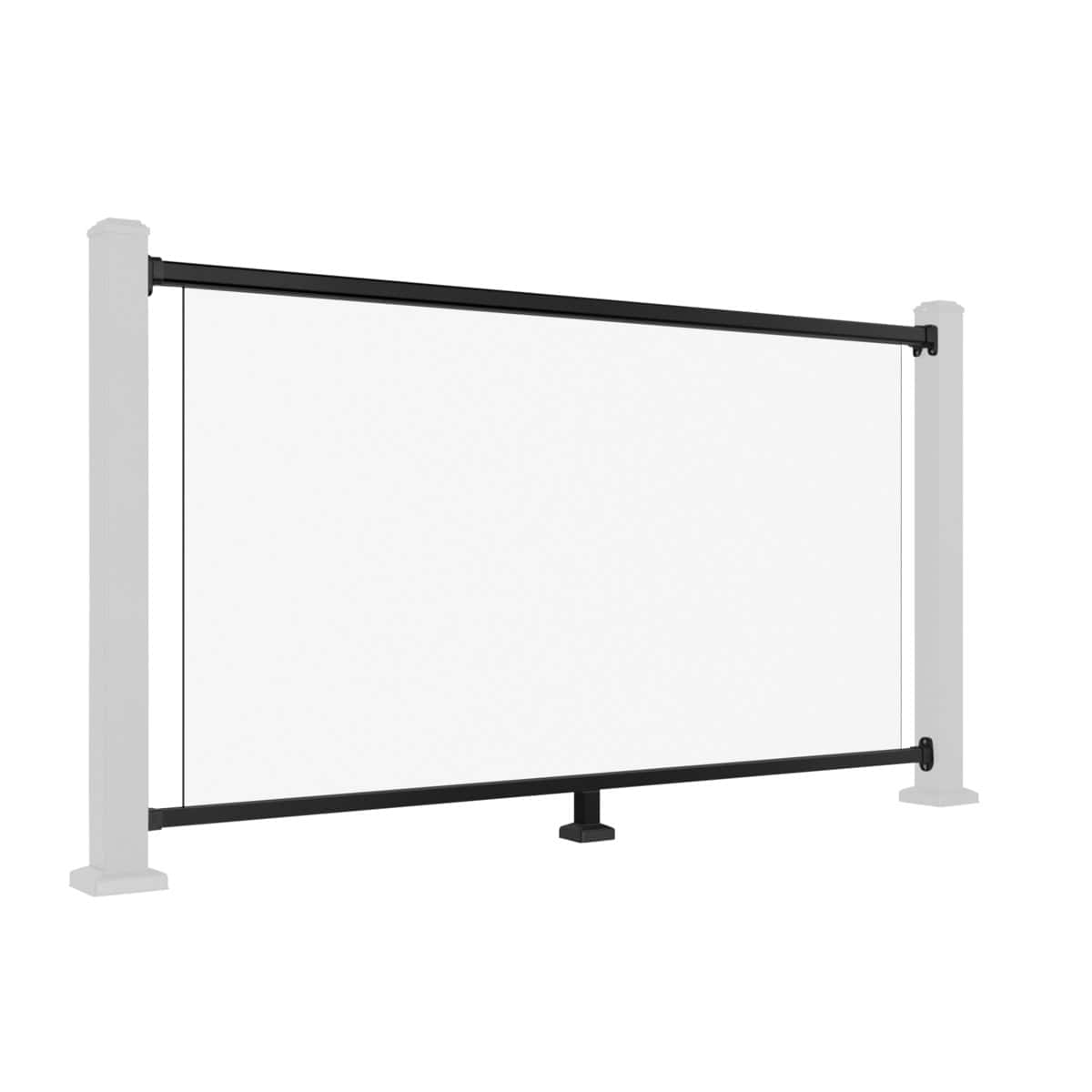
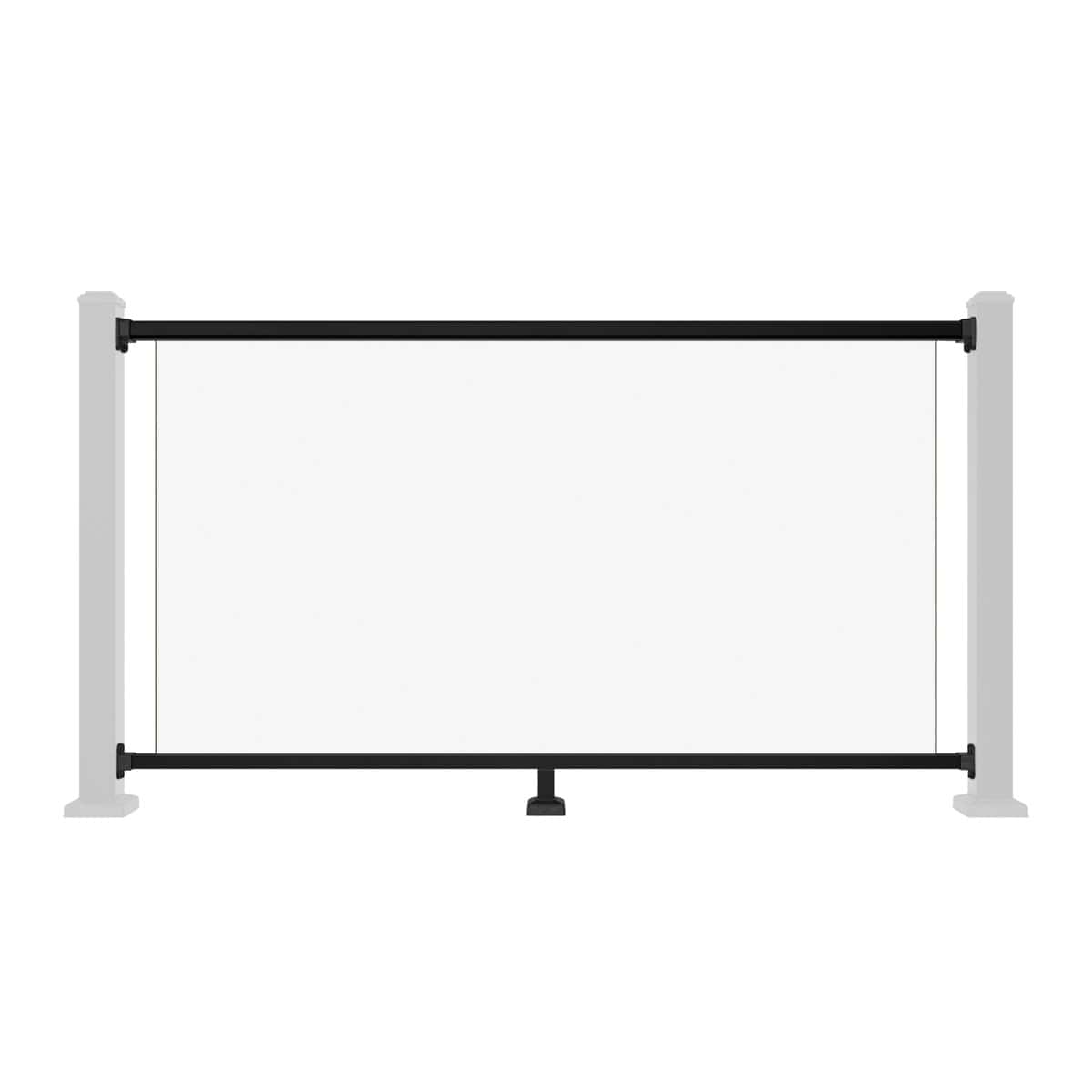
Follow the installation guidance to fit rails and balusters. The aluminium spindles form the infill between the rails. Confirm the specified layout and openings for the configuration rather than assuming every section uses the same spindle count or spacing.

Less Routine Treatment than Wooden Garden Balustrades
Composite does not require the routine varnishing, painting or staining associated with timber. Its posts and handrails still need cleaning and checks for damage or movement.
Wooden garden balustrades offer natural grain and can suit traditional designs, but maintenance depends on the timber, finish and exposure. Glass has a different appearance and cleaning routine. When fitting composite balustrades, follow the product guidance and plan access for ongoing care.

Composite or Timber Garden Balustrades?
| Consideration | Composite | Timber |
|---|---|---|
| Appearance | Manufactured finishes and coordinated colour options. | Natural grain, with appearance influenced by species and finish. |
| Routine care | Cleaning and condition checks without routine painting or staining. | Cleaning, inspection and protective treatment as required by the timber and finish. |
| Specification | Use compatible posts, rails, infill and structural connections. | Specify appropriate timber, dimensions, fixings and connections. |
| Project suitability | Confirm the complete system meets the intended application. | Confirm the complete structure meets the intended application. |
Neither material choice alone establishes the safety of a balustrade. Compare the complete specification, maintenance requirements and installed cost.
Planning Garden Decking Balustrades
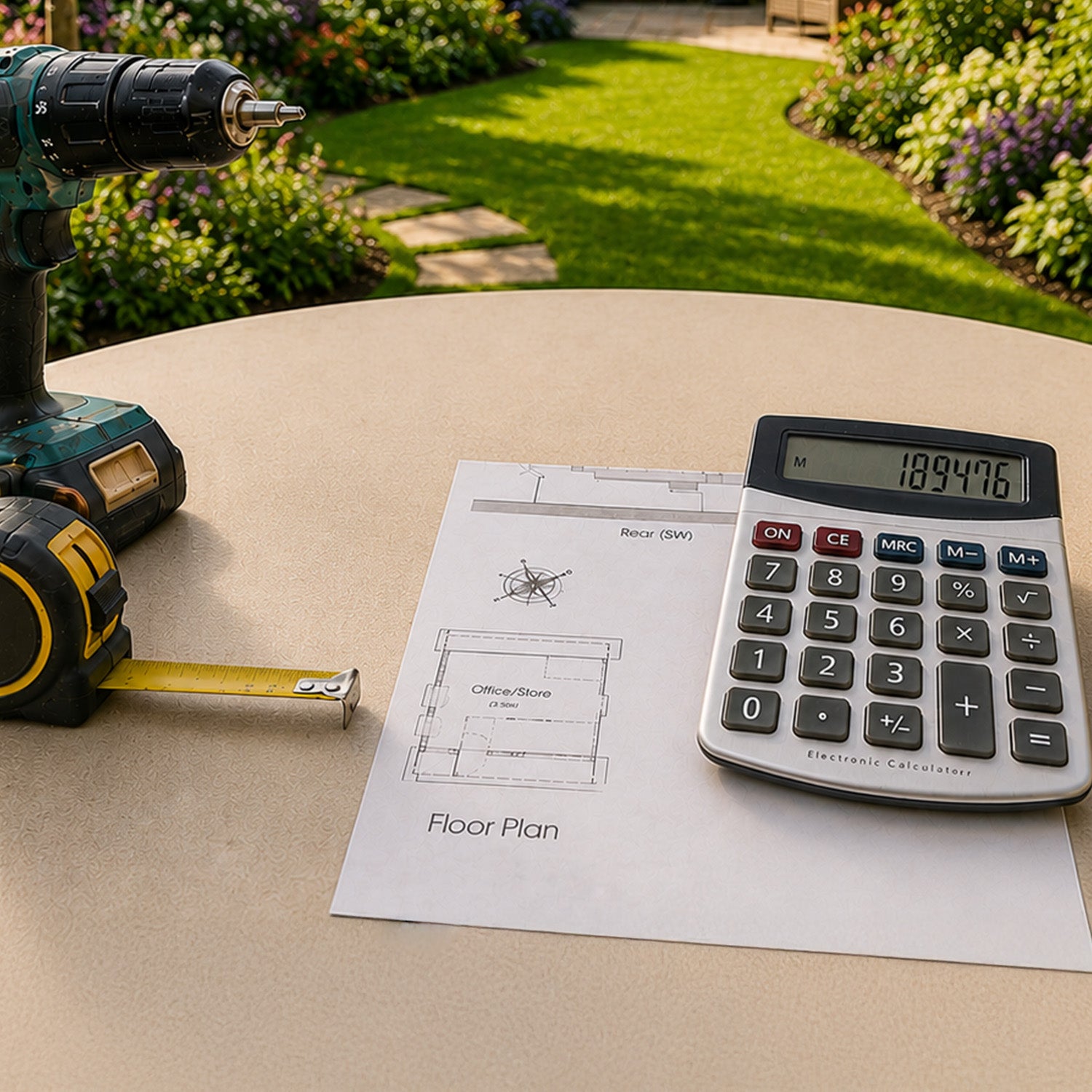
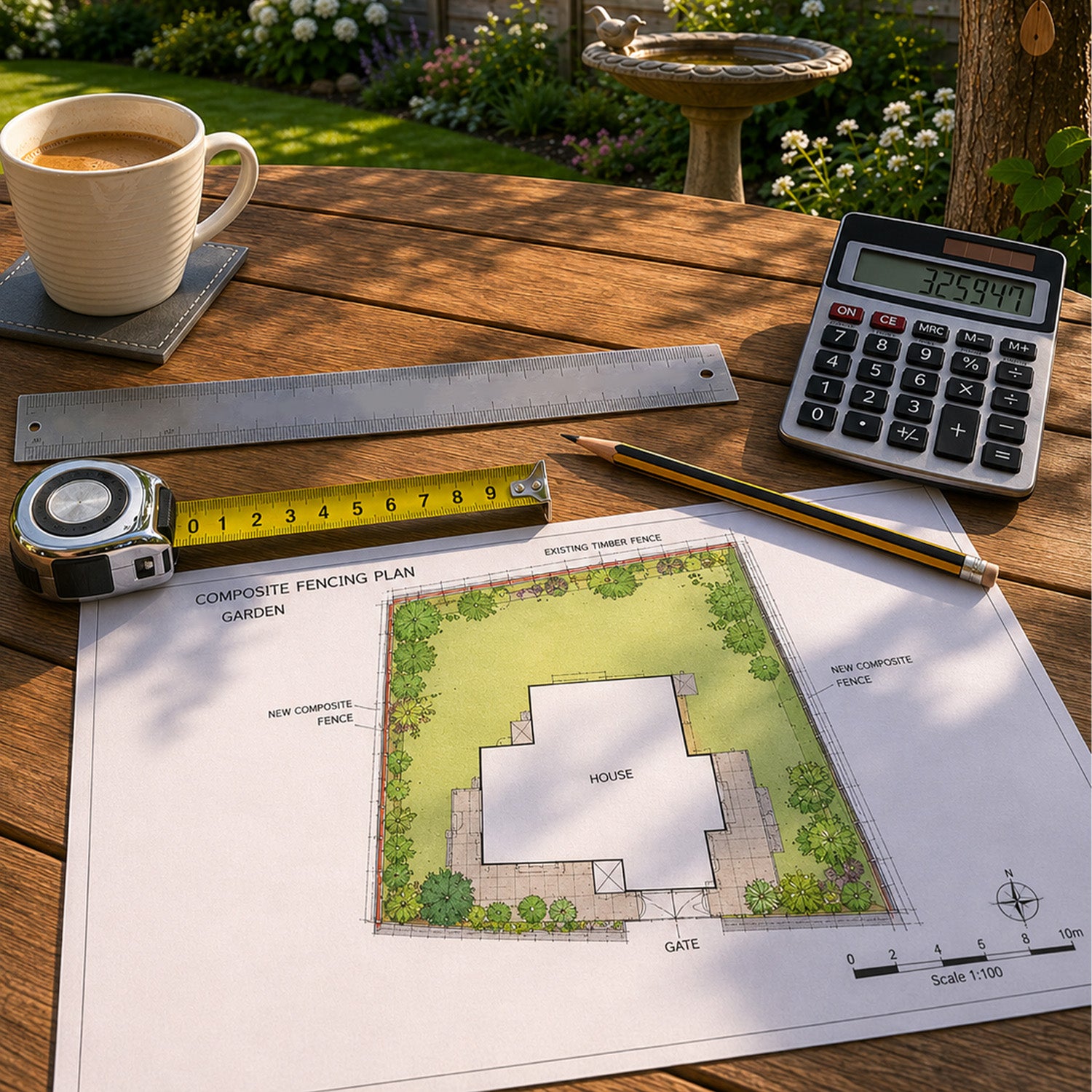
- Map the layout: mark deck edges, seating areas, stairs and access routes.
- Establish the purpose: distinguish decorative boundaries from required guarding and supporting handrails.
- Check the base: identify suitable post fixing points before laying the decking.
- Select compatible components: account for corners and stair sections as well as straight runs.
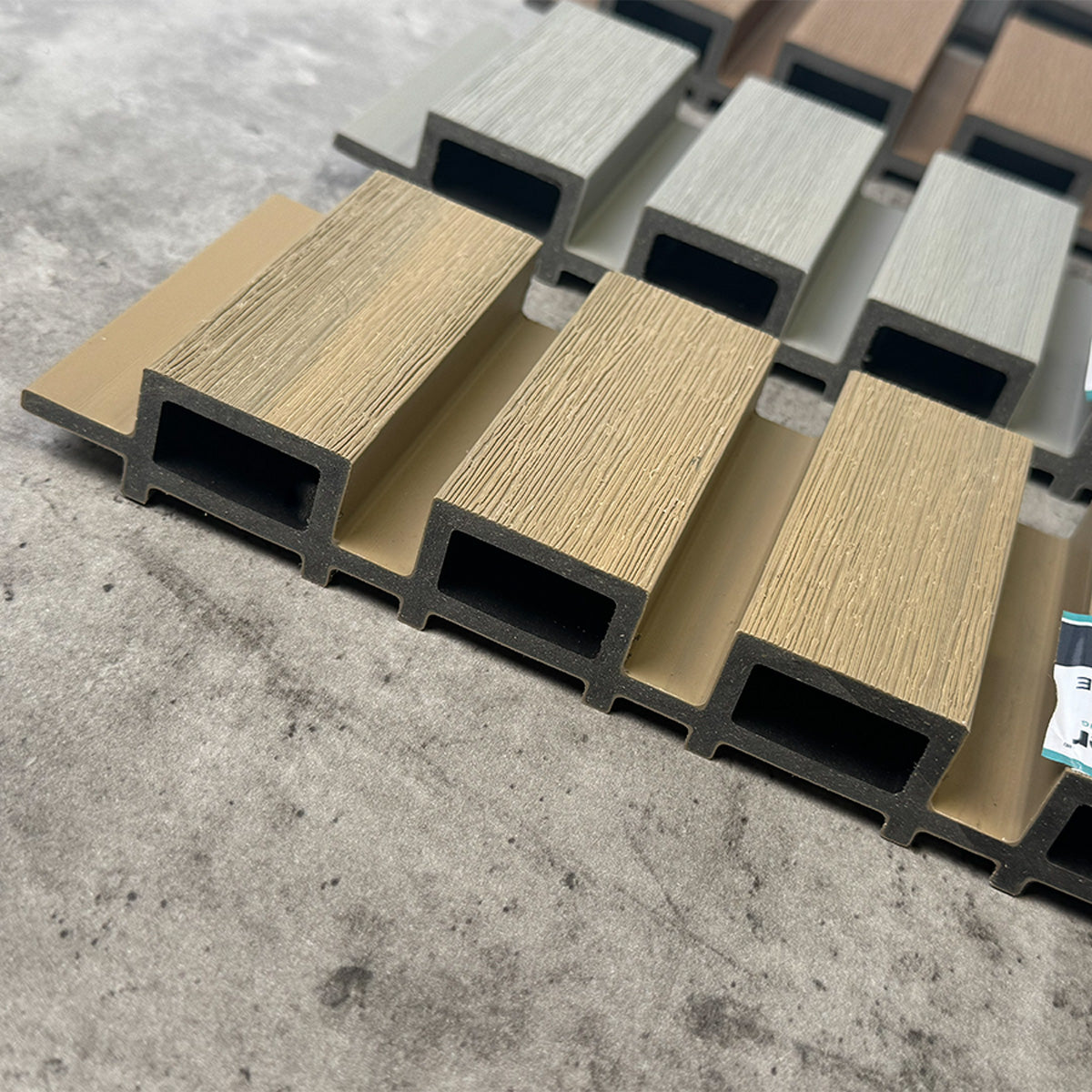
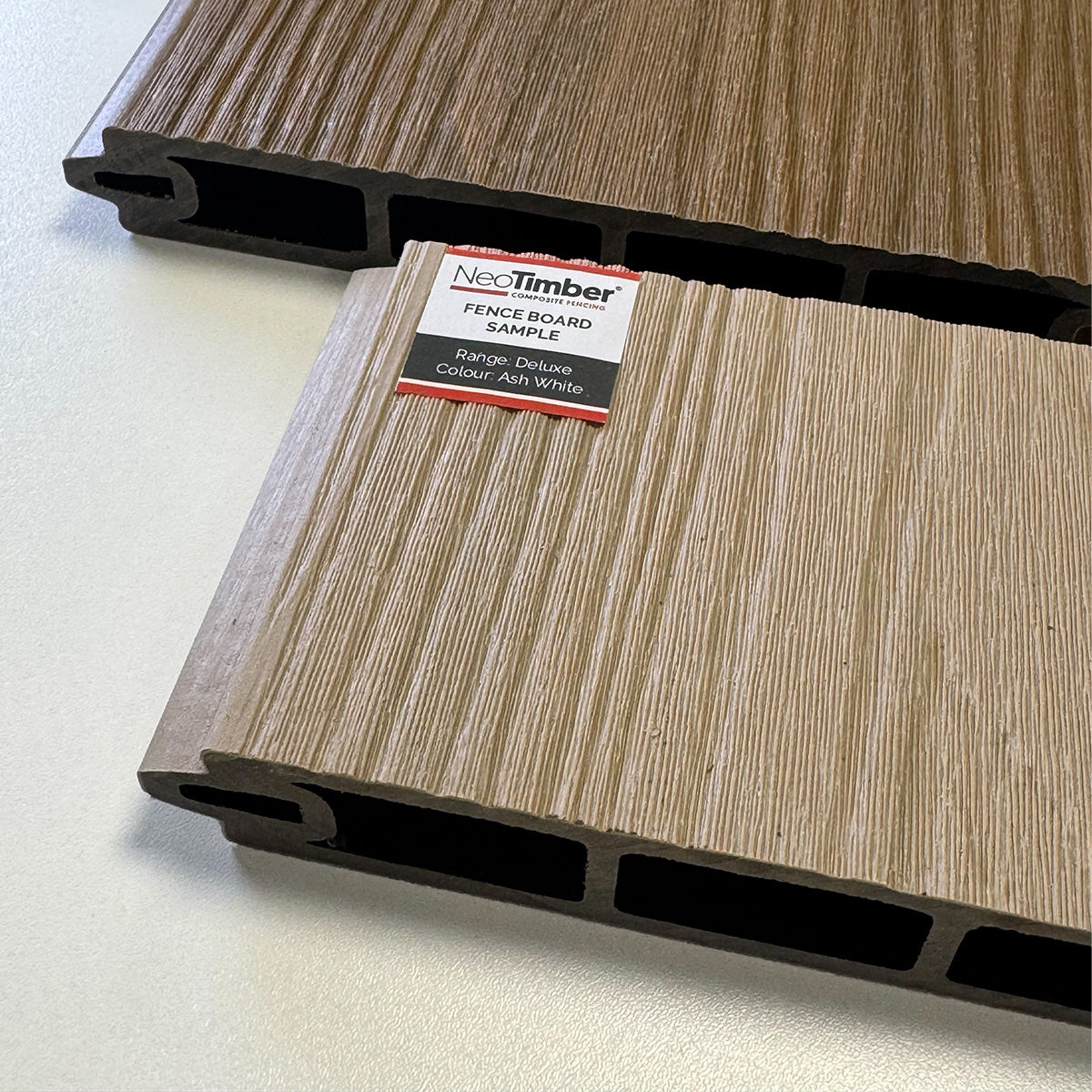
- Compare finishes: use samples alongside the surrounding garden materials.
- Budget for the whole system: include fixings, supporting work, delivery and installation.
Composite Garden Balustrades FAQs
Do all garden decks need balustrades?
The need for guarding depends on the layout, changes in level, use and applicable requirements. A balustrade may also be chosen to define a ground-level space. Establish its role before selecting the system.
Can composite balustrades be fitted to garden steps?
Use the stair-compatible components and installation method. Inclined runs have different connection requirements from level sections, so check the specification before ordering.
Can garden balustrade posts be fixed to deck boards alone?
Do not rely on the boards alone as the structural fixing base. Posts require the specified connection to a suitable supporting structure or approved substrate.
Are composite garden balustrades maintenance-free?
No. Composite reduces routine timber treatments, but still needs cleaning and checks for loose fixings, movement or damage. Follow the manufacturer's care instructions.
Can modern garden balustrades suit a traditional garden?
Yes. Warmer tones can complement brick, stone and planting, while darker colours can define the perimeter. Compare samples to find a finish that works with the existing surroundings.
Are timber garden balustrades and composite balustrades the same?
No. Timber uses natural wood, while the NeoTimber® system combines composite finishes with metal components. Compare their construction, care requirements and suitability rather than appearance alone.
Bring Your Garden Layout Together
Choose garden balustrades around the purpose of each boundary and the structure beneath it. Once those requirements are clear, coordinated colours and finishes can connect decks, steps and seating areas into a coherent outdoor space.