Create a Softer Timber-Inspired Exterior With Antique Boards
Antique composite cladding offers a different starting point from a strongly dark or brightly coloured exterior. It can introduce timber-inspired character while allowing windows, planting or contrasting materials to remain prominent. The result depends on the surface, board profile and the way the colour relates to your property.
NeoTimber’s Antique finish is available within relevant composite cladding ranges, including Deluxe Woodgrain and Slatted. These products offer different appearances, so choosing Antique is the beginning of the decision rather than the complete specification.
This guide explores how to use Antique composite cladding with purpose: from sample selection and colour combinations to layout, installation and care. You can also explore our Antique composite cladding gallery to compare exterior inspiration before choosing a finish.
What Is Antique Composite Cladding?
Antique is a colour designation within NeoTimber’s product range. Composite identifies the manufactured board material, which combines wood fibres with polymers and additives. The name does not mean the boards are reclaimed antique timber, solid oak or naturally aged wood.
That distinction makes product comparison clearer. The appeal lies in a timber-inspired appearance supplied as part of a composite system. Examine the actual surface and specification rather than assuming the name describes a particular timber species or a universal colour standard.
For an overview of the available systems, explore our cladding resources and composite cladding collection. Check the exact range, colour and accessories before ordering.
A Weathered-Timber Design Idea Without Waiting for Weathering
A weathered-timber reference can suggest a softer, less freshly coated exterior. Antique composite cladding can be explored within that design direction, but the supplied sample should guide the decision. A description such as vintage oak, light oak or coastal timber is an inspiration reference rather than an exact material or colour match.
Choose the appearance you enjoy at the outset. Do not buy a board on the assumption that it will fade to a particular sandy tone or develop the same character as a piece of naturally weathered timber. Product-specific weathering information is more useful than a romantic description of ageing.
This is also a distinction between appearance and exposure. A coastal-inspired scheme can work away from the coast. If the actual site is coastal or otherwise exposed, the project needs an appropriate product and fixing assessment; the aesthetic alone does not establish suitability for salt spray or particular weather conditions.
Why Antique Composite Cladding Works Best Within a Complete Palette
A colour sample never exists in isolation once installed. Brickwork, render, frames, paving and planting all influence how it appears. A finish that feels quiet on its own may become a stronger feature beside a very pale wall, or seem more restrained beside a darker surface.
Start by deciding what the cladding should contribute. Is it intended to soften an extension, connect a garden room with the landscape or introduce texture to a plain elevation? That purpose helps you choose the profile and the amount of wall to cover.
A successful palette also has a clear hierarchy. Let one or two materials lead, with the others supporting them. Antique composite cladding can contribute both colour and texture, so it may not need several additional finishes around it to create interest.
Explore Our Antique Composite Cladding Gallery
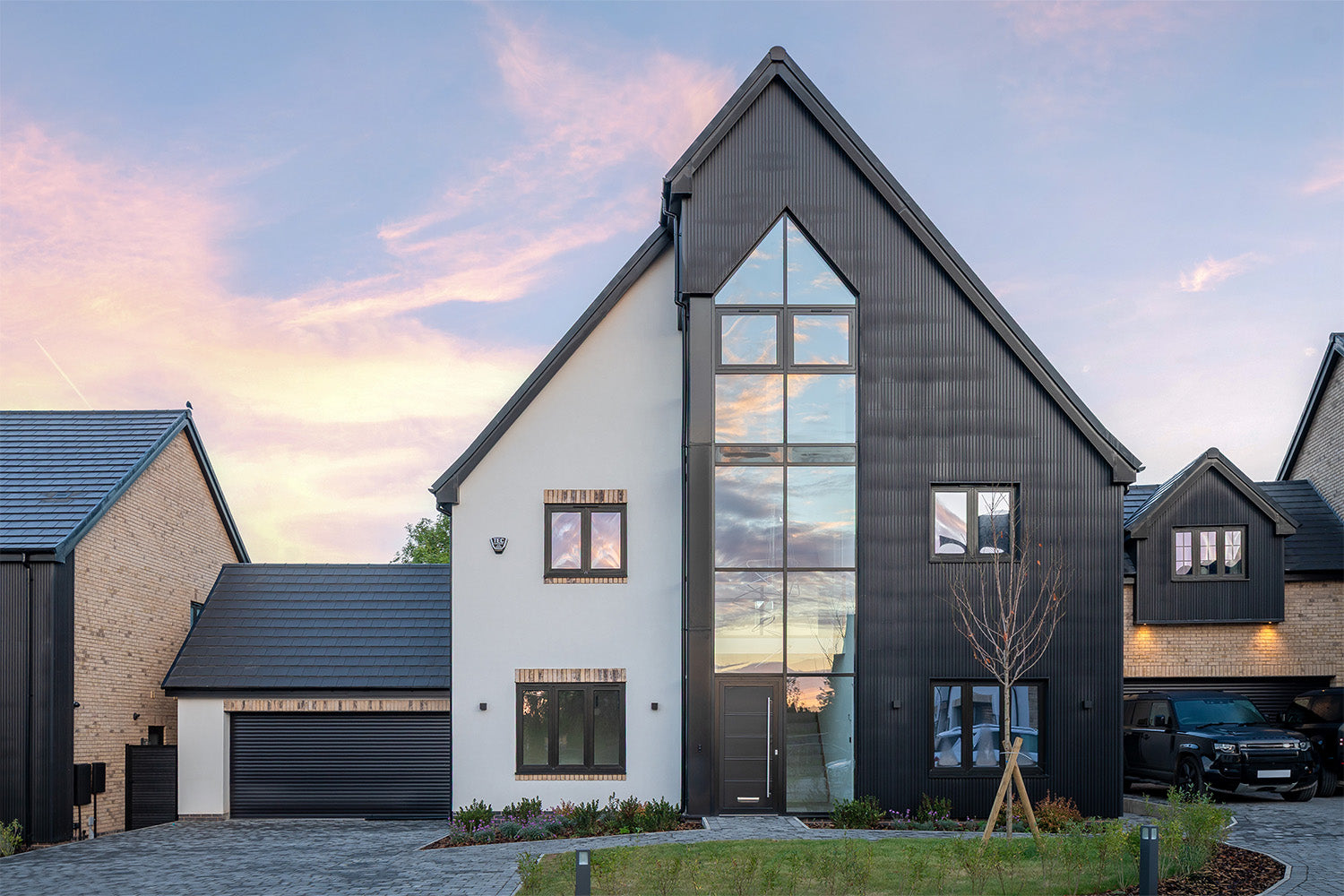
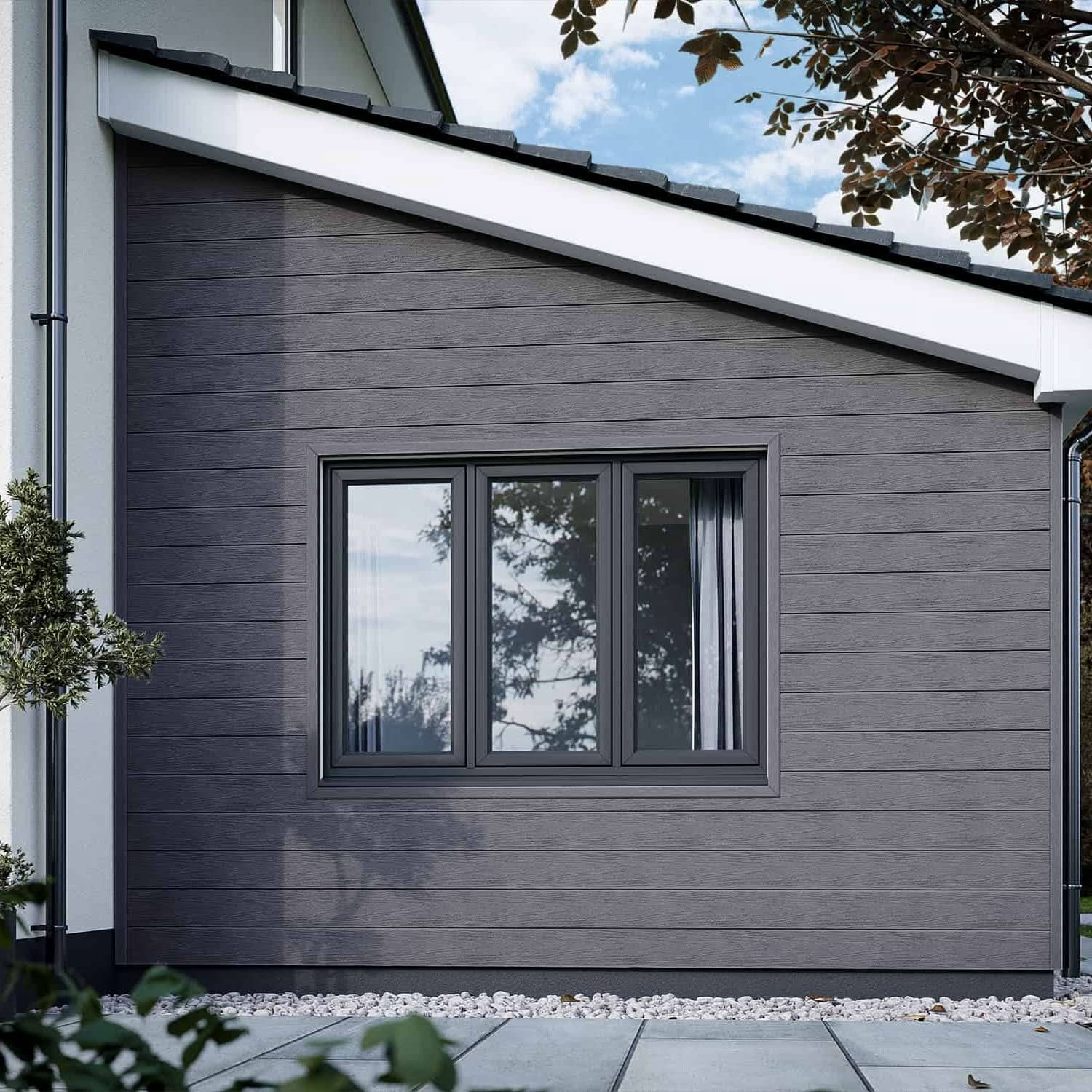
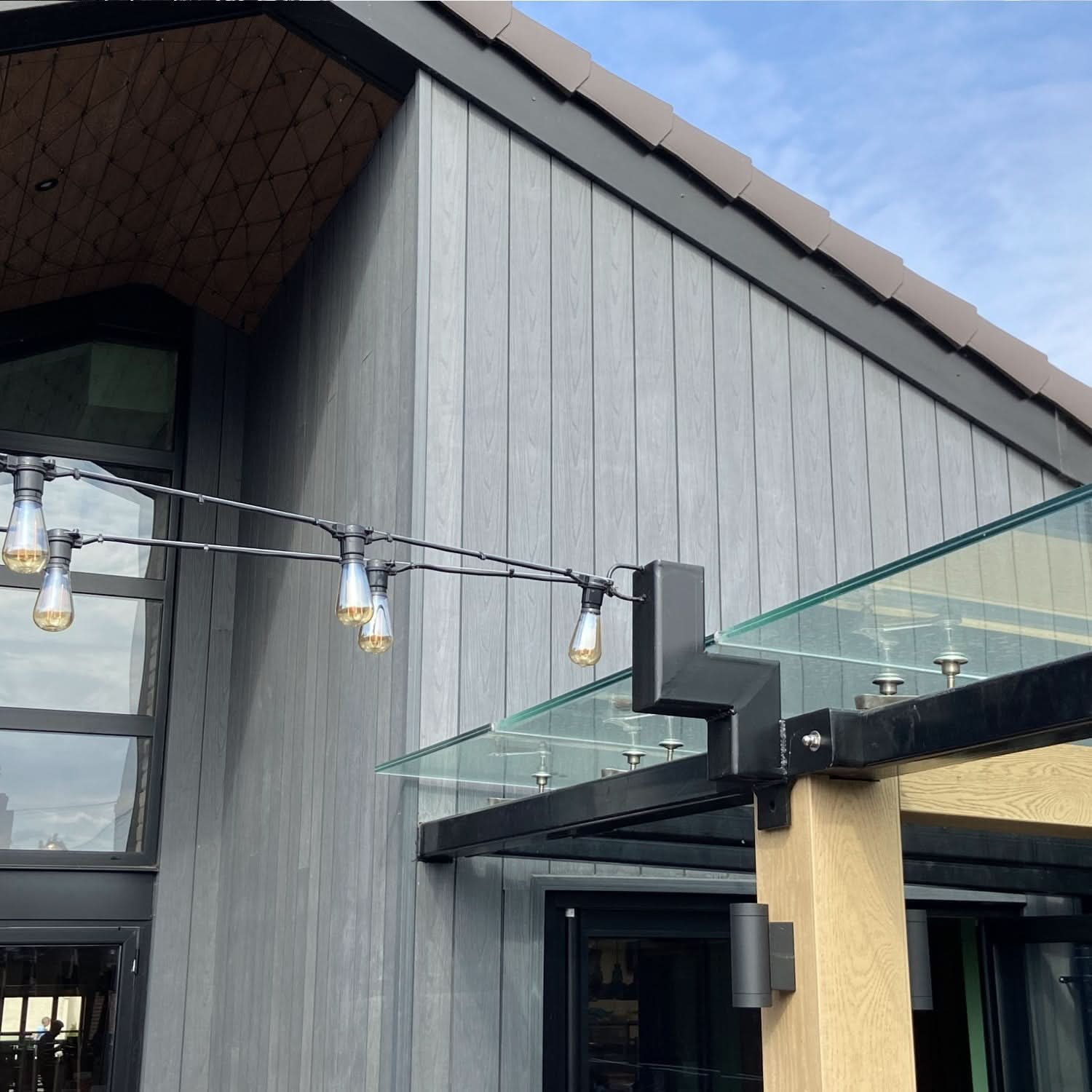
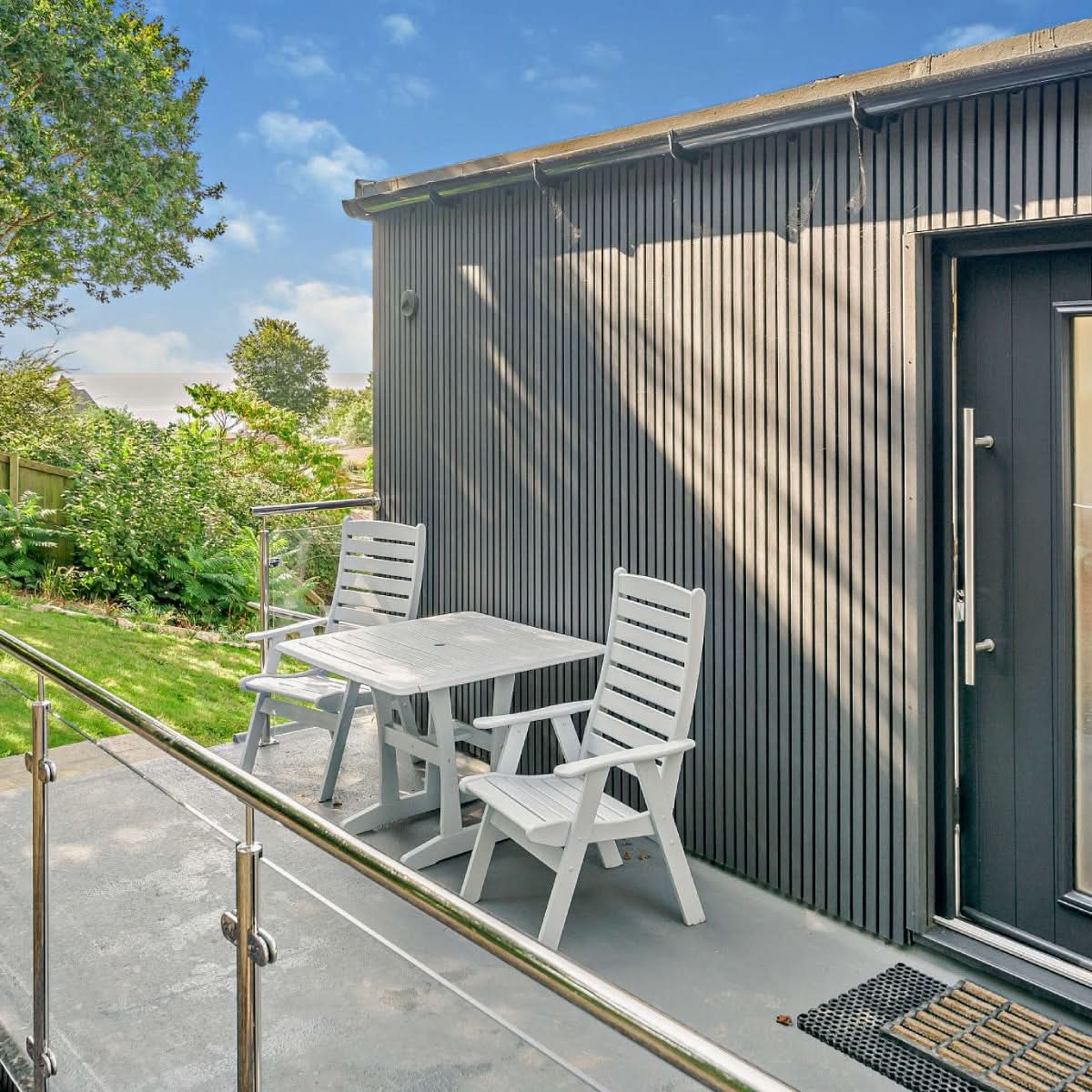
Our Antique composite cladding gallery helps you consider the finish across completed projects. Look at the extent of the clad area, the profile used and the relationship with adjoining materials. Those decisions explain the design as much as the colour itself.
Use the imagery to shortlist a direction for your own property. You might prefer a grain-led surface, a more defined slatted pattern or a restrained combination with darker details. Then compare that inspiration with your building’s proportions and existing finishes.
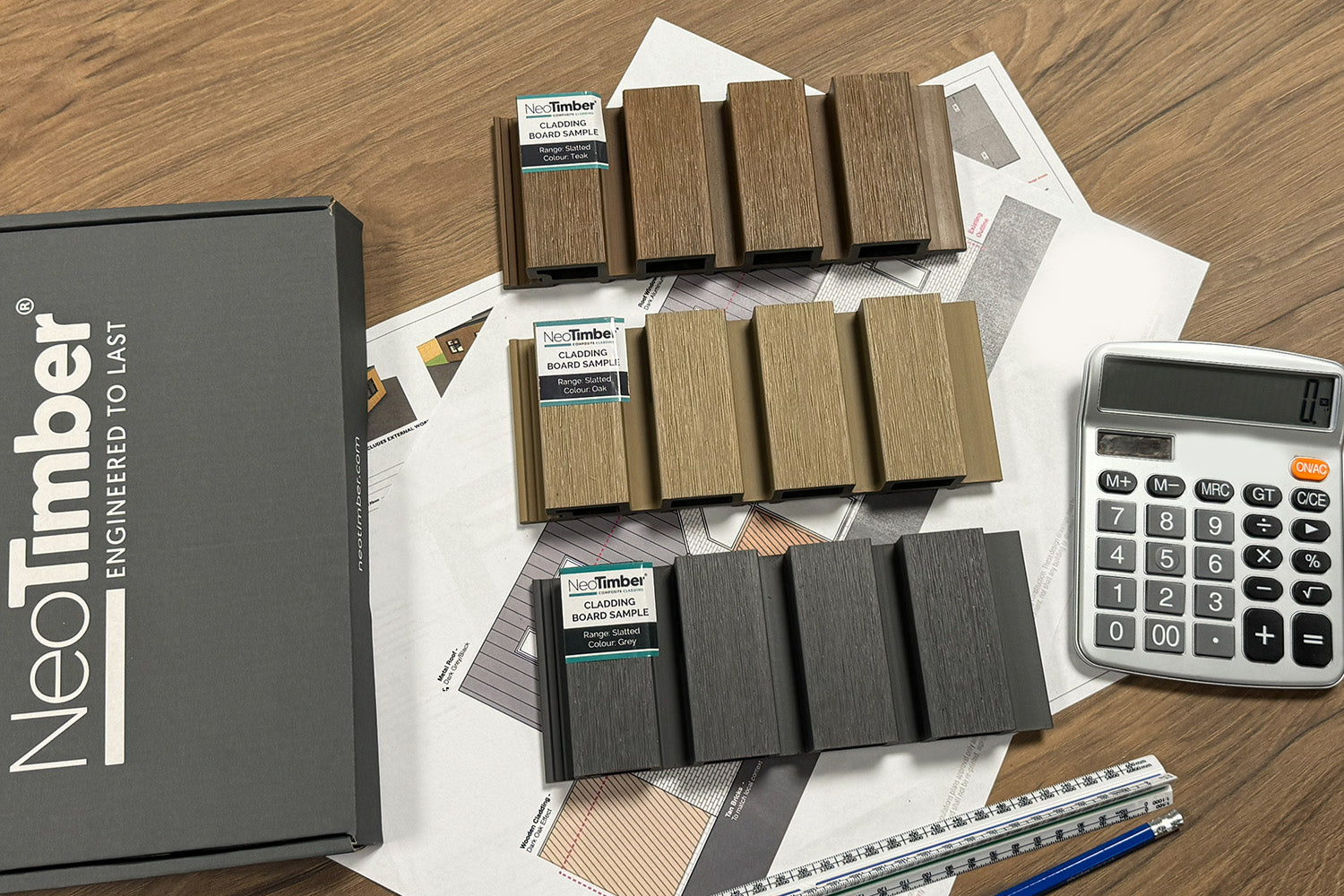
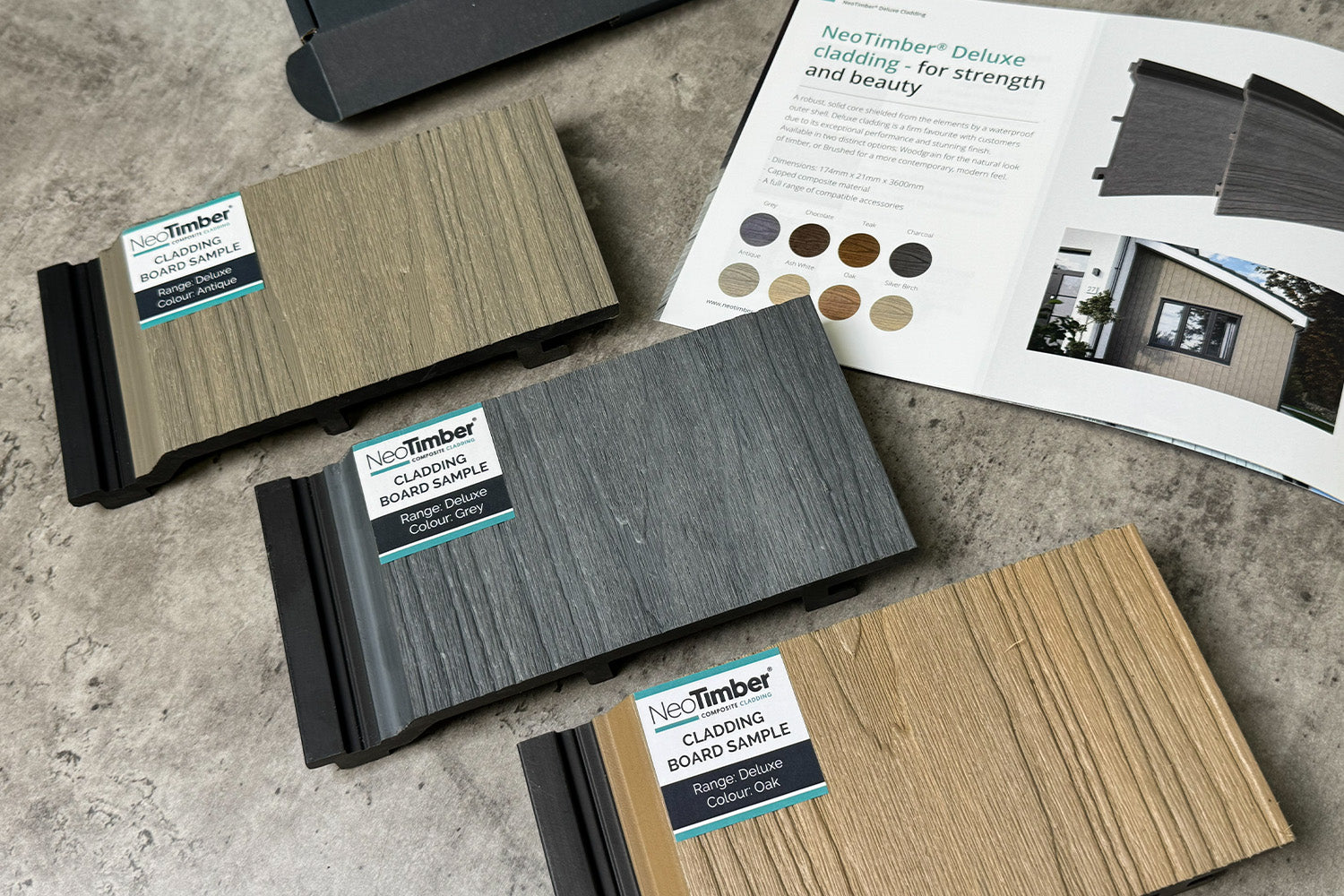
Photographs provide context, while physical samples help you assess the actual colour and texture. Order free NeoTimber® cladding samples and view them at the proposed location before making the final choice.
Compare Antique Composite Cladding Products
The board construction and surface profile are part of the specification. Compare the current Antique options in the cladding collection, including the installation requirements and available accessories for each range.
Deluxe Antique Composite Cladding
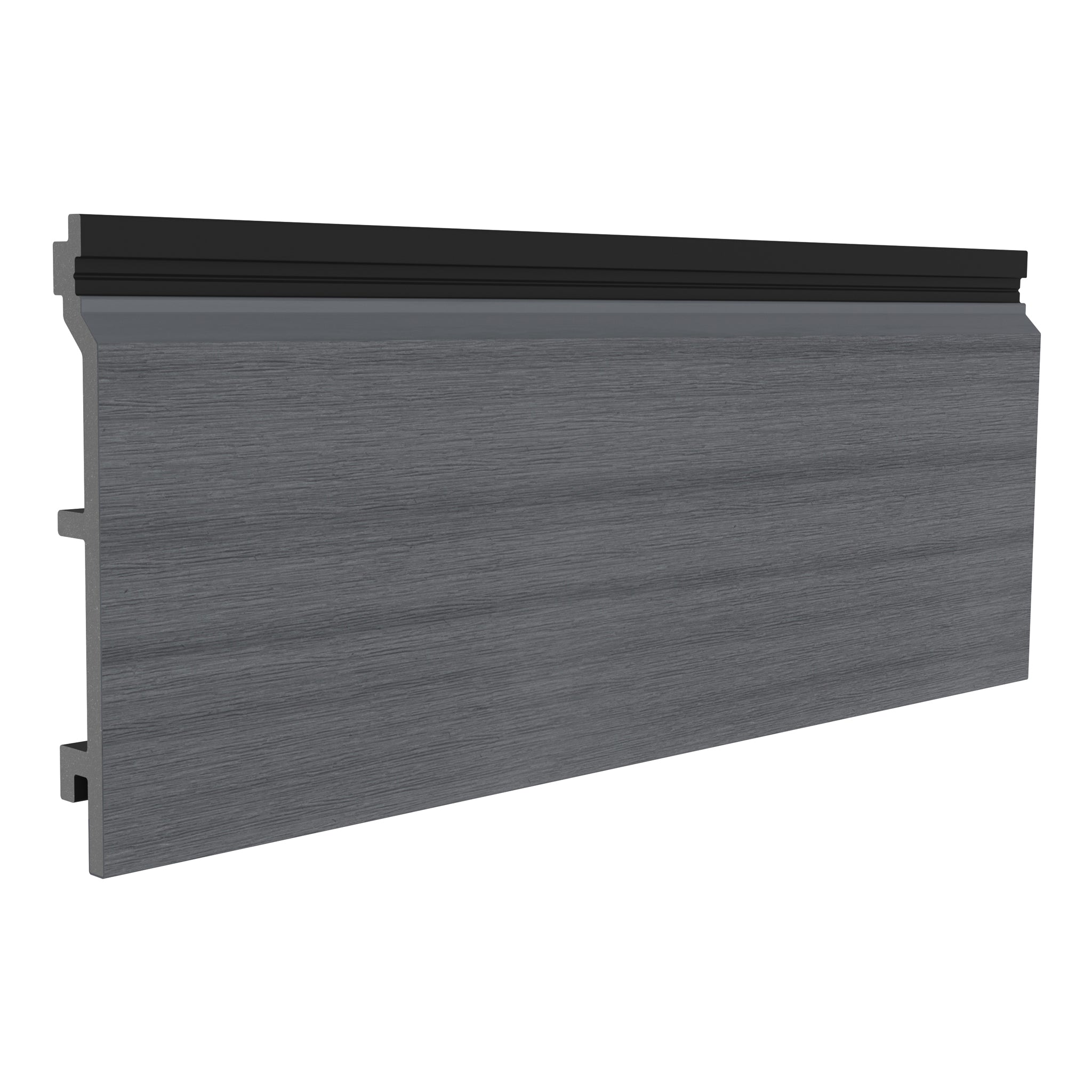
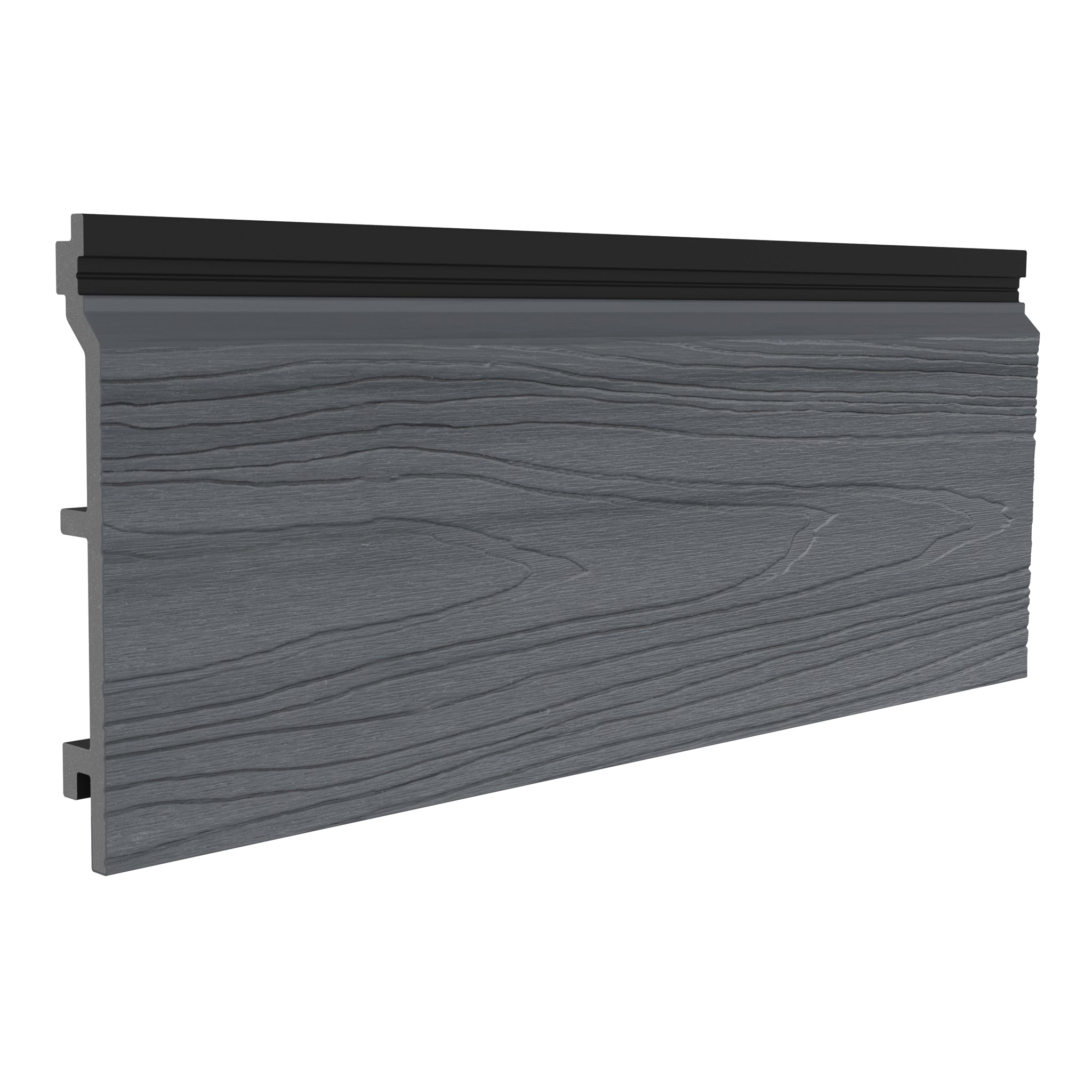
The Deluxe Woodgrain range uses an embossed grain with tonal variation to create a timber-inspired surface. Its capped construction is designed to improve fade and stain resistance.
Deluxe Antique is an option to consider when visible grain is central to the exterior. Assess it close up, then use project images to judge how that grain repeats across a larger area. Both views matter: a sample helps with texture, while a complete elevation helps with scale.
Improved resistance should not be interpreted as immunity to marks or a promise of an unchanged appearance. Read the chosen product’s weathering and care information alongside the sample comparison.

Slatted Antique Composite Cladding
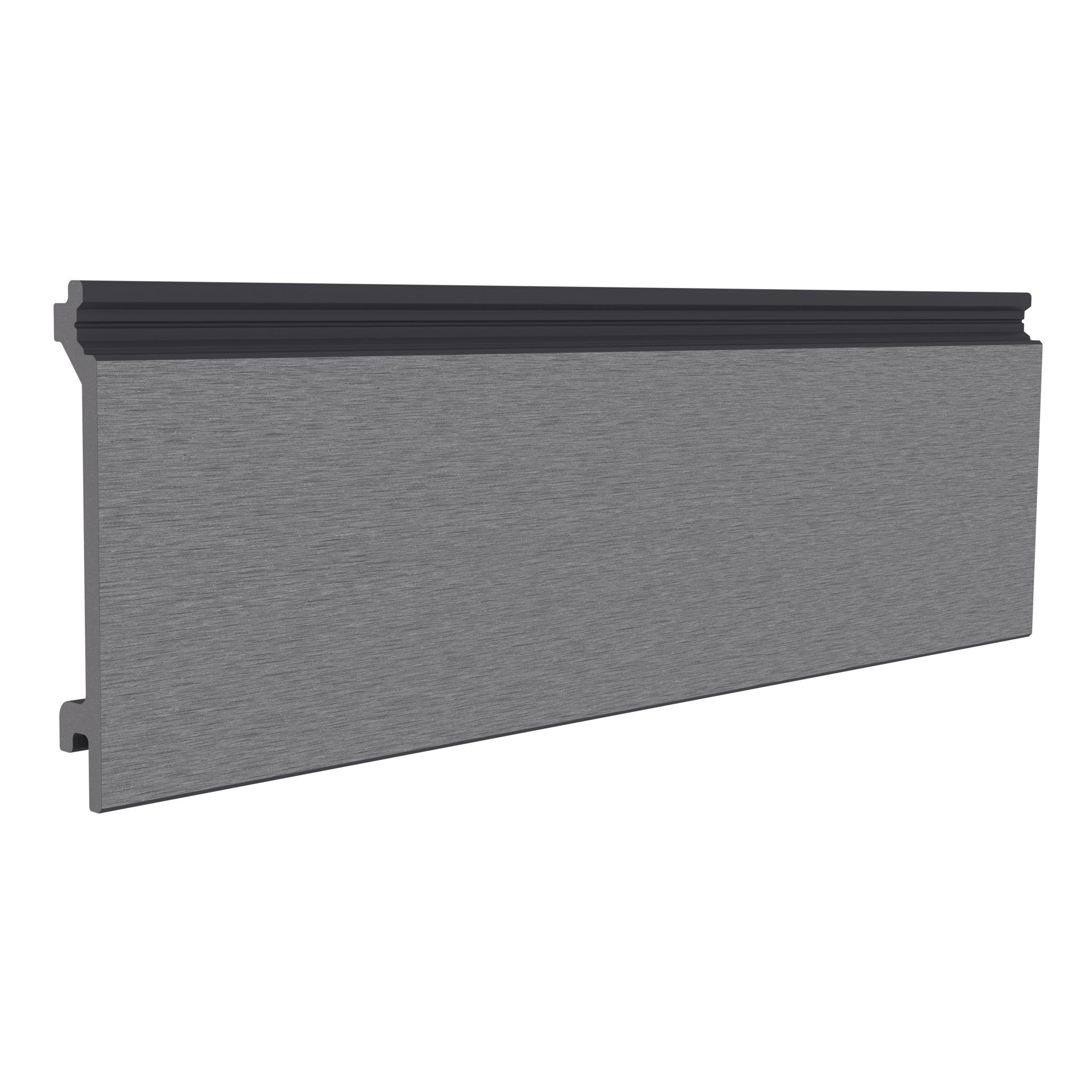
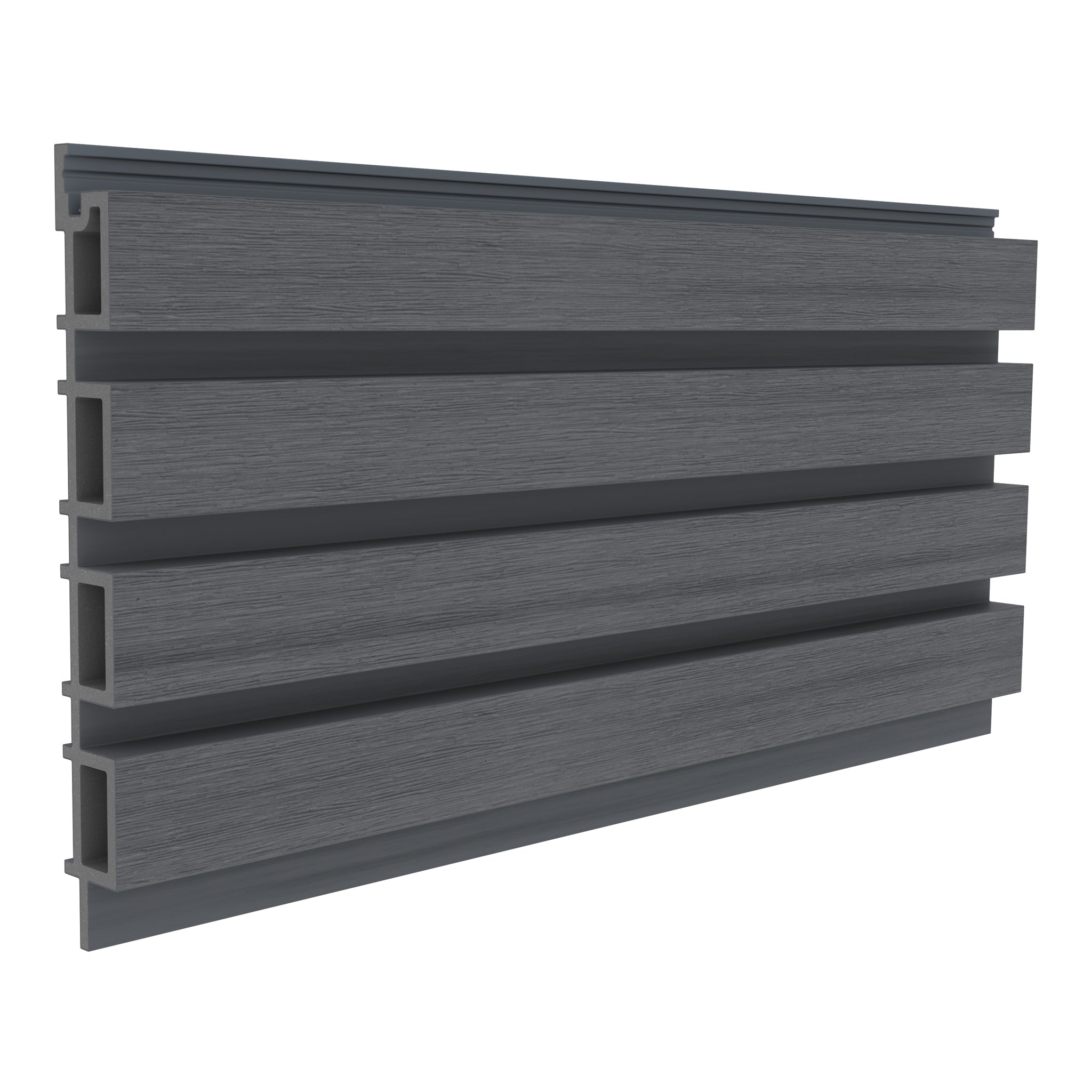
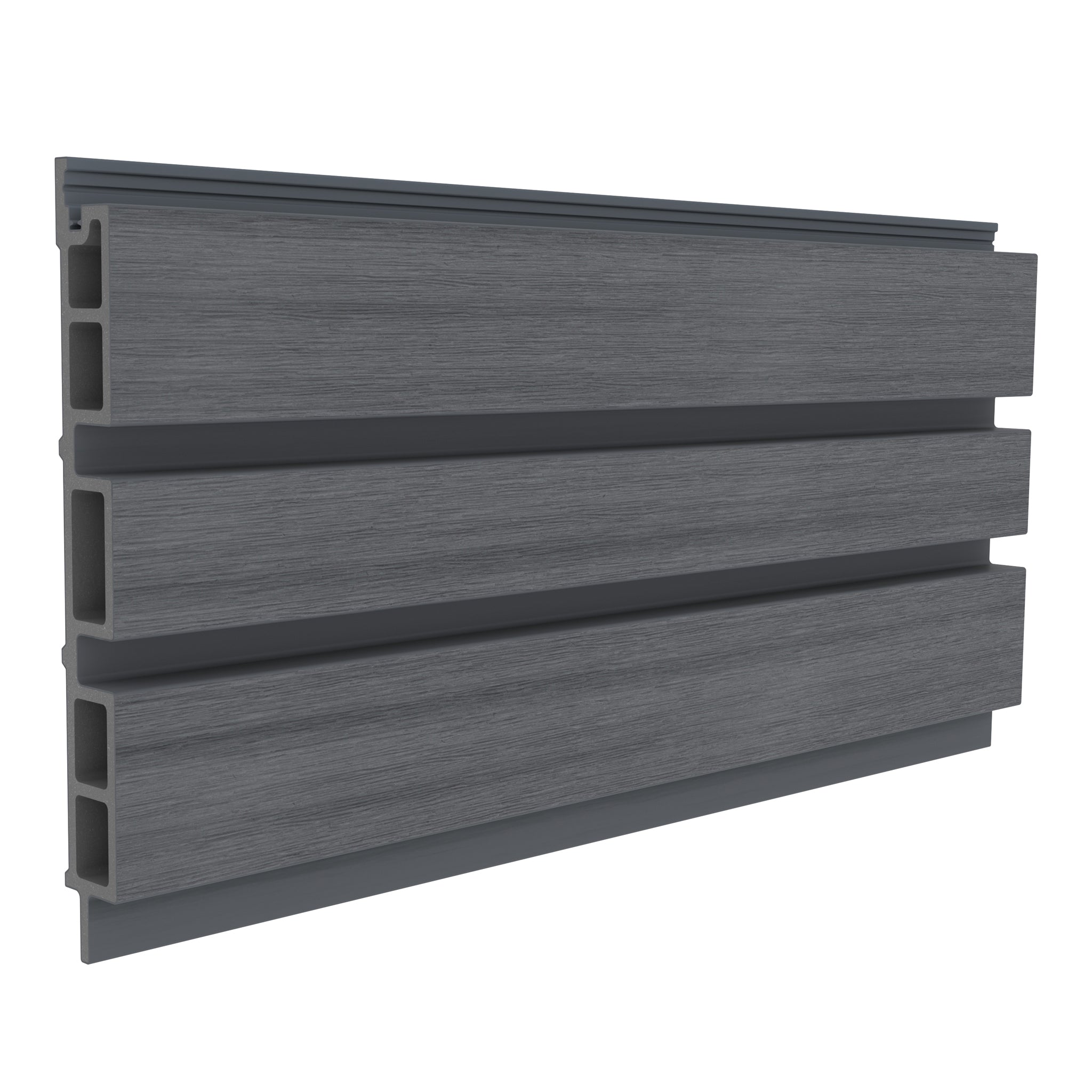
The Slatted range offers a brushed, two-tone surface and a batten-inspired profile. Its capped construction is designed to improve fade and stain resistance. Antique is included within the listed colour options.
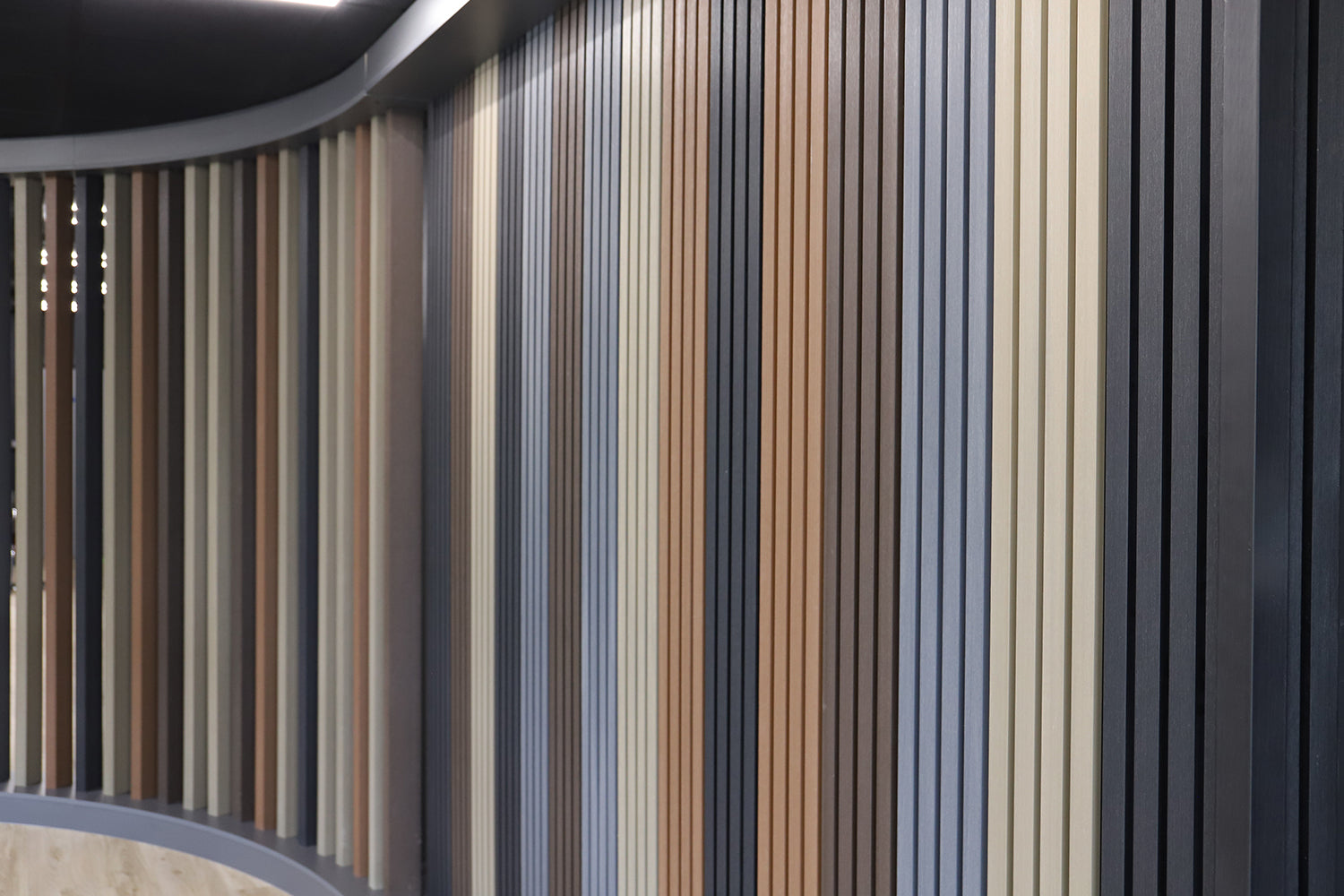
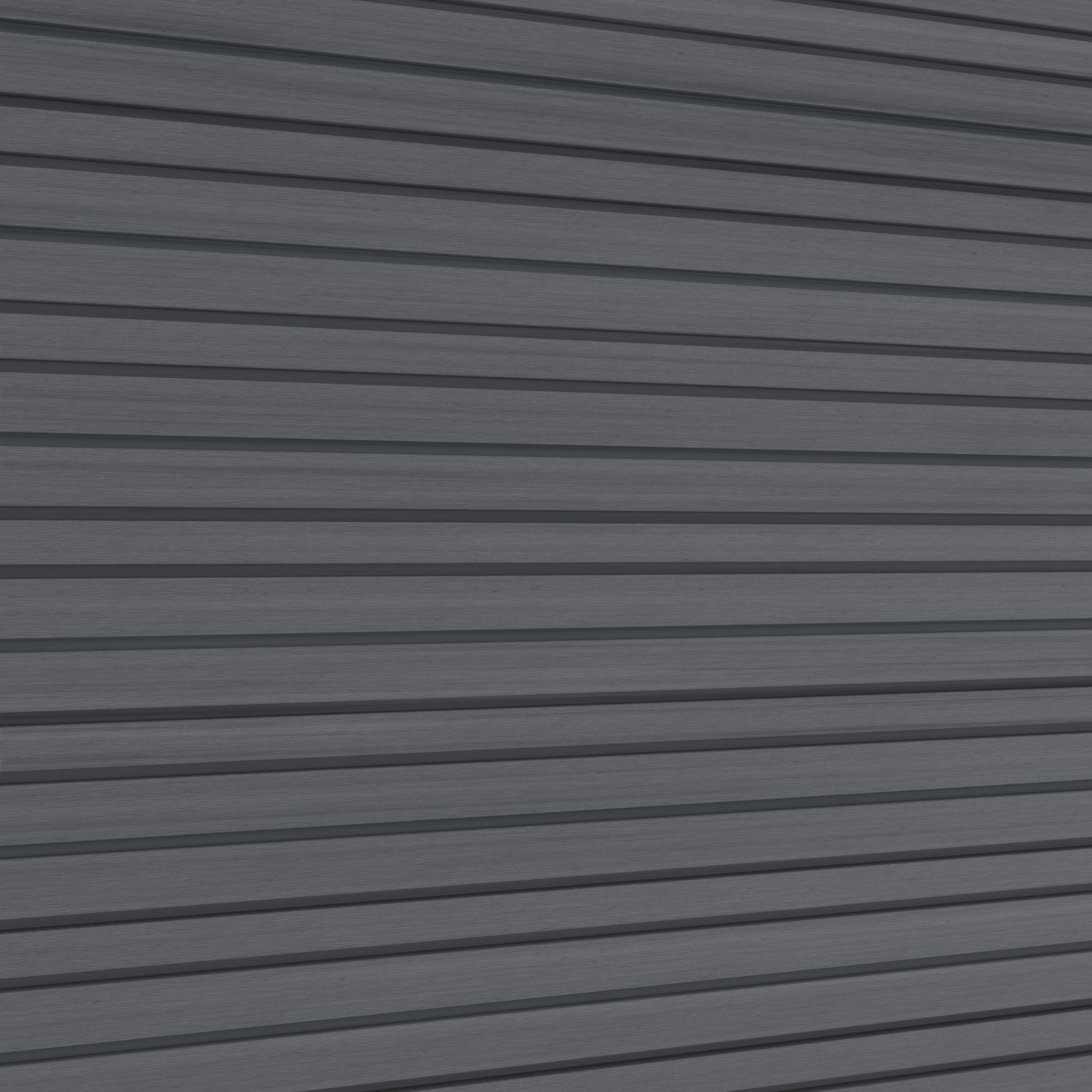
The visual effect differs from a broad woodgrain board. Repeated relief can become an important part of the composition, particularly across a larger elevation. Consider how the lines will relate to windows, corners and the selected orientation.
Compare the two profiles before settling on the colour alone. A shared colour name should not lead you to expect identical surfaces, shadows or appearances across different ranges.
How Does Classic Fit Into the Comparison?
If considering the Classic range as an alternative, check its current colour listing rather than assuming Antique is available across every NeoTimber® product. A comparison between ranges should identify both the construction and the actual colour being supplied.
Use the cladding colour guide to explore other options where needed. Availability and specification are more reliable than applying one colour description to the entire collection.
Colour Combinations for Antique Composite Cladding
Antique With Cream or Pale Render
A pale rendered surface can create a quieter scheme when paired with Antique. Compare the actual render tone alongside the sample, because cream, white and pale grey can each change the apparent relationship.
Where the tones sit close together, texture can provide the distinction between surfaces. A grain or slatted profile may give the elevation variation without requiring a strong colour contrast. Check that effect at the distance from which the wall will usually be seen.
Antique With Charcoal Details
A darker frame or selected feature can bring definition to a softer palette. Explore Charcoal composite cladding if you want to compare a two-colour scheme, but decide where the contrast should occur before ordering.
A single well-positioned accent can be clearer than several isolated dark sections. Consider the building’s openings and edges, then use the contrast to support that geometry. Compare samples from the exact product ranges you intend to combine.
Antique With Brickwork
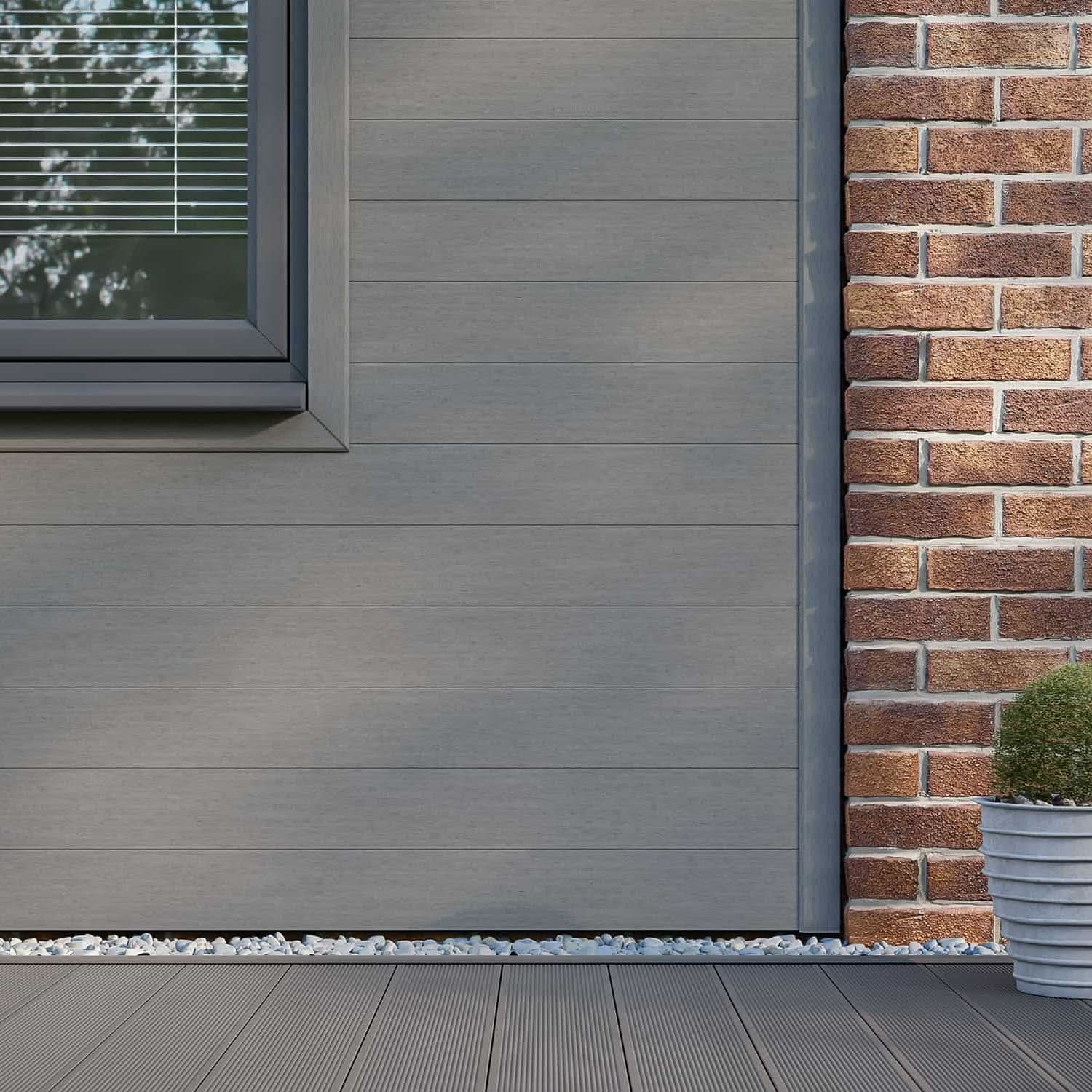
Brick brings its own colour variation and texture. Place the cladding sample against a representative section of the existing wall, including mortar joints. A comparison with one brick may not show the balance of the finished elevation.
Decide which texture should lead. If the brickwork already has a strong pattern, a carefully bounded cladding feature may be enough. If the existing wall is more uniform, the board surface can contribute a more prominent layer of interest.
Antique With Stone and Paving
Stone-inspired references can be useful, but they do not guarantee that Antique will match a particular paving material. Natural stone may vary considerably, so review the intended cladding against the full range of paving tones where possible.
You do not need an exact match for a coordinated result. A deliberate difference in colour and texture can be more convincing than several surfaces that almost match. Assess the combination in the actual light of the site.
Garden Rooms and the Surrounding Landscape
Antique composite cladding can be considered as part of a garden room scheme where a timber-inspired finish is preferred. The building will be seen alongside planting, fencing, paving and furniture, so include those elements in the sample comparison.
Look at the garden room position from the main house, then view the house from the garden. Decide whether the two should share a colour relationship or whether the garden building should have a distinct identity. One repeated element can be enough to connect them.
Explore our garden room cladding ideas for further context. Where coordinating with decking or fencing, compare samples from each range rather than assuming the same colour name guarantees an exact match.
Practical use matters too. Allow space for cleaning and inspection, and keep the specified clearances around the installation. Planters or furniture should not obstruct the drainage and ventilation routes required by the wall system.
Use Antique Cladding to Connect an Extension With the House
An extension can repeat the original building’s palette or establish its own material identity. Antique composite cladding can be explored within either approach, provided the relationship is deliberate.
For continuity, identify a shared element such as a connection with the paving or a frame colour. For distinction, allow the cladding to introduce texture while keeping the junction with the original building clear. Trying to reproduce every existing material may be less effective than a simpler connection.
Do not use the boards to conceal unresolved defects where old and new work meet. Assess the backing wall and moisture details first. The visible cladding is part of a properly designed construction rather than a remedy for a problem behind it.
Board Direction, Coverage and Proportion
The amount of cladding and the direction of its lines affect the building’s appearance. Horizontal lines draw attention across an elevation, while vertical lines direct the eye upwards. Their impact also depends on the selected profile and the arrangement of openings.
Sketch the proposed wall before choosing board lengths. Include the clad boundaries, windows, doors and corners. Compare a small feature with a larger area so you can judge which supports the intended design.
Small Features Need Precise Edges
A narrow entrance feature or section beside glazing can look deliberate when its edges align with the building’s geometry. Check whether the selected board profile fits the available area without awkward cuts. Trims become particularly noticeable around a small feature.
Large Areas Need a Repetition Plan
Across a broad elevation, grain, slats and joints create a repeated pattern. Plan that pattern alongside the support requirements. A layout decided only during fitting may produce joints in places that do not suit the intended appearance.
Use our horizontal cladding guide for layout inspiration and the product-specific instructions to confirm the supported installation arrangements.
Daylight Changes the Way You Read the Finish
A sample viewed indoors is only one view of the colour. Place it at the intended location, beside the retained materials, and inspect it in daylight and shade. Where practical, compare it at more than one time of day.
Texture changes how light falls across the surface. A pronounced grain or slatted profile creates relief that a flat colour reference cannot reproduce. Examine the actual profile before deciding how prominent you want that effect to be.
If exterior lighting forms part of the project, coordinate its position with the cladding layout. Lighting can emphasise relief or provide a quieter overall illumination. Resolve wiring and fixings before finishing the wall.
Antique Composite Cladding and Natural Timber
Natural timber offers individual grain patterns and can suit a project where refinishing is part of the intended care routine. Composite provides a manufactured appearance with different treatment requirements. The decision should follow your priorities rather than an assumption that one material always performs better.
NeoTimber® composite cladding does not require routine painting or staining to maintain its intended finish. Cleaning remains necessary. That can appeal where access for repeated coating work would be inconvenient.
Compare the total project cost and the care needed to retain the appearance you want. Species, treatment, exposure and detailing influence timber performance. Our composite cladding vs wood guide can help you weigh the practical differences.
Weather Resistance Depends on More Than the Surface
A capped finish provides an additional protective surface layer, but the entire wall should not be described as waterproof simply because the boards are capped. Appropriate drainage, ventilation and weatherproofing details remain necessary behind and around the covering.
Openings, corners and the base of the wall need suitable treatment. Assess the condition of the existing structure before covering it, and confirm that the supports and fixings are appropriate for the project.
Composite boards can expand and contract as temperatures change. Follow the selected range’s movement allowances and fixing details in the installation resources. A design choice, such as changing board direction, can affect the supporting arrangement.
Confirm suitability and applicable building requirements, including fire performance, with the installer or designer. Neither a colour name nor a weathered-timber aesthetic establishes suitability for every building or exposure condition.
Care for the Finish You Have Chosen
Low maintenance still involves cleaning. Dirt and deposits can affect how the surface appears, and cleaning frequency depends on its setting. Follow the maintenance guide before applying cleaners or using pressure-washing equipment.
Distinguish removable deposits from changes in the material’s appearance. A stronger cleaning product is not automatically the right response to every visible difference. Seek product-specific advice if the recommended method does not address the concern.
Keep the board range, colour and installation details with the project records. Review the warranty terms for coverage, conditions and exclusions rather than treating a headline duration as a guarantee of unchanged colour.
Budget for a Complete Antique Cladding Project
The board price is only one part of the quotation. Supports, fixings, trims, access, labour and cutting waste contribute to the overall cost. Existing repairs or changes to the wall details can add further work.
Resolve the profile and layout before calculating final quantities. Effective installed coverage may differ from a board’s overall width. Openings reduce visible area but can introduce extra cuts, offcuts and finishing requirements.
Ask quotations to identify the same selected range, colour and scope. A clear specification makes the proposals easier to compare and reduces the risk of a product substitution that changes the intended appearance.
A Thoughtful Route From Inspiration to Installation
- Define the purpose: decide whether Antique should soften an elevation, introduce grain or connect the building with its surroundings.
- Review the gallery: compare the profile, extent of coverage and adjoining materials as well as colour.
- View samples on site: assess the finish beside the existing brickwork, frames and paving.
- Choose the profile: compare a woodgrain surface with a slatted effect.
- Plan the elevation: show boundaries, openings, joints and trims.
- Confirm suitability: agree the supporting construction and relevant requirements with the project professional.
- Record the specification: retain the chosen products, exact colour name and care information.
This process connects an appealing design idea with the practical details needed to deliver it. It also helps avoid choosing a colour first and discovering later that the profile or fitting arrangement does not suit the project.
Antique Composite Cladding FAQs
Is Antique Composite Cladding Made From Antique Wood?
Antique is a colour name rather than a statement that the boards are made from reclaimed antique timber. NeoTimber® specifies wood-polymer composite construction for its relevant cladding products.
Does Antique Composite Cladding Look Like Oak?
The finish can be explored as part of a timber-inspired design, but it should not be assumed to match a particular oak species or a specific light oak colour. Compare the actual sample with your reference.
Which NeoTimber® Ranges Offer Antique?
Antique appears in the Deluxe Woodgrain and Slatted product listings. Check current availability for the chosen board, length and accessories before ordering.
Does Antique Work With Charcoal?
The combination can create contrast. Compare samples from the exact ranges you intend to use, and decide where the darker accent should occur within the elevation.
Will Antique Composite Cladding Fade to a Sandy Colour?
Do not assume a particular future shade. Read the range’s weathering information and choose based on the supplied finish and documented characteristics. Capped boards improve fade resistance without guaranteeing zero change.
Does Antique Composite Cladding Need Painting?
NeoTimber® composite cladding does not require routine painting or staining. Maintain its intended finish using the relevant cleaning and care instructions.
Can I Use Antique Cladding at a Coastal Property?
A coastal-inspired colour scheme does not establish suitability for coastal exposure. Confirm the chosen products, fixing design and site requirements with the supplier and installer.
Where Can I See Antique Composite Cladding Projects?
Explore the Antique composite cladding gallery above for inspiration, then use physical samples to assess the finish in your own setting.
Find Your Preferred Antique Finish
Antique composite cladding is best chosen as part of a coherent exterior design. Compare the grain or profile, review the colour alongside existing materials and resolve the layout before ordering. For more inspiration, explore our cladding design ideas.
Order free NeoTimber® cladding samples to assess Antique at home, or browse the composite cladding collection to compare product specifications and accessories for your project.