
What Makes NeoTimber® Cladding a Practical Exterior Choice?
Key composite cladding features include low-maintenance care, timber-inspired finishes, a choice of colours and purpose-designed installation components. Capped boards add a protective surface that improves resistance to fading and staining. Construction, texture and fire classification vary by product, so comparing the details helps you choose a suitable board for your project.
Whether you are updating a house, finishing an extension or planning a garden room, appearance is only part of the decision. Think about how the wall will be installed, cleaned and maintained over time. This guide explains the main features of NeoTimber® composite cladding and the practical benefits to consider before ordering.
Composite Cladding Features at a Glance
| Feature | Potential benefit | What to check |
|---|---|---|
| Low-maintenance finish | Less routine surface treatment | The cleaning guidance for your chosen range |
| Capped construction | Additional surface protection | Whether the board is capped or uncapped |
| Woodgrain, brushed or slatted appearance | Different ways to introduce texture | Physical samples in the intended setting |
| Coordinated fixings and trims | A consistent installation and finish | Compatibility, quantities and fitting sequence |
| Declared fire classification | Information for the project specification | The exact product and permitted application |
| Material sourcing information | A clearer basis for assessing the product | Product-specific composition and certification |
1. Low-Maintenance Care
One of the most useful composite cladding features is the reduced need for routine surface treatment. If you want a timber-inspired exterior without planning regular repainting or staining, this can be a significant part of the appeal.
Low maintenance still means some maintenance. Outdoor walls collect dust, pollen and other deposits, particularly near planting or sheltered corners. Keep the surface clean and inspect the edges and junctions periodically so that small issues can be addressed early.

Follow the care instructions for the specific board. For example, the Deluxe Woodgrain product guidance recommends warm soapy water and a soft-bristled brush for routine cleaning. Check the manufacturer's instructions before using pressure-washing equipment or specialist cleaners rather than assuming every method suits every finish.
When comparing maintenance costs, consider access as well as cleaning frequency. A wall beside a patio is easier to reach than a section above a roof, so the practical benefit depends partly on where the cladding will be installed.
2. A Coordinated Installation System
Boards, fixings and finishing profiles work together to create a complete exterior. Planning these components as a system makes it easier to achieve consistent board lines and tidy transitions around doors, windows and corners.

Begin with a suitable supporting framework. Then check the specified fixing method, movement gaps, ventilation details and trim sequence. An installation system can simplify the process, but it does not remove the need for accurate setting out or assessment of the existing wall.
The NeoTimber® installation resources are the starting point for planning the work. Skilled DIYers should assess the scope and access requirements before deciding to install the boards themselves. More complex façades and junctions may benefit from an experienced installer.
Use our composite cladding accessories guide to understand the different roles of starter clips, board screws, trim screws and finishing profiles.
3. Capped Surface Protection and Fade Resistance
Capped and uncapped boards are different constructions. A capped board has an additional protective outer layer, while an uncapped board exposes its composite surface directly. This distinction matters when comparing surface performance.
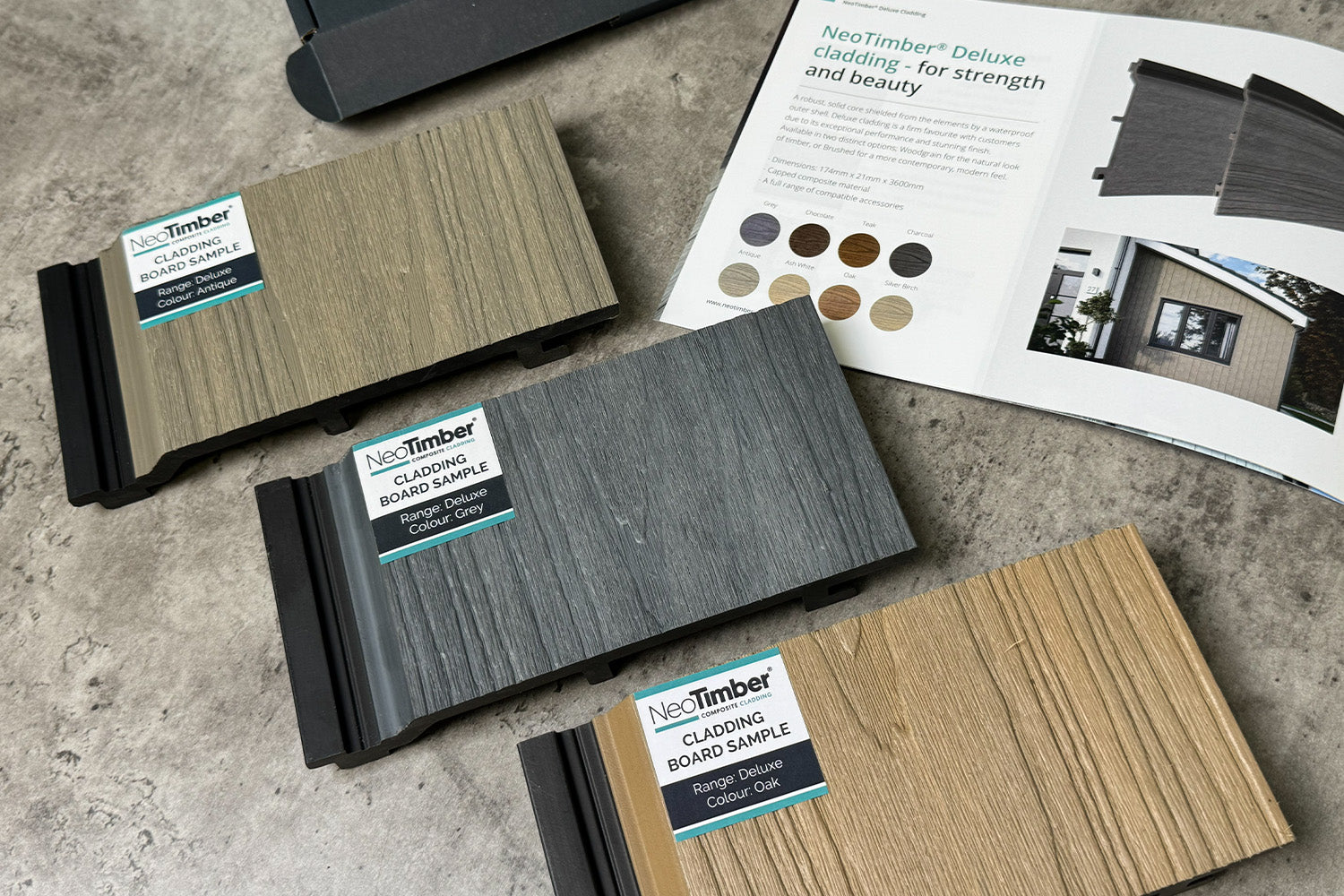
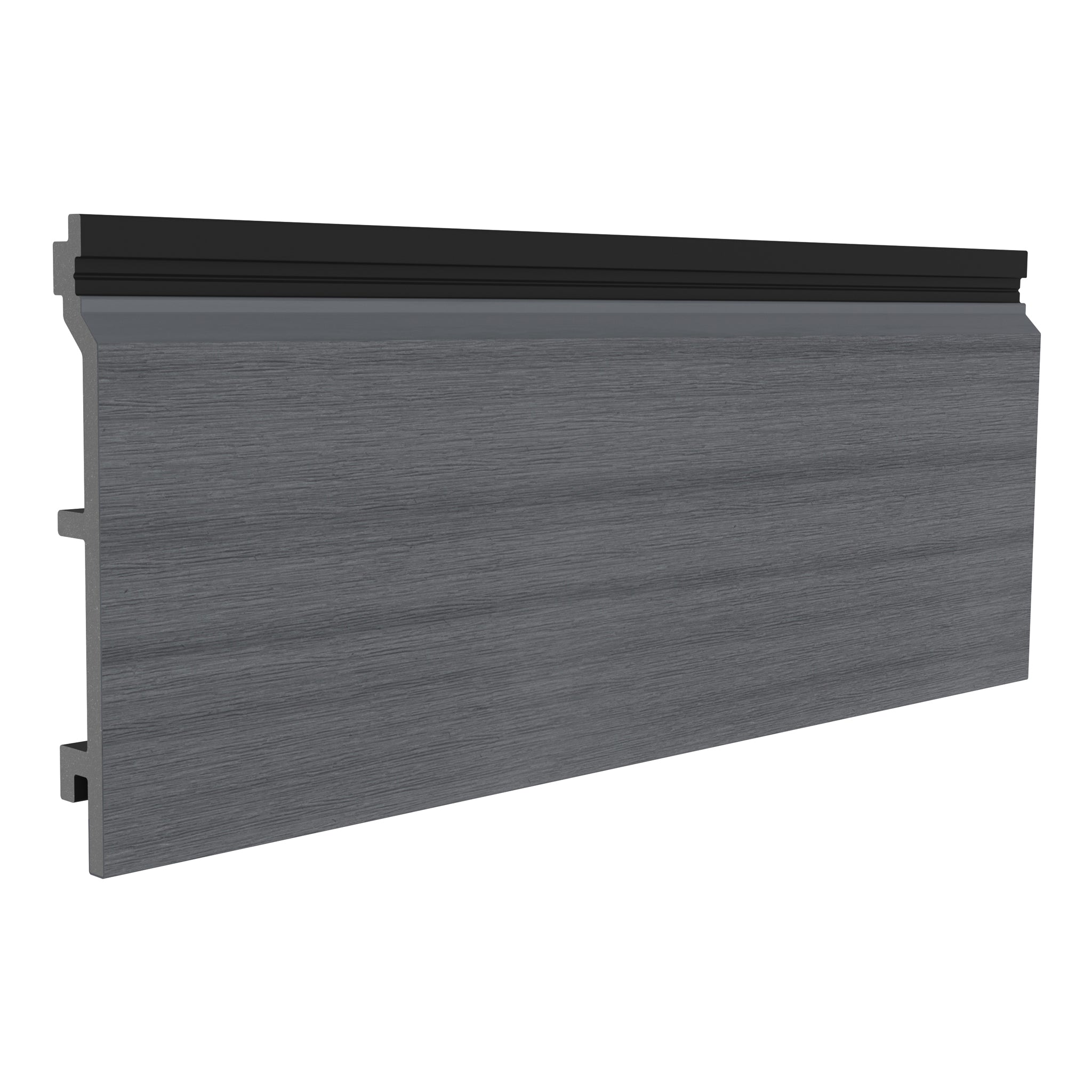
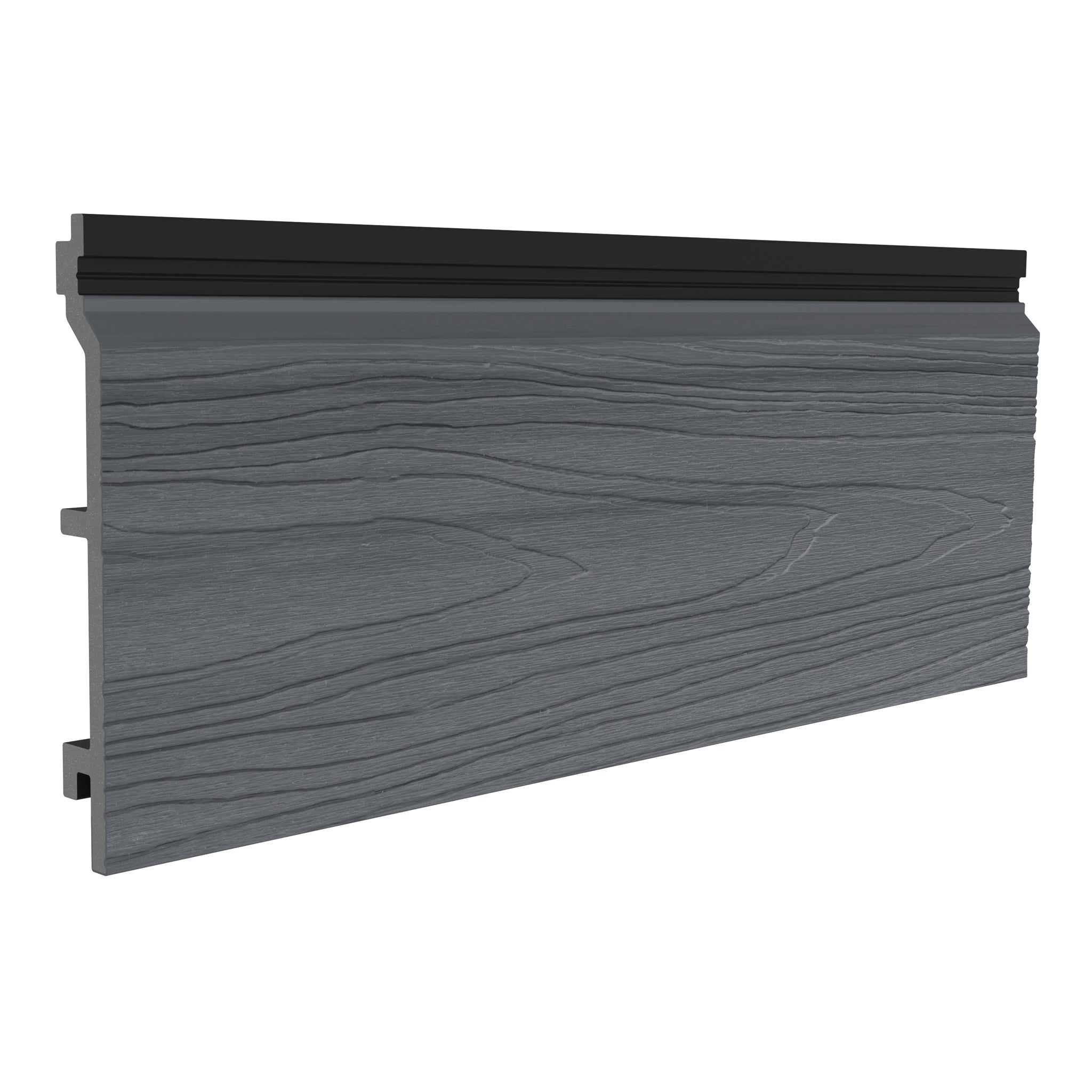
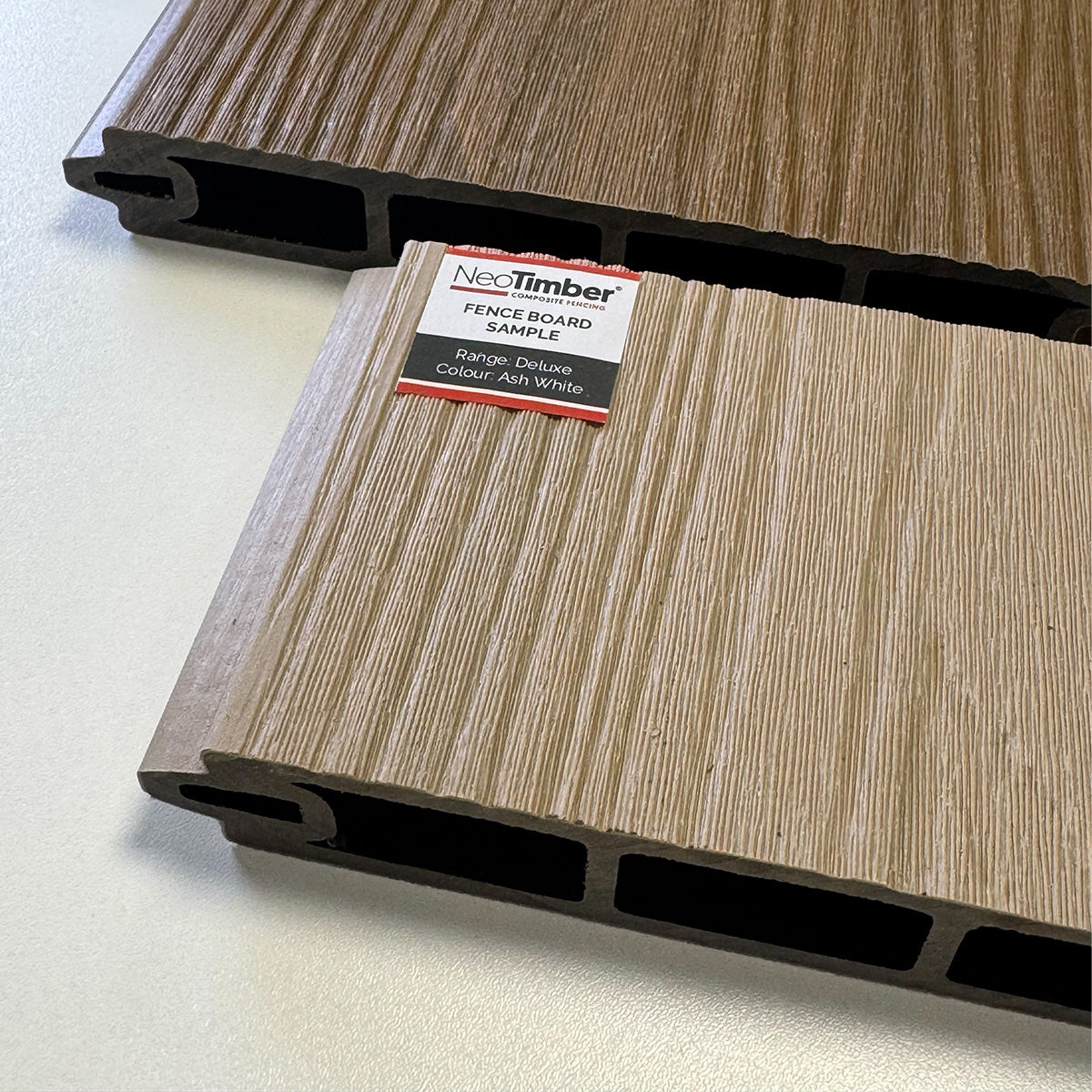
NeoTimber® Deluxe Woodgrain uses capped construction to improve fade and stain resistance. Classic is an uncapped alternative. Choose between them using the relevant product information and your priorities for finish, care and budget.

Fade resistance should not be read as a promise of zero colour change. Exposure, product construction and weathering can affect appearance. Likewise, stain resistance does not make cleaning unnecessary: remove spills and deposits according to the care guidance.
Compare the expected appearance over time as well as the colour of a new sample. Our capped composite cladding guide explores the role of the protective outer layer in more detail.
4. Timber-Inspired Texture and Colour Choice
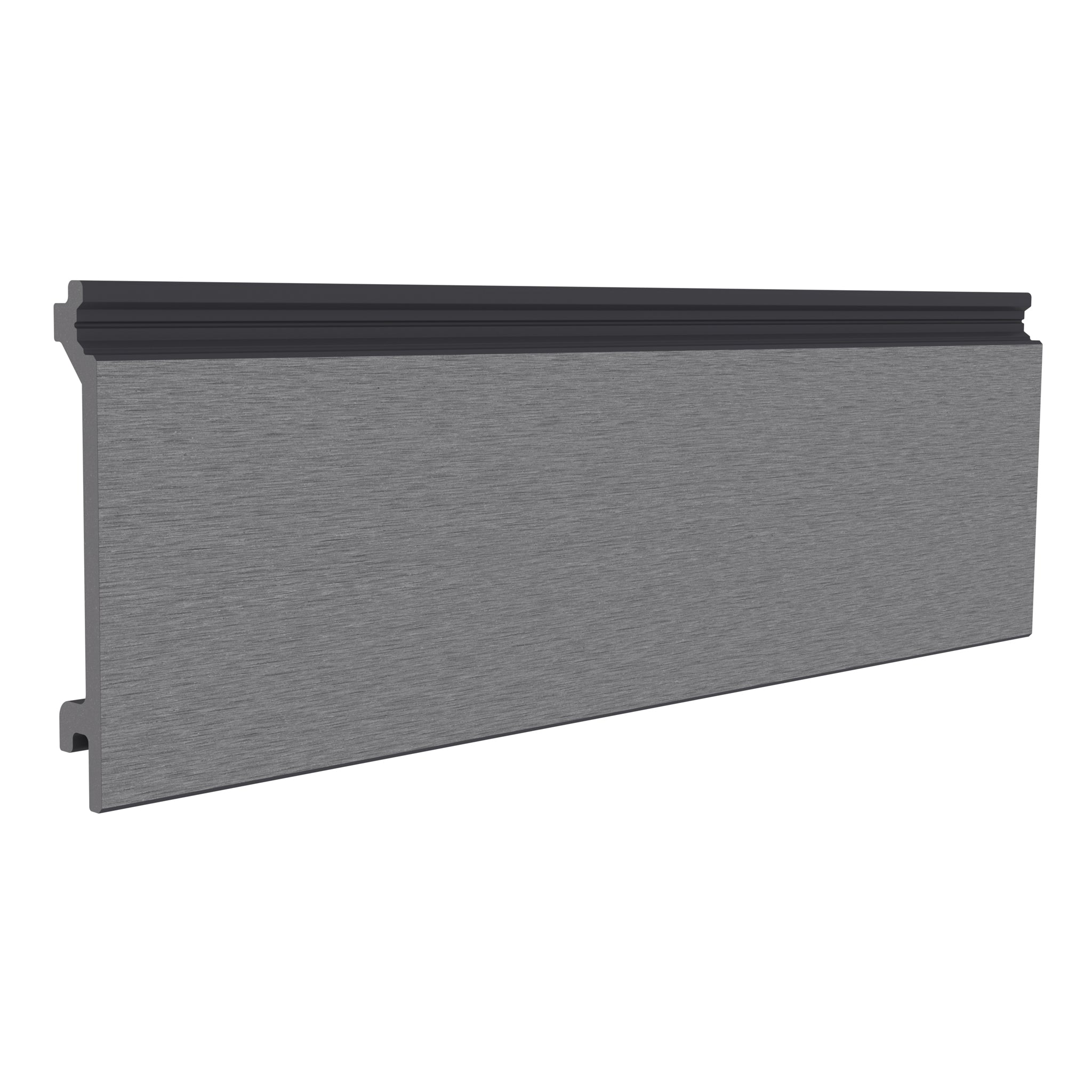
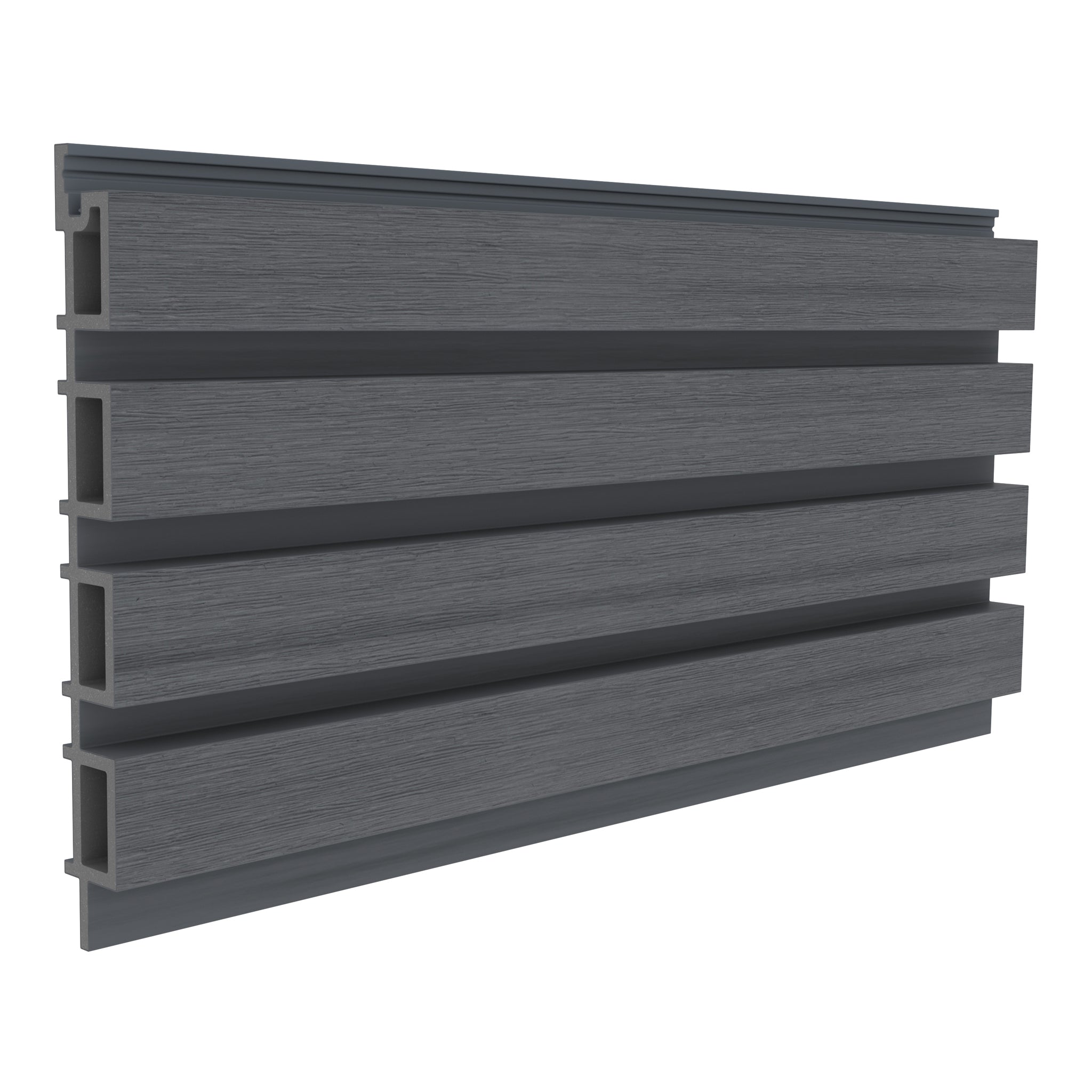
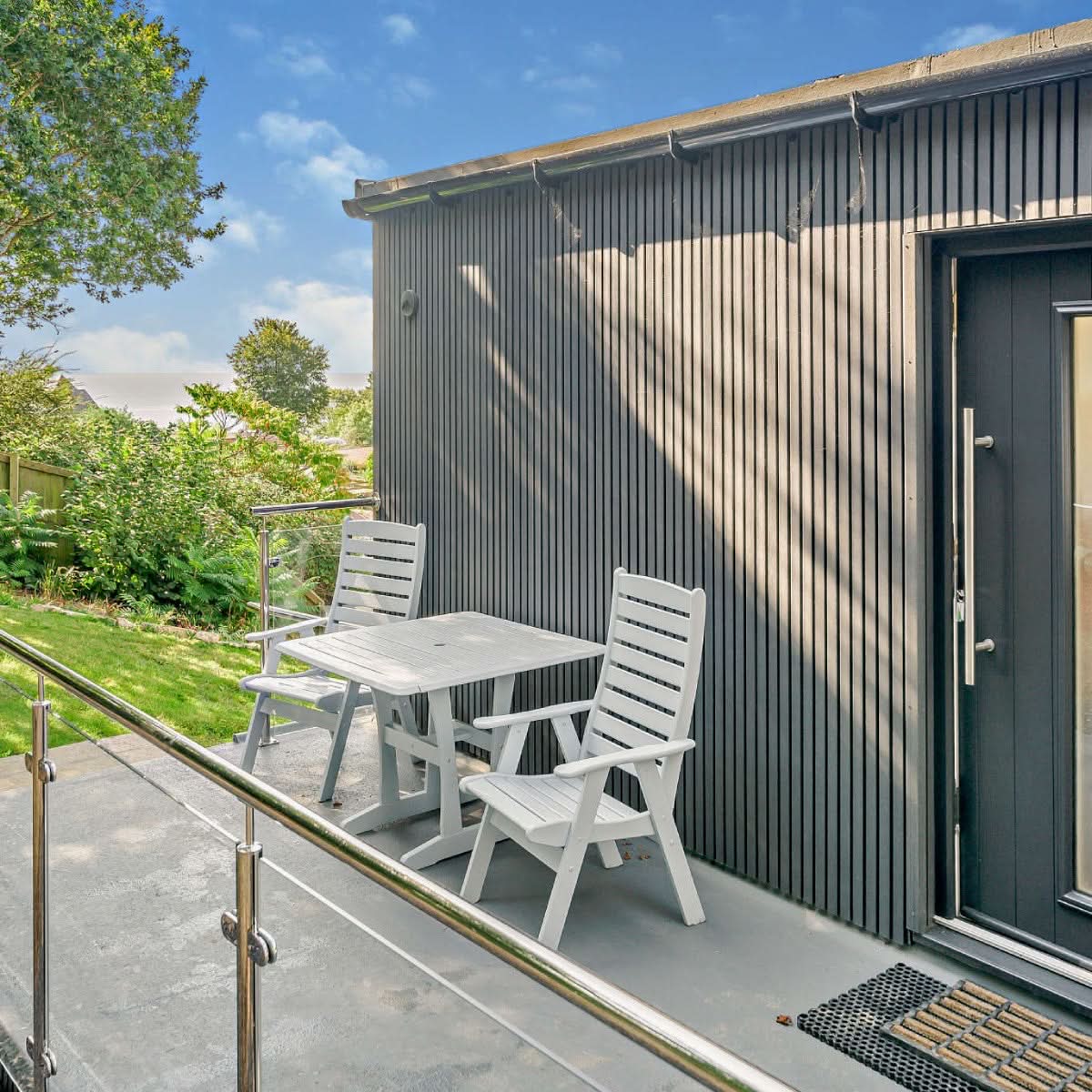
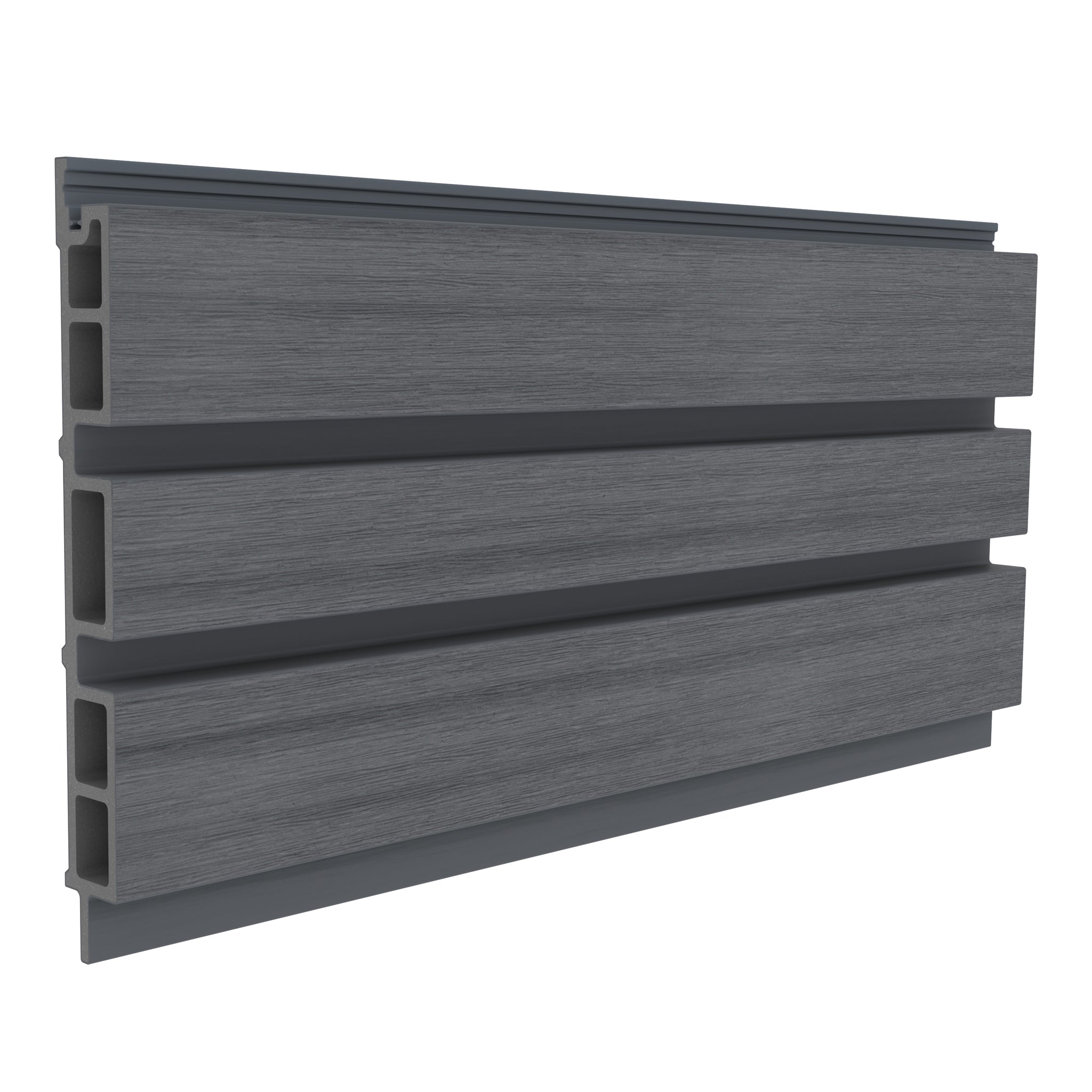
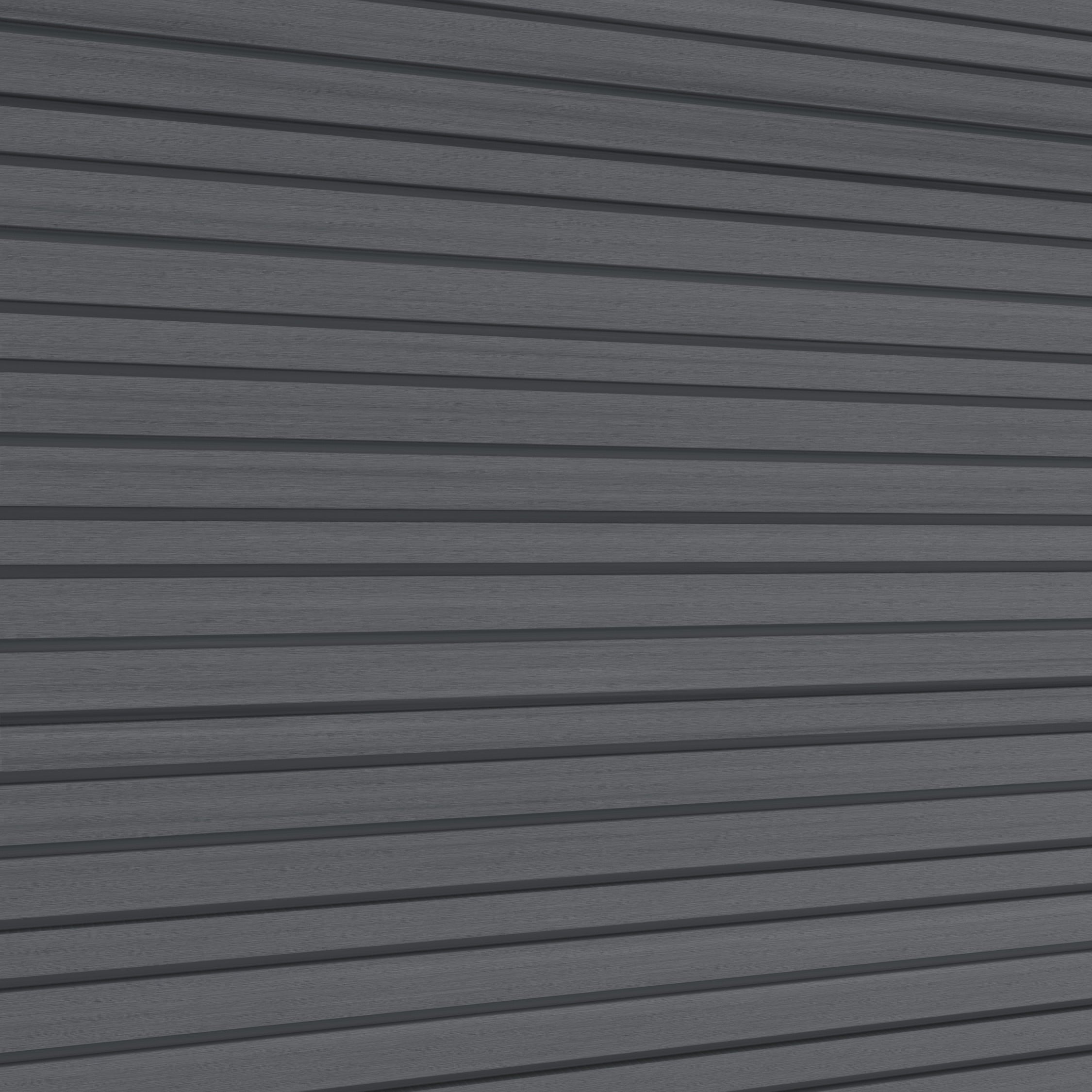
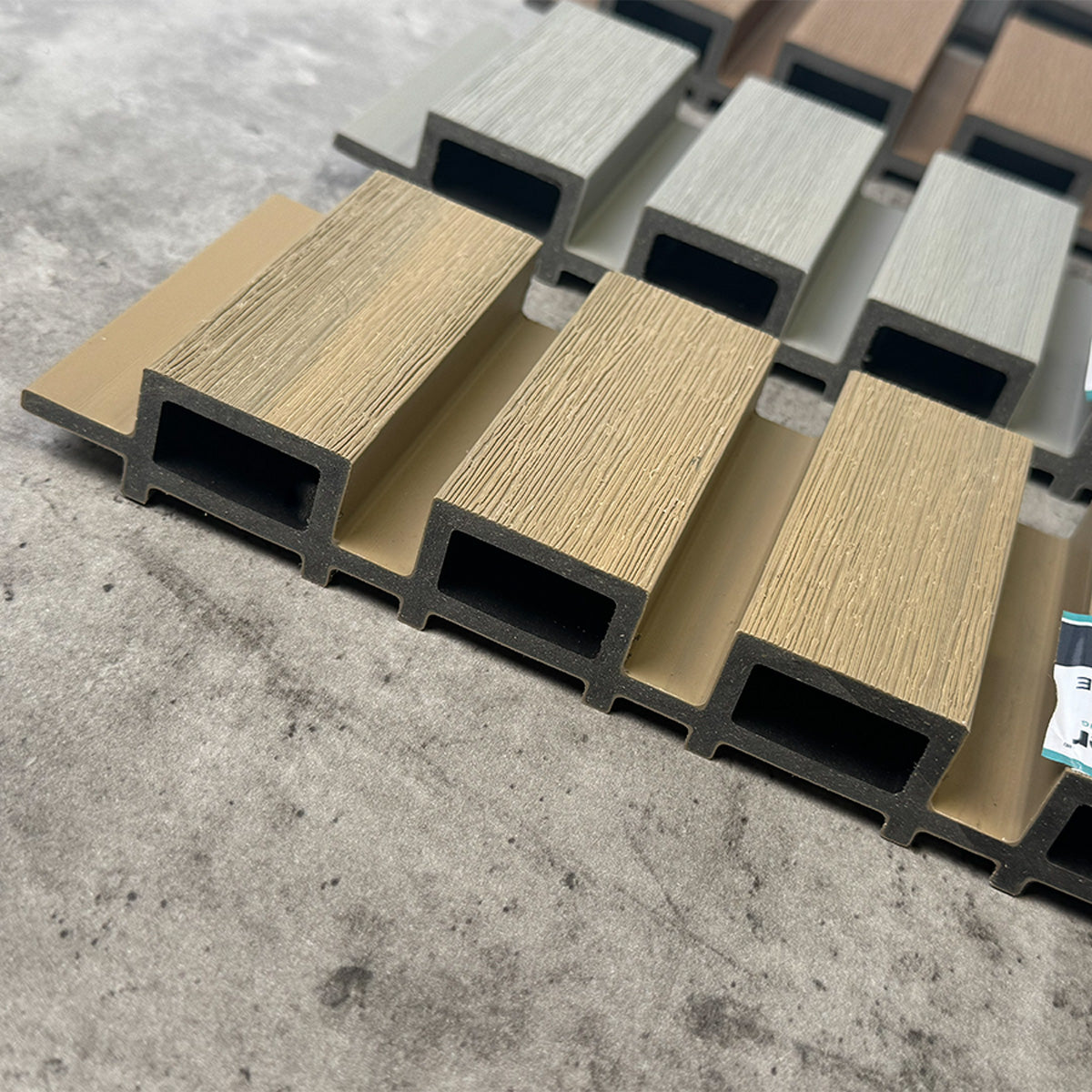
Texture can change the character of a wall as much as colour. An embossed woodgrain surface gives a more pronounced timber effect, while a brushed finish provides a different surface treatment. A slatted profile adds repeating lines and shadows to the design.

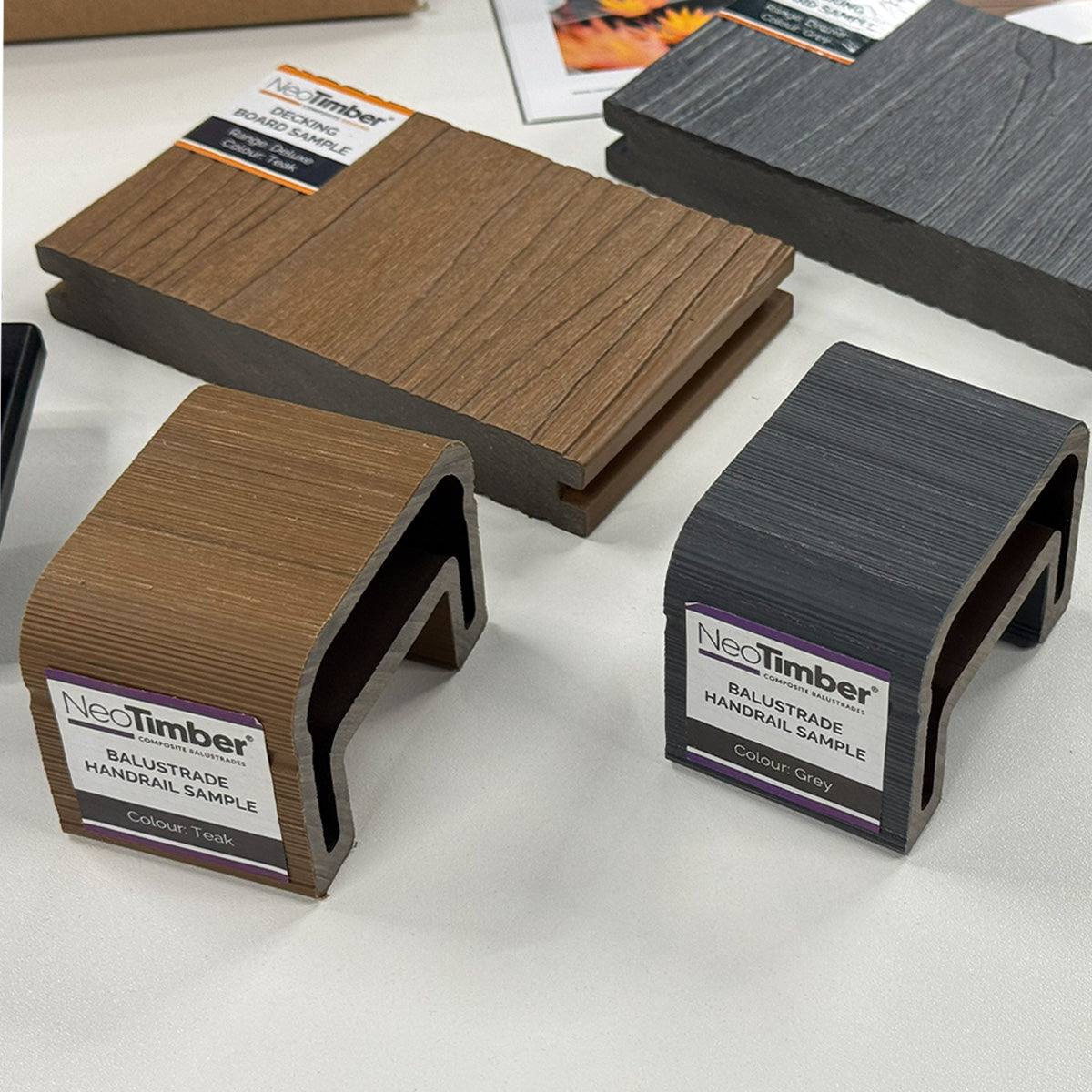
Deluxe Woodgrain features an embossed finish with tonal variation. The Classic board has a sanded texture. Comparing samples side by side helps you see which finish suits your brickwork, glazing and landscaping.
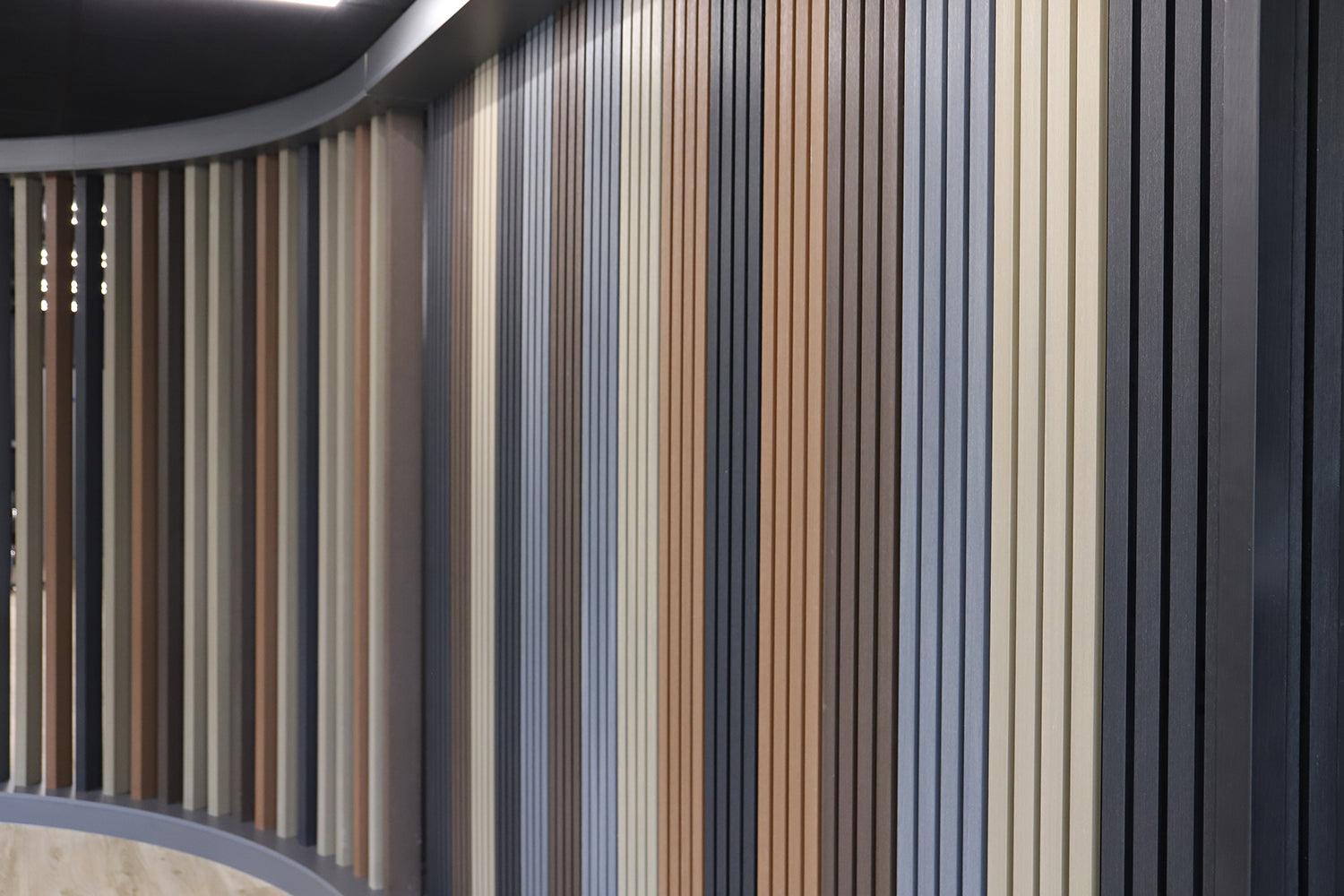
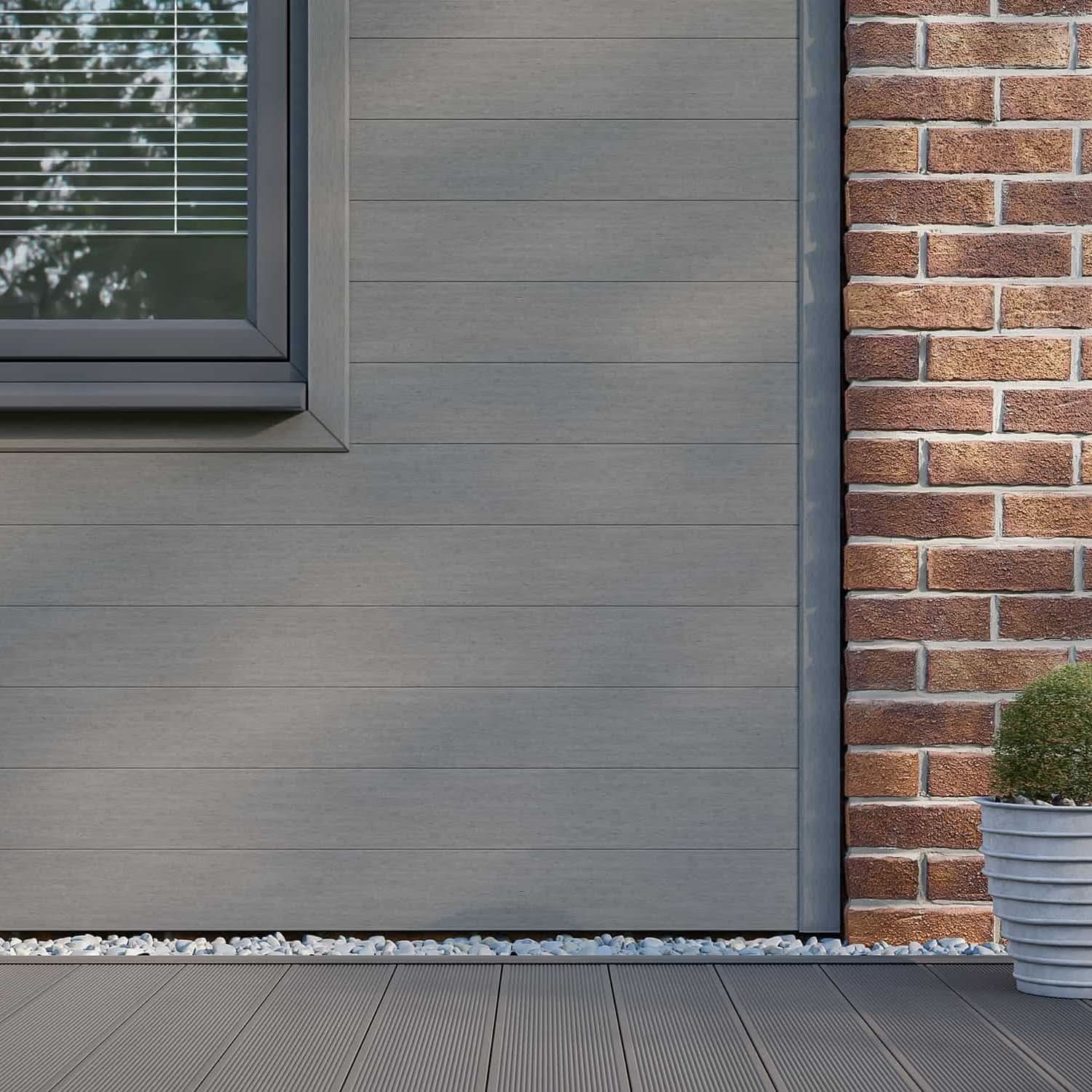
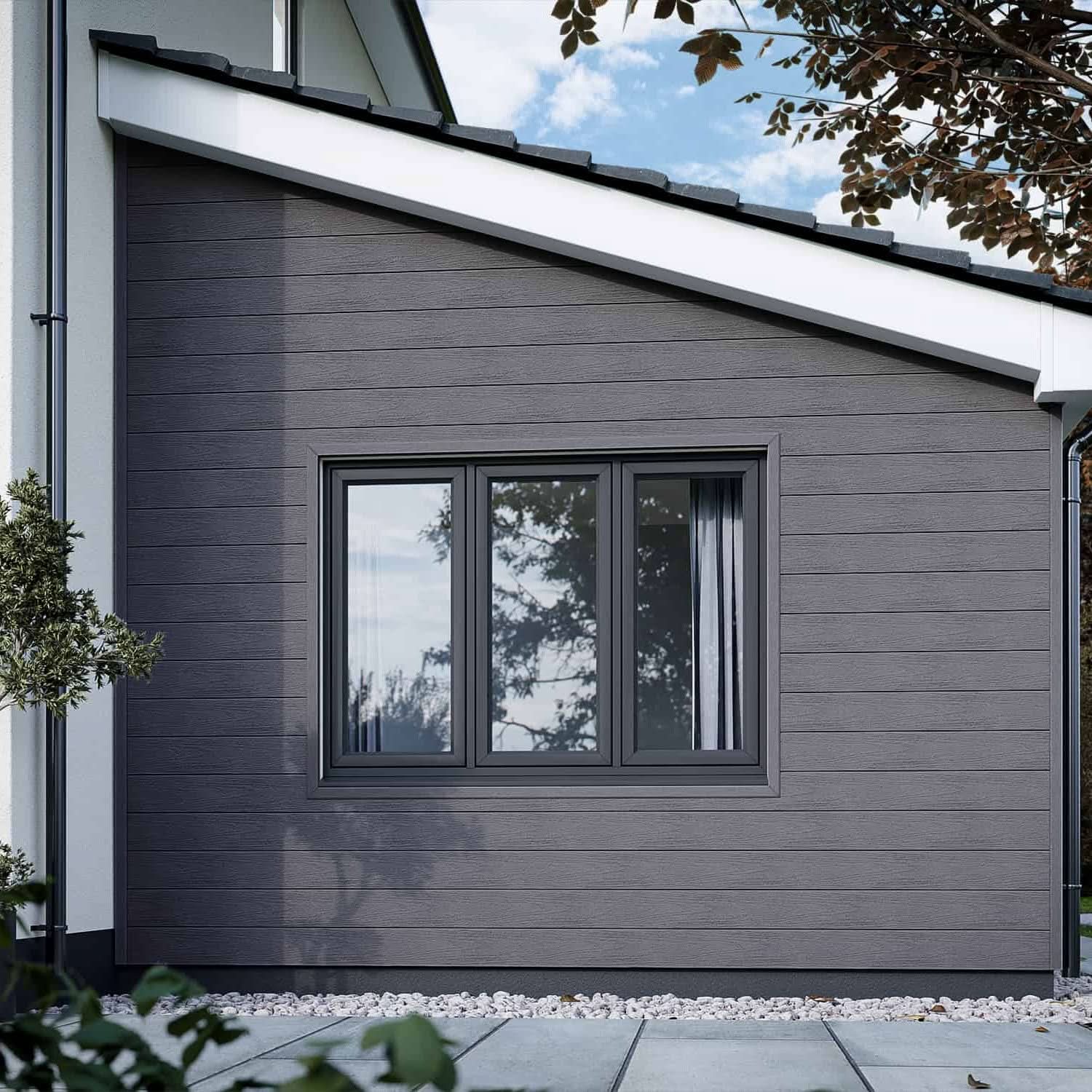
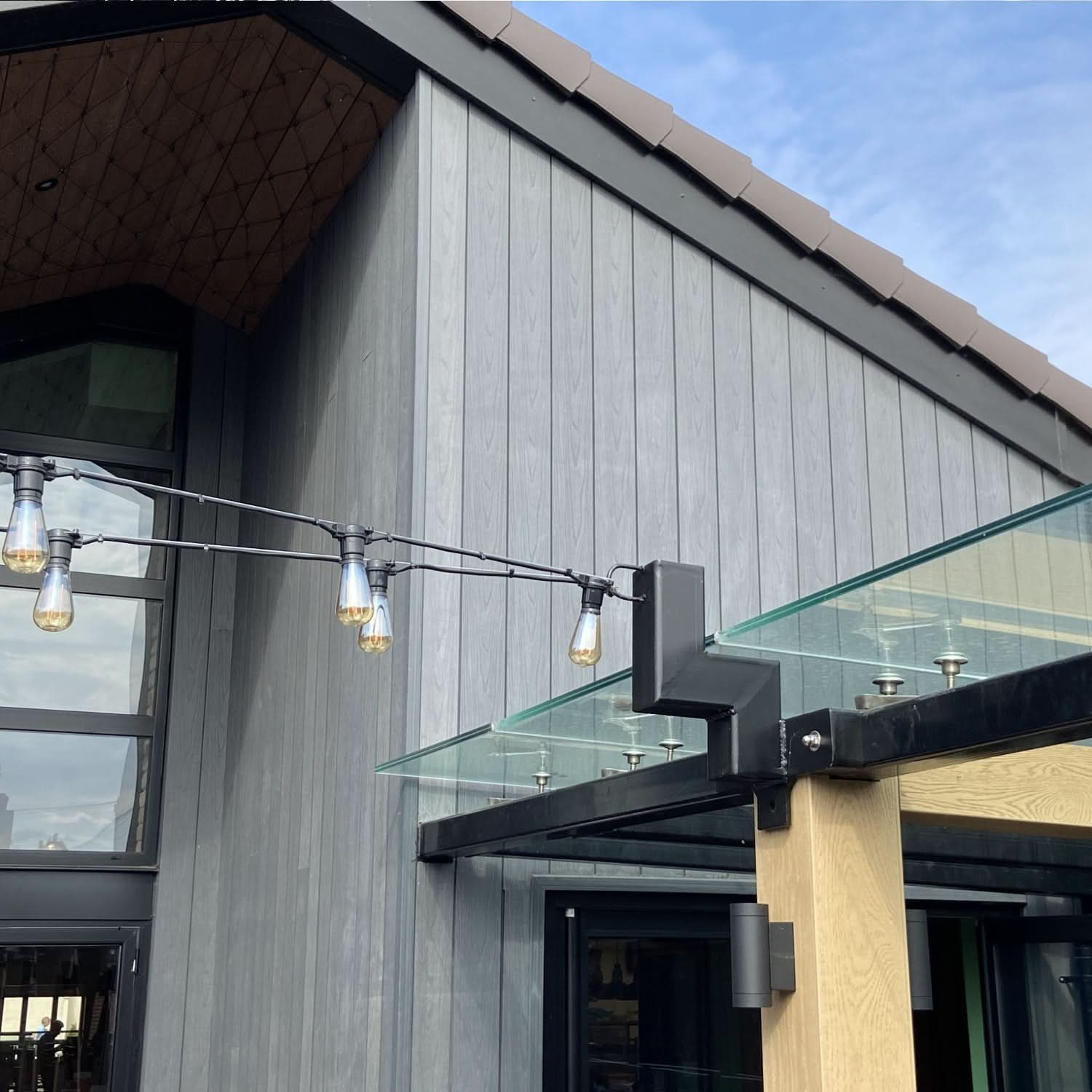
Think about viewing distance too. Grain detail is particularly noticeable near entrances and seating areas, while the overall colour and board layout have greater influence from across a garden. Explore our composite cladding colours guide to begin a shortlist, then review samples outdoors before committing.
5. Product-Specific Fire Classifications
A declared reaction-to-fire classification is information for the building specification, rather than a general assurance that a board can be used anywhere. NeoTimber® lists Classic as C-s1, d0 and Deluxe and Slatted as D-s1, d0. These products are not non-combustible.

Check the current classification report and its installation conditions for the exact product. Suitability depends on the building, its use and the complete wall design, together with applicable requirements. A Class C or D classification alone does not establish approval for a particular project.
Read the NeoTimber® fire-rating information and have the proposed specification assessed by the responsible designer or fire specialist where appropriate.
6. Material Composition and Responsible Sourcing
Composite cladding combines wood-based material with polymers and additives. Understanding the composition provides a better basis for comparison than relying on a broad “eco-friendly” label.

The NeoTimber® Classic specification identifies FSC® 100% certified wood fibres, and its product information describes the use of recycled plastics. Check the corresponding documentation for the particular board you are considering.
Material sourcing is one part of an environmental assessment. Also consider transport, cutting waste, service life and what can happen to the product at the end of its use. Recycled content does not automatically mean a composite board can be placed in a household recycling bin.
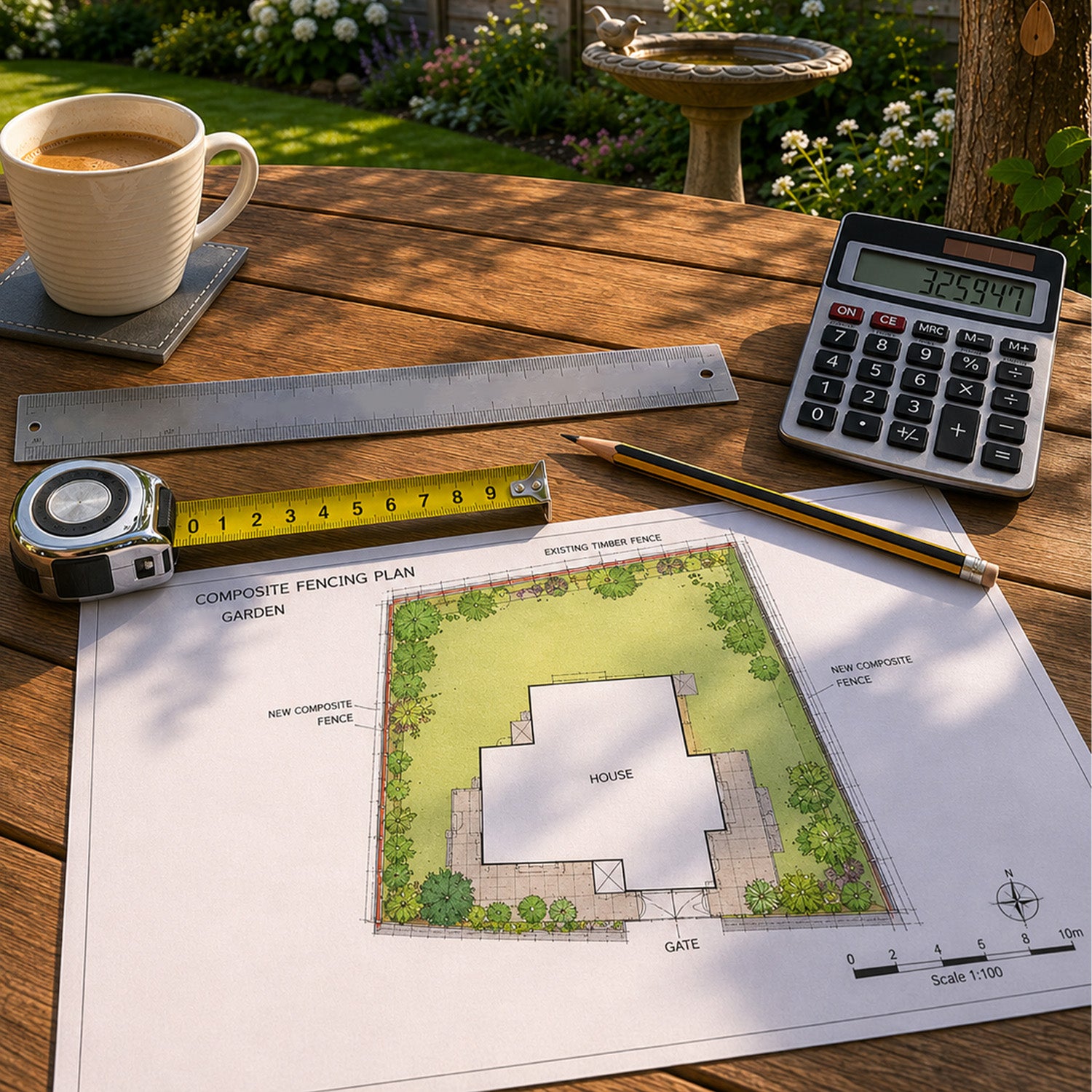
Careful measuring and a considered cutting plan can reduce avoidable waste. If a project needs a formal environmental comparison, request suitable supporting data rather than assuming one material always has a lower impact than another.
Composite Cladding vs Timber: Compare the Whole Project
Composite and timber can both provide an attractive exterior, but they offer different choices in appearance and care. The most useful comparison is between the actual products and finishes you are considering.

- Maintenance: compare the composite cleaning routine with the requirements of the chosen timber species and finish. Some timber is intentionally left to weather.
- Appearance: decide whether you prefer a manufactured colour and texture or natural variation in timber.
- Installation: include framework, fixings, trims and labour when comparing costs.
- Future changes: consider how repairs or changes of finish would be handled for each material.
- Suitability: compare the relevant technical information for the complete wall design.
Our composite cladding vs wood guide provides a starting point for a more detailed comparison.
Choosing the Right NeoTimber® Cladding Style
Match the finish to the design before refining your colour choice. These options offer different starting points:
- Classic composite cladding: an uncapped board with a sanded surface.
- Deluxe Woodgrain cladding: capped construction with an embossed timber-inspired finish.
- Deluxe Brushed cladding: an alternative to explore if you prefer a brushed surface.
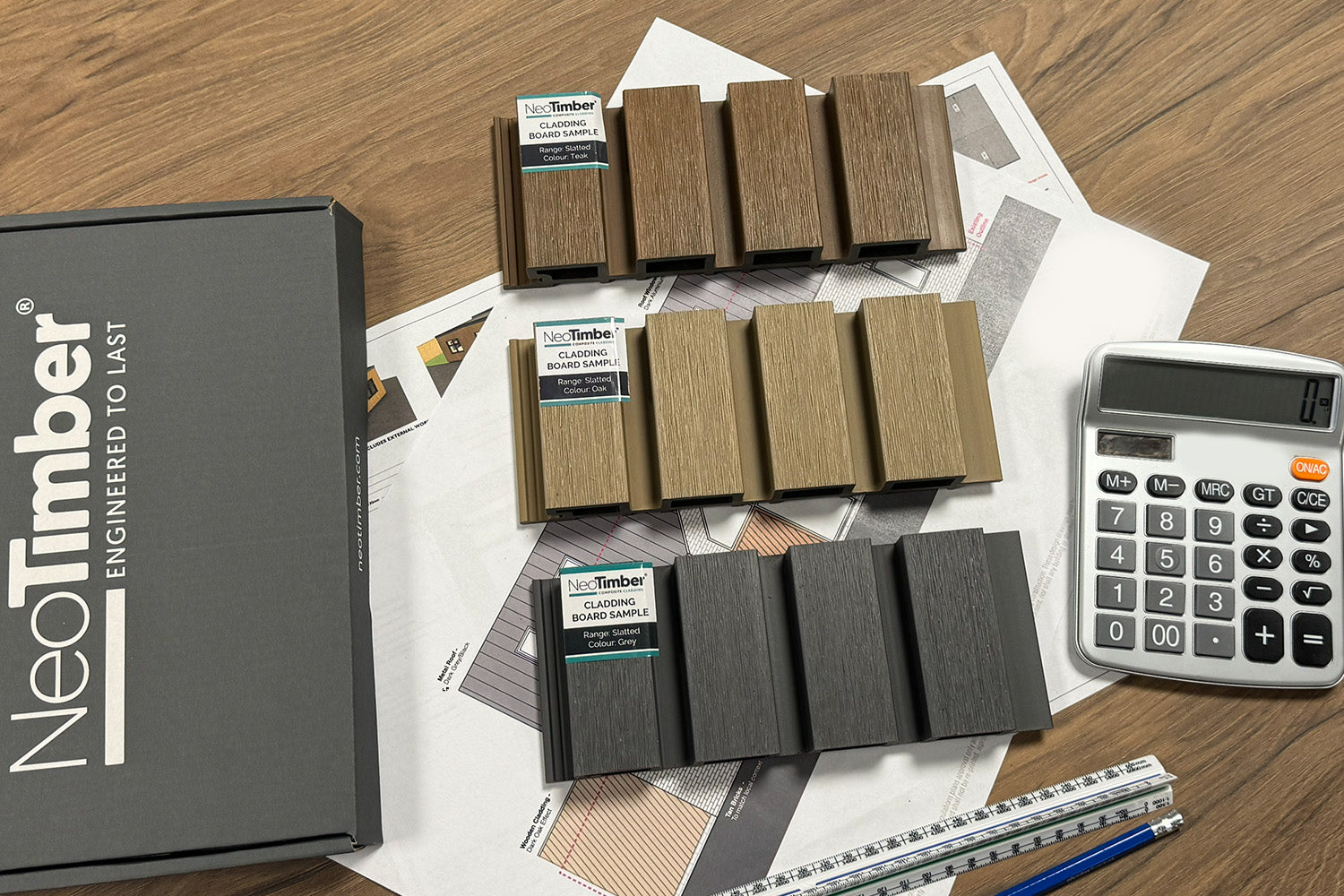
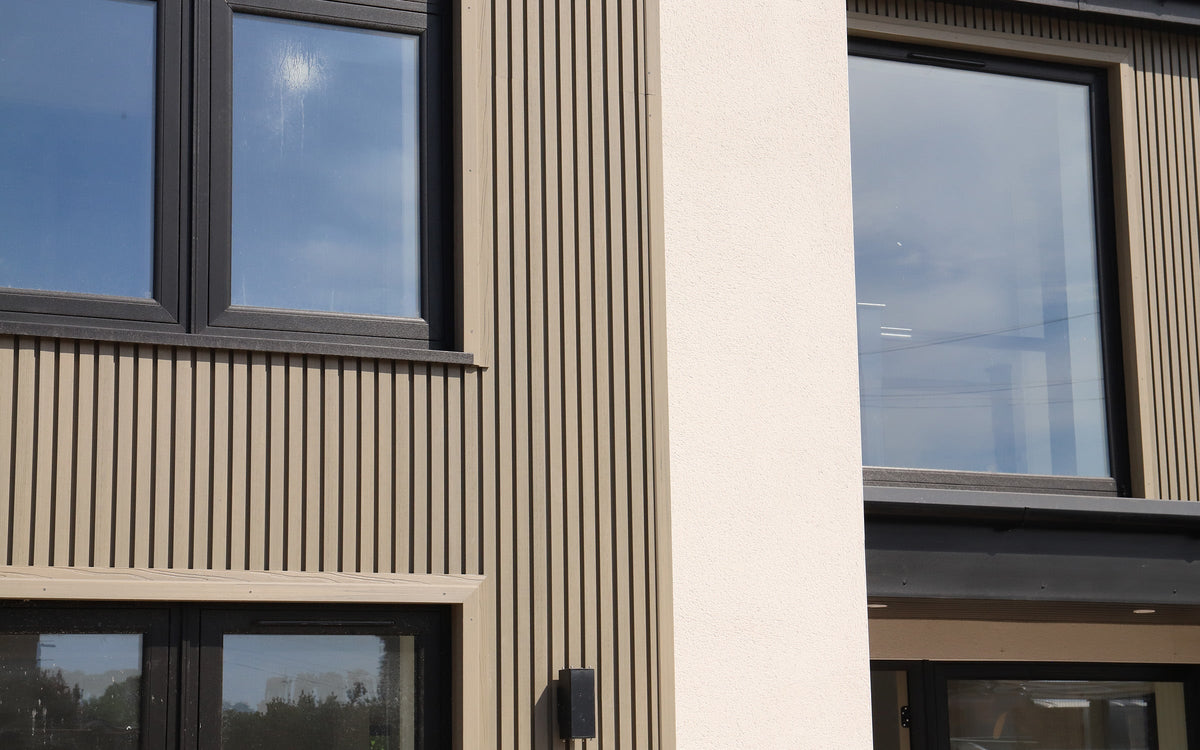
- Slatted composite cladding: a profile that introduces repeating lines into the exterior design.
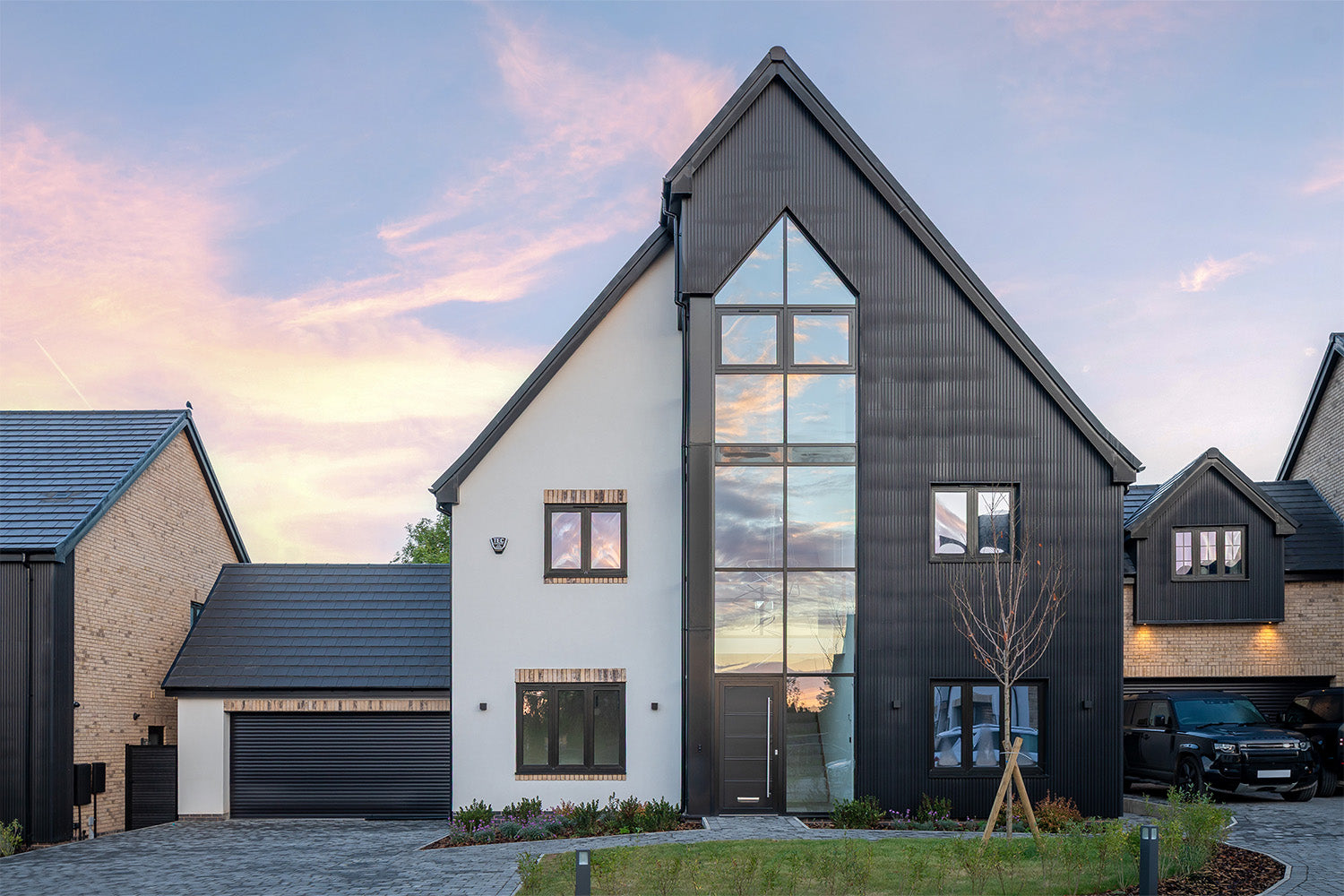
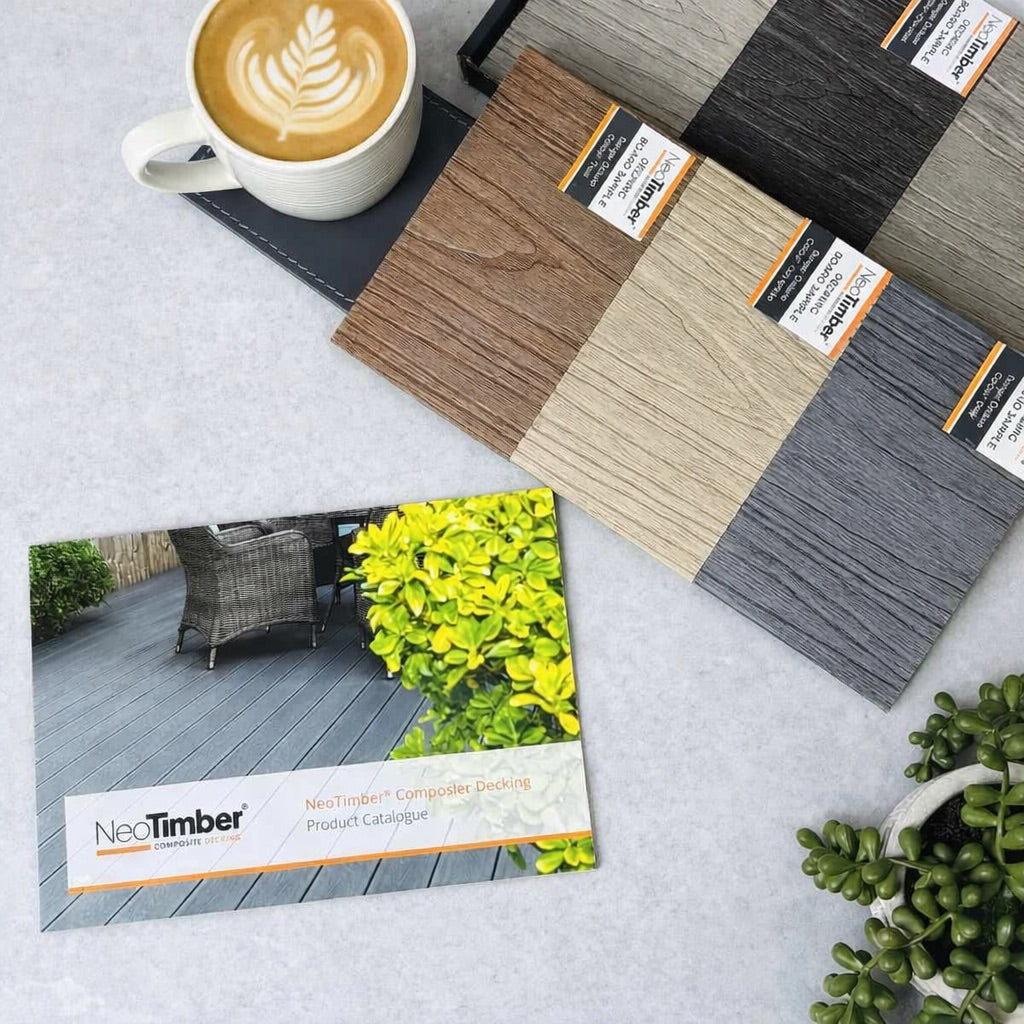
Check the current colours, board lengths and compatible accessories on the individual listing. A photograph can help you imagine the result, but a sample is more useful for judging the surface beside your existing materials.
Frequently Asked Questions About Composite Cladding Features
Is composite cladding maintenance-free?
No. It can reduce the need for routine painting or staining, but cleaning and periodic inspection are still part of looking after the exterior. Follow the care guidance for your chosen range.
What is the benefit of capped composite cladding?
The outer layer adds surface protection. For products such as Deluxe Woodgrain, this improves resistance to fading and staining. It does not make the boards immune to damage or remove the need for cleaning.
Does composite cladding make a wall waterproof?
The boards form part of the exterior wall assembly. Weather protection depends on the complete design, including appropriate junctions, drainage and ventilation. Do not treat the boards alone as a substitute for those details.
Can all composite cladding be used on any building?
No. Product performance and fire classifications vary. Confirm that the selected board and installation arrangement are suitable for the intended building before ordering.
Compare the Features That Matter to Your Project
Start with three priorities: the finish you want, the care routine you are comfortable with and the technical requirements of the building. Then compare board construction, accessories and the full installation cost against those priorities.
Browse the NeoTimber® composite cladding range, order cladding samples, or contact the NeoTimber® team for product information to support your decision.