Compare the Real Cost of Composite and Timber Cladding
Is composite cladding cheaper than wood? Sometimes it can be, but the answer depends on what you compare. Lower-cost timber may have a smaller initial price than composite, while premium timber can cost more. Over time, composite’s reduced need for decorative treatments can also change the overall cost comparison.
The fairest approach is to compare the complete installed system and the upkeep needed to achieve your preferred finish. Board prices alone leave out battens, fixings, trims, labour and access equipment. They also tell you little about what you might spend maintaining the façade over the years.
Here, we explain how to compare composite cladding with timber, build a realistic budget and decide where paying more initially may offer value.
Is Composite Cladding Cheaper Than Wood to Buy?
There is no single price for either material. Timber costs vary by species, grade, profile, treatment and finish. Composite prices vary by range, surface design and whether the board has a protective cap. Comparing an entry-level timber board with a premium capped composite product does not tell you which material is always cheaper.
For an accurate comparison, obtain current quotations for products you would genuinely choose. Check the effective coverage per board and calculate the price per square metre of finished wall. A board’s overall width may differ from its installed coverage because of overlapping or interlocking edges.
Use the current NeoTimber® collection to compare available options, and confirm whether quoted prices include VAT, delivery and accessories. Historical price ranges can quickly become misleading, so base your decision on the actual order cost.
Compare Similar Finishes and Specifications
If you want a painted timber façade, include the cost of preparation and the specified coating system. If you prefer naturally weathered timber, assess that option on its own terms. It may not need the same decorative treatment schedule as timber whose original colour you want to preserve.
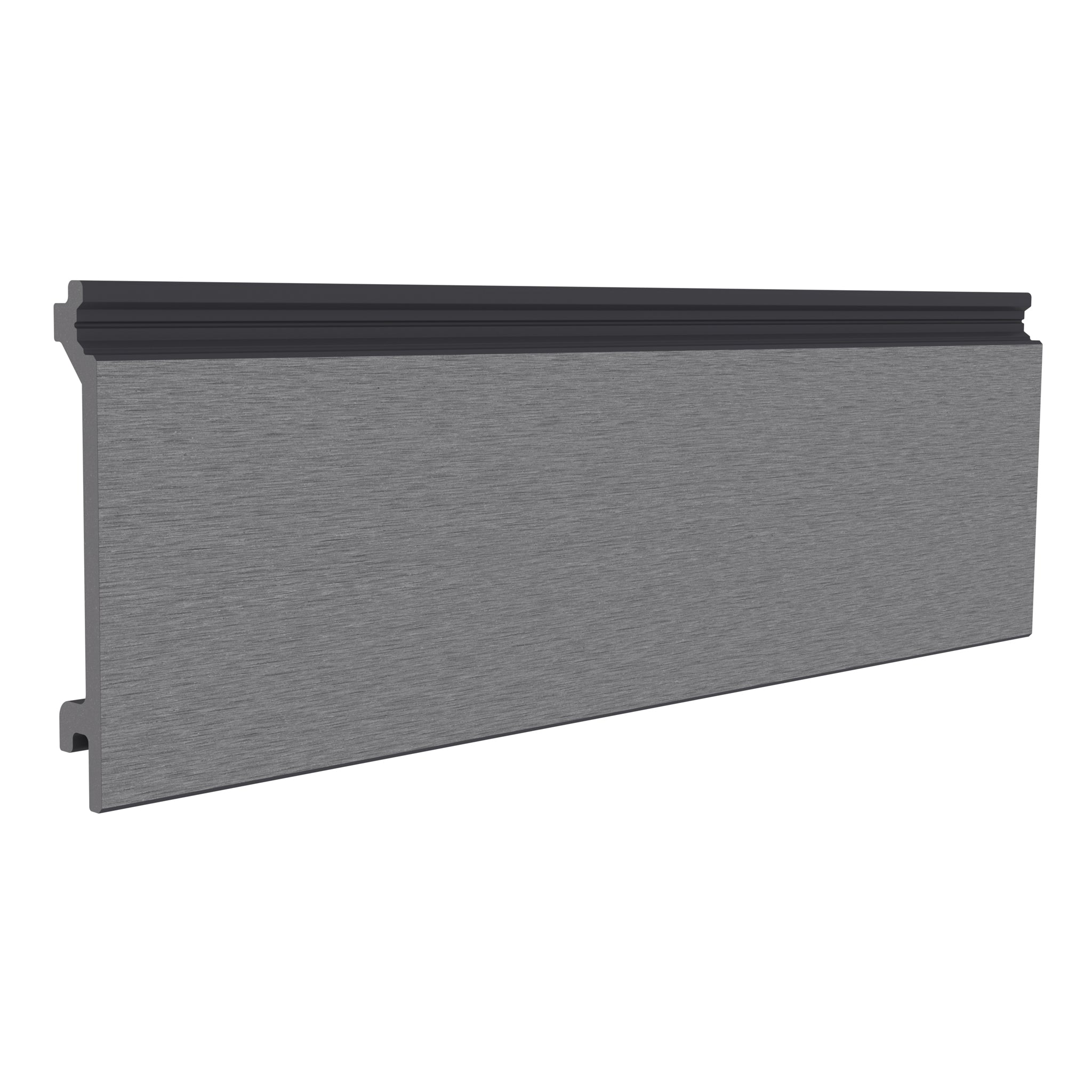
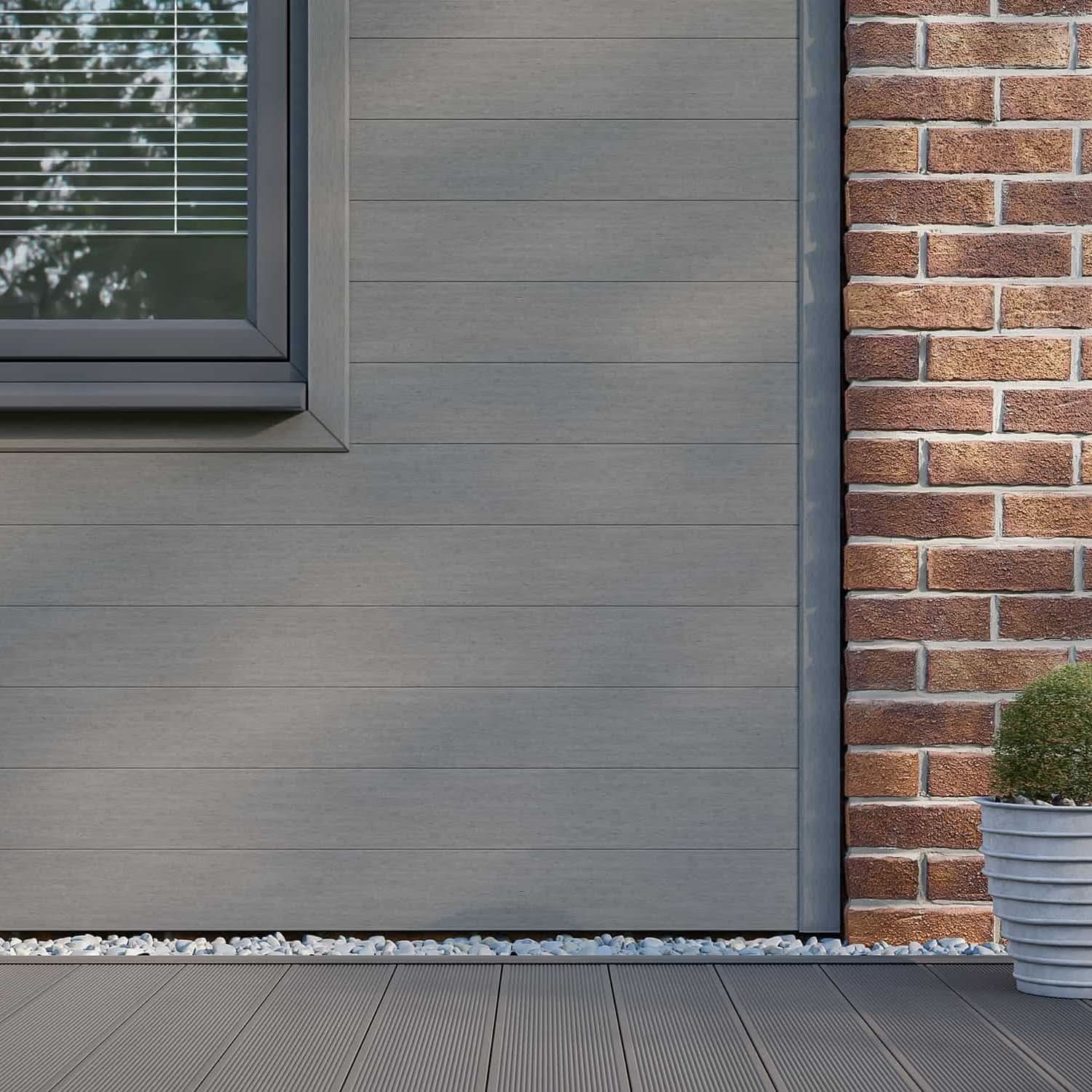
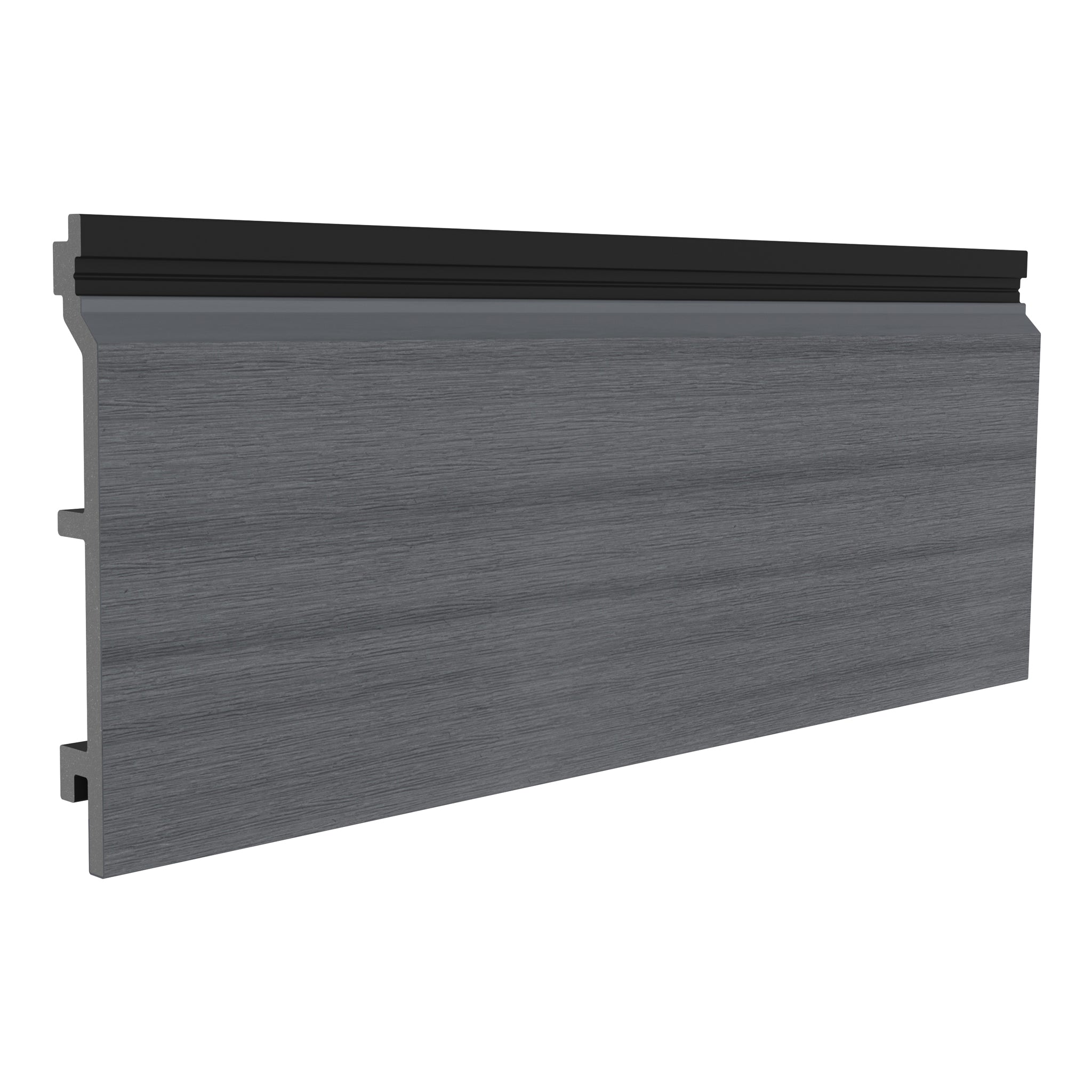
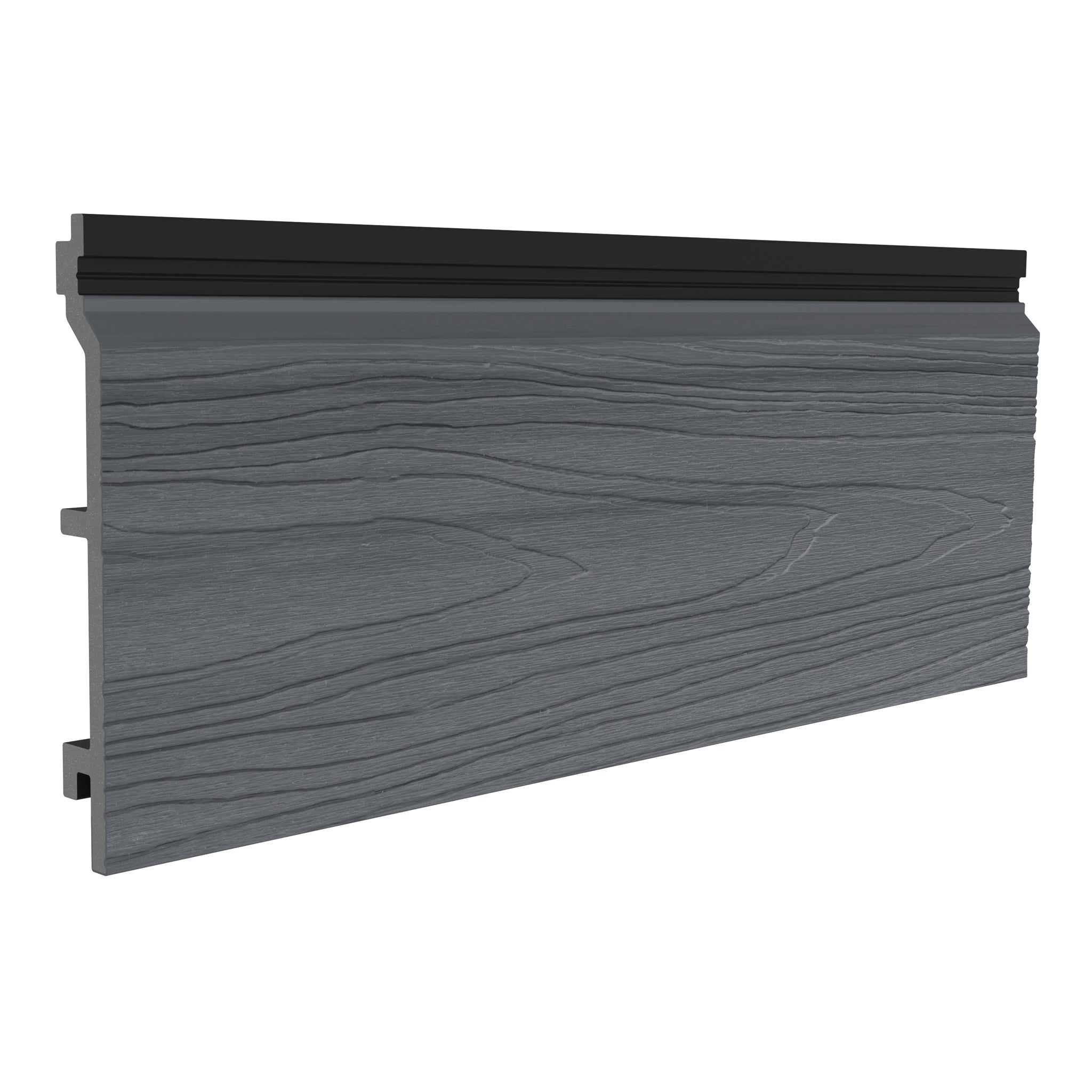
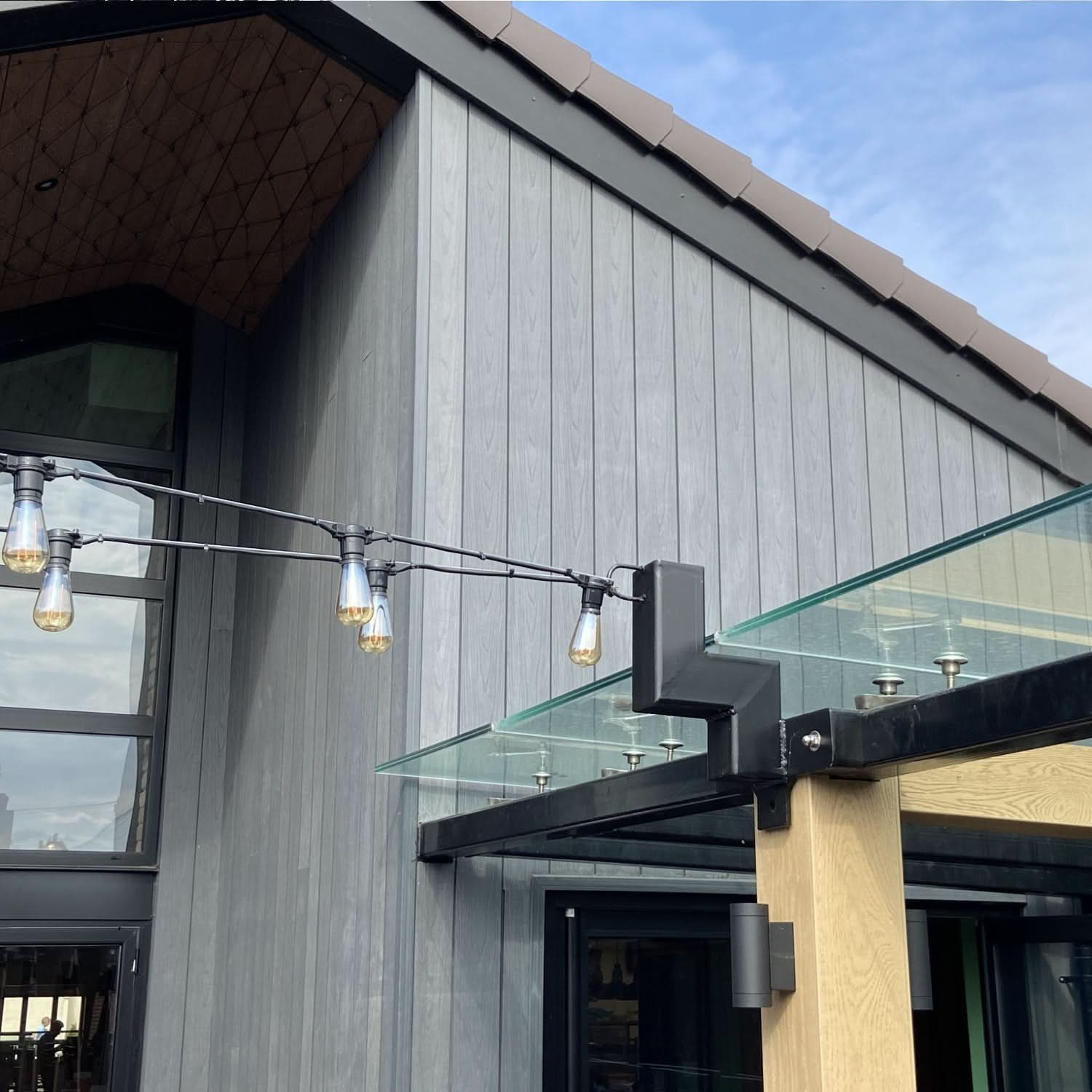
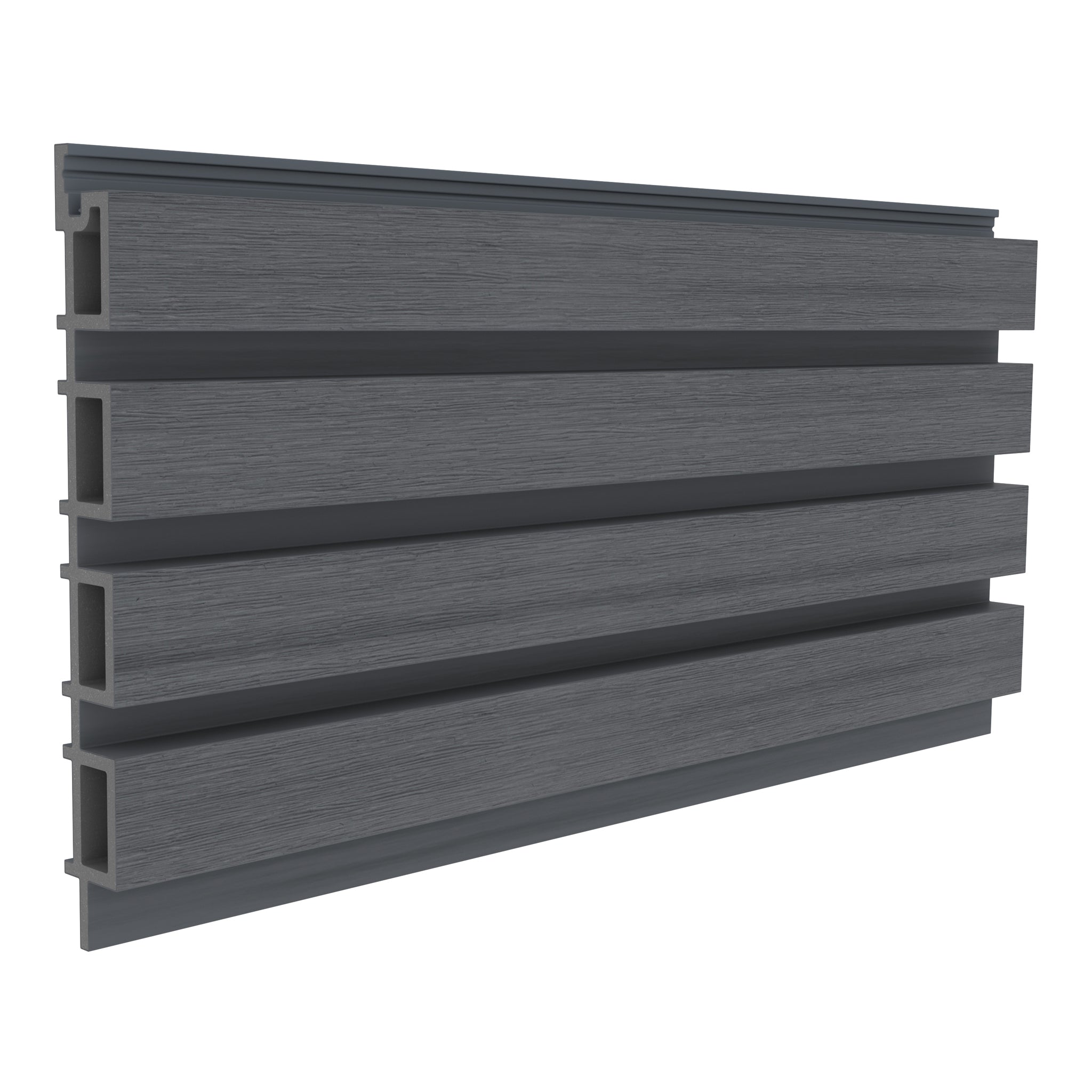
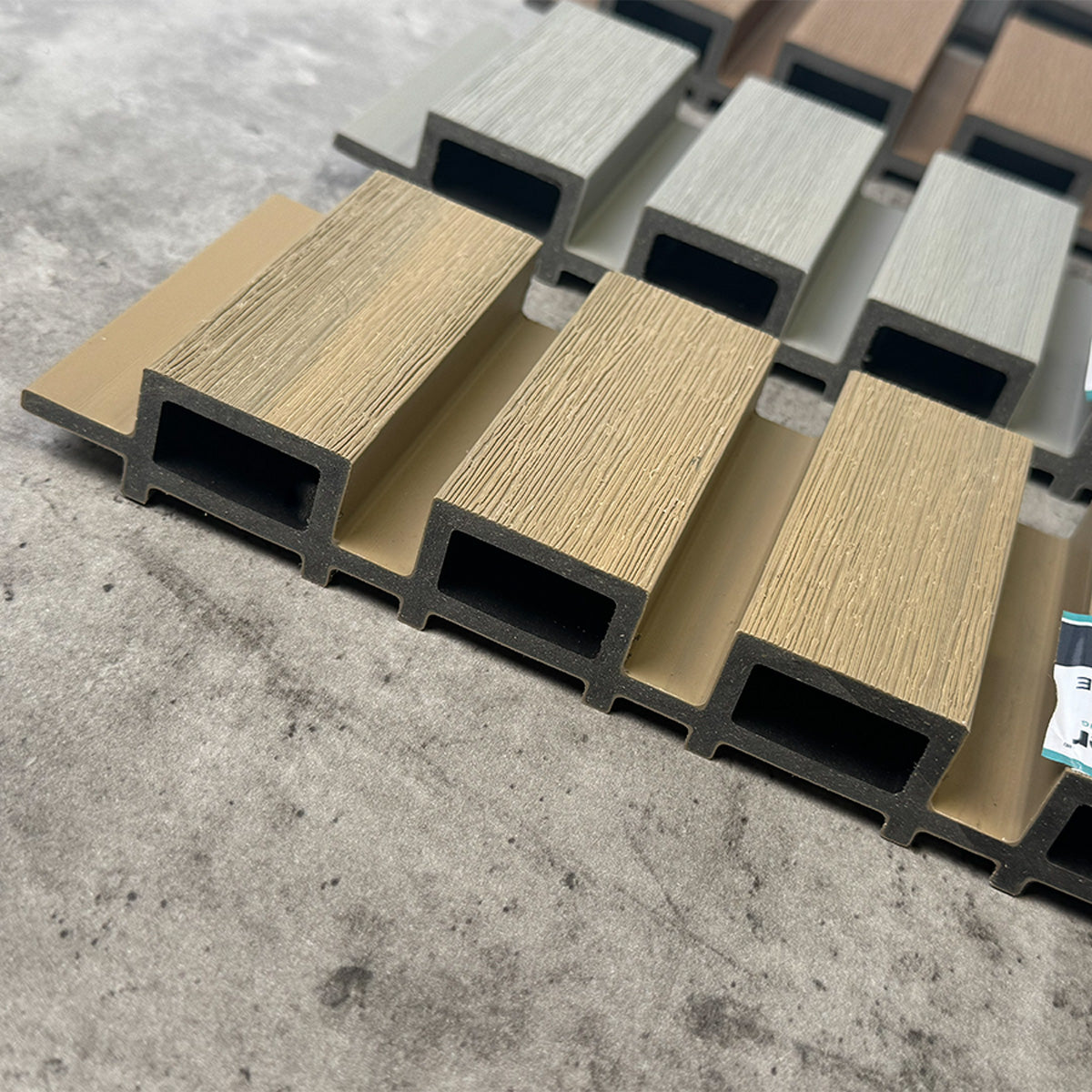
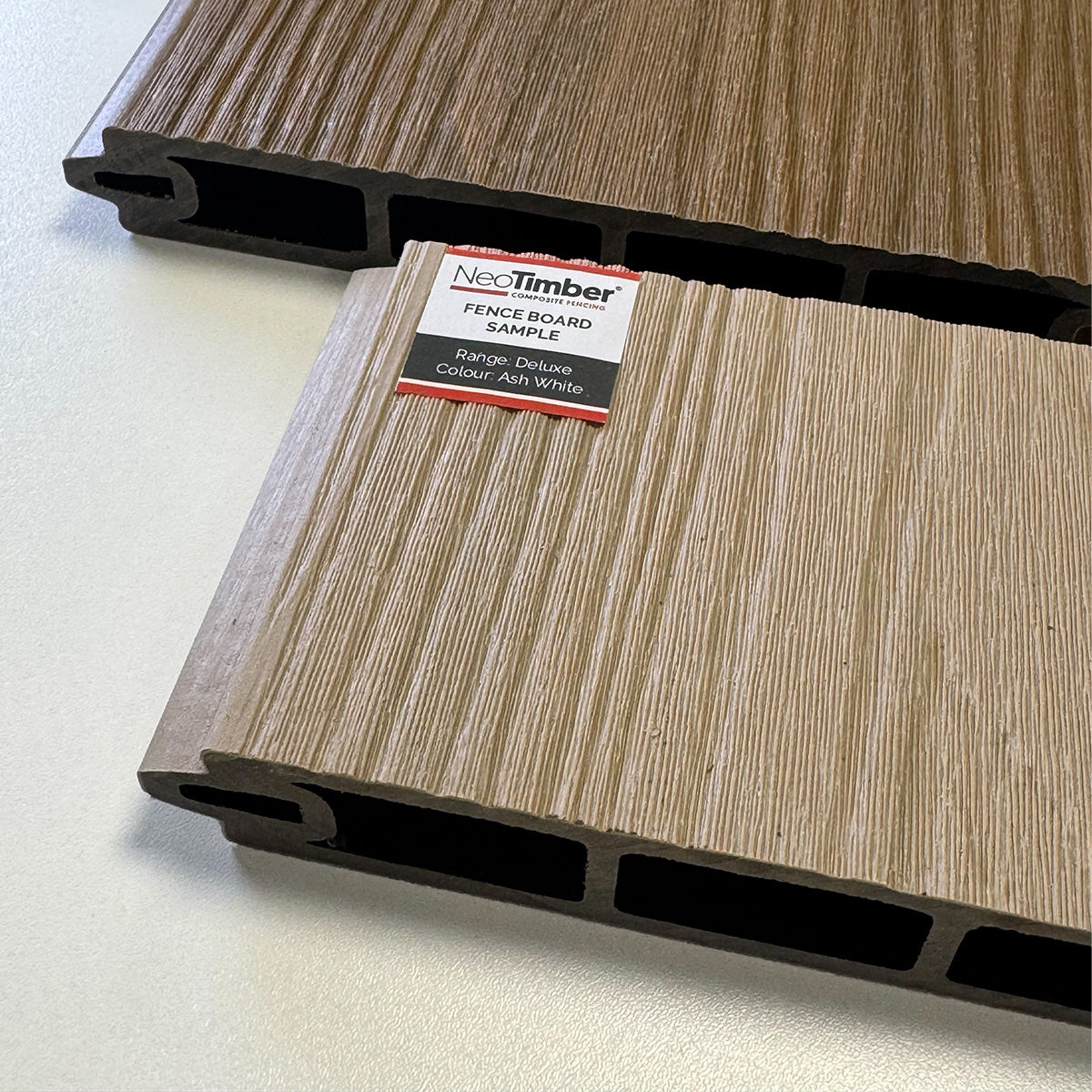
Likewise, compare composite finishes that suit your design. NeoTimber’s Classic range and capped ranges offer different specifications and appearances. A lower purchase price is useful only if the selected product meets the project’s requirements.

Is Composite Cladding Cheaper to Install Than Timber?
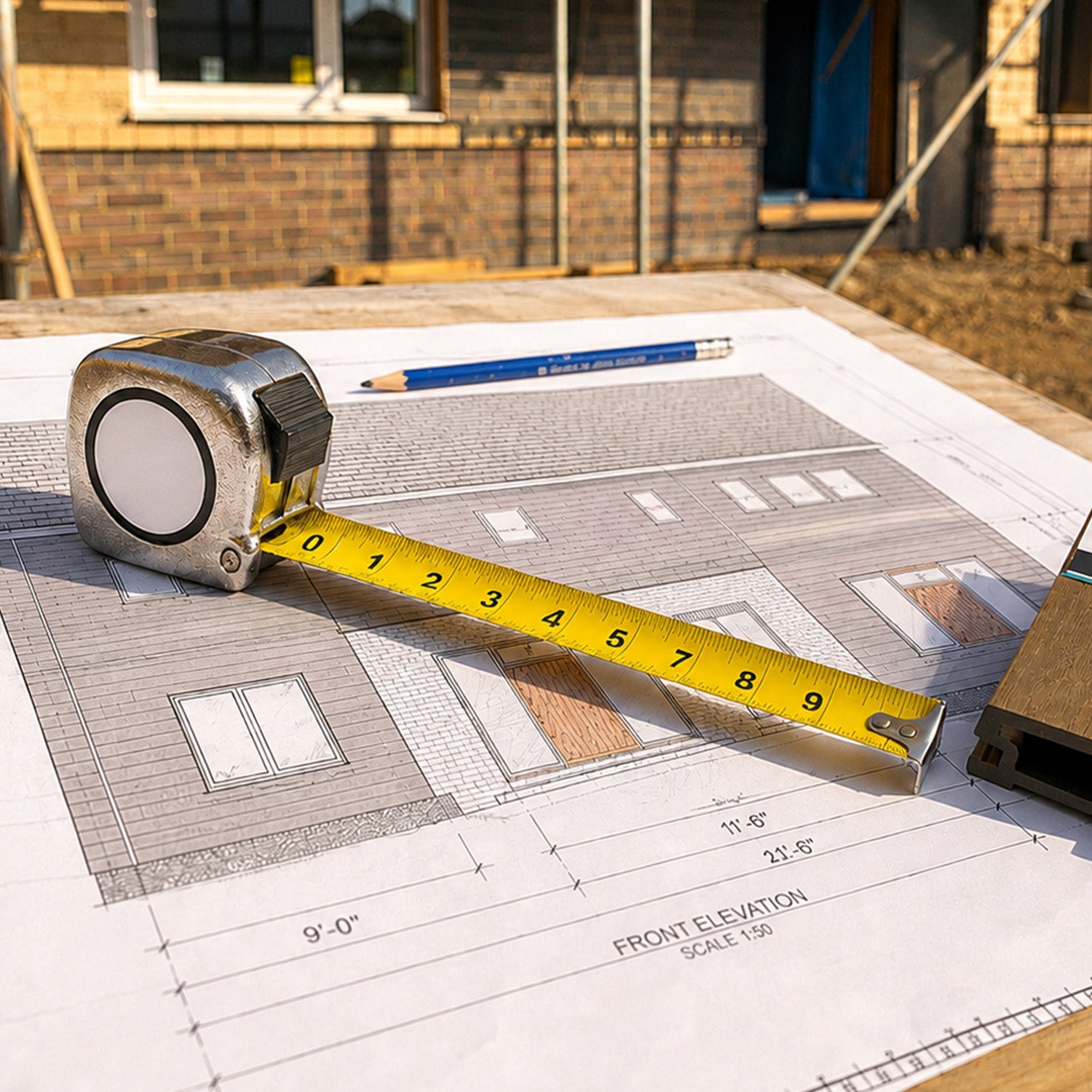
Installation costs depend on the building and the system, rather than simply the material name. A small, accessible garden-room wall is a different job from an upper-storey elevation with multiple windows, corners and difficult access.
Both options need suitable support and careful detailing. The condition of the existing wall, removal of old finishes, subframe requirements and weatherproofing details can have a substantial effect on the quote. Board orientation and the amount of cutting around openings also influence labour.
Ask installers to price the same area and scope of work. Review the NeoTimber® installation resources before agreeing a composite specification. Do not assume that labour charges will be identical to timber or that one fixed daily rate applies across the UK.

What Should a Complete Cladding Quote Include?
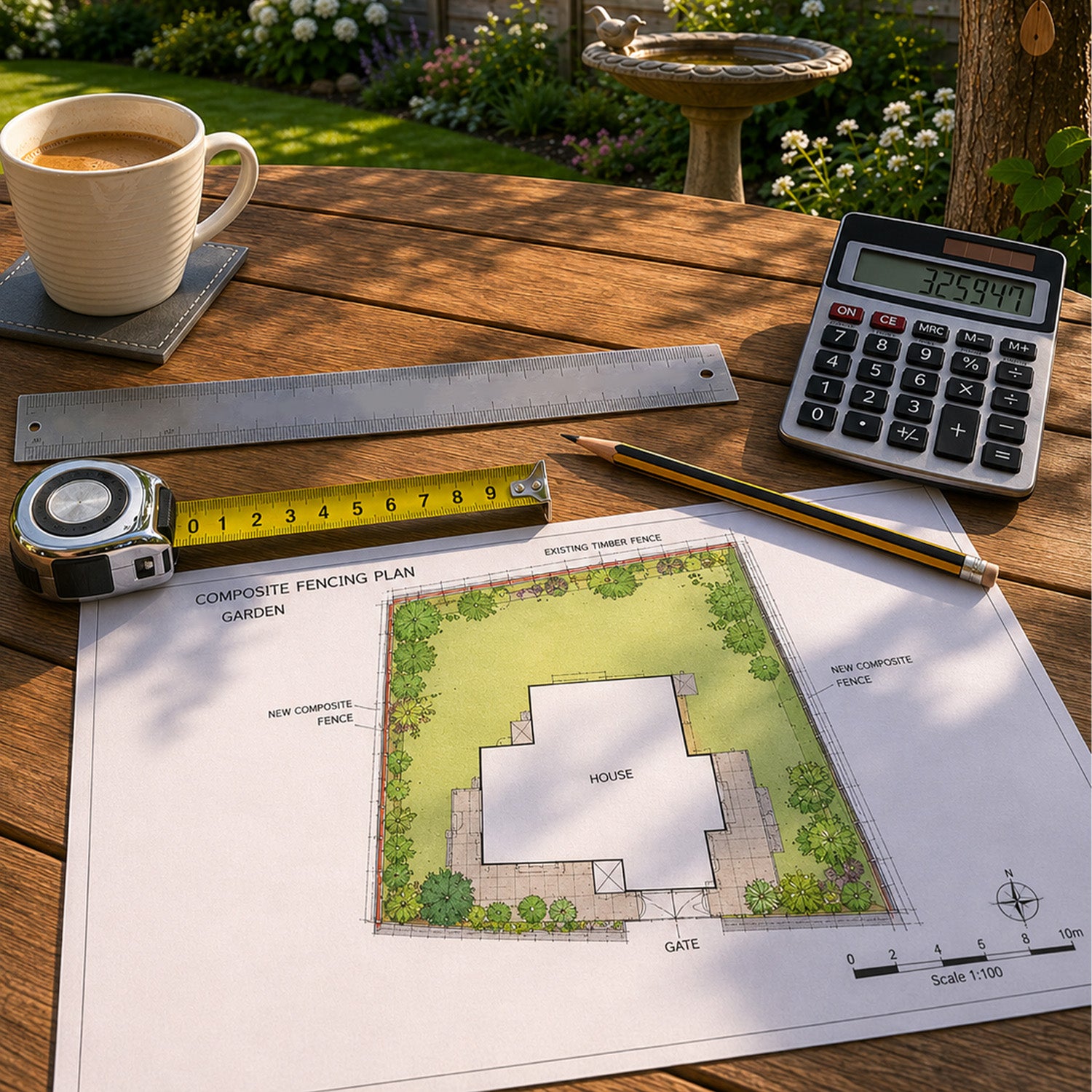
A clear quotation makes differences between products easier to understand. Request an itemised breakdown rather than comparing two headline totals with different inclusions.
- Boards based on effective coverage, with an appropriate allowance for cutting waste.
- Supporting battens, wall anchors, board fixings and starter components.
- Corner trims, edge details and finishes around doors and windows.
- Any required membranes, flashings and work to the underlying wall.
- Labour, access equipment, delivery, removal of existing cladding and disposal.
- VAT and any exclusions or provisional allowances.
A higher board price may represent a smaller difference once both complete systems are priced. Equally, a complex composite installation may have costs that a board-only estimate overlooks. Compare the finished project, with the same assumptions on both sides.
Maintenance Costs: Where Composite Can Offer Savings
One of the strongest reasons to consider composite is the reduced need for routine painting, staining or sealing. NeoTimber® describes its cladding as low maintenance, and provides a care and cleaning guide for keeping it in good condition.
Low maintenance still involves care. Allow for cleaning, checking the installation and dealing with marks using approved methods. Composite is not a guarantee that the whole façade will remain unchanged or never require attention.
Timber upkeep depends on the species, finish, exposure and intended appearance. A coating maintained to preserve colour has different requirements from a suitable timber left to weather naturally. Follow the timber and coating suppliers’ recommendations instead of assuming every wooden façade needs annual oiling.
Where regular recoating is required, include cleaning and preparation, coating materials, labour and safe access. For a high wall, access costs may be a significant part of each maintenance visit. For an easily reached feature wall, the financial difference may be smaller.
How to Compare Costs Over Time
Choose an ownership period relevant to your plans, then use the same period for both materials. Start with the installed price and add realistic maintenance allowances based on the chosen products and site. Include repairs only where there is a reasonable basis for estimating them.
Total ownership cost = installed cost + maintenance and access costs + expected repair costs.
For example, suppose a composite installation costs £600 more initially. If the timber option requires £200 more in maintenance and access on each of three scheduled visits, those additional costs equal the initial £600 difference. This is an illustrative calculation, not a product quotation or a prediction of when your project will break even.
The conclusion changes if you maintain timber yourself, use a different coating schedule or choose a timber suitable for weathering without a decorative finish. It also changes if cleaning or repairs cost more than expected. Test more than one scenario rather than relying on a guaranteed savings figure.
Durability and Warranty: Check the Detail
Well-specified timber can provide a long service life; it should not be dismissed as a material that inevitably fails after a few years. Composite performance also depends on correct installation, suitable use and care. Neither material makes poor drainage or an unsuitable subframe acceptable.
Read the NeoTimber® cladding warranty terms alongside any timber supplier’s warranty. Compare the application, covered defects, exclusions and claim requirements. A warranty period is not a promise that every future cost will be covered or that the colour will never change.
Value Includes Appearance, Time and Material Choices
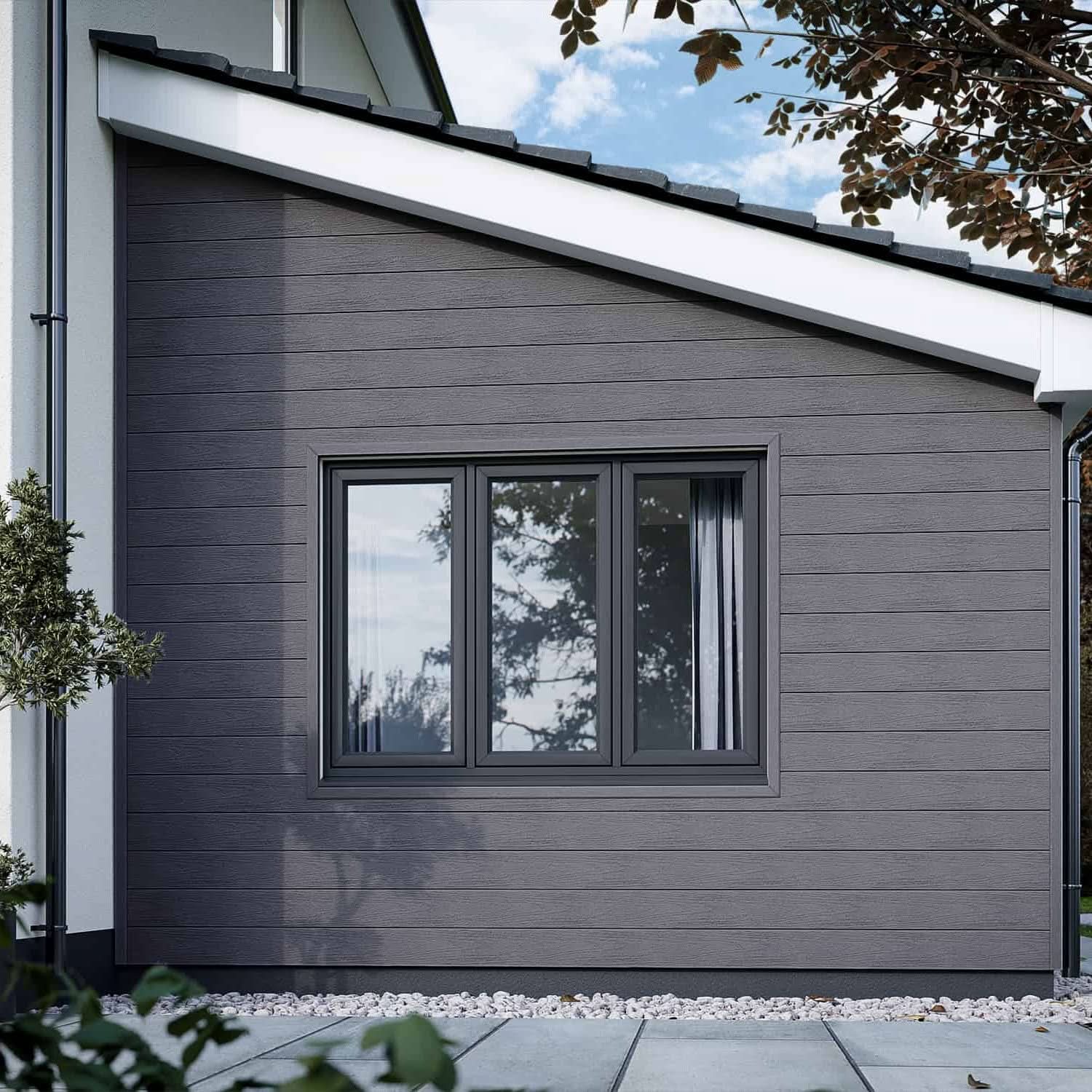
Cost matters, but your preferred appearance matters too. Natural timber offers individual grain and weathering characteristics. Composite provides a timber-effect alternative that can suit owners who want less involvement in decorative upkeep. Explore the wider composite cladding versus wood comparison before deciding.
Environmental considerations also deserve a product-specific assessment. Examine material sourcing, expected service life, maintenance and end-of-life options. Recycled content alone does not prove that a product has a lower overall environmental impact than every timber alternative. Review NeoTimber’s material sourcing information and ask comparable questions of your timber supplier.
Frequently Asked Questions
Is composite cladding cheaper than wood over the long term?
It can be where lower decorative maintenance costs outweigh a higher installed price. Savings depend on the timber specification, maintenance schedule, access costs and how long you keep the cladding.
Does composite cladding remove all maintenance costs?
No. It reduces the need for routine decorative treatments, but cleaning, inspection and any necessary repairs should still form part of your budget.
How can I get a reliable price comparison?
Request itemised quotes for the same finished wall area, including accessories, installation, VAT and delivery. Add realistic upkeep costs for the exact products being compared.
Choose Cladding That Fits Your Budget and Your Priorities
The answer to “is composite cladding cheaper than wood” depends on both the purchase and the years that follow. Timber can offer an attractive initial cost, while composite may justify its price through reduced decorative upkeep. The most useful comparison combines complete quotations with a realistic maintenance plan.
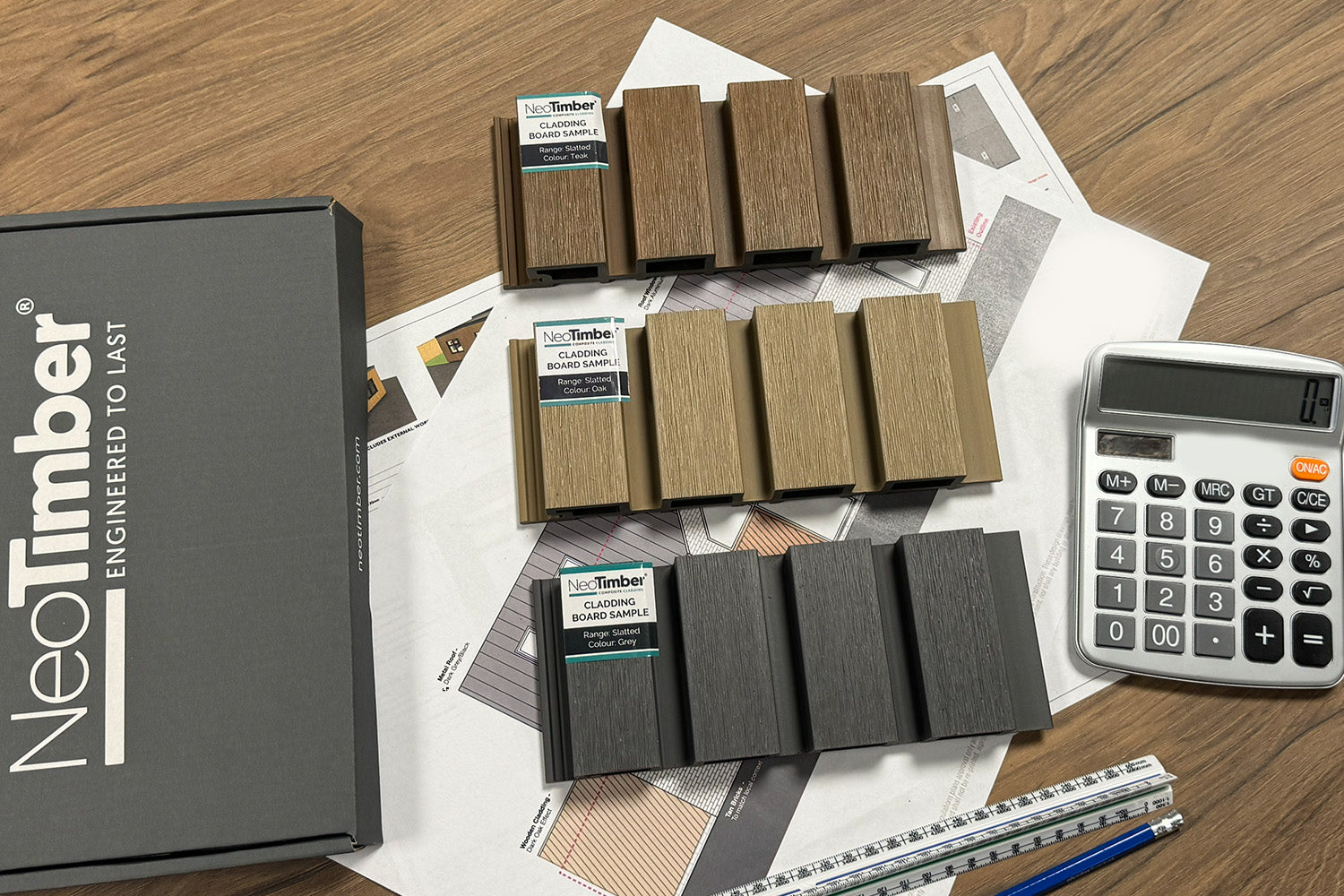
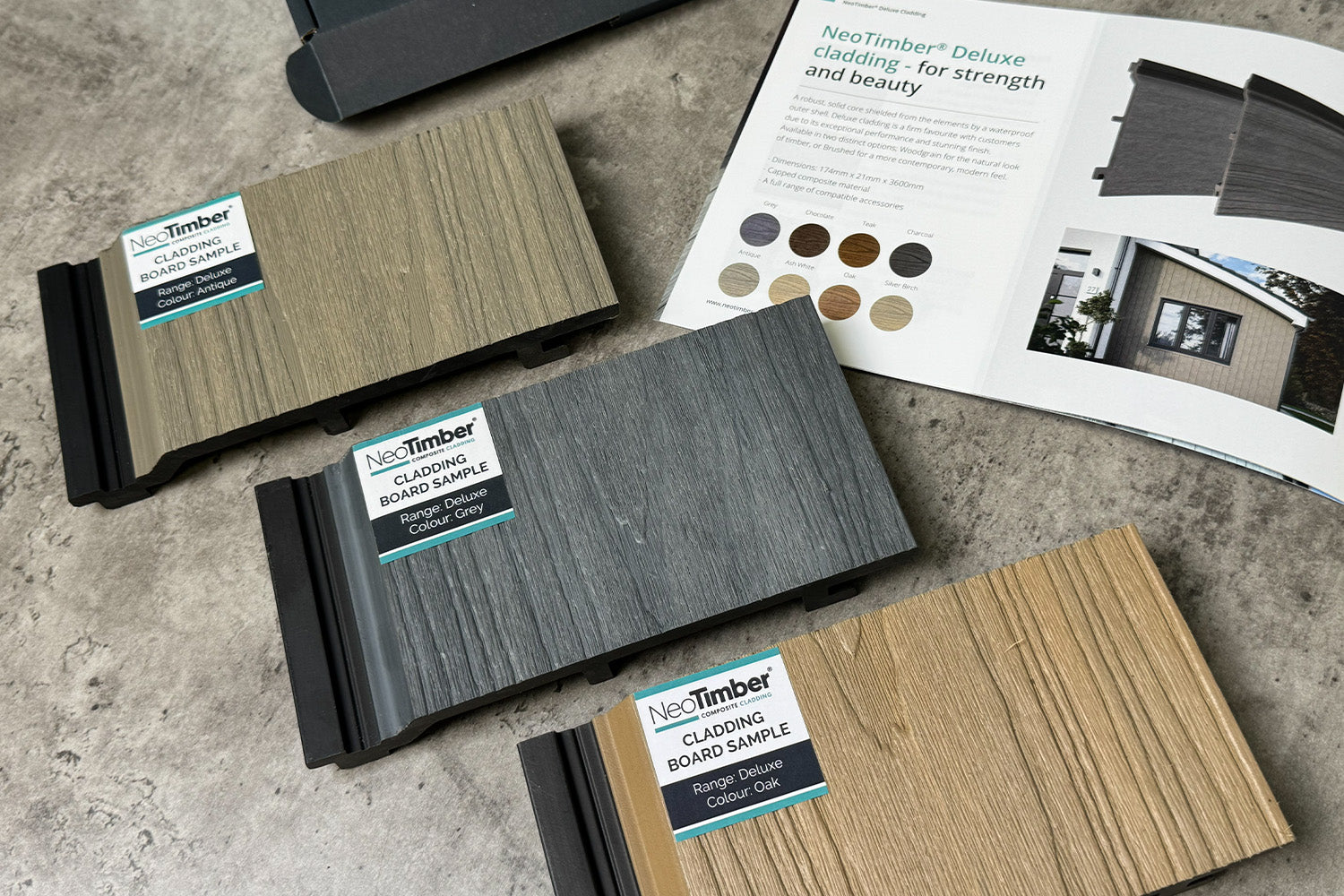
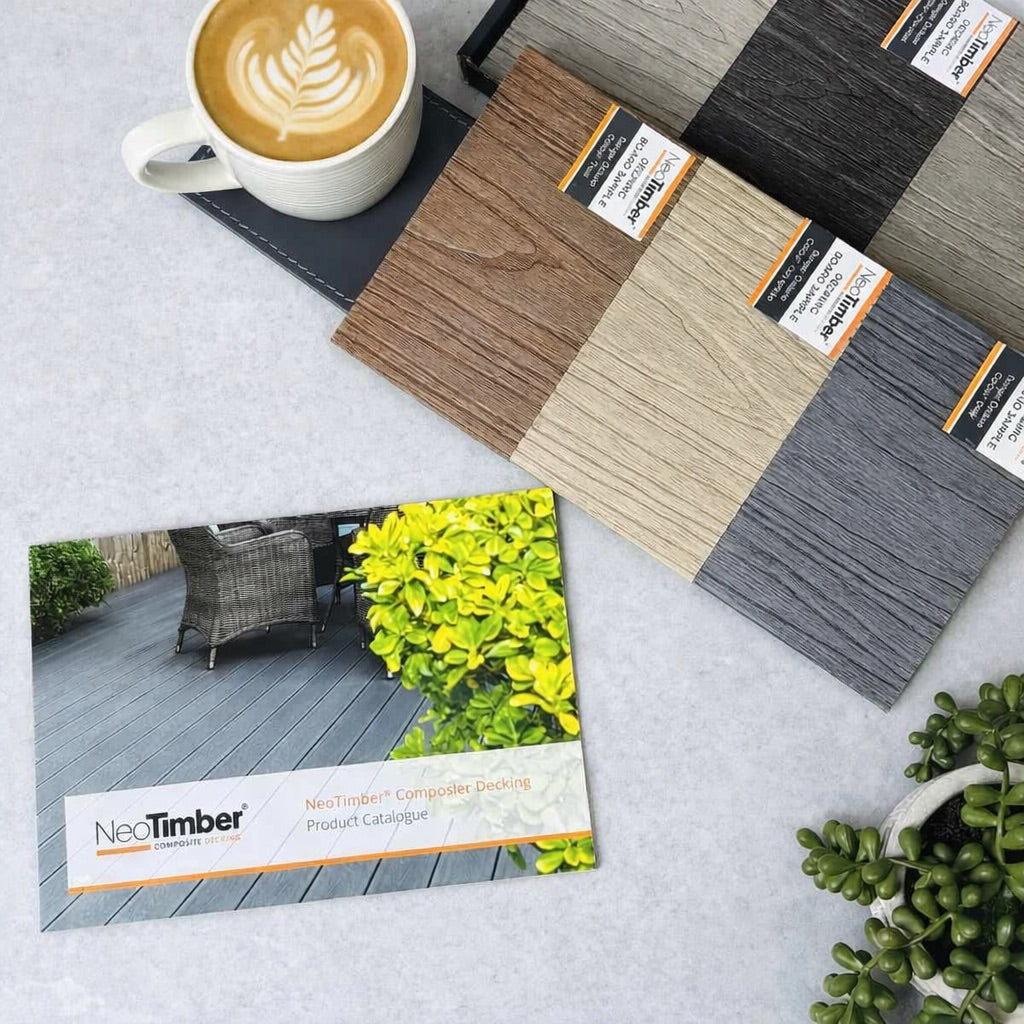
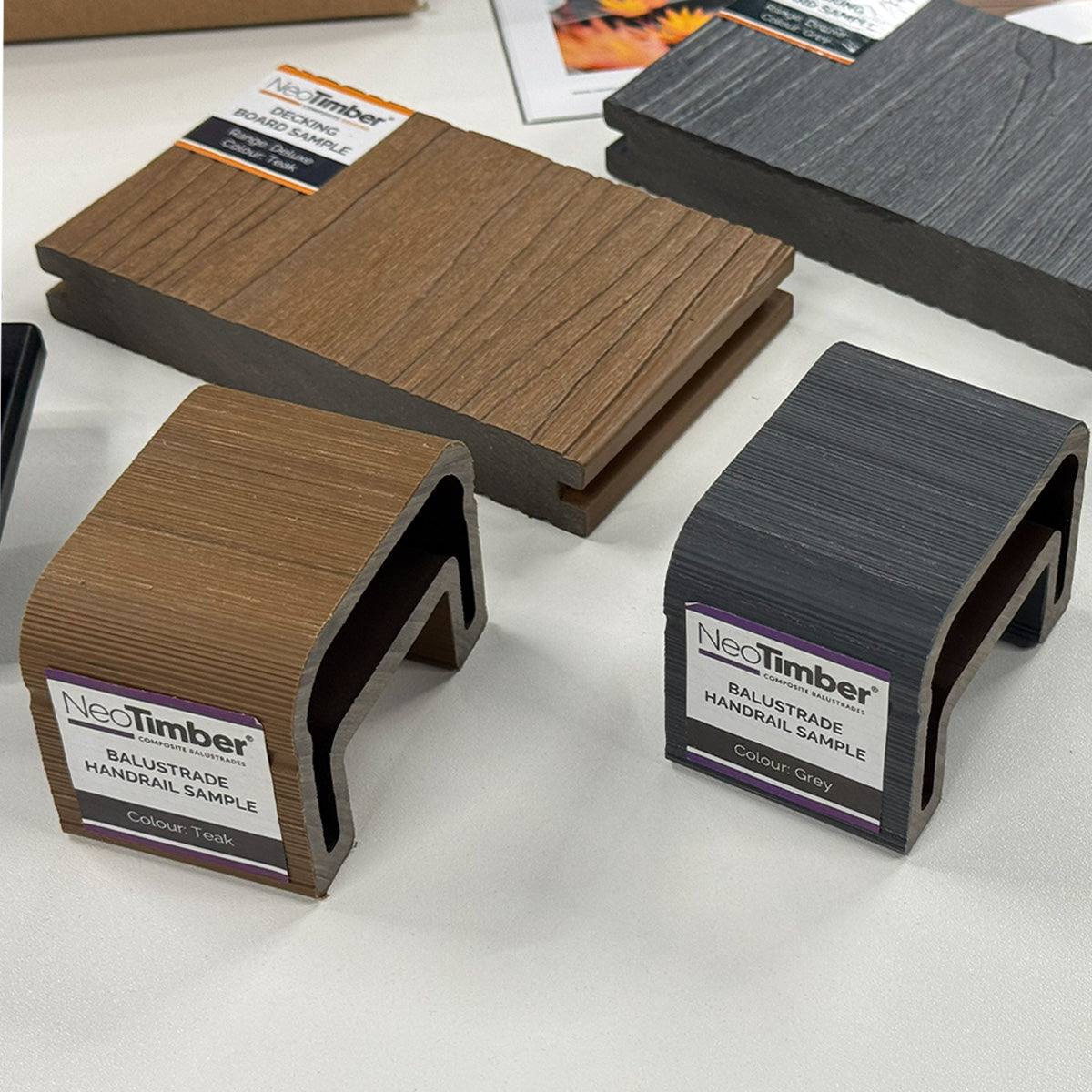
Browse NeoTimber® composite cladding and request free cladding samples to compare finishes before obtaining a project quote. Seeing the materials alongside your budget helps you choose a façade you will enjoy living with.