Plan an Artificial Deck That Suits Your Outdoor Space
An artificial deck uses manufactured boards as an alternative to traditional timber decking. Often made with composite decking, it offers a wood-inspired outdoor surface engineered from wood fibres, plastic and additives. It can create a practical setting for dining, relaxing and enjoying your garden, with less routine refinishing than maintaining a traditional timber finish.
If you are planning an artificial deck for your garden, it helps to understand what sits behind the label. Board construction, surface protection and installation requirements vary between products. This guide explains ten things to know before choosing, from colour and texture to cleaning and the supporting frame.
Explore the NeoTimber® decking guide for an overview, or browse our composite decking collection as you compare the options.
1. An Artificial Deck Can Use Different Materials
“Artificial deck” describes a manufactured alternative to a timber deck rather than one exact material specification. Composite decking and all-plastic decking are different products, even though both may appear in searches for artificial boards. Always check what you are buying.
NeoTimber's composite boards use wood fibres and plastic in an engineered formulation. They are an alternative to solid timber, rather than boards made entirely from natural wood. Our composite versus timber comparison explores the practical differences.
2. Wood-Effect Finishes Can Bring Natural Character
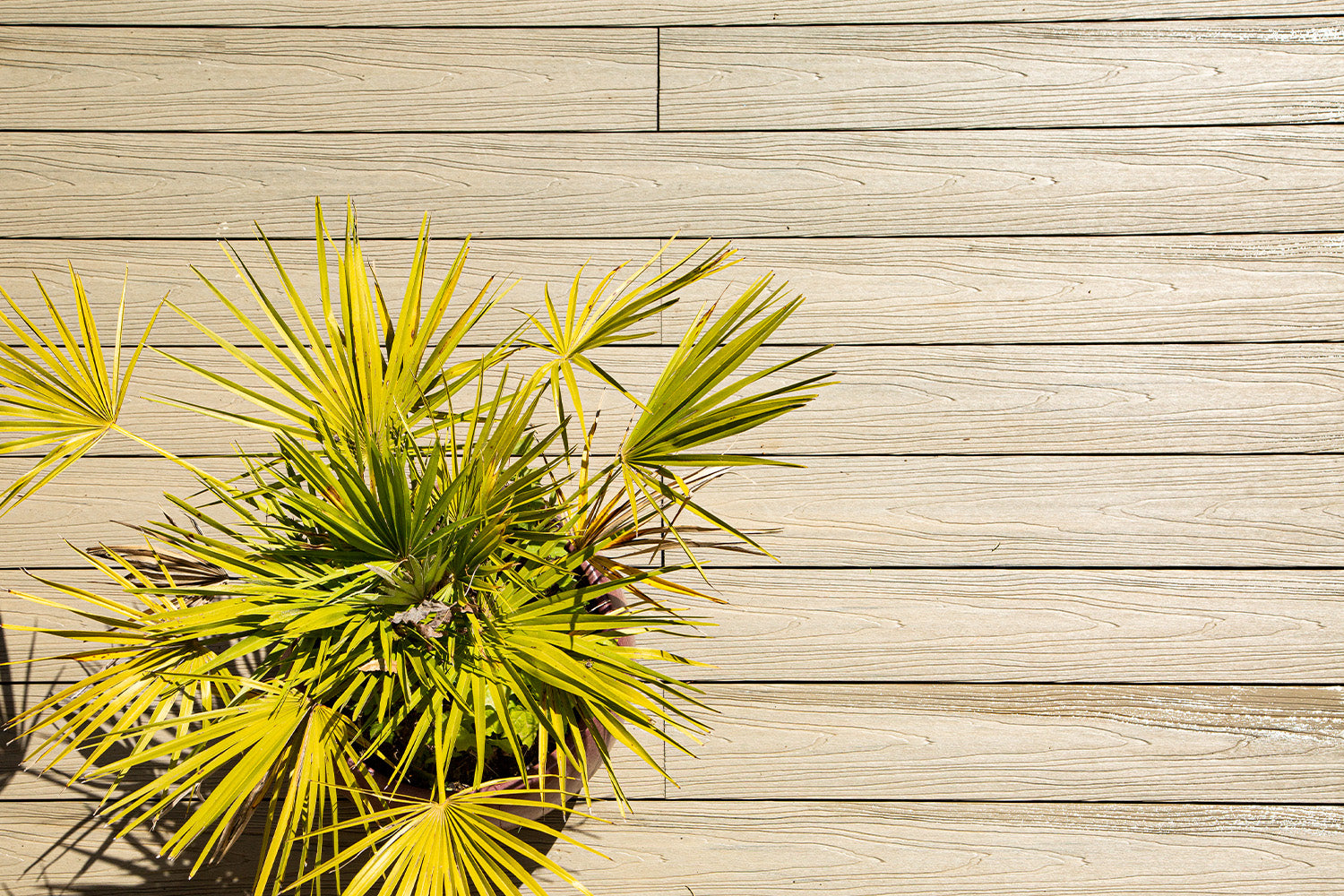
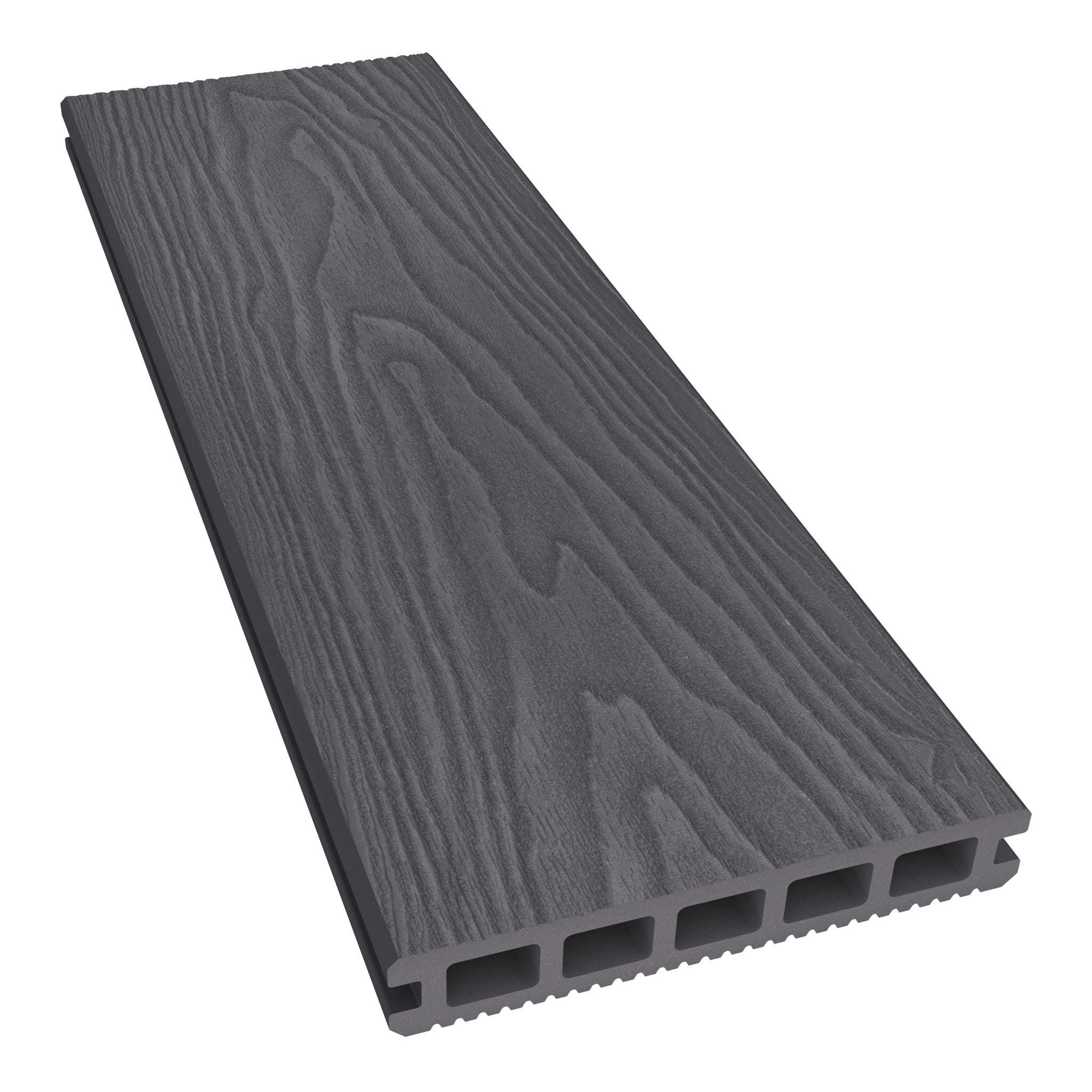
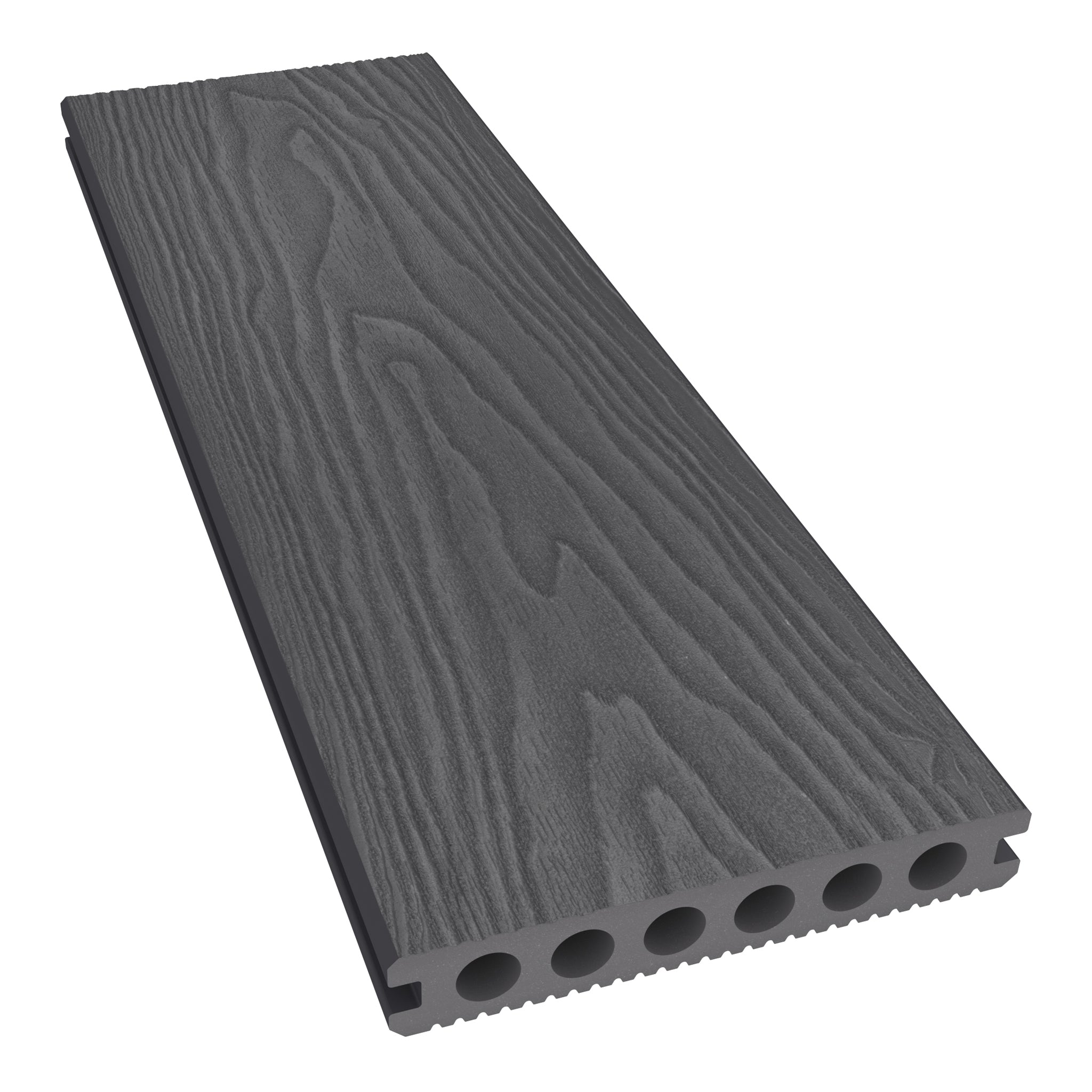
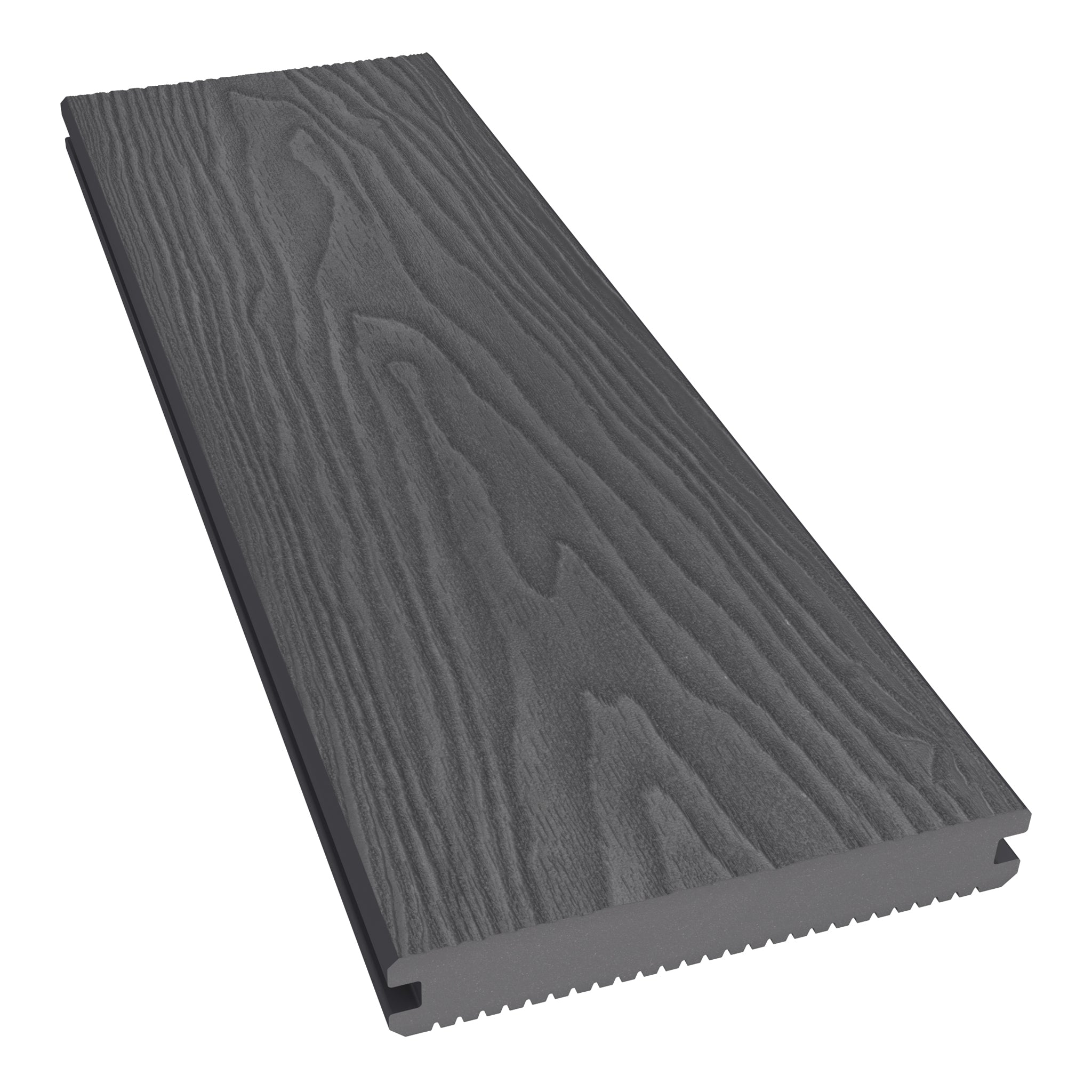
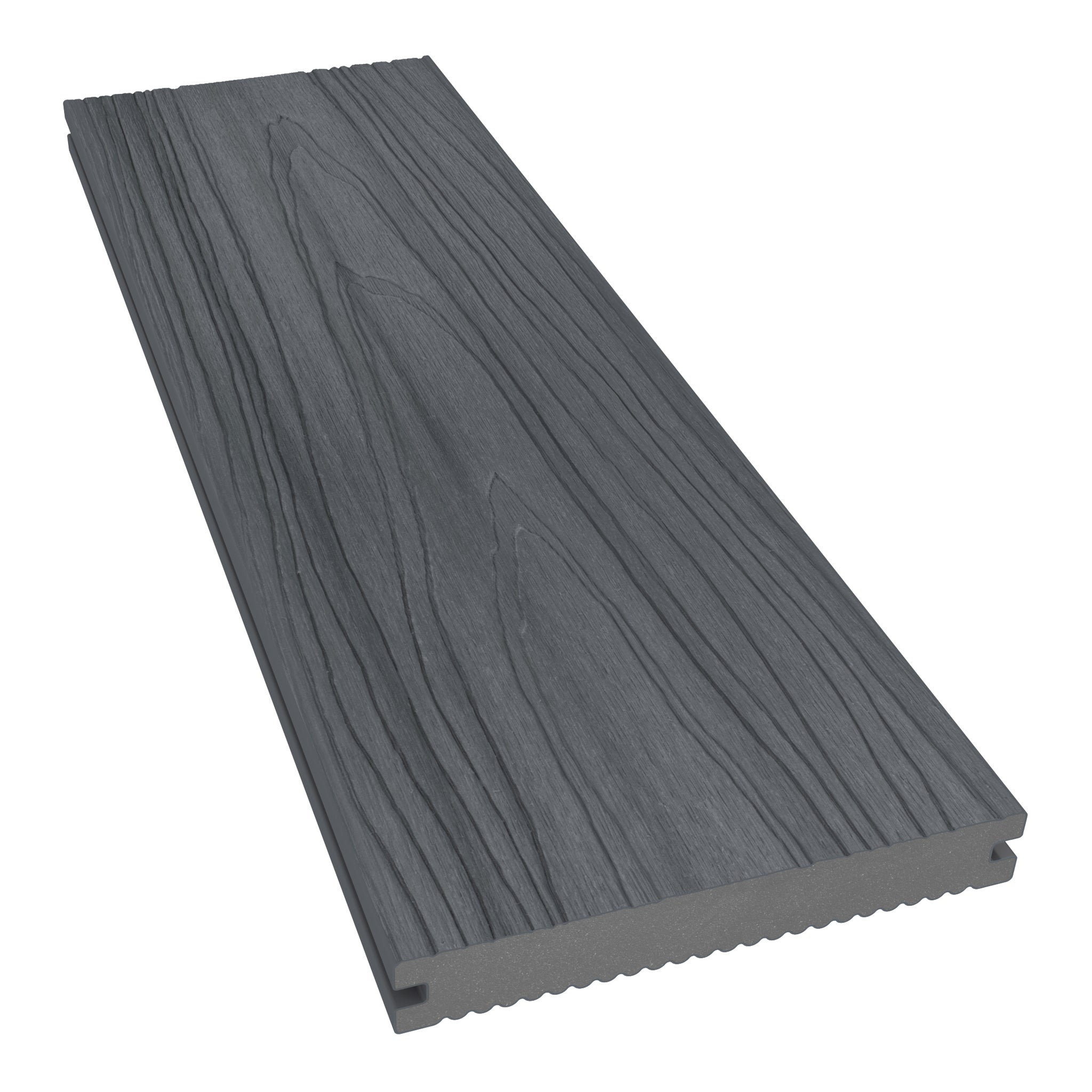
Artificial decking can provide a timber-inspired appearance without relying on the natural grain of a sawn board. Embossed textures and colour variations help create different looks, from warm wood tones to muted contemporary shades.
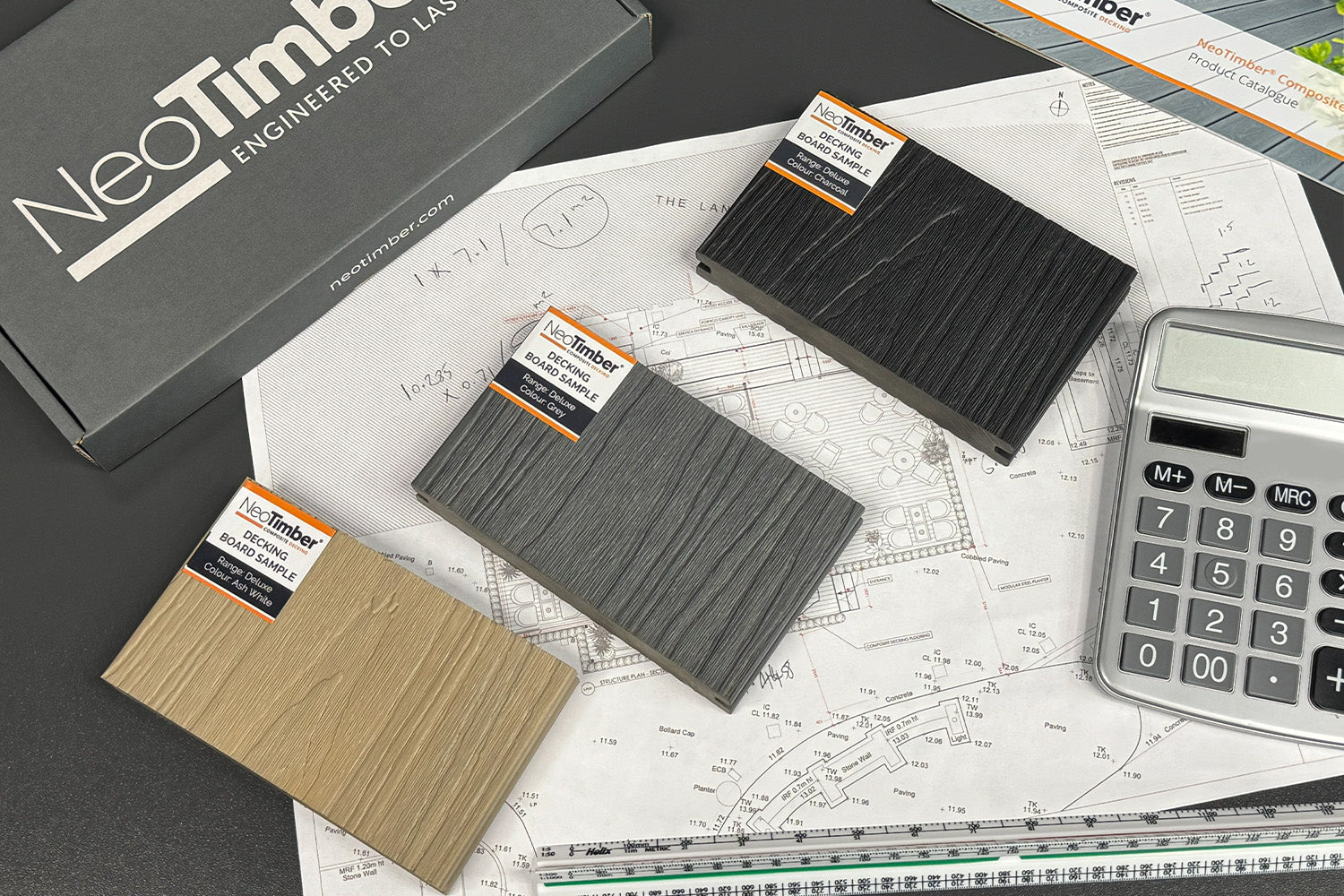
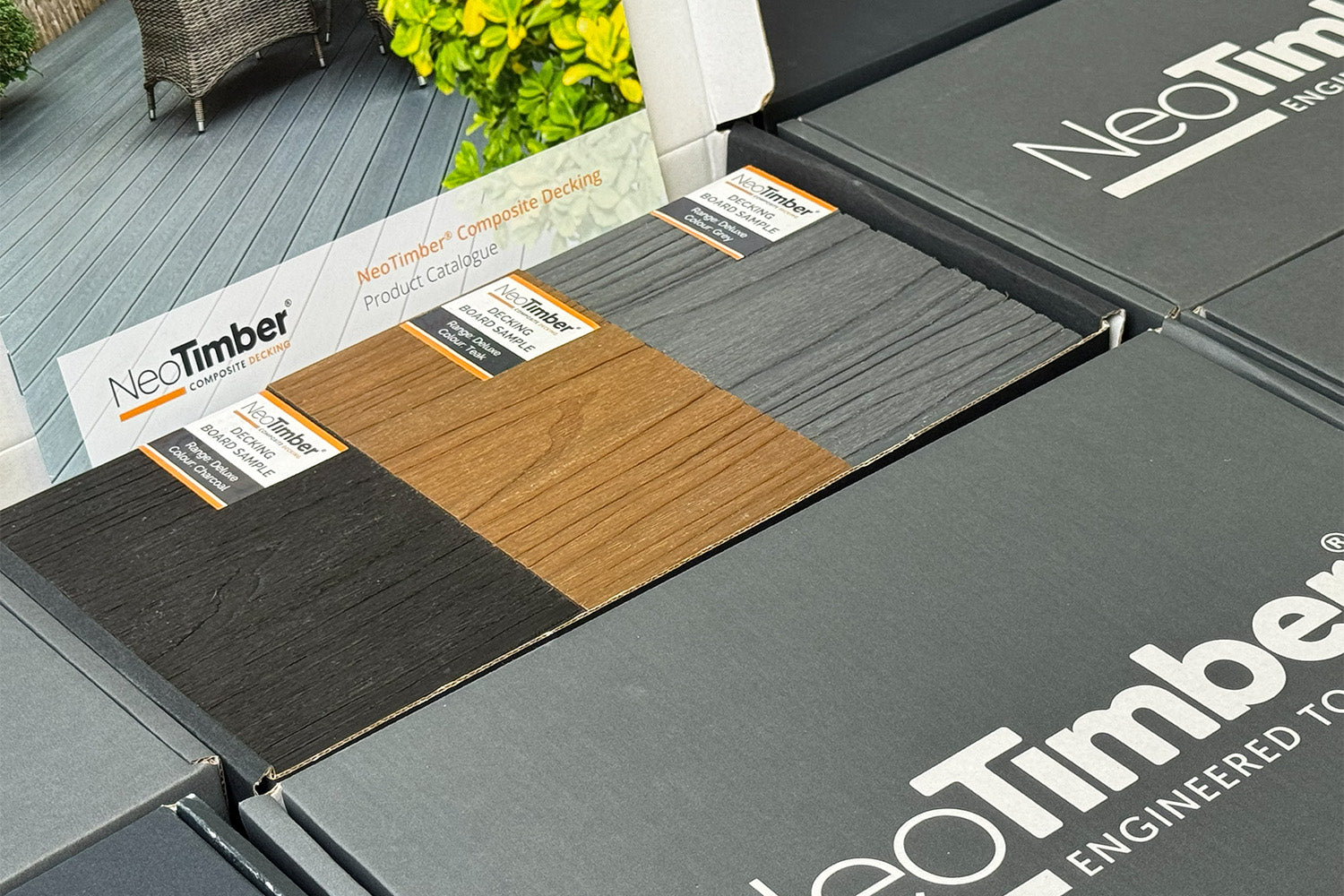
Look closely at physical samples when comparing wood-effect composite decking. Texture, light and surrounding materials all influence the finished result. A photograph is useful for inspiration, but a sample helps you assess how the board feels and looks at home.

3. It Reduces Routine Refinishing
A key attraction of an artificial deck built with composite boards is that it generally avoids routine sanding, staining and sealing. That can make ownership more manageable if you want to preserve a coordinated outdoor finish without repeated refinishing work.
It still needs cleaning. Sweep away leaves, clear debris from gaps and follow the care instructions for the selected product. Do not assume any household cleaner or pressure-washer setting is suitable. Our low-maintenance decking advice explains the difference between reduced upkeep and no upkeep.

4. The Frame and Fixings Matter as Much as the Boards
Building artificial decking still requires good construction. The frame must suit the site, support the selected board correctly and allow the drainage and ventilation required by the system.
Use compatible fixings and follow the installation instructions for joist spacing, board-end support and movement gaps. Composite expands and contracts with temperature. Clip spacing and clearances against walls perform different roles, so one measurement cannot replace the other.
Some details may require screws through the face of a board, while others use hidden clips. Follow the specified method rather than assuming every fixing can be concealed.

5. Colour Choice Helps Connect the Deck With Your Garden
Planning an artificial deck gives you the opportunity to plan the surface colour alongside paving, brickwork, fencing and furniture. Warm timber-inspired tones can soften a contemporary scheme, while greys and deeper shades can complement stone or dark window frames.
Explore our composite decking colours and compare samples outdoors in sun and shade. Consider the whole view from the house as well as how the deck will look when you are standing on it.

6. Durability Depends on the Complete Installation
Composite boards are engineered for outdoor use, but their performance depends on the product, exposure and fitting. Correct support and suitable drainage help the deck work as intended. A neglected or unsuitable frame can undermine an otherwise carefully chosen surface.
Check boards periodically for damage and keep fixings and edges in good order. Avoid treating “artificial” as a promise that a board cannot crack, scratch or be damaged. Read the product-specific warranty for coverage, exclusions and installation requirements.

7. Capped and Uncapped Boards Offer Different Features
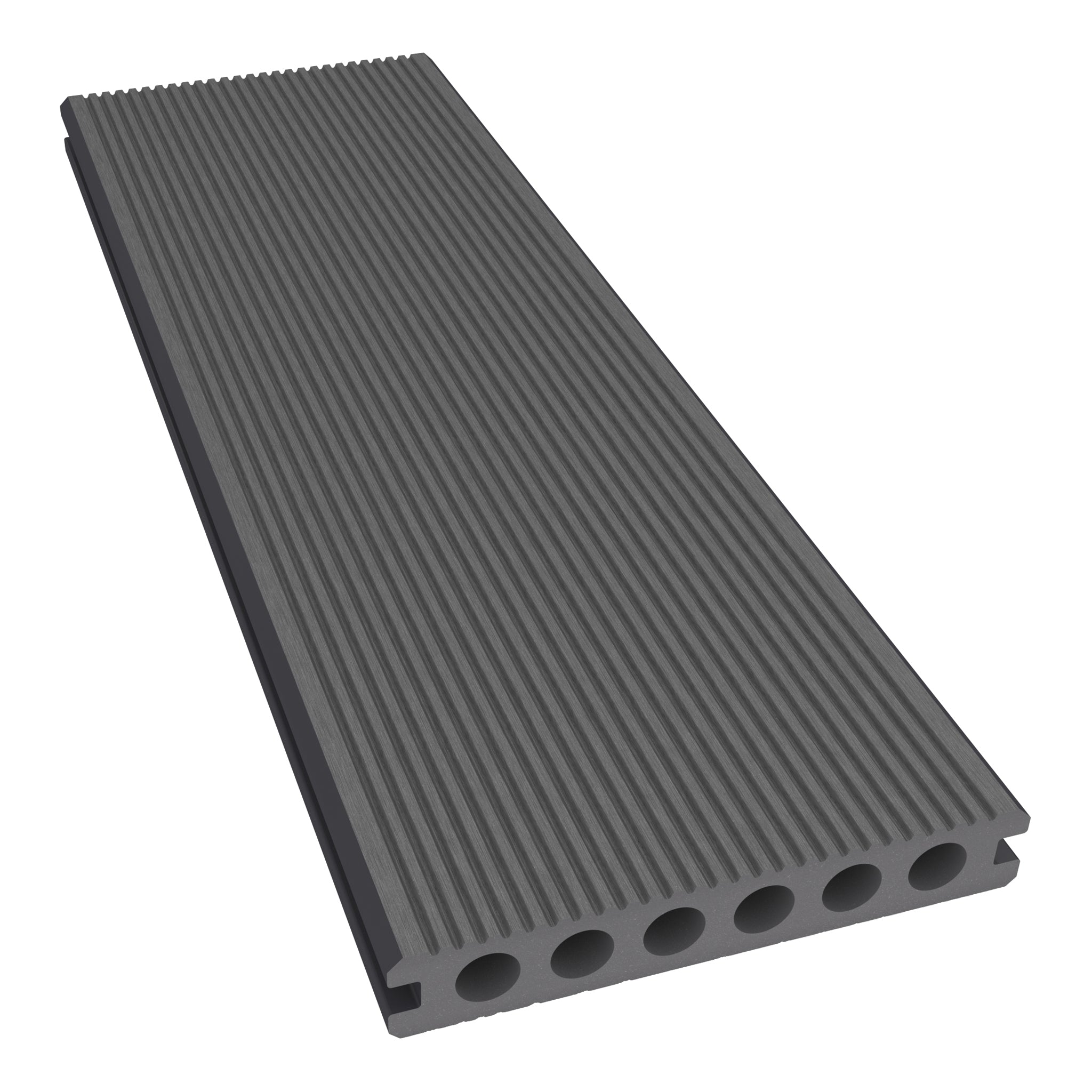
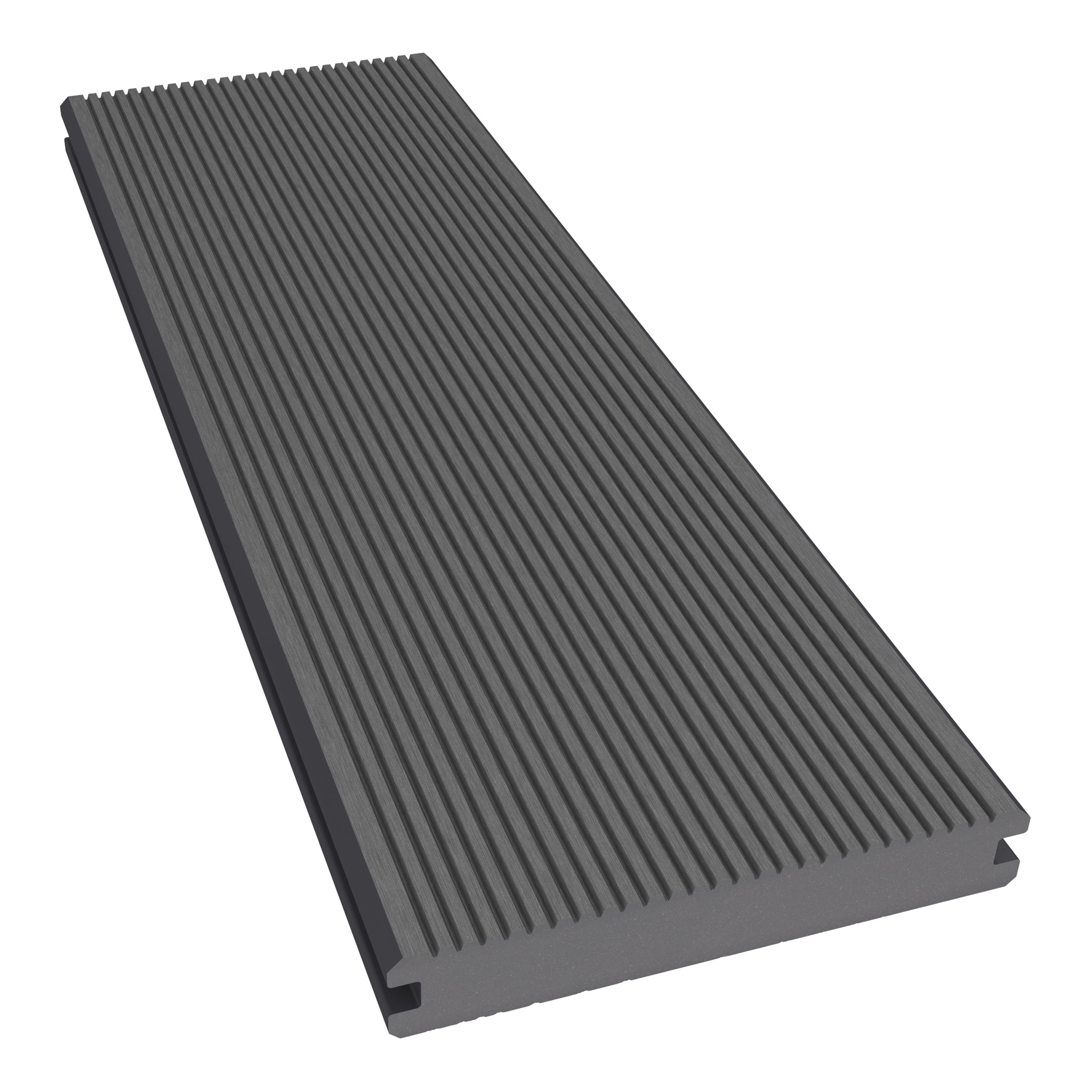
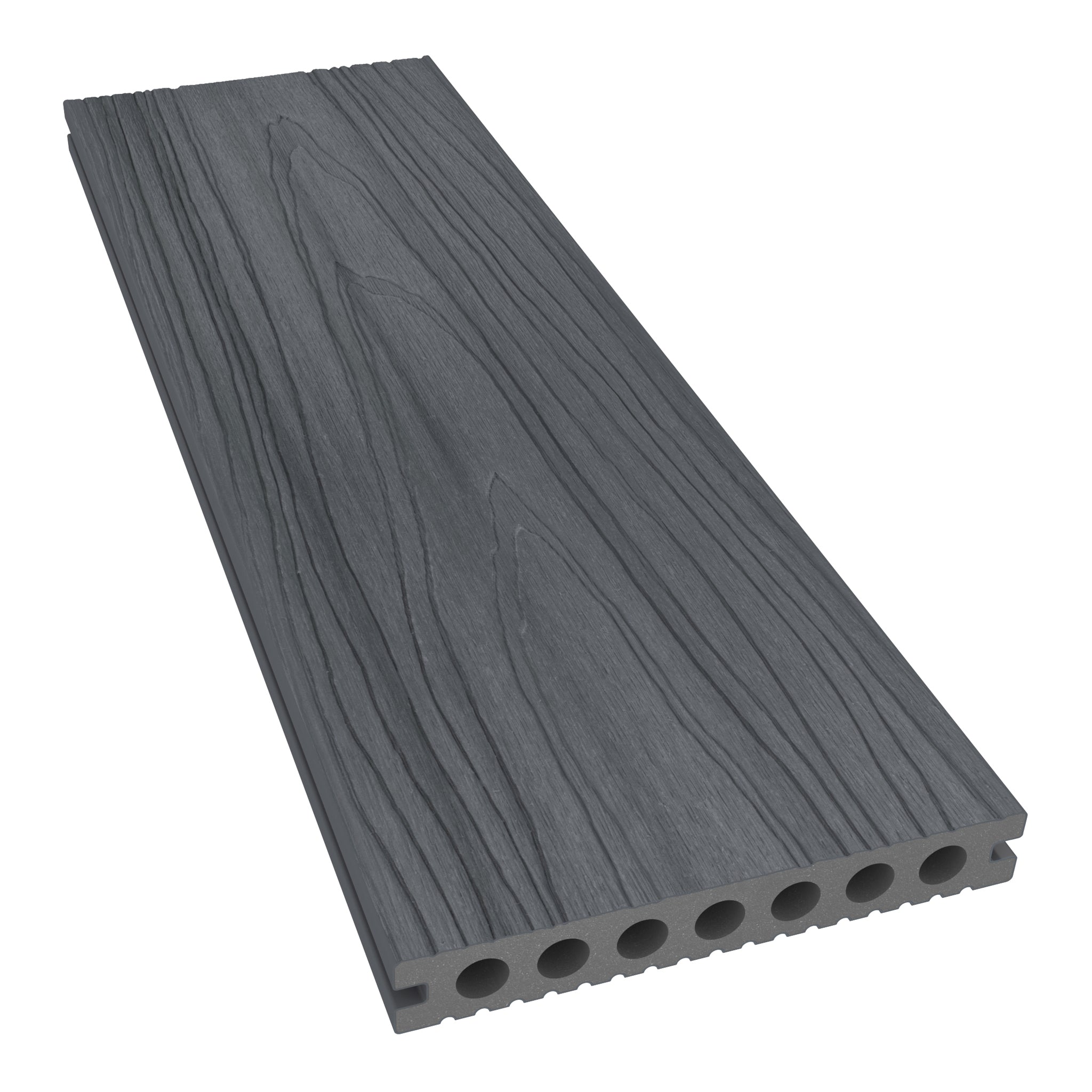
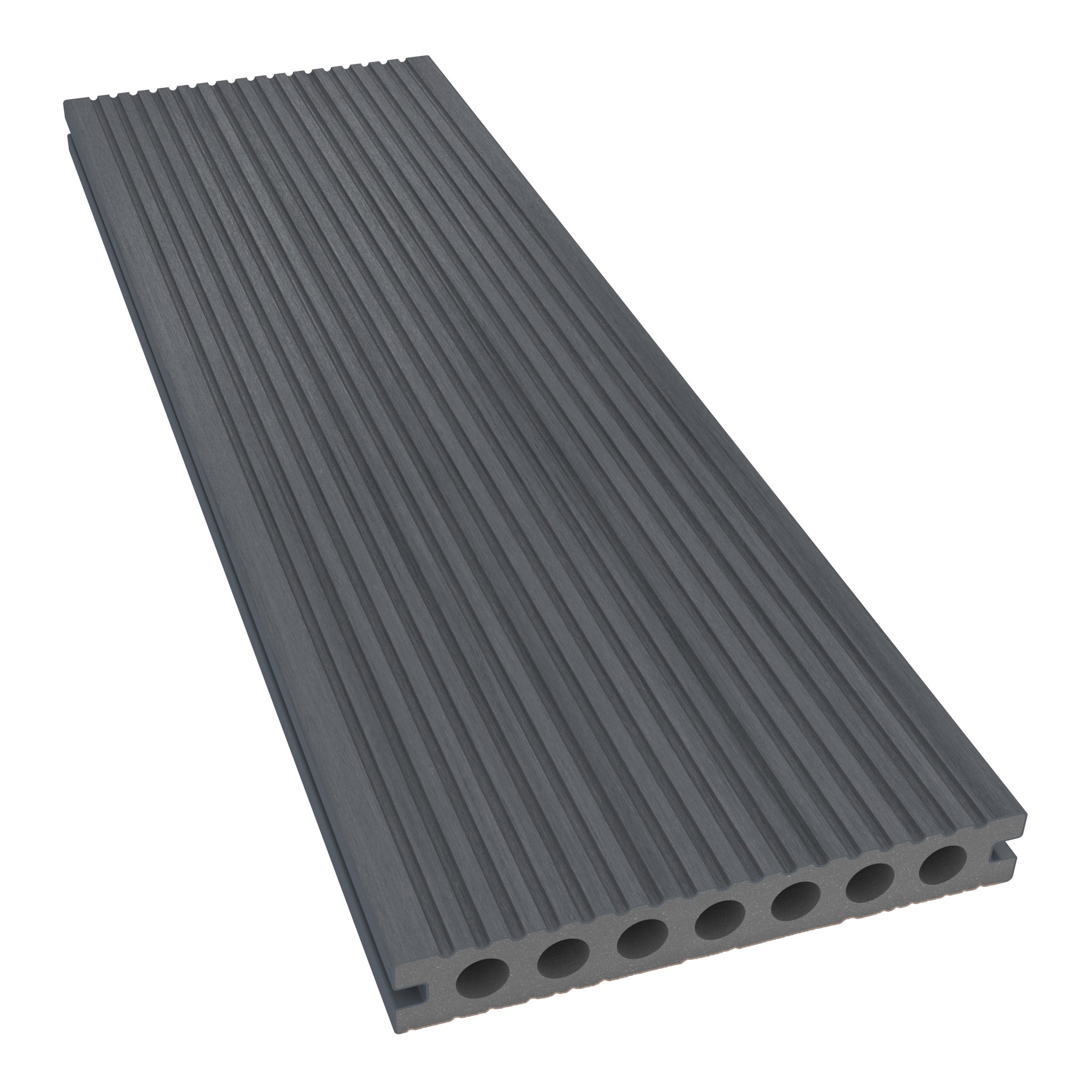
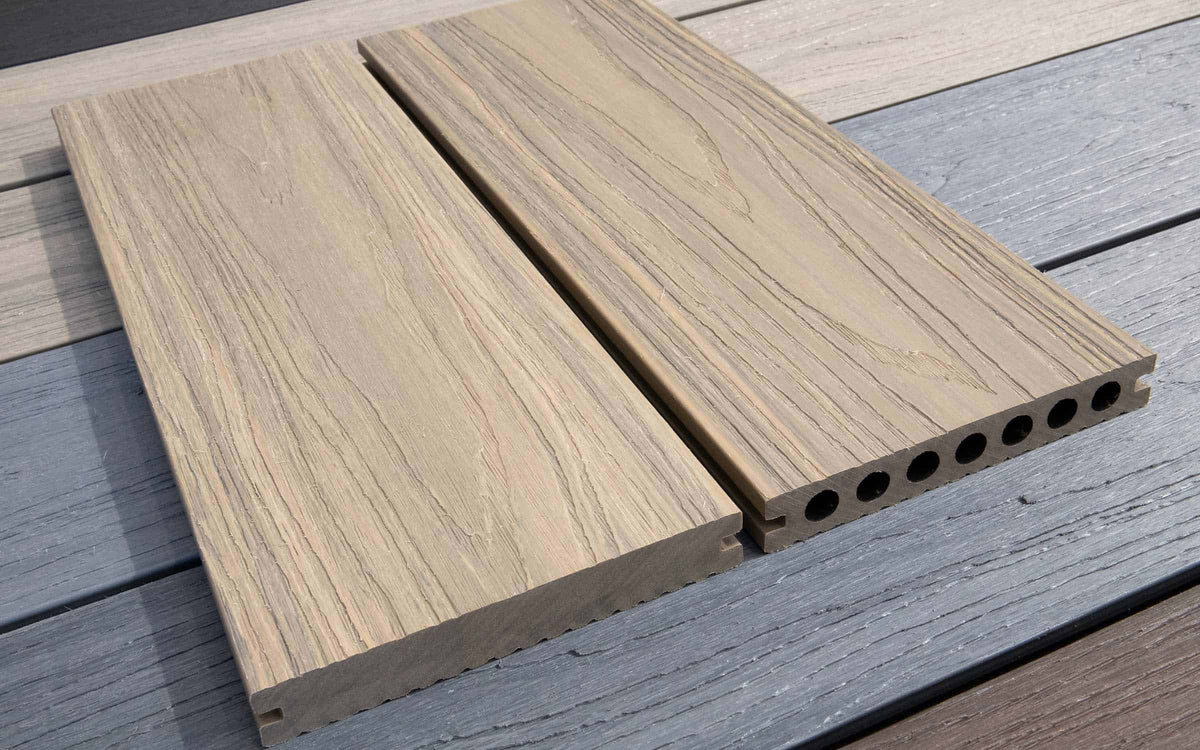
Hollow or solid describes the core profile. Capped or uncapped describes the surface construction. These choices are separate: a hollow board can have a protective cap, and a solid board can be uncapped.
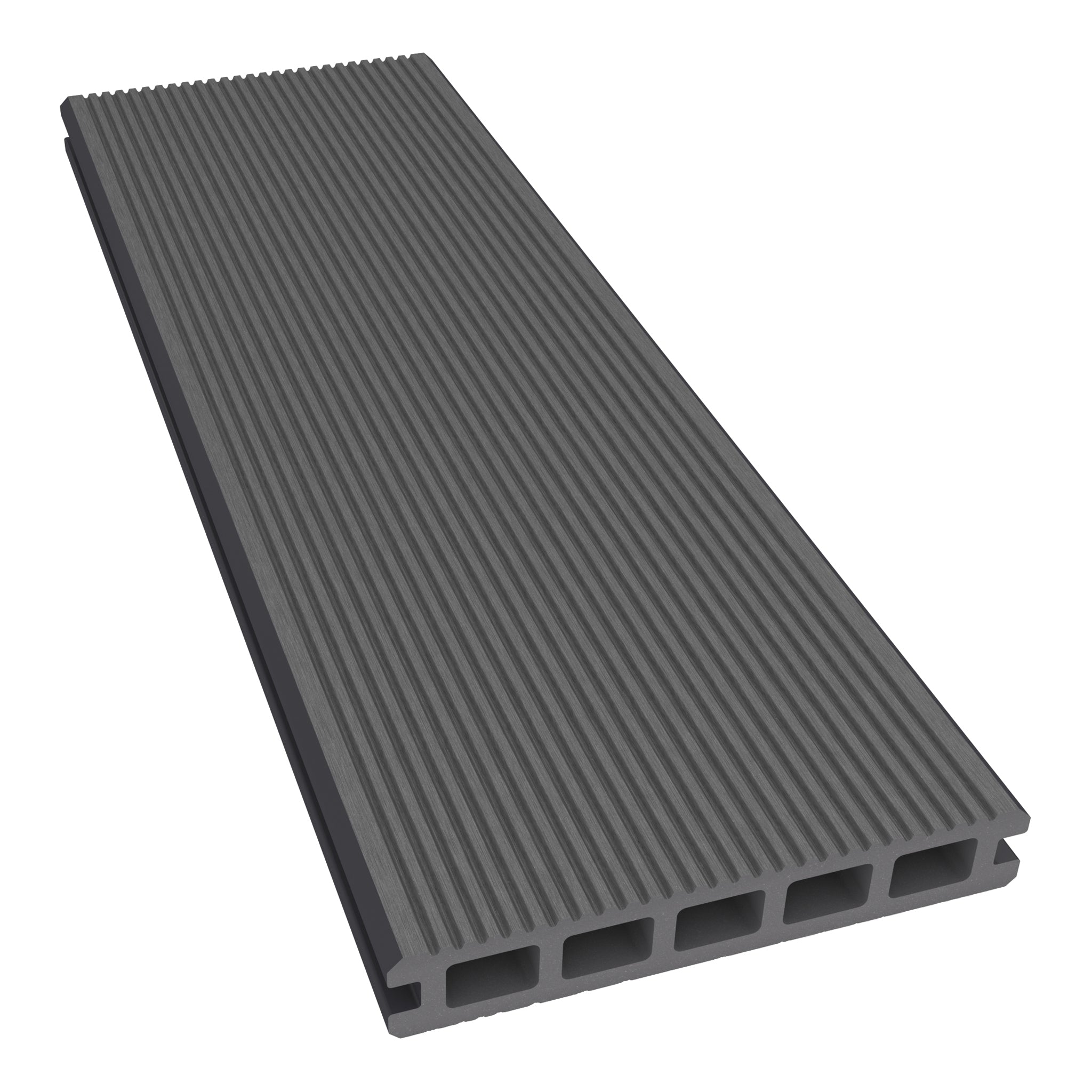
Compare the uncapped Classic Hollow board with the capped Deluxe Hollow board to see the distinction. Protective capping is designed to improve resistance to staining and fading, but it does not make the surface immune to damage. Choose according to your budget, finish preferences and application.

8. Safe Footing Requires More Than a Textured Surface
No deck is slip-proof. Water, algae, fallen leaves and other contamination can affect walking conditions, regardless of the board texture. Choose a product with performance information relevant to your application and keep the finished surface clean.
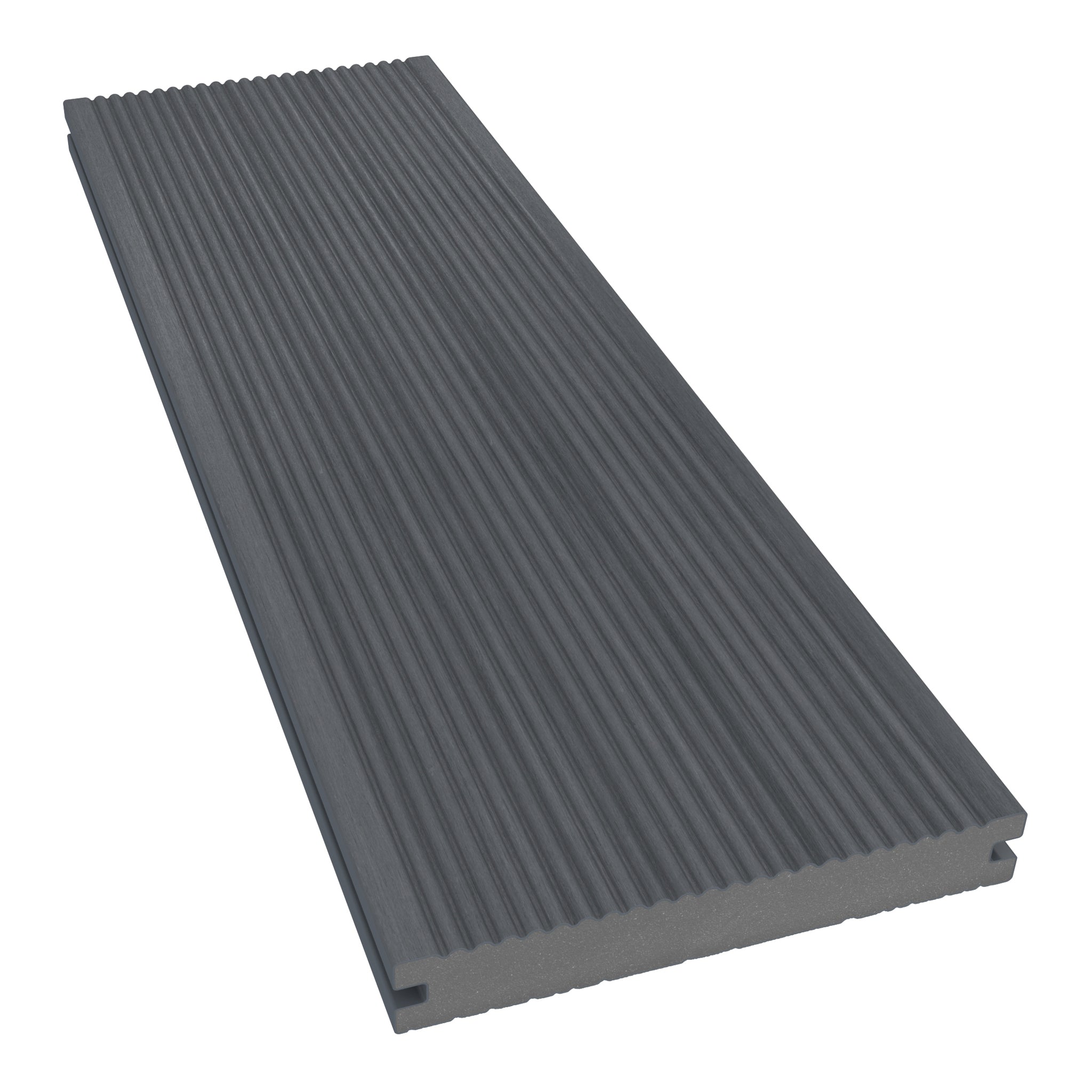
For wet settings, such as pool surroundings, confirm suitability and care requirements before specifying the board. Do not assume a grooved finish automatically performs better than woodgrain in every condition. Follow product-specific advice and consider drainage, lighting and access together.
Decking can also become warm in strong sunlight. Include shade where needed and assess the site's exposure as part of your design.

9. Recycled Content Is One Part of the Environmental Picture
NeoTimber® describes recycled plastics and FSC® 100% certified wood fibres in its product information. Recycled content and responsible wood sourcing are different claims; certified wood should not automatically be described as reclaimed wood.
When exploring decking materials and sustainability, consider manufacturing, transport, installation waste, maintenance and end-of-life options too. Composite is not automatically accepted in household recycling. Accurate measurement and an efficient cutting plan can help reduce avoidable waste from your project.

10. Reversible Boards Offer a Choice Before Installation
Some composite boards provide woodgrain on one face and grooves on the other. A reversible profile lets you choose the preferred finish before fitting, subject to the product's instructions.
It does not mean an installed deck can simply be turned over later without dismantling and reassessing the work. Compare both sides of your sample, confirm the permitted orientation and decide on the layout before installation begins.

Artificial Deck FAQs
Is an artificial deck the same as a composite deck?
An artificial deck often uses composite boards, but the term can also describe decks built with other manufactured materials. Check the composition and specification of the exact product.
Is an artificial deck cheaper than a timber deck?
Initial prices vary. Compare the complete installation cost, then consider the maintenance you expect to carry out over your ownership period. Composite can reduce refinishing work without guaranteeing a lower total cost in every project.
Can I build an artificial deck on an existing frame?
Only if the frame is sound and meets the selected board's installation requirements. Assess its condition, support spacing and drainage before deciding to reuse it.
Bring Your Artificial Deck Plans to Life
Plan your artificial deck around its intended use, the finish you enjoy and the installation it needs. Those decisions will help you make better use of the material's benefits and plan a manageable care routine.
Browse NeoTimber® decking, compare our composite deck boards and request free samples. For help narrowing down the options, contact our team with your project details.