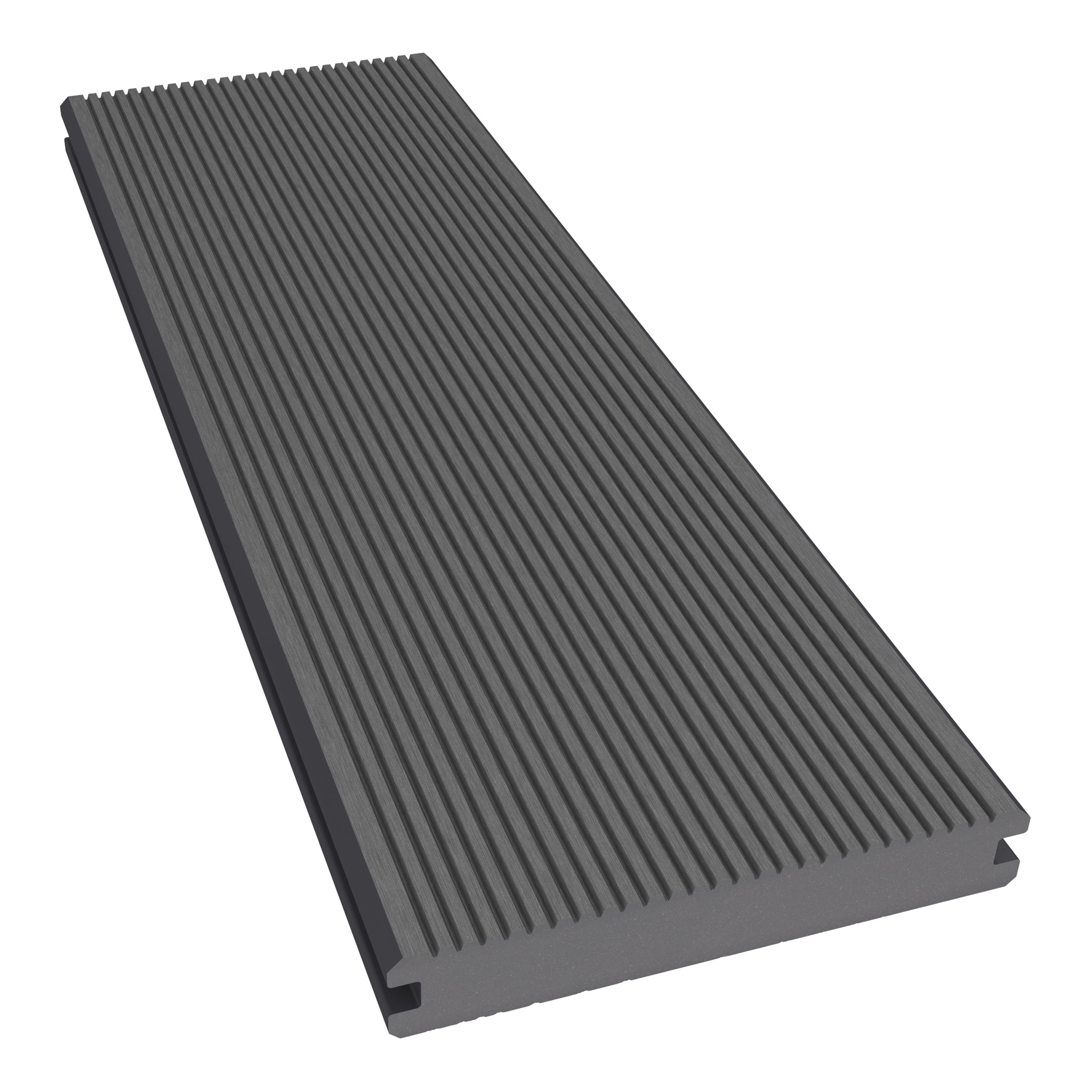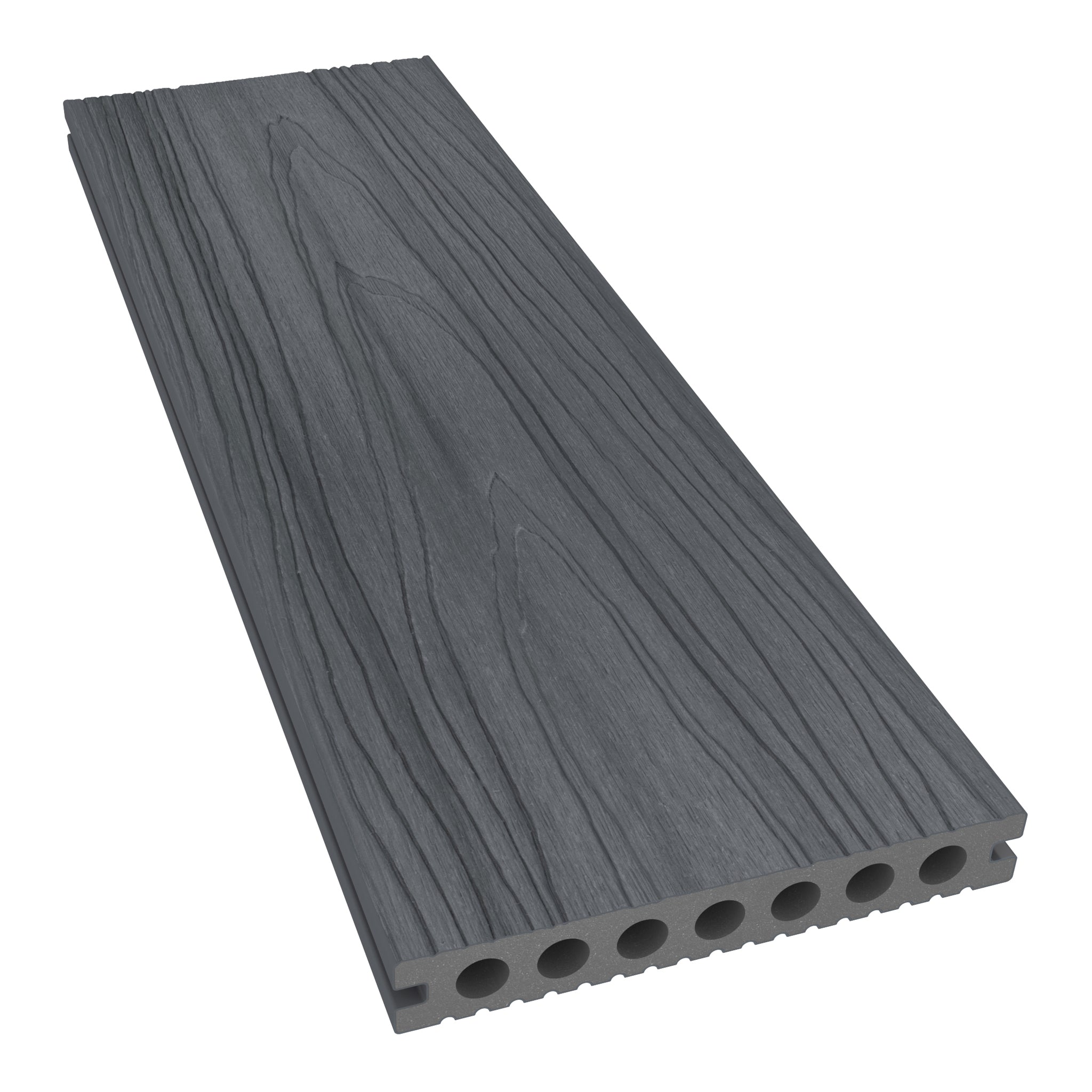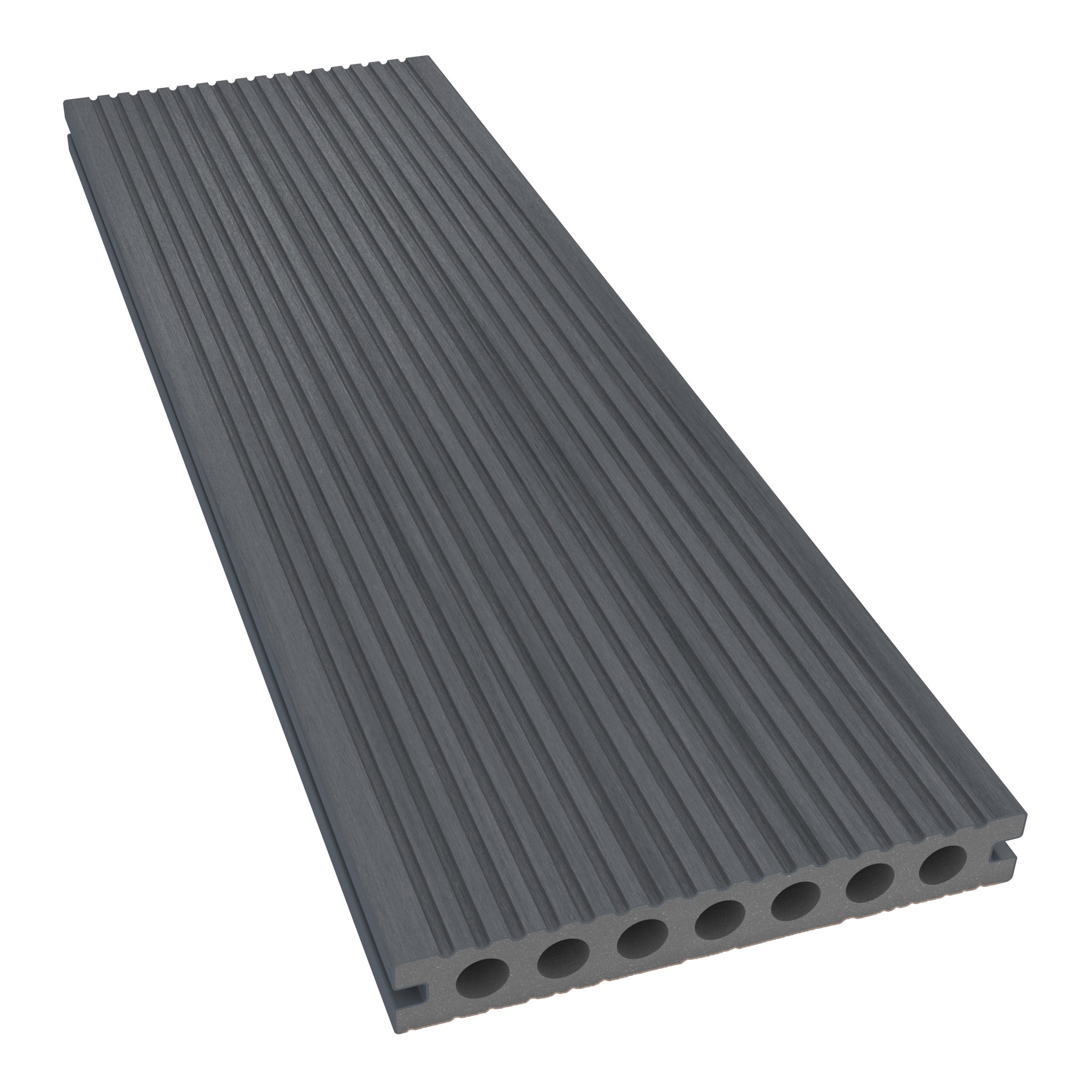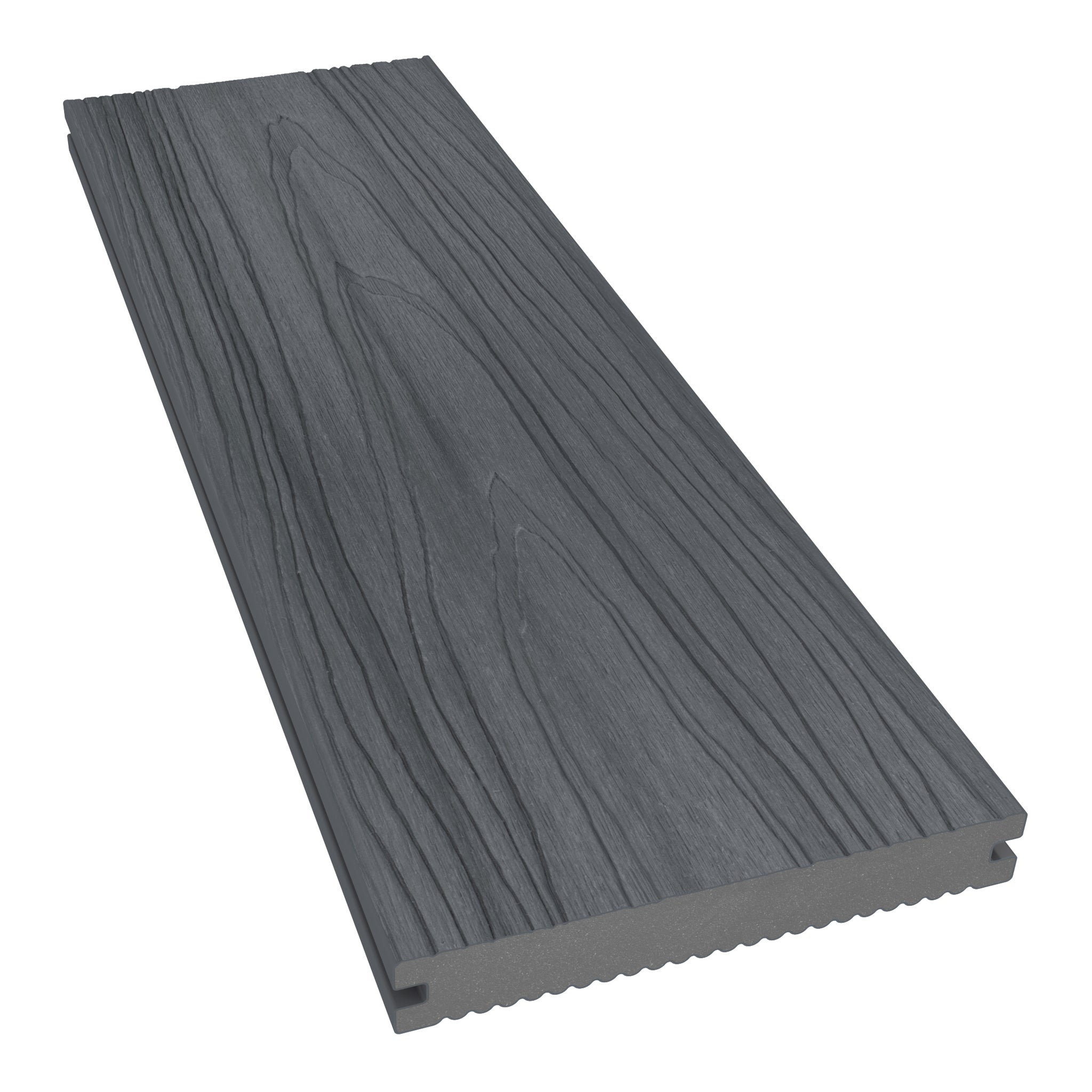



Understanding Temperature Changes and Movement Gaps in Composite Decking
Does composite decking expand and contract? Yes. Composite boards respond to changes in temperature, generally expanding as they become warmer and contracting as they cool. This is an expected material characteristic that must be allowed for during design and installation.
Movement itself does not mean a board is faulty. Problems can arise when boards have insufficient room to move, are incorrectly fixed or lack suitable support. The aim is to accommodate the movement rather than try to stop it completely.
This guide explains the different gaps involved and the checks to make before fitting. Explore NeoTimber’s decking guide for an introduction, or browse our composite decking range alongside the relevant installation information.
Why Does Composite Decking Expand and Contract?
Wood polymer composite combines wood fibres, polymers and additives. The resulting material responds to its environment, including changes in temperature. Its behaviour differs from a solid timber plank, so installation methods should reflect the specified composite product rather than assumptions based on timber.
Thermal movement and moisture-related dimensional change are different processes. Composite should not be described as completely unaffected by moisture, nor should every change in its dimensions be attributed to water absorption.
For a broader material comparison, read our guide to composite decking versus wood. The practical priority for either material is a design that takes its particular movement characteristics into account.

When Do Composite Boards Expand?
Composite boards generally expand as their temperature rises. That means the space left during installation must accommodate warmer conditions later, rather than simply look right on the day the deck is fitted.
Board temperature can differ from the reported air temperature, particularly in direct sunshine. Follow the manufacturer’s stated method for selecting movement allowances rather than adjusting gaps by eye.
If the ends of adjacent boards are fitted tightly together without the specified clearance, later expansion may create pressure at the joint. Similar restrictions can occur where boards meet walls, posts or a tightly fitted perimeter detail.
When Do Composite Boards Contract?
Boards generally contract as they cool. As a result, visible gaps may become wider in colder conditions and narrower when the boards are warmer.
A gap changing with the weather is not automatically a defect. Assess whether the installation follows the product requirements and whether the boards remain properly supported and secured. Persistent lifting, buckling or unusual displacement needs investigation rather than being dismissed as normal movement.
Three Different Gaps to Plan
One of the most useful installation distinctions is between side-to-side spacing, board-end gaps and clearance around fixed objects. They serve related purposes, but they are not interchangeable.
| Gap type | Where it occurs | What determines it |
|---|---|---|
| Side-to-side spacing | Between the long edges of neighbouring boards | The compatible clip system and fitting instructions |
| End-to-end gap | Where the ends of two boards meet | Product guidance and installation temperature |
| Perimeter clearance | Where boards meet walls, posts or other fixed features | The specified junction detail and movement requirements |
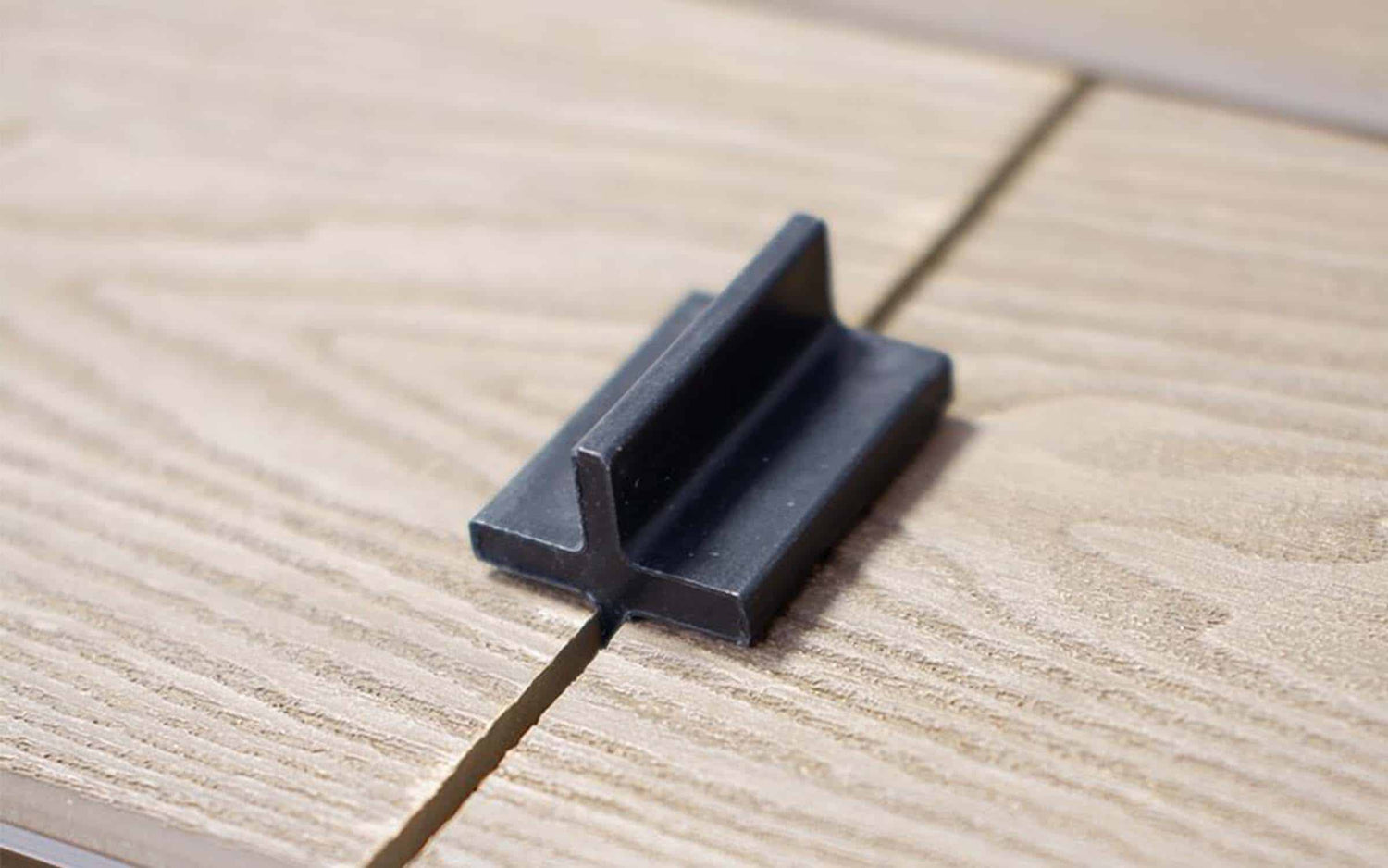
Side Gaps Created by Fixing Clips
NeoTimber’s 3mm Metal FastClips and 6mm Plastic FastClips establish different side-to-side spaces between compatible boards. They do not automatically establish the correct board-end or perimeter gap.
Use the approved fixings as instructed. A clip should secure the board in the intended way, rather than be overtightened in an attempt to eliminate movement.
NeoTimber® End-to-End Gap Guidance
NeoTimber’s pre-installation guidance gives the following outside-temperature allowances for end-to-end joins, checked on 23 October 2026. NeoTimber® temperature guidance for end-to-end board gaps:
| Outside temperature | End-to-end gap |
|---|---|
| Below 4°C | 6mm |
| 4°C to 25°C | 3mm |
| 26°C or above | 1mm |
Use the current instructions for your exact product and application. These values describe end-to-end joins; they are not universal clearances for walls or every decking brand. If conditions fall between the stated temperature bands, or the detail is unusual, confirm the requirement with NeoTimber® before fitting.
Board Length, Profile and Layout Also Matter
For the same material and temperature change, a longer board generally undergoes a greater absolute change in length. That does not prove one brand expands less than another: a meaningful comparison would need equivalent test conditions and product data.
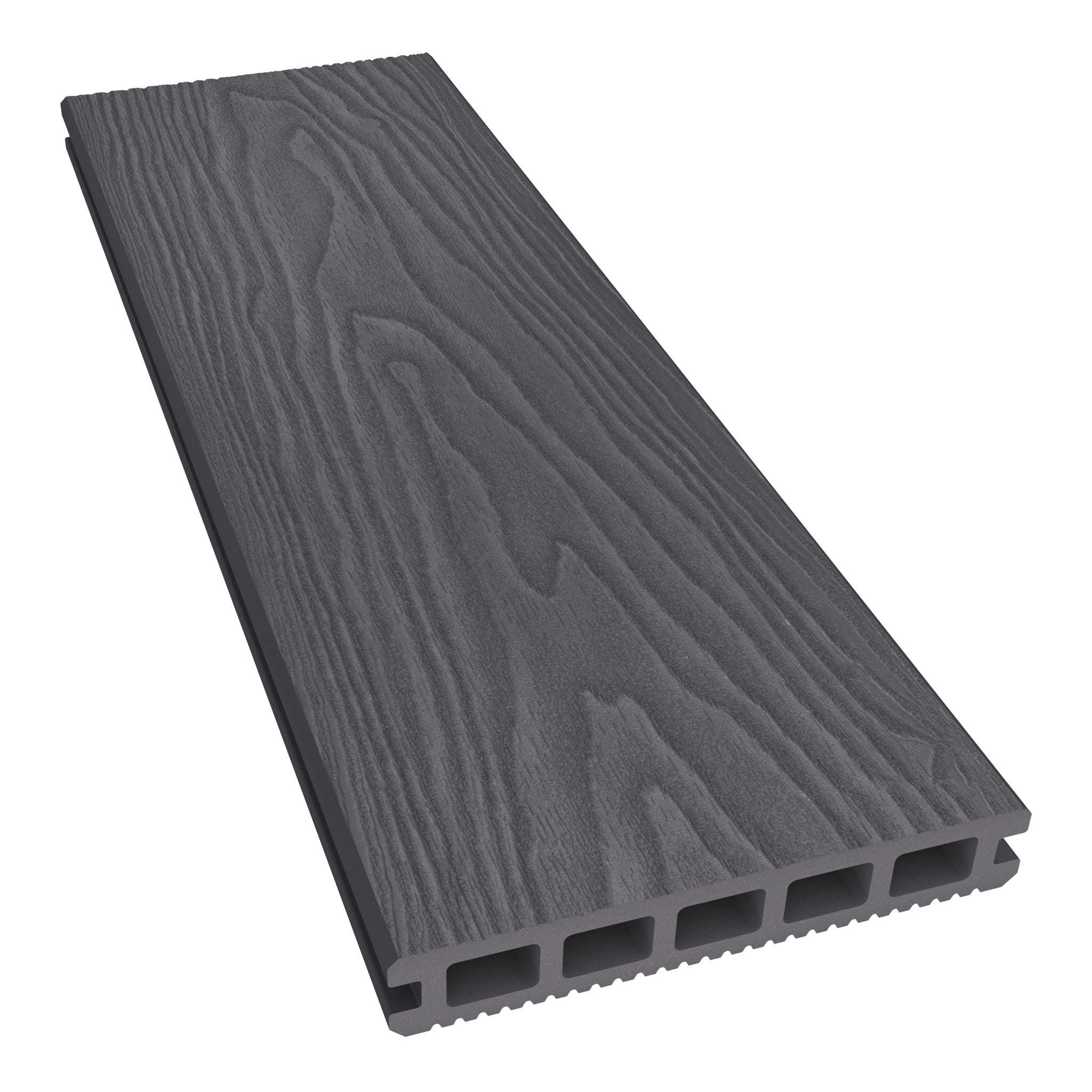
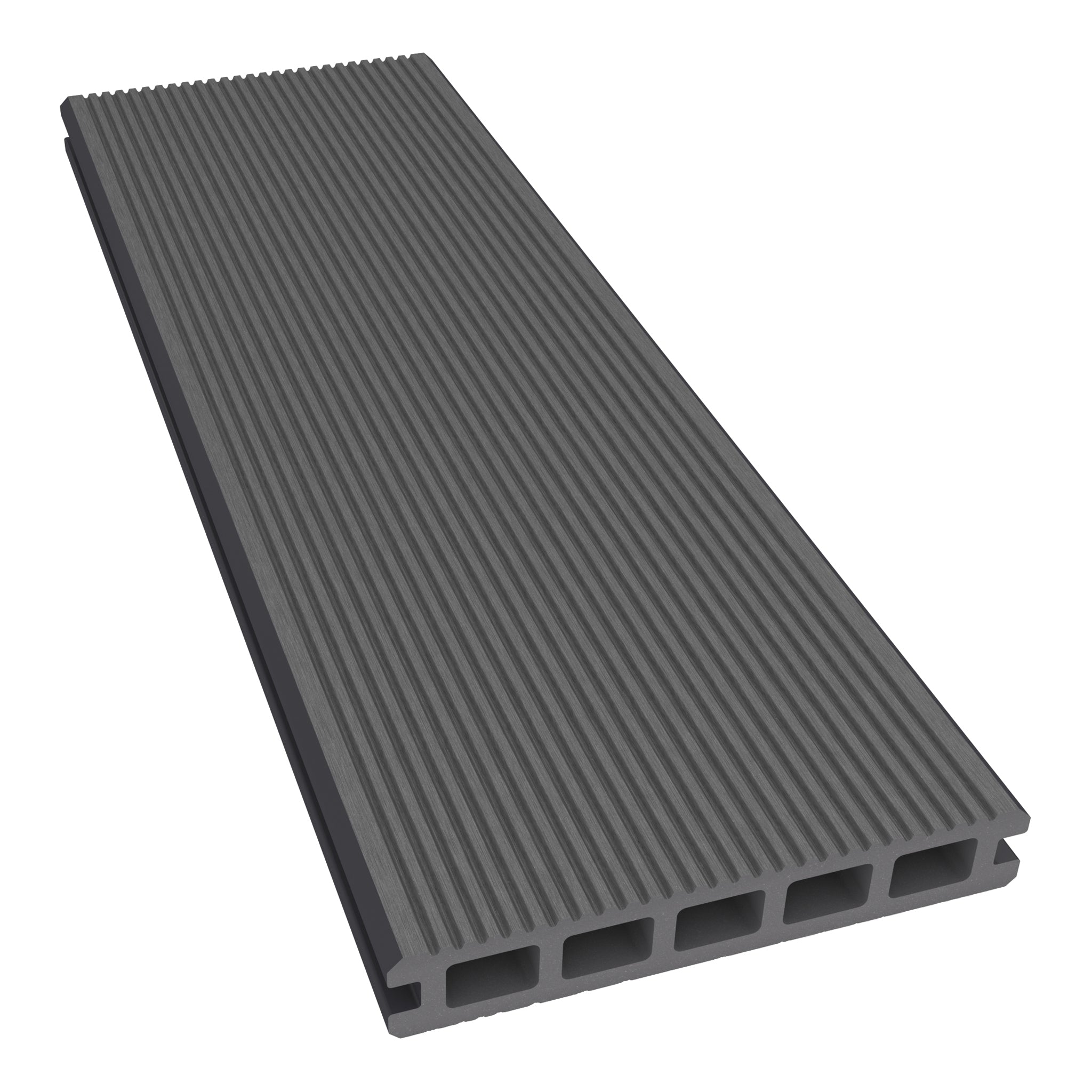
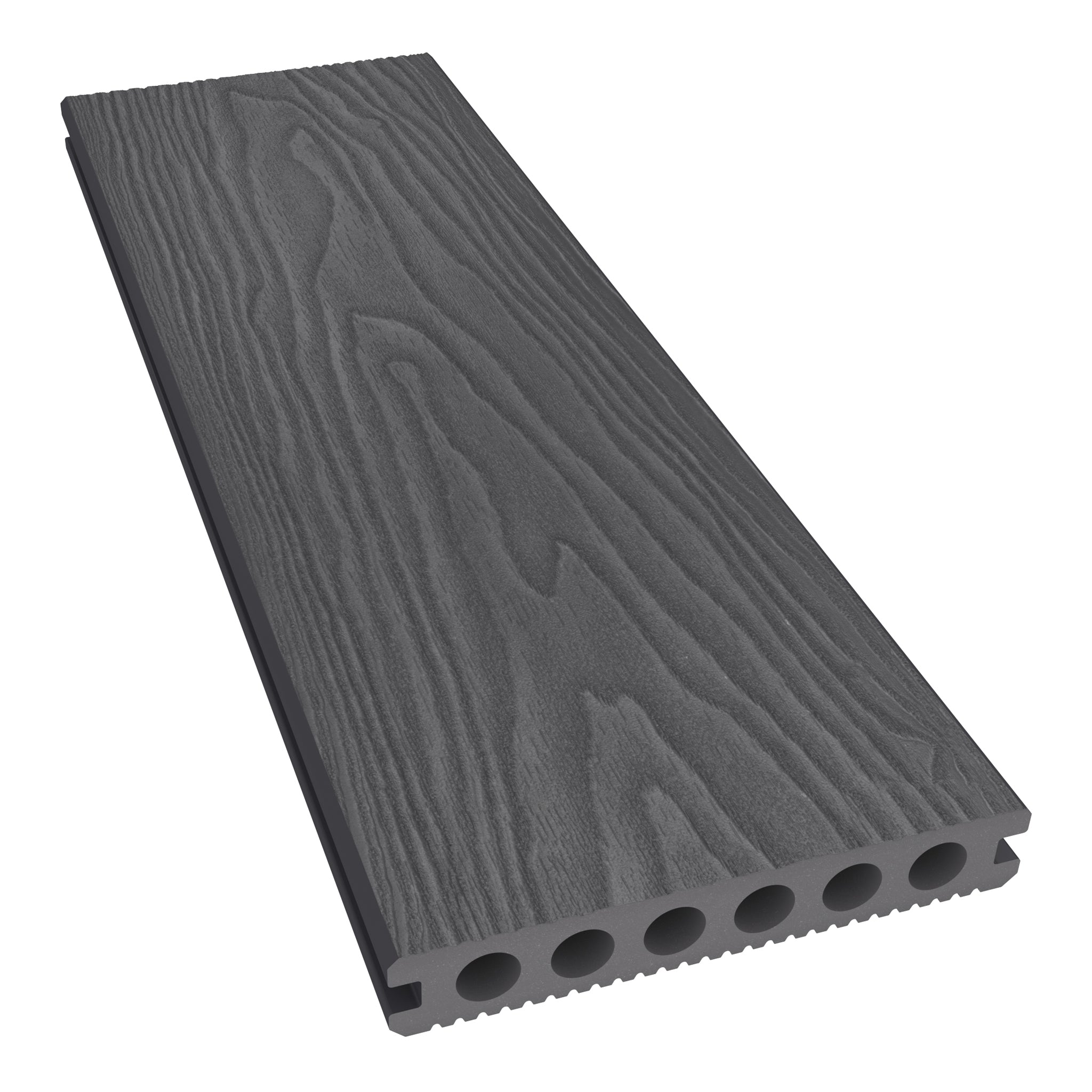
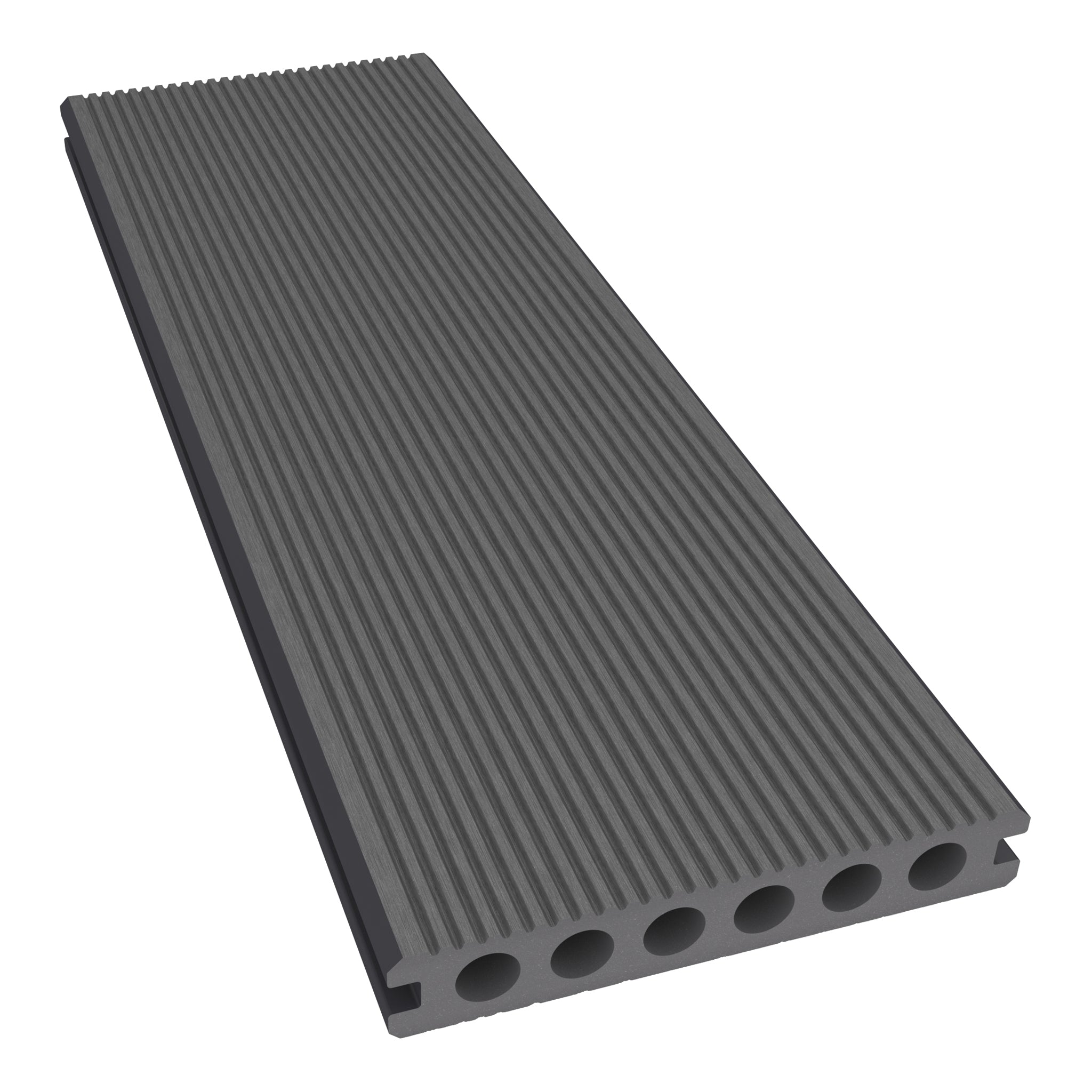
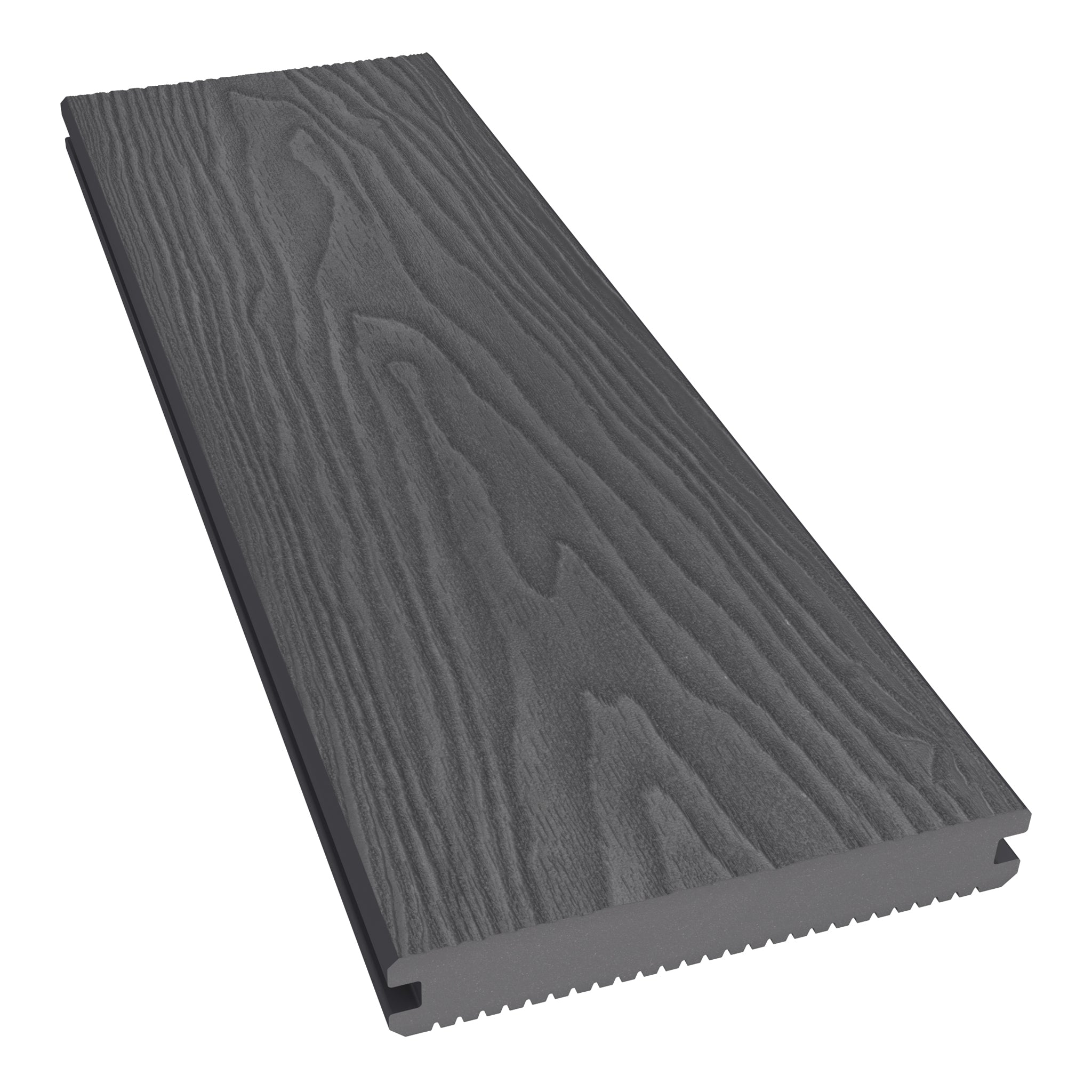
Review the chosen decking board specification, including its profile and length, before designing joints. Do not assume solid composite boards need no movement allowance, or that capping makes a board dimensionally static.
Picture framing and changes in laying direction introduce further junctions. Plan those details before constructing the frame so that movement and support requirements can be resolved together.
Installation Checks That Help Accommodate Movement
- Prepare the boards: follow the storage, handling and acclimatisation instructions before cutting and fitting.
- Plan every junction: include end joins, borders, walls, posts and door thresholds.
- Support the layout: provide the required joist support at board ends and changes of direction.
- Use compatible fixings: check the correct screw and clip method for the board and frame.
- Check finishing details: avoid trims or other components that unintentionally trap board movement.
- Keep records: retain the product instructions and photographs of concealed construction details.
Consult the complete composite decking installation guidance before starting. The decking fixings guide also helps distinguish the roles of clips and screws.
What If Movement Appears Excessive?
Record the affected area, note the conditions and ask the installer or supplier to assess it. An uneven surface may involve the frame, foundations, fixings or restricted clearances rather than board movement alone.
Avoid adding screws, forcing boards flat or cutting installed joints before the cause has been reviewed. Retain purchase and installation details, and check the relevant warranty terms. Damage caused by an installation that does not meet the requirements may fall outside the cover.
Composite Decking Expansion and Contraction FAQs
Can I install composite decking with no gaps?
Follow the specified gaps for the product. Tight-fitting boards without the required allowances can restrict movement and create problems at joints or fixed objects.
Does composite decking expand and contract in winter?
Yes. Movement responds to temperature changes throughout the year. Cooler boards generally contract, while warmer boards generally expand.
Do capped boards need expansion gaps?
Yes. A protective surface cap does not remove the need for the movement allowances stated in the fitting instructions.
Is expansion the same as warping?
No. Expansion and contraction describe dimensional movement. Warping describes distortion such as bowing or twisting. Restricted expansion can contribute to distortion, but other causes must also be considered.
Make Space for Movement in Your Deck Design
Composite decking expands and contracts, and a suitable installation allows that movement to happen without trapping the boards. Treat side gaps, end joins and perimeter clearances as separate details, then check them against the requirements of the chosen system.
Compare our composite decking options or contact NeoTimber® for clarification before installation. Resolving the details early is easier than correcting a restricted joint after the deck is complete.