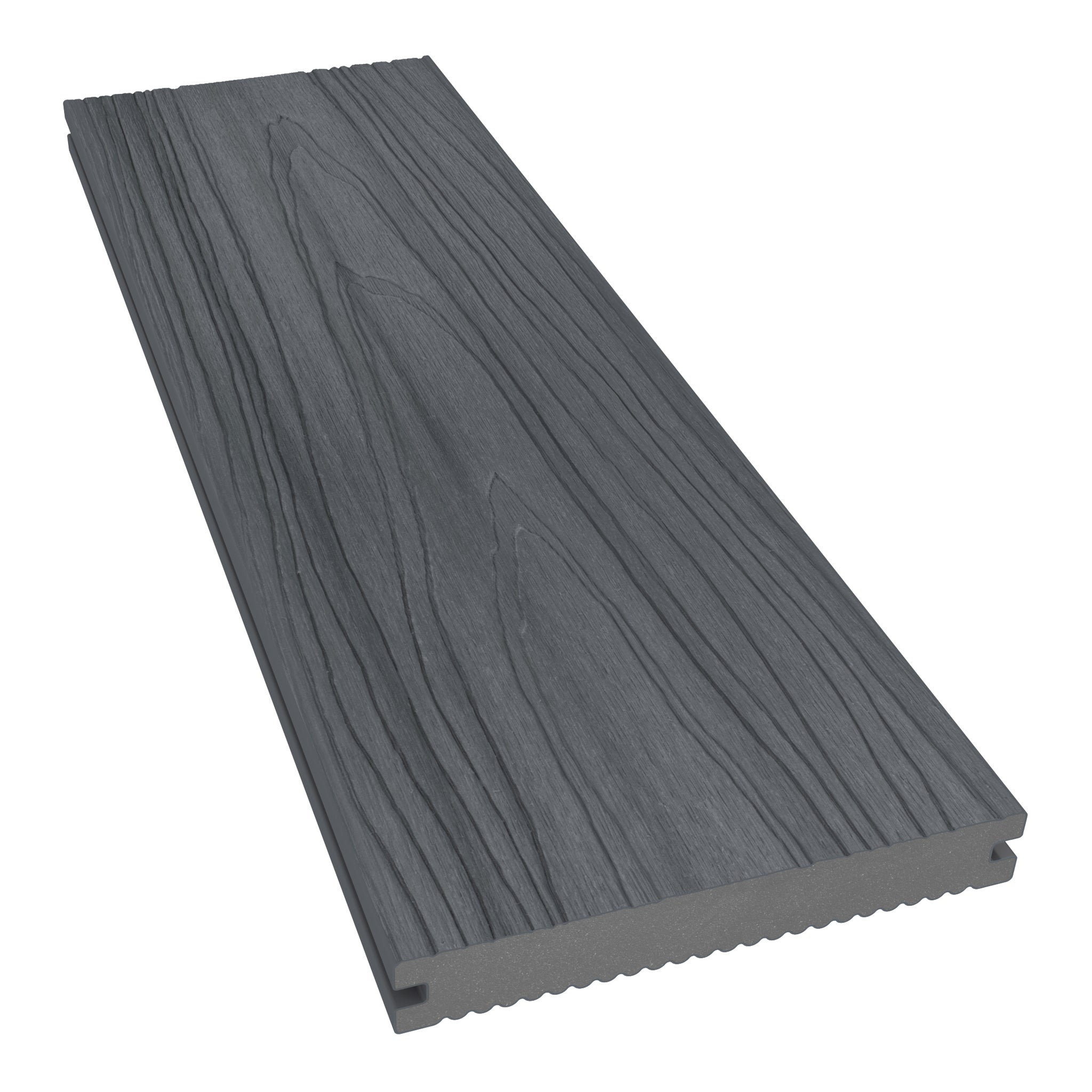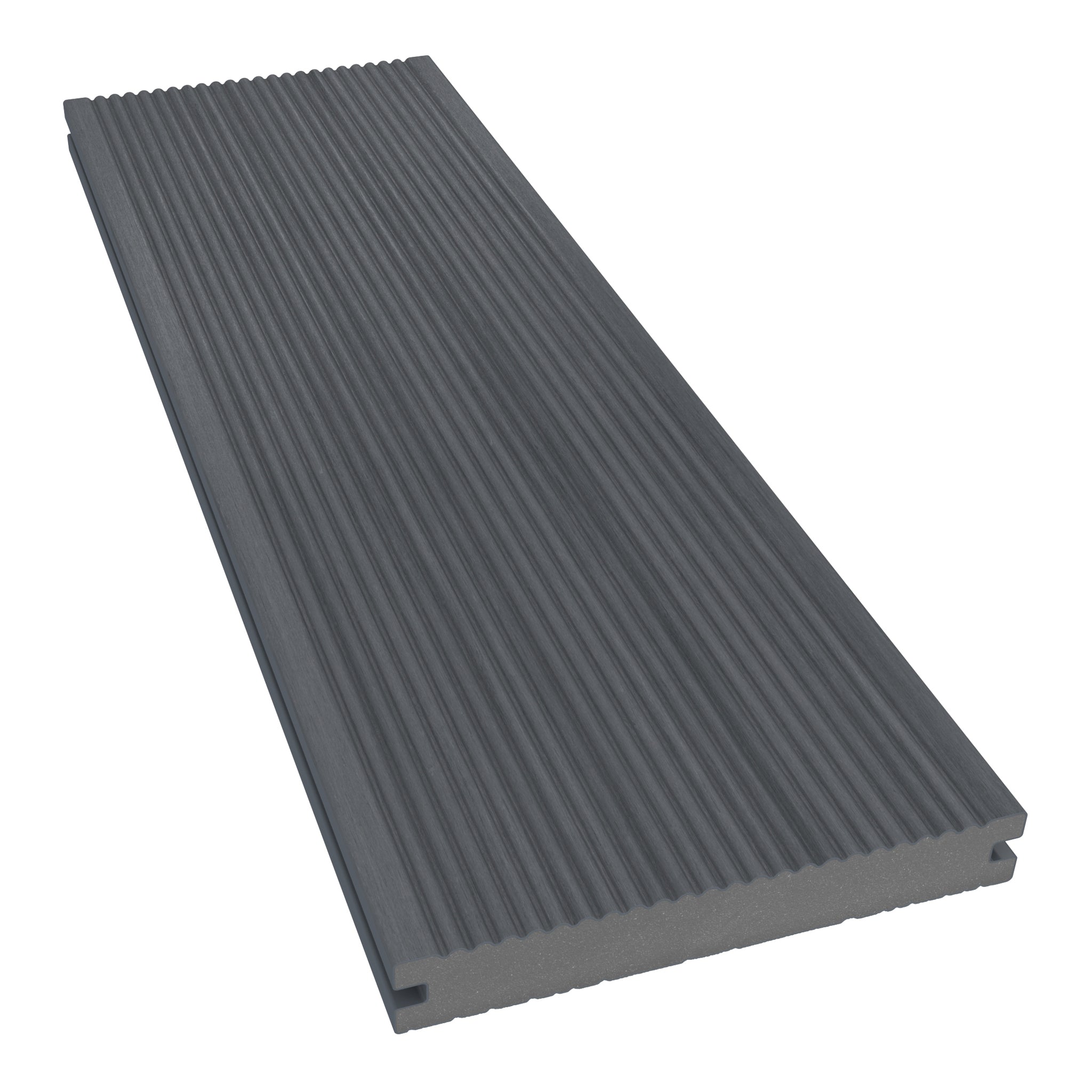


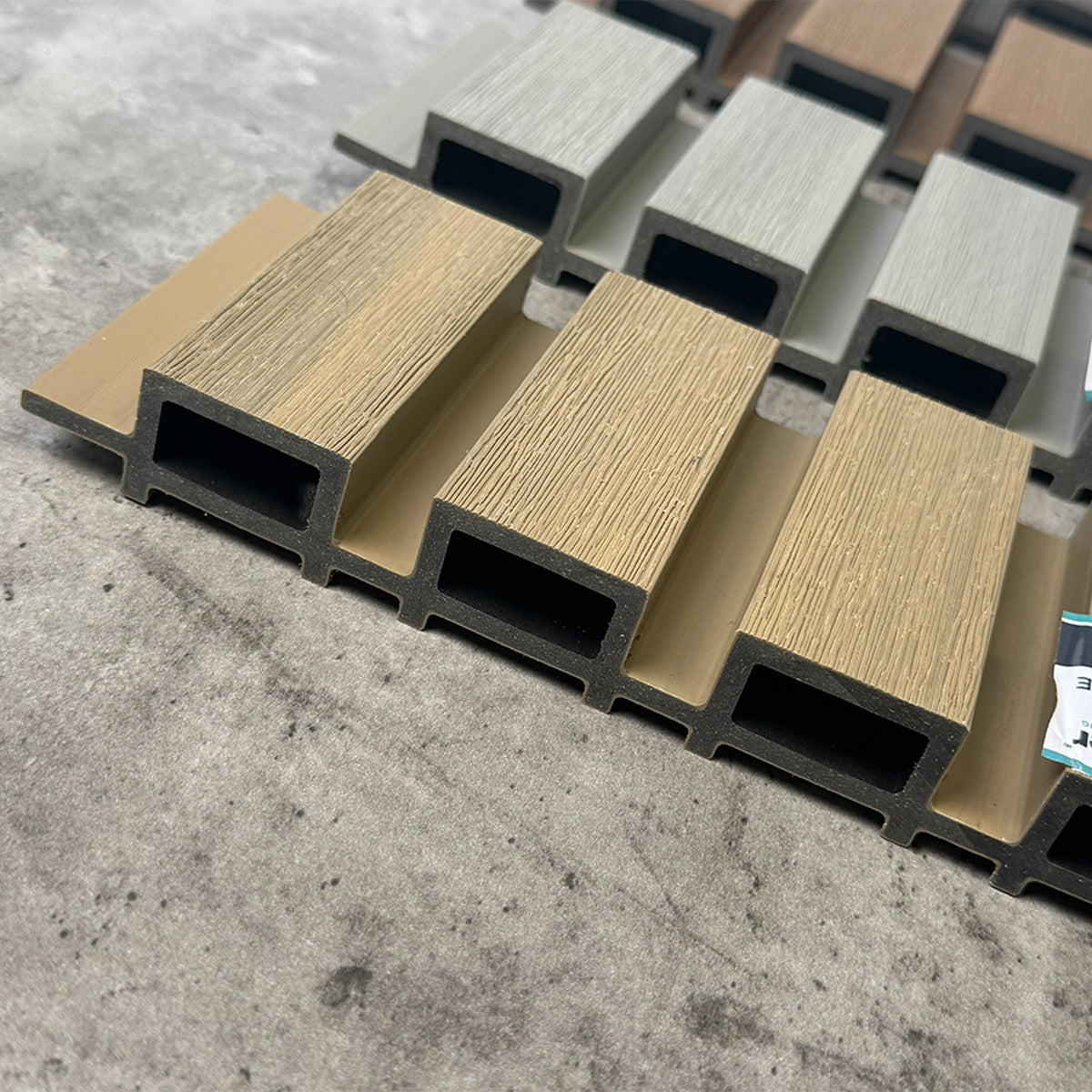

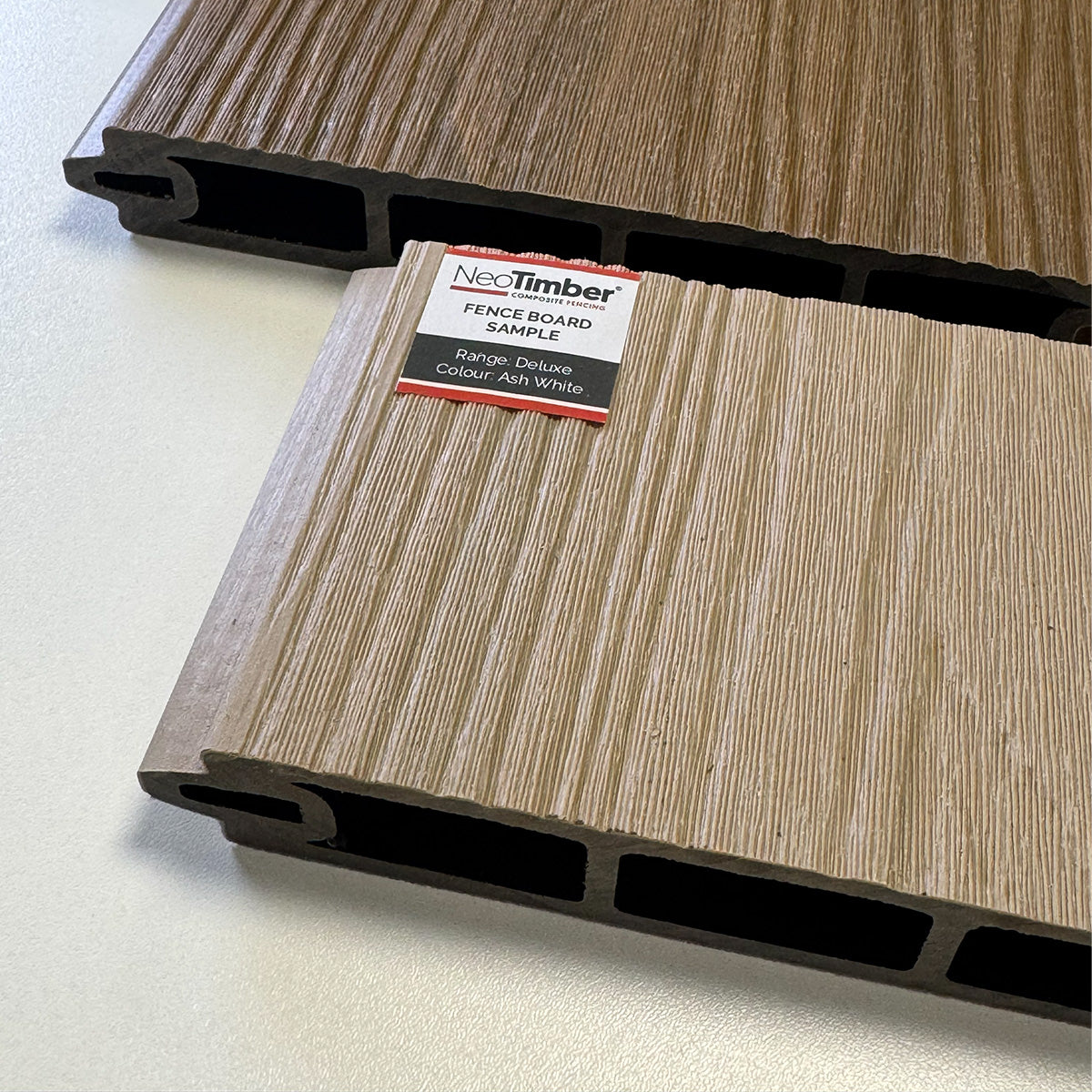

Clean Surface Growth and Help Keep Your Deck Clear of Mould
Wondering how to remove mould from composite decking? Start by clearing leaves and loose debris, then wash the affected boards with warm soapy water and a soft-bristled brush. Rinse thoroughly and inspect the surface once it has dried. If marks remain, check the board manufacturer’s guidance before using a specialist cleaner.
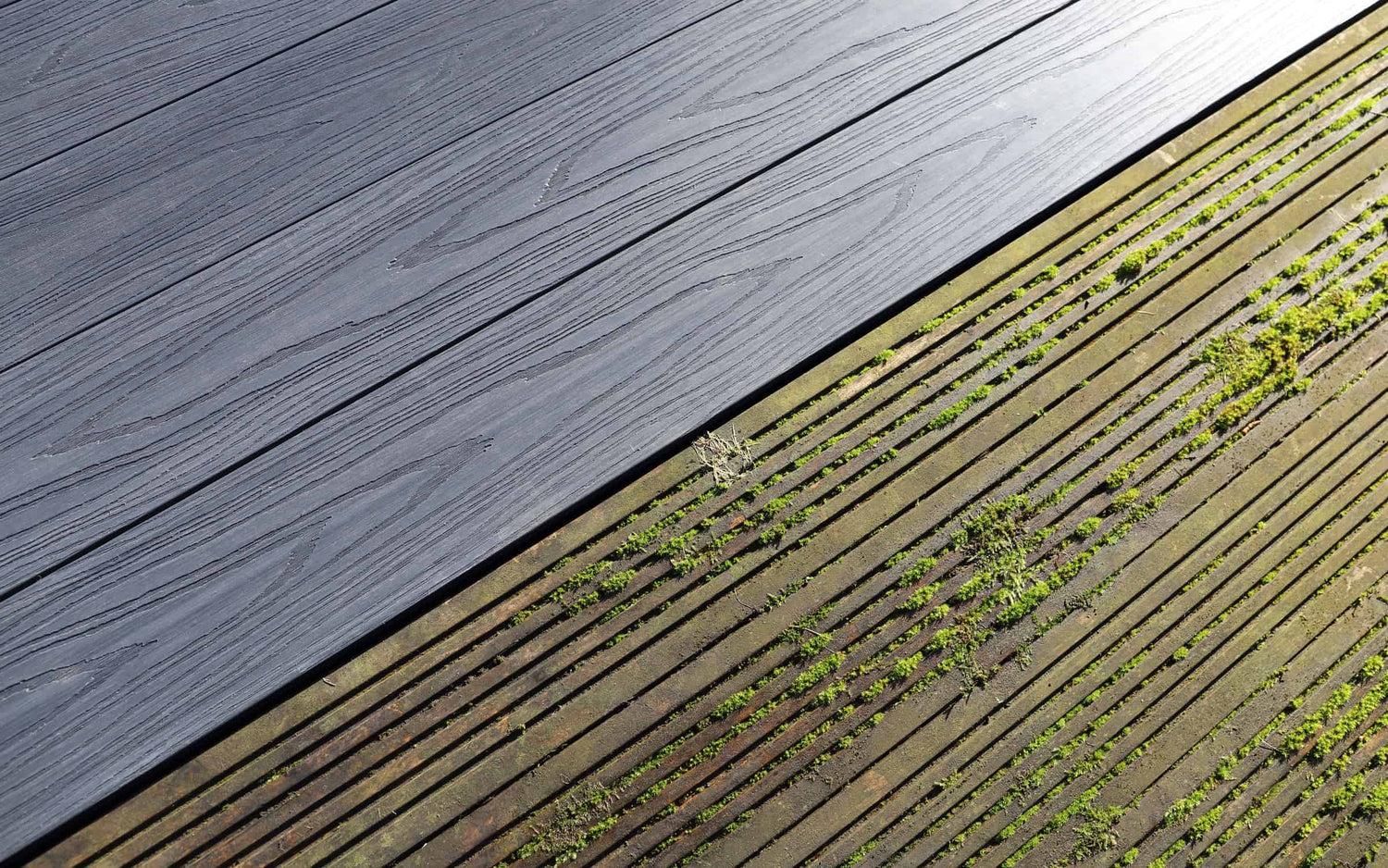
Mould, mildew and algae can collect on outdoor surfaces where moisture and organic debris persist. Composite decking still needs cleaning, including products with a protective cap. A regular care routine and effective drainage help reduce the conditions that encourage recurring growth.
This guide covers cleaning and prevention for NeoTimber® boards. For other brands, follow their specific care instructions rather than assuming every method is interchangeable.
In this guide: Why growth appears · Prepare to clean · Cleaning steps · Persistent marks · Pressure washing · Prevent recurring growth · FAQs
Why Does Mould Appear on Composite Decking?
Leaves, pollen, soil and other deposits can build up on the boards. In a damp or shaded area, the surface may dry slowly, giving growth an opportunity to develop. Containers, furniture and blocked joints can also retain moisture and debris.
A green film or dark mark is not enough to identify its cause with certainty. Algae, mould, dirt, tannin staining and other deposits can look similar. If a mark does not respond to normal cleaning, ask for advice rather than repeatedly applying stronger chemicals.
Visible growth does not by itself establish structural damage. Equally, do not dismiss soft timber supports, loose boards or unusual movement as a cosmetic issue: those conditions need separate assessment.

Before You Start: Check the Board and Cleaning Method
Identify your board range and whether it has a protective cap. Consult NeoTimber’s composite decking maintenance guidance before selecting products or equipment.
For the initial clean, gather:
- A soft-bristled brush or suitable non-abrasive sponge.
- A bucket, warm water and soap compatible with the care instructions.
- A garden hose for rinsing.
- Any protective equipment required by the cleaning product.
Move manageable furniture and pots carefully so that you can reach the surface beneath them. Keep people away from the wet cleaning area, particularly steps and access routes. Follow product directions for protecting nearby planting, pets and adjoining materials.
How to Remove Mould From Composite Decking: Step by Step
1. Clear loose material
Remove fallen leaves, soil and other debris gently. Clear accessible board gaps without damaging the edges or clips. Avoid aggressive dry scrubbing of surface growth.
2. Wash with warm soapy water
Apply the cleaning solution and work in manageable sections. Use a soft-bristled brush along the length of the boards, paying attention to grooves, edges and the areas previously covered by containers.
Use controlled pressure rather than hard scouring. Wire brushes, abrasive pads and scraping tools can damage the finish. A darker patch does not justify grinding away the surface.
3. Rinse away loosened deposits
Rinse thoroughly with clean water so that loosened dirt and soap do not remain on the boards. Keep drainage routes clear, and direct run-off appropriately according to any cleaning-product restrictions.
4. Let the surface dry and reassess
Inspect the deck when dry, because wet boards can disguise remaining marks. Check whether the surface growth has been removed and whether water is collecting in the same locations. Avoid promising a permanent result from a single wash: ongoing conditions matter.
For the wider routine, see our guide to cleaning composite decking.

What if Mould or Dark Marks Remain?
Contact NeoTimber® with photographs, the board range and details of the cleaning already attempted. This helps distinguish persistent growth from staining or another surface issue.
The original article recommends Owatrol Compo-Clean for more stubborn cleaning. Before using it, confirm its suitability for your exact board and the mark involved. Follow the current cleaner label for application, contact time, rinsing and precautions; do not assume every composite cleaner is intended to treat mould.
Do not improvise with concentrated bleach, vinegar mixtures or household mould sprays. Never mix cleaning chemicals. If a stronger treatment is approved, follow the specified test-patch procedure and protect adjoining materials.
Do not sand capped composite decking. For uncapped boards, seek advice before considering abrasion: it can alter the appearance and is not the starting method for removing surface growth.
Can You Pressure Wash Mould Off Composite Decking?
A gentle wash and brush should be the starting point. Pressure washing is only an option where the board guidance permits it.
NeoTimber’s published care guide sets a maximum of 3,100 PSI with a fan attachment kept at least 250mm from the boards. These are limits, not target settings. Use a gentler approach where effective, and comply with any lower limits or additional restrictions for your product and cleaner.
A concentrated jet or rotating nozzle can damage the surface. Do not try to remove a stubborn mark by moving closer or increasing pressure beyond the permitted method.
Reduce the Conditions That Encourage Mould to Return
Cleaning removes deposits; prevention also means looking at why one area stays damp or dirty.
- Clear leaves and plant debris before they accumulate.
- Keep board gaps and accessible drains unobstructed.
- Inspect beneath pots, rugs and furniture for trapped moisture.
- Preserve the ventilation required around and beneath the deck.
- Trim back encroaching planting where appropriate without blocking access routes.
- Investigate recurring puddles rather than relying only on repeated washing.
Our guide to fixing standing water on composite decking explains how to check for blocked drainage and low spots. Adjust cleaning frequency to the conditions in your garden, especially beneath trees or in persistently shaded areas.
Is capped decking immune to mould?
No. A protective capped surface can provide care advantages, but deposits can still collect on it. NeoTimber’s Deluxe boards still require cleaning and correct installation.

For help with your existing boards, contact NeoTimber® before experimenting with treatments. If you are comparing new decking, consider the site conditions and maintenance requirements alongside colour and finish.
Frequently Asked Questions
What is the best way to remove mould from composite decking?
Start with warm soapy water, a soft-bristled brush and thorough rinsing, following the board care instructions. Seek product-specific advice if marks persist.
Can mould grow on capped composite decking?
Yes. Organic deposits can support surface growth even on capped boards. A protective shell does not remove the need for cleaning.
Can I use bleach to remove decking mould?
Do not assume household bleach is suitable. Use only a treatment approved for the specific board and follow its label. Never mix bleach with other cleaners.
Why does the mould keep returning?
Persistent shade, trapped debris and slow drainage can encourage recurring growth. Inspect these conditions alongside the cleaning routine.
Should I sand the affected boards?
Do not sand capped boards. Ask for advice before abrading uncapped products, because sanding can change the finish and may not address the cause.
Does visible mould mean I need to replace the deck?
Not necessarily. Surface growth can often be addressed through appropriate cleaning. Have damaged boards, loose components or deteriorated supports assessed separately.