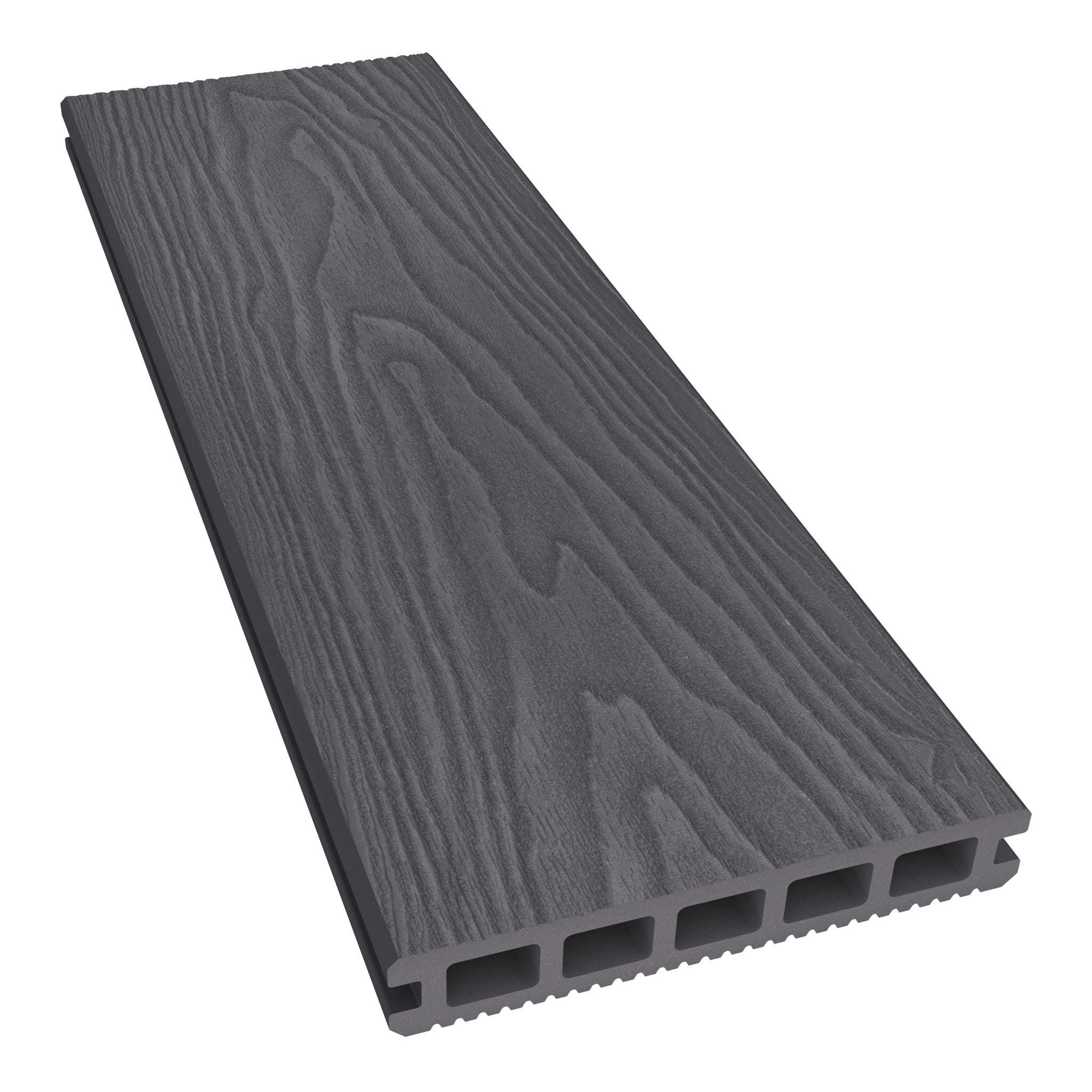
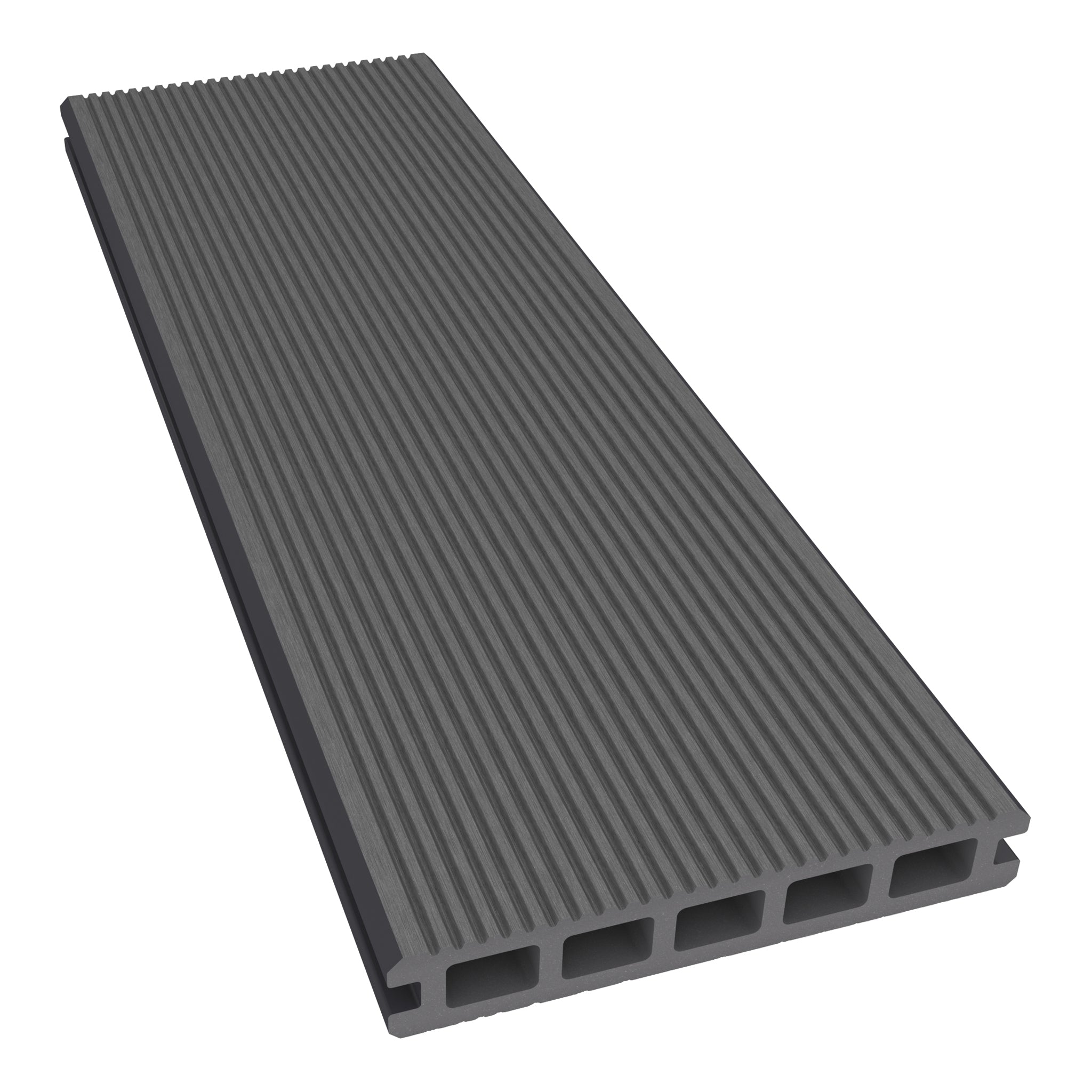
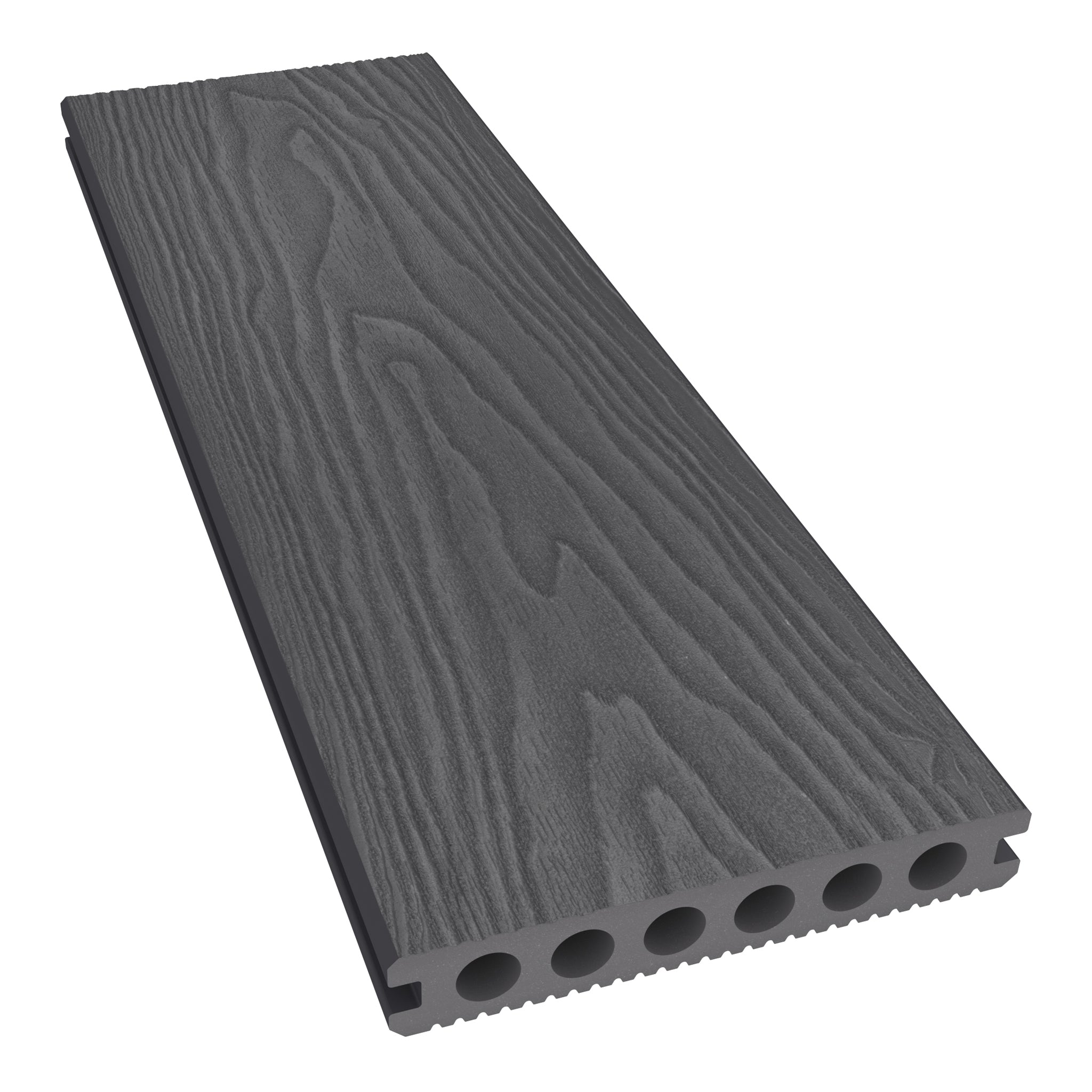
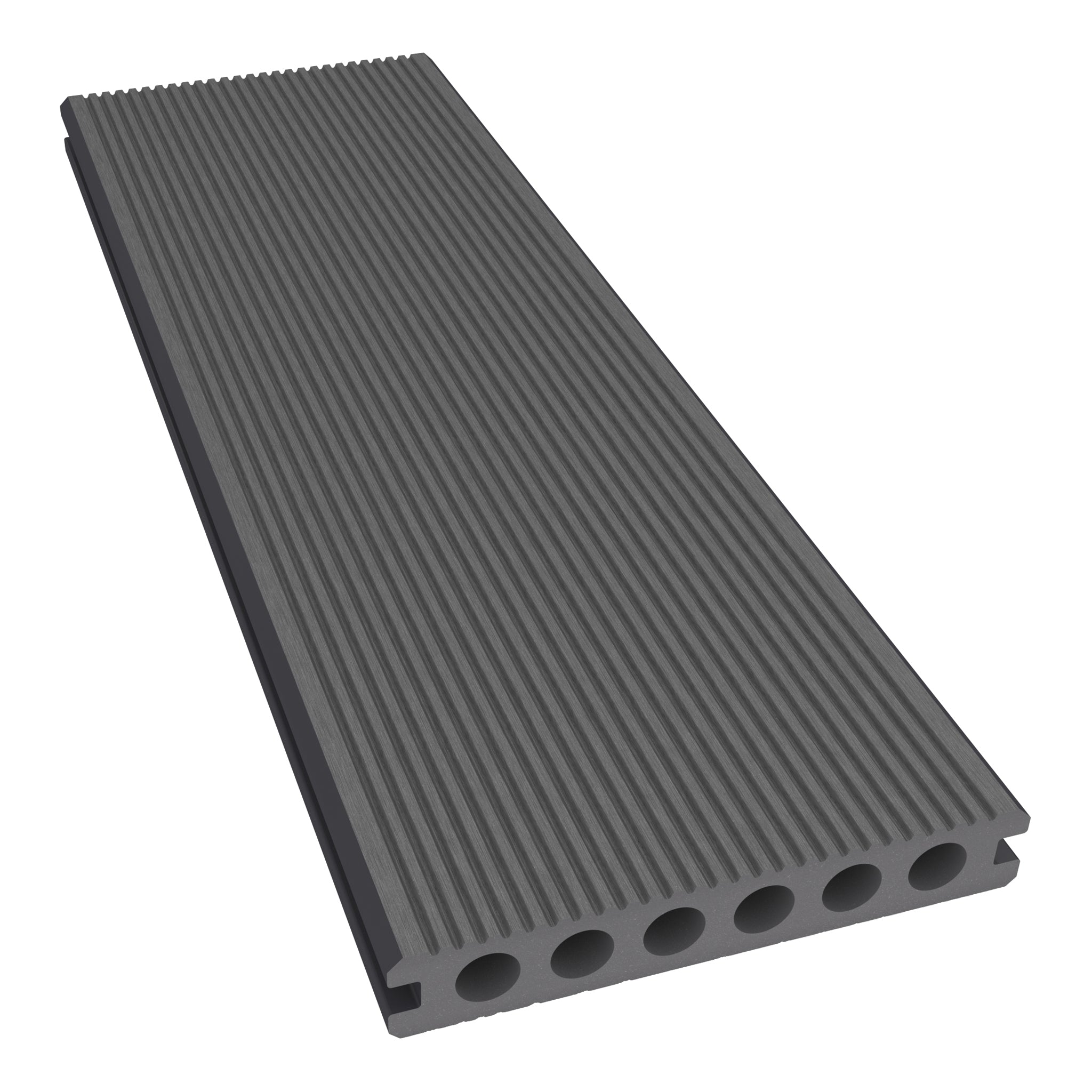
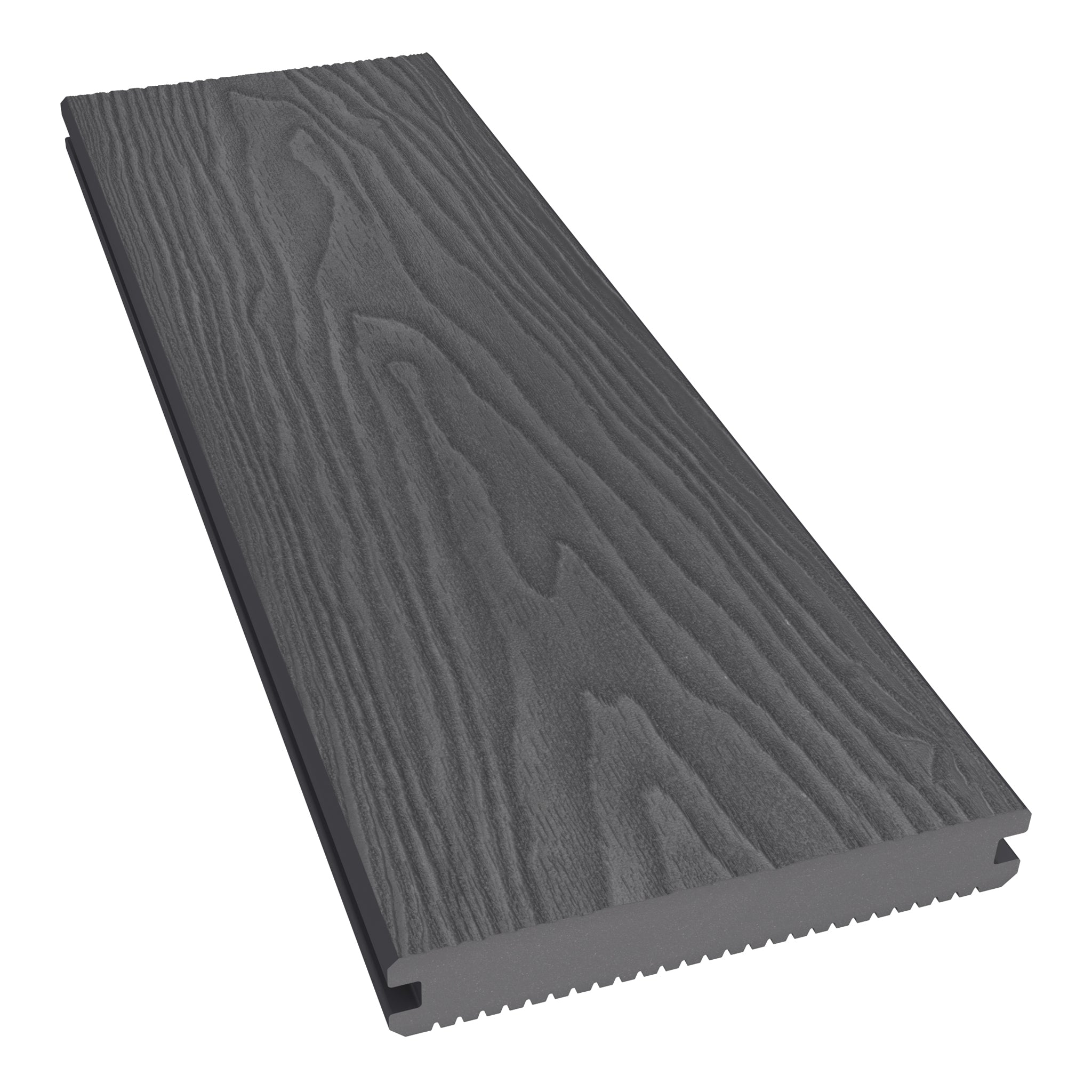
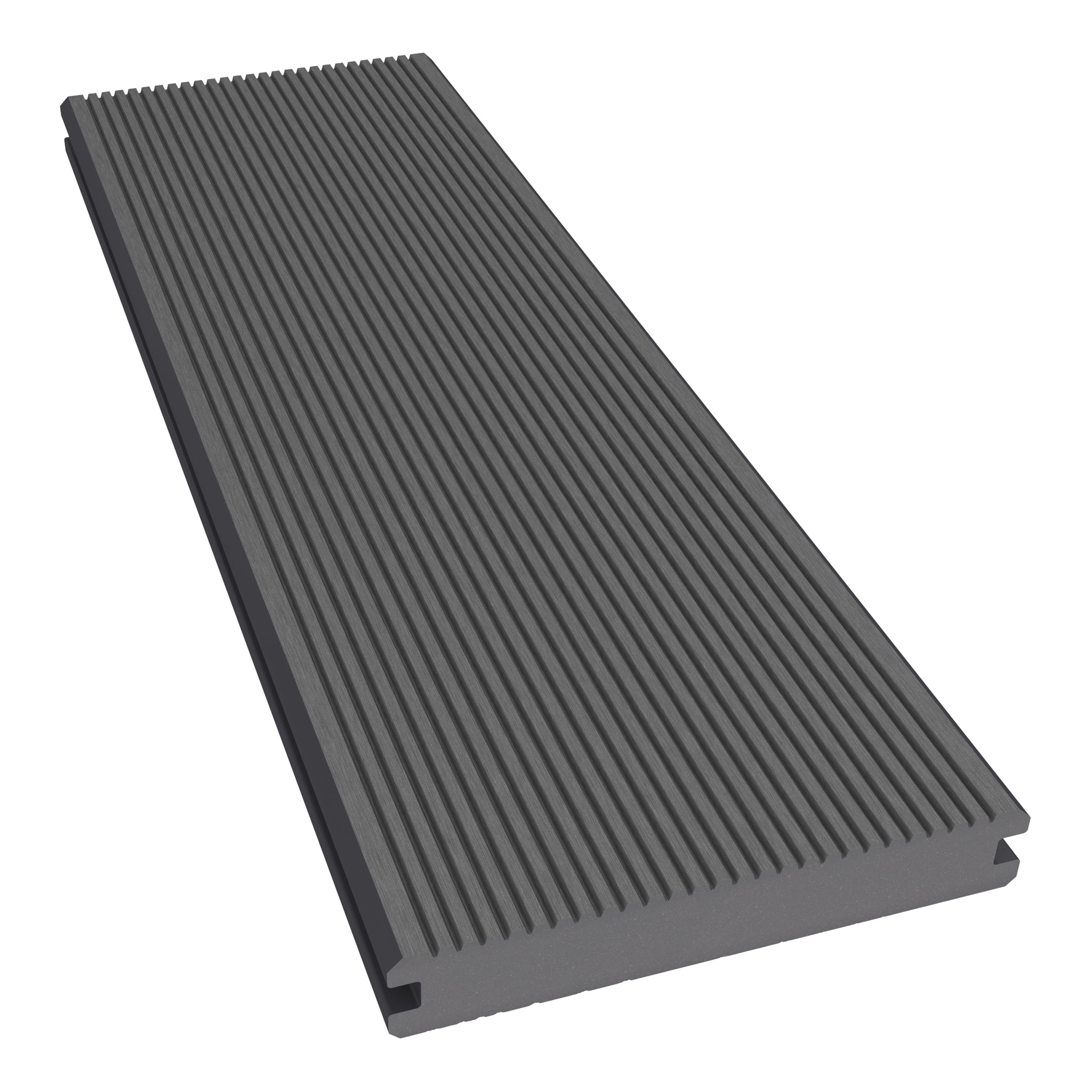
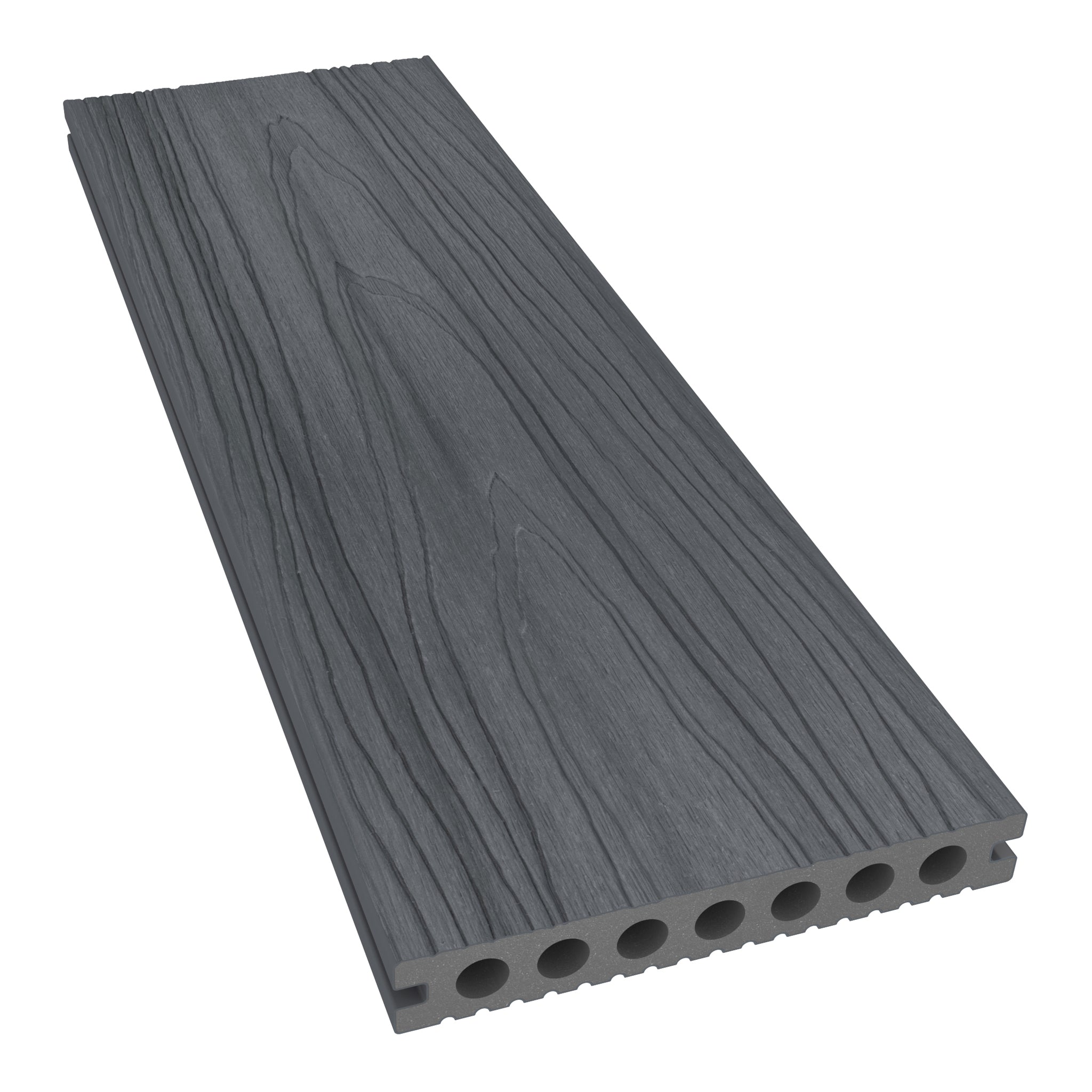
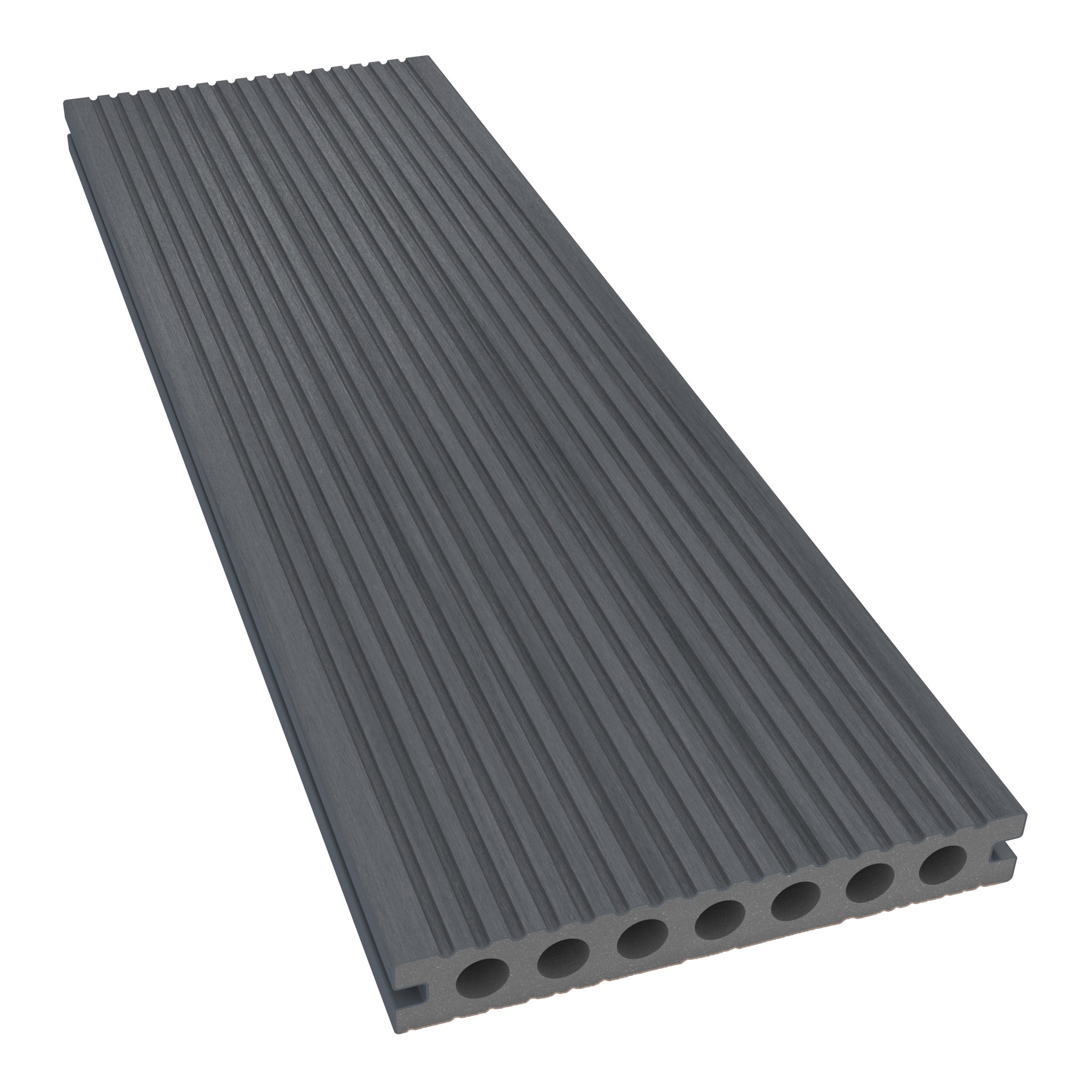
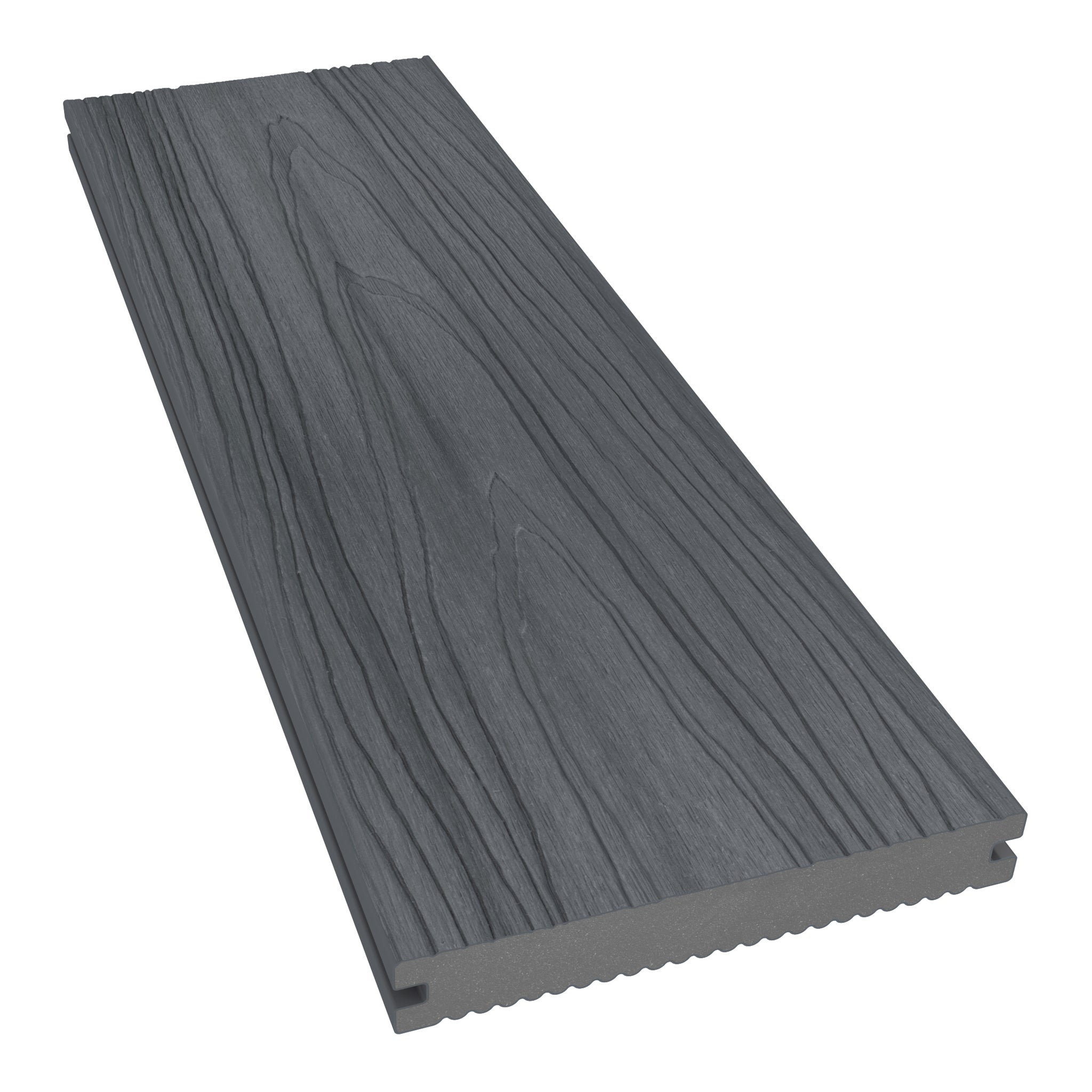
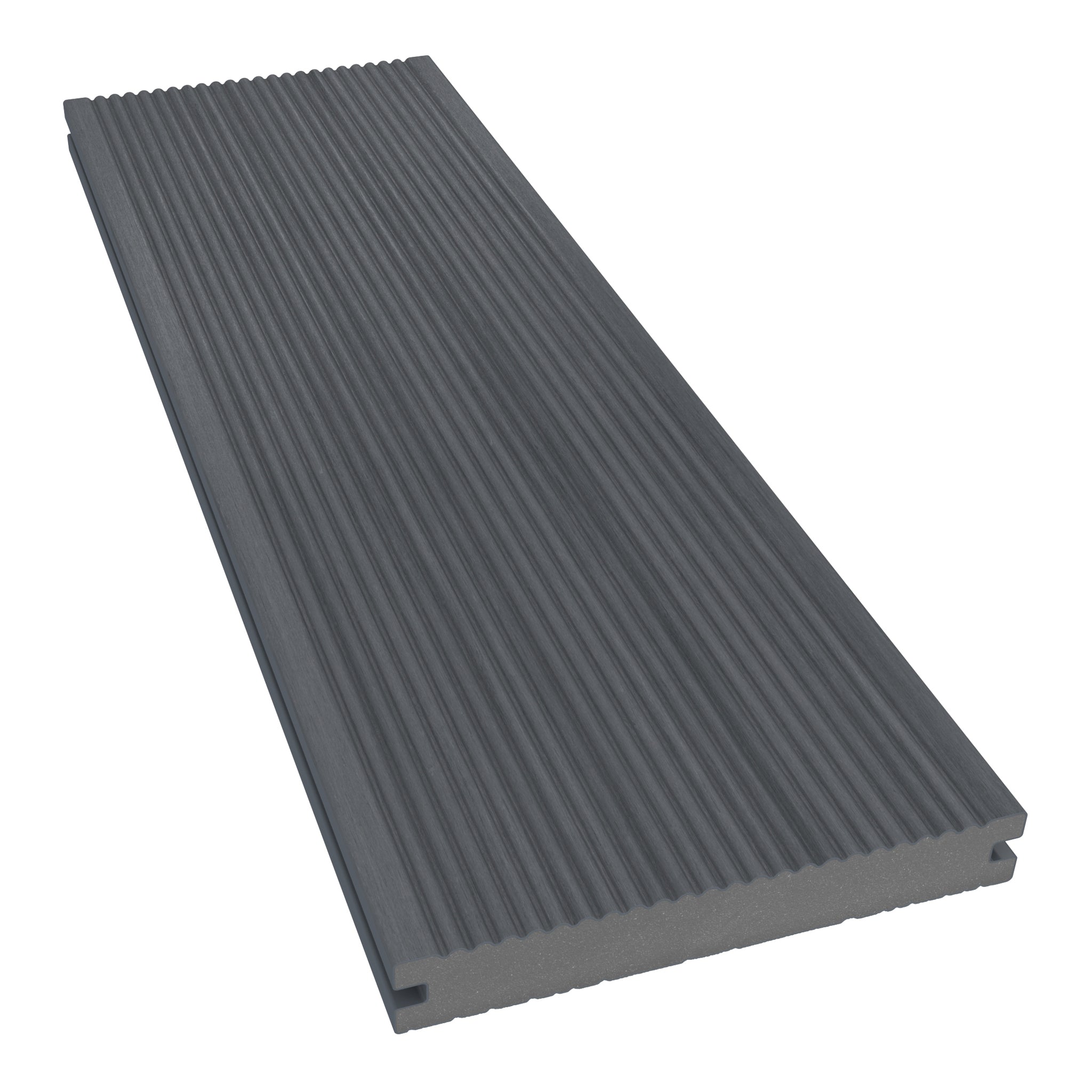
Give Suitable Decking Offcuts a Useful Role in Your Garden
The most useful leftover composite decking ideas start with the pieces you actually have. Sort offcuts by length, profile and condition, then choose a project that fits them rather than buying a large amount of extra material just to use up a few short boards.
Suitable pieces can provide decorative planter facing, finishes for supported seating or coordinated garden details. Deck boards are not automatically structural framing, watertight panels or approved fencing components, so check the proposed use before cutting.
This guide offers five starting points, together with practical checks. Explore NeoTimber’s decking options or composite decking range for product information.
In this guide: Sort the leftovers · Planter facing · Supported seating · Storage-box facing · Decorative panels · Border details · Prepare the pieces · FAQs
Check Returns and Keep Useful Spares First
Before starting a project, separate full unused lengths from cut pieces. Check NeoTimber’s current returns policy and contact the team about eligibility, condition requirements, timing and any costs. Do not assume cut boards qualify for a refund.
Keeping a small amount of matching material can also be useful for future maintenance. Label it with the board range, colour and order details, and store it flat with suitable support according to the storage guidance.
Inspect the remaining pieces for cracks, damaged fixing grooves or other defects. A short length is not automatically suitable for a load-bearing application simply because the original board was used underfoot.
1. Add Decorative Facing to a Planter
A planter surround can echo the colour of the deck and help connect it with the garden. Short pieces may work well where the dimensions of the planter suit the available lengths.
Use an appropriate independent structure to contain and support the compost. Decking boards used as decorative facing should not be assumed capable of resisting the pressure of wet soil without a designed support arrangement.
Provide drainage, suitable containment and access for maintenance. Check the filled planter weight and the capacity of the surface beneath it. Ask for product-specific advice if boards will be exposed to soil or persistent moisture beyond their intended use.

Our planting guide offers further ideas for placement and keeping drainage clear.
2. Finish a Properly Supported Garden Bench
Longer sound pieces can be considered for a seating surface or decorative facing where the product is suitable. Design a separate supporting frame, with adequate support beneath the boards and secure connections.
A seating load is not identical to a deck-board test condition. Confirm the layout, spans and fixings before using offcuts for a bench. Do not use thin skirting trim as a structural seat or assume a board can span between two distant legs.
Check exposed edges, gaps and fixing positions for comfortable use. If the bench is integrated into a raised deck, it must not undermine required guarding or create a climbable feature that conflicts with the design.

Explore decking furniture ideas for layouts, treating photographs as inspiration rather than construction drawings.
3. Face a Freestanding Garden Storage Box
Matching boards can finish the outside of a suitably built storage box or cabinet. This can coordinate a practical feature with the deck without requiring an entire new seating structure.
The frame, hinges, lid and containment need their own design. Board joints do not create a watertight enclosure, so use an appropriate weatherproofing detail where contents need to remain dry.
Preserve ventilation, movement allowance and access to fixings. Do not use decorative facing to enclose electrical equipment, fuel or chemicals without the relevant purpose-designed requirements.
4. Create a Small Decorative Feature Panel
Offcuts can form an arrangement of colours or textures on an appropriate freestanding or backed structure, subject to product suitability. A small panel behind planting can repeat the deck palette without becoming a boundary fence.
Keep the weight, fixing capacity and exposure in mind. A panel catches wind, and an existing fence is not automatically strong enough to carry additional boards. Do not assume concrete posts alone make a decking-board fence suitable.
For a permanent boundary or substantial screen, compare purpose-designed fencing systems and composite fencing rather than substituting decking components without an approved design.
5. Add a Coordinated Border Detail
Sound offcuts may be useful in a small, supported finishing detail beside the deck or another garden feature. Check whether the board or trim is appropriate for the intended location, particularly where it may contact soil or receive foot traffic.
Keep the detail away from walking routes if it could create a trip point. Do not obstruct drainage or use decorative pieces as retaining walls. A safe, well-supported detail matters more than finding a use for every last piece.
See our decking edging guide for the roles of different finishing components.
Plan the Cuts and Fixings Before Building
Checks for an offcut project:
| Check | Why it matters |
|---|---|
| Product identity | Different profiles and surface constructions have different requirements. |
| Remaining sound length | Allow space for permitted fixings, support and cut ends. |
| Supporting structure | Decorative boards do not replace a suitable frame. |
| Movement and moisture | Clearances and drainage remain important in a new use. |
| Product approval | A decking warranty does not automatically cover a bespoke application. |
Follow the cutting guidance and tool instructions. Support the workpiece, use appropriate protection and collect dust and small fragments rather than leaving them in the garden.
Do not burn composite offcuts or use them as mulch. Check appropriate local waste or specialist recycling routes for unusable material.
What about bird boxes and wildlife shelters?
Use a trusted, species-specific design and its recommended materials. Do not assume composite boards provide suitable temperature, ventilation or drainage conditions for nesting or hibernation. The original generic wildlife-box suggestions have therefore been replaced with projects focused on garden finishes.
Choose a Project That Makes Practical Use of Your Leftovers
Start small, draw the proposed arrangement and check how the pieces will be supported and fixed. Reuse is worthwhile when the result is suitable and useful, rather than simply transferring waste into an unsuitable structure.
Contact NeoTimber® with your board range and intended use if you need product guidance before starting.
Frequently Asked Questions
What can I make with leftover composite decking?
Suitable pieces may provide planter facing, supported seating finishes, storage-box facing or decorative details. Confirm product suitability and design the support separately.
Should I keep spare boards?
Keeping labelled matching material can help with future maintenance. Store it correctly and distinguish usable spares from damaged pieces.
Can decking boards make a watertight planter?
Do not assume so. Provide suitable containment, support and drainage rather than relying on board joints to hold wet soil and water.
Can offcuts replace fence panels?
Not as an automatic substitution. Weight, wind loading, posts and connections require assessment; use a purpose-designed system for a substantial boundary.
Can I burn the unwanted pieces?
No. Use an appropriate waste or specialist recycling route instead.
Does the decking warranty cover every DIY project?
Do not assume it does. Review the terms and confirm suitability before using boards outside their intended application.