Make Your Decking Budget Go Further With a Clear Plan
Low cost composite decking is about keeping the complete project affordable, rather than choosing the cheapest board and discovering the extras later. Board selection, deck size, cutting plans and installation all influence the amount you spend.
This guide focuses on practical savings you can consider while retaining the supports and fixings your chosen system requires. Visit our general decking page for project advice and compare the composite decking range alongside your budget.
Start With the Finished Project Cost
A per-board price does not show the total cost of a usable deck. List what needs buying and what work needs doing before choosing where to save.
- Preparation: site clearance, base repairs and any groundwork.
- Structure: joists, supports, foundations and connections.
- Surface: boards, compatible clips, screws and cutting allowance.
- Finishes: fascia, edging, steps and any required guarding.
- Other costs: delivery, tools, labour and disposal.
Use our decking price guide to compare like-for-like quotations. Keep a separate allowance for unresolved work rather than assuming an unknown item will cost nothing.
Choose a Board That Fits the Intended Use
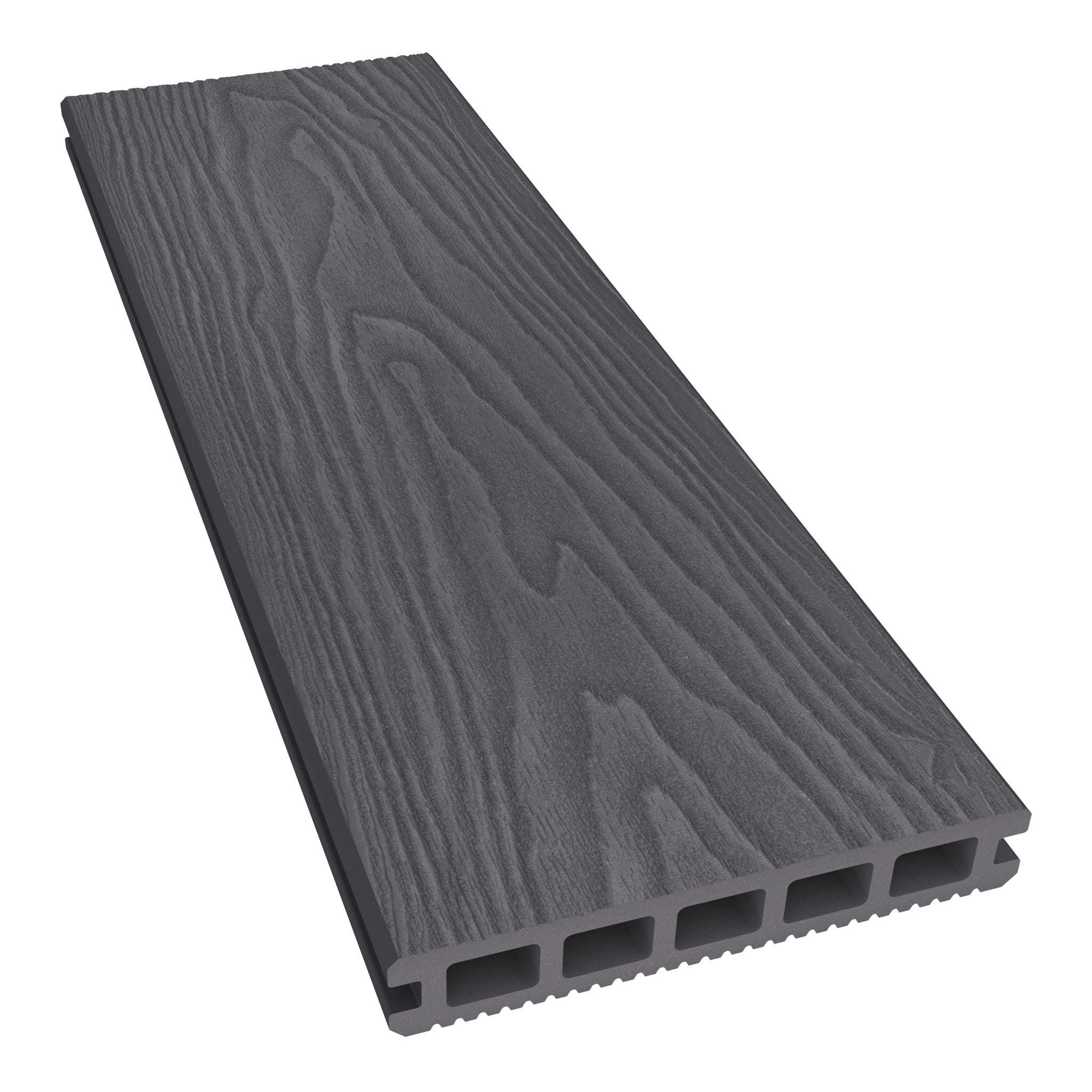
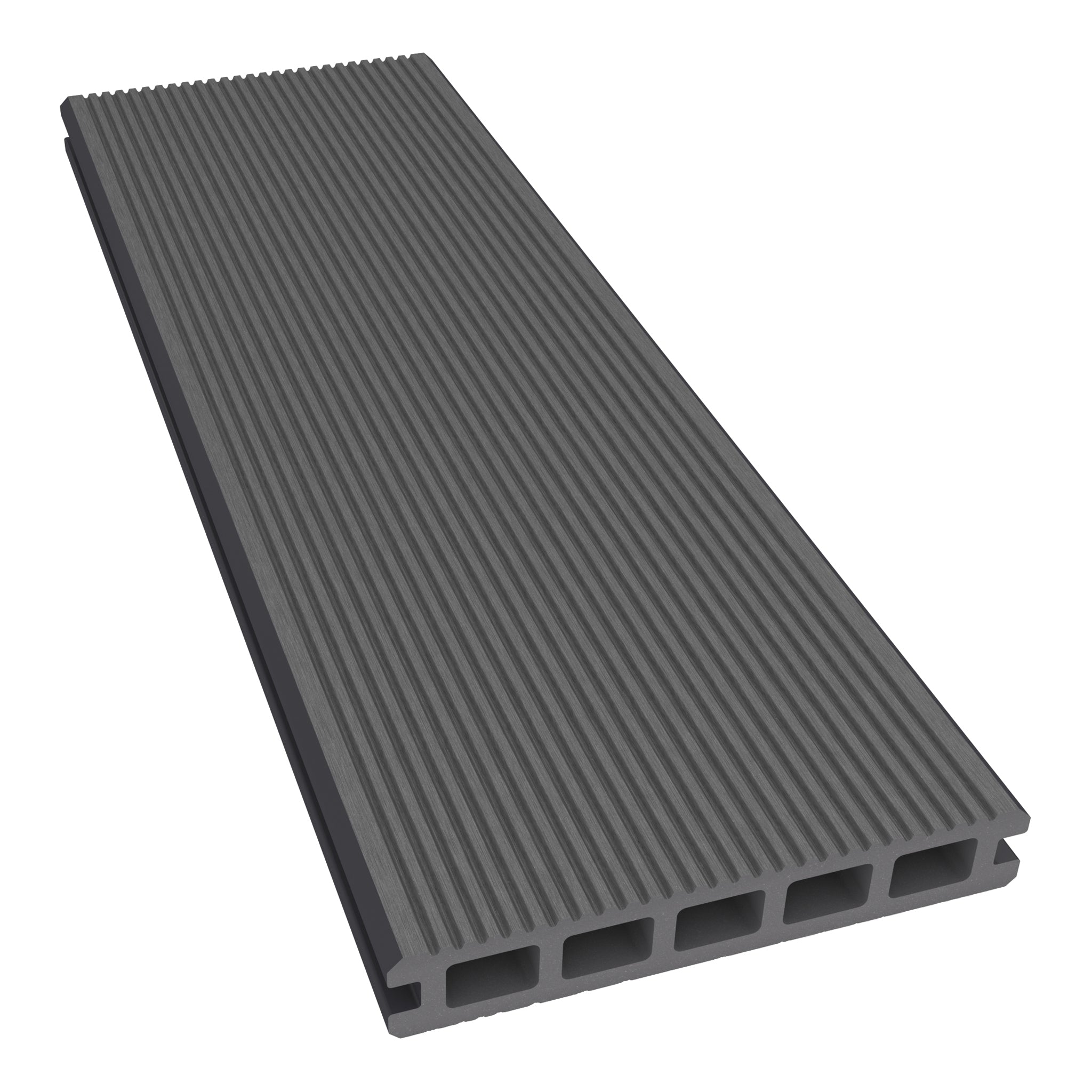
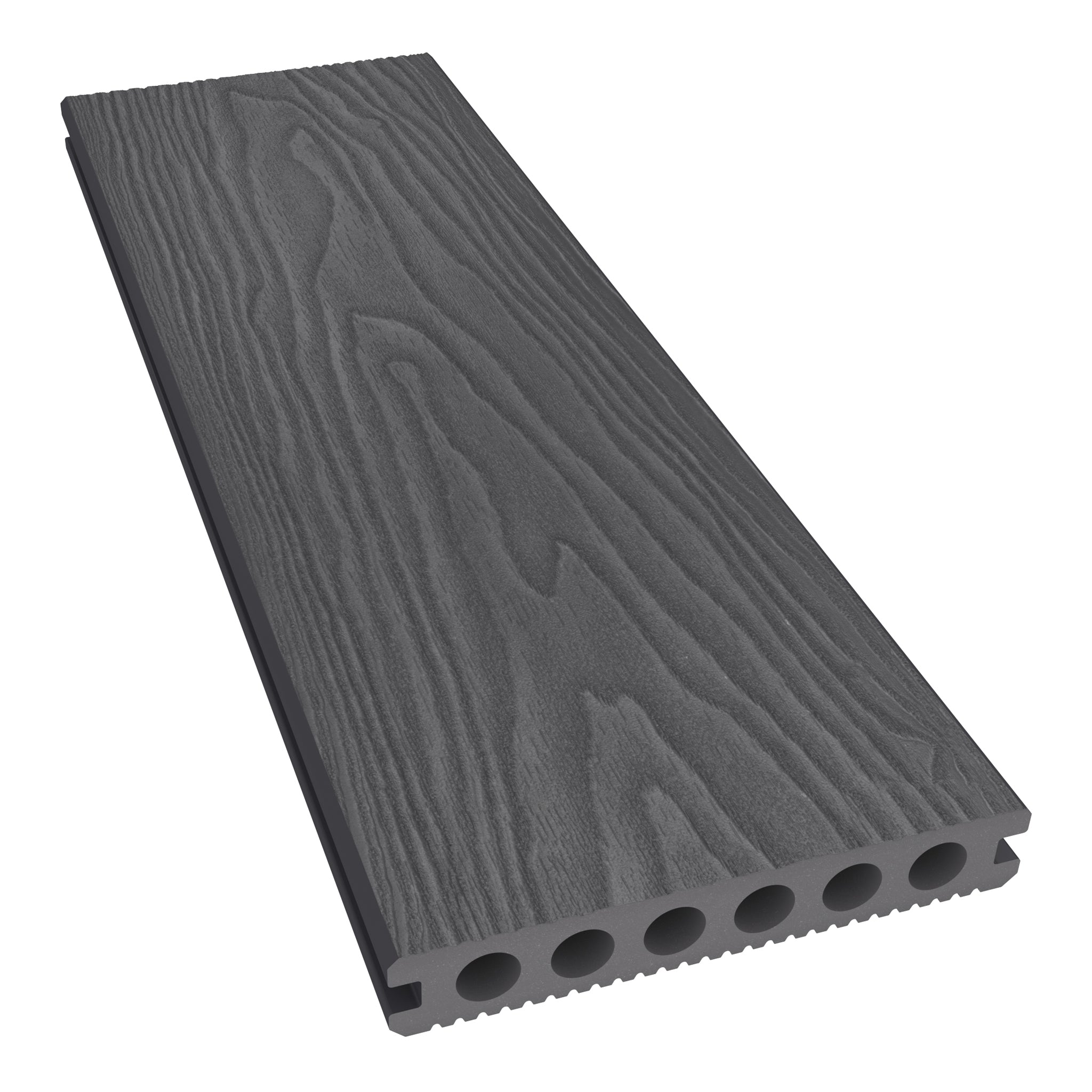
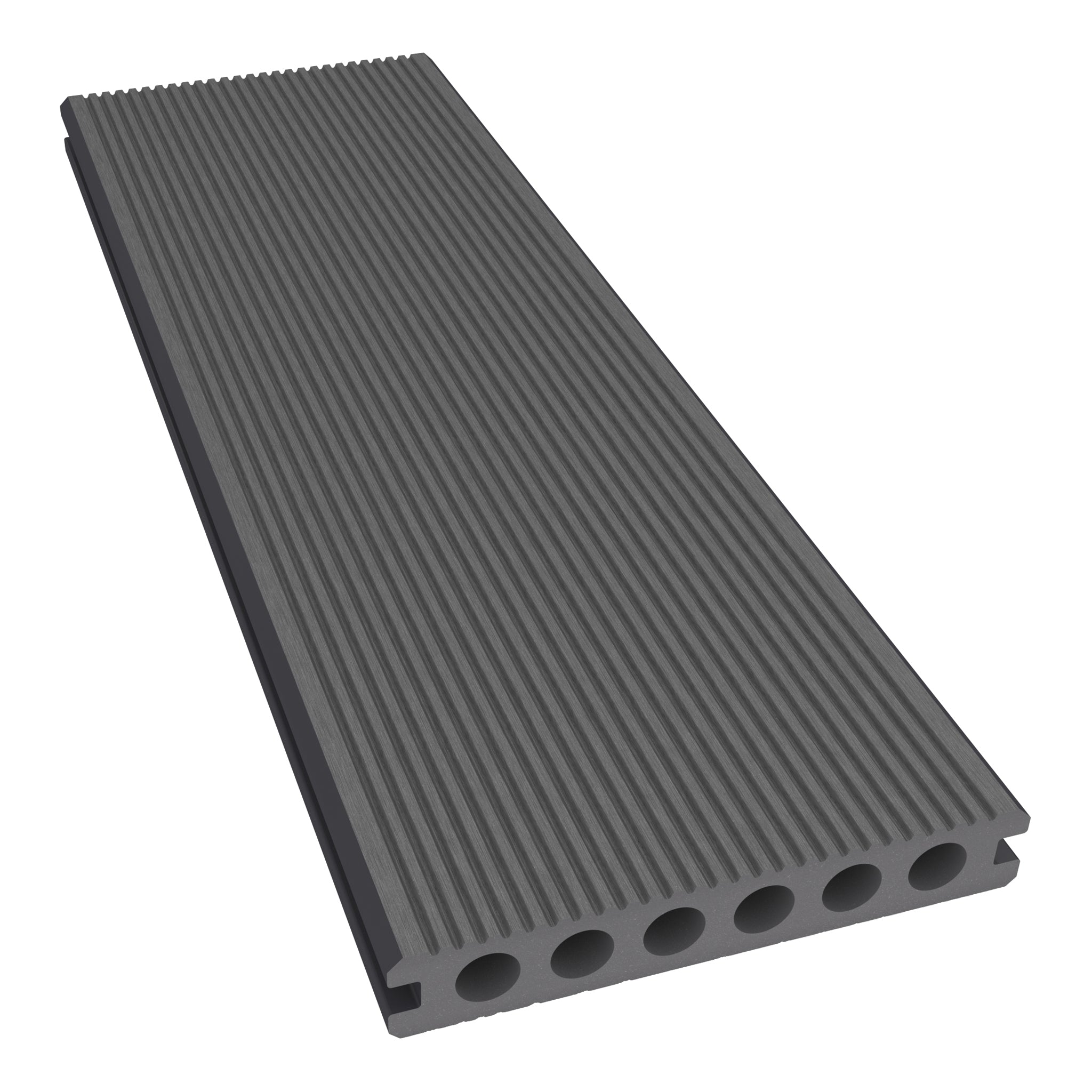
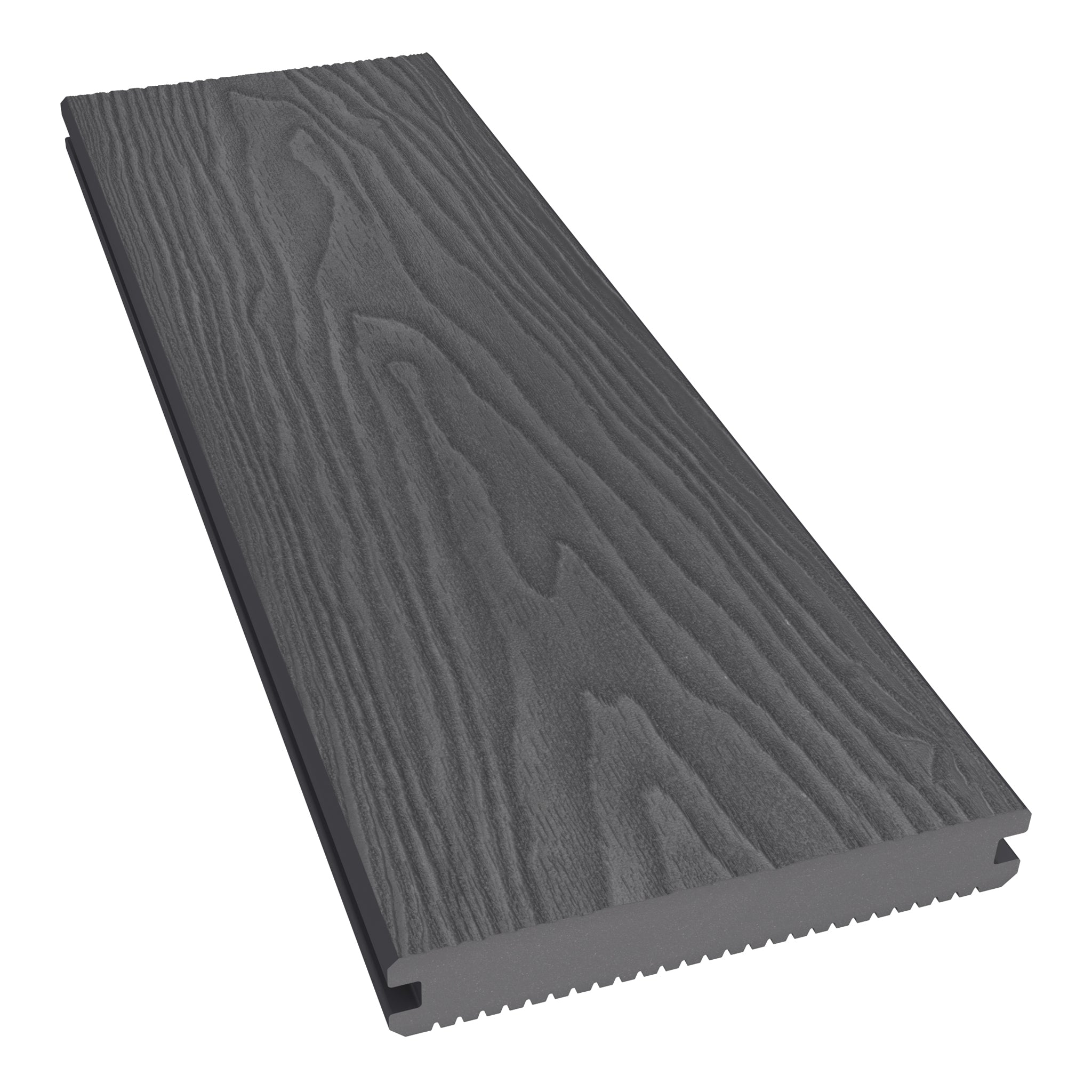
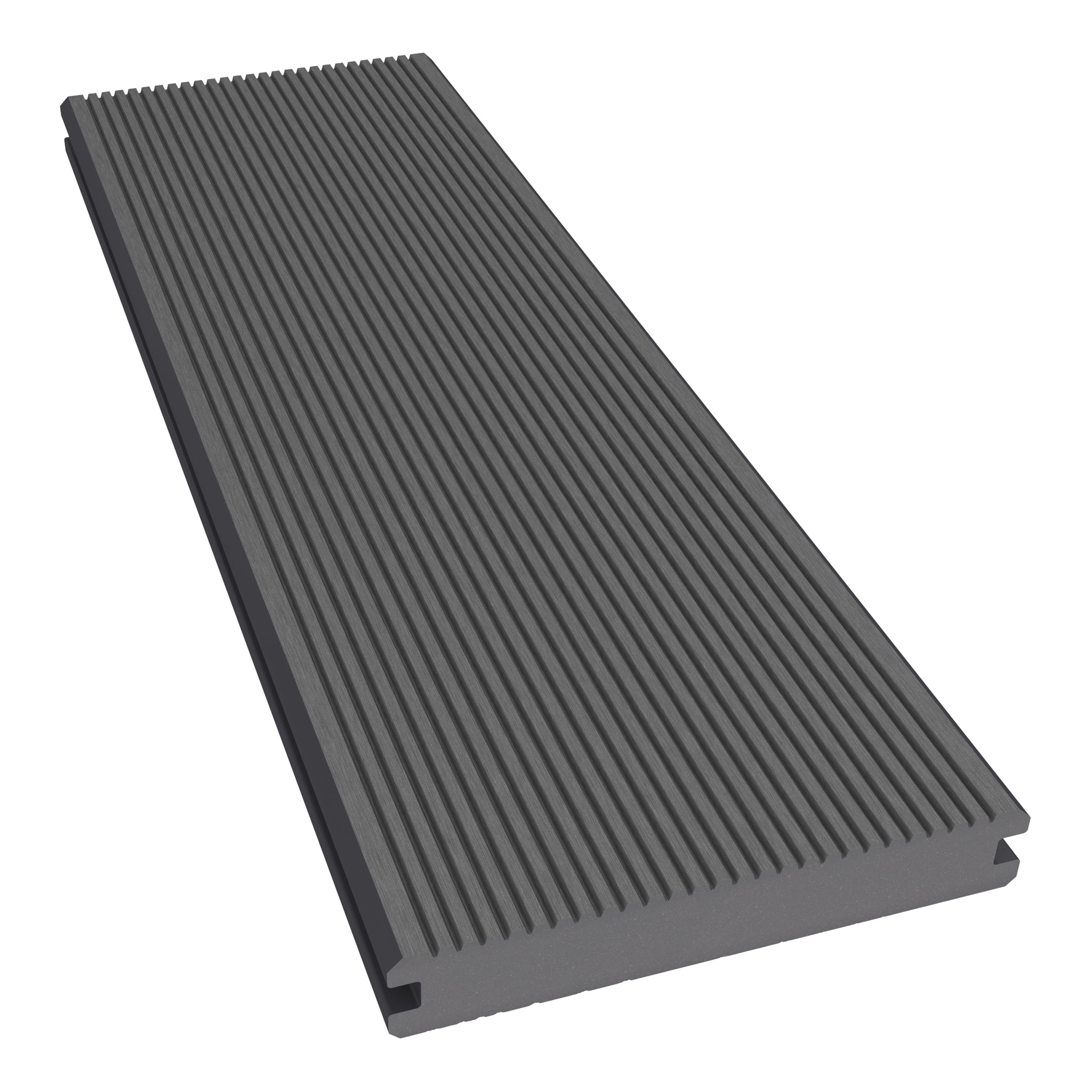
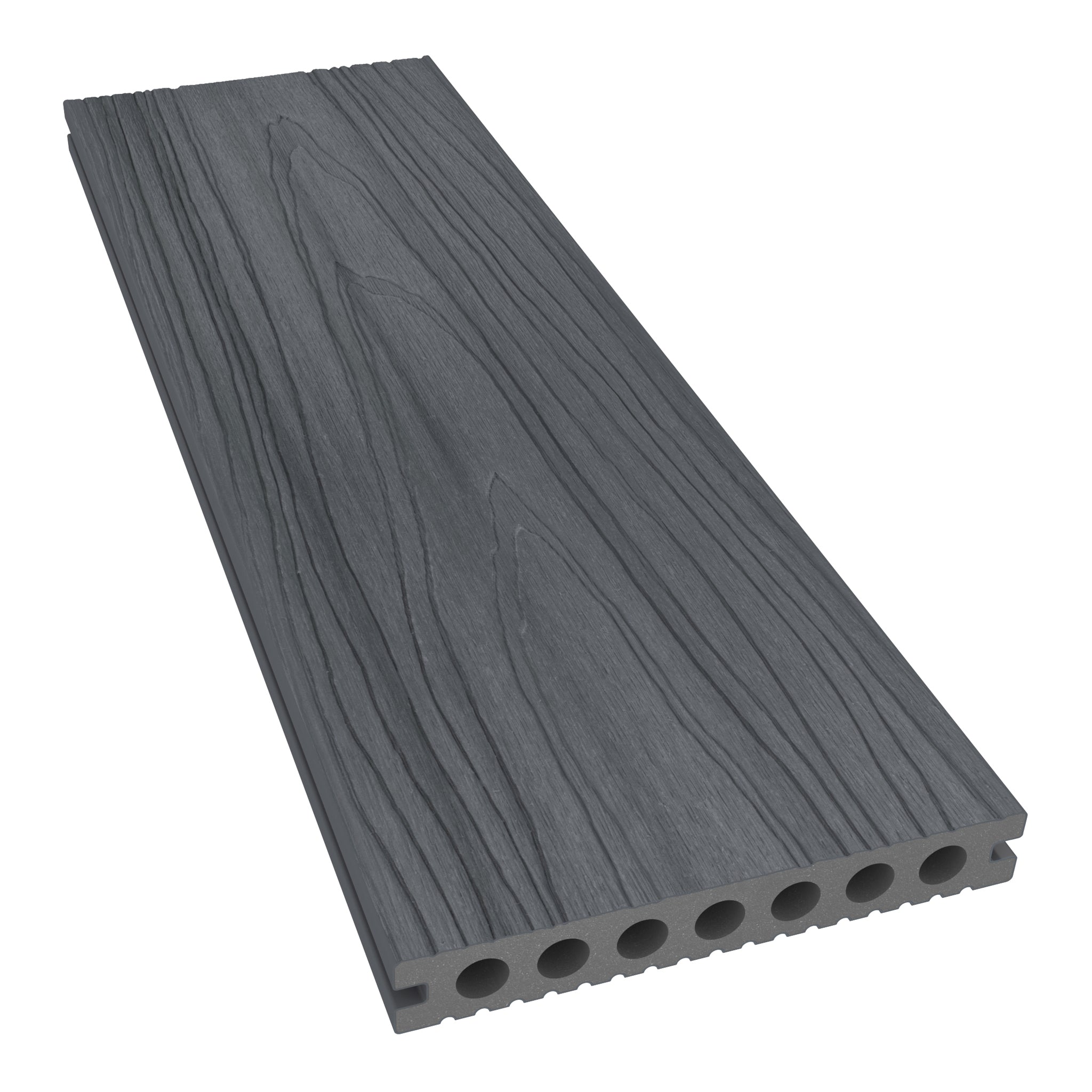
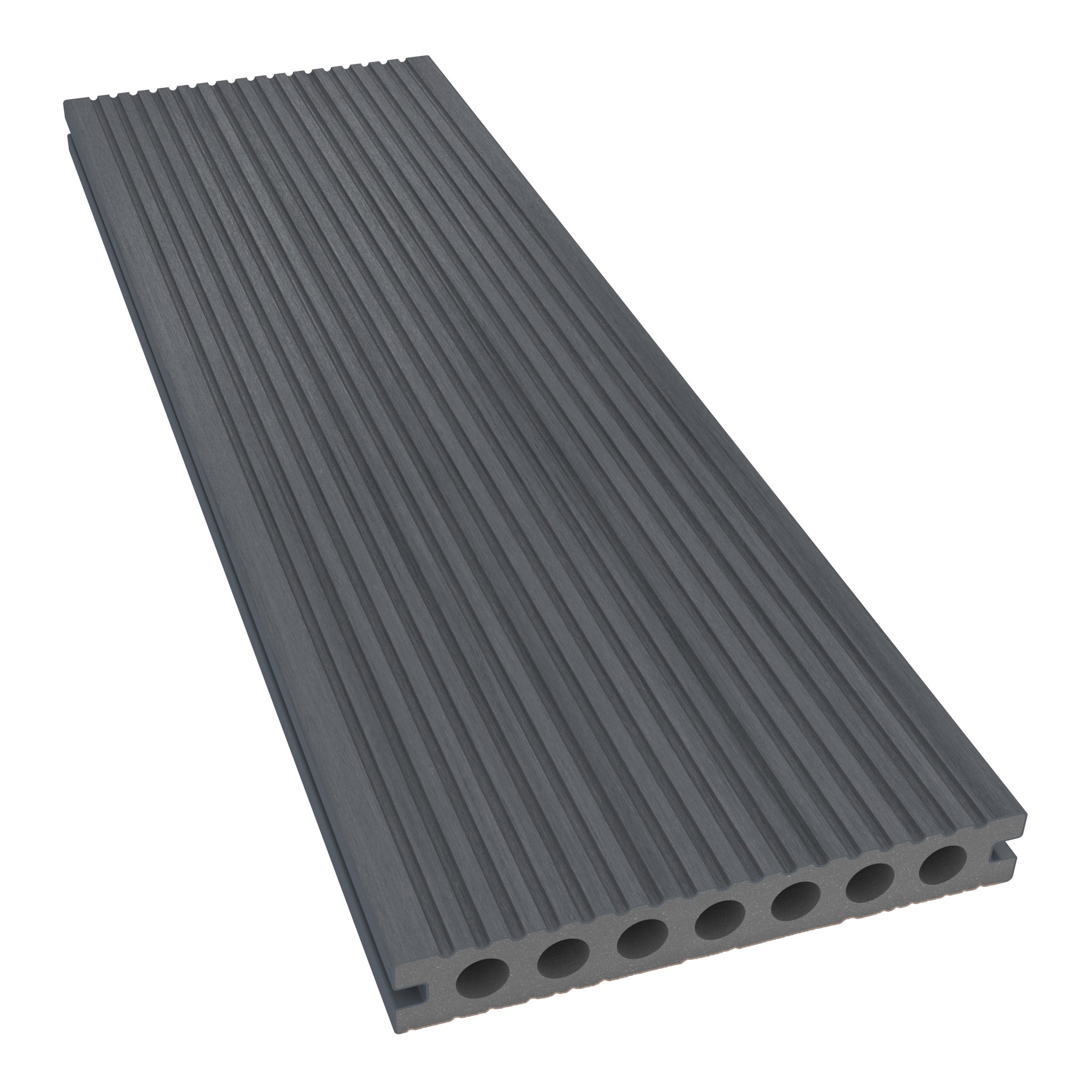
Compare the current price and specification of each shortlisted product. Hollow profiles can offer cost advantages over comparable solid boards, but dimensions, surface construction and intended applications differ. A lower per-board price does not always mean lower cost per usable area.
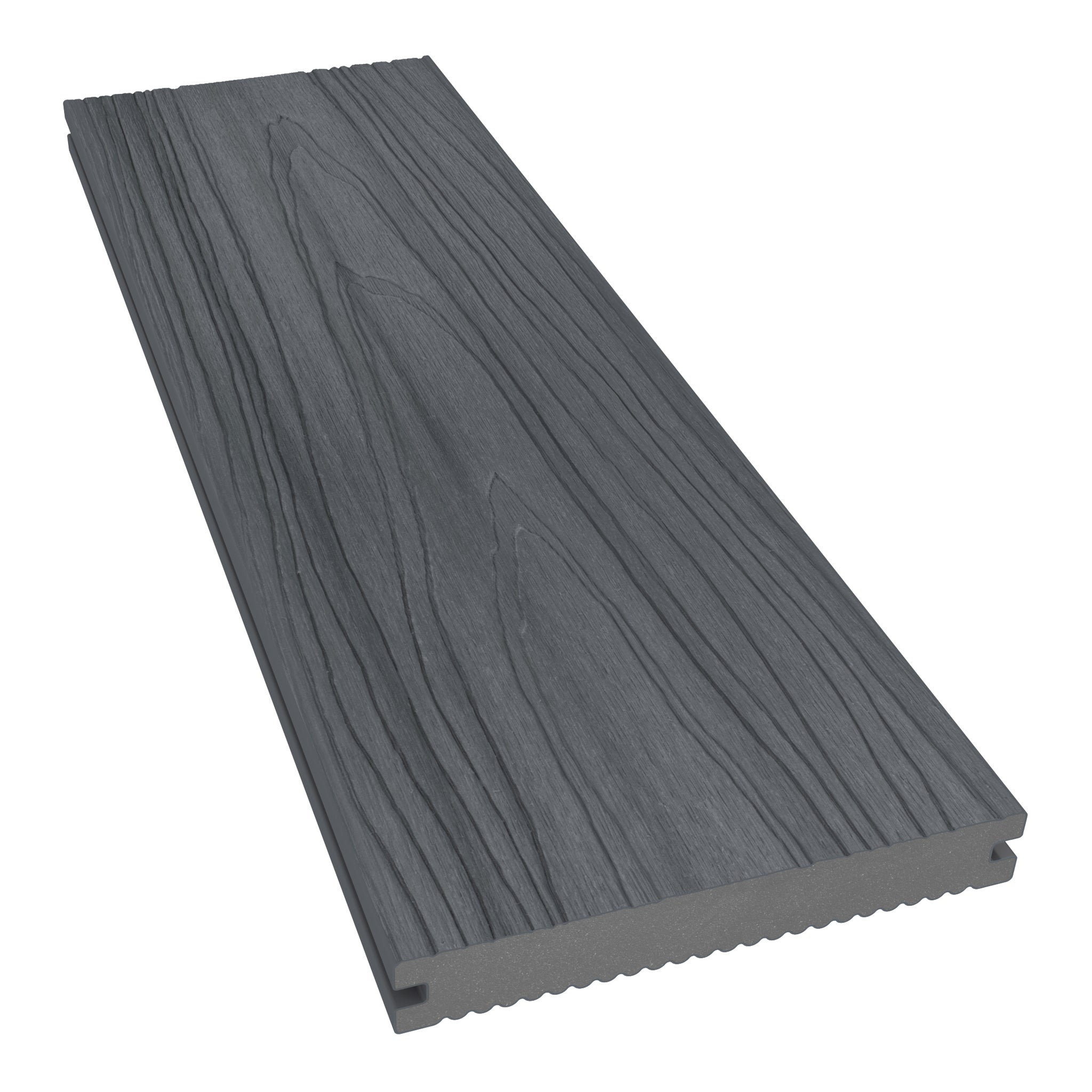
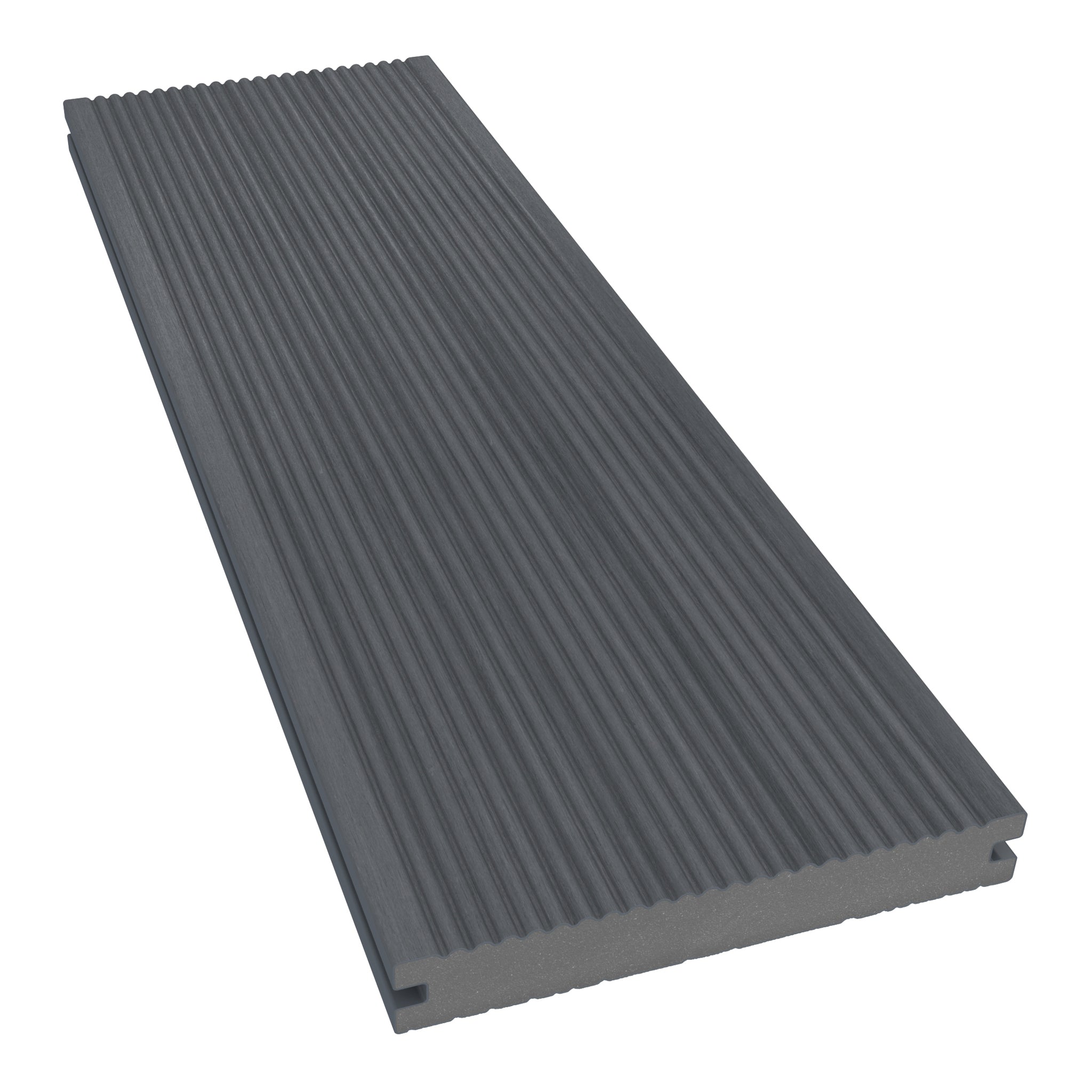
NeoTimber® Classic Lite is an uncapped square-hollow option to consider for a residential shortlist. Its current product information lists a 10-year residential warranty. Check the conditions and application rather than assuming all hollow boards carry the same cover.
Compare it with other options through our hollow versus solid guide. Capping enhances stain and fade resistance, but does not by itself establish load capacity or suitability for every project.

Keep the Layout Simple and Useful
Start with the furniture and activities you need to accommodate. A compact dining or seating area can serve the garden better than a large deck built without a clear purpose. Leave enough room for chairs and walking routes, then check whether any extra area is genuinely useful.
A straightforward outline and linear board run can reduce cutting and detailing compared with curves, diagonal patterns or several level changes. Decorative features can still be included, but price their additional supports, materials and labour before committing.
Plan Cuts Around the Actual Board Dimensions
Compare available lengths with the drawing. Account for saw kerf, movement gaps and supported joints, rather than assuming nominal board lengths divide perfectly into the finished layout.
Some offcuts may be useful within the design, provided they have suitable support and meet the fitting requirements. Do not use them as structural members or add an unnecessary border simply to consume leftovers.
Explore our laying pattern guide while deciding which details are worth the extra work.

Compare Suitable Frame Options
A properly specified pressure-treated timber frame may be worth comparing with composite, recycled plastic or metal systems. The right arrangement depends on the base, deck height, spans and intended use, not just the price of a length of joist.
Check the complete frame quotation, including supports, foundations, connections and labour. Do not assume a low-profile composite joist can replace a spanning structural member, or that a different material allows wider support spacing.
Where timber is specified, use treatment appropriate to the application and follow the supplier's cut-end guidance. Joist tape can protect exposed top surfaces where specified; it does not replace preservative treatment or repair deteriorated timber.
Our frame and subframe guide explains the main choices. Retain an existing frame only after confirming its condition and compatibility with the new boards.

Decide Which Work You Can Realistically Do Yourself
DIY can reduce paid labour on a suitable project, but allow for tools, materials, time and your experience. A simple board installation over a correctly prepared frame is different from designing foundations, raised structures or steps.
Read the installation guidance before buying. Identify work that needs professional input early so the quote reflects the actual task. Avoid starting a complicated build because the board-fixing stage looks straightforward in a video.
For help, use the find an installer service and agree the scope directly with the installer. Ask whether any preparation you undertake can be coordinated with their work before assuming it will reduce the bill.

Check Quantities Before Placing the Order
The composite decking calculator provides a starting point for selected materials. Check what is included, whether waste is already allowed and which features need a separate calculation.
Confirm colour, profile and compatible accessories together. Include delivery and any tool-hire costs in the comparison. Ordering only part of the required system can lead to extra expense and delays later.
Where Cutting Costs Can Become False Economy
- Too few supports: retain the specified frame and fixing positions.
- Incompatible clips: use fixings intended for the selected board and frame.
- Unresolved drainage: prepare the base rather than hiding water problems.
- Missing movement gaps: follow the instructions for the fitting conditions.
- Overlooked maintenance: keep the deck clean and inspect it over time.
Composite avoids routine timber refinishing, but it is not maintenance-free. Read the selected range's care guidance and warranty terms.
Low Cost Composite Decking FAQs
What is the best way to reduce the total cost?
Plan a useful footprint, compare complete quotes and use a cutting plan. Simplifying unnecessary features can save materials and labour without removing required supports.
Are hollow boards always the cheapest option?
No. Compare the actual price, coverage and specification. Different widths, lengths, surface constructions and offers can change the calculation.
Can I save by using an old timber frame?
Only if it is sound and meets the new board's installation requirements. Reusing an unsuitable frame can undermine the whole project.
Can I use fewer clips to keep costs down?
No. Follow the required fixing positions and components. Savings should come from the design and purchasing plan, not reducing the specified installation requirements.
Does DIY always cost less?
Not necessarily. Include tools, time, waste and any specialist work. Compare the realistic DIY total with an itemised professional quotation.
Should I order samples for a budget project?
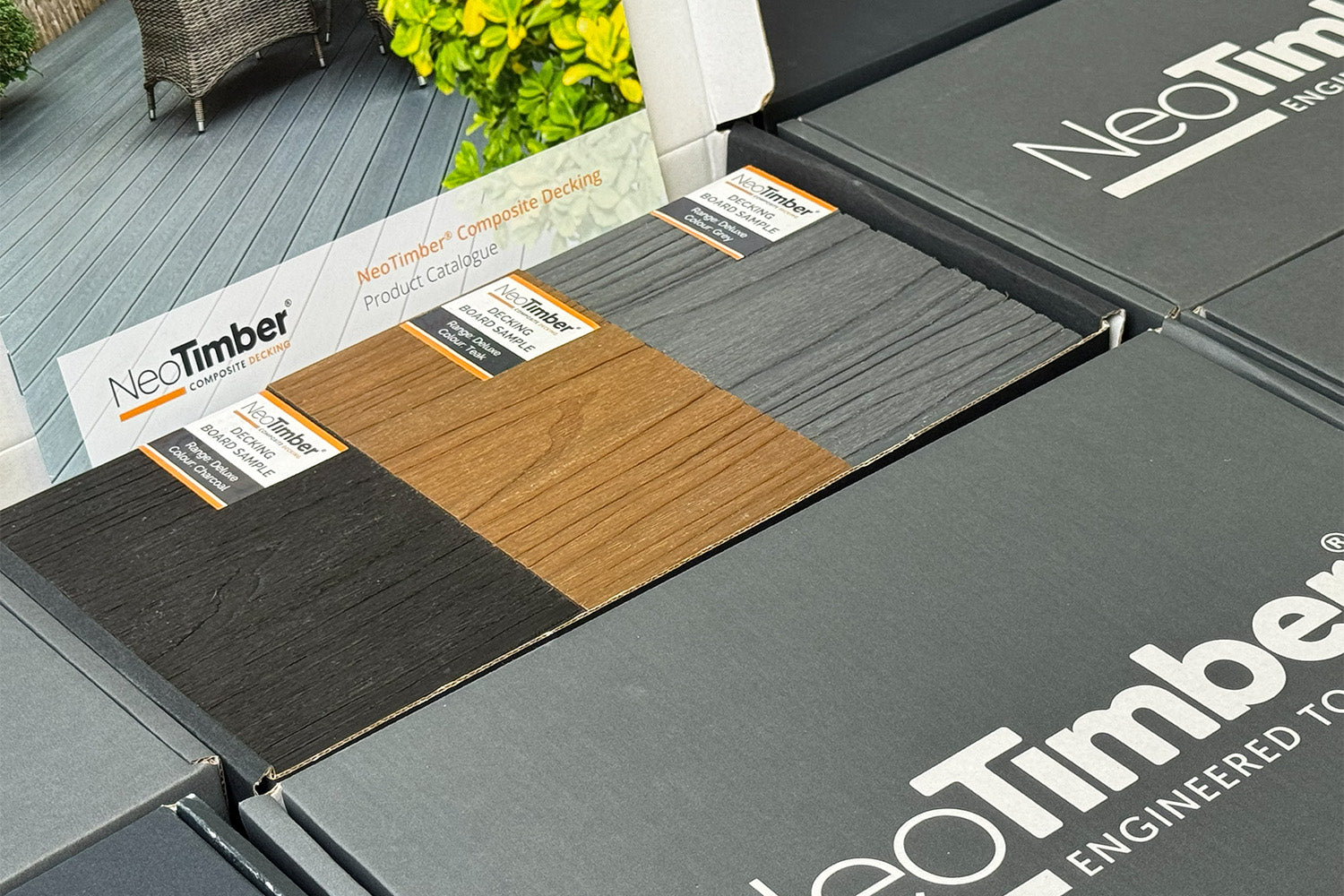
Yes. Samples help confirm the colour and texture before committing to a full order. Compare them beside your existing garden materials.
Build a Clear Budget Before Buying
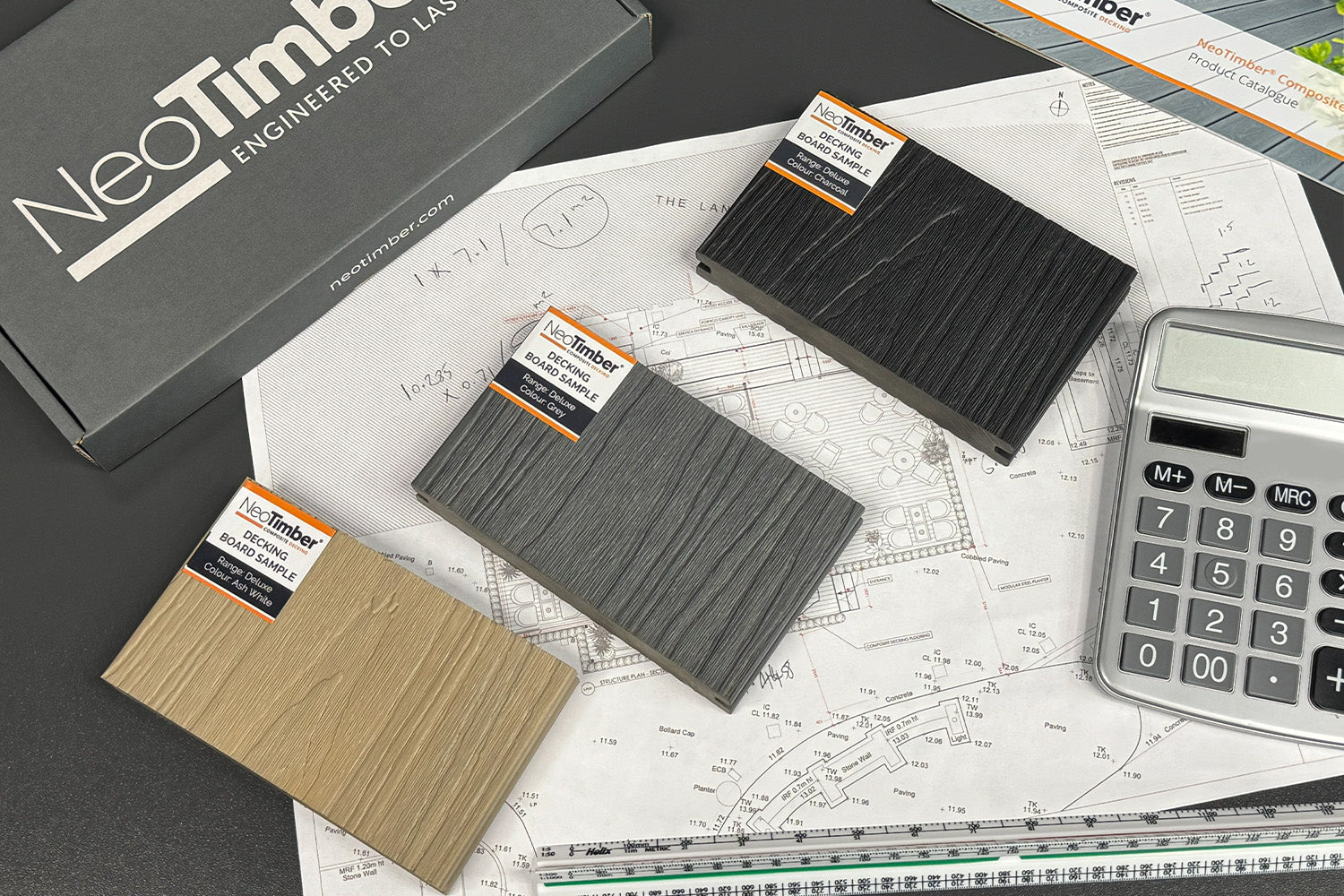
Choose low cost composite decking around a complete, suitable installation. Browse the NeoTimber® range, request free samples and contact the team with your measured layout and product shortlist.