


Design an Easier-Care Deck From the Boards to the Structure Beneath
Maintenance free decking captures a reasonable ambition: an outdoor space you can enjoy without repeatedly stripping and refinishing the surface. The difficulty is that the phrase can blur the difference between avoiding decorative treatments and avoiding all maintenance.
No deck can remain outdoors indefinitely without attention. Leaves settle, food spills, furniture moves and structures need checking. The useful question is not whether a product eliminates every job, but which jobs it removes, which remain and how easily you can carry them out.
This guide takes a wider view of low maintenance decking. It compares surface construction, design, installation, care and ownership costs so you can plan a deck around the time and effort you want to spend on it. Explore our general decking guidance and composite decking collection as you consider the options.
In this guide: The maintenance-free promise · Materials · Capped vs uncapped · Design · Structure · Care routine · Seasonal care · Ownership costs · Buying checklist · FAQs
What Should Maintenance Free Decking Really Mean?
For many buyers, the goal is freedom from regular sanding, staining or oiling. NeoTimber® composite boards do not need those routine treatments to maintain a decorative timber-style finish. That is a meaningful difference from maintaining a coating on timber.
It does not follow that the deck never needs washing, repairs or inspection. Material resistance and owner responsibility are different things. A board that resists moisture-related deterioration can still have dirty surfaces, blocked gaps or an unsuitable supporting frame.
Maintenance Free Decking Boards Are Only One Part of the Project
When searching for maintenance free decking boards, consider the system around them. The frame, connections, foundations, steps and guarding all contribute to the maintenance picture. A board specification cannot establish the condition of those components.
The same applies to maintenance free deck boards advertised with long warranties. A warranty is a conditional agreement about particular defects, not a promise that the surface will look new or that every part of the deck requires no work.
Why No Maintenance Decking Is the Wrong Expectation
A no maintenance deck would have to resist not only weather but everything placed on it, without cleaning or intervention. That is not a realistic description of an outdoor space. The practical alternative is a deck whose routine jobs are predictable, accessible and manageable.
If you see no maintenance decking or zero maintenance decking, ask what the claim excludes. Does it refer only to painting? Does it assume regular cleaning? How does the supplier expect you to deal with stains, damaged fixings or a blocked drain? Clear answers are more useful than an absolute slogan.
Compare Materials by the Work They Require
Start by separating surface finishing, cleaning and structural care. These are distinct kinds of upkeep, and a material may reduce one without eliminating the others.
A practical way to compare decking maintenance:
| Material | Questions about the surface | Care that still matters |
|---|---|---|
| Timber | Do you want natural weathering or a maintained oil, stain or coating? What does the selected species require? | Cleaning, inspection and any treatment required for the chosen finish and construction. |
| Uncapped composite | What colour changes and staining behaviour should you expect? | Debris removal, compatible cleaning, prompt spill response and inspection. |
| Capped composite | What additional fade and stain resistance does the protective surface offer? | Cleaning, protection from damage and inspection; avoid treatments that harm the cap. |
| PVC or other plastic boards | What do the specific formulation, profile and finish offer? | Manufacturer-directed cleaning, movement allowances and checks. |
| Aluminium | What finish and environmental conditions does the product specification cover? | Suitable cleaning, connection checks and care of the coating where applicable. |
There is no need to describe every timber deck as difficult or every PVC product as unsuitable. Compare actual products and your intended finish. Our composite vs wood guide and composite vs uPVC comparison provide more context.
For some projects, factors beyond upkeep determine the shortlist. Roof terraces, balconies and commercial spaces may have structural or fire requirements that rule out an otherwise appealing material. Resolve those requirements before choosing on cleaning convenience.
Capped vs Uncapped: What Changes for the Owner?
Traditional uncapped boards expose the composite material. Capped boards add a protective outer layer. That difference can affect stain resistance, colour retention and the way marks should be treated, but it does not produce a surface that is immune to wear.
Traditional Composite Options
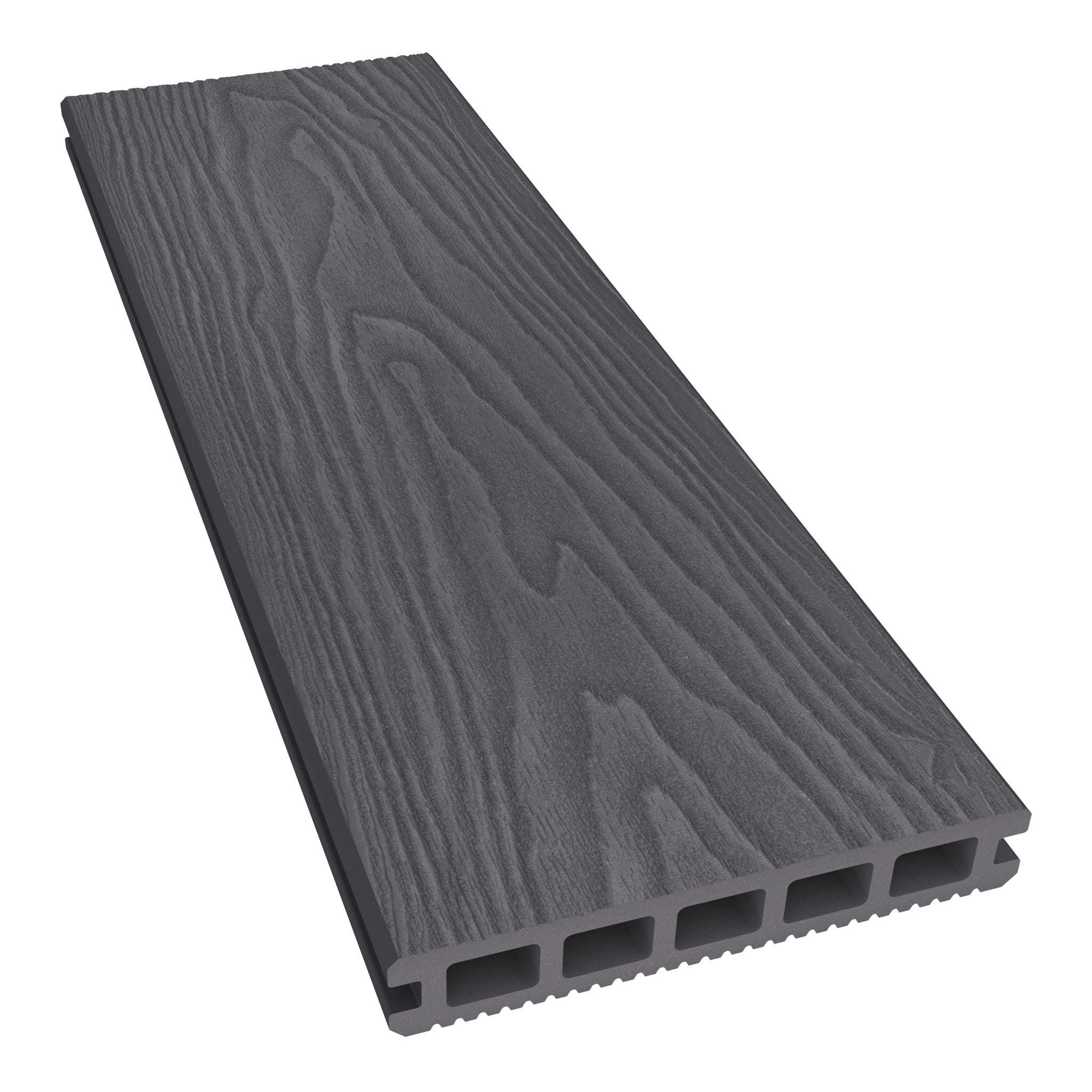
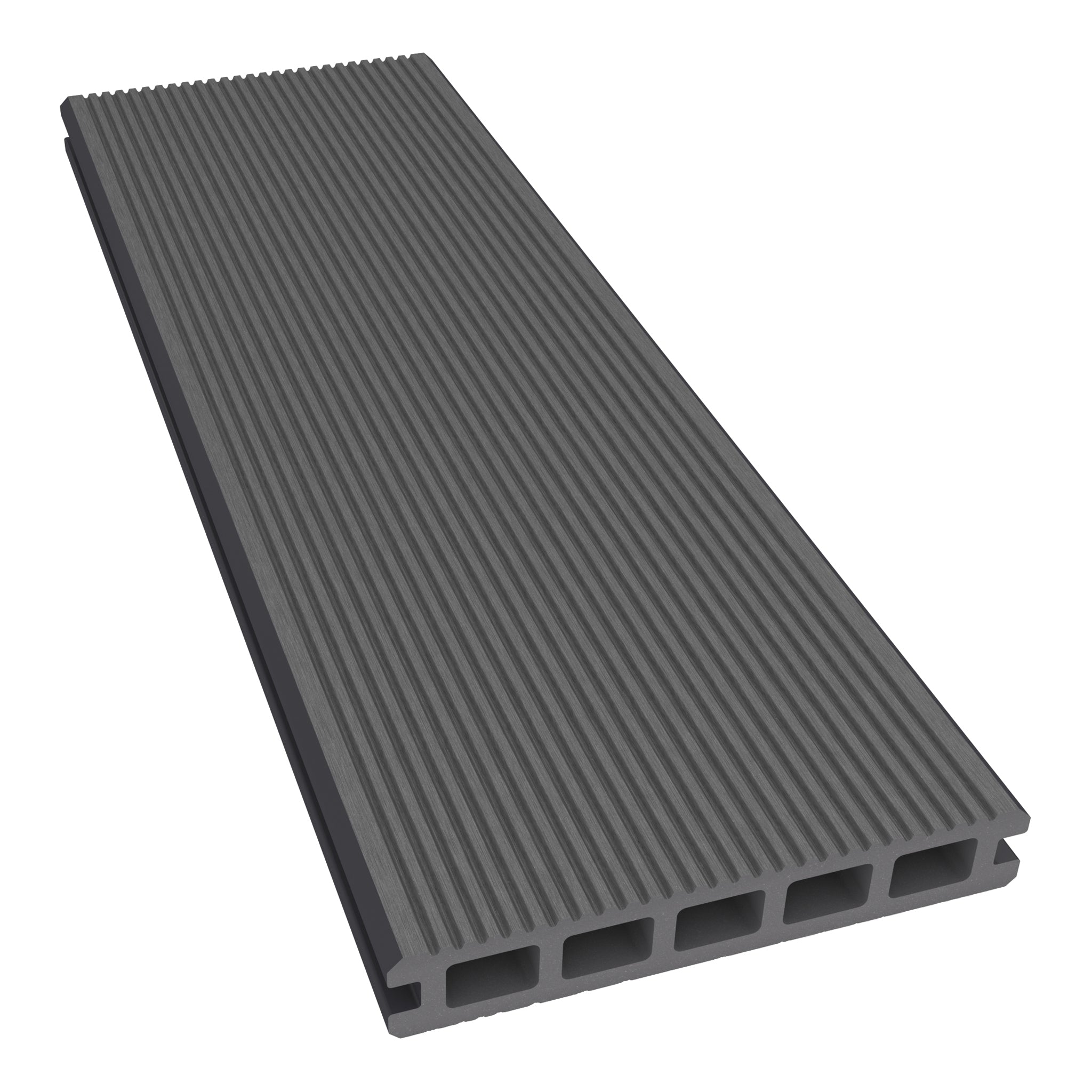
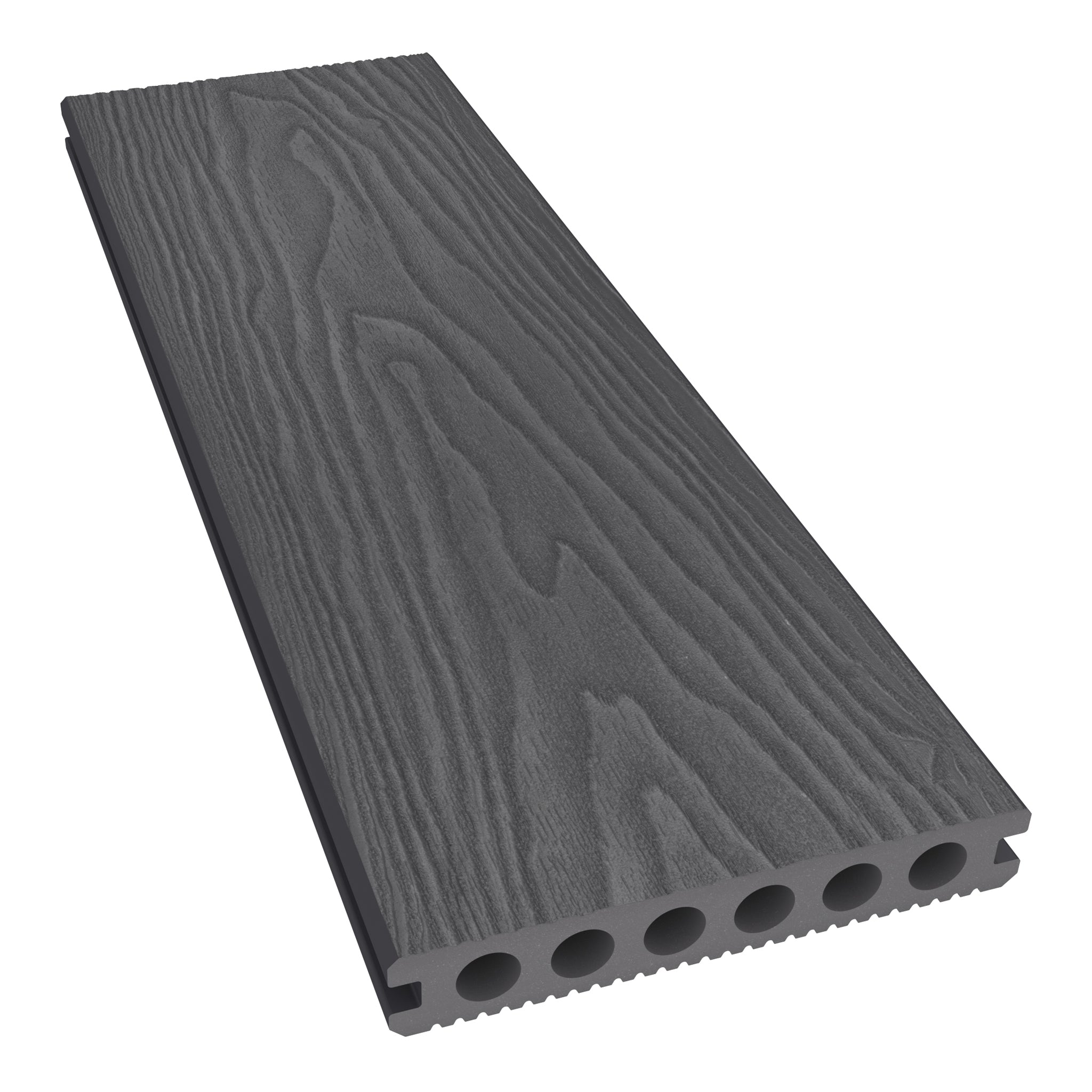
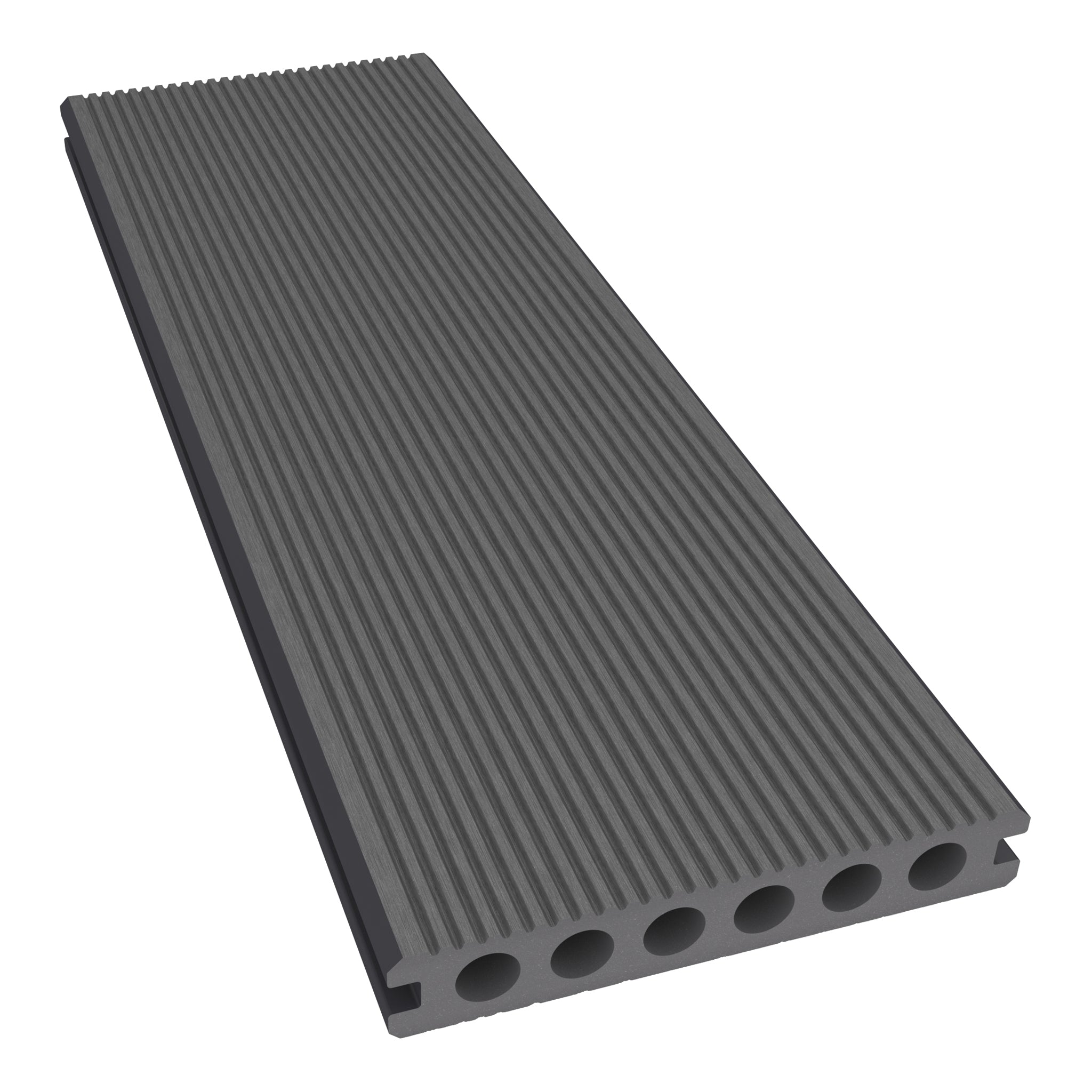
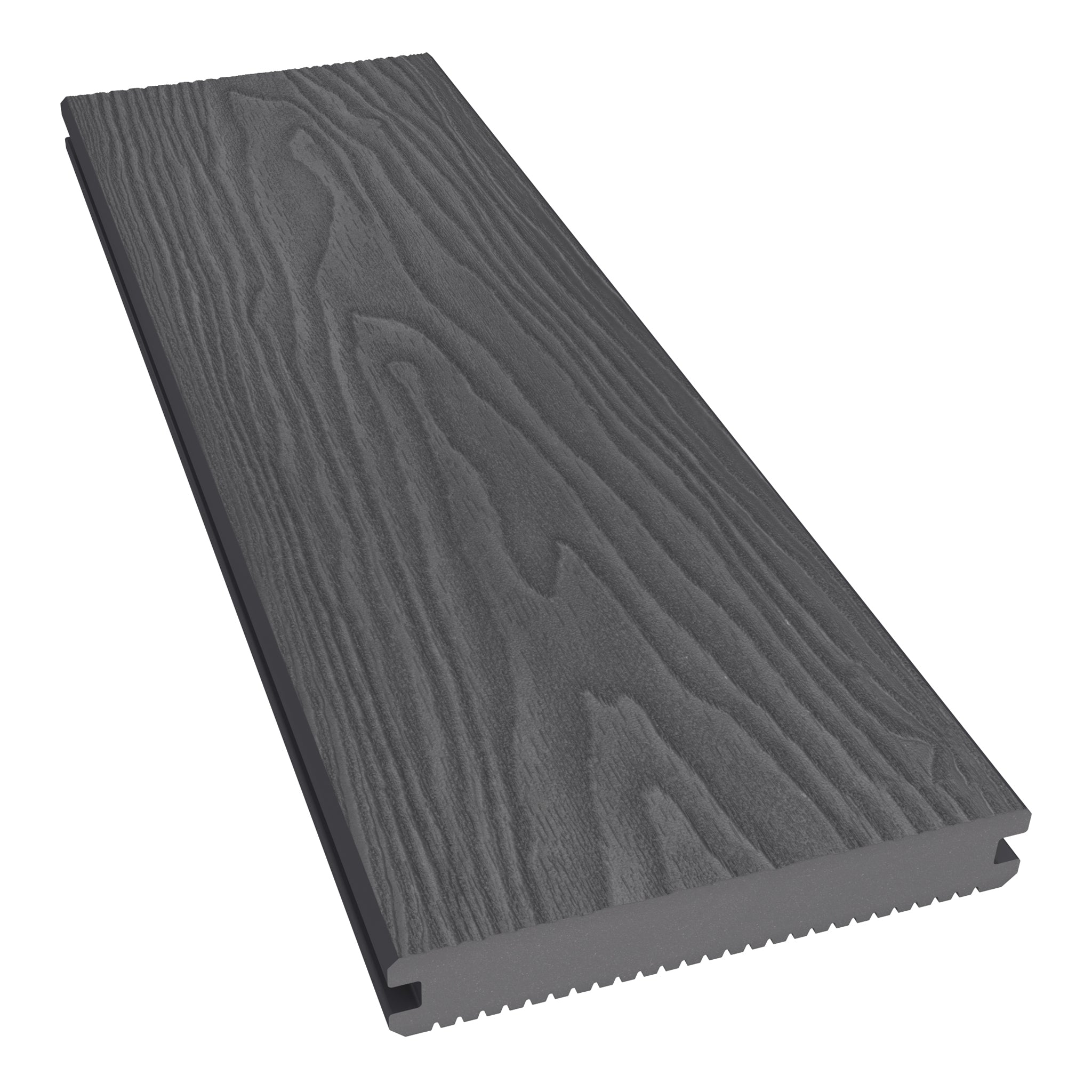
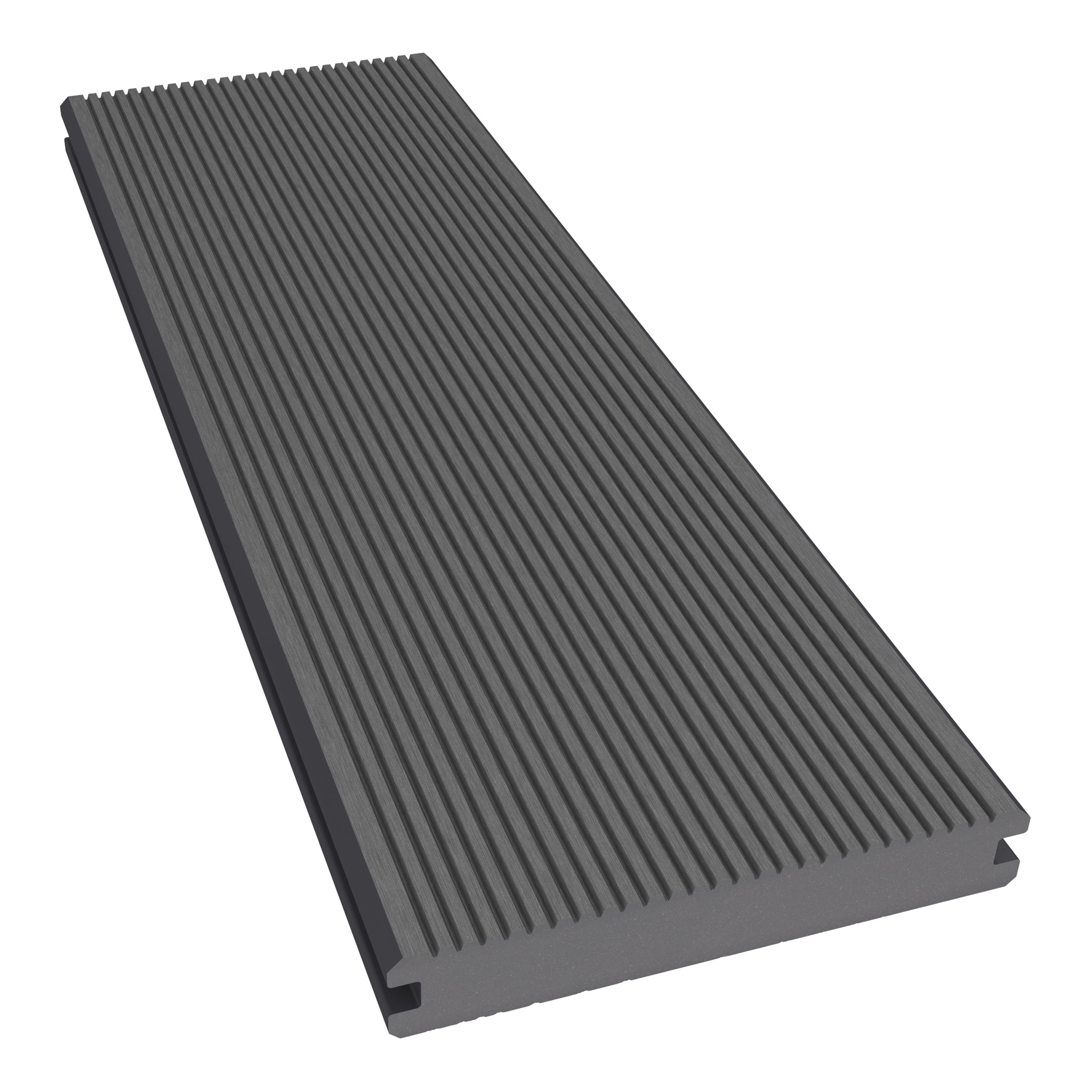
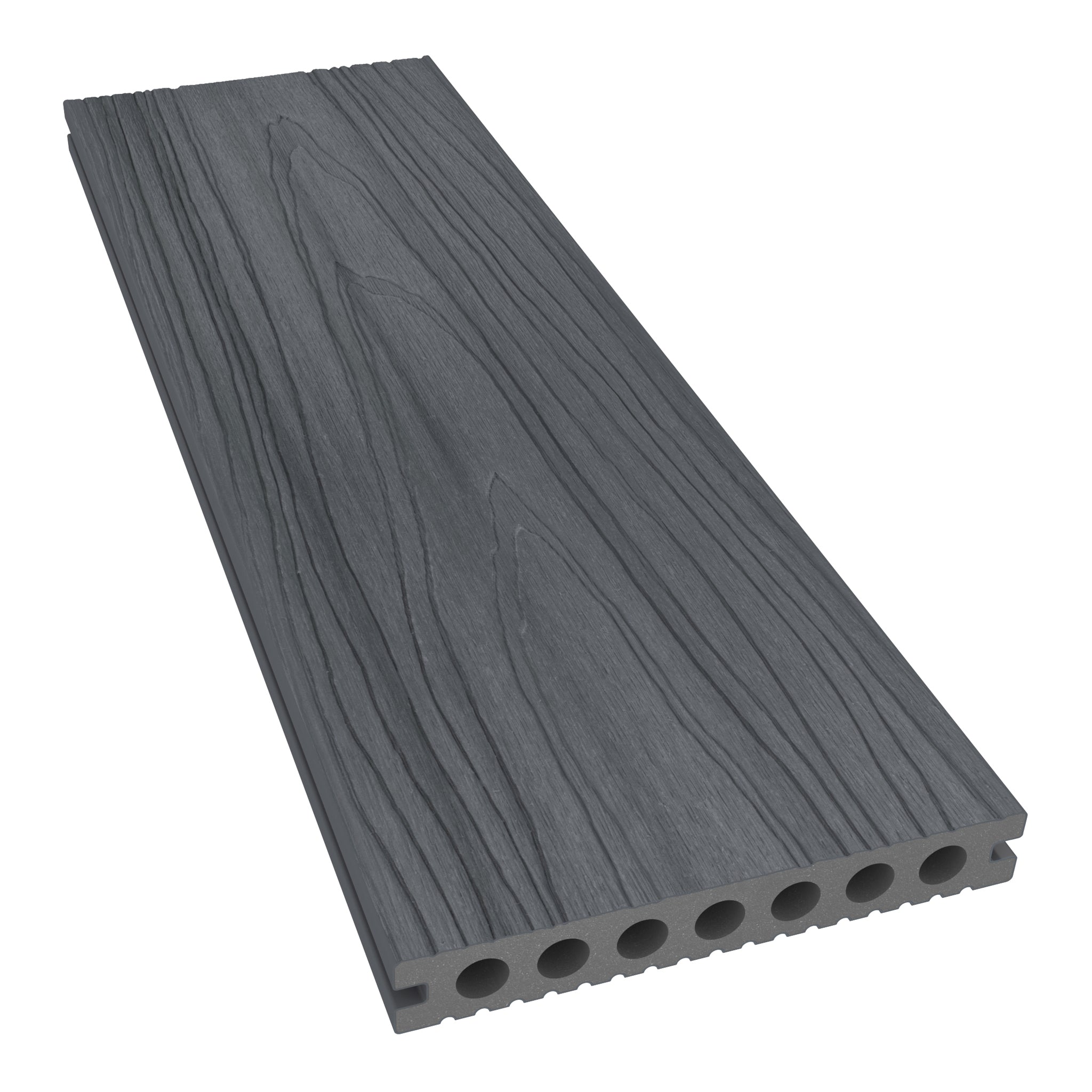
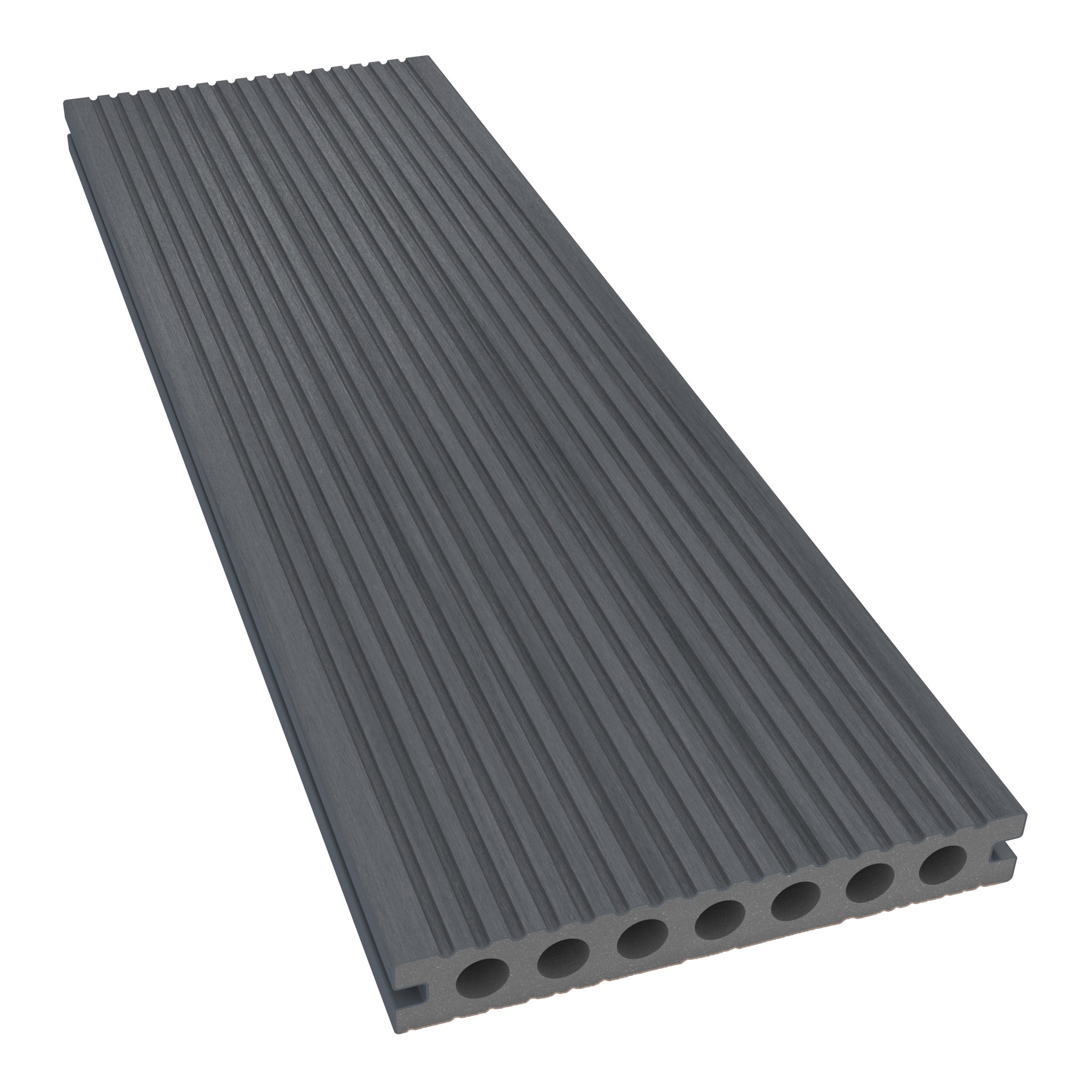
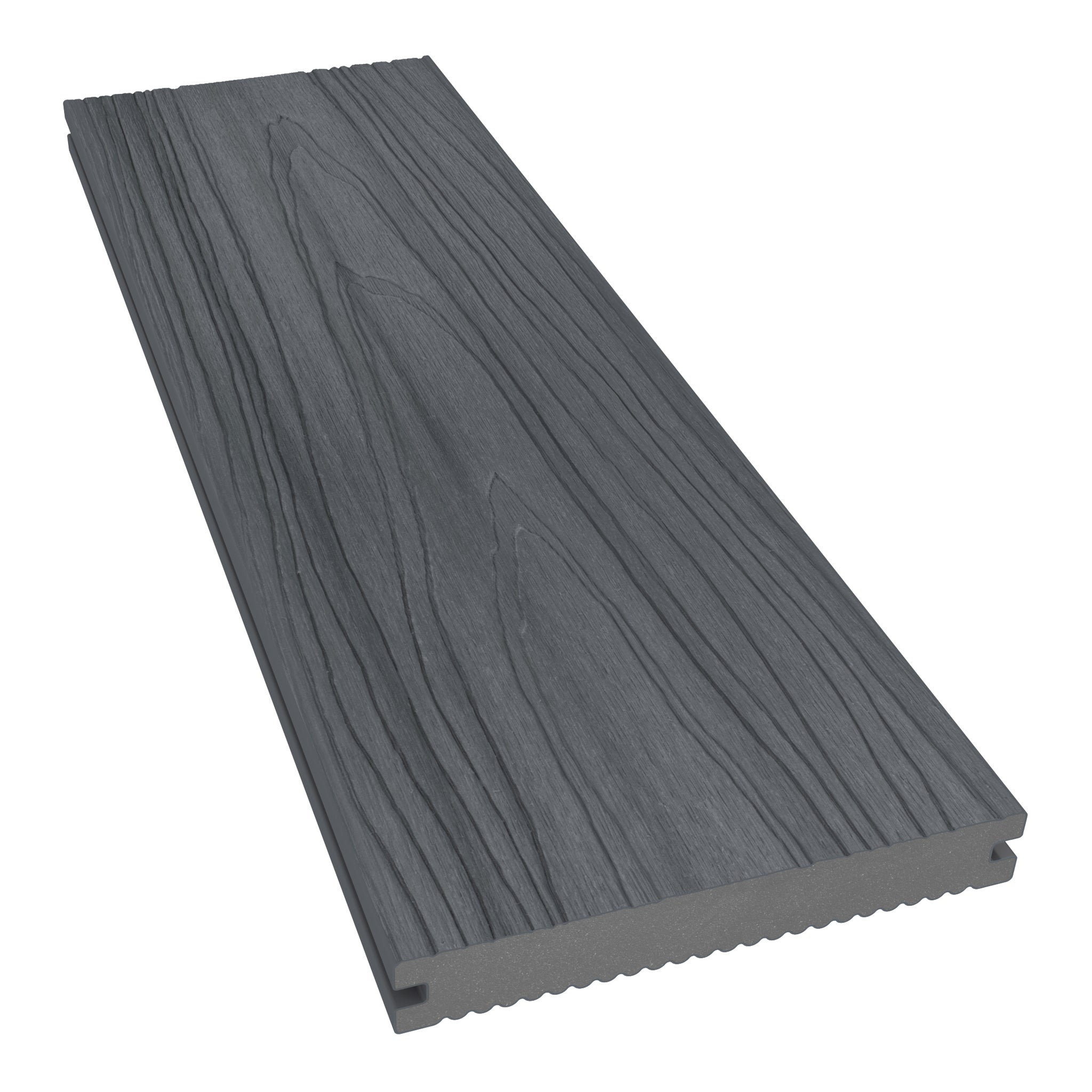
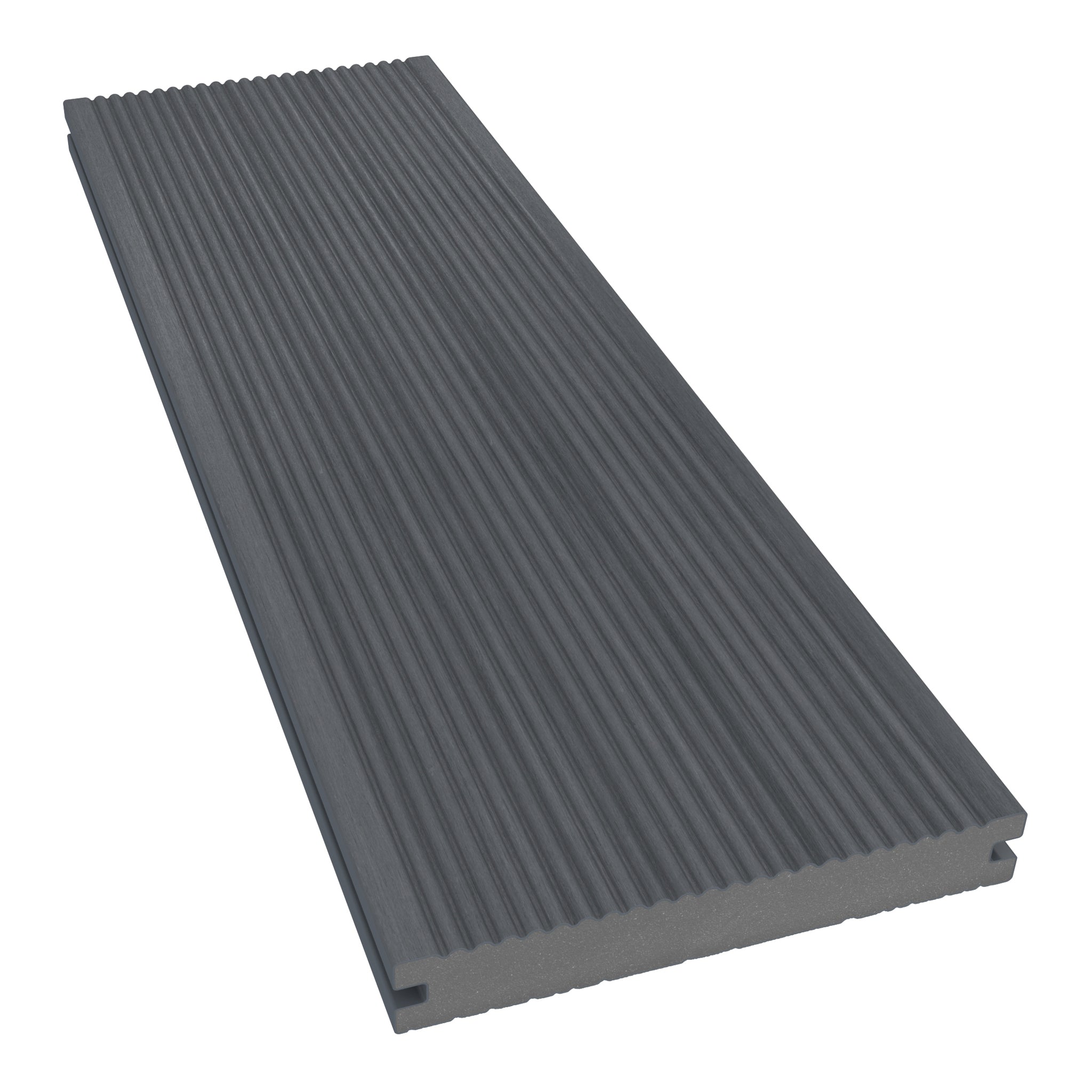
NeoTimber’s Classic Lite, Classic Hollow and Classic Solid provide traditional options. Compare their individual specifications, weathering expectations and intended applications.
An uncapped finish can suit a project where its appearance and price work for you. Spills still need prompt attention, and colour changes outdoors should be understood before ordering rather than mistaken for a guarantee of an unchanged shade.

Capped Composite Options
Deluxe Hollow and Deluxe Solid offer protective capping designed for enhanced fade and stain resistance. That can be useful around dining furniture or in a family garden where spills are likely.
Capping does not mean every stain wipes off, and it does not make dragging furniture harmless. Do not sand a capped board or apply heat to remove damage. Review the traditional vs capped comparison to weigh the features alongside price.

A Low Maintenance Deck Starts With the Layout
Good access can save more effort over time than a complicated decorative feature. Before finalising the drawing, ask how you will reach the edges, move furniture and remove leaves from corners. A narrow gap behind a fixed bench can become a permanent cleaning problem.
Keep Drainage and Inspection Points Reachable
Do not conceal an outlet or service point beneath a feature that cannot be moved. Provide appropriate access where components need checking. The details vary by site, but the principle is consistent: the deck should not make routine maintenance unnecessarily difficult.
Position Furniture and Planting With Care
Large planters can leave damp debris beneath them and may be difficult to lift. Account for filled weight in the structure and leave room for cleaning. Choose furniture feet suited to the board surface and lift items rather than dragging them.
Place planting where watering and fallen material can be managed. A tree-lined setting may be exactly what you want, but it will usually involve more leaf removal than an open area. Design for the actual garden rather than an idealised maintenance schedule.
Avoid Overcomplicating the Surface
Patterns, borders and changes in direction can look effective, but they add joints, cut details and support requirements. Use them where they improve the design. A restrained layout can make future inspection and replacement easier without sacrificing character.
The Structure Beneath Still Needs Attention
Choosing a low-upkeep surface does not remove structural responsibilities. Joists, posts, pedestals, connections and the base must be suitable for the intended loads and exposure. Any retained frame needs assessment before new boards cover it.
Frame materials have different requirements. Treated timber may need specified cut-end protection. Recycled plastic and metal systems have their own support spans and connection details. Low-profile composite joists intended for a solid base must not be treated as unsupported beams.
Follow the selected range’s installation guidance for joist centres, movement gaps, fixing positions, drainage and ventilation. A low maintenance deck is still a structure, not simply a surface covering.
If movement, damaged connections or an unstable section develops, arrange assessment rather than disguising it with a trim or extra surface screw. Product resistance to decay cannot correct a ground or foundation problem.
A Manageable Care Routine
Separate quick responses from planned cleaning. Picking up a spill or clearing a drain does not need to wait for a scheduled deep clean. A regular look around the deck can help you spot issues before they become harder to resolve.
Remove Loose Material
Sweep leaves, grit and dirt away with suitable equipment. Check between boards and beneath movable items without scraping the surface with sharp tools. Debris removal keeps the space presentable and helps drainage routes remain open.
Wash Using the Approved Method
For routine cleaning, warm soapy water, a soft brush and thorough rinsing are useful starting points. Follow the specific range’s instructions and avoid aggressive scourers. Work methodically so loosened dirt is removed rather than moved into another corner.
Respond to Spills
Lift solids and blot excess liquid, then clean promptly. Oil, sauces and strongly coloured drinks can leave marks, even on a stain-resistant surface. Avoid applying stronger chemicals simply because a first wash has not removed everything.
For a detailed process, use our composite decking cleaning guide. The related guide to composite care expectations explains which timber treatments are no longer part of the routine.

Adapt the Schedule to the Seasons and Site
Spring and autumn are useful times for a more thorough clean and inspection, but twice-yearly cleaning is not a universal guarantee. A deck under trees or used regularly for meals may need attention much more often.
Spring
Check the surface after winter, remove accumulated debris and look for damage or changes in level. Confirm that outlets and gaps remain clear before moving furniture back into position.
Summer
Deal with food and drink spills, lift furniture carefully and check beneath pots. Outdoor surfaces can become hot in sun, so consider shade and actual conditions before barefoot use. Low upkeep does not mean a surface remains comfortable at every temperature.
Autumn
Remove leaves as they accumulate rather than letting them settle into damp layers. Check shaded areas and places behind furniture, where material can remain unnoticed.
Winter
Ice and frost can affect any outdoor surface. Follow approved winter-care methods, avoid sharp scraping tools and manage access according to conditions. Do not assume a textured finish prevents slipping.
In a rental property or commercial setting, assign responsibility for these tasks and record defects and repairs. An easy-to-maintain product still needs someone to maintain it.
Deeper Cleaning Without Damaging the Finish
Persistent marks need an appropriate diagnosis. Identify the board range, likely substance and any cleaning already attempted before escalating. Photographs can help the supplier distinguish dirt from surface damage.
A compatible specialist product, such as Owatrol Compo-Clean, may be appropriate for particular residues. Follow its instructions, confirm suitability and test discreetly before treating a prominent area. Do not mix cleaning chemicals.
Where pressure washing is allowed, use the nozzle, pressure and distance specified for the range. A maximum setting is a limit, not a target. Repeated concentrated blasting can damage a surface rather than restore it.
Do not assume a repair suitable for an uncapped board can be used on a capped one. Abrasion can change colour or texture, and invisible repairs cannot be guaranteed. Ask before sanding, coating or applying heat.

Judge Value Over the Whole Ownership Period
A maintenance free deck is often imagined as a one-off purchase with no further expense. A better budget recognises installation, routine care and possible repairs while comparing the treatment work avoided.
Include the complete initial project: preparation, base, frame, boards, clips, trims, delivery, labour and waste removal. Then estimate the likely cost of cleaning materials, equipment, professional help and the value you place on your time.
There is no universal payback period. Savings depend on the alternative material, desired finish, exposure, deck size and whether you do the work yourself. Use consistent assumptions rather than comparing a fully installed composite project with timber board prices alone.
Our decking calculator can support an initial materials estimate. It does not calculate every installed cost or establish the future maintenance bill.
Warranty Is Not a Maintenance Budget
Read the applicable warranty terms for the chosen range and application. Conditions, exclusions and remedies matter as much as the headline period. Normal weathering, surface staining and general wear are not the same as a covered manufacturing defect.
Ask separately about workmanship cover from the installer. A manufacturer’s product warranty should not be treated as a guarantee for the frame, ground conditions or every aspect of the installation contract.
Questions to Ask Before Buying
- Which routine finishing treatments does this product avoid?
- What cleaning does the supplier expect, and how frequently for this site?
- How will the colour and surface change outdoors?
- What should I do about food spills, grease or a persistent mark?
- Which cleaners, mats and furniture protection are compatible?
- Can I reach drains, edges and components that need inspection?
- What care does the frame material need?
- What does the warranty cover, and what does it exclude?
- Is the selected product suitable for the application and loading?
- Who will carry out the remaining tasks?
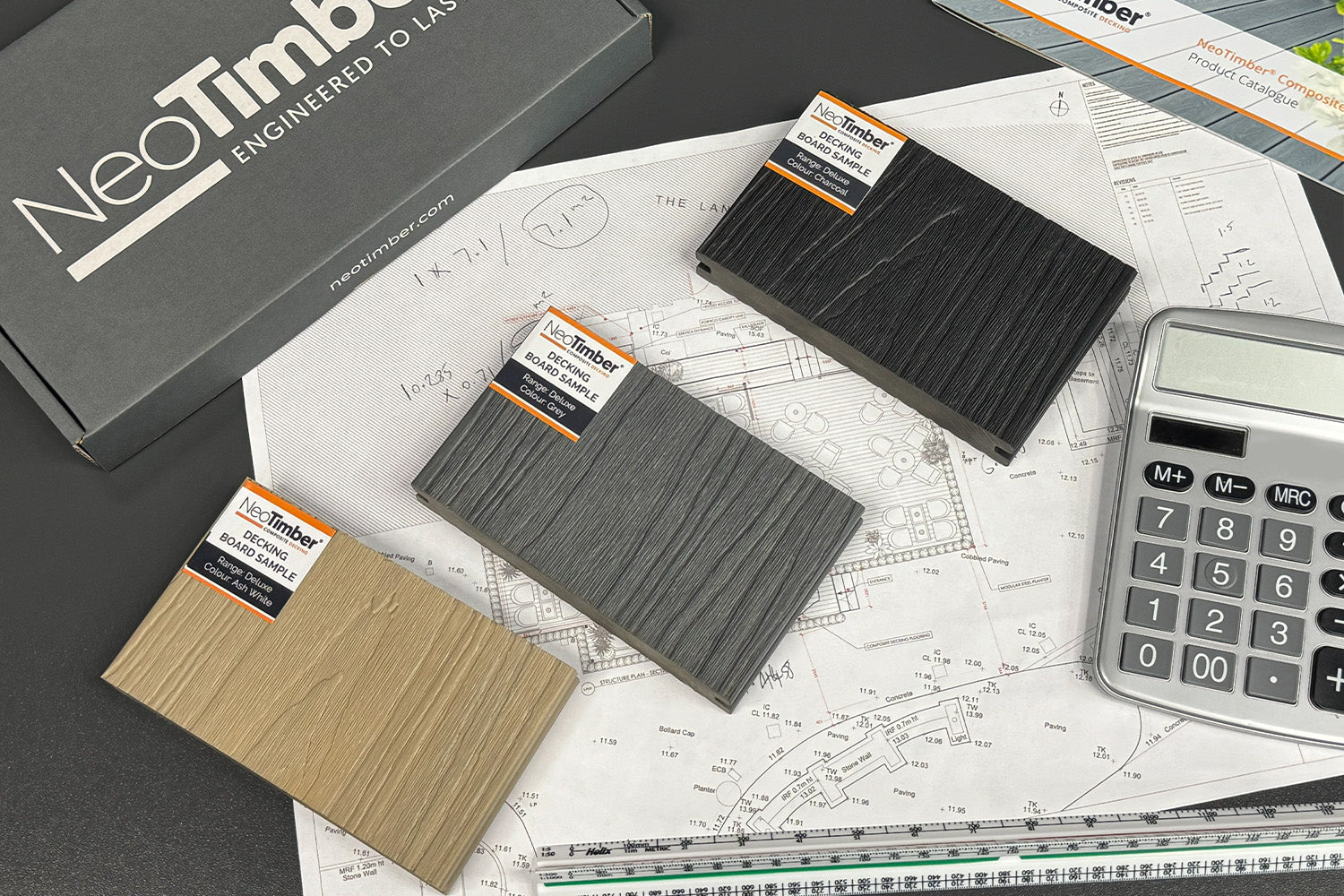
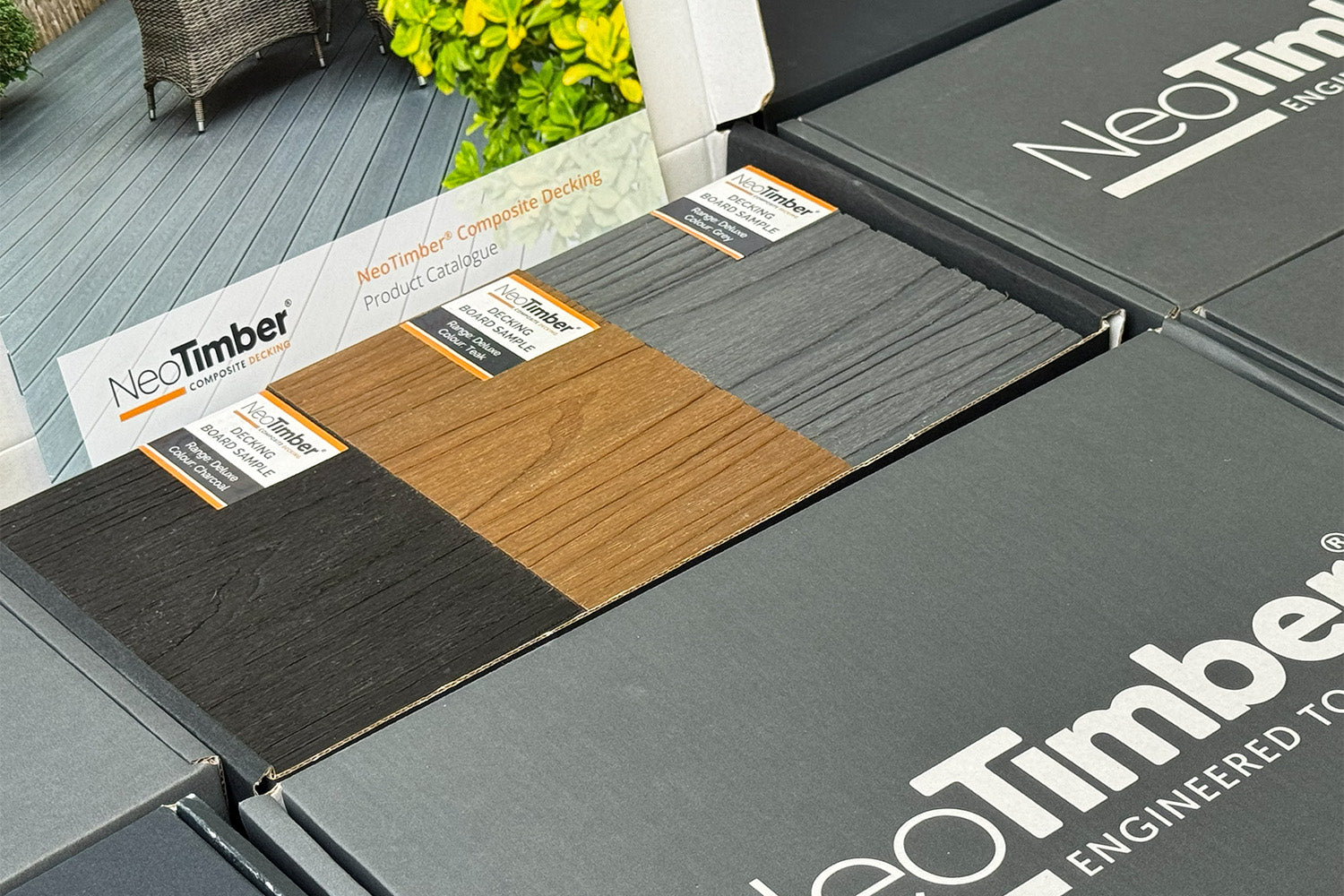
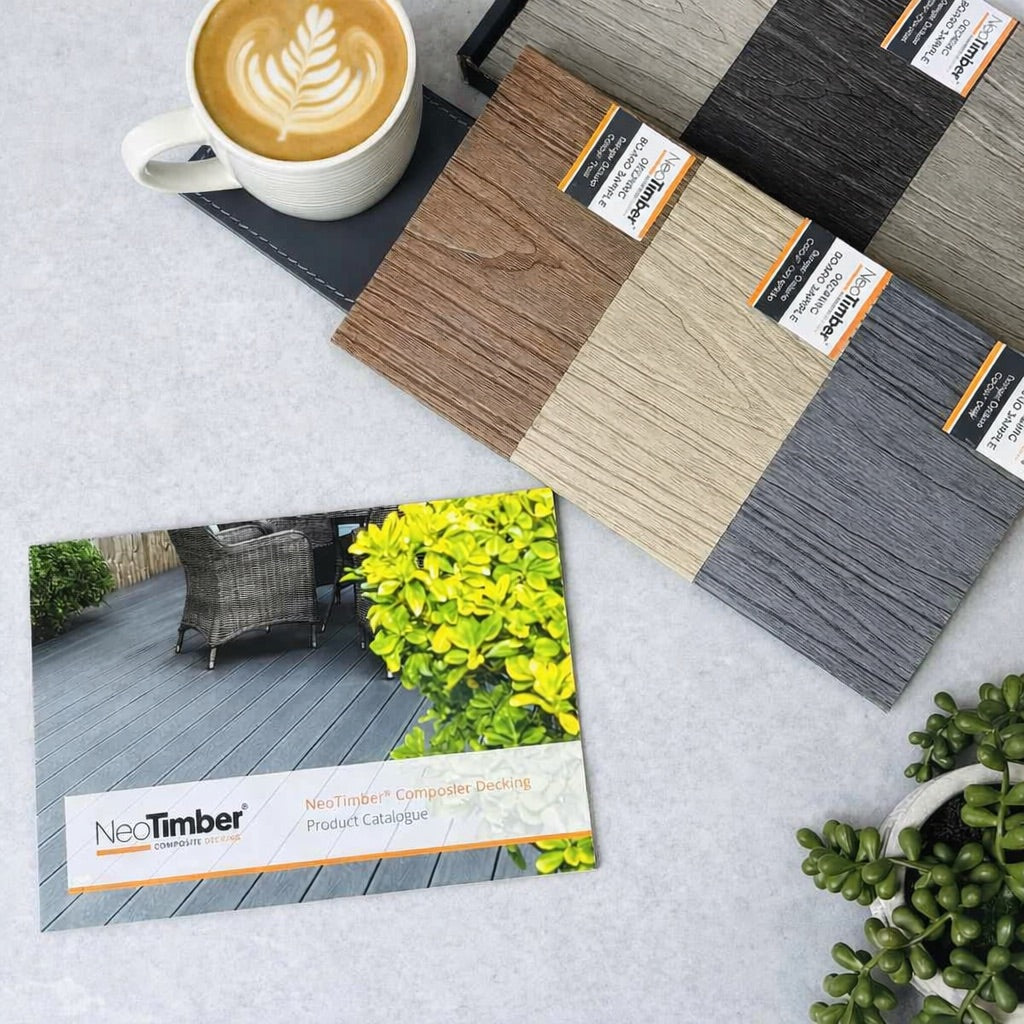
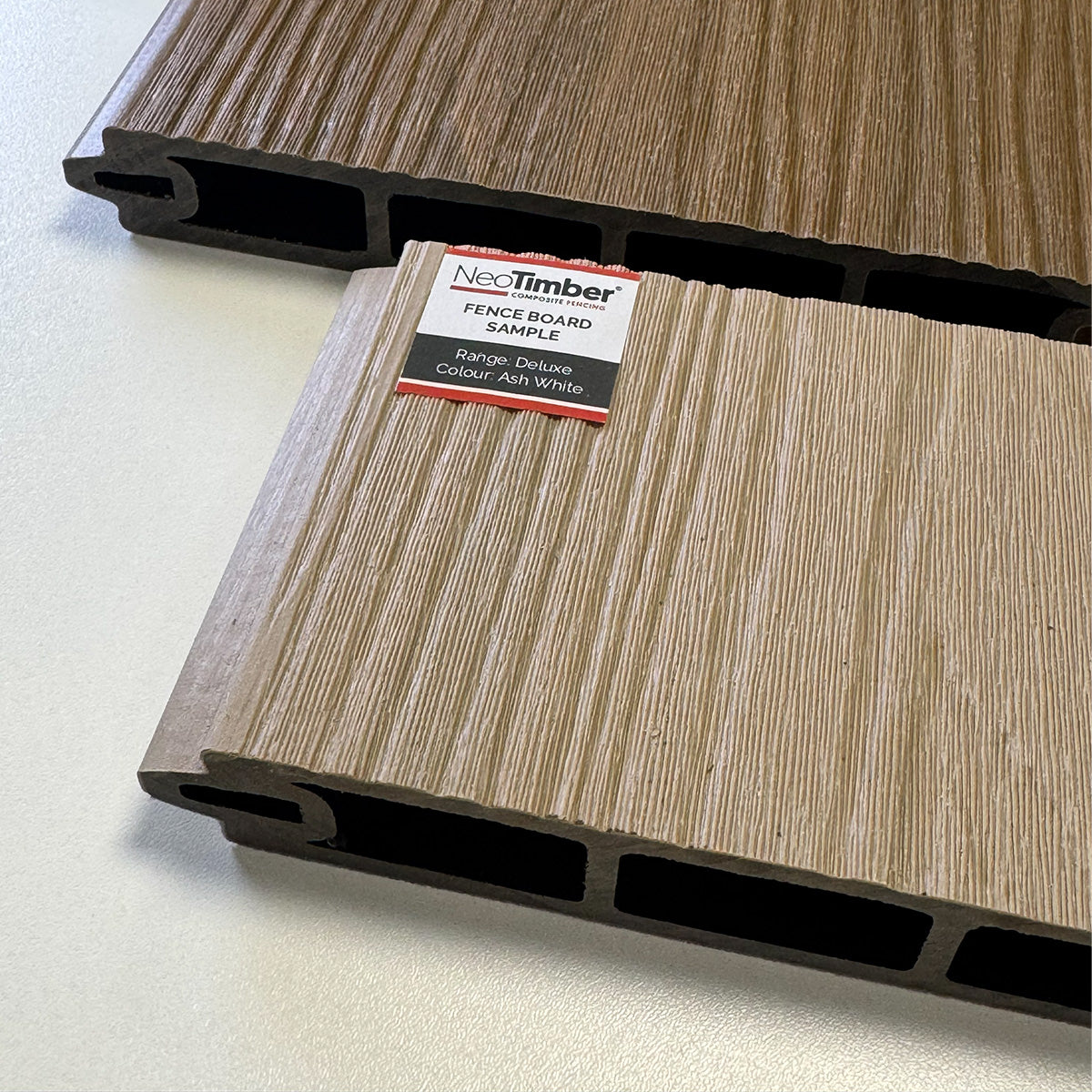
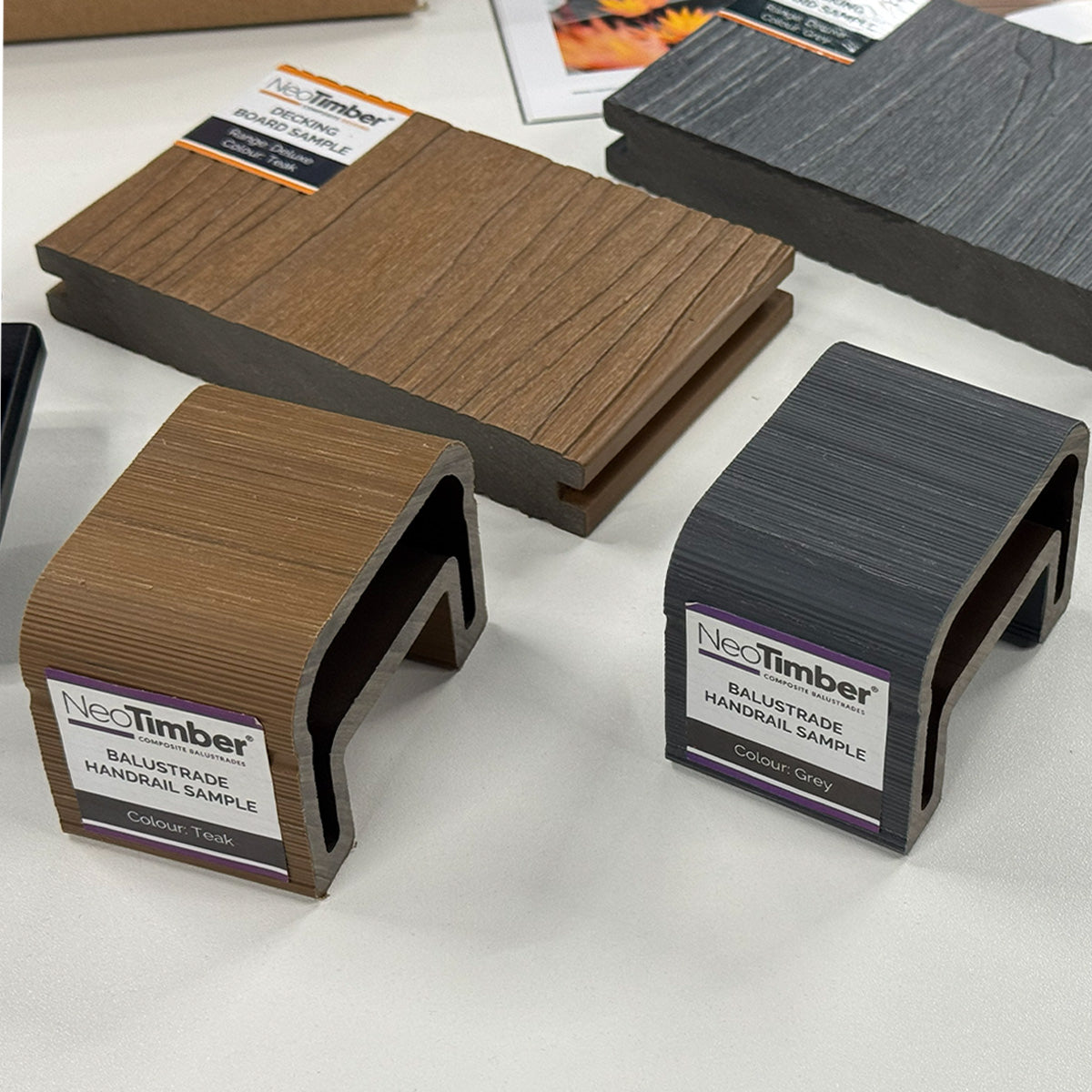
Those answers turn an attractive claim into a practical specification. Compare free decking samples for appearance and texture, then use technical information for performance. A small sample cannot prove how a complete deck will behave over years of exposure.
Why Easier Care Should Mean Better Design
The strongest approach to reducing maintenance is to remove unnecessary work without making future problems harder to detect. That means fewer avoidable finishing treatments, accessible construction details and clear advice about cleaning and repair.
A deck should be judged after it has been lived on, not only when photographed at handover. Can an owner clean it without dismantling furniture? Can a damaged component be accessed? Are the care instructions clear enough to prevent harmful improvisation? These are useful measures of a well-considered system.
Thoughtful product selection also leaves room for appearance to change. A maintained outdoor surface does not have to look untouched to remain useful and attractive. Understanding acceptable weathering helps owners distinguish normal ageing from a problem that needs attention.
Maintenance Free Decking FAQs
Does maintenance free decking actually exist?
No outdoor deck is completely free of upkeep. Composite boards can avoid routine staining and oiling, while cleaning and inspections remain necessary.
What should I expect from maintenance free decking boards?
Ask which treatments are unnecessary and what care is still required. The phrase alone does not establish performance, lifespan or repair requirements.
Are capped boards easier to maintain?
The protective layer can improve resistance to fading and staining. It does not eliminate cleaning or prevent every scratch and mark.
Is twice-yearly cleaning enough?
Not for every setting. Use seasonal cleans as checkpoints, then deal with spills, leaves and other contamination as needed.
Will composite boards stop algae growing?
No. Deposits and growth can occur where damp conditions and contamination allow. Cleaning and drainage remain important.
Can I use a pressure washer?
Only as permitted by the selected range’s instructions, including nozzle, pressure and distance. Avoid concentrated jets or using more force than necessary.
Does a low-maintenance surface remove frame care?
No. The frame and its connections have separate requirements and need attention if defects develop.
Is a maintenance free deck cheaper over time?
It may reduce some finishing costs, but total ownership cost depends on the alternative product, installation, exposure and care. Compare a complete budget rather than assuming guaranteed savings.
Can I stain composite boards later?
Do not apply a timber treatment without confirmation from the supplier. NeoTimber® boards do not need routine staining to maintain their decorative finish.
Where can I get help choosing?
Contact the NeoTimber® team with your location, intended use and preferred finish, or find an installer to discuss the complete project.
Choose Fewer Recurring Jobs With a Clear Plan for the Rest
The useful promise behind maintenance free decking is less time spent on avoidable finishing work. Make that benefit concrete by choosing a suitable product, planning accessible construction and agreeing a manageable routine. A well-designed low maintenance deck gives you a clearer relationship with upkeep—and more opportunity to use the outdoor space you created.