Make Your Outdoor Space Somewhere You Want to Spend Time
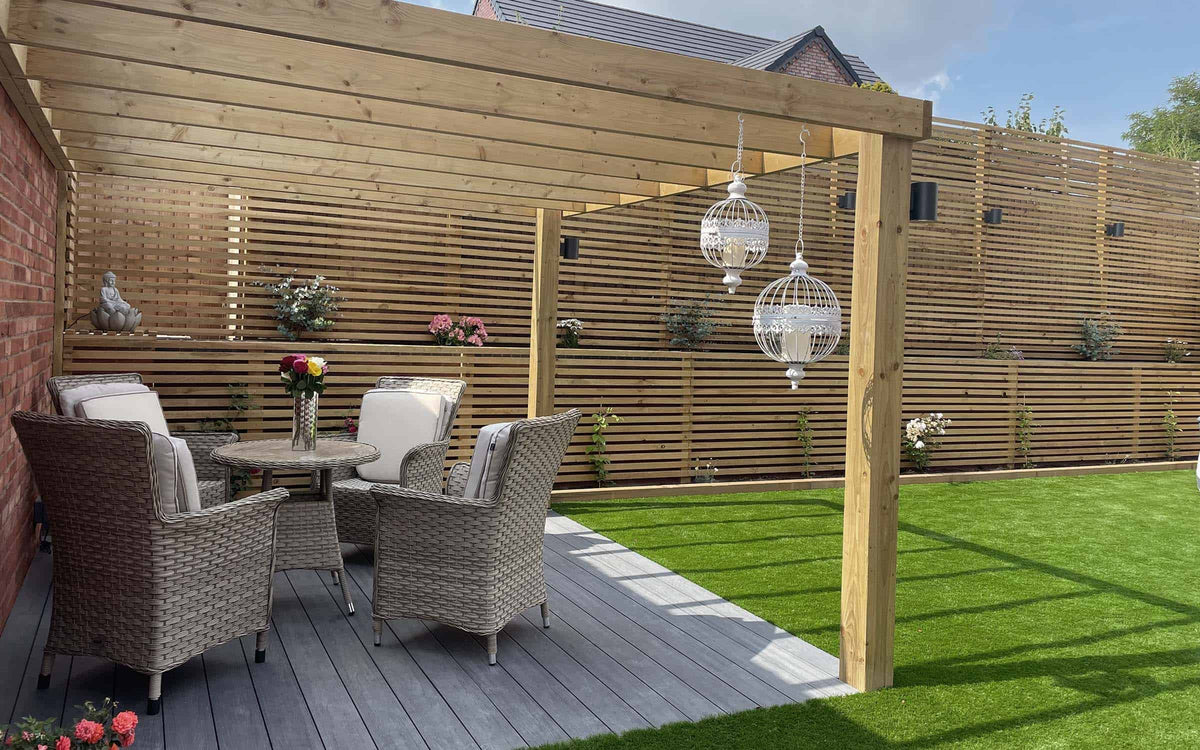
The best outdoor living inspiration begins with everyday life. Think about where you would enjoy morning coffee, how you like to entertain and what would make the garden easier to use. A comfortable outdoor area does not need every feature at once; it needs a layout that works for you.
These seven outdoor living tips bring together furniture, lighting, planting and practical care. Use them to shape a small patio, refresh an existing deck or plan a larger garden transformation.
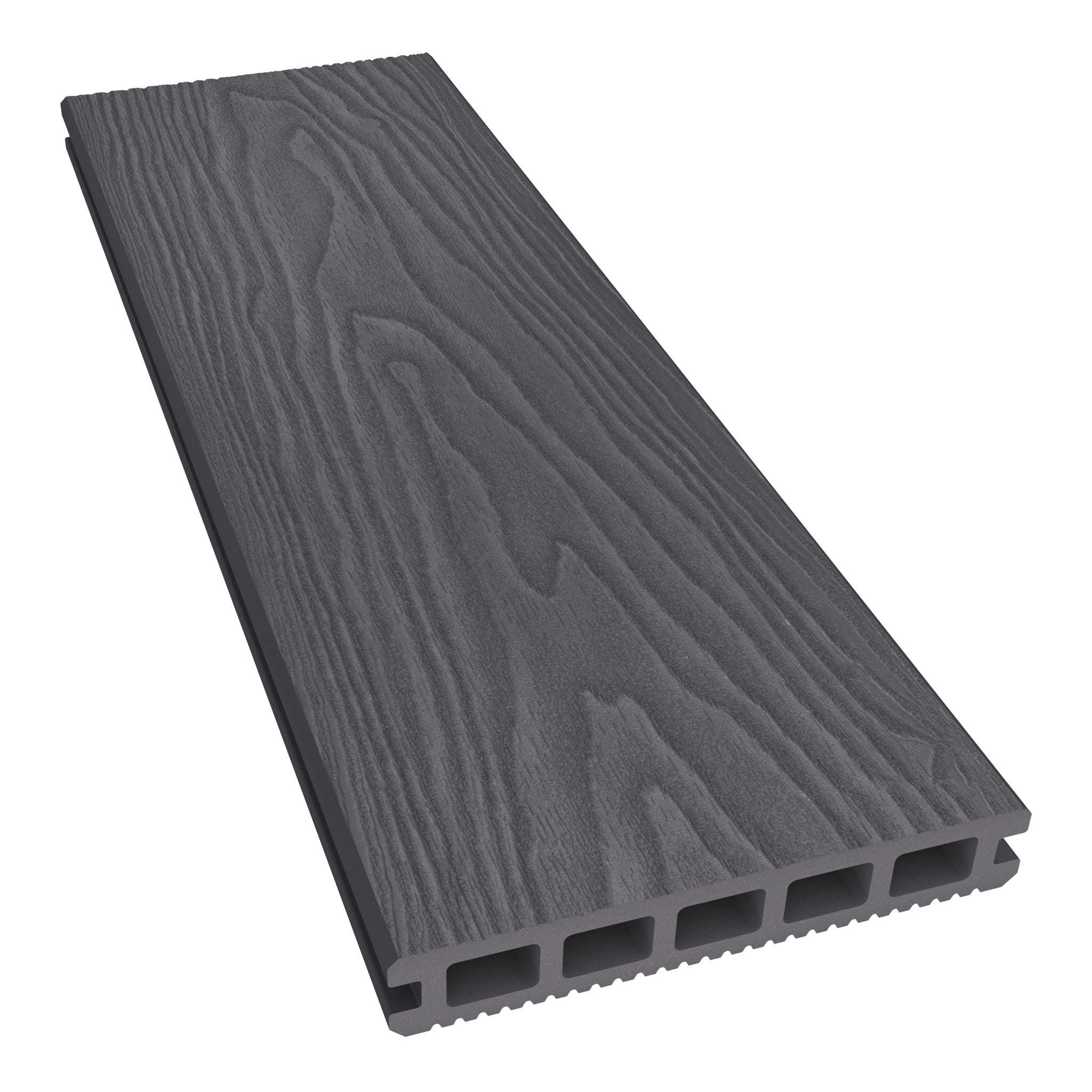
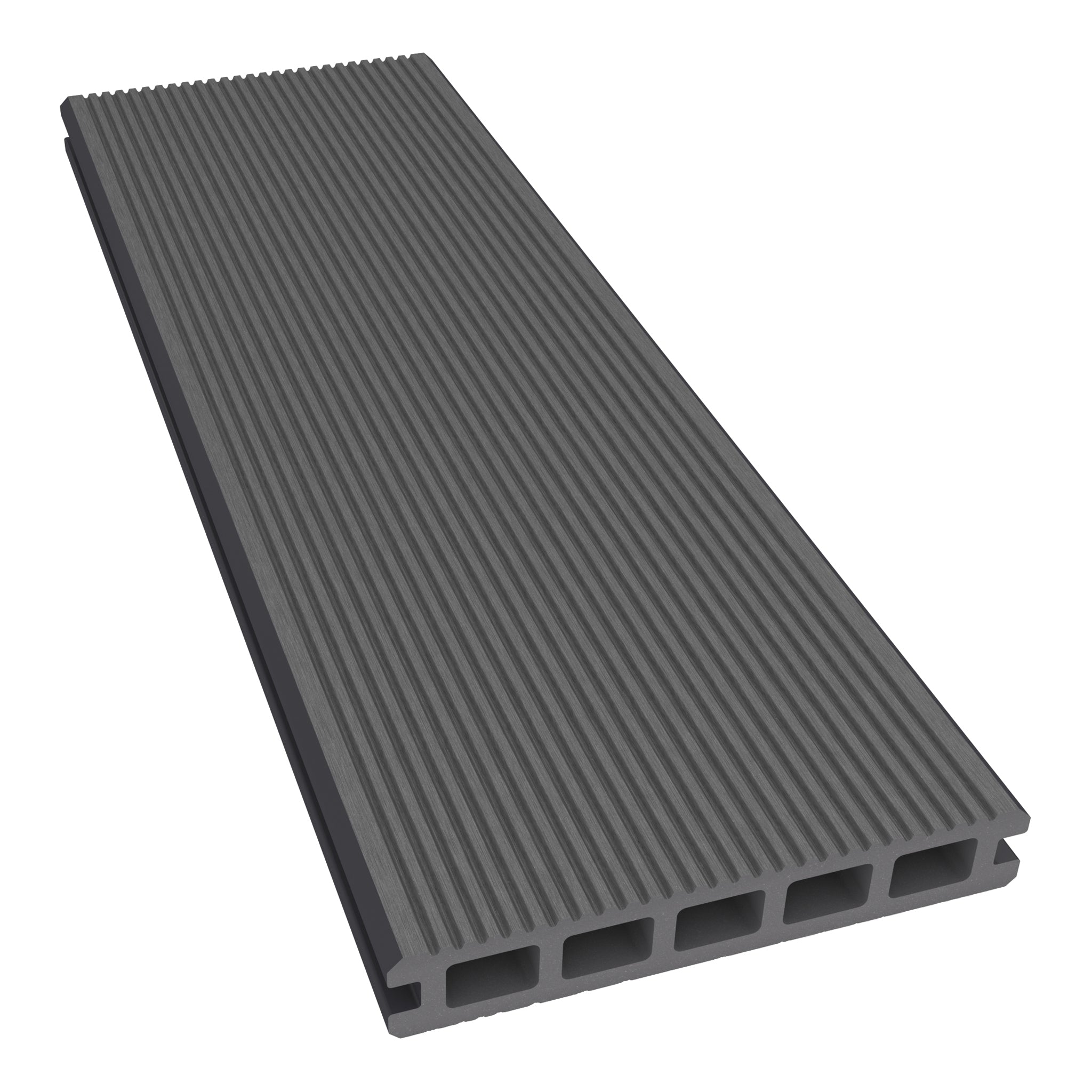
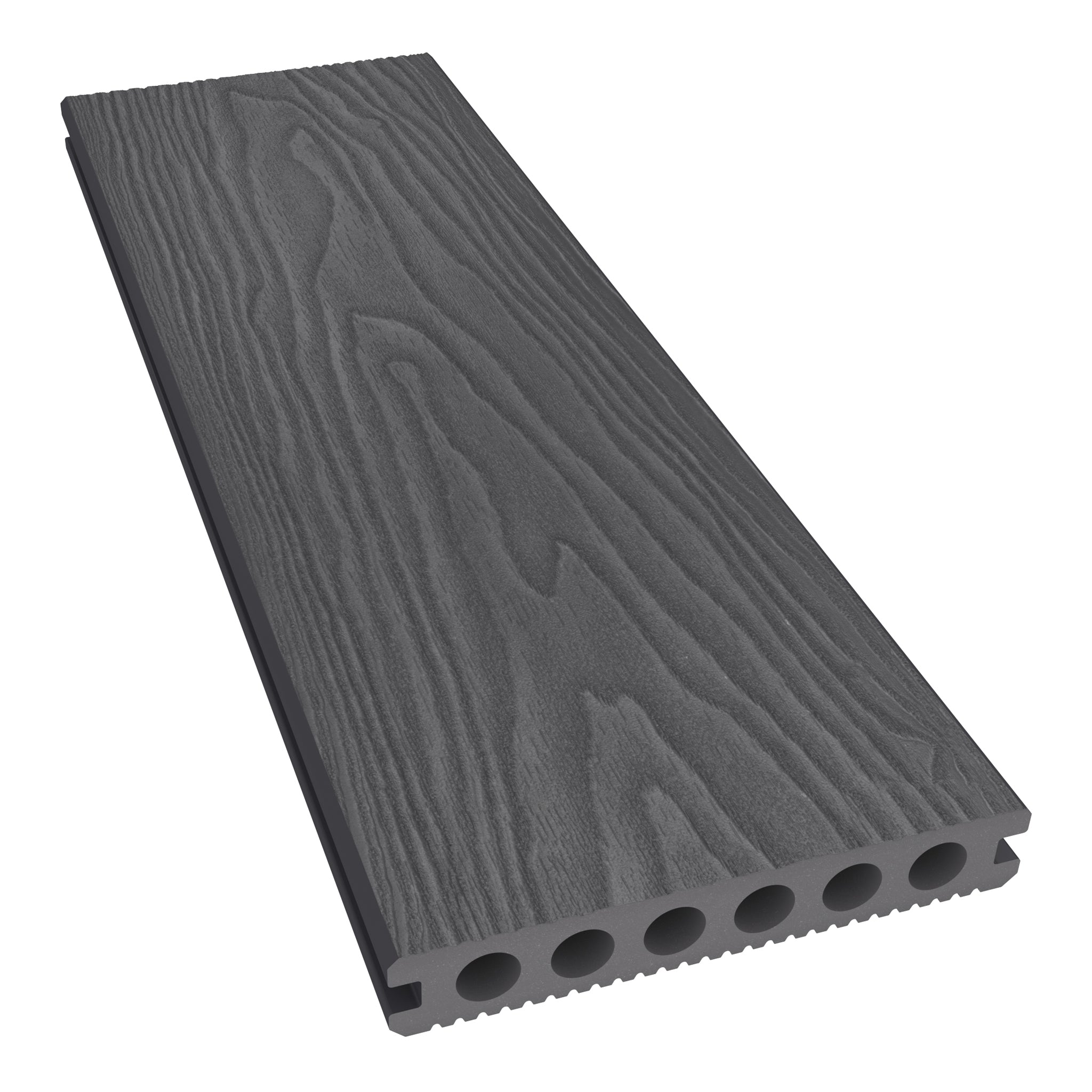
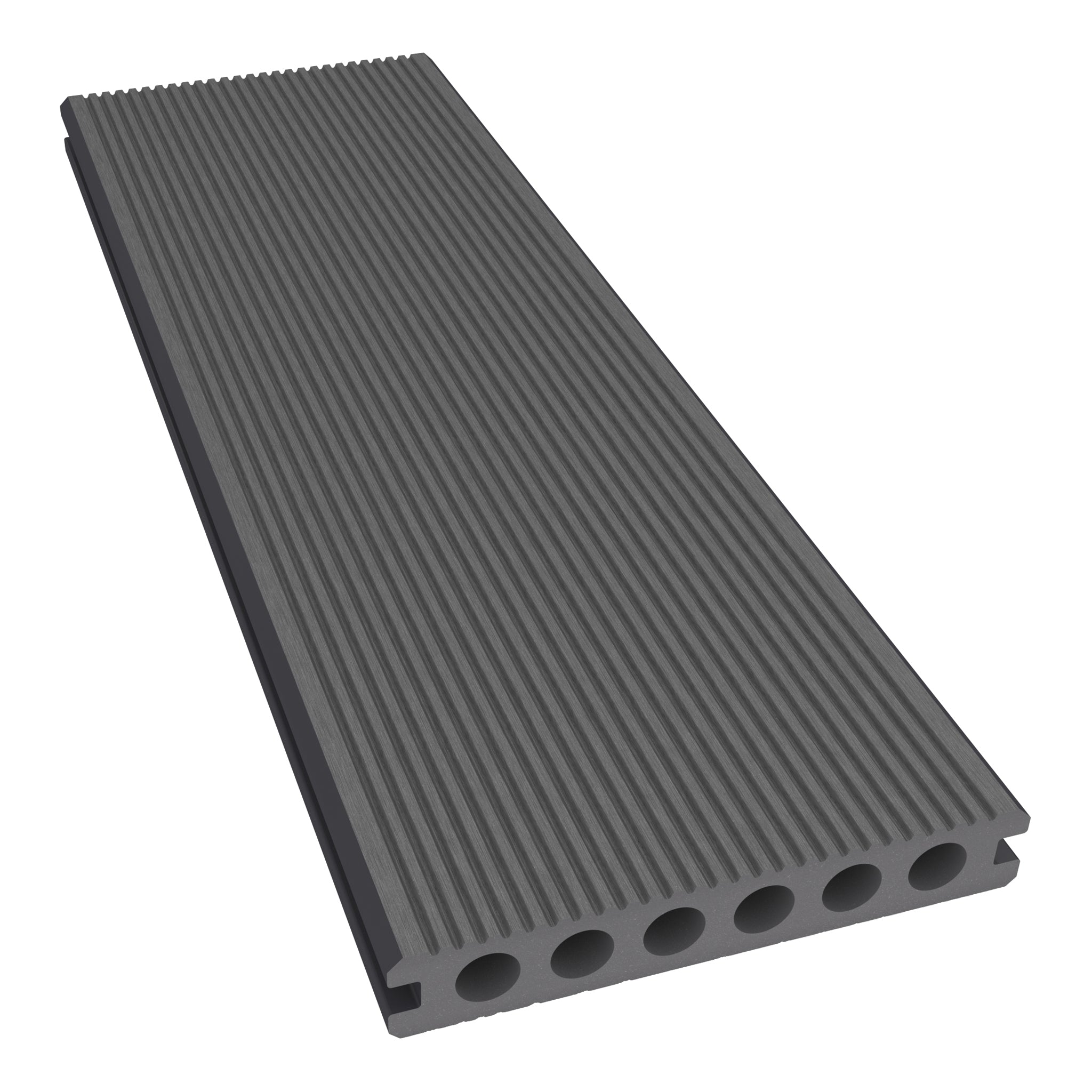
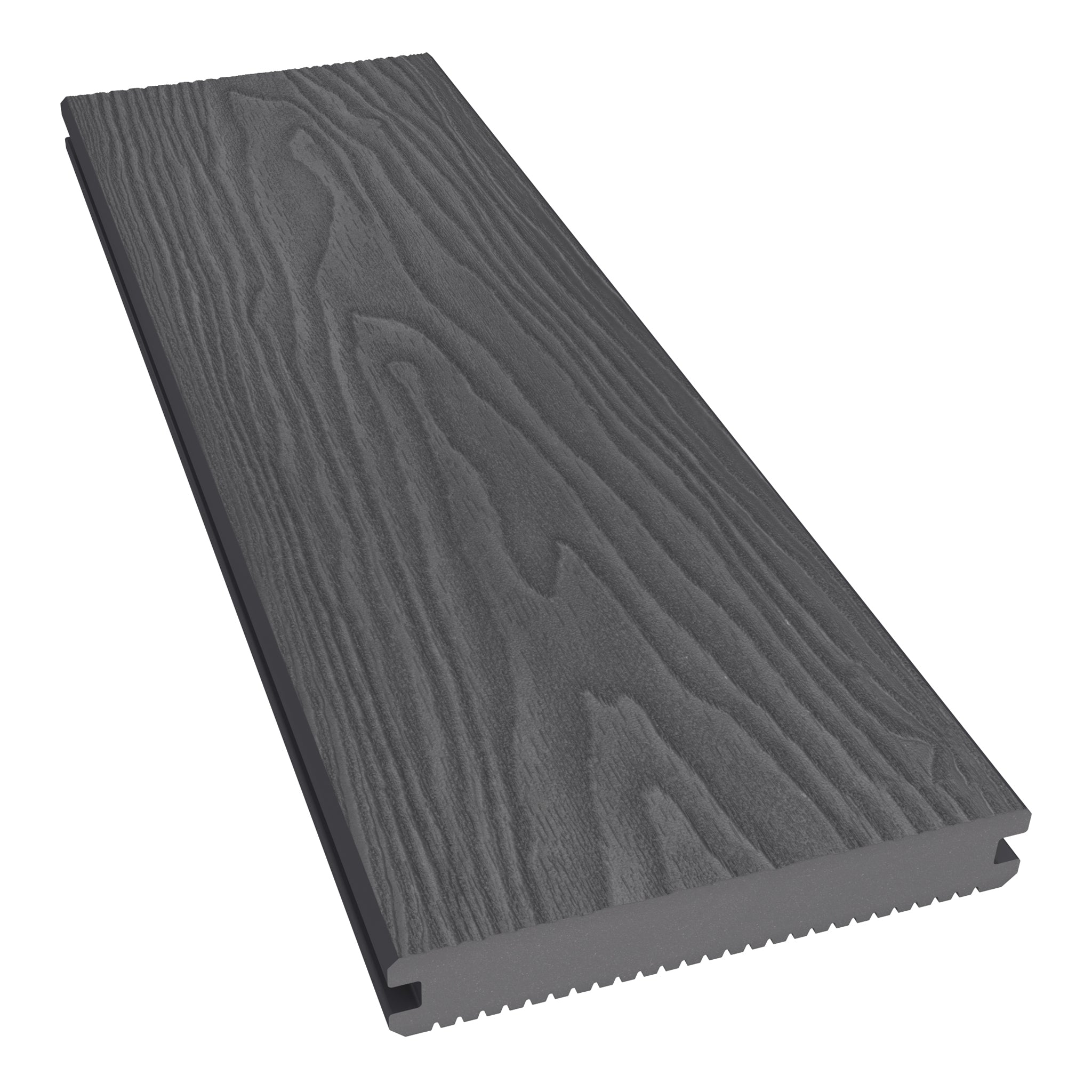
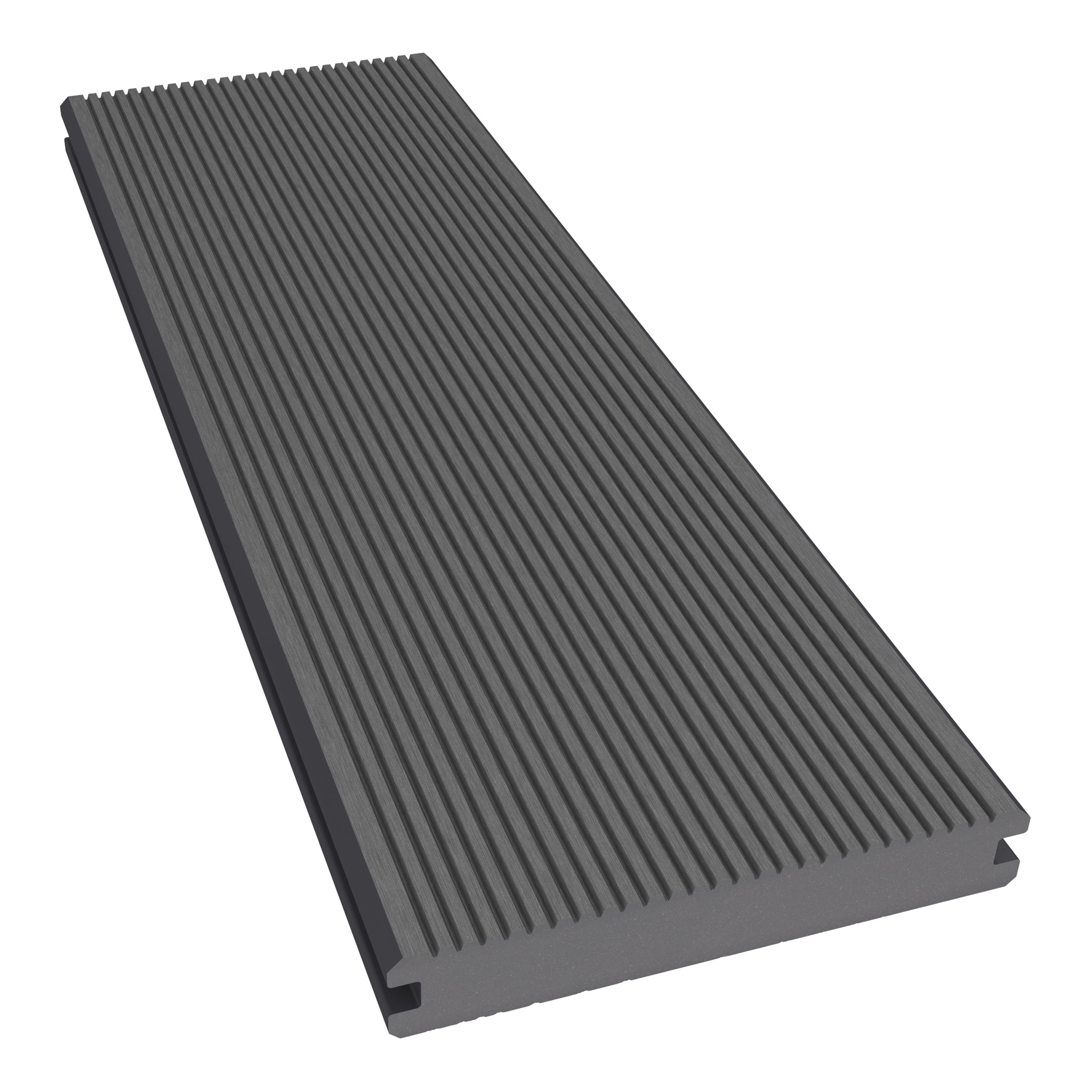
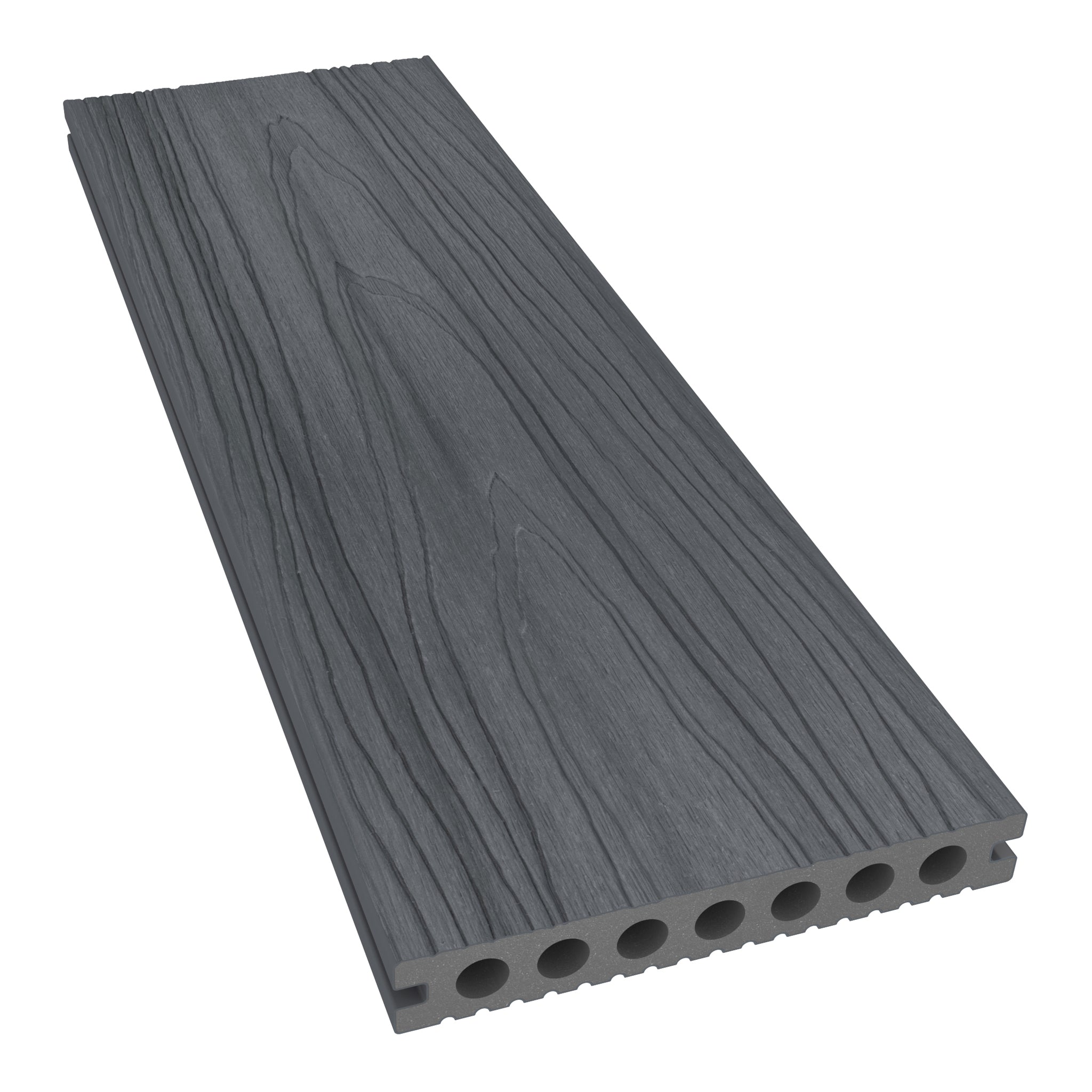
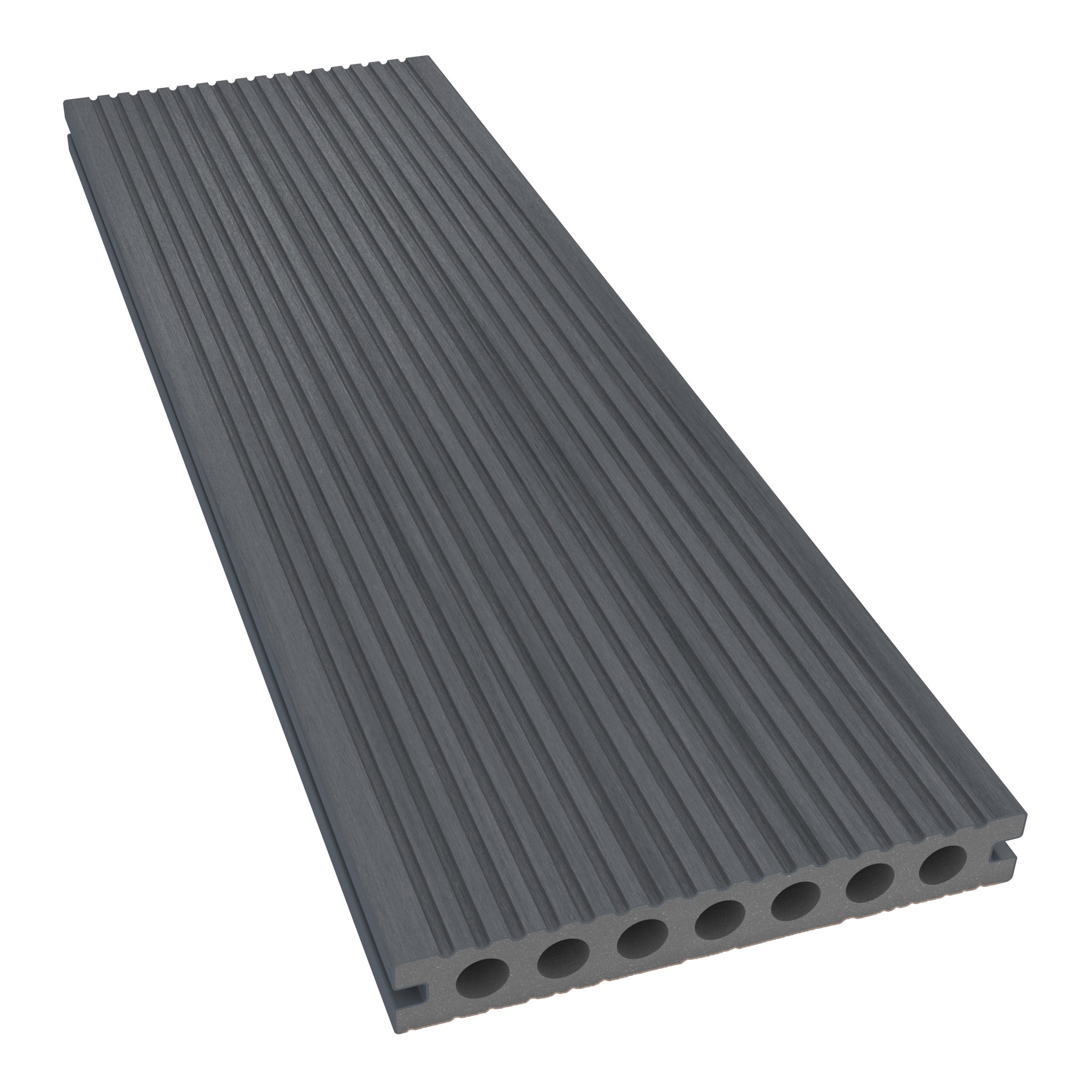
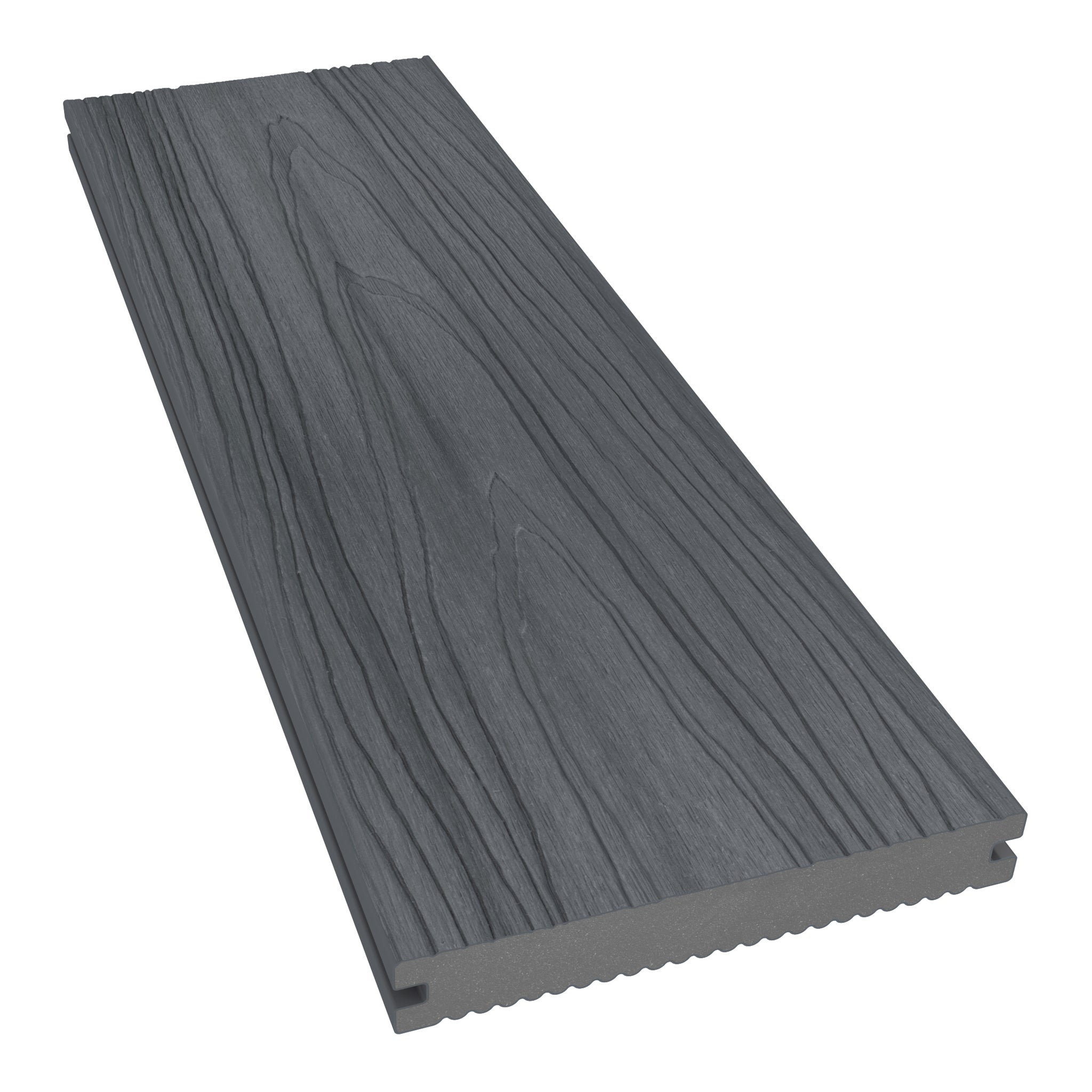
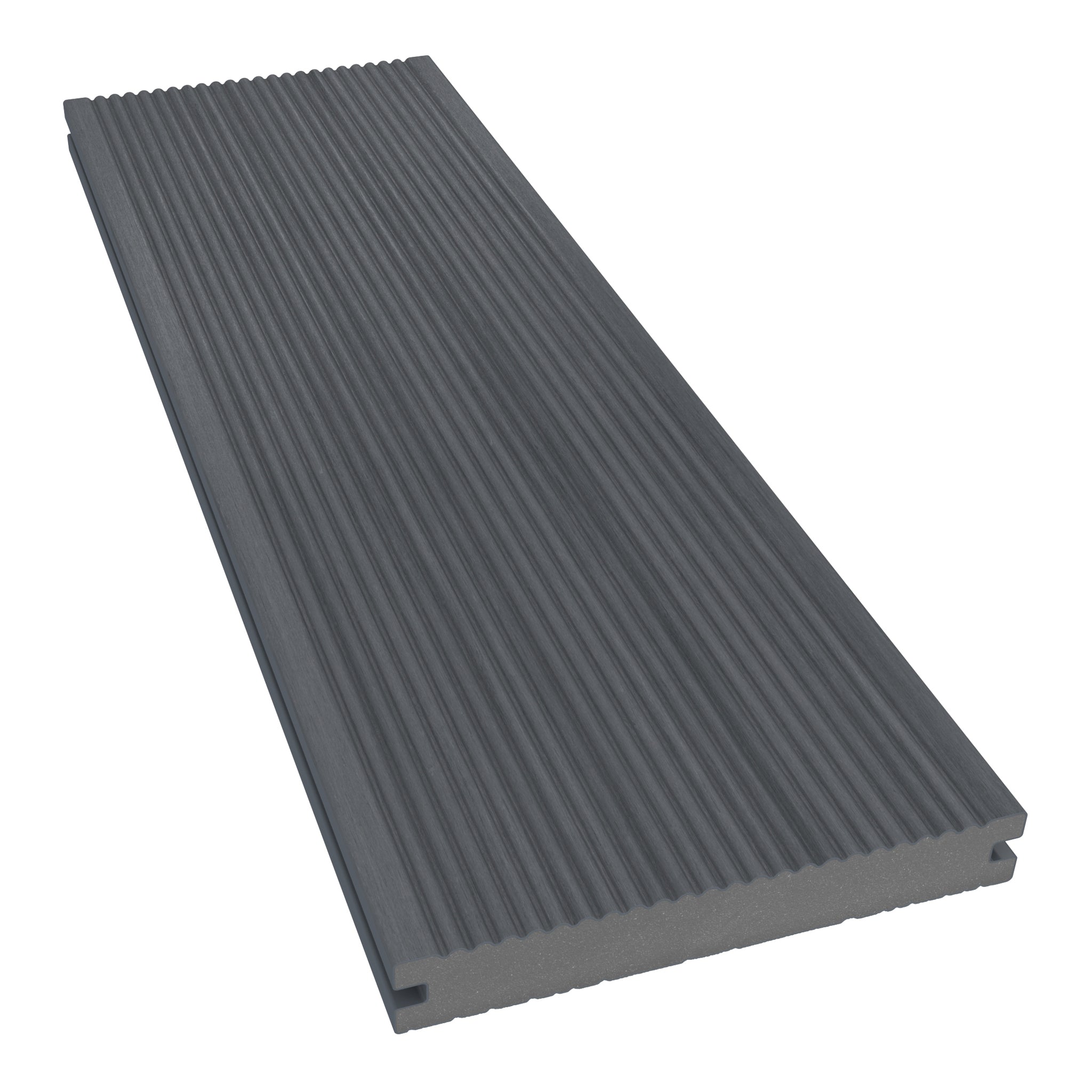
If you are choosing a new surface, explore NeoTimber’s decking options or compare composite decking finishes alongside your ideas.
In this guide: Connect the spaces · Layer the lighting · Plan for comfort · Choose furniture · Keep care manageable · Create a focal point · Add soft furnishings · FAQs
1. Create a Visual Connection Between Indoors and Outdoors
Use a shared colour palette or complementary textures to connect your interior with the garden. Timber-toned internal flooring can work alongside wood-effect decking without needing an exact match.
Keep sight lines and the route through the door clear. Position furniture so that an open door leads naturally into the seating area rather than the back of a chair.
A flush-looking transition needs more than matching heights. Preserve door operation, damp-proofing, ventilation and drainage, and obtain a suitable detail before raising a deck towards a threshold. Do not assume an indoor floor hatch or concealed connection box is weatherproof or suitable for outdoor use.

For help developing the footprint, see how to plan your composite decking project.
2. Layer Lighting Around Routes and Activities
Start with where light is needed: doors, steps and walking routes. Then consider softer lighting around dining and seating areas. A few well-positioned lights can create a more comfortable setting than flooding the whole garden.
Portable battery lights can offer flexibility, while fixed fittings need their positions and cable routes planned early. Solar lighting depends on the available daylight, so assess the proposed location before relying on it for a particular task.
Choose equipment intended for the outdoor conditions and arrange new electrical installations with a qualified electrician. Follow Electrical Safety First’s garden guidance, including appropriate RCD protection and care around water.

Our deck lighting guide explores ways to integrate illumination with a decking layout. Aim light where it is useful and consider the effect on neighbours and surrounding habitat.
3. Plan for Sun, Shade and Cooler Evenings
Observe the area at the times you expect to use it. A sunny lunchtime spot may be shaded by early evening, while an exposed corner may need shelter from wind. Moveable seating gives you more flexibility than committing every activity to one location.
A suitable parasol or professionally specified shade structure can help, provided it is stable and its supports are appropriate. Keep fixings, bases and clearances in mind when deciding where it will go.
If considering outdoor heating, assess its location and the manufacturer’s requirements before buying. Composite decking is combustible: a heater or fire bowl should not be treated as an accessory that can simply be placed anywhere.

Image for design inspiration only; it does not establish a suitable heating arrangement for your site.
Cambridgeshire Fire and Rescue Service advises keeping barbecues and outdoor heating away from combustible surfaces. Read our fire pit guidance before incorporating an open-flame feature.
4. Choose Furniture That Fits the Way You Use the Space
Measure the furniture and the room needed around it. Dining chairs need space to move, loungers need access at the sides and a sofa should not block the main route into the garden.
For a smaller footprint, consider a compact table or fewer well-proportioned pieces. Larger spaces can accommodate separate dining and relaxation areas, but leave clear routes between them.
Check weather-care instructions, storage requirements and how easily pieces can be moved. Lift furniture rather than dragging it across boards, and use suitable protective feet where permitted. Heavy items require confirmation that the complete structure can support them.

Explore our decking furniture ideas to compare arrangements.
5. Choose Finishes You Can Comfortably Maintain
Be realistic about the time available for cleaning and seasonal jobs. Compare the care requirements of boards, furniture and fabrics together rather than selecting each in isolation.
Composite boards do not require routine timber staining or oiling, but they still need cleaning and inspection. Clear leaves, attend to spills and keep drainage routes open using the recommended maintenance method.
Leave access beneath removable furniture and around planters. Storage for cushions, covers and cleaning equipment can make the space easier to enjoy without cluttering it.

6. Create a Focal Point With Planting or a Feature
A statement planter, attractive bench or planted backdrop can give the arrangement a clear centre. Choose a feature that works from the house as well as from the seating area.
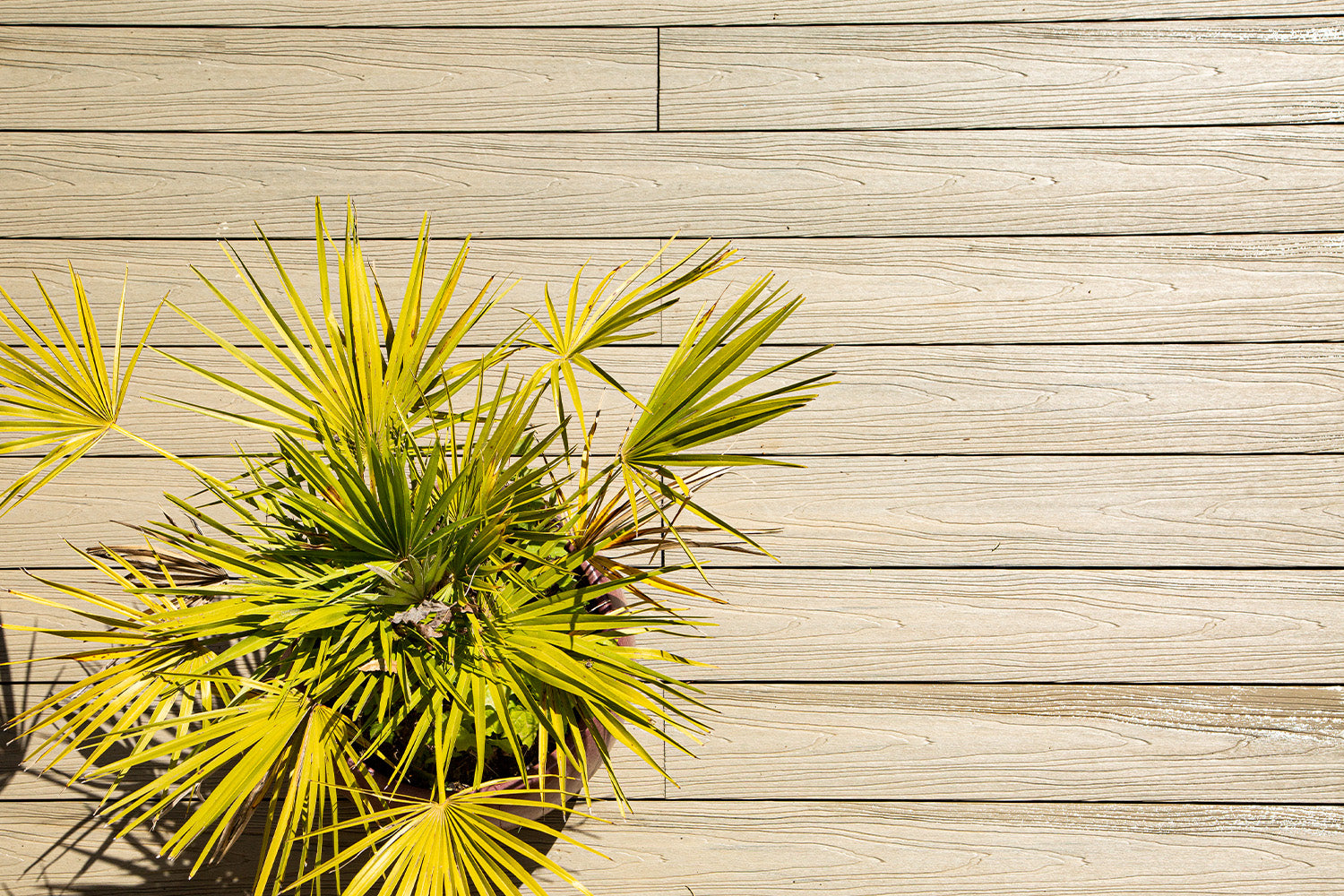
Planting can soften board lines and bring seasonal interest. Select plants for the light and exposure, allow for mature growth and check the weight of filled containers. Keep foliage out of walking routes and drainage gaps.

Our guide to plants on decking offers container and border ideas. Start with one focal feature and build around it rather than filling every corner.
7. Add Soft Furnishings Without Making Care Harder
Outdoor cushions and throws can introduce colour and comfort. Choose products for the intended exposure and follow their storage instructions: weather-resistant does not always mean suitable for permanent exposure.
If you use a rug, check its backing against the decking manufacturer’s advice. Some materials can mark the surface or trap moisture. Inspect underneath regularly, preserve drainage and make sure edges do not create a trip point.
Repeat a limited set of colours across cushions, pots and accessories to connect the scheme. You can refresh these smaller items later without changing the whole layout.

Turn Your Ideas Into a Manageable Plan
- Choose the main activity and test the furniture layout.
- Set a budget covering preparation, surfaces and finishing touches.
- Plan drainage, services and structural features before decoration.
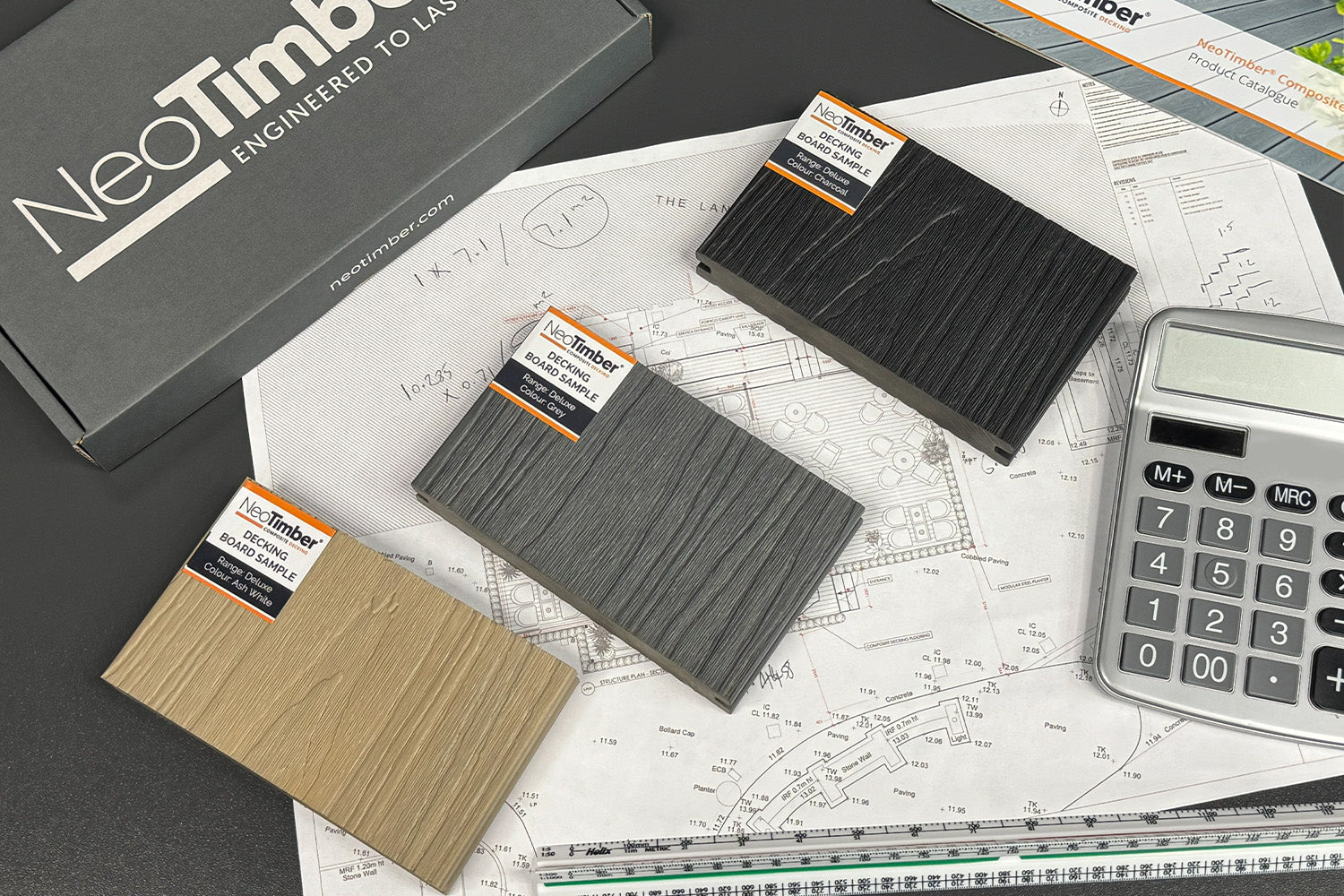
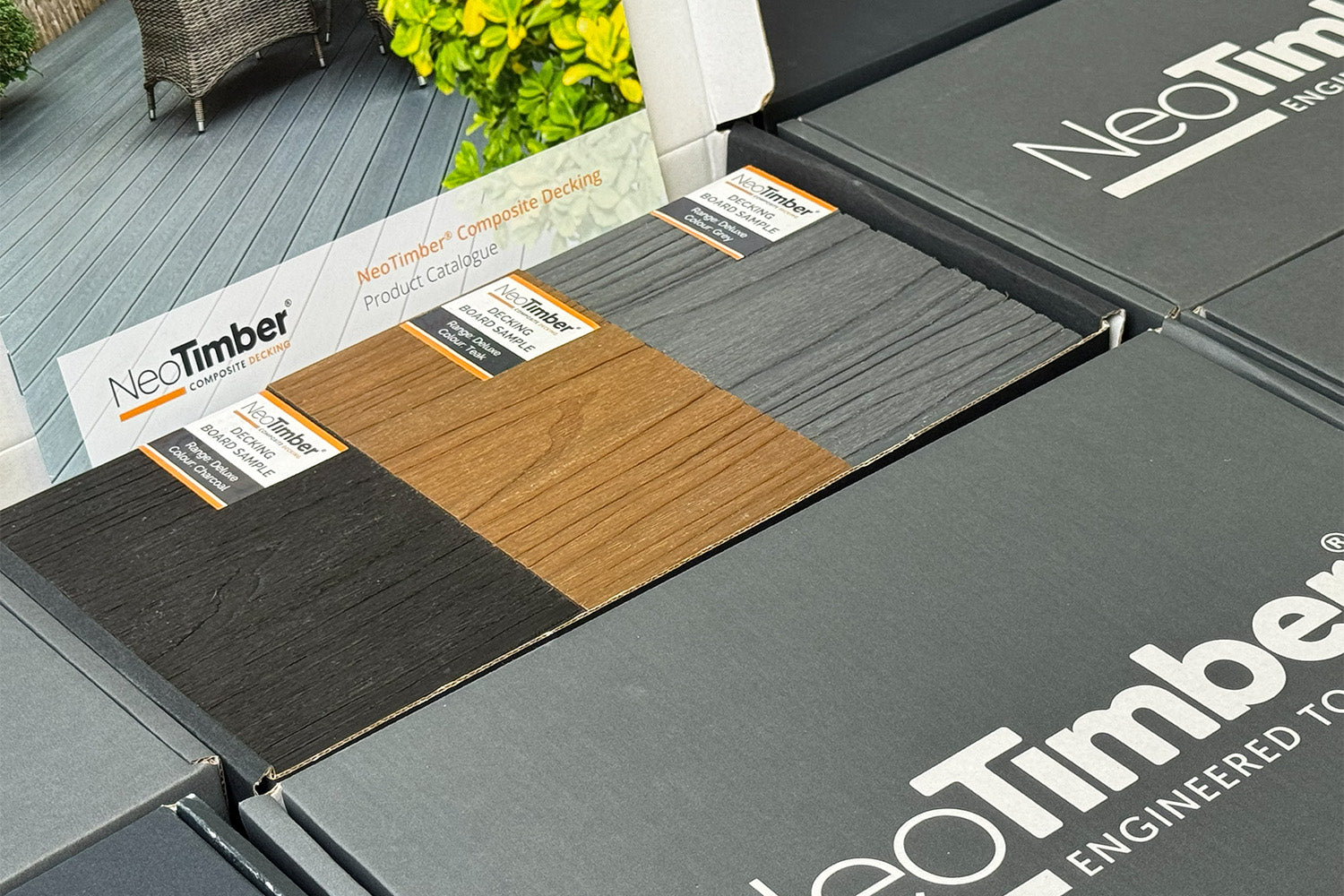
- Compare samples and care requirements before ordering.
- Add optional features in stages while preserving the overall layout.
For more outdoor living inspiration, explore our decking ideas and designs. If new boards are part of the project, request samples or contact NeoTimber® with your plans.
Frequently Asked Questions
How do I start planning an outdoor living area?
Decide how you want to use it, measure the available space and test furniture positions. Build the design around those everyday needs.
What are useful outdoor living tips for a small garden?
Choose one main function, keep routes clear and use compact furniture. Planting beside the area can add greenery without filling the floor space.
How can I connect indoor and outdoor spaces?
Use complementary colours and materials, preserve clear sightlines and plan a suitable threshold detail rather than simply matching surface heights.
What lighting should I plan first?
Start with entrances, steps and walking routes, then add softer lighting for dining or relaxing.
Can an outdoor rug go on composite decking?
Check backing compatibility, drainage and the care instructions. Inspect underneath and keep the edges secure.
Do I need to complete everything at once?
No. Plan the complete layout and essential infrastructure first, then add furniture, planting and accessories in practical stages.