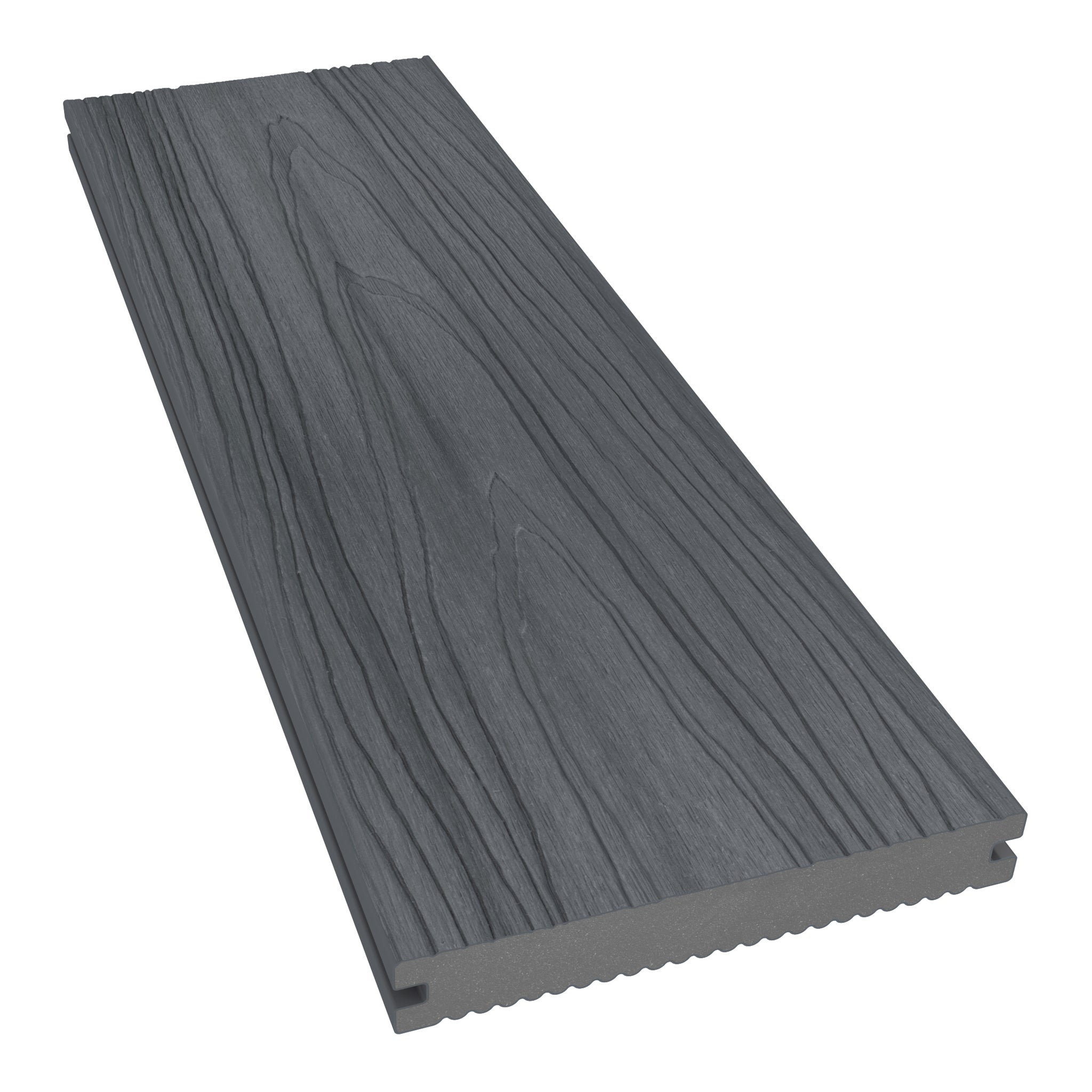
Check Both Board Faces Before Deciding How to Lay Your Deck
Reversible decking gives you a choice of approved walking surfaces on the same board. Before choosing which side faces up, confirm that the product is designed for either orientation. A flat underside is not automatically a usable top surface.
Once that is established, compare the finishes against your layout, performance requirements and cleaning routine. This guide explains the decision process across decking materials. For NeoTimber® board-face details, see our separate reversible composite decking guide.
Explore our decking options or browse composite decking as you develop your shortlist.
In this guide: Identify a reversible board · Choose a face · Common misconceptions · Design the layout · Plan care · Installation checklist · FAQs
How Do You Know Whether a Board Is Reversible?
Start with the product description and installation instructions. Look for explicit confirmation that both faces are intended for use, together with any limits on orientation or fixing methods.
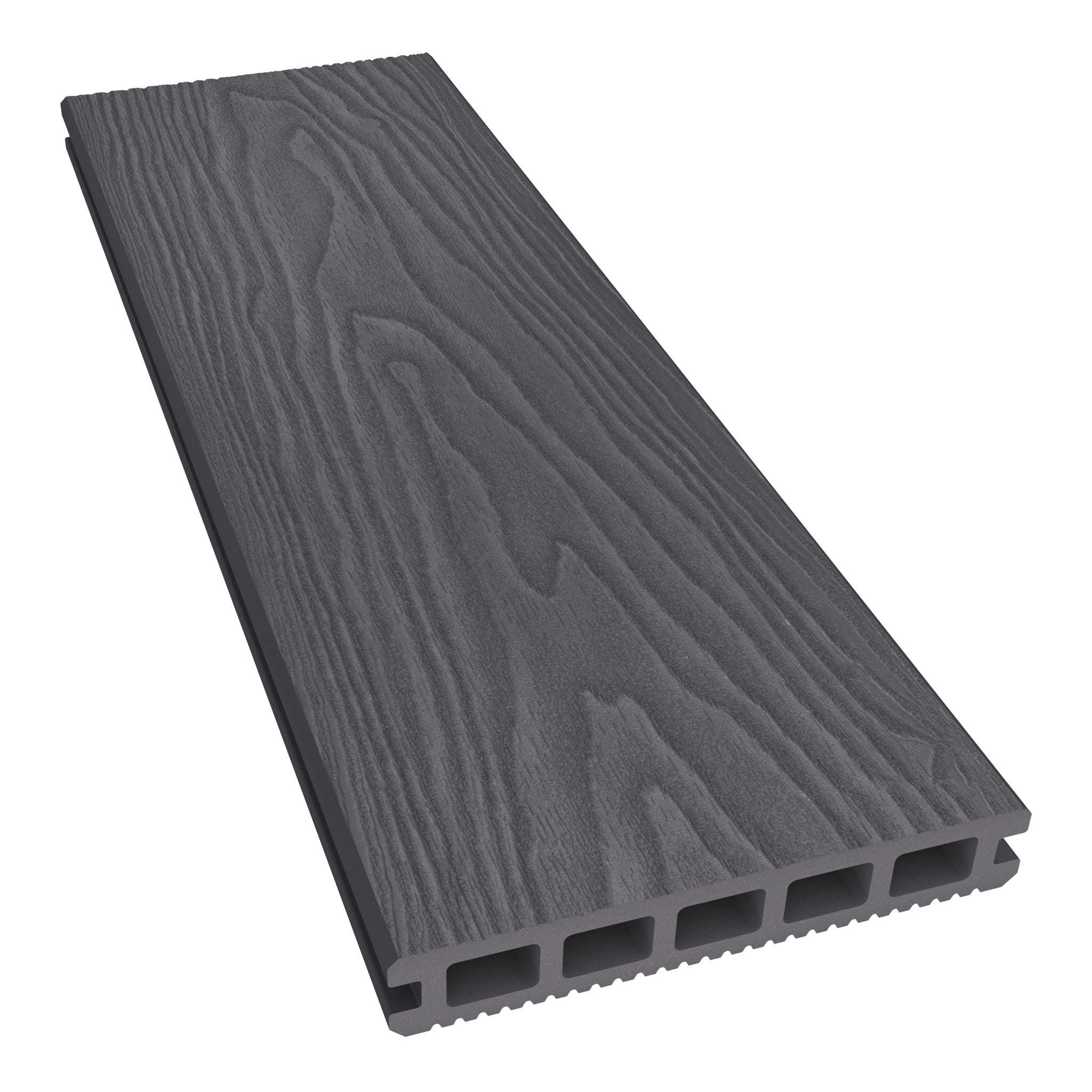
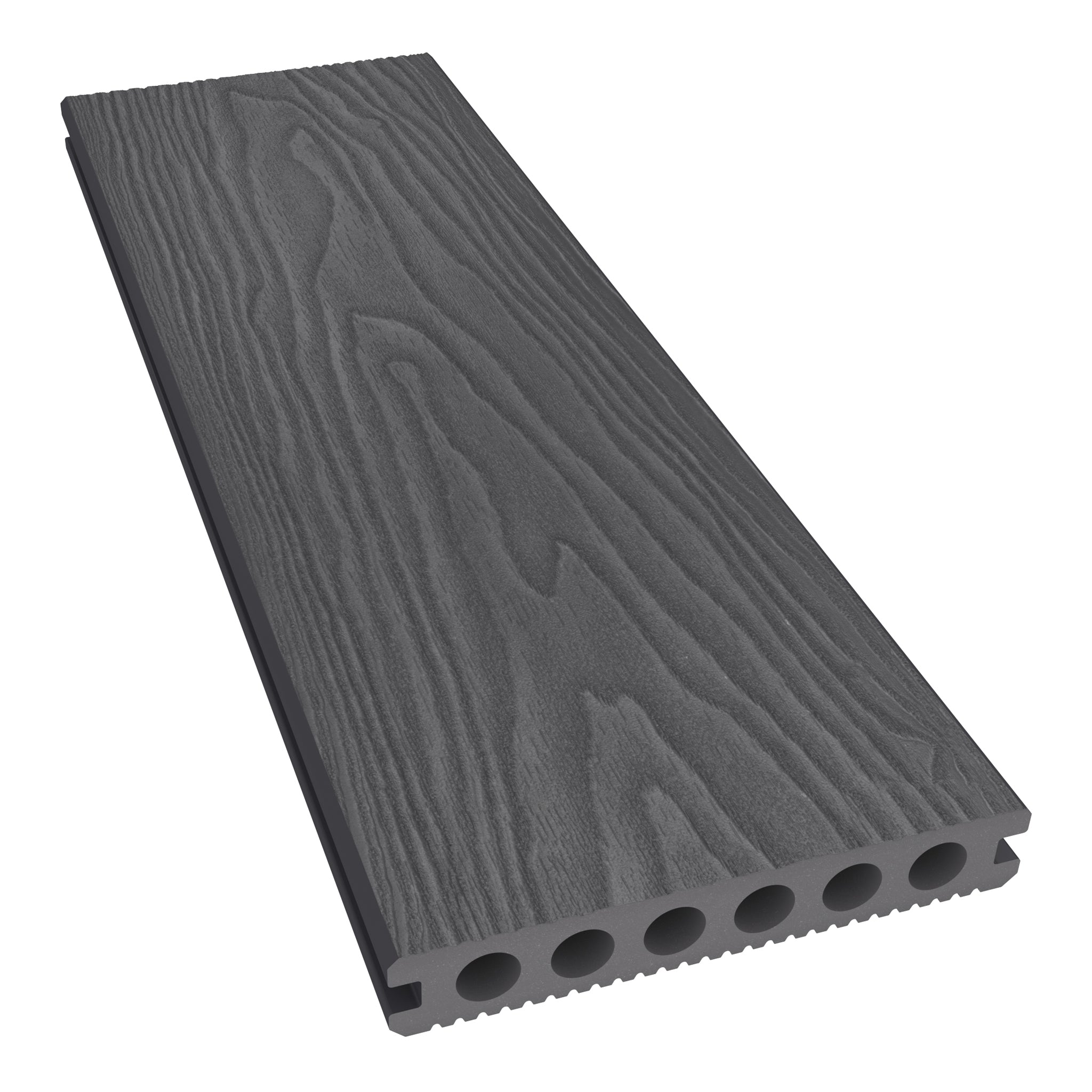
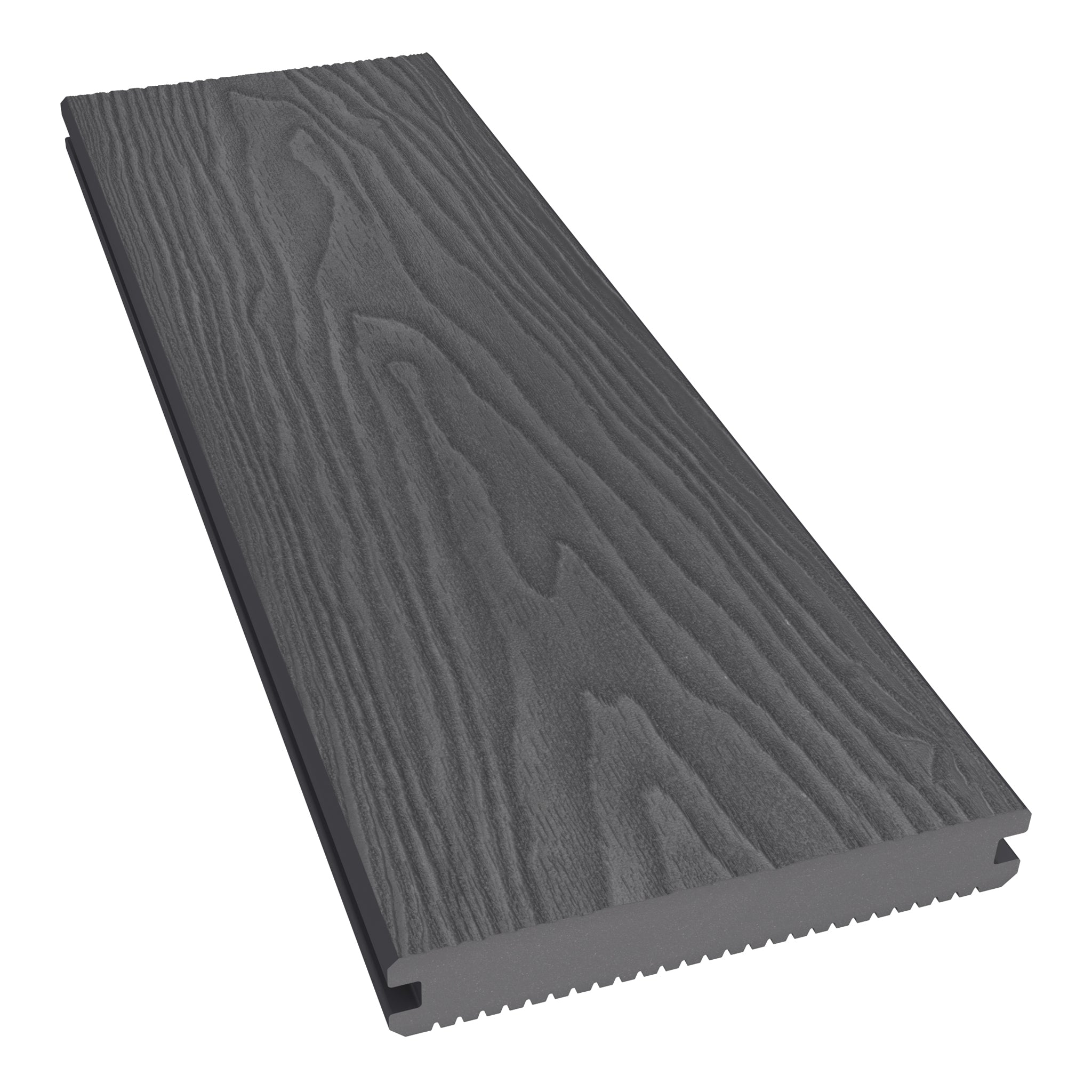
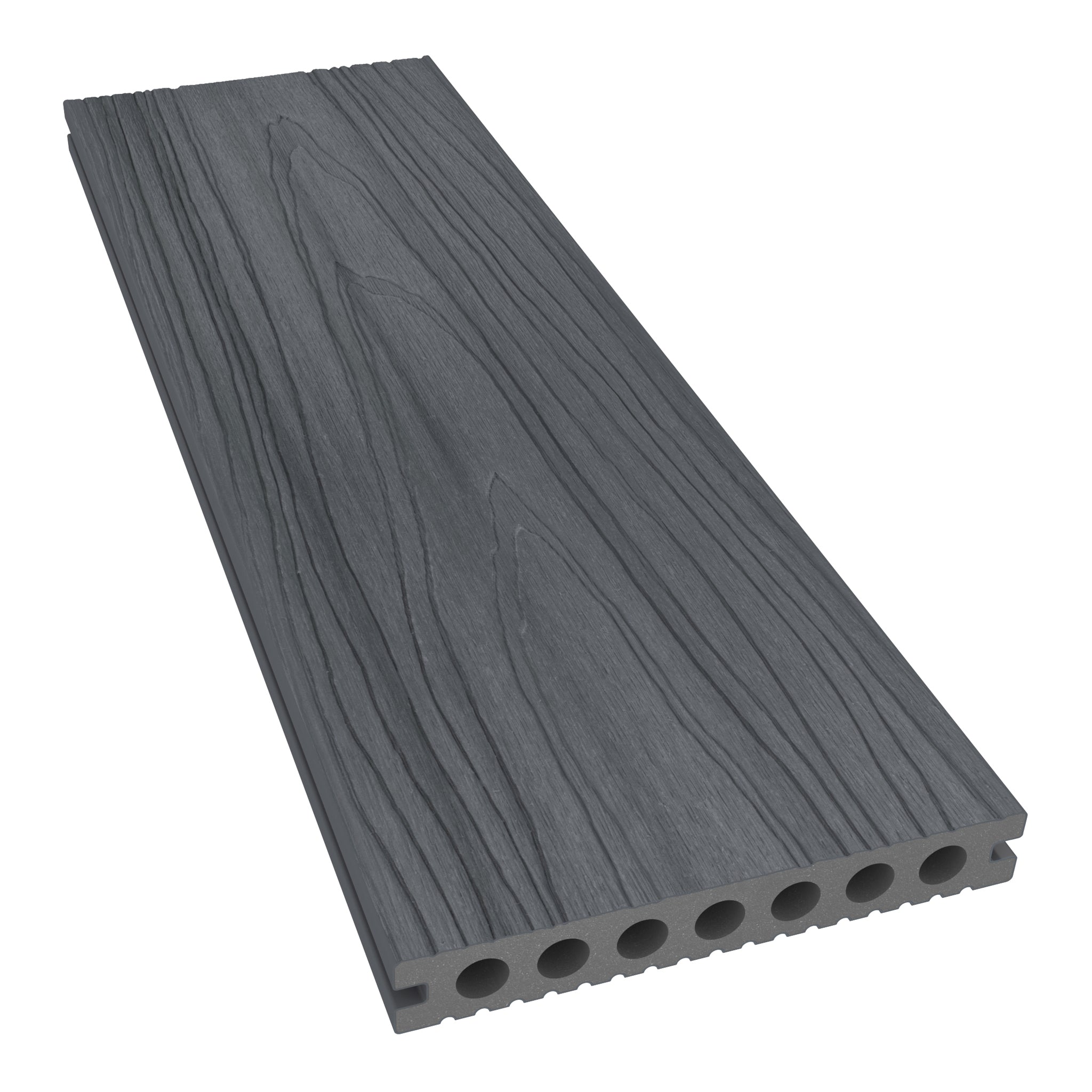
Purpose-made dual-sided products may offer smooth, ribbed, grooved or embossed surfaces. However, channels on the underside of another product can have a different role. Do not identify a usable face from its shape alone.
The TDCA’s timber-board guidance distinguishes properly finished dual-sided boards from products with an unfinished reverse. For a manufactured composite, use the manufacturer’s specification rather than applying timber identification rules without checking.

Choose the Face That Suits the Whole Project
Compare appearance from normal viewing distances, not just a close-up. A surface that looks appealing on a small sample can create a different pattern across a larger deck.
Questions to ask when comparing the two faces:
| Consideration | What to check |
|---|---|
| Visual effect | Whether regular lines, a plain face or timber-inspired grain suits the surroundings. |
| Product evidence | Relevant performance information for the face you intend to use. |
| Cleaning | How the texture interacts with leaves, soil and the approved care method. |
| Installation | Fixing compatibility, edge details and any orientation requirements. |
| Future alterations | Access to fixings and the implications of removing installed boards. |
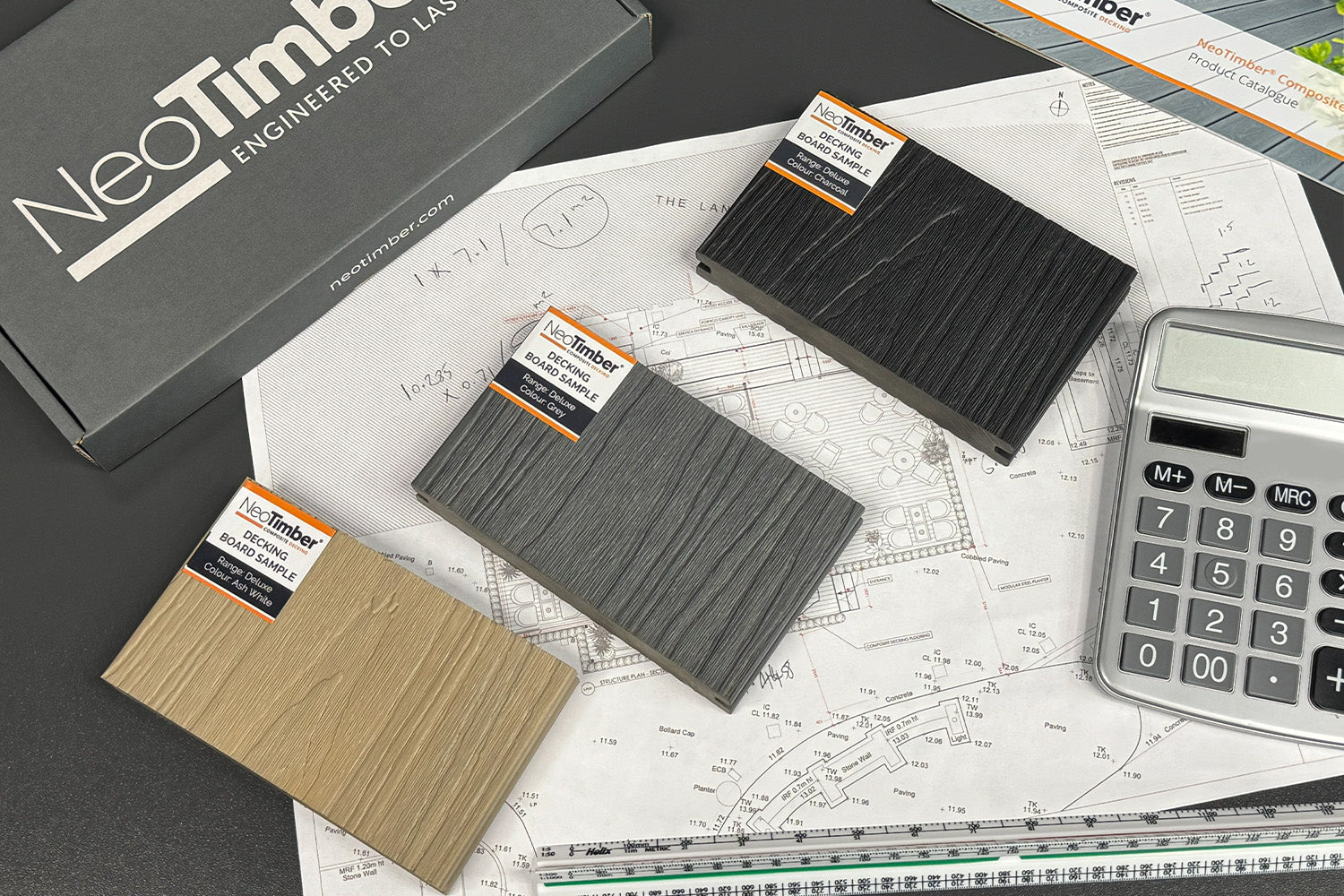
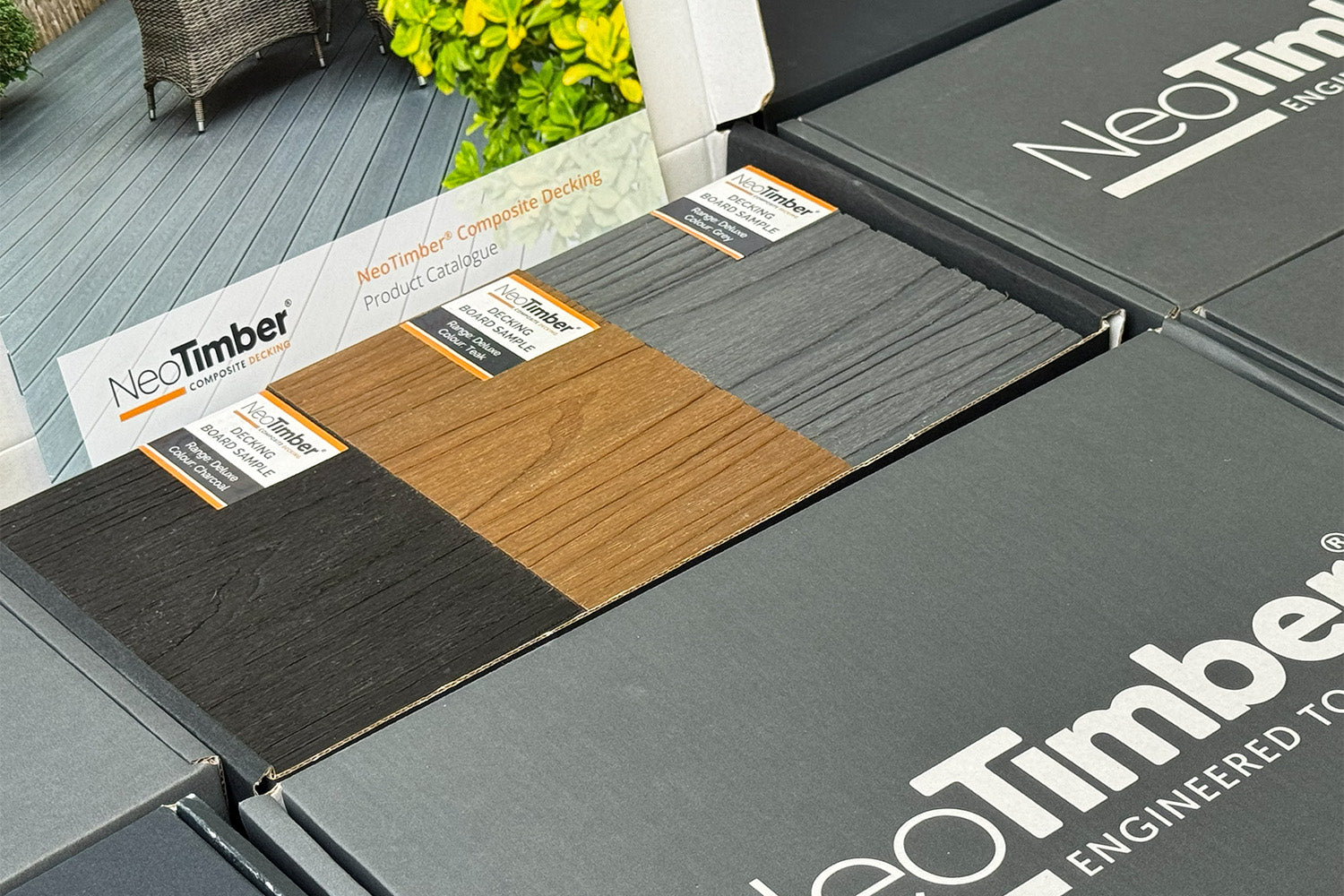
View samples beside your paving, brickwork and furniture. Our decking colour guide can help coordinate the palette, while the board specification confirms which surfaces are permitted.
Three Misconceptions About Reversible Decking
“Grooves always have to face down”
There is no universal rule. A purpose-made dual-sided board can offer grooves as an intended walking surface. A different product may have underside features that should remain underneath. Follow the exact product instructions.
“The grooved side is always safer”
Do not assume this from appearance. The TDCA cautions against treating ordinary timber grooves as enhanced grip. Composite surfaces likewise need relevant product test evidence rather than a general claim about grooves.
Check wet and dry conditions, test direction and method where performance matters. Neither finish is slip-proof, and changing the board direction does not replace a suitable surface assessment.
“Reversible means you can flip it whenever you like”
Reversibility gives you a choice before installation. It does not promise a quick refresh later. Boards can have face-fixing holes, wear, stains or damage that make reversal unsuitable.
Removal may require lifting adjoining sections or replacing fixings. Ask the supplier or installer before dismantling a deck, and inspect the supporting structure at the same time.

Use Surface Choice to Refine the Layout
A consistent face across the main field can create a simple backdrop. Where the product permits it, a different face on a border or divider can add definition without introducing another colour.
Plan any mixed-face arrangement before building the frame. Changes in board direction, joints and perimeter details need appropriate support. Check compatibility and the finished surface alignment rather than improvising a border during installation.
Explore picture-framing ideas and laying patterns for inspiration. A decorative texture change is not automatically a compliant warning surface at steps or level changes.
Match Care to the Material and Texture
Both usable faces need attention. Grooves can retain debris, but embossed grain is also textured and should not be described as a completely smooth surface with no room for dirt.
Keep the surface and accessible drainage routes clear. Follow the manufacturer’s approved cleaning method, including any restrictions on pressure washing, chemicals and abrasion.
Material construction also matters. Capped and uncapped composite boards can have different stain and weathering characteristics. Four-sided capping may permit a reversible design in a particular product, but cap coverage alone does not prove that every face is intended for walking.

For NeoTimber® products, review the maintenance guidance. Do not sand capped surfaces or apply treatments without approval.
Confirm the Choice Before Installation
- Identify the board and confirm both usable faces.
- Compare appearance and relevant performance evidence.
- Agree the orientation with your installer.
- Plan support, joints, fixings and matching edge components.
- Follow movement-gap, drainage and ventilation requirements.
- Keep the product and care documents for future reference.
Use the installation instructions for the exact product. The preferred face does not change the need for a suitable frame, foundations and loading assessment.
Request samples to compare finishes at home, or contact NeoTimber® with a photograph and product details if you are unsure which side should face up.
Frequently Asked Questions
What is reversible decking?
A board designed with two approved walking faces, giving you a choice of finish before installation.
Can every deck board be turned over?
No. Some have only one usable top surface. Confirm the specification rather than judging by the reverse face alone.
Should decking grooves face up or down?
Follow the product instructions. Where both faces are approved, the choice depends on appearance, relevant performance and care requirements.
Can I reverse old boards to hide damage?
Do not assume so. Have the condition, fixing arrangement and cause of damage assessed before deciding whether reversal is suitable.
Can two different faces be used in one deck?
Potentially, if the product permits it and the layout has suitable support and compatible finishing details.
Does choosing a grooved face eliminate maintenance?
No. Both faces need cleaning and inspection, and neither removes the need to manage debris, moisture and drainage.