Choose a Fence Finish With Colour Retention in Mind
Fade resistant fencing is worth considering when you want a garden boundary that keeps its colour with less routine finishing work. A well-chosen shade connects the fence with paving, furniture and planting, so it makes sense to understand how the material will look as it weathers.
The key distinction is between resistance and immunity. A product designed to resist fading can still change appearance outdoors. Sunlight, exposure, surface deposits and the way you view the fence all influence the result.
This guide explains capped composite construction, colour selection and ongoing care. Explore our general fencing guidance and composite fencing collection alongside the advice below.
Jump to: What fade resistance means · Capped surfaces · Exposure · Colours · Care · Warranty · FAQs
What Does Fade Resistance Mean?
Fade resistance describes a material’s ability to limit colour change from exposure. It does not mean the board will remain visually identical to a new sample indefinitely.
Compare claims for the exact product and finish. If a quantified performance claim matters to your specification, request the relevant test information, including method, exposure conditions and acceptance criteria. A general description should not be treated as a measured promise.
Also separate colour stability from other properties. A board can resist moisture or staining without those features establishing its fade performance. A structural warranty answers a different question again.
How Does a Capped Surface Help?
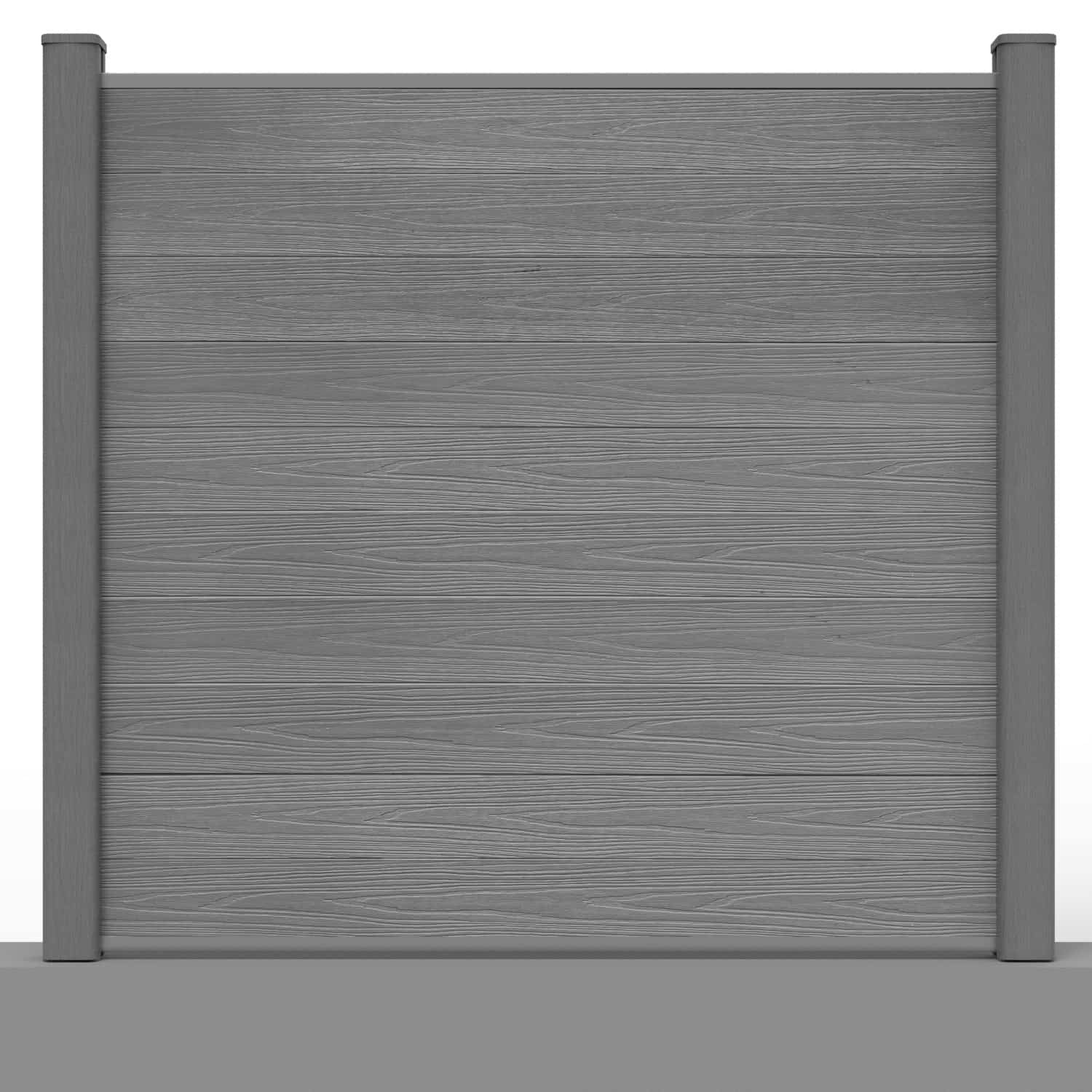
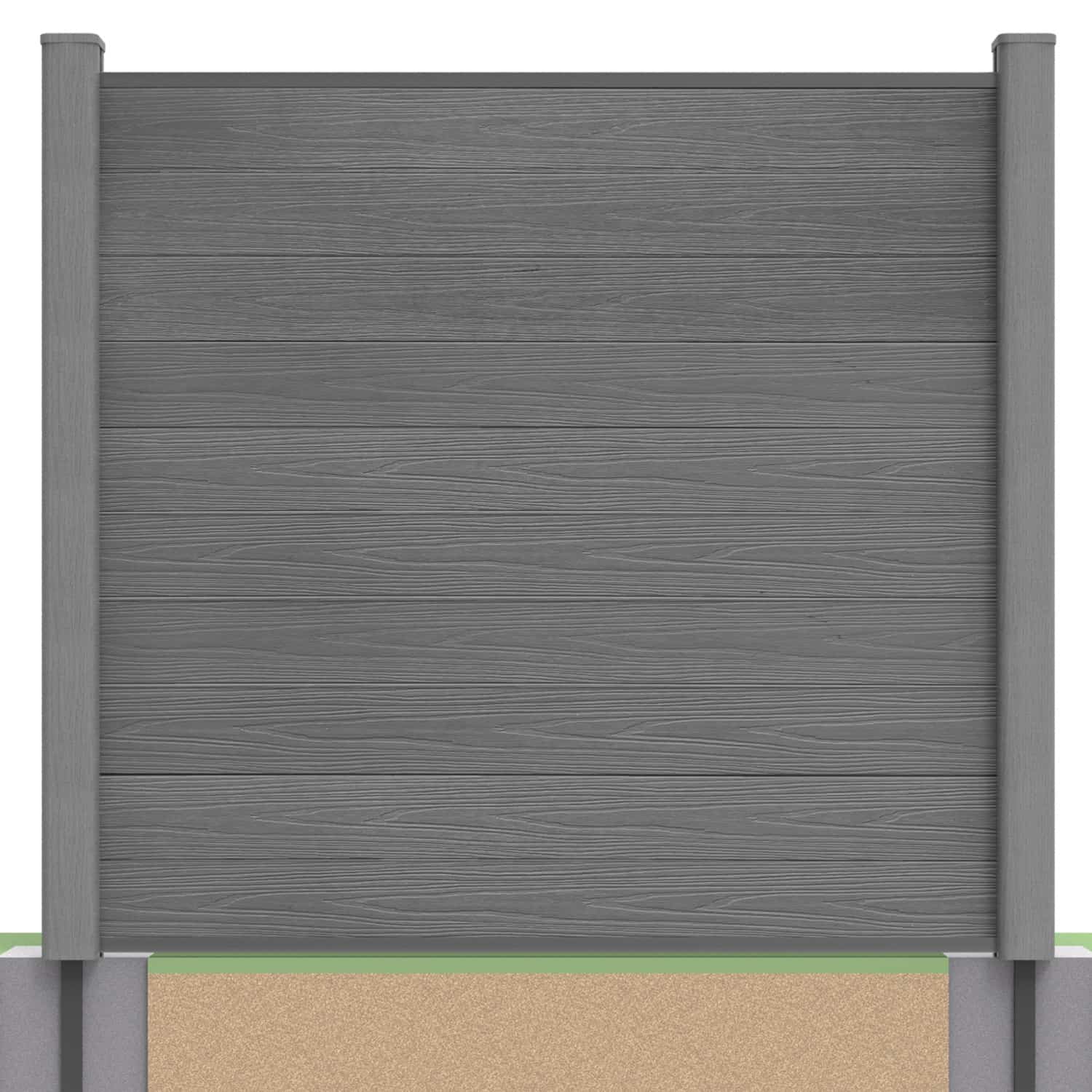
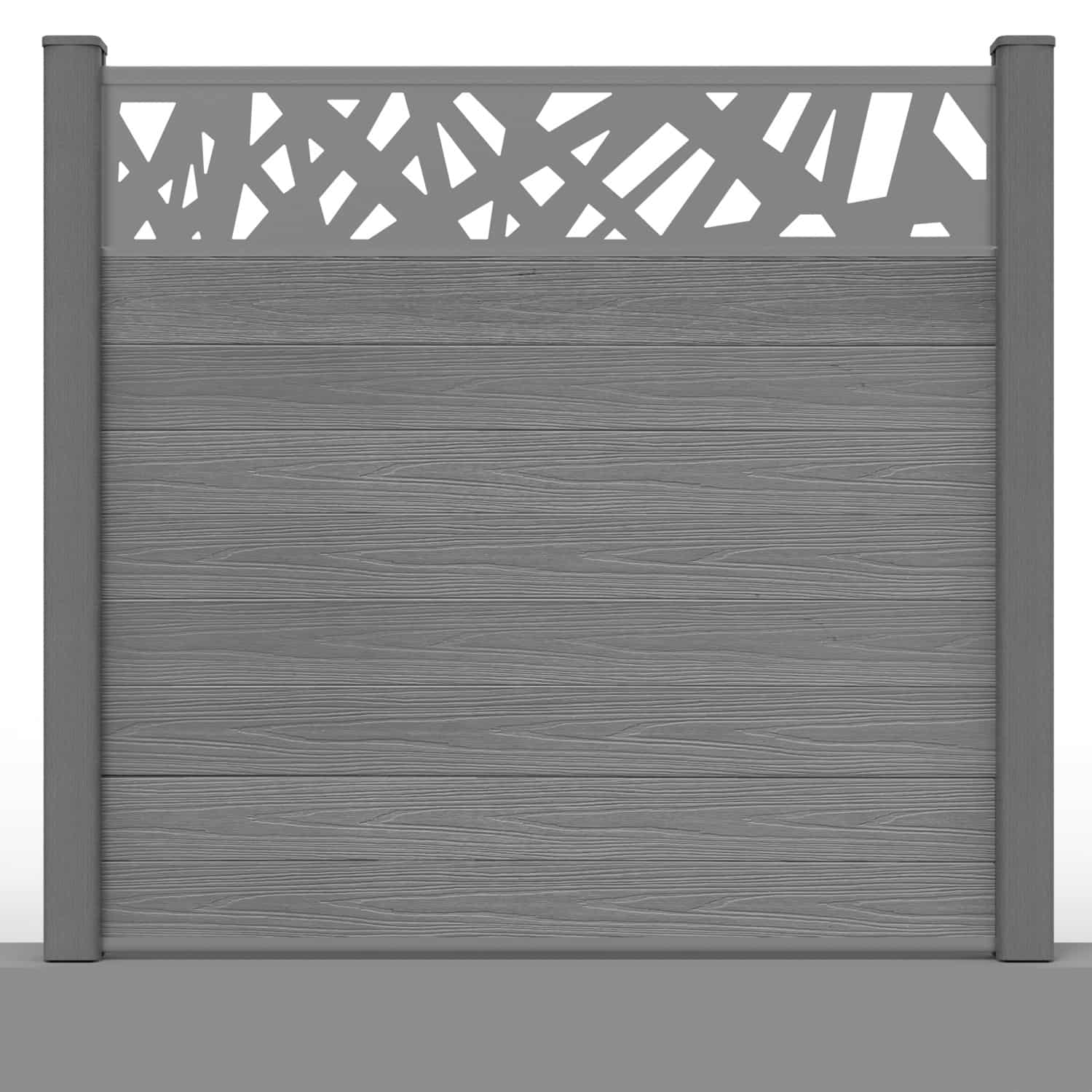
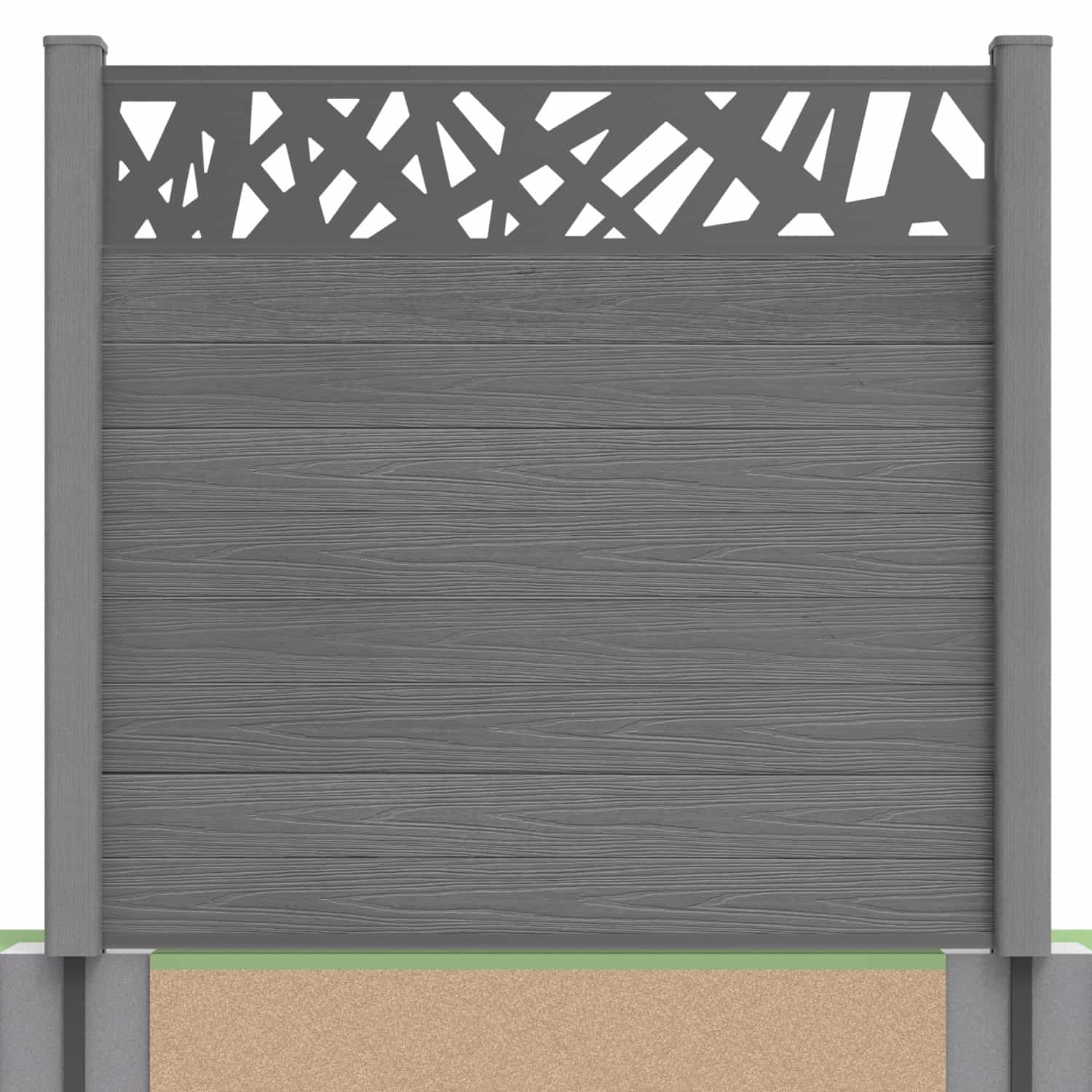
NeoTimber’s capped composite boards have an additional protective surface over the composite core. The range is designed for resistance to fading, staining and everyday weathering.
The performance comes from the specified product construction, not from a blanket rule that any plastic coating prevents colour change. UV-stabilising additives can be part of a material’s weathering strategy, but their presence alone does not establish a particular lifetime or level of colour retention.
Compare the current information for the selected board. Avoid assuming that every component, finish or colour has identical exposure behaviour, and do not interpret a cap as protection against all scratches or chemical damage.

Why Can the Same Fence Look Different Across a Garden?
Sunshine and Shade
A sunny section and a shaded section do not experience the same conditions. Differences in exposure can affect appearance over time, while shade can also encourage persistent damp and deposits that make a surface look darker.
Planting, Furniture and Other Cover
Areas behind dense planting or fixed objects may remain cleaner, dirtier or differently exposed from open sections. Compare conditions before concluding that a colour difference is caused by fading.
Lighting and Surface Texture
Texture catches light differently as the viewing angle changes. A multi-tonal board can appear lighter in one photograph and warmer in another without the material having changed. Wet surfaces can also look different from dry ones.
If an unexpected variation concerns you, record the location and conditions, clean as directed and assess the surface when dry. Ask for advice before attempting to restore the colour with a coating.
Choose a Colour You Will Enjoy Over Time
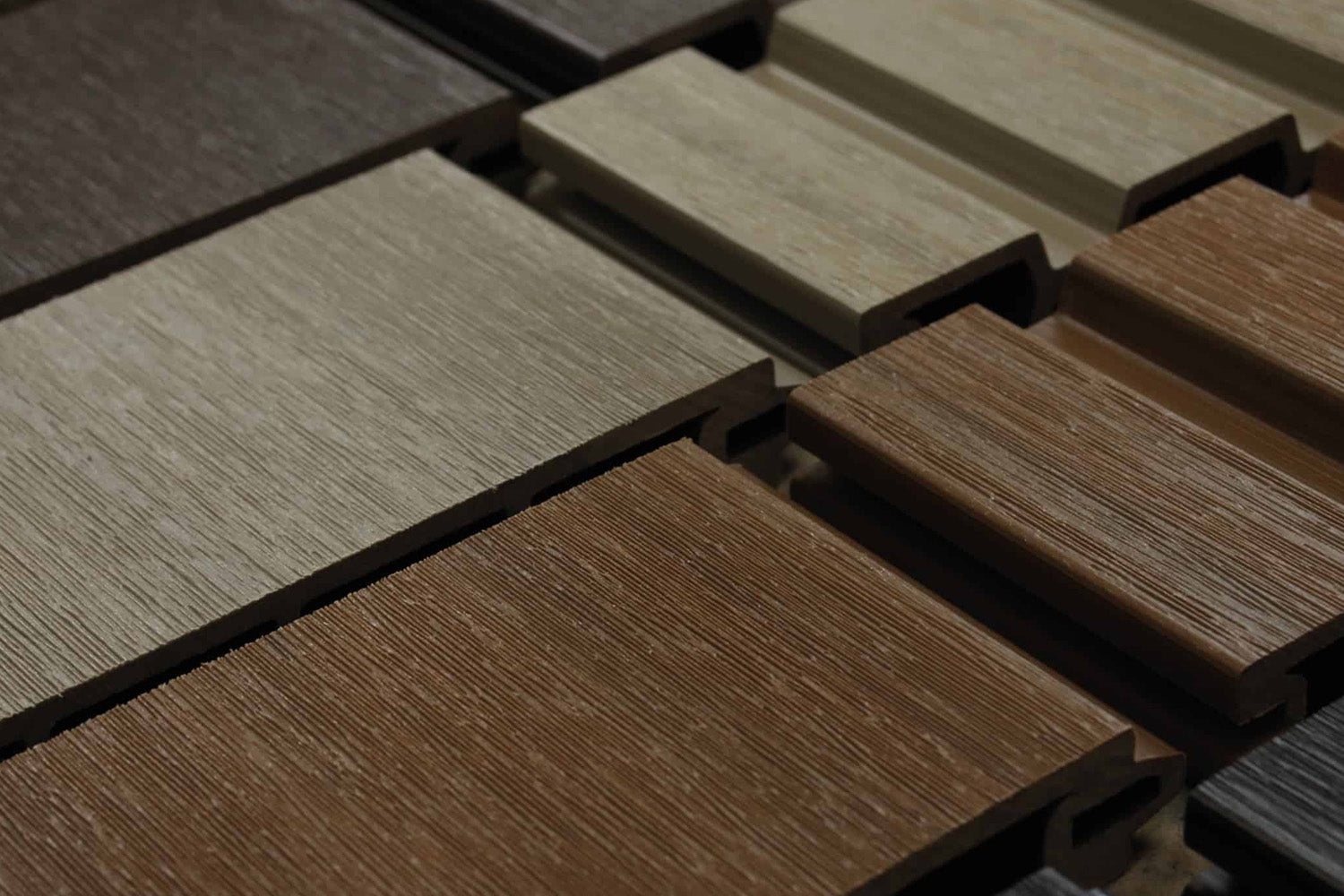
Start with the materials already in the garden. Compare samples beside brickwork, paving and furniture, viewing them in daylight and shade. Use photographs for overall inspiration rather than an exact colour match.
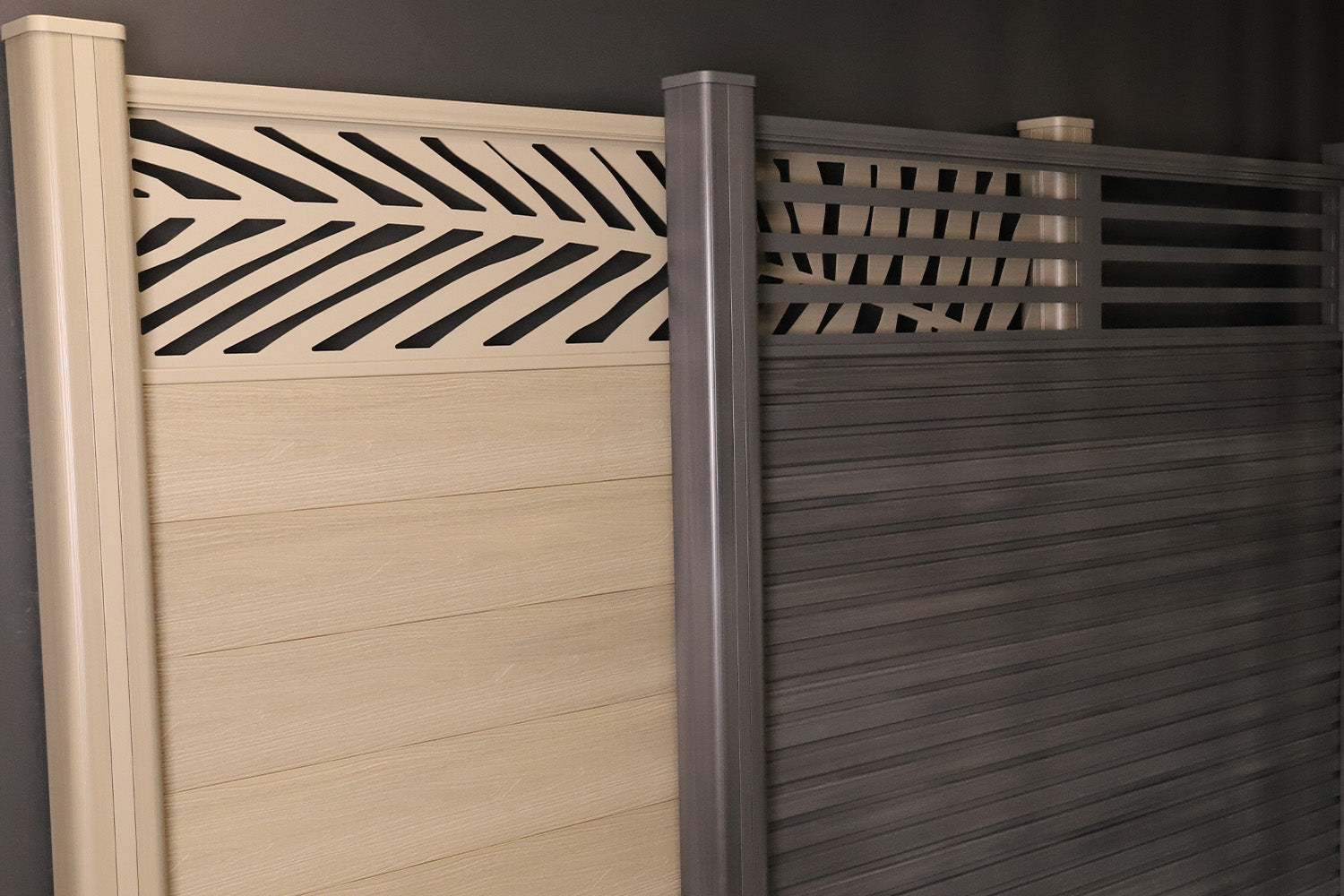
Explore Grey and Charcoal for a restrained palette, or Teak and Chocolate for warmer tones. Antique offers a different weathered-timber-inspired look.
Check the current colour guide and product listing for the selected range. Do not choose a dark or light shade solely on an assumption that it is universally more fade-resistant; relevant product evidence is needed for that comparison.

Coordinate Products Without Assuming an Exact Match
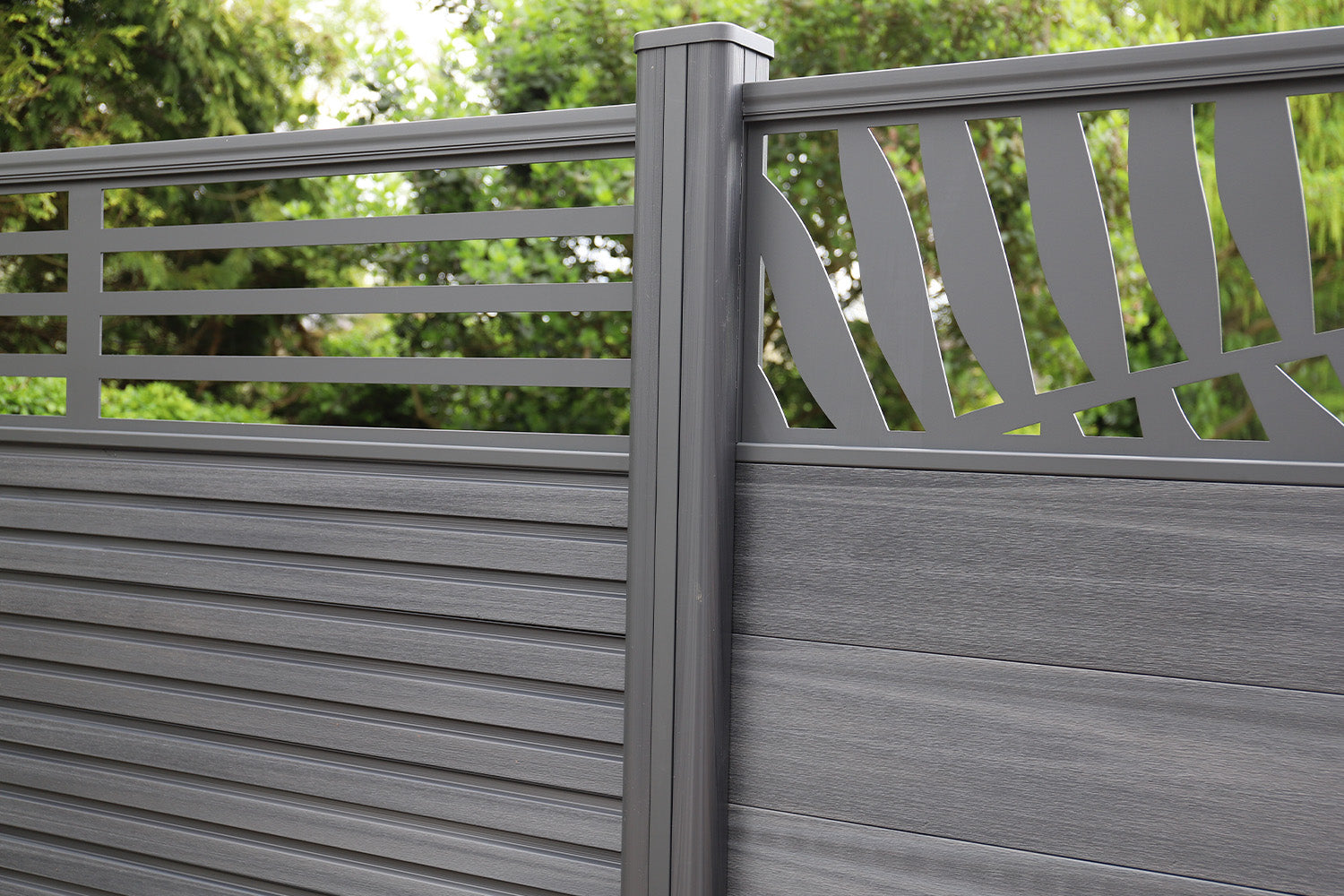
You can develop a related palette across composite decking, composite cladding and composite balustrades. Compare samples together: different profiles, textures and orientations can make the same colour name look different.
For broader planning, explore our decking, cladding and balustrades guidance. Use a coordinated scheme rather than promising a visually identical finish across every material.
Care for the Surface Without Damaging It
Fade resistance does not remove cleaning tasks. Dirt, organic residues and nearby decorating work can change how a boundary looks even when the underlying colour remains stable.
- Remove deposits using the selected product’s approved cleaning method.
- Keep access for inspection and cleaning beside planting.
- Check compatibility before using specialist chemicals or pressure washing.
- Do not sand capped surfaces or apply heat to repair marks.
- Ask before using a paint, stain or colour-restoring product.
- Inspect boards, posts and connections as part of general care.
Routine painting or staining is not required to maintain NeoTimber’s decorative composite finish. Follow the fencing care guidance and installation instructions rather than treating a low-maintenance product as maintenance-free.
Read Colour Claims and Warranty Terms Separately
A long headline warranty period does not automatically guarantee against fading. NeoTimber’s published fencing warranty information identifies colour variation and weathering among the exclusions. Read the complete applicable document before purchase.
Ask which product claims apply to your selected finish and what evidence supports them. Keep order details and photographs for reference, especially if you later add matching sections to an existing boundary.
Questions to Ask Before Ordering
Choosing fencing for colour retention:
| Question | What to establish |
|---|---|
| Which range and finish am I choosing? | The exact product rather than a broad material category. |
| What appearance changes should I expect? | Weathering guidance relevant to the board and exposure. |
| Is supporting test information available? | The basis and limits of any quantified claim. |
| What care is approved? | Compatible methods that protect the surface. |
| What does the warranty cover? | Applicable terms, exclusions and claim requirements. |
Fade Resistant Fencing FAQs
Is fade resistant fencing completely fade-proof?
No. Resistance means limiting change, not guaranteeing a colour remains identical indefinitely.
Does capping help with colour retention?
A protective cap can form part of a product designed for enhanced weathering resistance. Compare the exact product information and expected changes.
Will a darker shade always fade more?
Do not assume a universal ranking. Formulation, finish and exposure matter, and visual contrast can affect how change is perceived.
Can dirt make a fence look faded?
Surface deposits and lighting can change its apparent colour. Follow the cleaning guidance and assess the dry finish before deciding what caused the difference.
Can I paint the fence to restore its shade?
Do not apply a coating without supplier confirmation. An incompatible treatment can change the surface and its care requirements.
Can I compare colours before buying?
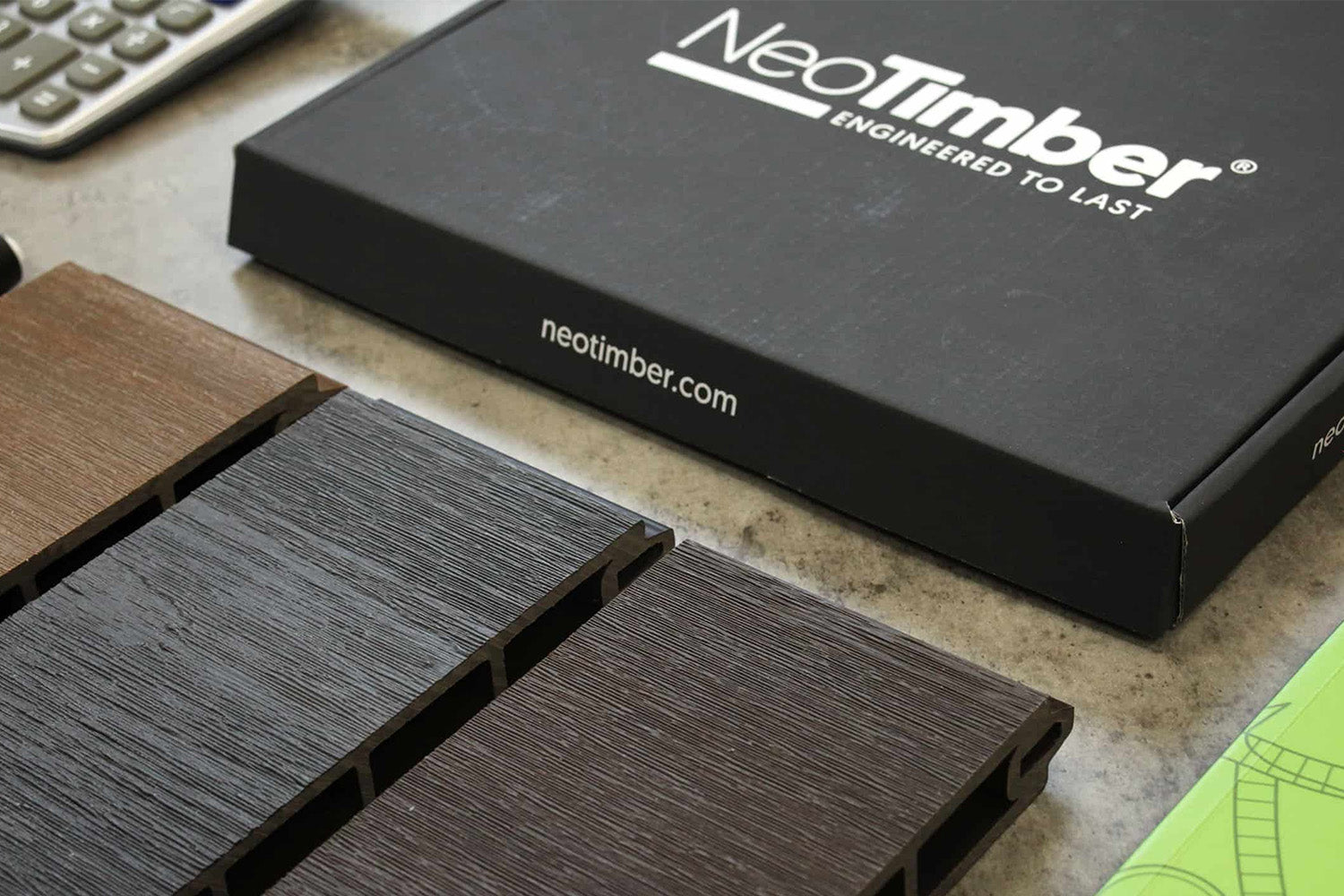
Request free composite fencing samples or contact our team for help with finishes and product information.
Choose Colour With Clear Expectations
Fade resistant fencing combines a considered finish with a realistic understanding of outdoor exposure. Compare samples, check the selected board’s information and follow approved care. Browse our composite fencing range to develop a boundary that suits your garden.