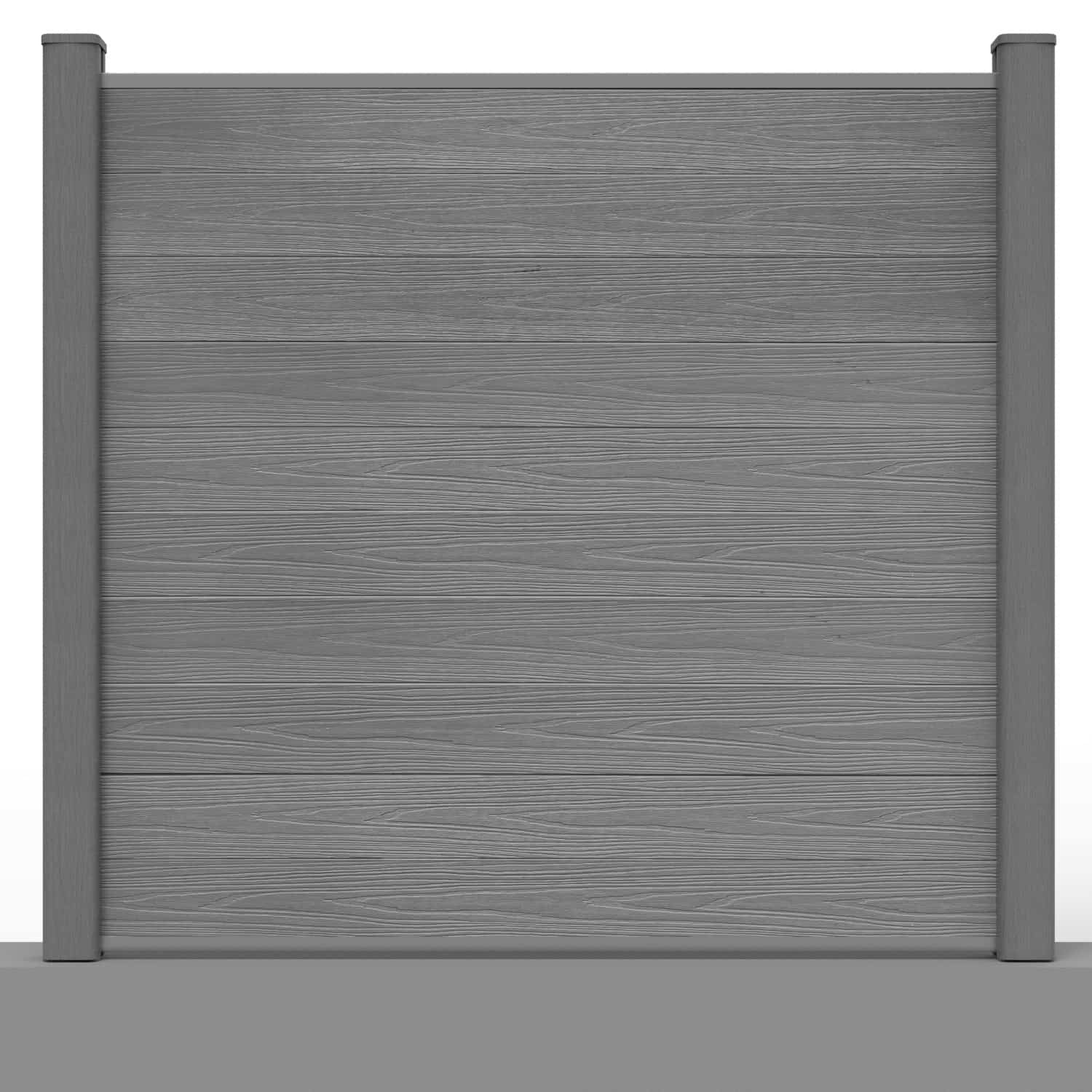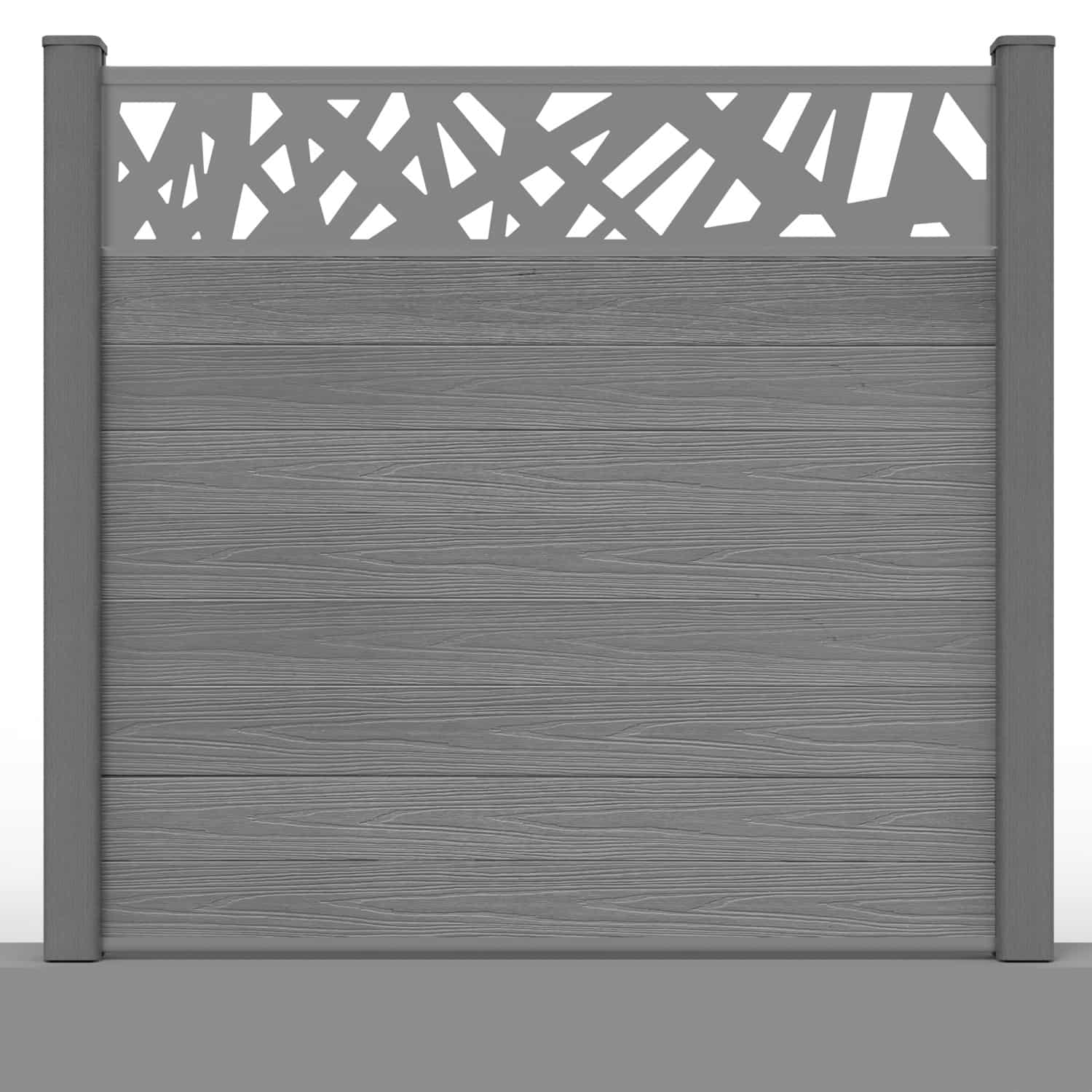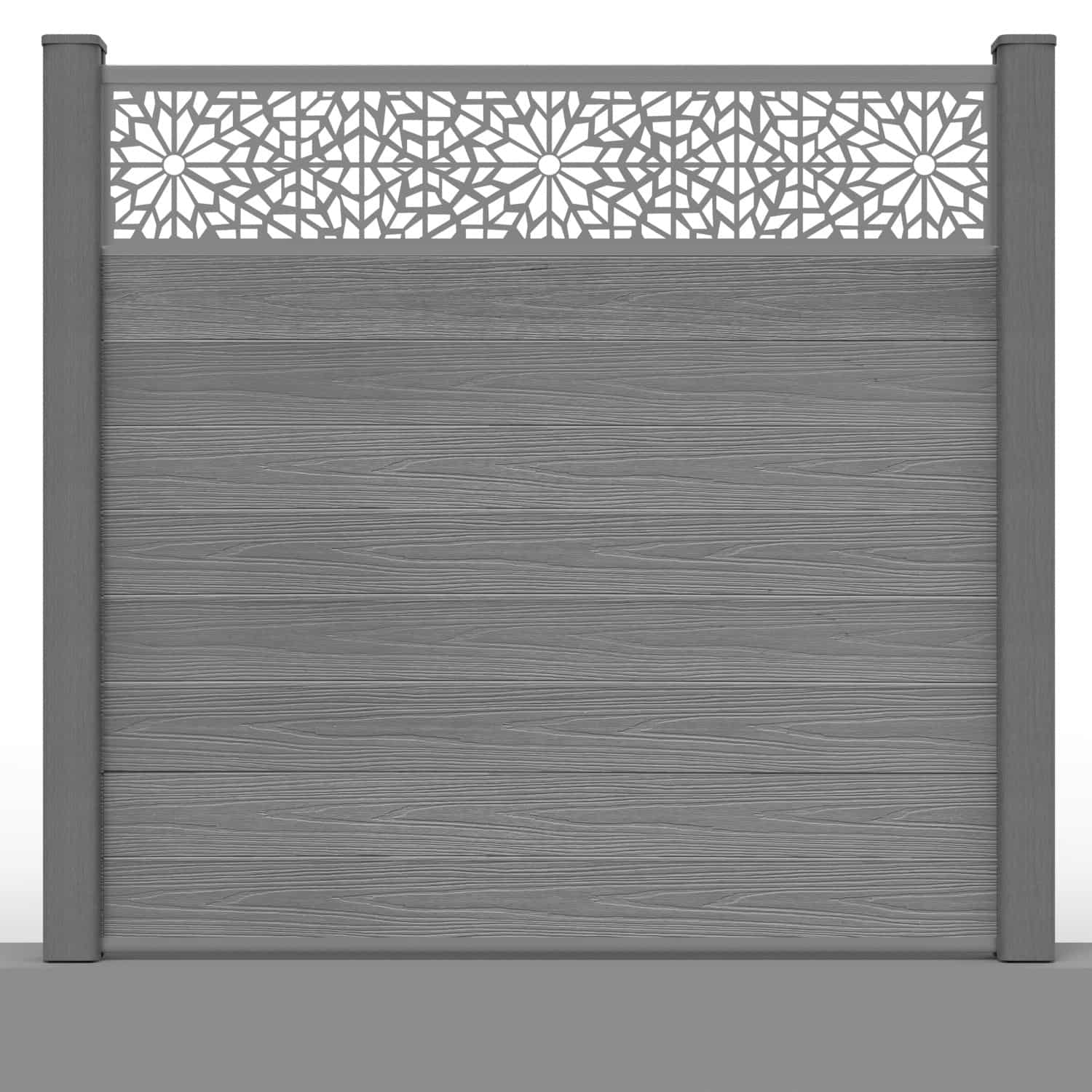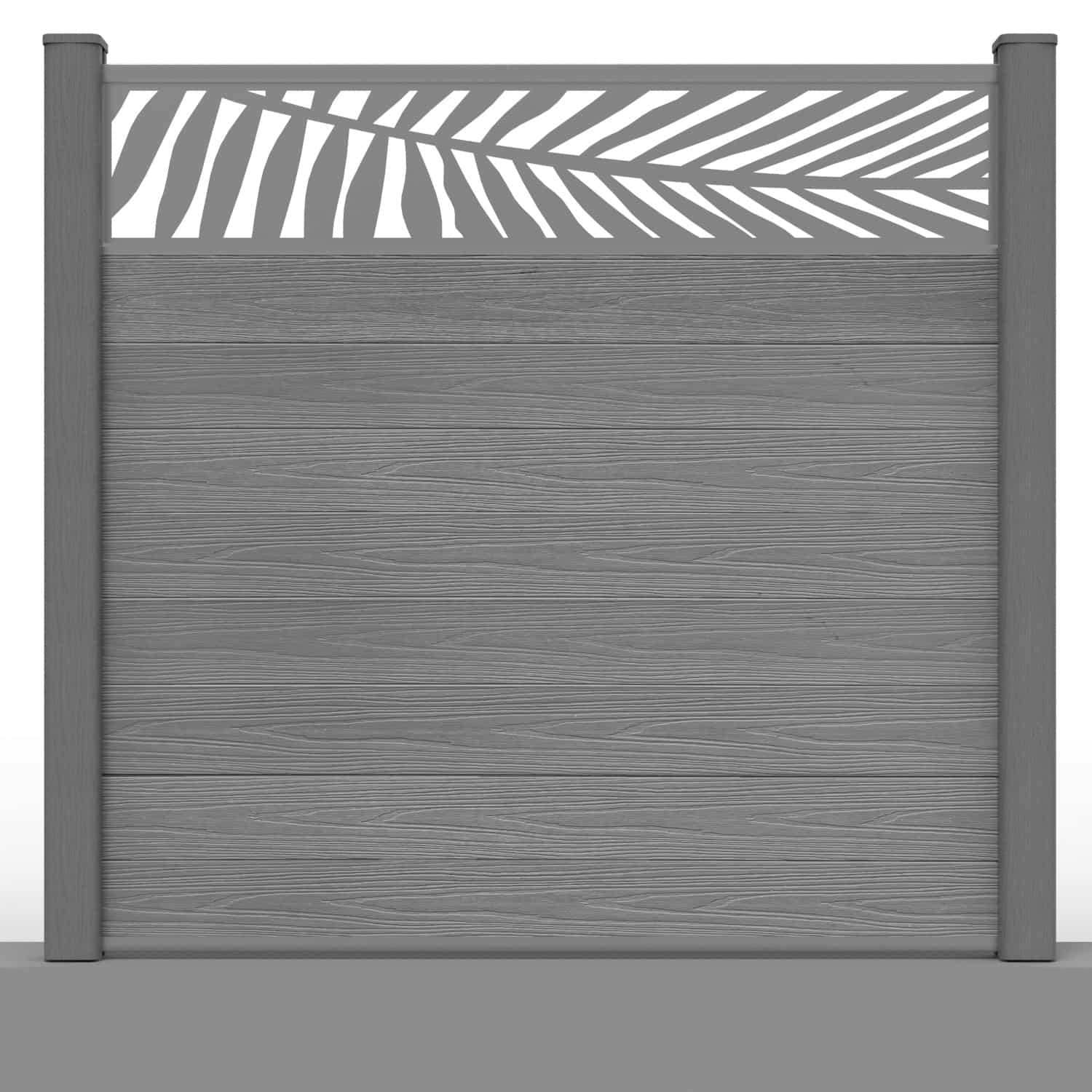
Find the Right Balance Between Garden Privacy and an Open Outlook
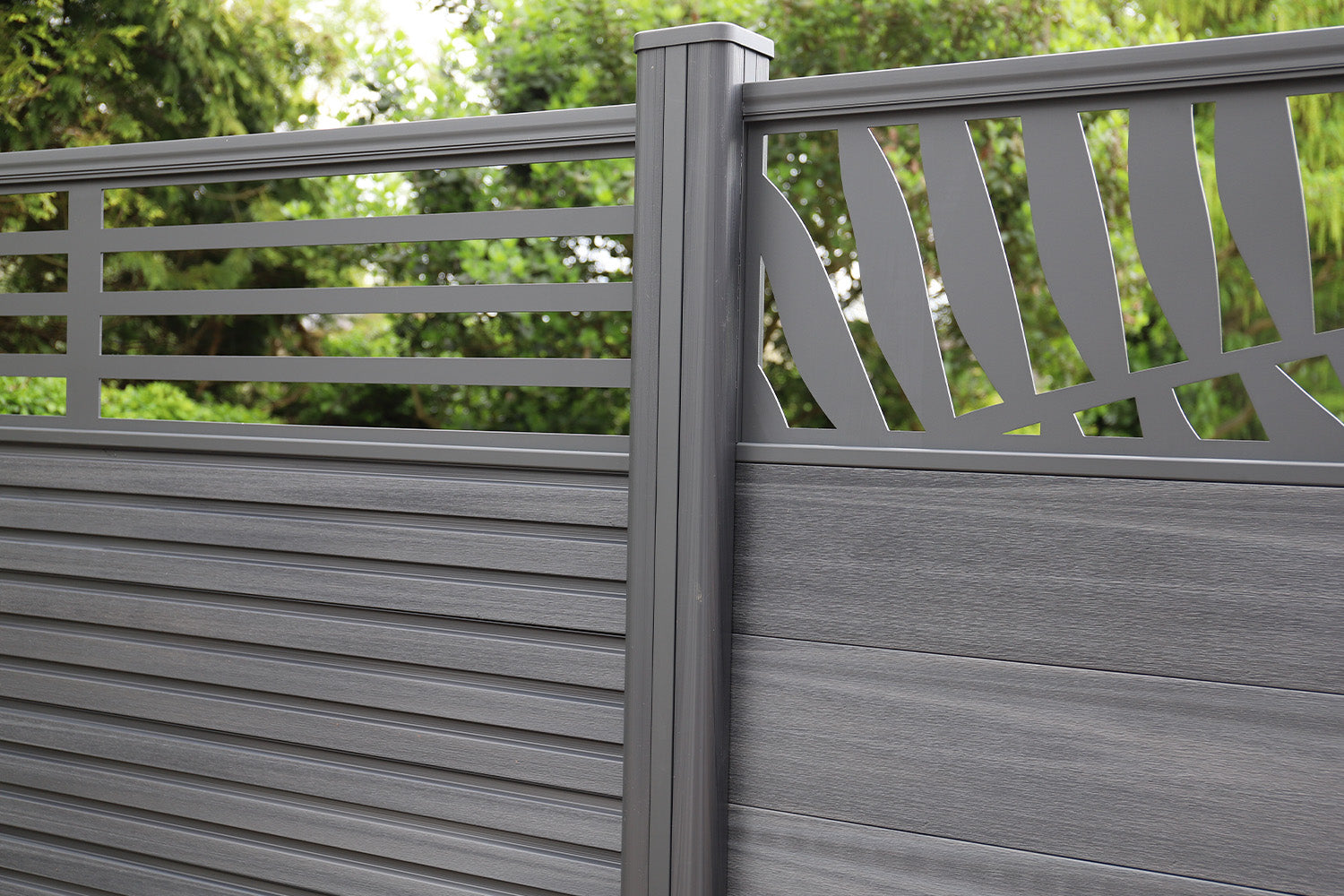
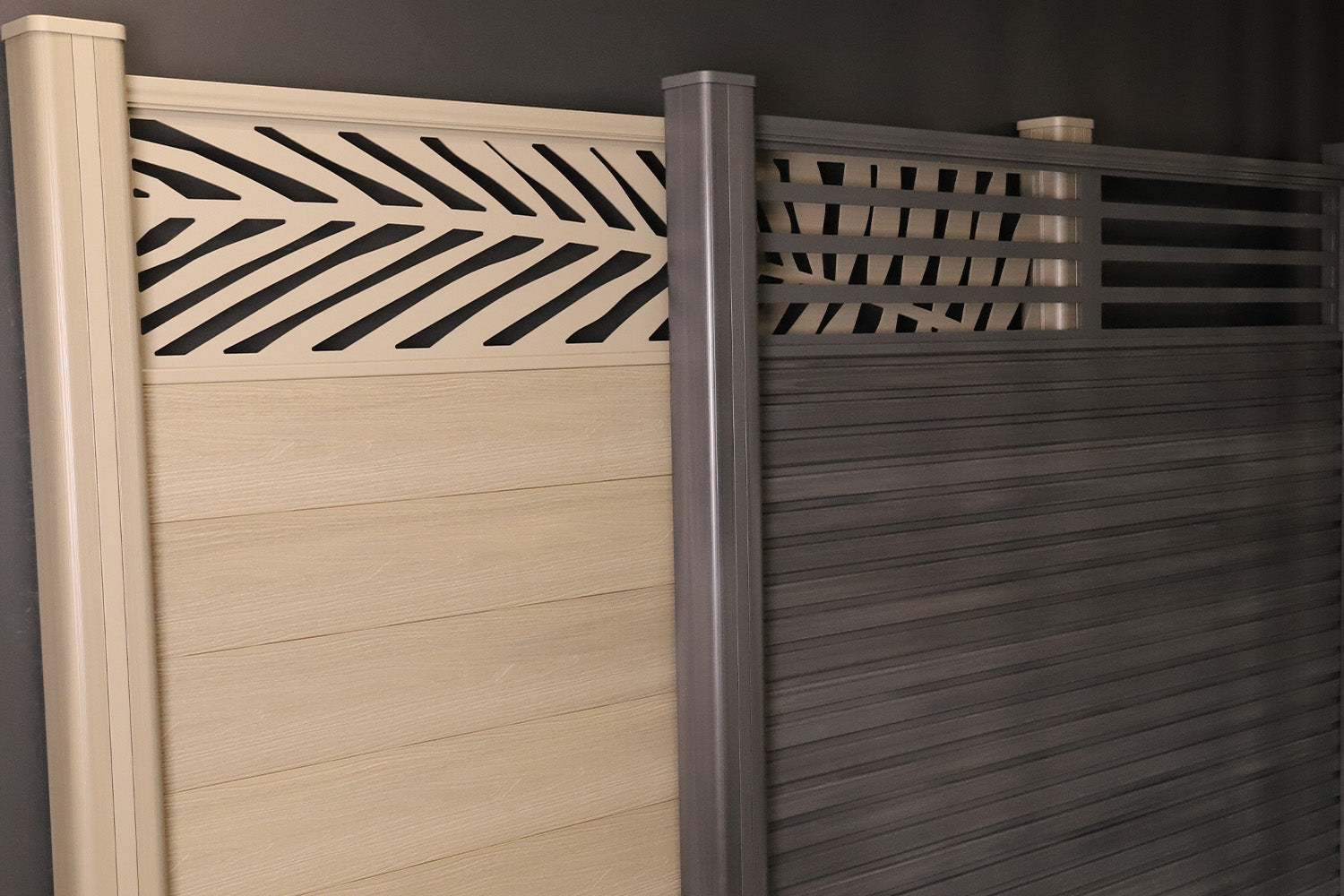
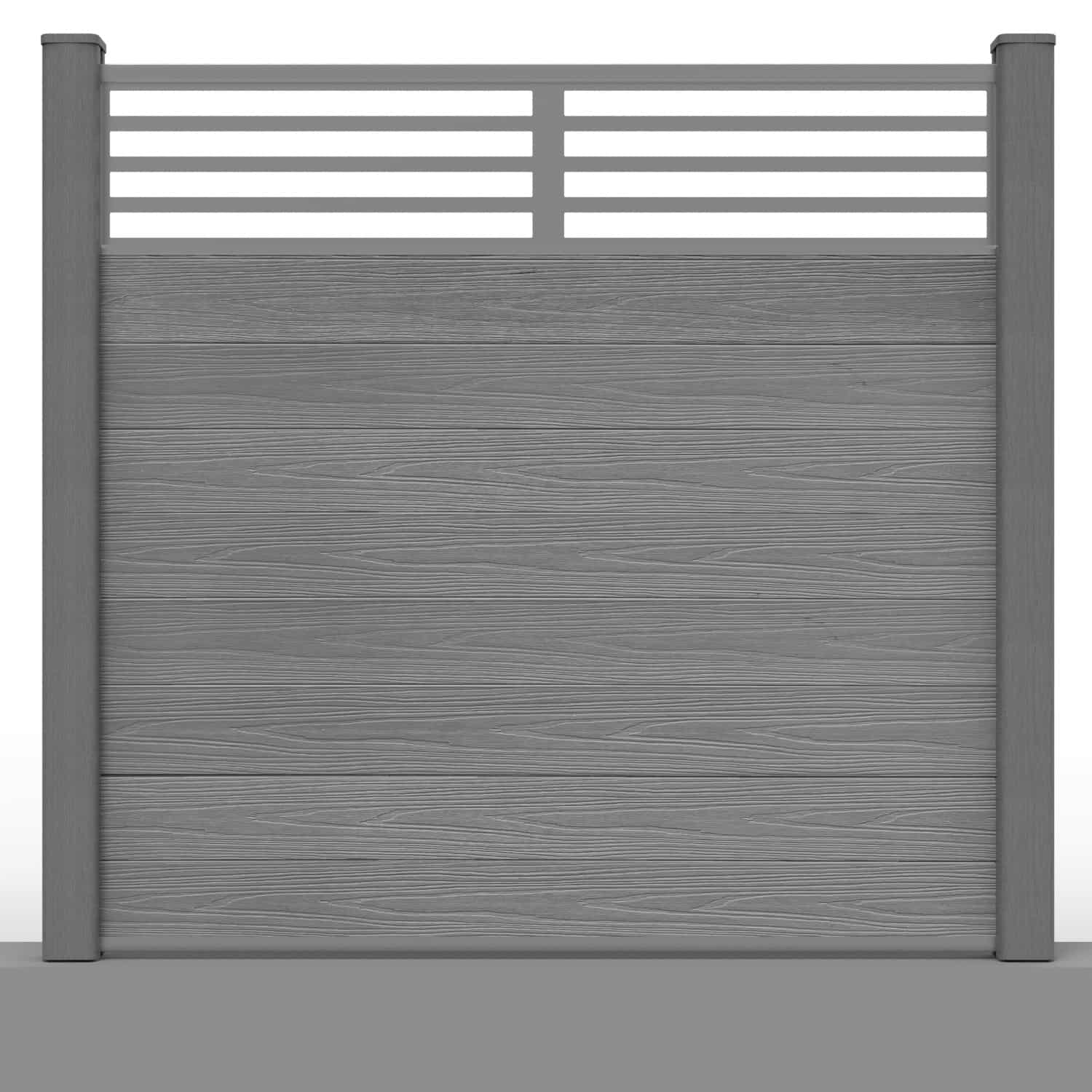
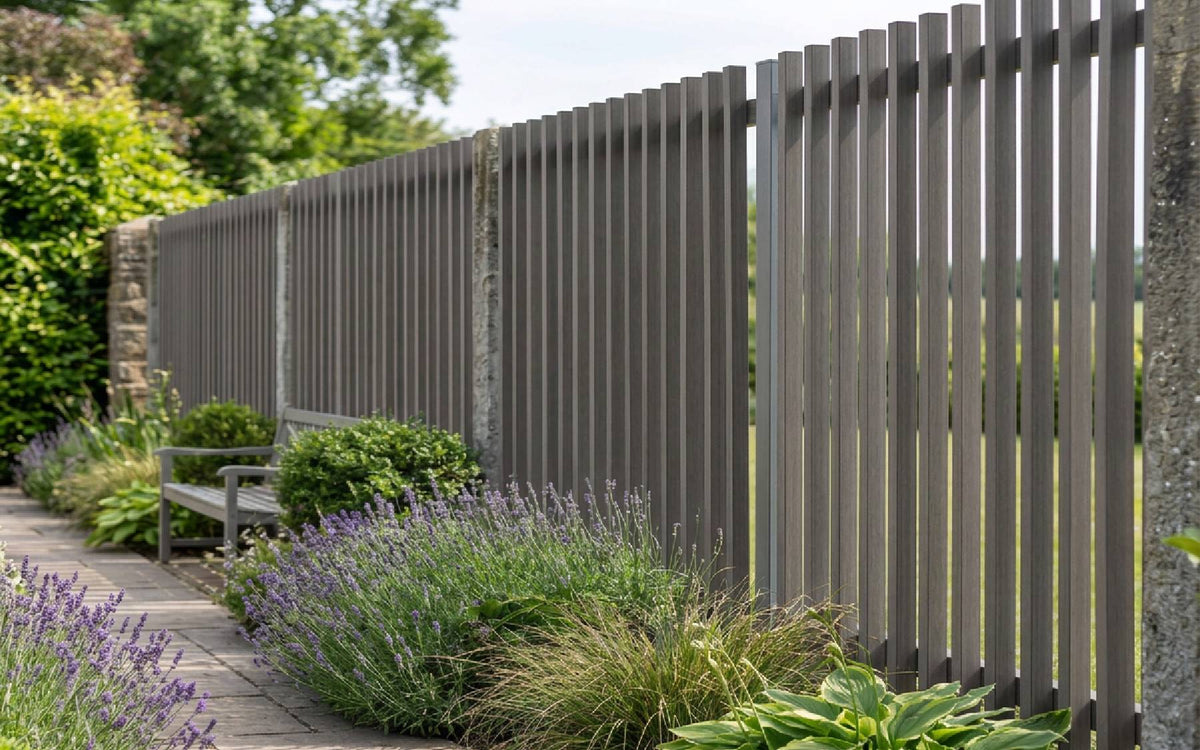
Slatted battens create a boundary with repeating lines and open gaps, offering a different appearance from a solid fence panel. They can help filter views around a patio, define a seating area or give a garden a more architectural edge.
How private the finished arrangement feels depends on more than gap size. Face width, profile depth, fence height and viewing angle all matter. Start by identifying the view you want to screen, then plan the layout around that sightline rather than assuming any slatted design will provide complete privacy.

How Much Privacy Can a Slatted Fence Provide?
An open arrangement filters views rather than closing them off in every direction. From directly in front, the gaps reveal the space behind the fence. From an angle, the profiles can obscure more of that background, depending on their depth and orientation.
This makes the design useful where you want visual separation without the appearance of a continuous wall. However, a pattern that looks private from the driveway may remain open from a neighbouring window or a seat beside the boundary.
Compare the proposed layout from the positions that matter in daily use. A small sample panel is particularly helpful because photographs show only one viewpoint.
Consider Width, Gap and Depth Together
Face Width Changes the Balance of Solid and Open Space
At the same clear gap, broader faces occupy a greater proportion of the pattern. Narrower faces create a finer rhythm with more repeated openings across the same distance. Neither choice establishes a fixed “privacy level” on its own.
For example, in a hypothetical repeating pattern, a 100 mm face with a 25 mm gap has a greater proportion of solid face than a 50 mm face with the same gap. These are illustrative dimensions, not product recommendations or measured privacy ratings.
Clear Gaps Control Direct Views
Reducing the gap generally reveals less background when the other dimensions and viewing position stay the same. The arrangement must still comply with the selected system’s installation requirements.
Do not confuse decorative spacing with fixing centres. One measures the opening between neighbouring profiles; the other concerns attachment points along the supporting structure.
Projection Affects Oblique Views
Deeper profiles can hide more of the background when viewed from the side. That does not necessarily resolve views from above, which depend on the fence direction, viewer position and screened area.
Our guide to batten sizes and spacing explains the relationship between face width, clear gap and projection in more detail.
Check the Important Sightlines Before Choosing a Height
Mark the area you want to use privately: a dining table, garden sofa or sheltered reading spot. Then identify where overlooking occurs and whether the viewer is at ground level or above it.
| Viewing position | What to test |
|---|---|
| Passing pedestrians | Views through the gaps from the path or pavement |
| Neighbouring seating area | Sightlines at seated and standing heights |
| Raised patio or balcony | Views over the top and through the pattern |
| Upstairs window | Whether a boundary fence can screen the intended area at all |
Increasing the entire boundary height is not always the most useful response. A screen closer to the seating area may interrupt the relevant view more effectively while retaining openness elsewhere.
Check the local requirements and any property-specific restrictions before committing to a height or position. The framework and foundations must also suit the dimensions and exposure.
Does Horizontal or Vertical Orientation Give More Privacy?
Neither direction is automatically more private. Horizontal lines emphasise width, while vertical profiles draw the eye upwards. Their gaps align differently with elevated and angled views, so the result depends on the actual geometry.
Test the direction against the sightline rather than choosing solely on appearance. For more design comparisons, explore vertical batten layouts and screening ideas.
On uneven ground, plan the top and bottom edges as well as the supports. A stepped arrangement may suit one boundary, while another layout may work better elsewhere. Any cuts and exposed ends need the correct product-specific detailing.
Concentrate Screening Around the Space You Use
A targeted panel can create a more defined backdrop for a sofa or dining area without enclosing the whole garden. Position it to filter the main view, leaving clear routes between doors, furniture and pathways.

Planting can soften the repeated lines and add another layer of screening. Allow space for mature growth and maintenance, and do not assume the decorative structure can carry climbing plants without confirmation. Vegetation can add weight and wind exposure as it grows.
Explore more garden screening ideas to combine privacy with practical access and planting.
Can Backing or a Staggered Layout Improve Coverage?
A double-sided arrangement with offset profiles may interrupt direct views through the gaps. Backing can also change visibility. Both alter the installation and should be reviewed as complete designs rather than added casually to an existing fence.
Additional materials can change weight, wind loading, ventilation and access to fixings. Use only an arrangement permitted by the supplier and supported by an appropriate structure. General-purpose fabric should not be assumed to be a suitable permanent backing.
Where uninterrupted screening at fence level is the priority, compare an approved solid-panel system with an open design. Even a continuous panel cannot prevent every view from elevated neighbouring positions.
Choose the Complete System Before Ordering
Review the profiles, posts, rails, fixings and foundations together. Open gaps do not remove wind loads, and optional reinforcement does not establish an unrestricted span. Follow the current installation guidance for the exact application.
The NeoTimber® Louvre Batten fencing collection provides a starting point for comparing decorative arrangements. If you prefer a continuous surface, explore the Deluxe composite fencing range alongside your privacy requirements.
Browse the fencing gallery for visual references, then contact NeoTimber® to discuss the intended layout and current product specifications.
Slatted Batten Privacy FAQs
Can slatted battens provide complete privacy?
Open gaps can permit views through the fence, particularly from directly in front. Assess the specific pattern and sightlines; choose an appropriate continuous-panel design if openings are unsuitable for your needs.
Are wider profiles always more private?
They provide more solid face relative to the same clear gap, but height, depth and viewing angle still affect visibility. Width alone does not define privacy.
Should I choose the smallest possible gaps?
Choose spacing that balances the intended appearance and visibility, within the system’s permitted details. A narrow gap will not solve a view over the top of the fence.
Can I attach privacy fabric to an existing installation?
Do not assume the structure can accommodate it. Backing changes exposure and may increase wind loading. Ask the supplier or installer to review the proposed modification.
Does a privacy screen also provide guarding?
Not automatically. Around a raised deck or other drop, use a complete system specifically suitable for the required guarding application.
How should I compare designs before ordering?
Sketch the key sightlines, compare samples and test a representative arrangement where possible. Review the complete structure and product guidance before finalising quantities.