

Create an Outdoor Space That Works for Your East of England Home
Choosing composite decking in East England starts with your own outdoor space: its size, exposure and the way you want to use it. A sheltered courtyard in Norwich, a family garden in Essex and an open rural plot in Cambridgeshire can call for different layouts, even when the same board colour appeals.
Composite offers a wood-inspired surface with reduced routine refinishing, making it worth considering if you want more time to enjoy your garden. This guide explores design choices and practical planning for projects across Norfolk, Suffolk, Essex, Cambridgeshire, Bedfordshire and Hertfordshire.
Visit the NeoTimber® decking guide to explore materials, then use the advice below to prepare a shortlist and a complete project budget.
Match the Deck to the Site, Not Just the Region
Local conditions can vary even within one garden. A wall may shelter a dining area while the far end remains exposed. Trees can create shade and falling debris, while a south-facing patio may receive strong afternoon sun.
Before selecting boards, note where water collects, how you reach the space and which areas feel comfortable at different times of day. A useful deck supports those observations rather than relying on a general claim about a material being ideal for a county or climate.
Coastal and Exposed Gardens
For a property near the Norfolk, Suffolk or Essex coast, discuss the actual exposure when specifying the frame, fixings and accessories. Do not assume every component has the same suitability for salt-laden air or strong winds. Ask about the requirements for the complete installation, including any furniture or shade structure.
Town Courtyards and Suburban Gardens
In compact plots, keep the layout simple and leave space to move around furniture. Access can also shape the order: check how long boards will reach the garden and where materials can be stored before fitting.
Open Rural Plots
Use the deck to define a manageable seating or dining area rather than covering more ground than you need. Plan the relationship with paths, planting and the house, and identify where shelter or shade would improve everyday comfort.

Why Consider Composite Decking?
Composite decking combines wood fibres, plastic and additives in a manufactured board. It generally avoids the regular sanding, staining and sealing involved in preserving a particular timber finish, while offering a choice of colours and textures.
That does not make it maintenance-free. Cleaning, drainage and correct installation remain important. Compare the complete requirements using our composite versus timber guide, then decide which material fits your expectations.
When reviewing composite decking East England options, look beyond the surface photograph. Product documentation, compatible components and accessible advice help you understand what you are buying.
Choose Colours Around Your Home and Garden
Start with existing brickwork, paving, doors and fencing. A warm tone can connect with traditional materials, while grey or charcoal can relate to stone and darker window frames. There is no single decking colour reserved for a particular property style.
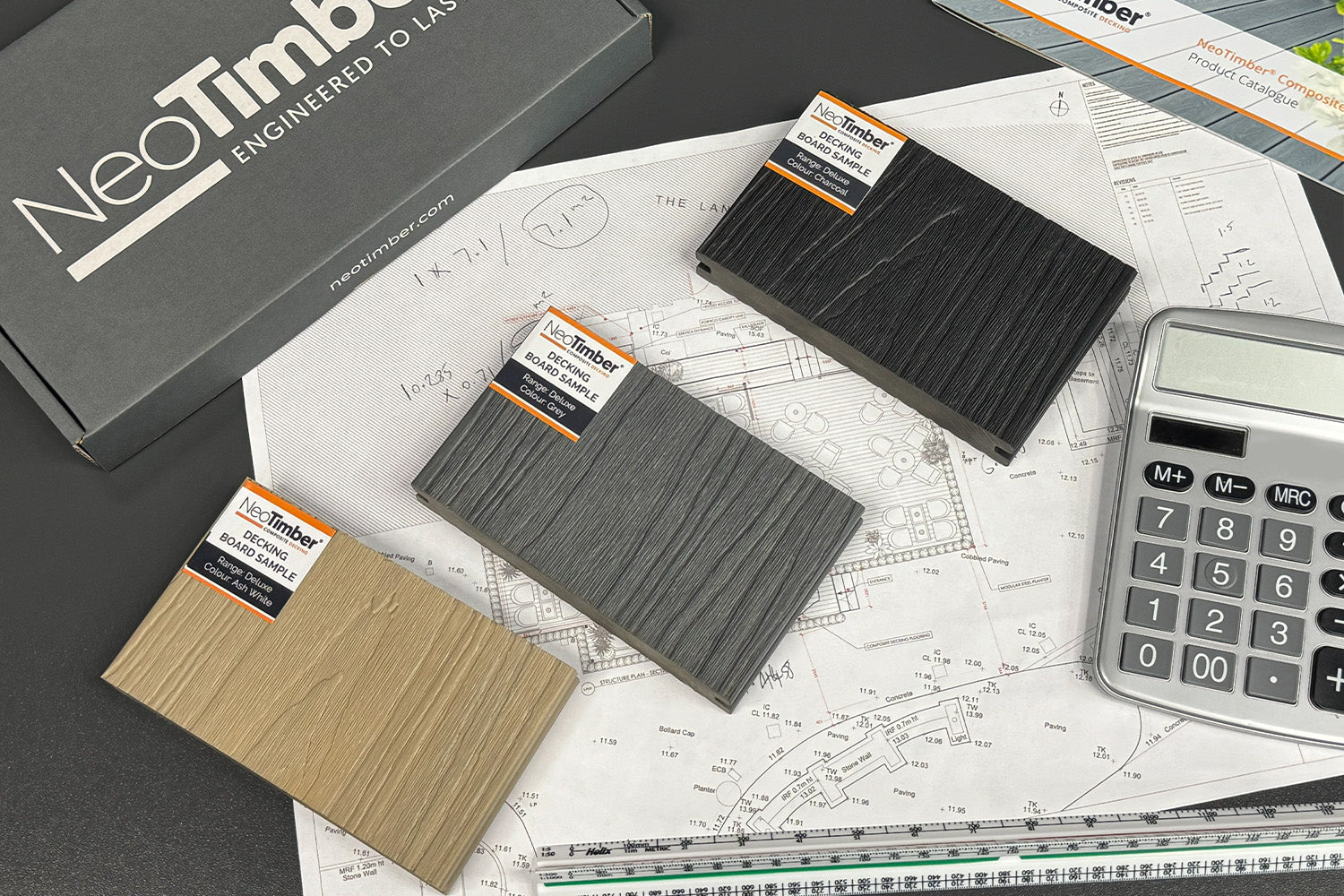
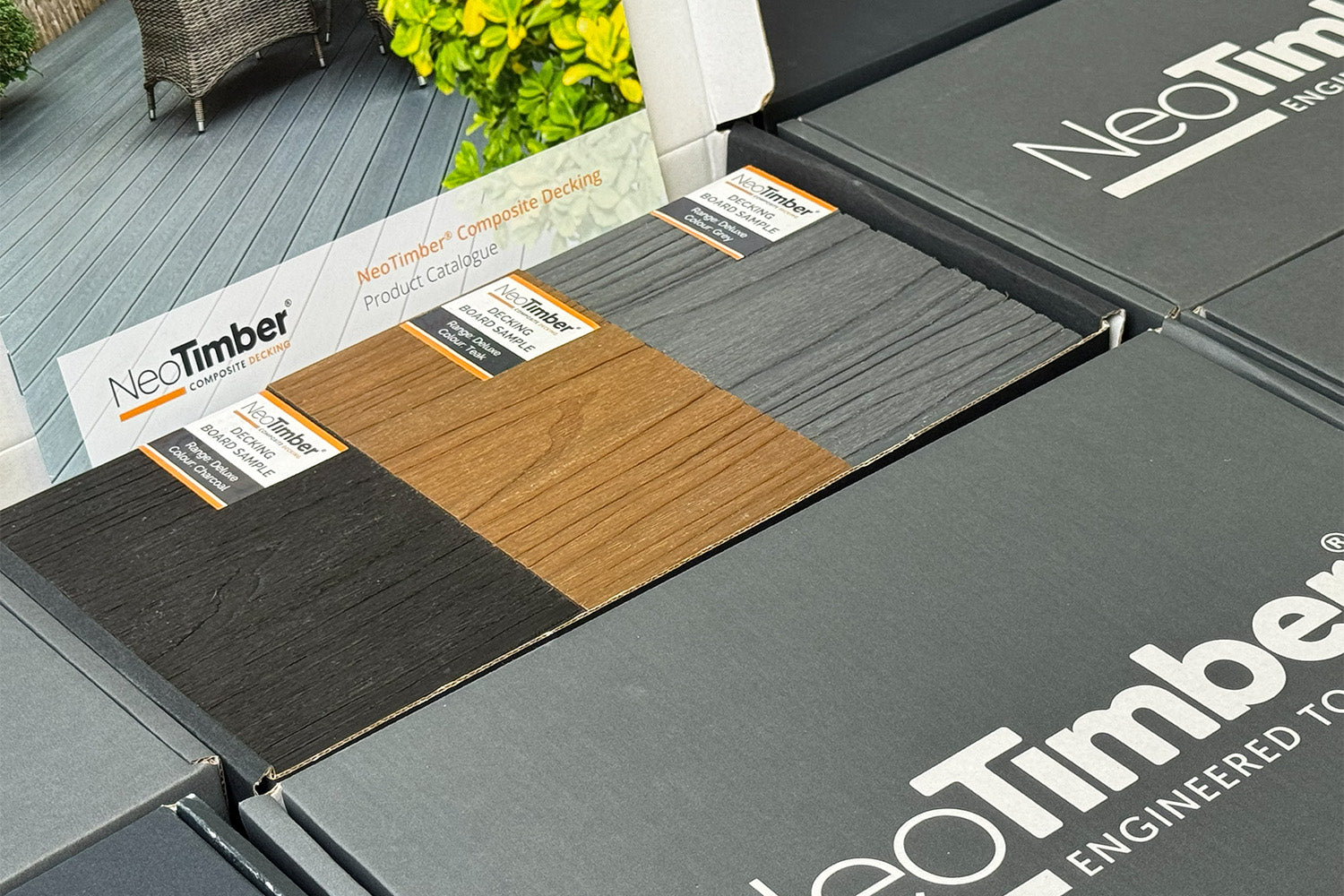
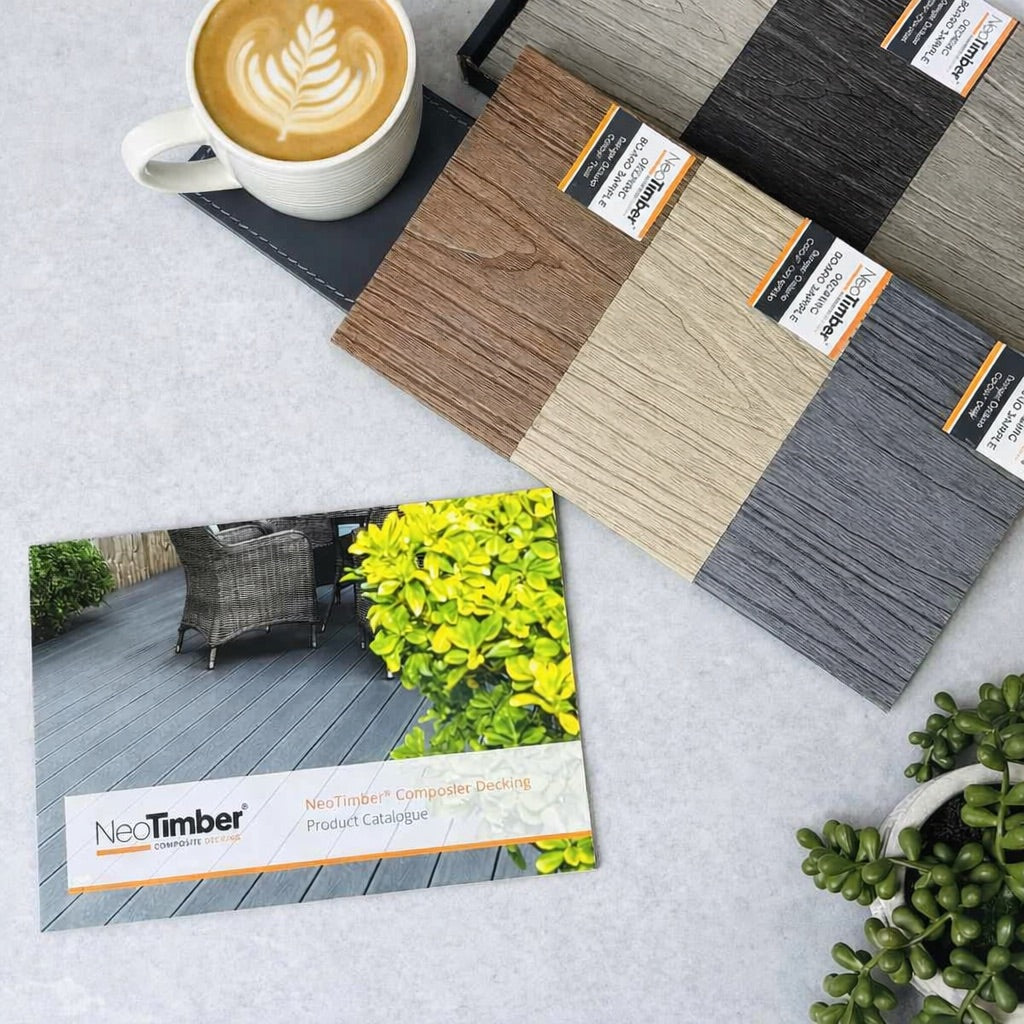
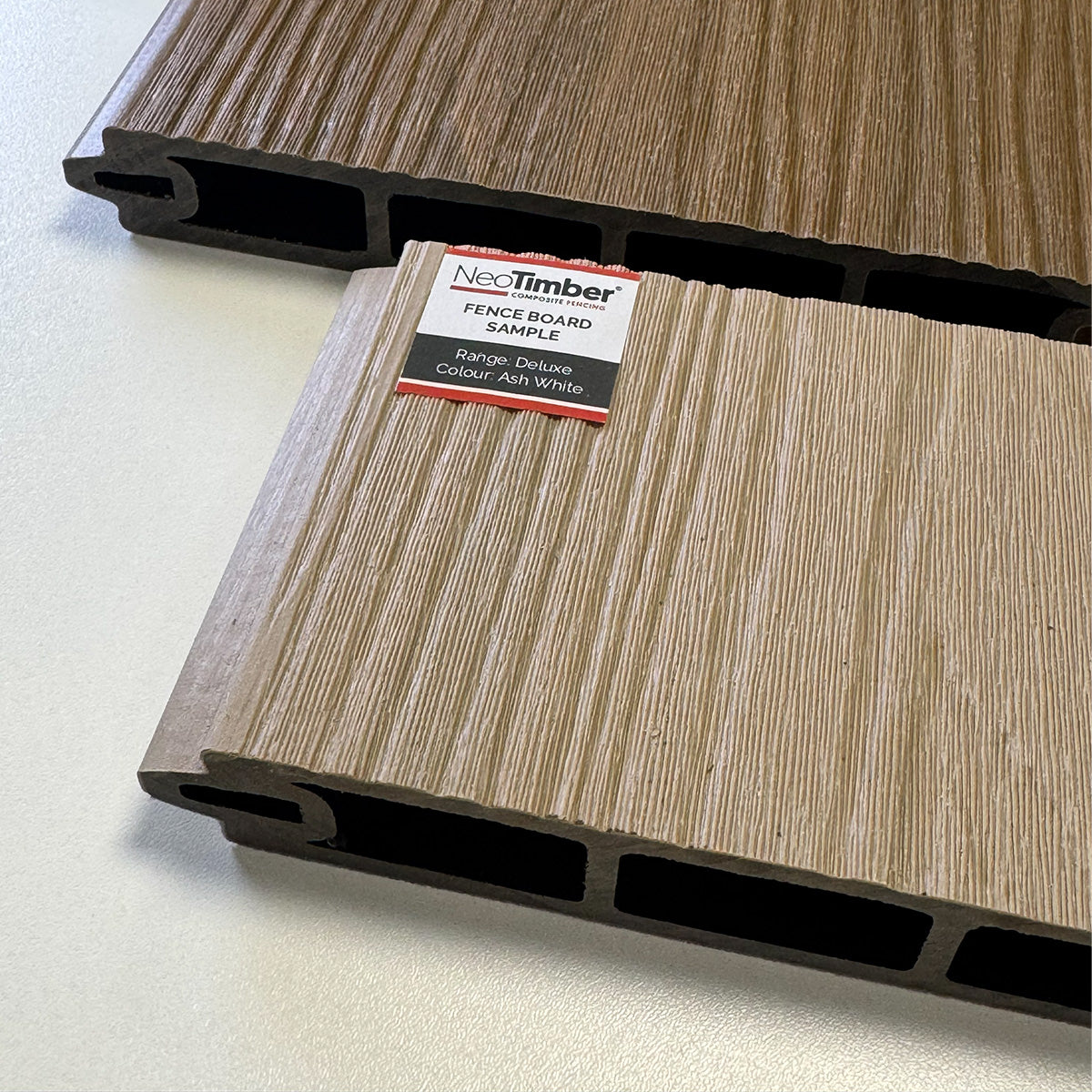
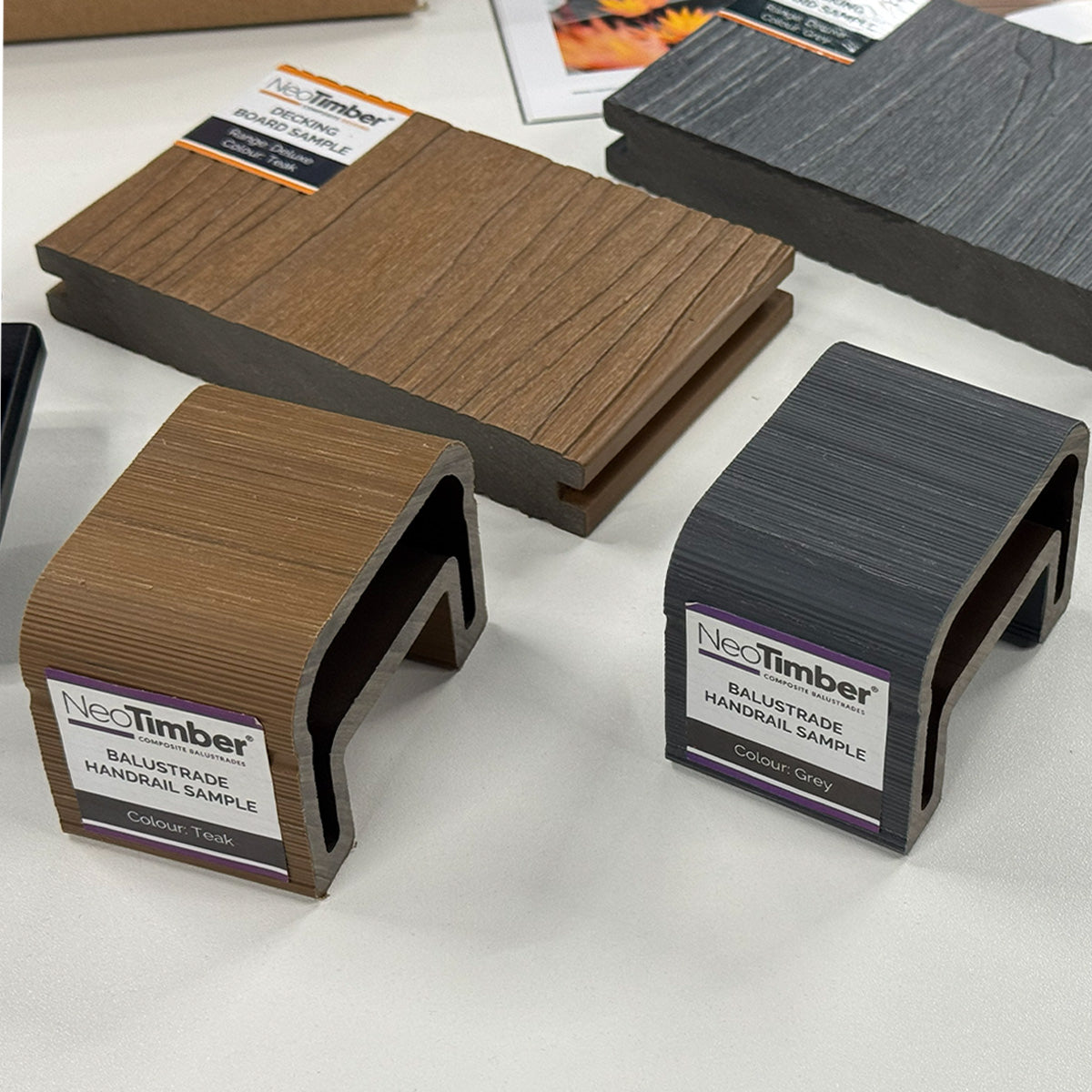
Explore oak-inspired decking, teak tones, Antique and Charcoal or lighter options such as Ash White. Use these as design starting points, then compare physical samples outside.
Check samples in both sun and shade, alongside the materials you intend to keep. A simple, coordinated palette often provides a stronger result than trying to match every finish exactly.
Compare the Board Construction and Surface
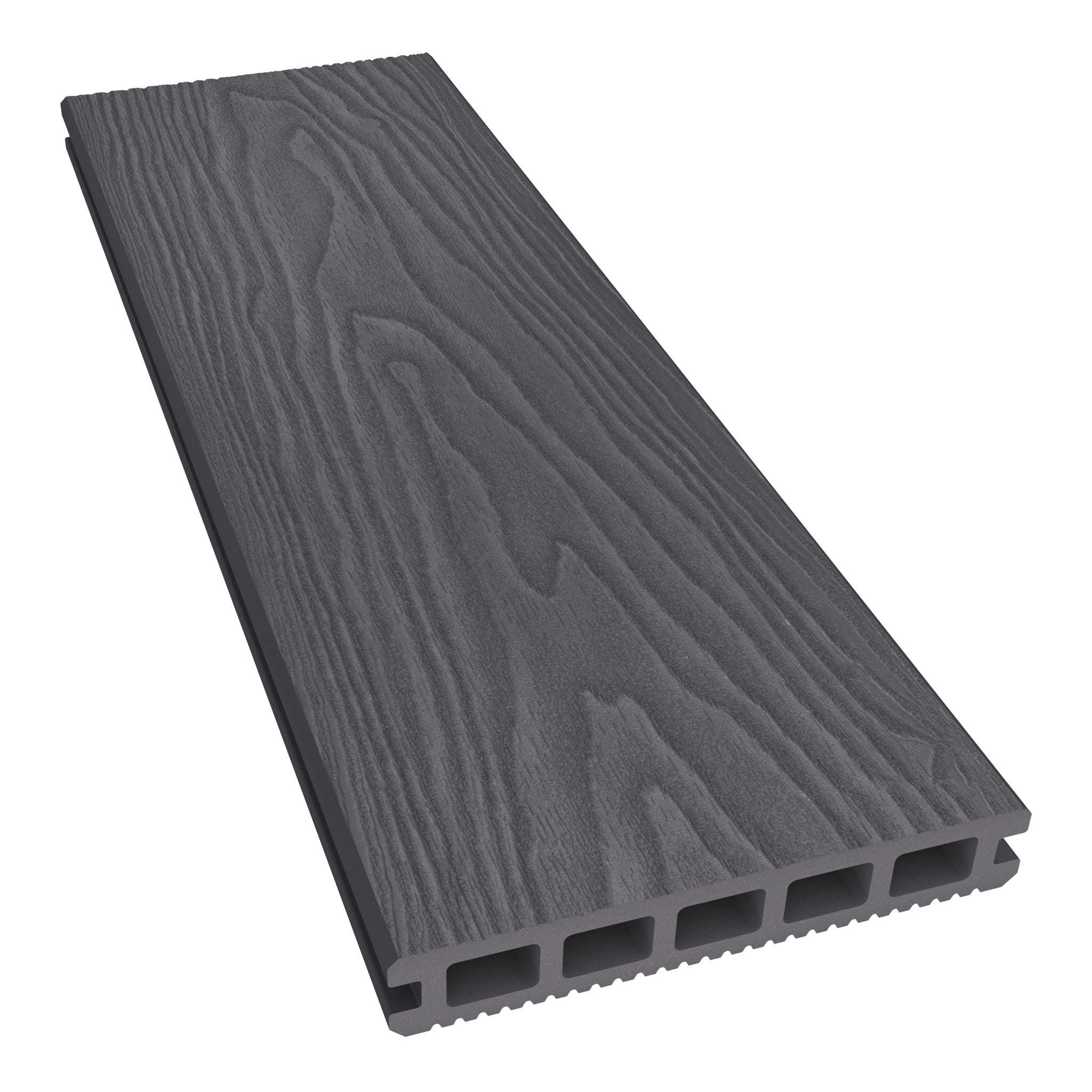
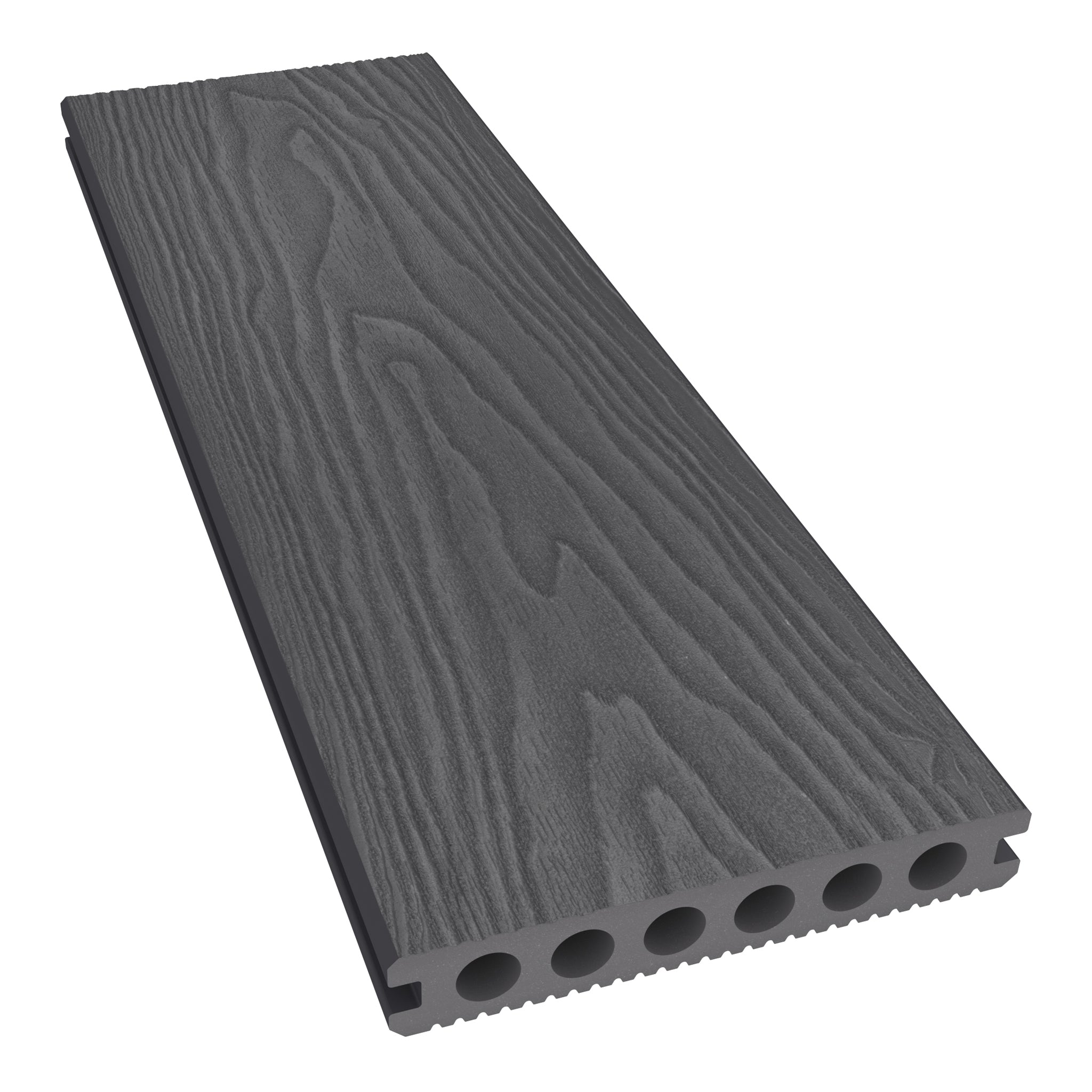
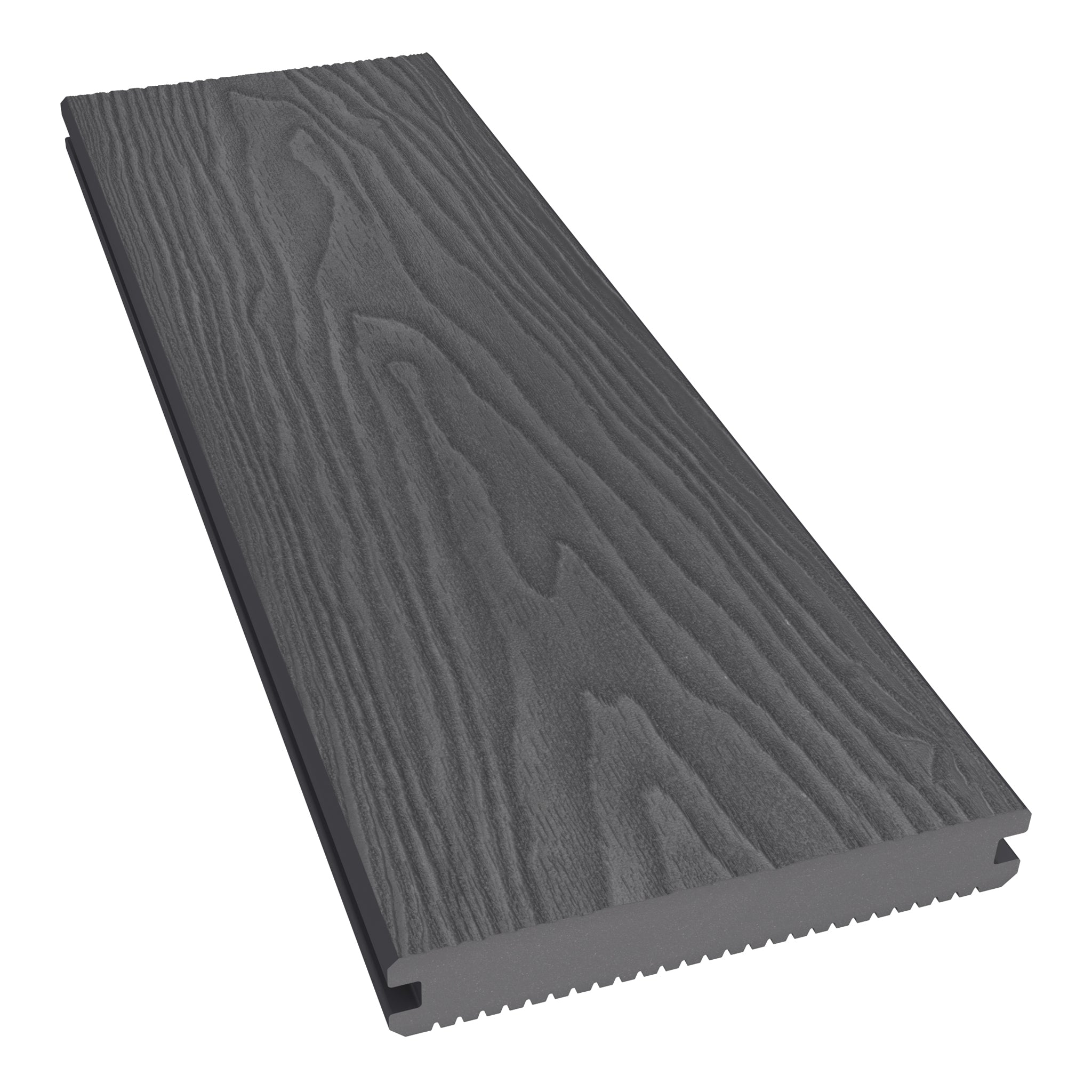
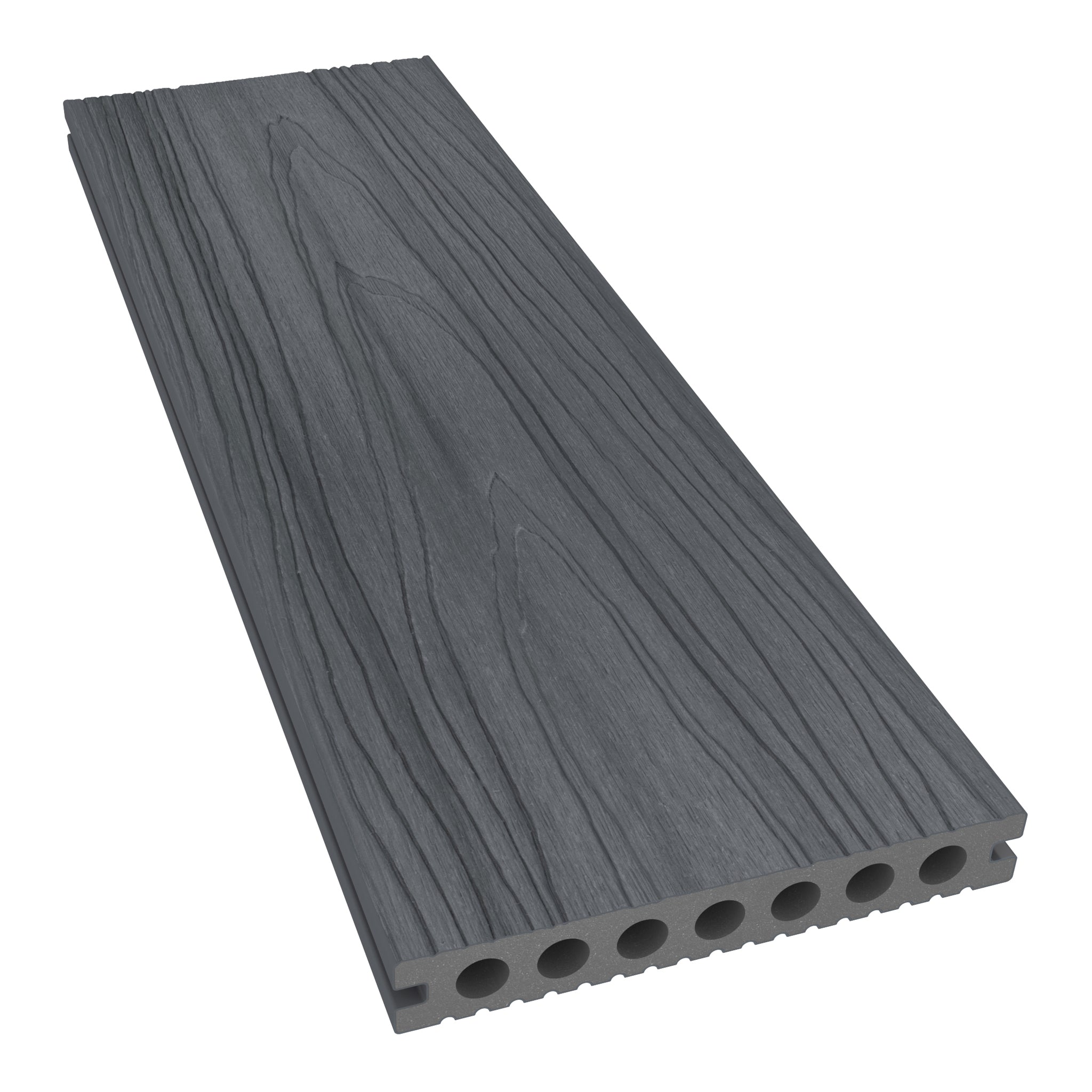
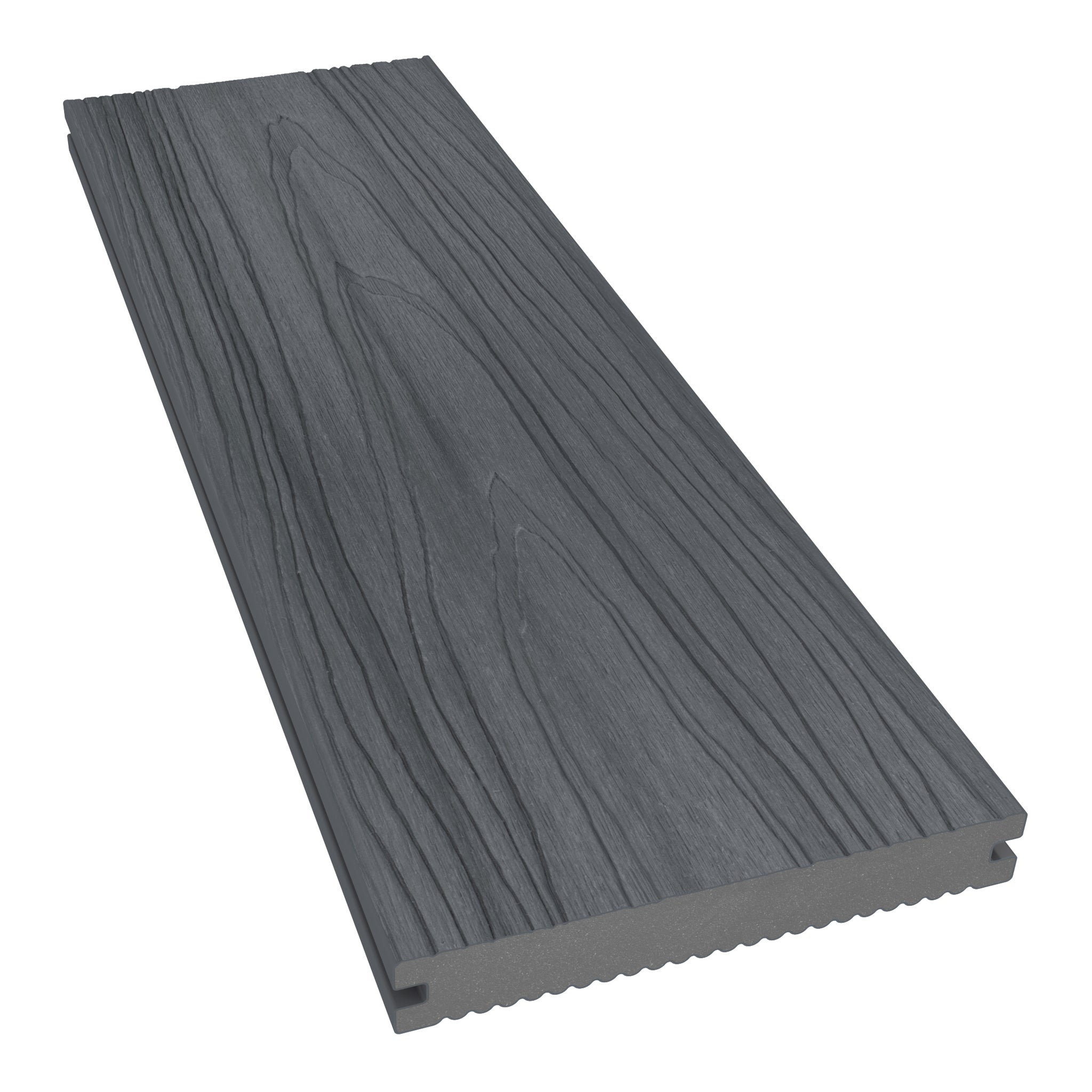
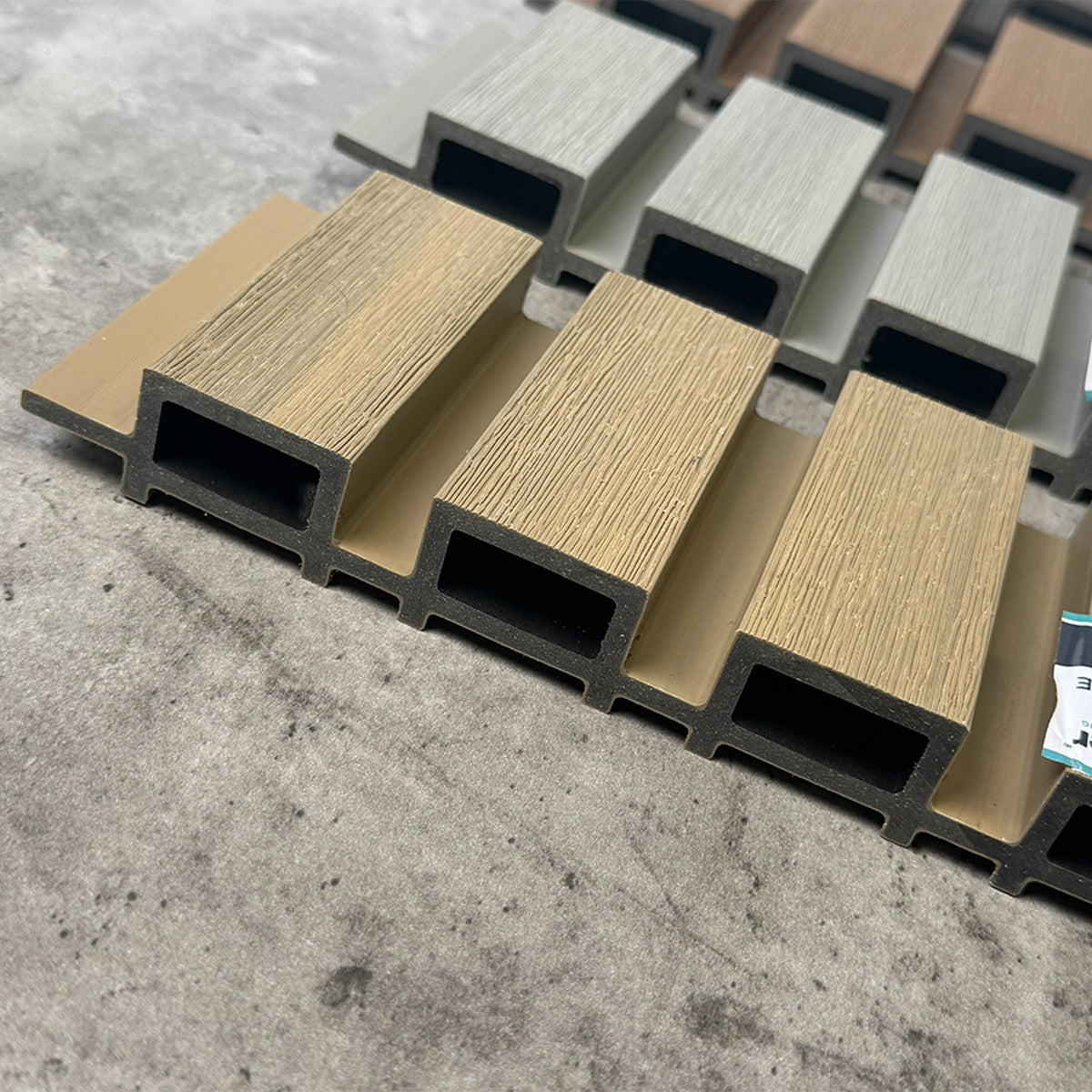
Hollow and solid boards have different core profiles. Capped and uncapped boards have different surface constructions. Compare these features separately: a hollow board can also have protective capping.
Our composite decking collection includes Classic and Deluxe options. Capped composite decking is designed for enhanced stain and fade resistance, but it still needs care and can be damaged by unsuitable cleaning or handling.
Use our hollow versus solid comparison to inform your shortlist. Confirm suitability for the intended application rather than assuming a heavier board or a premium finish answers every requirement.
Plan Dining Areas, Pool Surrounds and Specialist Spaces Carefully
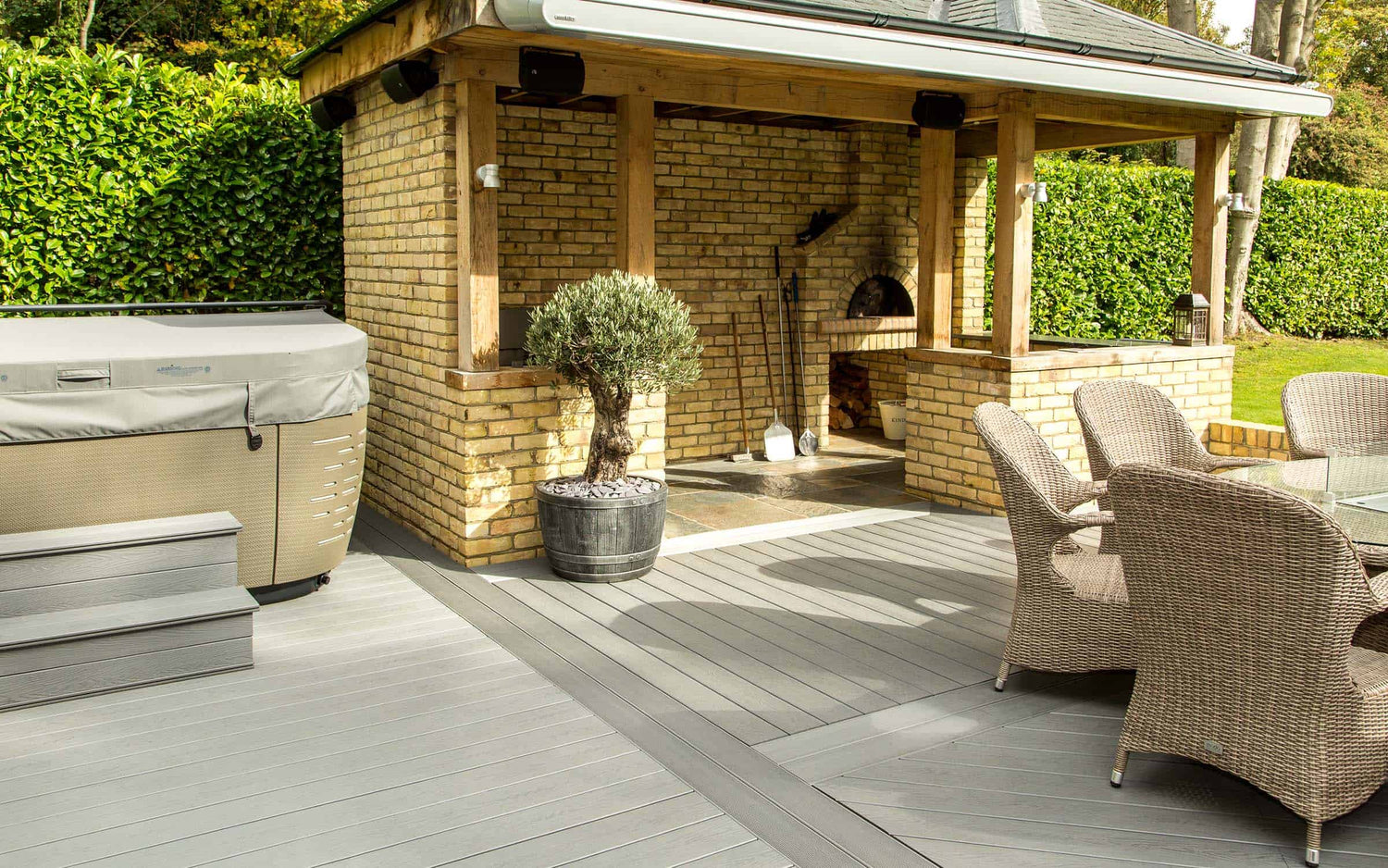
For garden decking, allow comfortable movement around chairs and keep a clear route between the house and lawn. Consider lighting and edge details before finalising the structure.
Swimming pool surroundings need an application-specific approach to wet walking conditions, drainage and cleaning products. Confirm the selected board's suitability rather than relying on texture alone.

For balconies and roof terraces, first establish the building's fire, loading, waterproofing and drainage requirements. Composite is not automatically appropriate for every elevated setting. Similarly, deck tiles need a suitable firm, level and drained base; they are not a substitute for boards spanning joists.
Support the Finished Deck With Good Installation and Care
Follow the installation guidance for the exact board and fixing system. Correct joist spacing, movement gaps and board-end support matter, as do ventilation and a clear route for water to drain away.
Keep leaves, dirt and organic growth under control using the maintenance instructions. Shaded areas and spaces beneath furniture may need particular attention.
No deck is slip-proof. Wet debris and algae can affect footing, and boards can become warm in direct sun. Plan cleaning access and shade alongside the decorative details.

Budget for the Complete Project
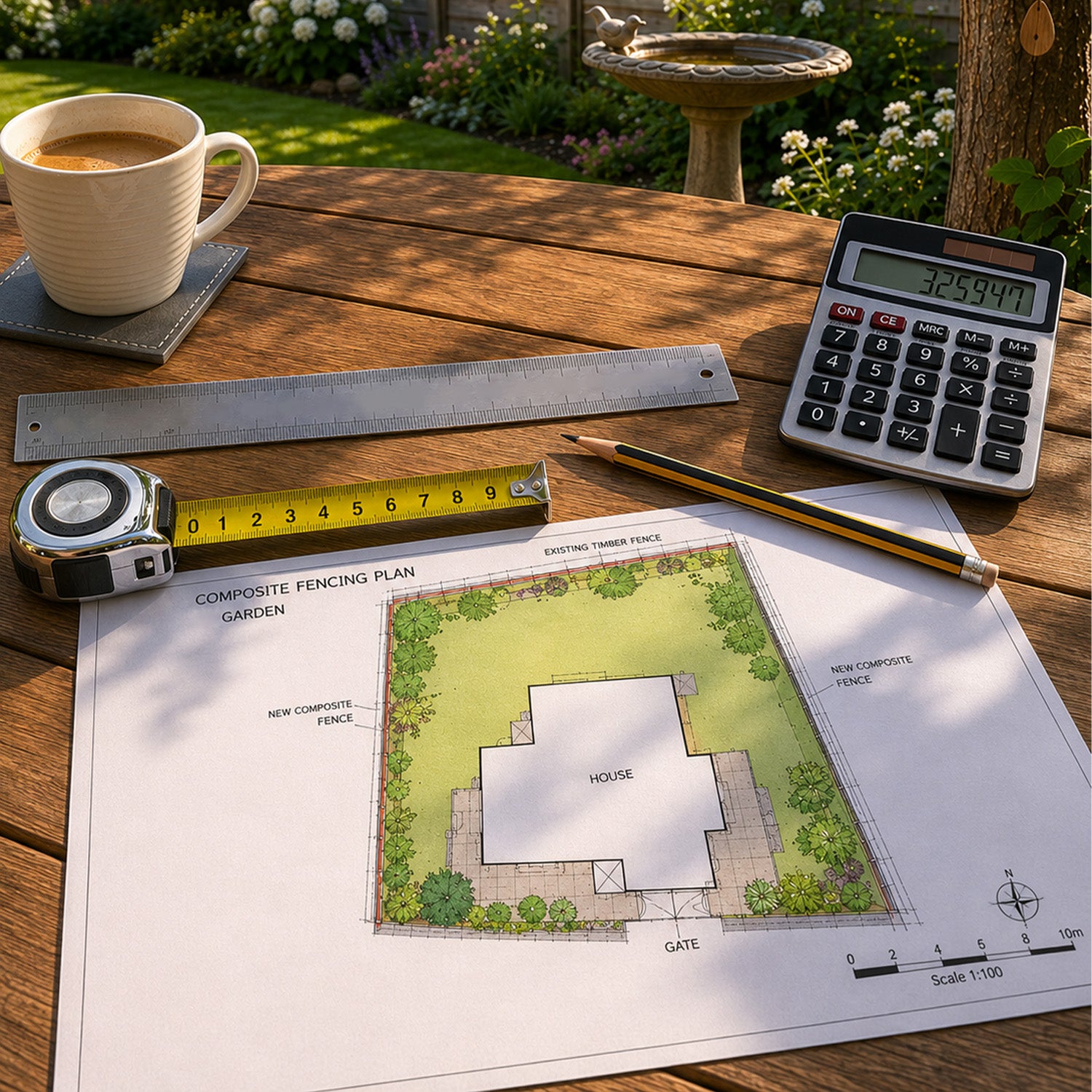
Include boards, supports, joists, clips, screws, edging, delivery and installation when comparing quotes. Check whether preparation and removal of old materials are included. An itemised quotation is more useful than a headline price per board.
Read the warranty for your selected range, as terms vary by product and use. For environmental considerations, compare recycled content, wood sourcing, waste and end-of-life options separately; our materials and sustainability guide provides further context.
Ordering Composite Decking for East England Delivery
Order online or discuss your requirements with our team. Check board quantities, compatible accessories and stock before coordinating the order with your installation plans.
Under the current delivery policy, orders over £1,000 including VAT qualify for free UK mainland Economy delivery. Review the policy for current service times, charges and postcode arrangements before ordering.
Delivery is kerbside, so plan how materials will reach the work area and confirm any unloading assistance required. This is especially important where the garden is reached through a narrow passage or is some distance from the road.
If you need fitting support, submit your project through the installer enquiry service. Confirm availability for your postcode and agree the scope, quote and timing directly with the installer.
Composite Decking East England FAQs
Can I see samples before ordering?
Yes. Request free samples to compare colours and textures in your own garden. The decking gallery can also help you explore layouts.
Is composite suitable for a coastal garden?
Discuss the actual exposure and proposed application before choosing the complete system. Confirm requirements for the boards, frame, fixings and accessories rather than assuming every component has the same resistance.
Can you help me find an installer in the East of England?
Use the installer enquiry service to check options for your address. Availability depends on the project and location, so confirm arrangements before scheduling materials.
Start Planning Your East England Deck
Choose the layout around the way you want to use your garden, then compare the board finish and full installation requirements. A clear plan makes it easier to budget, order and care for the finished space.
Explore NeoTimber® decking, compare the current board range and request your samples. Our team can help with product information for your East England project.