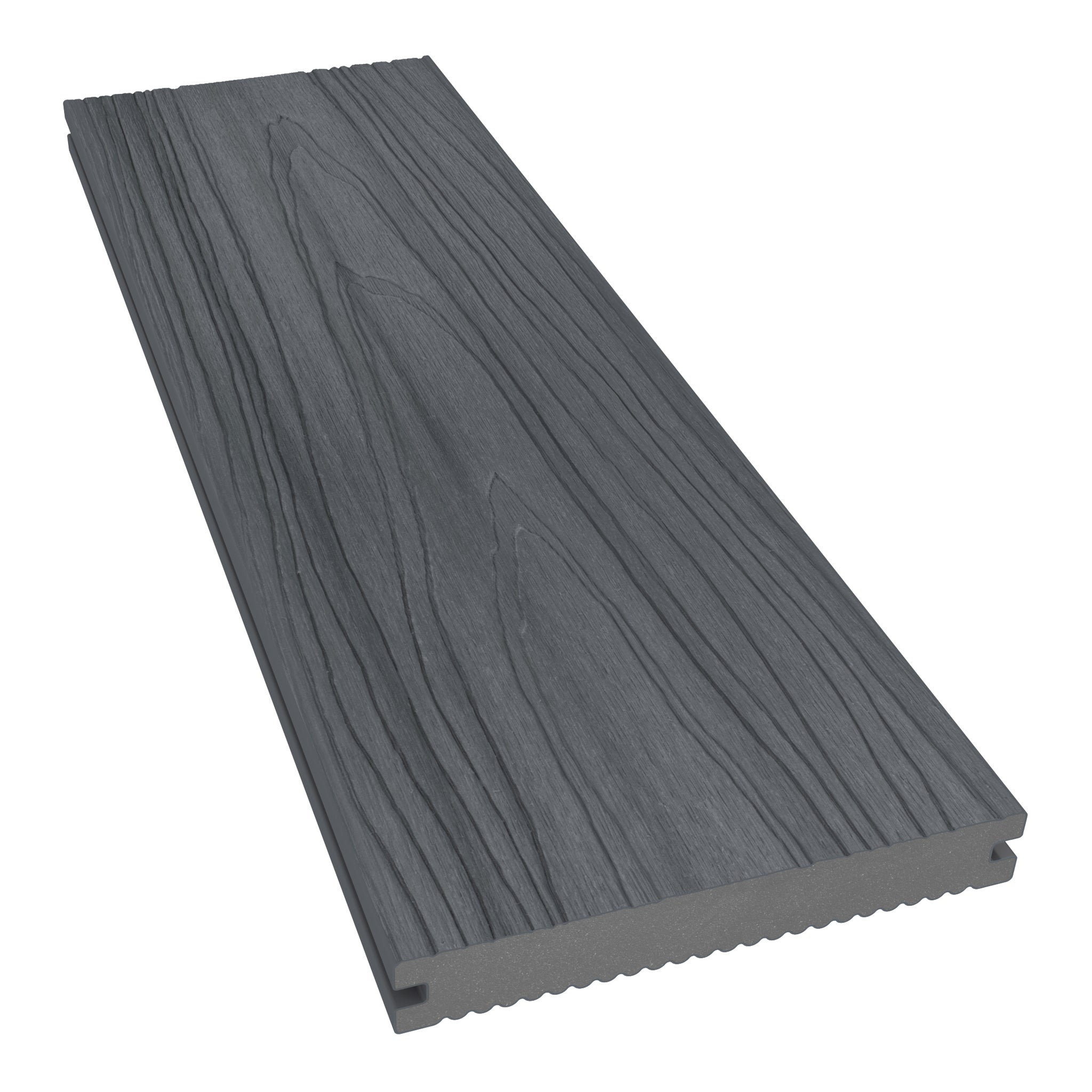
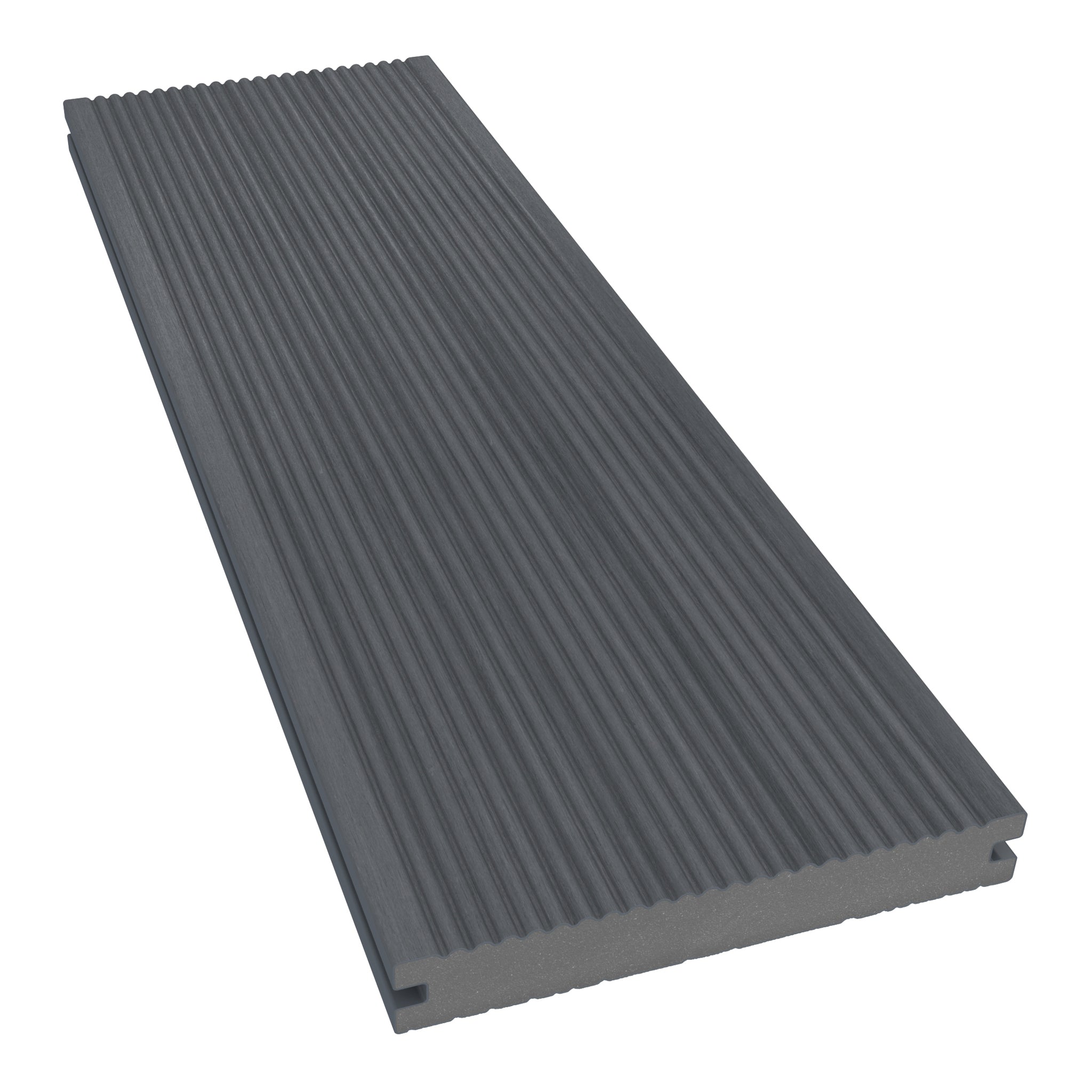
Choose Deck Boards With Realistic Expectations for Sun, Rain and Colour
Fade resistant decking is designed to limit colour change, while weather resistant decking needs to perform in outdoor conditions. Neither description means a board is immune to weathering or that the completed deck can be left without care.
When comparing NeoTimber® products, look at the exact range, surface construction and expected colour behaviour. Then plan the installation and maintenance that help the whole deck work effectively.
Explore our decking options for an overview, or compare composite decking boards alongside this guide.
In this guide: Understand the claims · Capped boards · Uncapped weathering · Compare options · Installation · Care and warranty · FAQs
Fade Resistance and Weather Resistance Are Different Qualities
Sunlight can affect colour, while rain, changing temperatures and surface contamination introduce other demands. It helps to separate the characteristics you need rather than relying on a broad “all-weather” description.
- Fade resistance: how the product is designed to limit colour change from exposure.
- Moisture performance: the board’s water absorption and resistance to moisture-related deterioration.
- Temperature movement: the expansion and contraction that installation details must accommodate.
- Surface condition: how dirt, spills, algae and wear affect appearance and use.
A board can offer strong colour retention and still need movement gaps, cleaning and suitable support. Weather resistance also does not mean fireproof, slip-proof or approved for every building.
How Capped Composite Boards Help Protect the Finish
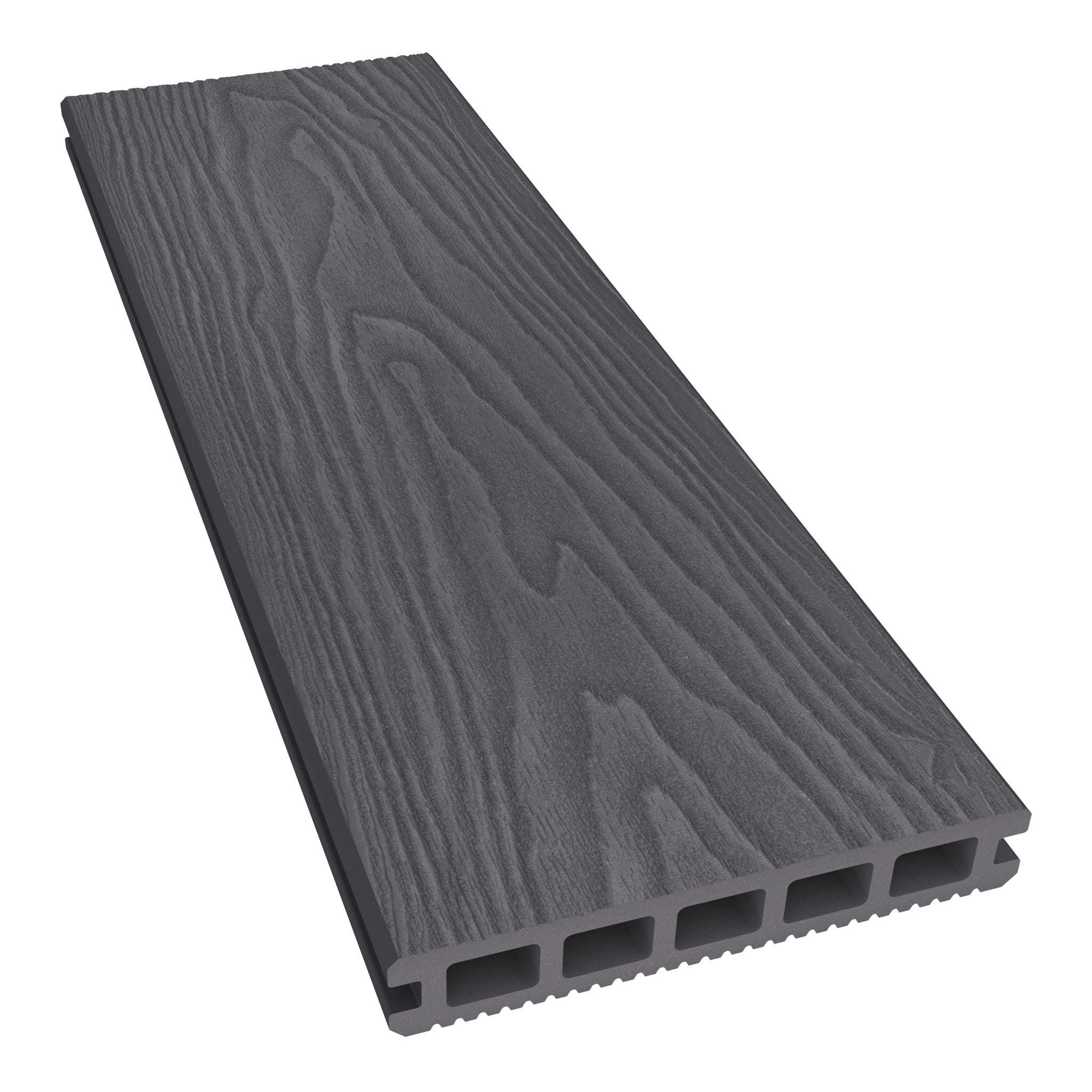
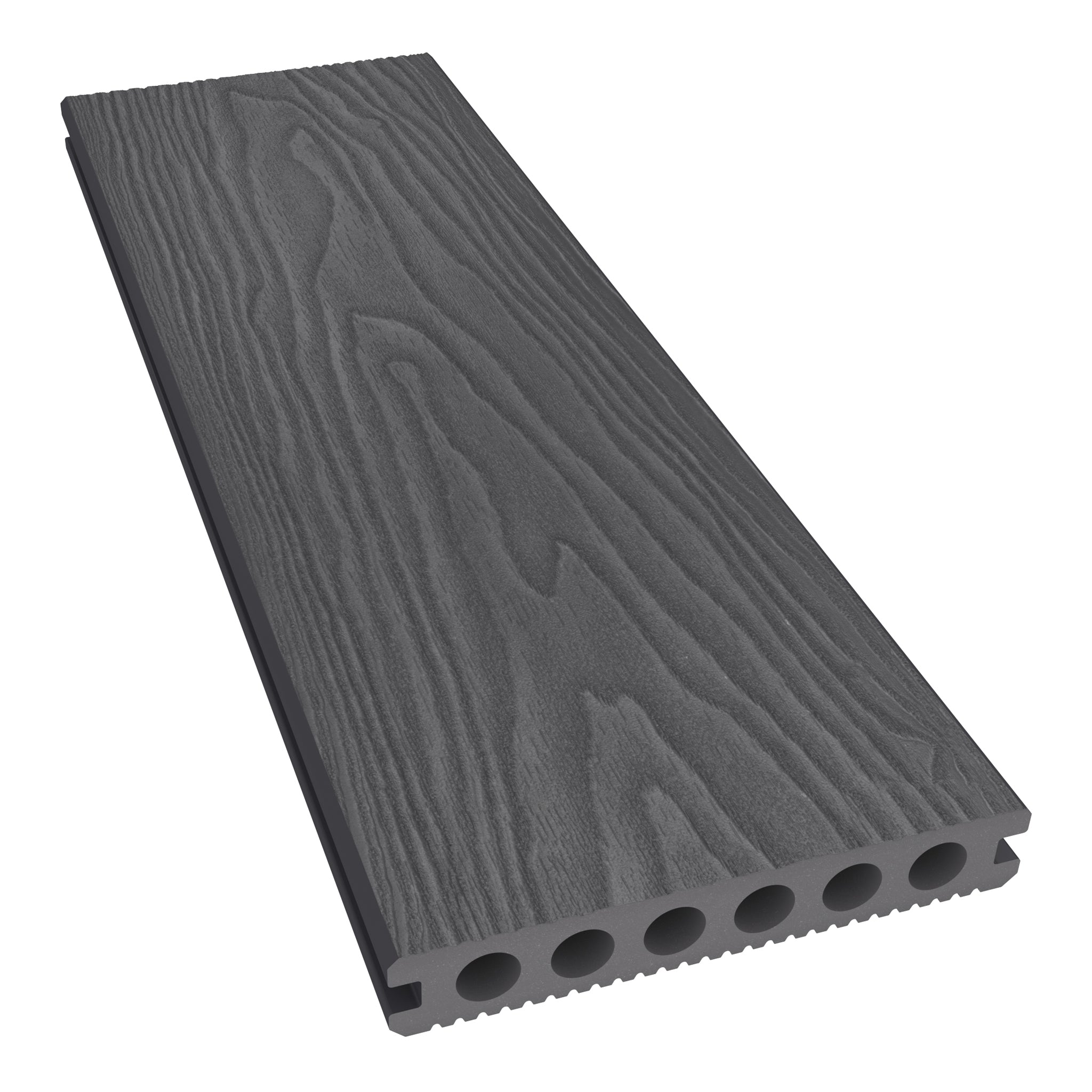
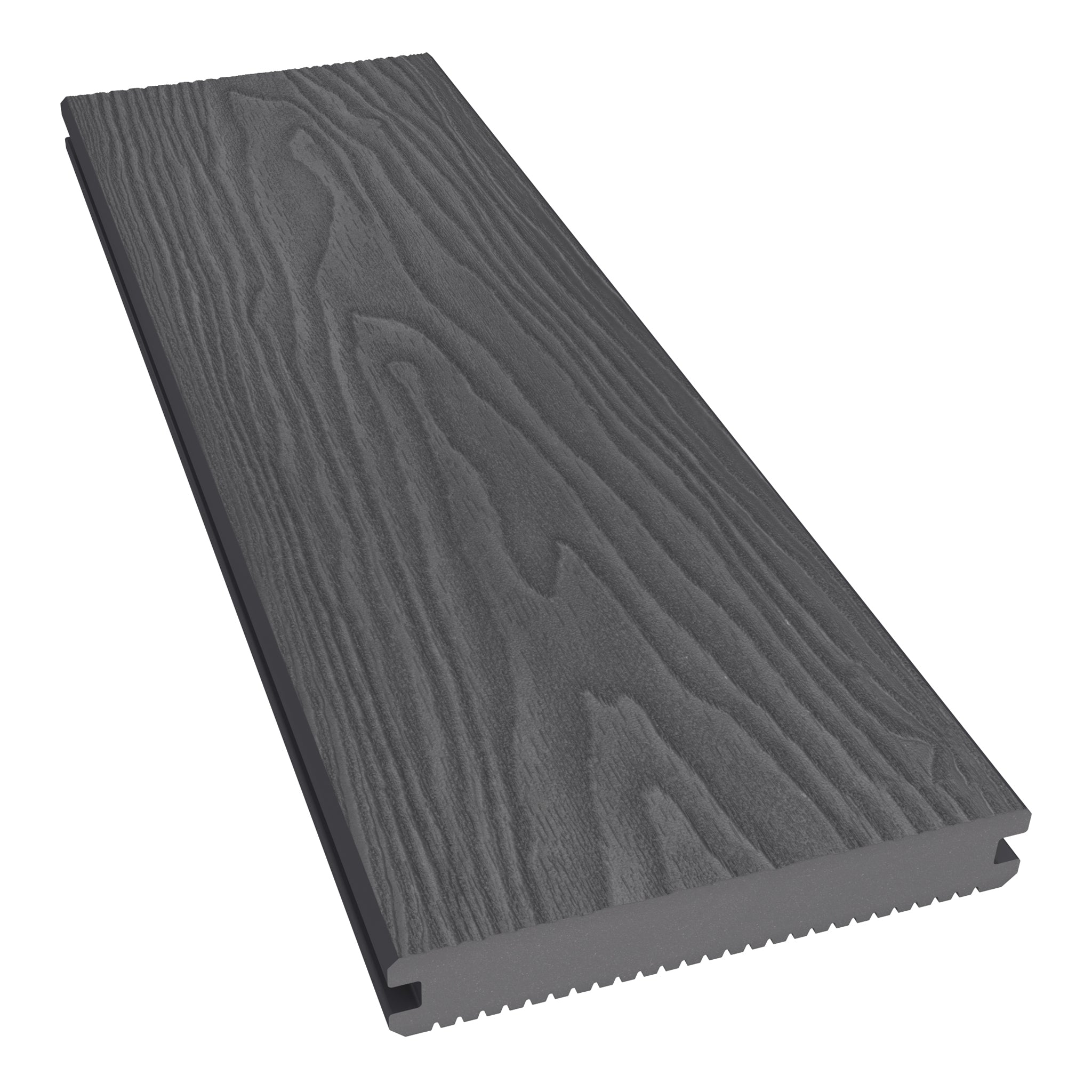
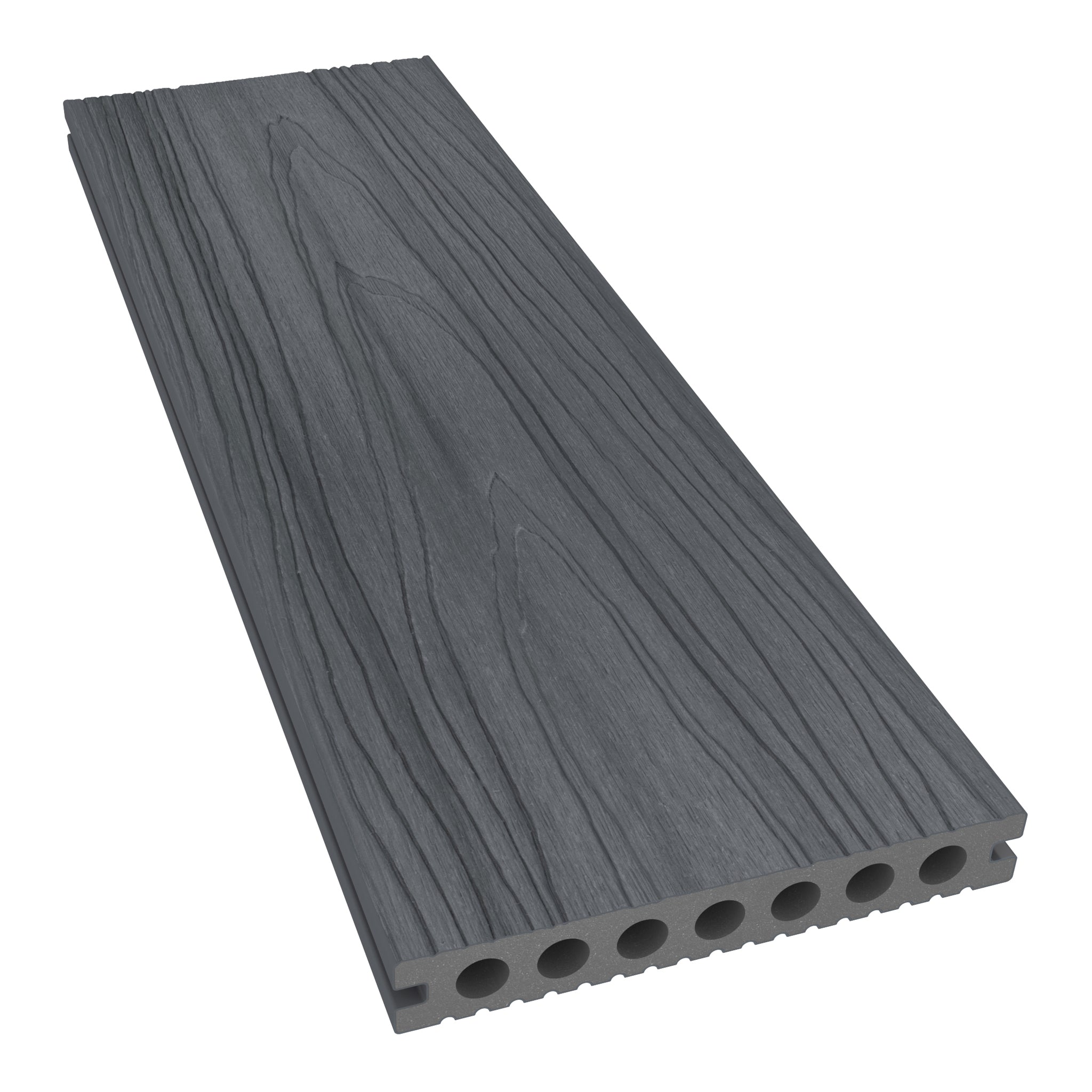
Capped composite decking adds a protective polymer layer over the composite core. NeoTimber’s Deluxe products use this construction to improve fade and stain resistance alongside a timber-inspired appearance.
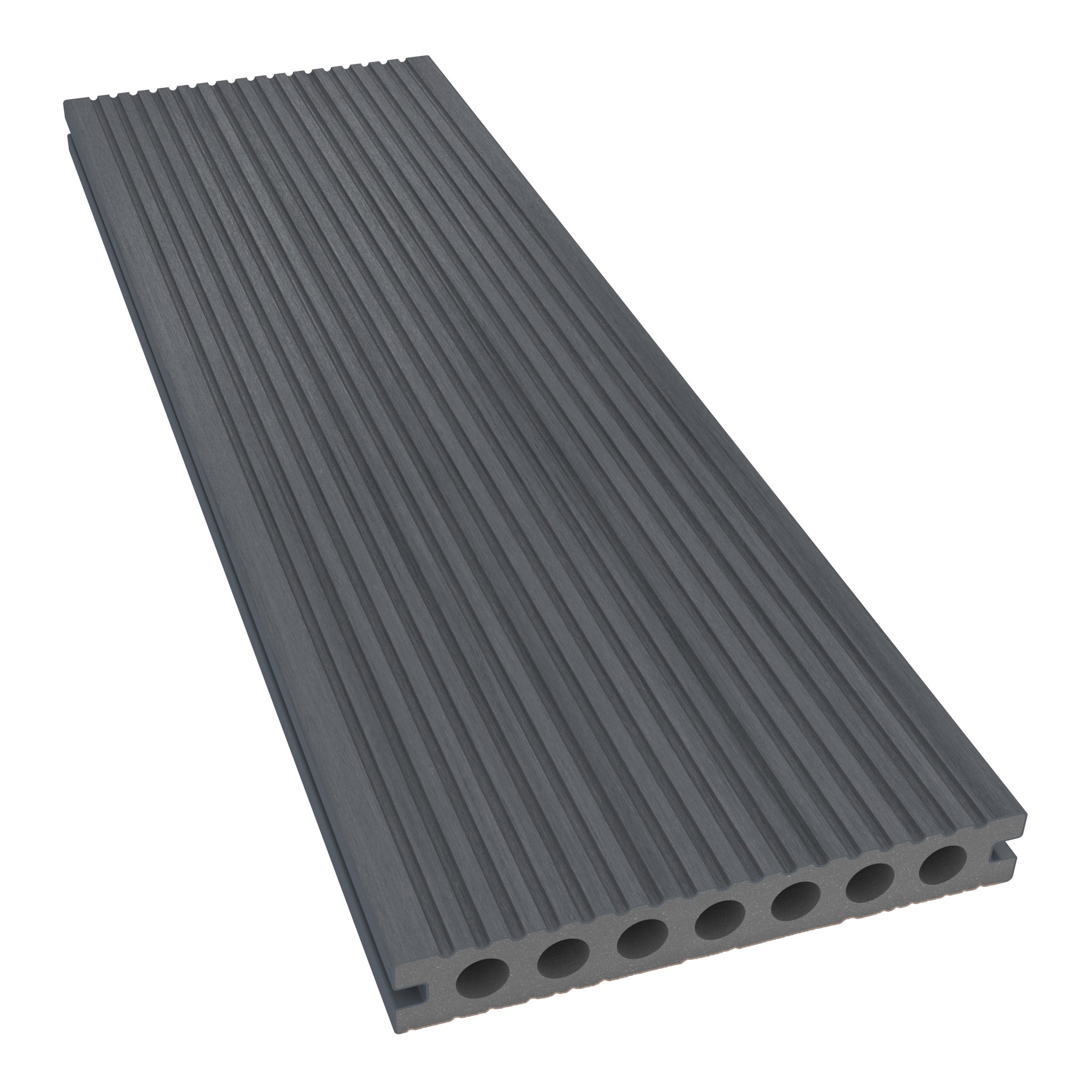
The current Deluxe Hollow specification, for example, describes four-sided capping and a dual-tone finish. Compare the surface protection and core profile separately: a capped product can be hollow or solid.
Enhanced protection should not be described as a guarantee that colour will never change. Exposure, use and care can affect appearance. Check the specification and terms for the exact board rather than assuming every capped product has identical performance.

What to Expect From Uncapped Composite Weathering
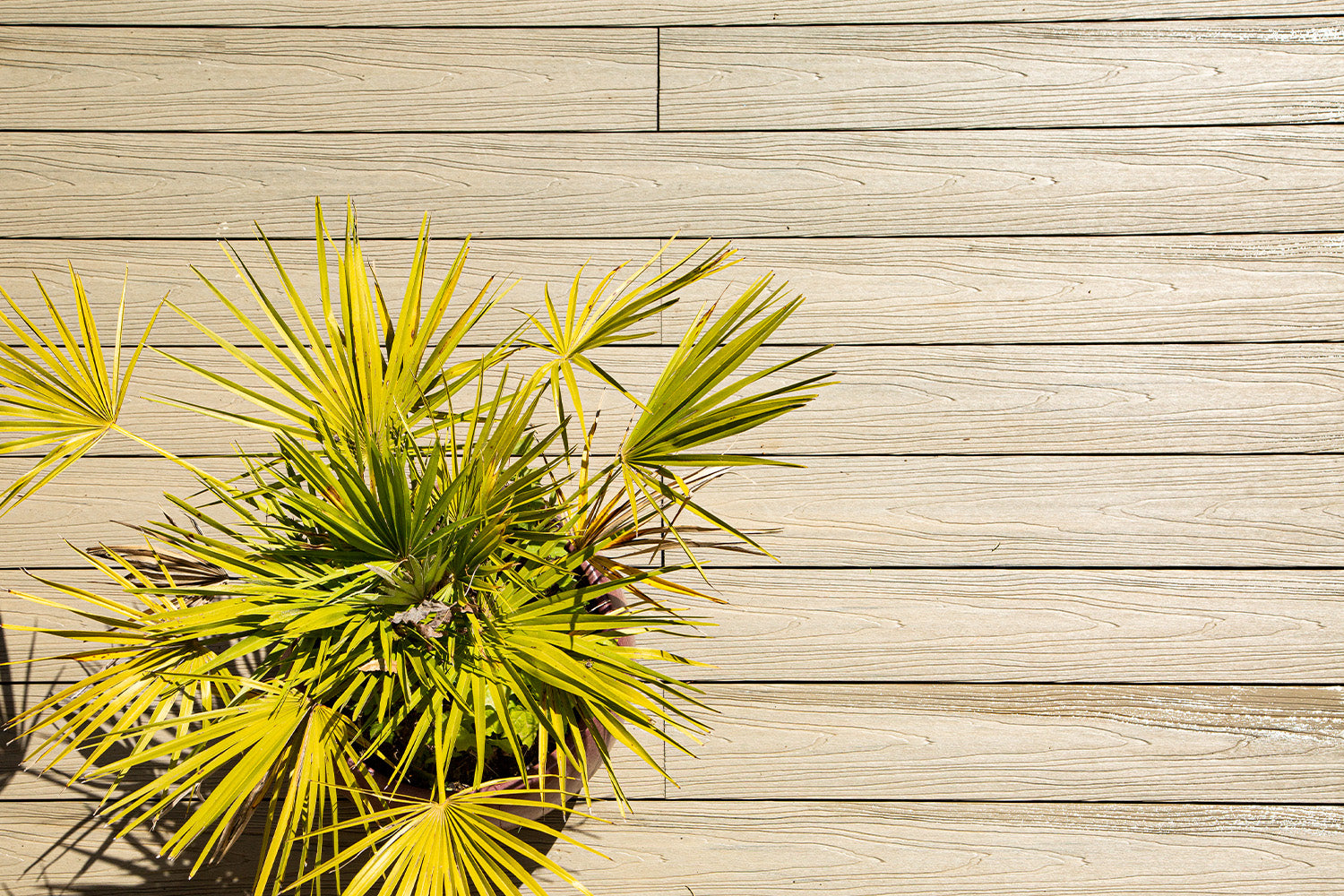
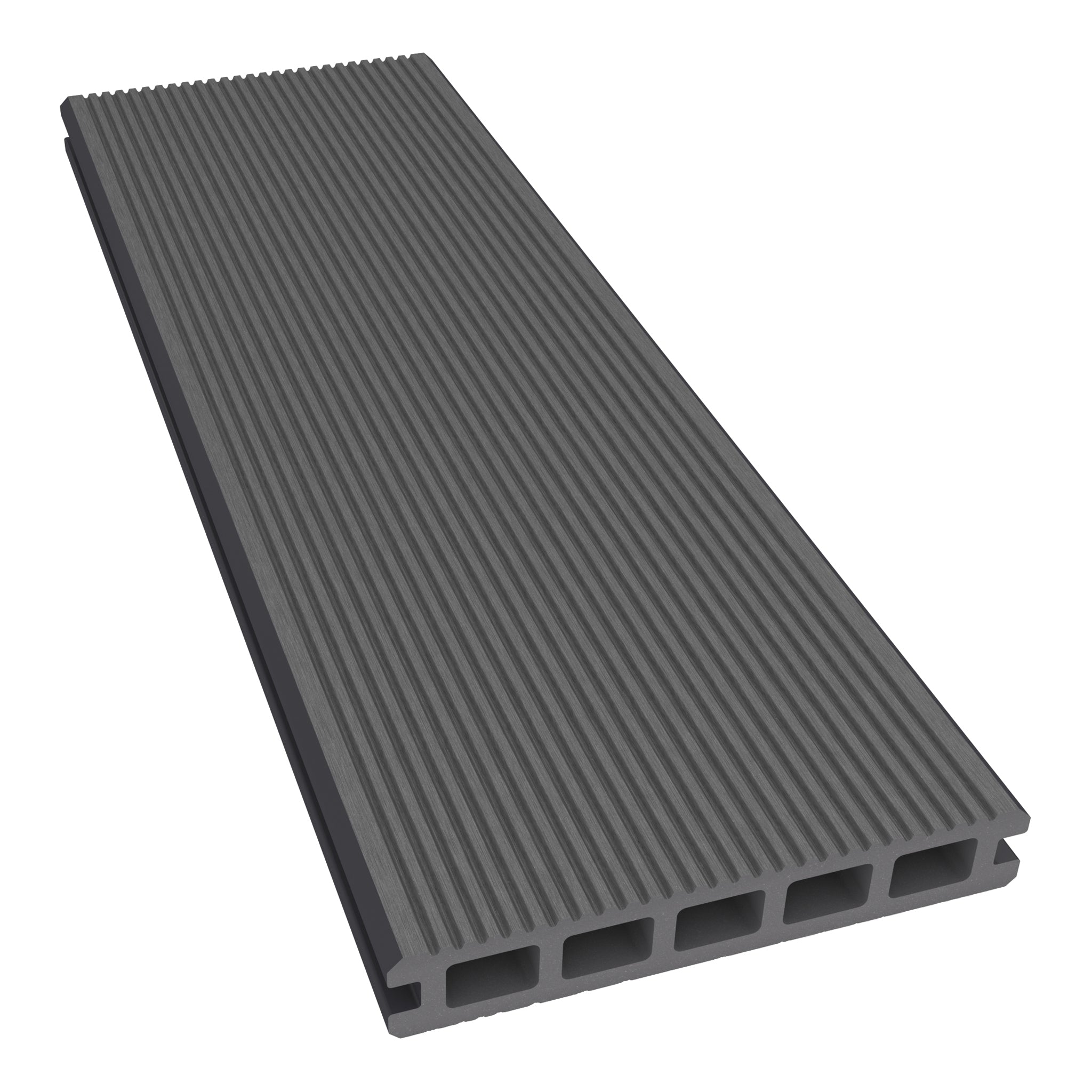
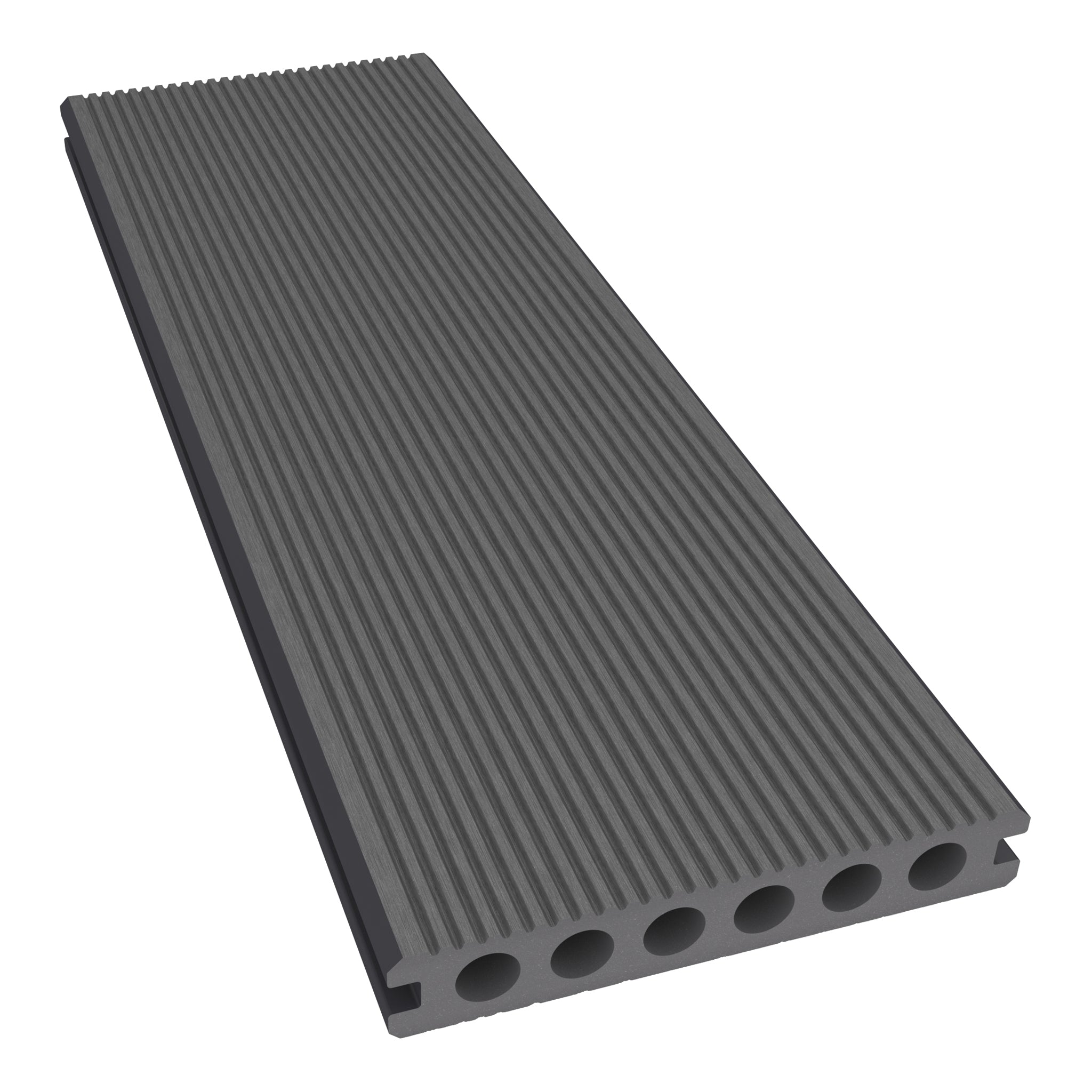
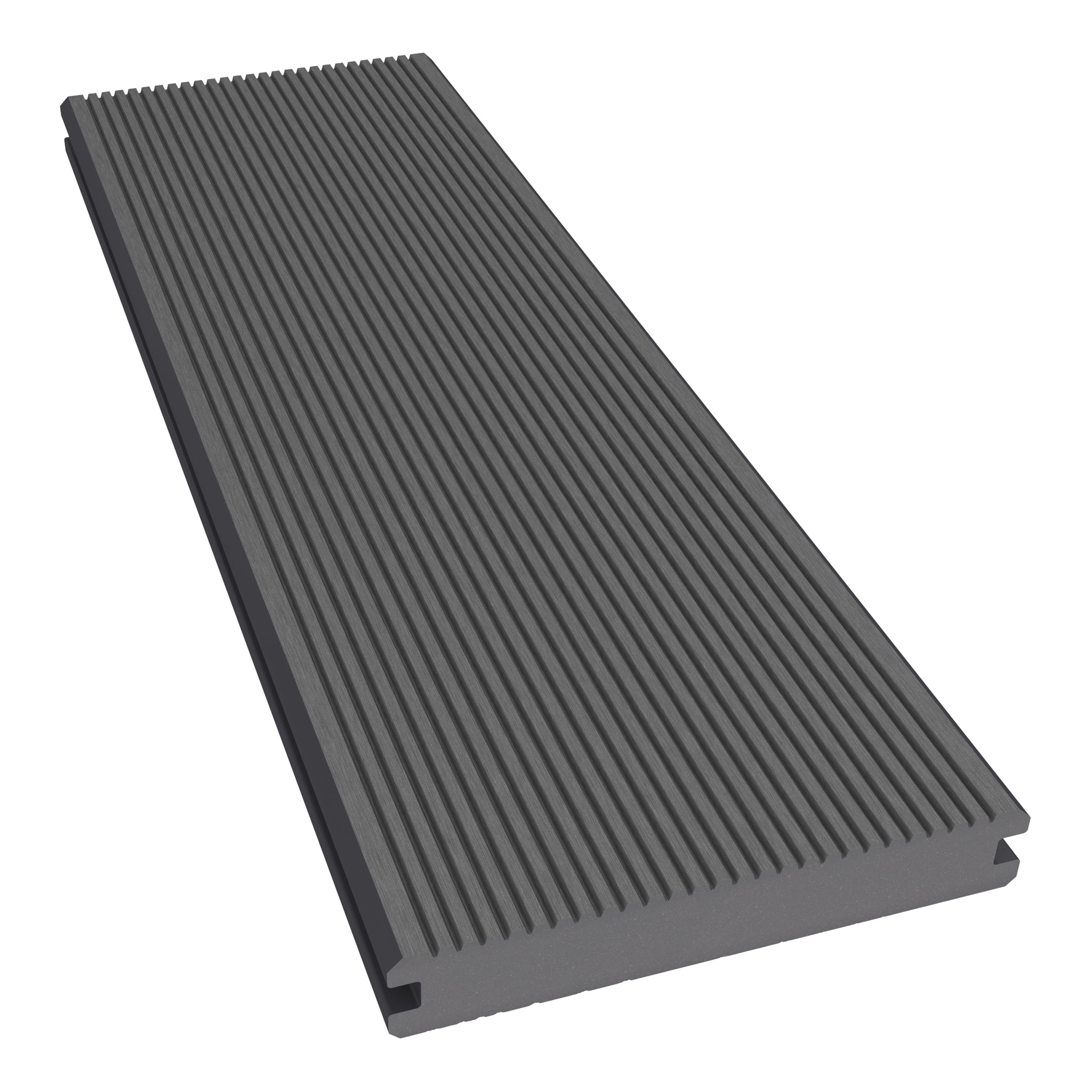
Traditional uncapped boards do not have the same separate protective outer layer. Their initial colour can lighten as the surface weathers, so the newly delivered board may differ from its later appearance.
NeoTimber’s published installation guidance describes initial weathering for traditional boards over approximately three to six months. Treat this as guidance rather than a fixed deadline for every location. Exposure and shelter can affect how evenly the surface changes.
A gradual colour change does not by itself indicate structural failure. Likewise, a dark mark may be dirt or a deposit rather than fading. Clean according to the care instructions before deciding that the colour itself has changed.
A visual example of the weathering process

The illustration shows the type of change to consider; it is not an exact prediction of the shade or timing for your deck. Review current samples and project photographs with the expected weathering in mind.
Compare the Boards Against Your Priorities
Use the same questions for each shortlisted product. Choose according to the balance of appearance, care and performance you need.
Questions to ask before choosing:
| Priority | What to check |
|---|---|
| Colour retention | Capping, published weathering guidance and the exact finish. |
| Moisture resistance | Relevant product test data and permitted conditions of use. |
| Surface care | Cleaning methods, spill advice and restrictions on abrasion. |
| Structural suitability | Board profile, support requirements and intended application. |
| Warranty | Applicable coverage, exclusions and maintenance conditions. |
Do not confuse resistance to weathering with guaranteed safety underfoot. Wet surfaces, leaves, algae and ice require attention regardless of the chosen finish.
Weather Resistant Decking Still Needs Correct Installation
Allow for temperature movement
Follow the specified board-end gaps, boundary clearances and fixing method. A fade-resistant surface does not prevent the underlying material from expanding or contracting. Our expansion and contraction guide explains why these details matter.
Provide drainage and ventilation
Keep the required gaps clear and provide a route for water to leave the base. The boards do not form a waterproof roof, and persistent pooling should be investigated. Read our moisture-resistance guide for the distinction.
Support the whole system
Check the supporting structure, board-support centres, joints and connections. Follow the current installation instructions for the chosen range and layout. Material resistance does not compensate for an unsuitable frame.
Care for the Finish and Read the Warranty
Remove leaves and debris, attend to spills and follow the approved maintenance routine. Inspect beneath removable mats and pots, where trapped deposits or uneven exposure can affect appearance.
Do not sand capped boards or apply coatings without approval. If a mark remains after suitable cleaning, ask for advice rather than treating it with stronger chemicals or abrasion.
Read the warranty document relevant to the product and application. A structural warranty period should not be presented as a guarantee of unchanged colour. Check the wording of any separate appearance-related claim and its exclusions before purchase.
Choose a Finish You Will Enjoy Over Time
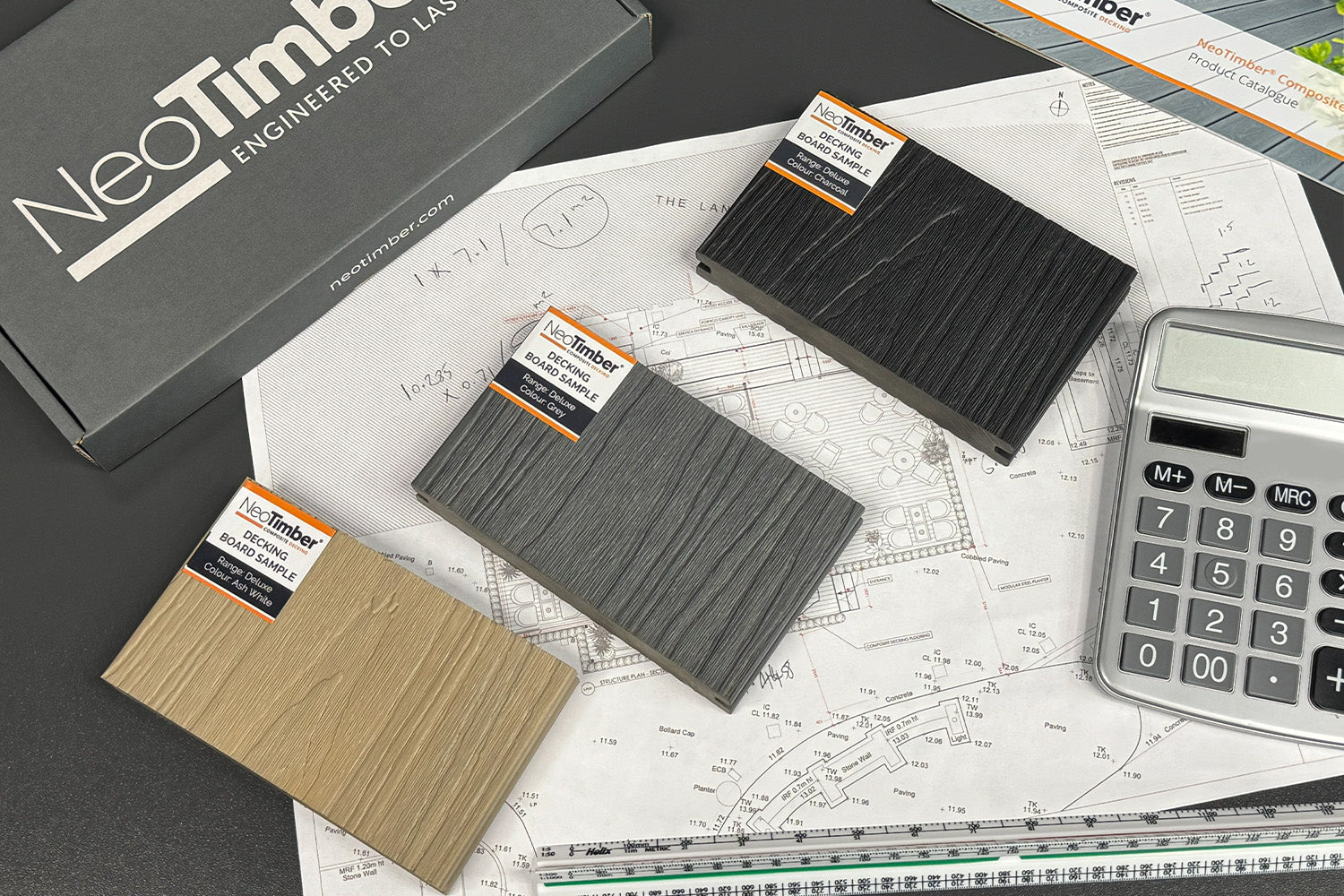
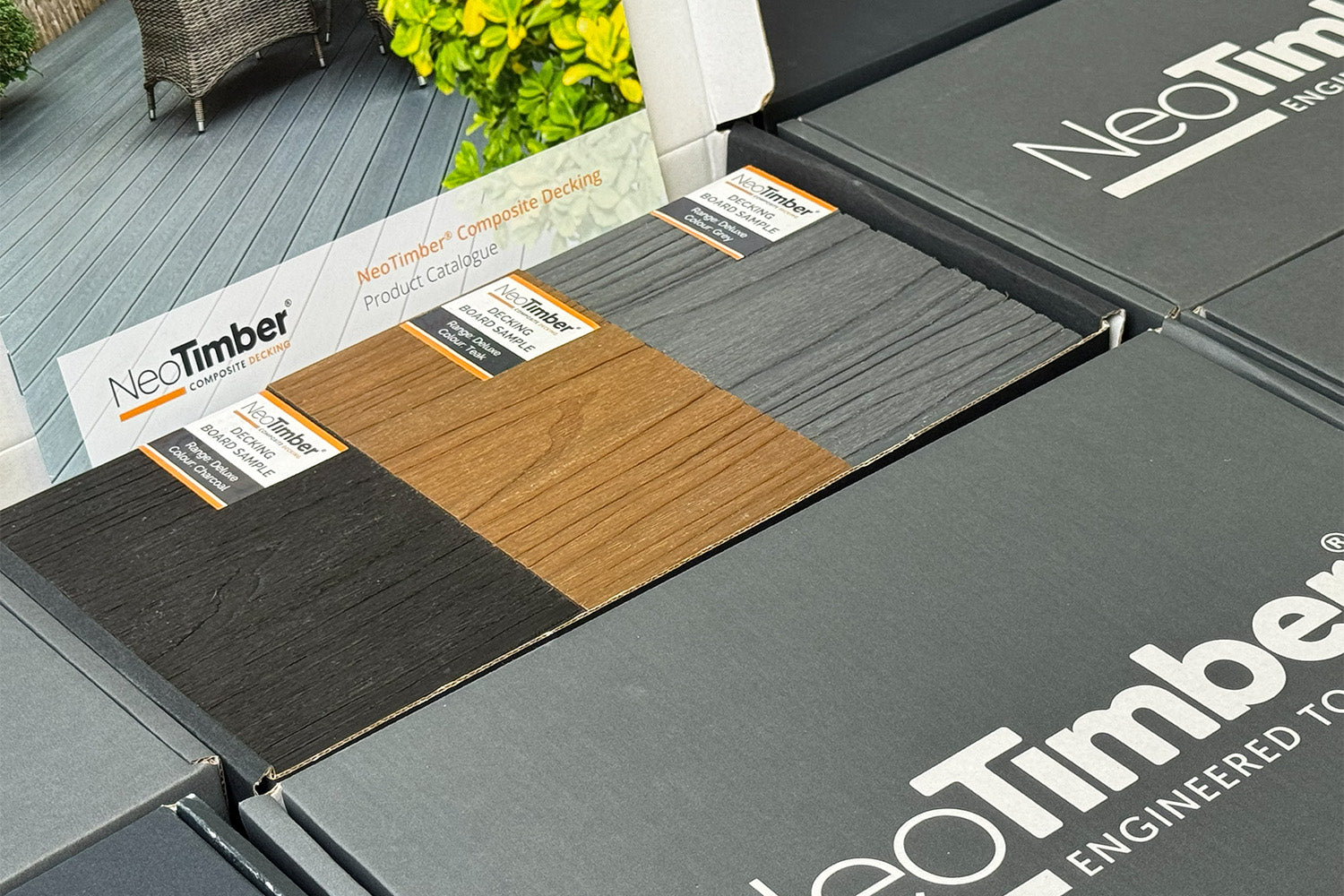
Use the decking colour guide to compare palettes, then request samples and view them outdoors. Ask how the range is expected to weather and compare larger installations as well as close-ups.
Contact NeoTimber® with your site conditions and shortlist for product guidance. A clear understanding of the finish and its care requirements is more useful than a promise that no outdoor material will ever change.
Frequently Asked Questions
Does fade resistant decking never change colour?
No. Resistance means limiting change, not eliminating every effect of weather and use. Check the expected behaviour of the chosen product.
Are capped boards more resistant to fading?
NeoTimber’s Deluxe products use protective capping for enhanced fade resistance. Compare the exact specifications rather than treating all capped boards as equivalent.
Why have my new uncapped boards lightened?
Initial weathering can lighten traditional composite boards. Review the product guidance and distinguish this from dirt, staining or damage.
Does weather resistance mean waterproof?
No. Boards can resist moisture while the deck still allows water through its joints. Suitable drainage remains essential.
Can I paint the boards to restore their original shade?
Do not apply paint or coatings without approval. Composite boards have product-specific care requirements, and capped surfaces must not be sanded.
Does a long warranty guarantee the colour?
Not automatically. Check the actual coverage and exclusions, particularly the distinction between structural defects and normal weathering.